
- Chinese
- French
- German
- Portuguese
- Spanish
- Russian
- Japanese
- Korean
- Arabic
- Irish
- Greek
- Turkish
- Italian
- Danish
- Romanian
- Indonesian
- Czech
- Afrikaans
- Swedish
- Polish
- Basque
- Catalan
- Esperanto
- Hindi
- Lao
- Albanian
- Amharic
- Armenian
- Azerbaijani
- Belarusian
- Bengali
- Bosnian
- Bulgarian
- Cebuano
- Chichewa
- Corsican
- Croatian
- Dutch
- Estonian
- Filipino
- Finnish
- Frisian
- Galician
- Georgian
- Gujarati
- Haitian
- Hausa
- Hawaiian
- Hebrew
- Hmong
- Hungarian
- Icelandic
- Igbo
- Javanese
- Kannada
- Kazakh
- Khmer
- Kurdish
- Kyrgyz
- Latin
- Latvian
- Lithuanian
- Luxembou..
- Macedonian
- Malagasy
- Malay
- Malayalam
- Maltese
- Maori
- Marathi
- Mongolian
- Burmese
- Nepali
- Norwegian
- Pashto
- Persian
- Punjabi
- Serbian
- Sesotho
- Sinhala
- Slovak
- Slovenian
- Somali
- Samoan
- Scots Gaelic
- Shona
- Sindhi
- Sundanese
- Swahili
- Tajik
- Tamil
- Telugu
- Thai
- Ukrainian
- Urdu
- Uzbek
- Vietnamese
- Welsh
- Xhosa
- Yiddish
- Yoruba
- Zulu
- Kinyarwanda
- Tatar
- Oriya
- Turkmen
- Uyghur






Komatsu aftermarket parts
When you hear 'Komatsu aftermarket parts,' the immediate assumption is often a binary choice: cheap, risky copies versus expensive, guaranteed OEM. Having been in the trenches of parts supply for years, I can tell you that's a dangerous oversimplification. The reality is a messy spectrum of quality, origin, and value, and understanding it is less about the label and more about the supply chain behind it.
The OEM Mirage and the Third-Party Reality
Let's be clear: Komatsu doesn't manufacture every single bolt and hose clamp that ends up in their genuine parts boxes. A significant portion are produced by a network of authorized suppliers who meet stringent specs. This is where the line starts to blur. Some of these very suppliers also operate in the aftermarket parts space, selling functionally identical components without the Komatsu branding and packaging. The core material and machining might be the same; the price and warranty path are not.
This is precisely the space where companies like Jining Gaosong operate. They position themselves as an OEM product supplier within the Komatsu system, which, if true, means they have direct access to these authorized manufacturing lines. Their secondary role as a third-party sales company for Komatsu is more telling—it's an acknowledgment that the official distribution channels can't or won't serve every market effectively, creating supply gaps.
I've seen projects in, say, certain African or Southeast Asian countries stall for months waiting for a genuine hydraulic pump assembly. The local dealer's system shows it on backorder from Japan. Meanwhile, a company like the one behind https://www.takematsumachinery.com might have that exact pump, from the same factory floor, available for shipment. The hesitation is understandable, but the operational cost of waiting is rarely justified.
Decoding Quality: Specs, Not Stories
The biggest pitfall isn't necessarily buying non-OEM; it's buying blind. A true quality Komatsu aftermarket part must match the original specification sheet, not just look similar. For a cylinder seal kit, that means the exact compound hardness, temperature tolerance, and pressure rating. For a track link, it's the steel grade and the precise induction hardening depth.
Early in my career, I learned this the hard way. We sourced a supposedly OEM-equivalent swing bearing for a PC360 from a flashy catalog. It fit, it ran, and it failed in under 800 hours. Post-mortem showed the case hardening was a millimeter shy of spec. The supplier had a great story about their factory; they just didn't have the metallurgy report. Now, we ask for material certifications and sample test data before any bulk order. If a supplier like Gaosong can provide those traceable documents linking the part back to the approved OEM production process, that's a different ballgame than a generic reverse-engineered part.
This is where the helping to solve parts supply challenges claim gets real. Solving a challenge doesn't mean just offering a cheaper alternative. It means providing a technically validated part with traceable provenance, which restores machine uptime without introducing undue risk. That's the professional service, not just the transaction.
The Price-Performance Equation and Hidden Costs
Cost is the obvious driver, but the calculation is nuanced. A 40% saving on a part is wiped out if it causes 10 hours of extra downtime or damages an adjacent component. However, a 15-25% saving on a part with verified equivalence is pure margin. The key is tiering your approach.
For critical, high-stress components—think engine ECMs, main hydraulic pumps, final drive gears—I still lean heavily toward the official channel. The system-wide integration and warranty support are part of the product. For wear items, consumables, and non-critical structural parts, the verified aftermarket is a smart play. Think filters, seals, buckets teeth, grader blades, and even certain cylinder rods.
I recall a fleet manager for a large quarry who standardized on aftermarket undercarriage components for their dozers from a trusted supplier. They tracked lifecycle cost meticulously. Their finding? The aftermarket parts offered 85-90% of the OEM service life at 60-65% of the cost. For them, that was an optimal equation, as they had the shop capacity for more frequent changes. It wasn't better than OEM, it was a cost-effective fit for their specific operation.
Supplier Vetting: It's All About the How
So how do you vet a Komatsu aftermarket parts supplier? Forget the website gloss. The questions are technical and procedural. Can they provide the OEM part number cross-reference? Will they share the country of origin and the name of the foundry or factory? Do they have physical inventory, or are they just drop-shipping from an unknown warehouse? What's their returns process for a defective-but-uninstalled part?
A useful red flag is a supplier who claims every part is OEM quality. It's not possible. A useful green flag is one who says, For this segment group, we source from Factory X, which is on Komatsu's approved list. For this other part, we use our own spec from Factory Y, and here are our quality control reports. That shows a differentiated understanding of their own supply chain.
Looking at Jining Gaosong's stated model, the potential value is in that hybrid approach. If they can genuinely supply OEM-system parts for critical shortages and pair it with a curated selection of high-grade third-party alternatives for other needs, they become a solution hub rather than just a catalog. The challenge for the buyer is verifying those claims through samples, documentation, and small trial orders.
The Future: Blurrier Lines and Smarter Buyers
The landscape isn't getting simpler. With IoT and telematics, the data on part performance is becoming richer. Soon, we might not argue about OEM vs. aftermarket, but about which supplier's part delivers the most reliable hours per dollar for a specific duty cycle in a specific environment. The data will validate or disqualify suppliers objectively.
For now, the smart approach is agnostic. Brand loyalty is to machine uptime and total cost of ownership, not to a single parts label. The aftermarket parts ecosystem, when navigated with a critical eye and technical rigor, is a powerful tool. It requires work—asking hard questions, demanding proof, testing slowly. Companies that facilitate this with transparency, like those offering a bridge between OEM-system parts and market needs, are filling a crucial, sophisticated niche. It's not for every component on every machine, but ignoring it entirely is leaving both performance and profit on the table. The goal isn't to buy the cheapest part; it's to buy the right part, and sometimes, the right part comes from a source that requires you to look beyond the official sticker.
Related Products
Related Products

Best Selling Products
Best Selling Products-
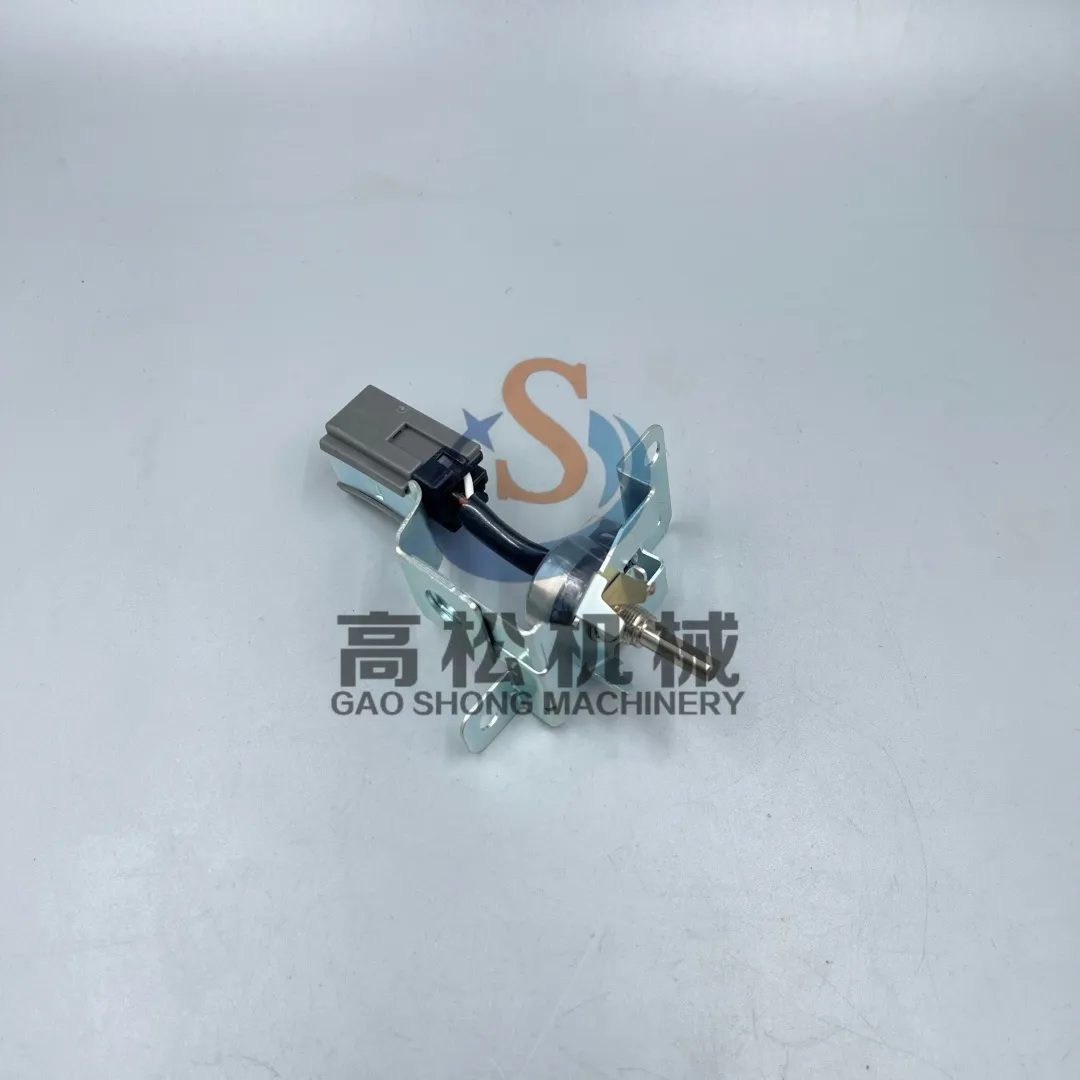 22U-06-22420 Komatsu Potentiometer Assembly
 -
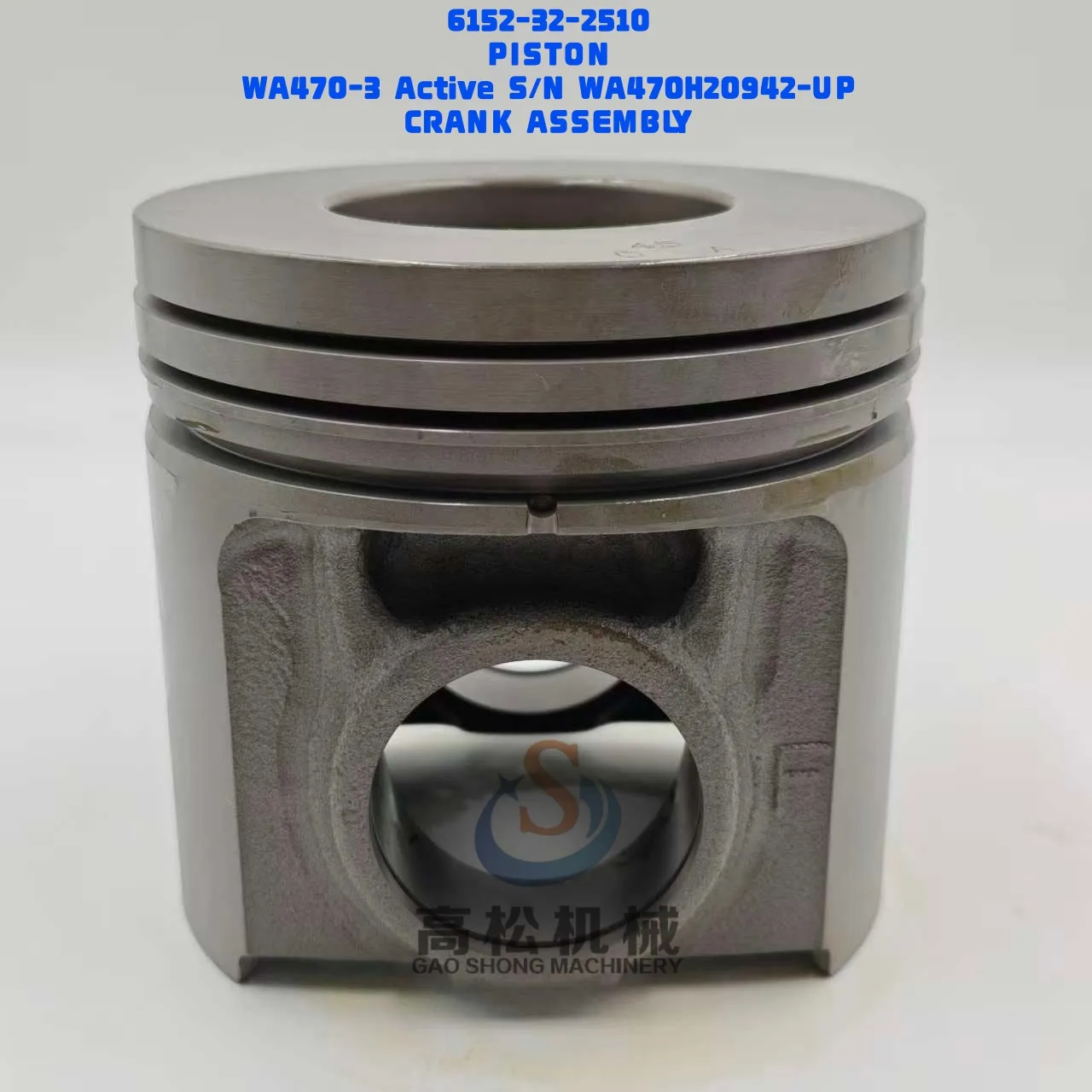 6152-32-2510 PISTON KOMATSU parts D87E, D87P, DCA, EGS360,380, PC400, PW400MH, S6D125E, SA6D125E, SAA6D125E, WA450, WA470, WA480
 -
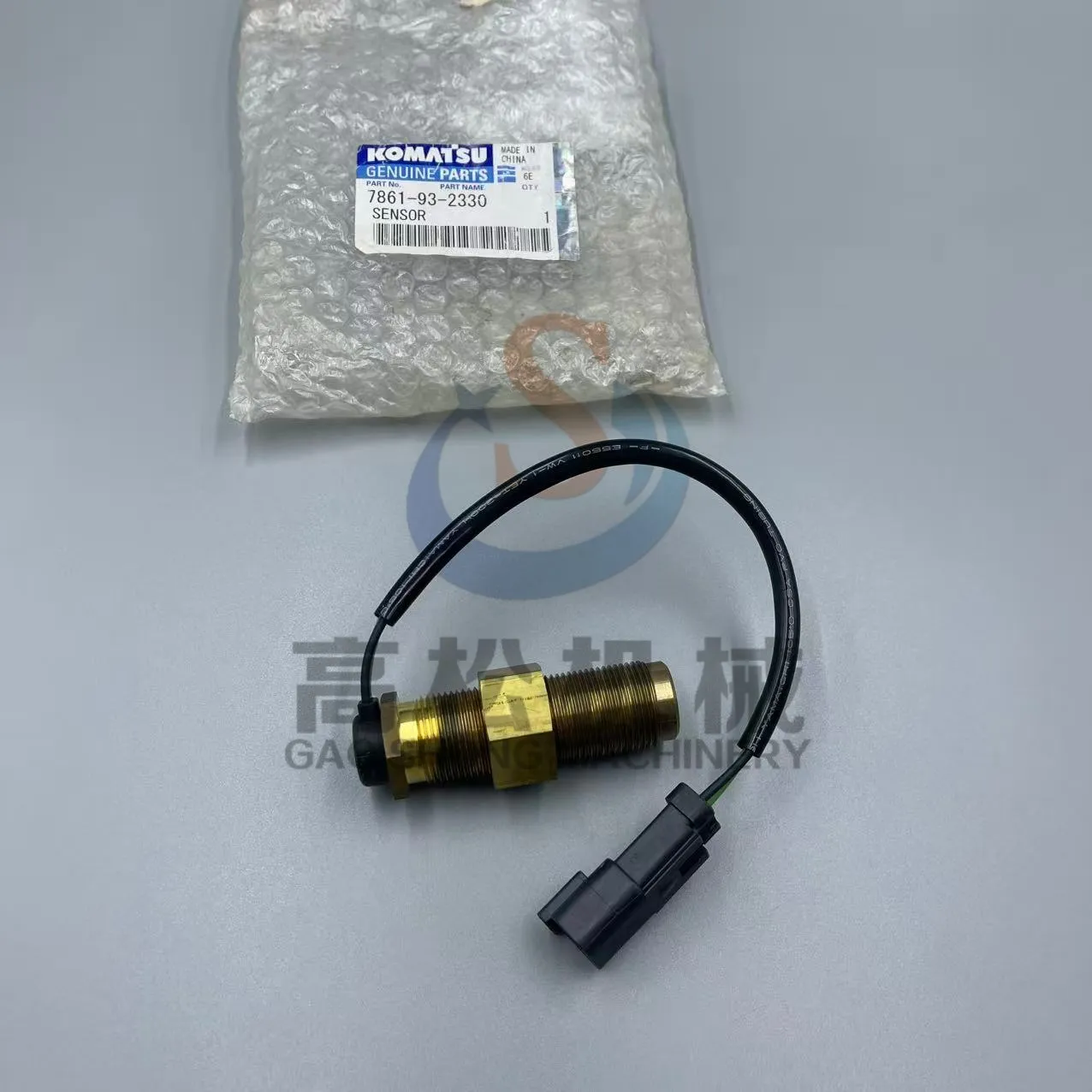 7861-93-2330 Sensor
 -
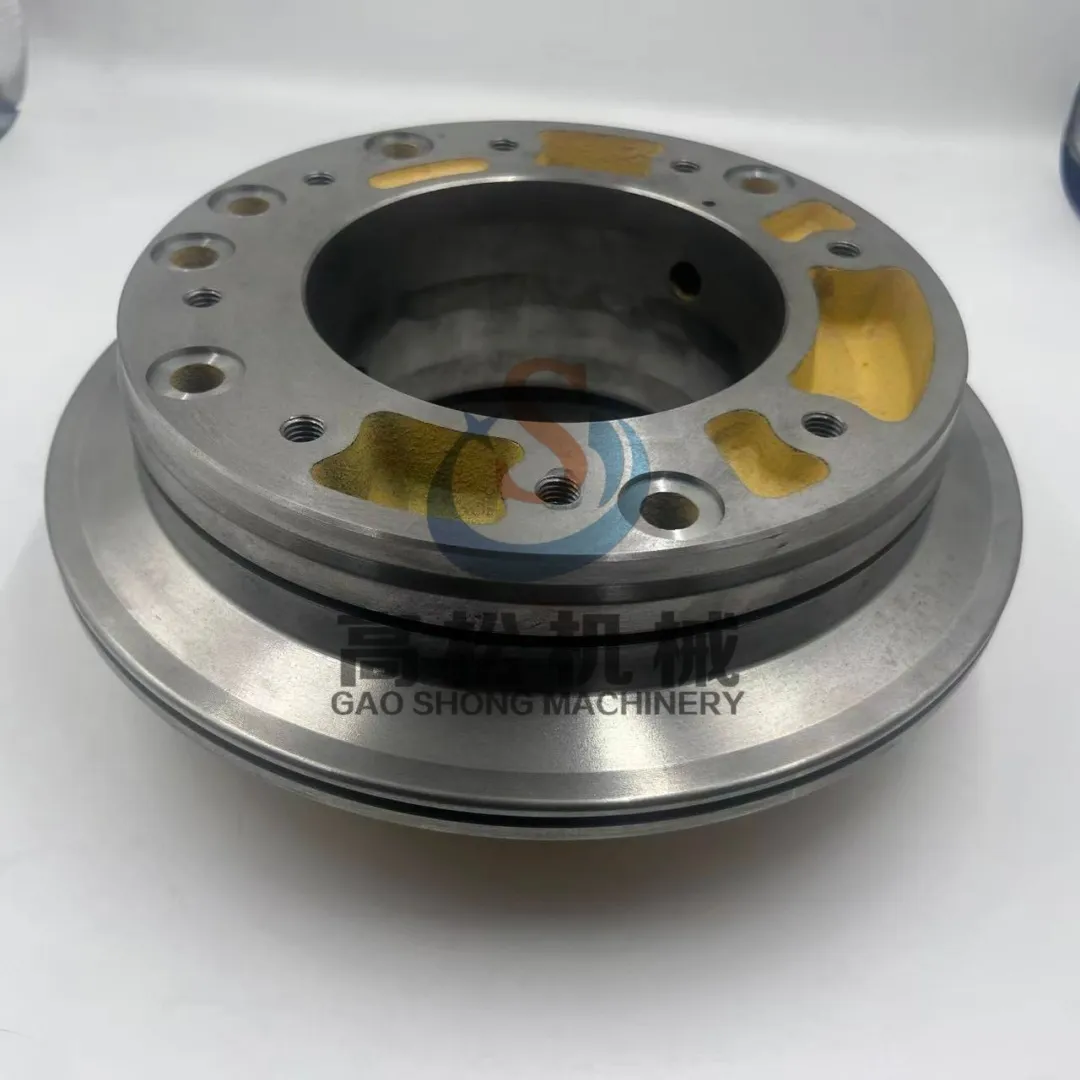 17A-22-11132 Cylinder (Komatsu)
 -
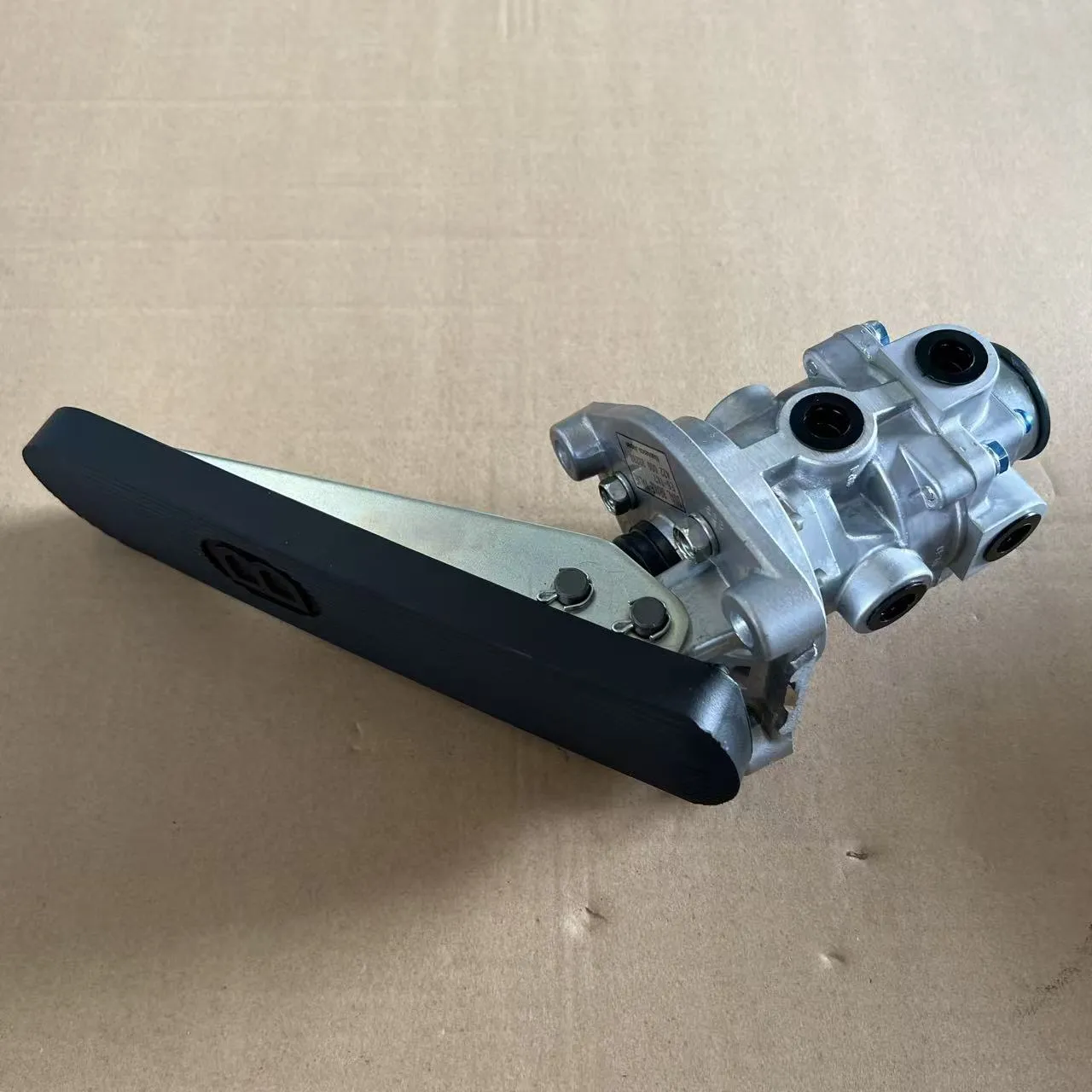 566-35-44110 Komatsu VALVE ASSEMBLY
 -
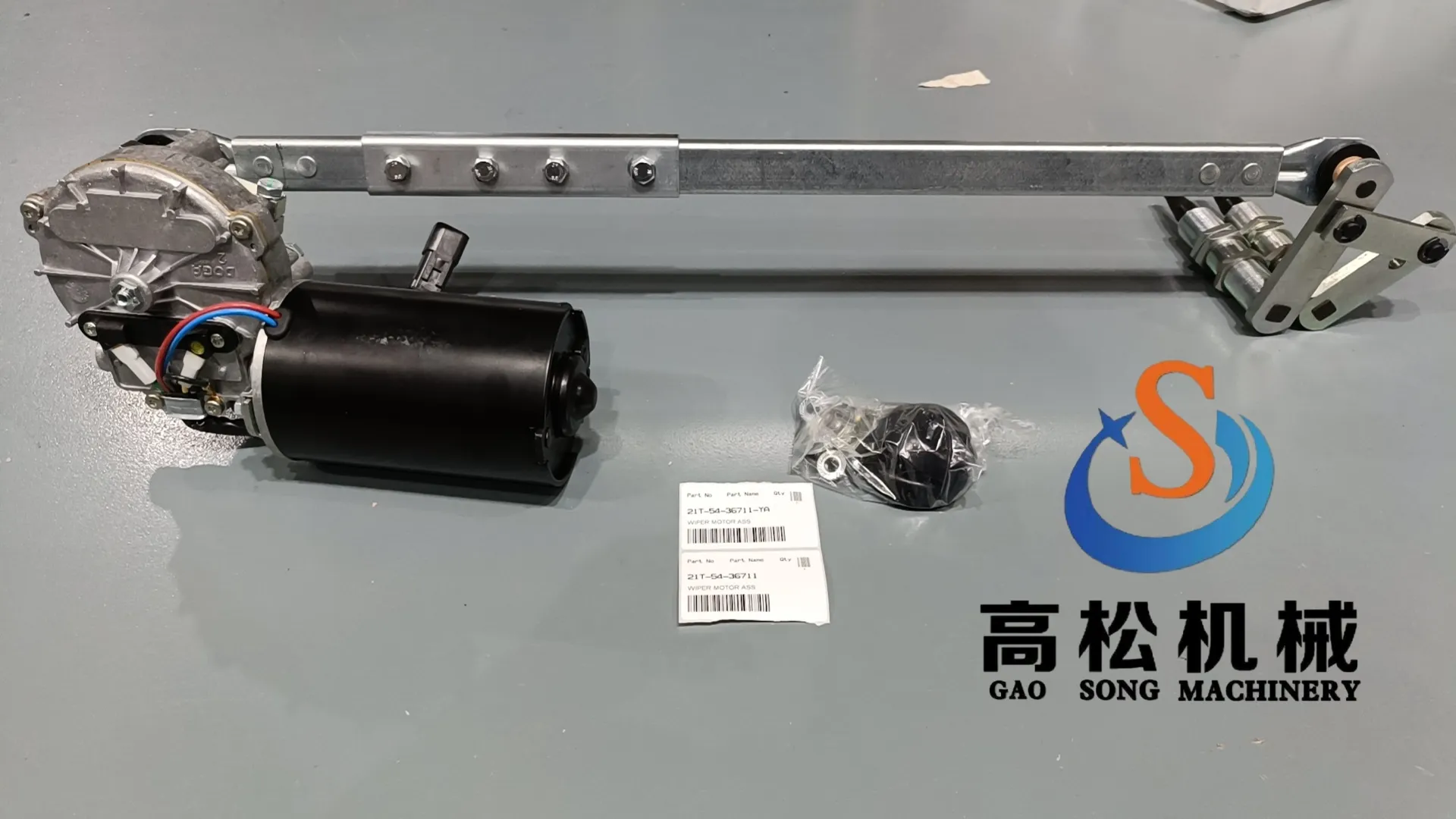 21T-54-36711 komatsu WIPER MOTOR ASS’Y
 -
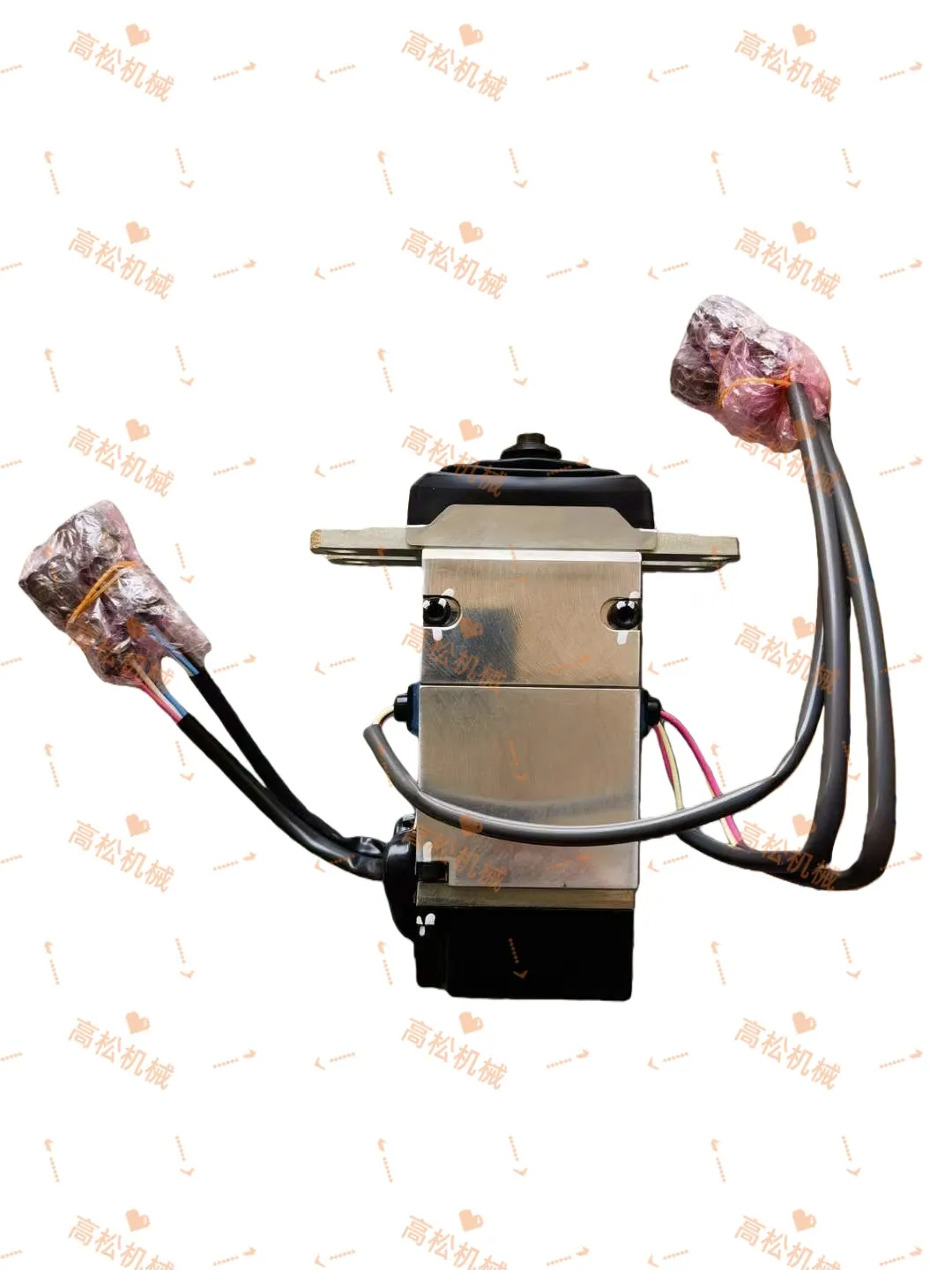 Komatsu Control lever 702-16-02144 for Wheel loader WA480-5H
 -
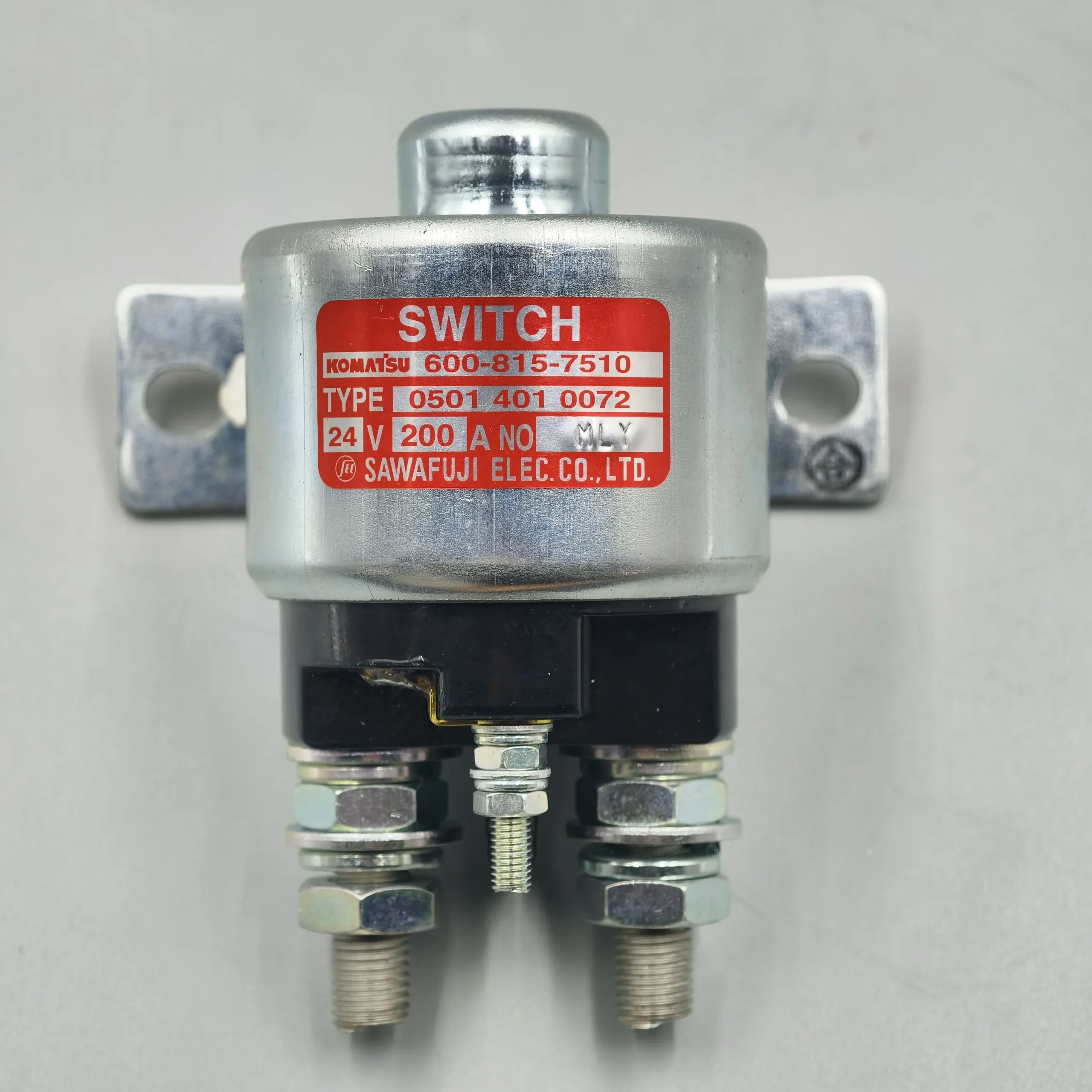 Accessories D375A-5 Switch Heater 600-815-7510 6008157510
 -
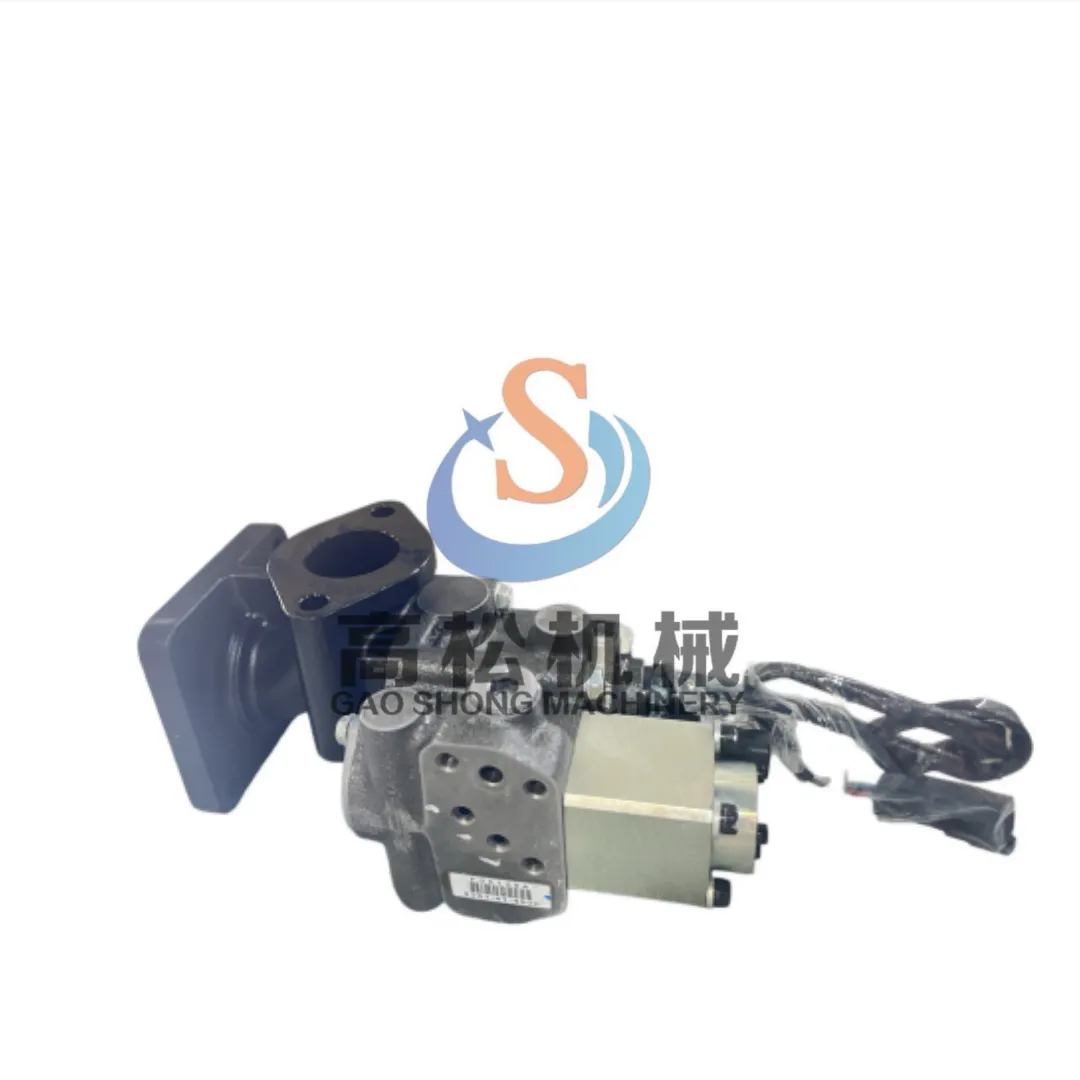 Excavator For Komatsu PC400-7 PC450-7 Control Solenoid Valve 6261-41-4900
 -
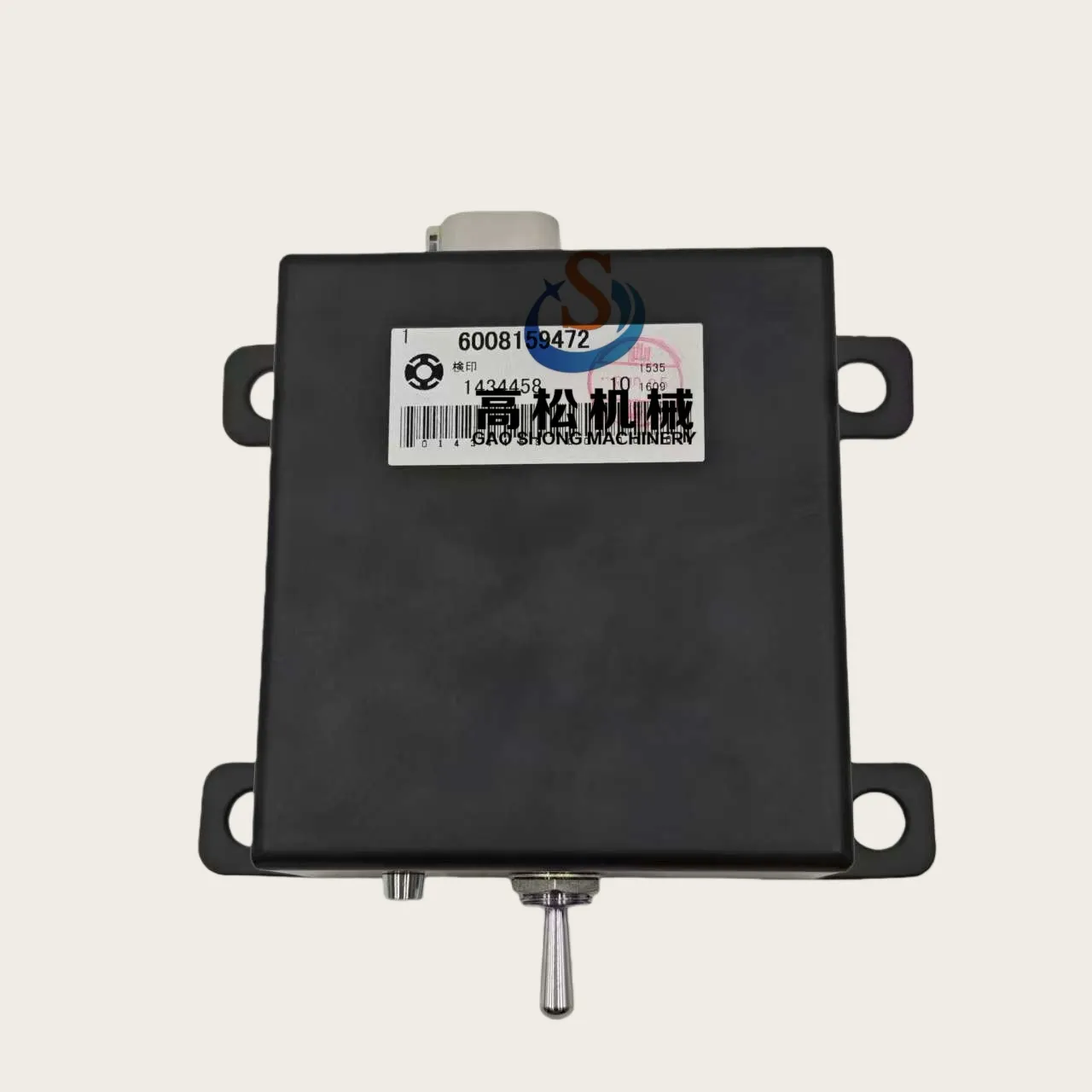 Switch 600-815-9472 D375A-6 WD600-6R HD605-7E1 HD465-7E1 HD785-7 SAA6D170E-5F ENGINE HOOD AND SIDE COVER GROUP, FUEL PRIMING PUMP SWITCH
 -
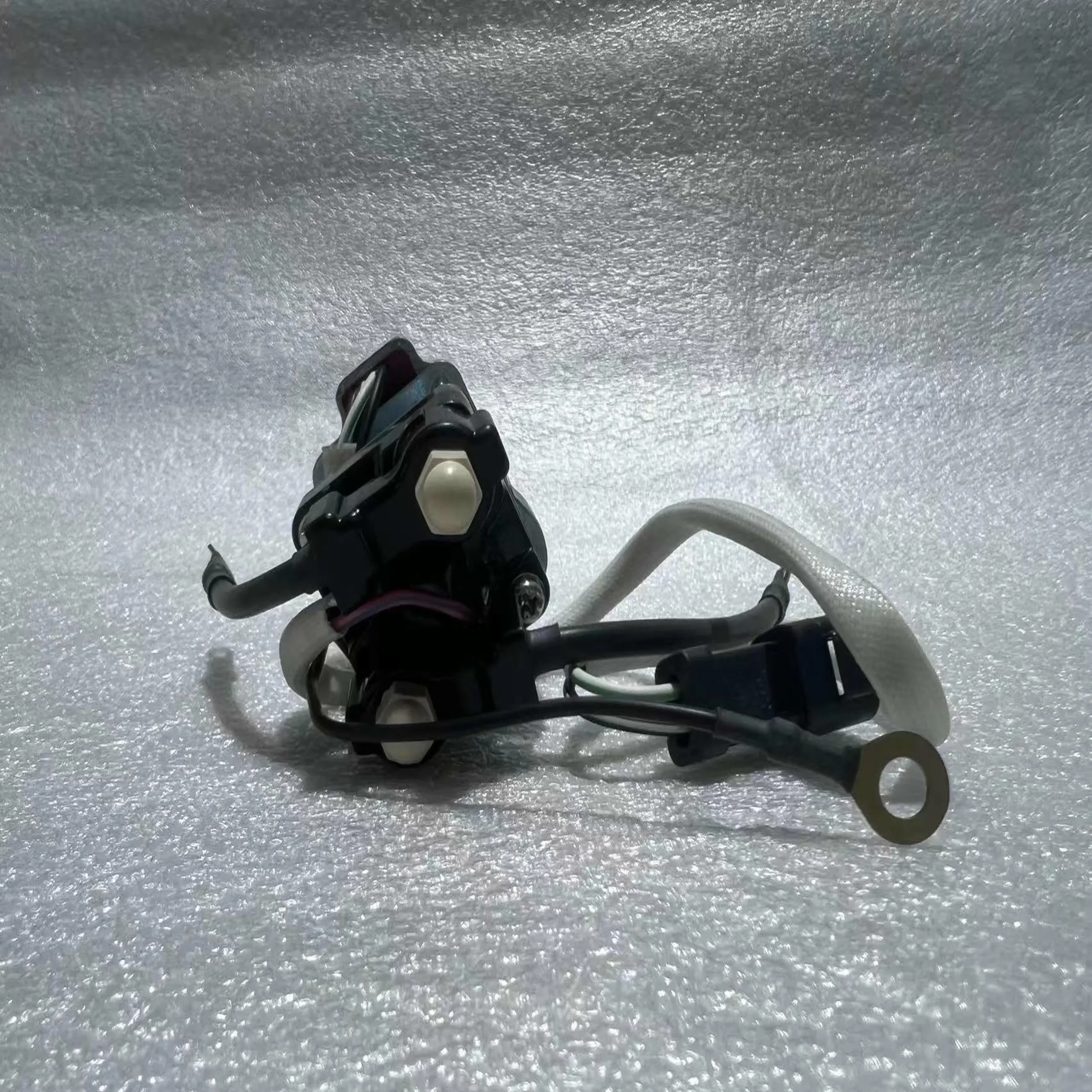 SWITCH ASSEMBLY KD0-25000-8332 – KOMATSUD61EX, D61PX, HM300, HM350, HM400, PC300, PC300HD, PC300LL, PC350LL, PC360, PC400, PC450, PC490, S6D125E, SA6D114E, SA6D125E, SA6D140E, SAA12V140E, SAA6D114E, SAA6D125E, SAA6D140E
 -
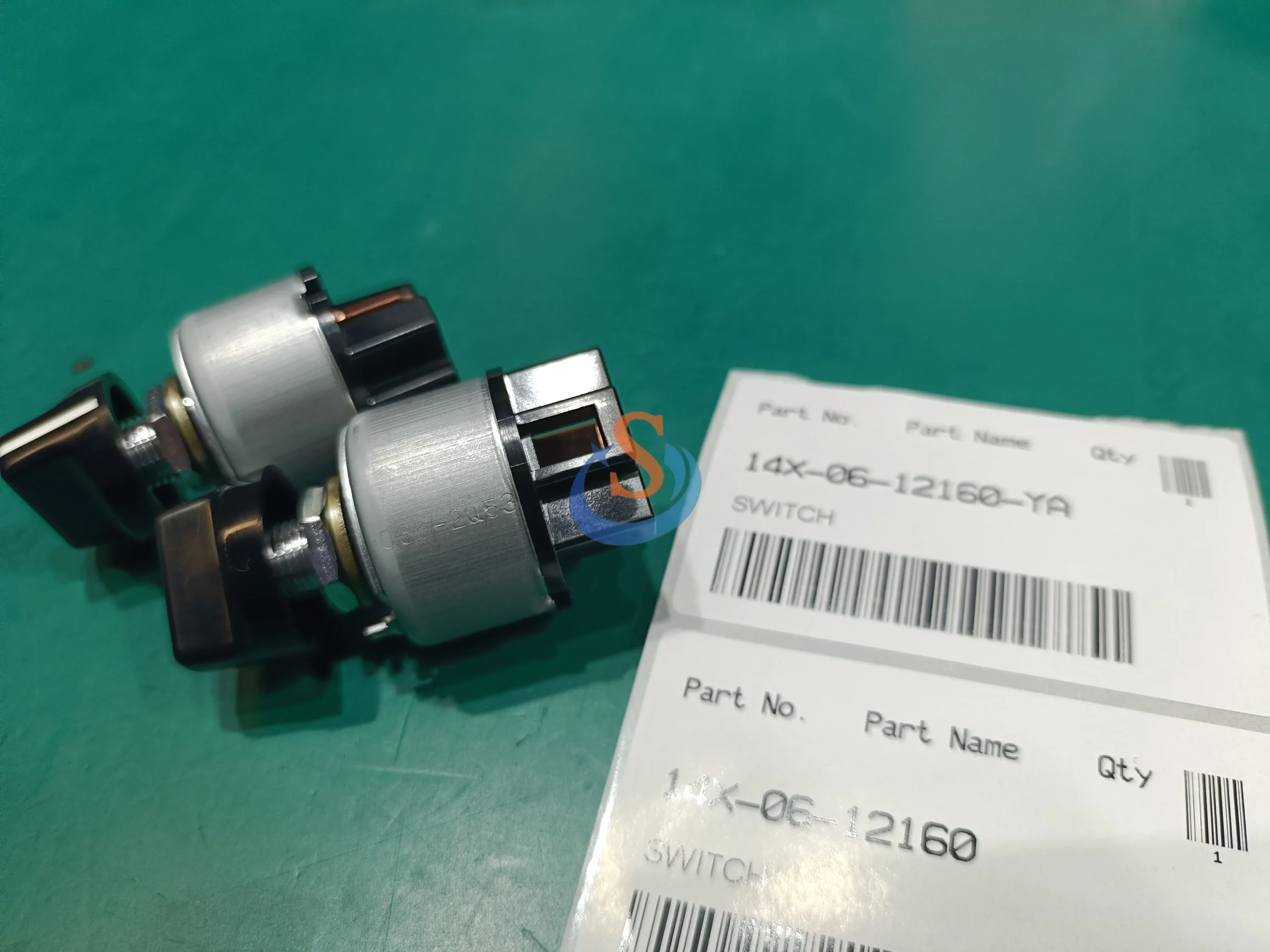 14X-06-12160 SWITCH D475A/D375A