
- Chinese
- French
- German
- Portuguese
- Spanish
- Russian
- Japanese
- Korean
- Arabic
- Irish
- Greek
- Turkish
- Italian
- Danish
- Romanian
- Indonesian
- Czech
- Afrikaans
- Swedish
- Polish
- Basque
- Catalan
- Esperanto
- Hindi
- Lao
- Albanian
- Amharic
- Armenian
- Azerbaijani
- Belarusian
- Bengali
- Bosnian
- Bulgarian
- Cebuano
- Chichewa
- Corsican
- Croatian
- Dutch
- Estonian
- Filipino
- Finnish
- Frisian
- Galician
- Georgian
- Gujarati
- Haitian
- Hausa
- Hawaiian
- Hebrew
- Hmong
- Hungarian
- Icelandic
- Igbo
- Javanese
- Kannada
- Kazakh
- Khmer
- Kurdish
- Kyrgyz
- Latin
- Latvian
- Lithuanian
- Luxembou..
- Macedonian
- Malagasy
- Malay
- Malayalam
- Maltese
- Maori
- Marathi
- Mongolian
- Burmese
- Nepali
- Norwegian
- Pashto
- Persian
- Punjabi
- Serbian
- Sesotho
- Sinhala
- Slovak
- Slovenian
- Somali
- Samoan
- Scots Gaelic
- Shona
- Sindhi
- Sundanese
- Swahili
- Tajik
- Tamil
- Telugu
- Thai
- Ukrainian
- Urdu
- Uzbek
- Vietnamese
- Welsh
- Xhosa
- Yiddish
- Yoruba
- Zulu
- Kinyarwanda
- Tatar
- Oriya
- Turkmen
- Uyghur






Komatsu aftermarket grader parts
When you hear 'Komatsu aftermarket grader parts,' what's the first thing that comes to mind? For a lot of folks, it's just 'cheaper alternatives,' and that's where the trouble often starts. I've seen too many operations jump at a lower price tag for a moldboard cylinder or a circle gear, only to face downtime that costs ten times the savings. The aftermarket isn't just about price; it's a spectrum of quality, origin, and, crucially, supply chain reliability. It's not a simple binary of OEM vs. non-OEM anymore. There's a whole ecosystem in between, and that's where the real decisions get made.
The OEM-Aftermarket Gray Zone and Real Supply Challenges
Here's a nuance many miss. Being an 'OEM product supplier within the Komatsu system' is different from just selling aftermarket parts. A company like Jining Gaosong Construction Machinery Co., Ltd. operates in that interesting space. They're not just a generic parts reseller. Their website, https://www.takematsumachinery.com, frames it well: they are part of the system and also act as a third-party sales channel. This dual role is key. It means they can sometimes access genuine Komatsu supply lines or parts manufactured to those exacting specs, which they then distribute to markets where the official channels are clogged or non-existent.
I recall a specific headache in a West African project a few years back. We had a Komatsu GD825-5 with a failed final drive planetary assembly. The official lead time was 14 weeks—a project killer. We turned to the aftermarket, but the first few options were clearly reverse-engineered, with heat treatment inconsistencies you could almost feel. Then we connected with a supplier operating on this OEM-affiliated model. The part wasn't in a Komatsu box, but the casting marks, the metallurgy report they provided (which we verified), and the fit were spot-on. It came through a network much like what Gaosong describes: solving parts supply challenges in certain countries. That experience shifted my view from 'OEM or bust' to understanding these hybrid supply chains.
The challenge is verification. When a supplier says 'OEM quality,' what's the proof? Is it a certified factory run-off? Or is it a licensed pattern from a former subcontractor? This gray zone requires more due diligence. You're not just buying a part; you're buying the story and the paperwork behind it. A bearing for the grader's circle drive might look identical, but the lubricant retention and micron-level tolerances are where the OEM spec makes or breaks its 10,000-hour service life.
Critical Components: Where to Compromise and Where to Never
You learn this the hard way. For Komatsu aftermarket grader parts, some categories are more forgiving than others. Hydraulic hoses, filters, some seals, and even wear parts like grader blades can be sourced from reputable aftermarket manufacturers with minimal risk. The performance delta might be 5-10%, but the cost saving is 40-60%. That's a sane trade-off for consumables.
Never, and I mean never, go cheap on critical drivetrain and control components. The hydraulic pump, the main control valve, the steering clutch packs, and the circle drive gears. I've witnessed a failed aftermarket pump shaft shear and take out the entire hydraulic system, turning a $5k savings into a $50k repair. The logic is simple: these are high-precision, high-stress assemblies. The OEM invests millions in R&D for fatigue cycles and material science. A third-party might replicate the shape but not the soul of the metal. A company positioning itself as an OEM-system supplier understands this hierarchy implicitly. Their value is often in providing OEM-level or near-OEM-level parts for these critical systems, bridging the gap when the official warehouse is empty.
Then there's the electronics. Modules for the monitor, sensors for the automatic grade control. This is a minefield. Aftermarket options here are often pure gamble. Compatibility issues can cause intermittent faults that are a mechanic's nightmare. For these, I'd wait for the genuine part or seek out a certified reconditioned unit from a specialist. It's one area where the aftermarket, even the good kind, still struggles to match the integrated system logic.
The On-the-Ground Reality of Sourcing and Logistics
It's not just about the part in a box. It's about getting it to a remote site in Paraguay or Kazakhstan. This is where the 'third-party sales' function shines. Traditional aftermarket suppliers might drop-ship from a warehouse in the US or Europe. A company focused on solving regional supply challenges, like the intro for Takematsu Machinery suggests, often has logistics woven into its model. They might have container consolidation points in Dubai or Singapore, understanding the customs hurdles of specific regions.
I learned to always ask: Where is the part right now? and What's the complete landed cost? A cheap moldboard from a catalog can double in price with air freight and import duties. A slightly more expensive part from a supplier with an in-region hub might arrive in half the time at a lower total cost. The real expertise lies in mapping the part number not just to a product, but to a physical location and a clear customs code.
Another practical tip: always request real photos, not catalog images, before shipping. I once ordered a ripper shank that looked perfect in the diagram. What arrived had the mounting hole pattern drilled incorrectly—a simple, catastrophic manufacturing error. A photo would have caught it. Now it's a non-negotiable step in my procurement process, especially with new aftermarket sources.
Judging Quality Without a Lab: The Mechanic's Checks
You don't need a spectrometer on site. There are tell-tale signs. Weight is a big one. A counterfeit circle segment will often be lighter—they use inferior, less dense steel. The finish: genuine Komatsu parts have a specific paint texture and color; aftermarket ones can be too glossy or too matte. Look at the machining marks. Precision-ground surfaces should have consistent, fine lines, not rough tooling chatter.
For gears, the tooth profile is everything. A visual side-by-side can sometimes reveal a subtle difference in the involute curve. But the real test is the case hardening. You can do a simple file test on a non-critical area—a properly hardened surface will resist a file bite. We've sent back parts that a file dug into easily. Packaging is another clue. While not definitive, flimsy boxes with poor printing often correlate with poor attention to detail in manufacturing.
Building a relationship with a technical sales rep from a supplier like Gaosong is invaluable. They should be able to explain the origin: This is from Factory X, which was a Komatsu foundry partner until 2020. That kind of transparency builds trust. It moves the conversation from commodity purchasing to technical collaboration.
The Future: Remanufactured, 3D Printing, and Shifting Mindsets
The landscape for Komatsu grader parts is changing. Quality remanufactured units for components like torque converters or entire final drives are becoming a fantastic middle ground. They often use genuine cores rebuilt to OEM specs with new seals and bearings, at a 30-40% discount. This is a smart play for high-cost rotating assemblies.
Then there's additive manufacturing. We're not printing entire hydraulics yet, but for obsolete brackets, lever arms, or custom console parts, 3D printing in metal is a game-changer. It bypasses the need for old casting molds entirely. The future of aftermarket might be digital inventory—a file you send to a local certified printer.
Ultimately, the mindset has to shift from 'finding a part' to 'managing asset uptime.' The part is just a means. The goal is keeping the grader moving. This means sometimes paying the OEM premium for a critical part, sometimes sourcing a high-tier aftermarket component from a system-connected supplier, and sometimes opting for a quality reman. It's a dynamic calculation of cost, lead time, risk, and the machine's total value. The suppliers who succeed, the ones who genuinely help, are those who understand this calculus and can provide options across the spectrum, not just a catalog. That's the real value behind those who work within the system to solve the supply challenges.
Related Products
Related Products

Best Selling Products
Best Selling Products-
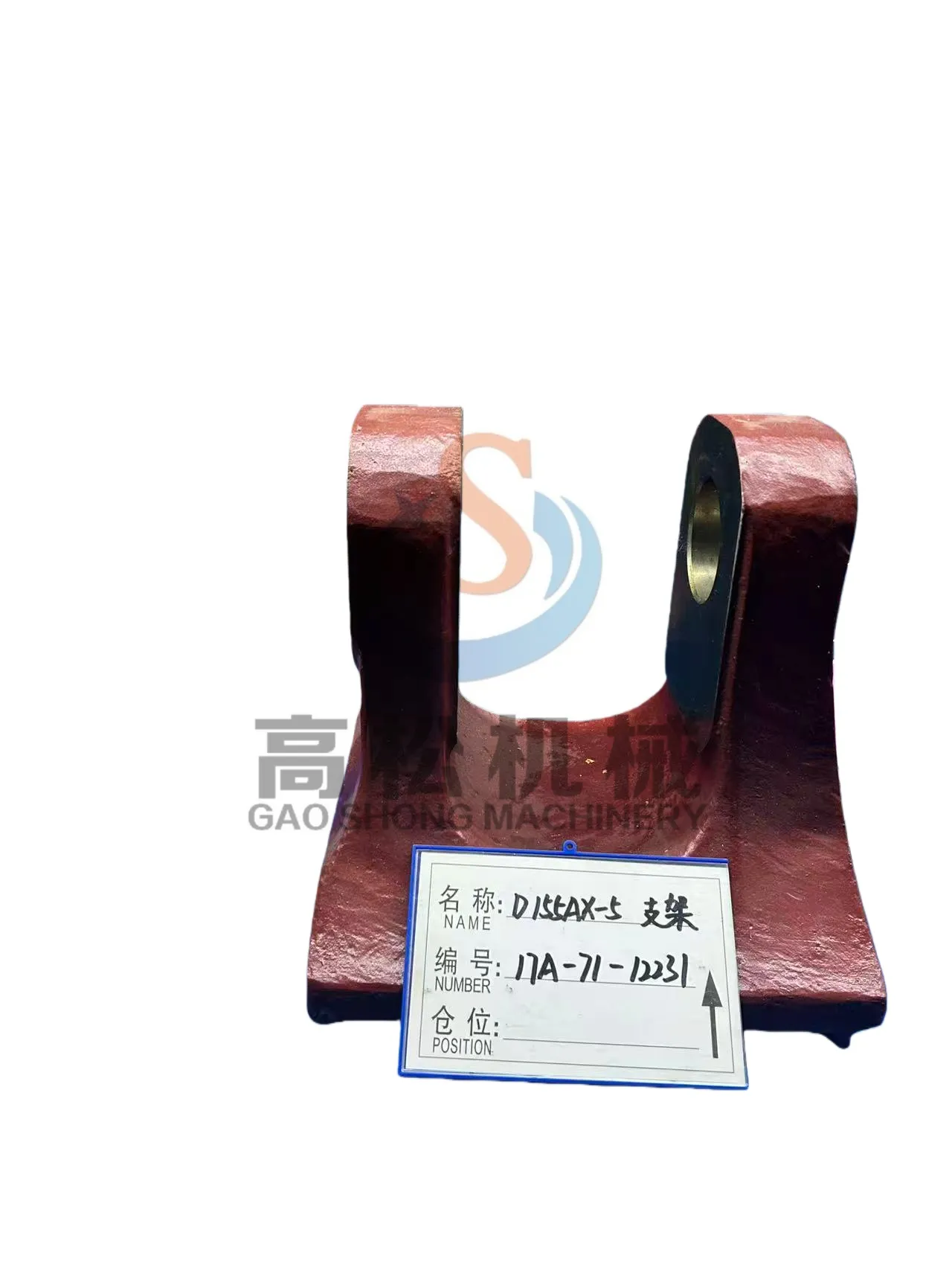 17A-71-12231 BRACKET (WELDED) D155AX-5 DOZER FRAME
 -
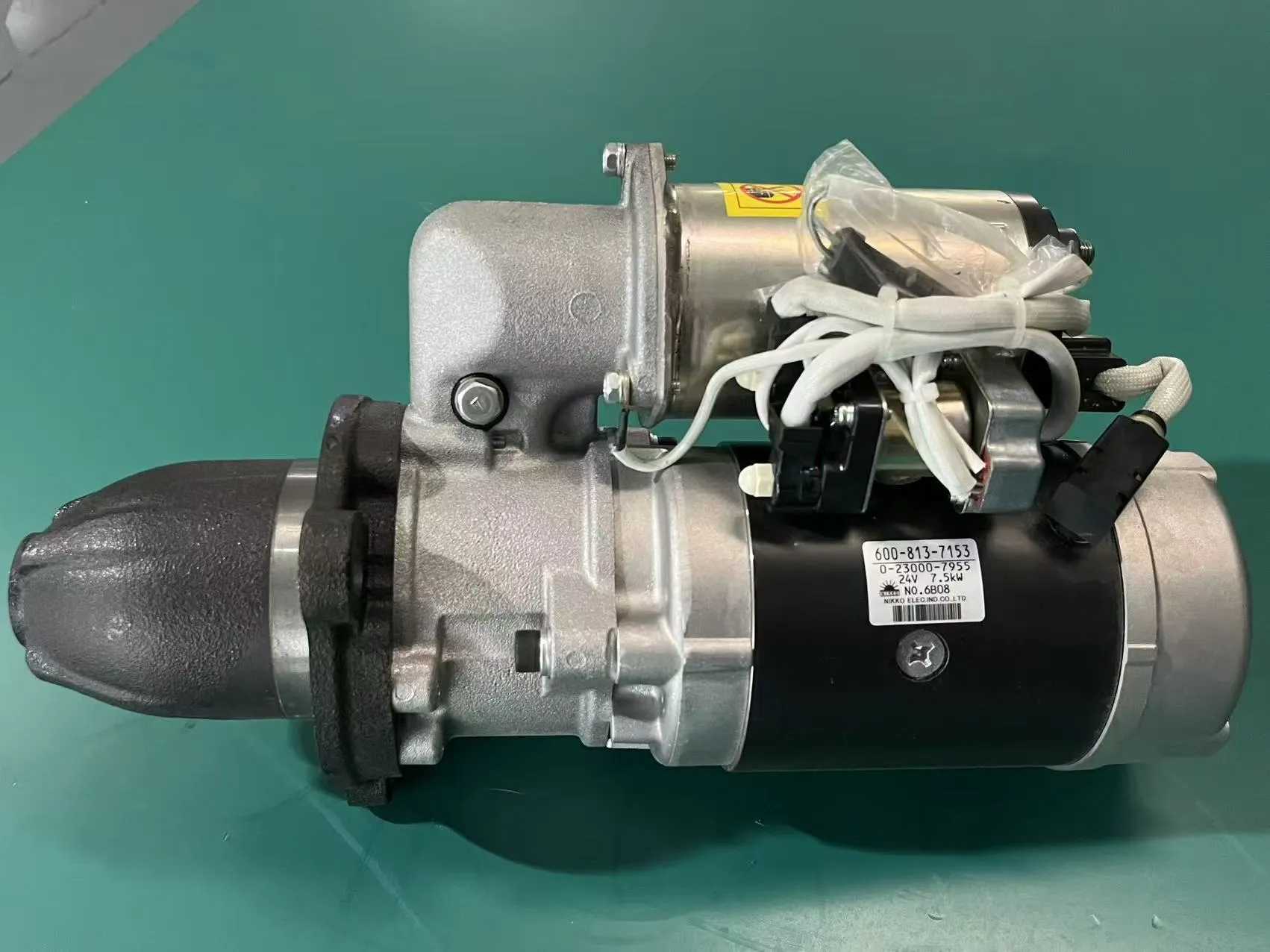 608-813-6632 #Komatsu #Komatsu Machinery Parts spot 2025
 -
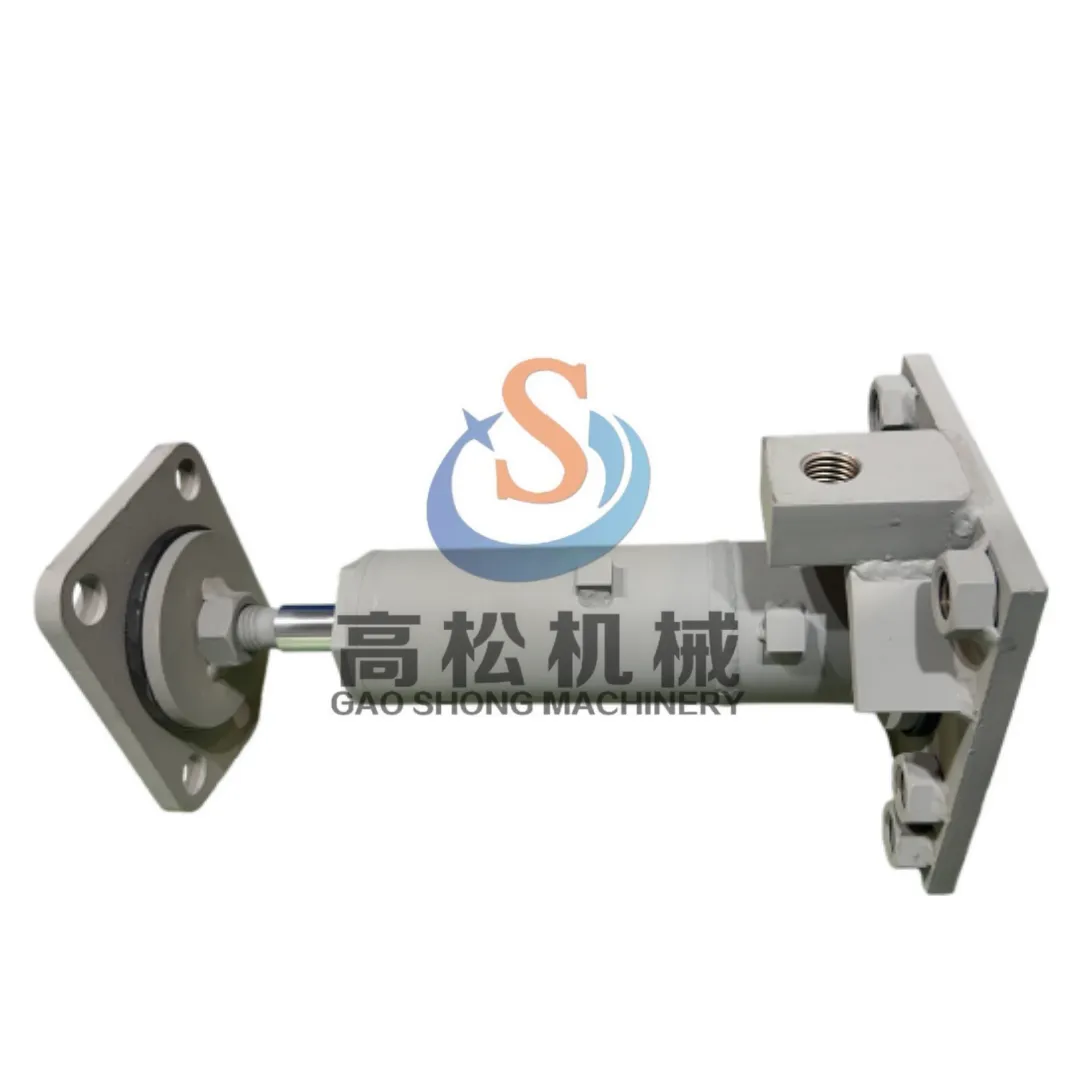 suspension ass’y 17a-54-16201 – komatsu
 -
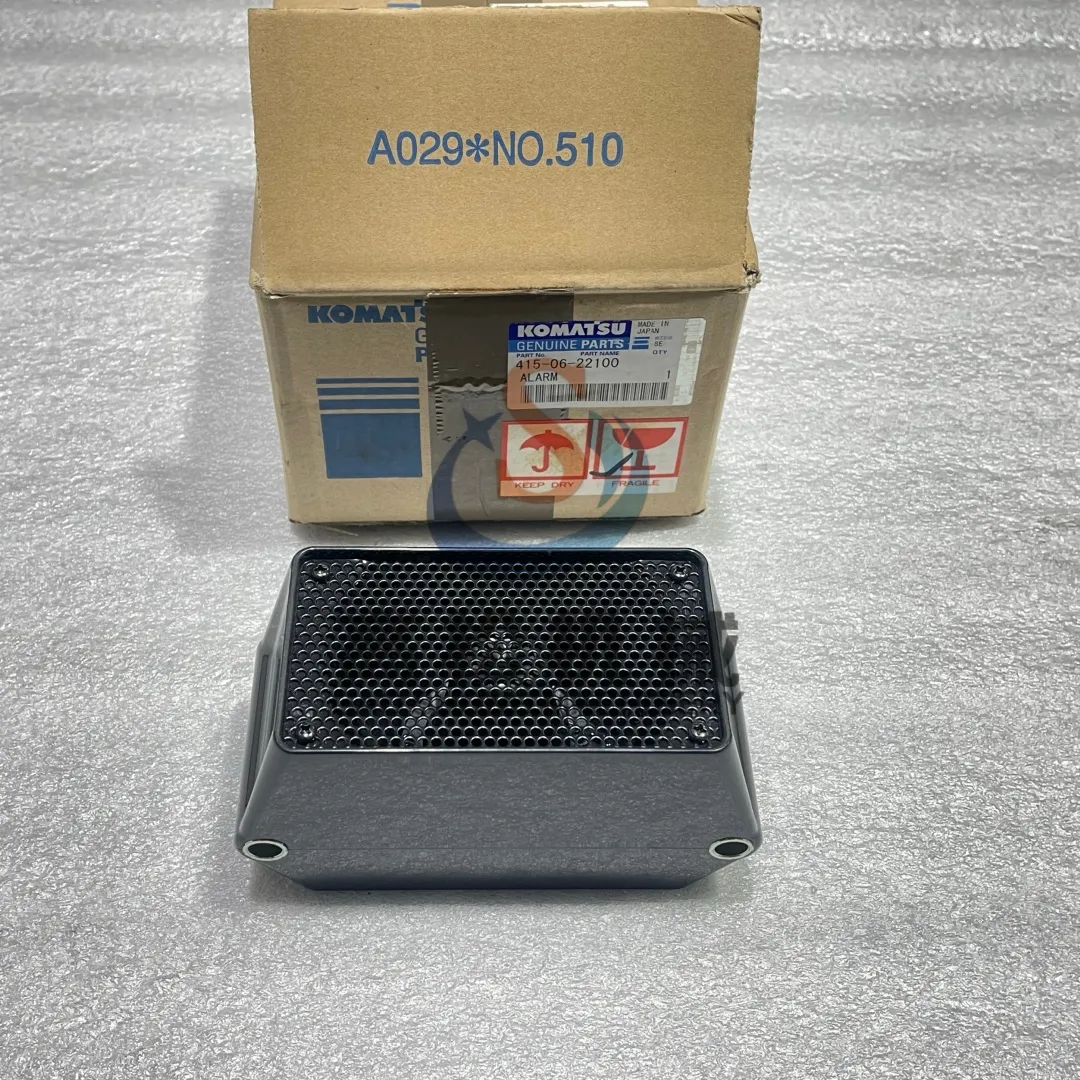 alarm 415-06-22100 – komatsu
 -
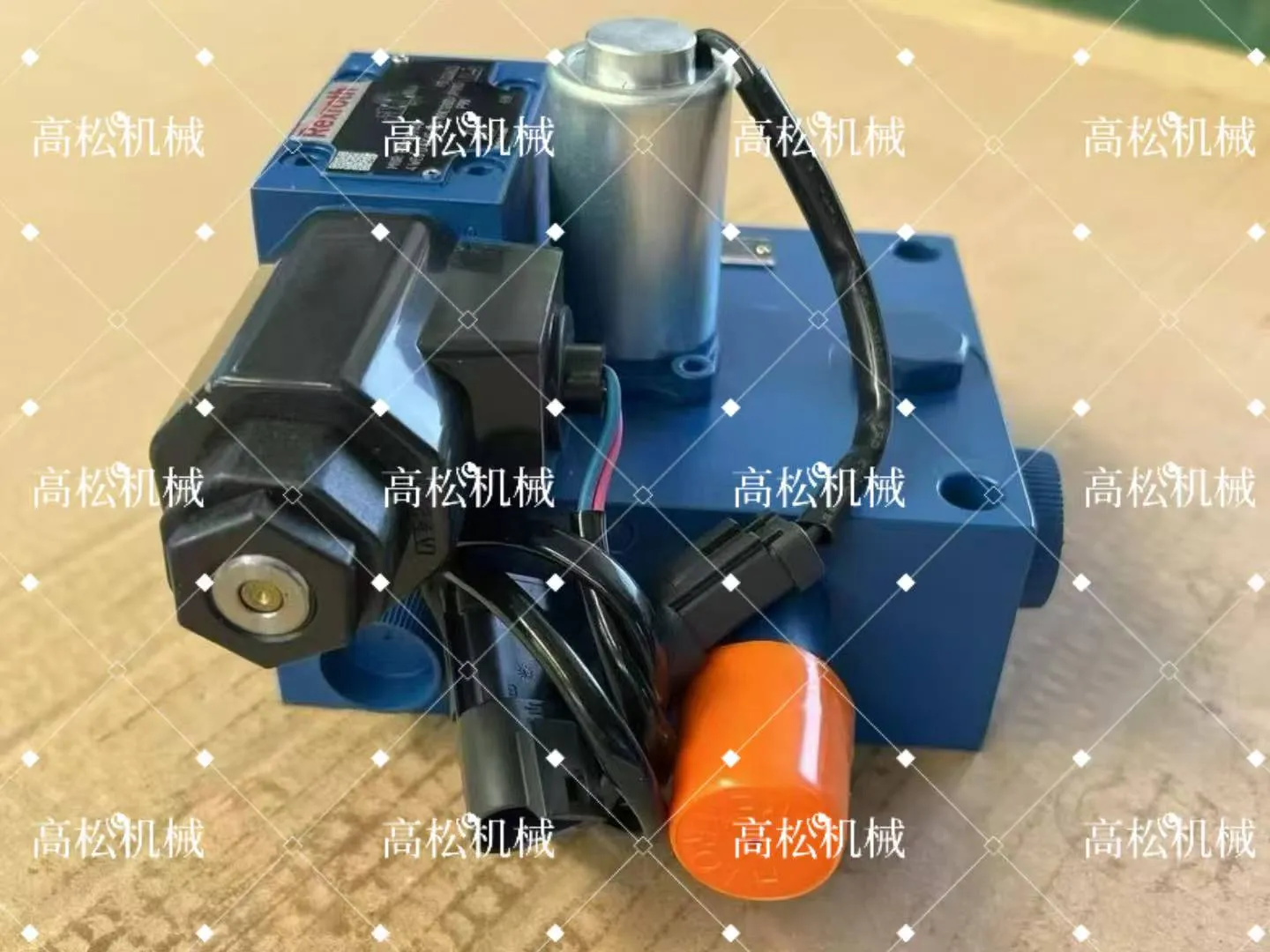 New available valve assembly hm300-5 for charging the hydraulic battery 56d-43-37101 for earth-digging machinery of komatsu
 -
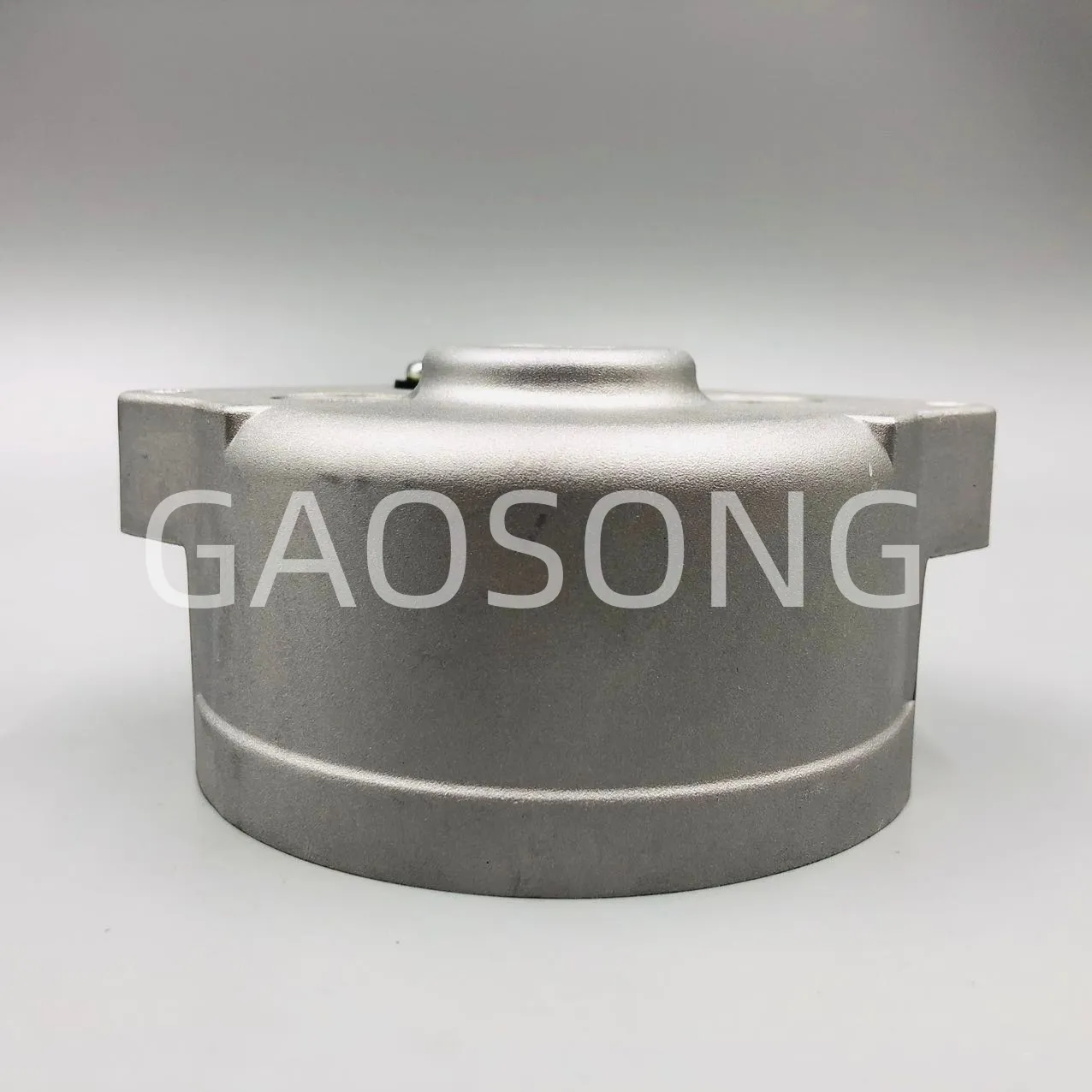 Komatsu KD0-23700-0130 REAR BRACKET… — Pricing.Parts
 -
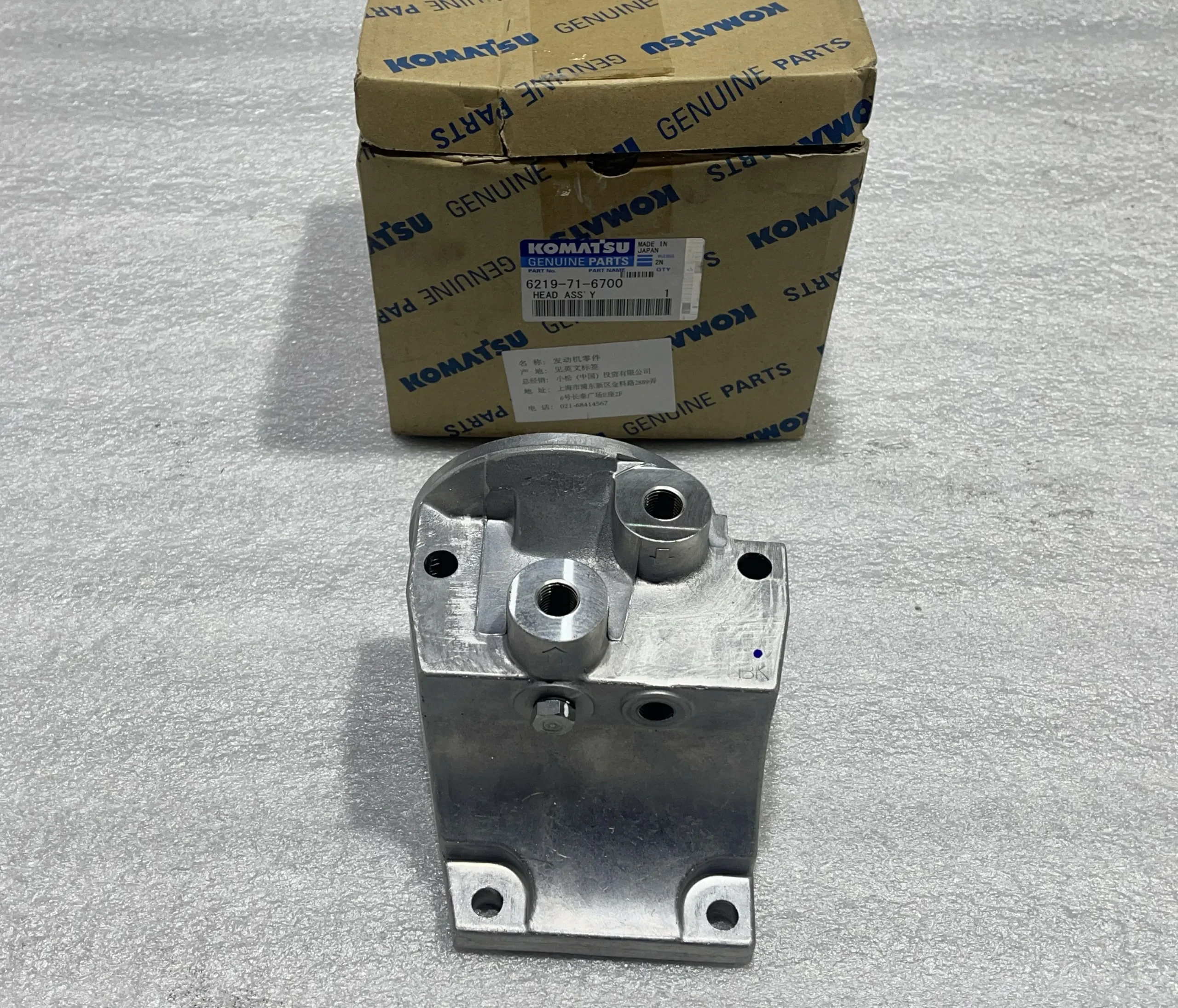 6219-71-6700 HEAD ASS’Y,FUEL FILTER-Komatsu Original Factory Accessories
 -
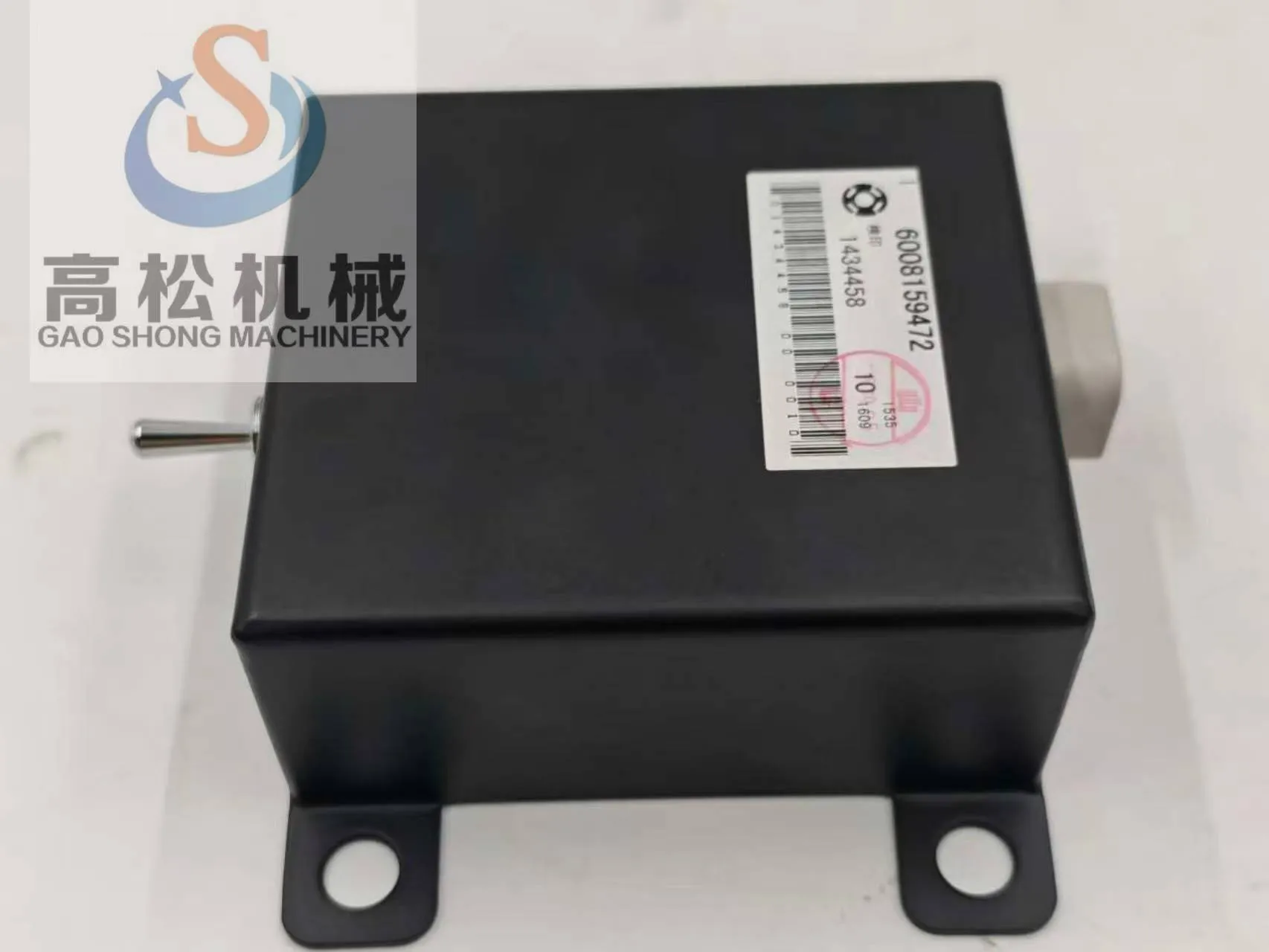 Original new switch 600-815-9472 for d375a-6 bulldozer komatsu pc1250sp-8r hd785-7 dump truck
 -
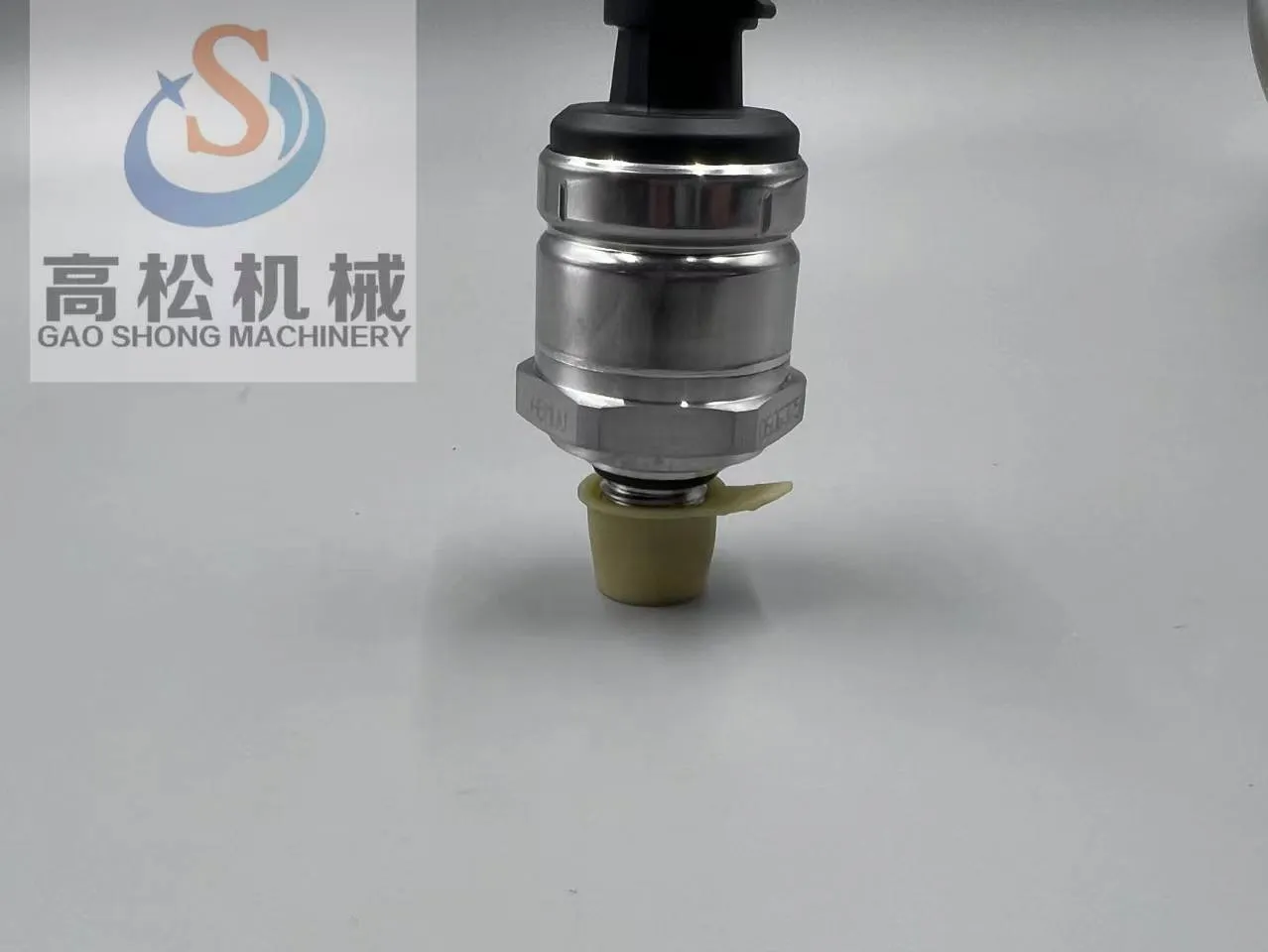 New fuel adjustment sensor sa6d170e-3 6560-51-6201 for komatsu heavy machinery spare parts
 -
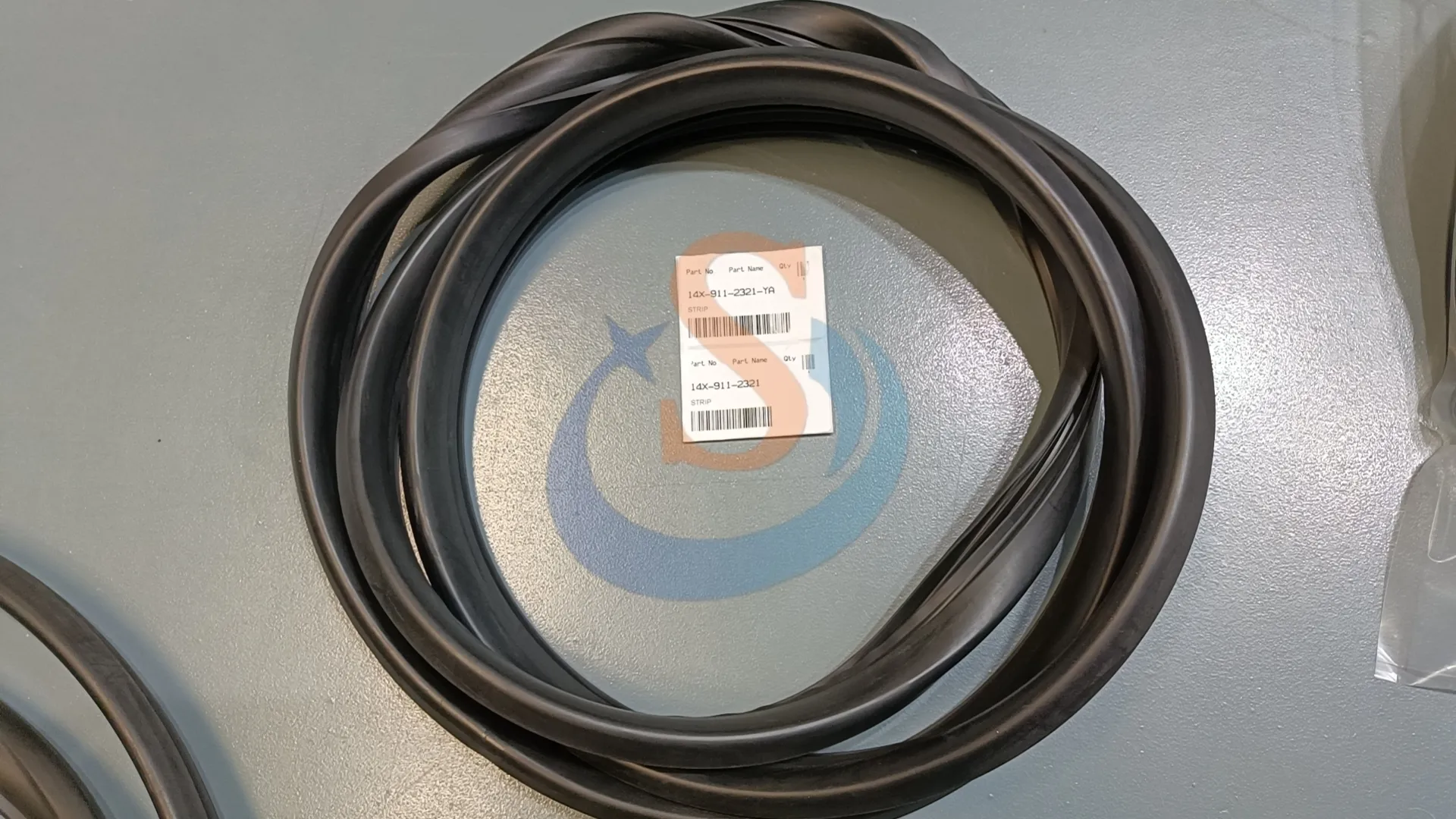 14X-911-2321,STRIP,D60P,D65EX,D155A,D375A
 -
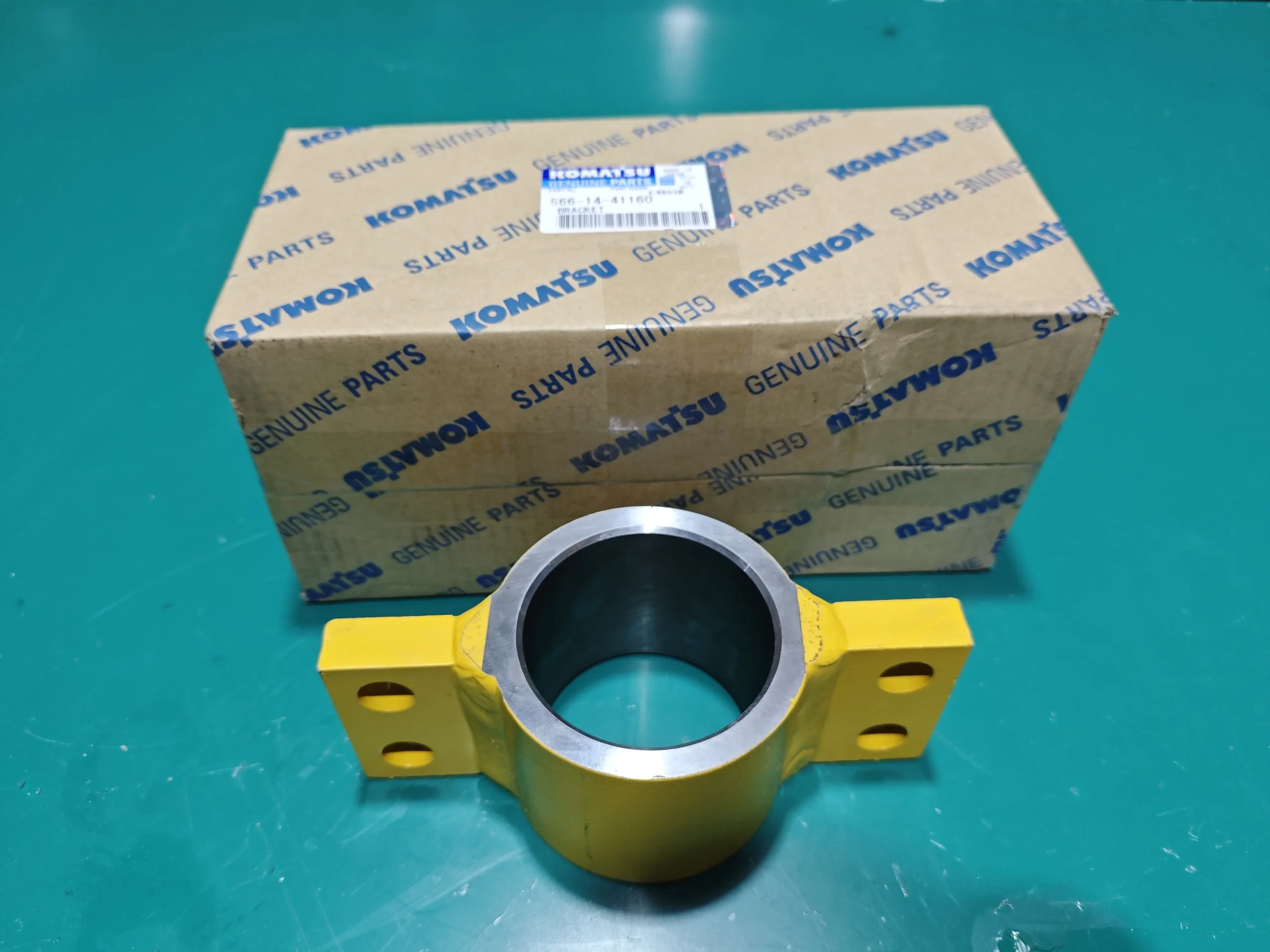 566-14-41160 Bracket
 -
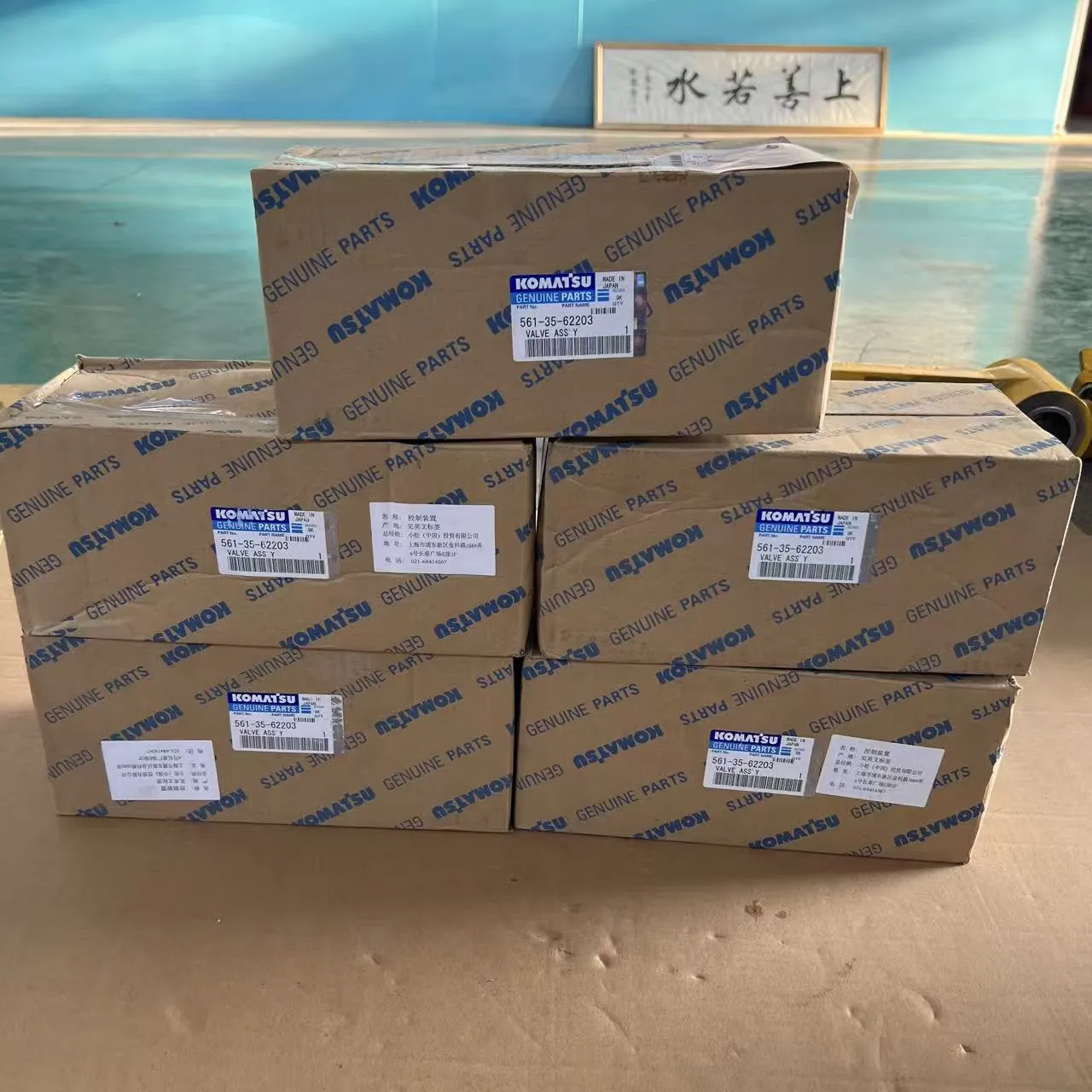 561-35-62203 Valve Assembly