
- Chinese
- French
- German
- Portuguese
- Spanish
- Russian
- Japanese
- Korean
- Arabic
- Irish
- Greek
- Turkish
- Italian
- Danish
- Romanian
- Indonesian
- Czech
- Afrikaans
- Swedish
- Polish
- Basque
- Catalan
- Esperanto
- Hindi
- Lao
- Albanian
- Amharic
- Armenian
- Azerbaijani
- Belarusian
- Bengali
- Bosnian
- Bulgarian
- Cebuano
- Chichewa
- Corsican
- Croatian
- Dutch
- Estonian
- Filipino
- Finnish
- Frisian
- Galician
- Georgian
- Gujarati
- Haitian
- Hausa
- Hawaiian
- Hebrew
- Hmong
- Hungarian
- Icelandic
- Igbo
- Javanese
- Kannada
- Kazakh
- Khmer
- Kurdish
- Kyrgyz
- Latin
- Latvian
- Lithuanian
- Luxembou..
- Macedonian
- Malagasy
- Malay
- Malayalam
- Maltese
- Maori
- Marathi
- Mongolian
- Burmese
- Nepali
- Norwegian
- Pashto
- Persian
- Punjabi
- Serbian
- Sesotho
- Sinhala
- Slovak
- Slovenian
- Somali
- Samoan
- Scots Gaelic
- Shona
- Sindhi
- Sundanese
- Swahili
- Tajik
- Tamil
- Telugu
- Thai
- Ukrainian
- Urdu
- Uzbek
- Vietnamese
- Welsh
- Xhosa
- Yiddish
- Yoruba
- Zulu
- Kinyarwanda
- Tatar
- Oriya
- Turkmen
- Uyghur






Komatsu aftermarket dump truck parts
When you hear 'Komatsu aftermarket dump truck parts,' what comes to mind? For a lot of folks, it's either a cheap alternative or a risky gamble. That's the first misconception I usually have to tackle. Having been in the trenches sourcing and fitting these parts for years, I can tell you it's not that black and white. The aftermarket for Komatsu, especially for models like the HD785 or the older 730E, is a spectrum. On one end, you have parts that are practically OEM-grade, and on the other, you have junk that'll fail before the truck's next shift. The real skill isn't just in finding a part; it's in knowing which segment of that spectrum you're buying from and, more importantly, who you're buying it from.
The OEM Shadow and the Third-Party Reality
Let's talk about the OEM connection because it's often misunderstood. Many suppliers claim 'OEM quality,' but that's a marketing term that's lost its meaning. A genuine insight comes from companies that operate within the system. I've been following the work of Jining Gaosong Construction Machinery Co., Ltd. for a while. Their setup is interesting; they describe themselves as an OEM product supplier within Komatsu's system and a third-party sales company. Visiting their portal at takematsumachinery.com, you get a sense of this dual role. It's not just about selling parts; it's about solving specific supply chain blockages, particularly in regions where official distribution is thin or slow. This is a real-world pain point. I've had projects in West Africa where waiting for a genuine Komatsu cylinder block through standard channels meant 14 weeks of downtime. A source that can navigate both the OEM and aftermarket channels legitimately is worth its weight in gold.
What does this mean for the part on your shop floor? If a company like Gaosong is supplying an aftermarket Komatsu dump truck final drive gear, it's likely sourced from a foundry that also has OEM approvals, but maybe the part is for a market Komatsu Japan isn't prioritizing. The metallurgy and tolerances are there, but the packaging and the paperwork are different. You're not getting a counterfeit in a fake box; you're getting a part from the industrial ecosystem that feeds the OEM, just through a different logistical pipe. The challenge for me as a buyer is verifying that claim, which leads to the next point.
Verification is everything. I don't take websites at face value. With a supplier making these claims, my first move is to ask for mill certificates for steel components, or batch test reports for hydraulic pumps. A reputable third-party within the system, like the one mentioned, should be able to provide traceability. If they balk, that's a red flag. I remember a case with a swing cylinder for a PC8000 excavator (similar supply chain issues) where the provided certs didn't match the steel grade. We caught it before installation, but it was a reminder: the 'aftermarket' label requires due diligence, even with well-connected suppliers.
Where the Rubber Meets the Road: Common Pitfalls
Moving from theory to practice, let's discuss where things commonly go wrong. It's rarely the major structural components. Those are big-ticket items, and buyers are cautious. The headaches come from the ancillary systems. Take the brake air dryer cartridge for a Komatsu 830E. The OEM part is prohibitively expensive for many fleets. The aftermarket is flooded with options. I've tried at least six different brands. Two failed within months because the desiccant material degraded too fast in high-humidity conditions, leading to moisture in the brake valves downstream. The failure wasn't catastrophic, but it caused incremental corrosion and reliability issues. The winning part came from a supplier that explicitly detailed the desiccant type and its regeneration cycles—information I had to dig for.
Electrical components are another minefield. Aftermarket sensors and harnesses for the monitoring system on a dump truck can be a nightmare. The part might fit physically, but the resistance values or signal output might be slightly off. The truck's computer doesn't throw a hard fault; it just gives erratic readings for coolant temp or oil pressure. I spent a week once chasing a ghost overheating alarm on an HD405-7. We replaced radiators, thermostats, the works. Turned out it was a new, 'OEM-equivalent' temperature sensor from a generally reliable aftermarket brand. Its curve was non-linear at the higher end of the range. Swapped it for a different brand, problem vanished. Lesson learned: for critical sensors, sometimes you just bite the bullet and go genuine, or you find a specialist aftermarket maker whose entire business is sensors, not just 'construction parts.'
Then there's the simple stuff, like pins and bushings for the hoist linkage. You'd think it's hard to mess up a hardened steel pin. But I've seen aftermarket pins that weren't through-hardened correctly. They'd wear oval within 800 hours, causing slop and abnormal stress on the cylinder mounts. The failure mode here is expensive because it damages the more costly components around it. My rule now is to use a tiered approach: for high-wear, high-impact pins and bushings on the dump body, I might use a premium aftermarket line from a certified forge. For the guide brackets, a mid-tier part might suffice. It's about risk allocation.
The Logistics Tangible: More Than Just a Part Number
Anyone who's done this knows the part is only half the battle. The other half is getting it to your site, intact, with the right paperwork. This is where a supplier's real value is tested. A company focusing on solving parts supply challenges isn't just a warehouse; it's a logistics hub. I value suppliers who proactively discuss packaging. For instance, how do they ship a Komatsu aftermarket turbocharger? Is it pre-oiled and sealed, or dry? Is it mounted in a crate that prevents impeller damage? I've received turbos packed in foam that disintegrated and got into the intake side—a total loss.
Customs documentation is another critical detail. A vague commercial invoice listing 'machine part' invites delays and higher duties. A professional supplier will list the part with a precise description, harmonized system code, and correct value. The website for Jining Gaosong Construction Machinery mentions helping solve supply issues in certain countries. In practice, this often means they have experience navigating complex import regulations in Southeast Asia, Africa, or South America. They know which countries require certificates of origin, which require pre-shipment inspection, and how to label hazardous materials like lithium batteries for monitoring systems. This knowledge saves weeks of time.
Let me share a failure that was entirely logistical. We ordered a set of aftermarket fuel injectors for a Komatsu SDA16V160 engine. The parts themselves were fine. But the supplier used a freight forwarder that transshipped the package through a hub with extreme temperature swings. The seals in the injectors dried out and cracked in transit. By the time we installed them, they leaked. The supplier made it right, but the downtime cost was ours. Now, I always ask about shipping routes and timelines, especially for parts with rubber or composite seals.
Cost vs. Value: The Real Calculation
The eternal debate: cheap part vs. expensive downtime. It's a calculation every fleet manager makes. But with experience, the calculation gets more nuanced. It's not just 'aftermarket = cheap, OEM = expensive.' It's about Total Cost of Ownership (TCO) for that specific part. For a non-critical, easily replaceable part like a cab air filter, a good aftermarket option is a no-brainer. The TCO is low even if it fails early.
For a core component like a torque converter for a Komatsu aftermarket transmission, the math changes. A failed aftermarket converter can send metal shrapnel through your entire transmission, turning a $15k repair into an $80k overhaul. In this case, the value of a part from a supplier with proven OEM lineage—or even a remanufactured unit using genuine Komatsu seals and bearings—far outweighs the initial savings. The value proposition of a company operating as a third-party within the Komatsu system is strongest here. They might offer a rebuilt unit with a warranty that acknowledges the catastrophic failure risk, not just the part itself.
Sometimes, the value is in availability, not just price. I recall a mining operation in Latin America needing a planetary hub for an old 730E. Komatsu Japan had it on a 6-month backorder. A specialized aftermarket manufacturer had a casting and could machine it in 6 weeks. The price was 30% higher than the OEM list price, but getting the truck running 4+ months earlier was worth millions in production. That's solving a supply challenge. In such a scenario, the supplier's role shifts from a parts vendor to a critical path partner.
Looking Ahead: The Evolving Aftermarket
The landscape isn't static. Ten years ago, aftermarket parts for Komatsu were largely about copying existing designs. Today, there's innovation. Some aftermarket manufacturers are addressing known weak points. I've seen upgraded radiator cores for hot-climate operations with better fin density, or enhanced dump truck parts like hoist cylinder rods with a more corrosion-resistant plating than the original spec. These aren't copies; they're improvements. The key is transparent communication about what's changed and why.
Another trend is the digitization of parts. It's not just about the physical component anymore. The best suppliers now provide digital footprints: 3D models for fit-checking, installation videos, or QR codes on the part that link to test data. This builds trust. When a supplier like the one we discussed invests in a clear, informative website (takematsumachinery.com is a step in that direction), it signals they understand the modern buyer's need for information before the purchase.
Finally, sustainability is creeping in. Remanufactured major components from OEM-core programs are becoming a significant part of the aftermarket. This isn't the old 'rebuilt in a shed' model. It's a certified process that often comes with a warranty matching new parts. For a cost-conscious and environmentally conscious operation, this is a compelling segment of the Komatsu aftermarket. It blurs the line between new and aftermarket entirely, which is probably where the future is headed. The professionals in this space will be those who can navigate all these options—genuine, OEM-system aftermarket, improved aftermarket, and certified remanufactured—and match them to the specific need, risk, and budget of the job at hand. That's the real craft.
Related Products
Related Products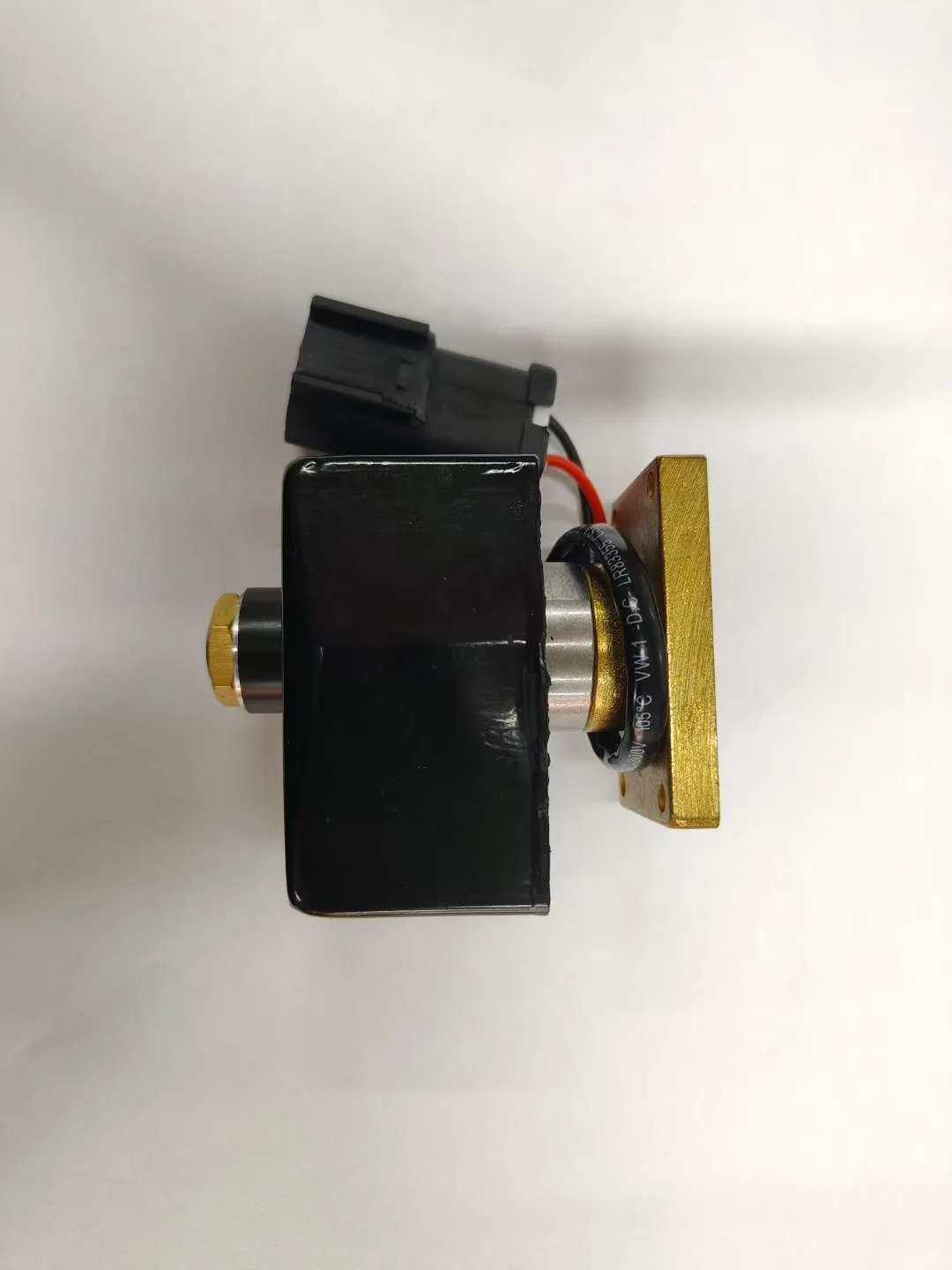
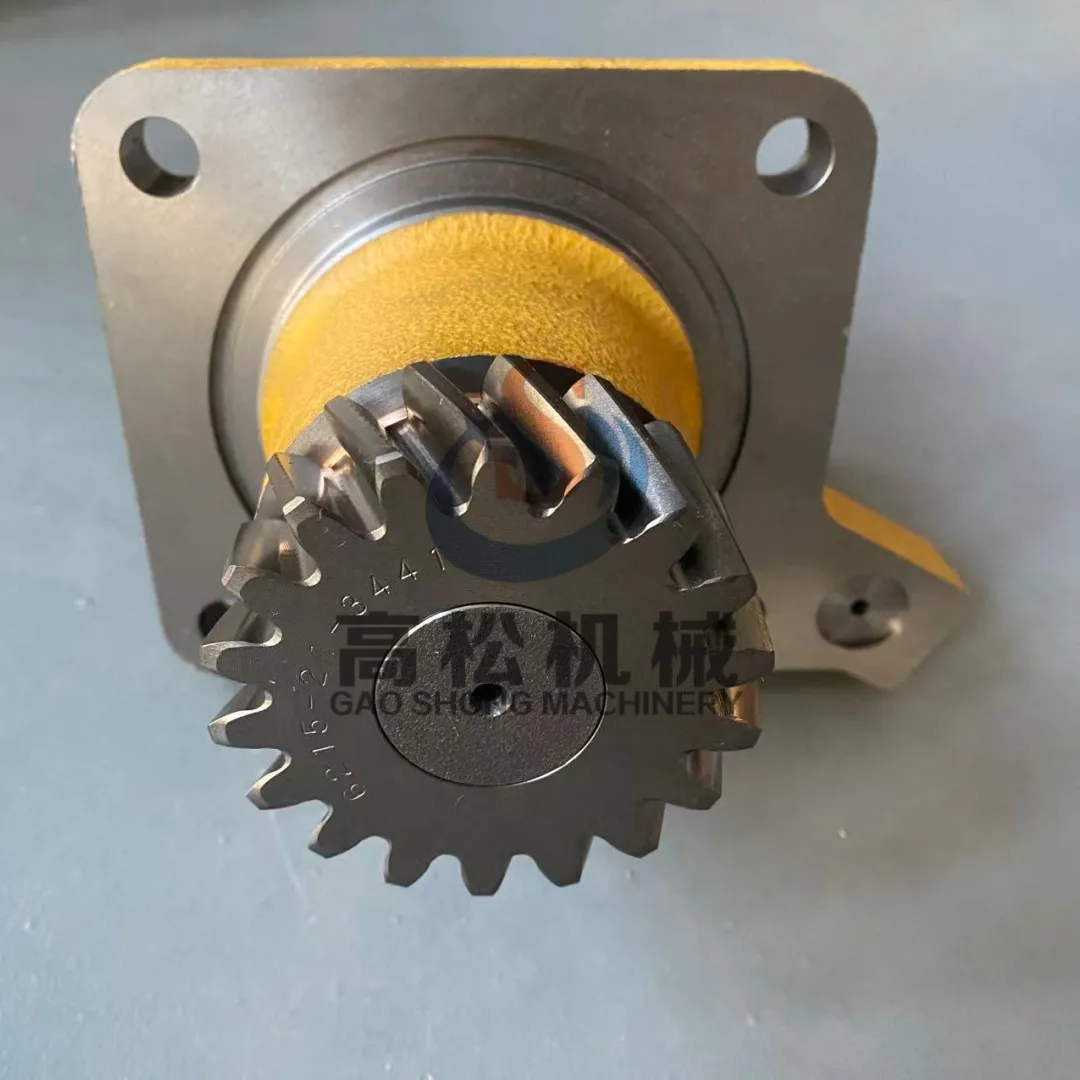
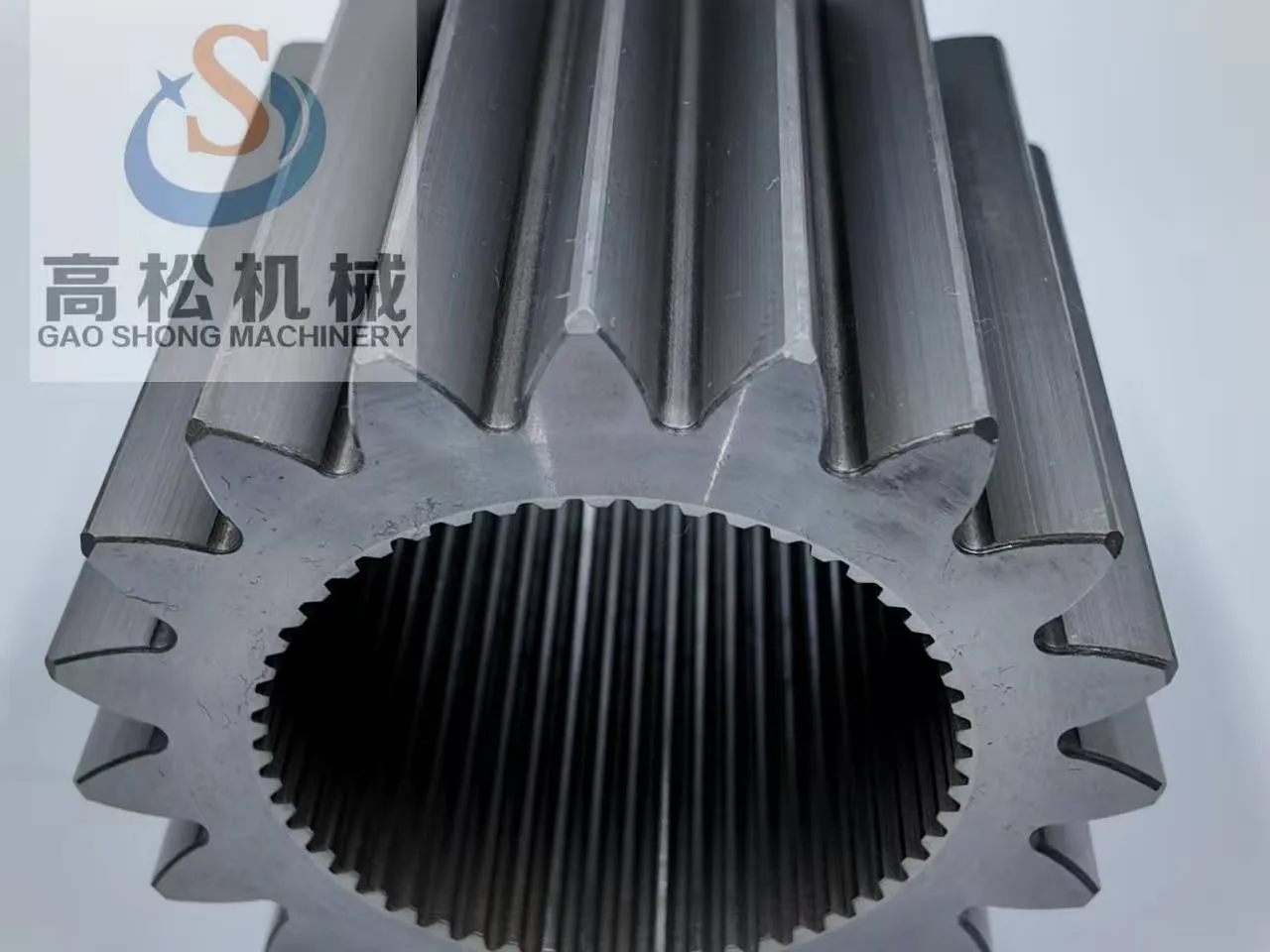
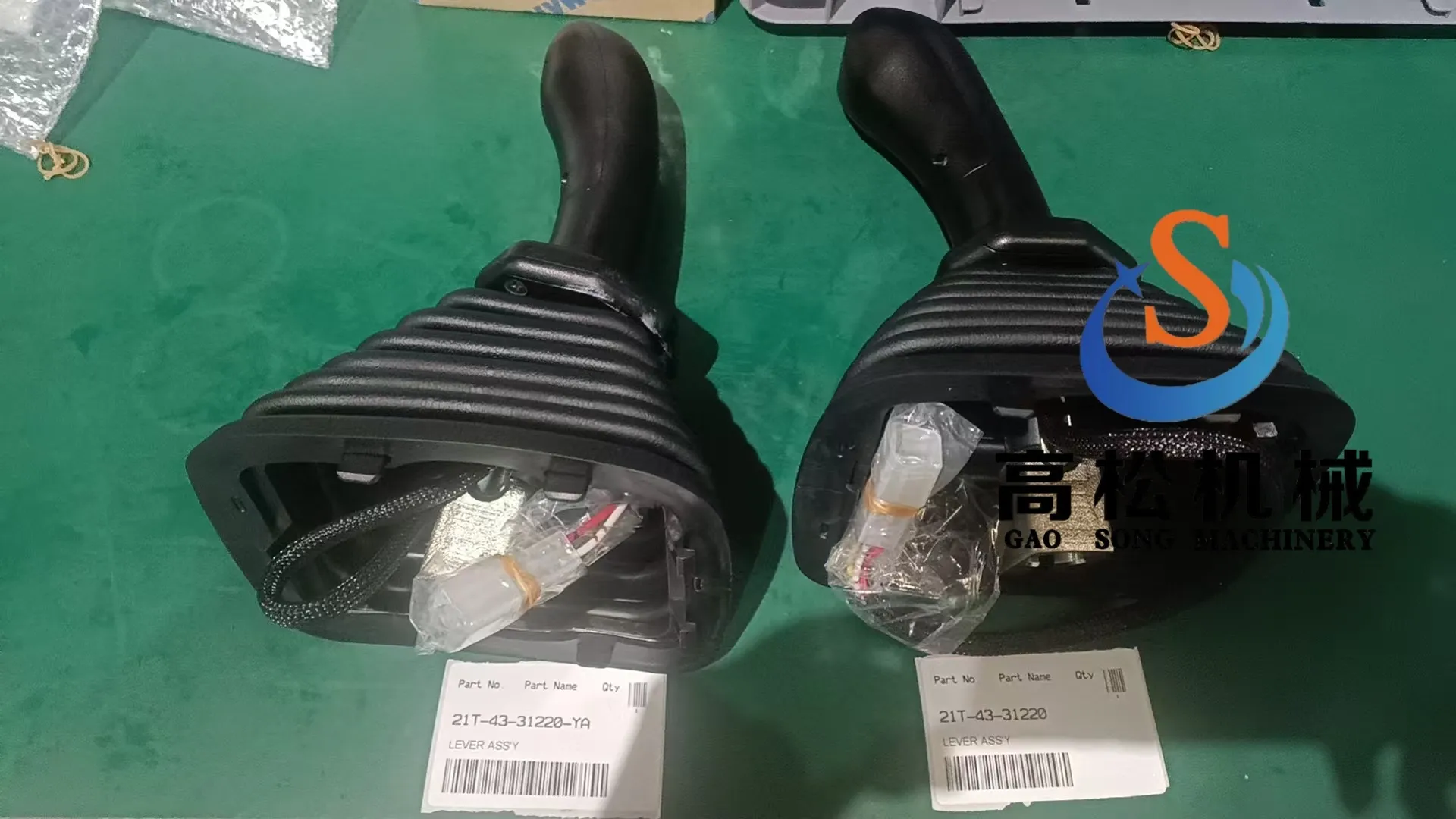

Best Selling Products
Best Selling Products-
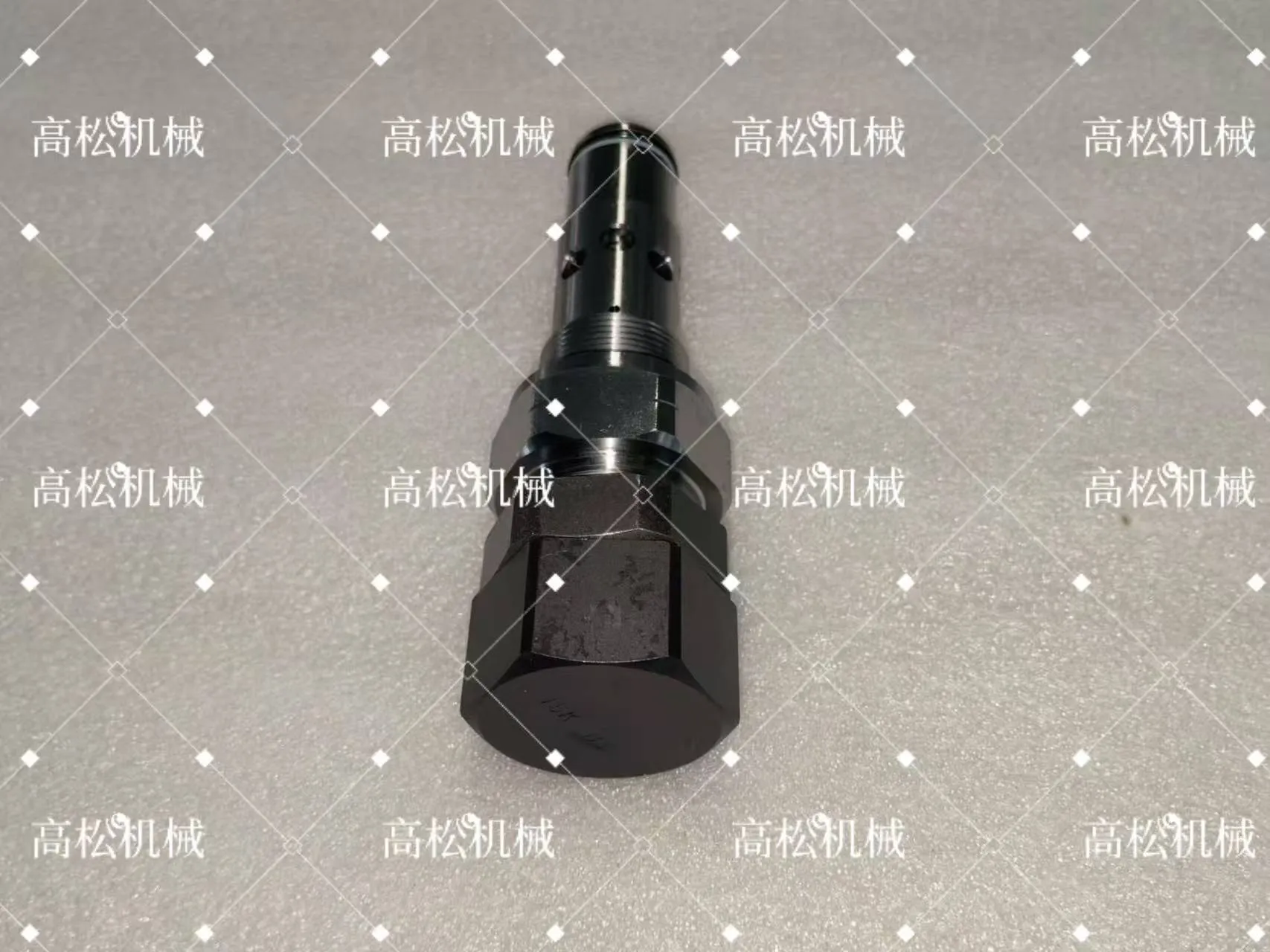 Komatsu original valve assembly, part no.702-75-01900, fits model PC750SE-7
 -
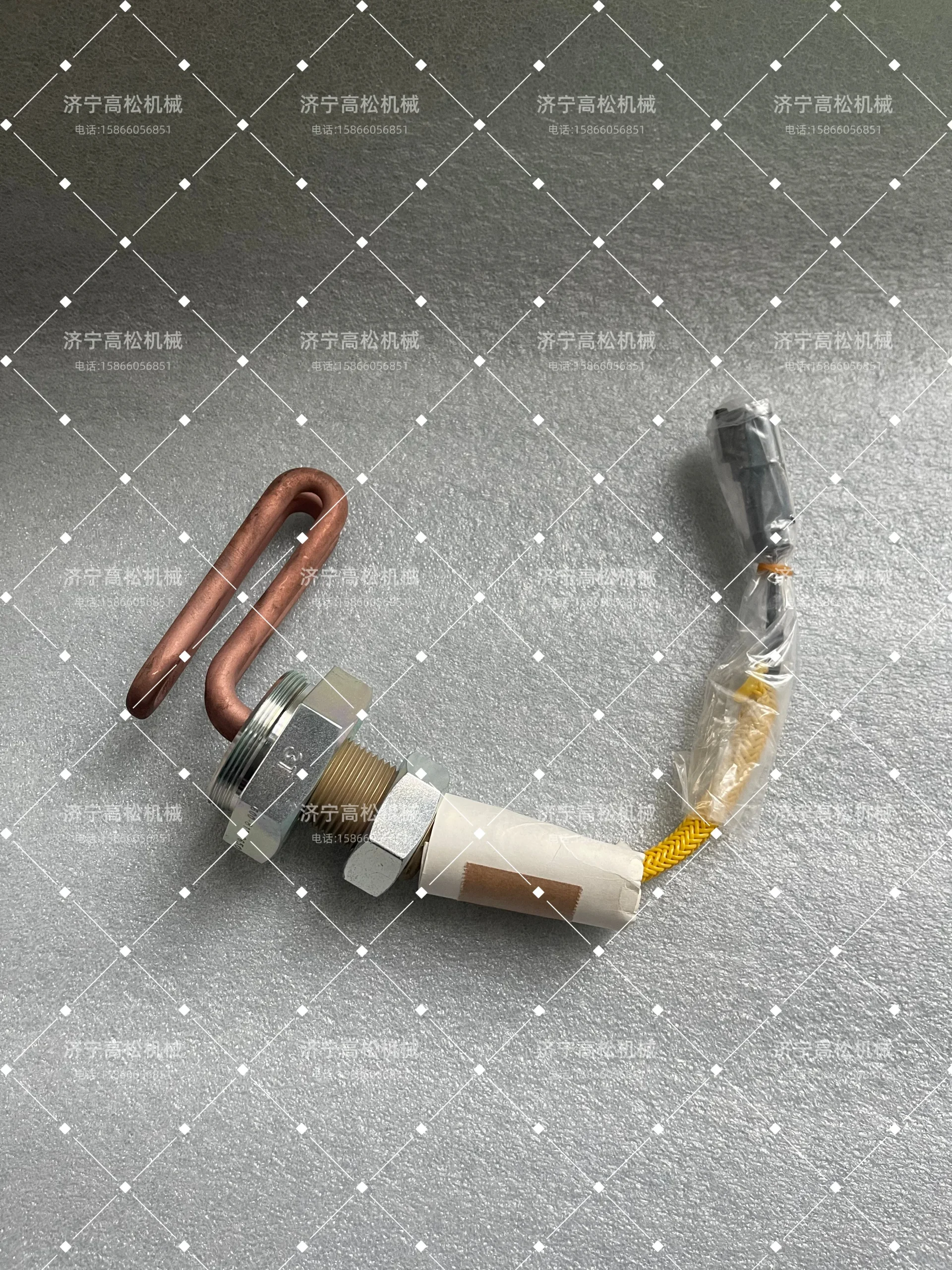 600-815-9650 – HEATER fits KOMATSU
 -
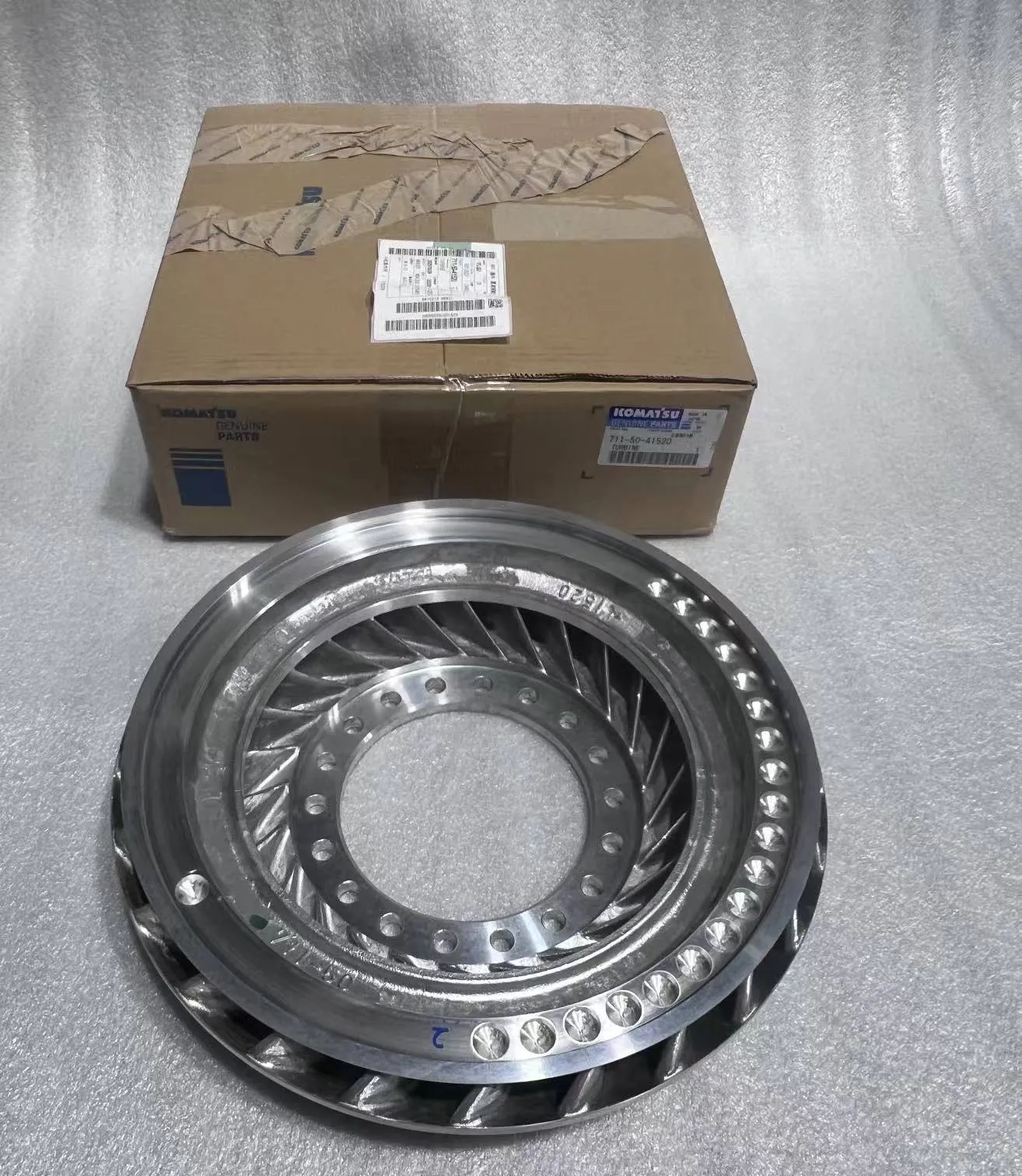 711-50-41520 Komatsu TURBINE
 -
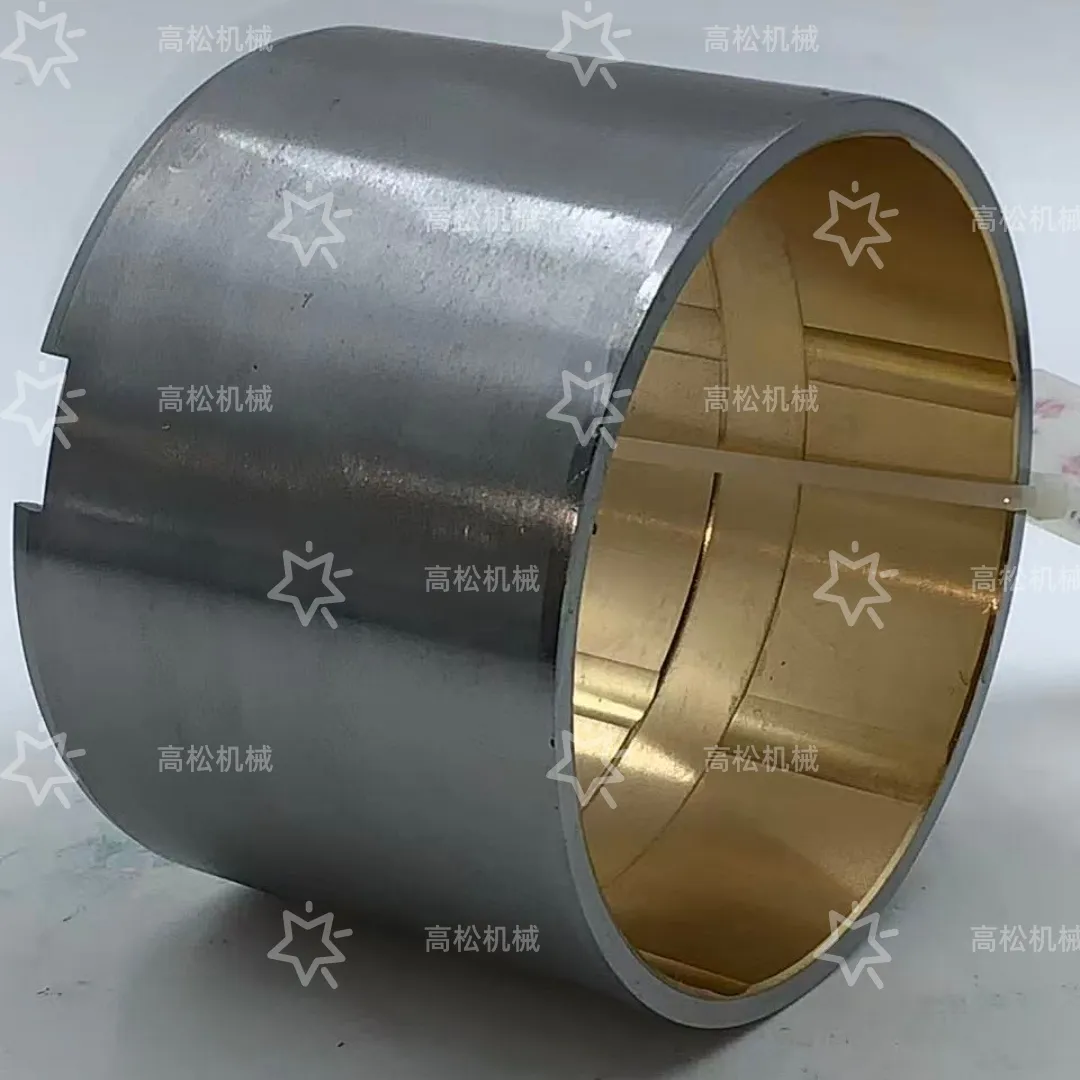 BUSHING 195-61-41160, myKomatsu – Buy Komatsu Parts
 -
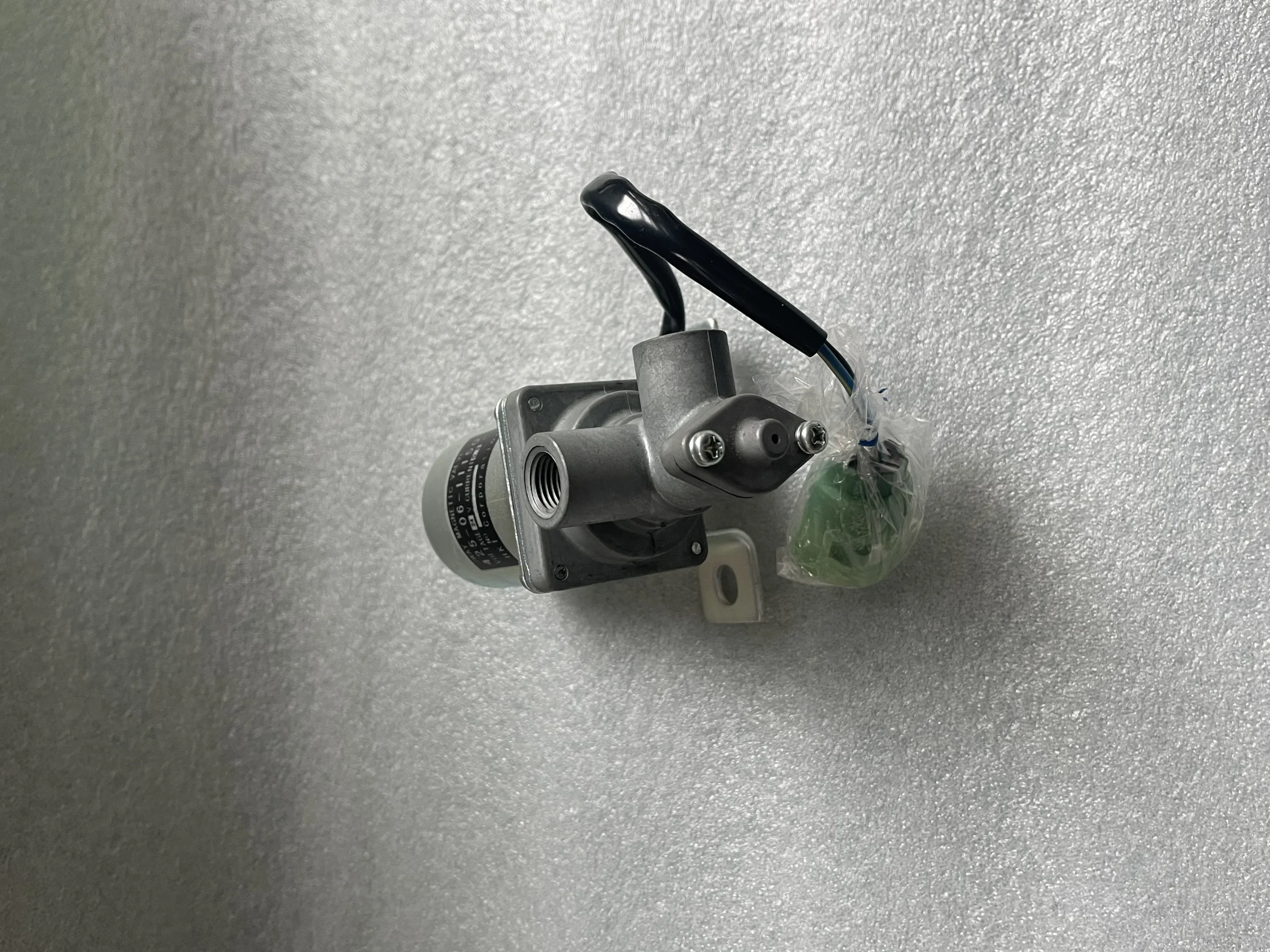 Valve,Parking brake425-06-11150
 -
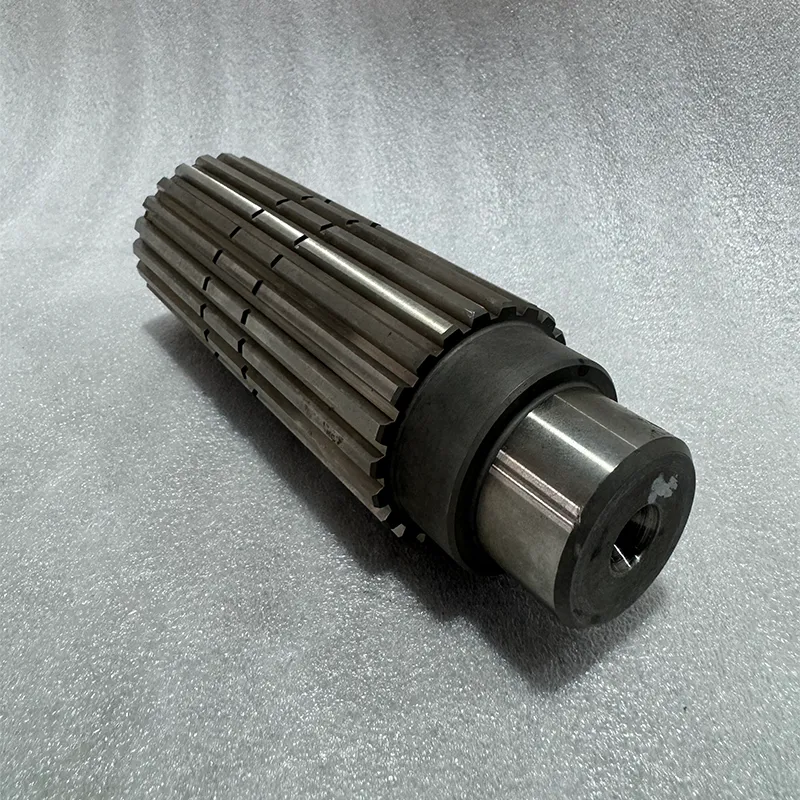 Komatsu original D65PX-15 Gear Shaft 14X-12-11411
 -
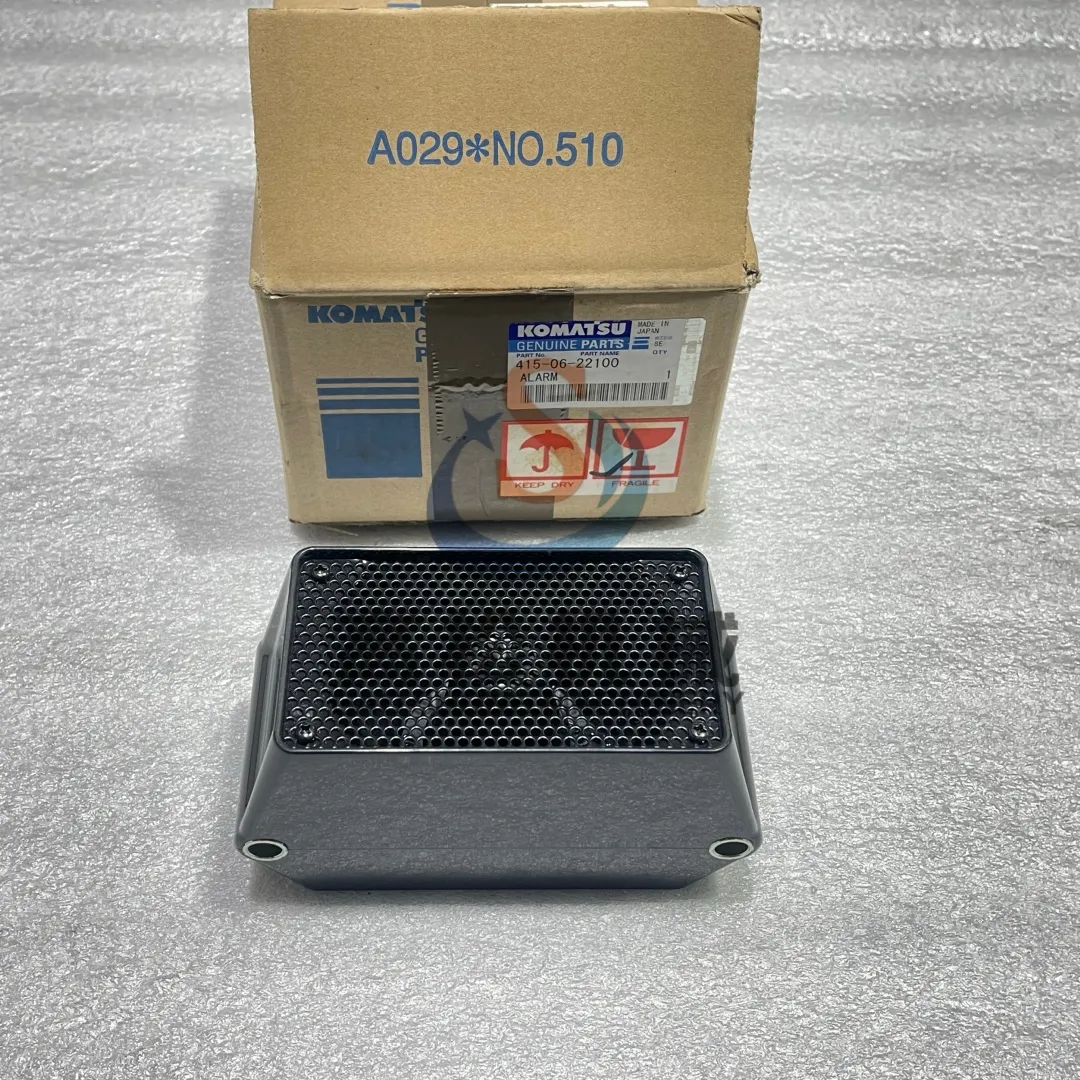 alarm 415-06-22100 – komatsu
 -
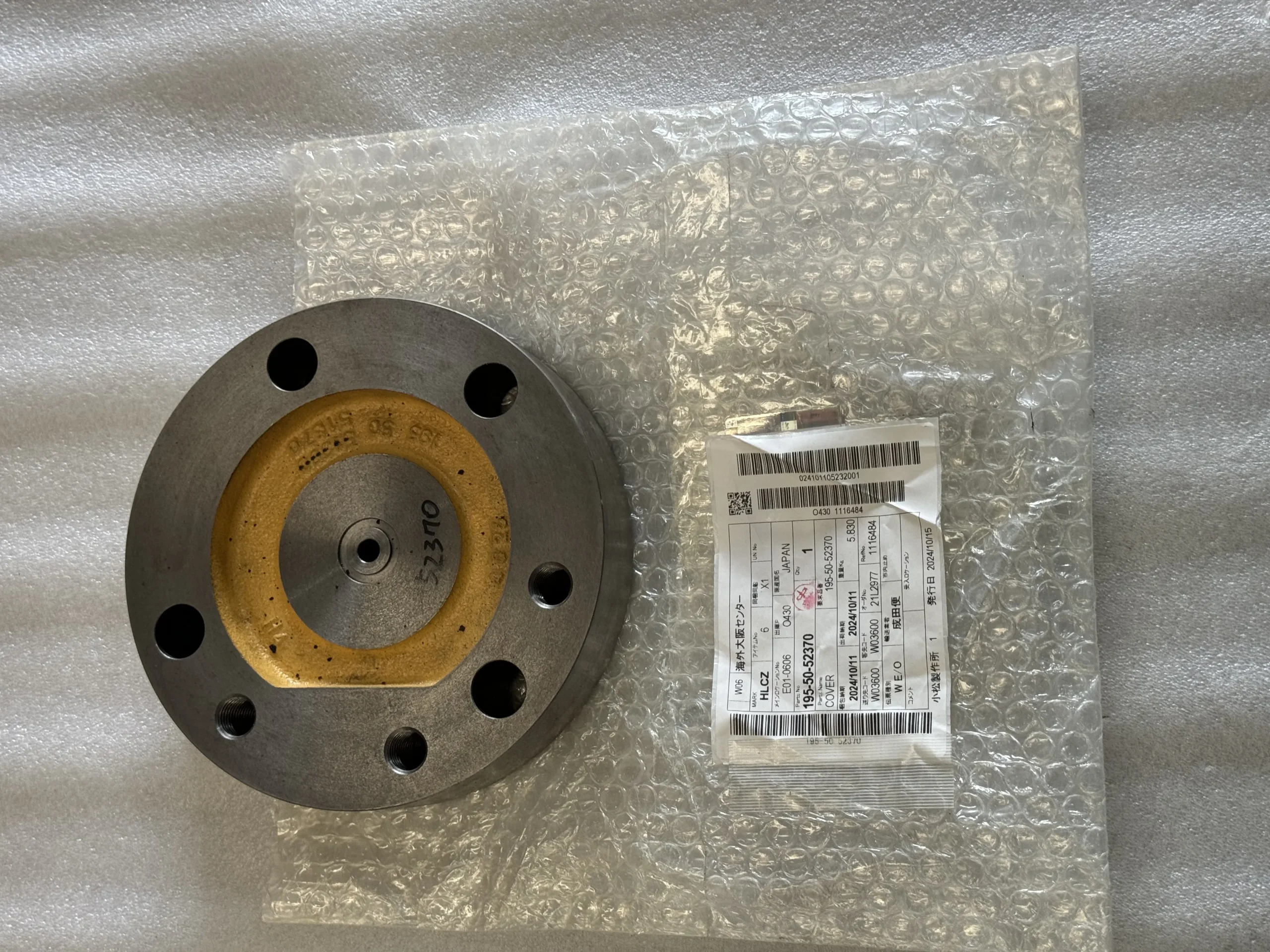 D375A-5 Cover 195-50-52370
 -
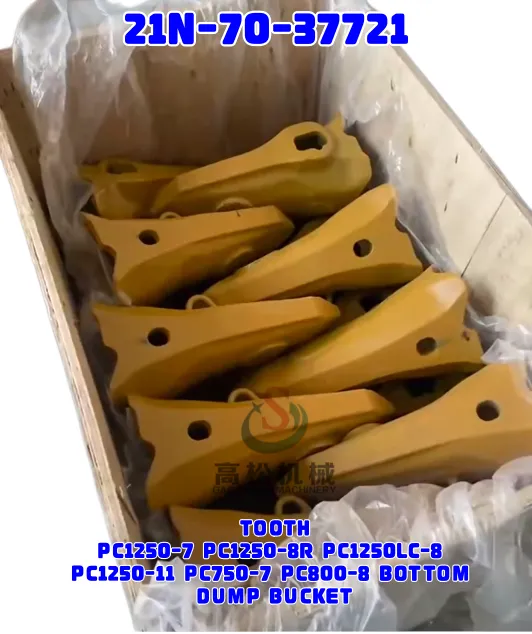 21n-70-37721 Bucket teeth, suitable for the following vehicle models. PC1250-7 PC1250-8R PC1250LC-8 PC1250-11 PC750-7 PC800-8 BOTTOM TOOTH PC1250-7 PC1250-8R PC1250LC-8 PC1250-11 PC750-7 PC800-8 BOTTOM DUMP BUCKET
 -
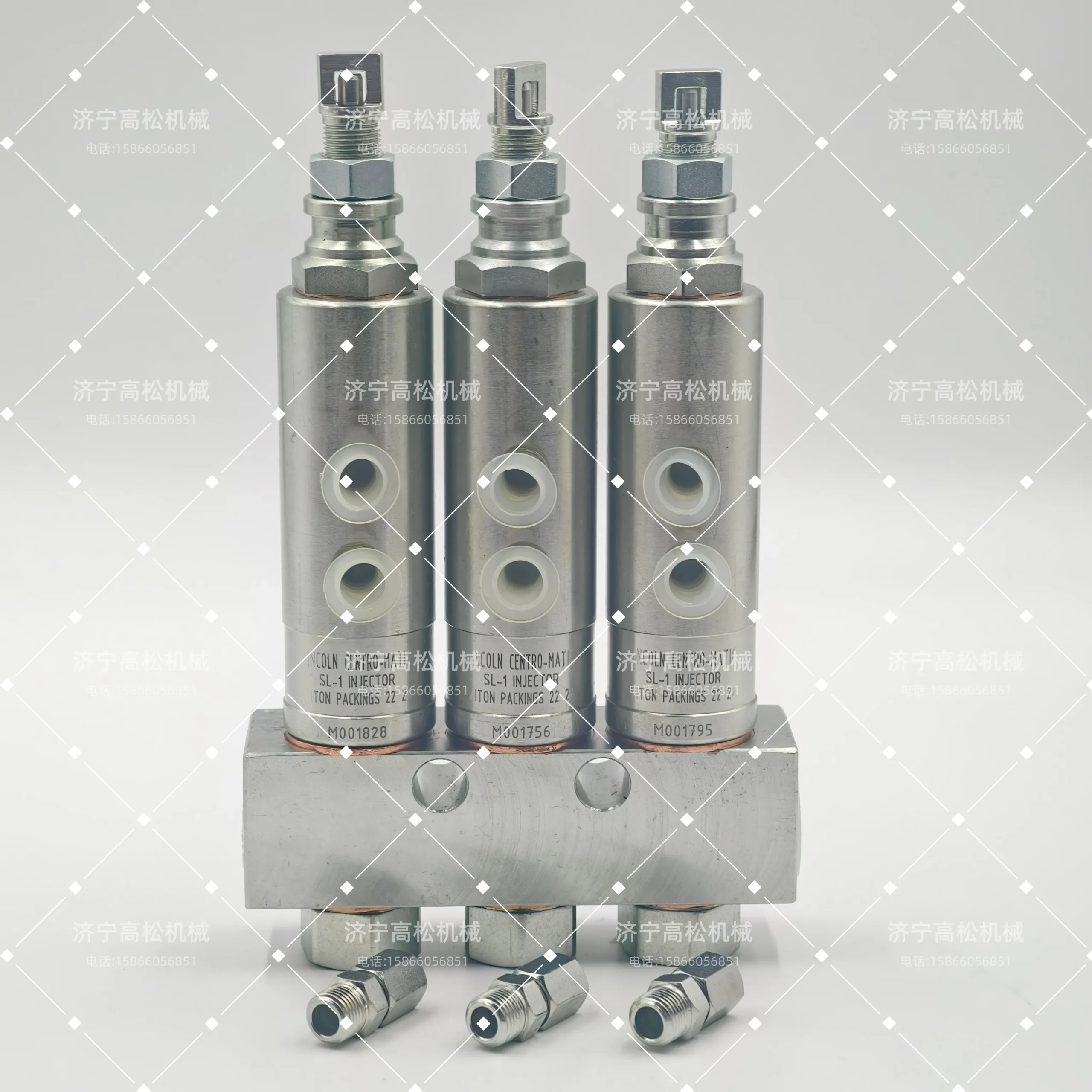 Ekskavatör PC1250-7 PC1250-8 enjektör 581-96-19520…
 -
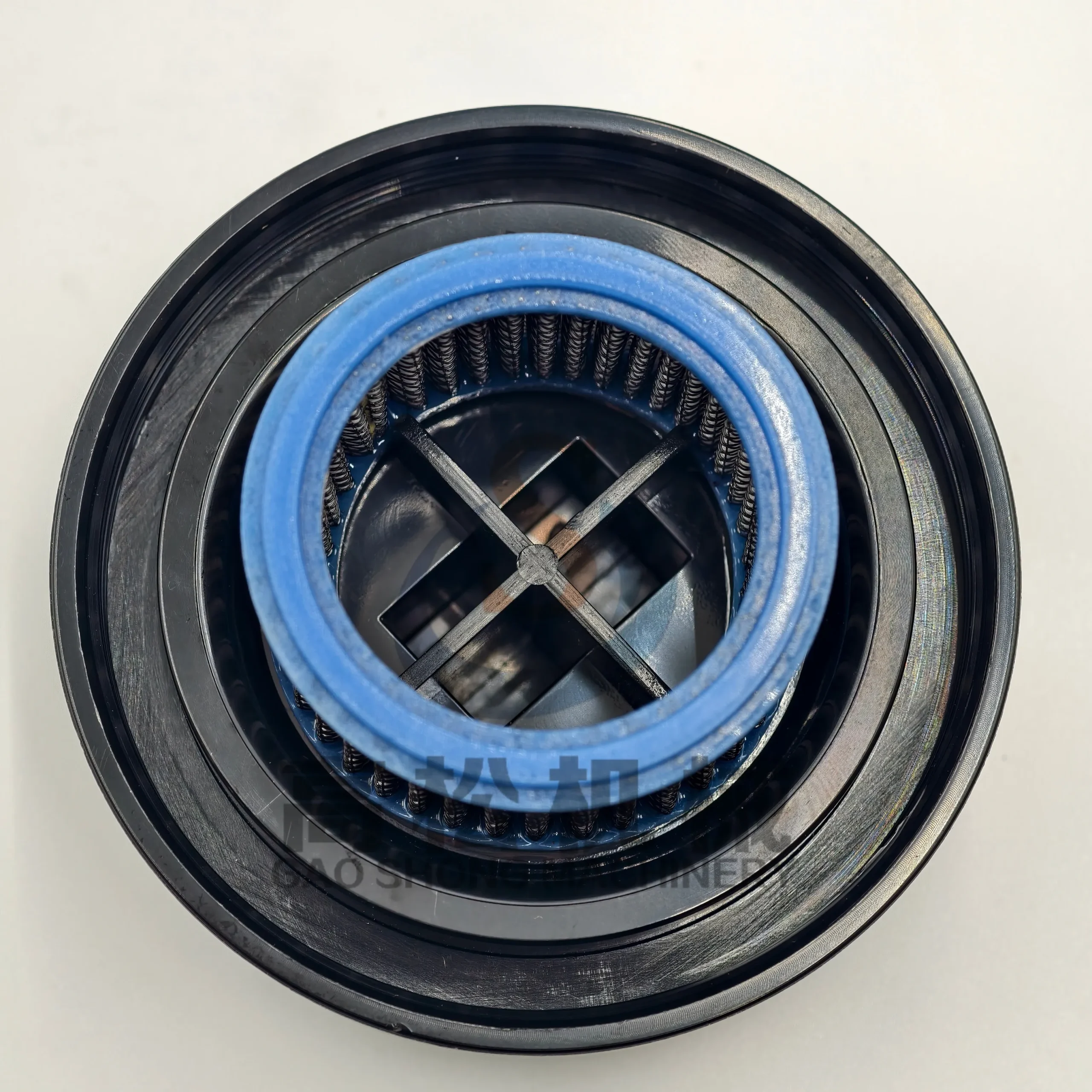 21T-04-31170 Komatsu fuel tank filter vent pipe
 -
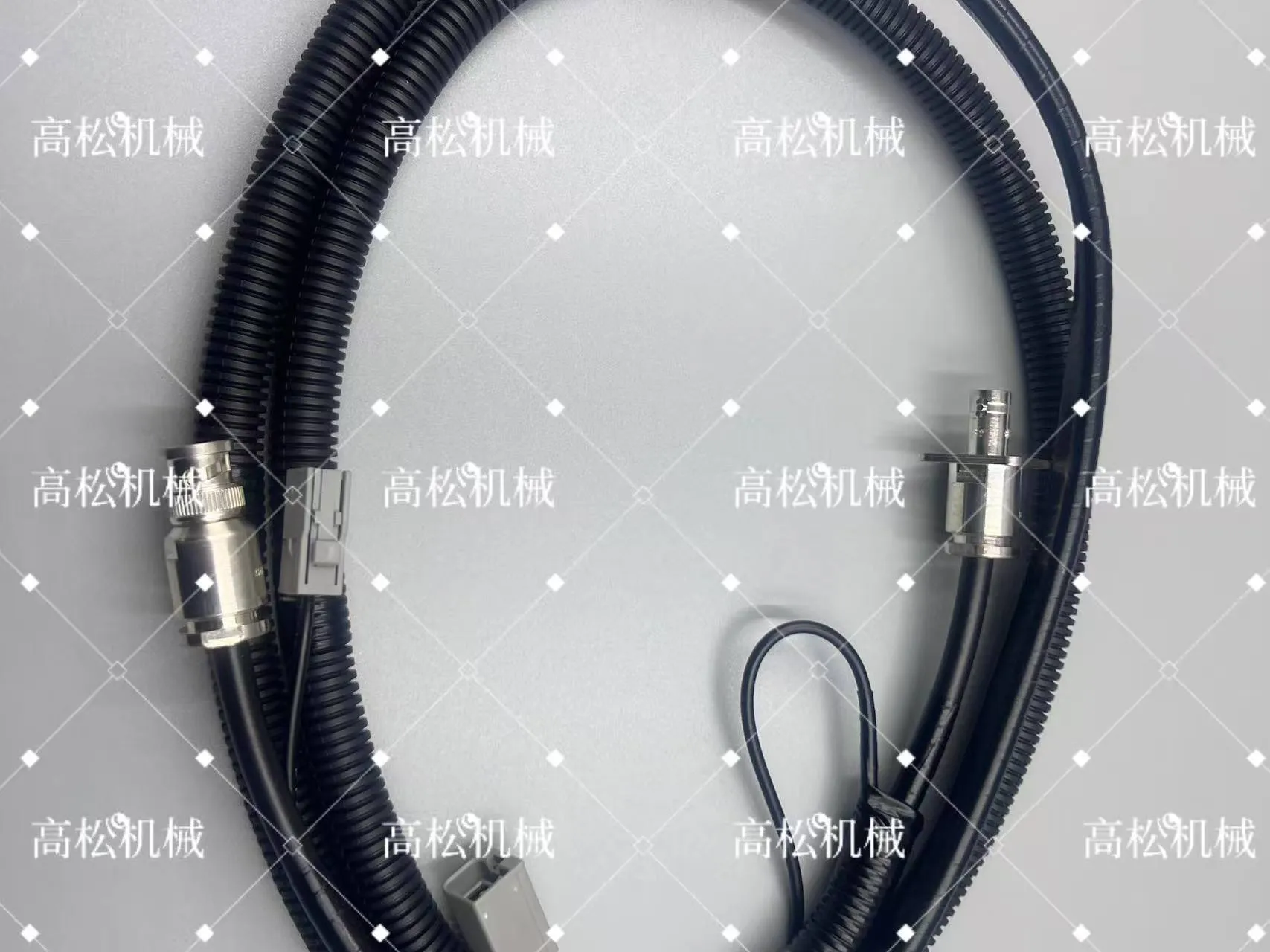 426-06-33750 Komatsu Wiring Harness Parts WA600, WD600