
- Chinese
- French
- German
- Portuguese
- Spanish
- Russian
- Japanese
- Korean
- Arabic
- Irish
- Greek
- Turkish
- Italian
- Danish
- Romanian
- Indonesian
- Czech
- Afrikaans
- Swedish
- Polish
- Basque
- Catalan
- Esperanto
- Hindi
- Lao
- Albanian
- Amharic
- Armenian
- Azerbaijani
- Belarusian
- Bengali
- Bosnian
- Bulgarian
- Cebuano
- Chichewa
- Corsican
- Croatian
- Dutch
- Estonian
- Filipino
- Finnish
- Frisian
- Galician
- Georgian
- Gujarati
- Haitian
- Hausa
- Hawaiian
- Hebrew
- Hmong
- Hungarian
- Icelandic
- Igbo
- Javanese
- Kannada
- Kazakh
- Khmer
- Kurdish
- Kyrgyz
- Latin
- Latvian
- Lithuanian
- Luxembou..
- Macedonian
- Malagasy
- Malay
- Malayalam
- Maltese
- Maori
- Marathi
- Mongolian
- Burmese
- Nepali
- Norwegian
- Pashto
- Persian
- Punjabi
- Serbian
- Sesotho
- Sinhala
- Slovak
- Slovenian
- Somali
- Samoan
- Scots Gaelic
- Shona
- Sindhi
- Sundanese
- Swahili
- Tajik
- Tamil
- Telugu
- Thai
- Ukrainian
- Urdu
- Uzbek
- Vietnamese
- Welsh
- Xhosa
- Yiddish
- Yoruba
- Zulu
- Kinyarwanda
- Tatar
- Oriya
- Turkmen
- Uyghur






Komatsu aftercooler
When you hear 'Komatsu aftercooler', most guys immediately think of the radiator-looking box bolted to the side of an engine. That's the surface. The real story is in the pressure drop, the core material, and the fight against condensation—things that bite you in the field long after the part is installed. I've seen too many units swapped out on a hunch, only for the high intake air temp alarm to come right back because the real culprit was a compromised air duct upstream. It's never just the part; it's the system.
The Core Function and Common Misreads
Let's be clear: an aftercooler is not an intercooler. That's the first trip-up. On Komatsu mining trucks and large excavators, the Komatsu aftercooler sits after the turbocharger but before the intake manifold, tasked with cooling compressed intake air. The goal is density—more oxygen molecules per cubic foot for cleaner, more powerful combustion. The common misread? Operators see high intake air temps and blame the aftercooler core. Half the time, it's the charge air cooler (the intercooler stage, if equipped) or a failing turbo running too hot that's overheating the air beyond what the final-stage aftercooler can handle.
I recall a PC700-6 where the complaint was constant derating. The shop replaced the aftercooler with a new OEM unit. Problem persisted. Turns out, the fins on the core were clean, but the internal air passages were partially blocked by a degraded sealant from a previous botched repair. The airflow was restricted, causing a pressure differential the ECU didn't like. The data was all there in the monitor, but everyone jumped on the temperature reading alone.
The material matters immensely. The OEM cores use a specific aluminum alloy and braze technique. Some aftermarket units look identical but use a softer alloy. Under the constant thermal cycling and vibration inside a 3500-class excavator, these can develop micro-fractures. The leak starts small, maybe just a slight loss of boost pressure you'd chalk up to sensor drift. Then it grows. You don't usually get catastrophic failure; you get a slow, expensive bleed of performance and fuel economy.
Supply Chain Realities and the Third-Party Niche
This is where the official channels hit a wall in certain regions. Waiting 12 weeks for a genuine Komatsu aftercooler assembly from Japan isn't an option when a fleet of 930E trucks is down. Companies like Jining Gaosong Construction Machinery Co., Ltd. exist in this space. They're an interesting hybrid: an OEM product supplier within the Komatsu system and a third-party sales company. Their stated goal on their site, https://www.takematsumachinery.com, is to solve parts supply challenges. In practice, this often means they can provide genuine Komatsu-spec parts through alternative logistics or offer certified remanufactured units that meet the pressure and thermal specs.
I've used their channel for a D375A-6 dozer project in a remote area. The official distributor's lead time was prohibitive. The unit supplied through Gaosong had the correct Komatsu part number stamping and, crucially, the same fin density and tank design. The install was seamless, and the post-installation pressure check was within 0.2 psi of the manual's specification. It performed. This isn't about cheaper alternatives; it's about viable, spec-compliant supply when the primary pipeline is clogged.
However, the caveat is profound. Third-party covers a vast quality spectrum. Gaosong's position as an OEM supplier suggests a level of system integration and quality control that a pure aftermarket rebuilder might not have. You have to verify. Does the unit include new mounting hardware and gaskets? Is the core tested for leaks under both air and coolant pressure? A reputable supplier will have that data sheet, not just a box.
Installation Pitfalls and the Condensation Menace
Even with a perfect part, installation is where failures are born. The mounting brackets on Komatsu aftercoolers are designed to absorb engine twist. If you over-torque the bolts or forget the isolation bushings, you transfer that stress directly to the coolant tubes. They will crack. It might take 400 hours, but they will crack.
The bigger, more insidious issue is condensation management. As you cool compressed air, you wring moisture out of it. The aftercooler has a drain, usually a small valve. If that drain gets clogged with oil sludge (common on older engines with some blow-by), water pools in the bottom tank. In freezing conditions, that's an instant crack. In all conditions, that water gets sucked into the engine. I've seen cylinder liners get washed out because a $5 drain valve was ignored during a aftercooler service.
The procedure seems simple: drop the old one, fit the new one. But you must check the alignment of all connecting boots and ducts. A slight kink in the intake hose between the turbo and aftercooler inlet can cause a turbulence hotspot, leading to localized overheating and eventual failure of the new core. It's a domino effect.
Diagnosis Over Parts Swapping
My hard-learned rule: never condemn a Komatsu aftercooler based solely on temperature. You need a three-point check. First, infrared thermometer on the inlet vs. outlet tanks. There should be a significant drop (exact specs are in the shop manual, but think 90°F+). If the drop is minimal, you have a problem. Second, pressure drop. A manometer set up across the core will tell you if it's restricted. Third, and most telling, a coolant system pressure check. Pressurize the aftercooler's coolant side with the system isolated. If it drops, you have a leak, likely internal, which means exhaust gases or boost pressure entering the coolant.
I failed this once on a D65EX-12. We had coolant loss and bubbles in the header tank. Assumed it was a head gasket. Replaced it. Problem came back. Only after pulling the aftercooler and pressure-testing it submerged did we find a pinhole leak on the air side. Combustion gases were pressurizing the coolant system. A $15,000 head job for a $2,000 aftercooler issue. The shame was real.
Modern Komatsu machines with advanced diagnostics make this easier, but they also create complacency. The fault code says Intake Air Temperature Abnormality High. That's a starting point, not a verdict. The data stream will show you the actual temp, which you must correlate with engine load, ambient temp, and coolant temp. Is the aftercooler coolant circuit thermostat stuck closed? Is the hydraulic oil cooler mounted in front of it blocking airflow? Diagnosis is a process of elimination, and the aftercooler is just one link.
The Long-Term View: Maintenance and Reman Options
These units aren't throwaways. A well-maintained Komatsu aftercooler can last the life of two engines. Maintenance is simple but critical: keep the external fins clean of debris, blow them out with low-pressure air regularly. Check that drain valve every 500-hour service. Monitor the engine's data for a gradual creep in intake air temperature under similar load conditions—it's the earliest warning sign.
When they do fail, a proper remanufacture is often better than a low-tier new aftermarket part. A true reman process will chemically clean the core inside and out, pressure-test it, replace all tanks and seals, and often apply a new corrosion-resistant coating. Companies operating within the Komatsu ecosystem, like the mentioned Jining Gaosong, often have access to these reman lines or can provide units that have been through this rigorous process, not just cleaned and painted.
The end goal is uptime. Whether you source a genuine part, a certified reman from a third-party facilitator, or a new OEM-spec unit, the benchmark is the same: does it restore the machine's performance profile to the factory specification? If the intake air temp is back in the green band and the boost pressure is stable, you've won. The part itself, the aftercooler, is just a tool to get there. Understanding its role in the entire air-handling system is what separates a quick fix from a lasting repair.
Related Products
Related Products

Best Selling Products
Best Selling Products-
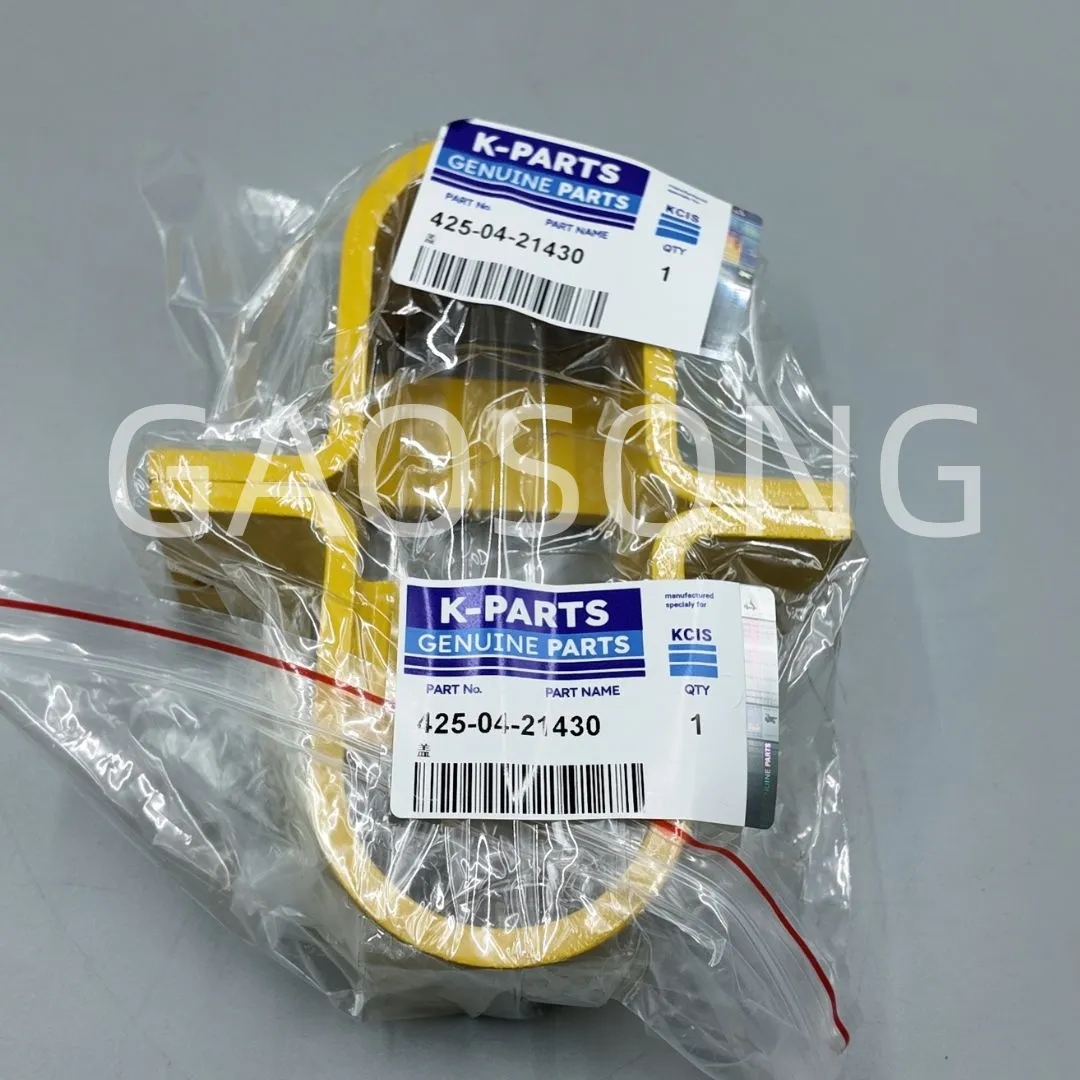 425-04-21430 COVER-Komatsu Original Factory
 -
 SEAL RING 155-15-12811 Dump Truck Transmission Kit D85A-18 NT855
 -
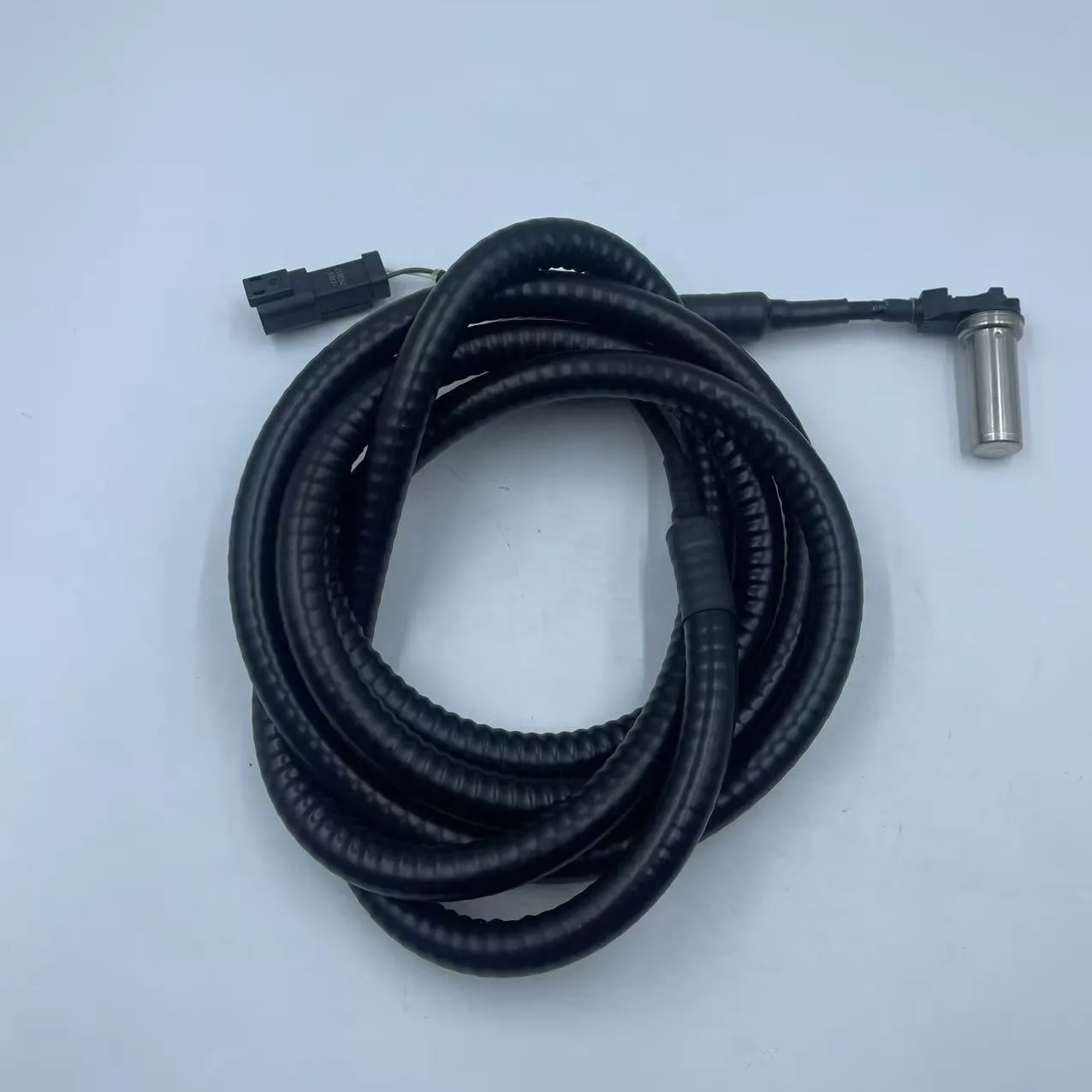 ZGZJYBL Sensor for Komatsu HD785-7 Dump Truck 566-88-66143 5668866143
 -
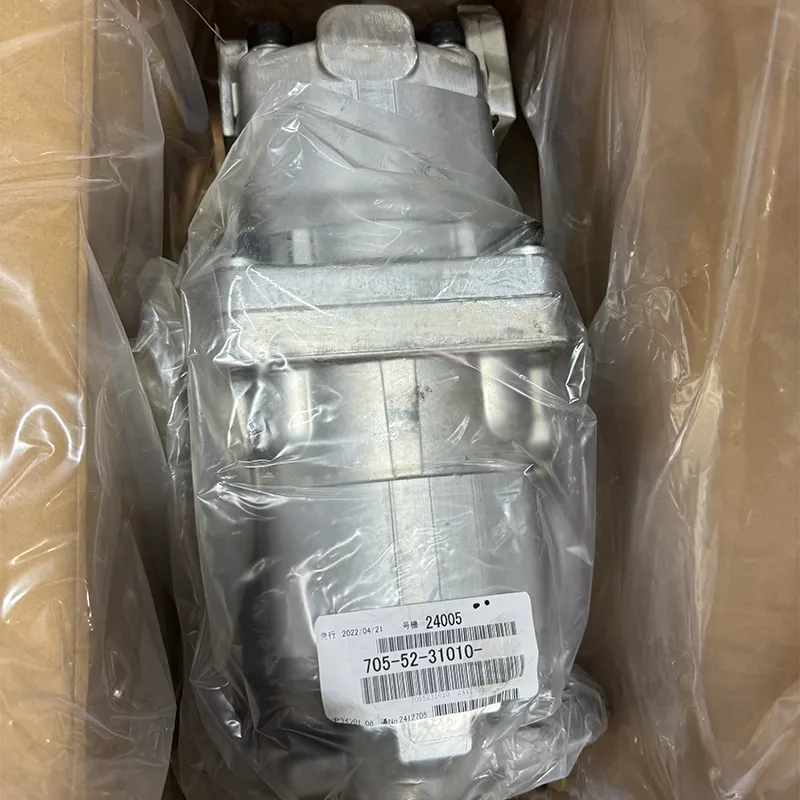 Original komatsu HD605-5 Pump Assembly 705-52-31010
 -
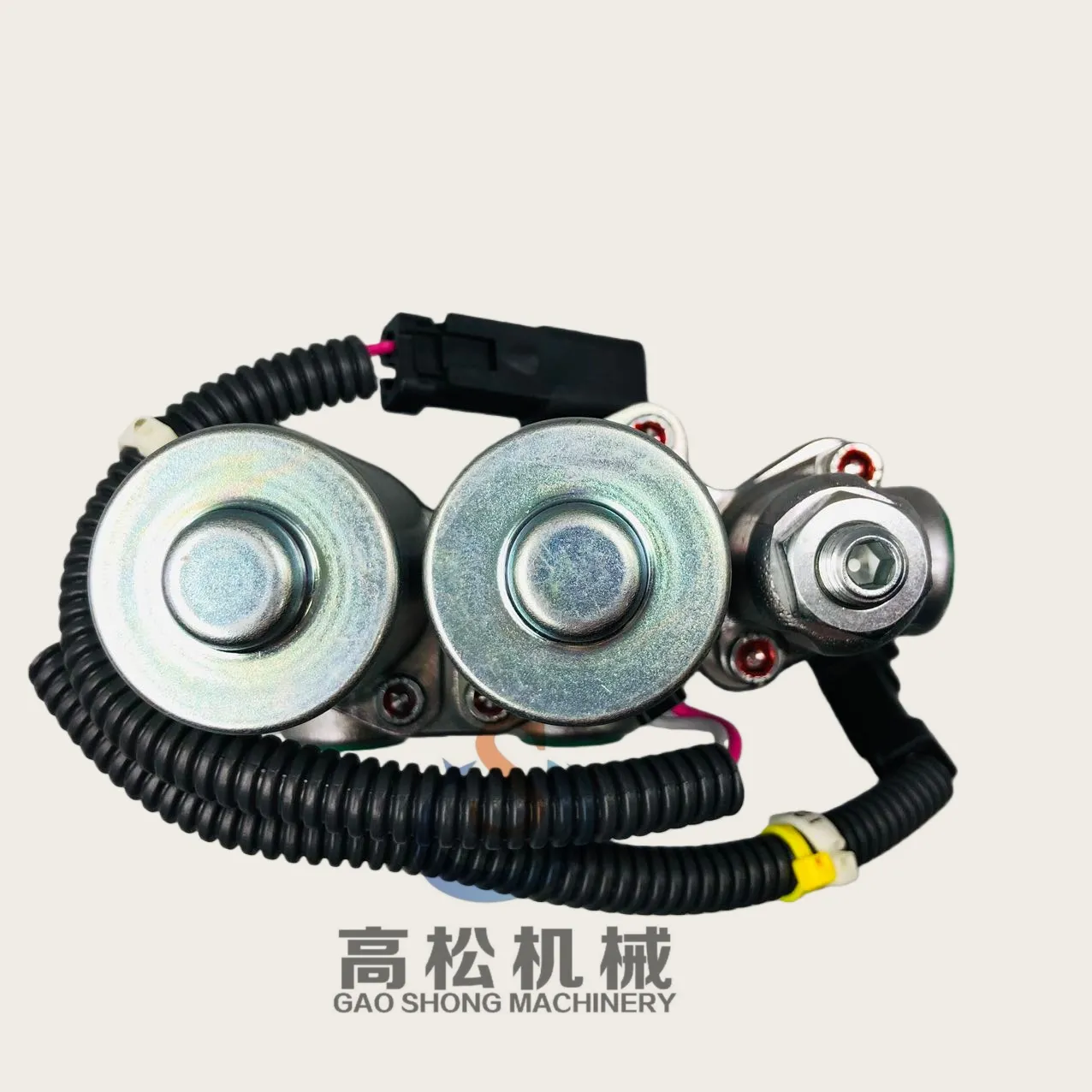 22F-60-31600 22F-60-21201 Electromagnetic valve assembly for PC40MR PC55MR PC56-7 excavator parts
 -
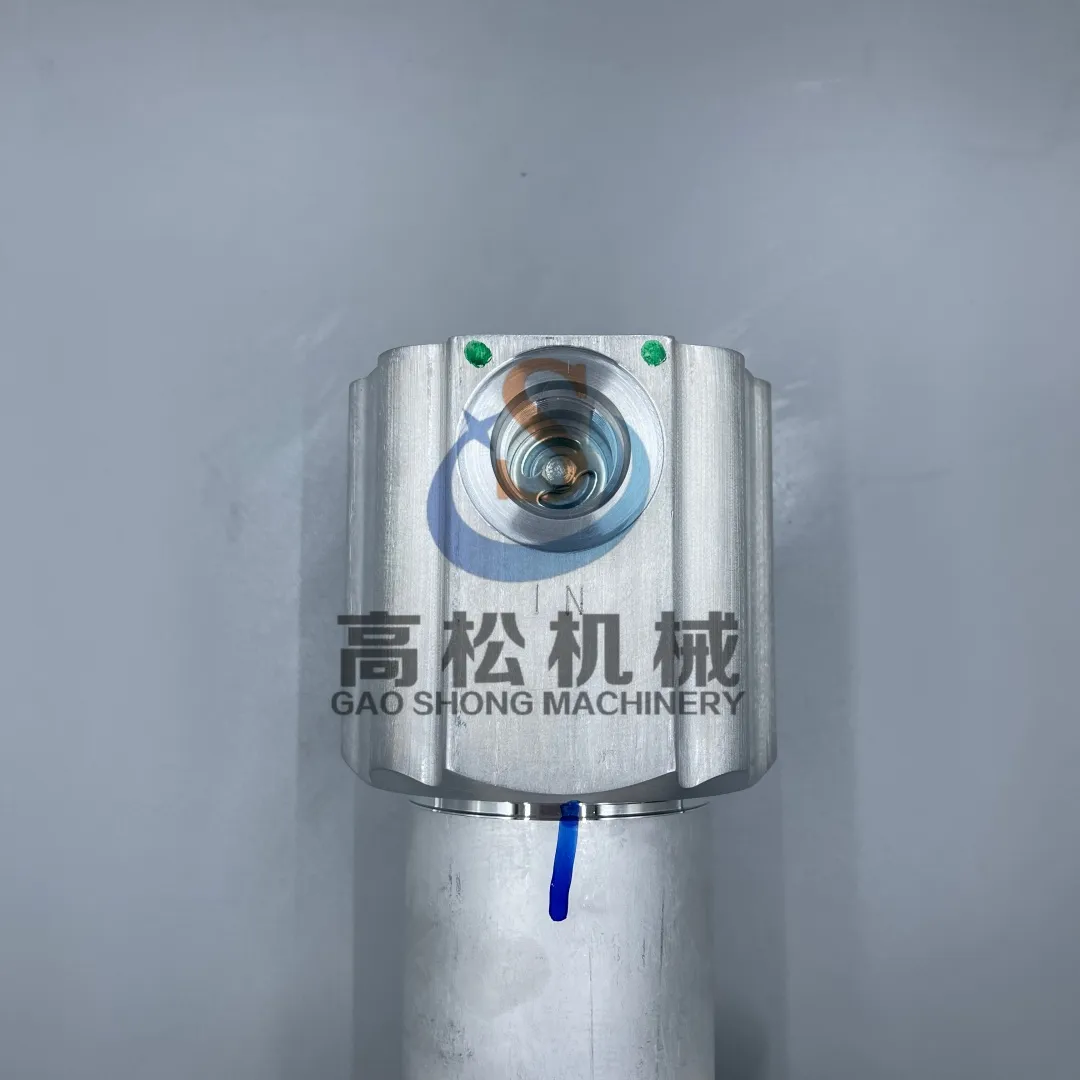 569-43-83911 Komatsu Filter Assembly
 -
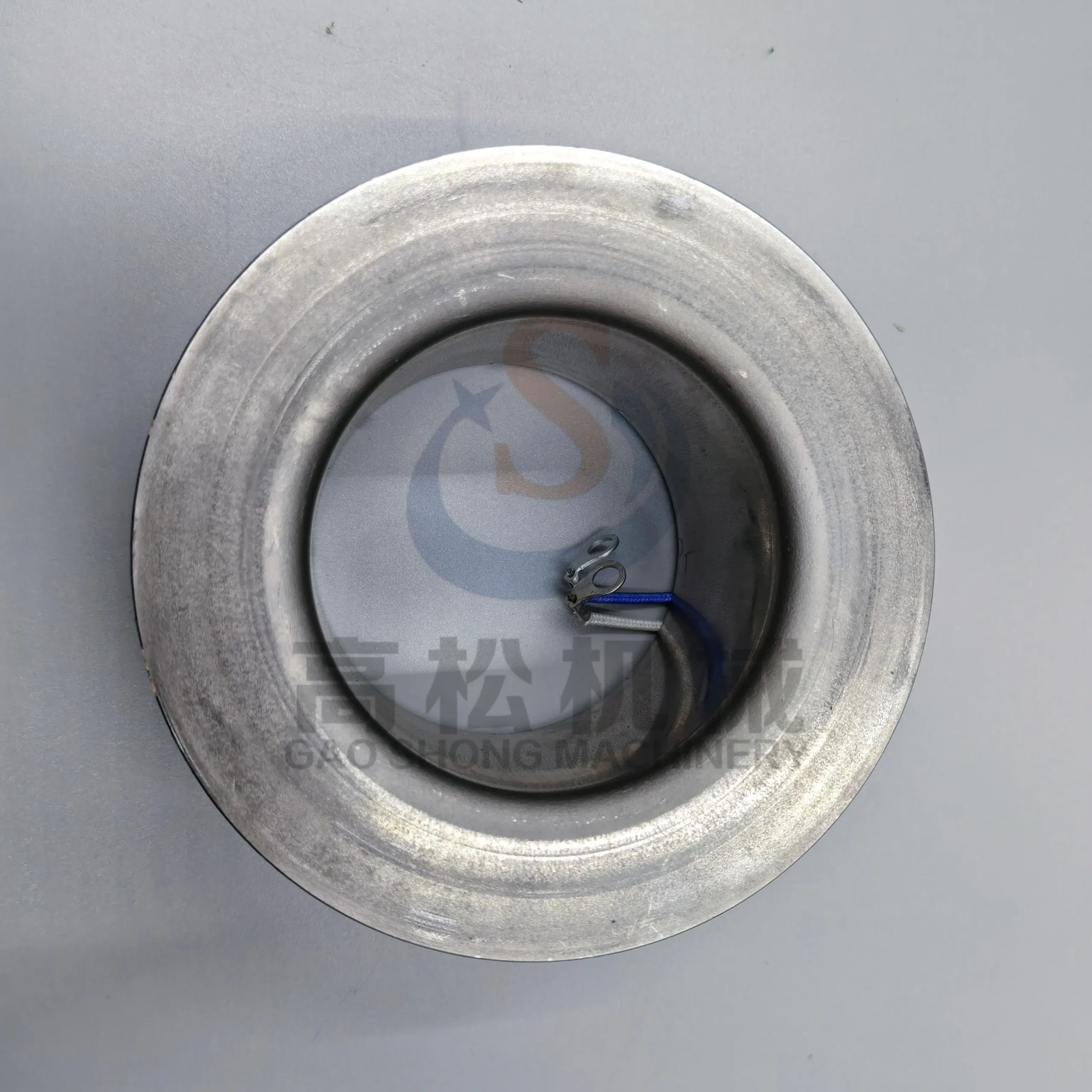 KD0-35120-0250 Komatsu Coil Assembly
 -
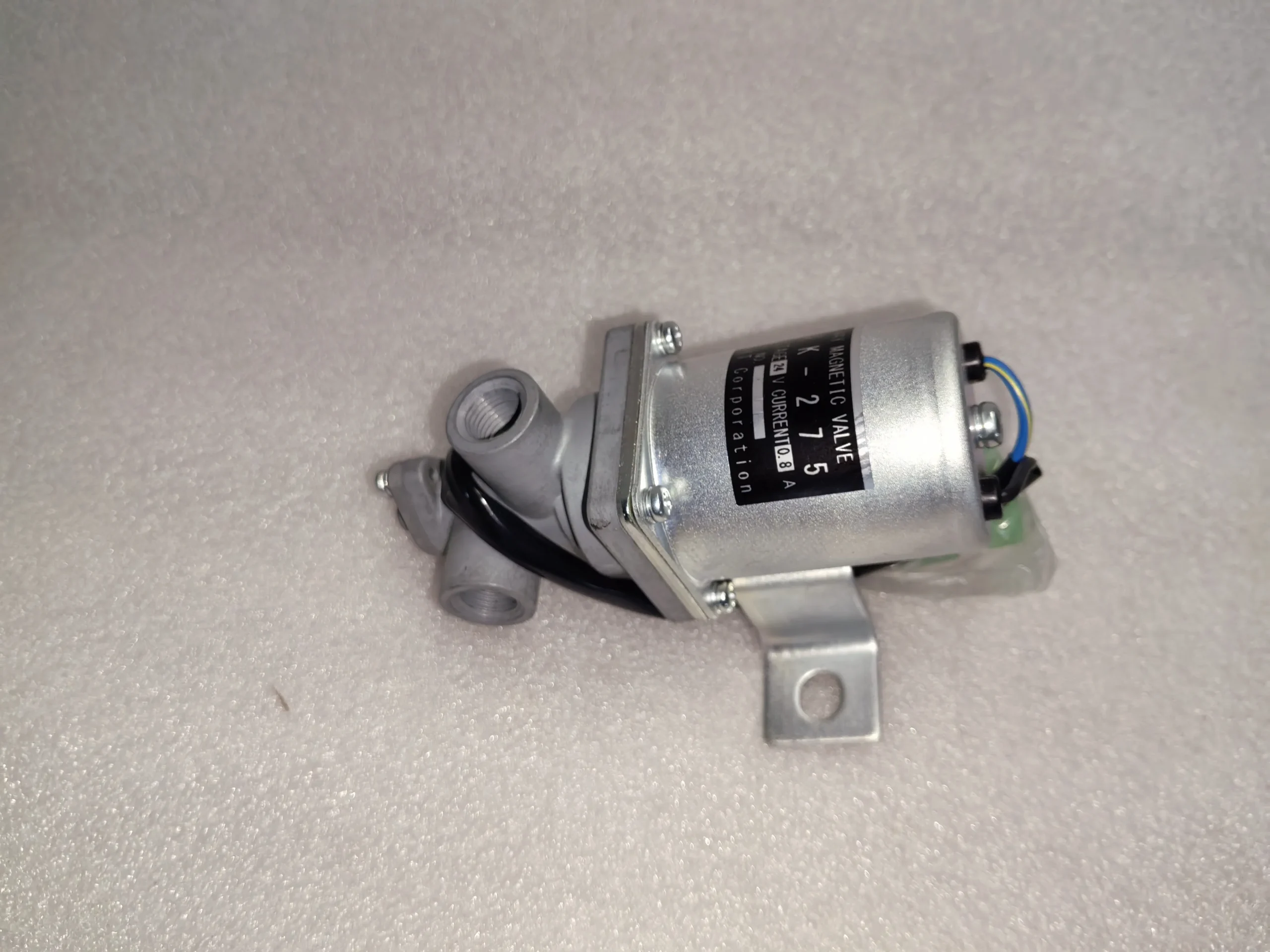 425-06-11150 VALVE Komatsu Original Factory
 -
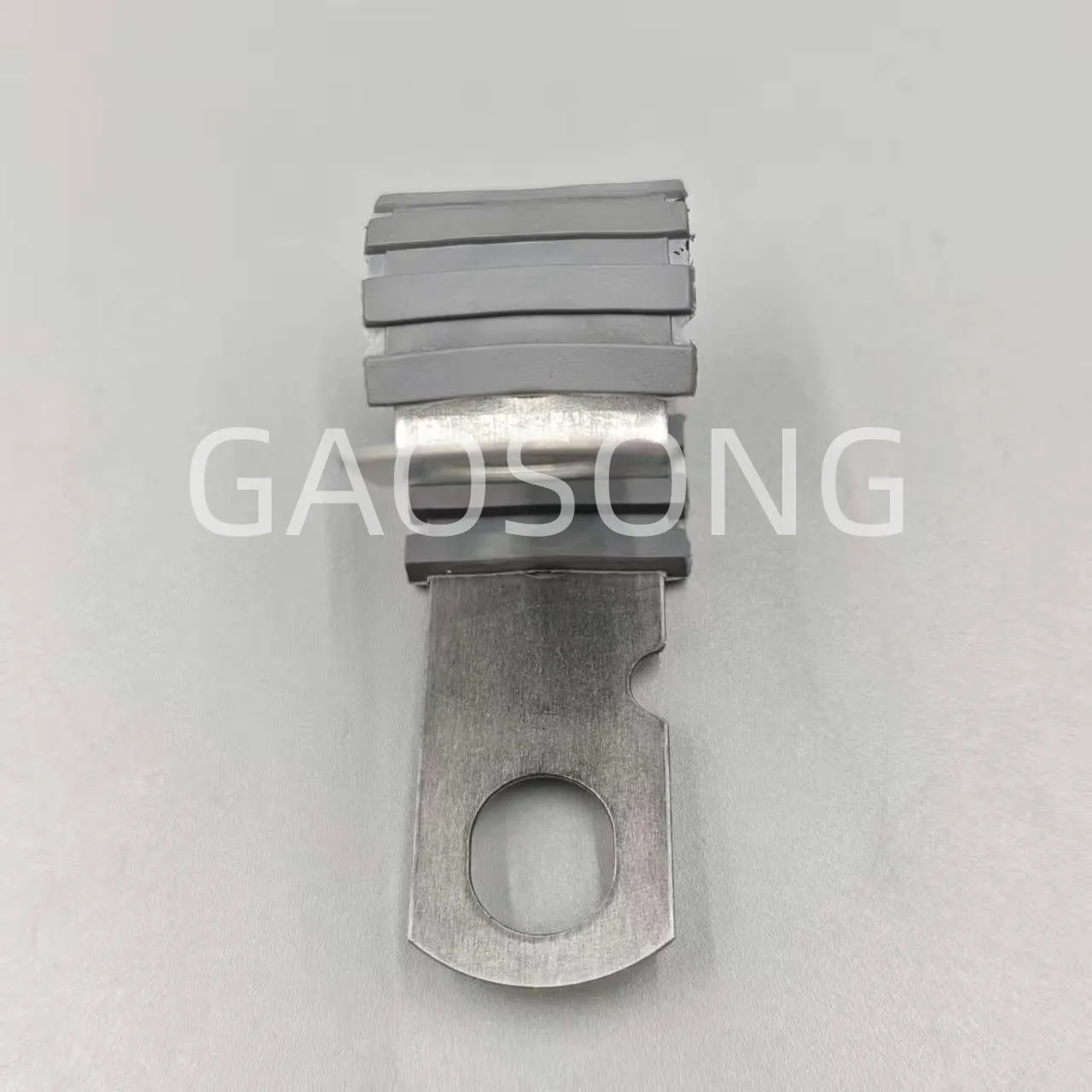 600-051-2180 CLIP-Komatsu Original Factory
 -
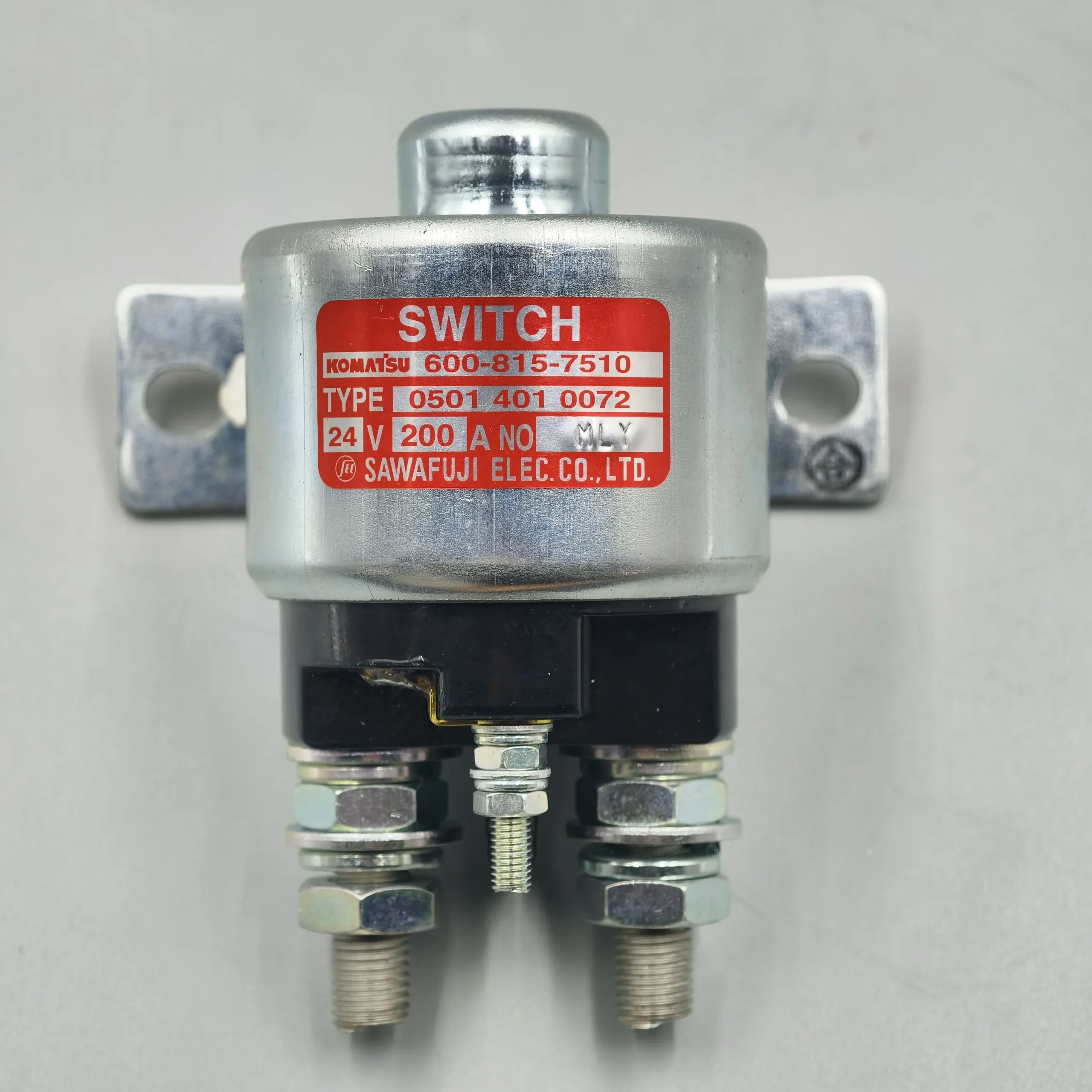 Accessories D375A-5 Switch Heater 600-815-7510 6008157510
 -
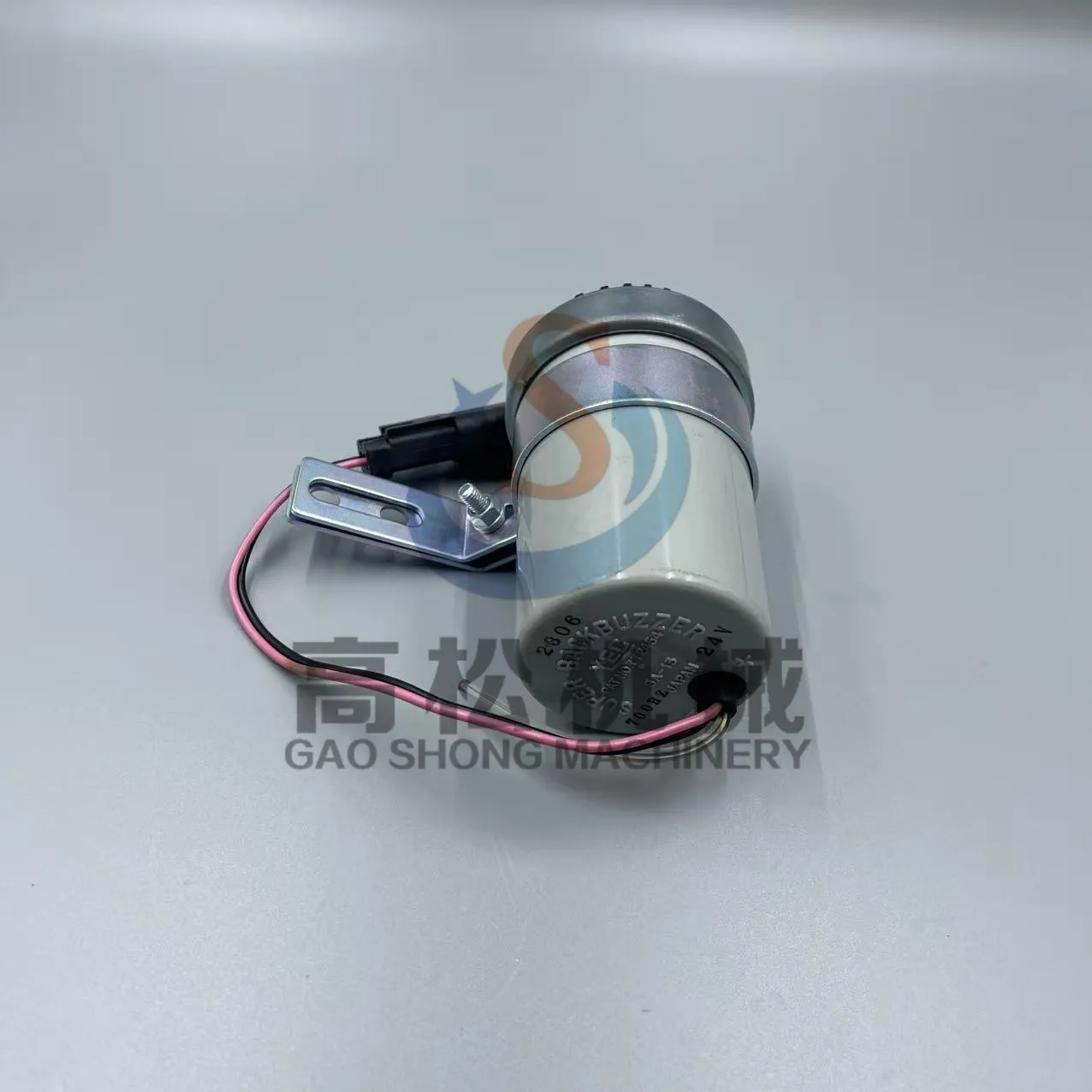 BUZZER 198-06-56570 – KOMATSU
 -
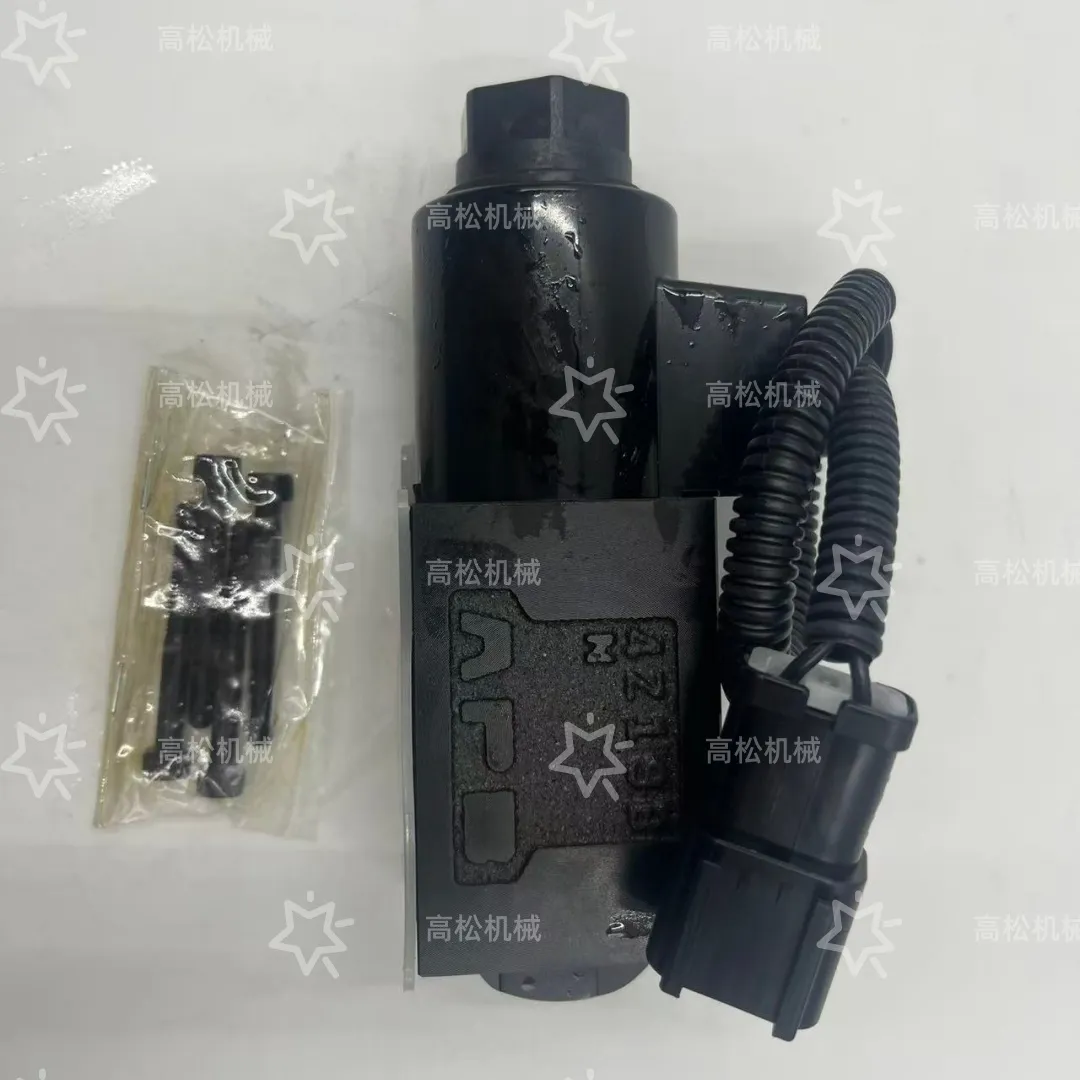 23W-60-28230 VALVE ASSEMBLY,SOLENOID – Komatsu