
- Chinese
- French
- German
- Portuguese
- Spanish
- Russian
- Japanese
- Korean
- Arabic
- Irish
- Greek
- Turkish
- Italian
- Danish
- Romanian
- Indonesian
- Czech
- Afrikaans
- Swedish
- Polish
- Basque
- Catalan
- Esperanto
- Hindi
- Lao
- Albanian
- Amharic
- Armenian
- Azerbaijani
- Belarusian
- Bengali
- Bosnian
- Bulgarian
- Cebuano
- Chichewa
- Corsican
- Croatian
- Dutch
- Estonian
- Filipino
- Finnish
- Frisian
- Galician
- Georgian
- Gujarati
- Haitian
- Hausa
- Hawaiian
- Hebrew
- Hmong
- Hungarian
- Icelandic
- Igbo
- Javanese
- Kannada
- Kazakh
- Khmer
- Kurdish
- Kyrgyz
- Latin
- Latvian
- Lithuanian
- Luxembou..
- Macedonian
- Malagasy
- Malay
- Malayalam
- Maltese
- Maori
- Marathi
- Mongolian
- Burmese
- Nepali
- Norwegian
- Pashto
- Persian
- Punjabi
- Serbian
- Sesotho
- Sinhala
- Slovak
- Slovenian
- Somali
- Samoan
- Scots Gaelic
- Shona
- Sindhi
- Sundanese
- Swahili
- Tajik
- Tamil
- Telugu
- Thai
- Ukrainian
- Urdu
- Uzbek
- Vietnamese
- Welsh
- Xhosa
- Yiddish
- Yoruba
- Zulu
- Kinyarwanda
- Tatar
- Oriya
- Turkmen
- Uyghur






komatsu 980e engine
When you hear 'Komatsu 980E engine', most folks immediately jump to the QSK60—the 60-liter Cummins behemoth. That's not wrong, but it's a starting point that misses the real story. The engine isn't just a component you drop in; it's the thermal and mechanical heart of a 400-ton truck, and its performance is dictated by a hundred smaller interactions. I've seen too many projects stall because they treated the power pack as a black box, just ordering a long block without considering the ancillaries, the cooling strategy, or the specific duty cycle. The real cost isn't in the initial purchase; it's in how it runs for the next 30,000 hours.
The OEM Reality and the Aftermarket Gap
Working with an outfit like Jining Gaosong Construction Machinery Co., Ltd., which operates as both an OEM supplier within Komatsu's system and a third-party solutions provider, you get a unique perspective. Their role, outlined on their portal https://www.takematsumachinery.com, is essentially about bridging that gap between pure factory supply and the messy reality in the field. The official Komatsu network is impeccable for greenfield sites with perfect logistics. But what about a mine in a region with complex import restrictions or a fleet that's a mix of 980E-1 and 980E-4 models? That's where the supply challenges they mention become very tangible.
The Komatsu 980E engine assembly, particularly the QSK60, relies on a specific ecosystem. It's not just about the block and heads. The turbocharger pairing, the Komatsu-specific engine control module (ECM) that talks to the truck's VHMS, and the cooling package designed for the 980E's frame are all integral. Sourcing a genuine engine from a non-OEM channel can sometimes mean you get a Cummins long-block that's correct, but you're missing the bespoke brackets, harness interfaces, or calibrated sensors that make it a Komatsu engine. I've witnessed a rebuild where the engine ran, but the truck's health monitoring system threw constant false flags because a pressure sensor wasn't the right part number, crippling the predictive maintenance strategy.
This is the nuance companies like Gaosong navigate. They aren't just parts resellers; they're often providing a validated assembly or a workaround that keeps the truck operational. For instance, they might supply a full engine dress kit that includes all the Komatsu-proprietary fittings, something you might struggle to piece together from general Cummins distributors. Their value is in understanding what makes the 980E's power unit unique beyond the base model plate.
Cooling and Calibration: The Hidden Battleground
If I had to pinpoint the single biggest headache with the 980E's power system, it's thermal management. The QSK60 generates a staggering amount of heat, and the radiator core, fan drive, and aftercooler are all sized on a knife's edge for the truck's design. In high-altitude or high-ambient-temperature sites, that edge disappears fast.
We tried an experiment once, swapping in a different fan clutch from a major aftermarket brand that promised better efficiency. On paper, it fit. In practice, the engagement profile was slightly off, leading to slower ramp-up times. The result? Consistently higher coolant temps on the long, loaded hauls. Not enough to trigger a shutdown, but enough to accelerate wear on cylinder head gaskets and increase NOx emissions. We reverted to the OEM-spec unit within 500 hours. The lesson was that every auxiliary, even the fan, is calibrated as part of the whole system. A generic solution can degrade performance incrementally.
The ECM calibration is another locked box. The Komatsu 980E engine map isn't just about horsepower; it's integrated with the Komatsu Traction Control System (K-TCS) and the retarding logic. I recall a case where a mine sourced a replacement ECM from a non-OEM supplier. It was flashed with a generic QSK60 map. The engine produced rated power, but the retarding performance was erratic, and the truck would occasionally jerk during gear shifts because the torque curve management wasn't synchronized with the transmission control. The fix involved sourcing a virgin Komatsu ECM and having it flashed with the correct software version for that specific truck's serial number range—a service that specialized third-party suppliers are sometimes better equipped to facilitate quickly in remote locations.
Failure Patterns and the Simple Fix That Wasn't
You learn more from failures than from perfect runs. A common issue we saw on earlier 980E models was premature failure of the exhaust manifold gaskets. The initial reaction was to blame the gasket material and upgrade to a more robust aftermarket type. That helped, but didn't solve it.
Digging deeper, the root cause often traced back to the engine mounting and the frame flex on extreme haul roads. The engine and its rigidly mounted turbo assembly were experiencing slight but high-frequency torsion, stressing the manifold joints. The fix wasn't just a better gasket; it involved checking and sometimes shimming the engine mounts to ensure they were within Komatsu's alignment tolerance—a step often missed in a standard in-frame overhaul. This is the kind of site-specific, hands-on knowledge that separates a parts changer from a technician who understands the machine as a system.
Another pattern involved the high-pressure fuel lines. Vibration-induced fatigue could lead to seepage. The OEM solution is a specific routing with precise clip placements. In the field, after a few repairs, those clips might not get reinstalled exactly right, leading to a repeat failure. A good supplier won't just sell you the fuel line; they should provide the routing diagram or even the clip kit. It's these minutiae that define uptime.
The Logistics of Keeping a Giant Running
This is where the mission of a company like Jining Gaosong Construction Machinery Co., Ltd. becomes critical. Their stated goal of solving parts supply challenges in certain countries isn't marketing fluff. For a Komatsu 980E engine component, the official lead time might be 12 weeks to a port in South America or Africa. A project can't afford that downtime.
Their model often involves holding strategic stock of high-failure items or complete sub-assemblies like turbochargers, water pumps, or even dressed cylinder heads. More importantly, they understand the documentation and certification needed to clear customs in complex regions. Getting a 3-ton engine assembly through customs requires more than a commercial invoice; it needs certificates of conformity, detailed packing lists matching the HS codes, and sometimes even letters of explanation. They act as a logistics and technical conduit, not just a warehouse.
I've relied on such channels for a critical crankshaft. The OEM pipeline was clogged. A third-party supplier with Komatsu OEM lineage was able to source a genuine, certified crankshaft from a different regional warehouse and expedite the air freight with all the correct paperwork, turning a potential 90-day outage into 10 days. The premium on the part was negligible compared to the cost of a parked 980E.
Final Thoughts: It's a System, Not a Sum of Parts
So, when you're dealing with the Komatsu 980E engine, you're not just dealing with a Cummins QSK60. You're engaging with a deeply integrated mechanical, electronic, and thermal system. Success depends on respecting those integrations.
Whether you're working through the official Komatsu distributor or a specialized third-party partner like the one described at https://www.takematsumachinery.com, the key question is: does your supplier understand the system? Can they provide the part and the context—the torque specs for the manifold bolts that differ from the base Cummins manual, the correct coolant hose that won't chafe on the frame, or the ECM software version that matches your transmission?
The goal is seamless uptime. And achieving that for a machine of this scale often means looking beyond the standard catalog and building relationships with partners who operate in the pragmatic space between pure OEM doctrine and field necessity. That's where the real work happens.
Related Products
Related Products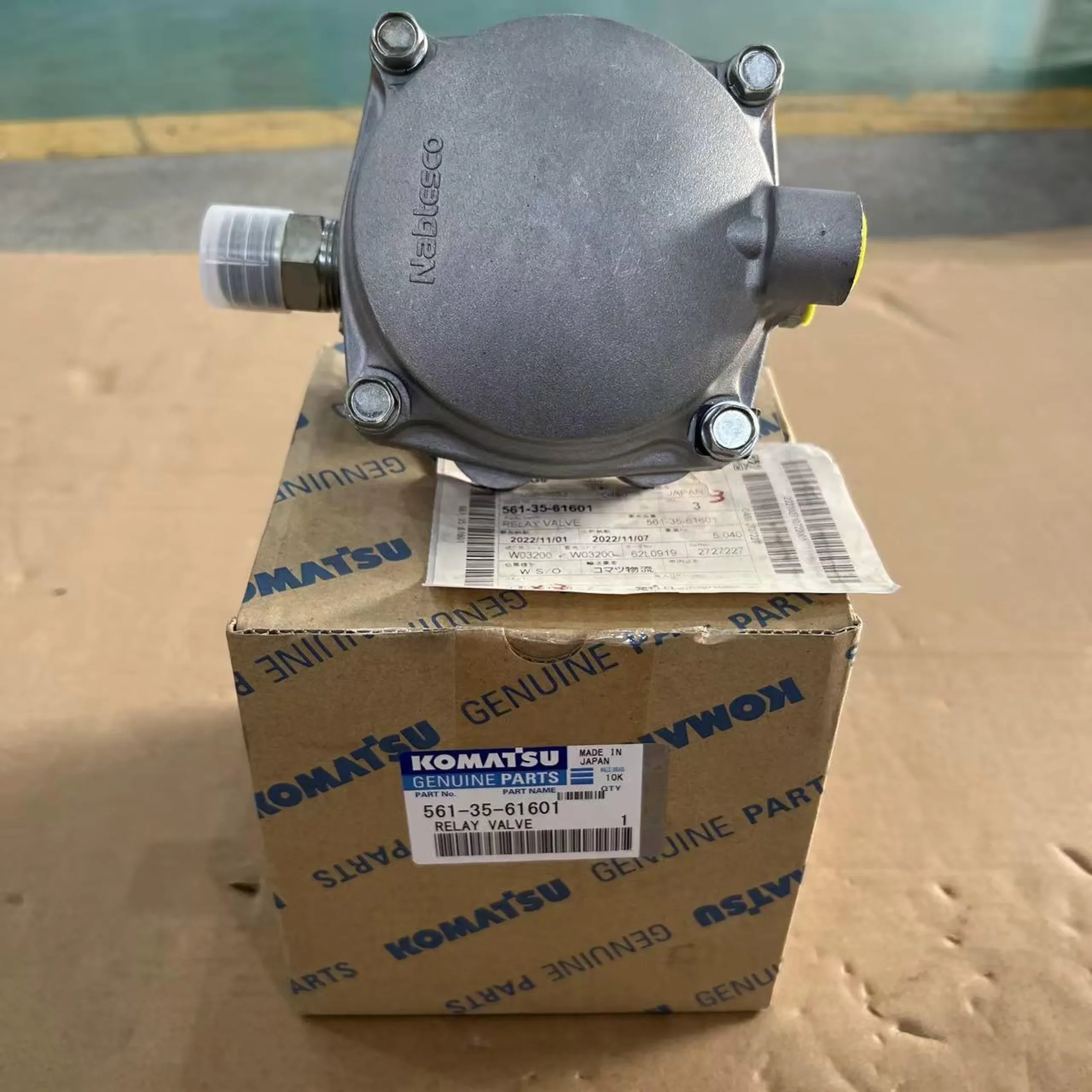
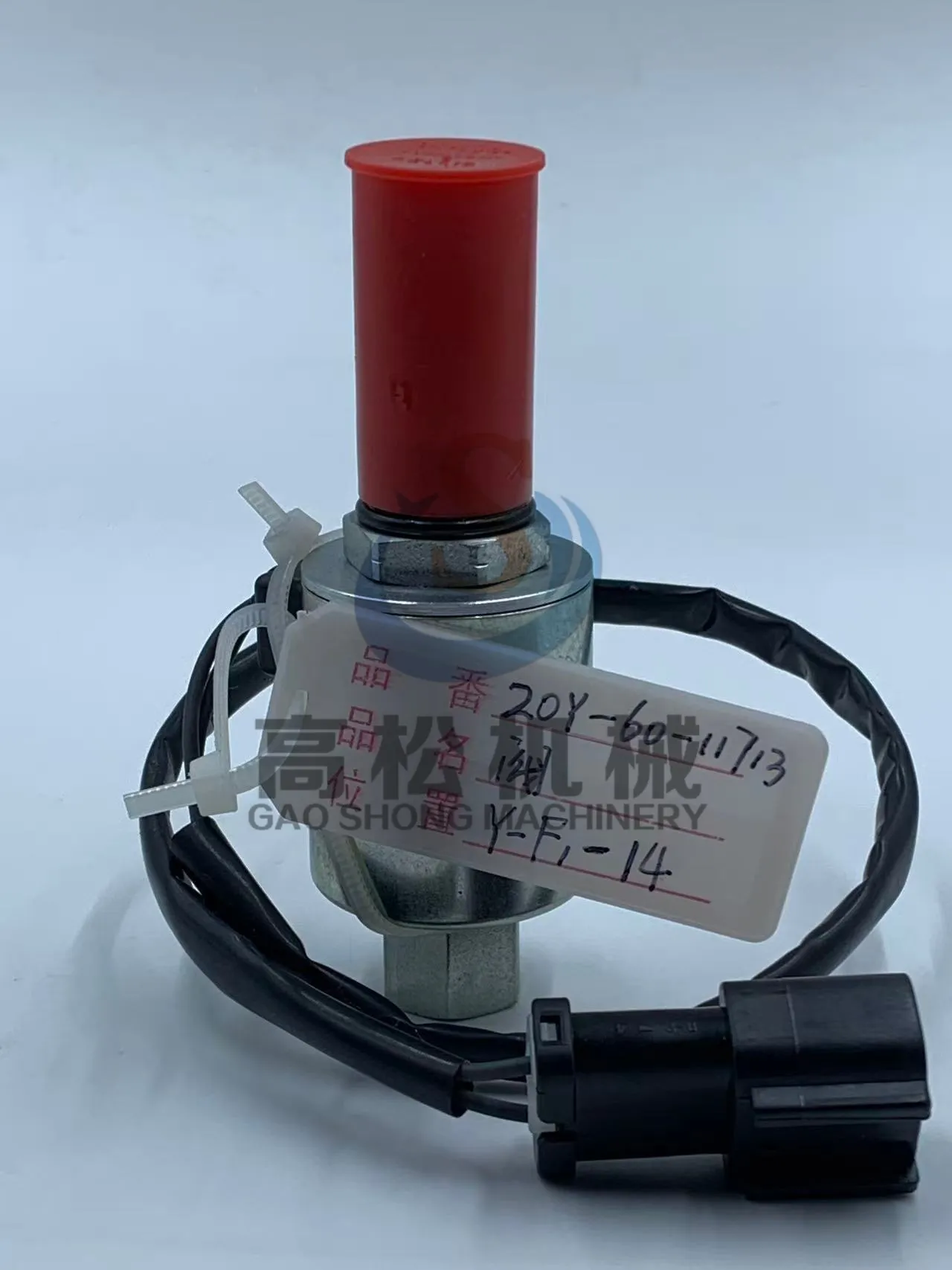
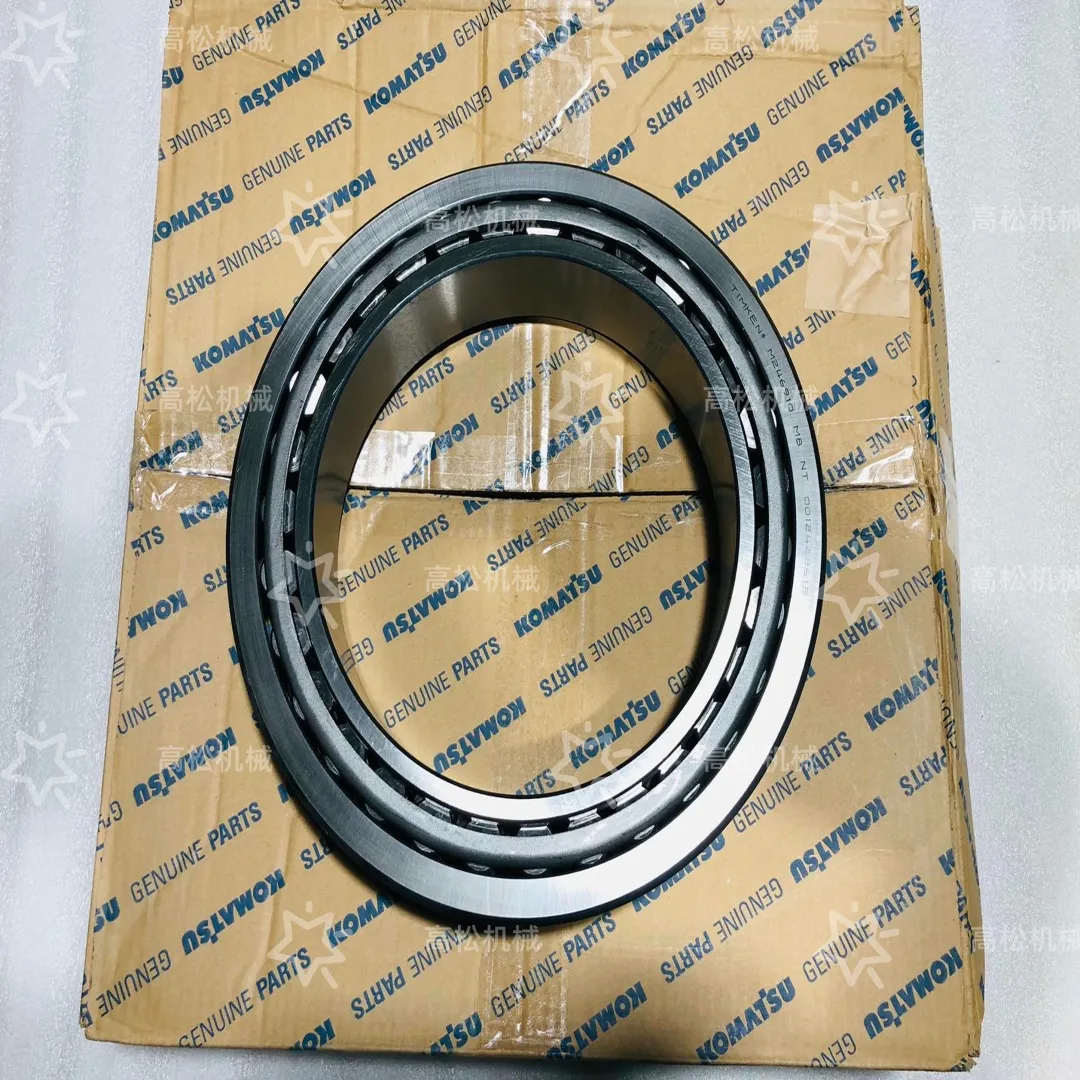
Best Selling Products
Best Selling Products-
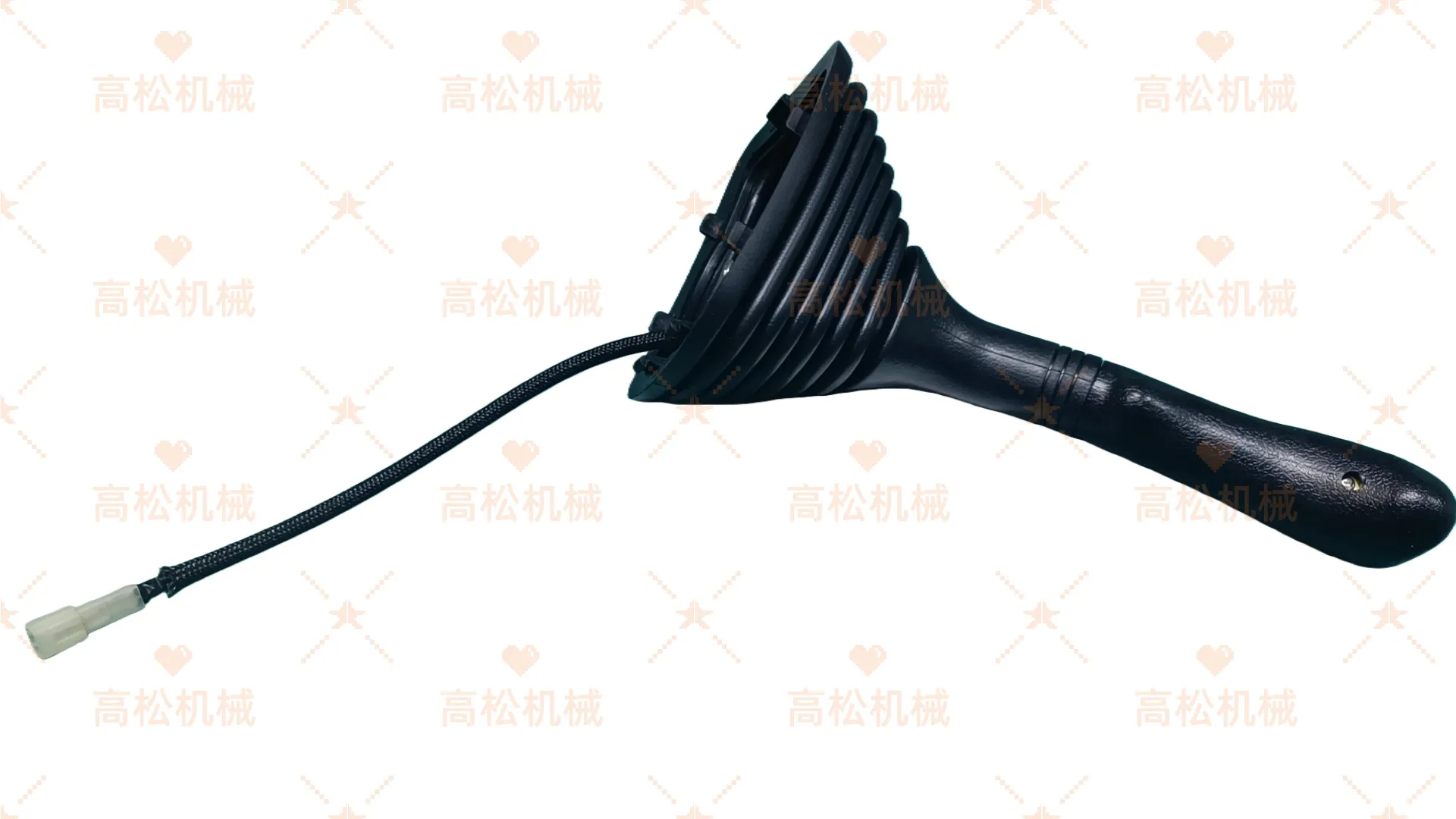 2A5-43-12861SWITCH 2A5-43-12933LEVER ASSEMBLY 2A5-53-12721Motor Assembly 2A5-54-13421 Rear View Mirror2A5-979-1113 Air conditioning component 2A8-70-13210Pin
 -
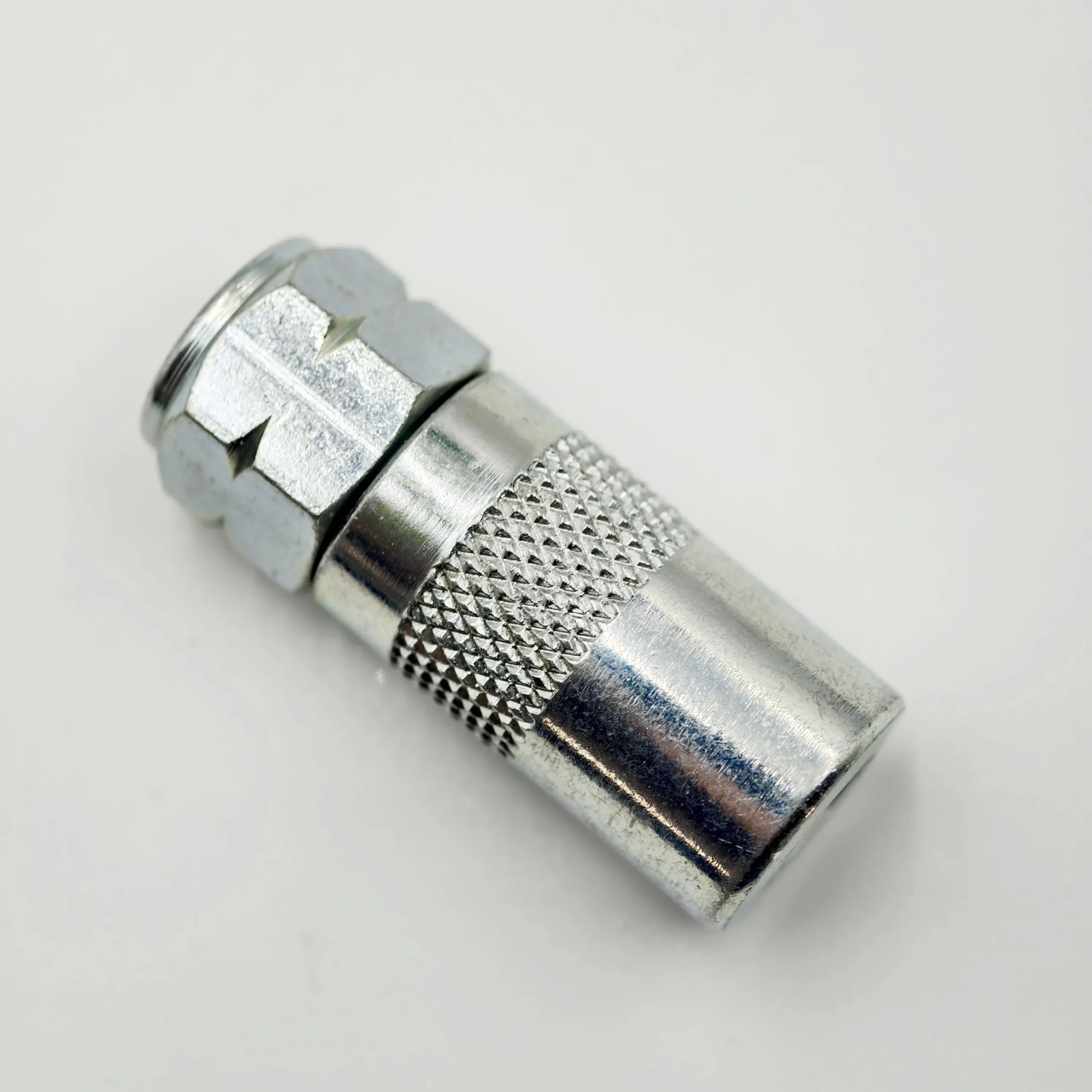 PC600-8/PC2000-8 Coupler 209-68-11640
 -
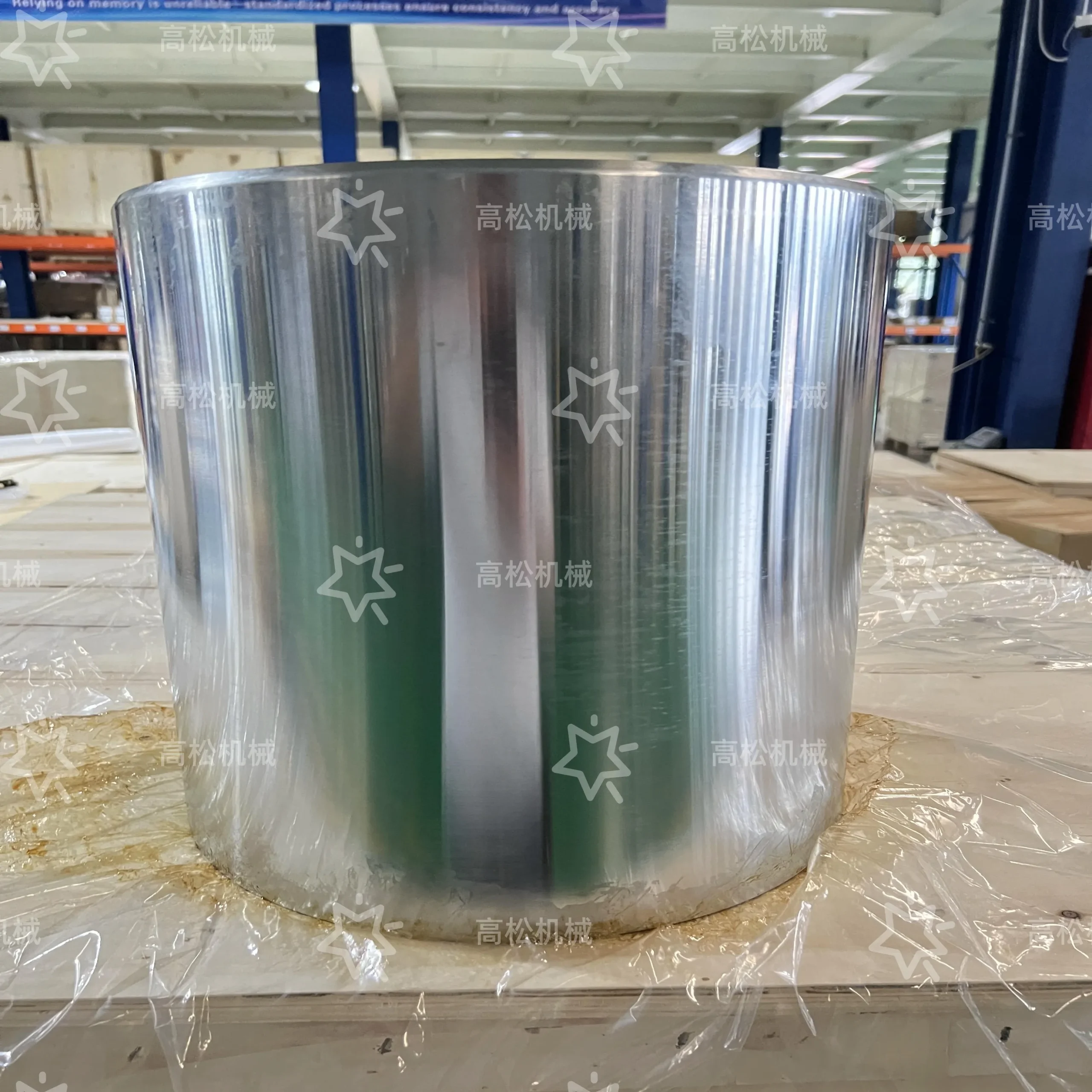 17M-30-26620BUSHING 17M-30-26620 – KOMATSU Part catalog
 -
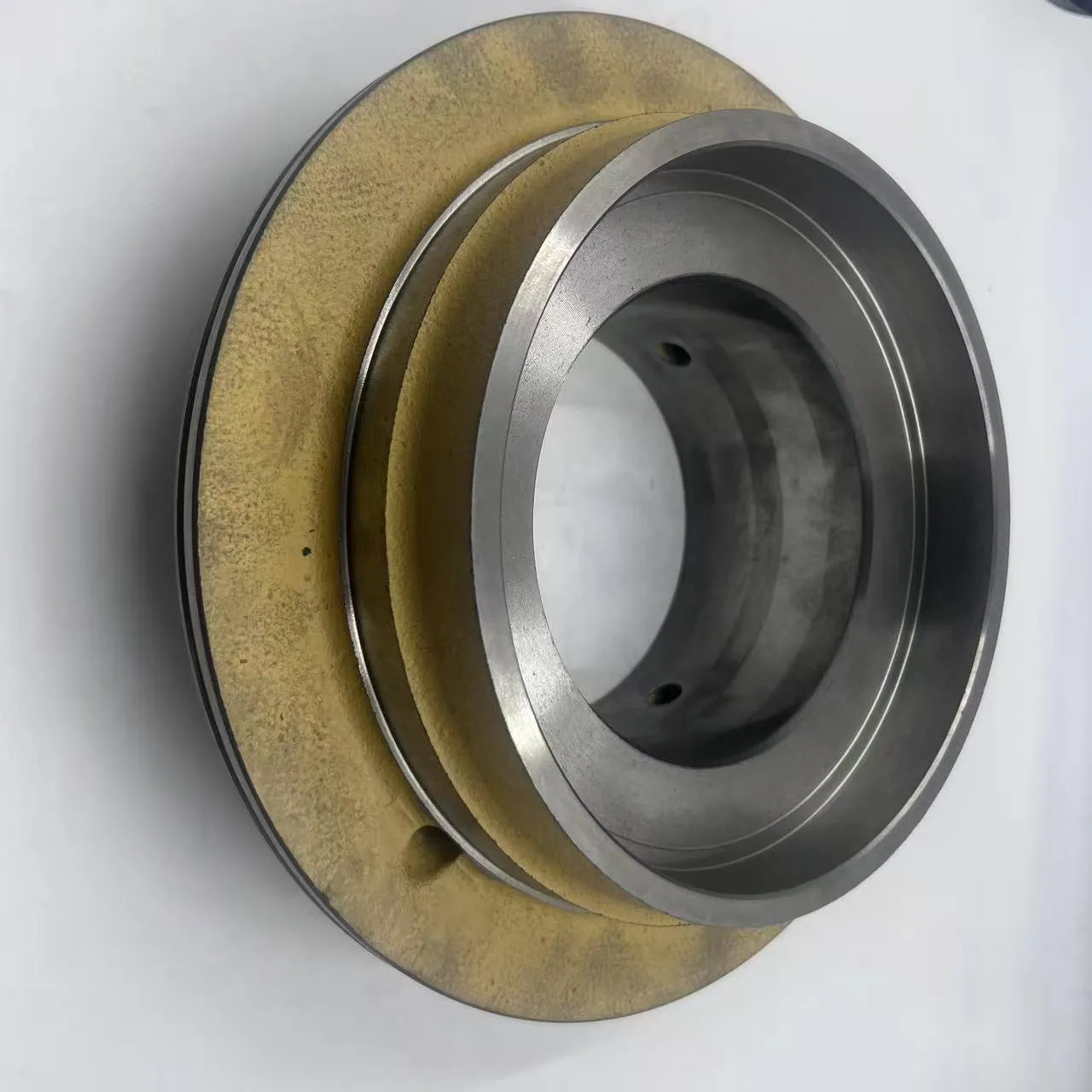 17A-22-11132 Komatsu Cylinder
 -
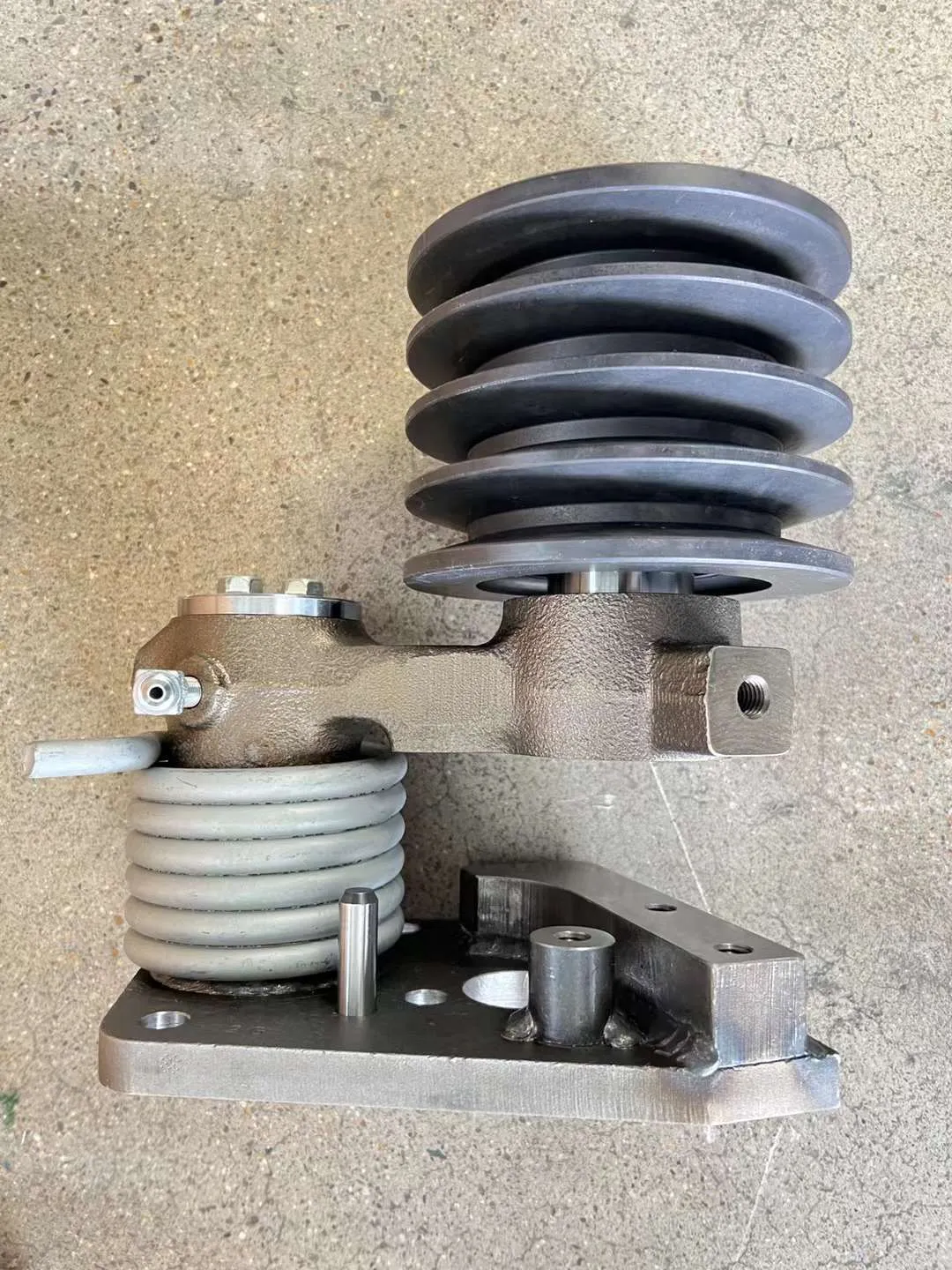 HD465-7R Tension Assembly 6245-61-3901
 -
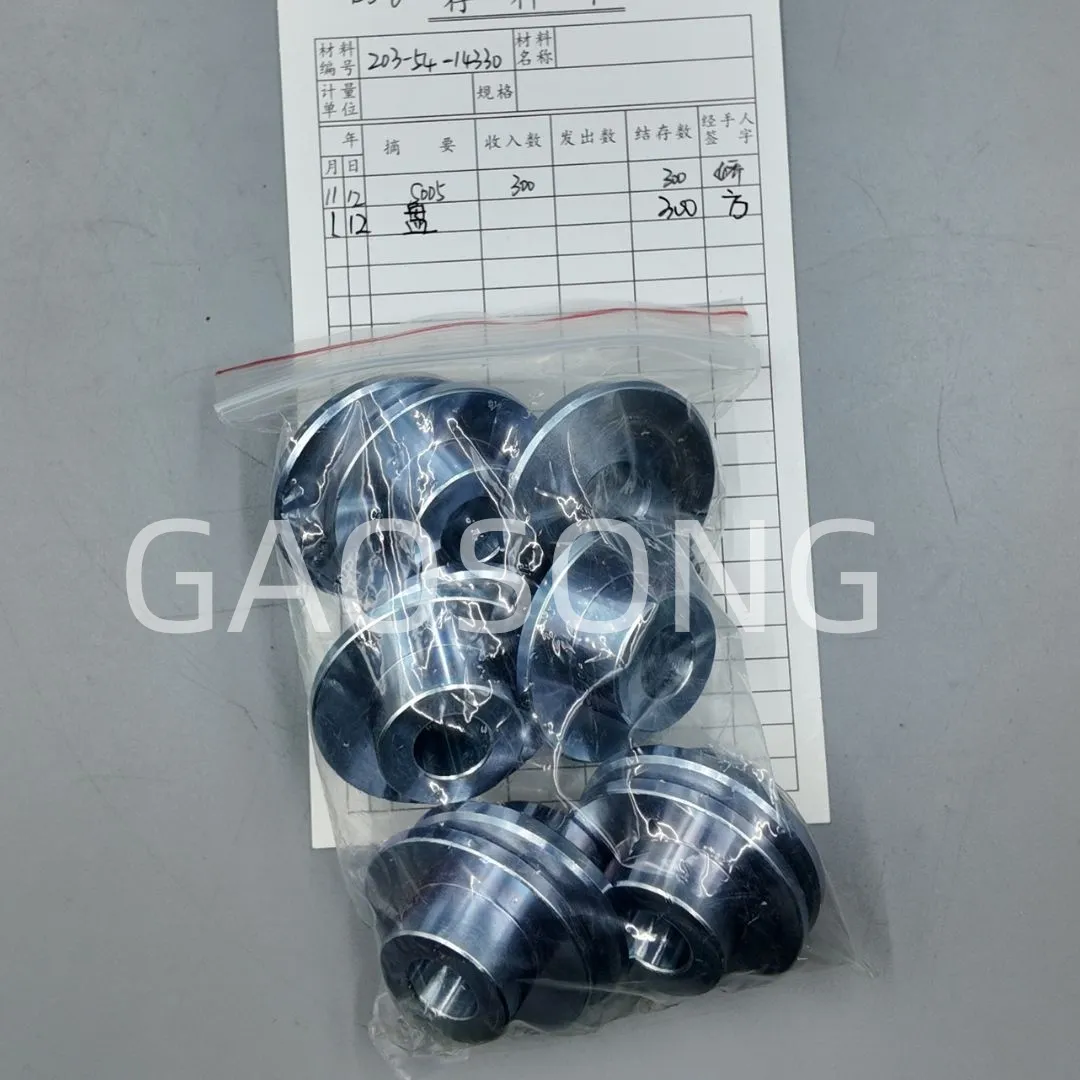 203-54-14330 COLLAR-Komatsu Original Factory
 -
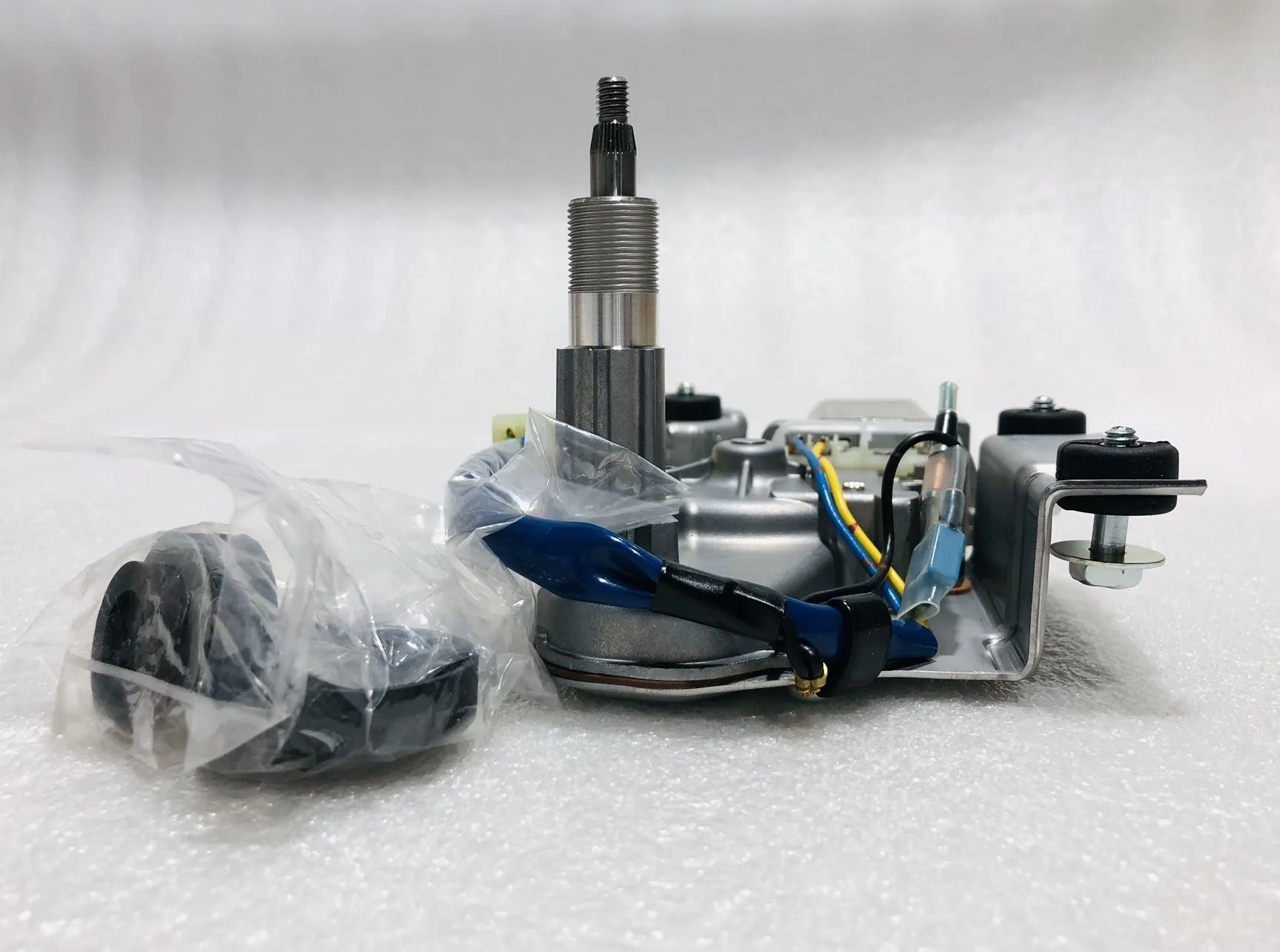 23B-951-2610 Komatsu MOTOR,WIPER
 -
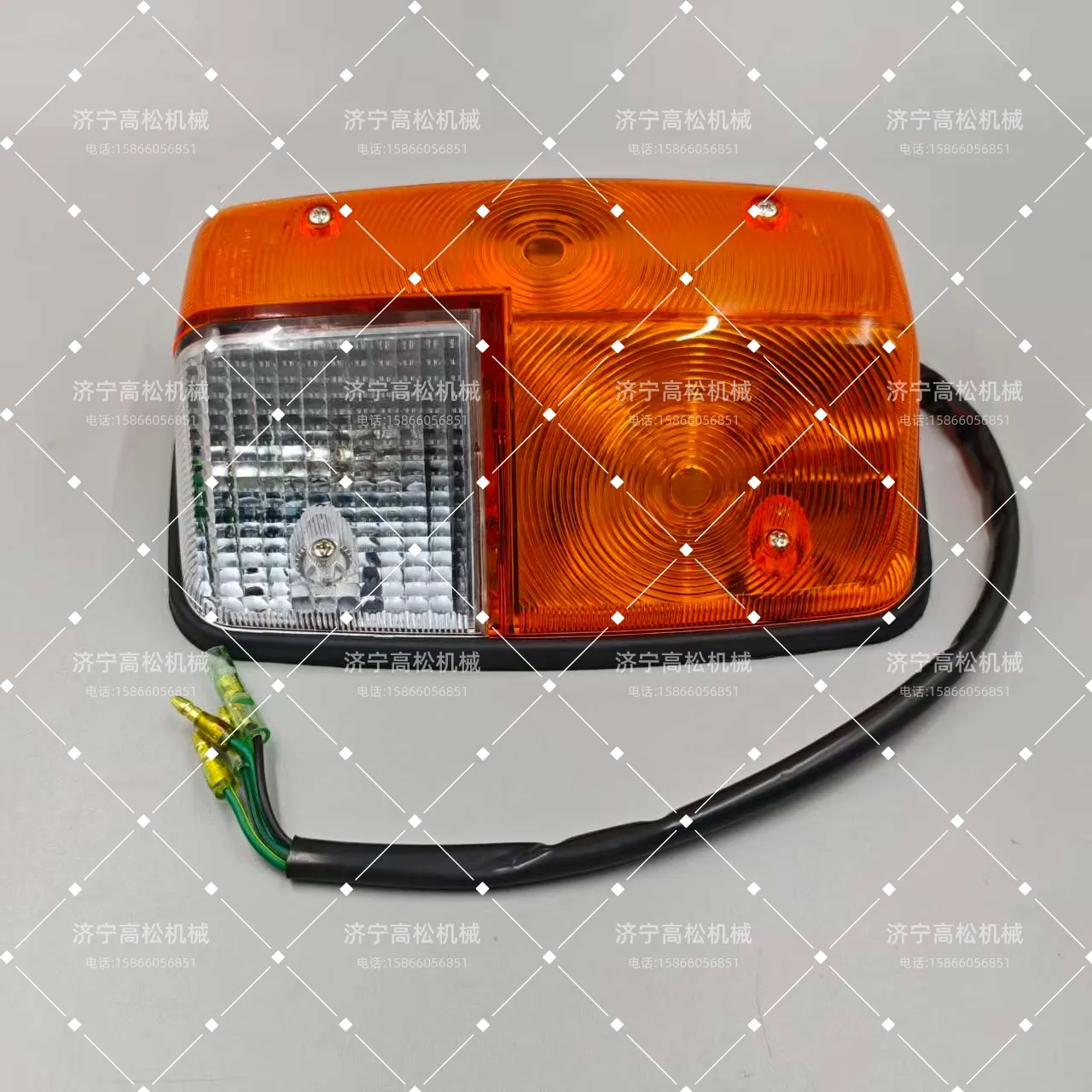 Komatsu WA380-1LC 421-06-13401 LIGHT… — Supply.Parts
 -
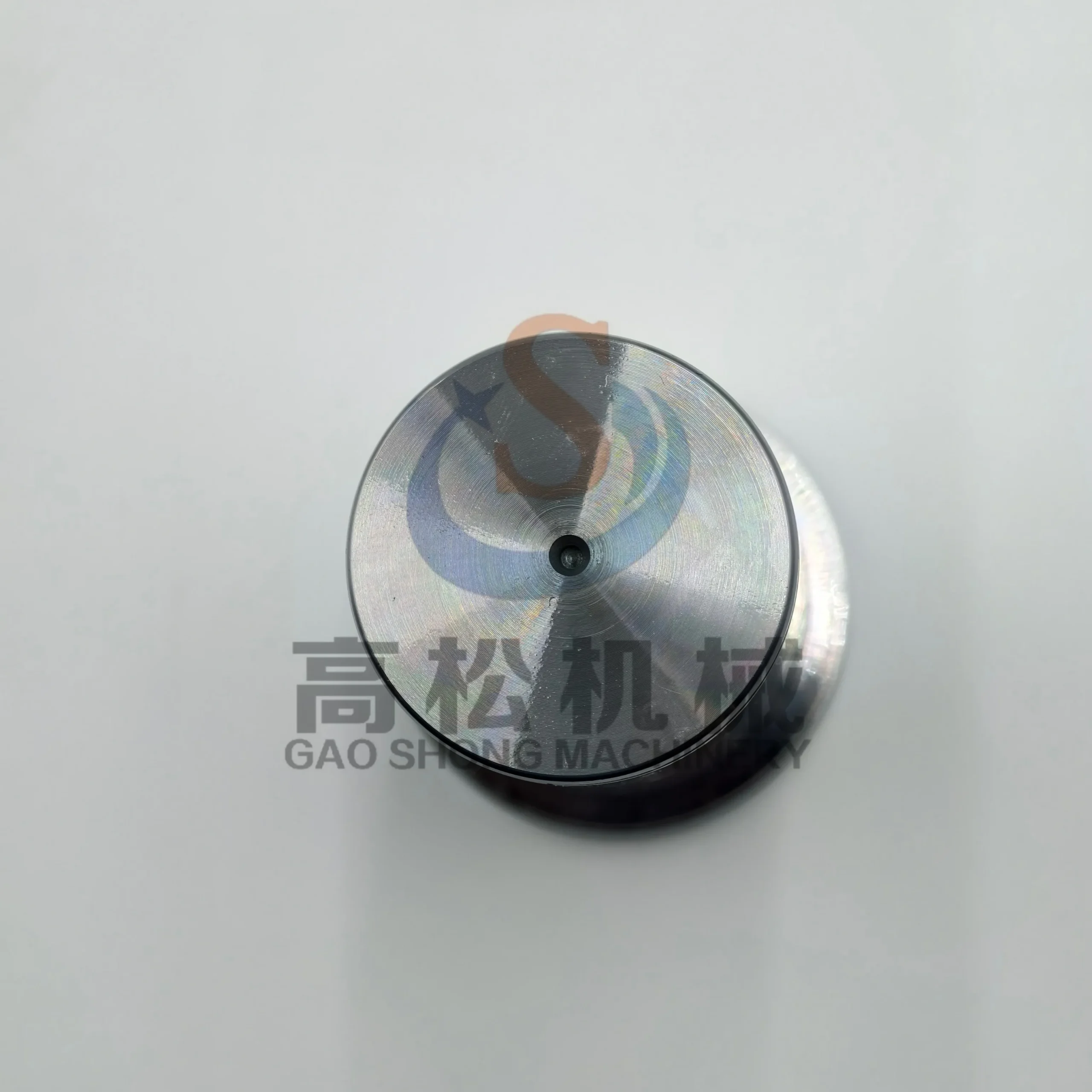 21N-26-33240 Komatsu Pin
 -
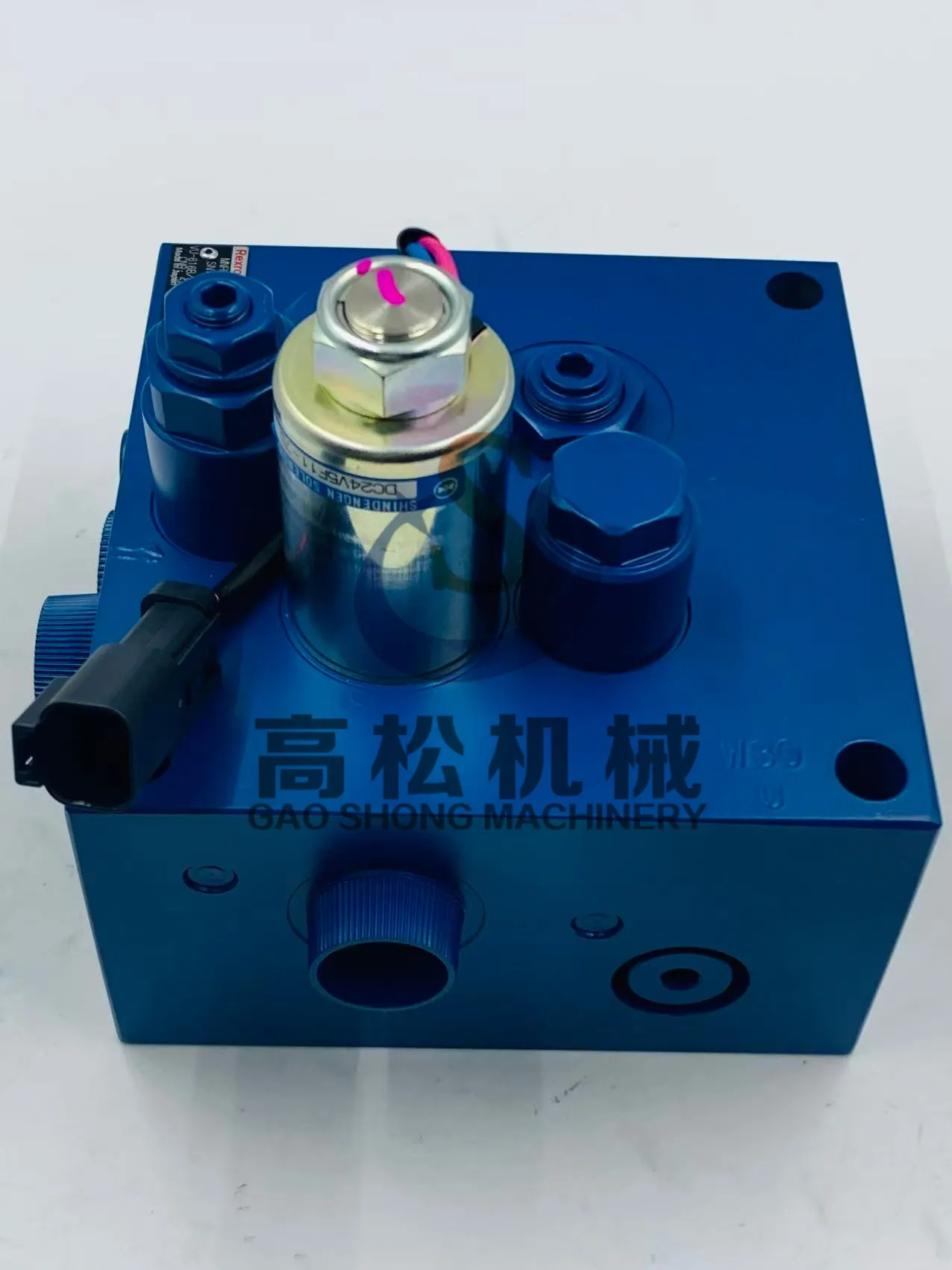 Komatsu HM300 Valve Assembly 56D-43-37101
 -
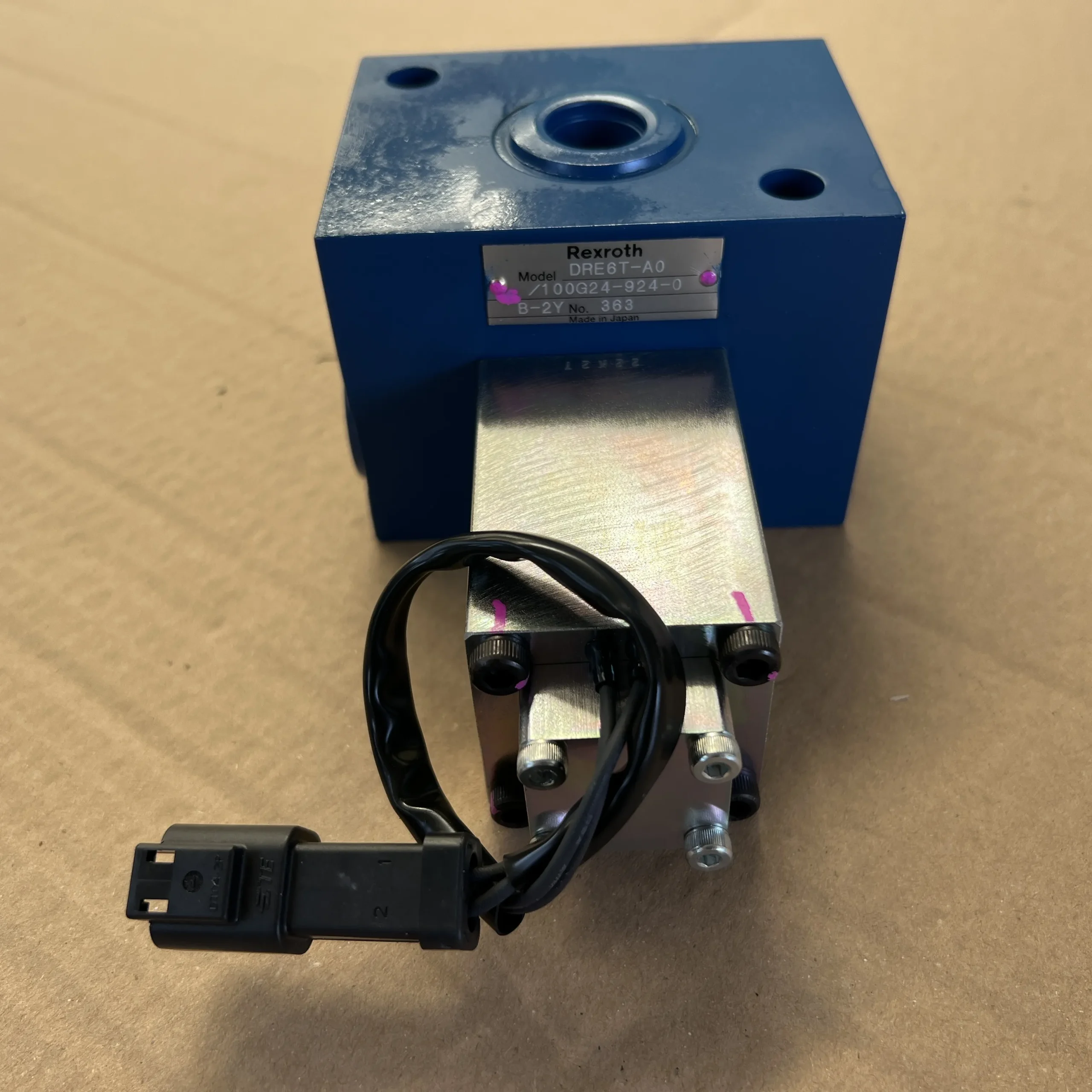 HD465-7 Proportional Solenoid Valve 569-43-83171
 -
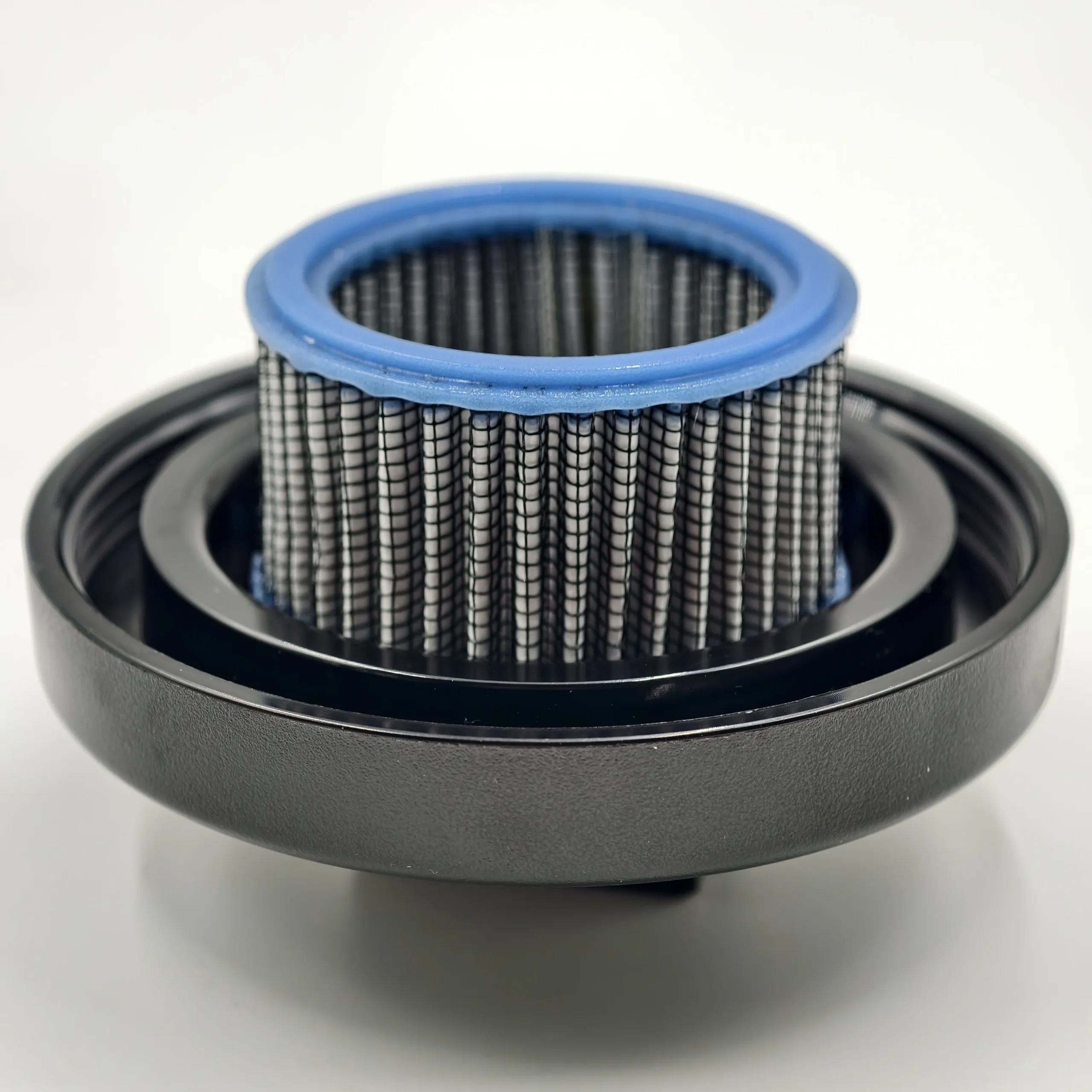 Komatsu21T-04-31170 Cap Assembly