
- Chinese
- French
- German
- Portuguese
- Spanish
- Russian
- Japanese
- Korean
- Arabic
- Irish
- Greek
- Turkish
- Italian
- Danish
- Romanian
- Indonesian
- Czech
- Afrikaans
- Swedish
- Polish
- Basque
- Catalan
- Esperanto
- Hindi
- Lao
- Albanian
- Amharic
- Armenian
- Azerbaijani
- Belarusian
- Bengali
- Bosnian
- Bulgarian
- Cebuano
- Chichewa
- Corsican
- Croatian
- Dutch
- Estonian
- Filipino
- Finnish
- Frisian
- Galician
- Georgian
- Gujarati
- Haitian
- Hausa
- Hawaiian
- Hebrew
- Hmong
- Hungarian
- Icelandic
- Igbo
- Javanese
- Kannada
- Kazakh
- Khmer
- Kurdish
- Kyrgyz
- Latin
- Latvian
- Lithuanian
- Luxembou..
- Macedonian
- Malagasy
- Malay
- Malayalam
- Maltese
- Maori
- Marathi
- Mongolian
- Burmese
- Nepali
- Norwegian
- Pashto
- Persian
- Punjabi
- Serbian
- Sesotho
- Sinhala
- Slovak
- Slovenian
- Somali
- Samoan
- Scots Gaelic
- Shona
- Sindhi
- Sundanese
- Swahili
- Tajik
- Tamil
- Telugu
- Thai
- Ukrainian
- Urdu
- Uzbek
- Vietnamese
- Welsh
- Xhosa
- Yiddish
- Yoruba
- Zulu
- Kinyarwanda
- Tatar
- Oriya
- Turkmen
- Uyghur






komatsu 960e engine
When you hear 'Komatsu 960E engine', most minds jump straight to the MTU 20V4000 C23. It's the headline act, the 3000+ hp giant. But focusing solely on that power rating is where a lot of the armchair analysis goes wrong. The real story isn't just the engine block sitting in the bay; it's the entire integration, the thermal management, the control logic, and how it all holds up when you're 200 meters deep in a pit with a 960E-2 hauling 360 tons uphill in 45-degree heat. That's where the spec sheet ends and real work begins.
The Heart of the Beast: More Than Just MTU
Sure, the core is the MTU Series 4000. Komatsu's partnership with MTU/Rolls-Royce for these ultra-class trucks is well-known. But calling it an 'MTU engine' in a 960E is a bit misleading. It's a Komatsu system. The ECU mapping, the aftertreatment integration, the cooling package—all tailored by Komatsu for mining duty cycles. I've seen cases where someone tried to swap in a 'standard' MTU 20V4000 control module, and the machine threw fits. The Komatsu software talks to the transmission, the retarder, everything. It's a closed ecosystem.
One detail often overlooked is the fan drive. The 960E uses a variable-speed hydraulic fan, and its performance is critical for engine health. I remember a site in Western Australia where they were having chronic overheating issues. Everyone blamed the radiators or the coolant. Turns out, the fan speed control algorithm was too conservative, not ramping up aggressively enough for the specific dust load and ambient conditions. A firmware update from Komatsu, recalibrating that engine-fan relationship, solved it. The engine itself was fine; the system around it wasn't optimized.
Then there's the fuel system. High-pressure common rail, obviously. But the filtration is paramount. We're talking about dual, parallel primary filters with water separators. I've advised sites to cut their filter change intervals in half if they're dealing with questionable fuel quality, which is often in remote locations. A failed injector on this engine isn't just a parts swap; it's a massive downtime event. Prevention is everything.
Supply Chain Realities and the Third-Party Niche
This is where theory meets the gritty ground. Official Komatsu parts distribution is robust, but it's not omnipresent. For mines in certain regions—think parts of Africa, South America, or Central Asia—getting a genuine Komatsu fuel pump or turbocharger assembly under urgent deadline can be a logistical nightmare. Lead times can stretch into months. This is where the ecosystem of trusted third-party suppliers becomes vital for operational continuity.
Companies like Jining Gaosong Construction Machinery Co., Ltd. (you can find them at https://www.takematsumachinery.com) occupy a specific niche. They position themselves as an OEM product supplier within the Komatsu system and a third-party sales company. In practice, what this often means is they help bridge supply gaps. They might source genuine or Komatsu-approved components through alternative channels, or provide certified remanufactured assemblies like cylinder heads or crankshafts that meet OEM specs. Their stated goal of helping to solve parts supply challenges in certain countries is exactly the pain point many fleet managers face.
I've been involved in scenarios where a critical engine sensor failed. The official channel quoted a 12-week delivery. A supplier like this had a compatible, quality-assured unit air-freighted in 7 days. It kept the truck running. The key is verification—ensuring the parts are not counterfeit and come with proper documentation. It's a calculated risk versus the certainty of prolonged downtime.
Failure Modes and the Gotchas
No engine is perfect, and the 960E's powerplant has its known pressure points. Turbocharger reliability was an early concern on some series. The extreme thermal cycling, combined with potential ingress of contamination if air filter maintenance lapses, can lead to premature bearing wear. We started recommending more frequent borescope inspections of the turbo side just to catch early signs of oil leakage or blade damage.
Another subtle one is the crankcase ventilation system. If it gets clogged—common in extremely dusty environments—it can cause oil leaks from various seals due to excessive crankcase pressure. It's a simple maintenance item, but it's often missed until you see oil weeping from the front crankshaft seal or the rocker cover gaskets. Then the diagnosis can spiral if you don't check the basics first.
Coolant chemistry is a religion with these engines. The wrong inhibitor mix or electrolytic imbalance can lead to galvanic corrosion in the charge air cooler, which is aluminum. A pinhole leak there pushes coolant into the intake, and you're looking at a potential hydro-lock scenario or at least massive contamination. I enforce strict coolant analysis every 500 hours. It's cheap insurance.
Performance Tuning and the Temptation
There's always talk about tweaking these engines for more power. The aftermarket offers performance tunes. My stance? Don't. The entire drivetrain—the Komatsu AC drive system, the tires, the brakes—is calibrated for the factory power and torque curve. Upping the horsepower might give you a perceived edge on the haul road, but you're almost certainly trading it for reduced lifespan of the traction motors, final drives, and even the frame. The engine might handle it, but the rest of the machine is a carefully balanced system. I've seen a case where an aggressive tune led to repeated failures in the wheel motor temperature sensors—the system was seeing loads it wasn't designed to monitor for.
The real performance gains come from optimization, not brute force. Ensuring the air filter differential pressure is always minimal, keeping the radiator cores clean, using high-quality fuel with the correct cetane rating, and training operators on proper use of the retarder to avoid excessive engine braking loads. These things add up to more consistent cycles and less stress on the Komatsu 960E engine.
The Long View: Overhaul and Reman
Eventually, every one of these engines faces a major overhaul. The decision point: go with a Komatsu remanufactured exchange unit, or rebuild in-place? The exchange unit is faster—swapping the engine block in a few days—and comes with a warranty. But it's a major capital outlay. An in-place overhaul can be more cost-effective if you have a skilled team and can manage the downtime, but you're responsible for every component.
My experience leans towards the exchange unit for most operations, simply for risk mitigation. You get a zero-hour engine with all the latest component updates. When you rebuild in-place, you're often reusing the block, heads, and crankshaft. If there's an undiscovered crack or a warpage issue, you might not find it until the engine is back together and running, leading to a catastrophic failure. The peace of mind with a certified reman is often worth the price.
Suppliers in the space, including entities like the mentioned Jining Gaosong, sometimes facilitate access to these exchange programs or offer their own certified reman services. It's part of that ecosystem that keeps these multi-million-dollar assets moving when the official pipeline is strained. The bottom line with the 960E engine is that it's a masterpiece of industrial engineering, but it demands respect, deep system knowledge, and a pragmatic approach to support. It's not a commodity; it's the beating heart of a machine that prints money when it runs and bleeds cash when it doesn't.
Related Products
Related Products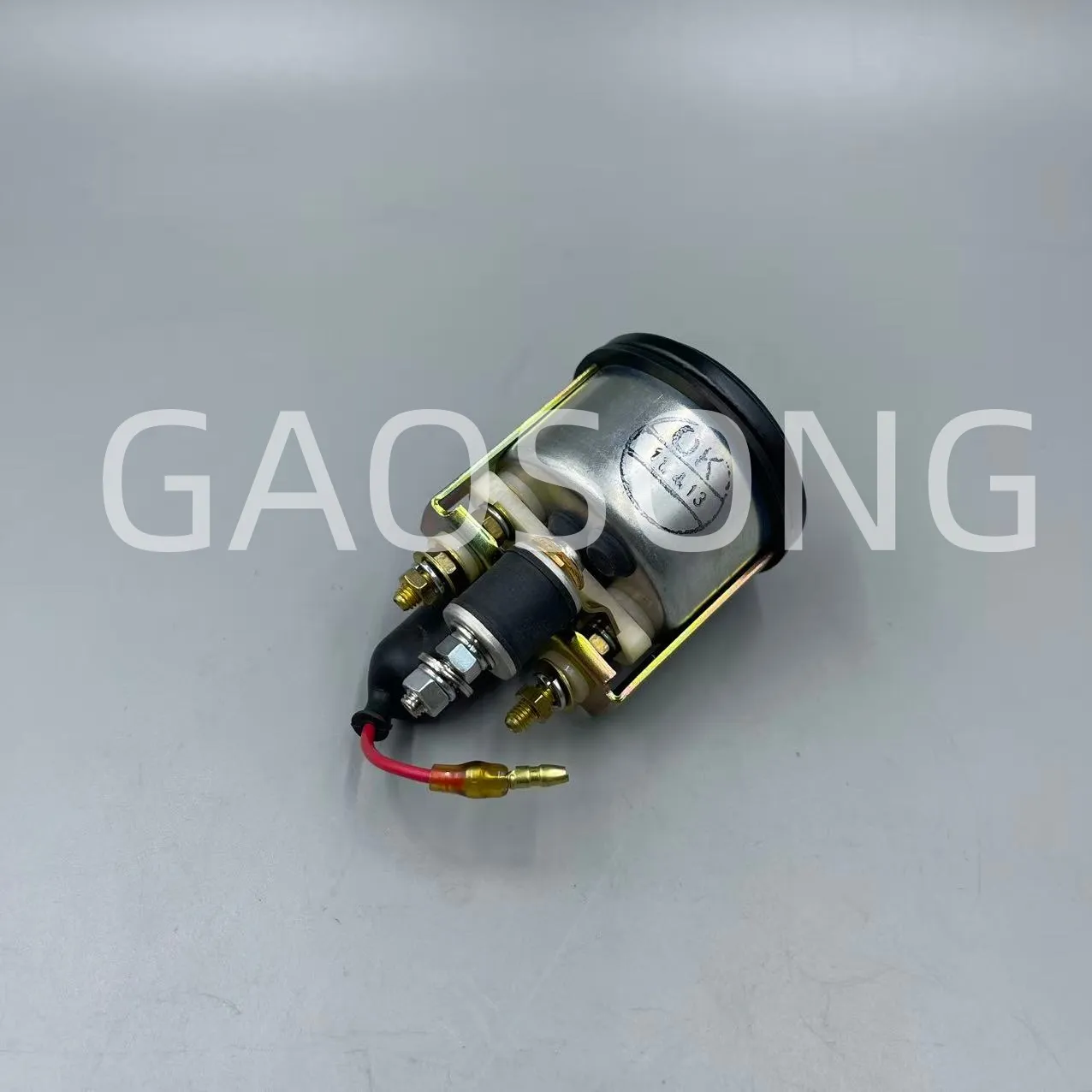
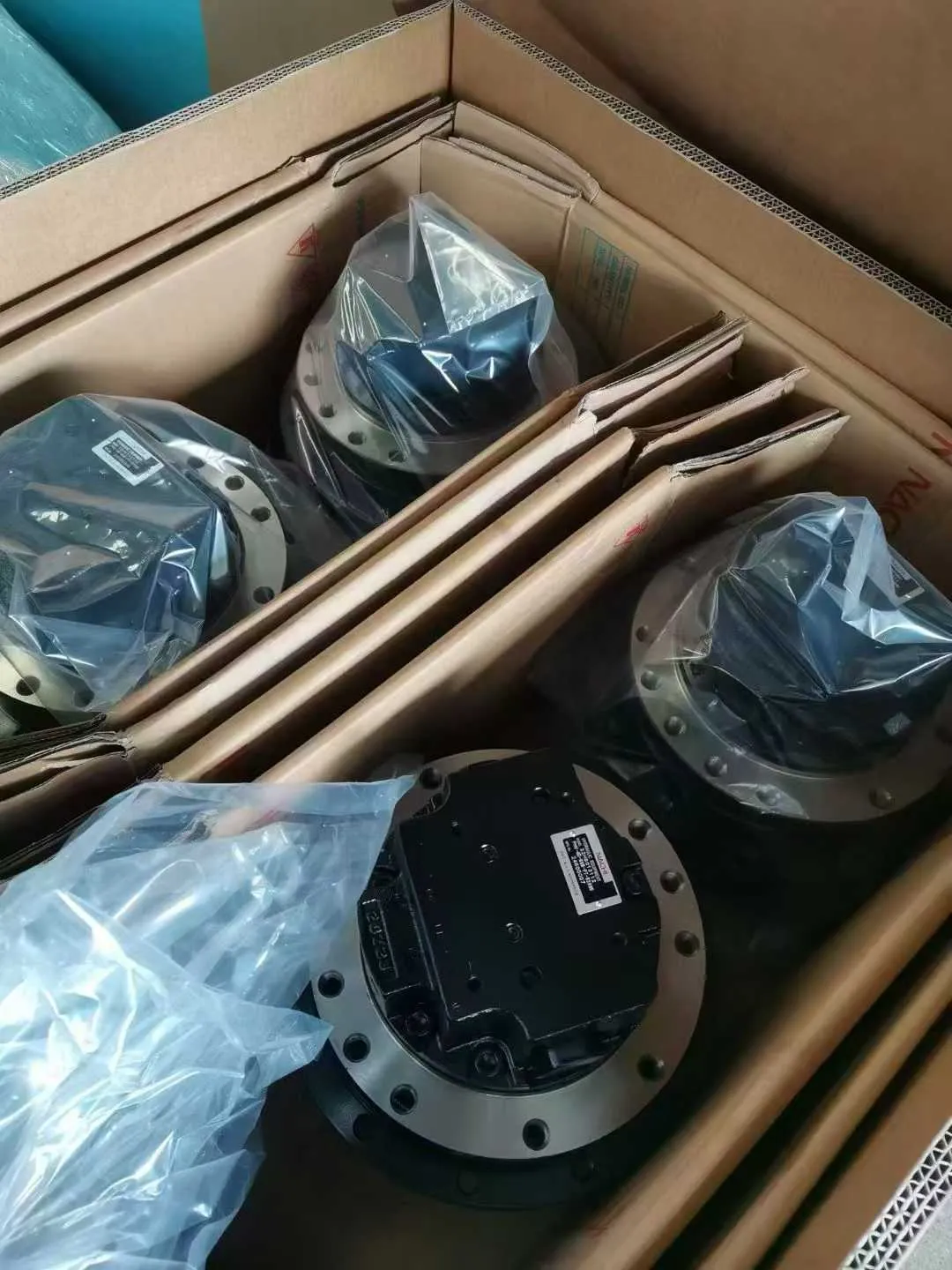
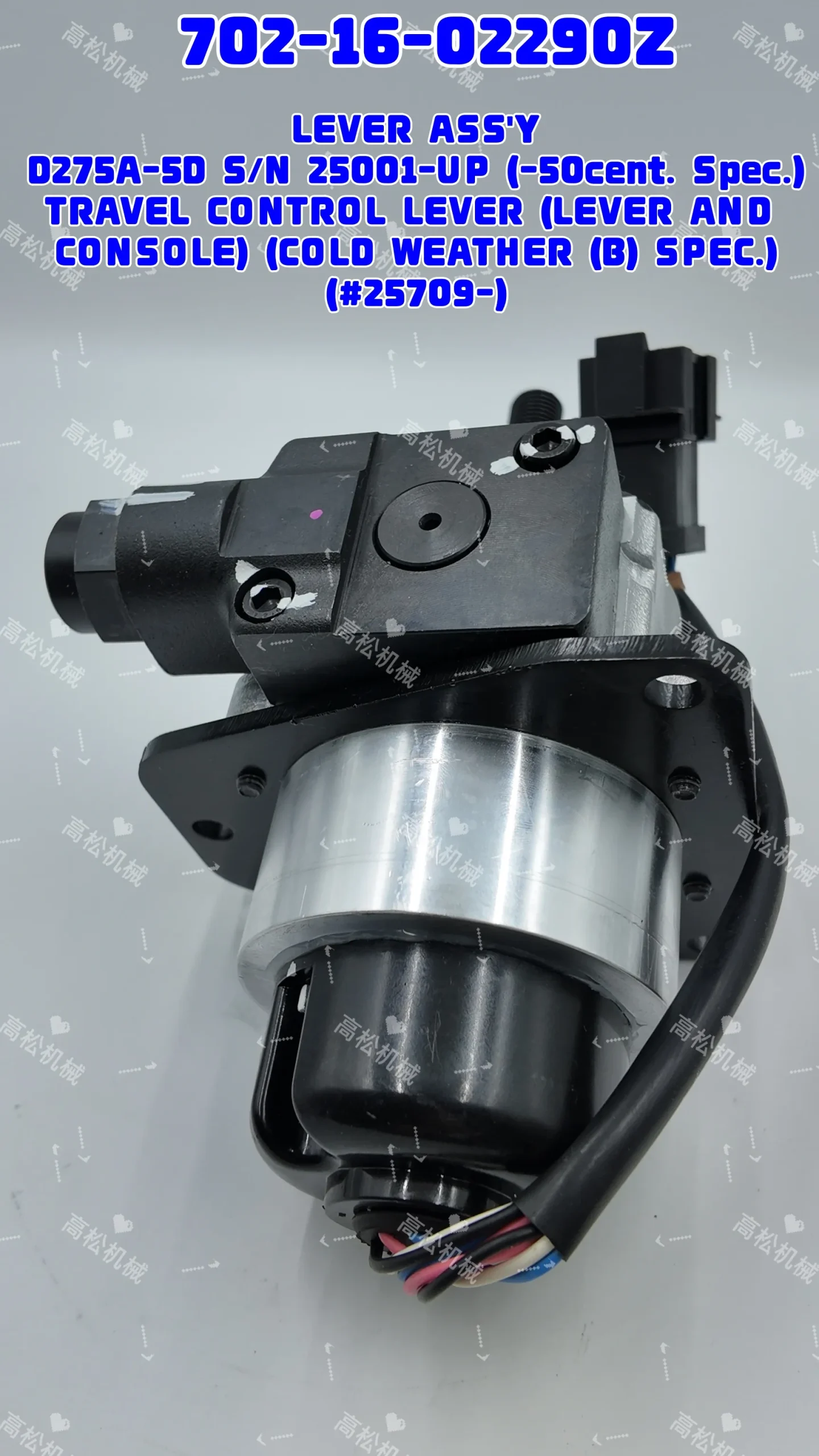


Best Selling Products
Best Selling Products-
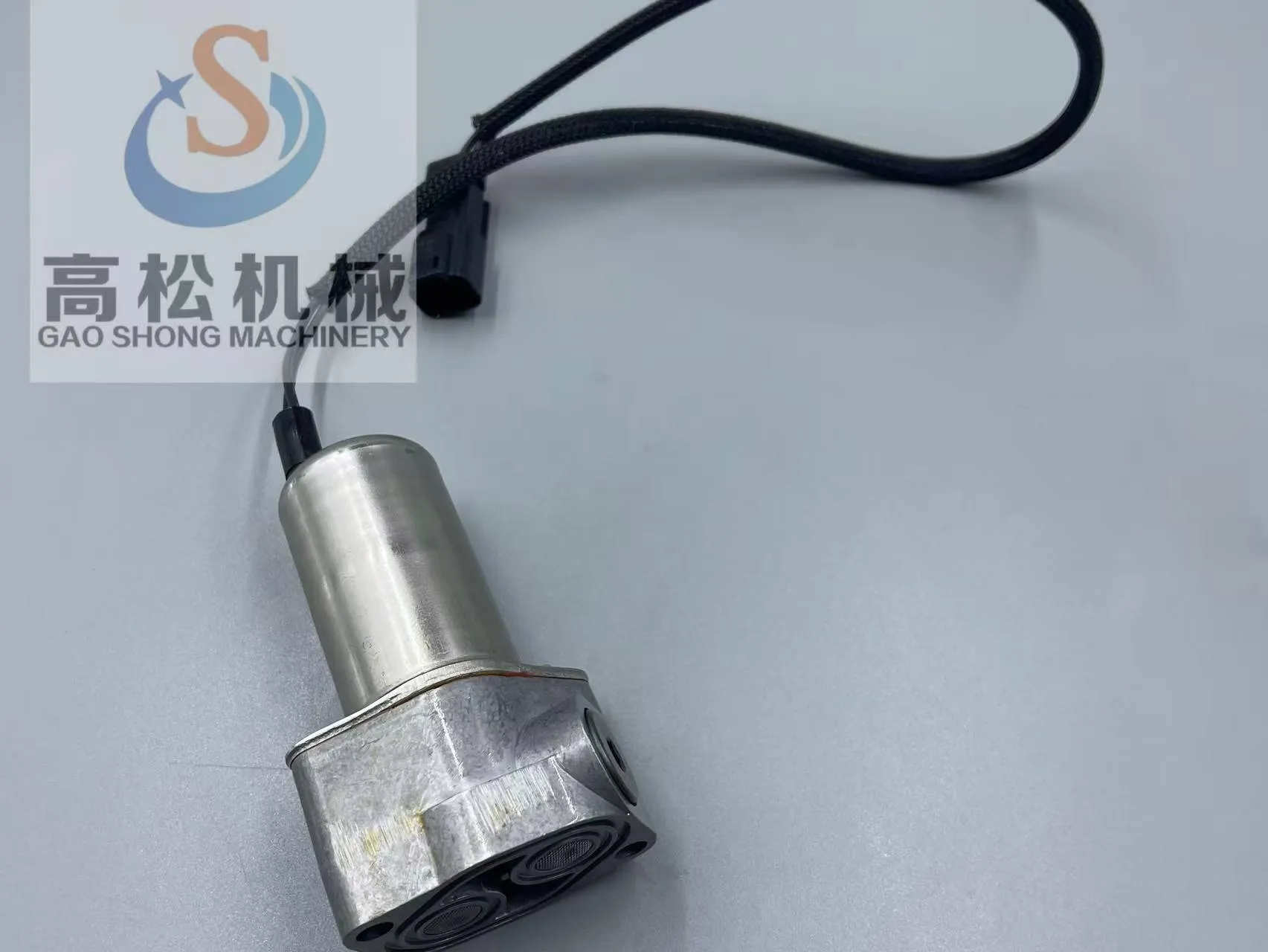 702-21-07610, 702-21-07620, 702-21-07630, 702-21-07640 are suitable for solenoid valves of PC350-8, PC200-8, PC300-8, D65, D85, D155 and Wa470
 -
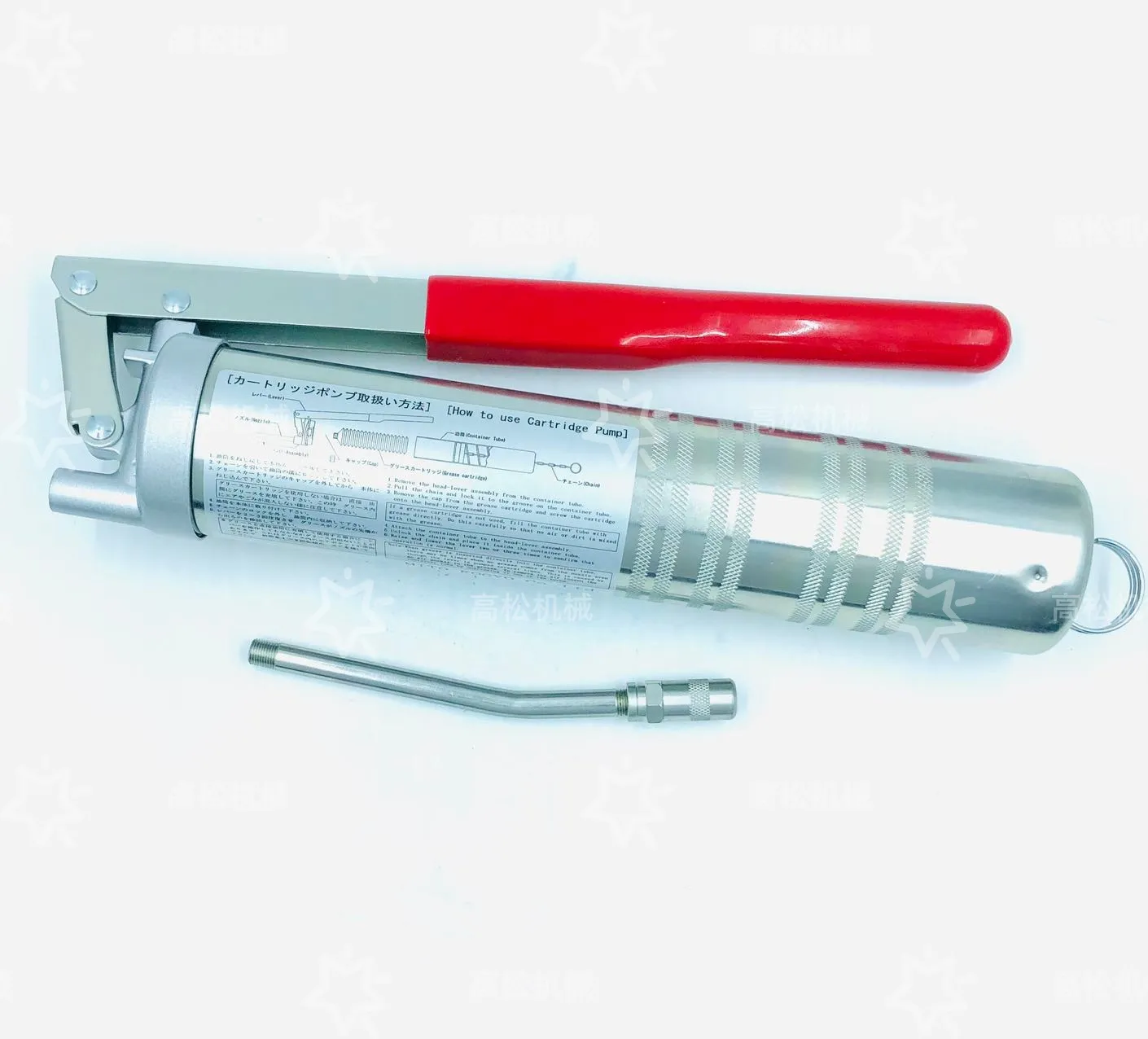 HM400 GREASE PUMP 07952-70014 07952-70004 For Komatsu Original
 -
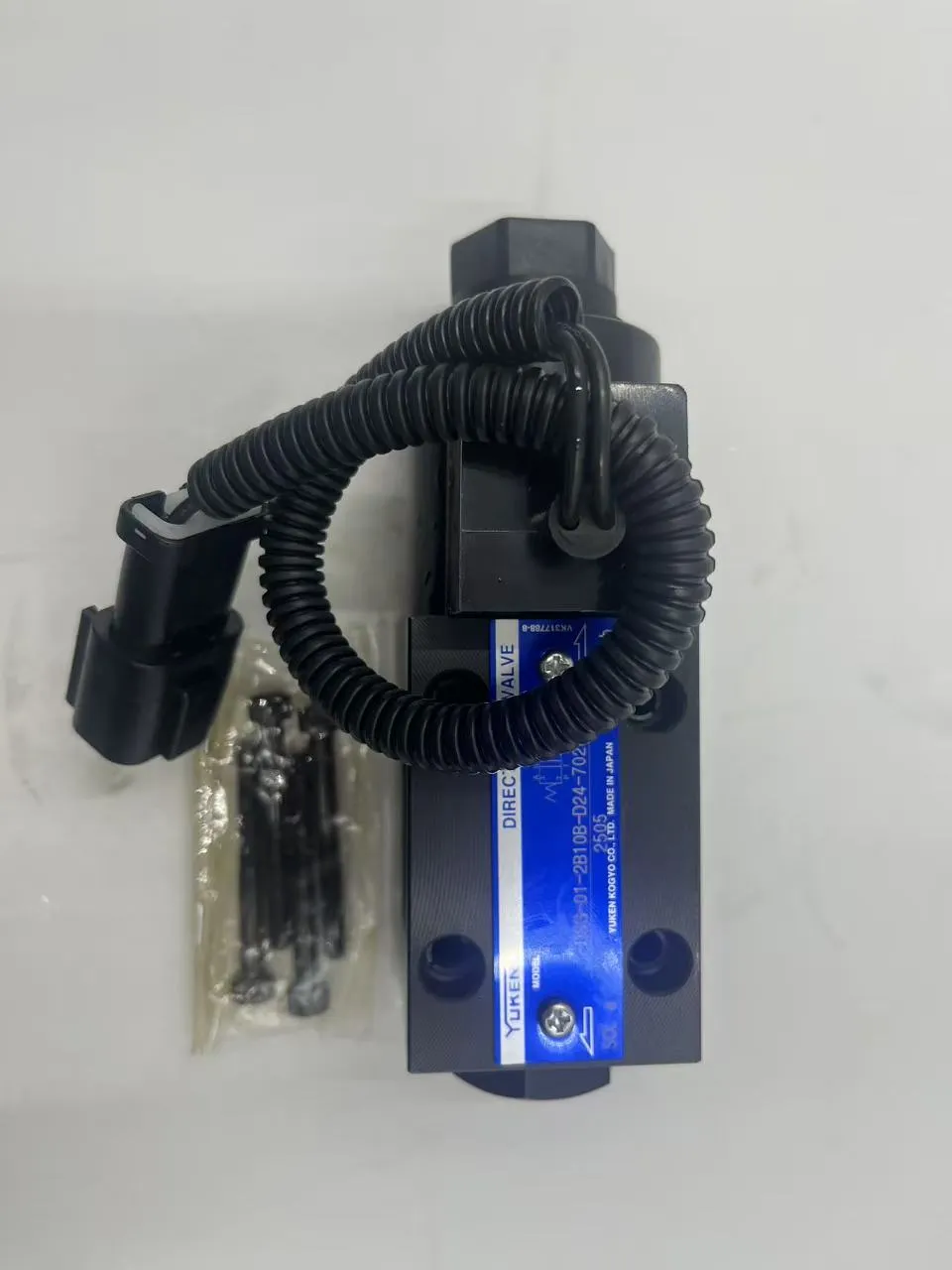 VALVE ASS’Y 23W-60-28230 KOMATSU
 -
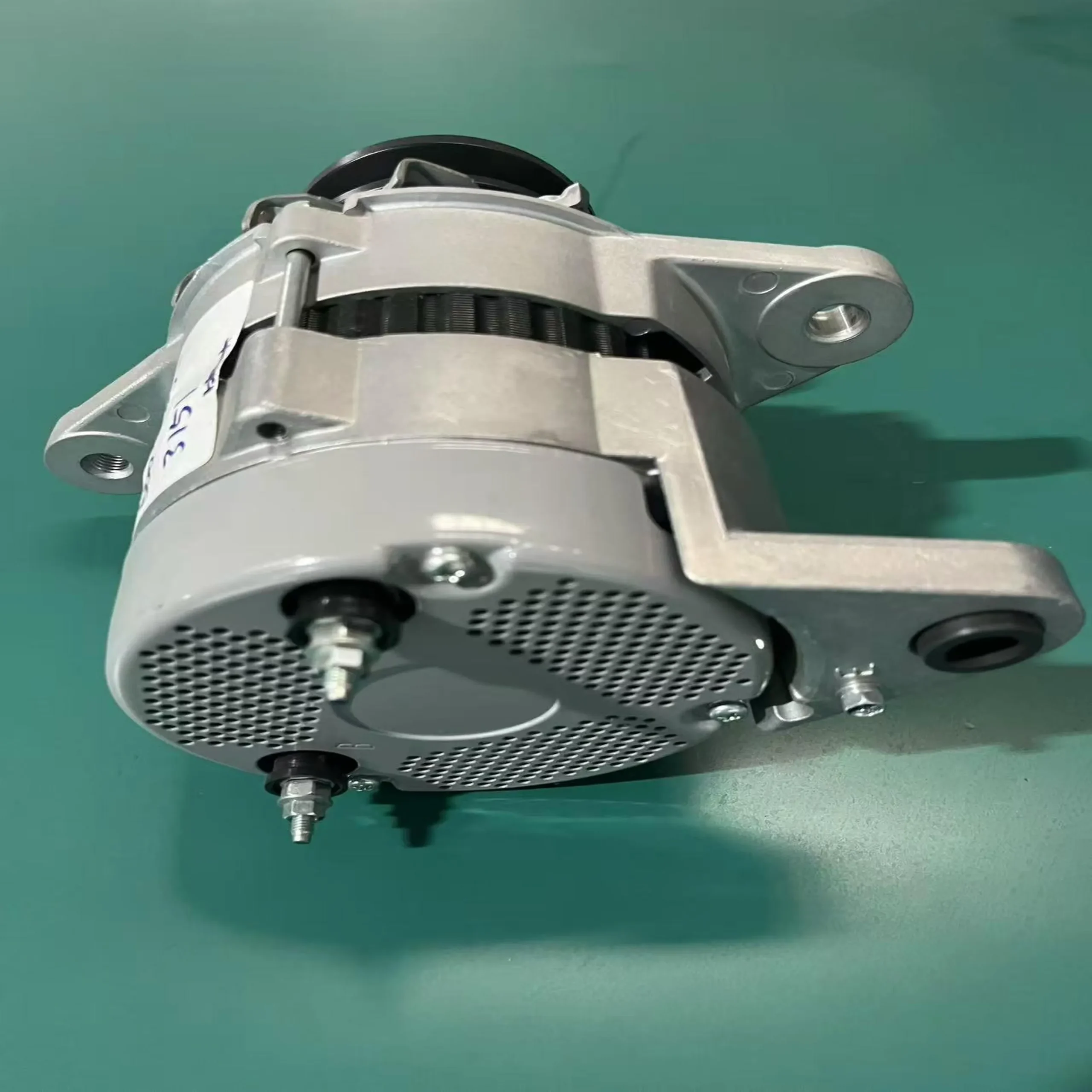 600-825-3151 Komatsu ALTERNATOR PC-400
 -
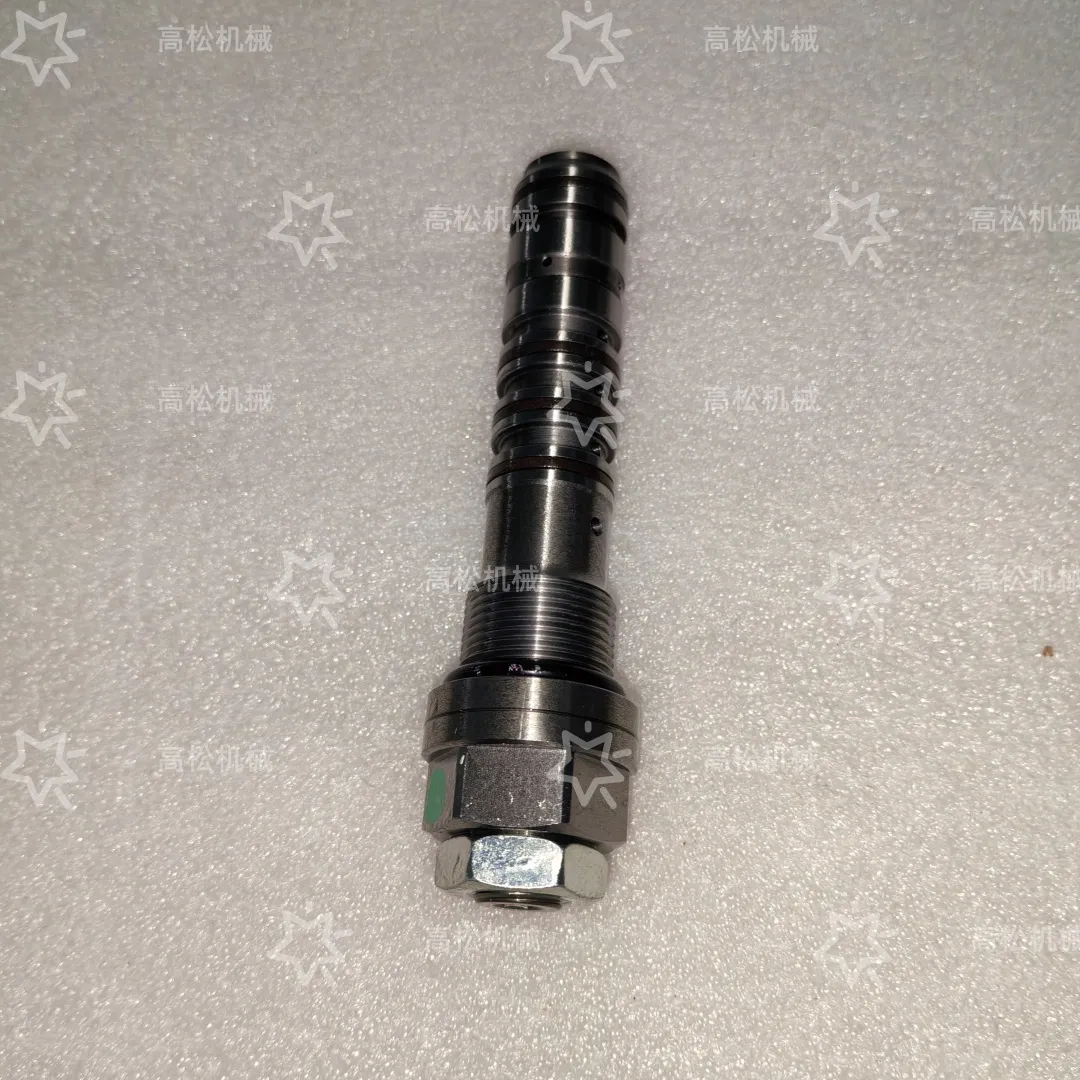 EXCAVATOR 708-2G-03720 7082G03720 VALVE ASSEMBLY 0.4KG for PC300 PC350 PC360 PC390 PC390LL CONSTRUCTION MACHINERY PARTS
 -
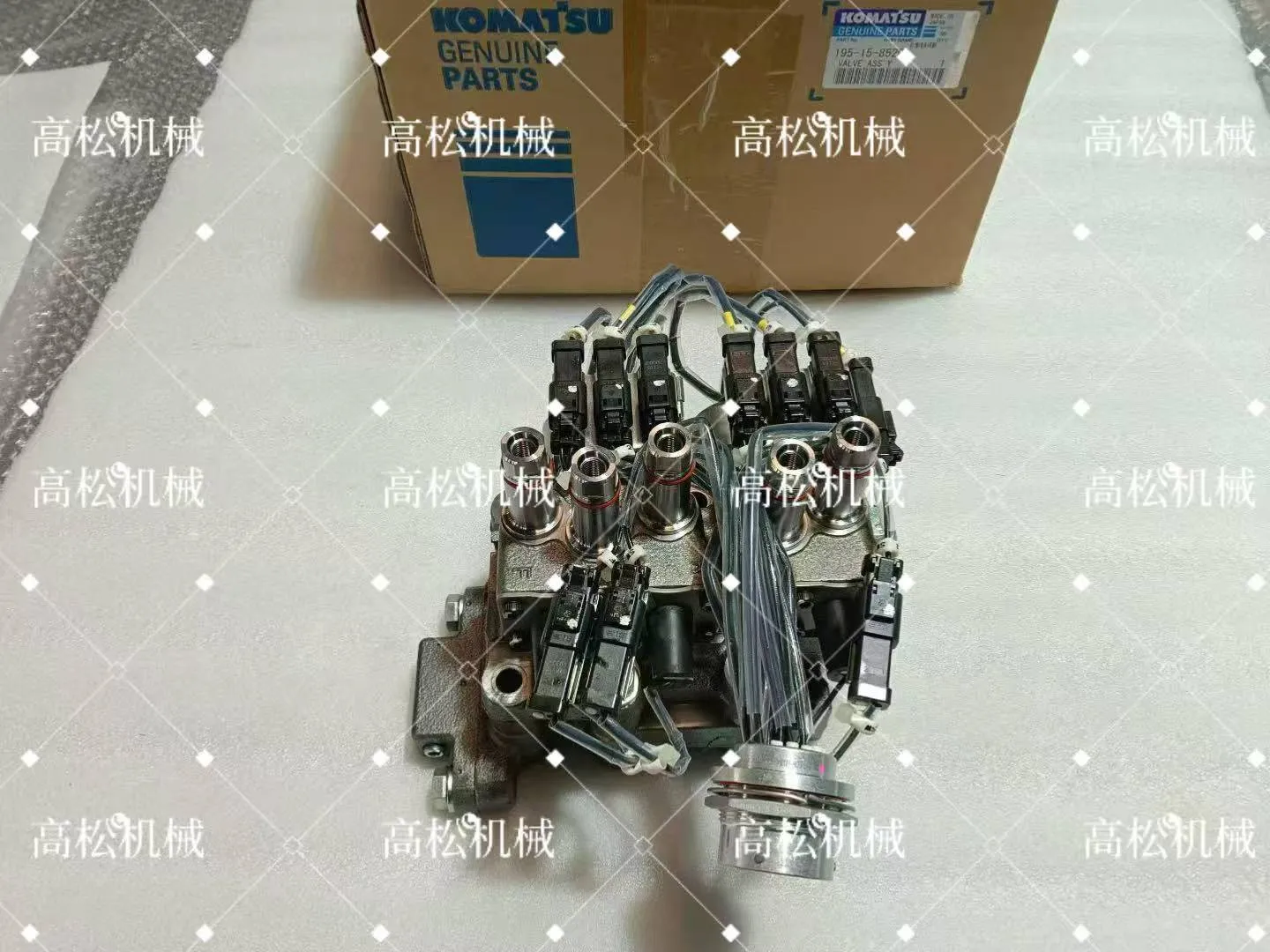 Low price, spot 195-15-85201, valve transmission control for komatsu, parts d375a-6 construction machinery
 -
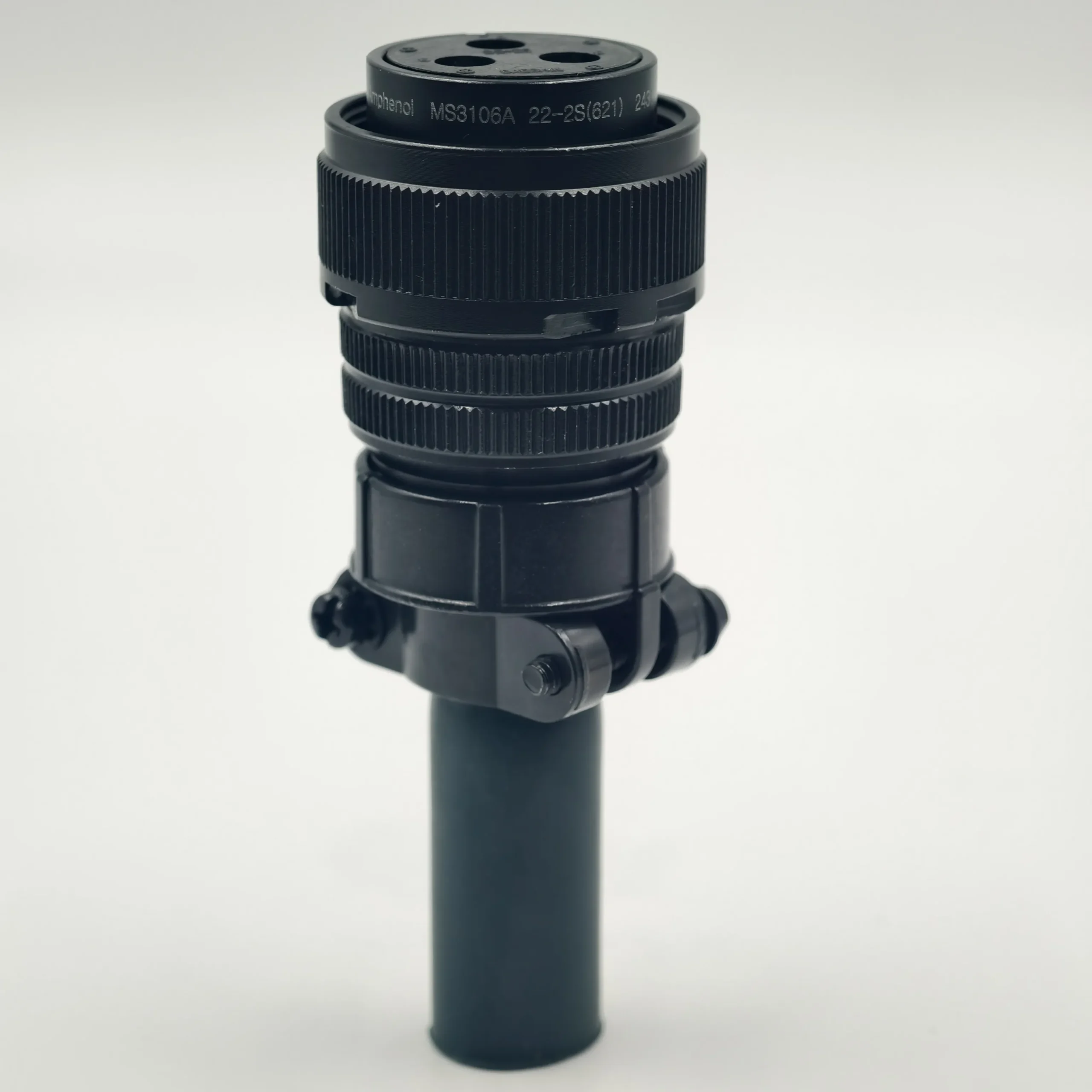 175-06-37871 PLUG(WITH HEATER) (Komatsu)
 -
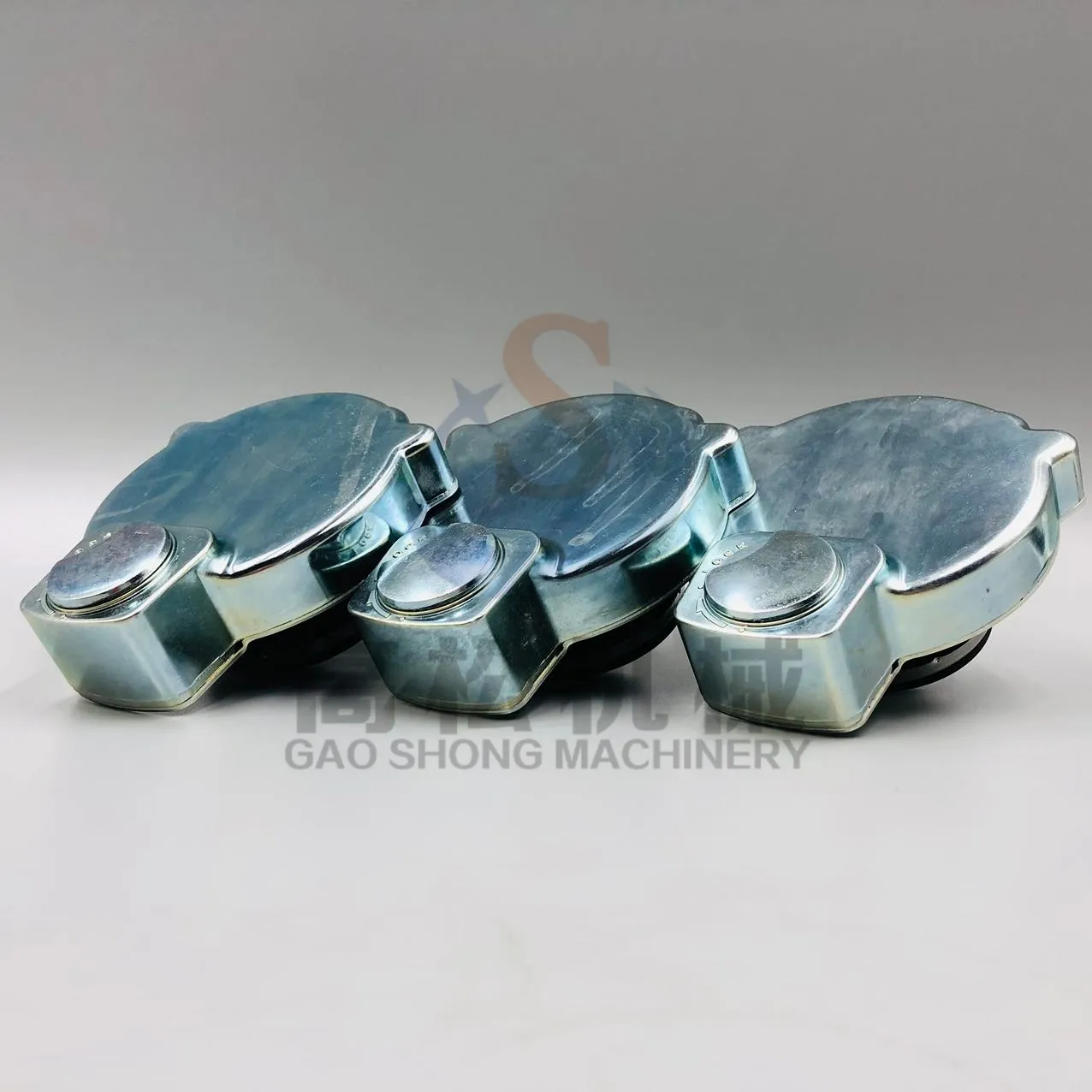 CAP ASS’Y 17A-60-11310 – KOMATSU
 -
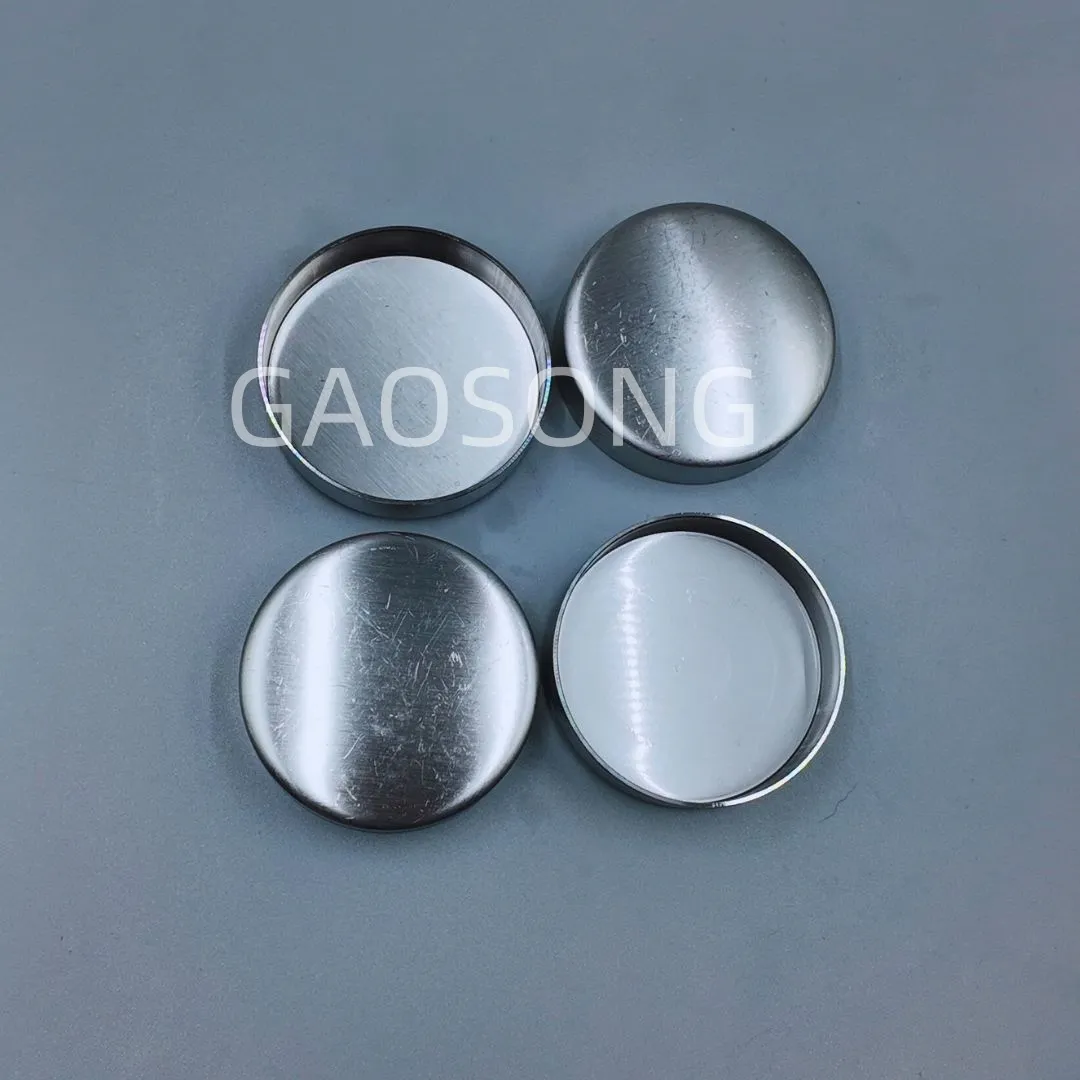 195-49-75280 O-ring–Komatsu Original Factory
 -
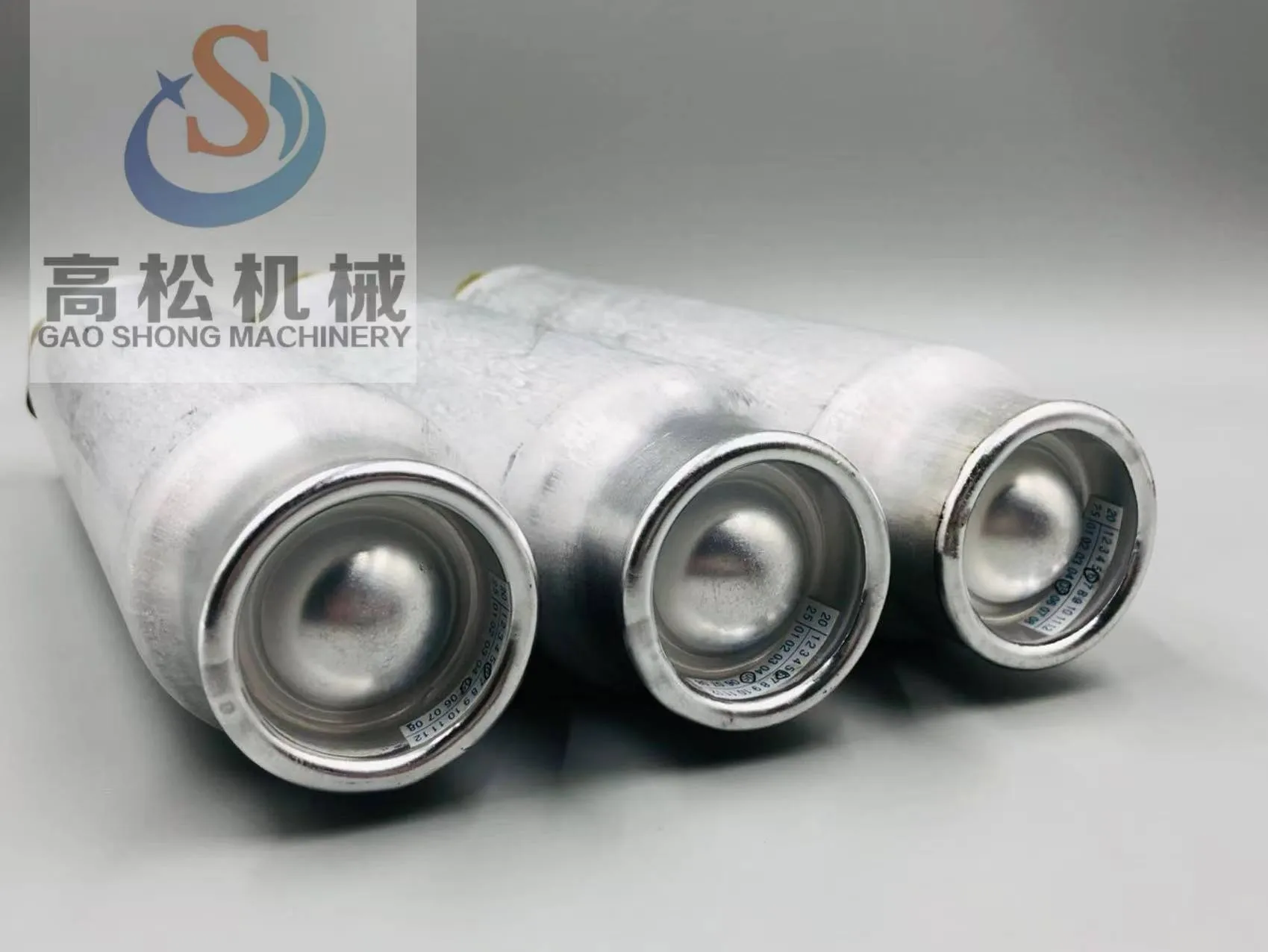 Original 20y-979-3120 receiver for pc300-7 excavators, parts of construction machinery
 -
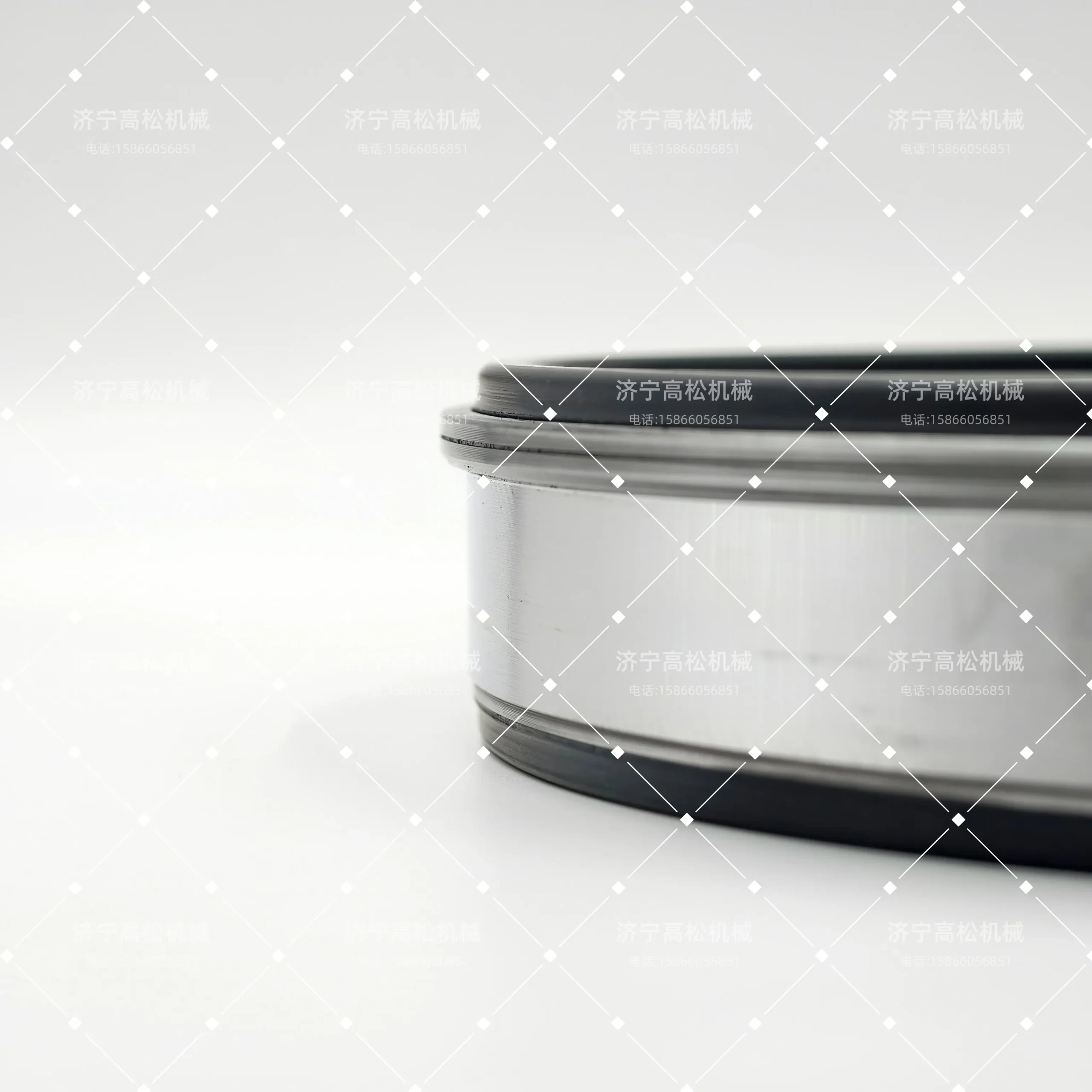 14Y-21-13242 Chainsaw Drive Sprocket Kit Alloy Steel 7-Tooth for…
 -
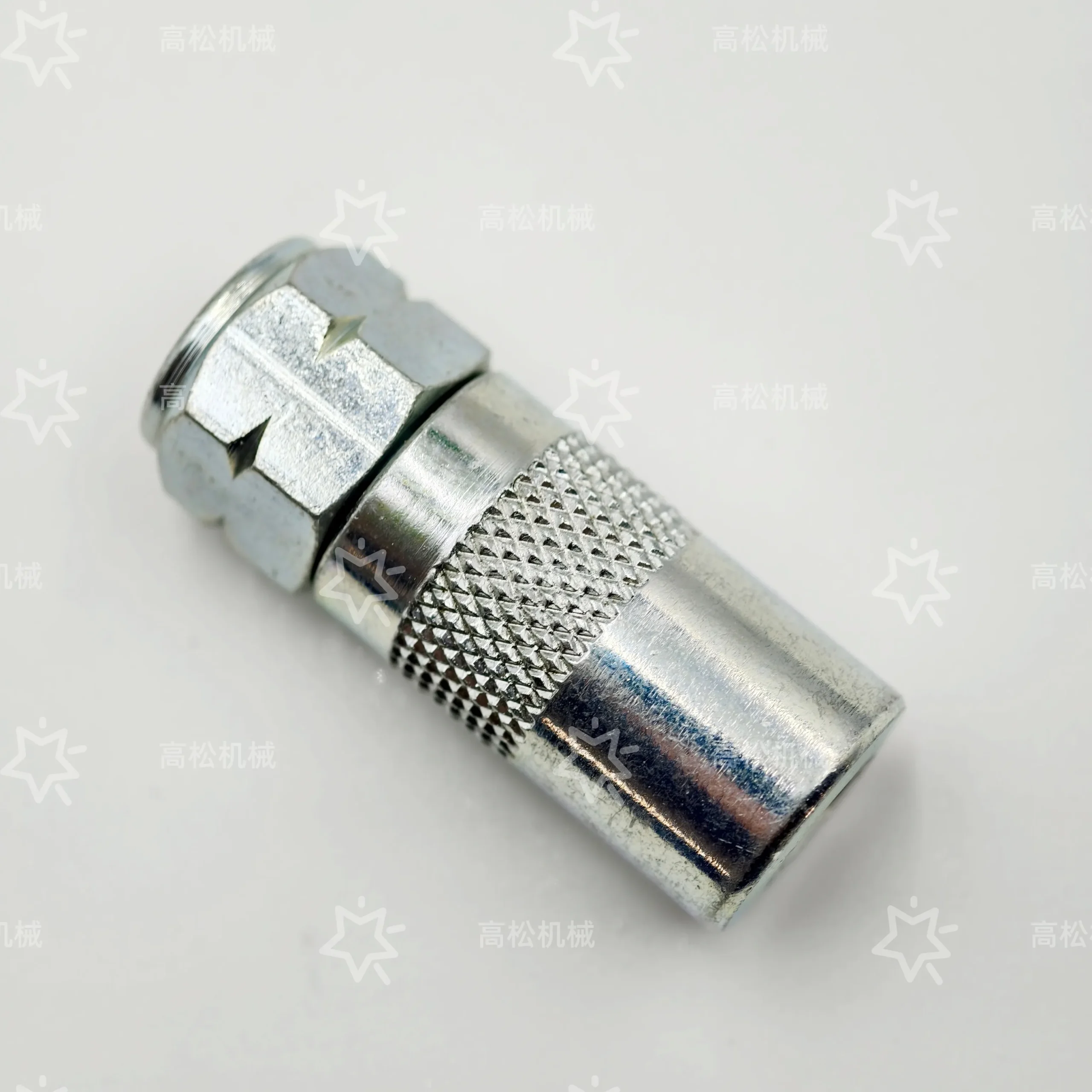 209-68-11640 Komatsu Coupling Assembly
Related Search
Related Search- OEM AND ORIGINAL KOMATSU GEAR 195-27-31273
- OEM AND ORIGINAL KOMATSU PIN 21T-70-33184
- OEM AND ORIGINAL KOMATSU BUSHING 707-46-18050
- OEM AND ORIGINAL KOMATSU GEAR 21N-38-51210
- zenoah komatsu engine
- OEM AND ORIGINAL KOMATSU COVER 206-54-21711
- komatsu pc20 parts
- komatsu pc200 6 hydraulic pump
- Komatsu ripper shank
- komatsu 4d95 engine for sale