
- Chinese
- French
- German
- Portuguese
- Spanish
- Russian
- Japanese
- Korean
- Arabic
- Irish
- Greek
- Turkish
- Italian
- Danish
- Romanian
- Indonesian
- Czech
- Afrikaans
- Swedish
- Polish
- Basque
- Catalan
- Esperanto
- Hindi
- Lao
- Albanian
- Amharic
- Armenian
- Azerbaijani
- Belarusian
- Bengali
- Bosnian
- Bulgarian
- Cebuano
- Chichewa
- Corsican
- Croatian
- Dutch
- Estonian
- Filipino
- Finnish
- Frisian
- Galician
- Georgian
- Gujarati
- Haitian
- Hausa
- Hawaiian
- Hebrew
- Hmong
- Hungarian
- Icelandic
- Igbo
- Javanese
- Kannada
- Kazakh
- Khmer
- Kurdish
- Kyrgyz
- Latin
- Latvian
- Lithuanian
- Luxembou..
- Macedonian
- Malagasy
- Malay
- Malayalam
- Maltese
- Maori
- Marathi
- Mongolian
- Burmese
- Nepali
- Norwegian
- Pashto
- Persian
- Punjabi
- Serbian
- Sesotho
- Sinhala
- Slovak
- Slovenian
- Somali
- Samoan
- Scots Gaelic
- Shona
- Sindhi
- Sundanese
- Swahili
- Tajik
- Tamil
- Telugu
- Thai
- Ukrainian
- Urdu
- Uzbek
- Vietnamese
- Welsh
- Xhosa
- Yiddish
- Yoruba
- Zulu
- Kinyarwanda
- Tatar
- Oriya
- Turkmen
- Uyghur






Komatsu 930E parts
When you hear 'Komatsu 930E parts', the immediate thought for most is the official dealer network. That's the textbook answer, and in an ideal world, it's the only one you'd need. But the reality on the ground, especially for operations in regions with complex supply chains or older fleets, is different. The 930E is a workhorse, but keeping it running often means looking beyond the standard channels. There's a common misconception that all non-OEM parts are inferior or that sourcing from third parties is purely a cost-cutting gamble. It's not that simple. Sometimes, it's about pure availability—getting a critical component to a remote site before a shutdown costs more than the part itself. Other times, it's about finding a sensible solution for a machine that's been in the pit for 15 years, where the original spec part has been superseded three times and comes with a price tag that makes the accountant wince. I've seen both sides.
The Real-World Gap in the Parts Ecosystem
The Komatsu system is robust, but it's designed for a certain flow. For a mine in, say, West Africa or parts of Southeast Asia, getting a guaranteed genuine Komatsu 930E traction motor or a final drive assembly in under eight weeks can be a minor miracle. Lead times blow out, and project schedules don't care about logistics bottlenecks. This is where the ecosystem has a gap. Companies emerge not to replace the OEM, but to fill that specific logistical and availability void. They operate within the knowledge of the system but address its friction points.
I remember a case with a client running three 930Es. They had a recurring issue with the 930E parts for the hydraulic cooling system—the OEM radiators were failing prematurely due to a specific contaminant in their local water treatment process. The official solution was the same part, just replaced more frequently. It was a maintenance manager who found a third-party supplier, one that actually offered a modified core design better suited to that environment. It wasn't about being cheaper; it was about being more appropriate. The OEM design was perfect for 95% of cases, but for that site, it was the wrong tool. That's a nuance you only learn in the field.
This is precisely the space where entities like Jining Gaosong Construction Machinery Co., Ltd. position themselves. From what I've gathered and seen in their offerings, they articulate this role clearly. They describe themselves as an OEM product supplier within the Komatsu system and a third-party sales company, helping solve parts supply challenges in certain countries. That last phrase is key: certain countries. It acknowledges the geographic and logistical realities that create the demand for their service. It's a pragmatic admission that the primary channel isn't always the most efficient one for every end-user. Their website, takematsumachinery.com, reflects this dual approach, catering to those who need a direct pipeline and those who need an alternative solution.
Judging Quality and Provenance in the Aftermarket
So, you're considering a third-party source. The immediate question is quality. The term OEM product supplier within the Komatsu system is crucial here. It suggests access to genuine components, likely through regional distribution agreements or surplus channels. This is different from a pure aftermarket manufacturer. For critical, high-wear items like Komatsu 930E wheel hub assemblies or planetary gears, this distinction is everything. You're not buying a reverse-engineered part; you're buying the same part through a different route, often with a less convoluted supply chain.
Then there are the non-critical, wear-and-tear items. Think seals, hoses, standard hydraulic cylinders, maybe even brake pads. For these, a reputable third-party with proper certification and traceable metallurgy reports can be a viable, cost-effective option without compromising uptime. The failure mode isn't catastrophic. I've had successes and one notable failure. The success was with a set of lift cylinder rods; saved about 30% and got them on site in half the time, with no difference in service life. The failure was with an alternator. It looked identical, passed initial tests, but failed within 200 hours. The lesson wasn't never buy third-party, but be highly selective about which components you source this way. Electrical and complex electronic control units? I'd be very hesitant. Heavy structural castings or forgings? The risk is too high.
A company like the one mentioned seems to understand this tiered approach. Their model implies they can provide the genuine article when needed, but their value might be highest in aggregating and vetting reliable sources for those secondary components, acting as a qualified filter for the buyer. It saves the maintenance superintendent from having to vet ten different suppliers themselves.
The On-the-Ground Verification Process
You can't just take a website's word for it. Any engagement with a new supplier, especially for major components, starts with a low-stakes test. I'd never order a $80,000 transmission first. You start with a smaller order—a set of filters, bucket teeth adapters, maybe a pump. You check the packaging, the part numbers, the physical quality. You install it and monitor. You also talk to them. Ask specific technical questions: Is this part number compatible with the serial number range of my 930E, specifically those with the upgraded ECU after 2008? A generic answer is a red flag. A detailed one that asks for your machine's S/N confirms experience.
I recall contacting a supplier once about a 930E parts kit for a brake overhaul. Their first email back asked for the specific brake group code from the machine's service manual. That was a good sign. They knew there were subtle variations. Another time, a supplier promised identical swing bearings, but their load ratings were for a static, not dynamic, application—a detail buried in the spec sheet. We caught it, but it underscored the need for technical dialogue, not just transactional purchasing.
This verification extends to logistics. A key promise from these intermediary companies is solving supply challenges. That means they should have demonstrable, efficient shipping routes from their hubs to your region. They should be able to provide clear Incoterms and realistic transit times, not just optimistic guesses. If their website claims a focus on certain countries, they should be able to articulate how they navigate customs and local regulations there.
When It Makes Sense to Go This Route
It's not an all-or-nothing proposition. Based on experience, here are the scenarios where looking at a specialized supplier like this adds real value. First, for older fleets. Finding genuine parts for a mid-2000s 930E can be tough as Komatsu phases out support. Suppliers who specialize in legacy support are gold. Second, for urgent, non-stock items. If the dealer network is quoting 12 weeks and you have 2, a reliable third-party with stock can be a lifesaver, even at a premium. Third, for bundled purchases. Sometimes you need parts for multiple machines across a mixed fleet. A supplier that can aggregate a shipment of genuine and quality-approved aftermarket parts for your 930Es, your dozers, and your drills simplifies logistics immensely.
There's also the scenario of standardized consumables. If you're running a large fleet, you might standardize on a specific brand of air filters or hydraulic oil that meets the spec but isn't the OEM-branded one. A flexible supplier can integrate that into your regular parts supply, streamlining your inventory.
The company profile of Jining Gaosong, stating they help solve parts supply challenges, directly speaks to these first two scenarios. Their implied value is in having the network and agility to address obsolescence and urgency in a way that a large, centralized OEM system sometimes cannot.
Concluding Thoughts: A Matter of Pragmatism
Ultimately, managing Komatsu 930E parts procurement is an exercise in risk management and pragmatism. The goal is maximum machine availability at a sustainable cost. The official dealer is the default, the lowest-risk option for most major components. But treating it as the only option can sometimes be a liability. The market has evolved to include hybrid players—companies that are embedded in the OEM ecosystem yet operate with the flexibility of a third party.
These companies, like the one discussed, fill a necessary niche. They aren't for every purchase on every day. But for a specific set of problems—geographic isolation, legacy machine support, critical time constraints—they become an essential part of the procurement strategy. The key is to engage with them as technical partners, not just vendors. Ask the hard questions, start small, verify everything, and build the relationship. When you find a good one, it's like having an extra card to play in the constant game of keeping those 400-ton trucks moving. And in this business, that's what it's all about—minimizing downtime, one well-sourced part at a time.
Related Products
Related Products

Best Selling Products
Best Selling Products-
 Custom KOMATSU Bulldozer Slewing Gearbox Bearing 06000-06311…
 -
 CAP ASS’Y 17A-60-11310 – KOMATSU
 -
 23C02-15720komatsu parts
 -
 21N-27-00150 floating seal for Komastu PC1250-8 EXCAVATOR
 -
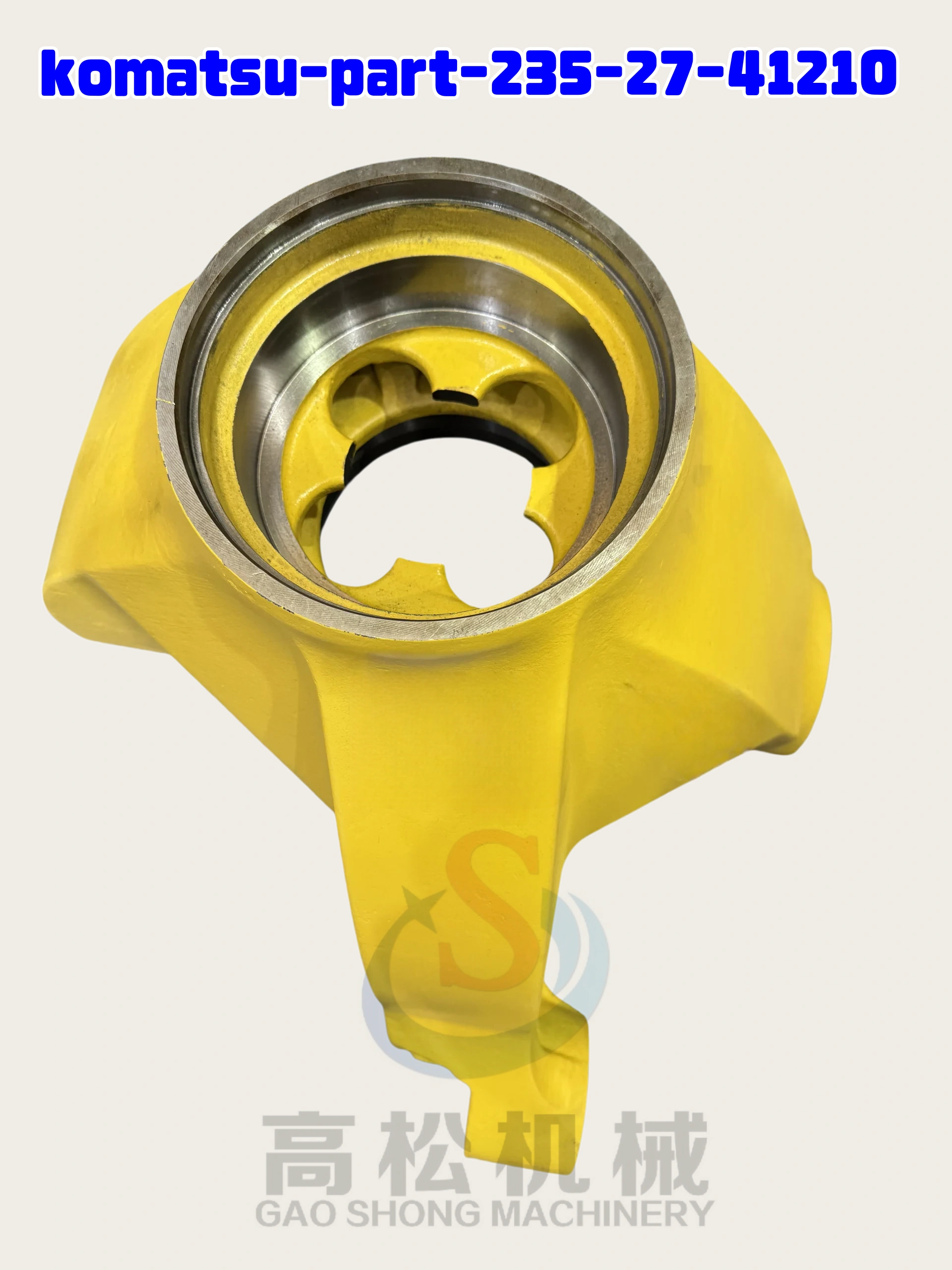 komatsu-part-235-27-41210 HOUSING,L.H. GD825A-2 GD825A-2E0 FRONT AXLE
 -
 207-70-61610• BUSHING Komatsu Original Factory
 -
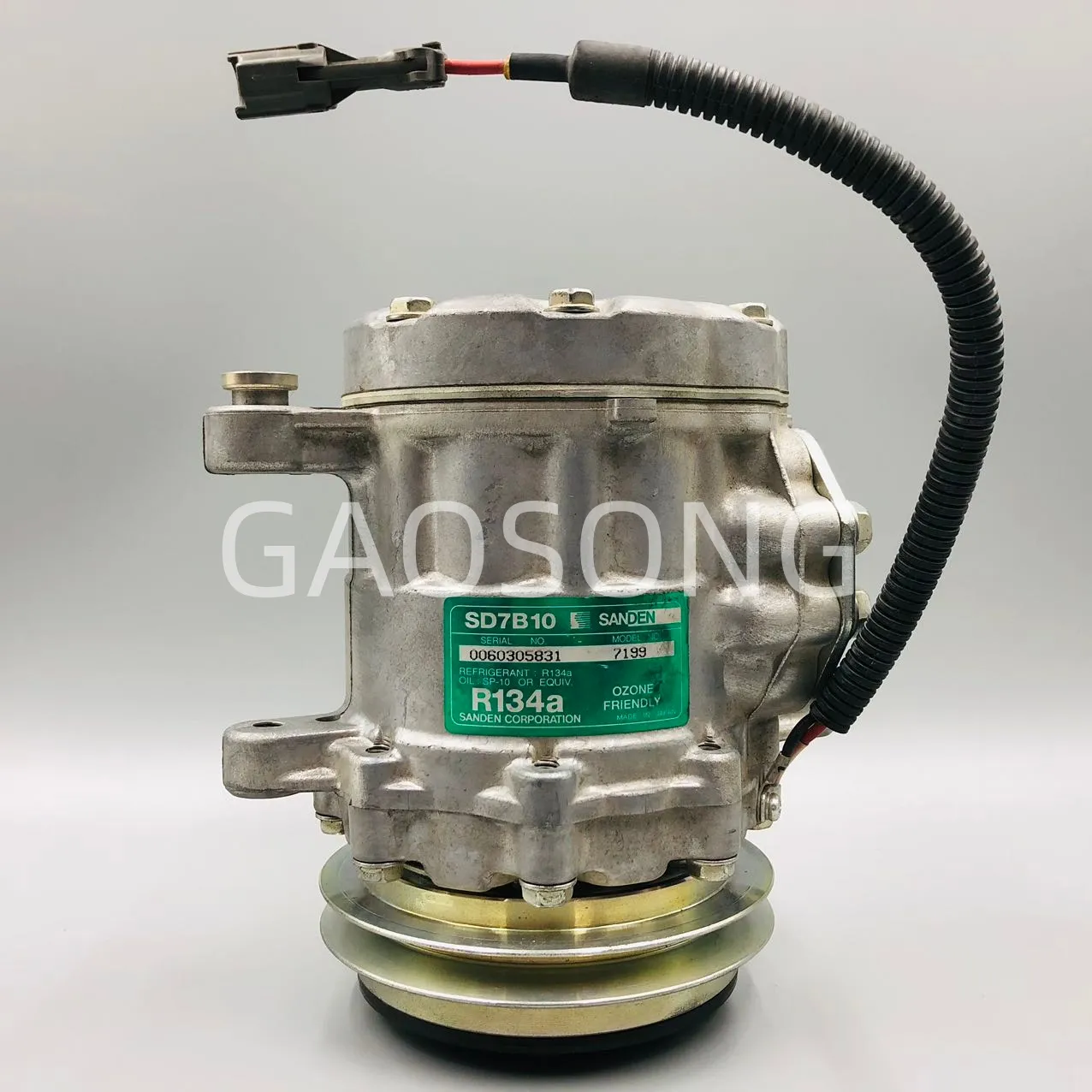 12V PC56-7 Excavator Air Conditioning Accessories 22L-979-2200
 -
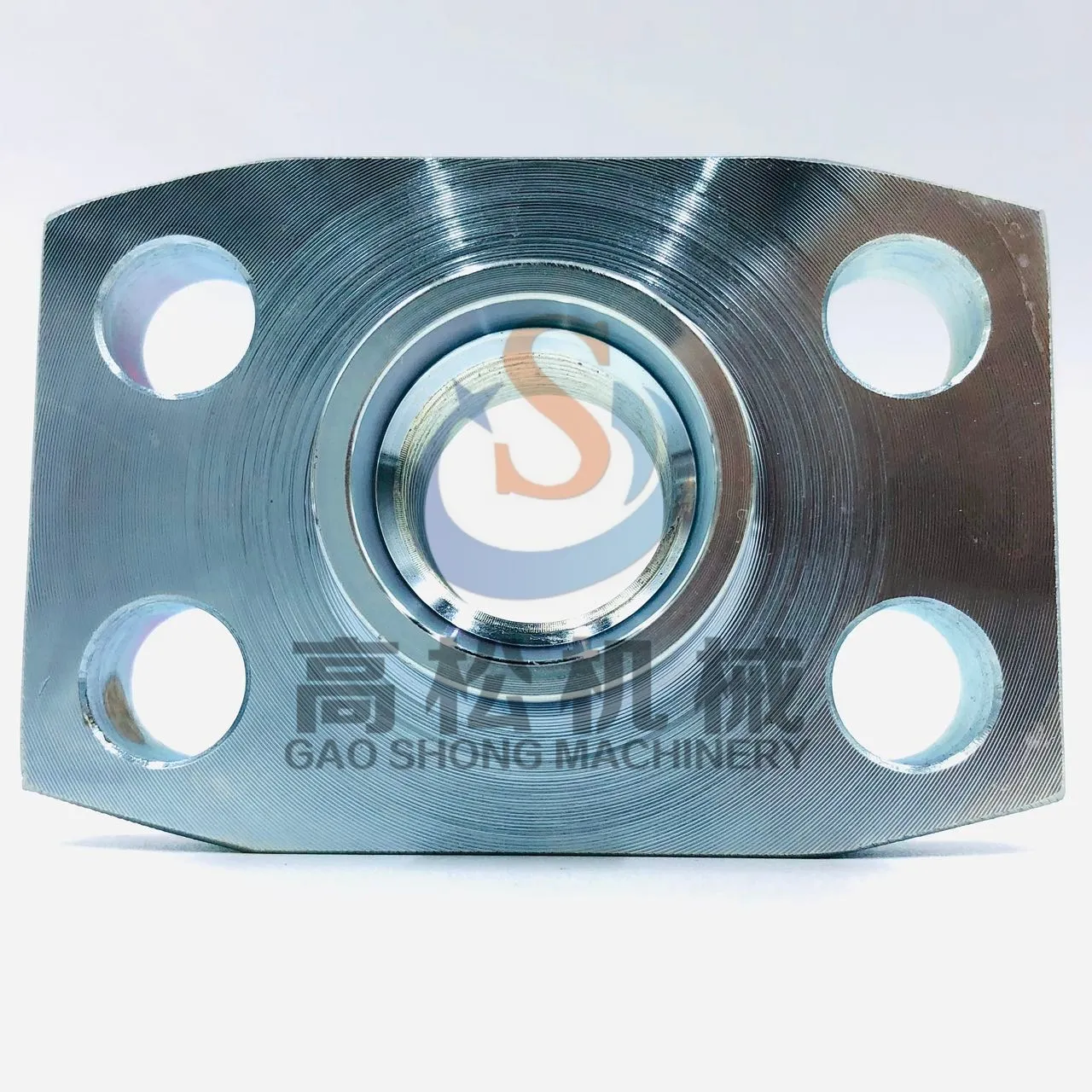 Komatsu excavator PC1250 flange 21N-38-12310
 -
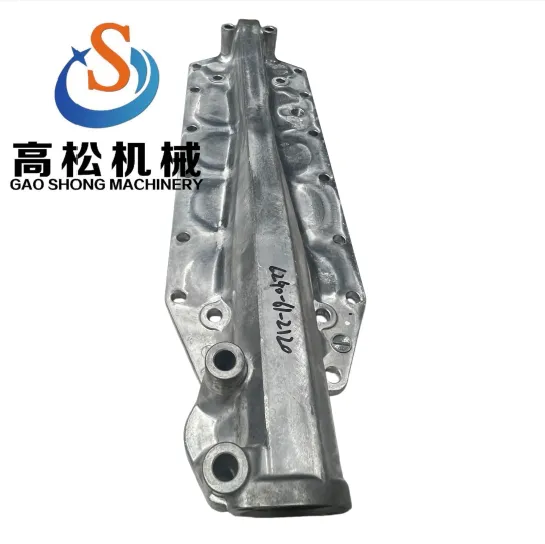 Engine Oil Cooler Cover for Cummins QSK23 SA6D170 Engine 4096006 6240-61-2120 Oil Cooler Cover 6240612120
 -
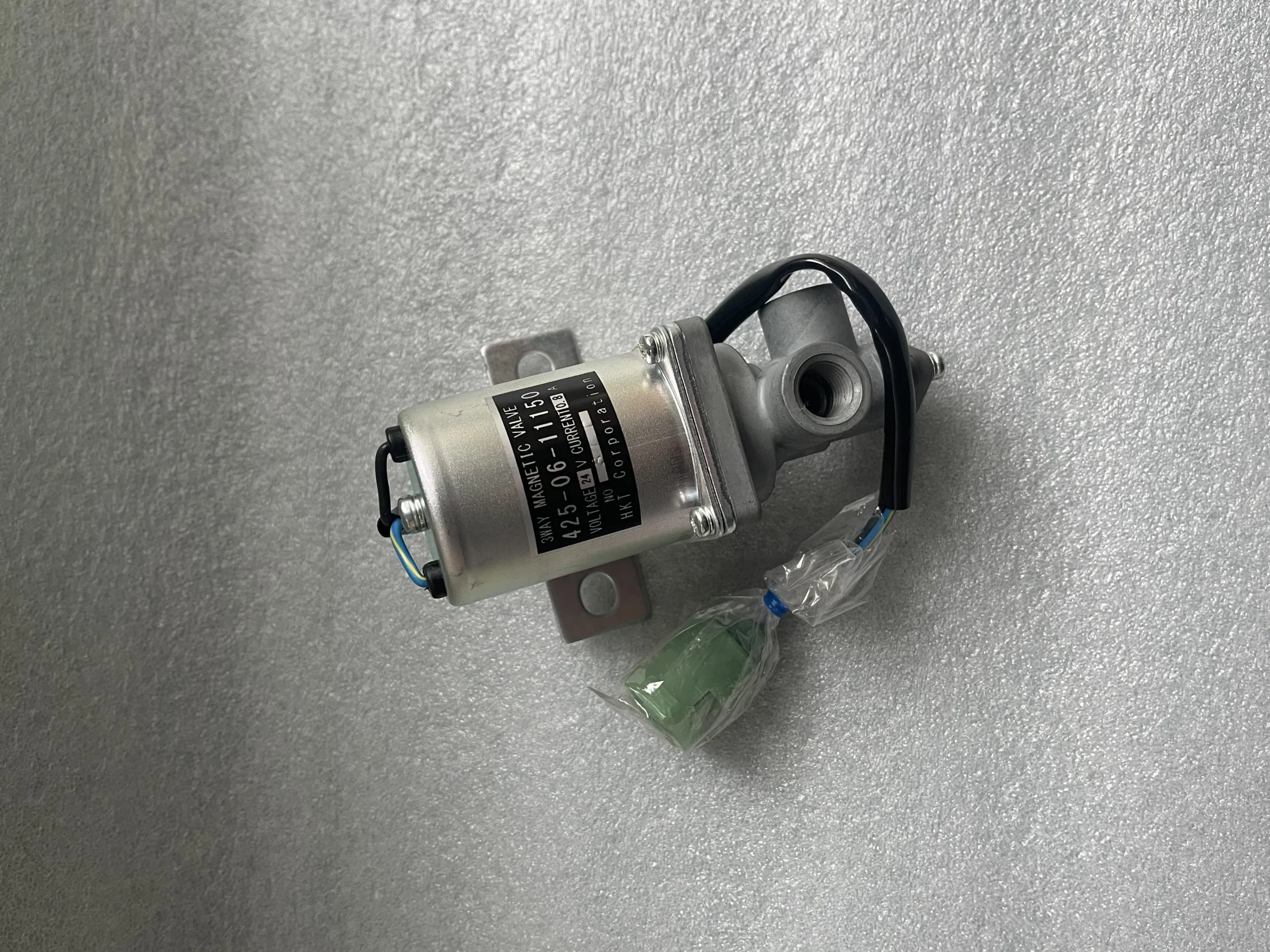 Valve,Parking brake425-06-11150
 -
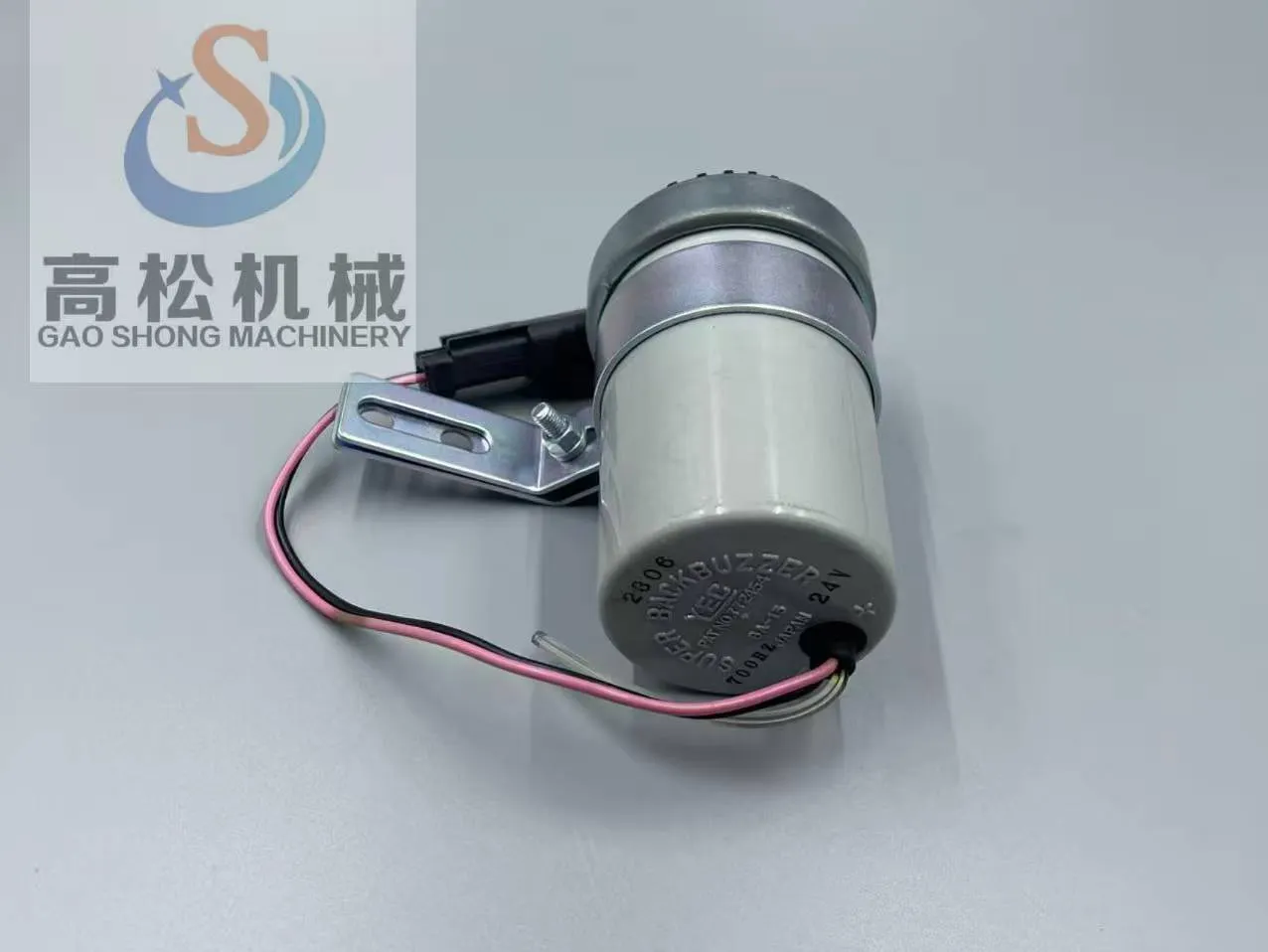 198-06-56570 1980656570 summer for bulldozer D85 D375 D275 D65
 -
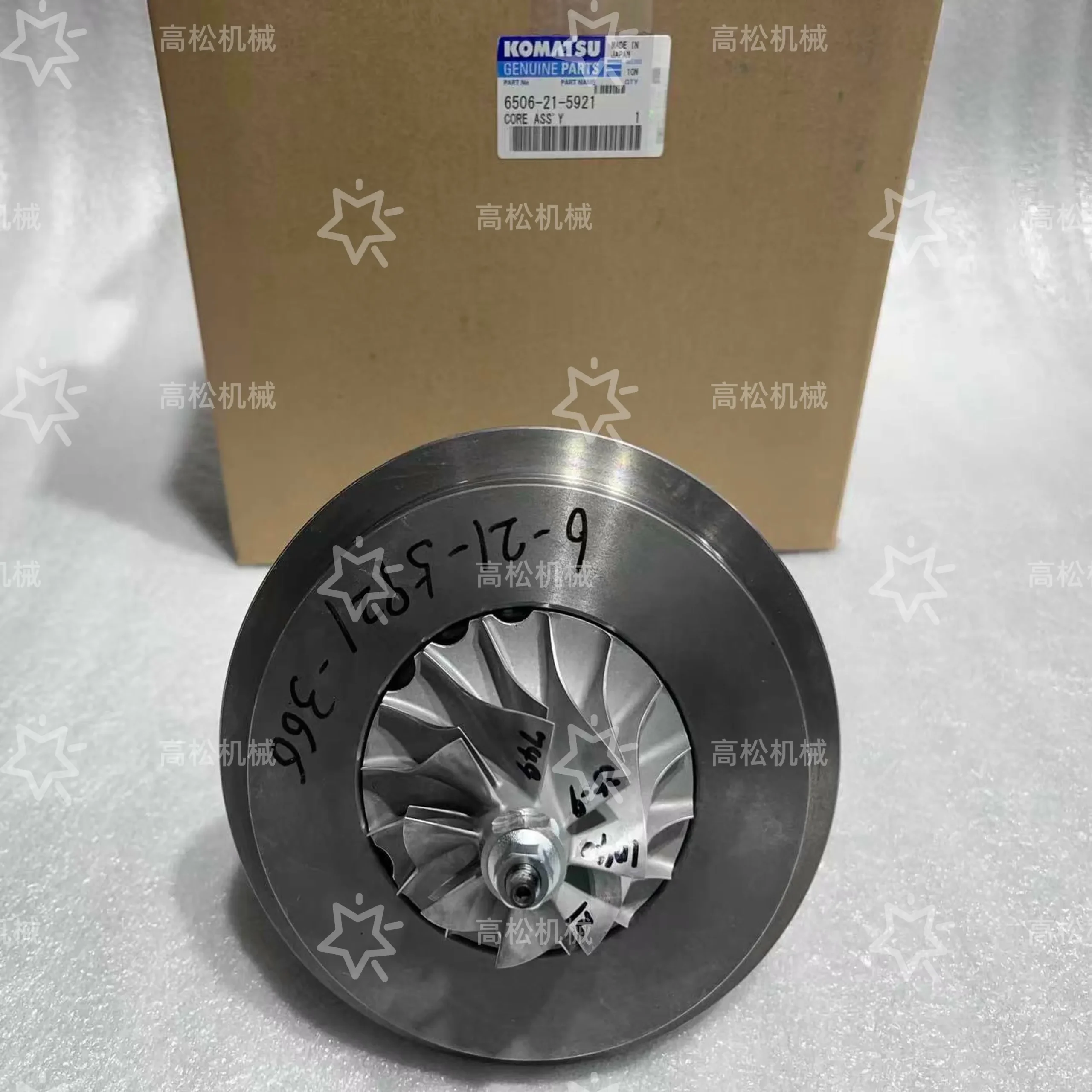 6506-21-5921 Komatsu Core Assembly