
- Chinese
- French
- German
- Portuguese
- Spanish
- Russian
- Japanese
- Korean
- Arabic
- Irish
- Greek
- Turkish
- Italian
- Danish
- Romanian
- Indonesian
- Czech
- Afrikaans
- Swedish
- Polish
- Basque
- Catalan
- Esperanto
- Hindi
- Lao
- Albanian
- Amharic
- Armenian
- Azerbaijani
- Belarusian
- Bengali
- Bosnian
- Bulgarian
- Cebuano
- Chichewa
- Corsican
- Croatian
- Dutch
- Estonian
- Filipino
- Finnish
- Frisian
- Galician
- Georgian
- Gujarati
- Haitian
- Hausa
- Hawaiian
- Hebrew
- Hmong
- Hungarian
- Icelandic
- Igbo
- Javanese
- Kannada
- Kazakh
- Khmer
- Kurdish
- Kyrgyz
- Latin
- Latvian
- Lithuanian
- Luxembou..
- Macedonian
- Malagasy
- Malay
- Malayalam
- Maltese
- Maori
- Marathi
- Mongolian
- Burmese
- Nepali
- Norwegian
- Pashto
- Persian
- Punjabi
- Serbian
- Sesotho
- Sinhala
- Slovak
- Slovenian
- Somali
- Samoan
- Scots Gaelic
- Shona
- Sindhi
- Sundanese
- Swahili
- Tajik
- Tamil
- Telugu
- Thai
- Ukrainian
- Urdu
- Uzbek
- Vietnamese
- Welsh
- Xhosa
- Yiddish
- Yoruba
- Zulu
- Kinyarwanda
- Tatar
- Oriya
- Turkmen
- Uyghur






komatsu 930e engine
When you hear 'Komatsu 930E engine', most folks immediately picture the MTU/DDC 16V4000. That's correct, but it's also where the first big misconception starts. People treat it as a standalone, off-the-shelf power pack. In reality, its integration into the 930E's chassis and its dialogue with the GE drive system is where the real magic—and the real headaches—happen. I've seen too many maintenance crews order a 'complete engine' only to find they're missing half the bespoke mounting hardware and control harnesses specific to the 930E frame. That's a $50,000 lesson learned the hard way.
The Heart of the Hauler: Dissecting the 16V4000
Let's talk about the core. The 16V4000 is a beast, rated at what, 2610 kW? But the key figure everyone overlooks is the torque curve and how it's managed for a haul truck. It's not about max power; it's about delivering a massive, flat torque band from low rpm to handle a fully loaded 320-ton payload on a 10% grade. The engine itself is robust, but its Achilles' heel in the 930E application has always been the aftercooler and the associated plumbing. The sheer thermal load is immense.
I recall a site in Western Australia where ambient temps would soar. We had persistent issues with aftercooler core leaks. The standard fix was replacement, but downtime was killing them. We worked with a technical team from a supplier, Jining Gaosong Construction Machinery Co., Ltd., who had deep OEM system knowledge. They didn't just sell us a new core; they pointed out that the vibration dampers on the ancillary bracket had failed, causing excess stress on the coolant lines. It was a peripheral issue causing a central failure. That's the kind of system-level insight you need.
Another nuance is the fuel system. The unit injectors are precise but sensitive to the slightest contamination. We learned to install secondary, high-capacity filter assemblies upstream of the standard ones, especially in regions with dubious fuel quality. It added cost but prevented injector seizures that could lead to catastrophic piston failures. It's these small, unglamorous modifications that define real-world reliability.
Integration Pains and Control System Tango
This is where the 'engine' stops being just an engine. The 930E uses a GE AC drive system. The engine's sole job is to spin the main alternator at a precise speed to generate power for the traction motors. The engine control module (ECM) and the drive controller are in constant, high-speed communication. If that comm link falters, the truck goes into derate or full shutdown.
We had a fleet where trucks would randomly derate. Logs showed 'alternator frequency out of range'. Swapped sensors, checked the alternator—nothing. Finally, traced it to corrosion in the Cannon plug connectors between the ECM and the main harness, a spot vulnerable to water and dust ingress. The signal was degrading just enough to cause a misread. The fix was a new harness segment and better sealing, but diagnosing it required understanding that the engine's performance is dictated by an electrical signal from another system entirely.
This interdependence is why sourcing genuine or fully compatible parts is critical. Using a non-system-approved component might make the engine run, but it can cause erratic behavior in the wider powertrain network. This is a core reason companies like Jining Gaosong exist. As an OEM product supplier within the Komatsu system, they bridge the gap between pure third-party parts (which can be risky for complex integrations) and the sometimes slow or unavailable direct OEM channel. Their value is in knowing which components are truly cross-compatible and which must be exact.
Cooling System: The Eternal Battle
If the 930E has a systemic weakness, it's managing heat. The radiator package is massive, but airflow is everything. We constantly battled with radiator fin clogging in dusty mines. No amount of blowing with air helps once the fines and chaff get packed in. The only real solution was scheduled, careful washing with low-pressure water and surfactant. Skip this, and you'd see coolant temps creep up, leading to the ECM pulling back engine power to protect itself. Your haul cycle times would stretch out, killing productivity.
Then there's the fan. Hydraulically driven, controlled by engine temp and system demand. The fan clutches were another failure point. A seized clutch wouldn't disengage, wasting huge amounts of engine horsepower just to drive the fan—maybe 150 kW or more that wasn't going to the wheels. A failed clutch that wouldn't engage would lead to overheating. Diagnosing this required looking at hydraulic pressure readings and fan speed sensor data, not just the temp gauge.
Remanufacture vs. Overhaul: A Cost-Benefit Minefield
Facing a top-end overhaul or a major failure, the debate is always remanufactured exchange unit vs. in-frame overhaul. The MTU reman program is excellent, but it's capital-intensive and requires core return. For operations in remote countries, getting a 6-ton engine core shipped back to a depot in Germany or the US is a logistical and customs nightmare. This is exactly the parts supply challenge that third-party specialists aim to solve.
A company like Jining Gaosong Construction Machinery Co., Ltd., which operates as both an OEM supplier and a third-party sales channel, can often facilitate local or regional reman solutions or provide certified exchange units with less logistical friction. I've seen them help a site in Africa secure a compatible exchange long-block by navigating regional warehousing, something the direct channel couldn't expedite. Their website, https://www.takematsumachinery.com, often lists these system-critical components, not just generic parts.
However, the gamble with an in-frame overhaul is component balance. Replacing liners and pistons in one bank? You might be okay. But if the crankshaft needs work, you're in deep. The torsional vibration damper on the front of the crank is tuned to the entire rotating assembly. Disturb that balance without the proper tools and calibration, and you'll have vibration issues that will shake other components to failure within a few hundred hours.
The Human Factor and Unwritten Knowledge
Finally, the most overlooked component: the people. A 930E engine isn't serviced by a generic diesel mechanic. It needs someone who understands high-speed, high-output diesels, AC drive logic, and hydraulic cooling circuits. The best practice I ever instituted was creating a simple, one-page 'health check' sheet for operators and washpad crews: monitor exhaust smoke color at startup, note any unusual fan noise, check for minor coolant leaks at the aftercooler headers. Catching issues here prevents 90% of major failures.
There's also the art of reading the data. The ECM stores a mountain of it. The trick isn't in collecting it, but in knowing which three parameters to look at first when a truck is underperforming. For me, it's always: 1) Actual vs. Desired Engine Speed, 2) Fuel Rail Pressure, and 3) Turbo Boost Pressure. A discrepancy in any of those three will lead you to 80% of common faults.
So, the Komatsu 930E engine? It's a masterpiece of mechanical engineering hamstrung by its own complexity and the brutal environment it works in. Success depends on respecting it as a system, not just a component, and leveraging partners who understand that holistic view. It's never just about the metal; it's about the information, the integration, and the experience to connect the dots before they become costly downtime.
Related Products
Related Products
Best Selling Products
Best Selling Products-
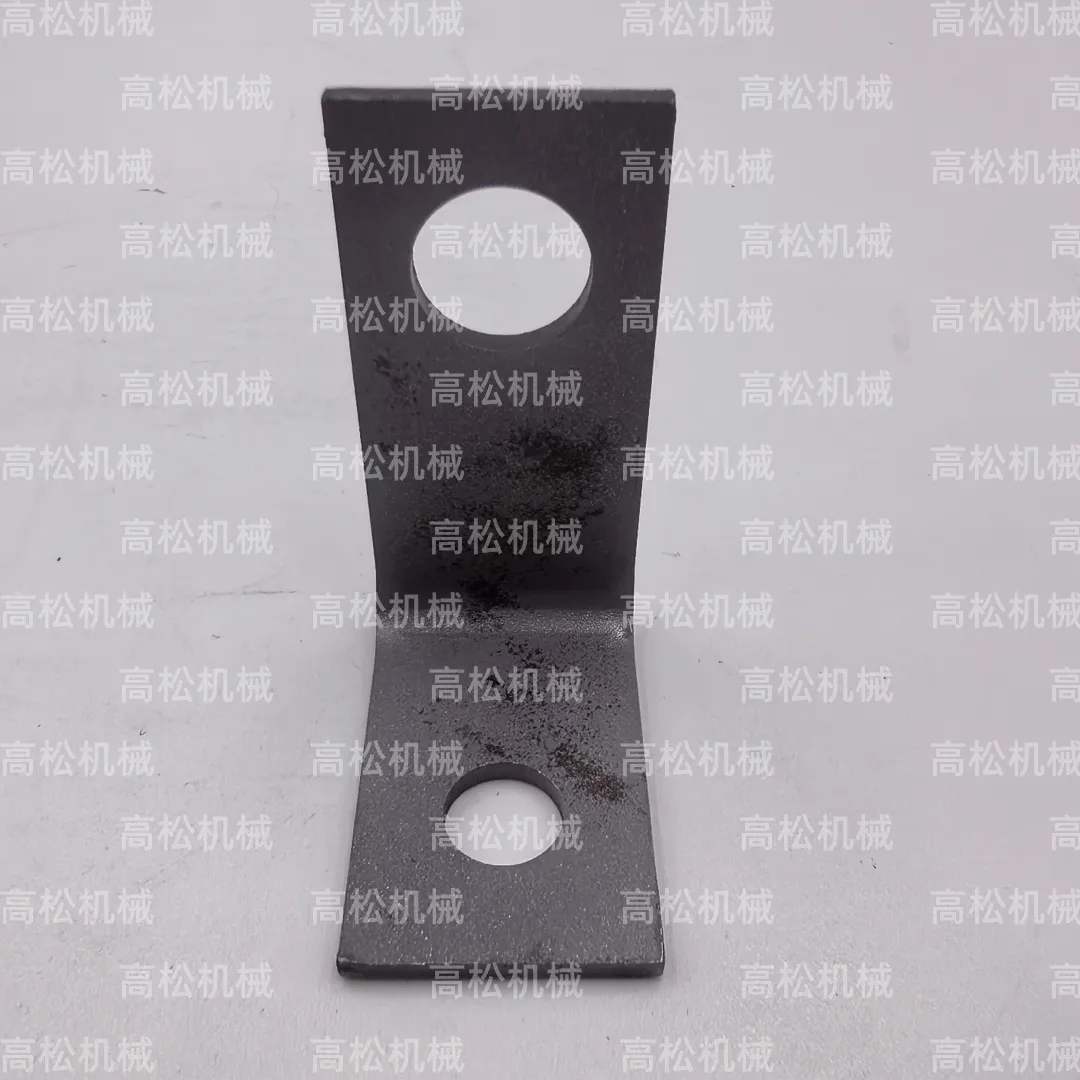 23C02-15720komatsu parts
 -
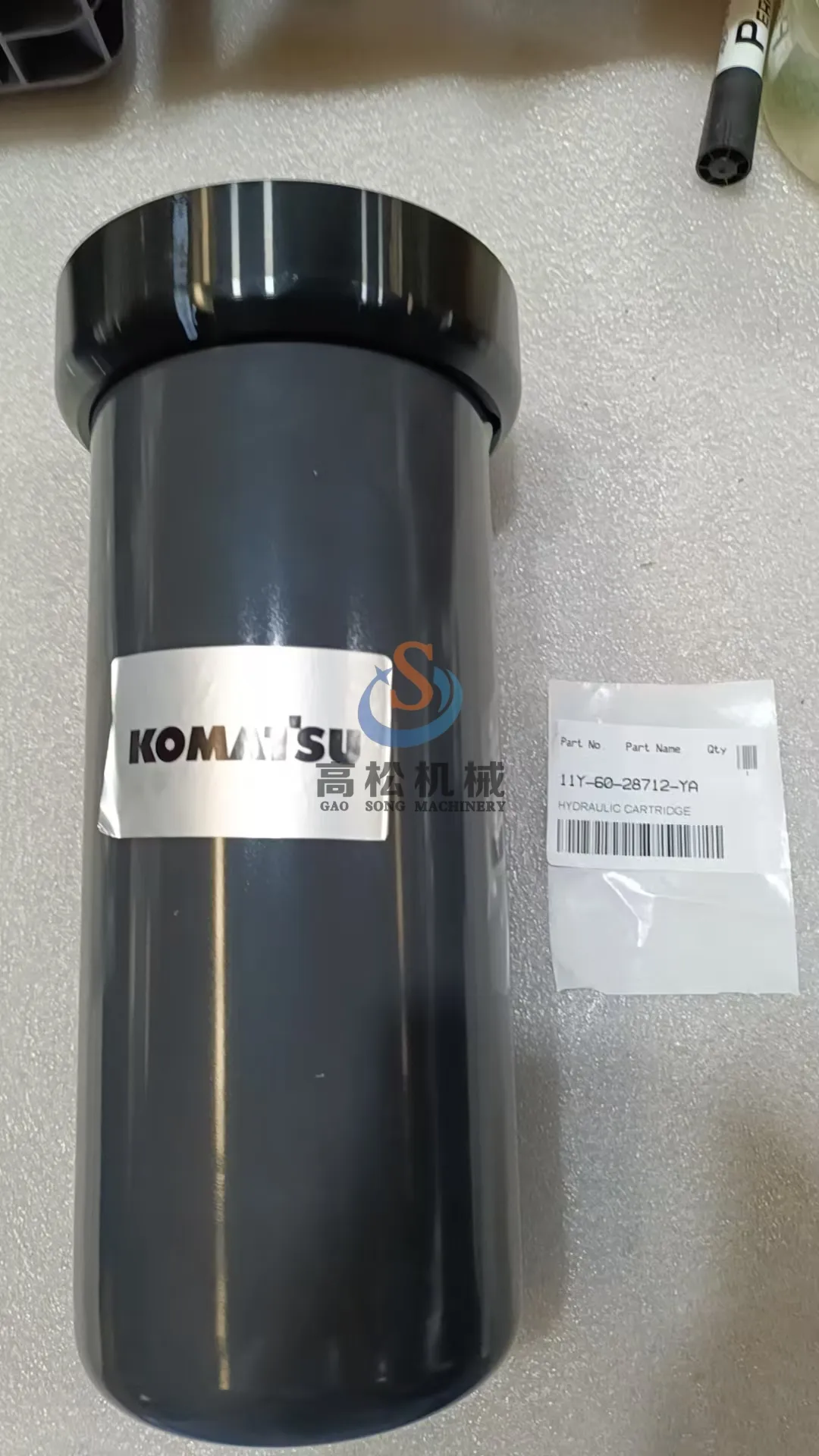 11Y-60-28712 komatsu CARTRIDGE-D37/D61
 -
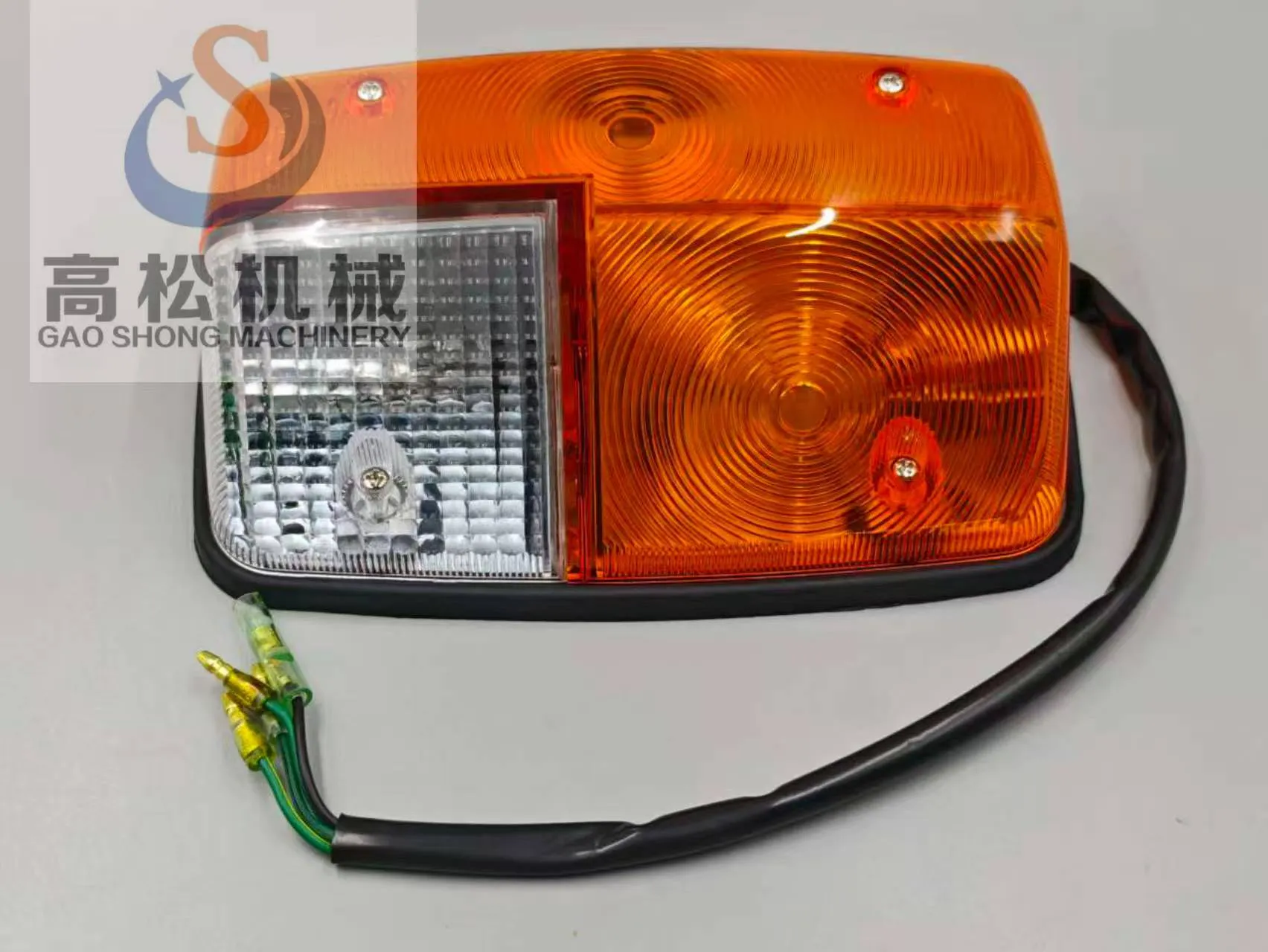 High quality, sales leader, light assembly 421-06-13401 421-06-13301, light assembly for komatsu gd405a-2 hd785-5lc 542 558
 -
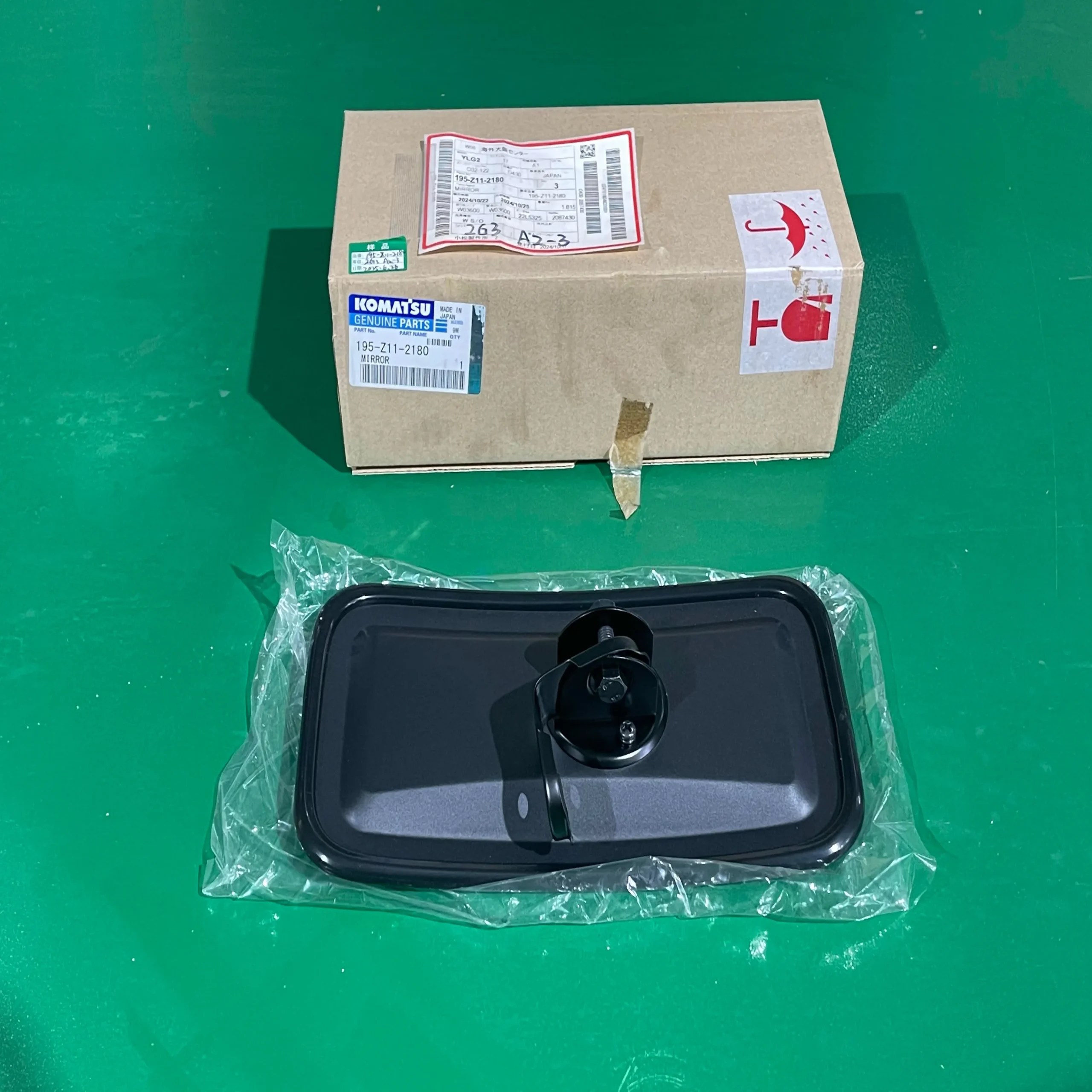 Komatsu bulldozer rearview mirror 195-Z11-2180
 -
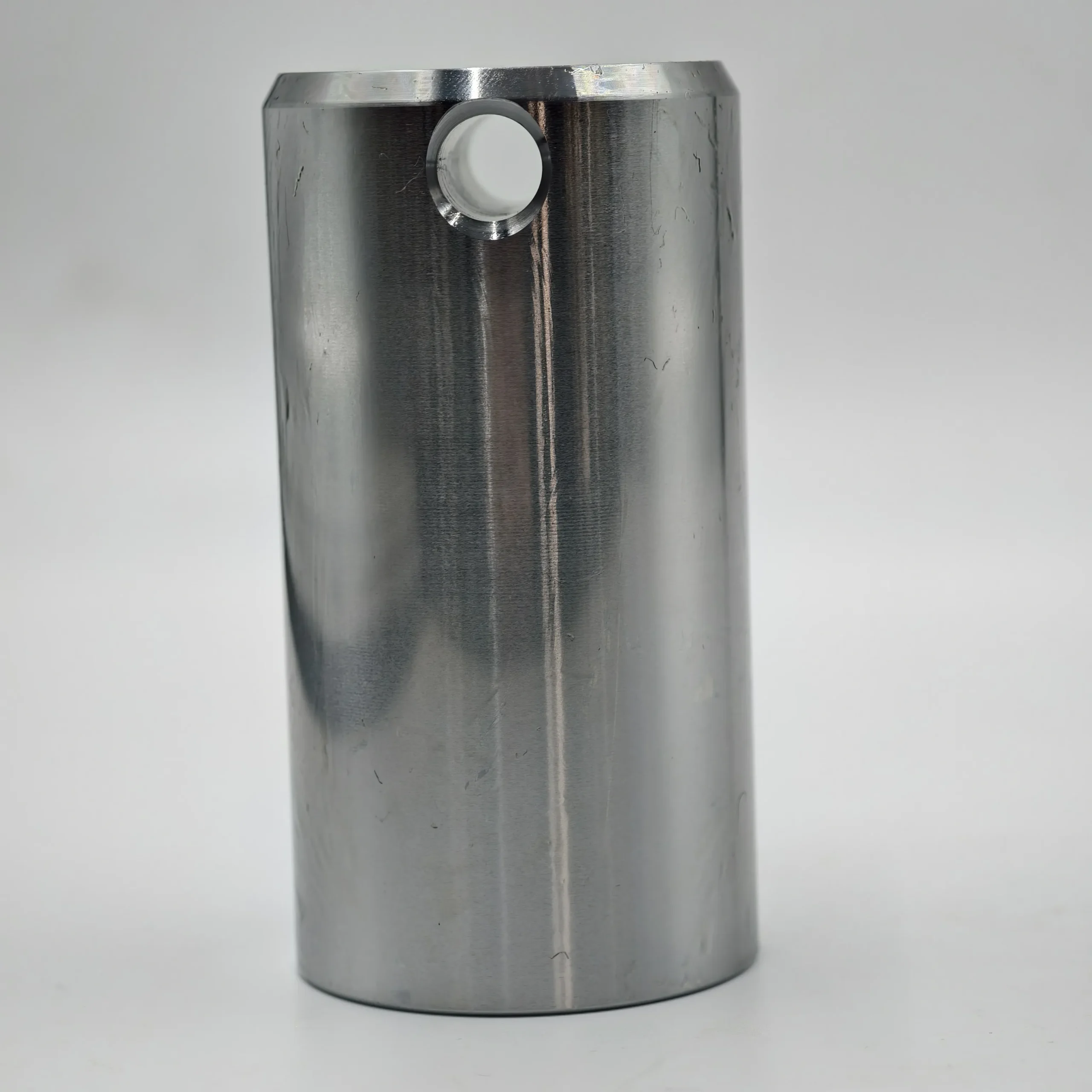 Komatsu Pin, 20Y-27-31160-We carry an extensive line of hardware for your machine. We offer bolts, nuts, washers, pins, snap rings, cap screws, keys and more.
 -
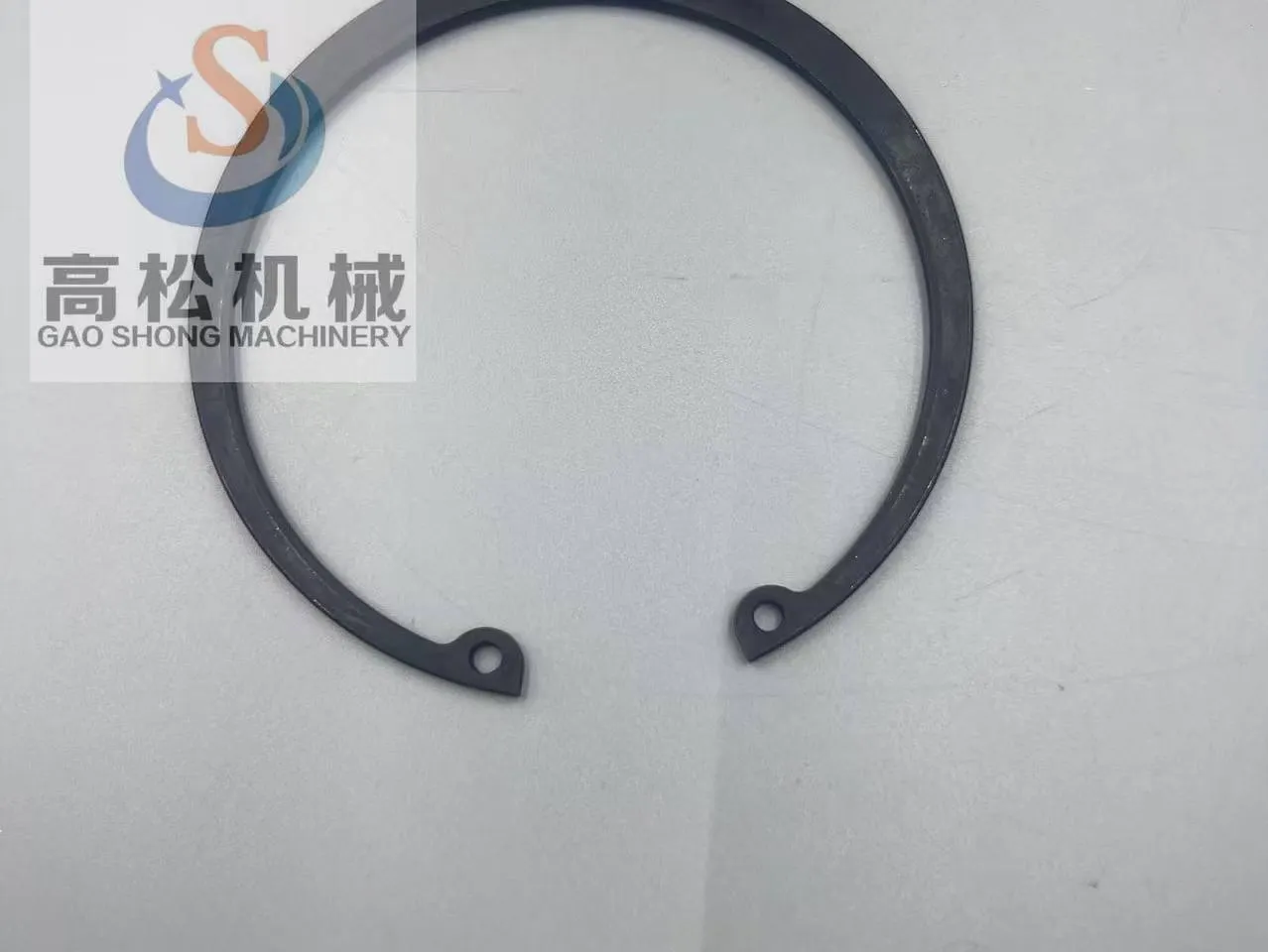 569-01-72600 569-01-62650 569-01-72610 Komatsu dump truck HD465-7 HD605-7 HD325-7 HD405-7 body drive shaft
 -
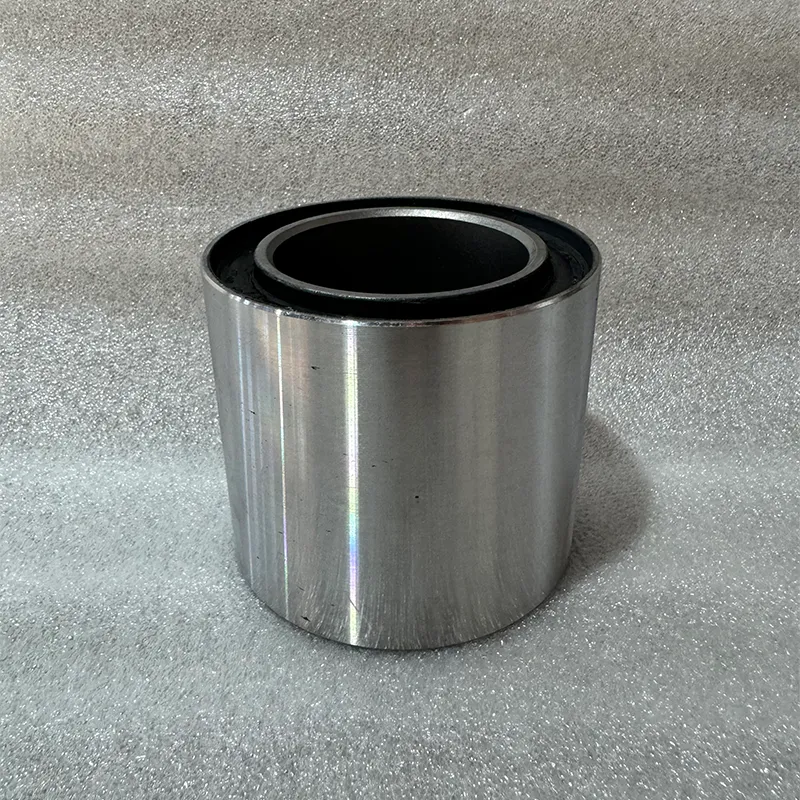 Original komatsu WA900-3 pad 569-14-41130
 -
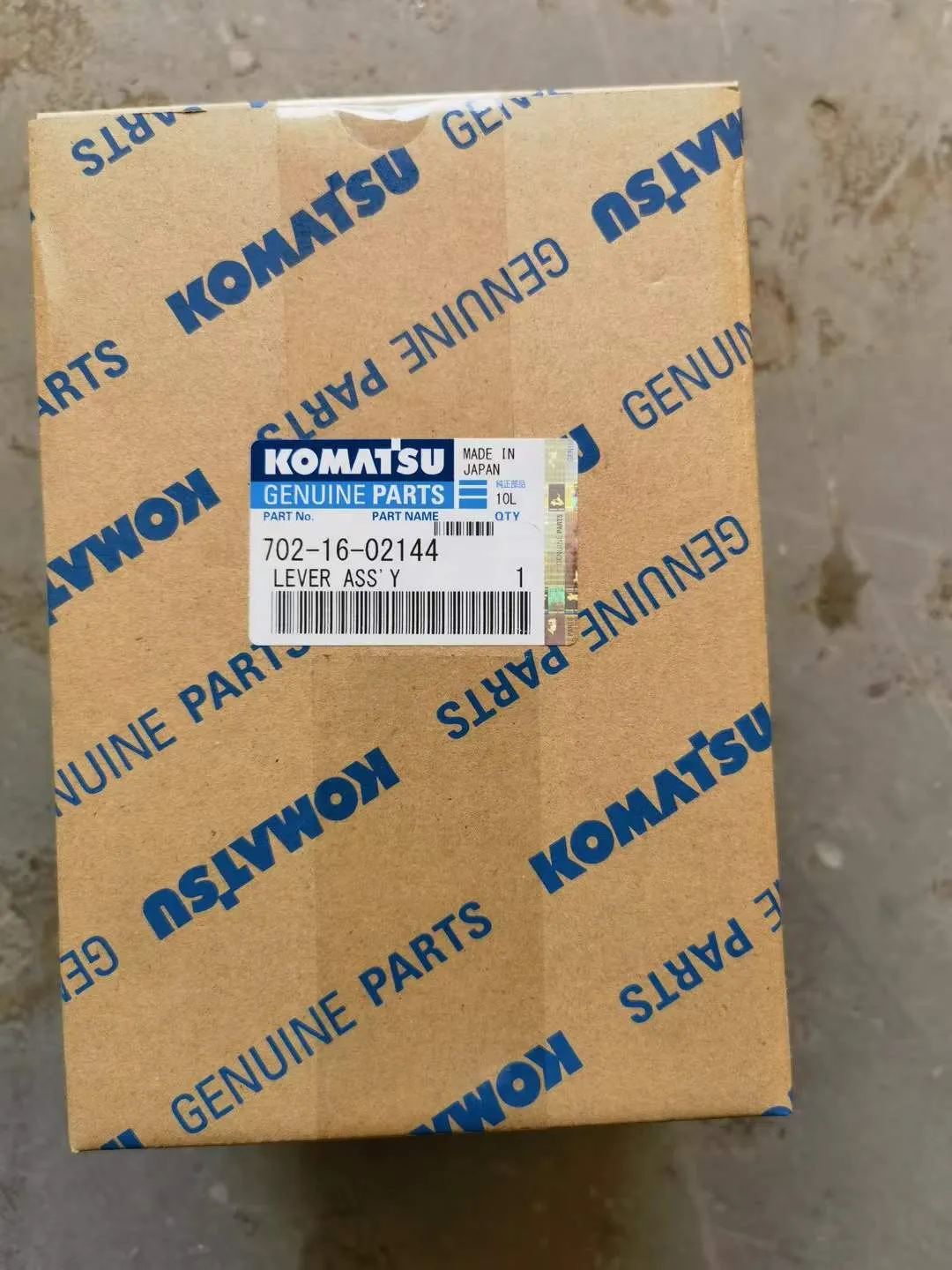 702-16-02144 Komatsu Lever Assembly
 -
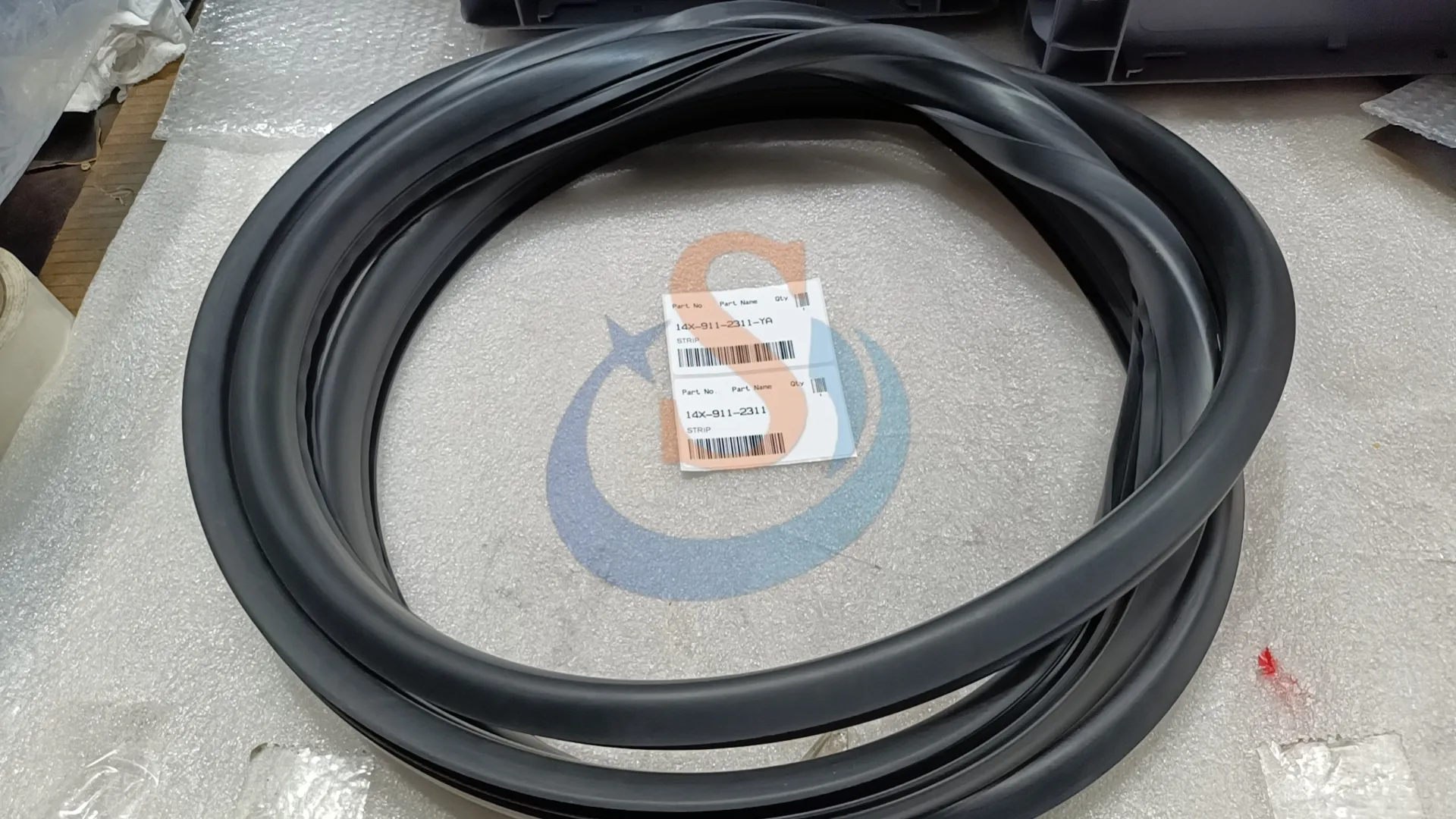 14X-911-2311,STRIP WEATHER,D155A,D375A,D65E
 -
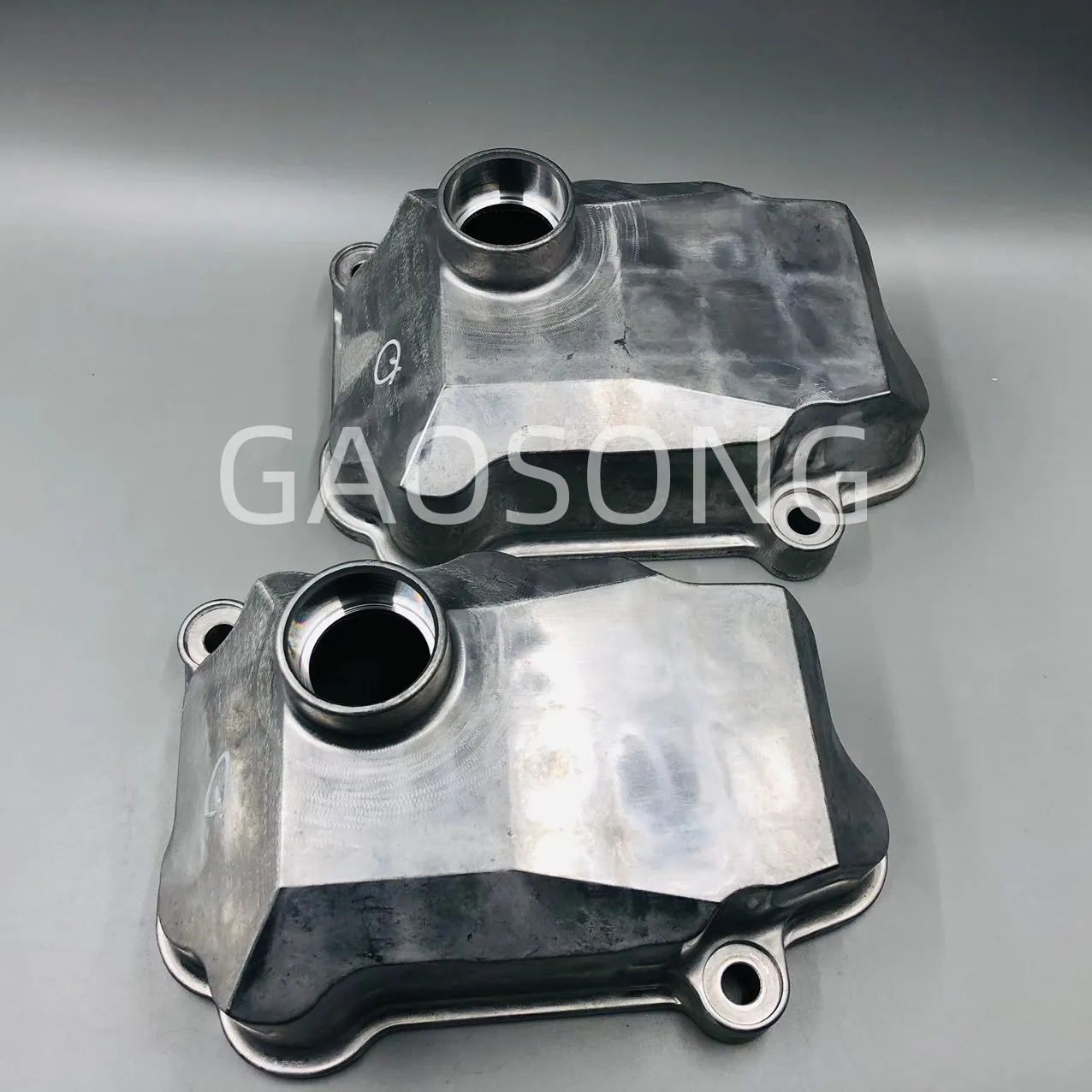 6251-11-8150 COVER, ROCKER ARM HOUSING-Komatsu Original Factory
 -
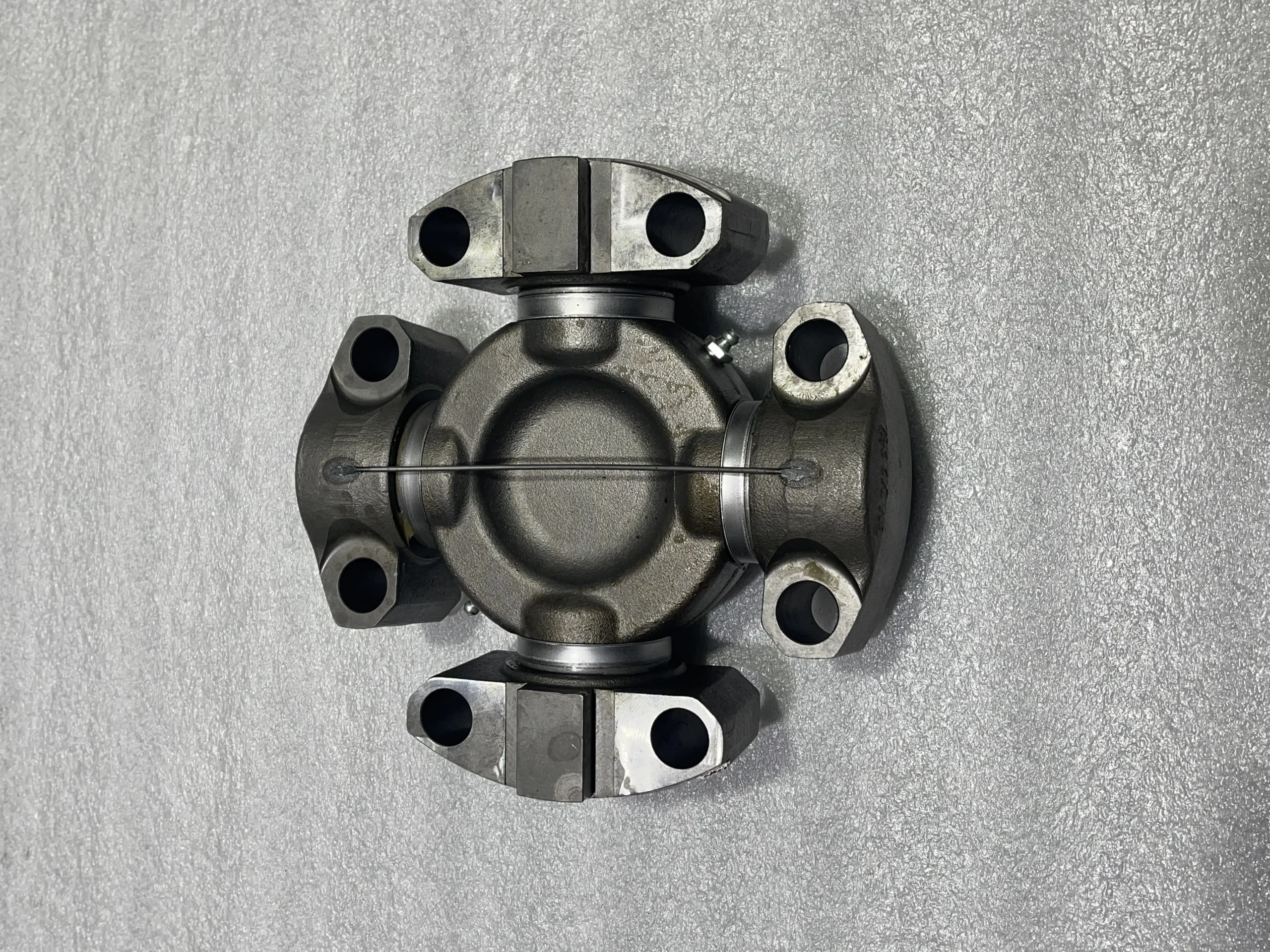 561-20-71100• SPIDER Komatsu Original Factory
 -
 56D-43-37101Z56D-43-37101 Valve Assembly