
- Chinese
- French
- German
- Portuguese
- Spanish
- Russian
- Japanese
- Korean
- Arabic
- Irish
- Greek
- Turkish
- Italian
- Danish
- Romanian
- Indonesian
- Czech
- Afrikaans
- Swedish
- Polish
- Basque
- Catalan
- Esperanto
- Hindi
- Lao
- Albanian
- Amharic
- Armenian
- Azerbaijani
- Belarusian
- Bengali
- Bosnian
- Bulgarian
- Cebuano
- Chichewa
- Corsican
- Croatian
- Dutch
- Estonian
- Filipino
- Finnish
- Frisian
- Galician
- Georgian
- Gujarati
- Haitian
- Hausa
- Hawaiian
- Hebrew
- Hmong
- Hungarian
- Icelandic
- Igbo
- Javanese
- Kannada
- Kazakh
- Khmer
- Kurdish
- Kyrgyz
- Latin
- Latvian
- Lithuanian
- Luxembou..
- Macedonian
- Malagasy
- Malay
- Malayalam
- Maltese
- Maori
- Marathi
- Mongolian
- Burmese
- Nepali
- Norwegian
- Pashto
- Persian
- Punjabi
- Serbian
- Sesotho
- Sinhala
- Slovak
- Slovenian
- Somali
- Samoan
- Scots Gaelic
- Shona
- Sindhi
- Sundanese
- Swahili
- Tajik
- Tamil
- Telugu
- Thai
- Ukrainian
- Urdu
- Uzbek
- Vietnamese
- Welsh
- Xhosa
- Yiddish
- Yoruba
- Zulu
- Kinyarwanda
- Tatar
- Oriya
- Turkmen
- Uyghur






komatsu 930e cummins engine
When you hear 'Komatsu 930E Cummins engine', most folks immediately think of the QSK60. That's correct, but it's also where the oversimplification starts. The relationship isn't just a truck with an engine; it's a deeply integrated system where Komatsu's frame and Cummins' power have to dance perfectly. A lot of third-party chatter focuses purely on horsepower or displacement, missing the critical layer of how the engine management interfaces with the truck's own VHMS and traction control. That's where the real operational headaches—or efficiencies—are born.
The Integration Puzzle: More Than Just a Power Plant
We've seen units where the Komatsu 930E Cummins engine was running perfectly on a test stand, but once in the chassis, you'd get intermittent derates or fault codes that made no sense at first glance. The issue often traced back to the CAN bus communication between the Cummins ECM and the Komatsu main controller. It's not a failure of either component, but a mismatch in software calibrations or a degraded wiring harness connector that introduces resistance. This is the kind of hands-on detail you only learn after pulling data logs and chasing voltages.
For instance, a mine in South America reported persistent low-power events. Everyone blamed the fuel quality first—standard procedure. But the data showed the engine parameters were fine. The problem was a faulty speed sensor on the rear differential, sending erratic signals. The truck's system, prioritizing safety, was commanding the Cummins QSK60 to limit output. It underscores that you can't treat the engine as an island.
This is precisely the niche where a supplier with genuine system knowledge adds value. A company like Jining Gaosong Construction Machinery Co., Ltd. operates within this space. Being an OEM product supplier within the Komatsu system, they grasp these interdependencies. Their role isn't just to ship a crate engine; it's to provide the correct assembly with the right software flashes and harness adaptations for the specific 930E serial number range, something a generic parts reseller would miss.
Cooling and Airflow: The Silent Performance Killers
The QSK60 is a beast that puts out a lot of heat. The 930E's cooling module is massive, but it's vulnerable. In high-dust environments, like the Australian outback or Mongolian coal pits, radiator core plugging is a chronic issue. I've witnessed trucks losing 15-20% of their rated power not because the engine is faulty, but because the cooling system can't reject heat efficiently, causing the ECM to initiate protective derates.
The design of the fan clutch and the shroud sealing becomes critical. Aftermarket solutions that use a different fan profile or a more aggressive clutch engagement curve can sometimes help, but they can also throw off the balance, leading to overcooling in winter or excessive fan horsepower draw. It's a tuning exercise. You need to monitor not just coolant temp, but intake manifold air temperature and aftercooler efficiency. A plugged aftercooler core will kill power just as dead as a faulty injector.
Here, the practical support from a technical partner is key. When you're sourcing a replacement cooling pack, you need the one engineered for the duty cycle, not just the one that physically fits. Suppliers embedded in the ecosystem, like the mentioned Jining Gaosong, often have the application history to advise on these nuances, helping to solve parts supply challenges with context, not just catalogs.
Fuel System Nuances and Maintenance Traps
The fuel system on this application is a high-pressure common rail setup. The reliability is generally good, but it's intolerant of poor maintenance practices. The single biggest mistake we see is inadequate pre-filtering and water separation. The OEM's recommended filter change intervals are based on clean fuel—a condition that rarely exists in remote mining sites.
A failed high-pressure fuel pump is a $40,000 lesson. The root cause is often traced back to abrasive wear from micron-sized particles that passed through a compromised filtration system. It's not enough to just change filters; you need to regularly sample the fuel from the tank bottom and check for water content. The Cummins engine in the 930E has sensitive injectors that can be damaged by water ingestion faster than you can diagnose the misfire.
Another trap is using aftermarket fuel additives indiscriminately. Some can damage the seals in the pump or the injector O-rings. The rule is simple: stick with the OEM-recommended fluids and filters whenever possible. This is where the value of an authentic supply chain comes in. Companies that are third-party sales companies for Komatsu, but with OEM channel access, can provide the genuine Stanadyne filters or their certified equivalents, avoiding the minefield of counterfeit parts that look right but fail prematurely.
The Overhaul Conundrum: In-Frame vs. Out-of-Frame
Deciding when and how to overhaul a Komatsu 930E's engine is a major capital planning event. The textbook interval might be 20,000 hours, but we've pulled cylinder heads at 15,000 hours that were shot due to high sulfur fuel, and others at 24,000 hours that looked serviceable. Oil analysis (OA) and trend analysis are non-negotiable. Watching for a steady rise in iron (liner wear) and silicon (dirt ingestion) is more important than the hour meter.
The debate between in-frame and out-of-frame overhaul is real. In-frame is cheaper and faster, but it's a half-measure if the crankshaft needs polishing or the block has underlying issues you can't see. In a high-production truck like the 930E, where downtime costs tens of thousands per hour, a premature second failure is catastrophic. My leaning is towards a full out-of-frame exchange with a certified remanufactured unit for high-utilization assets. You get a new-engine warranty and known baseline.
Sourcing that core remanufactured unit reliably is a global challenge. This is the core mission of specialized suppliers in certain regions. A firm positioned as Jining Gaosong Construction Machinery Co., Ltd. helps to solve parts supply challenges in certain countries by bridging the gap between the official Komatsu network and the urgent needs in the field, ensuring the remanufactured Cummins QSK60 you get is built to the right technical spec, not just assembled from a pile of parts.
Electronics and the Future of Support
The electronics on these trucks are getting older, and finding replacement OEM controllers or displays is becoming harder. The aftermarket is flooded with imitation parts that may communicate but lack the durability for the vibration and temperature extremes. We tried a non-OEM display unit once; it worked for a week before the touchscreen failed in sub-zero temperatures.
The path forward isn't clear-cut. Some fleets are investing in full OEM spare part sets for their critical electronics. Others are exploring third-party rebuild and repair services for the original components. The most critical aspect is preserving the ability to communicate with and calibrate the 930E Cummins ECM. Losing your only licensed INSITE? kit or factory password can strand a truck just as effectively as a thrown rod.
This evolving landscape is where the role of a knowledgeable supplier transforms. It's less about stocking every part and more about having the technical network to locate, validate, and support the right component, whether it's a genuine Komatsu part, a Cummins-certified reman, or a reputable third-party alternative that's been field-proven. The description of Jining Gaosong as helping to solve parts supply challenges points directly at this modern reality: it's a service of curation and technical validation, not just logistics.
So, when you're dealing with the Komatsu 930E Cummins engine, you're really managing a complex, aging industrial organism. Success depends on respecting the integration, interpreting the data, and having a supply partner who understands the difference between a part number and a solution. The goal isn't just to keep it running, but to keep it running efficiently, where every liter of fuel and every hour of uptime counts.
Related Products
Related Products

Best Selling Products
Best Selling Products-
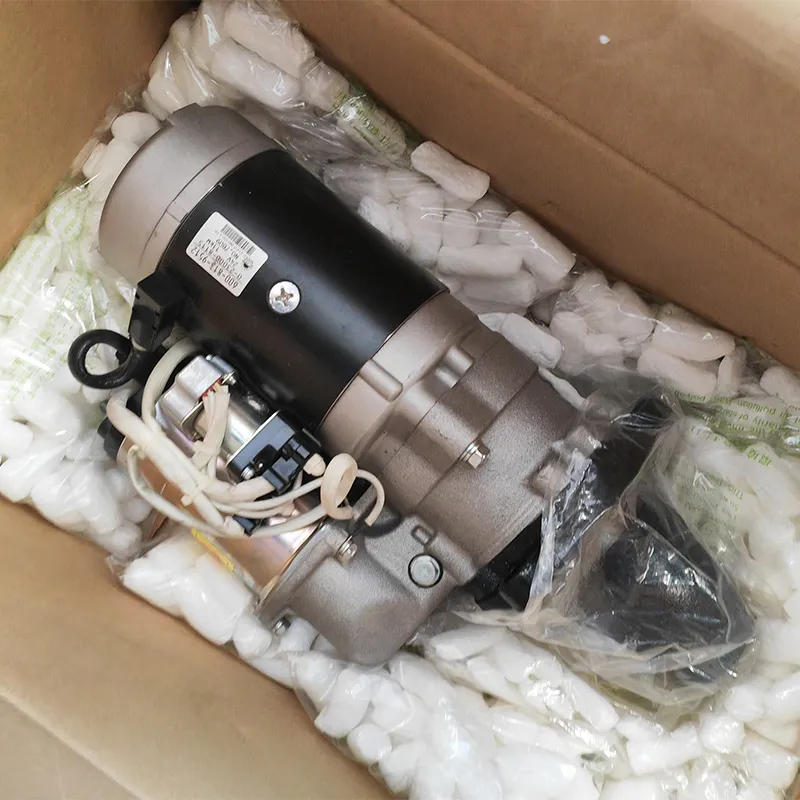 600-813-9512 Original komatsu Starter Motor for PC1250-8 D375-6 WA600-8
 -
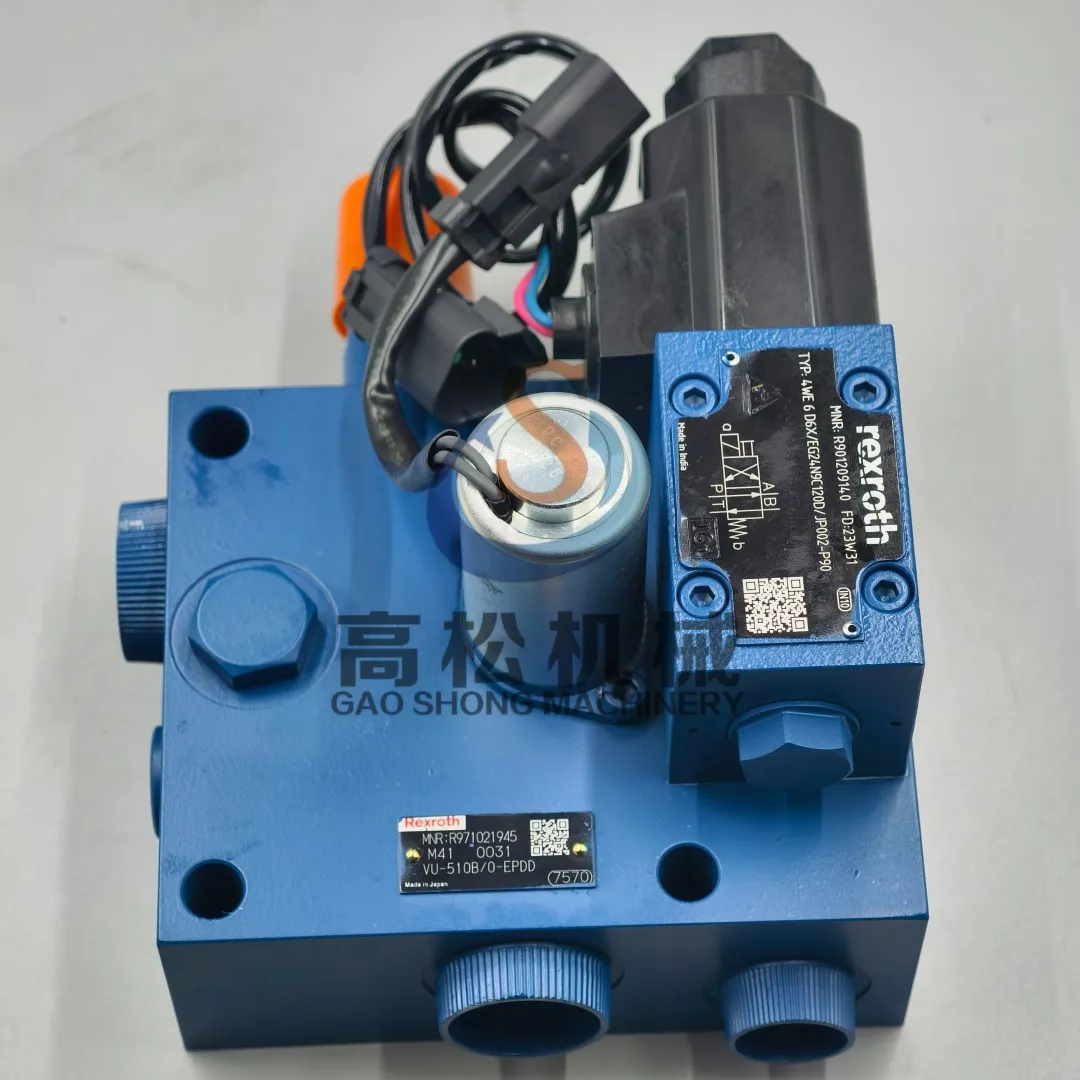 Valve Ass’y 56B-43-12402 56B-43-17340 For KOMATSU Dump Truck HD785 HD325 HD605
 -
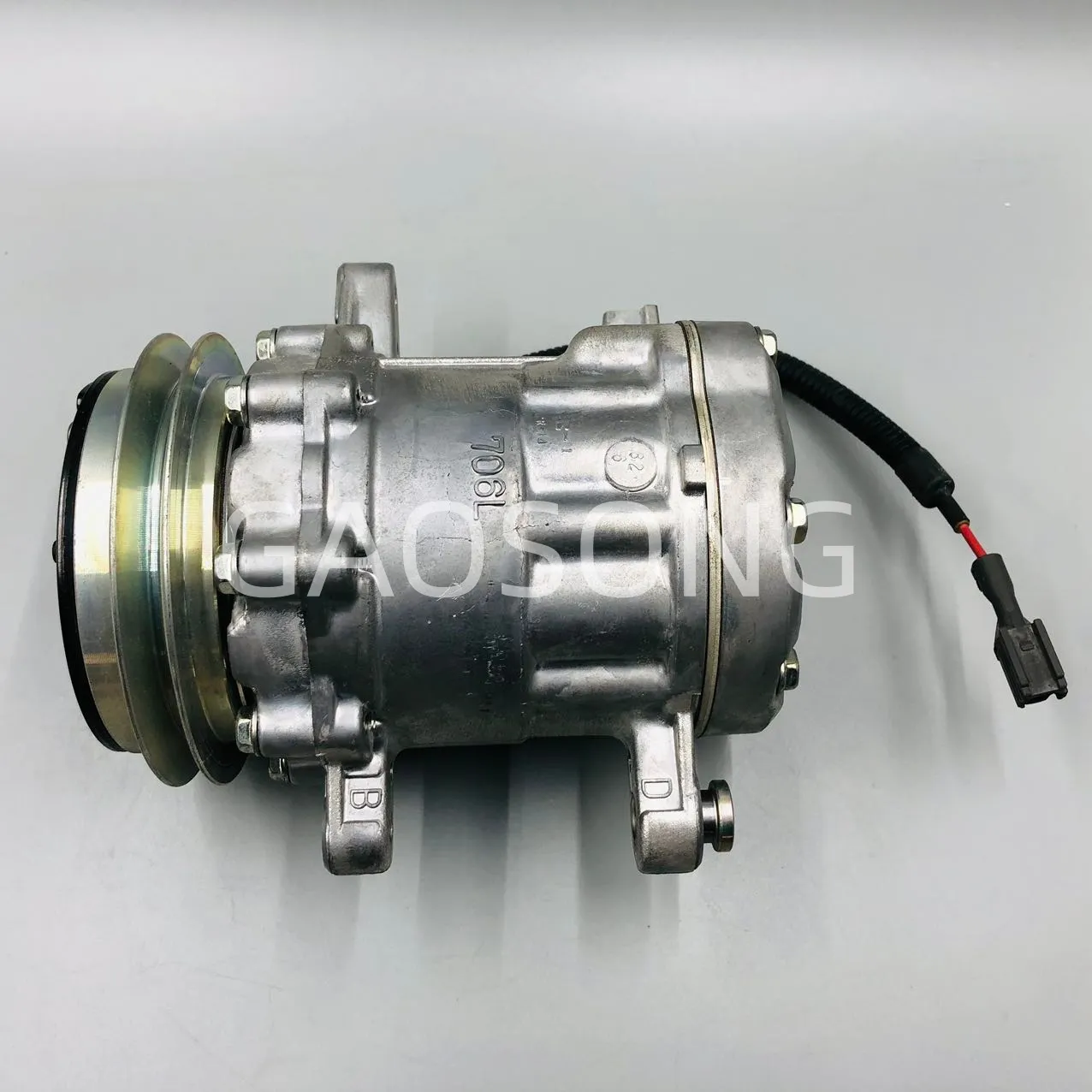 22L-979-2200 • COMPRESSOR-Komatsu Original Factory
 -
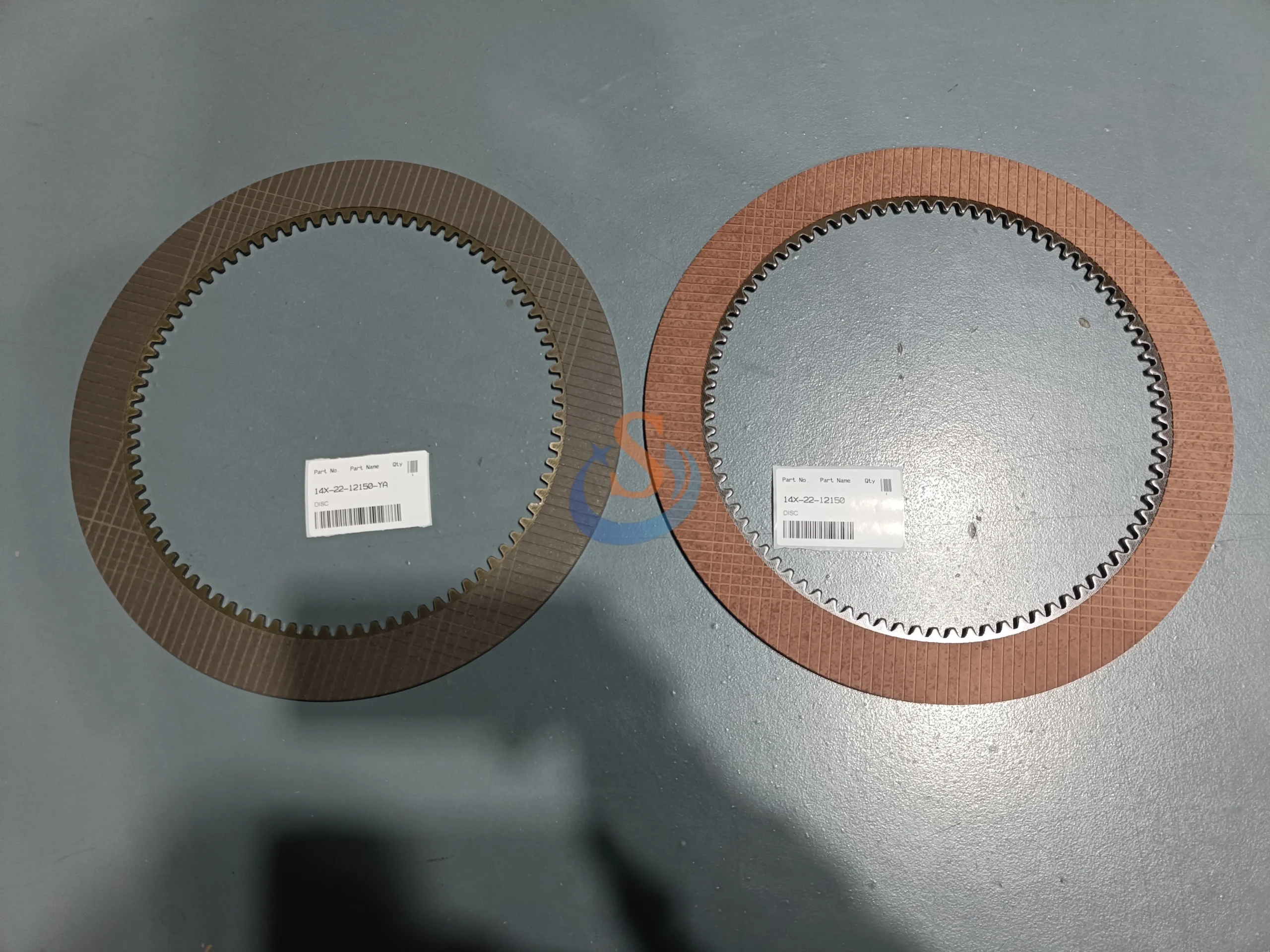 14X-22-12150,DISC,D85ESS,D275A
 -
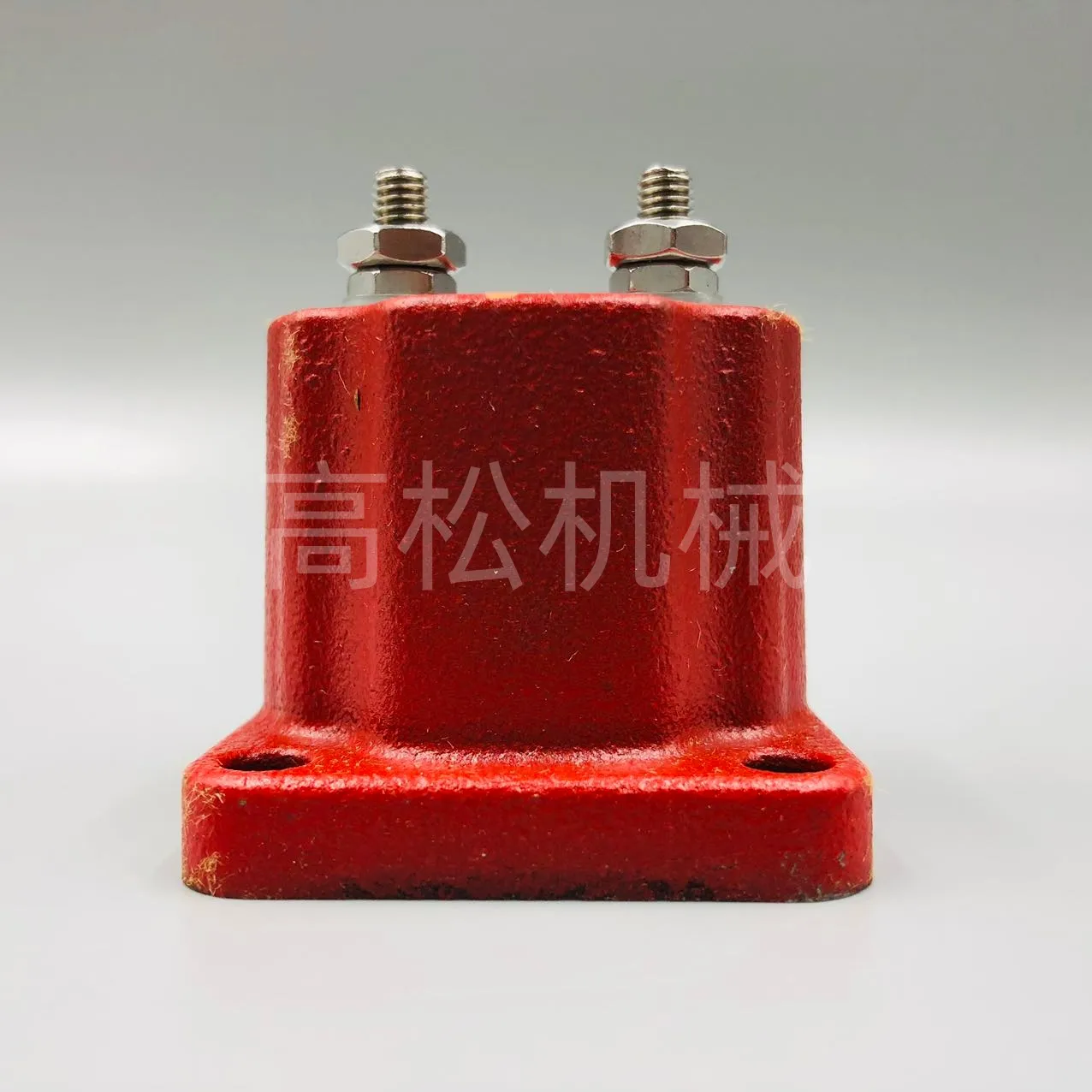 6560-51-1510 • SOLENOID-Komatsu Original Factory
 -
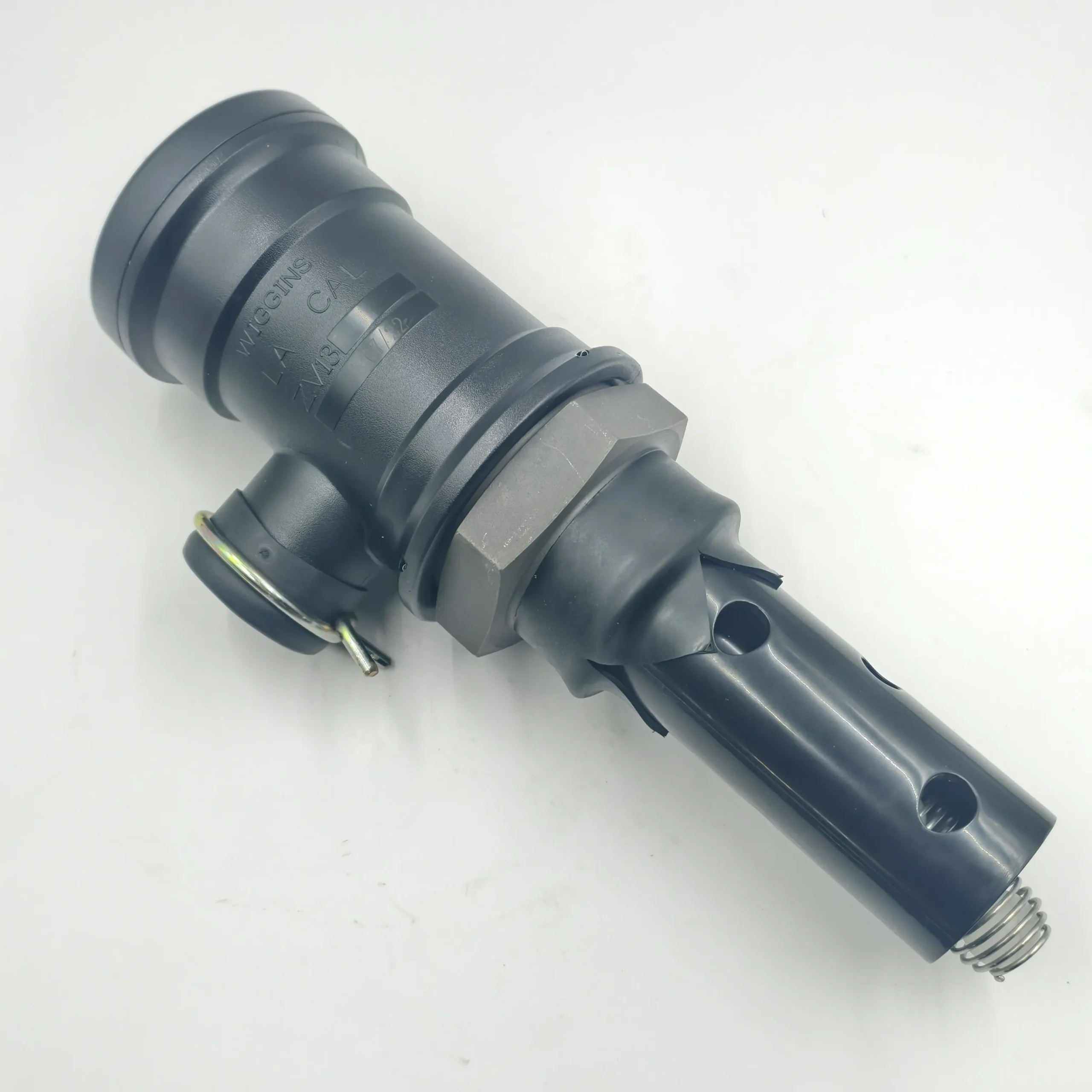 Vent 21T-04-31130
 -
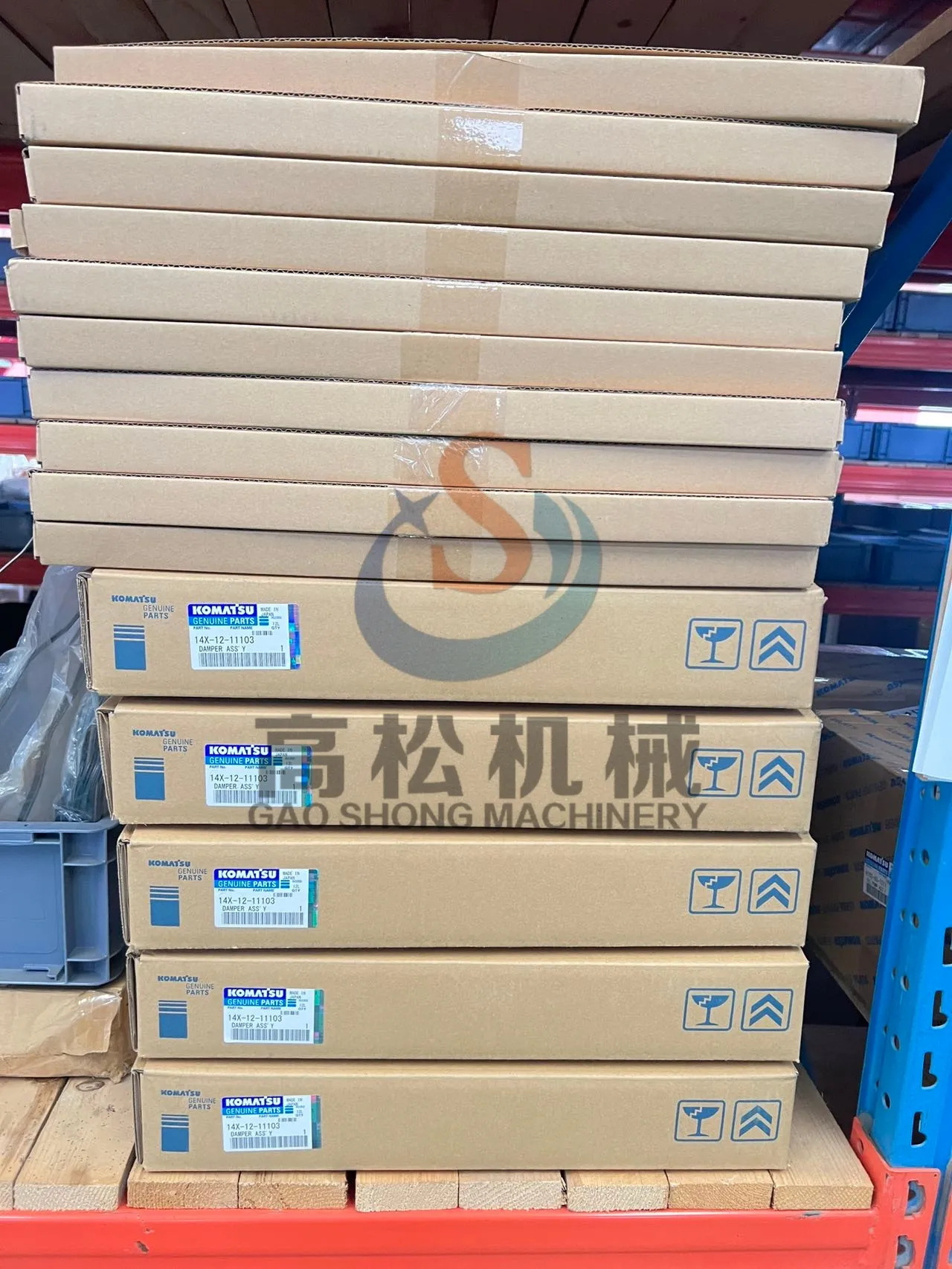 14X-12-11103 Komatsu Damper Disc Assembly
 -
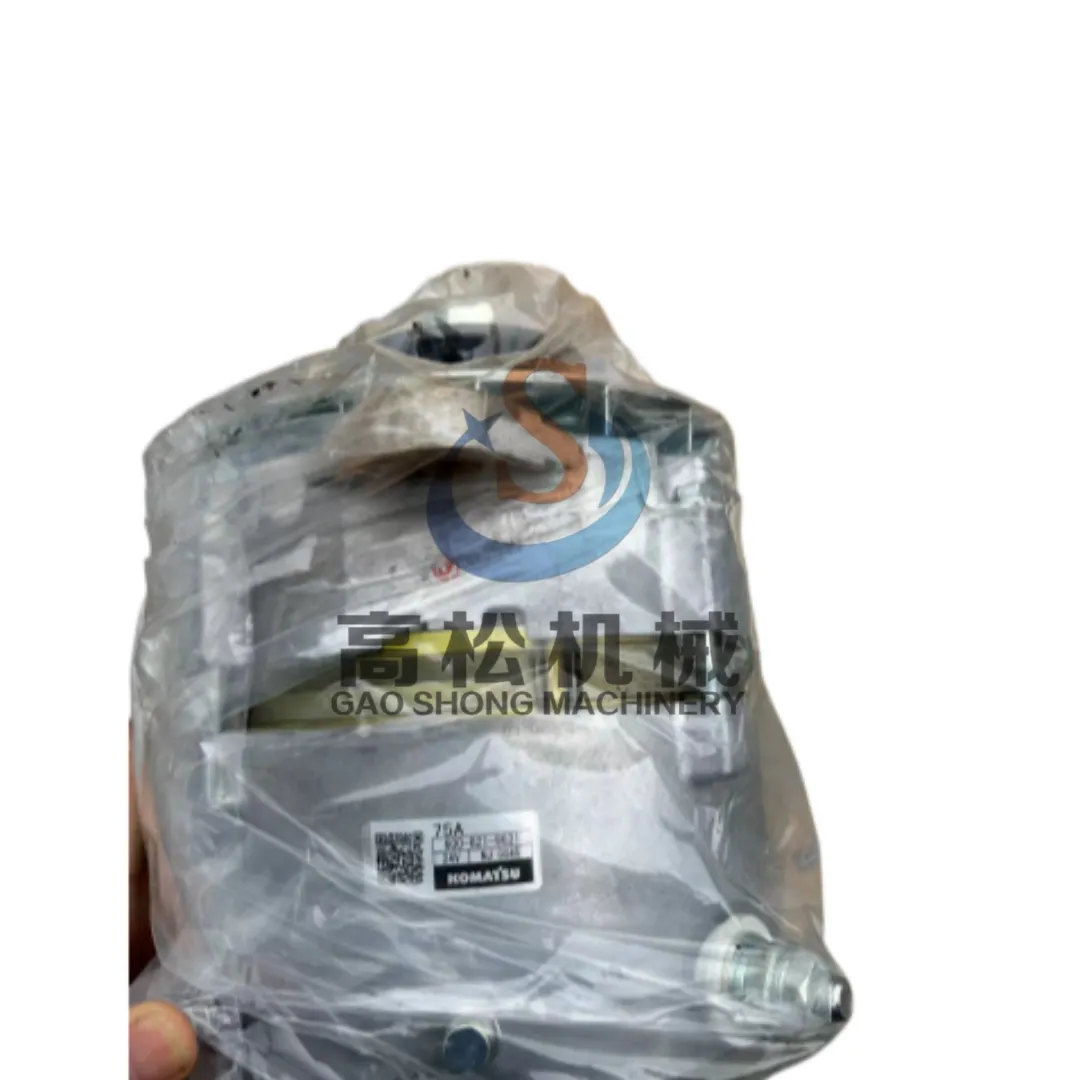 600-821-9631alternator 24v 75a 4096532 4095663 600-821-9631
 -
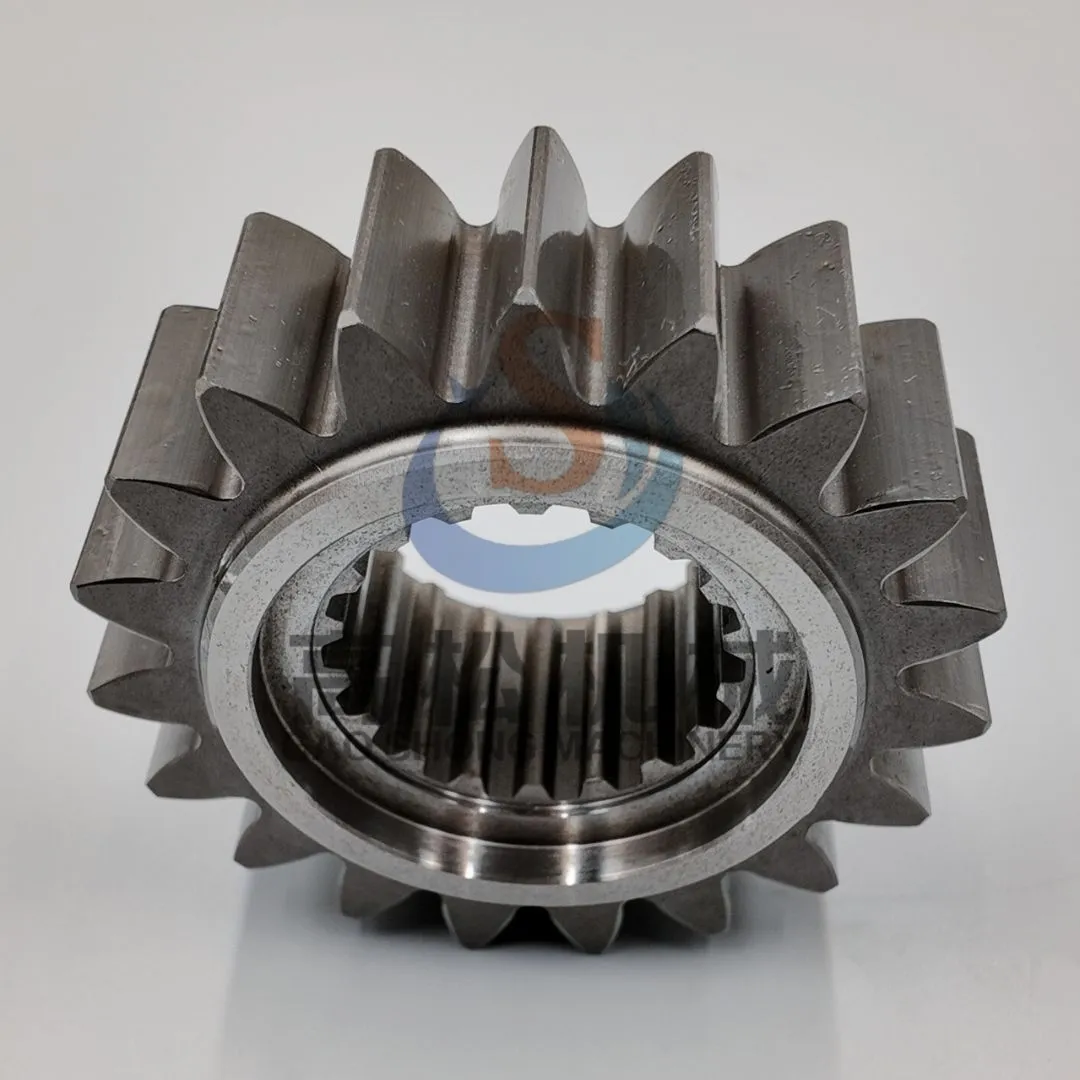 GEAR 207-26-71510 – KOMATSU
 -
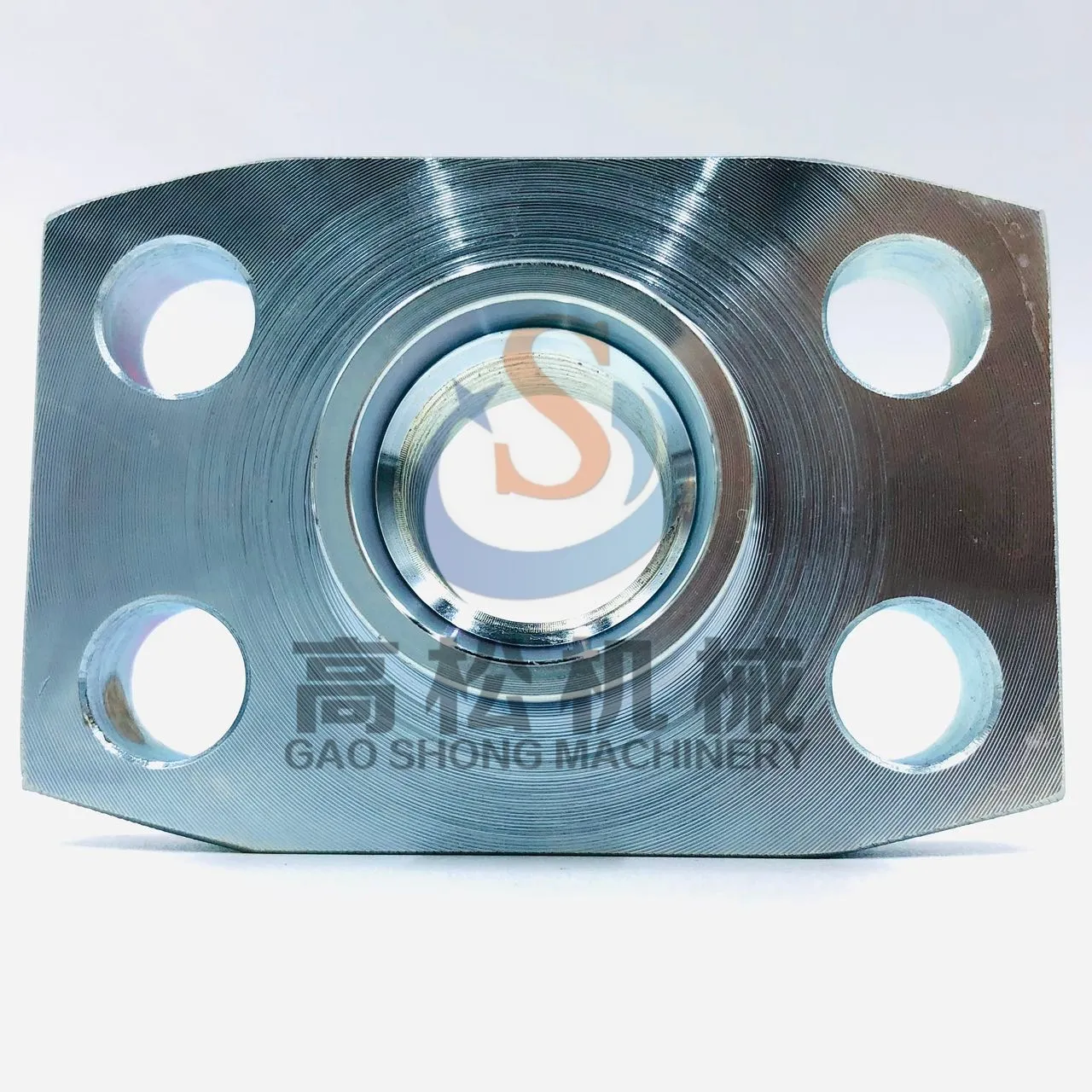 Komatsu excavator PC1250 flange 21N-38-12310
 -
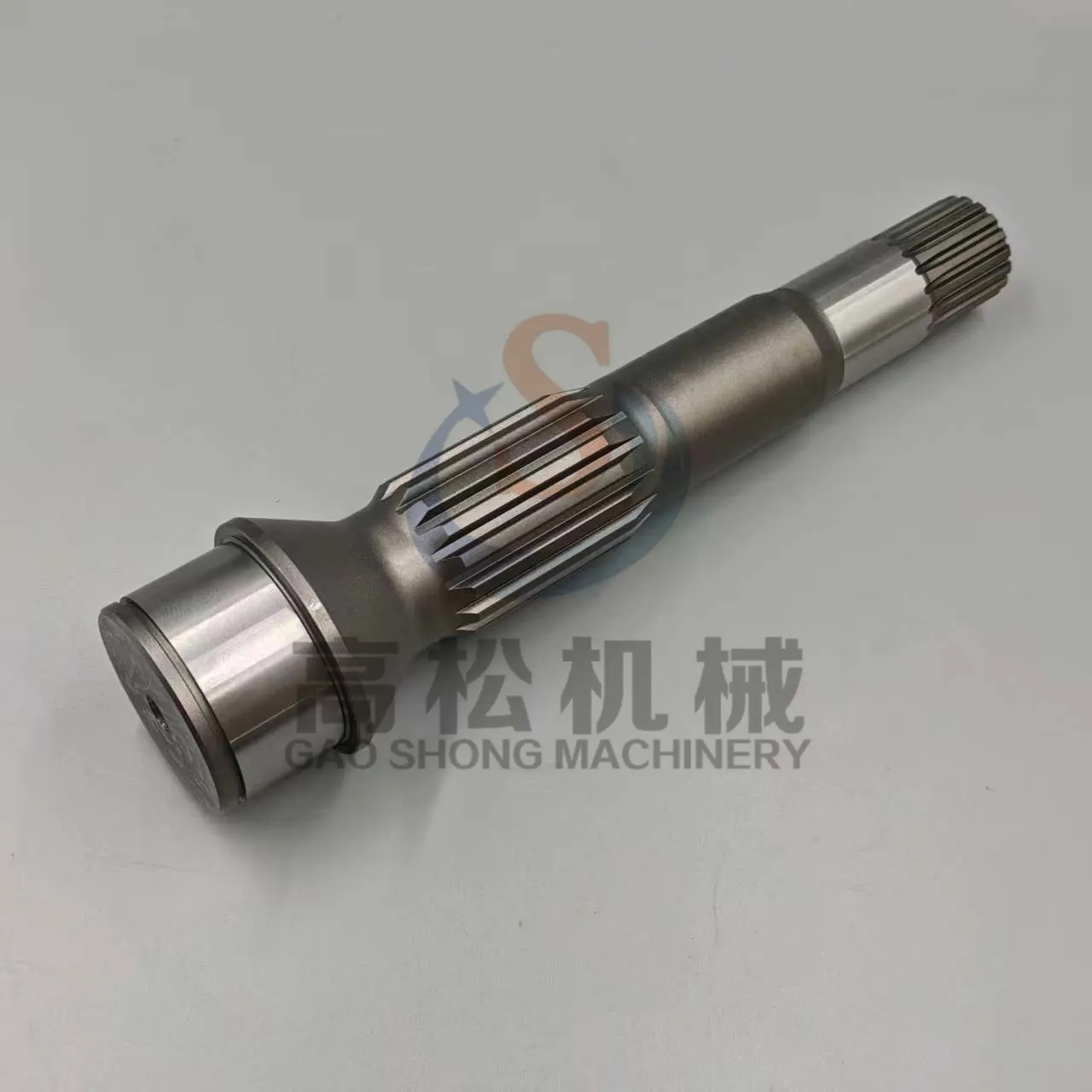 SHAFT 708-2G-12121 – KOMATSU
 -
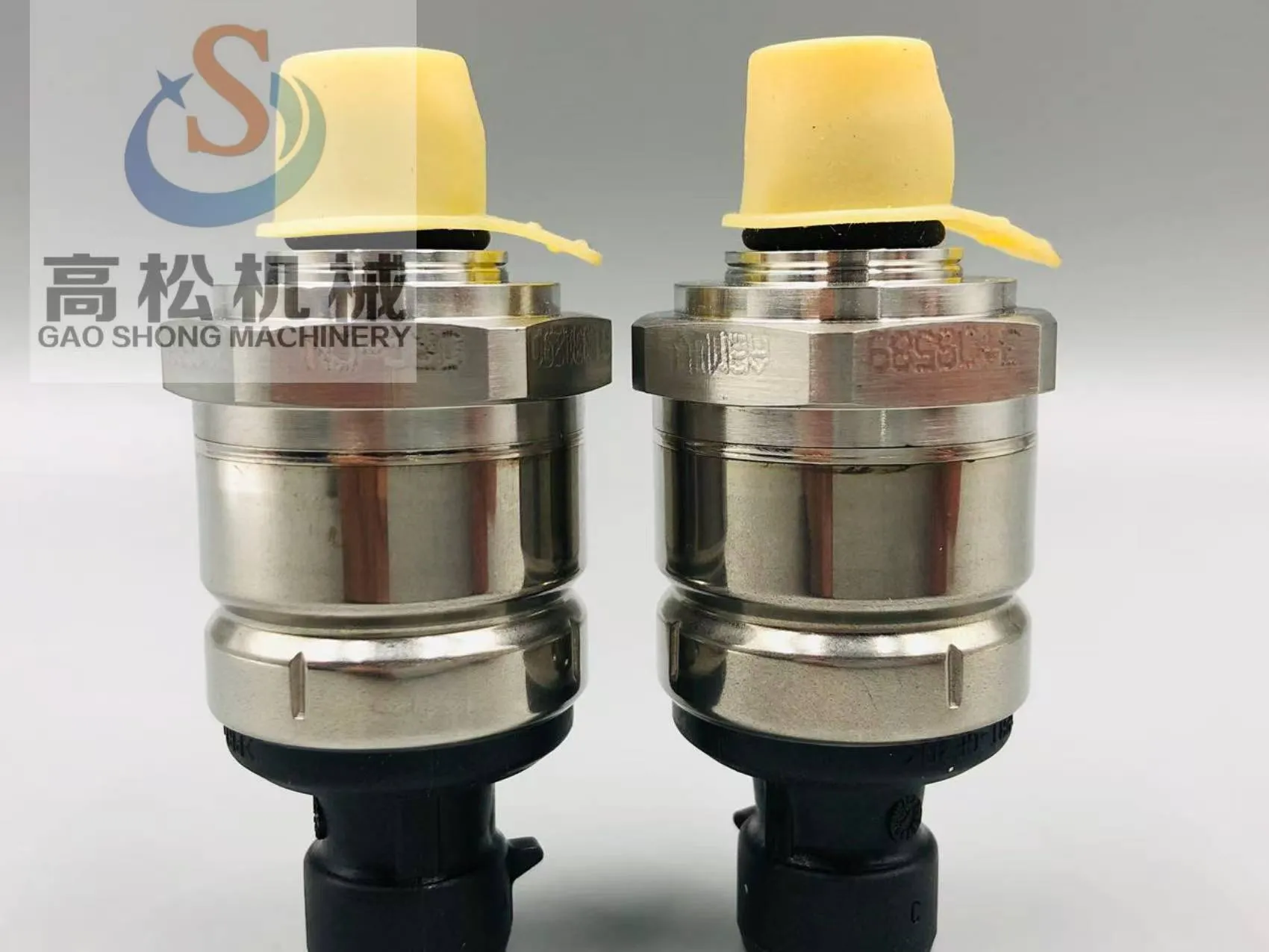 Cummins diesel engine high-pressure sensor 3408589 6560-61-7101 6560-61-7102komatsu