
- Chinese
- French
- German
- Portuguese
- Spanish
- Russian
- Japanese
- Korean
- Arabic
- Irish
- Greek
- Turkish
- Italian
- Danish
- Romanian
- Indonesian
- Czech
- Afrikaans
- Swedish
- Polish
- Basque
- Catalan
- Esperanto
- Hindi
- Lao
- Albanian
- Amharic
- Armenian
- Azerbaijani
- Belarusian
- Bengali
- Bosnian
- Bulgarian
- Cebuano
- Chichewa
- Corsican
- Croatian
- Dutch
- Estonian
- Filipino
- Finnish
- Frisian
- Galician
- Georgian
- Gujarati
- Haitian
- Hausa
- Hawaiian
- Hebrew
- Hmong
- Hungarian
- Icelandic
- Igbo
- Javanese
- Kannada
- Kazakh
- Khmer
- Kurdish
- Kyrgyz
- Latin
- Latvian
- Lithuanian
- Luxembou..
- Macedonian
- Malagasy
- Malay
- Malayalam
- Maltese
- Maori
- Marathi
- Mongolian
- Burmese
- Nepali
- Norwegian
- Pashto
- Persian
- Punjabi
- Serbian
- Sesotho
- Sinhala
- Slovak
- Slovenian
- Somali
- Samoan
- Scots Gaelic
- Shona
- Sindhi
- Sundanese
- Swahili
- Tajik
- Tamil
- Telugu
- Thai
- Ukrainian
- Urdu
- Uzbek
- Vietnamese
- Welsh
- Xhosa
- Yiddish
- Yoruba
- Zulu
- Kinyarwanda
- Tatar
- Oriya
- Turkmen
- Uyghur






komatsu 830e parts manual
You search for 'Komatsu 830E parts manual' and you get a thousand PDF links. That's the first trap. Thinking the manual is the solution. It's just the map. The real challenge is knowing which part on that exploded view is actually the culprit, and more importantly, where to get a reliable one when the official pipeline is clogged or exorbitantly priced. A lot of guys in the field, especially in remote mining operations, learn this the hard way. The manual lists part number 20X-90-11120 for a specific hydraulic valve bank. Good luck finding it in stock when your 830E is down and costing you $10k an hour. That's where the real-world game begins.
The Illusion of Completeness in Official Docs
The Komatsu 830E AC electric drive truck manual is a masterpiece of engineering documentation, no doubt. But its completeness is an illusion for the maintenance superintendent on the ground. Take the GE GTD-26 engine section. It'll give you torque specs and sequences, but it won't tell you about the subtle harmonic vibration that tends to crack a particular engine mount bracket after 15,000 hours—a part that might be on perpetual backorder. You annotate your own manual, physically or mentally, with these lessons. The official manual doesn't cover the what ifs of supply chain failure.
I remember a case in an Indonesian coal mine. We had a recurring issue with the rear axle hub assembly on an older 830E. The manual's troubleshooting tree led to replacing the entire hub. A $40,000 part, plus weeks of downtime waiting for shipment. It turned out, after tearing down three of these, that a specific bearing spacer (a $200 component) was machined slightly out of spec in a certain batch. The manual didn't have that footnote. Our fix was sourcing a batch of correctly machined spacers from a specialist, not Komatsu, and retrofitting the fleet. Saved a fortune.
This is the gap. The Komatsu 830E parts manual is the gospel, but the application is heretical. You need the scripture and the street smarts. You start recognizing that some part numbers are good — robust, readily available — and others are cursed — problematic, with long lead times. Your dog-eared manual becomes a ledger of these experiences.
Where the OEM Pipeline Meets Real-World Friction
Komatsu's system is global and efficient, for the most part. But certain countries — that's a diplomatic phrase for markets with complex import duties, local content laws, or simply being at the end of a very long logistical line. The official distributor might be present, but their warehouse might stock parts for the newer 860E, not the workhorse 830Es that still dominate your fleet. You're told a critical traction motor blower is 12 weeks out. You can't wait 12 weeks.
This is the niche where companies operating as OEM product suppliers within the Komatsu system become critical. They're not just resellers; they understand the bill of materials intimately. For instance, a company like Jining Gaosong Construction Machinery Co., Ltd. fits this role. They have the legitimacy of working within Komatsu's framework, often supplying OEM-grade components, but with the agility to navigate local supply challenges. Their value isn't just in having a part; it's in knowing which part from which iteration of the 830E you actually need. Is it the -1 or the -2 revision of the wheel motor? The manual shows both, but which one is in your machine right now? They help bridge that identification-to-acquisition gap.
I've dealt with situations where we needed a complete 830E parts manual section for the AC drive system, but also a physical IGBT module that wasn't available locally. The official channel gave us a lead time. A third-party supplier with OEM links, like the kind you'd find at a portal such as https://www.takematsumachinery.com, could often cross-reference the Komatsu part to its underlying manufacturer's part (like Mitsubishi or ABB) and source an equivalent faster. This requires deep trust, of course. You're not buying a phone charger; you're buying the heart of a $5 million truck's propulsion system.
The Third-Party Lifeline and Its Caveats
When you operate as a third-party sales company for Komatsu, your entire reputation hinges on solving that exact parts supply challenge. It's not about being cheaper, necessarily; it's about being faster and more reliable in a crisis. Your phone rings at 2 AM because a haul truck is down. You don't just need a part number; you need to diagnose from a thousand miles away. Is it making this specific whining noise before the error code flashes? That practical knowledge is what separates a parts clerk from a solution provider.
But caution is paramount. The aftermarket for 830E parts is a minefield. There are fantastic reverse-engineered components for non-safety-critical items like sheet metal, filters, or simple hydraulic cylinders. Then there are the dangerous knock-offs: brake pads with inferior friction material, counterfeit bearings that look perfect but fail catastrophically. A reputable third-party supplier's main job is curation. They've vetted the manufacturers. They know which Chinese foundry actually meets the ASTM standard for that specific cast steel differential case, and which one cuts corners.
For example, we once tested an aftermarket radiator for the 830E. It fit perfectly, looked identical, and was 30% cheaper. Pressure testing was fine. But in the field, the tube-to-header solder joints failed within six months under thermal cycling, a failure mode the OEM unit never showed. The cost savings evaporated in downtime and coolant contamination. A good supplier would have known that radiator's history and steered us clear, perhaps offering a more robust alternative instead. This is the helping to solve parts supply challenges in action—it's as much about preventing problems as sourcing parts.
Manual as a Diagnostic Starting Point
So, back to the Komatsu 830E parts manual. Its true power is unlocked when combined with this ecosystem. You use it to isolate the failure to a subsystem—say, the hoist control valve. The manual gives you the test ports and pressure values. You confirm the fault. Now, instead of just ordering valve XYZ-1234-A, you call your contact at a specialist supplier. You have a conversation: It's the hoist valve on an 830E, serial prefix 5000. We're seeing slow lowering. Is this the version with the updated spool that addressed the cavitation pitting issue?
That level of dialogue changes everything. They might say, Yes, but for that serial range, we recommend also replacing the pilot pressure reducer (part ABC-567) at the same time, as it's a known wear pair. We have both in stock, and we can ship the kit with the correct O-rings. Suddenly, you're doing predictive, bundled maintenance, not just reactive swapping. The manual told you what, but the experienced supplier network suggests the how and the what else.
This is where a company's stated mission, like helping to solve parts supply challenges in certain countries, gets real. It means they likely maintain a hot list of critical, long-lead-time 830E components—things like the electric wheel motor stators or the main frame pivot bore liners. They pre-stock them based on fleet data and failure rates, not just a sales forecast. When your machine goes down, they're not starting a 90-day procurement process; they're checking their shelf in a bonded warehouse in your region.
Beyond the Book: Building Your Own Knowledge Base
Ultimately, the professional's approach to the 830E parts manual is skeptical and additive. You treat it as the foundational truth, but you build your own living document around it. This includes notes on alternative part numbers from quality aftermarket manufacturers, contact info for reliable suppliers (and which specific components they excel in), and hard-earned notes like replace all mounting bolts when servicing the retarder grid assembly, they fatigue scribbled in the margin.
Resources like Jining Gaosong Construction Machinery Co., Ltd. website (https://www.takematsumachinery.com) become part of your toolkit not for flashy marketing, but for the specific, technical data they might offer—cross-reference tables, service bulletins they've compiled, or simply confirming the availability of a niche sub-component. You're not looking for a sales pitch; you're looking for evidence of deep, practical inventory and knowledge.
The final word on the 830E parts manual is this: it's indispensable, but it's not a panacea. Its value is multiplied a hundredfold when paired with operational experience and a trusted, knowledgeable supply chain that operates both inside and alongside the official OEM channels. The goal is never just to have the PDF open on your screen; it's to have the right part, and the right advice, on its way to your site before the shift supervisor finishes his next cup of coffee. That's how you keep 400-ton trucks moving.
Related Products
Related Products
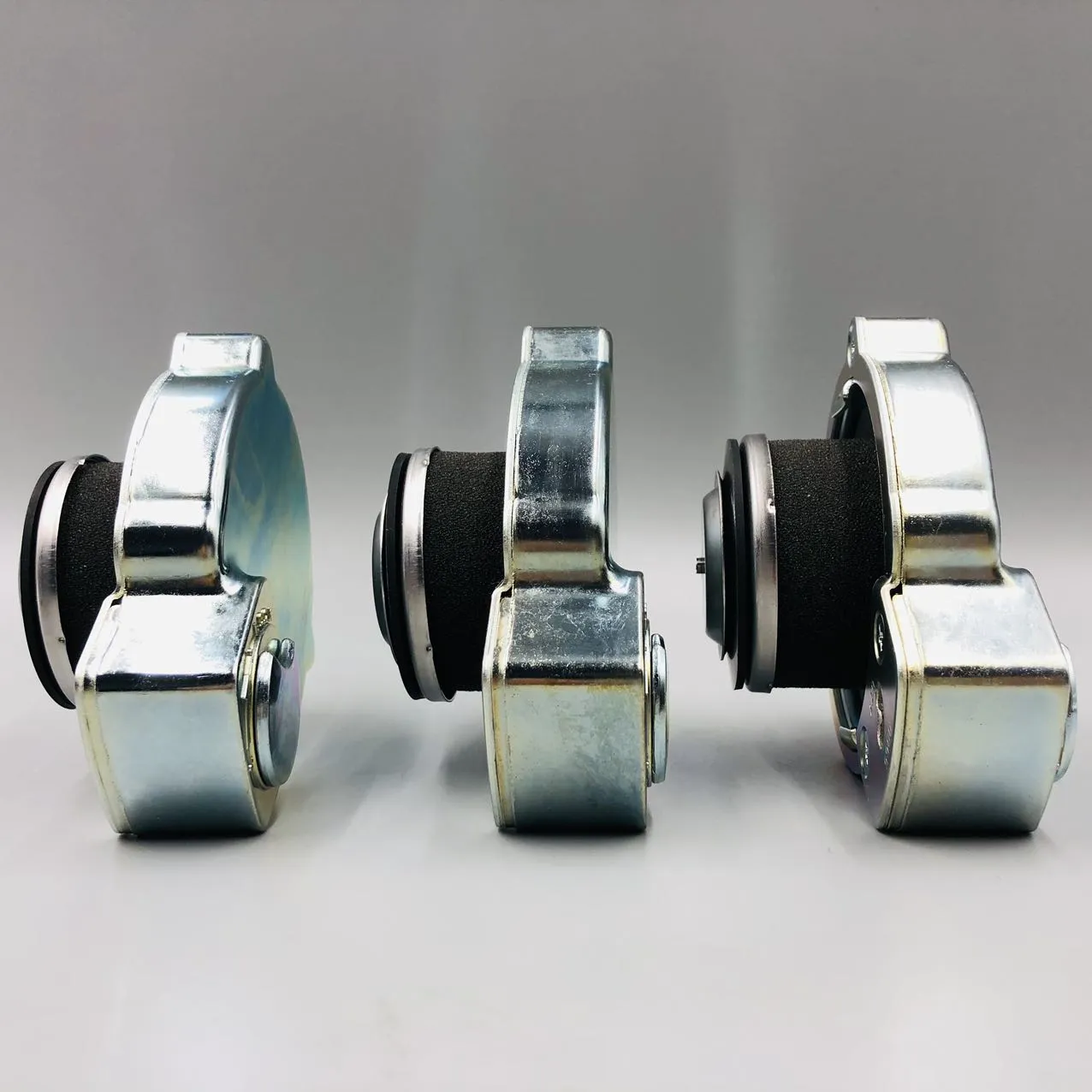
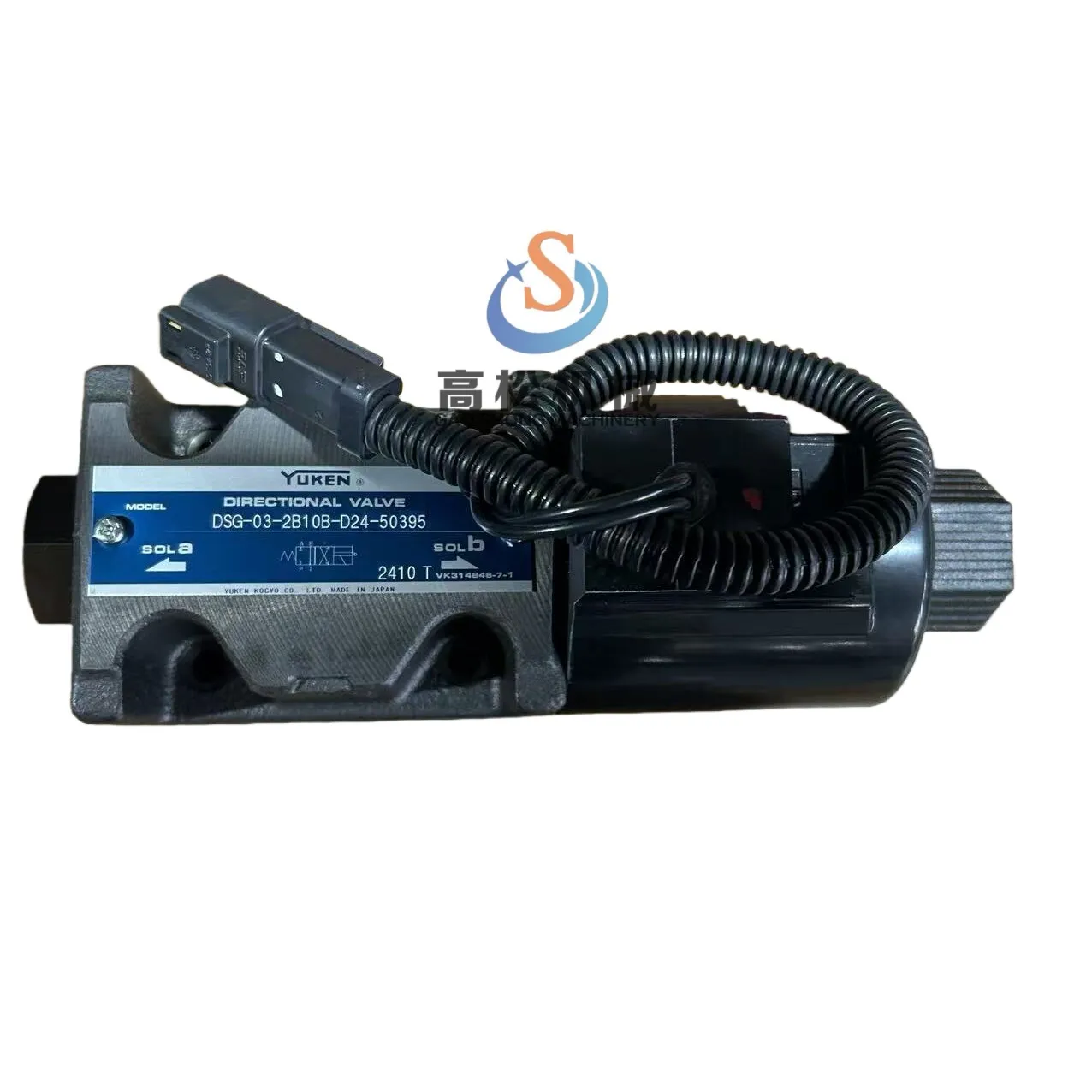

Best Selling Products
Best Selling Products-
 424-15-16410 Komatsu SHIM, 0.5mm
 -
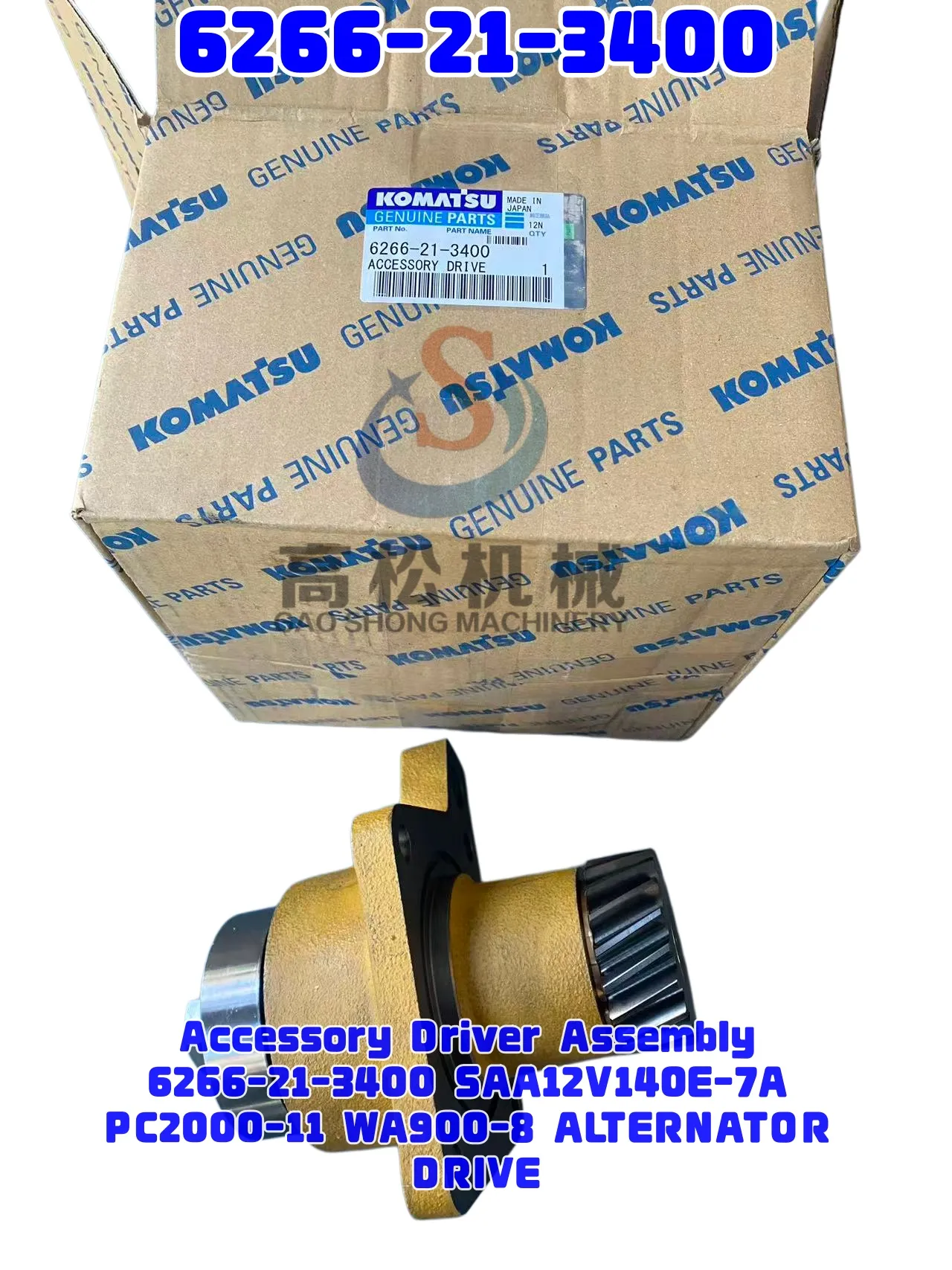 komatsu-part-6266-21-3400 Accessory Driver Assembly SAA12V140E-7A S/N 800001-UP (For PC2000-11) ALTERNATOR DRIVE Accessory Driver Assembly SAA12V140E-7 S/N 800004-UP (For WA900-8) ALTERNATOR DRIVE (#800004-)
 -
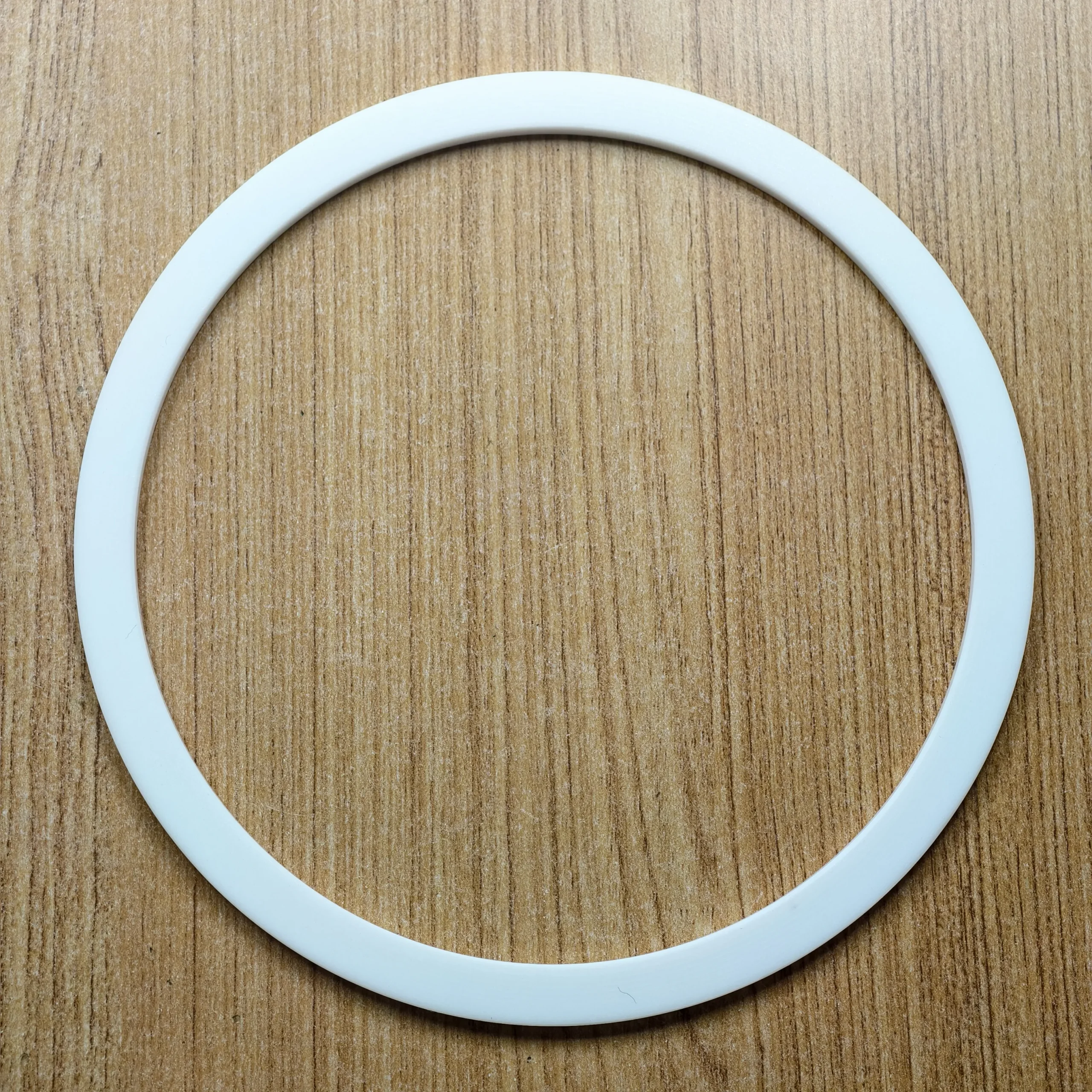 21N-30-14170 21N3014170 Spare Ring for Komatsu Excavator PC1250 PC1250SP
 -
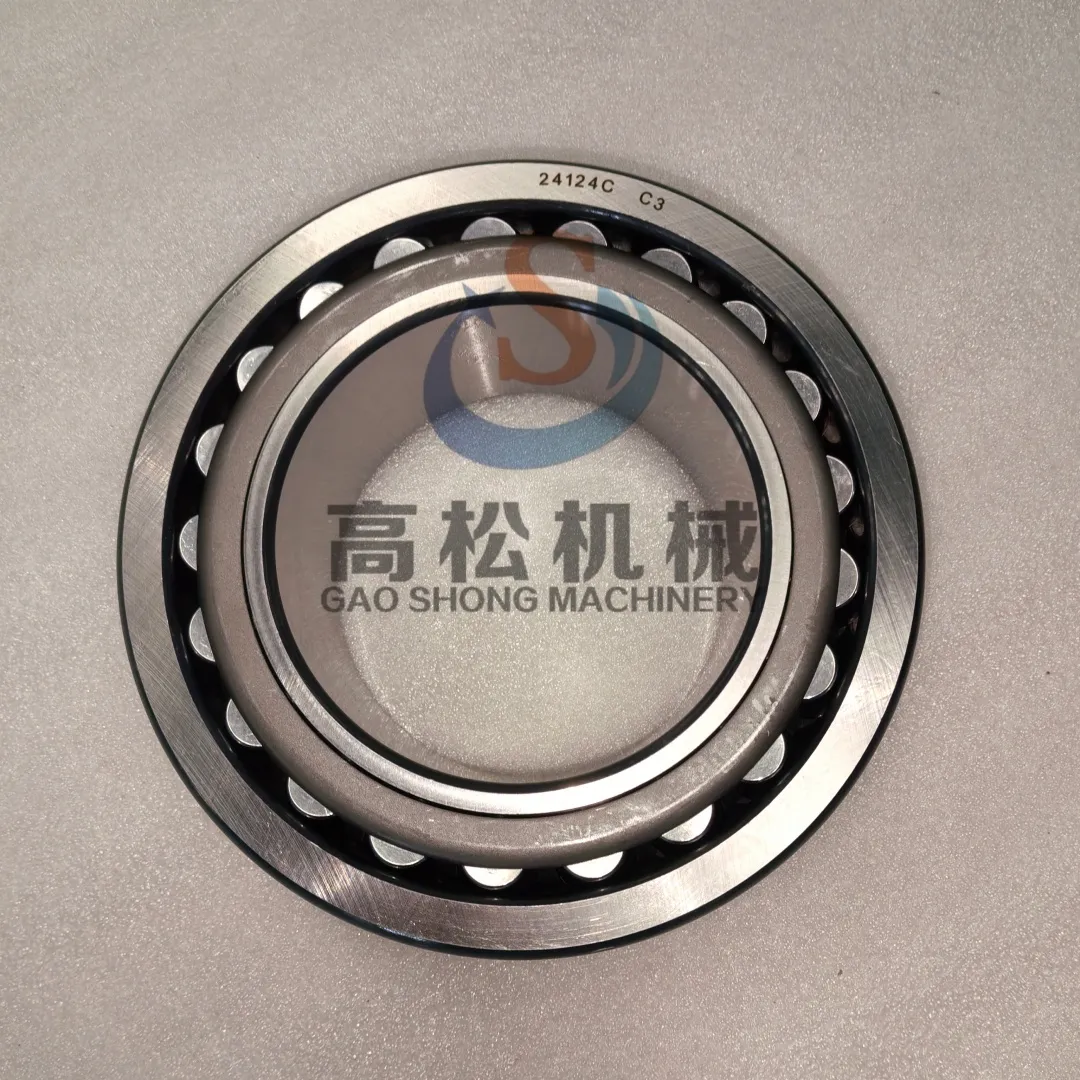 170-09-13250 Bearing for komatsu Dozer D85P-21 D85P-18 D85E-21 D85A-21
 -
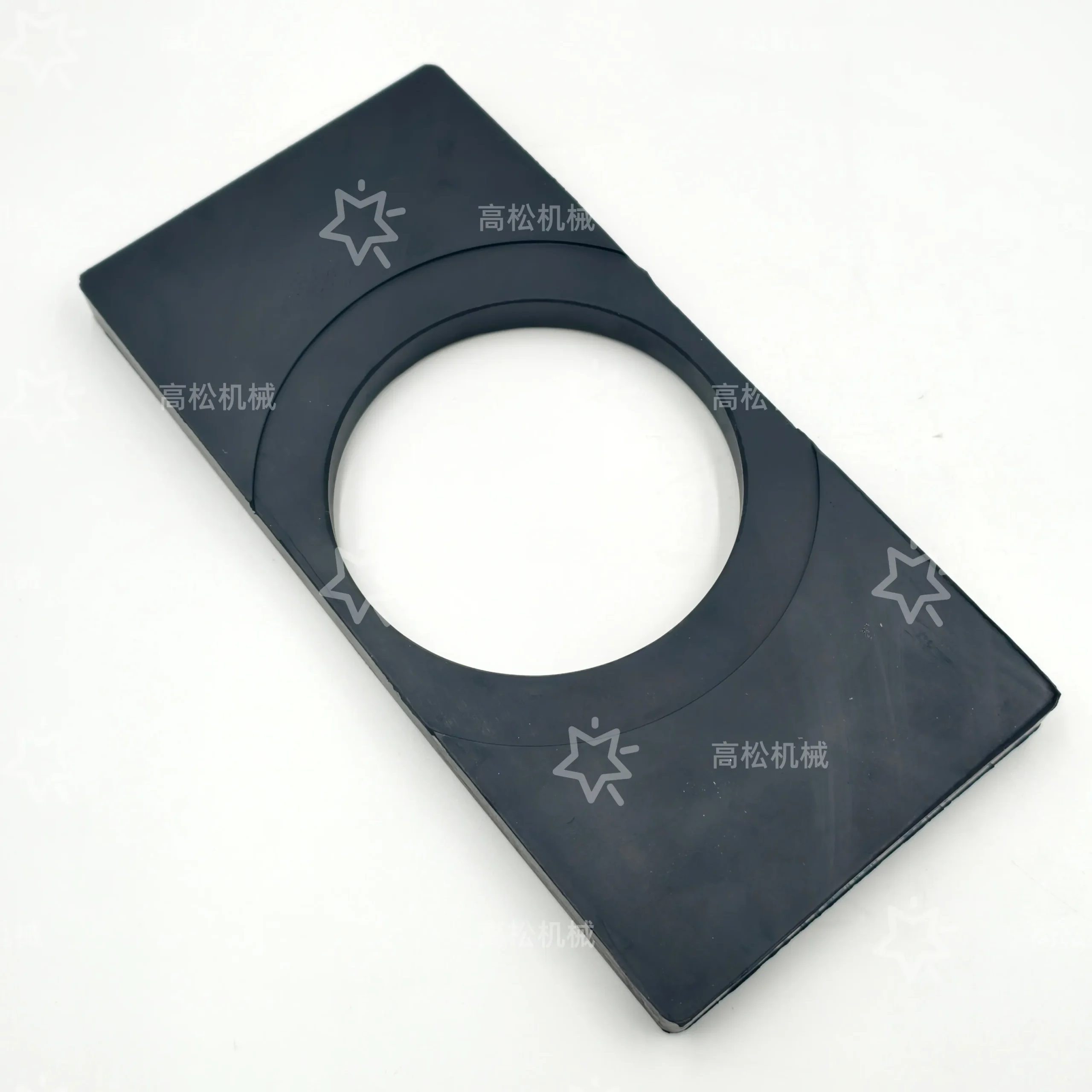 561-03-81550Shock Absorber KOMATSU HD465 HD785 PARTS for Komatsu
 -
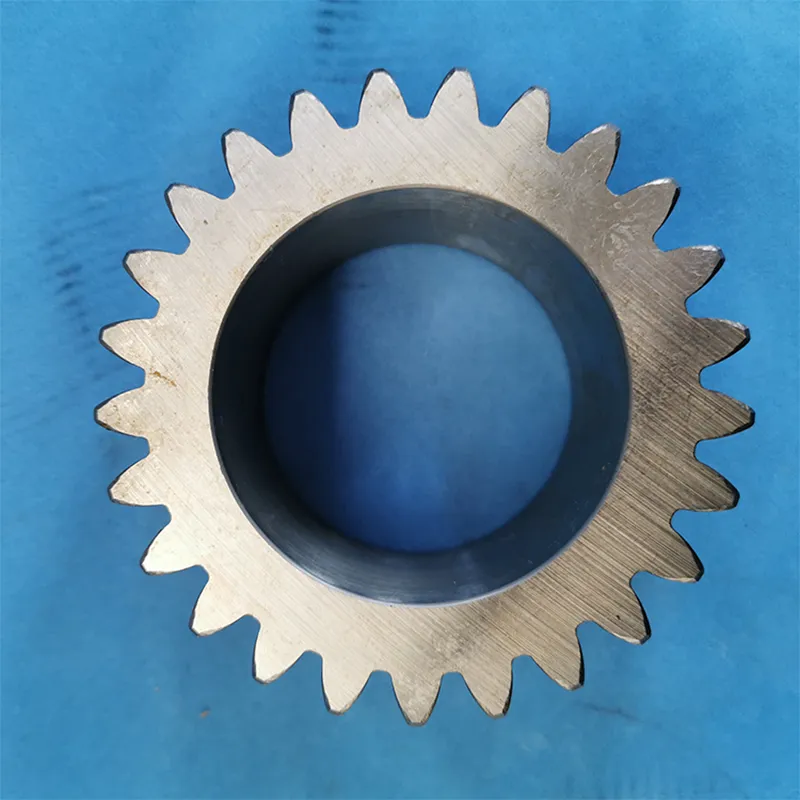
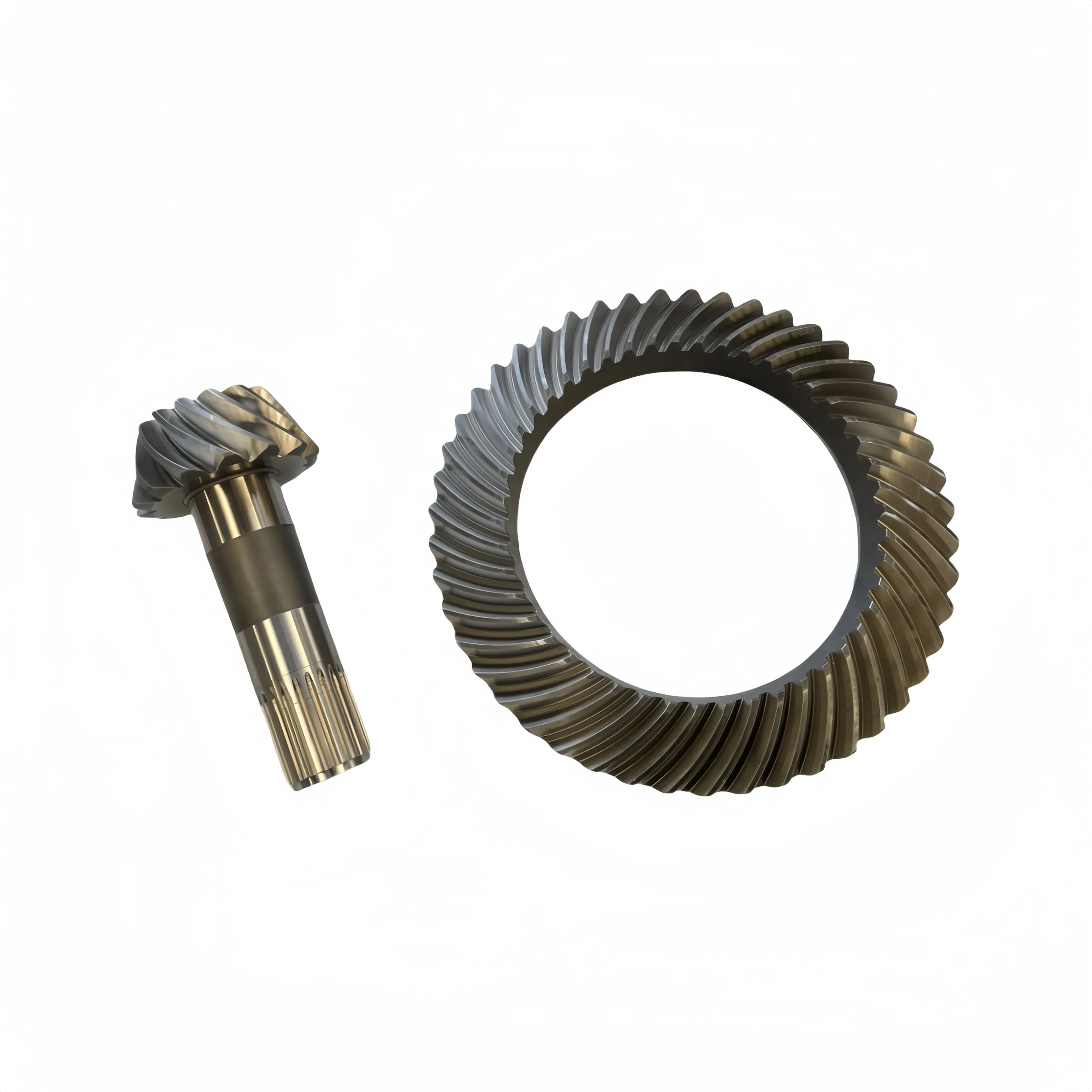 561-22-71207 Gear for komatsu HD785-7
 -
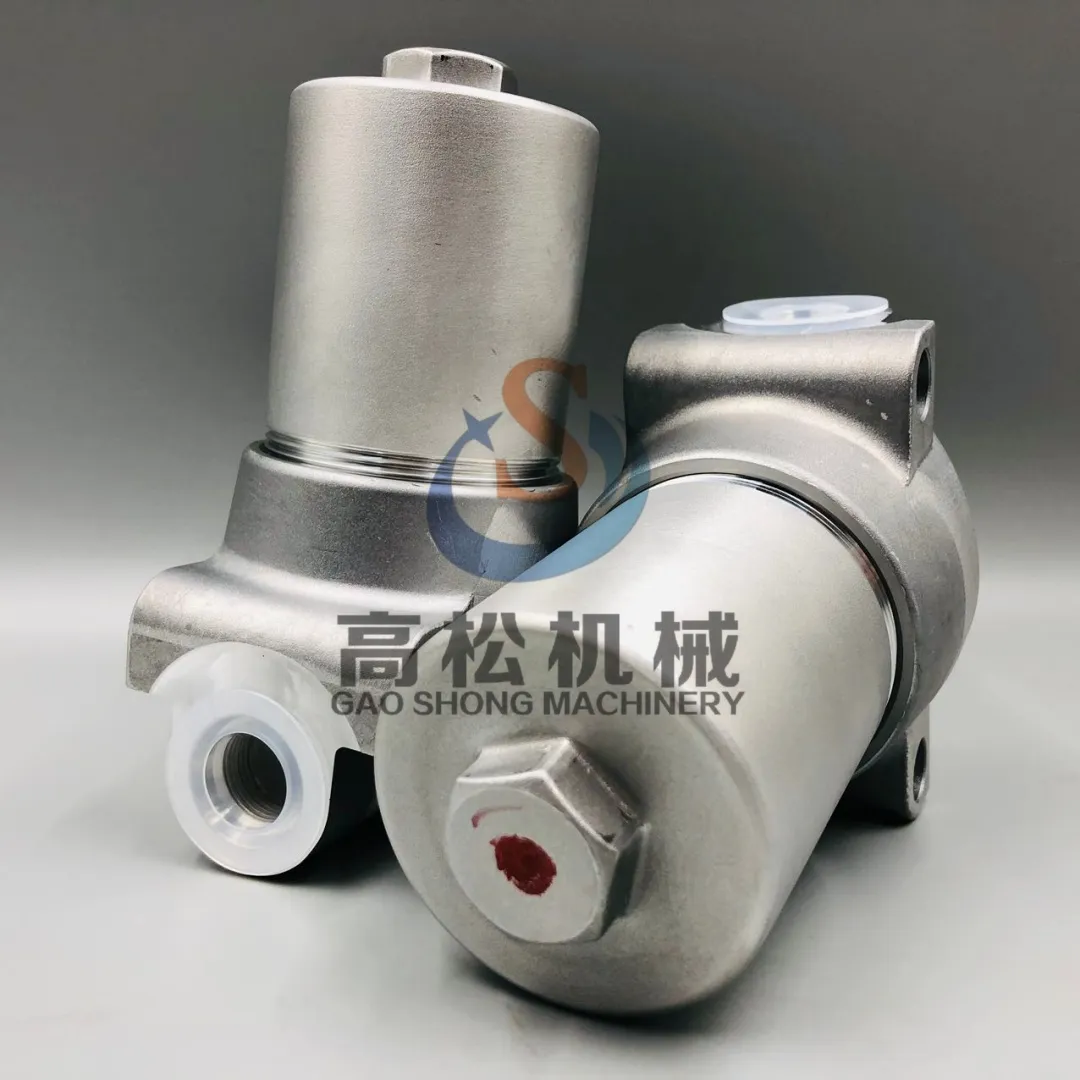 20Y-62-51681Komatsu Filter 20Y-62-51681 for Crawler excavator PC210LC-8
 -
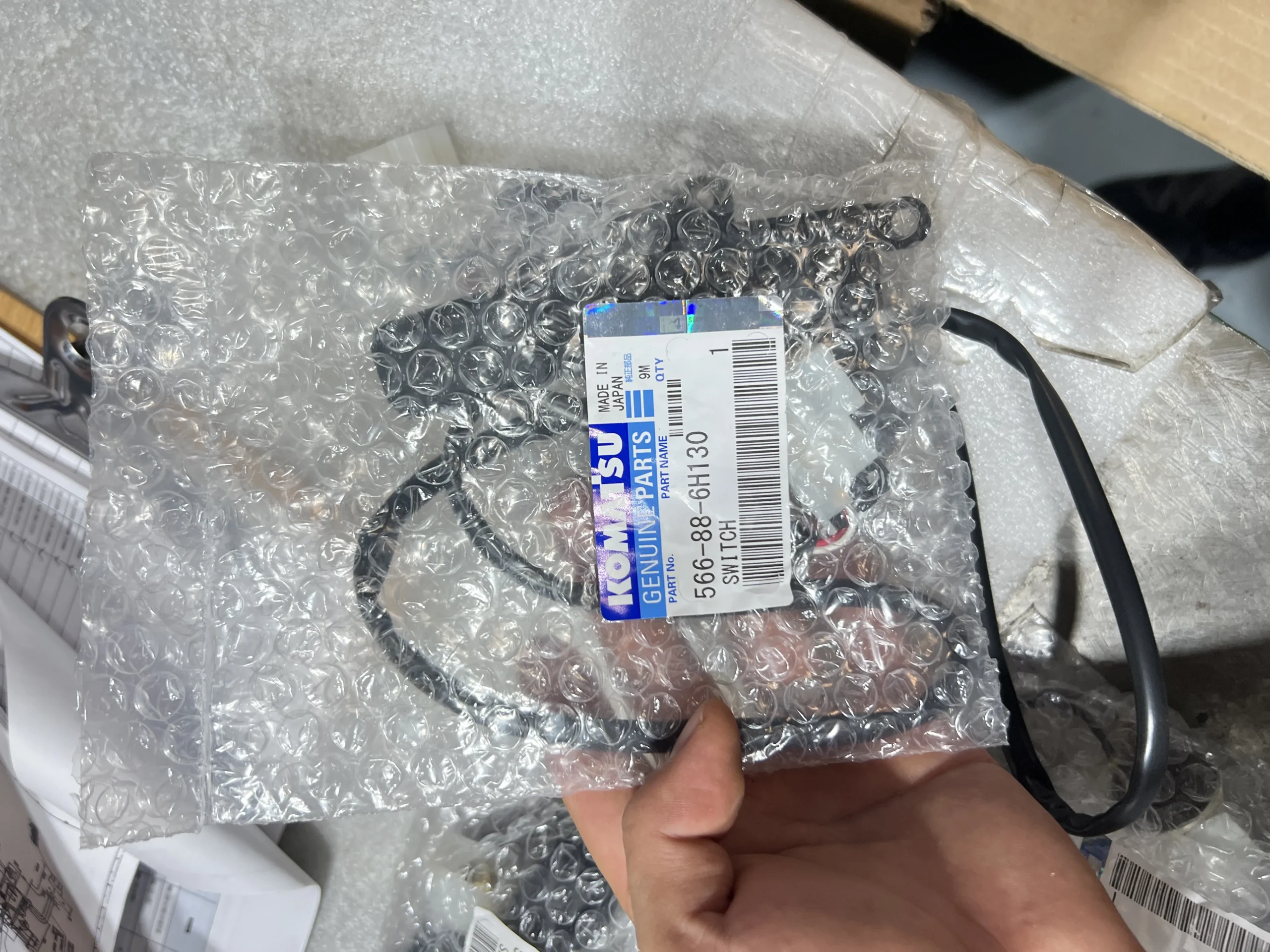 566-88-6H130 Komatsu Switch, Retarder
 -
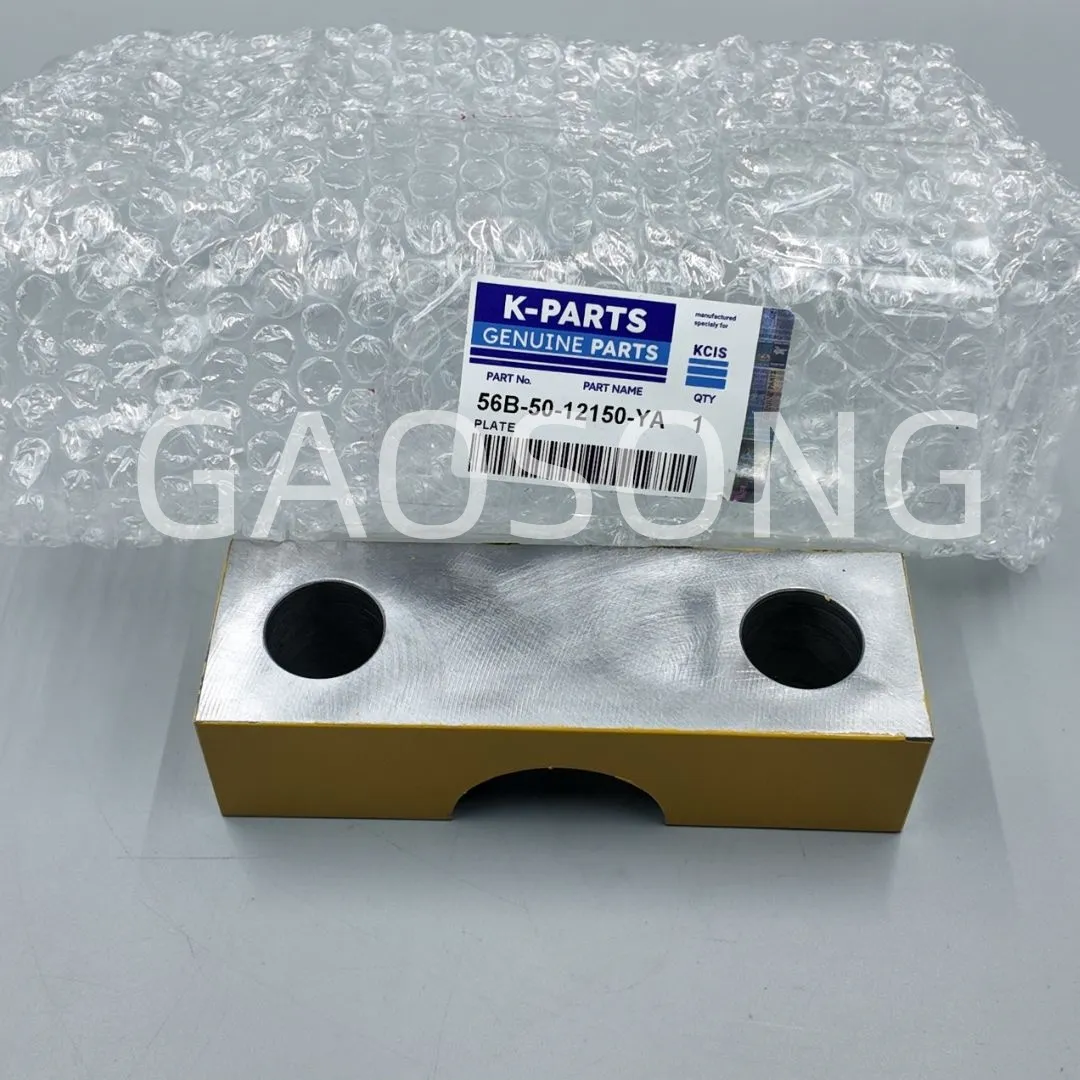 56B-50-12150 PLATE-Komatsu Original Factory
 -
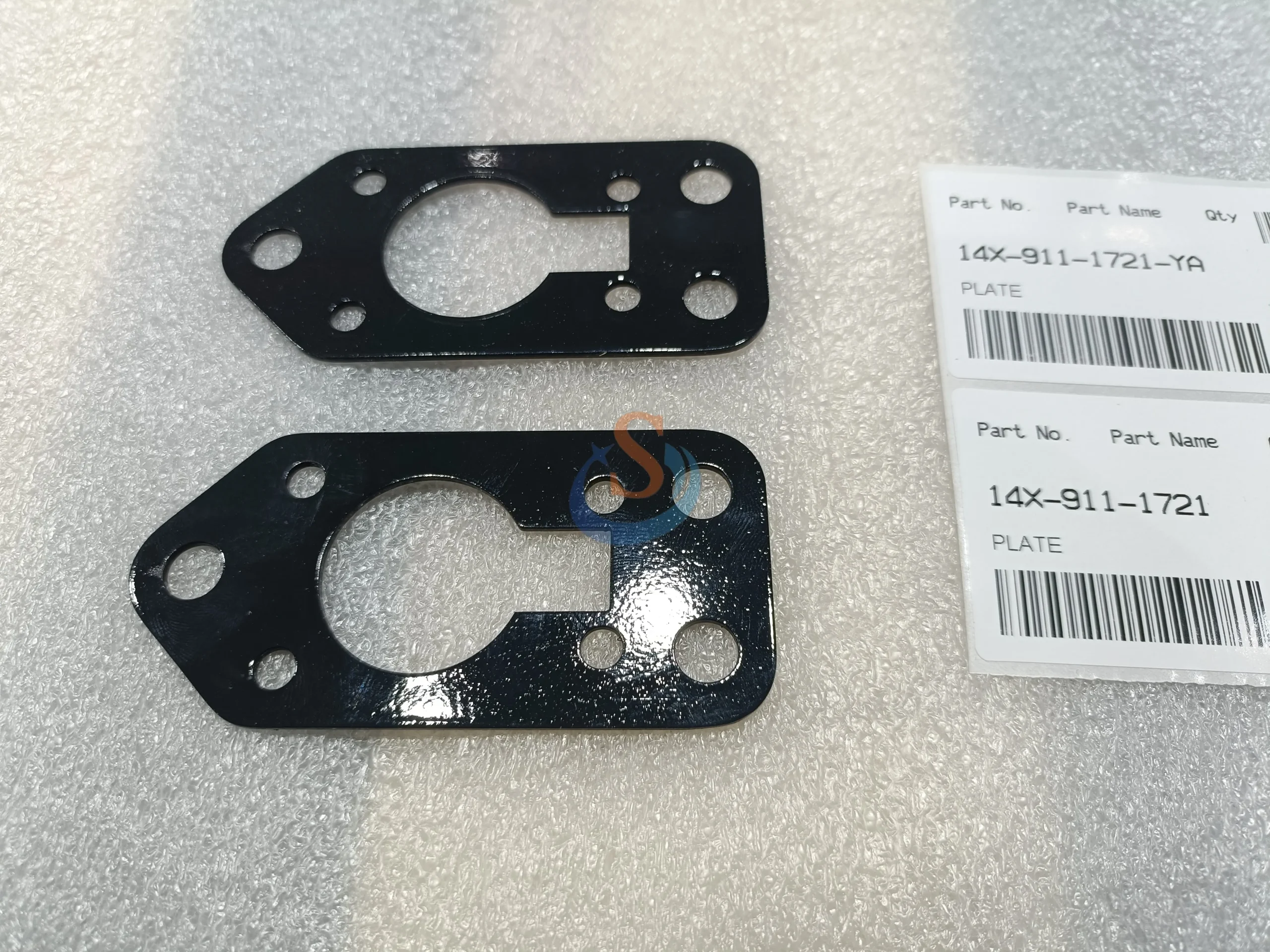 14X-911-1721,PLATE,D65E,D61PX,D155A,D375A
 -
 21N-01-11120 21T-01-11150 Komatsu PC600-8 PC1250-7 PC750-7
 -
 Valve 104-15-25480 – KOMATSU
Related Search
Related Search- OEM AND ORIGINAL KOMATSU BEARING 21N-26-31140
- komatsu pc300 hydraulic pump
- OEM AND ORIGINAL KOMATSU WEAR RING 561-50-81320
- 6245-71-5461
- OEM AND ORIGINAL KOMATSU BRAKE CHAMBER 561-35-61400
- komatsu pc400 engine
- komatsu saa6d170e 5 engine
- OEM AND ORIGINAL KOMATSU CUSHION 198-54-61832
- OEM AND ORIGINAL KOMATSU GEAR 426-22-32531
- komatsu cummins engine