
- Chinese
- French
- German
- Portuguese
- Spanish
- Russian
- Japanese
- Korean
- Arabic
- Irish
- Greek
- Turkish
- Italian
- Danish
- Romanian
- Indonesian
- Czech
- Afrikaans
- Swedish
- Polish
- Basque
- Catalan
- Esperanto
- Hindi
- Lao
- Albanian
- Amharic
- Armenian
- Azerbaijani
- Belarusian
- Bengali
- Bosnian
- Bulgarian
- Cebuano
- Chichewa
- Corsican
- Croatian
- Dutch
- Estonian
- Filipino
- Finnish
- Frisian
- Galician
- Georgian
- Gujarati
- Haitian
- Hausa
- Hawaiian
- Hebrew
- Hmong
- Hungarian
- Icelandic
- Igbo
- Javanese
- Kannada
- Kazakh
- Khmer
- Kurdish
- Kyrgyz
- Latin
- Latvian
- Lithuanian
- Luxembou..
- Macedonian
- Malagasy
- Malay
- Malayalam
- Maltese
- Maori
- Marathi
- Mongolian
- Burmese
- Nepali
- Norwegian
- Pashto
- Persian
- Punjabi
- Serbian
- Sesotho
- Sinhala
- Slovak
- Slovenian
- Somali
- Samoan
- Scots Gaelic
- Shona
- Sindhi
- Sundanese
- Swahili
- Tajik
- Tamil
- Telugu
- Thai
- Ukrainian
- Urdu
- Uzbek
- Vietnamese
- Welsh
- Xhosa
- Yiddish
- Yoruba
- Zulu
- Kinyarwanda
- Tatar
- Oriya
- Turkmen
- Uyghur






komatsu 830e engine
When you hear 'Komatsu 830E engine', most minds jump straight to the MTU 16V4000 – and that's not wrong, but it's also not the whole story. It's this oversimplification that causes headaches in the field. People order parts for the 830E engine assuming it's a single, monolithic unit, only to find variations in turbo specs, fuel system iterations, or auxiliary drive configurations depending on the year and specific mine's operating specs. The real conversation isn't just about the powerplant; it's about the ecosystem that keeps it running in remote locations where a day of downtime costs more than the truck itself.
Beyond the Nameplate: The MTU Core and Its Realities
The heart is indeed the MTU Series 4000, a 16-cylinder beast. But calling it just an engine feels inadequate. It's a system. The early models had their quirks with the high-pressure fuel lines – vibration cracking was a common failure point we'd see at around 12,000 hours if the dampeners weren't checked religiously. Later iterations improved, but that means parts aren't always directly interchangeable. You can't just assume a fuel rail from a 2007 unit fits a 2014 one, even if the base engine model number looks identical.
Cooling was another learning curve. In high-altitude mines, the deration is a given, but the real killer was dust. The sheer volume of air these things move turns the aftercooler cores into a clogged mess if the filter maintenance is even slightly off-schedule. I've seen engines running 15% hotter just from a 20% restriction in the core, leading to premature piston and ring issues. It's never just the engine; it's the air it breathes.
The torque curve is what makes it for a haul truck. That low-end grunt getting a 240-ton load moving from a dead stop is where the design shines. But that stress translates directly into the transmission interface and the final drives. We found that engines with frequent, severe lugging often showed accelerated wear on the vibration dampener coupling at the flywheel. It's a chain reaction. You can't diagnose drivetrain shocks without considering how the engine is being operated.
The Parts Puzzle and the OEM-Plus Model
This is where theory meets the dirt. Getting genuine MTU or Komatsu parts for an 830E in some regions – think parts of Africa, South America, or remote Asia – can be a logistical nightmare with lead times measured in months. That's where the model of a company like Jining Gaosong Construction Machinery Co., Ltd. becomes critical. They operate in a niche that's often misunderstood.
As an OEM product supplier within the Komatsu system, they have access to the genuine pipeline. But their real value-add is acting as a third-party sales company for Komatsu, specifically targeting those parts supply challenges in certain countries. It's not about being an alternative to the OEM, but being an extension of it in hard-to-reach places. You might contact them for a set of Komatsu 830E engine cylinder liners and they can navigate the official channels for you, often faster than you could directly if you're not a tier-1 buyer.
I recall a situation in Indonesia where a mine needed a set of valve actuators. The local Komatsu distributor was quoting a 10-week delivery. We worked through a channel similar to Takematsu Machinery – which is their portal – and they leveraged their consolidated regional inventory and relationship to cross-ship a set from a Middle East stockpile in 7 days. That's the difference between a major production loss and a minor hiccup. It's this practical, problem-solving role that defines the effective aftermarket.
Failures and Misdiagnoses: A Case on Heat
We once chased a phantom overheating issue on an 830E for weeks. The engine would spike temps under load, but all the usual suspects checked out: thermostats, water pump flow, clean radiators. We even replaced the temperature sensors. The problem turned out to be something almost silly: the fan speed controller. It wasn't failing completely, but under high electrical load from the truck's other systems, it wasn't commanding the fan to its full high-speed stage. The engine was fine; the supporting electrical system was the culprit. It taught me to always verify the commanded fan speed vs. actual when dealing with thermal issues on these electronically controlled beasts.
Another common misstep is blaming the engine for poor performance when the issue is upstream. A partially collapsed intake hose between the air filter housing and the turbo inlet can cause enough of a pressure drop to trigger deration and black smoke, making it look like an injector or turbo problem. A simple visual inspection isn't enough; you need to do a pressure drop test across the entire intake tract. These are the granular, hands-on details you only learn by being elbow-deep in the bay.
Then there's the oil debate. The spec is clear, but I've seen shops use a generic CI-4 oil to save cost, ignoring the specific ash content and additive requirements for the DDC/MTU unit. The result? Increased deposit formation on the piston crowns and eventually, after thousands of hours, potential ring sticking. It's a slow-motion failure that doesn't show up on a quarterly report but absolutely impacts total cost of ownership.
Rebuild Considerations: Not Just a Bigger Pickup
Planning a major overhaul on an 830E power unit isn't like rebuilding a highway truck engine. The scale and precision required are a different league. The cylinder block itself, if it needs machining or worse, replacement, is a monumental logistical item. You're not shipping a crate; you're shipping a palletized piece of iron that requires special handling. Partnering with a supplier that understands this heavy-industry supply chain is non-negotiable.
During a rebuild, one of the most critical yet overlooked steps is the cleaning of the engine block's oil galleries. The sheer size means debris can hide in passages that a standard wash won't touch. We started using endoscopic cameras to inspect the main gallery runs before final assembly after finding casting sand residue in a supposedly clean block from a third-party shop. That one lesson saved a potential catastrophic failure down the line.
The choice between a remanufactured exchange unit and an in-frame rebuild often comes down to downtime windows and local capability. The exchange unit seems attractive for speed, but you must verify the reman standard. Is it to OEM new specs, or a commercial standard? For the Komatsu 830E engine, the tolerances are so tight that a commercial rebuild might not hold up to the continuous 100% load cycles of mining. Sometimes, a slower, meticulous in-frame rebuild with genuine parts and OEM specs is the more reliable long-term play.
The Takeaway: It's an Ecosystem, Not a Component
So, when we talk about the Komatsu 830E engine, we're really discussing a complex, high-stakes asset that exists within a fragile support network. Its performance is tied to operator practice, maintenance precision, fluid quality, and – perhaps most critically – a parts and knowledge supply chain that can react in real-time.
Companies that fill the gap in that chain, like Jining Gaosong, aren't just vendors; they are force multipliers for mine operations. Their role as a specialized conduit within the Komatsu system addresses the fundamental truth of global heavy equipment: the machine is global, but its problems are intensely local. Their website, takematsumachinery.com, is more than a catalog; it's an access point to that specialized logistical solution.
Ultimately, managing these engines is about respecting their scale and complexity. It's about looking past the horsepower rating and understanding the interplay of every subsystem, and having a plan for when – not if – you need a critical part tomorrow. The engine is just the beginning of the conversation.
Related Products
Related Products

Best Selling Products
Best Selling Products-
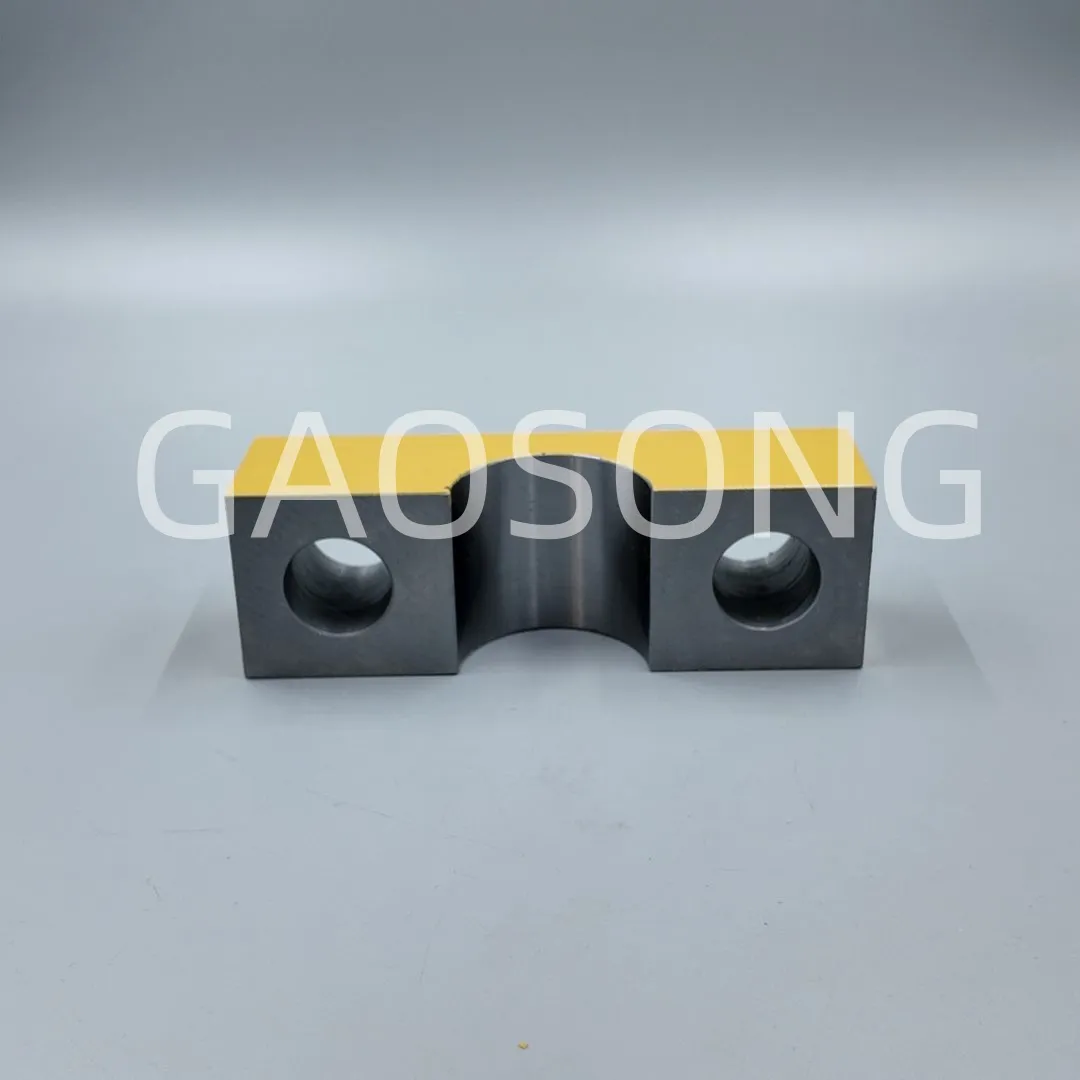 56B-50-12150 Komatsu Plate
 -
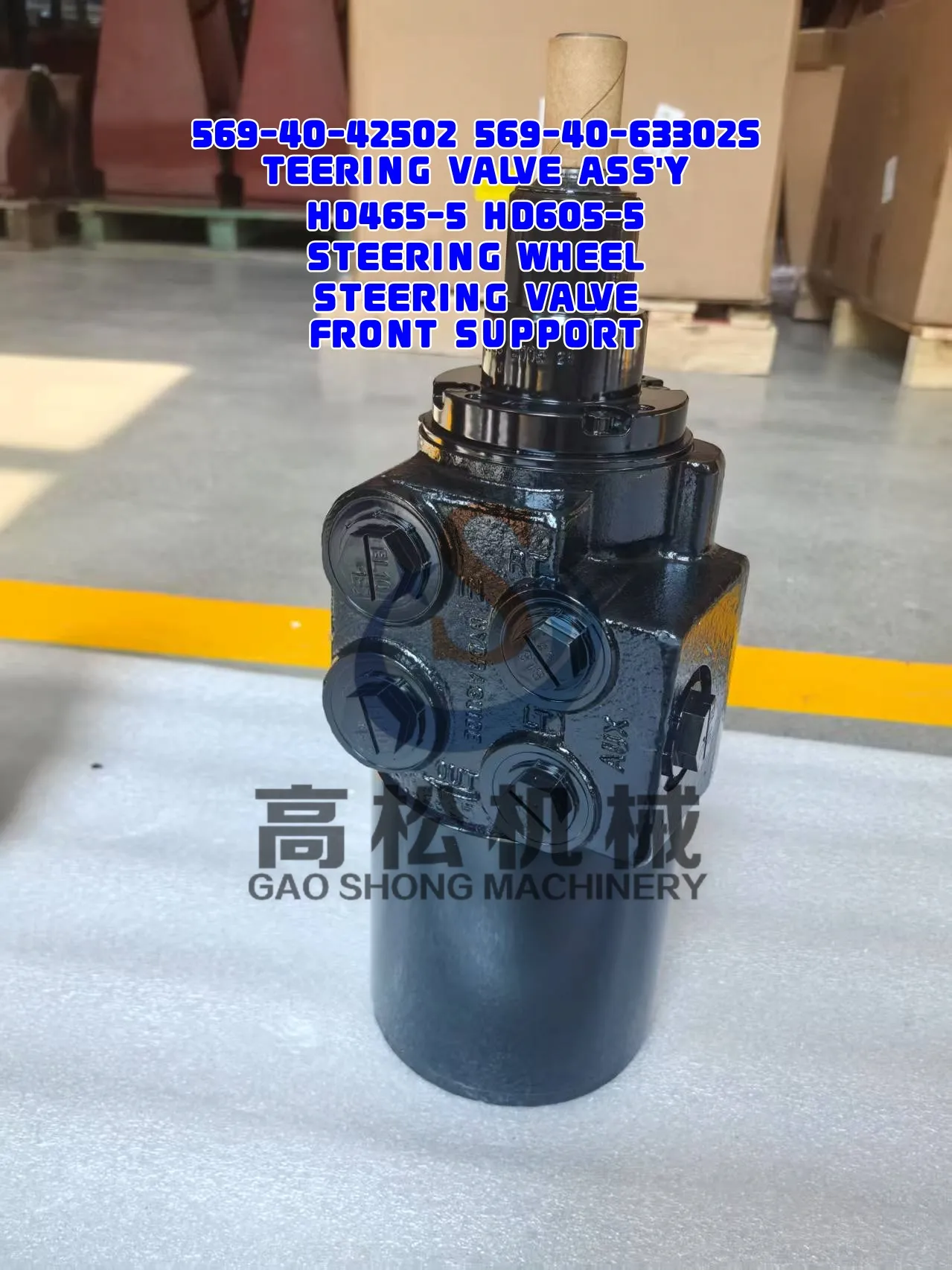 komatsu-part-569-40-42502 569-40-63302 STEERING VALVE ASS’Y HD465-5 HD465-7 HD465-7E1 HD465-7R HD465-7E0 HD605-7R HD605-5 HD605-7 HD465-7E0 STEERING WHEEL STEERING VALVE FRONT SUPPORT (STEERING VALVE MOUNTING PARTS)
 -
 (KOMATSU)19M-40-11160 PISTON
 -
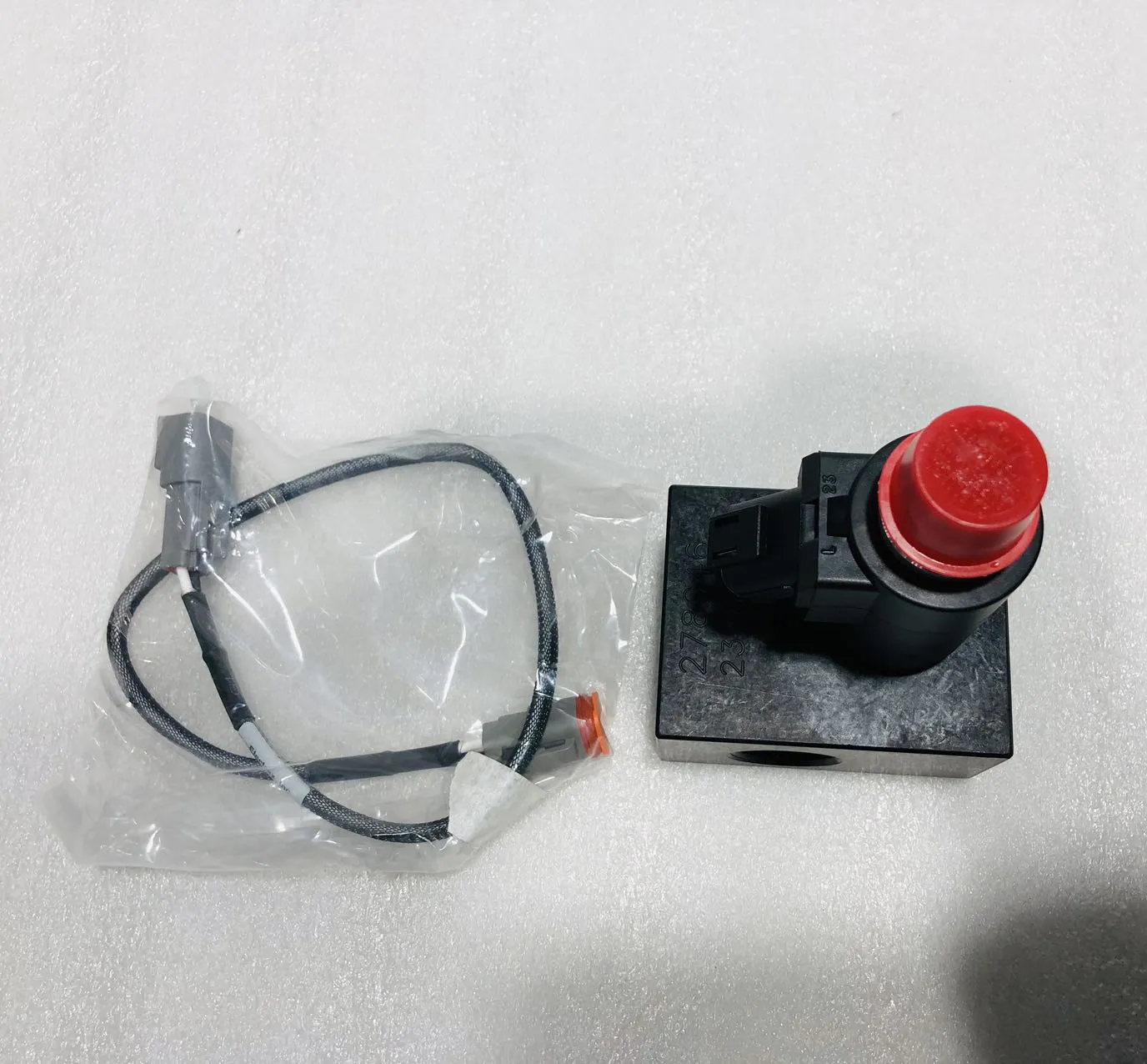 Komatsu 561-95-8A540 VALVE… — Pricing.Parts
 -
 Excavator Hydraulic Main Pump GAUGE 207-01-31150 207-01-41710 2070131150 2070141710 GAUGE for Komatsu PC200 PC300 PC400 Excavator
 -
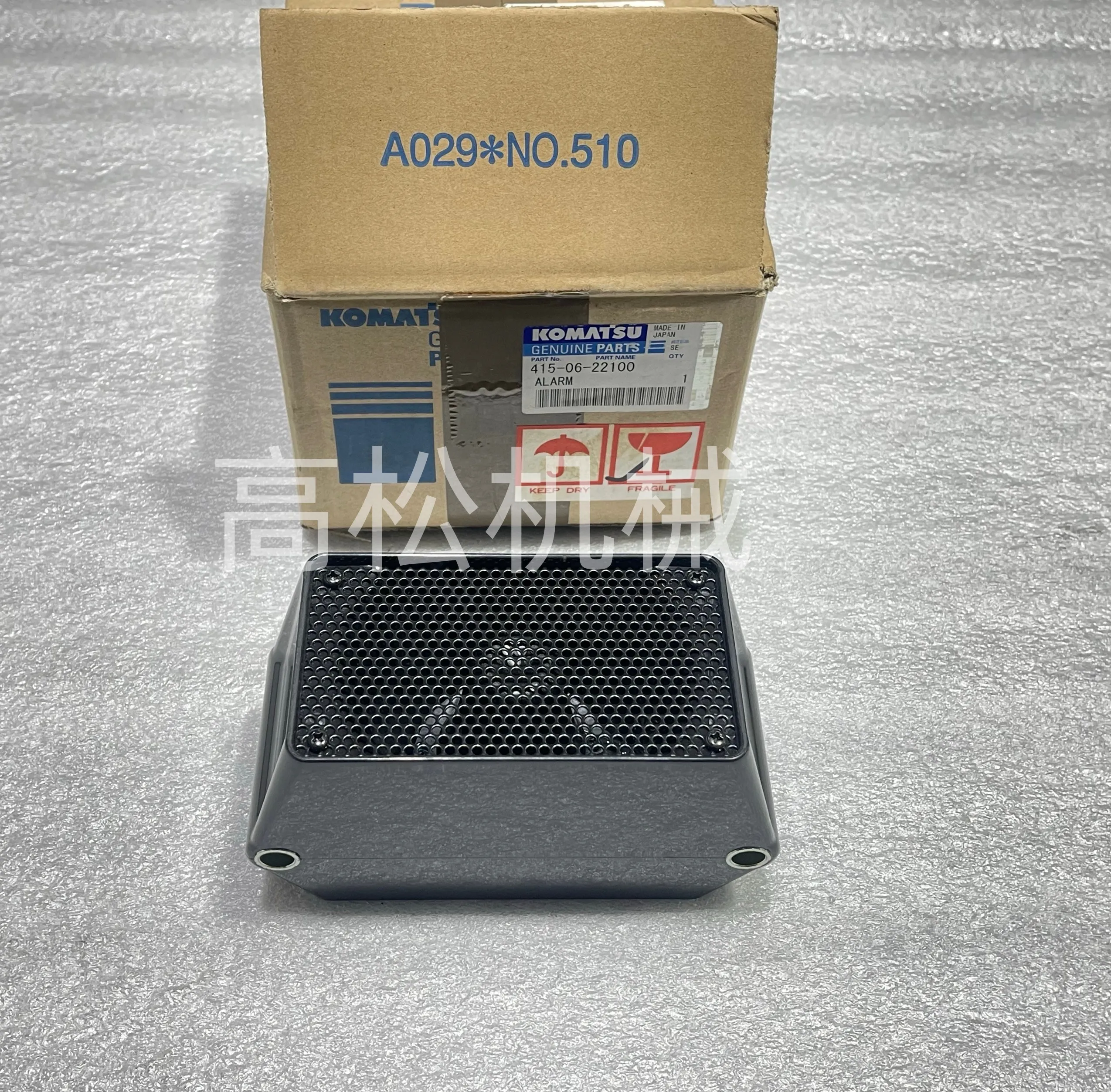 415-06-22100-ALARM.BACK-UP Komatsu Original Factory
 -
 Connector Hose 6156-11-5521 for SAA6D125E Engine, PC400-7 Excavator Spare Part
 -
 2A8-70-13570 Excavator Arm Bucket Link Cover for PC500-10
 -
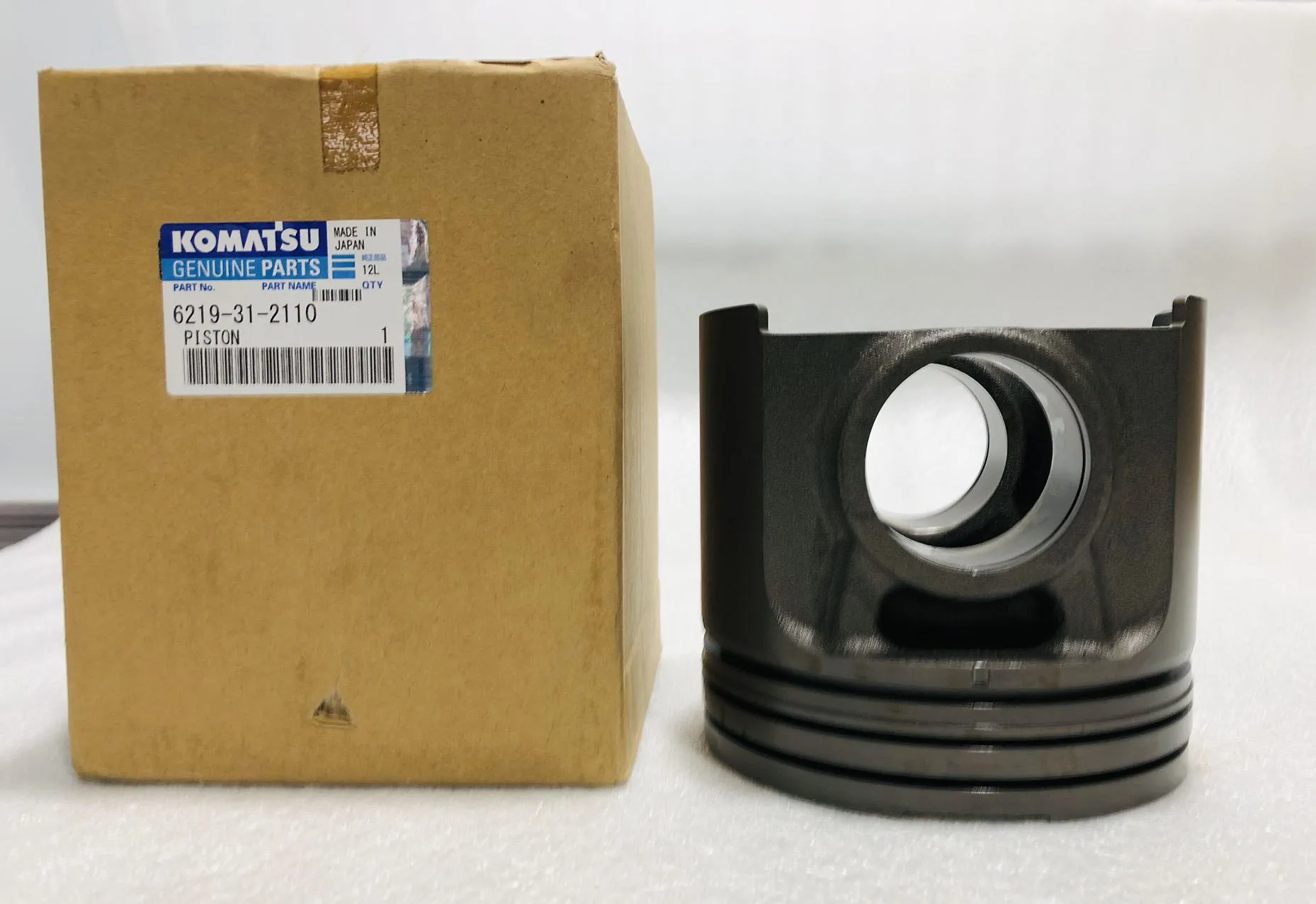 6219-31-2110 PISTON–Komatsu Original Factory
 -
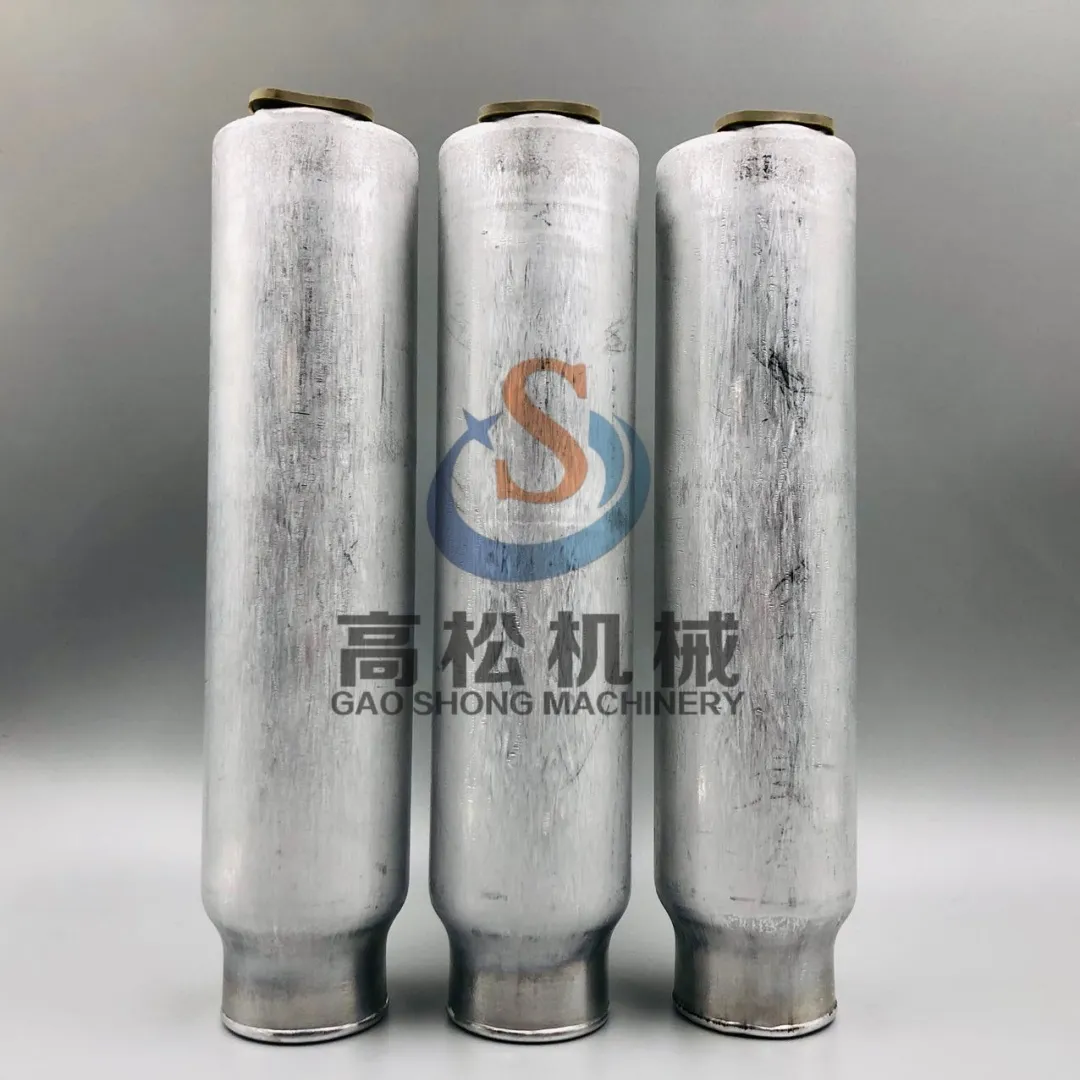 KOMATSU Excavator Receiver Dryer 20Y-979-3120
 -
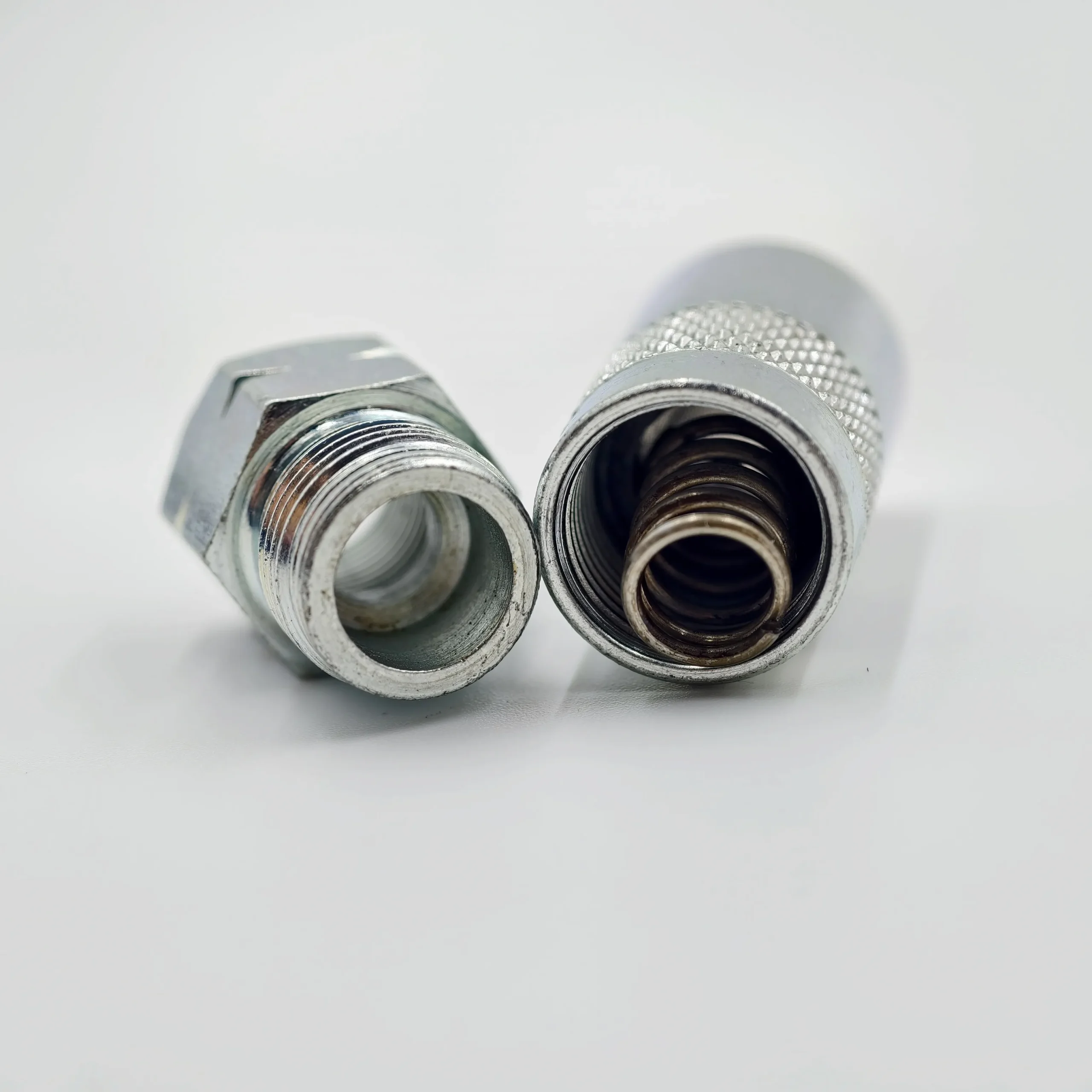 209-68-11640• COUPLER ASS’Y-Komatsu Original Factory
 -
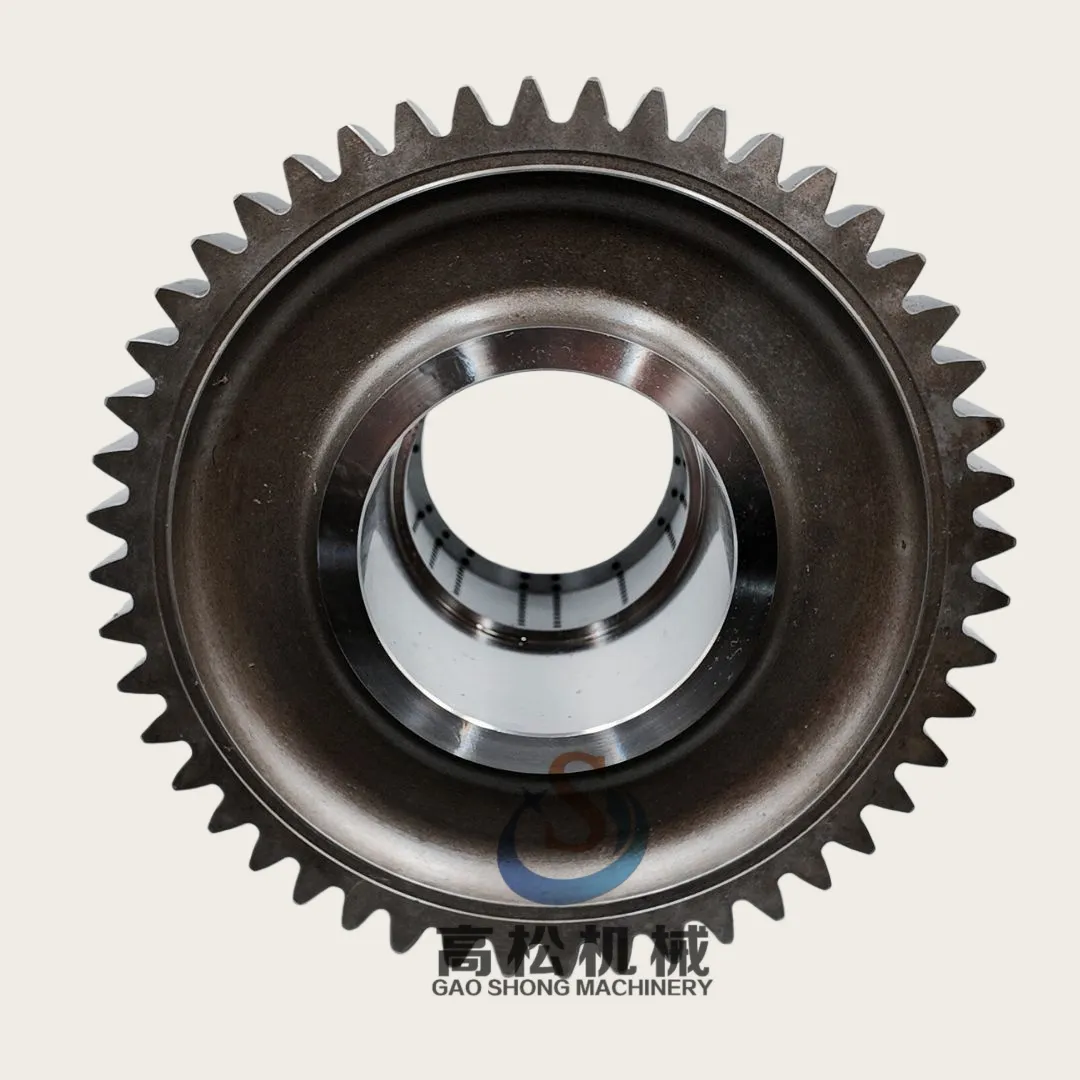 GEAR, 48 TEETH,FORWARD WA470-3 714-07-12420 GEAR, 48 TEETH,FORWARD WA450-3 S/N 53001-UP (For Taiwan / Tunnel Spec.) TRANSMISSION (FORWARD AND 1ST CLUTCH) (FOR EMERGENCY STEERING)