
- Chinese
- French
- German
- Portuguese
- Spanish
- Russian
- Japanese
- Korean
- Arabic
- Irish
- Greek
- Turkish
- Italian
- Danish
- Romanian
- Indonesian
- Czech
- Afrikaans
- Swedish
- Polish
- Basque
- Catalan
- Esperanto
- Hindi
- Lao
- Albanian
- Amharic
- Armenian
- Azerbaijani
- Belarusian
- Bengali
- Bosnian
- Bulgarian
- Cebuano
- Chichewa
- Corsican
- Croatian
- Dutch
- Estonian
- Filipino
- Finnish
- Frisian
- Galician
- Georgian
- Gujarati
- Haitian
- Hausa
- Hawaiian
- Hebrew
- Hmong
- Hungarian
- Icelandic
- Igbo
- Javanese
- Kannada
- Kazakh
- Khmer
- Kurdish
- Kyrgyz
- Latin
- Latvian
- Lithuanian
- Luxembou..
- Macedonian
- Malagasy
- Malay
- Malayalam
- Maltese
- Maori
- Marathi
- Mongolian
- Burmese
- Nepali
- Norwegian
- Pashto
- Persian
- Punjabi
- Serbian
- Sesotho
- Sinhala
- Slovak
- Slovenian
- Somali
- Samoan
- Scots Gaelic
- Shona
- Sindhi
- Sundanese
- Swahili
- Tajik
- Tamil
- Telugu
- Thai
- Ukrainian
- Urdu
- Uzbek
- Vietnamese
- Welsh
- Xhosa
- Yiddish
- Yoruba
- Zulu
- Kinyarwanda
- Tatar
- Oriya
- Turkmen
- Uyghur





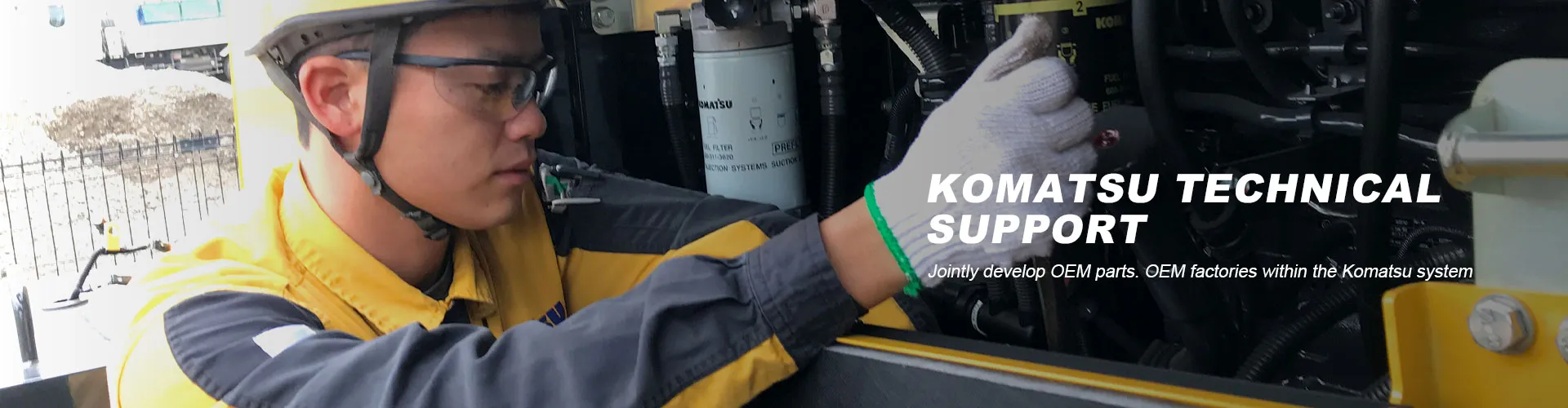
komatsu 6d95l engine for sale
You see that search term, 'Komatsu 6D95L engine for sale,' and it's a rabbit hole. Most folks just see a part number and a price tag. They don't see the mine site in West Africa where a D475A dozer is dead for 8 weeks waiting for that exact long block, or the logistical knot of getting a 3-ton core from South America to a reman facility. The 6D95L isn't just an engine; it's a critical path item for a lot of late-model Komatsu mining and heavy construction gear. And the market for it is a perfect case study in why the official channels aren't always the answer, and why companies like Jining Gaosong exist.
The Core of the Matter: What You're Actually Buying
Let's be clear: a genuine, new-from-Komatsu 6D95L engine assembly is a unicorn. If you find one, the cost is astronomical, and the lead time might be measured in fiscal quarters. So 99% of for sale listings are for remanufactured units, service exchange cores, or used pulls from decommissioned equipment. The variance in quality here is staggering.
A proper reman isn't just a rebuild. For the 6D95L, with its twin turbochargers and specific fuel system, it means a full teardown, Magnafluxing the block and head, checking liner protrusion to the micron, and using updated part kits that address any known failure points from the factory iteration. A lot of shops skip steps. They'll hone over light scoring, reuse the valve train, and slap it together. That engine might run for 500 hours before the oil consumption goes through the roof.
I recall a contractor who bought a fully rebuilt 6D95L from a broker at a too-good-to-be-true price. It was a basket case. The core had a hairline crack in the block water jacket that was painted over. The turbochargers were mismatched—one was a later revision with a different actuator. They lost more in downtime diagnosing the weird boost issues than the engine cost. That's the gamble.
The OEM System and Its Gaps
Komatsu's distribution is tight, but it's not omniscient. Certain regions, due to trade policies, past dealer network changes, or simply aged-out machine populations, face severe parts droughts. The official system is designed for current, high-volume models. A Komatsu 6D95L engine powers machines that are often still working hard but are no longer the newest fleet. The support pipeline thins out.
This is where the role of a specialized third-party becomes critical. A company like Jining Gaosong Construction Machinery Co., Ltd. operates in a specific niche. They're not just another parts reseller. Their model as an OEM product supplier within the Komatsu system, while also functioning as a third-party solution provider, is key. They have the legitimacy to source genuine sub-components or new old stock (NOS) that might be inaccessible locally, and the flexibility to arrange practical solutions—like a serviced exchange unit—that the main dealer might not offer for that particular engine.
Their stated goal of helping to solve parts supply challenges in certain countries isn't marketing fluff. It's what you do when a customer in a remote mining operation can't get a factory-approved long block for 6 months. You find a certified remanufacturing partner, you secure a viable core, you manage the logistics and documentation. You bridge the gap.
Logistics: The Hidden Cost Driver
Nobody talks about the crate enough. A complete Komatsu 6D95L engine is a massive, delicate piece of machinery. Shipping it internationally isn't like sending a pallet of filters. It requires a custom crate, proper blocking and bracing, humidity control, and impeccable paperwork for customs. I've seen engines arrive with the crate intact but the engine mounts sheared off from poor securing during ocean transit. The freight and insurance cost alone can add 15-25% to the project.
Working with a supplier that has experience in this specific flow is half the battle. They know the routing, the necessary export/import codes, and how to prepare the engine for a long sea voyage. A company with a track record of moving these units into challenging destinations, which Jining Gaosong highlights as their focus, brings immense value beyond the part number itself. It turns a logistical nightmare into a managed process.
Evaluating a For Sale Listing
So you're looking at an ad. What questions do you ask? First, is it a complete assembly? Injectors, turbos, ECM, mounting hardware? Many are sold bare, shifting the sourcing burden to you. Second, what's the source? A core from a machine with a known hour meter and service history is worth more than one of unknown origin. Third, what's the warranty and what does it cover? A 12-month/unlimited hour warranty on a reman is standard for a quality shop. A 90-day warranty is a red flag.
Always, always ask for documentation: the reman spec sheet, test run data (oil pressure, coolant flow, etc.), and photos of the core during teardown. A reputable supplier will have this. If they're hesitant, walk away. The price difference between a proper unit and a time bomb might be 30%, but the cost difference in the field is 300% when it fails.
This is where the integrated approach of a supplier who understands the system pays off. They're not just moving a box; they're often managing the reman process with vetted partners, ensuring the documentation trail is solid, which is crucial for your own asset records and potential resale.
The Practical Path Forward
For anyone seriously searching for a Komatsu 6D95L engine for sale, the advice is to look beyond the search engine snippet. Your goal isn't to find the cheapest listing; it's to find the most reliable total solution. That means identifying suppliers who treat this as a technical project, not a commodity transaction.
Engage with them on the specifics. Talk about the machine serial number the engine is going into. Discuss lead time realistically—a good reman takes 4-6 weeks minimum. Plan the logistics upfront. Companies that operate like Jining Gaosong Construction Machinery Co., Ltd., with their dual role in the ecosystem, are structured for these conversations. They're positioned to navigate between the OEM world and the on-the-ground reality where machines need to run.
In the end, sourcing this engine is a test of due diligence. It exposes the friction points in global equipment support. The successful purchase isn't marked by the day the payment clears, but by the day the engine hits 2,000 hours in the machine without a hiccup. That's the real metric, and it's entirely dependent on the quality of the source and the process behind the sale.
Related Products
Related Products
Best Selling Products
Best Selling Products-
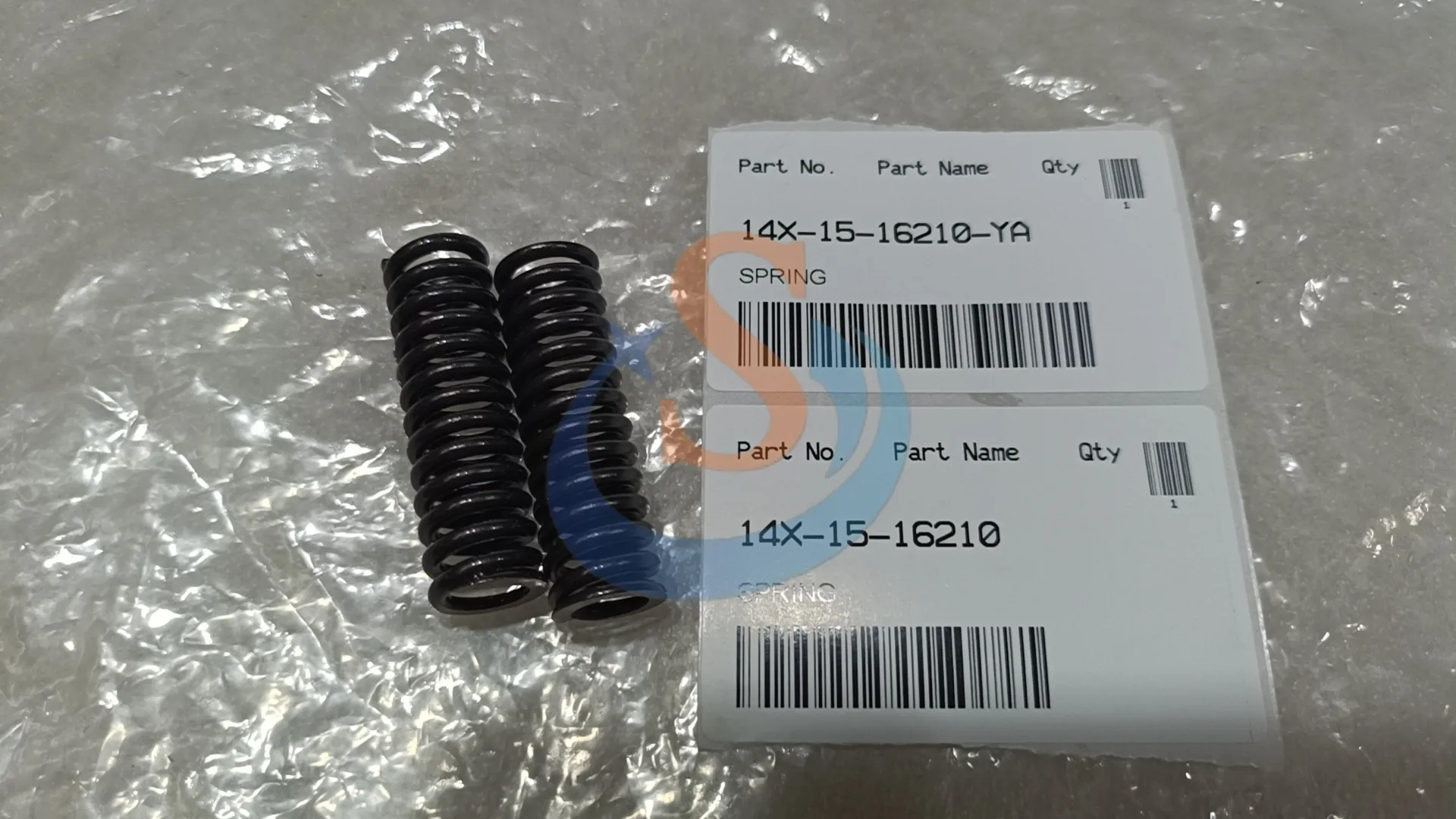 14X-15-16210 komatsu vavle WA400/WA500/WA600
 -
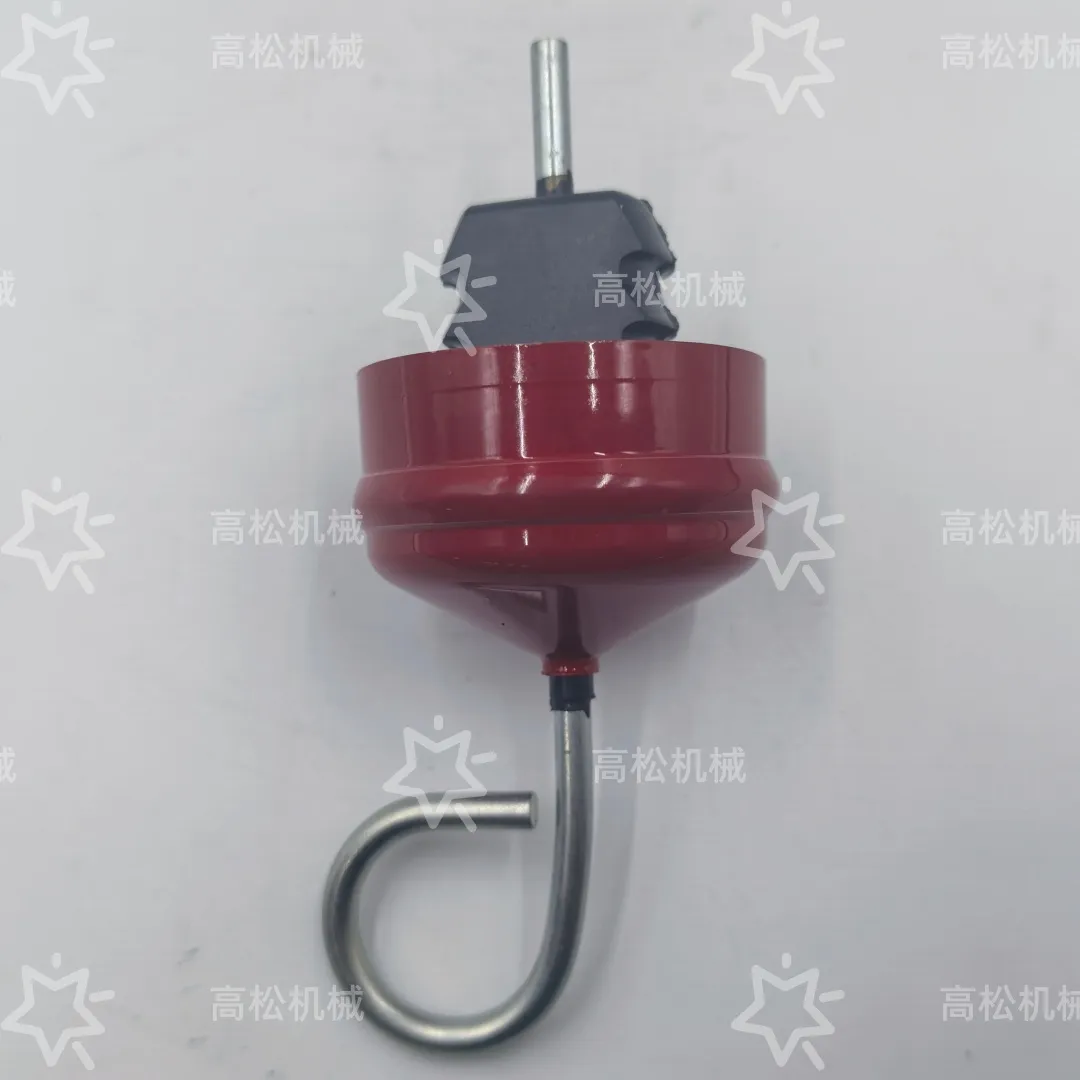 Excavator Hydraulic Main Pump GAUGE 207-01-31150 207-01-41710 2070131150 2070141710 GAUGE for Komatsu PC200 PC300 PC400 Excavator
 -
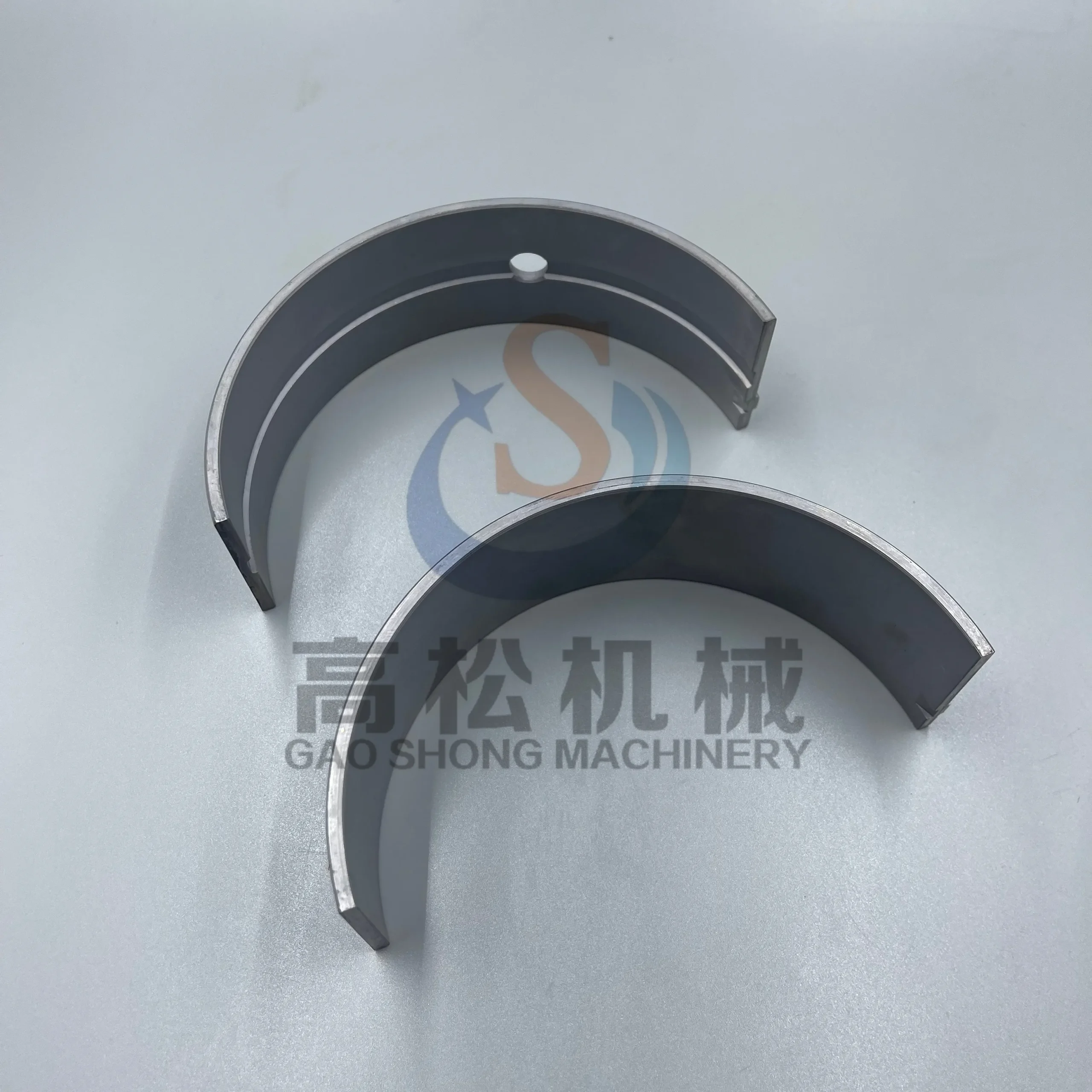 Engine 6162-23-8010 Metal Assembly
 -
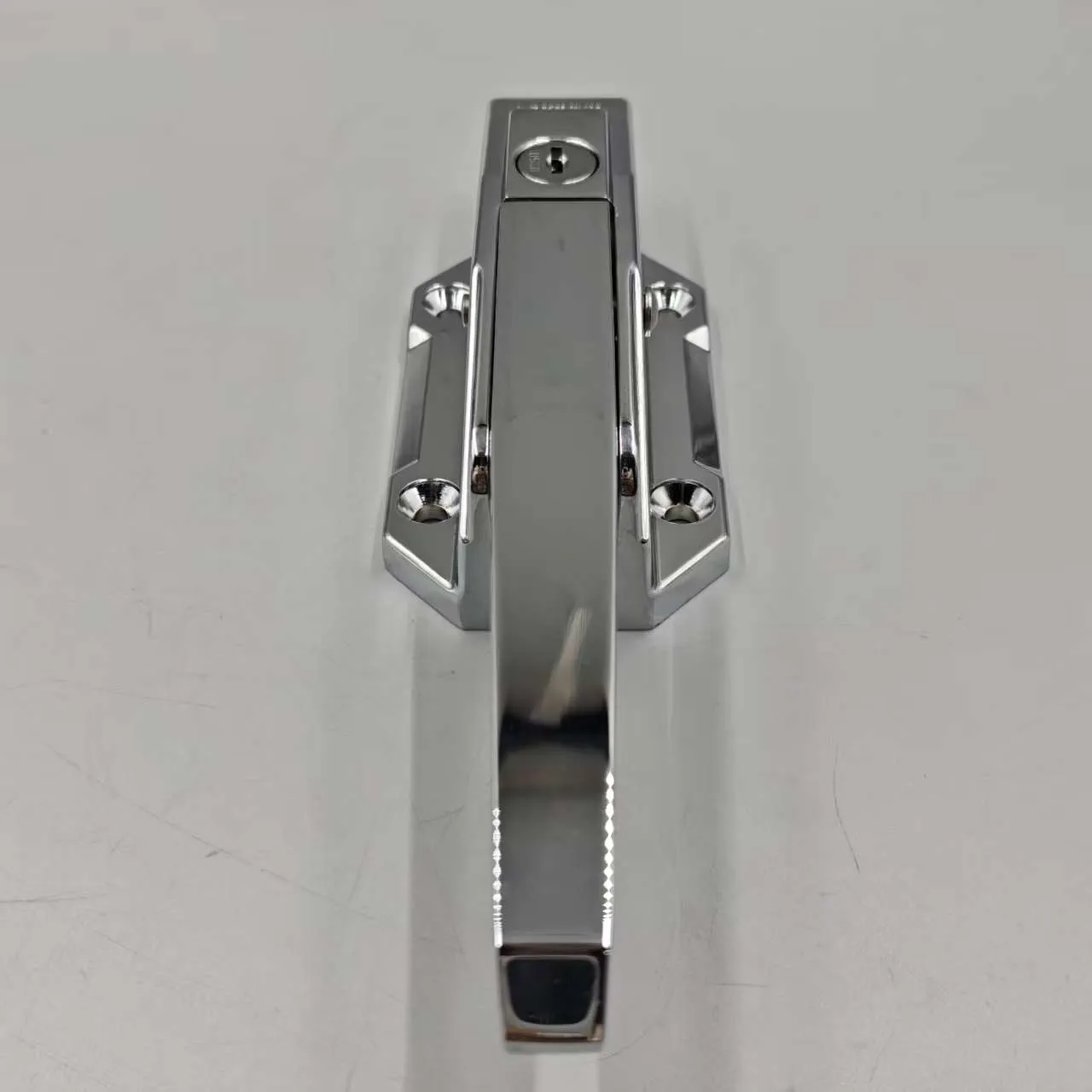 21T-54-35421excavator handle
 -
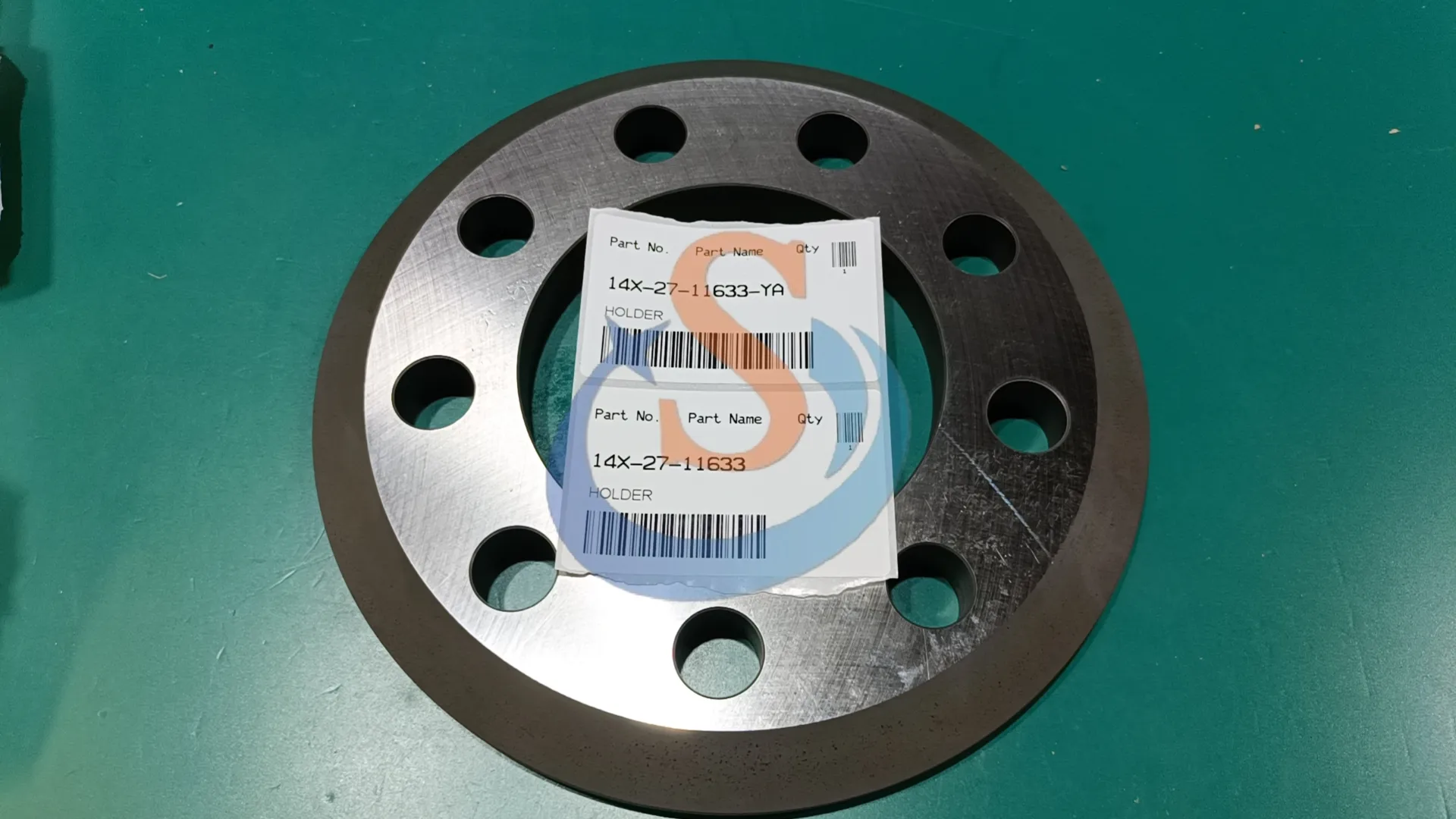 14X-27-11633,HOLDER,D65EX,D65WX,D85E
 -
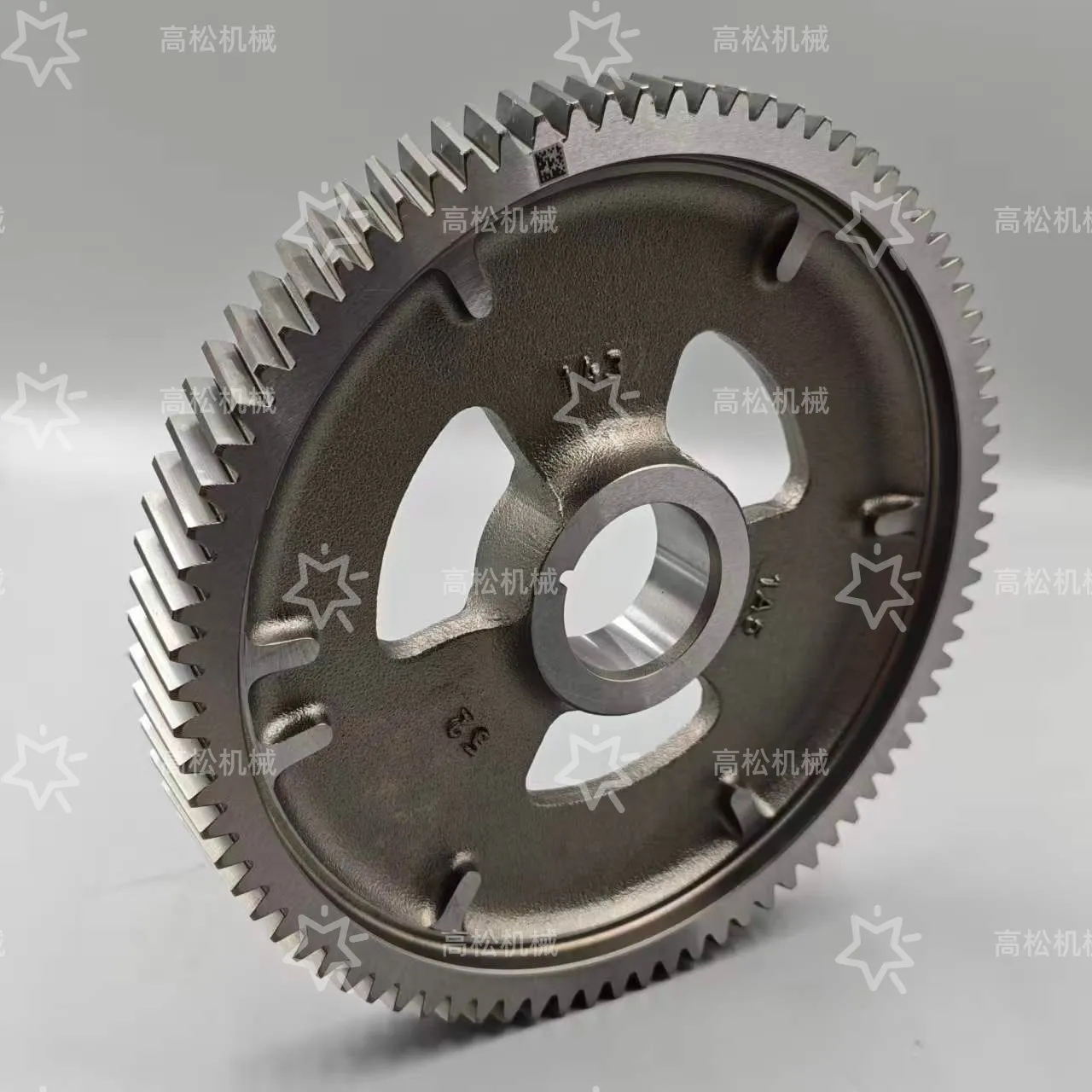 6745-41-1131 GEAR – CAMSHAFT Suitable for komatsu
 -
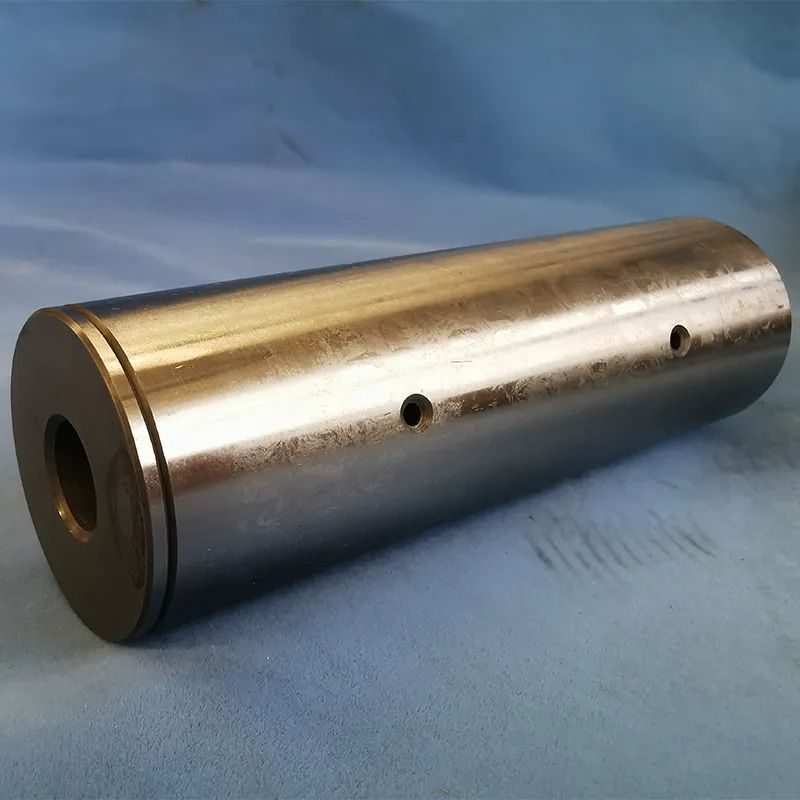 Komatsu original D375A-5 axis 195-15-72520
 -
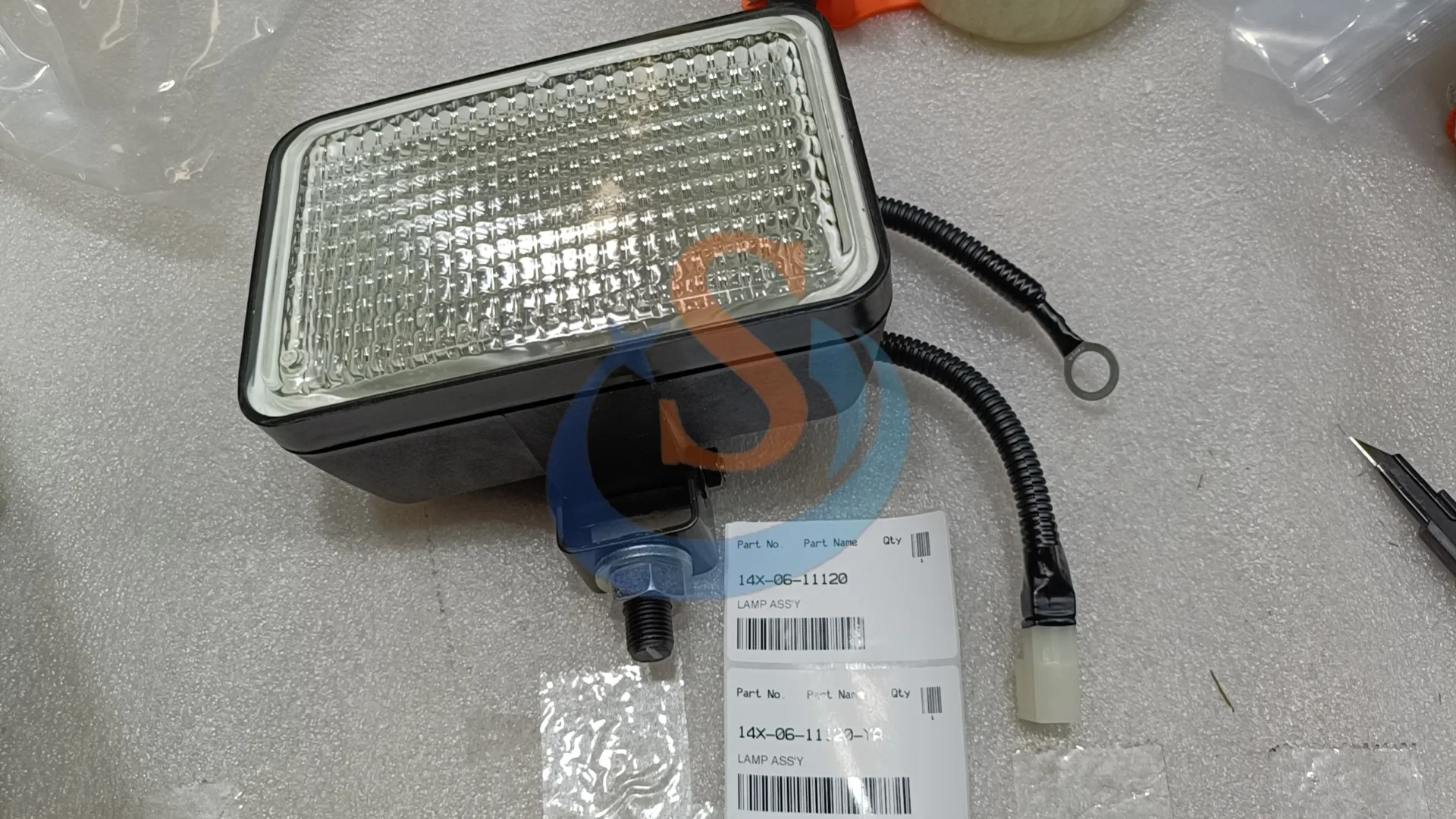 14X-06-11120 WORK LAMP ASS’Y D375A/D155A
 -
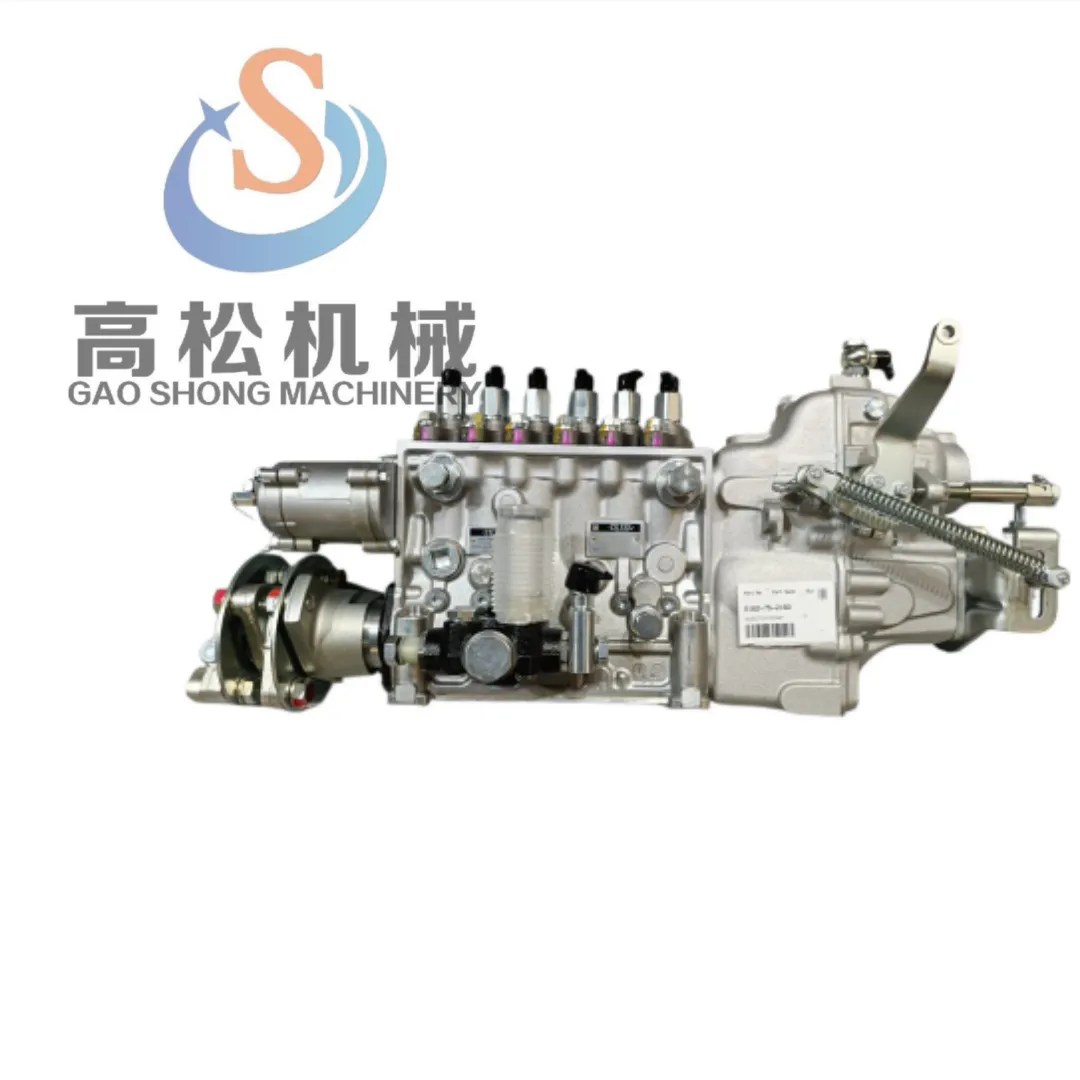 Engine Fuel Injection Pump 6162-75-2160 for SA6D170E
 -
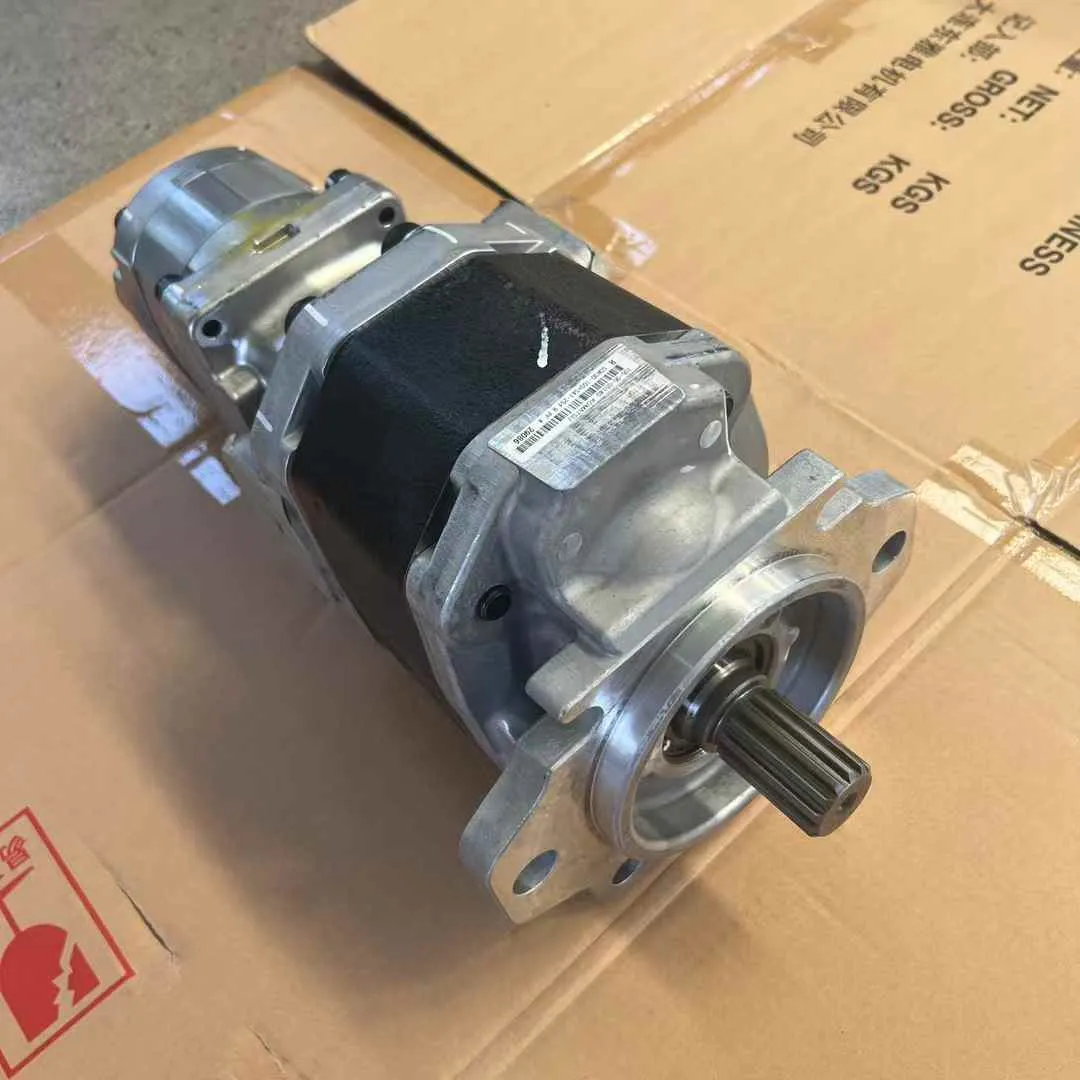 705-95-05140 HydraulicPump
 -
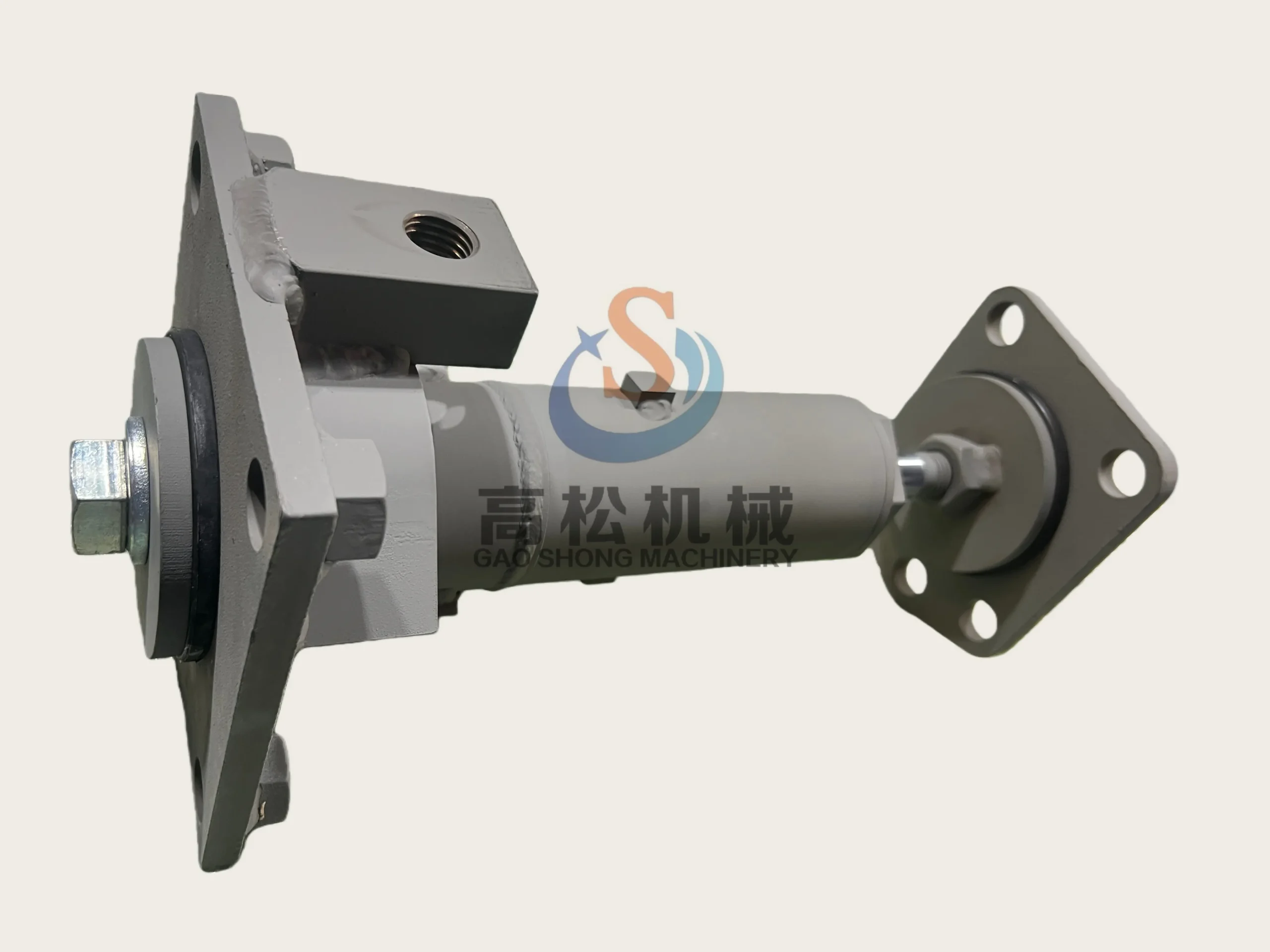 SUSPENSION ASS’Y 17A-54-16201 D155AX-3 D155AX-3 FLOOR FRAME MOUNT
 -
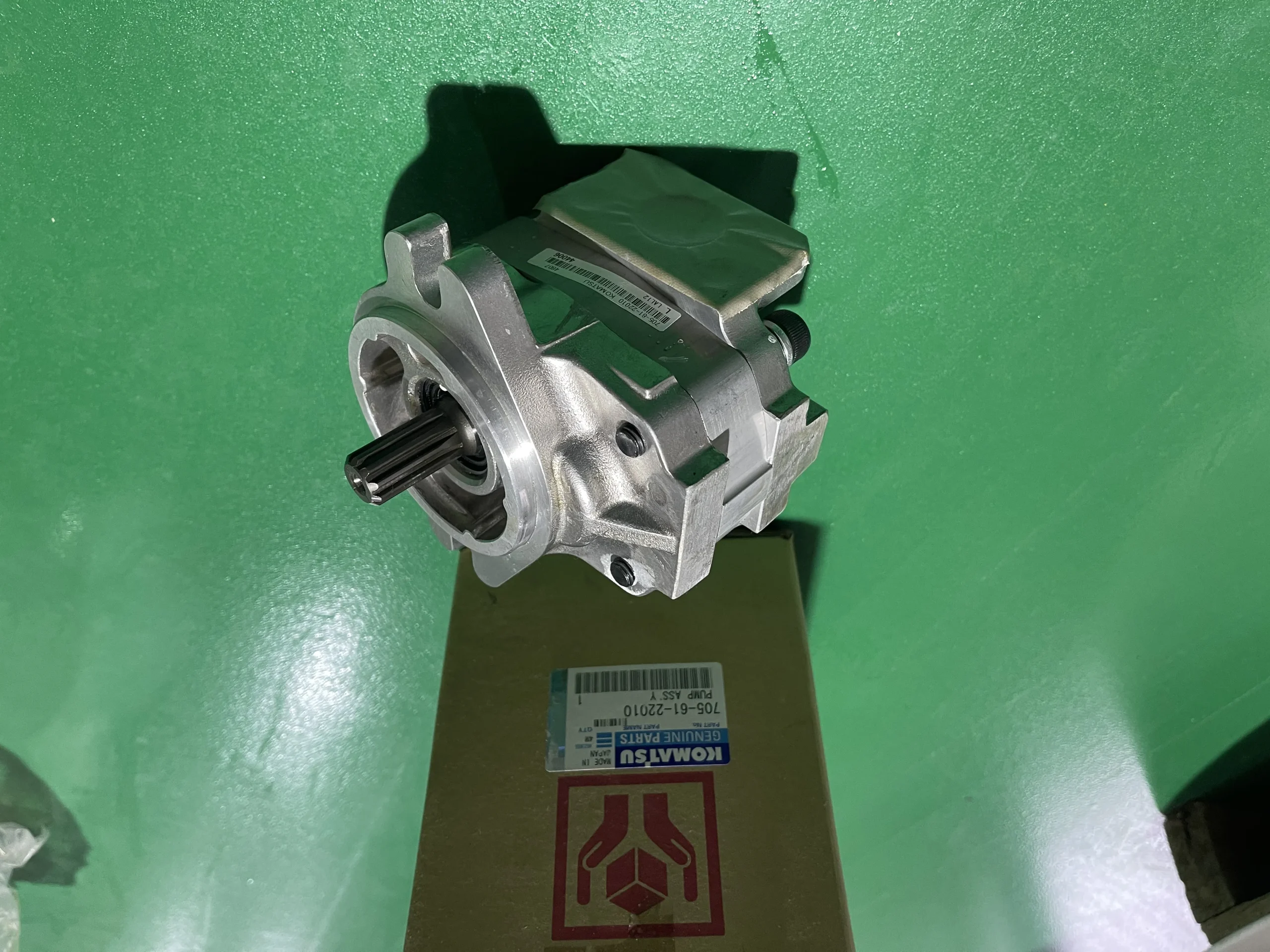 PUMP ASS’Y 705-61-22010 – KOMATSU