
- Chinese
- French
- German
- Portuguese
- Spanish
- Russian
- Japanese
- Korean
- Arabic
- Irish
- Greek
- Turkish
- Italian
- Danish
- Romanian
- Indonesian
- Czech
- Afrikaans
- Swedish
- Polish
- Basque
- Catalan
- Esperanto
- Hindi
- Lao
- Albanian
- Amharic
- Armenian
- Azerbaijani
- Belarusian
- Bengali
- Bosnian
- Bulgarian
- Cebuano
- Chichewa
- Corsican
- Croatian
- Dutch
- Estonian
- Filipino
- Finnish
- Frisian
- Galician
- Georgian
- Gujarati
- Haitian
- Hausa
- Hawaiian
- Hebrew
- Hmong
- Hungarian
- Icelandic
- Igbo
- Javanese
- Kannada
- Kazakh
- Khmer
- Kurdish
- Kyrgyz
- Latin
- Latvian
- Lithuanian
- Luxembou..
- Macedonian
- Malagasy
- Malay
- Malayalam
- Maltese
- Maori
- Marathi
- Mongolian
- Burmese
- Nepali
- Norwegian
- Pashto
- Persian
- Punjabi
- Serbian
- Sesotho
- Sinhala
- Slovak
- Slovenian
- Somali
- Samoan
- Scots Gaelic
- Shona
- Sindhi
- Sundanese
- Swahili
- Tajik
- Tamil
- Telugu
- Thai
- Ukrainian
- Urdu
- Uzbek
- Vietnamese
- Welsh
- Xhosa
- Yiddish
- Yoruba
- Zulu
- Kinyarwanda
- Tatar
- Oriya
- Turkmen
- Uyghur






komatsu 6d95l engine
When you hear 'Komatsu 6D95L', most guys immediately think of the PC200-6 or PC220-6 excavator. That's fair, it's the heart of those machines. But there's a common misconception that it's just a straightforward, bulletproof block you never have to think about. In my experience, that's only half the story. The reliability is legendary, sure, but the real challenges—and the real understanding—come from the supply chain quirks and the specific failure modes that only show up after 15,000 hours in a dusty quarry. I've seen more than a few mechanics get tripped up because they treated every 6D95L the same, not realizing the subtle differences in sub-models or the critical importance of certain OEM-spec parts. That's where the practical knowledge, the kind that doesn't always make it into the manual, really matters.
The Core of the Matter: More Than Just Displacement
Let's break it down. The Komatsu 6D95L engine is a 6.69-liter, turbocharged, direct-injection diesel. On paper, it's simple. But the 'L' in the designation is key—it often denotes a lower emission configuration for certain markets, which can affect fuel timing and injector specs. I've watched a team spend two days chasing a power loss issue, only to find they'd fitted standard 6D95 injectors into an 'L' variant from a Japanese import. The difference was minute, maybe a millimeter in plunger stroke, but it killed the efficiency. This isn't about being a parts pedant; it's about knowing that even within a famed engine family, details dictate performance.
Another point that gets overlooked is the accessory drive. The hydraulic pump drive gear on the front of the crankshaft—it seems robust, but I've personally handled three cases where fatigue cracks started at the keyway after repeated, severe shock loads from a hammer attachment. The official repair is a full crankshaft replacement, a massive cost. But through a connection at Jining Gaosong Construction Machinery Co., Ltd., an OEM network supplier, we explored a stop-gap: a sleeved and re-keyed gear with a modified interference fit. It bought the customer another 4000 hours to plan a proper overhaul. That's the reality; sometimes the textbook solution isn't economically viable, and you need a supplier who understands the pragmatics, not just the catalog.
Cooling system design is its own chapter. The 6D95L runs hot if you're not meticulous. The oil cooler is integral, and the passages can clog with a mix of degraded coolant and casting sand that never fully got cleaned out at the foundry—a rare but nasty issue. Flushing often isn't enough. We had to pull the cooler core and physically rod it out. Sourcing a genuine replacement from the standard channels was an 8-week lead time, which is a lifetime for a downed machine. This is exactly the gap that third-party specialists aim to fill. A company like the one mentioned, which you can find at https://www.takematsumachinery.com, operates by helping to solve these exact parts supply challenges. Their value isn't just in having the part, but in knowing which aftermarket core is robust enough to use as a genuine equivalent, and which one will fail in six months.
Fuel System Nuances and the Aftermarket Trap
The fuel system is where you separate the amateurs from the veterans. The Komatsu 6D95L uses a Bosch-type rotary injection pump. It's generally reliable, but the calibration is sensitive. A common mistake is rebuilding the pump with generic seals and springs. The result is often a slight high-idle surge or a lag in response that gets blamed on the governor, leading to a wild goose chase. The OEM seals have a specific durometer rating to handle the fuel heat cycles; most aftermarket kits don't match it. I learned this the hard way on a rebuild for a PC200-6 in Indonesia—we used a well-known aftermarket kit, and the machine never ran quite right. We ended up sourcing a genuine Komatsu seal kit from a specialist supplier, and the problem vanished. It was a costly lesson in false economy.
Then there are the injectors. The nozzle tip design is critical for the combustion bowl shape in the piston. Using a pattern part with a slightly different spray angle can lead to localized hot spots, eventually burning a hole in the piston crown. I've cut open pistons where the failure pattern pointed directly to the wrong injector. It doesn't happen immediately, so the correlation is often missed. The description for Jining Gaosong as an OEM product supplier within the Komatsu system is crucial here. It implies access to—or deep knowledge of—these exact specification-critical components, which is a different league from a general aftermarket parts warehouse.
Electronic controls on later models of these engines add another layer. The sensors for rack position and timing aren't always interchangeable, even if they plug in. We had a case where a non-OEM sensor gave a signal within the voltage range but with a different slope, causing the control unit to make minor but continuous timing corrections. The engine ran, but fuel consumption spiked by 8%. Diagnosing that required oscilloscope work and cross-referencing signal graphs from a service bulletin most people never read. This is the kind of granular, frustrating detail that defines real-world engine work.
The Overhaul Conundrum: To Rebuild or to Reman?
When a Komatsu 6D95L engine is due for a major overhaul, the big question is whether to rebuild in-frame, do a complete out-of-frame rebuild, or swap in a remanufactured long block. Each has its trade-offs. In-frame is tempting for cost, but you're gambling on the condition of the bottom end. I've seen in-frames where they replaced liners and pistons, only to have the crankshaft thrust bearings fail 500 hours later because the crank wasn't pulled and measured for end-float. A proper out-of-frame rebuild is the gold standard, but it requires a level of shop facility and tooling (like a cylinder block heating tank for liner installation) that not every field shop has.
Remanufactured long blocks seem like a safe bet, but provenance is everything. There are reman units that are basically just cleaned and painted with new gaskets. A true OEM-reman, or one from a certified partner, will have a documented process: crank regrind, new liners, new pistons, rebuilt head with new seats and guides. The price difference is significant, but so is the mean time between failures. This is where a supplier's role becomes advisory. A good sales company doesn't just sell you a crate; they ask about the machine's duty cycle, previous maintenance history, and your downtime tolerance before recommending a path.
One specific pitfall during reassembly is the cylinder head bolt torque sequence. It's a stretch-to-yield bolt, and the torque-plus-angle method is non-negotiable. Using a standard torque wrench and guessing the angle is a recipe for a blown head gasket or, worse, a warped head. I witnessed a rebuild where the mechanic used an impact wrench to snug the bolts before torquing, which inadvertently stretched some of them past their yield point. They failed under load, causing a catastrophic coolant leak into the oil. The comeback was brutal and entirely preventable. It underscores that the best parts in the world are useless without the correct, disciplined procedure.
Beyond the Engine Bay: Systemic Interactions
You can't talk about the engine in isolation. Its performance is tied directly to the health of the machine's hydraulic and cooling systems. A weak main hydraulic pump will load the engine differently, often masking itself as an engine power deficiency. We once spent a week dyno-testing a Komatsu 6D95L that was pulled for lack of power, only to find it performed perfectly. The real issue was a failing pump creating excessive constant pressure, loading the engine. Similarly, a partially clogged radiator or a failing fan clutch will cause the engine to derate or overheat, symptoms that lead you straight to the engine compartment first.
The engine mounting system is another silent killer. Broken or degraded mounts allow excess vibration, which can lead to fatigue cracks in exhaust manifolds and even cause the flywheel housing to crack over time. It's a slow-motion failure. During a 10,000-hour inspection, it's worth checking mount integrity with a pry bar—a simple check that's often skipped in favor of more glamorous component work. These systemic checks are what differentiate a thorough maintenance program from a reactive repair shop.
Finally, let's talk about fluids. The recommended engine oil grade is critical, especially in varying climates. Using a multi-grade oil that's too thin in a high-temperature environment can lead to increased camshaft and follower wear. Conversely, too thick an oil in cold climates causes cavitation on the piston cooling jets. It sounds basic, but I've reviewed oil analysis reports where the wrong oil choice accelerated wear metals by a factor of three. The manual has a chart for a reason, yet it's one of the most commonly ignored pieces of data. Partnering with a knowledgeable supplier often means they can provide not just the physical part, but also this kind of context-specific technical guidance that keeps the engine running for the long haul.
The Supply Chain Reality and Practical Solutions
This brings us to the elephant in the room: getting the right parts, at the right time, for the right price. For older workhorses like those powered by the Komatsu 6D95L engine, official dealer networks sometimes deprioritize stock. Lead times can be prohibitive. This is the niche where companies operating as third-party sales specialists within the Komatsu ecosystem prove their worth. Their business, as described for Jining Gaosong, is built on solving parts supply challenges. It's not about undercutting the OEM on price alone; it's about availability, cross-reference knowledge, and sometimes, offering suitable, quality-alternative components for non-safety-critical applications.
For instance, finding a genuine water pump for a 20-year-old 6D95L might be a global search. A reliable third-party supplier might have a vetted alternative from a quality manufacturer like KMP or GMB, or they might have a rebuilt genuine unit on the shelf. Their website, takematsumachinery.com, serves as a portal for this service. The key is their positioning within the Komatsu system—it suggests a level of technical legitimacy and access to specifications that a purely independent aftermarket player might lack.
In practice, this means when you're stuck with a machine down and a customer breathing down your neck, you have another option beyond waiting indefinitely. You call a supplier who understands the pressure, can quickly verify the exact part number variant you need (is it the one with the 4-bolt or 6-bolt thermostat housing?), and can get it moving. They've seen the same failures, know which bolts are prone to seizing, and which gasket material works best. This practical, problem-solving partnership is often more valuable than a slight discount on a part. It turns a parts transaction into a continuity-of-operation solution, which is ultimately what keeping these classic engines running is all about.
Related Products
Related Products

Best Selling Products
Best Selling Products-
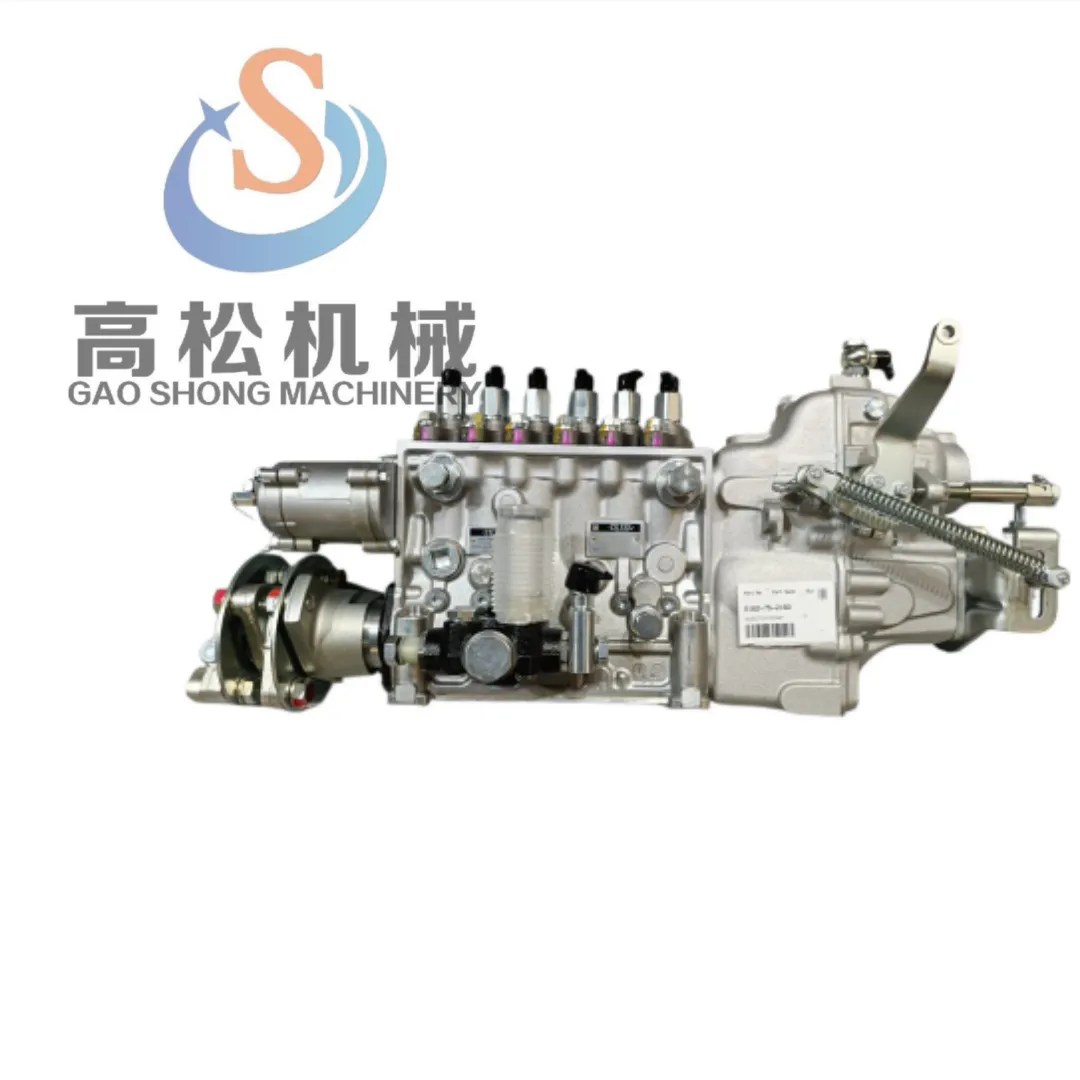 Engine Fuel Injection Pump 6162-75-2160 for SA6D170E
 -
 561-27-61960 for Komatsu HD785-5LC HD985-5
 -
 6693-22-5600 Komatsu Valve Assembly
 -
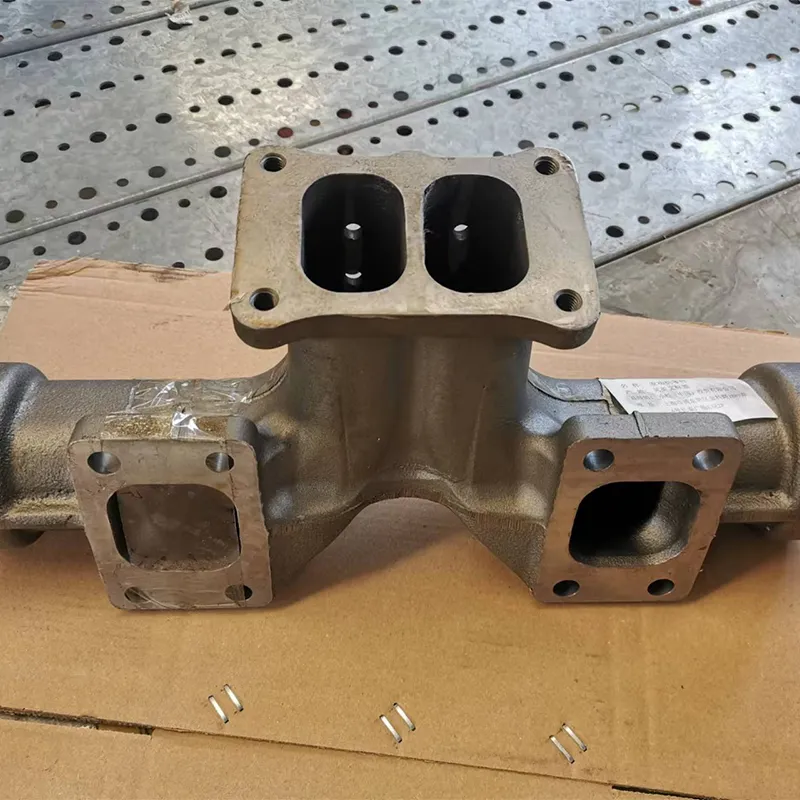 Original komatsu 6215-11-5182 HD785-7 Exhaust Manifold
 -
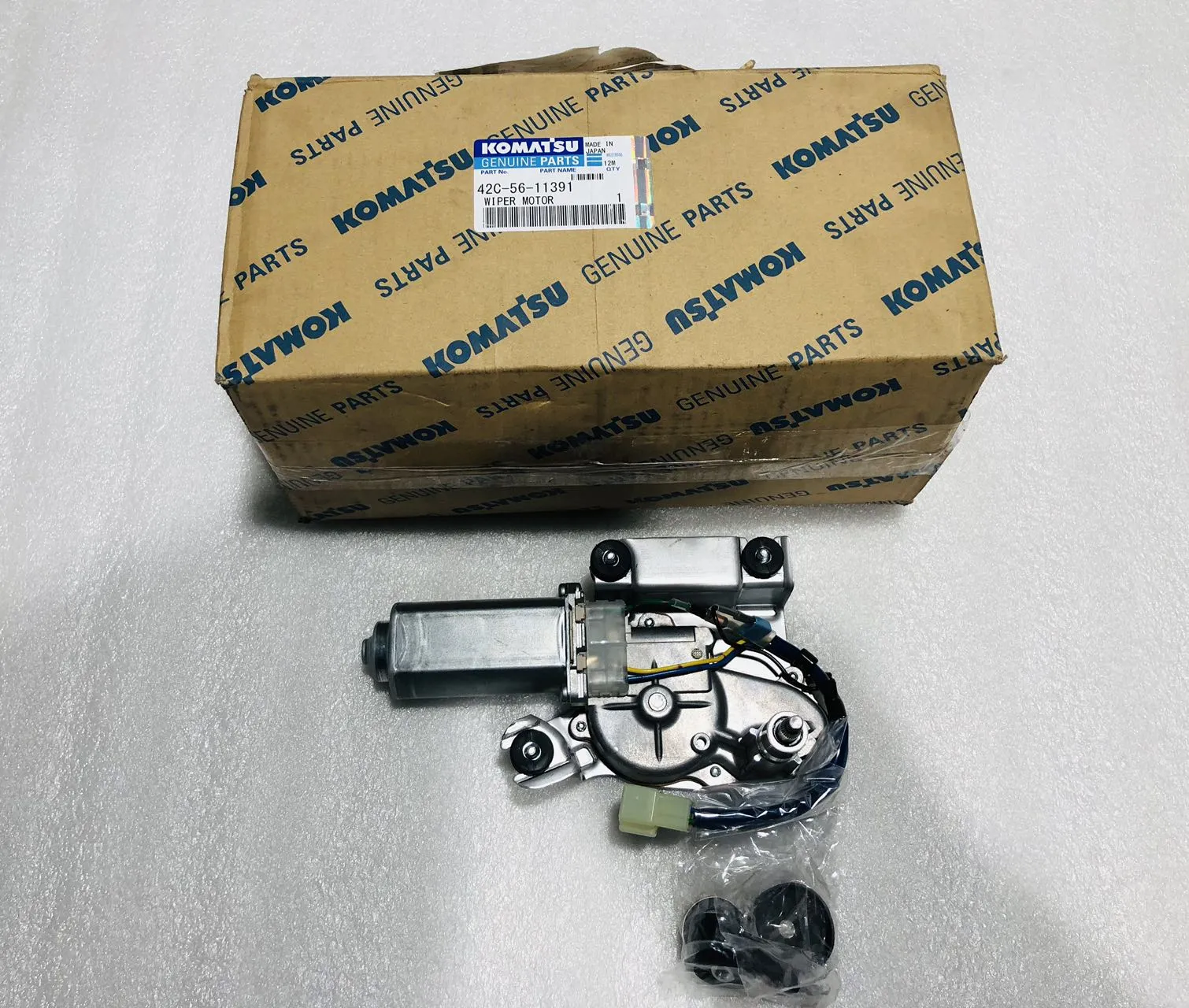 Komatsu grader GD555 wiper motor 42C-56-11391
 -
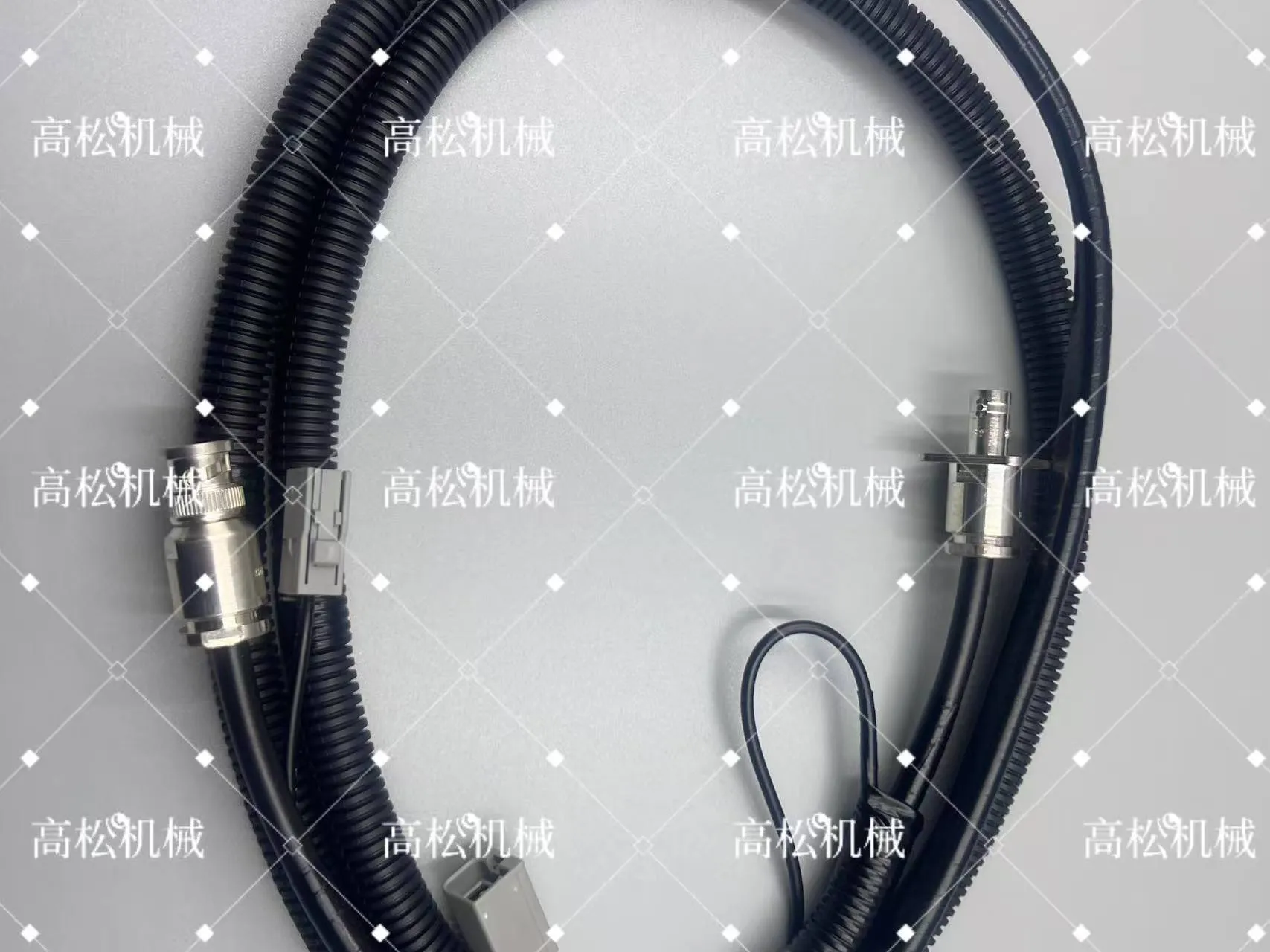 426-06-33750 Komatsu Wiring Harness Parts WA600, WD600
 -
 421-06-11440 BREAKER fits KOMATSU
 -
 Excavator Gear Pump 705-95-05140 Stainless Steel Vertical…
 -
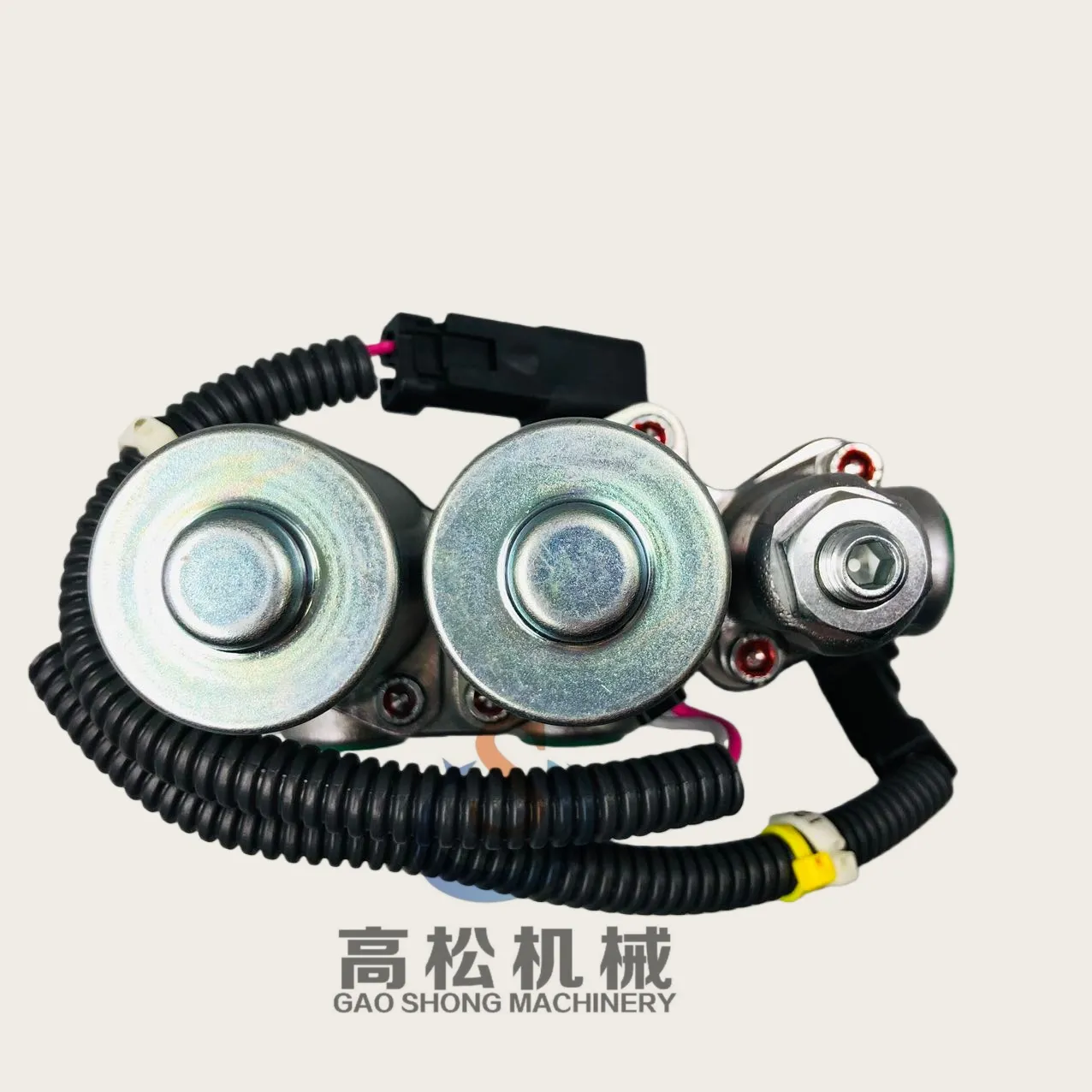 22F-60-31600 22F-60-21201 Electromagnetic valve assembly for PC40MR PC55MR PC56-7 excavator parts
 -
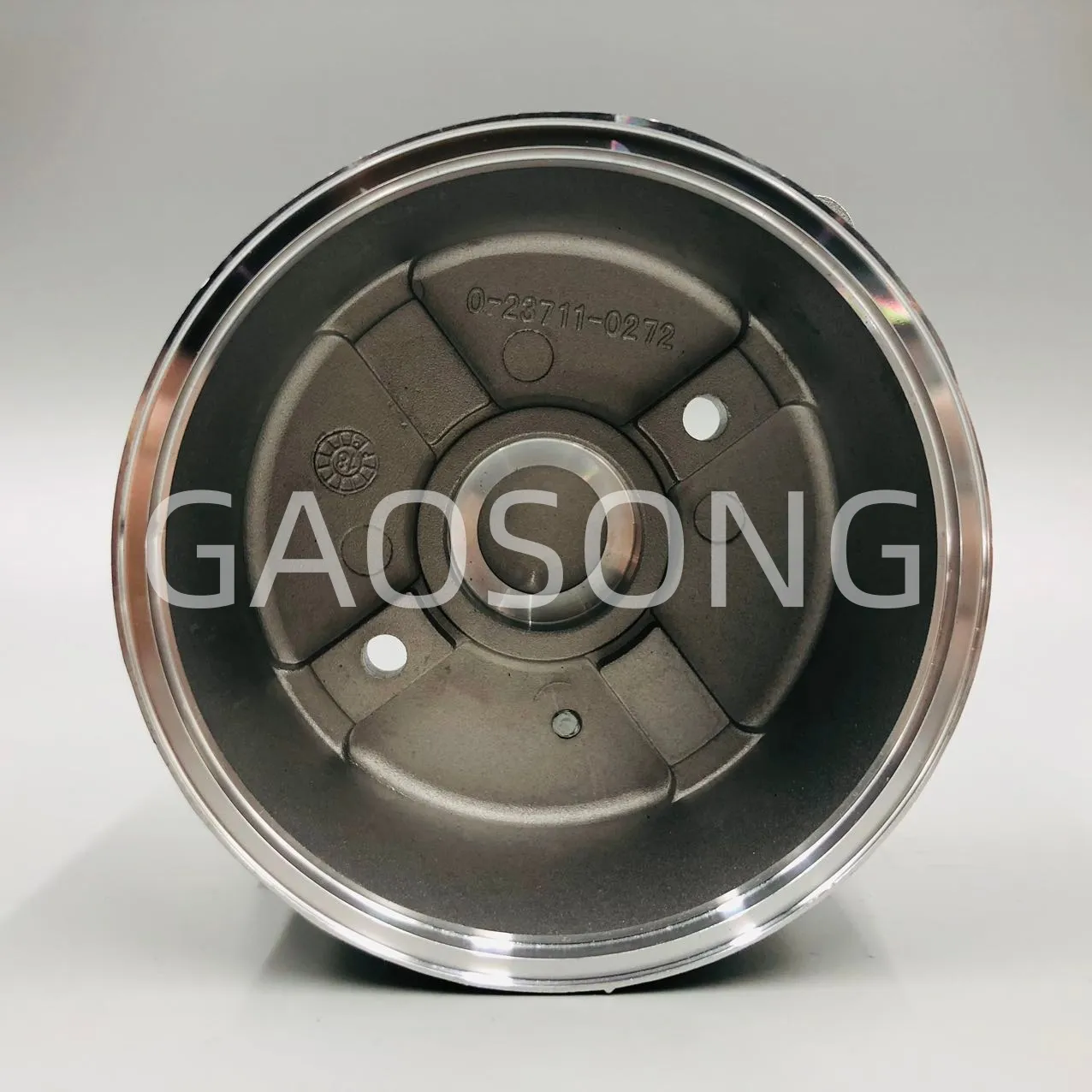 KD0-23700-0130 •• REAR BRACKET A-Komatsu Original Factory
 -
 PIN – 21N-26-33240
 -
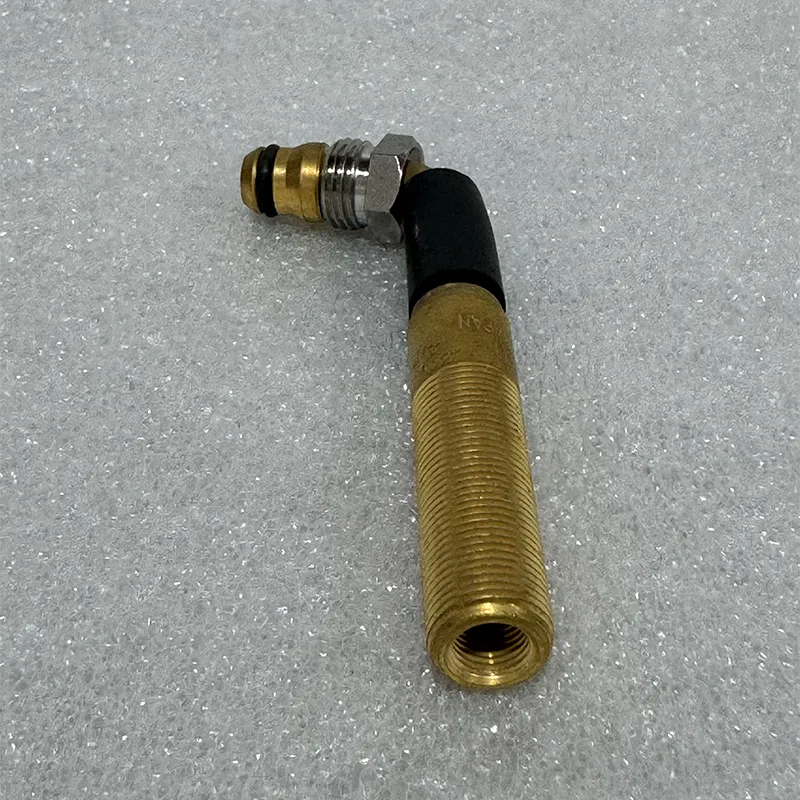 Original komatsu WA200-6 valve stem 09280-10130