
- Chinese
- French
- German
- Portuguese
- Spanish
- Russian
- Japanese
- Korean
- Arabic
- Irish
- Greek
- Turkish
- Italian
- Danish
- Romanian
- Indonesian
- Czech
- Afrikaans
- Swedish
- Polish
- Basque
- Catalan
- Esperanto
- Hindi
- Lao
- Albanian
- Amharic
- Armenian
- Azerbaijani
- Belarusian
- Bengali
- Bosnian
- Bulgarian
- Cebuano
- Chichewa
- Corsican
- Croatian
- Dutch
- Estonian
- Filipino
- Finnish
- Frisian
- Galician
- Georgian
- Gujarati
- Haitian
- Hausa
- Hawaiian
- Hebrew
- Hmong
- Hungarian
- Icelandic
- Igbo
- Javanese
- Kannada
- Kazakh
- Khmer
- Kurdish
- Kyrgyz
- Latin
- Latvian
- Lithuanian
- Luxembou..
- Macedonian
- Malagasy
- Malay
- Malayalam
- Maltese
- Maori
- Marathi
- Mongolian
- Burmese
- Nepali
- Norwegian
- Pashto
- Persian
- Punjabi
- Serbian
- Sesotho
- Sinhala
- Slovak
- Slovenian
- Somali
- Samoan
- Scots Gaelic
- Shona
- Sindhi
- Sundanese
- Swahili
- Tajik
- Tamil
- Telugu
- Thai
- Ukrainian
- Urdu
- Uzbek
- Vietnamese
- Welsh
- Xhosa
- Yiddish
- Yoruba
- Zulu
- Kinyarwanda
- Tatar
- Oriya
- Turkmen
- Uyghur






komatsu 6d125 engine for sale
You see that search term, 'komatsu 6d125 engine for sale', and you think it's straightforward. It's not. That's the first thing you learn after a few years of trying to match engines to machines, especially older Komatsu excavators or dozers. The 6D125 isn't just a part number; it's a legacy. It speaks to a generation of equipment that's still out there working, but the supply chain around it has gotten... complicated. A lot of listings you'll find are for cores, or assemblies missing key components like the injection pump, or worse, they're mislabeled. The real challenge isn't just finding one, it's finding one you can trust to actually run.
The Core Problem with Legacy Komatsu Parts
Here's the rub. Komatsu, understandably, phases out full support for engines this age. The official network might offer a reman, but the cost and lead time can be prohibitive, especially for operations in regions with import challenges. That's where the third-party and OEM-aligned suppliers fill a massive gap. They're not just selling a part; they're solving a logistics and availability puzzle. I've seen projects stall for months waiting for a guaranteed engine that turned out to be a basket case upon arrival.
This is where a company's positioning matters. Take Jining Gaosong Construction Machinery Co., Ltd., for instance. Their setup is interesting. They describe themselves as an OEM product supplier within the Komatsu system and a third-party sales company. That dual role is key. It suggests they have access to genuine channels but also the flexibility to navigate the aftermarket to help solve parts supply challenges in certain countries. That phrase on their site, https://www.takematsumachinery.com, isn't just marketing fluff. It directly addresses the pain point of someone searching for a komatsu 6d125 engine. They're implicitly saying, The official route is blocked? We can build a bridge.
I learned this the hard way. We bought a low-hour 6D125 from a general parts broker. The physical block was fine, but the cylinder head had hairline cracks not visible without a pressure test, and the Denso fuel injection pump was shot. The seller's warranty was basically worthless. We ended up spending nearly as much on rebuilding as we would have on a known-good unit from a specialist. The lesson was to look for suppliers who specifically understand the ecosystem of the engine, not just the inventory number.
What Ready to Run Actually Means
When a specialist supplier lists a komatsu 6d125 engine for sale, the details they do or don't provide tell you everything. Pulled from a running machine is a start, but it's not enough. You need to know: Was it test-run on a stand? Are the critical wear items—like the turbocharger, water pump, and starter—included and confirmed functional? Is the flywheel housing intact? For the 6D125, the configuration for a PC400 excavator versus a D85 dozer has differences in mounting and ancillary drives. A generic listing is a red flag.
A supplier like the one mentioned, operating within the Komatsu OEM sphere, is more likely to have this level of technical specificity. They might list it as a complete assembly with a specific machine model prefix. That detail saves weeks of headaches. I recall a time we got an engine that was supposedly complete, but the mounting brackets were for a different chassis variant. We had to fabricate adapters, which the mechanic hated and added cost we never budgeted for.
The injection system is its own world. The 6D125 often has a mechanical governor and a specific calibration. If you're getting an engine from a supplier that also handles OEM parts, there's a better chance they can either supply a correctly calibrated pump or point you to a shop that can set it up. This isn't a plug-and-play commodity; it's a precision industrial component. Treating it like anything else is asking for a failure on first startup.
Navigating Logistics and Provenance
Let's talk about the actual purchase. Finding the engine is half the battle. Getting it to your site, cleared through customs, and without damage is the other half. This is where a company's experience in certain countries becomes tangible. They should be able to handle crating, documentation (commercial invoice, packing list with correct HS codes), and ideally recommend freight forwarders. A website like takematsumachinery.com that presents clear company info and contact channels is a basic but crucial sign of legitimacy compared to a bare Alibaba listing.
Provenance is everything. A good supplier should be able to give you some history. Not a full biography, but basics: Was this from a decommissioned machine? A fleet upgrade? Is it a remanufactured unit they've built up? I value transparency over a sales pitch. Once, a supplier told me, Look, this one came from a machine with a bad final drive. The engine ran fine, but we replaced the oil seals as a precaution. That honesty was worth more than a dozen perfect condition claims.
Price is, of course, a factor. But with these engines, the cheapest option is almost always the most expensive in the long run. You're not just buying iron; you're buying the supplier's expertise, their quality control, and their ability to support the transaction logistically. A slightly higher price from a known entity like an OEM-aligned supplier often includes those intangibles. It's insurance.
The Real-World Fit and Final Considerations
Before you commit, you have to think about fitment beyond the bolt holes. Electrical interfaces, throttle linkages, exhaust outlet orientation—these can all vary. The best suppliers provide photos from multiple angles, not just stock images. They should be willing to send you specific shots of the serial number tag, the flywheel face, and the accessory side. If they balk at that, walk away.
Then there's the post-sale. What's the warranty? One month? Three? What does it cover? Is it a replacement warranty or a we'll help you fix it warranty? Big difference. A company that is part of a larger system, like the Jining Gaosong operation, may have more structured support, even for third-party sales, because their reputation within that ecosystem is on the line.
So, circling back to that initial search. Your goal shouldn't just be to find a komatsu 6d125 engine for sale. Your goal should be to find a solution that gets your machine back to work reliably. That means vetting the supplier as much as the part. Look for those with stated expertise in overcoming supply challenges, clear operational history, and a focus on the technical specifics. It turns a risky gamble into a calculated procurement. The right engine is out there; it's just rarely the one in the flashiest, most generic ad.
Related Products
Related Products

Best Selling Products
Best Selling Products-
 Komatsu 195-06-55120 Switch, price for original and… — Pricing.Parts
 -
 Compatible for Komatsu D61EX-16 D61PX-16 D65PX-17 D65EX-17 GD755-5R Bulldozer Fan Pump 708-1S-00460
 -
 D65PX-15 Gear shaft 14X-12-11411
 -
 Door Lock Assembly 20Y-54-52820 Latch 20Y-53-12201 Handle Ass’s 20Y-54-52300 for Komatsu PC220-8
 -
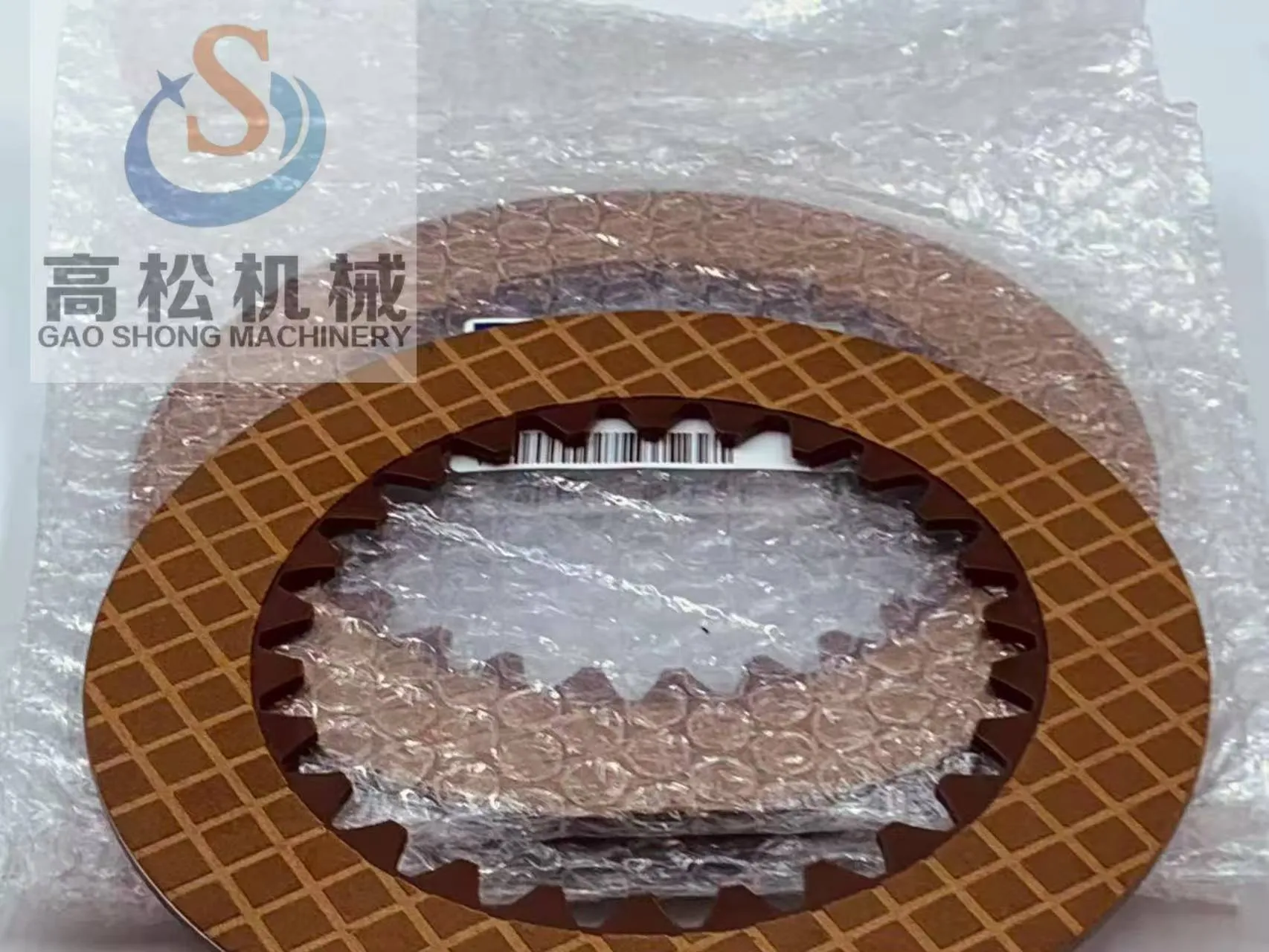 14-07-40010 714-07-48540 421-62-45450 spare parts for front loader wa470-6 hydraulic transformer and coupling transmission 714-07-49731
 -
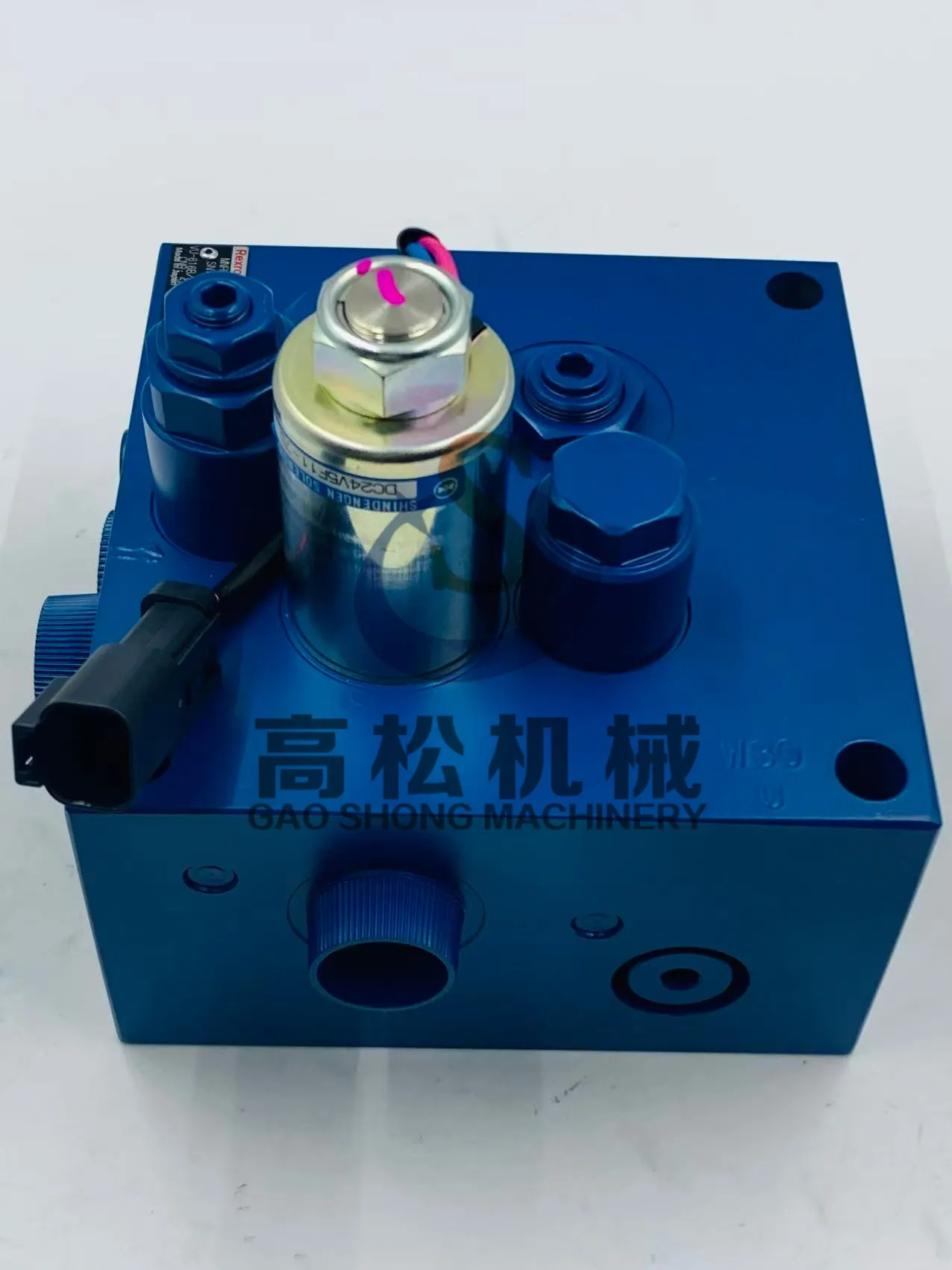 Komatsu HM300 Valve Assembly 56D-43-37101
 -
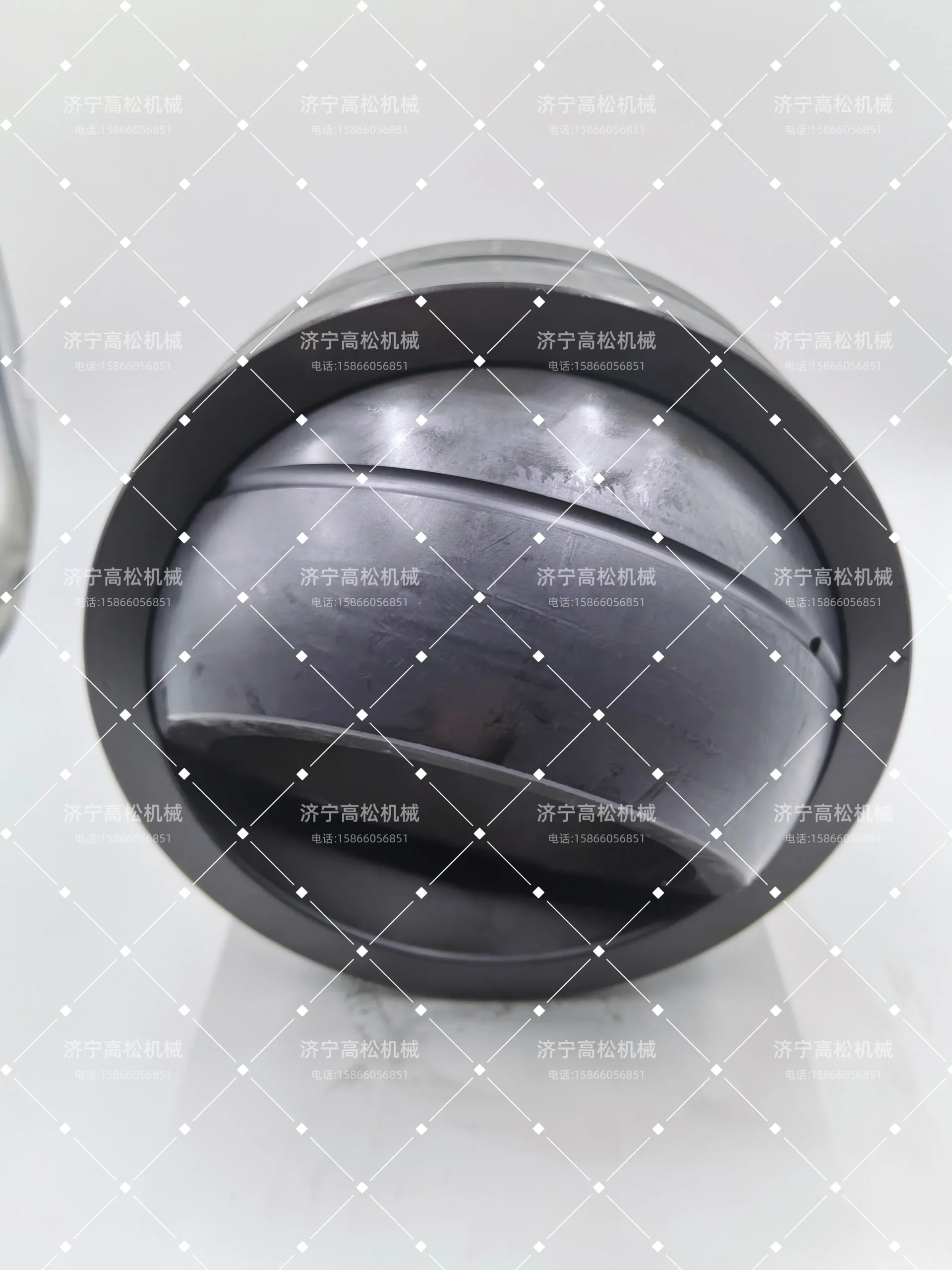 707-46-14010 Spherical Bearing for Komatsu Equipment…
 -
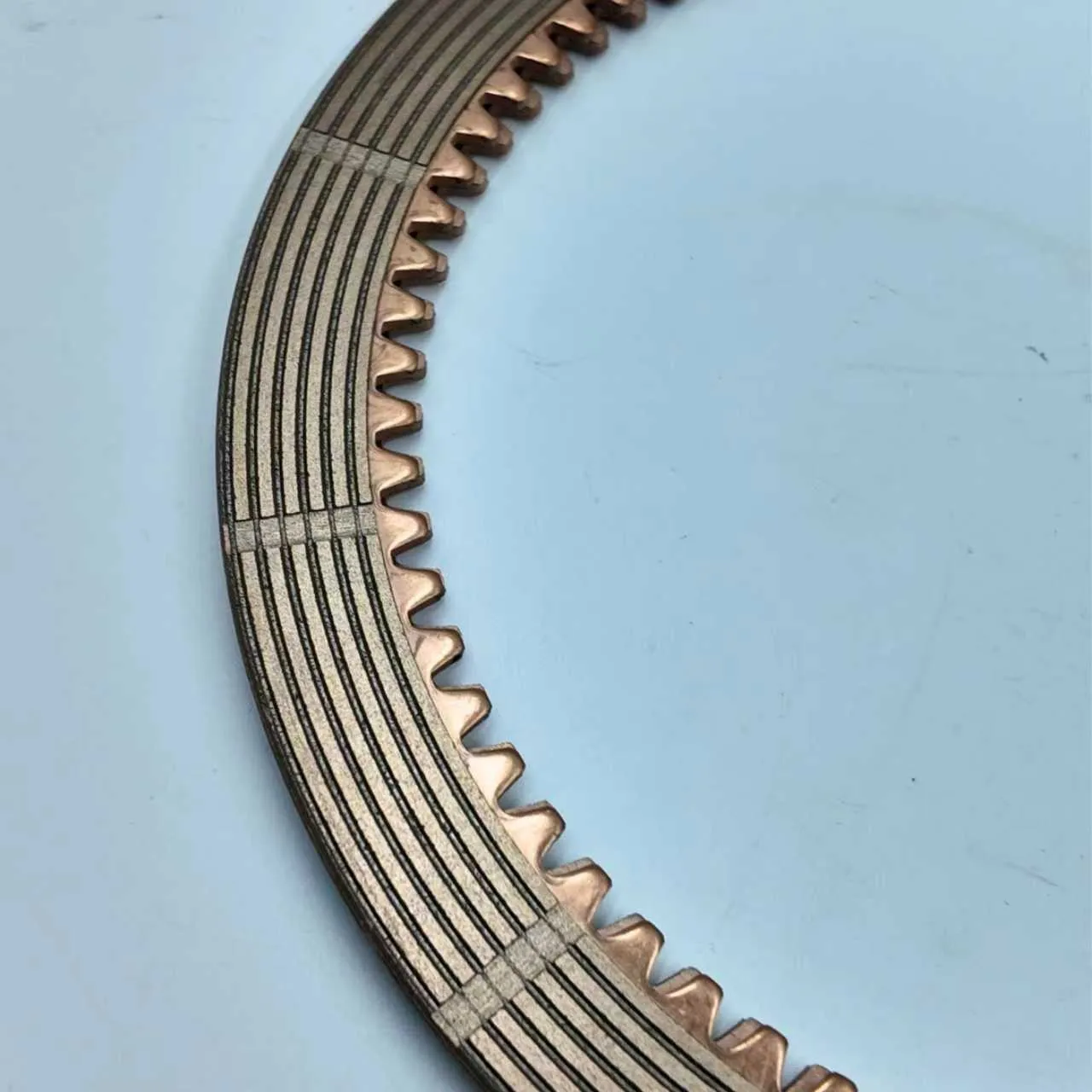 23S-15-12710 Komatsu Disc
 -
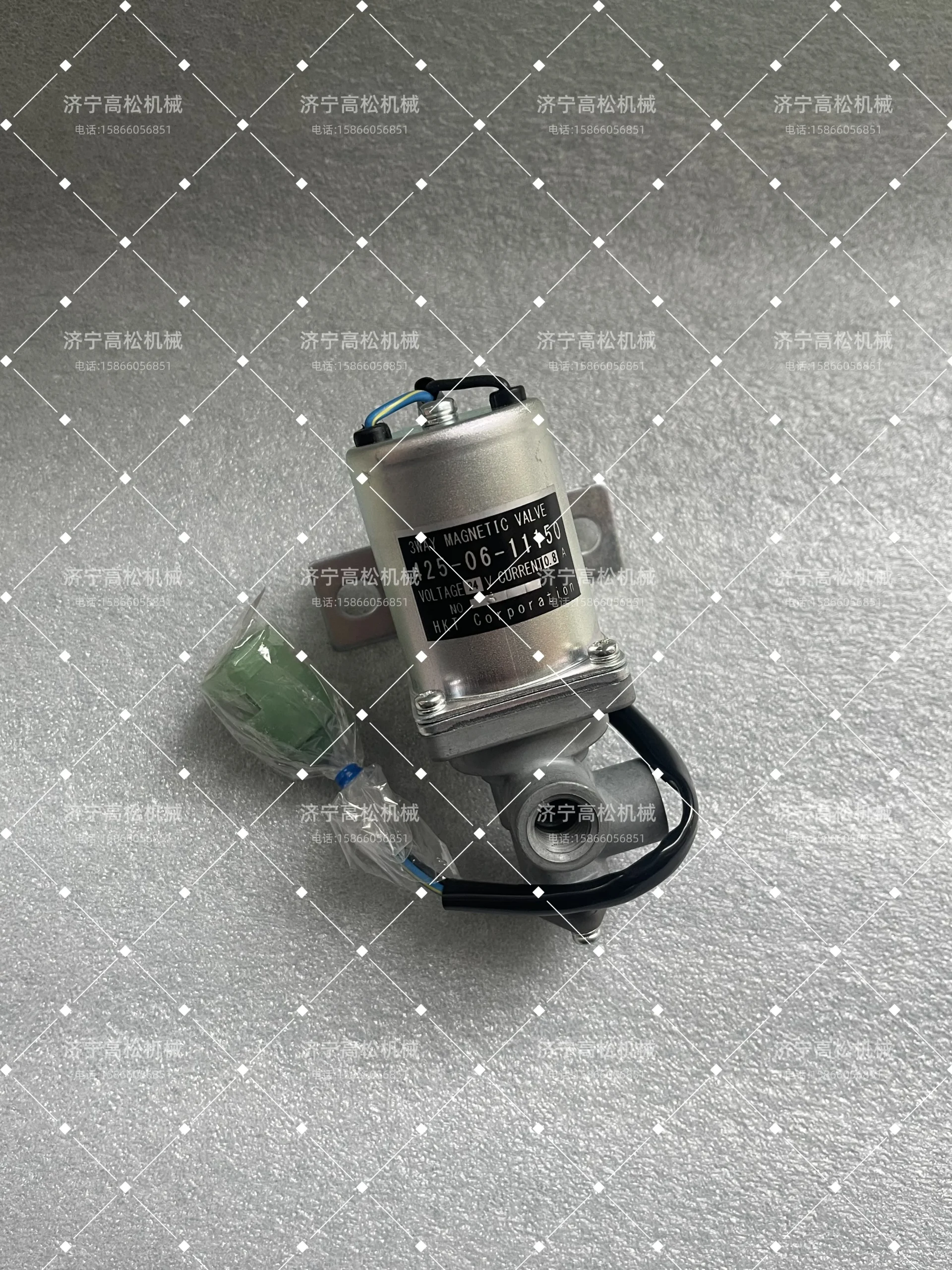 Reliable Cost-Effective Original New 425-06-11150 VALVE for…
 -
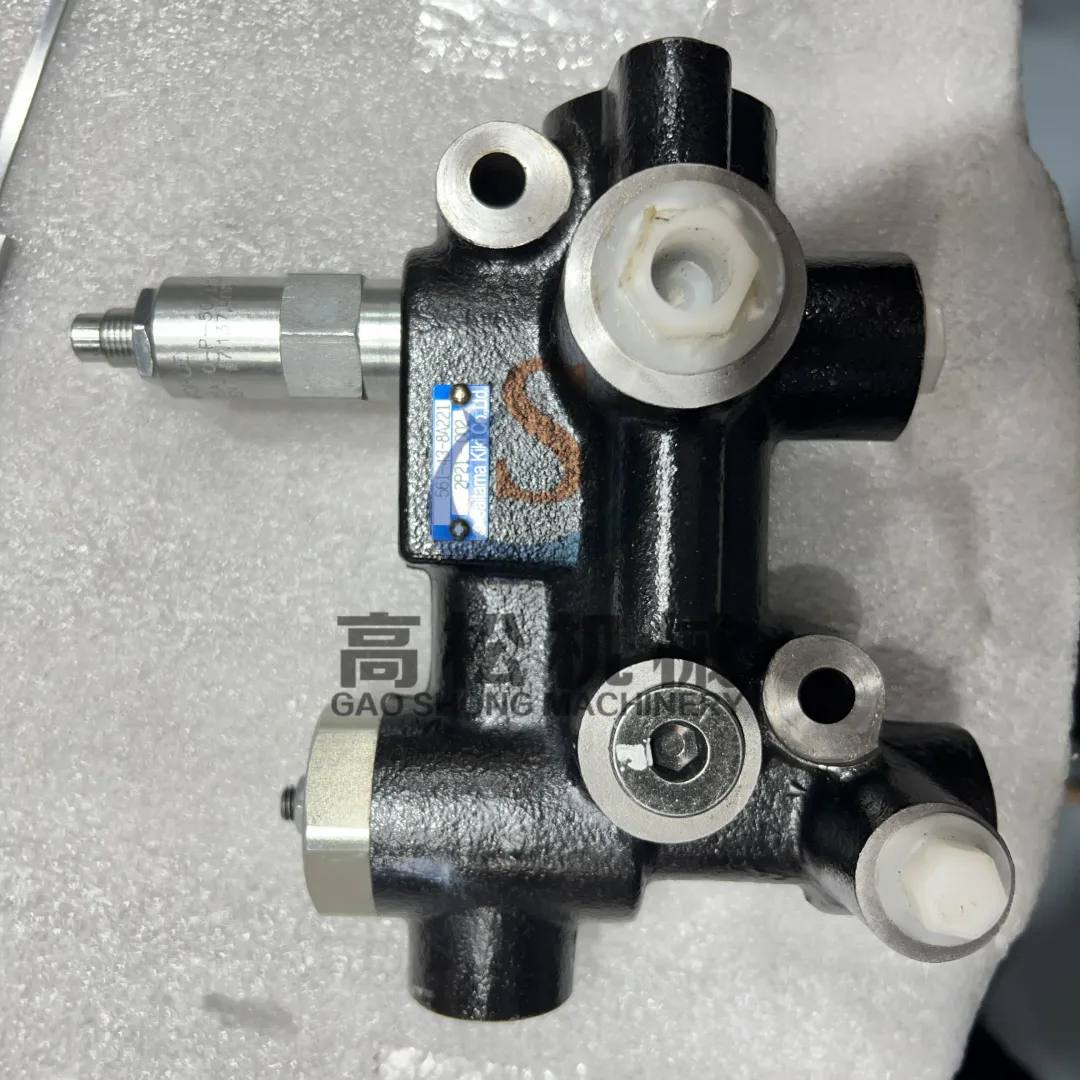 561-43-8A221 Komatsu Valve Assembly, Accumulator Charge
 -
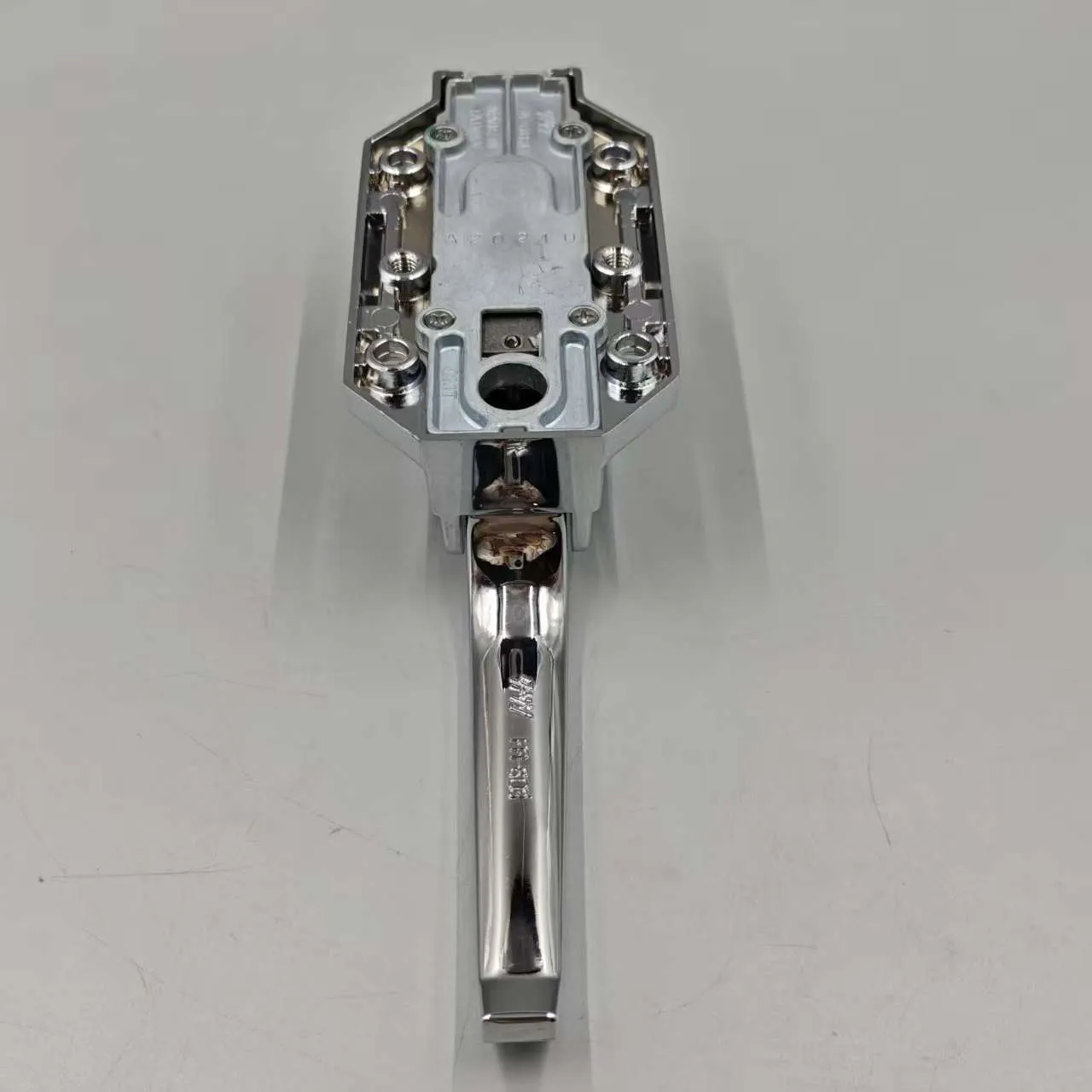 21T-54-35421 Komatsu Handle
 -
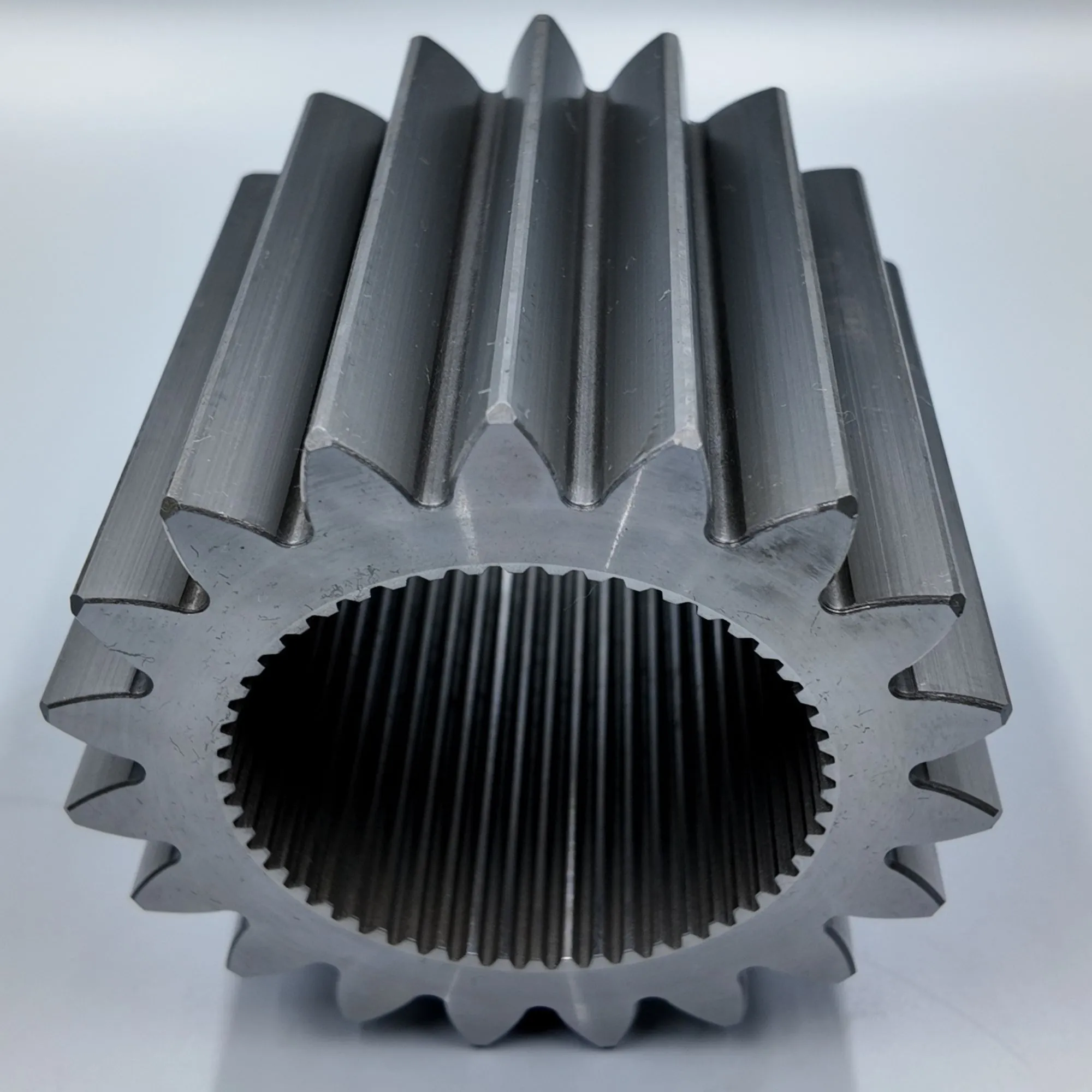 426-22-12421 •• GEAR-Komatsu Original Factory