
- Chinese
- French
- German
- Portuguese
- Spanish
- Russian
- Japanese
- Korean
- Arabic
- Irish
- Greek
- Turkish
- Italian
- Danish
- Romanian
- Indonesian
- Czech
- Afrikaans
- Swedish
- Polish
- Basque
- Catalan
- Esperanto
- Hindi
- Lao
- Albanian
- Amharic
- Armenian
- Azerbaijani
- Belarusian
- Bengali
- Bosnian
- Bulgarian
- Cebuano
- Chichewa
- Corsican
- Croatian
- Dutch
- Estonian
- Filipino
- Finnish
- Frisian
- Galician
- Georgian
- Gujarati
- Haitian
- Hausa
- Hawaiian
- Hebrew
- Hmong
- Hungarian
- Icelandic
- Igbo
- Javanese
- Kannada
- Kazakh
- Khmer
- Kurdish
- Kyrgyz
- Latin
- Latvian
- Lithuanian
- Luxembou..
- Macedonian
- Malagasy
- Malay
- Malayalam
- Maltese
- Maori
- Marathi
- Mongolian
- Burmese
- Nepali
- Norwegian
- Pashto
- Persian
- Punjabi
- Serbian
- Sesotho
- Sinhala
- Slovak
- Slovenian
- Somali
- Samoan
- Scots Gaelic
- Shona
- Sindhi
- Sundanese
- Swahili
- Tajik
- Tamil
- Telugu
- Thai
- Ukrainian
- Urdu
- Uzbek
- Vietnamese
- Welsh
- Xhosa
- Yiddish
- Yoruba
- Zulu
- Kinyarwanda
- Tatar
- Oriya
- Turkmen
- Uyghur






komatsu 6d105 engine
When you hear 'Komatsu 6D105 engine', a lot of folks immediately picture the backbone of older Komatsu dozers and excavators, like the D65 or the PC200. That's right, but it's also where the first common mistake lies: assuming they're all the same. Over its production run, there were variations in injection pumps, turbo configurations, and even internal components like piston ring designs. I've seen mechanics order parts for a '6D105' only to find they don't fit because the sub-model or serial number prefix wasn't checked. It's a solid, torquey engine, no doubt, but its longevity hinges on a few specifics that aren't always in the manual.
Core Strengths and the Real-World Wear Patterns
The Komatsu 6D105 engine was built for lugging power. Its low-RPM torque curve meant it could handle sudden loads in a dozer without stalling. But this characteristic also meant it spent a lot of time under high cylinder pressure. The area I've consistently seen wear first isn't the main bearings—they're tough—but the valve guides and the top ring land on the pistons. If you're doing an in-frame overhaul and just slap in new rings and liners without checking valve stem clearance, you'll be chasing oil consumption issues within a few hundred hours. It's a lesson learned the hard way on a PC200-3 project years ago.
Another point often overlooked is the cooling system. The 6D105 runs warm, and the original radiators, especially in machines working in fine particulate environments, clog internally with scale and sediment long before the fins corrode. We had a D65E-6 that kept running hot even after a new water pump. Only a full radiator chemical flush and reverse flow cleaning brought the temperature gauge back to normal. It's not an engine flaw per se, but a maintenance reality that accelerates wear if ignored.
Then there's the fuel system. The Bosch-type injection pump is generally reliable, but its drive gear on the front gear train can develop backlash. This doesn't always lead to a catastrophic failure. Instead, you get a slight timing lag, a loss of that crisp low-end response, and increased fuel consumption. Diagnosing it requires pulling the front cover, which is a big job, so it often gets blamed on 'a tired pump' and is swapped unnecessarily.
The Parts Puzzle and Sourcing Headaches
This is where experience turns into practical problem-solving. Finding genuine parts for these older engines can be a real challenge, especially outside major markets. You'll find plenty of aftermarket kits, but the quality variance is huge. I once used a piston set where the ring groove dimensions were off by a few thousandths—just enough to cause blow-by within 500 hours. It was a costly rebuild to do twice.
That's why having a reliable source for OEM-spec parts changes the game. For instance, in our work with Jining Gaosong Construction Machinery Co., Ltd., we leverage their position as an OEM product supplier within the Komatsu system. It means the cylinder liners or gasket sets they provide aren't just 'will-fit' parts; they're often from the same production lines that supplied Komatsu's original assembly. This is crucial for engines like the 6D105, where tolerances are everything. You can check their inventory at their portal, https://www.takematsumachinery.com, especially when looking for those hard-to-find sub-model specific components.
Their role as a third-party sales company for Komatsu also helps bridge the gap in regions where official distribution is thin. I recall needing a specific front crankshaft seal housing for a 6D105 in a remote mining site. The local Komatsu dealer quoted a 12-week lead time. Through a channel like Gaosong, which focuses on helping to solve parts supply challenges in certain countries, we sourced a genuine part and had it air-freighted in 10 days. It kept the machine from being cannibalized for parts.
Turbocharger Considerations: More Than Just a Bolt-On
The turbo on the 6D105 isn't particularly complex, but its integration is. Early models had a simpler wastegate, later ones moved to a more integrated design. The big issue is oil coking in the center cartridge if the machine is shut down hot repeatedly. I advise operators to idle for three to five minutes, no matter how rushed they are. It's cheap insurance.
When replacing, matching the compressor map is critical. An off-the-shelf 'replacement' turbo might bolt on but can either choke the engine at high RPM or not provide enough boost at low end, killing the torque. Always cross-reference the Komatsu part number or, better yet, measure the compressor and turbine wheel specifications against the old unit. A supplier with technical knowledge, rather than just a parts catalog, is invaluable here.
Oil and Filtration: The Lifeline
Komatsu specified their own oil for a reason. The anti-foaming and shear stability properties were tailored to the gear-driven cam and injection pump. Using a generic CF-4 15W-40 might be okay, but I've observed slightly higher cam lobe wear patterns with some brands. I've settled on using a major brand's diesel engine oil that meets Komatsu's original specification, not just the generic API class.
The full-flow and bypass filters are another detail. The bypass filter on the 6D105 does a lot of work catching fine soot. Neglecting to change it, or replacing it with a filter that has a poor bypass valve design, leads to accelerated wear. I mark filter changes with paint pens right on the filter housing—date and meter hours—to avoid any doubt in fleet maintenance.
Final Thoughts: Respecting the Design
The Komatsu 6D105 engine isn't a modern, electronically managed powerplant. It's a mechanical beast that rewards attentive, knowledgeable care. Its weaknesses are well-known and predictable: cooling system integrity, precise fuel timing, and using components that match its original design intent. Trying to cut corners on parts quality or ignoring those specific wear patterns is a sure way to turn a 15,000-hour engine into an 8,000-hour problem child.
Success with these engines comes down to respecting their era and design philosophy. It means sourcing parts with provenance, understanding the operational context that causes wear, and not applying generic diesel maintenance wisdom. For those keeping older Komatsu iron running profitably, mastering the nuances of the 6D105 isn't just technical work—it's a necessary piece of operational economics. And having a direct line to OEM-level parts supply through partners who understand the landscape, like the team at Jining Gaosong, often makes the difference between a machine that's down for months and one that's back on the job next week.
Related Products
Related Products

Best Selling Products
Best Selling Products-
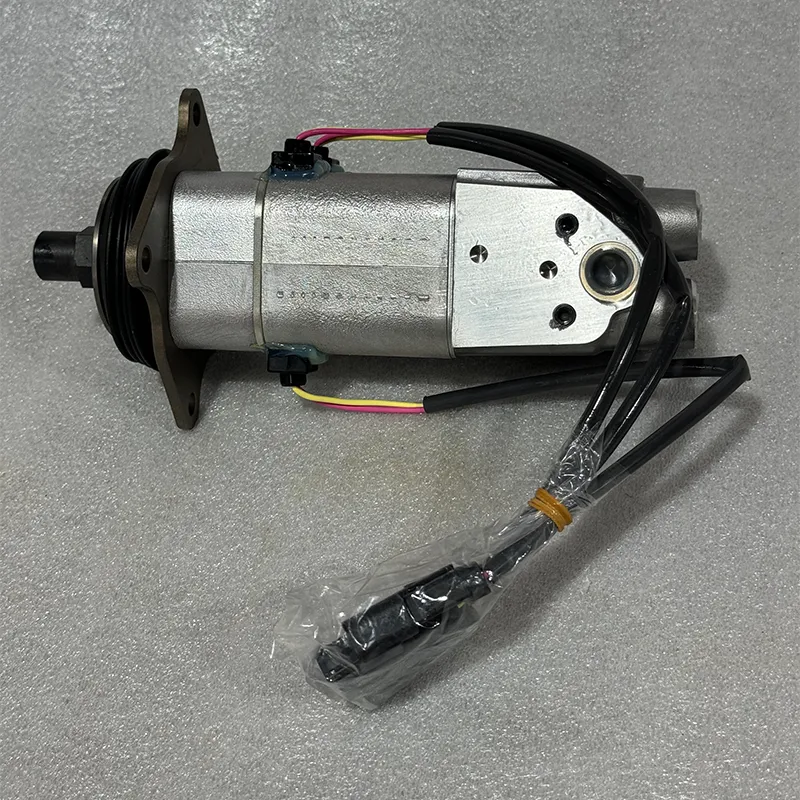 Original komatsu WA480-6 Pilot Valve 702-16-03461
 -
 427-16-21120 Komatsu Head Cover Assembly
 -
 6219- 61- 3420 Komatsu factory belt
 -
 07053-10000 Cap-Radiator Fits KOMATSUU Models
 -
 Komatsu bulldozer D65P-12 gasket 14X-30-13241 14X-30-13240
 -
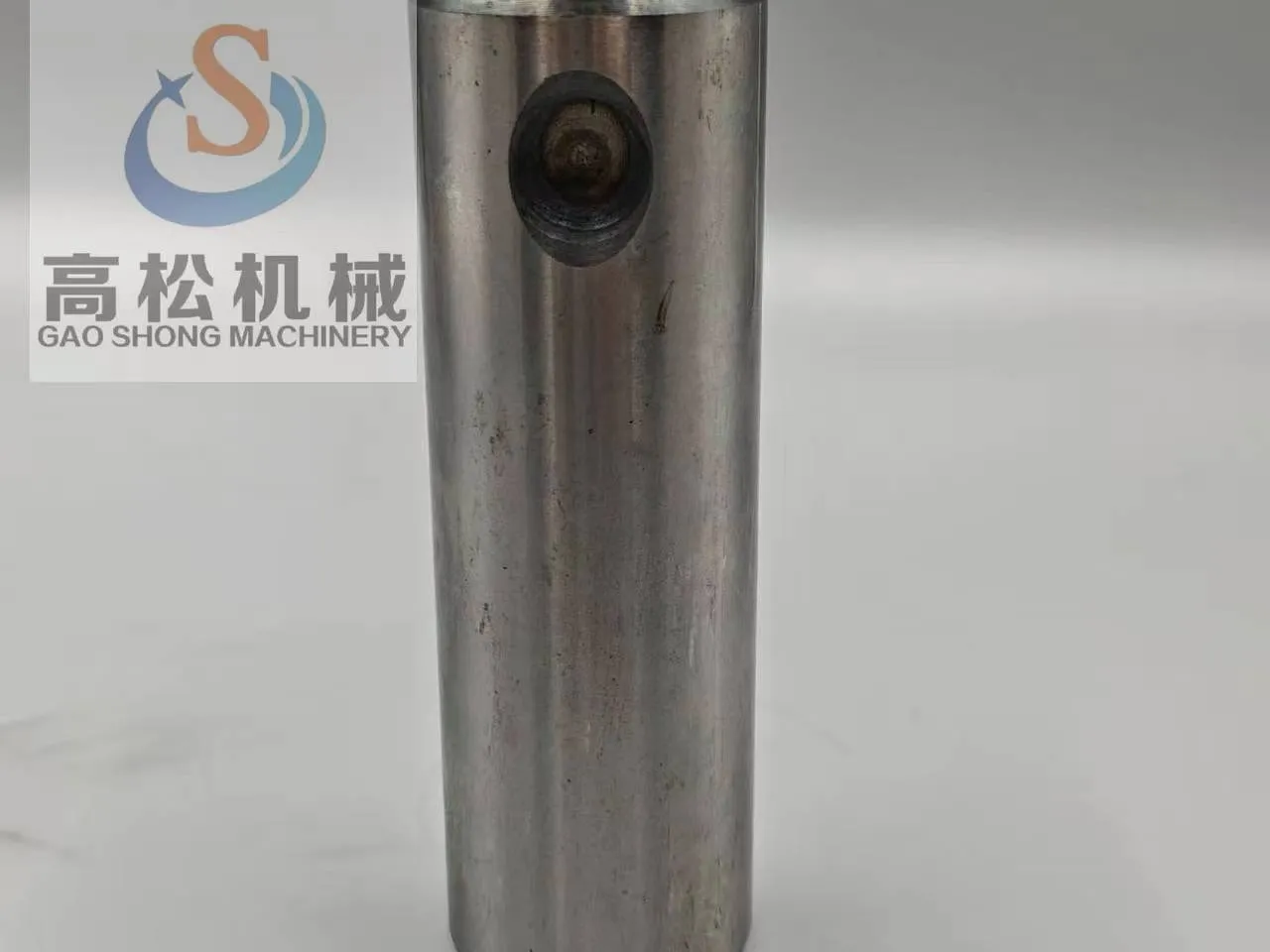 Komatsu Pin, 20Y-27-31160 Komatsu Sales, 20Y-27-31160
 -
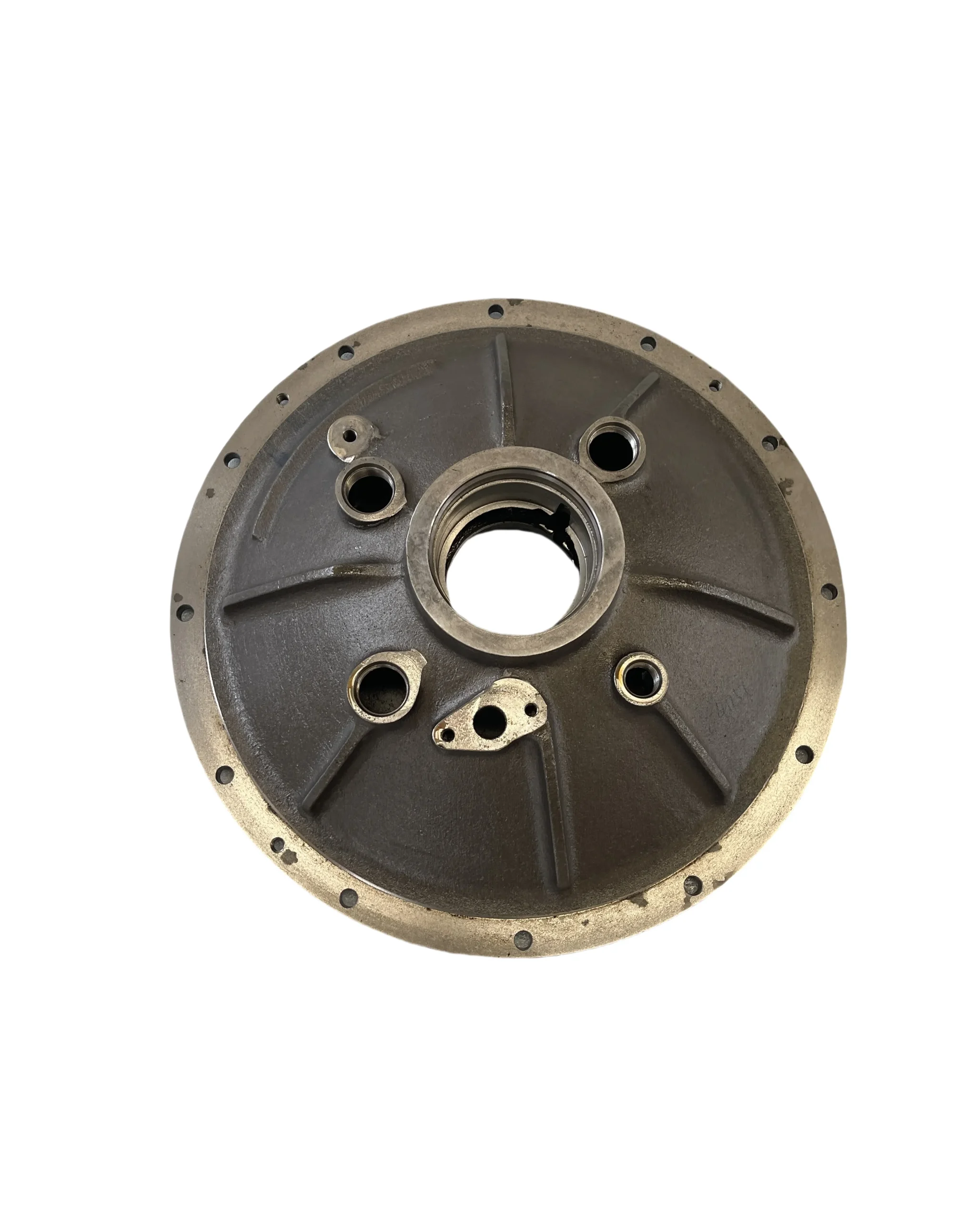 17M-12-41150 cover for Komatsu D275A-5
 -
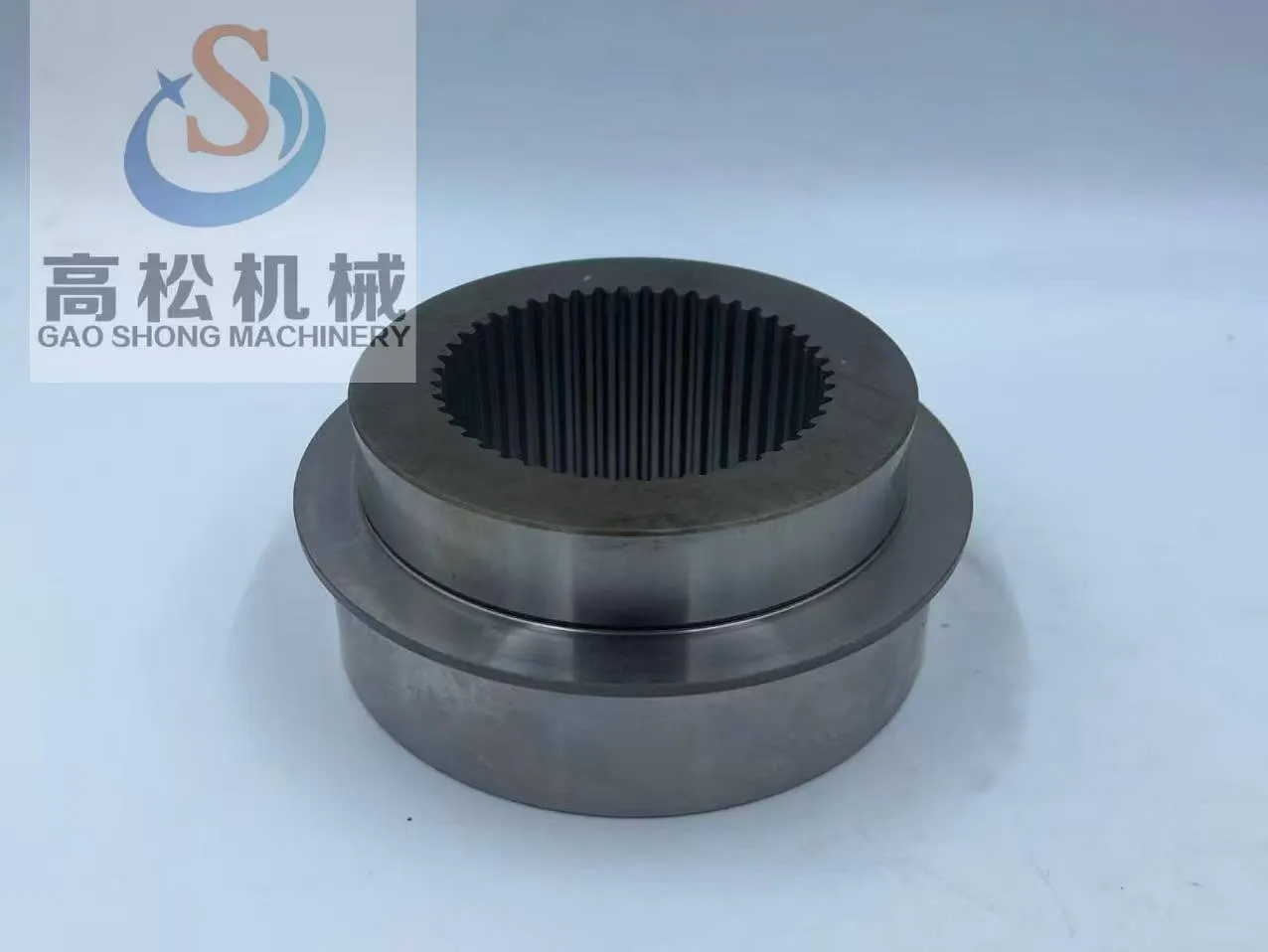 Original separator 195-15-82570 for d375a-5 domer komatsu
 -
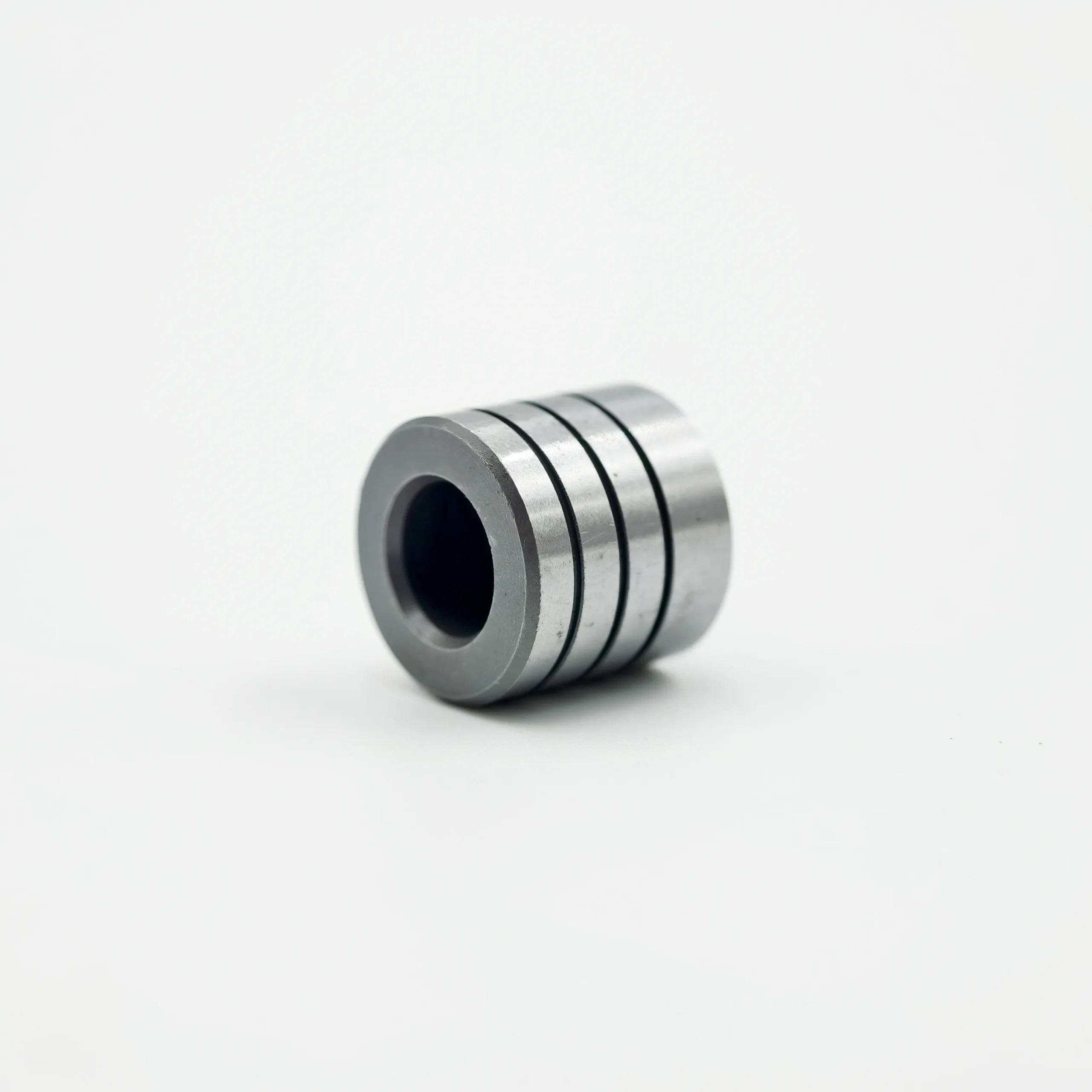 Valve 104-15-25480 – KOMATSU
 -
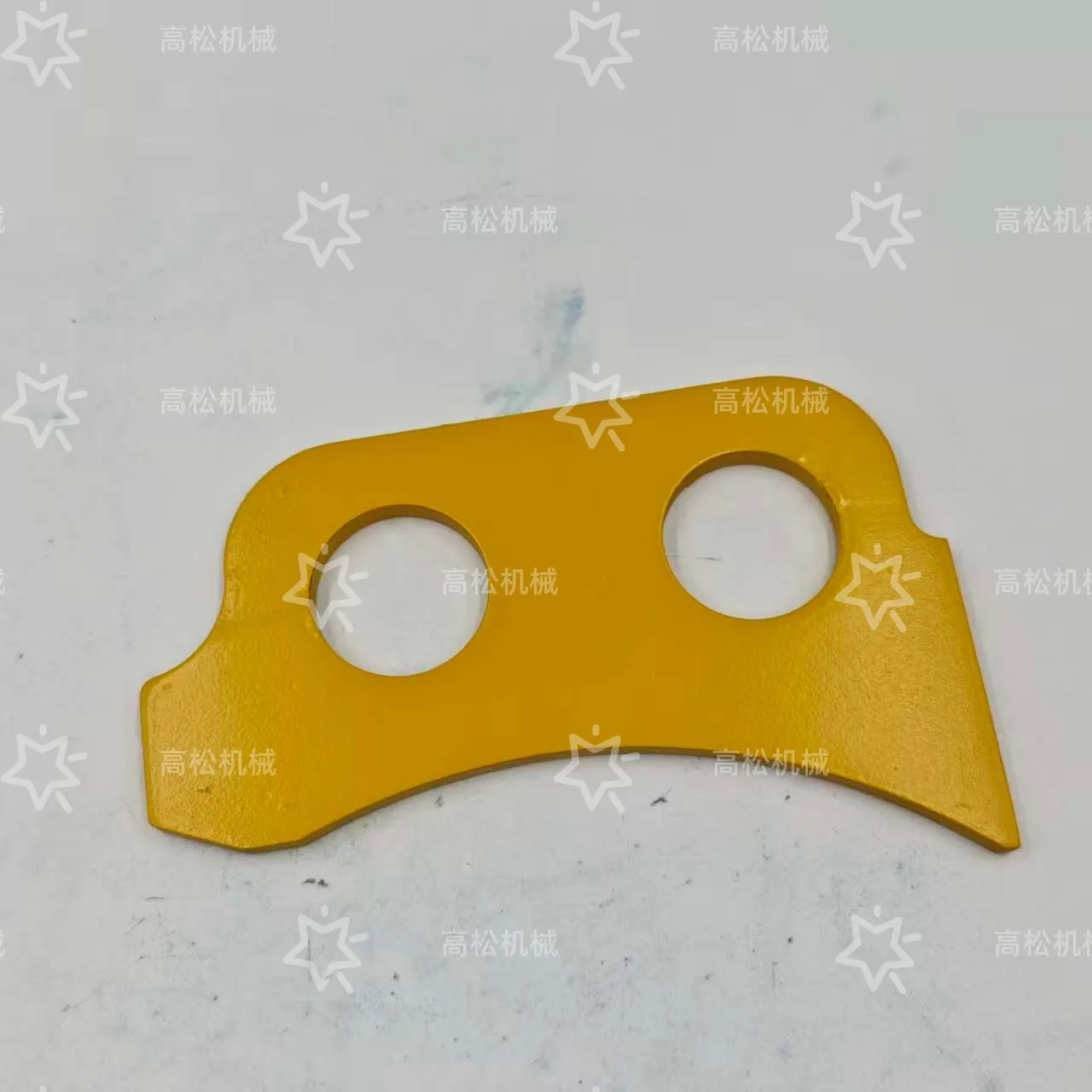 PLATE 195-71-74260Komatsu parts
 -
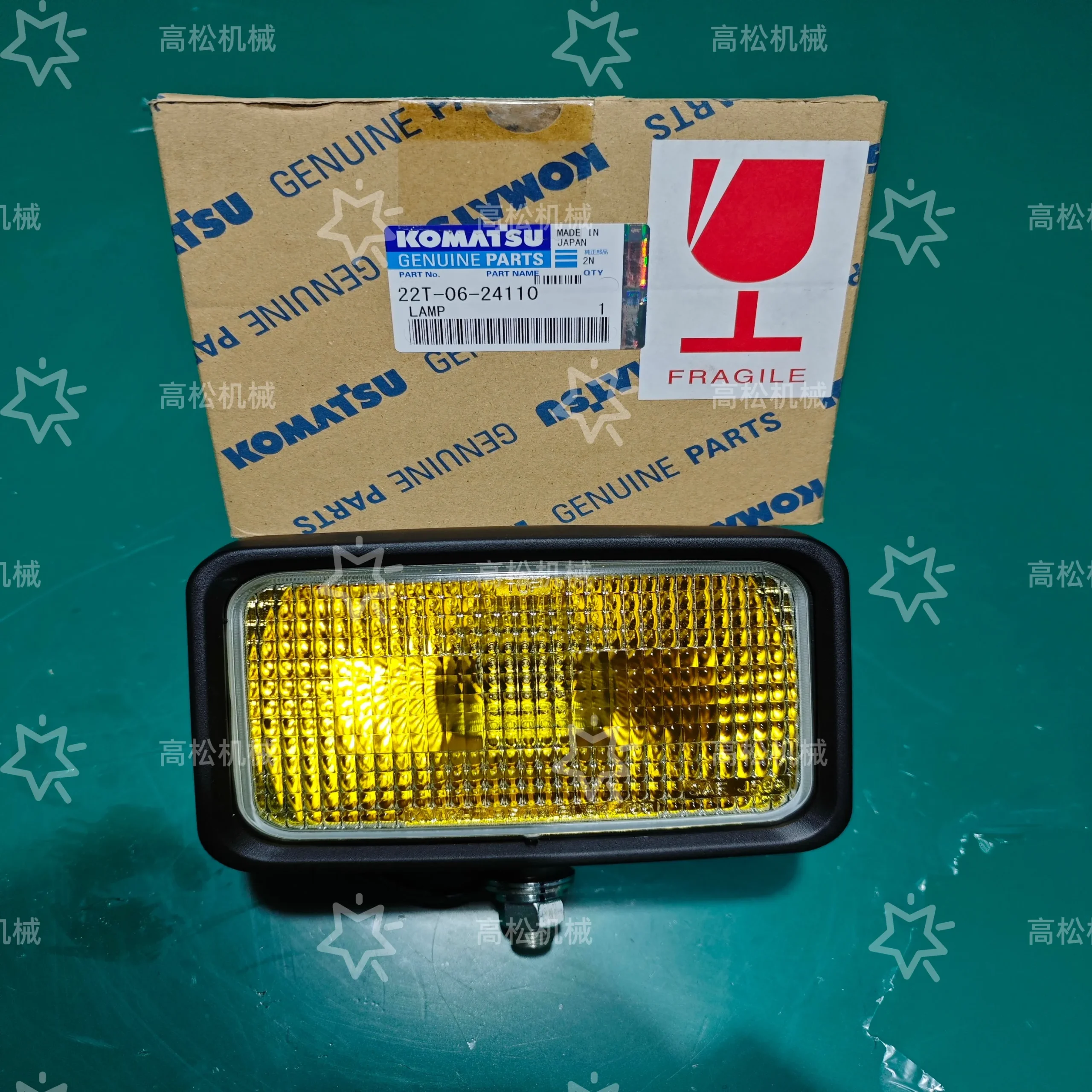 LAMP 22T-06-24110 – KOMATSU
 -
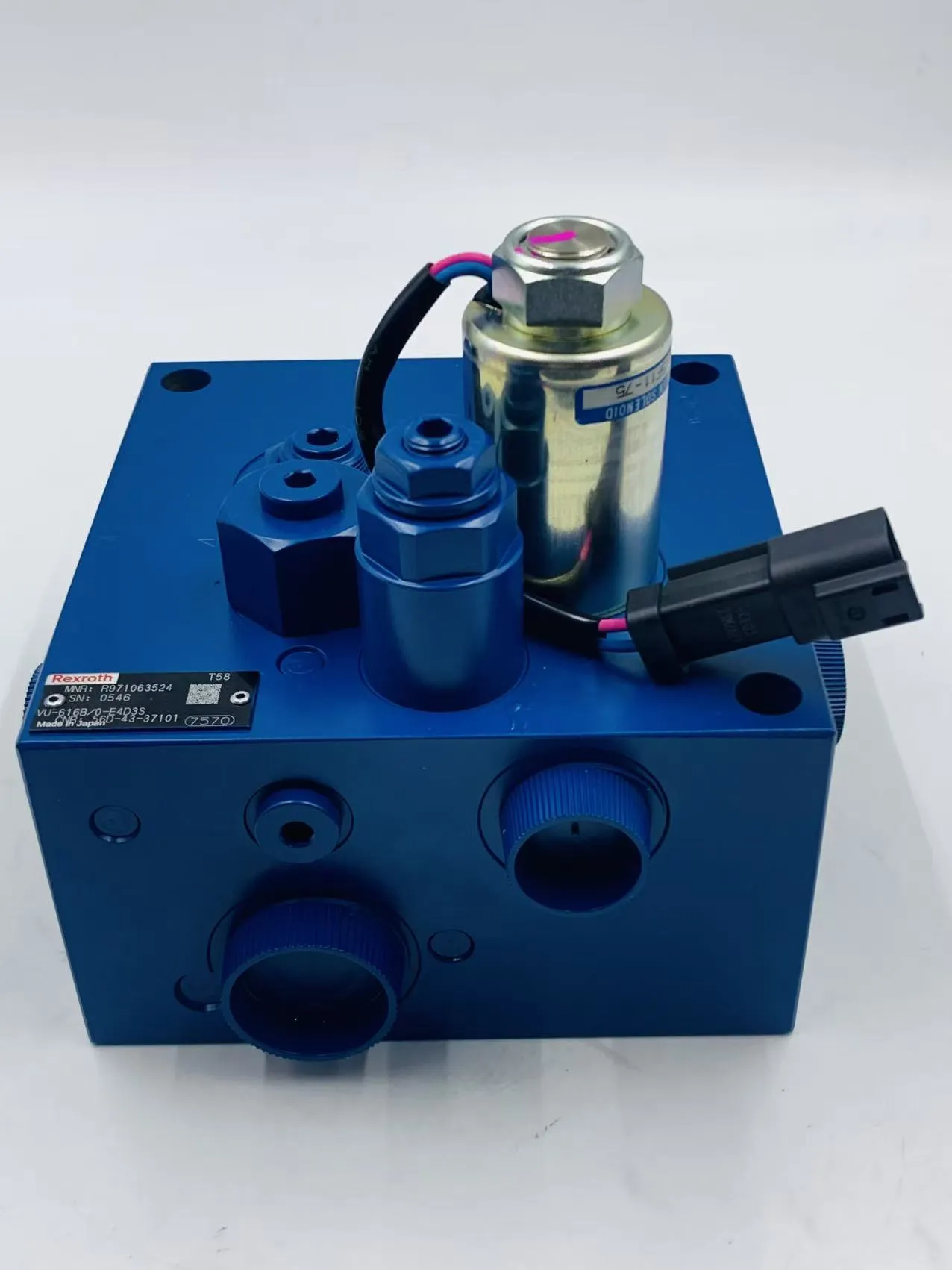 56D-43-37101 Valve Assembly, Charge for HM300 Komatsu Dump Truck Parts High Quality Original Factory
Related Search
Related Search- OEM AND ORIGINAL KOMATSU WIRING HARNESS 195-06-84232
- komatsu d41e 6 parts
- komatsu fg25t 11 parts
- 195-15-12580
- 700-89-66000 RELIEF VALVE-Komatsu Original Factory
- 6245-51-8120
- komatsu d155a engine
- Komatsu electric drive system parts
- OEM AND ORIGINAL KOMATSU WIRING HARNESS 21N-06-41132
- OEM AND ORIGINAL KOMATSU BUSHING 707-46-14010