
- Chinese
- French
- German
- Portuguese
- Spanish
- Russian
- Japanese
- Korean
- Arabic
- Irish
- Greek
- Turkish
- Italian
- Danish
- Romanian
- Indonesian
- Czech
- Afrikaans
- Swedish
- Polish
- Basque
- Catalan
- Esperanto
- Hindi
- Lao
- Albanian
- Amharic
- Armenian
- Azerbaijani
- Belarusian
- Bengali
- Bosnian
- Bulgarian
- Cebuano
- Chichewa
- Corsican
- Croatian
- Dutch
- Estonian
- Filipino
- Finnish
- Frisian
- Galician
- Georgian
- Gujarati
- Haitian
- Hausa
- Hawaiian
- Hebrew
- Hmong
- Hungarian
- Icelandic
- Igbo
- Javanese
- Kannada
- Kazakh
- Khmer
- Kurdish
- Kyrgyz
- Latin
- Latvian
- Lithuanian
- Luxembou..
- Macedonian
- Malagasy
- Malay
- Malayalam
- Maltese
- Maori
- Marathi
- Mongolian
- Burmese
- Nepali
- Norwegian
- Pashto
- Persian
- Punjabi
- Serbian
- Sesotho
- Sinhala
- Slovak
- Slovenian
- Somali
- Samoan
- Scots Gaelic
- Shona
- Sindhi
- Sundanese
- Swahili
- Tajik
- Tamil
- Telugu
- Thai
- Ukrainian
- Urdu
- Uzbek
- Vietnamese
- Welsh
- Xhosa
- Yiddish
- Yoruba
- Zulu
- Kinyarwanda
- Tatar
- Oriya
- Turkmen
- Uyghur






Komatsu 6162-65-4100
You see a part number like Komatsu and it's easy to just think of it as a line item on a bill of materials. But in the field, especially when you're dealing with older or less common machines, that string of digits becomes a story. It's a hydraulic pump gear for certain mid-range Komatsu excavators, I believe the PC200-6/PC220-6 series are the main ones. The common mistake is assuming any gear with roughly the same dimensions will do. I've seen that fail, and it's never cheap.
The Reality of OEM vs. The Aftermarket
When you're sourcing a part like the , the first question is always OEM or aftermarket. The pure Komatsu part is, of course, the gold standard. The metallurgy, the heat treatment, the tolerances—they're all predictable. But the reality for many operations, particularly in regions with complex supply chains or for machines that are technically obsolete in Komatsu's primary markets, is that the official channel can be a dead end or come with a lead time that halts a project.
This is where the ecosystem of specialized suppliers comes in. Companies that understand the nuance. For instance, I've worked with Jining Gaosong Construction Machinery Co., Ltd. (you can find them at https://www.takematsumachinery.com). Their model is interesting because they sit in a hybrid space. They are an OEM product supplier within the Komatsu system, which means they have access to genuine lines, but they also operate as a third-party sales company for Komatsu. This dual role is crucial. It means they're not just box-shifters; they understand the pressure of solving parts supply challenges in certain countries. When you call about a Komatsu , they can tell you the genuine stock status, but also likely have a vetted alternative that won't grenade your pump housing.
The key is their understanding of the Komatsu system. It's not just about having a catalog. It's about knowing which serial number ranges had subtle changes, or if there's a service bulletin that supersedes this part with a modified version. A generic aftermarket seller won't have that depth. I recall a job in Southeast Asia where we installed a non-OEM gear for a PC220-6. It fit, it ran, but within 200 hours there was a harmonic whine that led to premature bearing wear. The issue wasn't the gear's basic shape; it was the tooth profile and finish. The supplier we used then didn't have the engineering liaison to flag that.
On-Site Judgement and Failure Analysis
Let's talk about why this specific gear matters. The isn't a wear item you change on a schedule like a filter. It's a core component. You're usually replacing it because of a catastrophic failure elsewhere—metal contamination in the hydraulic system, a seized bearing sending shock loads through the gear train. So, the install is never just about the gear itself.
You have to be a detective. If you're putting in a new gear, you must find the root cause. Was there a flaw in the original? Unlikely. More often, it's a symptom. I learned this the hard way early on. Replaced the gear, flushed the system, got the machine back online. Two weeks later, same failure. Turned out a tiny scoring in the pump housing we'd missed was creating just enough metal flake to re-contaminate and start the process over. The gear was the victim, not the culprit.
This is where having a supplier that provides more than a part is valuable. The good ones will ask about the failure mode. They might suggest checking the mating gear's hardness or the shaft runout. They're thinking about the assembly, not just the sale. When I've sourced from a knowledgeable partner, the conversation goes beyond price and delivery. It becomes a technical brief.
The Nuance of Genuine and Quality
There's a spectrum of quality in non-OEM parts. For a critical component like a pump gear, you can't use the bottom tier. But the top-tier aftermarket, sometimes called OEM-equivalent, can be a valid choice. The judgement call hinges on machine criticality, downtime cost, and remaining machine life.
For a fleet machine that's scheduled for replacement in a year? A high-quality alternative to the Komatsu might be the most economical decision. For a primary production machine expected to run another 10,000 hours? You fight for the genuine part, even if you have to wait. The supplier's role is to give you that choice clearly. A site like takematsumachinery.com, by being upfront about their dual OEM/third-party role, sets that expectation. You know they can offer both paths.
I remember evaluating a certified alternative gear. The specs sheet looked perfect. But under a magnifying glass, the chamfer on the tooth edges was inconsistent. That's a stress riser waiting to happen. It's those minute details that separate a part that works from a part that lasts. An OEM-aligned supplier is more likely to have their quality control aligned with those subtleties, even on their third-party lines.
Logistics and the Real-World Supply Chain
All this technical talk is irrelevant if the part is stuck in a port. The promise of companies focusing on certain countries is logistics mastery. It's not just about shipping a box. It's about navigating customs, understanding local certification requirements, and having the paperwork in perfect order. A gear is a heavy, precision object. It needs to be packed to survive rough handling and humidity.
I've had parts arrive with surface rust because of poor packaging in a maritime environment. The supplier blamed the shipping company, but a truly experienced player knows how to pack for the specific route. They use VCI paper, proper desiccants, and crush-proof boxing. It sounds simple, but it's a mark of professionalism. When a supplier's business model is built on solving supply challenges, their logistics network is their product as much as the part is.
Speed is the other factor. Sometimes, you need the part yesterday. A supplier with regional warehouses or consolidated shipping agreements can turn a 4-week lead time into 10 days. That's the difference between a minor downtime event and a major financial penalty. Their website might not shout about it, but their operations team knows which levers to pull.
Closing the Loop: From Purchase to Performance
So you've sourced the gear, from an OEM channel or a trusted third-party. It's installed. The job isn't done. You need to monitor. The first 50 hours are critical. Listen for unusual noises, monitor hydraulic fluid temperature and pressure. Take fluid samples. This post-installation period is the final validation of your sourcing decision.
If the gear is the genuine Komatsu , you expect silence, literally and figuratively. If it's an alternative, you're watching closely for any deviation. This data point informs your next decision. It builds your own internal database of what works and what doesn't, and which suppliers gave you a part that performed as promised.
Ultimately, a part number is a key to a system. Dealing with something like the forces you to engage with that entire system—engineering, logistics, supply chain strategy, and on-site maintenance philosophy. It's never just a gear. It's a test of your network and your own judgement. The right supplier doesn't just sell you a component; they become a part of that support system, helping to navigate the gap between the ideal OEM world and the practical realities of keeping iron moving on the ground.
Related Products
Related Products


Best Selling Products
Best Selling Products-
 195-06-23110 – GAUGE, WATER TEMP 1950623110 fits KOMATSU
 -
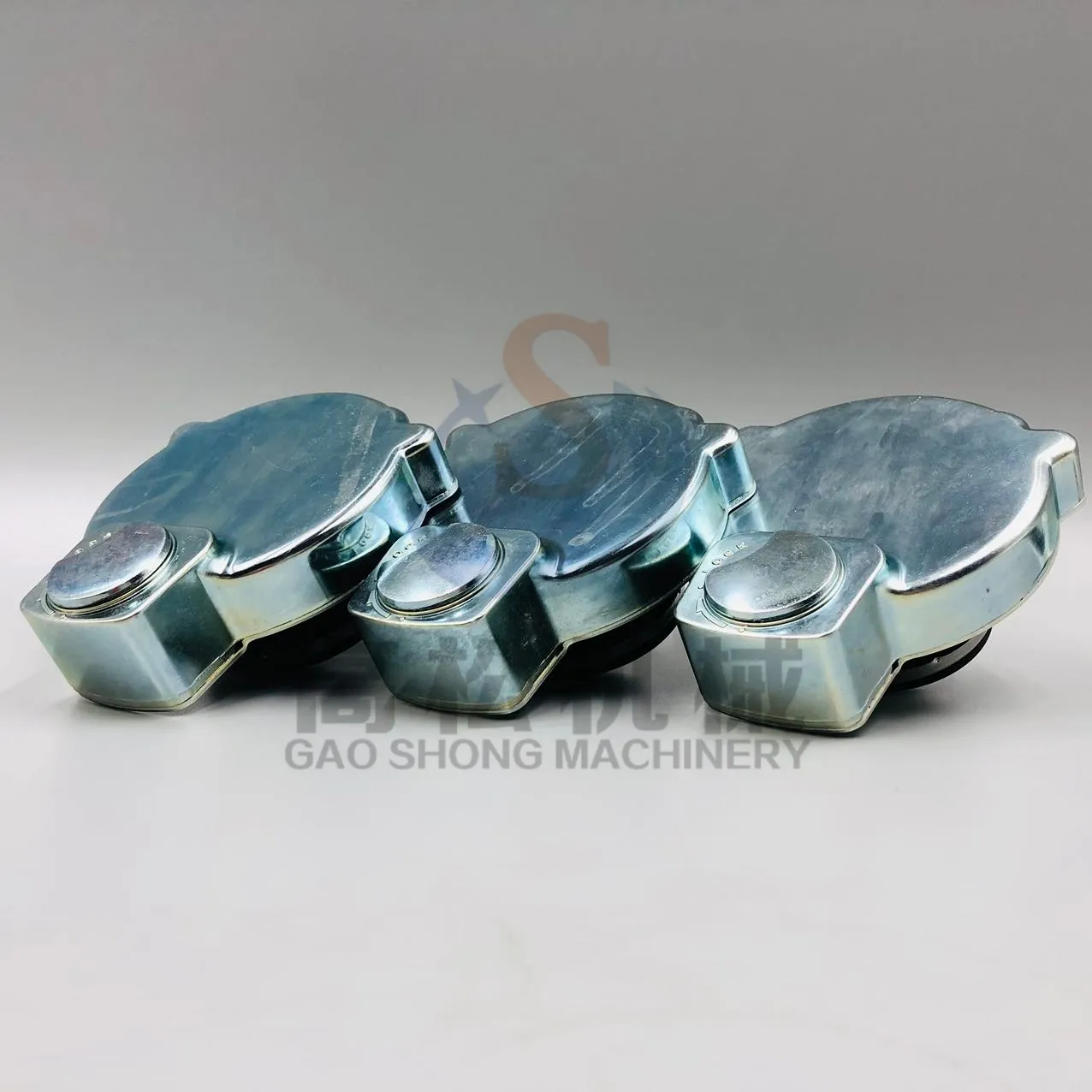 Komatsu fuel tank cap 17A-60-11310
 -
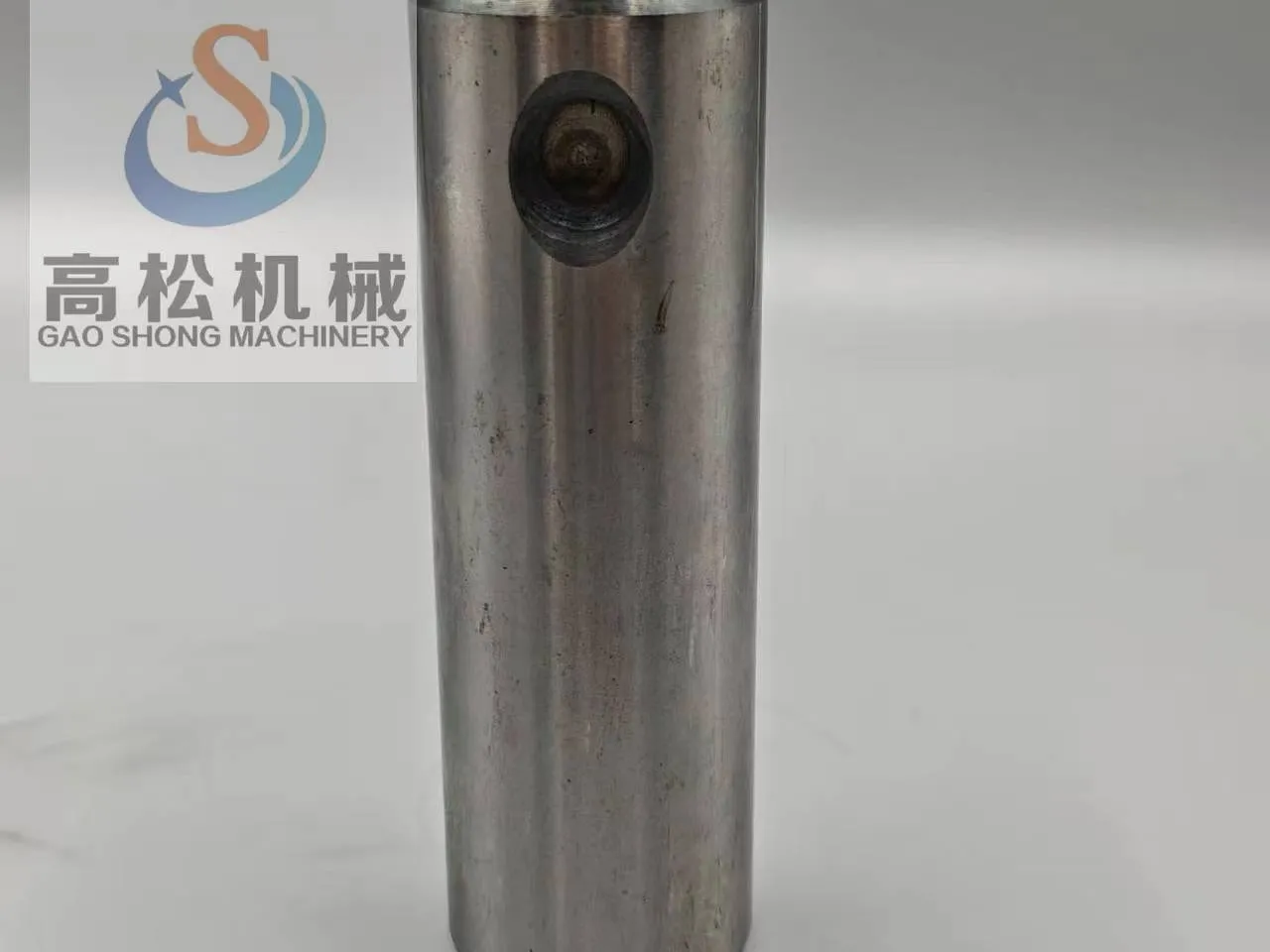 Komatsu Pin, 20Y-27-31160 Komatsu Sales, 20Y-27-31160
 -
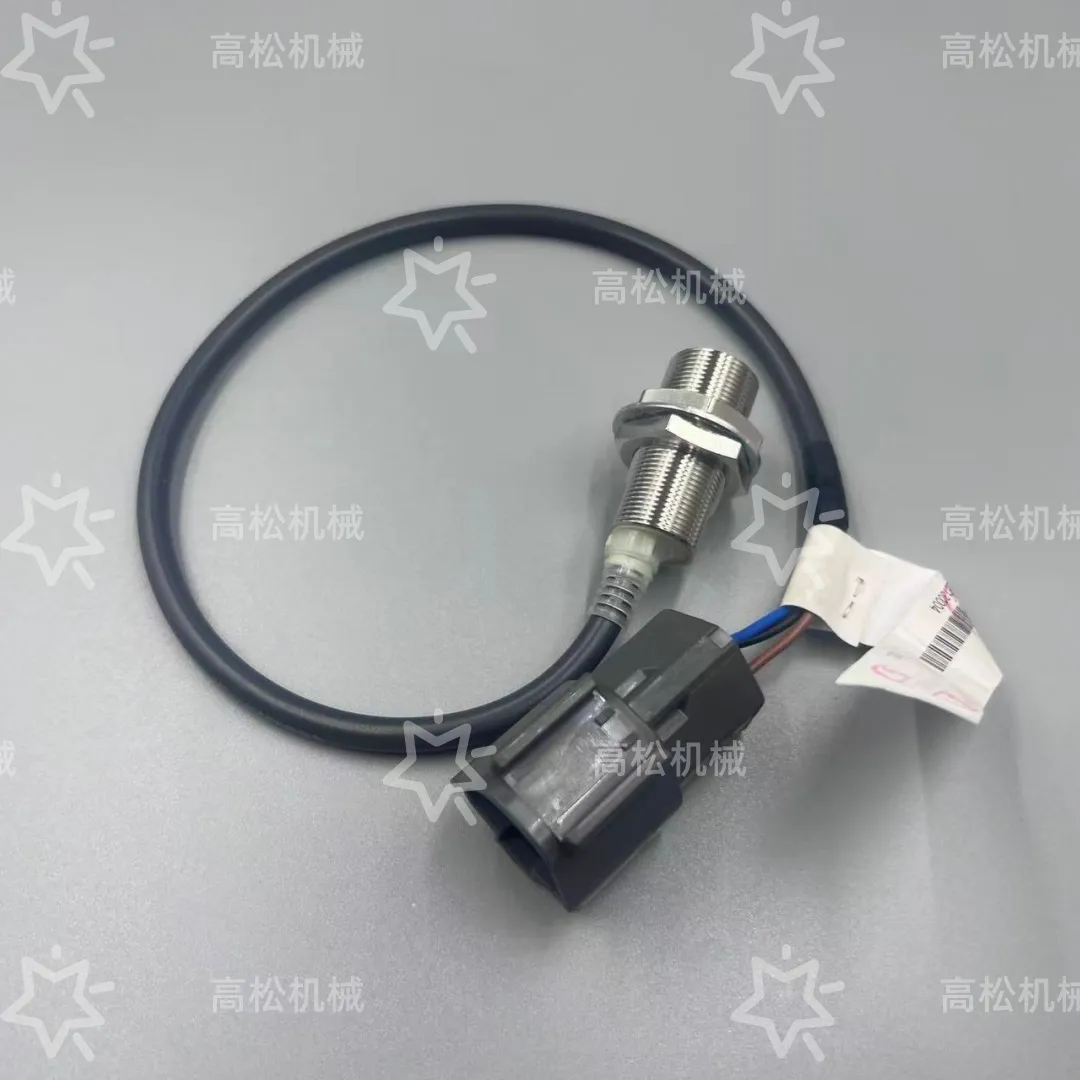 235-45-33410 SENSOR,SHIFT POTENTIO – Komatsu
 -
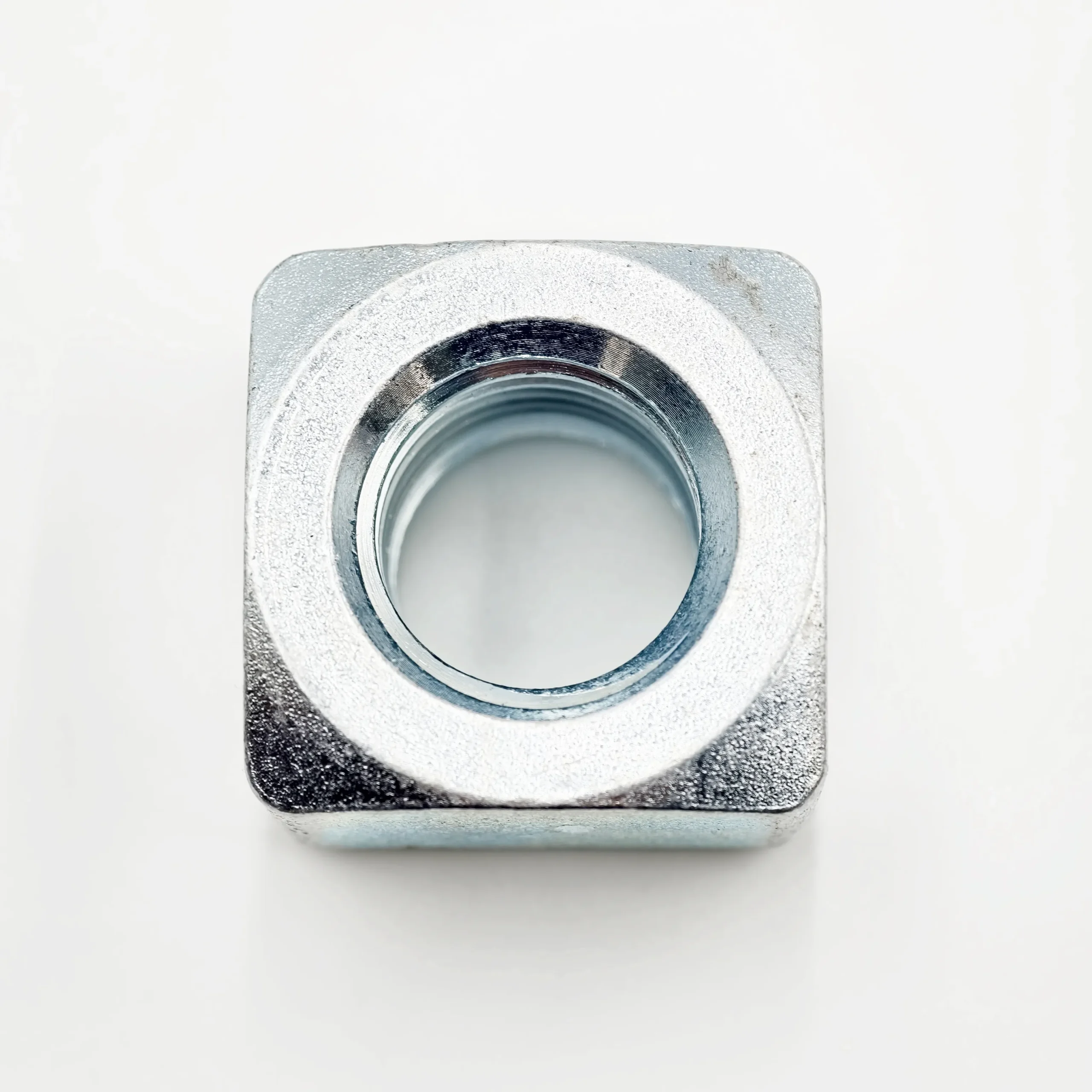 KOMATSU 130-70-13241 Square NUT
 -
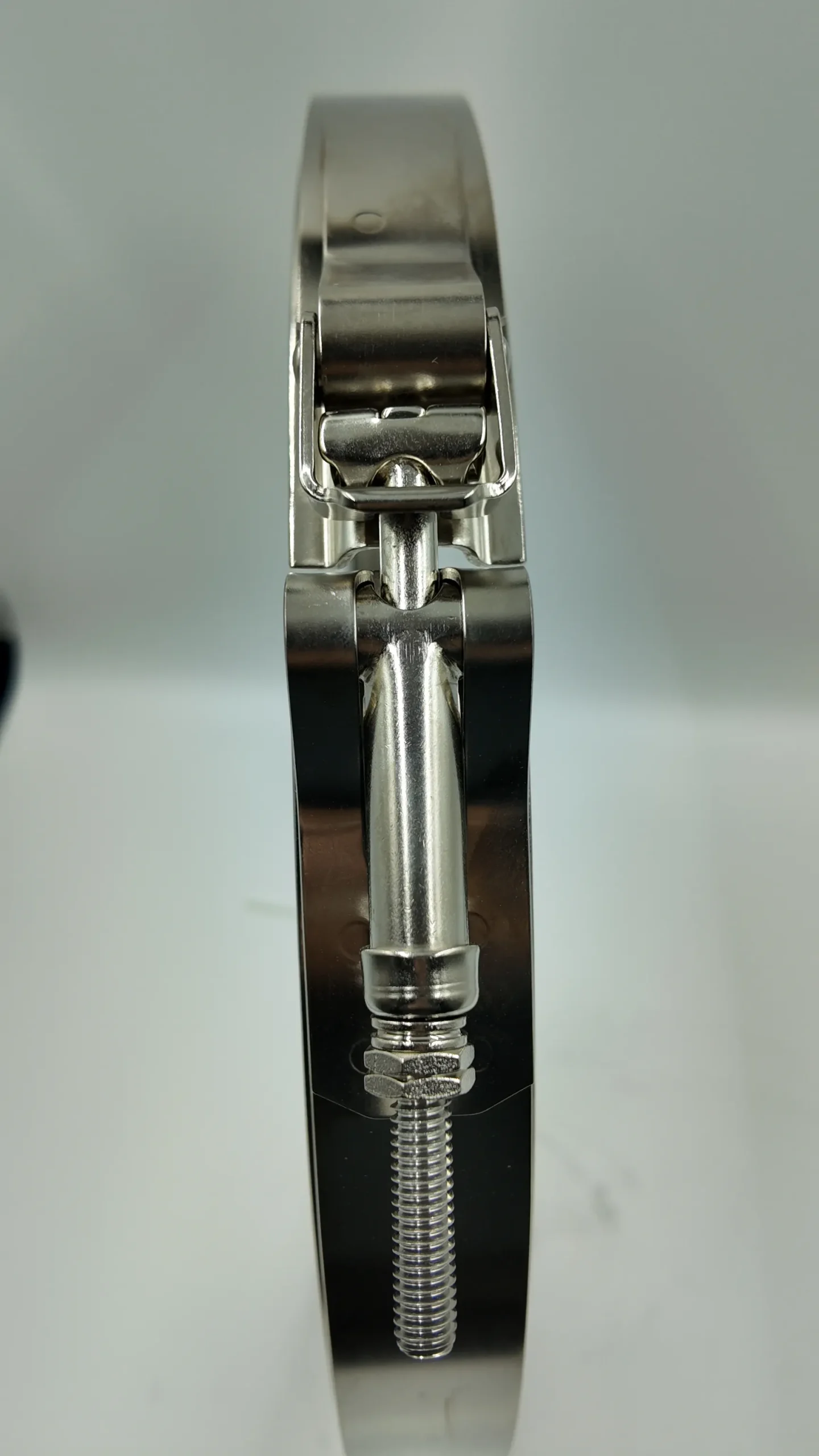 195-21-32821 COUPLING HEAVY DUTY Komatsu
 -
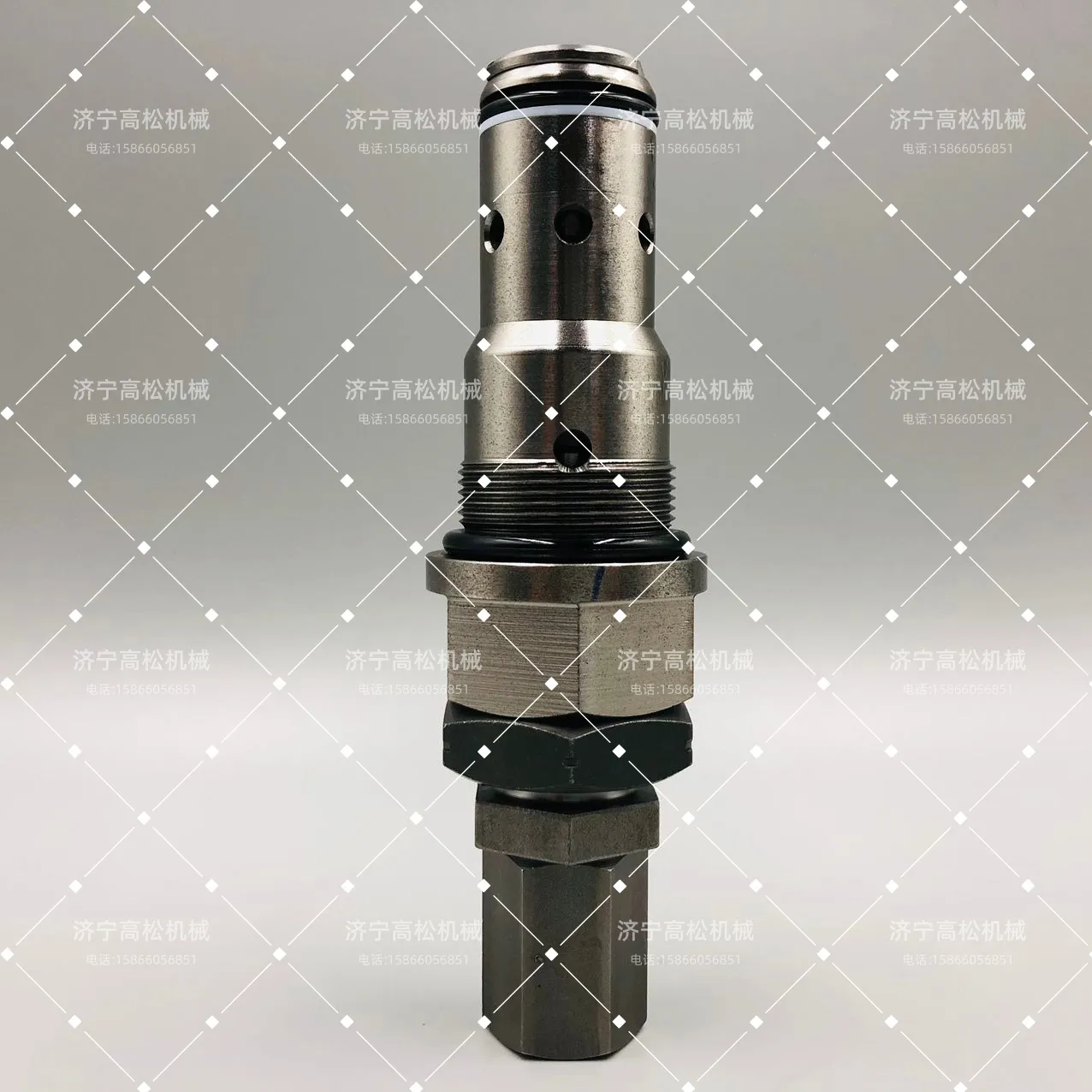 RELIEF VALVE 700-89-66000 – KOMATSU Part catalog
 -
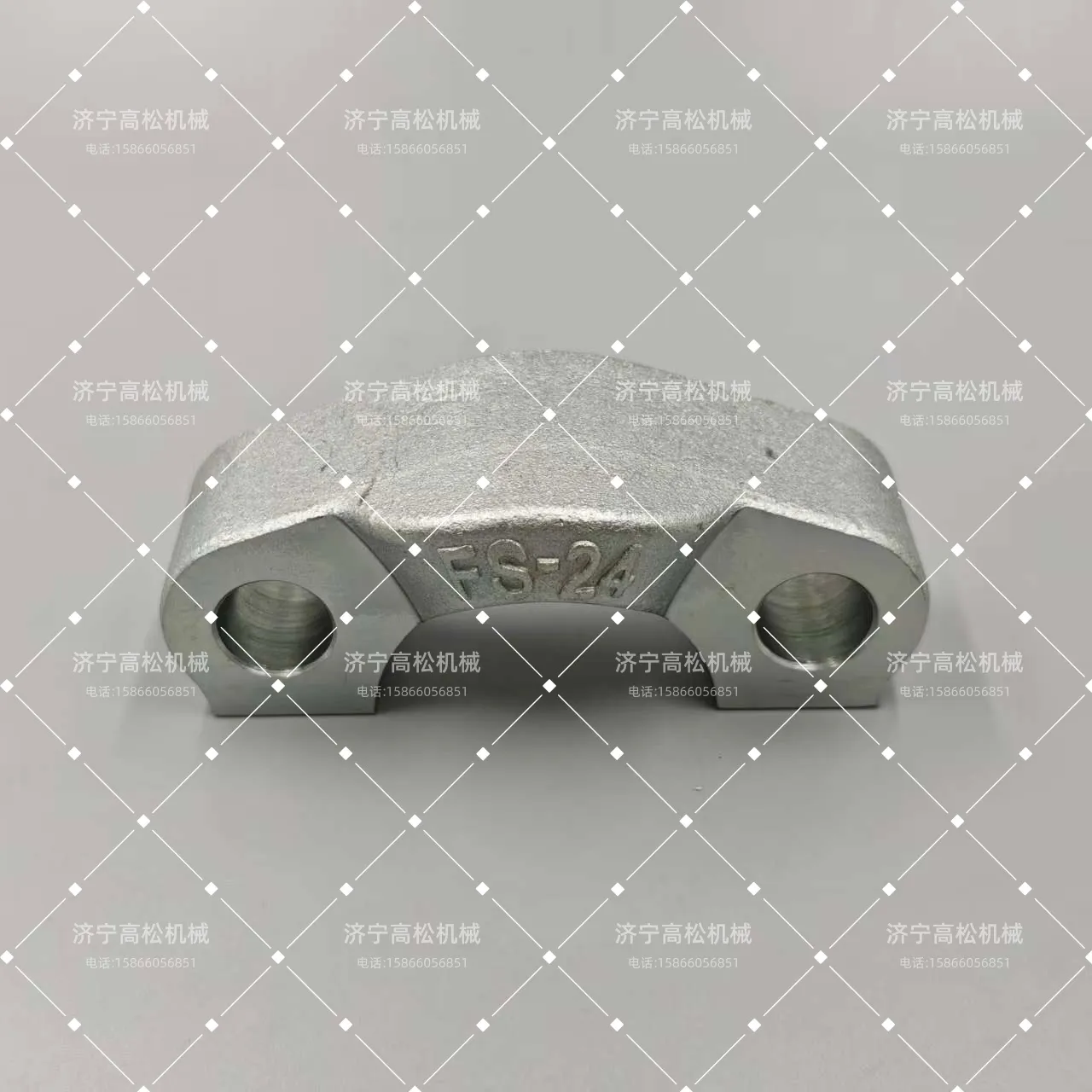 FLANGE 07371-51470 – KOMATSU Part catalog
 -
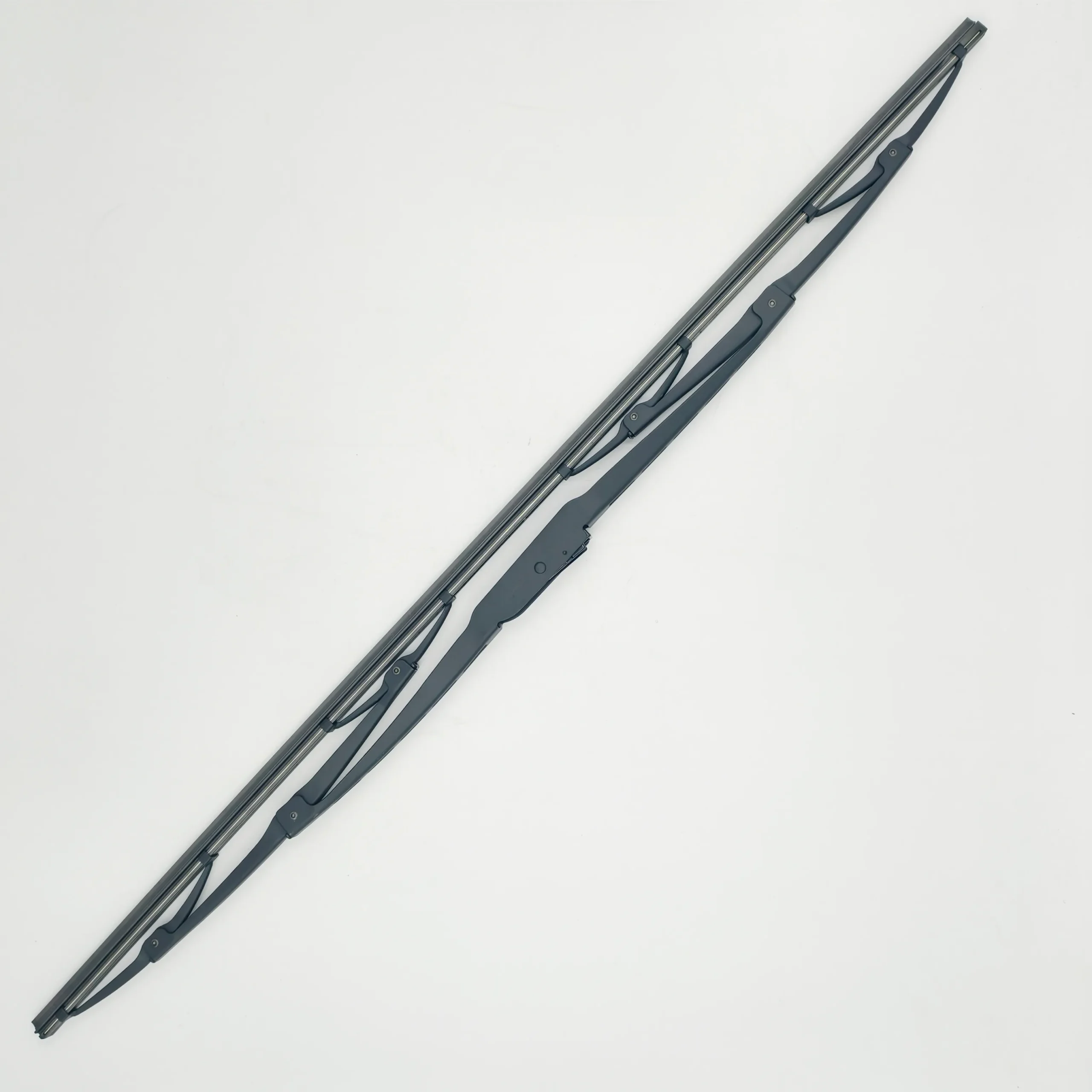 56B-54-13240 BLADE, WIPER
 -
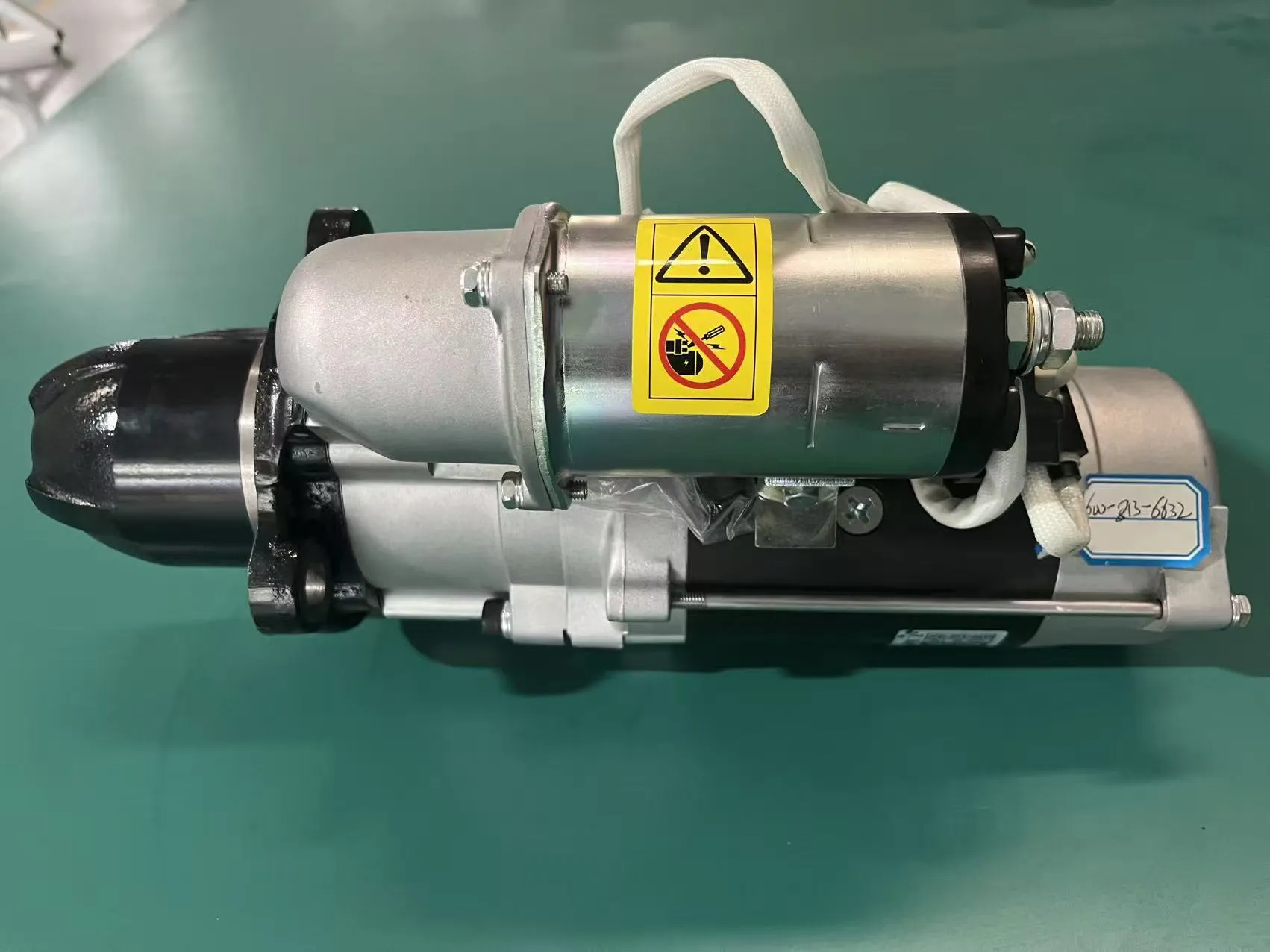 High Quality Excavator Spare Parts 600-813-6632 PC400-8 Start…
 -
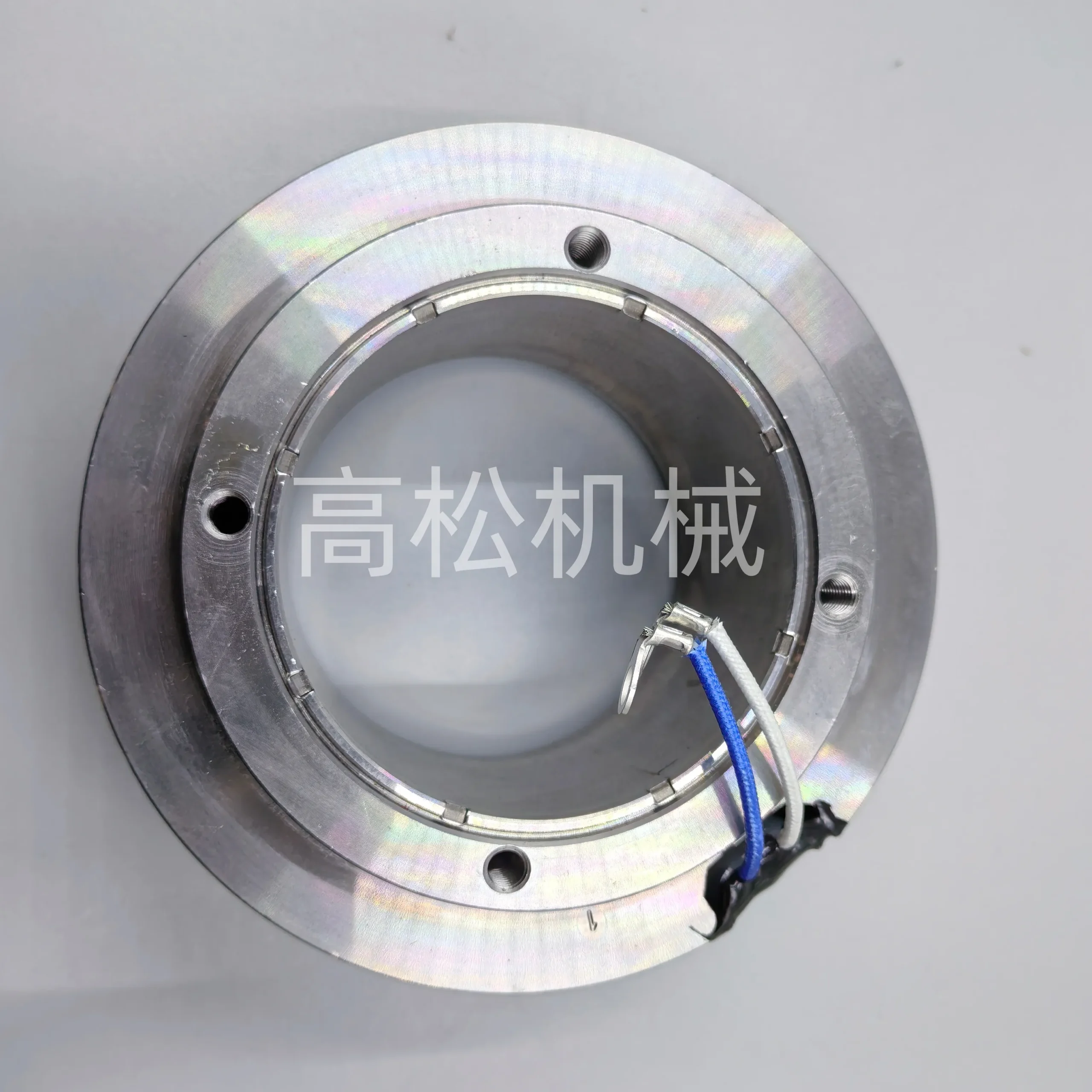 KD0-35120-0250 • FIELD COIL ASS’Y-Komatsu Original Factory
 -
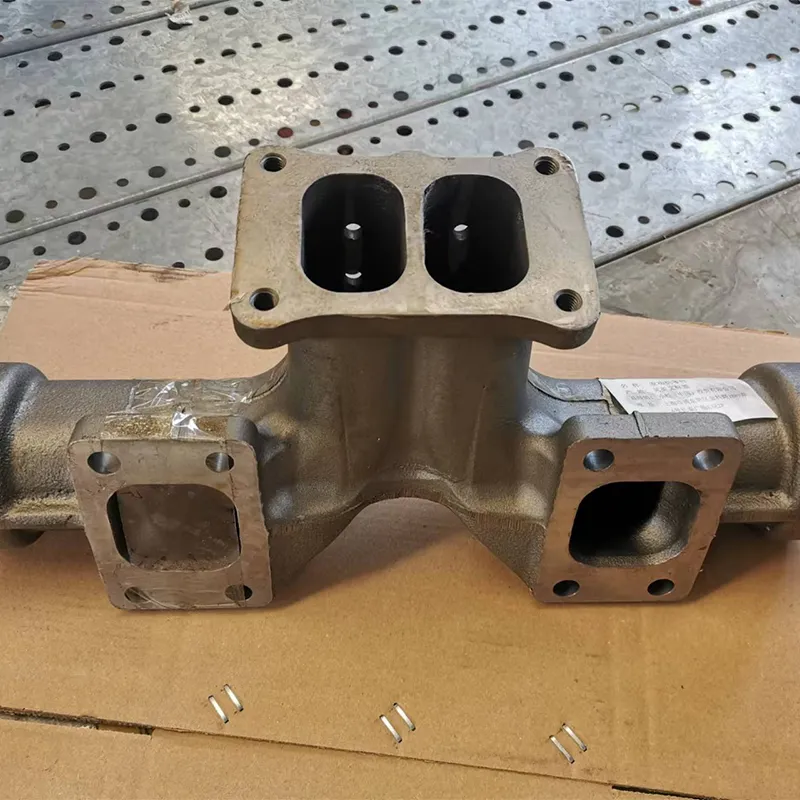 Original komatsu 6215-11-5182 HD785-7 Exhaust Manifold