
- Chinese
- French
- German
- Portuguese
- Spanish
- Russian
- Japanese
- Korean
- Arabic
- Irish
- Greek
- Turkish
- Italian
- Danish
- Romanian
- Indonesian
- Czech
- Afrikaans
- Swedish
- Polish
- Basque
- Catalan
- Esperanto
- Hindi
- Lao
- Albanian
- Amharic
- Armenian
- Azerbaijani
- Belarusian
- Bengali
- Bosnian
- Bulgarian
- Cebuano
- Chichewa
- Corsican
- Croatian
- Dutch
- Estonian
- Filipino
- Finnish
- Frisian
- Galician
- Georgian
- Gujarati
- Haitian
- Hausa
- Hawaiian
- Hebrew
- Hmong
- Hungarian
- Icelandic
- Igbo
- Javanese
- Kannada
- Kazakh
- Khmer
- Kurdish
- Kyrgyz
- Latin
- Latvian
- Lithuanian
- Luxembou..
- Macedonian
- Malagasy
- Malay
- Malayalam
- Maltese
- Maori
- Marathi
- Mongolian
- Burmese
- Nepali
- Norwegian
- Pashto
- Persian
- Punjabi
- Serbian
- Sesotho
- Sinhala
- Slovak
- Slovenian
- Somali
- Samoan
- Scots Gaelic
- Shona
- Sindhi
- Sundanese
- Swahili
- Tajik
- Tamil
- Telugu
- Thai
- Ukrainian
- Urdu
- Uzbek
- Vietnamese
- Welsh
- Xhosa
- Yiddish
- Yoruba
- Zulu
- Kinyarwanda
- Tatar
- Oriya
- Turkmen
- Uyghur






komatsu 6 cylinder diesel engine
When you hear 'Komatsu 6 cylinder diesel engine,' most folks immediately picture the big excavators, the D61 or D85 dozers. That's not wrong, but it's a bit of a surface-level take. The reality is more nuanced—these power plants span a range, from the S6D series to the newer SAA6D variants, and their performance isn't just about raw horsepower. A common pitfall is treating them all the same; a 6D95 in an old PC300 is a different beast from a SAA6D107E in a modern Dash-8 wheel loader, especially when it comes to fuel mapping and aftertreatment quirks. I've seen too many mechanics throw standard procedures at them and wonder why the fix doesn't stick.
The Core of Reliability and Its Hidden Nuances
Let's talk about the SAA6D107E, probably the workhorse you'll encounter most in mid-sized machines post-2010. Its reputation for reliability is earned, but it's conditional. The key is the Komatsu 6 cylinder diesel engine cooling system layout. The water pump and thermostat housing design is robust, but if you don't use the proper coolant (and I mean Komatsu's own Long Life Coolant or a strictly equivalent nitrite-amine-organic acid formula), you'll get galvanic corrosion around the cylinder liners' sealing surfaces. It's a slow killer. I've had to replace a block on a PC360-8 because someone ran a generic universal coolant for three years. The pitting was severe. It wasn't the engine's fault, but it's a lesson in the ecosystem these units live in.
Another detail often missed is the Komatsu diesel engine high-pressure fuel rail. The seals on the rail pressure sensor and the control valve are single-use. Reusing them during a filter change, which some shops do to save a few bucks, almost guarantees a slight weep. That weep draws in dirt, and then you're chasing erratic power and fault codes. It's a fifteen-cent part causing thousands in downtime. This is where having a trusted parts pipeline is non-negotiable. For operations in regions where official channels are sparse, companies like Jining Gaosong Construction Machinery Co., Ltd. become critical. As an OEM supplier within the Komatsu system, they understand these nuances and can provide the correct, traceable seals and gaskets that aftermarket catalogs often get wrong.
Turbo response is another tell. A healthy SAA6D should spool up with almost no lag. If there's a hiccup, don't just blame the turbo. Check the intake air pressure sensor and the little rubber hose connecting it to the manifold. It gets brittle, cracks, and gives the ECU false data, which then messes with the VGT vane control. It's a ten-minute check that saves a $3,000 turbo replacement. These are the unglamorous, hands-on truths you only learn by living with these engines.
Parts Supply: The Real-World Bottleneck
This leads me to a major pain point: parts. The official network is excellent, but what happens when you're in a country where certain parts are on indefinite backorder? I've been there, with a machine down for weeks waiting for a common fuel transfer pump. This is the gap that third-party specialists fill. A company like the aforementioned Jining Gaosong isn't just a reseller; their role as a third-party sales company for Komatsu specifically addresses these supply chain challenges. They can often source genuine or Komatsu-approved equivalent parts through alternative channels, getting a machine back online in days instead of months. Their website, takematsumachinery.com, is a practical resource in these situations. Their focus on solving parts supply challenges isn't marketing fluff—it's a direct response to a real operational crisis we face in the field.
I remember a case with a S6D140 engine in an aging HD785 truck. The injection pump drive gear was shot. The official line was a 12-week lead time. Through a connection, we got a properly machined, OEM-spec gear from a supplier in this parallel network. The metallurgy was spot-on, the timing marks were precise. The truck is still running today. Was it a genuine part in the strictest sense? Maybe not from Komatsu's warehouse. But was it correct and reliable? Absolutely. This gray area is where practical machine management happens.
The risk, of course, is counterfeit parts. That's why the supplier's embedded knowledge is vital. A company operating within the Komatsu ecosystem knows the difference between a quality reverse-engineered part and a dangerous knock-off. They know that a cylinder head for a 6D95 needs a specific alloy composition to handle the thermal cycling. It's this discernment that makes them a partner, not just a vendor.
Evolution and Adaptation: From Mechanical to Digital
Going back to the older 6D series—the truly mechanical ones. They're simple, but simple doesn't mean foolproof. The inline injection pump on a 6D125 requires precise dynamic timing, not just static. I've seen engines smoke and lack power because the timing was set by the book but not verified under load with a strobe. The newer Komatsu 6 cylinder electronic units (ECU-controlled) are easier to diagnose in some ways—the data tells a story—but harder to fix without the right software. You can't just tweak a screw.
The transition to Tier 4 Final with the SAA6D107E and similar brought the DPF and SCR systems. Here's a field observation: most regeneration problems stem from poor operating cycles, not the hardware. The machine needs to get hot and stay hot. A loader doing short, repetitive cycles will never passively regen. You have to force it, and the operator's manual procedure works, but it burns fuel. The real fix is operational, not mechanical. The engine itself is capable.
Sensor reliability on these newer models is a mixed bag. The NOx sensors are notoriously sensitive to moisture and condensation. If the machine sits with the exhaust exposed, you're asking for a fault code. A simple plastic cap on the exhaust tip during storage is a trick we use. The crankcase pressure sensor on the other hand, is rock solid. It's this uneven landscape of component durability that you have to map in your head.
Failures and Lessons Learned the Hard Way
Not every story is a success. I was once convinced an intermittent loss of power on a SAA6D107E was a failing turbo actuator. We replaced it. Problem persisted. We replaced the ECU. Same. It turned out to be a nearly invisible crack in the exhaust manifold upstream of the turbo. It was only leaking under extreme thermal expansion, causing the turbine to not spool correctly. The lesson? Always, always rule out air leaks—intake and exhaust—before throwing expensive electronics at the problem. A smoke tester is worth its weight in gold.
Another costly mistake was on a 6D110 engine overhaul. We installed new cylinder liners and pistons but reused the old piston rings after a quick check with a feeler gauge. They were within spec. The engine burned a quart of oil every eight hours. The rings had lost their tension and couldn't seat properly on the new liner honing. Specs on paper don't account for metal fatigue. Now, we never, ever reuse rings. It's a hard rule. This is the kind of granular, costly experience that defines real expertise with these Komatsu diesel engines.
These failures underscore why having a reliable technical and parts backstop is so important. When you hit a wall, you need more than a catalog; you need advice from someone who's seen the same failure mode. This is where the integrated service and supply model of a company like Jining Gaosong shows its value. Their position allows them to see patterns across multiple markets and machines, giving them a diagnostic insight that a pure parts seller wouldn't have.
Looking Ahead: Sustainability and Practical Longevity
Where does the Komatsu 6 cylinder diesel engine go from here? Electrification is coming for smaller equipment, but for the 200-400 horsepower range where these six-cylinders dominate, diesel will be king for a long time. The next frontier is fuel efficiency and compatibility with alternative fuels like HVO. The current engine platforms are surprisingly adaptable. We've run tests with high-quality hydrotreated vegetable oil in SAA6D models with zero modifications and seen a noticeable reduction in soot production in the DPF.
The real challenge for longevity will be supporting these electronic engines 15-20 years down the line. Will the proprietary software still be available? Will sensors be producible? This is a looming concern. It makes the role of knowledgeable third-party suppliers even more critical for fleet sustainability. They may be the ones keeping legacy systems alive with compatible components when the OEM focus has shifted to newer generations.
So, when you think about a Komatsu 6-cylinder, don't just see a block of iron. See a system—one that's brilliantly engineered but deeply dependent on correct maintenance, quality fluids, and exact parts. Its reliability is a promise, but one that requires informed effort to keep. And in today's fragmented global supply chain, that effort often depends on building relationships with specialized partners who understand the machine's soul as well as its schematics. That's the difference between an engine that runs and one that runs for 20,000 hours.
Related Products
Related Products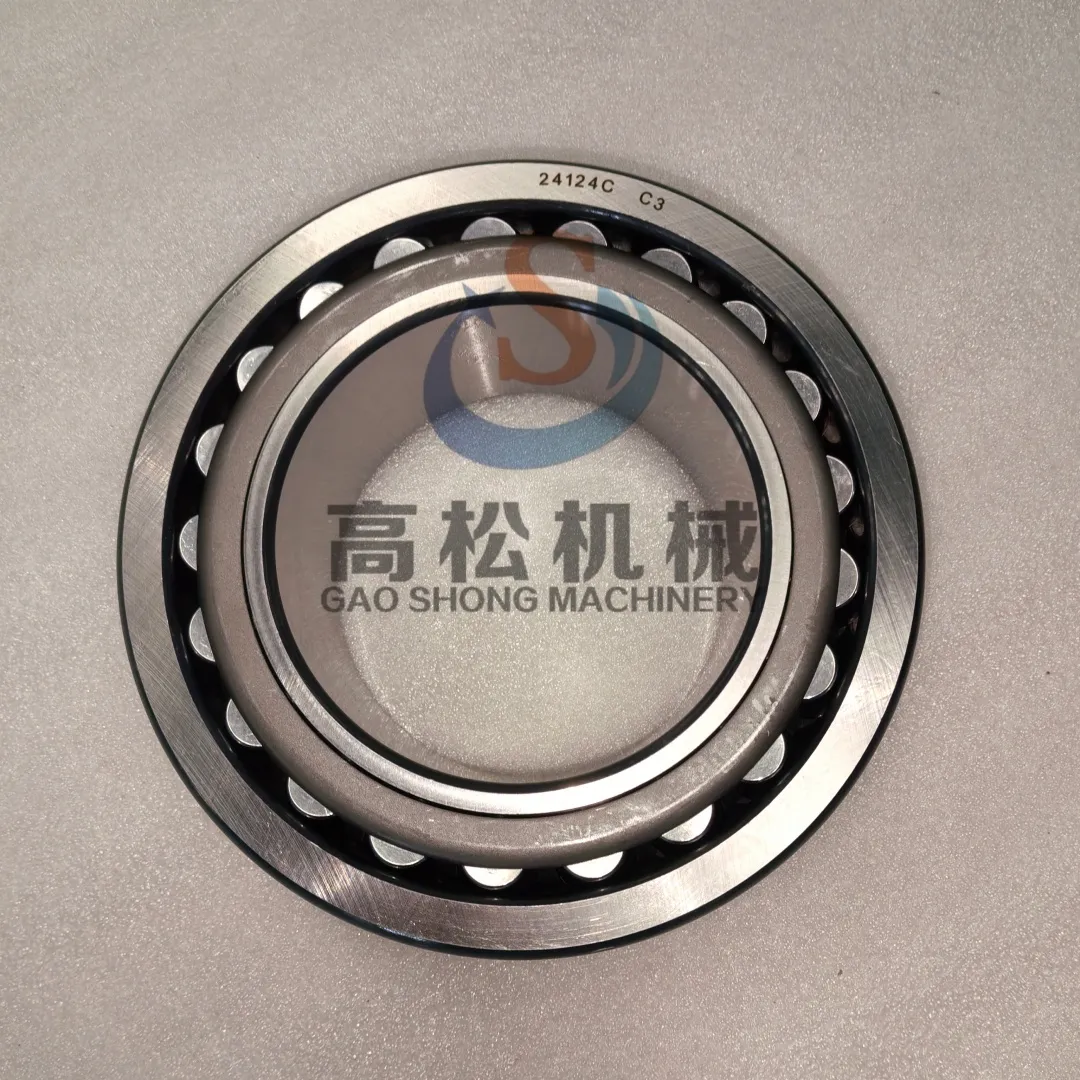
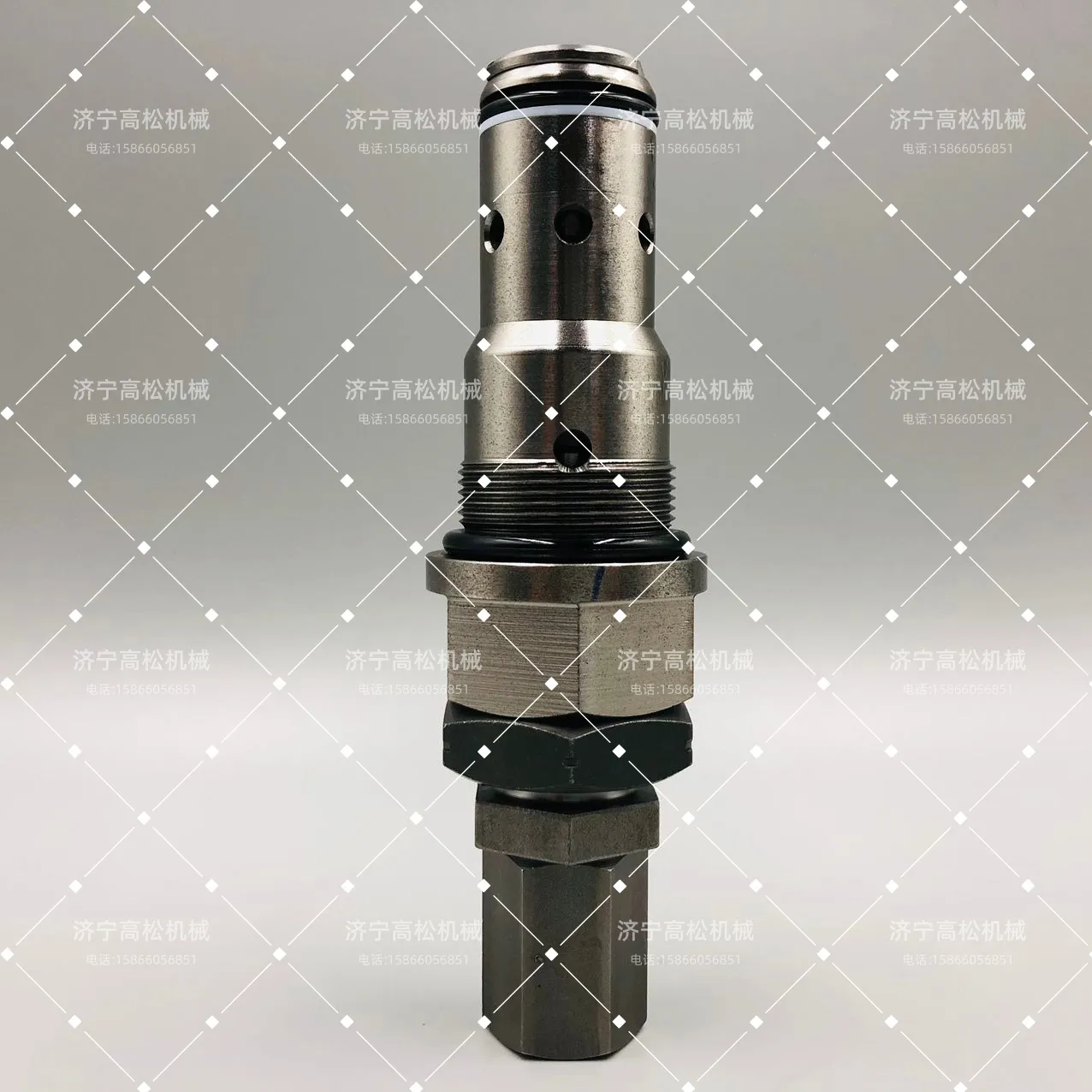
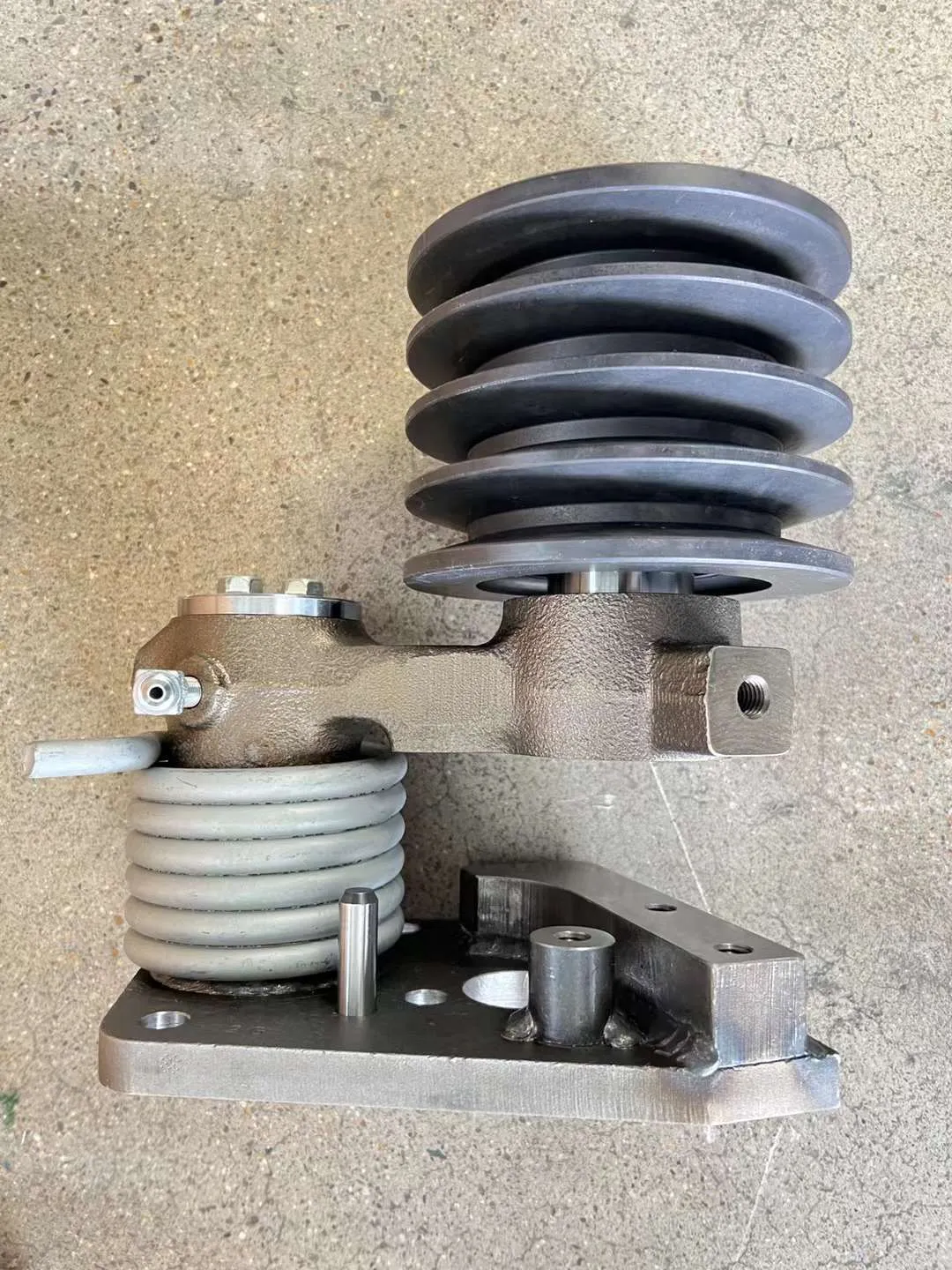
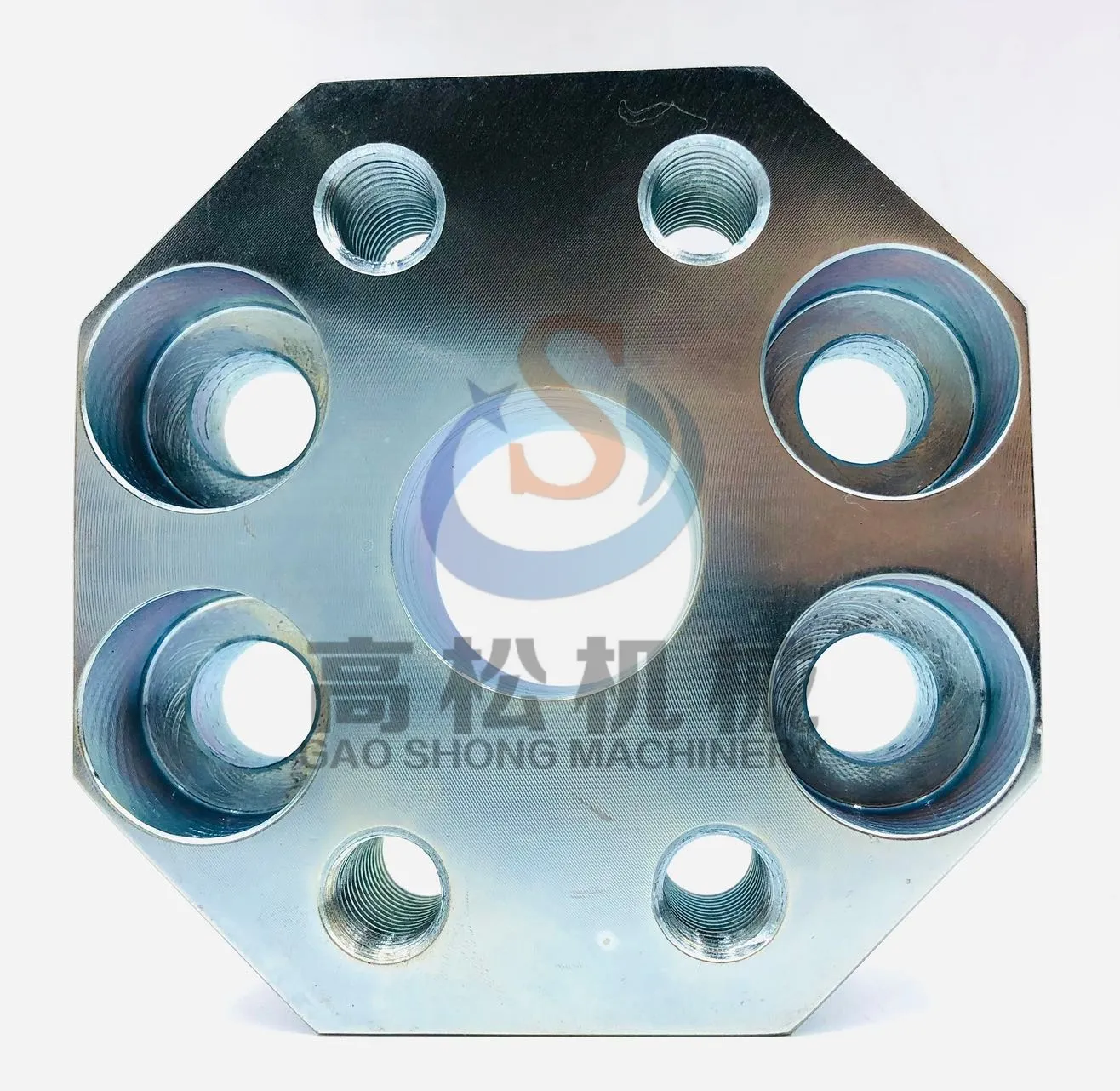

Best Selling Products
Best Selling Products-
 17A-22-11132 Komatsu Original Cylinder Compatible with Bulldozer 155
 -
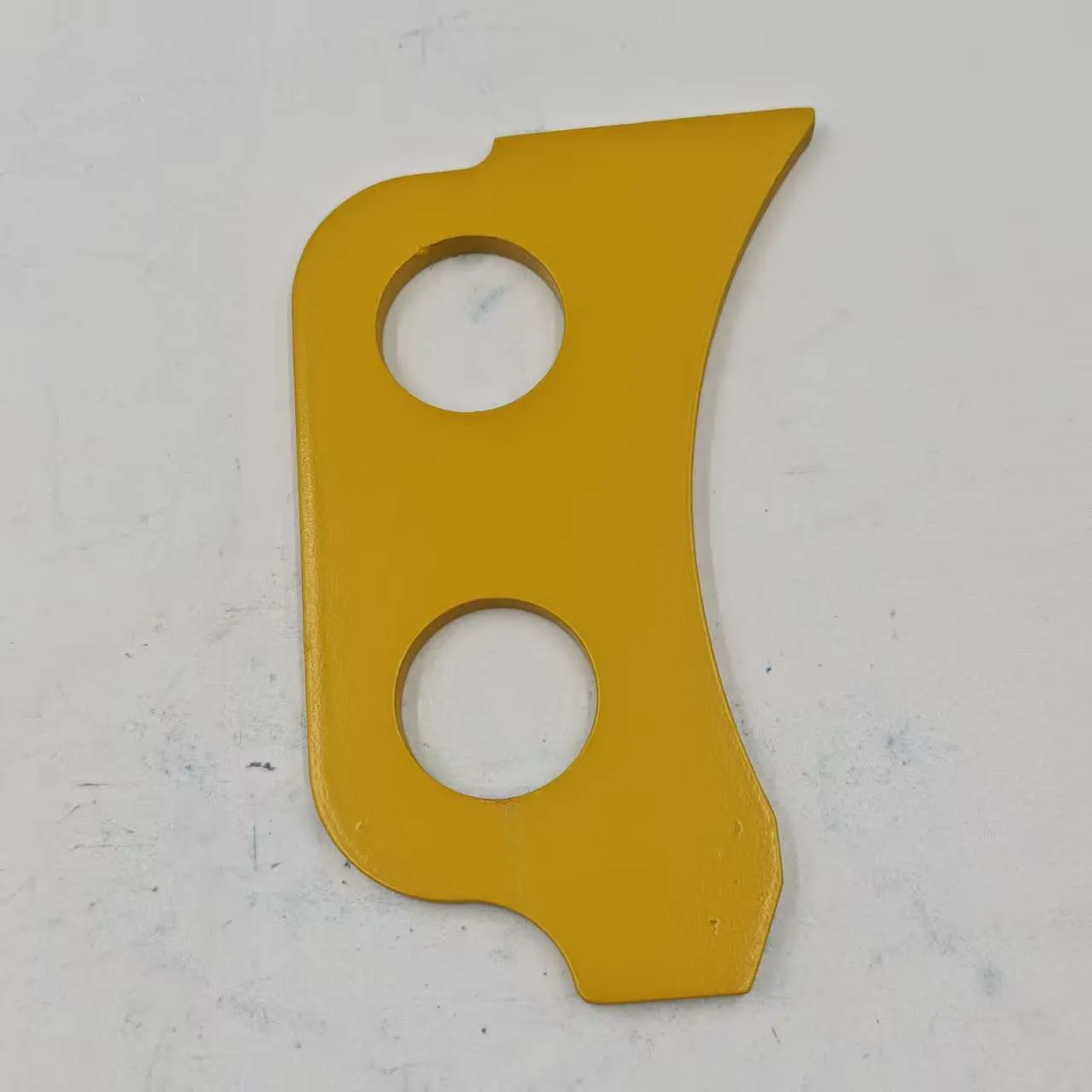 PLATE 195-71-74260 KOMATSU
 -
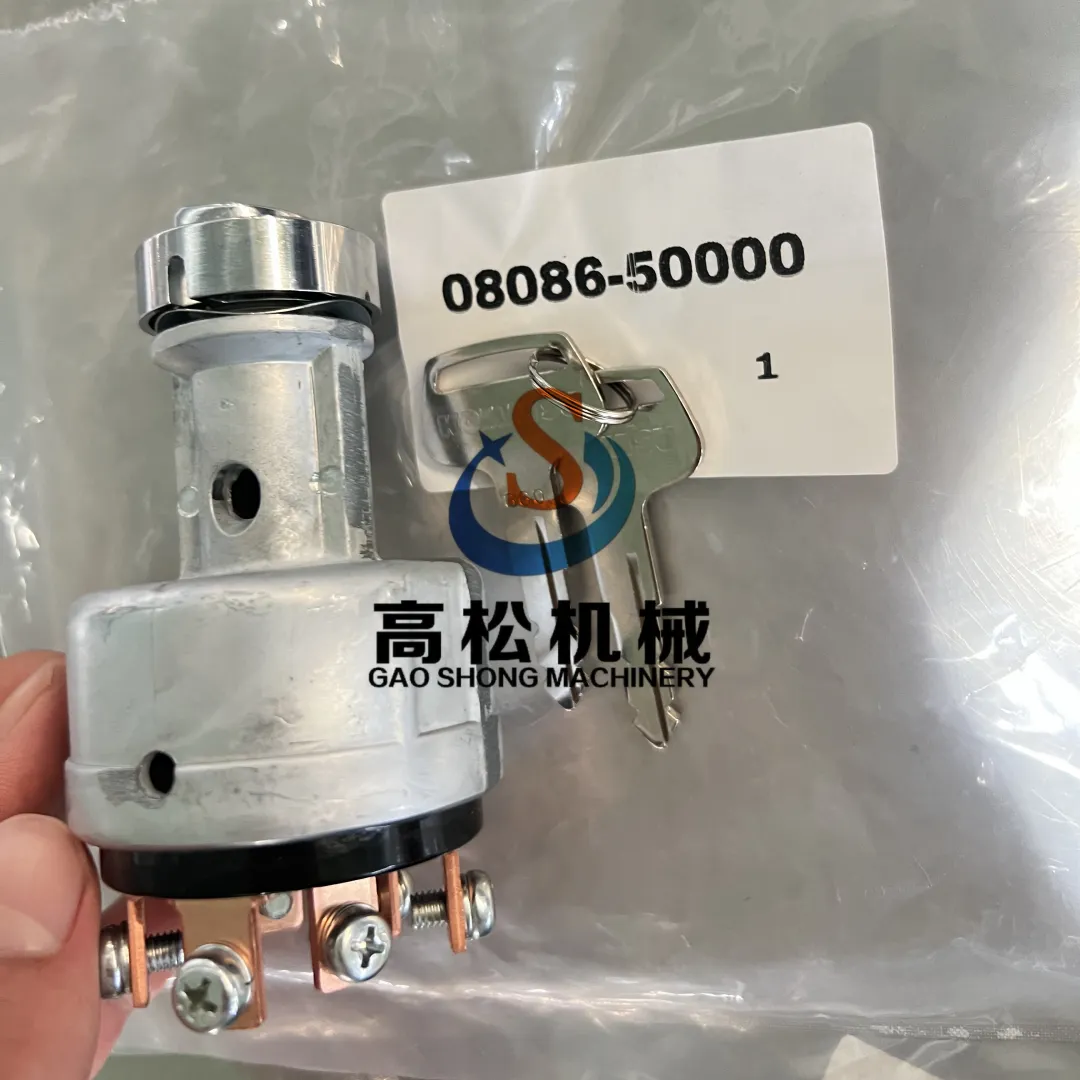 08086-50000Komatsu 08086-50000 Replacement Ignition Switch
 -
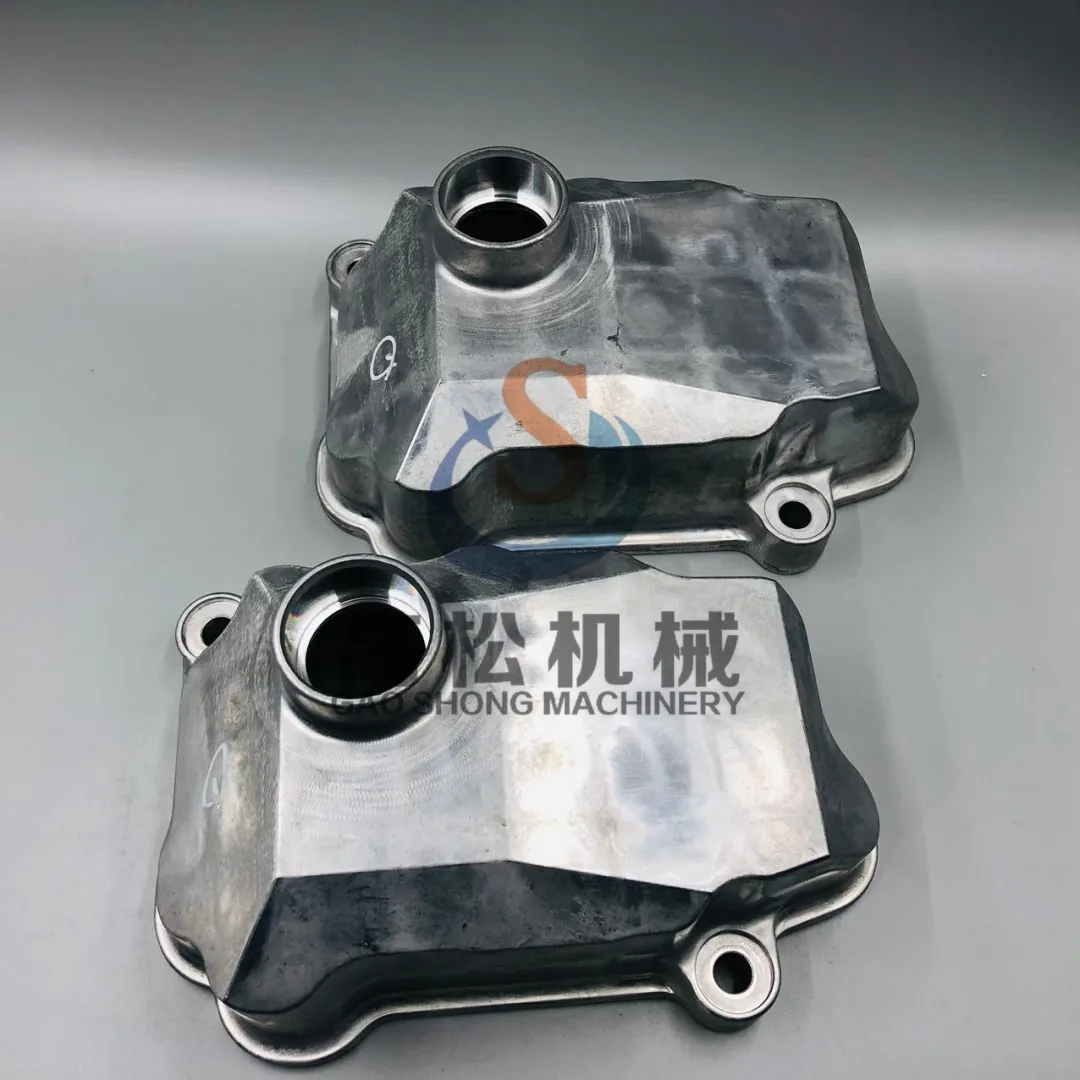 KOMATSU 6251-11-8150 COVER
 -
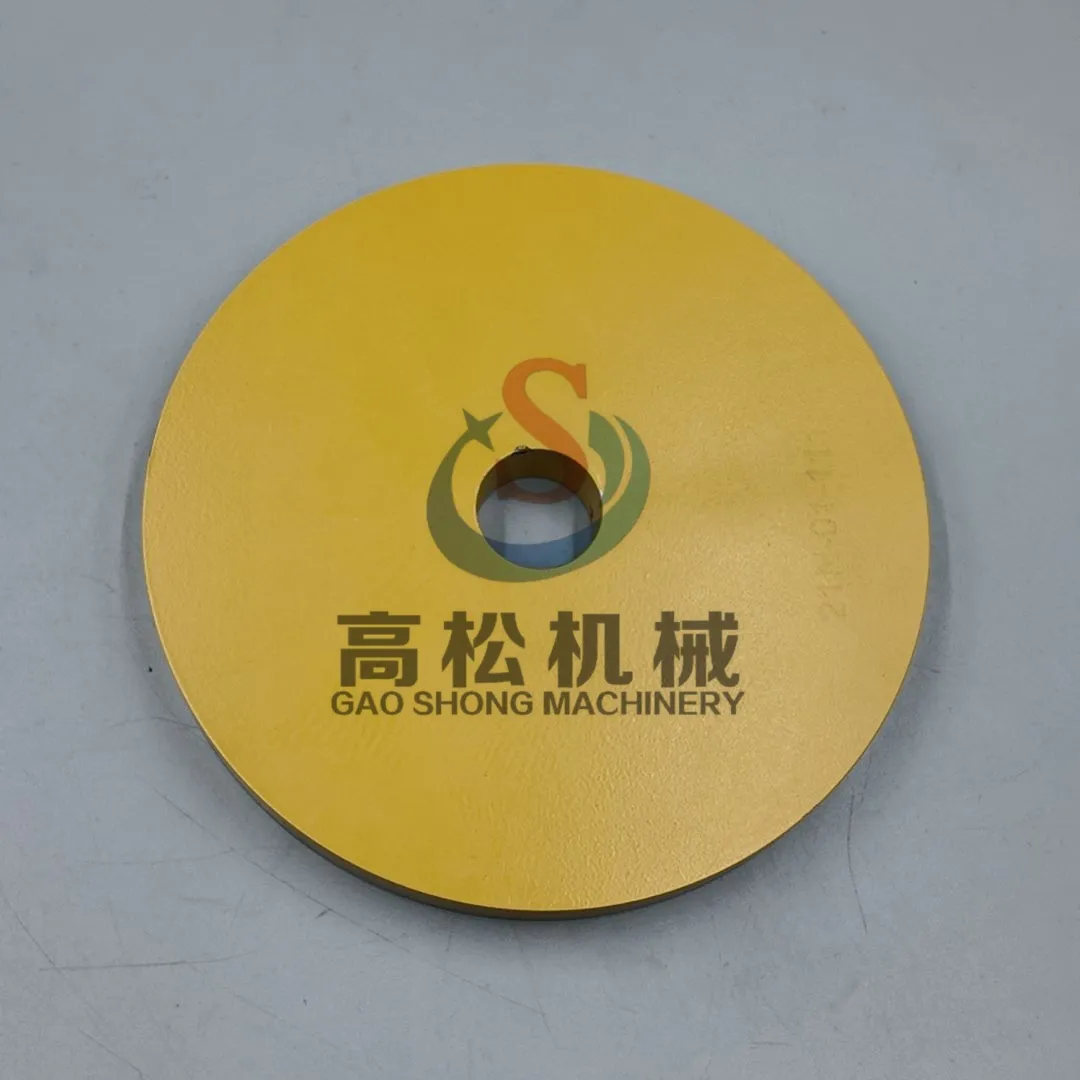 21T-01-11150 21N-01-11120 Cushion KOMATSU Excavator Spare Parts For PC800LC-8E0 PC850-8E0
 -
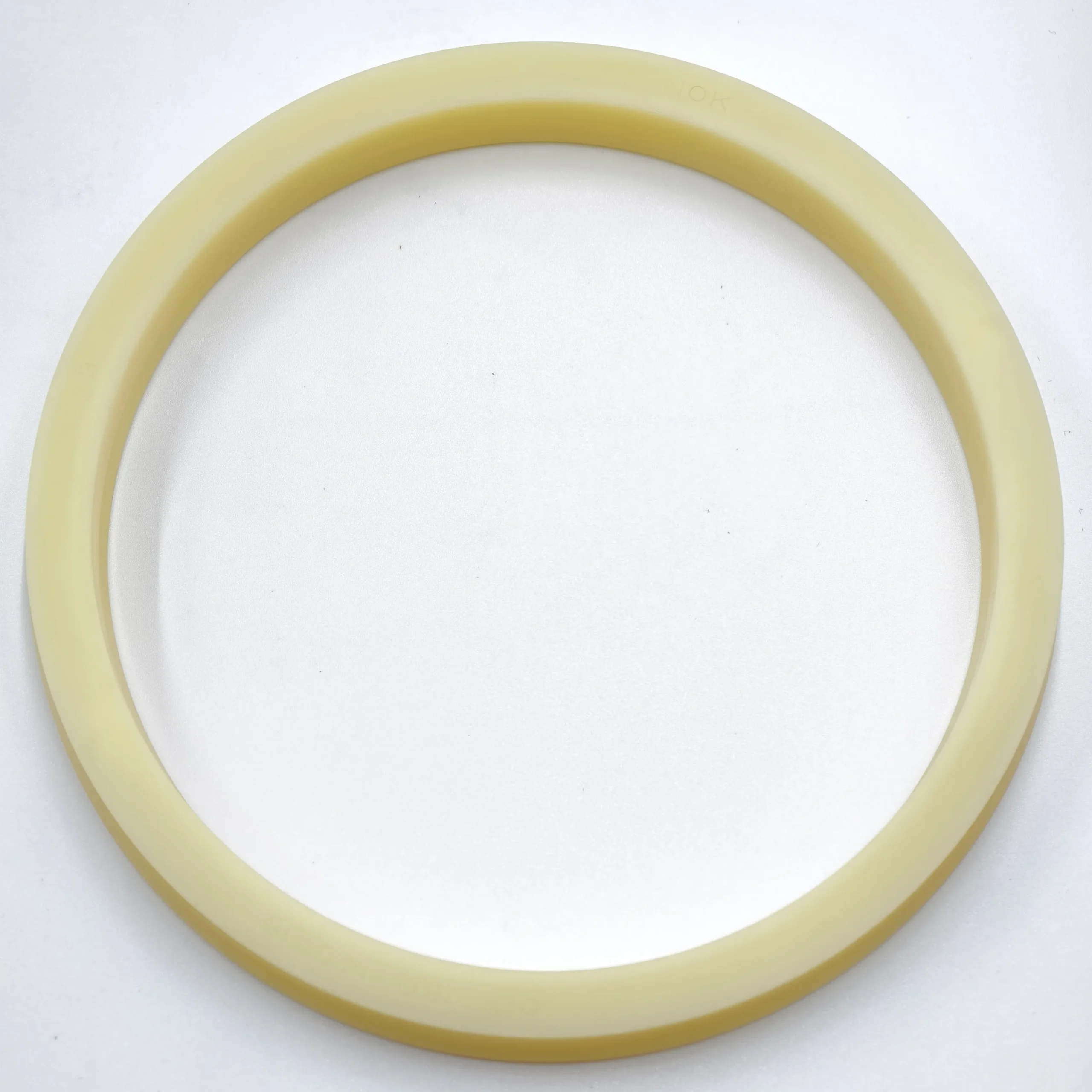 Komatsu 21N-30-14160 PACKING, price for original… — Pricing.Parts
 -
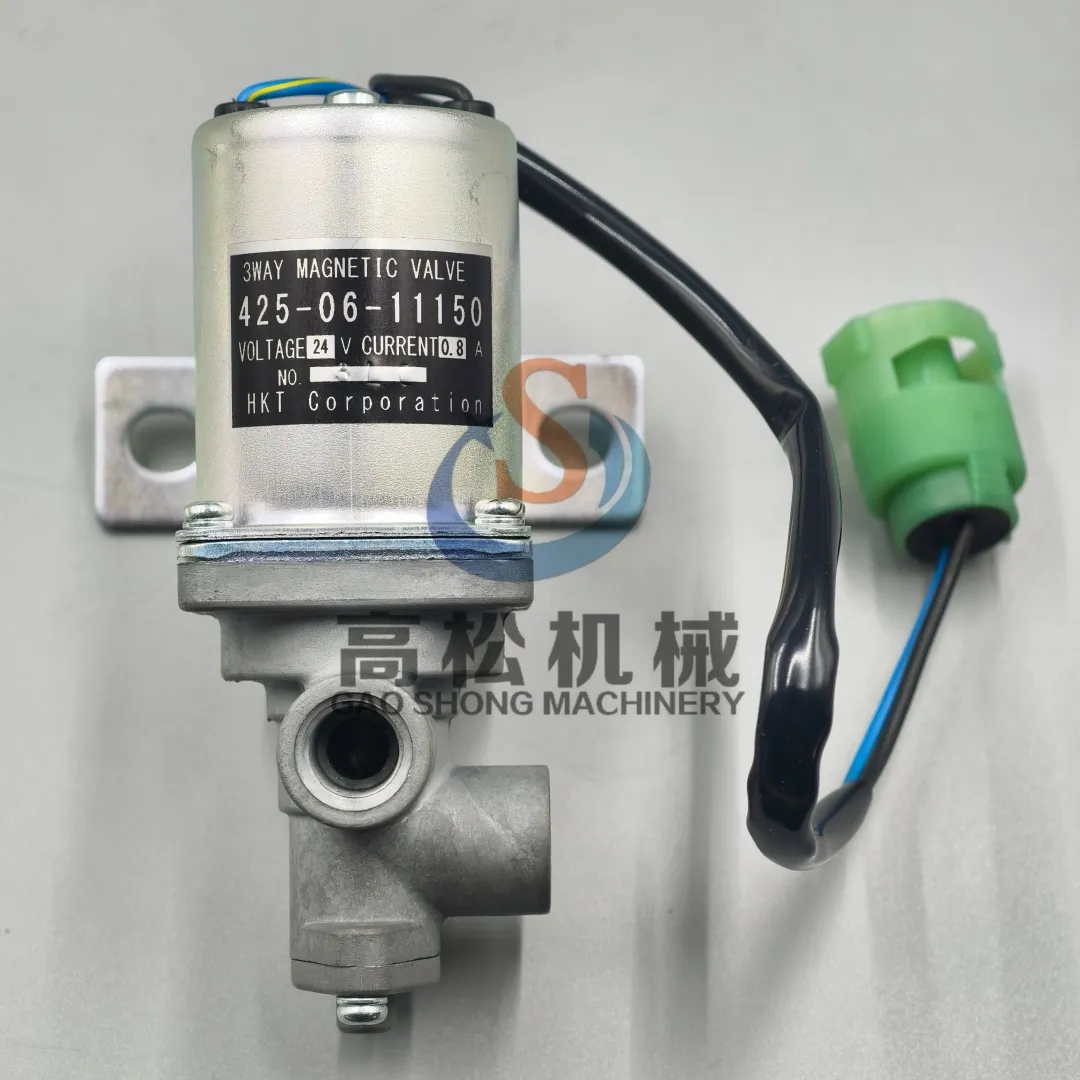 Komatsu Relay 425-06-11150 for Wheel loader WA600-1 12V
 -
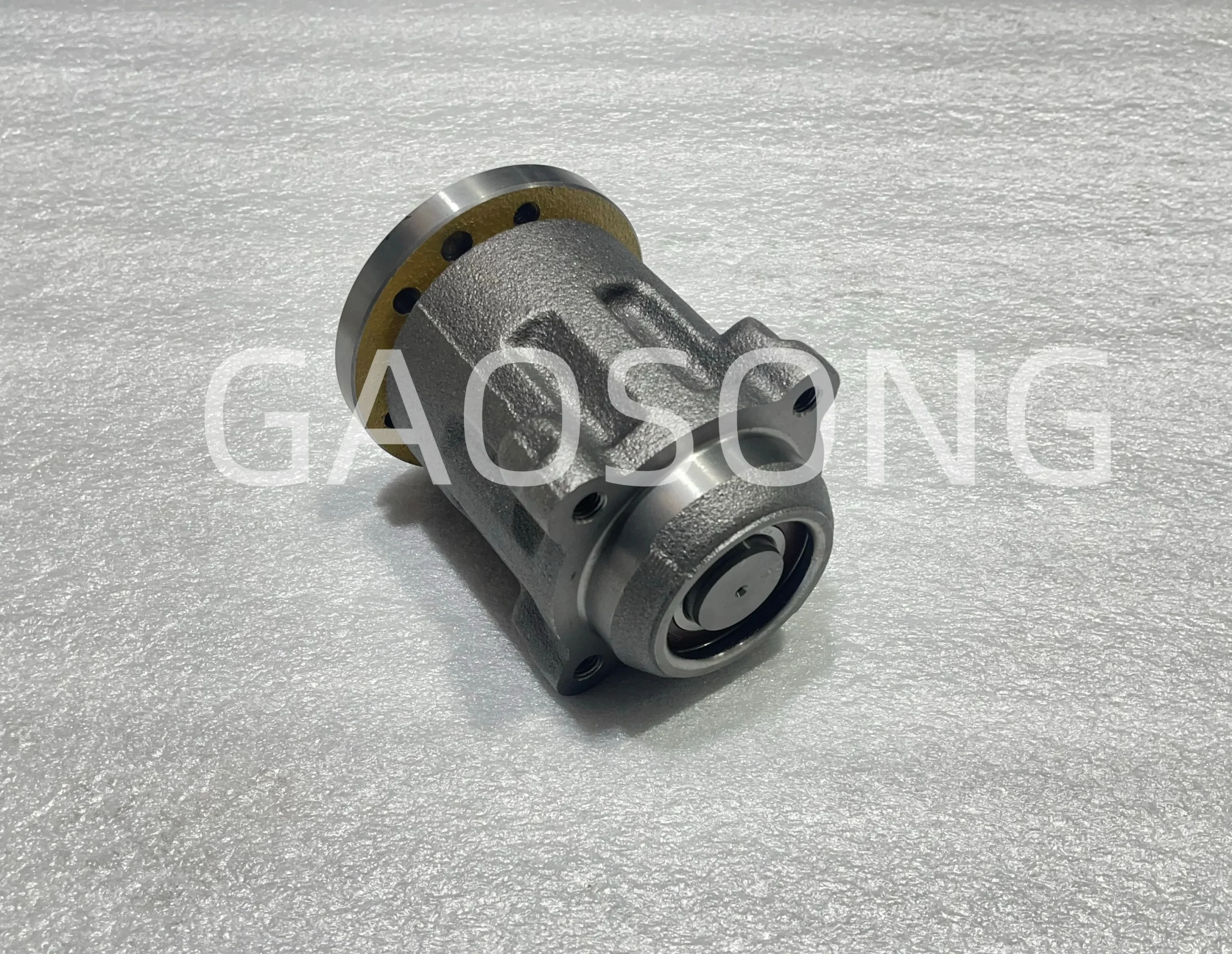 6151-61-3201 CASE ASS’Y-Komatsu Original Factory
 -
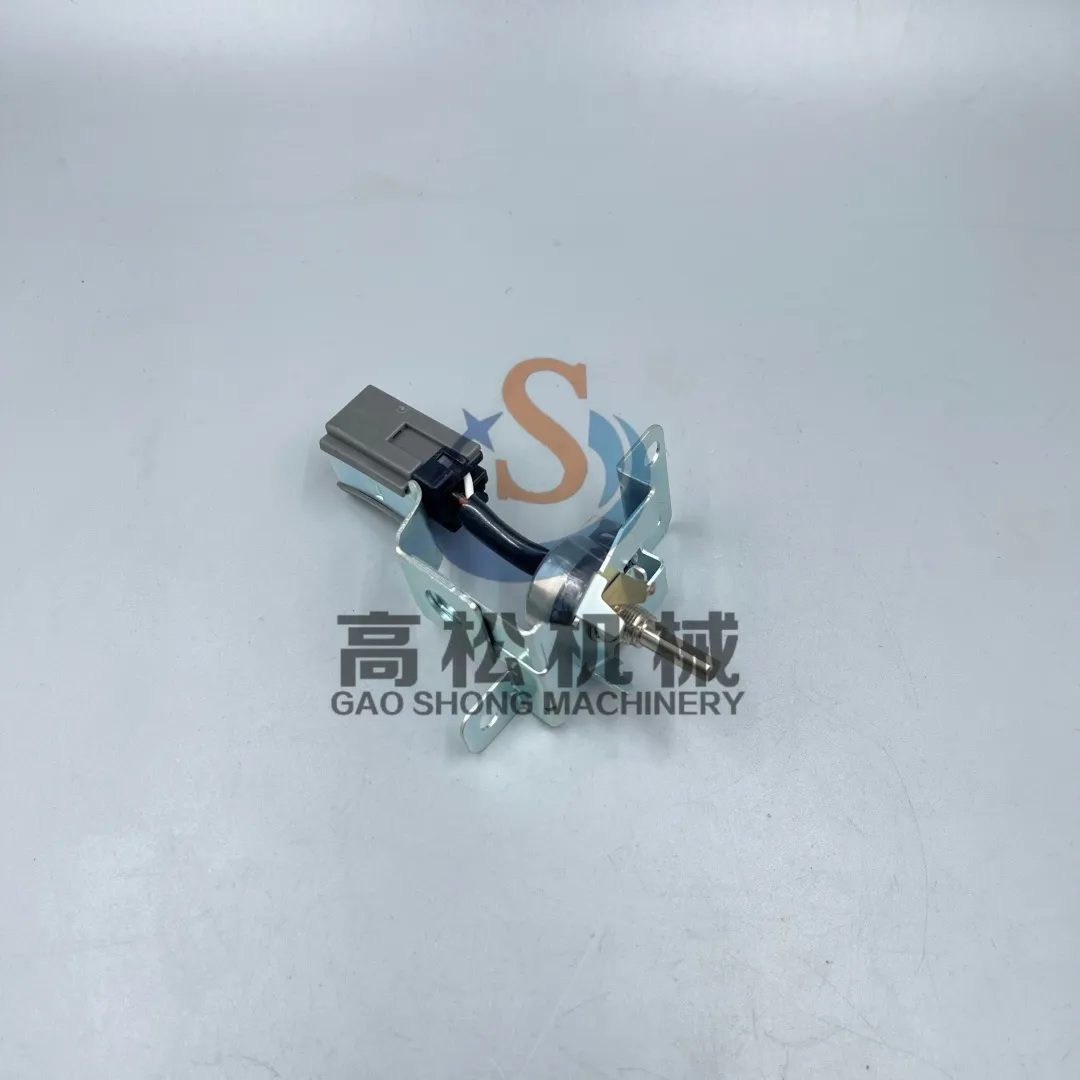 22U-06-22420 Komatsu Potentiometer Assembly
 -
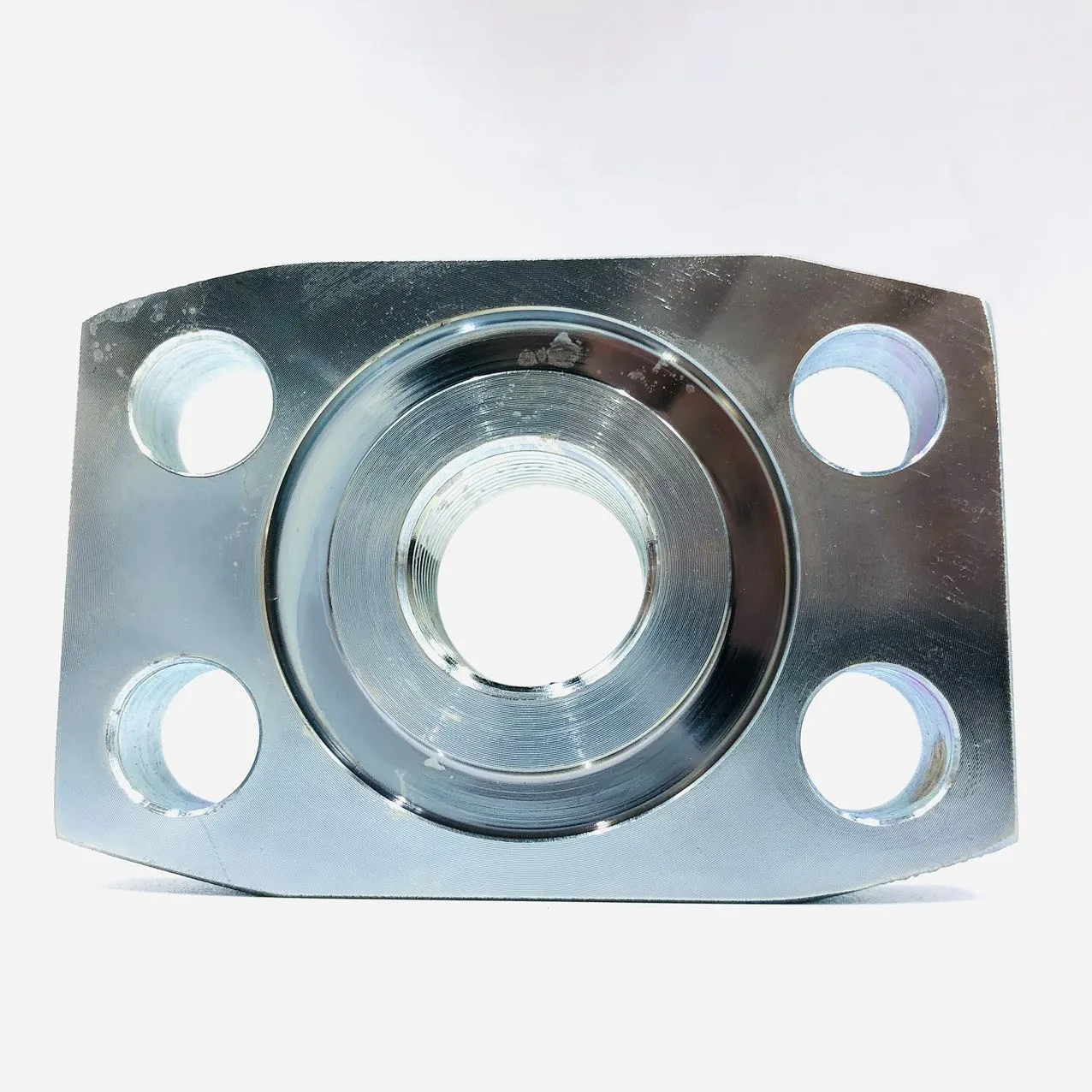 21N-38-12310 Flange (Komatsu)
 -
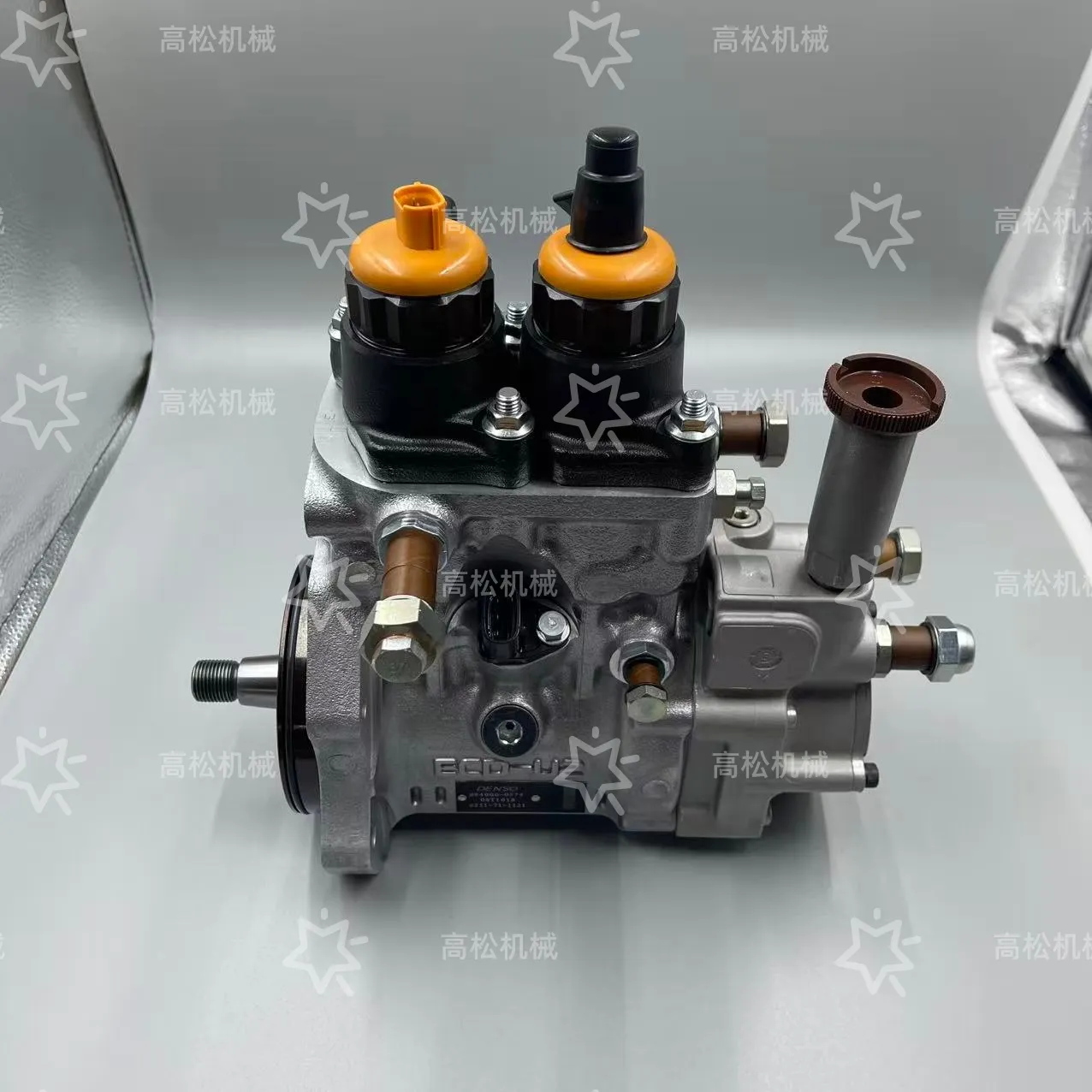 Fuel Injection Pump For Komatsu PC400-8 6251-71-1120 6251-71-1121 094000-057
 -
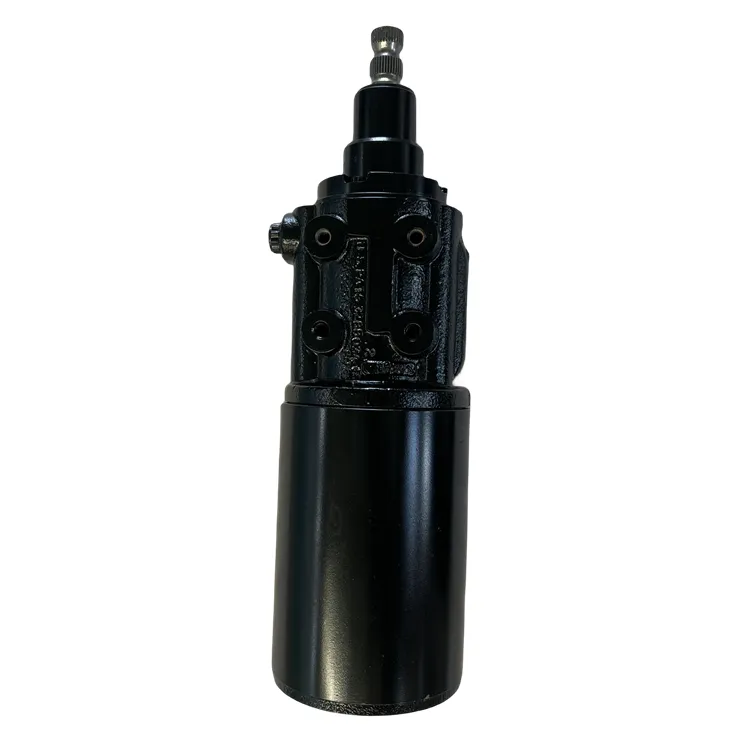 HD785-7 steering valve 561-40-83300