
- Chinese
- French
- German
- Portuguese
- Spanish
- Russian
- Japanese
- Korean
- Arabic
- Irish
- Greek
- Turkish
- Italian
- Danish
- Romanian
- Indonesian
- Czech
- Afrikaans
- Swedish
- Polish
- Basque
- Catalan
- Esperanto
- Hindi
- Lao
- Albanian
- Amharic
- Armenian
- Azerbaijani
- Belarusian
- Bengali
- Bosnian
- Bulgarian
- Cebuano
- Chichewa
- Corsican
- Croatian
- Dutch
- Estonian
- Filipino
- Finnish
- Frisian
- Galician
- Georgian
- Gujarati
- Haitian
- Hausa
- Hawaiian
- Hebrew
- Hmong
- Hungarian
- Icelandic
- Igbo
- Javanese
- Kannada
- Kazakh
- Khmer
- Kurdish
- Kyrgyz
- Latin
- Latvian
- Lithuanian
- Luxembou..
- Macedonian
- Malagasy
- Malay
- Malayalam
- Maltese
- Maori
- Marathi
- Mongolian
- Burmese
- Nepali
- Norwegian
- Pashto
- Persian
- Punjabi
- Serbian
- Sesotho
- Sinhala
- Slovak
- Slovenian
- Somali
- Samoan
- Scots Gaelic
- Shona
- Sindhi
- Sundanese
- Swahili
- Tajik
- Tamil
- Telugu
- Thai
- Ukrainian
- Urdu
- Uzbek
- Vietnamese
- Welsh
- Xhosa
- Yiddish
- Yoruba
- Zulu
- Kinyarwanda
- Tatar
- Oriya
- Turkmen
- Uyghur






Komatsu 569-20-62000
If you're looking up Komatsu , you probably already know it's a seal kit. But here's the thing – in our line of work, that number can mean either a straightforward fix or a massive headache, depending entirely on where you source it and what machine it's going into. A lot of guys just see it as a PC200-8 final drive seal kit, and they're not wrong, but that's where the oversimplification starts. The real story isn't in the catalog description; it's in the fit, the material quality, and the supply chain chaos that surrounds these critical components, especially in markets outside Japan.
The OEM Illusion and the Third-Party Reality
Working with Komatsu kits, you quickly learn there's the textbook OEM part and then there's what actually gets the machine back up and running. The official line is clear: use only genuine parts. But on the ground, especially in regions with import restrictions or extended lead times, that's often a luxury. That's where companies operating within the Komatsu ecosystem but providing flexible solutions come in. I've dealt with Jining Gaosong Construction Machinery Co., Ltd. (you can find them at takematsumachinery.com) on a few projects. Their pitch as an OEM product supplier within the Komatsu system and a third-party sales company isn't just marketing speak – it addresses the core dilemma we face daily: the need for reliable parts without a six-month wait.
The nuance is in their dual role. As an OEM supplier, they theoretically have access to the same spec sheets and quality benchmarks. But it's their third-party function that's often more critical. They're not just selling a box with a number; they're selling a solution to a supply chain breakdown. I've seen them provide a Komatsu kit that was functionally identical to the one stuck in customs, allowing a mining operation to resume in days, not months. The catch, and there's always a catch, is verifying that OEM quality claim against the physical product.
This leads to the first major judgment call. Does the seal material have the same durometer rating? Is the metal casing stamped correctly, or is there a slight tooling mark variation? These aren't academic questions. A slight mismatch in the lip seal compound can lead to a weep that turns into a major leak under high-pressure, high-temperature operation, causing a final drive failure that costs ten times the part's price. You learn to inspect every component, not just accept the kit at face value.
Field Application and the Devil in the Details
Let's talk about actually installing one of these kits. The Komatsu is comprehensive – it covers the duo cone seals, O-rings, gaskets. The manual makes it look like a paint-by-numbers job. Reality is messier. One recurring issue I've encountered, even with kits from reputable secondary sources, is the fit of the large O-ring that sits in the housing. Sometimes it's a fraction of a millimeter oversized, making installation a brutal fight that risks pinching or nicking the seal. Other times, it's slightly undersized, which feels easy during assembly but guarantees a leak path later.
You develop tricks. A light coat of the correct assembly grease (not just any grease) is non-negotiable. Warming the O-ring slightly in a controlled manner can help it settle. But these are workarounds for a part that should be perfect out of the box. This is where the supplier's credibility is tested. A company like Jining Gaosong, which positions itself as solving supply challenges, needs to have done this quality vetting already. When they have, it's a game-changer. When they haven't, you're the one doing the R&D on a critical machine.
I recall a job in Southeast Asia where we used a Komatsu kit sourced through a third-party channel to fix a PC200-8 that was leaking badly. The kit looked right, but the main shaft seal had a different colored spring on the lip – a tiny detail. We installed it anyway, pressed for time. It held for about 200 hours before weeping started. Was it the seal? Probably. The lesson wasn't to never use third-party, but to correlate even the smallest physical discrepancies with the supplier immediately. A good supplier will have an explanation – maybe a sub-component vendor change – and data to back up its performance.
Cost vs. Downtime: The Real Calculus
Nobody debates that a genuine Komatsu kit is the gold standard. The debate is over cost and time. A genuine Komatsu might cost X and arrive in 12 weeks. A high-quality, system-approved alternative might cost 0.6X and be on a shelf locally. For a fleet manager, the math isn't just about the part price; it's about the machine's hourly rate multiplied by downtime days. This is the solving parts supply challenges promise in action.
However, cost-effective must never mean compromised. I've been burned by cheap kits where the rubber degraded within months, or the metal dust seals wore prematurely, contaminating the final drive oil. The failure mode is expensive and erodes trust. The value of a supplier like the one mentioned isn't just in having the part, but in having a part that meets a known performance threshold. They need to be transparent: is this a genuine Komatsu part? Is it an OEM-spec part made to the same drawings? Or is it a high-quality aftermarket equivalent? Each has its place, but misrepresentation is catastrophic.
In my experience, the best outcomes come when the supplier acts as a partner. They might say, We have the genuine kit, but it's a four-week air freight. We also have an OEM-spec kit we've validated in similar applications, available now. Here's our test data on seal swell and temperature tolerance. That level of detail shows an understanding beyond box-moving. It shows they've wrestled with the same real-world problems we have.
Beyond the Part Number: System Knowledge
Focusing solely on Komatsu can be a trap. This kit fits several models in the Dash-8 series, but subtle differences exist between, say, a PC200-8 and a PC220-8 in the surrounding components and pressures. A proficient technician or supplier knows this. The conversation shouldn't end at Yes, we have that kit. It should continue with, What's the machine serial number? What was the failure mode – was it just age, or was there a bearing failure that sent metal through the seals?
A supplier embedded in the Komatsu system should offer that context. They might recommend checking the companion flange for wear or suggesting a bearing inspection while you're in there – advice that prevents a callback. This system-level knowledge is what separates a parts seller from a solutions provider. It's the difference between fixing a leak and ensuring the final drive has a full, reliable service life post-repair.
I've found that the most reliable channels, whether primary or third-party, encourage this dialogue. Their websites, like takematsumachinery.com, often have more than just a catalog; they have technical bulletins or application notes. That indicates a deeper engagement with the product, not just the commerce. It suggests they've seen the failures, heard the feedback, and integrated it into their service.
Concluding Thoughts: A Matter of Trust
So, what's the verdict on Komatsu ? It's a perfectly defined part, but it exists in an imperfect world. The need for flexible, reliable supply chains is undeniable. Entities that operate as OEM suppliers and third-party vendors fill a crucial, complex niche. They're not just alternatives; they're often the only pragmatic solution to keep assets running in certain markets.
The trust is built part by part, kit by kit. It's built when the seal dimensions are perfect, when the material withstands the heat, and when the supplier stands behind the product with accurate technical support. It's broken by shortcuts and opaque sourcing. For professionals in the field, our judgment on a part number extends far beyond the digits. It encompasses the entire chain of custody, from the factory floor to the final torque check on the sprocket bolts. The number is just the entry point to a much deeper set of engineering and logistical realities.
In the end, whether you go purely genuine or explore a qualified third-party path through a company like Jining Gaosong, the principles remain: verify, validate, and never assume. The part number gets you in the ballpark, but the details – and the supplier's honesty about them – win the game.
Related Products
Related Products


Best Selling Products
Best Selling Products-
 (KOMATSU)19M-40-11160 PISTON
 -
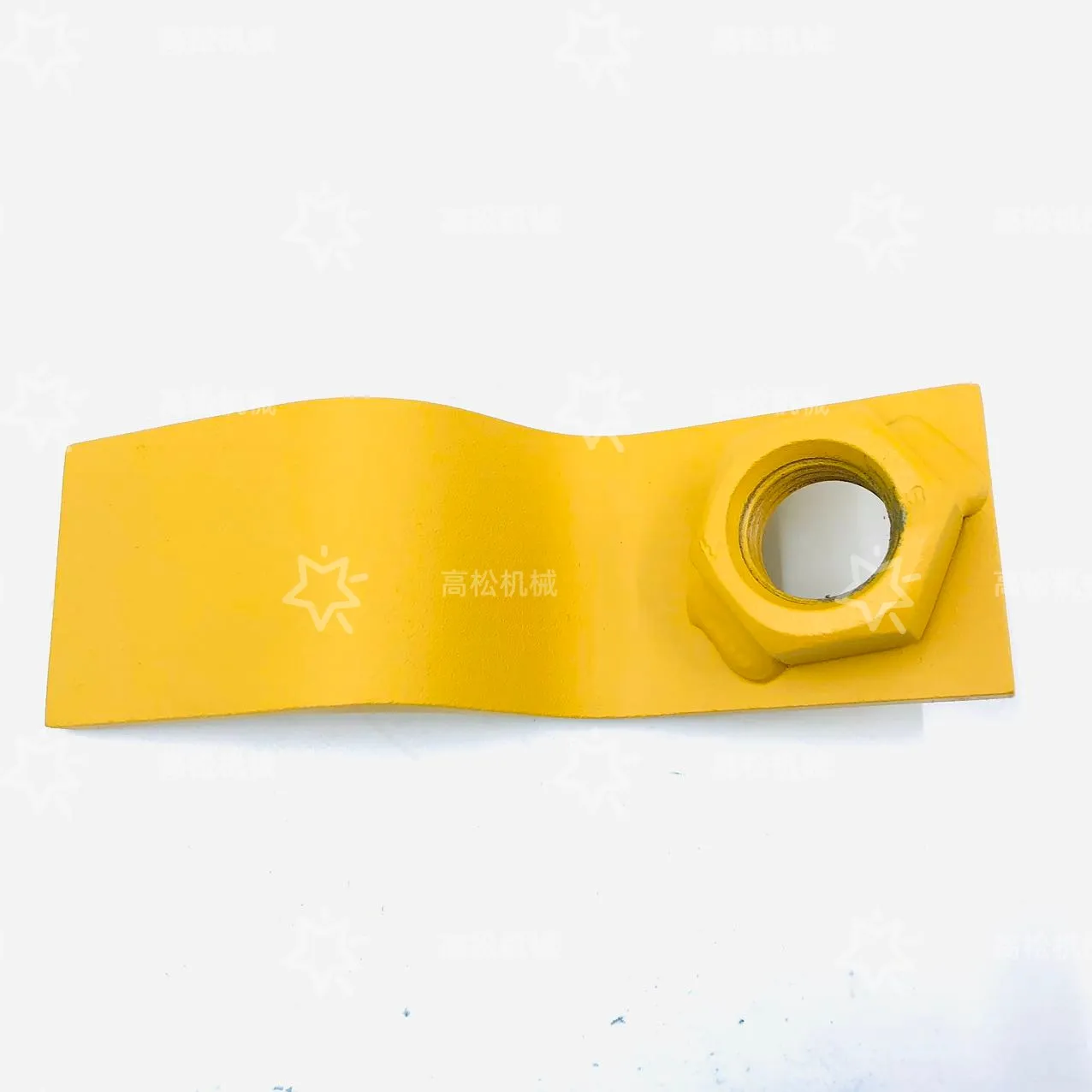 Hot Selling at Low Prices 21P-62-K1520 21M-62-11230 21T-01-67330 21U-62-34760 Underground Facilities
 -
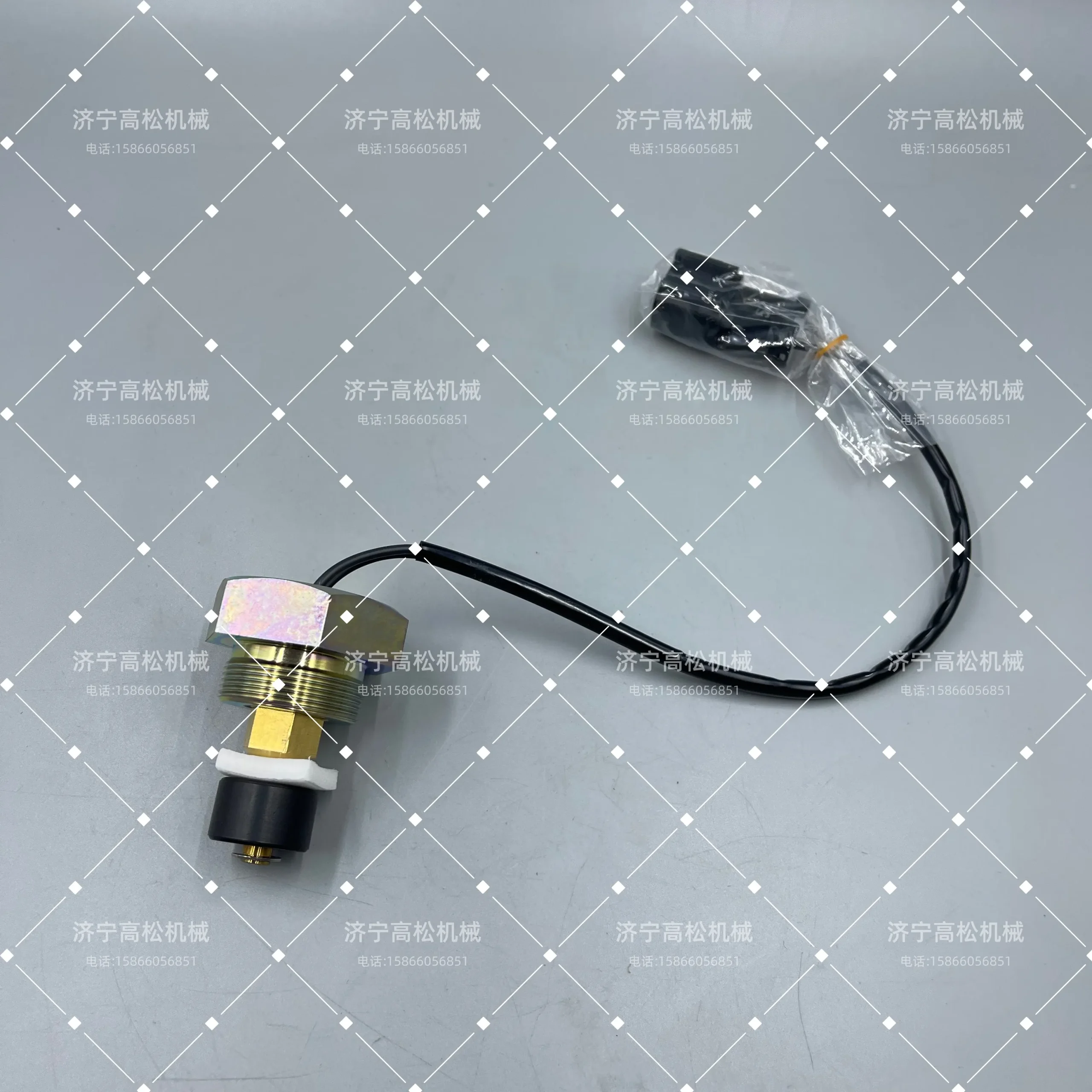 Sensor 7861-92-4500 for KOMATSU WA350-3A-S China…
 -
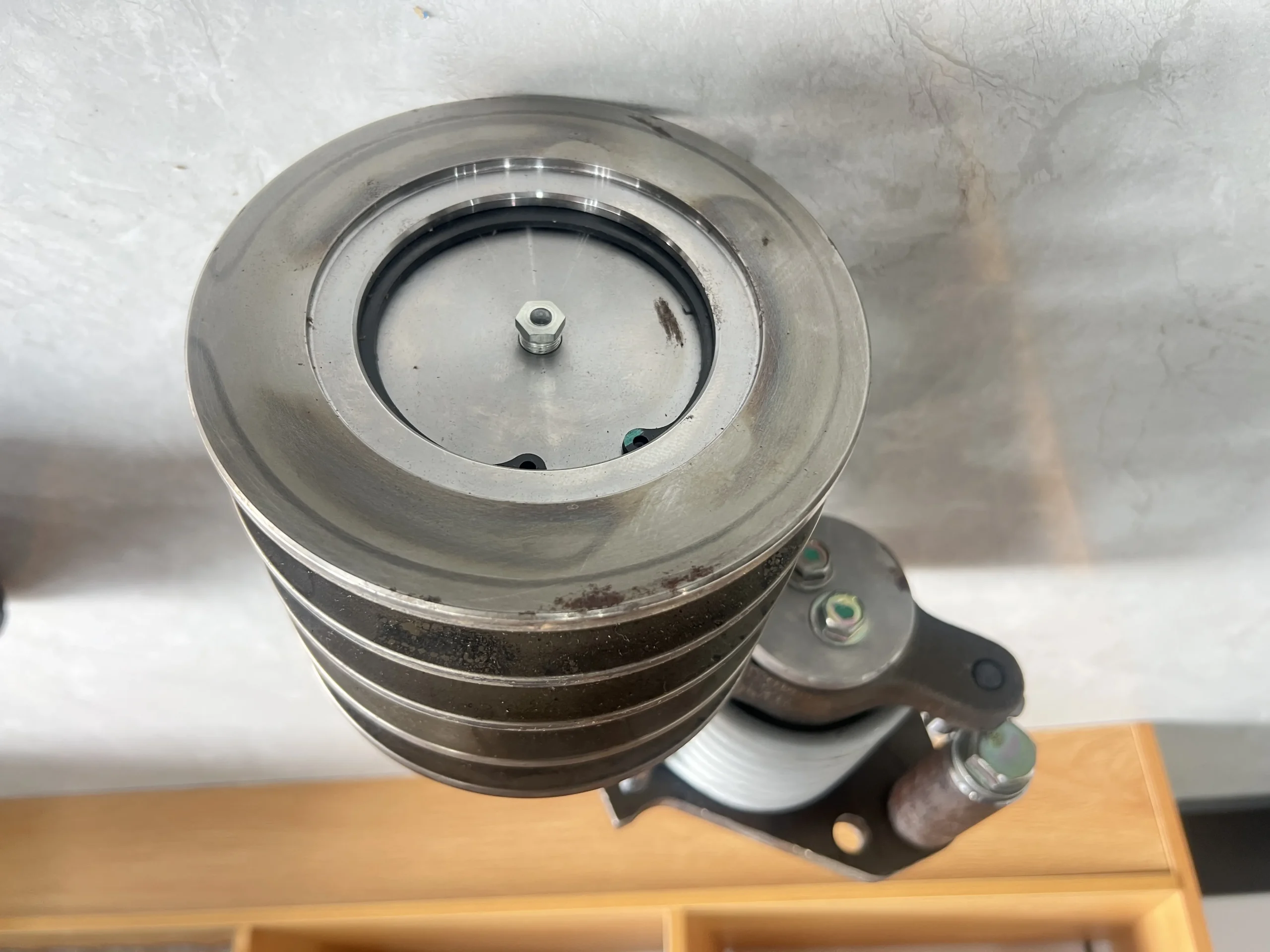 6240614500 TENSION PULLEY ASS’Y-Komatsu Original Factory
 -
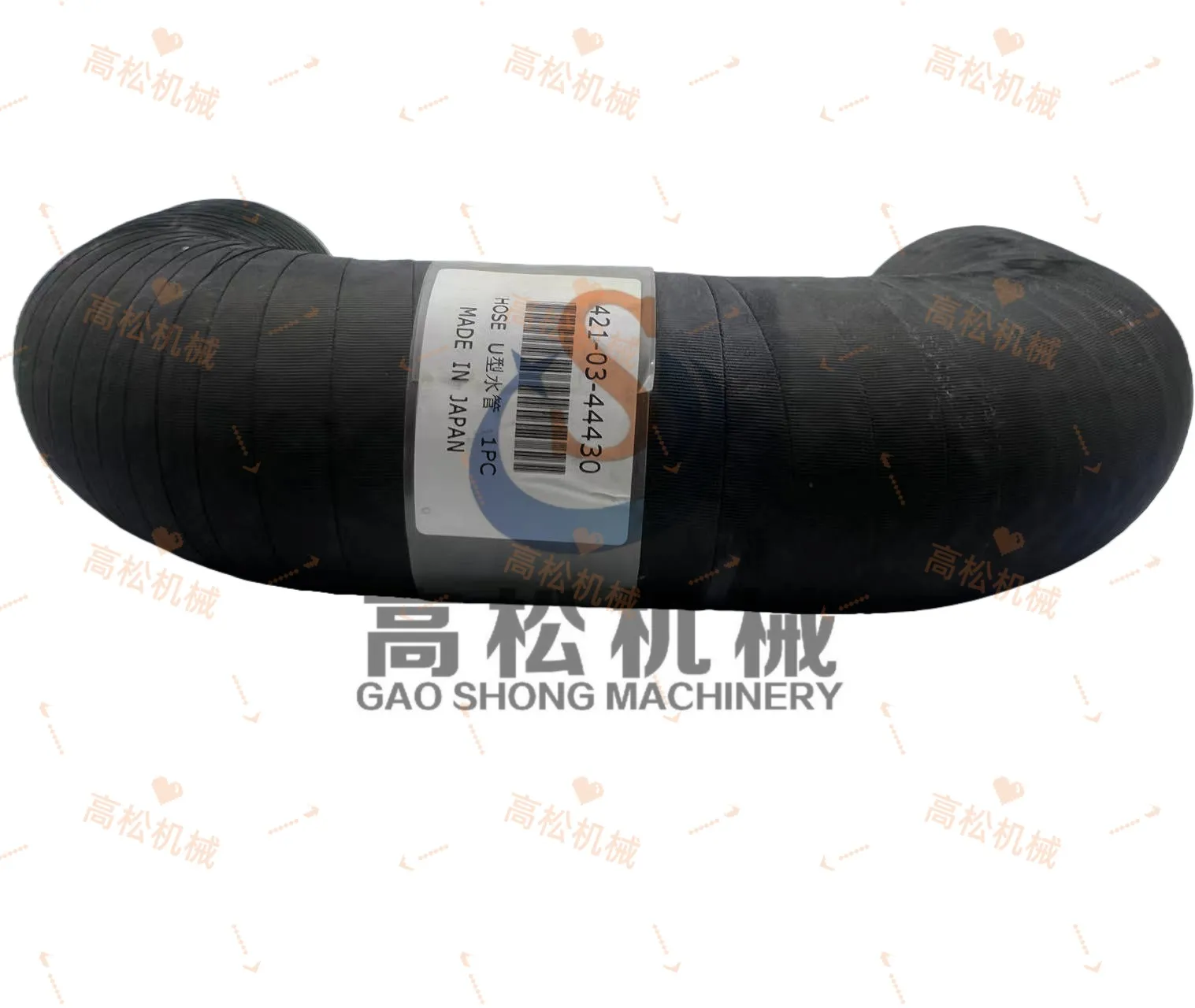 421-03-44430 HOSE WA480-6 S/N H60051 – H60462 RADIATOR Construction Machines Excavator Hose 421-03-44430 For WA380 WA450 WA470 WA480 Radiator
 -
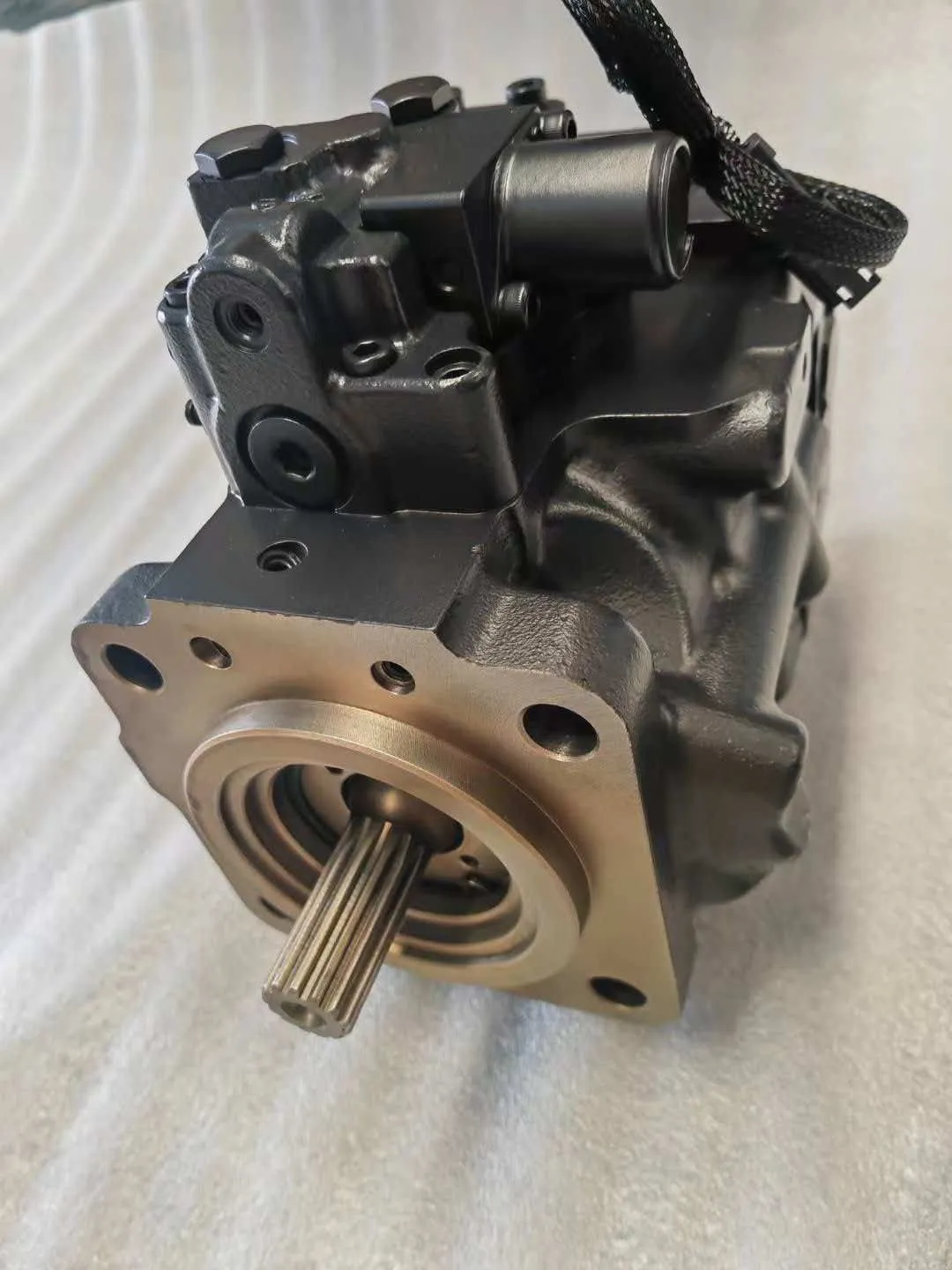 Compatible for Komatsu D61EX-16 D61PX-16 D65PX-17 D65EX-17 GD755-5R Bulldozer Fan Pump 708-1S-00460
 -
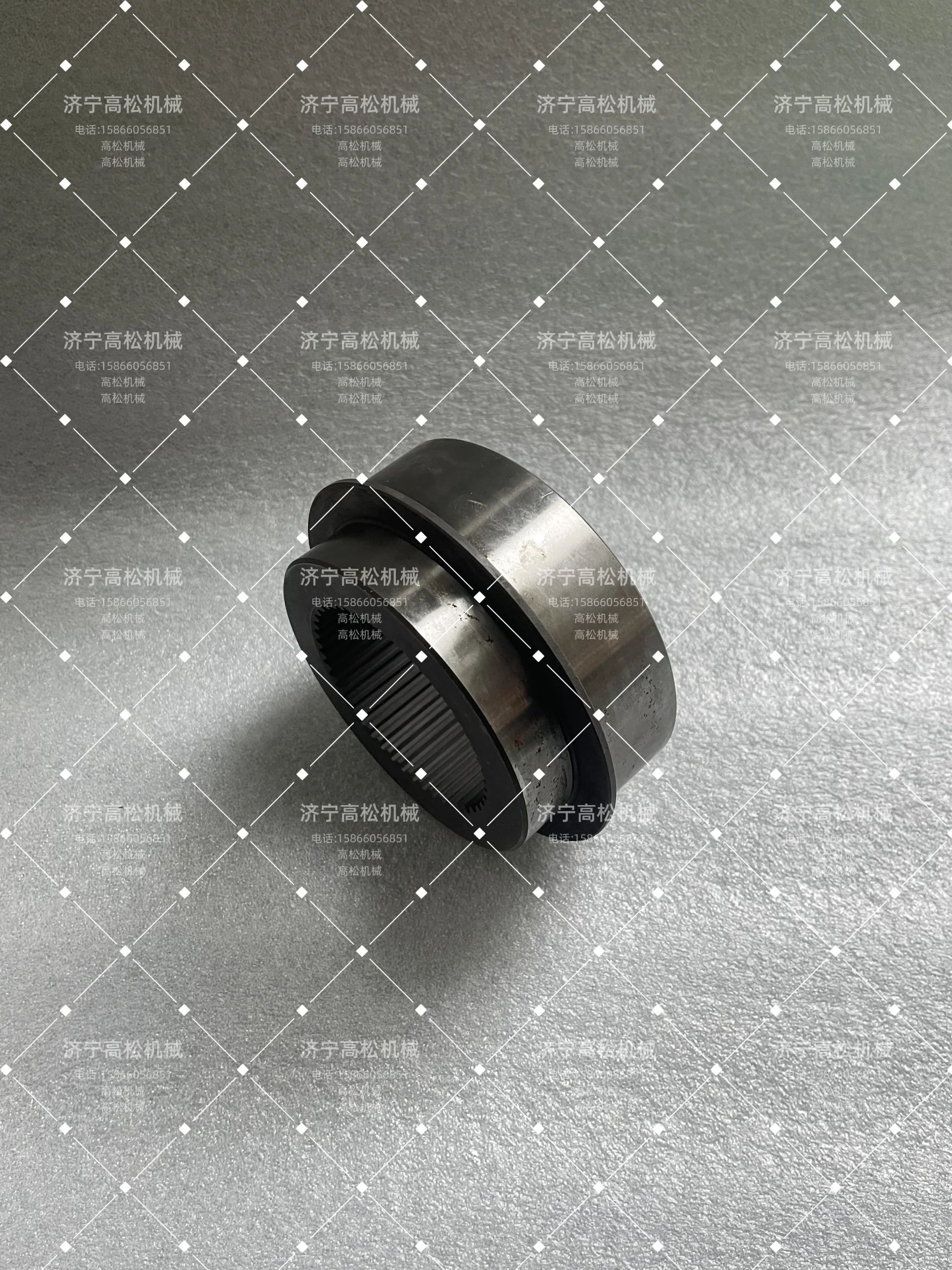 195-15-82570 Komatsu Spacer
 -
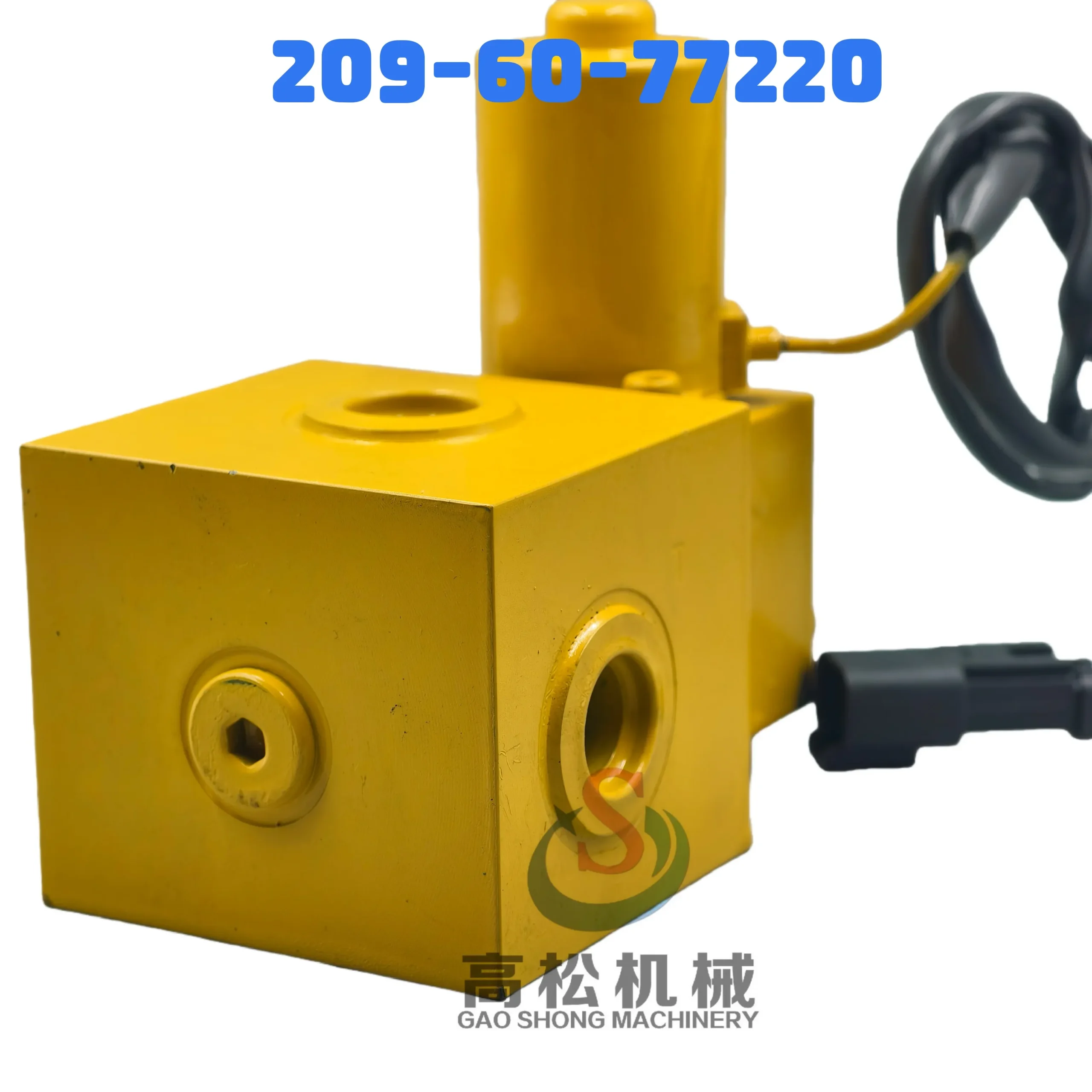 Valve 209-60-77220 for Komatsu
 -
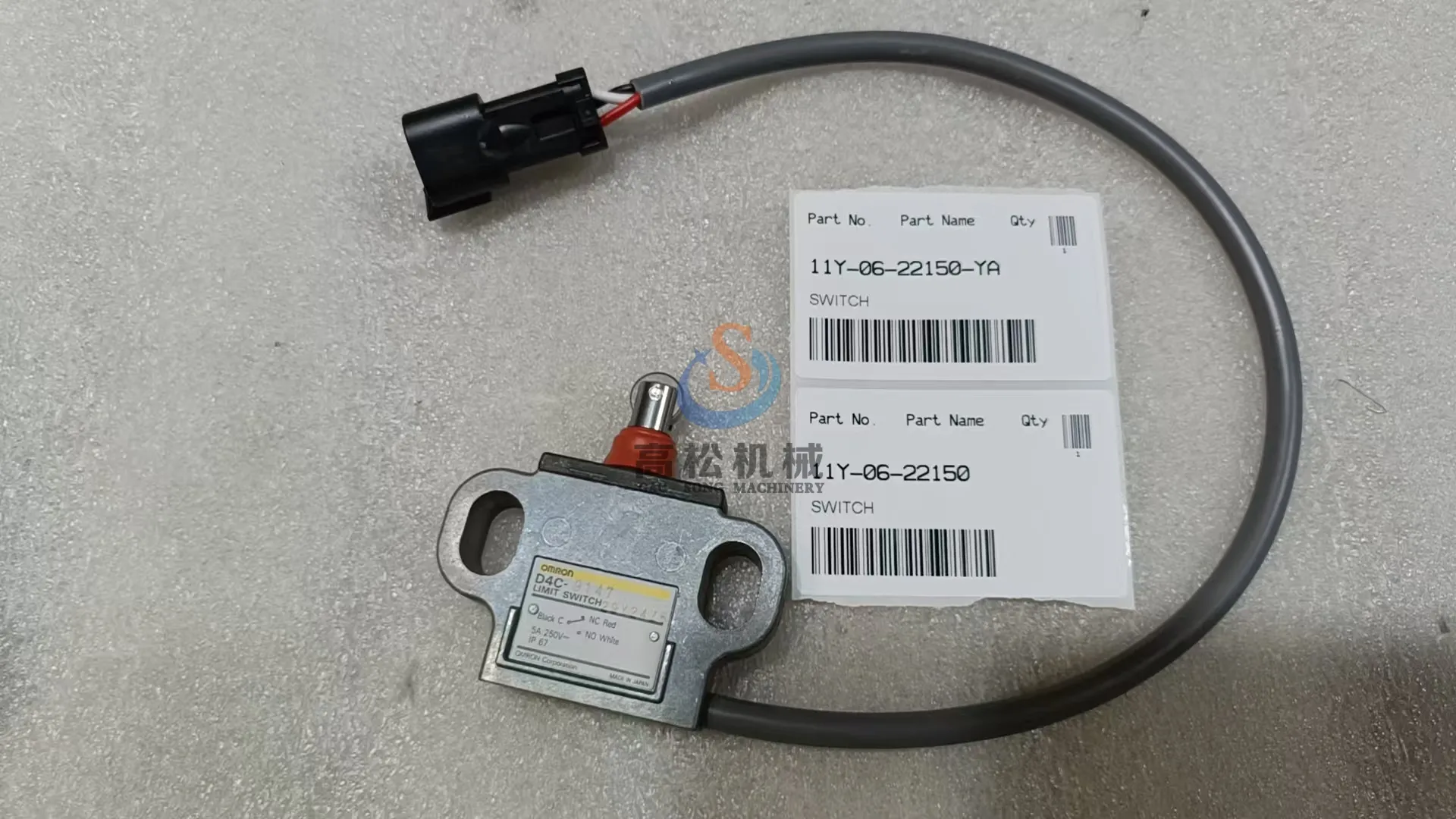 11Y-06-22150 komatsu SWITCH-D155/D275A
 -
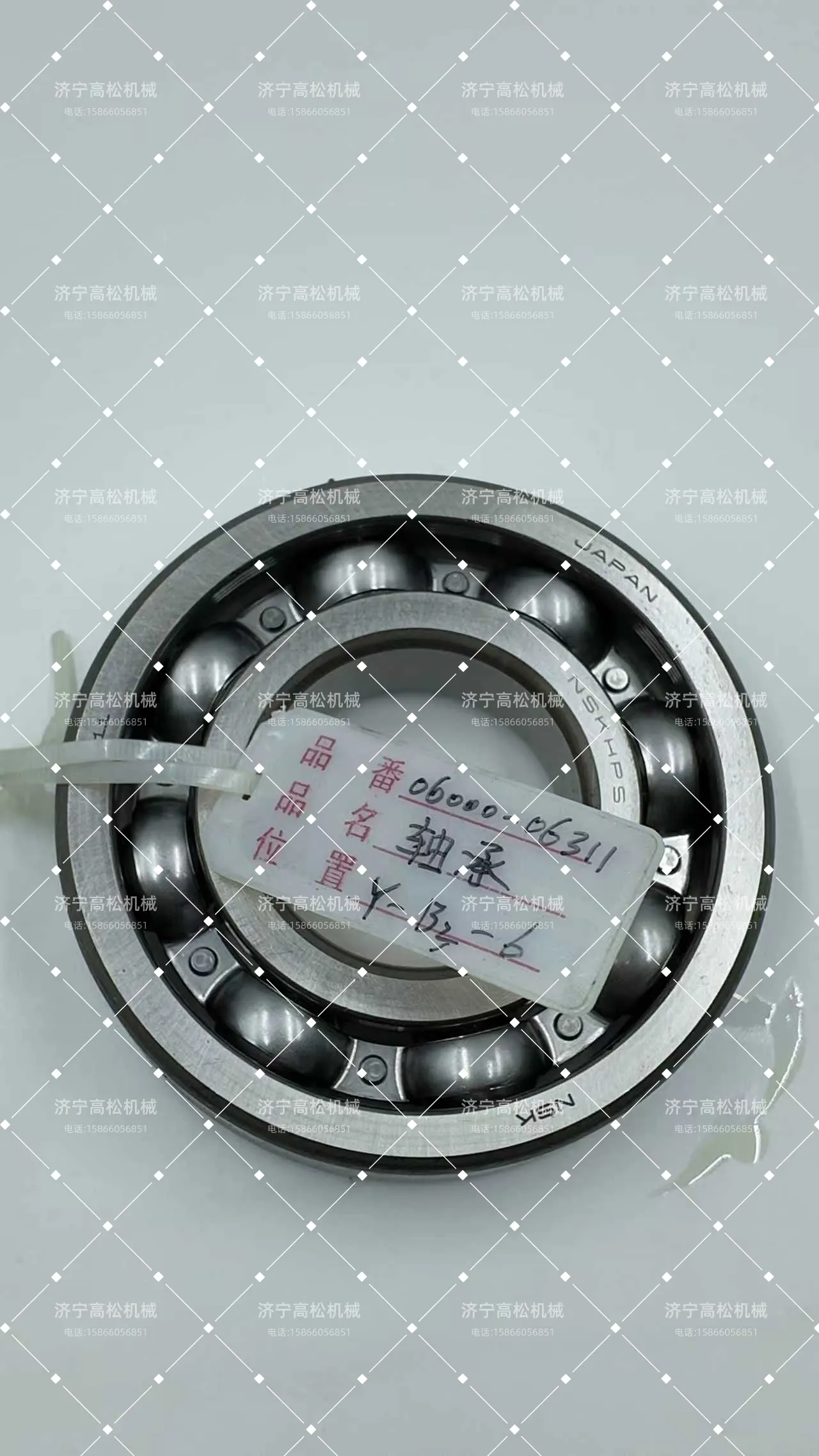 Custom KOMATSU Bulldozer Slewing Gearbox Bearing 06000-06311…
 -
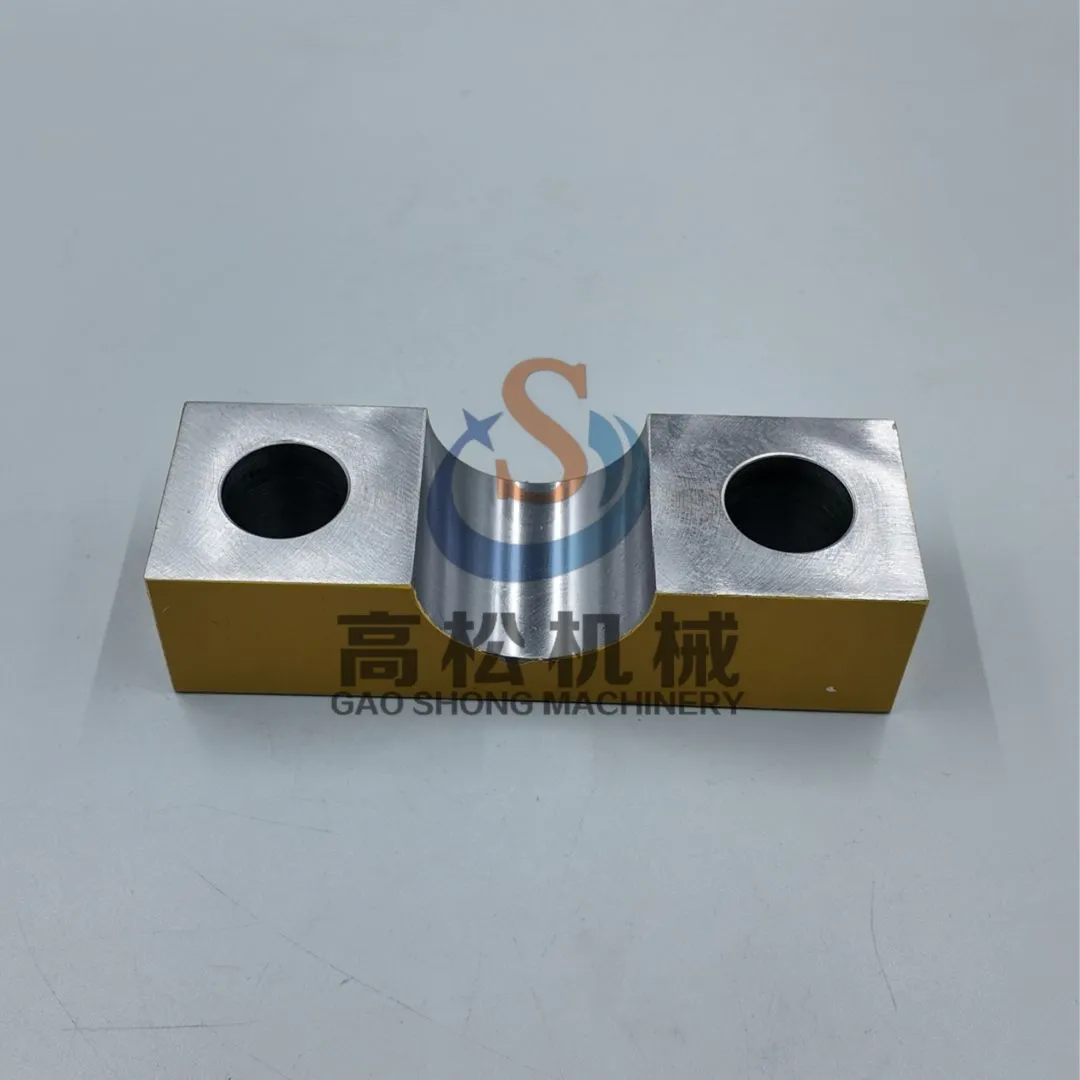 56B-50-12150 Komatsu Plate komatsu original
 -
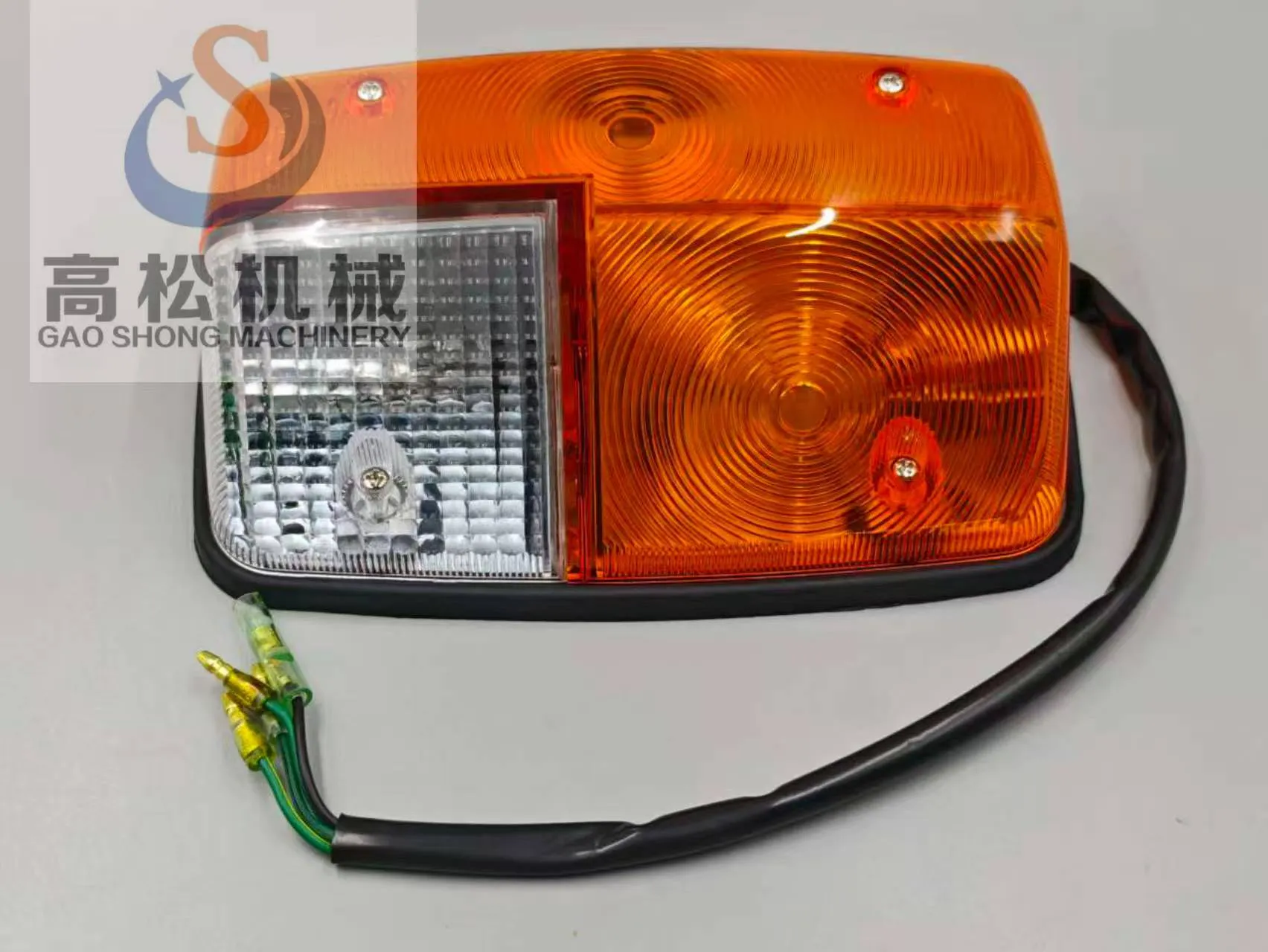 High quality, sales leader, light assembly 421-06-13401 421-06-13301, light assembly for komatsu gd405a-2 hd785-5lc 542 558