
- Chinese
- French
- German
- Portuguese
- Spanish
- Russian
- Japanese
- Korean
- Arabic
- Irish
- Greek
- Turkish
- Italian
- Danish
- Romanian
- Indonesian
- Czech
- Afrikaans
- Swedish
- Polish
- Basque
- Catalan
- Esperanto
- Hindi
- Lao
- Albanian
- Amharic
- Armenian
- Azerbaijani
- Belarusian
- Bengali
- Bosnian
- Bulgarian
- Cebuano
- Chichewa
- Corsican
- Croatian
- Dutch
- Estonian
- Filipino
- Finnish
- Frisian
- Galician
- Georgian
- Gujarati
- Haitian
- Hausa
- Hawaiian
- Hebrew
- Hmong
- Hungarian
- Icelandic
- Igbo
- Javanese
- Kannada
- Kazakh
- Khmer
- Kurdish
- Kyrgyz
- Latin
- Latvian
- Lithuanian
- Luxembou..
- Macedonian
- Malagasy
- Malay
- Malayalam
- Maltese
- Maori
- Marathi
- Mongolian
- Burmese
- Nepali
- Norwegian
- Pashto
- Persian
- Punjabi
- Serbian
- Sesotho
- Sinhala
- Slovak
- Slovenian
- Somali
- Samoan
- Scots Gaelic
- Shona
- Sindhi
- Sundanese
- Swahili
- Tajik
- Tamil
- Telugu
- Thai
- Ukrainian
- Urdu
- Uzbek
- Vietnamese
- Welsh
- Xhosa
- Yiddish
- Yoruba
- Zulu
- Kinyarwanda
- Tatar
- Oriya
- Turkmen
- Uyghur





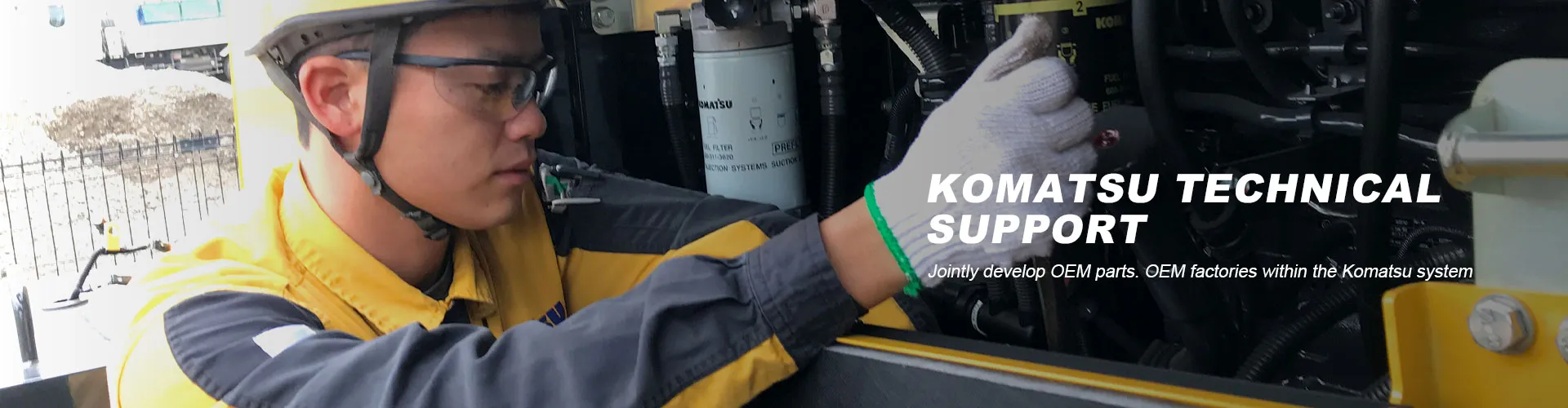
komatsu 4d95s engine
You hear 'Komatsu 4D95S' and a lot of folks immediately think of the mid-size excavators, maybe the PC200-6, PC220-6 era. That's correct, but it's also where the first misconception sits. People treat it like just another diesel engine, but having sourced parts for these for years, I can tell you its legacy and its quirks are deeply tied to that specific Komatsu architecture of the late 90s/early 2000s. It's not a standalone powerplant you can easily adapt; it's a system component. The real story isn't in the spec sheet—it's in keeping them running decades later in markets where the official supply chain has thinned out.
More Than Just a Model Number: The System Integration Quirk
The 4D95S isn't an engine you just drop in. Komatsu's design philosophy back then was deeply integrated. The engine management, the hydraulics pump drive, the mounting points—they're all speaking the same language. I've seen mechanics try to retrofit a 'similar' spec engine from another maker into a PC200-6 frame, and it's a nightmare of custom fabrication and control system headaches. The Komatsu 4D95S engine works because it's part of a closed-loop conversation with the Komatsu main controller. Mess with that, and you'll spend more on electronics than you saved on the engine swap.
This integration is precisely where companies like Jining Gaosong Construction Machinery Co., Ltd. find their niche. As an OEM product supplier within the Komatsu system, they understand that supplying a part isn't just about the physical component. It's about knowing that a gasket for the 4D95S might have a slight revision after a certain serial number because of a heat dissipation update on the later PC220-6 models. That's institutional knowledge you don't get from a generic parts catalog.
Where you really see the difference is in the fuel system. The S in 4D95S? That's for direct injection. The pumps and injectors are precise, and when they wear, the symptoms aren't always obvious. Loss of power under load, but idles fine. Black smoke only on a specific hydraulic function. Diagnosing that requires knowing the machine's behavior, not just the engine's. It's this kind of practical, intertwined knowledge that separates a parts supplier from a system partner.
The Chronic Points of Failure and the Aftermarket Dance
After 15,000 hours, certain patterns emerge. The turbocharger on these units, if the oil changes were neglected, becomes a carbon-clogged liability. It's not that the turbo is poorly made; it's that the engine's duty cycle in an excavator is brutal—constant RPM swings, dust ingestion. The oil feed lines can coke up. We learned to recommend replacing the lines alongside a turbo rebuild, a lesson from a failed 'just rebuild the turbo' job that came back in three months.
Then there's the cylinder head. The valve seats, in particular. In regions with high-sulfur fuel or questionable filtration, we'd see premature pitting. The official fix is a new head or a major rebuild. But in certain countries, where downtime means zero income, the challenge is providing a viable, reliable alternative that doesn't break the bank. This is the 'parts supply challenge' in action. Sometimes, the solution isn't a pristine OEM head shipped from Japan with a 12-week lead time. It might be a verified, remanufactured unit with upgraded seat material that we've tested. That's the third-party role: solving the real-world problem, not just fulfilling a part number.
Water pumps are another one. The bearing seal goes, coolant gets into the lube oil. It seems minor, but if it's not caught, it's a recipe for a spun bearing. I always tell guys to check for crusty white residue around the pump pulley during their walk-around. It's a five-second check that can save a $20,000 engine. These aren't secrets, but they're the granular details you only absorb from handling dozens of these engines in the field.
The OEM vs. Aftermarket Balancing Act
Working with a supplier like the one behind https://www.takematsumachinery.com clarifies this balance. Their position is interesting: they are an OEM supplier within Komatsu's network, meaning they have access to genuine components and the technical specs that come with them. But they also operate as a third-party sales company. This isn't contradictory; it's pragmatic. For a critical, non-negotiable part like the crankshaft for the 4D95S engine, you want the genuine article. The metallurgy and hardening are specific. Here, their OEM role is vital.
However, for components like engine mounts, certain hoses, or even alternator brackets, a high-quality aftermarket part that meets Komatsu's engineering drawings can be a lifeline. It gets the machine back to work at a cost that makes sense for the owner. The key is the supplier's ability to vet quality. Having the OEM blueprint means they know what the part must do, and can reject aftermarket options that don't measure up, even if they look right. This vetting process is invisible to the customer but is everything.
I recall a situation with a batch of thermostat housings. The aftermarket ones were aluminum, just like OEM, and dimensionally identical. But the sealing surface finish was rougher. It looked fine, but it led to persistent, slow coolant leaks that were a nightmare to diagnose. A supplier without the direct OEM experience might not have caught that nuance. They'd just see a matching part number. It's these subtle failures that erode trust in non-genuine parts, and why having a foot in both worlds is so valuable for solving supply challenges.
On the Ground: A Case of Mistaken Identity
Let me give you a concrete example of where textbook knowledge fails. A customer had a PC200-6 with a Komatsu 4D95S that was overheating. They'd replaced the thermostat, flushed the radiator, water pump was new. They were convinced it was a head gasket, ready to pull the engine. We got involved because they were looking for a head gasket set. But something was off—the overheating was intermittent, and only under high hydraulic load.
We asked them to check something simple: the hydraulic oil cooler, which is stacked in front of the engine radiator. It was completely clogged with dirt and chaff. The machine was working in a chaff-rich environment. The hydraulic oil was getting hot, transferring that heat to the coolant before it even reached the radiator, overwhelming the cooling system. The engine was the victim, not the culprit. A few hours of cleaning the cooler stack solved it. This has nothing to do with the engine's internal design, but everything to do with the system it lives in. A parts supplier that only knows part numbers would have sold a very expensive gasket set for a problem it wouldn't have fixed.
This is the practical value. It's not just about having the part; it's about sometimes preventing an unnecessary purchase. It builds a different kind of relationship. The website for Jining Gaosong mentions helping to solve parts supply challenges. This is a perfect example. The challenge wasn't supply; it was misdiagnosis. Providing the correct solution, which was just advice in this case, solves the real challenge: machine downtime.
Looking Back, and What Keeps It Relevant
The Komatsu 4D95S is far from new tech. By today's standards with common rail and Tier 4 final emissions, it's almost simple. But that's its strength. Its mechanical direct injection is robust, understandable, and repairable in workshops without million-dollar diagnostic computers. That's why there's such a vibrant aftermarket and remanufacturing ecosystem around it. These machines are still out there, digging foundations, working mines, because they are fundamentally good iron.
The parts challenge now is less about availability and more about quality dilution. The market is flooded with copies of varying standards. The role of a knowledgeable supplier becomes one of filtration. For mechanics and fleet managers who can't afford a comeback job, knowing that a supplier has the OEM pedigree to distinguish between a good copy and a bad one is everything. It's trust, built on technical understanding.
So, when I think of the 4D95S engine, I don't just see a block of iron. I see a specific era of Komatsu's reliability, a network of machines still earning their keep, and the intricate, sometimes messy, business of supporting them years after the factory's focus has moved on. It's this niche—understanding the system, knowing the failure points, and providing credible options—that keeps these old workhorses running. And that, in the end, is the real business: not just selling parts, but sustaining productivity.
Related Products
Related Products
Best Selling Products
Best Selling Products-
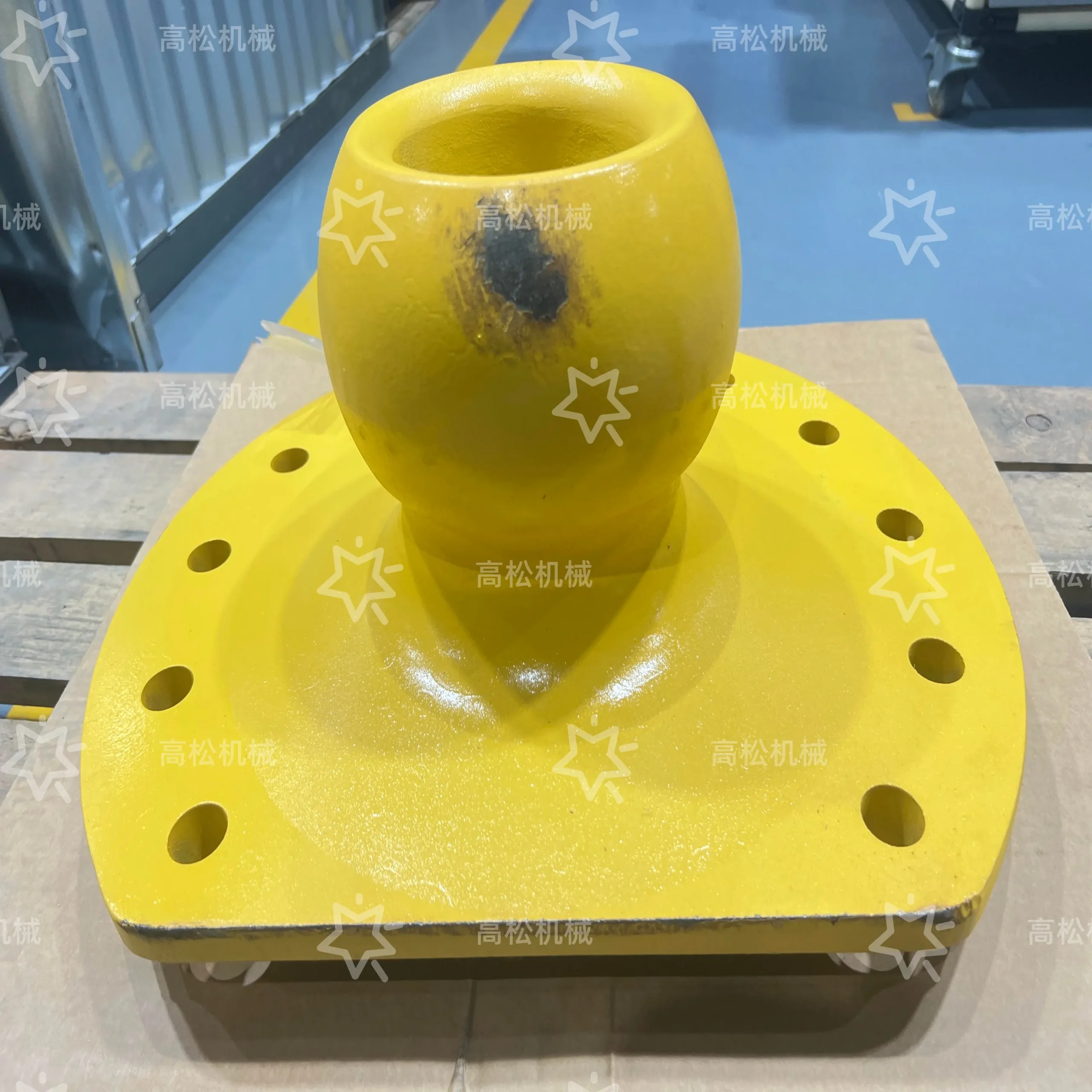 Trunnion 195-71-51191 for Bulldozer D375A-1/3/5/6
 -
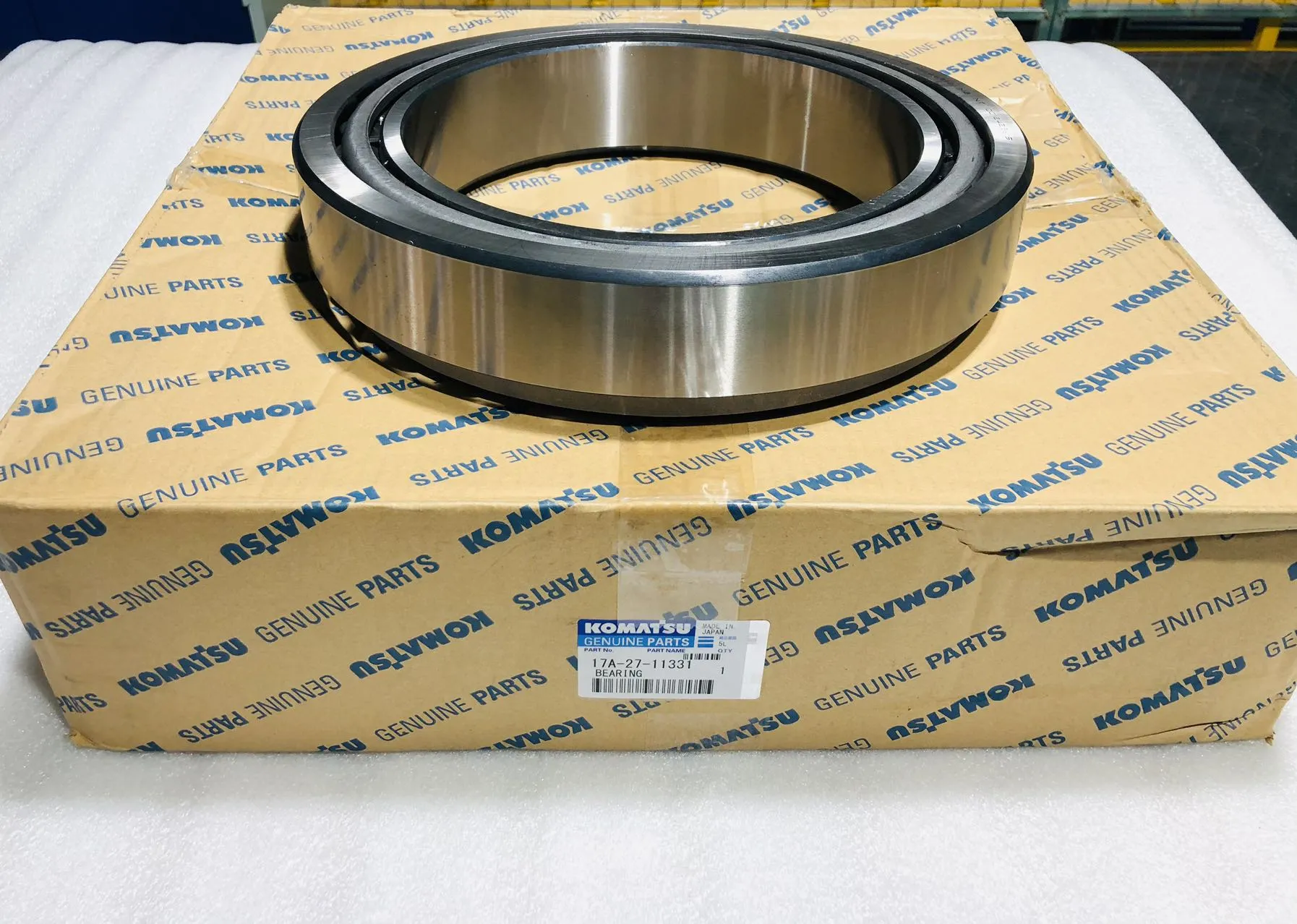 17A-27-11331 Komatsu D155
 -
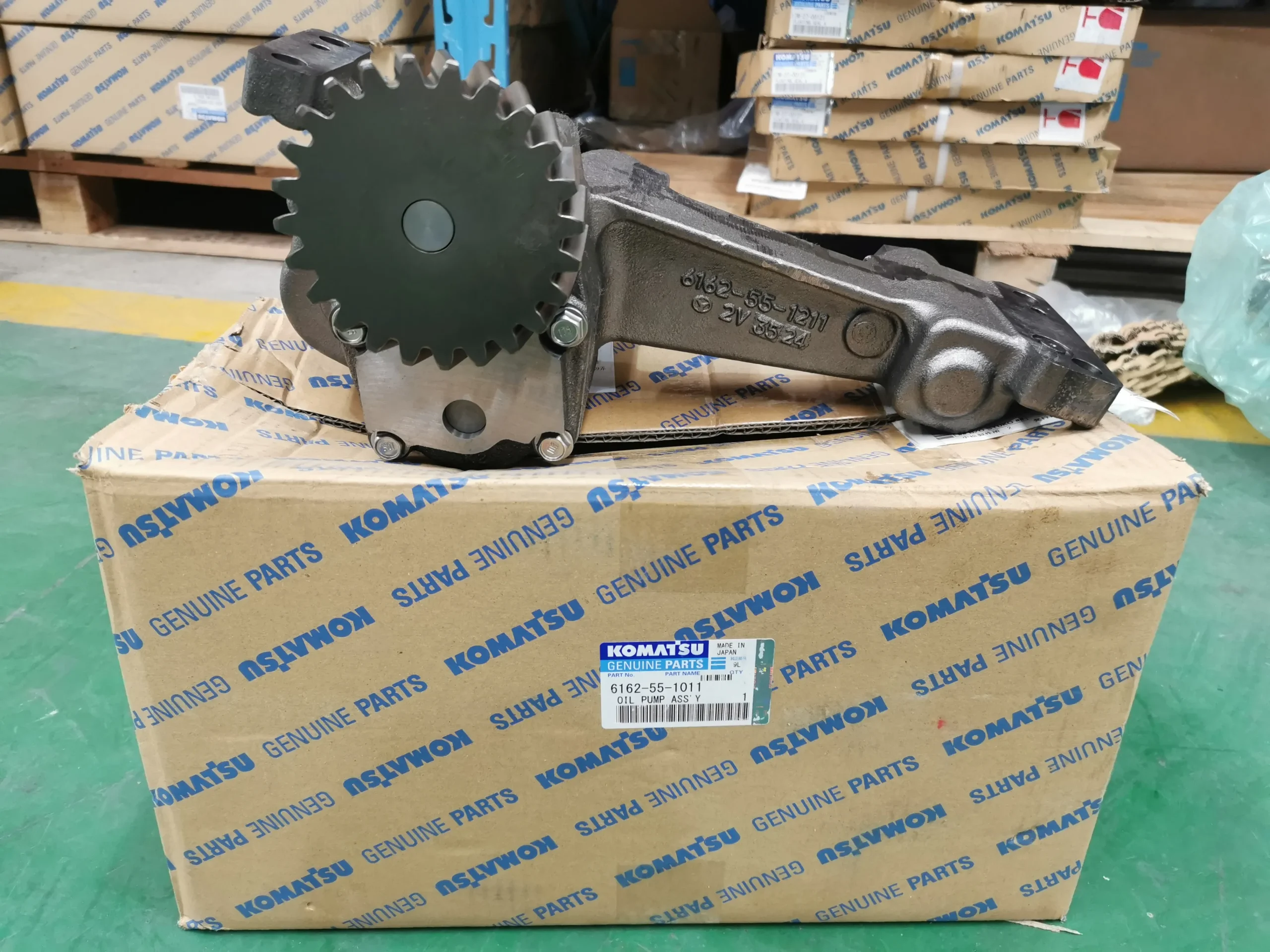 S6D170E-2A Oil Pump 6162-55-1011
 -
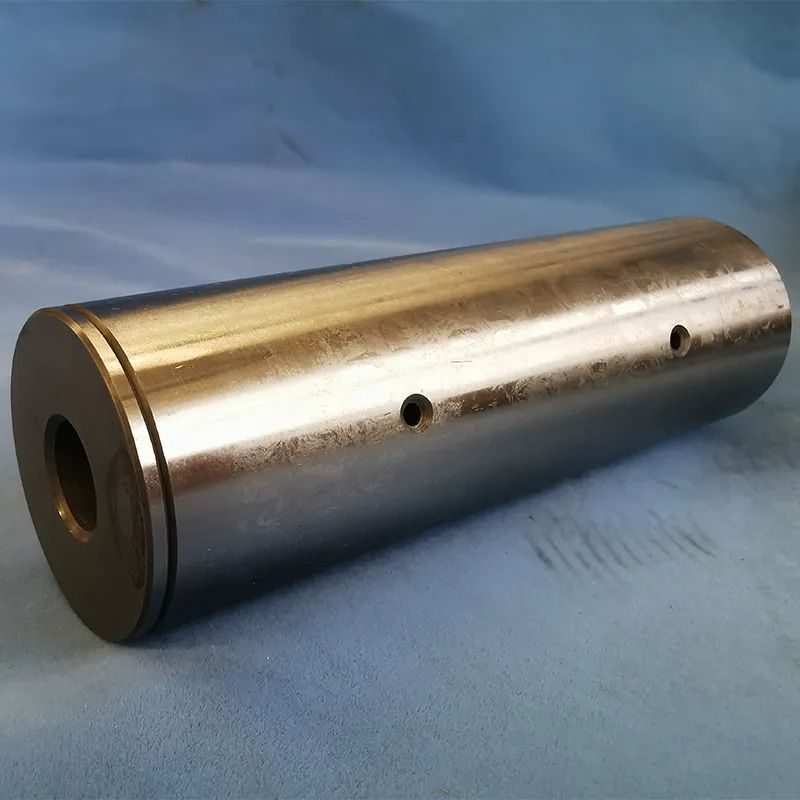 Komatsu original D375A-5 axis 195-15-72520
 -
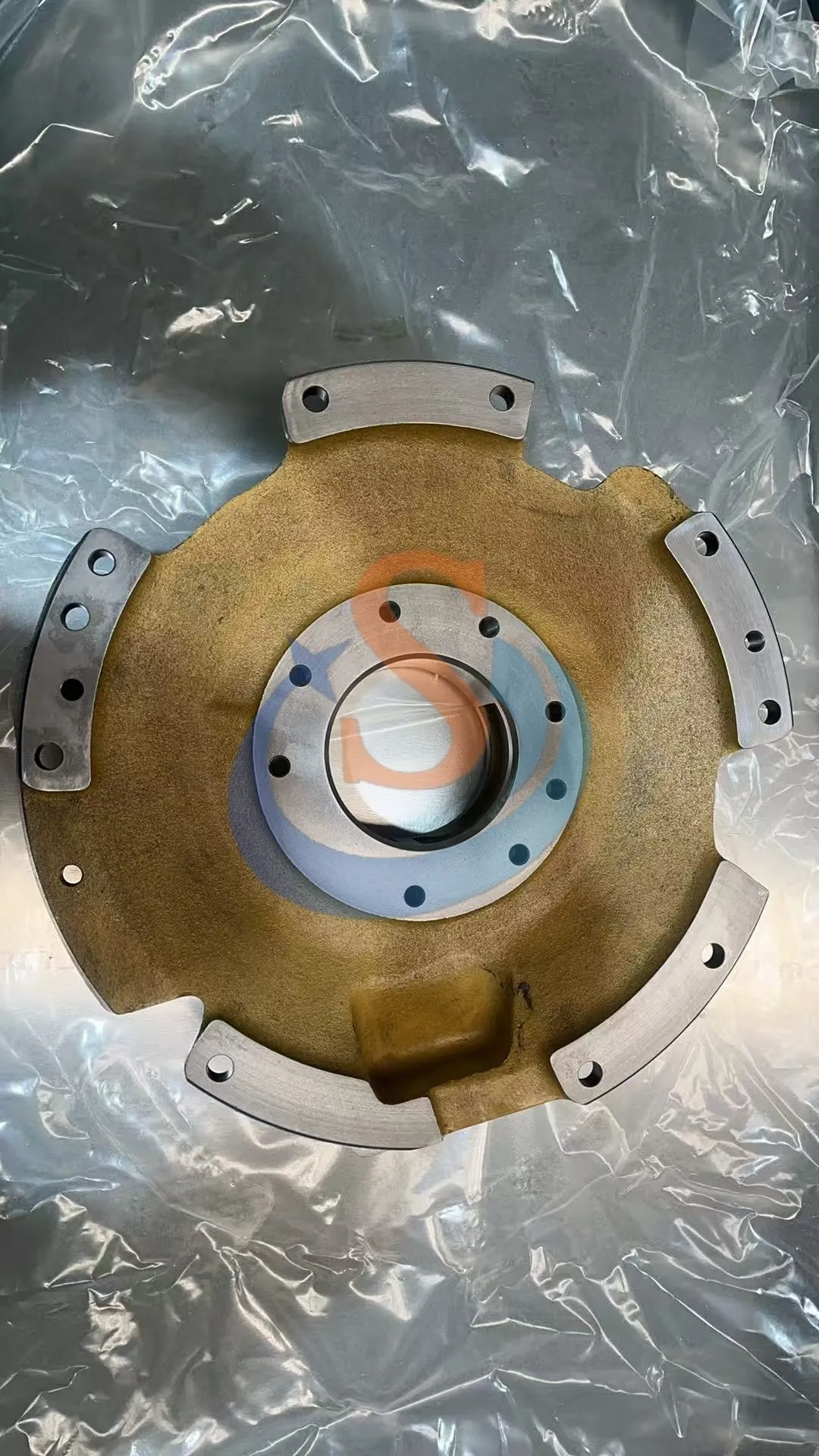 14X-13-54411 Housing D65PX/D65WX/D65EX
 -
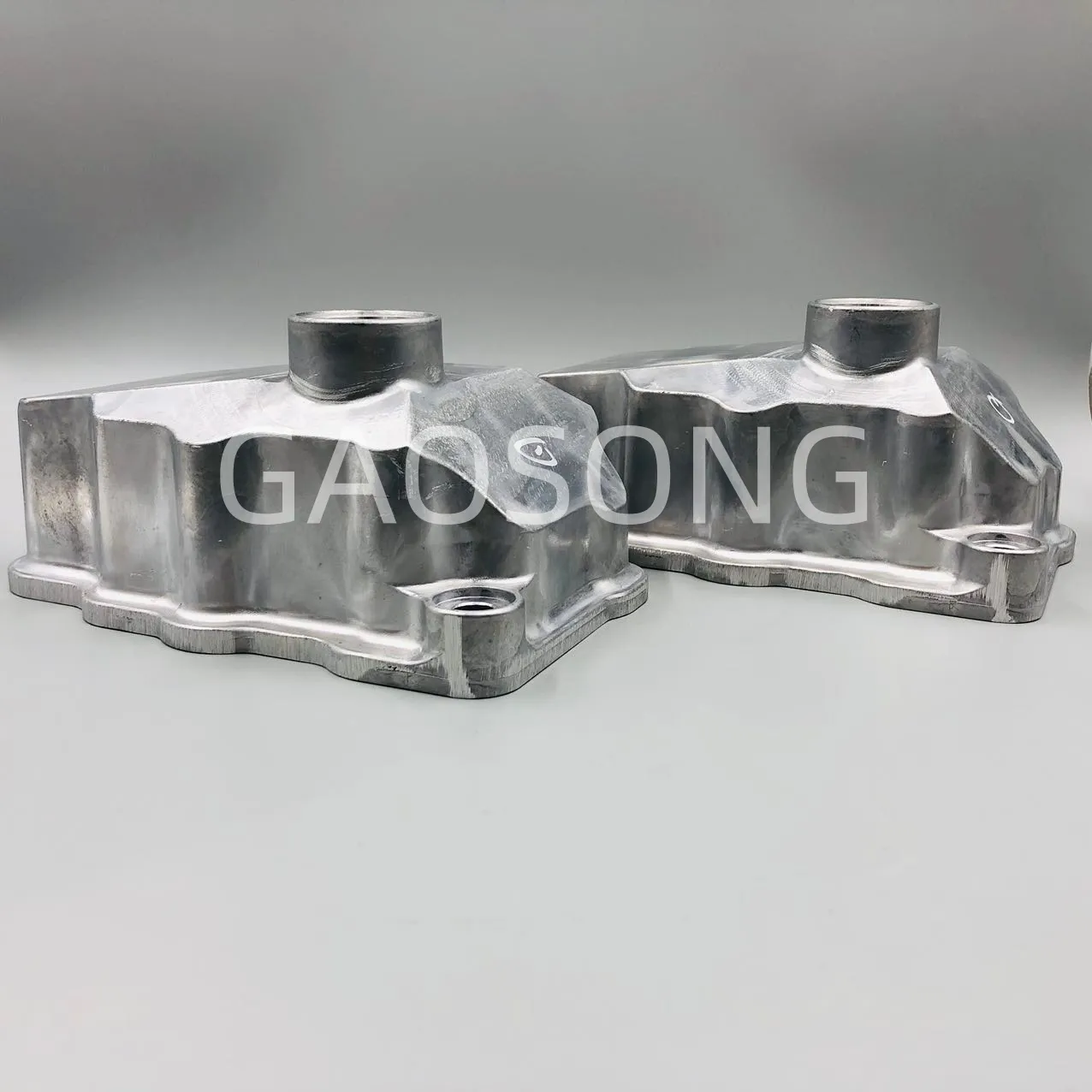 6251-11-8150 Komatsu Cover, Rocker Arm Housing
 -
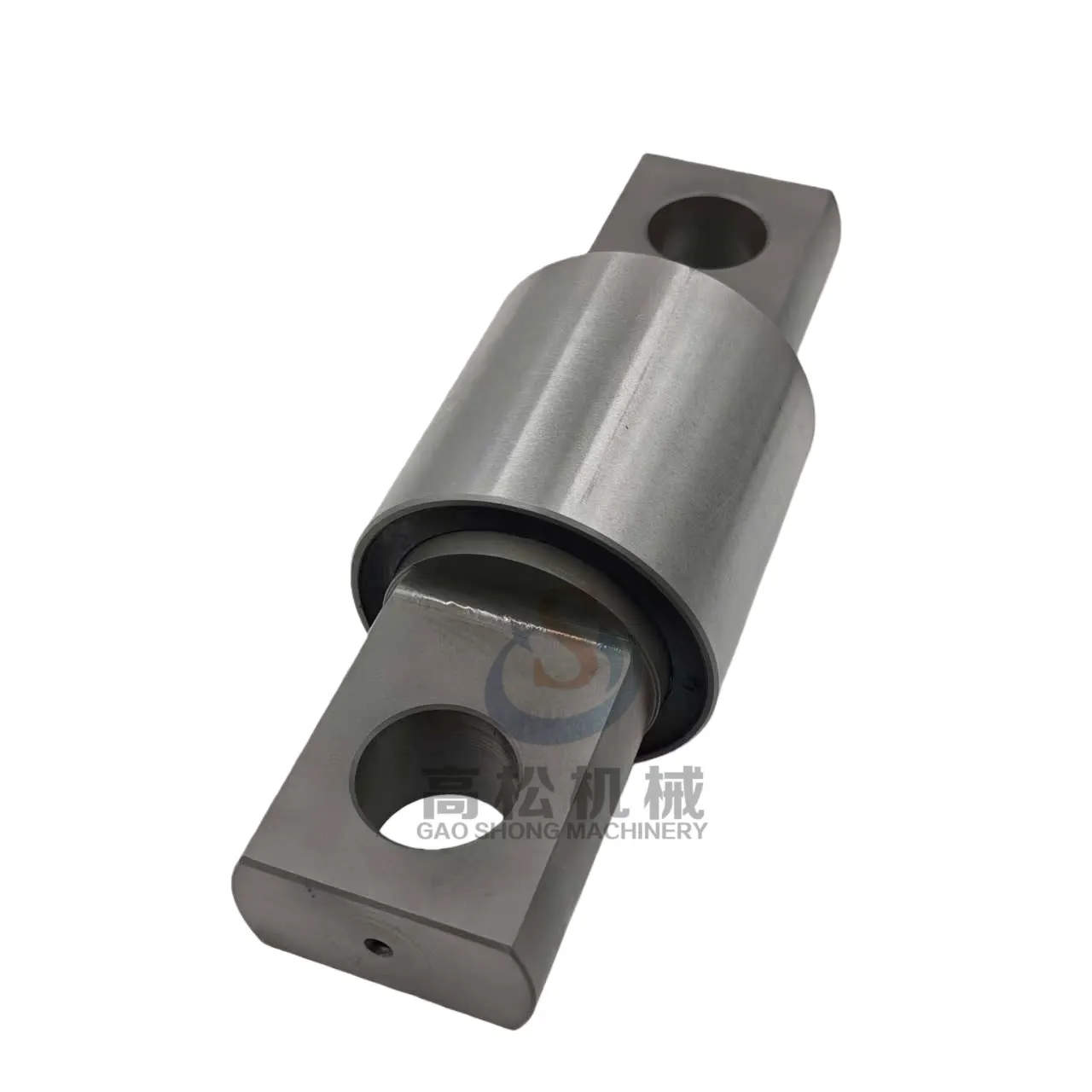 CUSHION HM400 DUMP TRUCK 56B-16-11211
 -
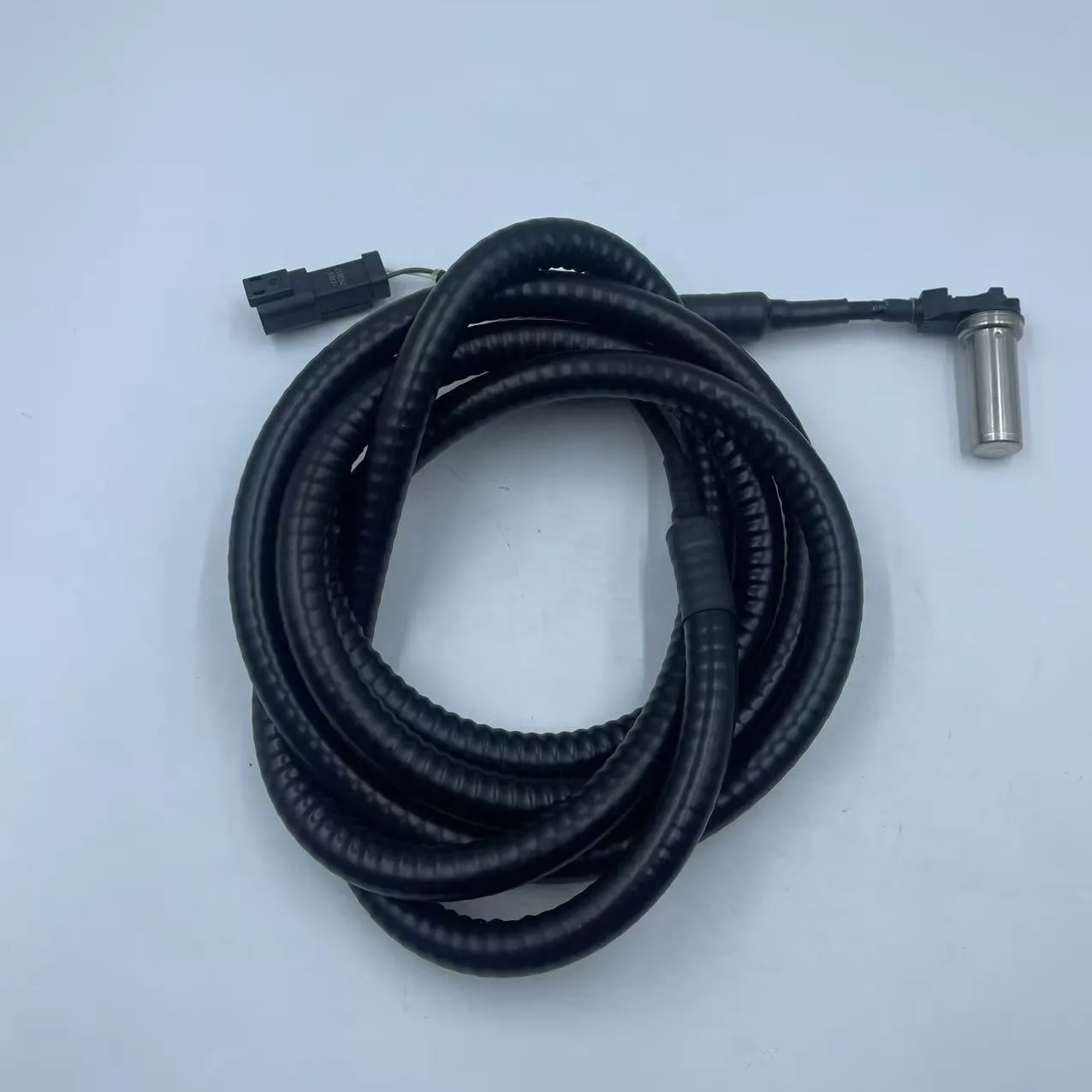 ZGZJYBL Sensor for Komatsu HD785-7 Dump Truck 566-88-66143 5668866143
 -
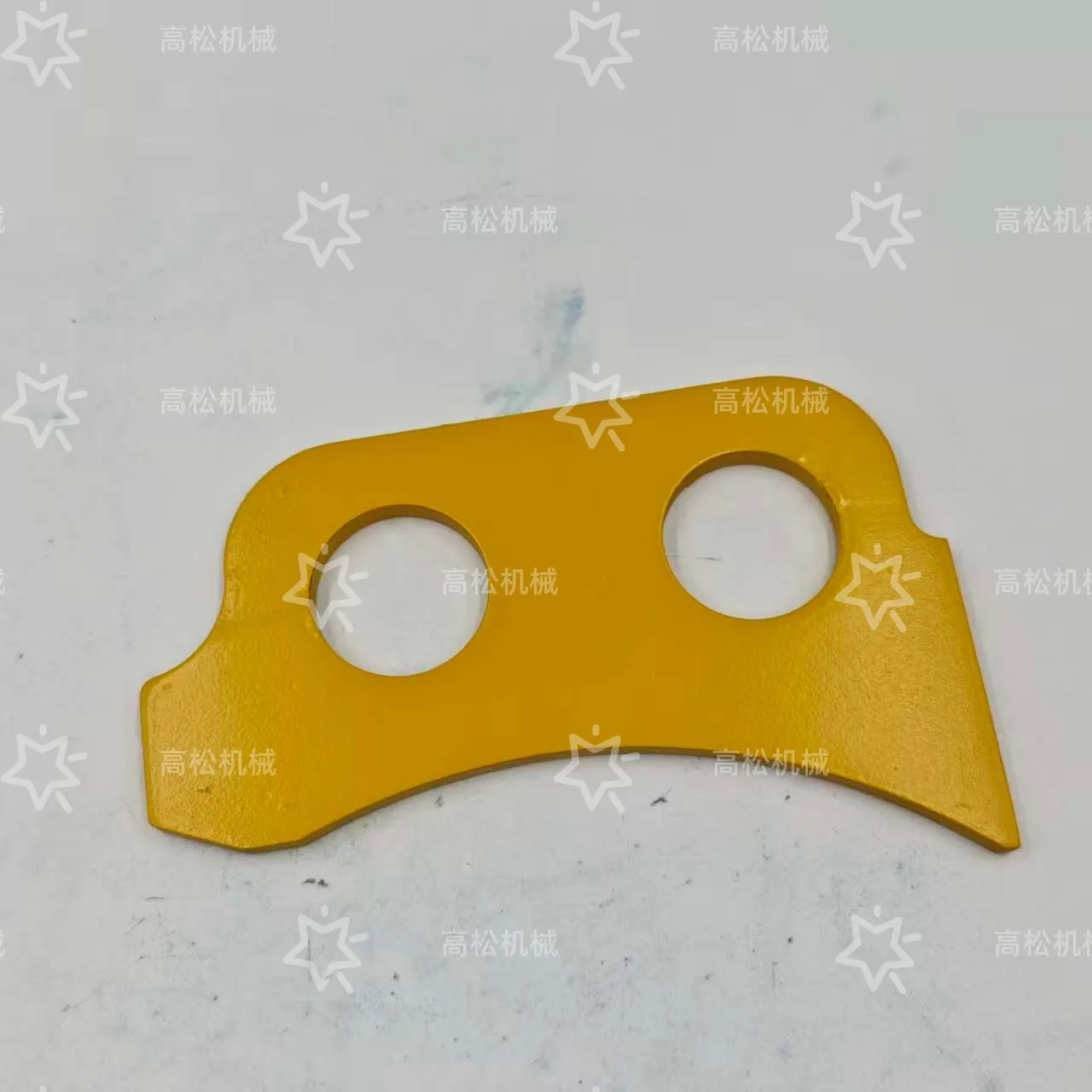 PLATE 195-71-74260Komatsu parts
 -
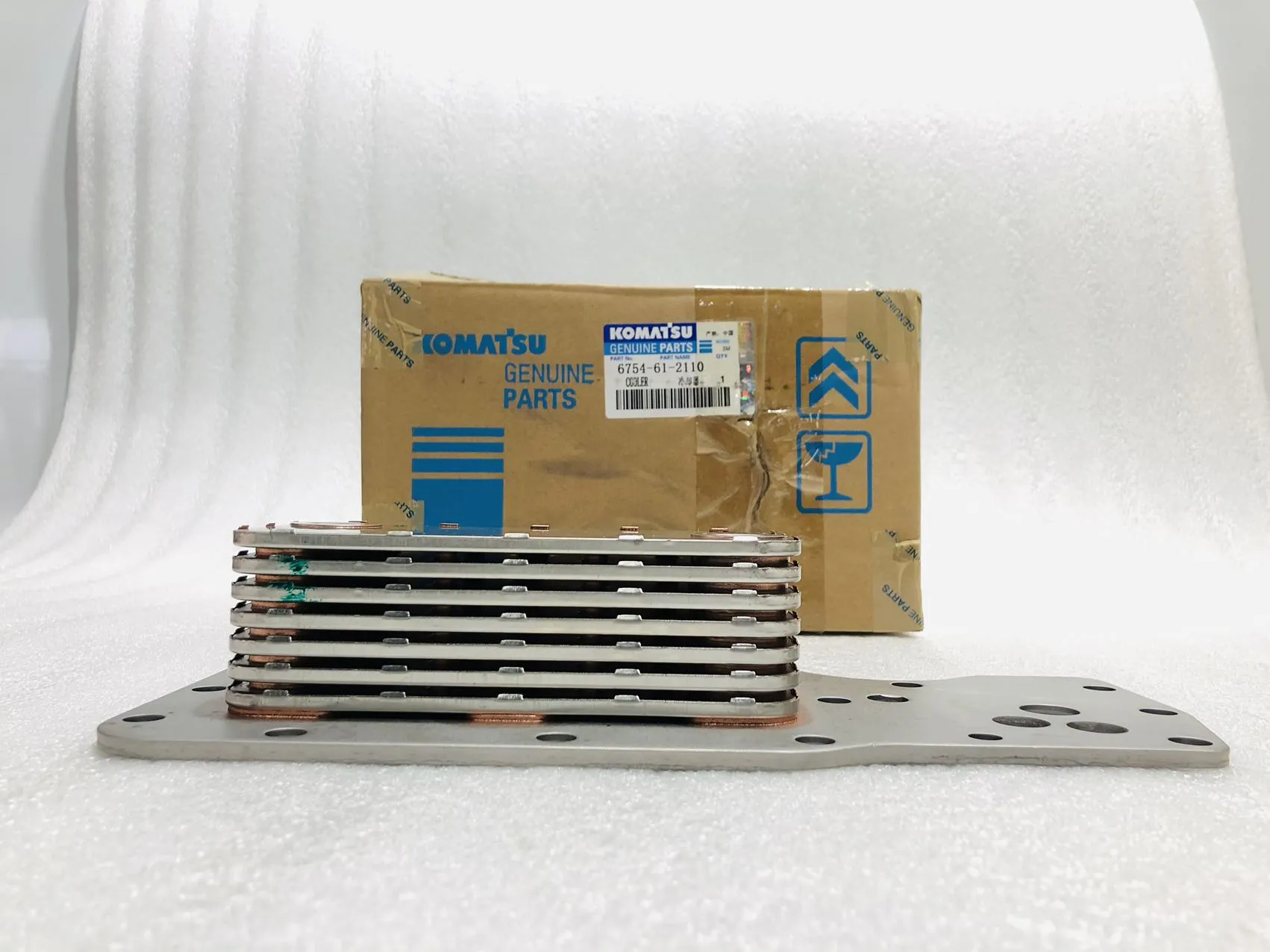 Oil Cooler Core 6240-61-2110 6240-61-2111 for Komatsu Engine SA6D170E-3A SAA6D170E-5A SAA6D170E-7 Excavator PC1250SP-8R
 -
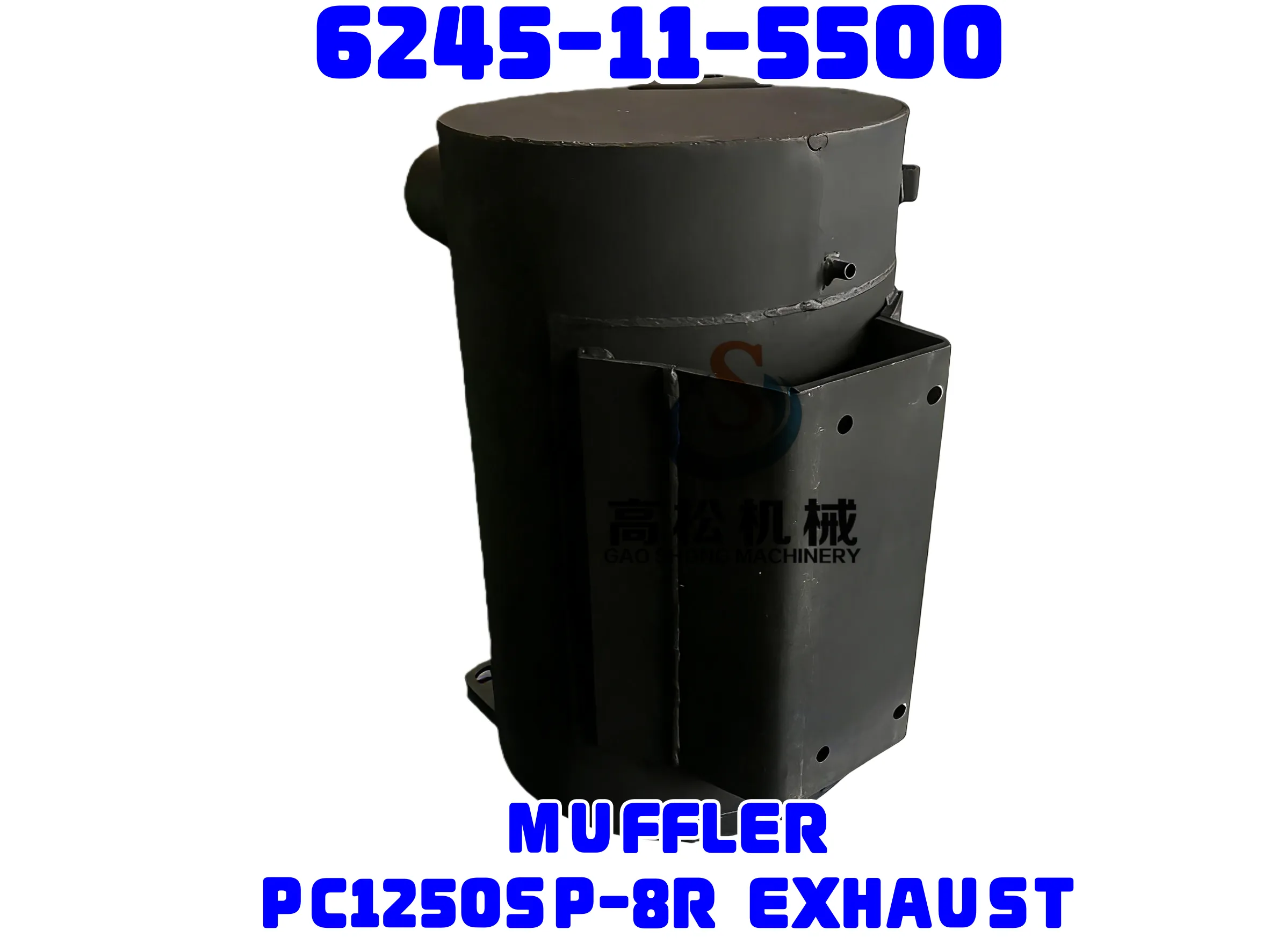 Muffler Silencer 6245-11-5500
 -
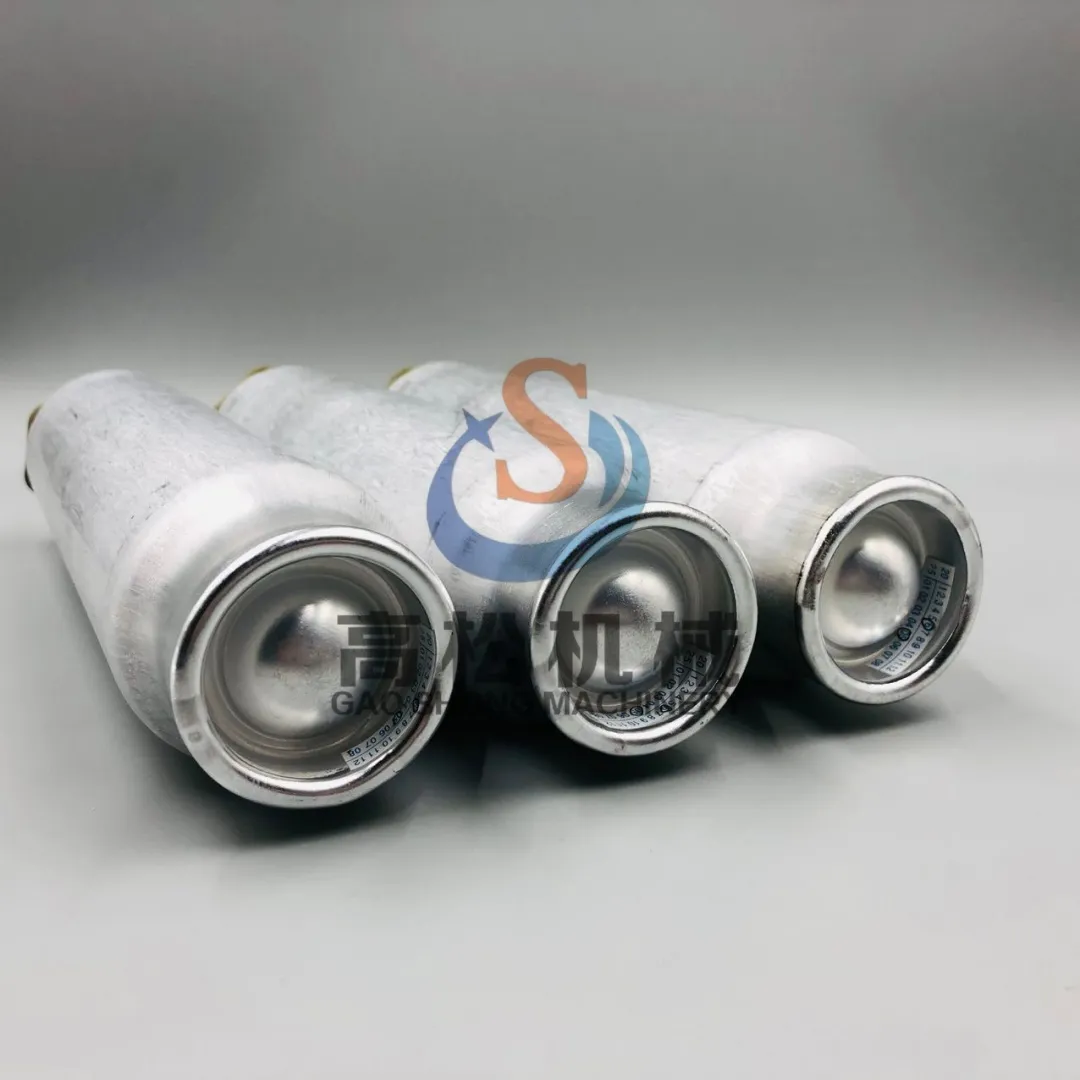 Receiver Drier 20Y-979-3120