
- Chinese
- French
- German
- Portuguese
- Spanish
- Russian
- Japanese
- Korean
- Arabic
- Irish
- Greek
- Turkish
- Italian
- Danish
- Romanian
- Indonesian
- Czech
- Afrikaans
- Swedish
- Polish
- Basque
- Catalan
- Esperanto
- Hindi
- Lao
- Albanian
- Amharic
- Armenian
- Azerbaijani
- Belarusian
- Bengali
- Bosnian
- Bulgarian
- Cebuano
- Chichewa
- Corsican
- Croatian
- Dutch
- Estonian
- Filipino
- Finnish
- Frisian
- Galician
- Georgian
- Gujarati
- Haitian
- Hausa
- Hawaiian
- Hebrew
- Hmong
- Hungarian
- Icelandic
- Igbo
- Javanese
- Kannada
- Kazakh
- Khmer
- Kurdish
- Kyrgyz
- Latin
- Latvian
- Lithuanian
- Luxembou..
- Macedonian
- Malagasy
- Malay
- Malayalam
- Maltese
- Maori
- Marathi
- Mongolian
- Burmese
- Nepali
- Norwegian
- Pashto
- Persian
- Punjabi
- Serbian
- Sesotho
- Sinhala
- Slovak
- Slovenian
- Somali
- Samoan
- Scots Gaelic
- Shona
- Sindhi
- Sundanese
- Swahili
- Tajik
- Tamil
- Telugu
- Thai
- Ukrainian
- Urdu
- Uzbek
- Vietnamese
- Welsh
- Xhosa
- Yiddish
- Yoruba
- Zulu
- Kinyarwanda
- Tatar
- Oriya
- Turkmen
- Uyghur






komatsu 4d95l engine for sale
You see 'Komatsu 4D95L engine for sale' pop up in a search, and immediately, you're in a minefield. Is it a genuine Komatsu reman? A used take-out? A third-party rebuild? Or worse, a dressed-up core that's one job away from a catastrophic failure? The 4D95L, that workhorse for mid-sized Komatsu equipment like the PC200-6 or the WA320-3, is a classic case where the aftermarket is flooded, but reliable supply is a different story. I've lost count of the guys who bought a low-hour unit online, only to find the block was cracked or the fuel system was from three different donor engines. The real challenge isn't finding one for sale; it's finding one that won't leave your machine down again in six months.
The Core Problem with Available 4D95L Units
Most listings you'll encounter are for used engines. Now, a used engine isn't inherently bad—if you know its history. But here's the rub: genuine history for these older models is rare. You're often buying based on a seller's word, and in my experience, the hour meter reading is the first fiction. I once inspected a Komatsu 4D95L engine advertised with 4,000 hours. The wear patterns on the cylinder liners and the state of the turbocharger shaft told a story closer to 12,000. Without teardown, you're gambling.
The other common pitfall is the rebuilt label. Rebuilt by whom? To what standard? Many small shops do a cursory job—new bearings, rings, a gasket set—and call it a day. They ignore the core issues: the injector pump wear that leads to poor fuel economy and power loss, or the tiny cracks in the cylinder head around the valve seats that only show up under pressure. A proper rebuild for a 4D95L should follow Komatsu's own remanufacturing specs, which involve machining, specific torque procedures, and genuine or OEM-equivalent parts for critical components. Most aftermarket rebuilt units don't.
This is where the supply chain gets messy. You want a reliable unit, but the official Komatsu remanufactured engine program for such older models can be prohibitively expensive or have long lead times in certain regions. That gap is what creates the booming, chaotic aftermarket. It's also what led me to work with entities that understand both sides of this equation.
OEM System vs. Third-Party Reality: A Practical Bridge
This is precisely the niche where a company like Jining Gaosong Construction Machinery Co., Ltd. operates. They position themselves interestingly: an OEM product supplier within the Komatsu system and a third-party sales company. In practice, what this meant for a project I was involved in in Southeast Asia was this: we needed a Komatsu 4D95L engine for a PC200-6 that was critical to a port operation. The official channel quoted a 90-day lead time. We couldn't wait.
Gaosong, through their portal at takematsumachinery.com, offered a solution. They provided what they termed an OEM-specification remanufactured unit. The key was transparency. They didn't just sell the engine; they provided a dossier: machining reports for the crankshaft journals, pressure test results for the cylinder head, and crucially, the source and batch numbers for the replacement parts used, many of which were genuine Komatsu parts packs. This hybrid model—leveraging their position within the system to source genuine components and protocols, but operating with the flexibility of a third-party—solved a real problem.
Their company line, helping to solve parts supply challenges in certain countries, isn't just marketing fluff. It's the daily reality in markets where legacy Komatsu equipment forms the backbone of industry but faces logistical or cost barriers to pure OEM support. They're not selling mystery crates. They're selling a traceable product that bridges the trust gap.
Critical Checkpoints Before You Buy
So, if you're evaluating a Komatsu 4D95L engine for sale, especially from a third-party supplier, move beyond the price and the warranty text. Dig into the specifics. First, ask for the remanufacturing process sheet. If they balk, walk away. A legitimate supplier will have one. It should detail what was machined (block deck, crankshaft, camshaft bores), what was replaced as a matter of course (all bearings, seals, gaskets, water pump, thermostat), and what testing was performed (cooling system pressure, oil pressure simulation, injector pop testing).
Second, focus on the fuel system. The 4D95L's injection pump and injectors are its heart. Are they rebuilt by a certified fuel shop with calibration reports? Or are they just cleaned and reassembled? This one detail accounts for 70% of the performance and reliability issues I've seen post-installation. A new or properly remanufactured pump is expensive, which is why cheap rebuilds skip it—and why the engine then fails to deliver rated power or starts smoking excessively under load.
Finally, consider the support. Does the seller provide the installation manual, torque specs, and break-in procedure? Or do they just drop-ship the engine? The company I mentioned earlier, Jining Gaosong, provided a full technical package. That level of support indicates they expect the engine to be installed correctly and to perform, reducing comebacks. It's a sign of confidence in their product.
When a Bargain Becomes a Money Pit
Let me share a failure, a learning experience that was expensive for a client. We went the cheap route once. A fully rebuilt 4D95L from a local vendor at 40% below market price. It ran for about 300 hours. Then, it started losing coolant internally. Teardown revealed a porous cylinder head that hadn't been properly tested or replaced. The rebuilt kit was just gaskets and bearings. The vendor vanished. The total cost—purchase, installation labor, second teardown, and finally buying a proper unit—exceeded the price of a verified OEM-spec unit from the start.
This is the hidden calculus. The initial purchase price is just the entry fee. The real cost is in the downtime, the secondary labor, and the potential damage to other components (like the radiator from oil contamination) if the engine fails catastrophically. A Komatsu 4D95L engine from a source with systemic knowledge and accountability, even at a higher upfront cost, is almost always the cheaper option over a two-year horizon.
The lesson was clear: the supplier's structure matters. A company embedded in the OEM ecosystem, even as a third-party, has more to lose reputationally and is often bound by stricter quality protocols than a fly-by-night parts reseller. They have an incentive to get it right.
Concluding Thoughts: Sourcing with Context
Ultimately, searching for a Komatsu 4D95L engine for sale is an exercise in supply chain forensics. You're not just buying a mechanical assembly; you're buying the process and the integrity behind it. In a global market, the model exemplified by suppliers like Jining Gaosong—OEM-aligned but independently agile—is becoming critical for keeping older, vital equipment running.
Don't get hypnotized by the keyword alone. Use it as a starting point to investigate the seller's depth. Can they talk about the differences between the 4D95L and the later 4D95LE? Do they know the common failure points of the early-model oil cooler? That knowledge is what separates a parts broker from a solutions provider.
The goal is uptime. And achieving that with an engine like the 4D95L means partnering with a source that provides not just a product, but the technical context and traceability that should come with it. It turns a risky purchase into a calculated, and far more reliable, operational decision.
Related Products
Related Products
![[Hot Item] Generator Engine Part 600-825-3151 for PC400-6-7](https://www.takematsumachinery.com/wp-content/uploads/微信图片_20251224093522_43_1619-1.webp)

Best Selling Products
Best Selling Products-
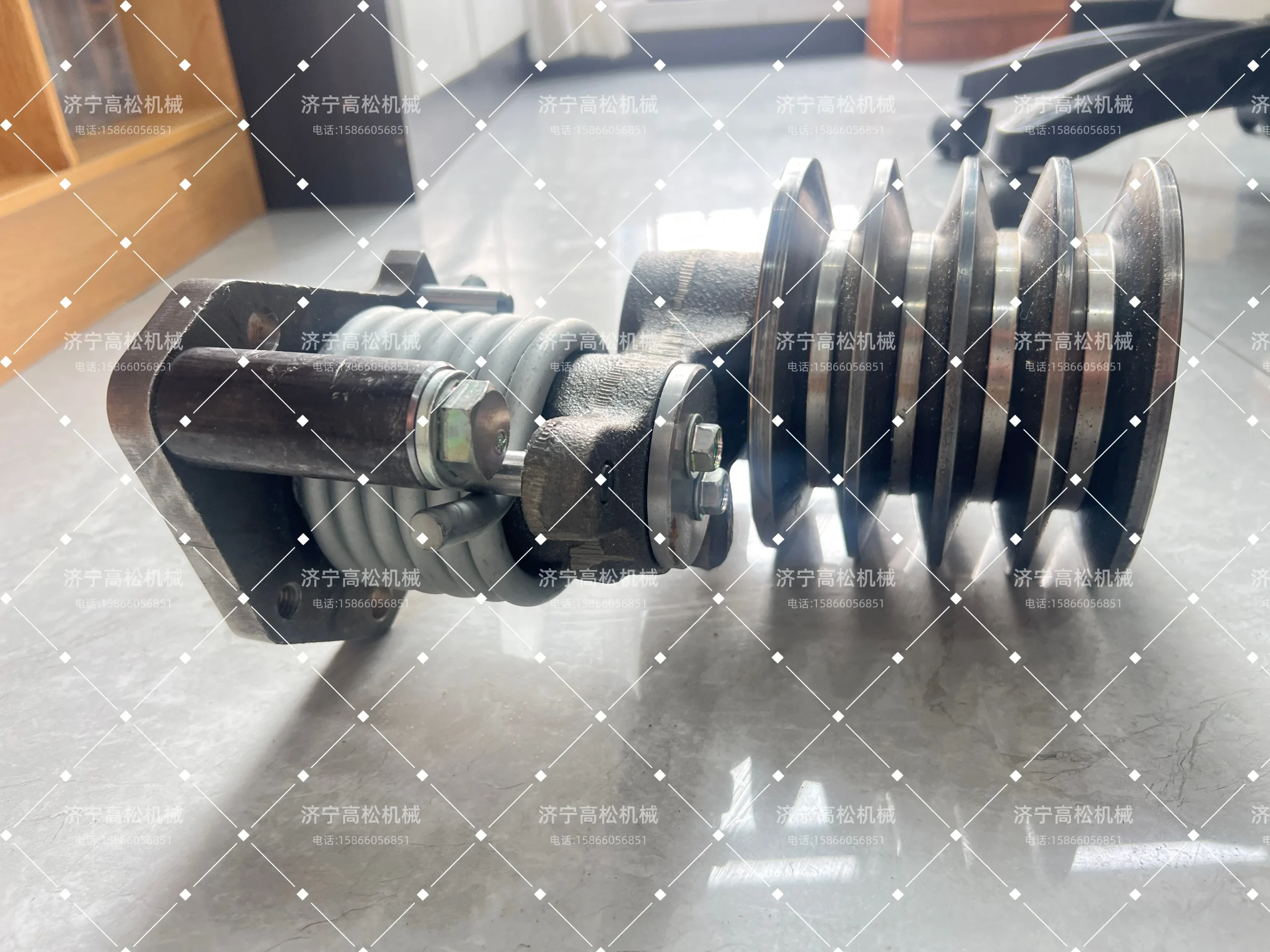 Original Hot Sale TENSION PULLEY ASS’Y 6240-61-4500 TENSION…
 -
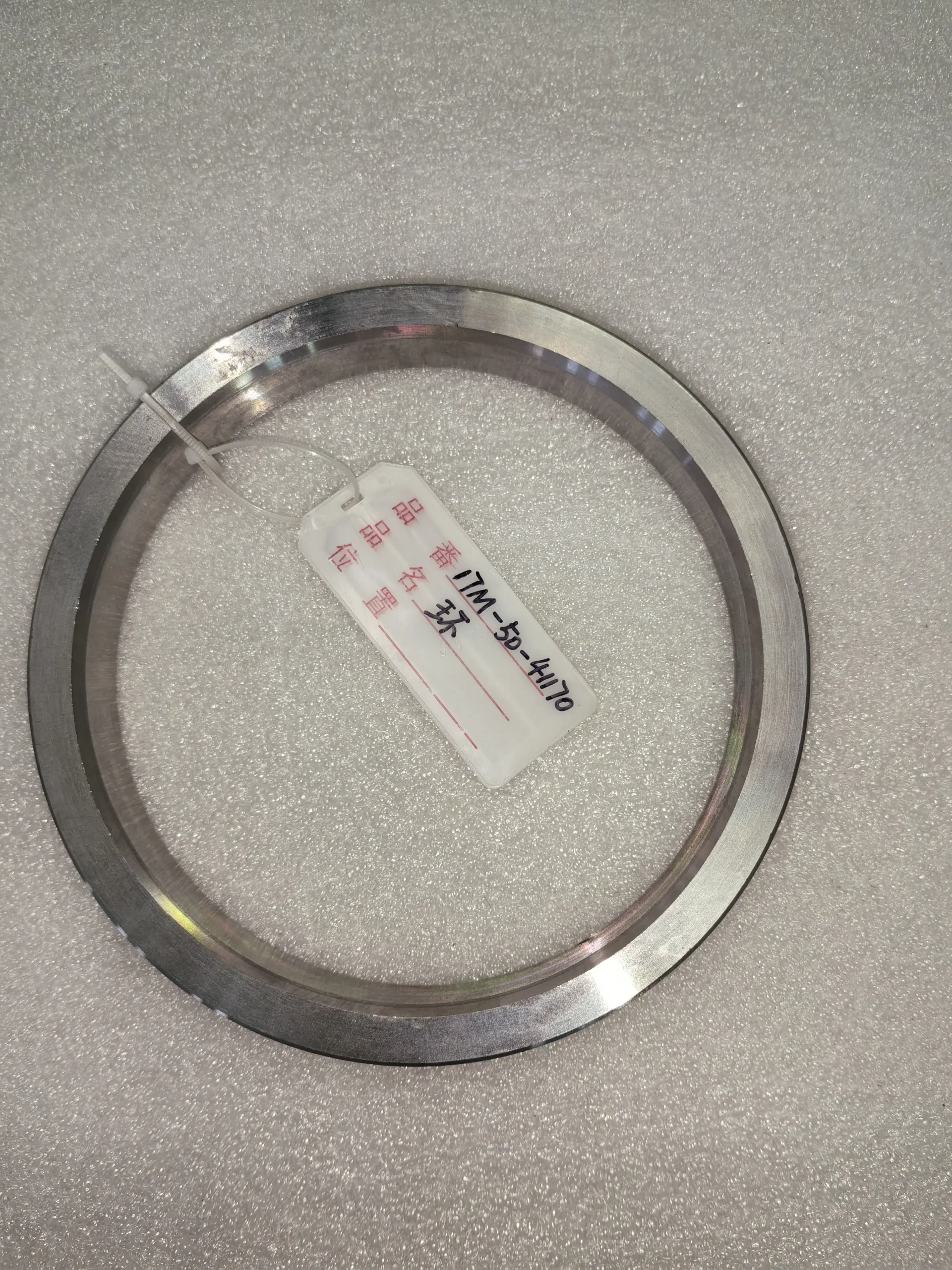 RING 17M-50-41170 – KOMATSU
 -
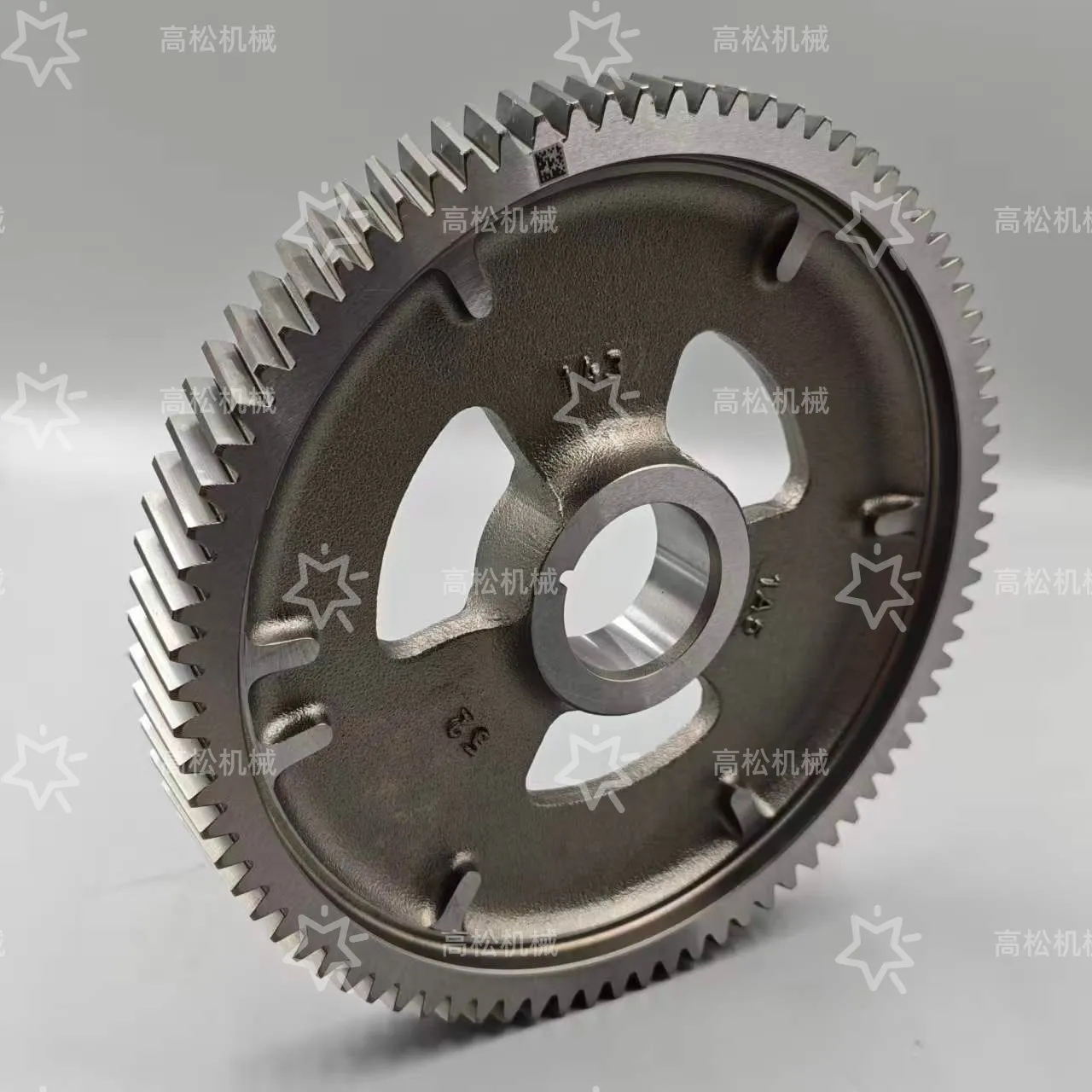 6745-41-1131 GEAR – CAMSHAFT Suitable for komatsu
 -
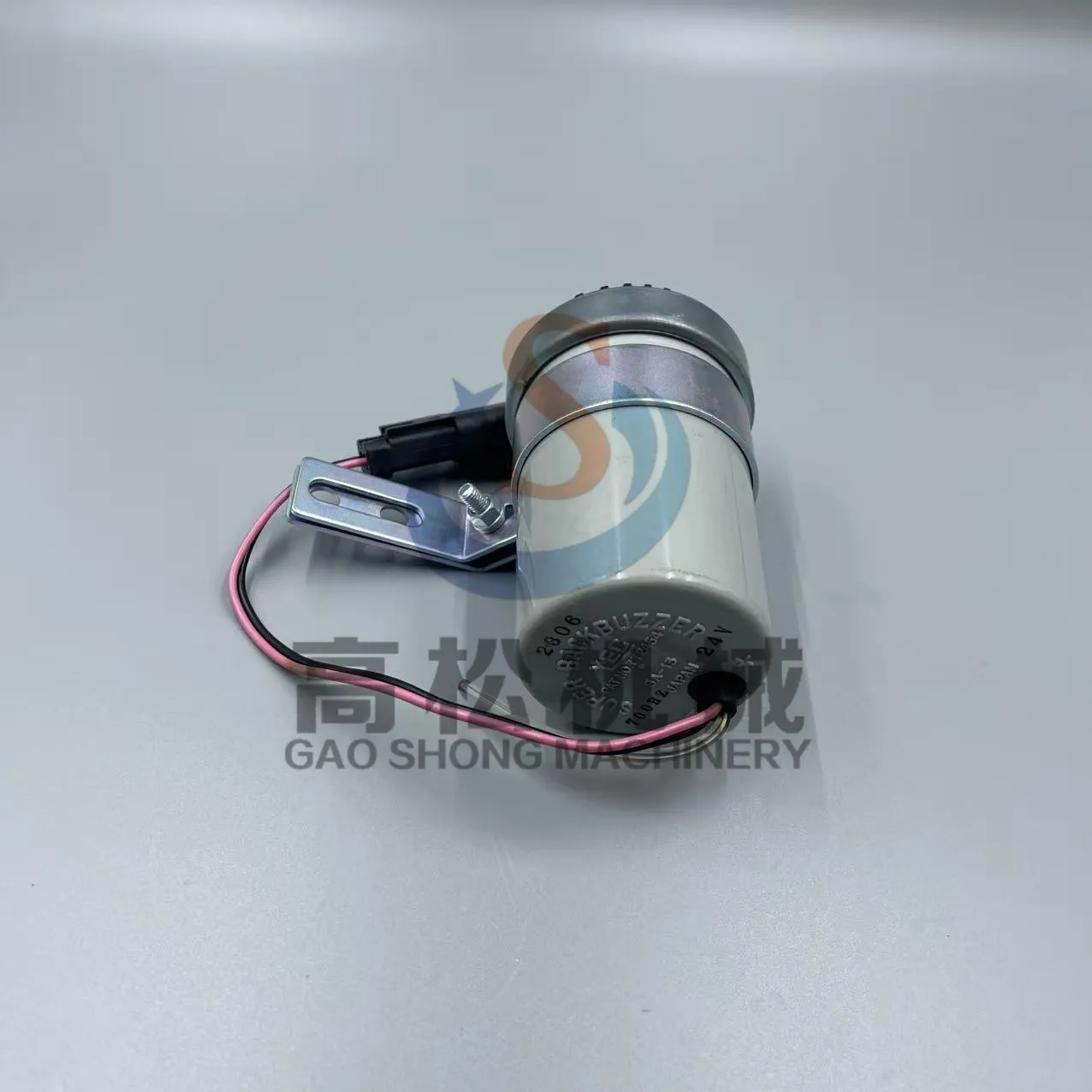 BUZZER 198-06-56570 – KOMATSU
 -
 Direct sale, original fast delivery shaft 6212-21-2511 for parts of construction machinery komatsu
 -
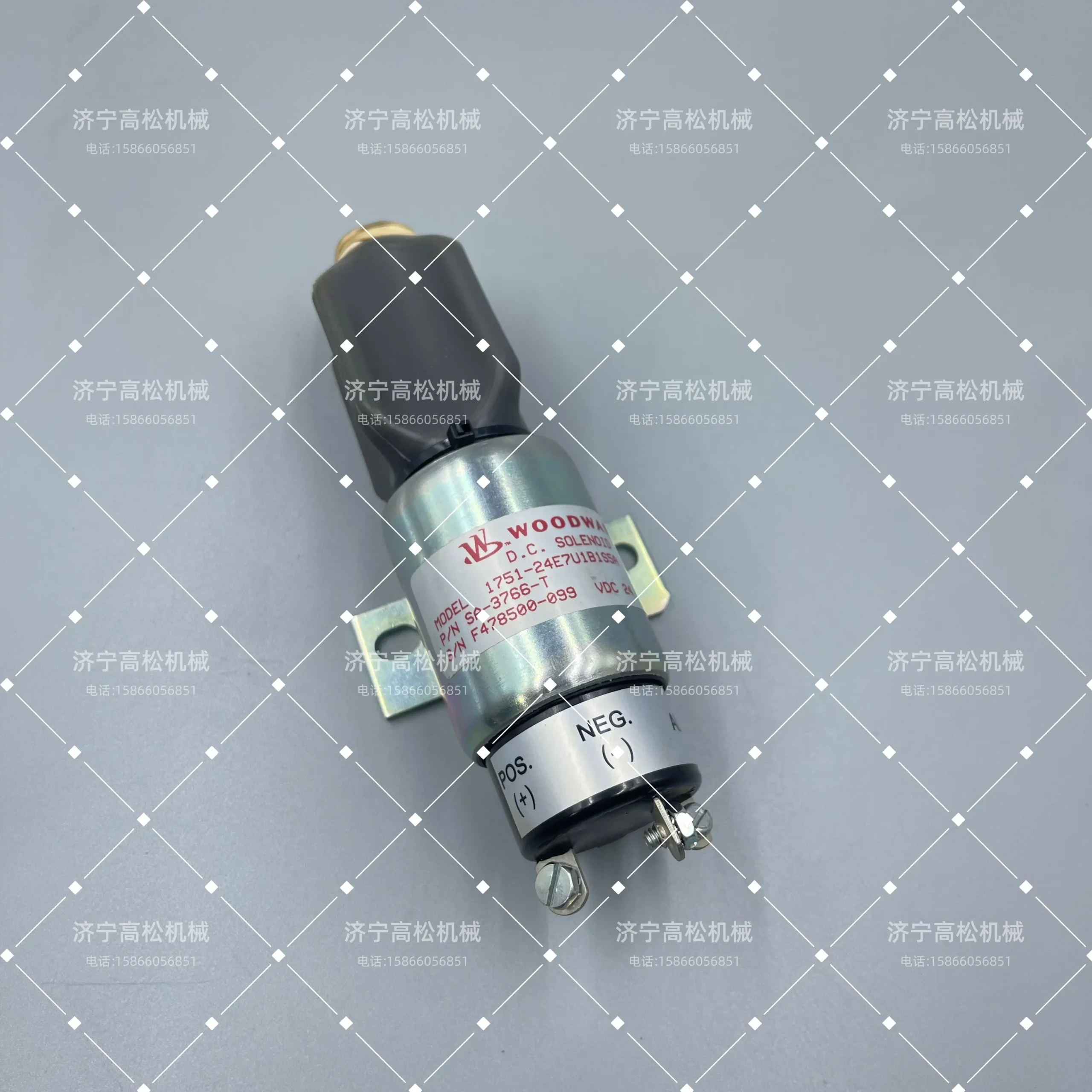 Solenoid Valve 600-815-7550 For Komatsu D41pf-6, High Quality…
 -
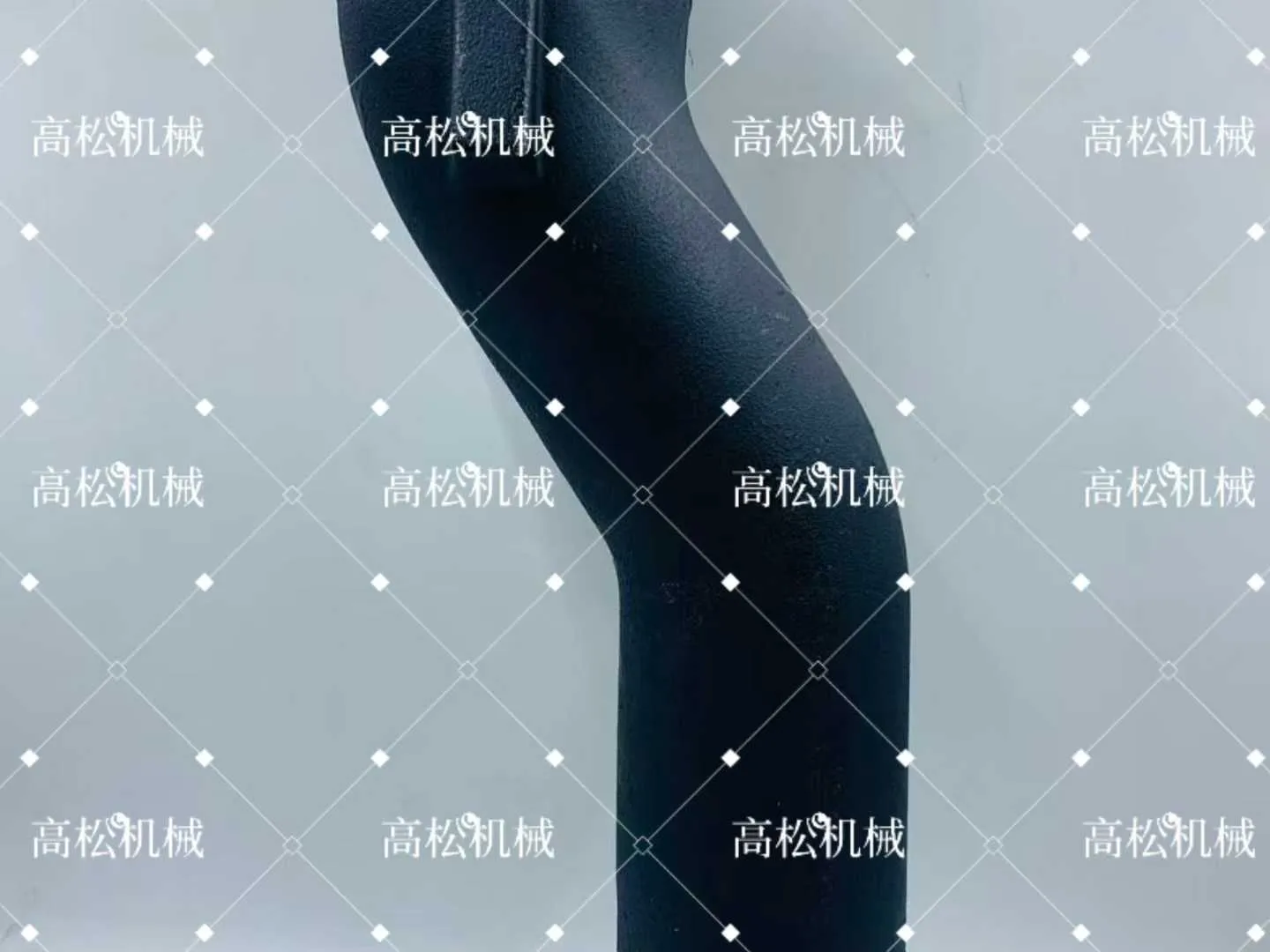 Connector Hose 6156-11-5521 for SAA6D125E Engine, PC400-7 Excavator Spare Part
 -
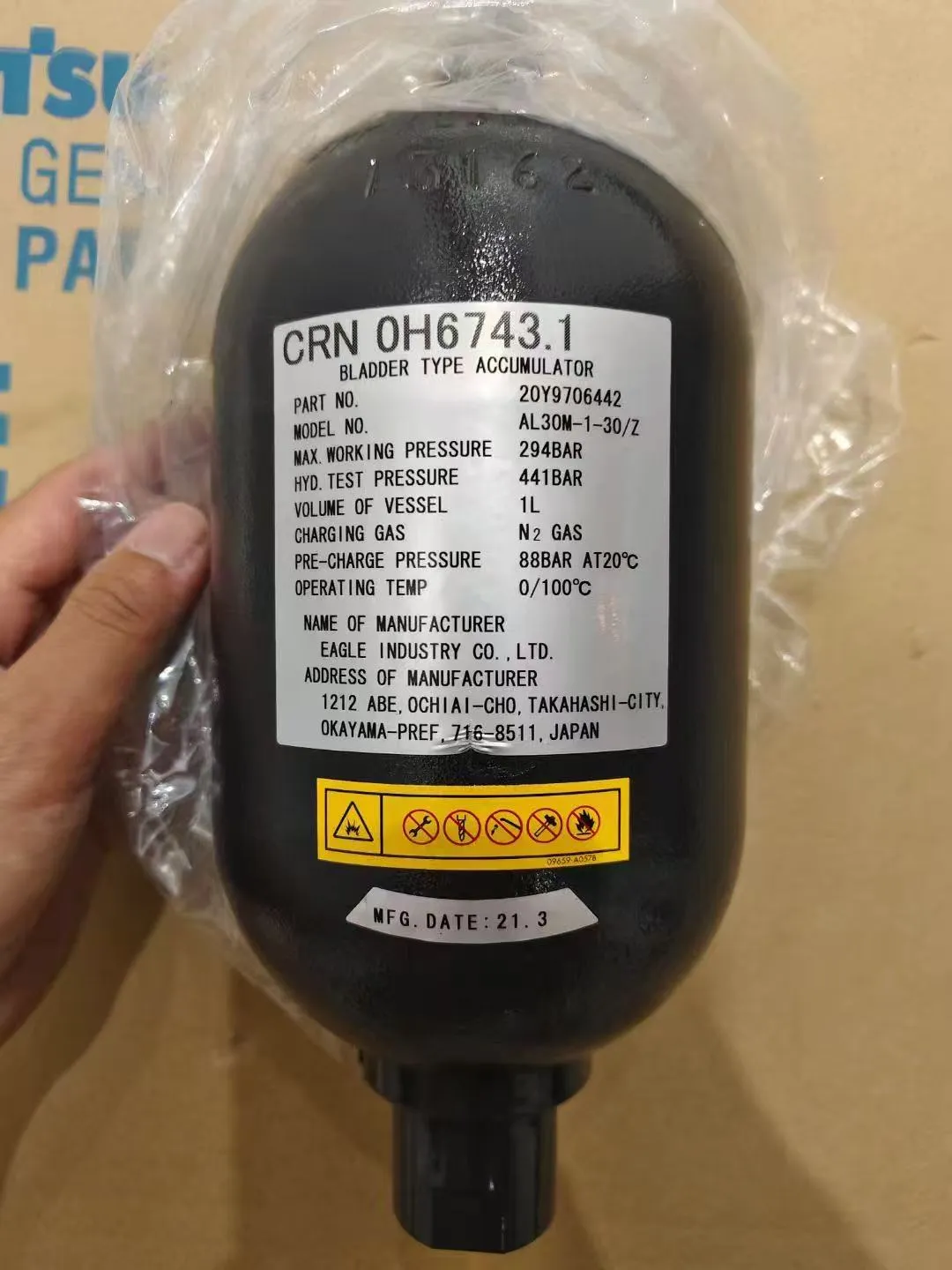 20Y-970-6442 Komatsu Accumulator Assembly
 -
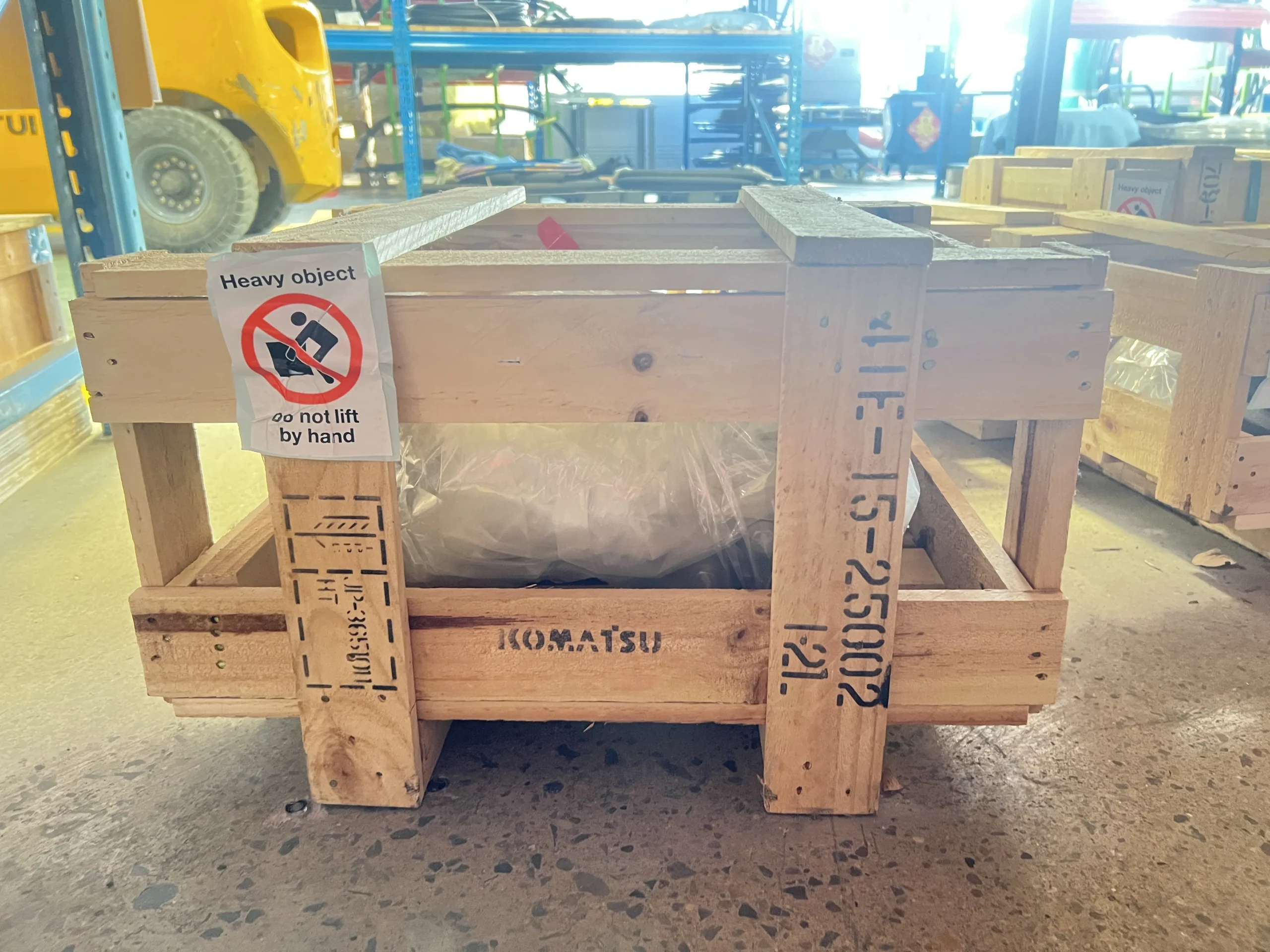 WD600-3 Control Valve Assembly 41E-15-25002
 -
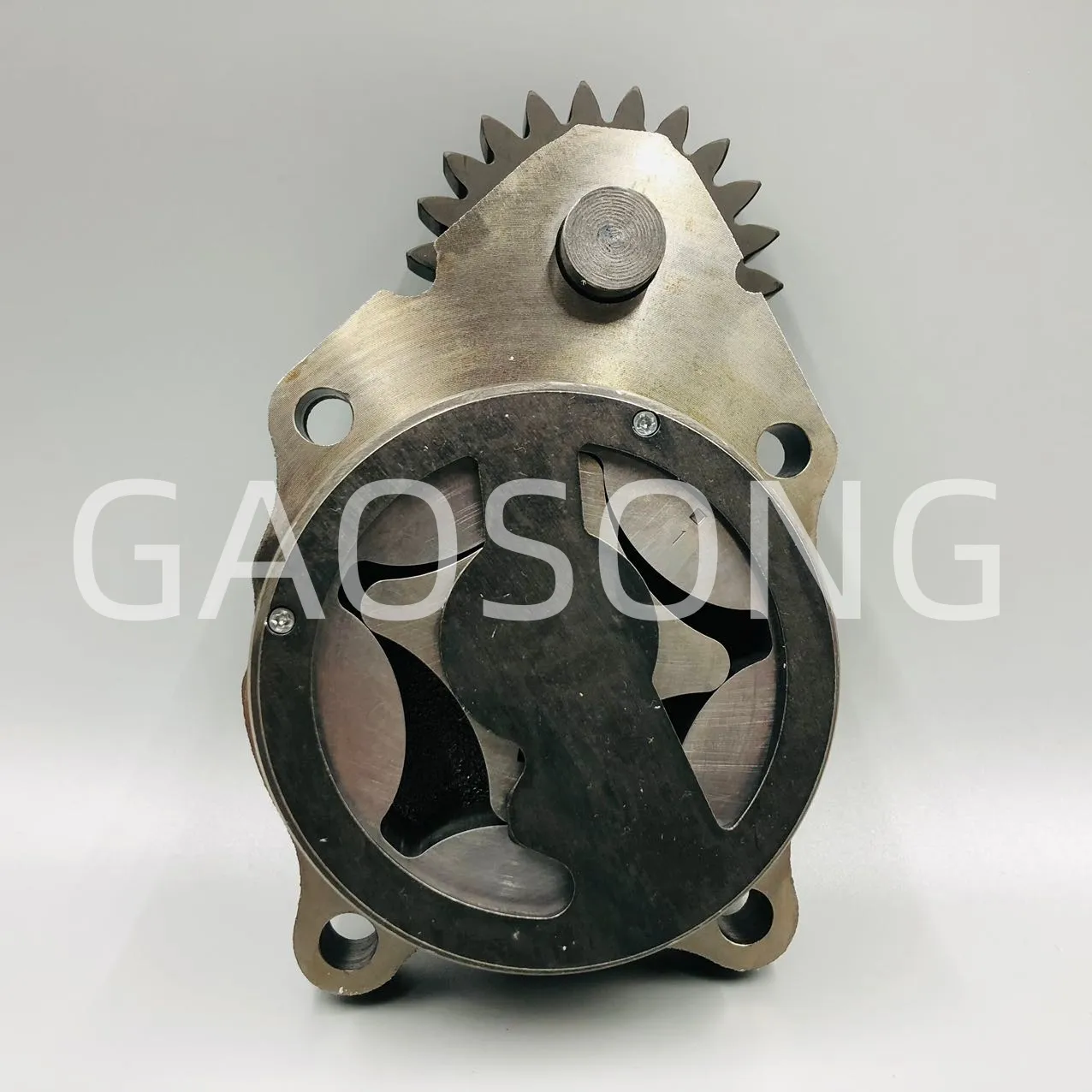 6754-51-1111 Pump Assembly, Oil-Komatsu Original Factory
 -
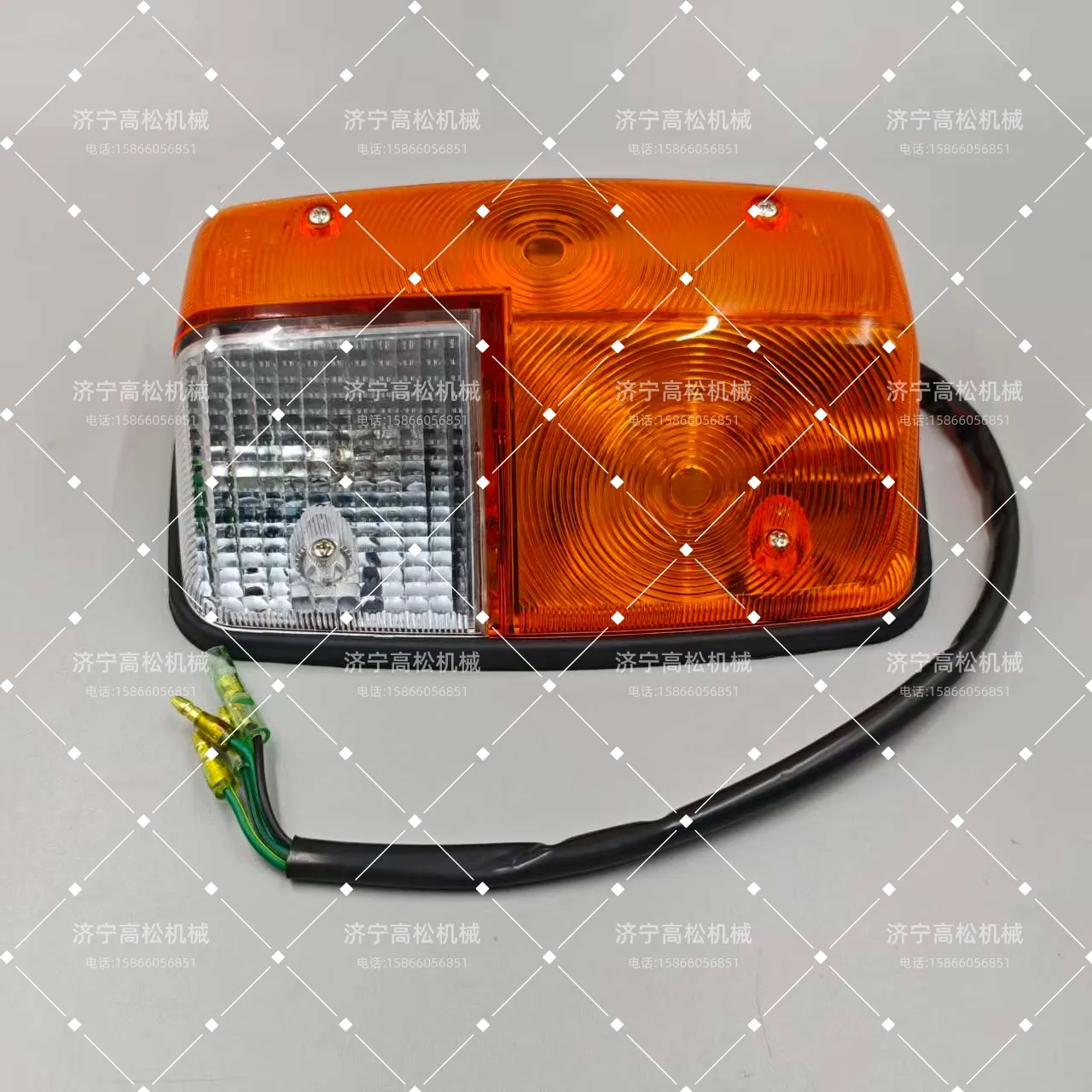 Komatsu WA380-1LC 421-06-13401 LIGHT… — Supply.Parts
 -
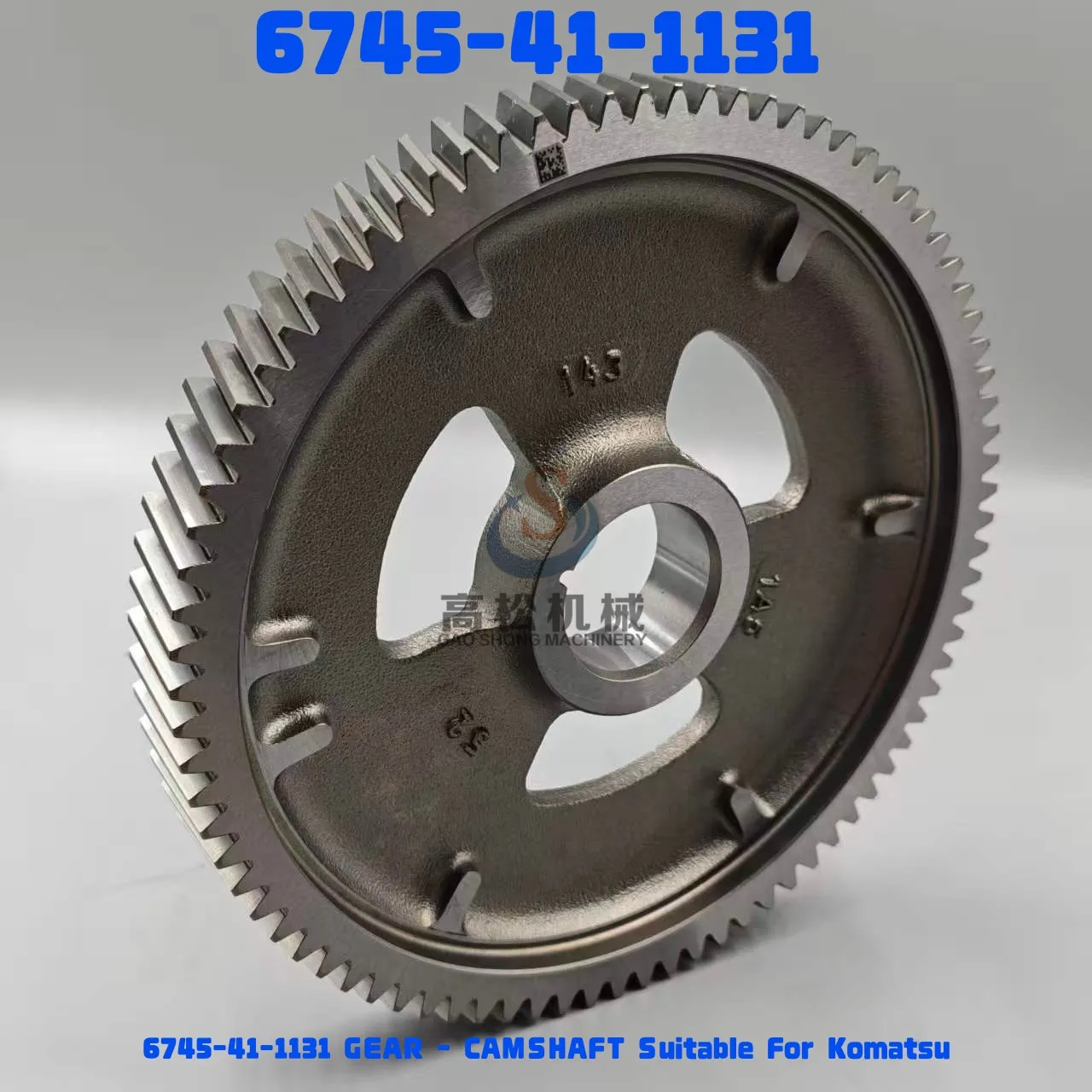 6745-41-1131 GEAR – CAMSHAFT Suitable For Komatsu 6745411131Compatible Models: SAA6D114E-3B-WT (BUILD 9K), SAA6D114E-3E (BUILD 9L), SAA6D114E-6A & SAA6D114E-6B (BUILD 9J)