
- Chinese
- French
- German
- Portuguese
- Spanish
- Russian
- Japanese
- Korean
- Arabic
- Irish
- Greek
- Turkish
- Italian
- Danish
- Romanian
- Indonesian
- Czech
- Afrikaans
- Swedish
- Polish
- Basque
- Catalan
- Esperanto
- Hindi
- Lao
- Albanian
- Amharic
- Armenian
- Azerbaijani
- Belarusian
- Bengali
- Bosnian
- Bulgarian
- Cebuano
- Chichewa
- Corsican
- Croatian
- Dutch
- Estonian
- Filipino
- Finnish
- Frisian
- Galician
- Georgian
- Gujarati
- Haitian
- Hausa
- Hawaiian
- Hebrew
- Hmong
- Hungarian
- Icelandic
- Igbo
- Javanese
- Kannada
- Kazakh
- Khmer
- Kurdish
- Kyrgyz
- Latin
- Latvian
- Lithuanian
- Luxembou..
- Macedonian
- Malagasy
- Malay
- Malayalam
- Maltese
- Maori
- Marathi
- Mongolian
- Burmese
- Nepali
- Norwegian
- Pashto
- Persian
- Punjabi
- Serbian
- Sesotho
- Sinhala
- Slovak
- Slovenian
- Somali
- Samoan
- Scots Gaelic
- Shona
- Sindhi
- Sundanese
- Swahili
- Tajik
- Tamil
- Telugu
- Thai
- Ukrainian
- Urdu
- Uzbek
- Vietnamese
- Welsh
- Xhosa
- Yiddish
- Yoruba
- Zulu
- Kinyarwanda
- Tatar
- Oriya
- Turkmen
- Uyghur






komatsu 4d95 engine for sale
When you see 'Komatsu 4D95 engine for sale' pop up in a search, your first thought might be about finding a cheap, quick replacement for a mid-sized excavator or loader. That's the common trap. The 4D95 isn't some generic block; it's a workhorse, but its value and reliability are entirely dependent on provenance. Is it a stripped salvage unit from a scrapped machine, a questionable reman, or something actually traceable? I've spent years in this space, and the biggest mistake buyers make is prioritizing price over pedigree, especially with a core component like this. Let's talk about what that search term really entails.
The Reality Behind the Listings
Most online listings for a Komatsu 4D95 engine are a minefield. You'll find complete engines that turn out to be just the long block, missing the turbo, injection pump, and all ancillary components. I once flew out to inspect a low-hour unit, only to find the cylinder liners had significant pitting from coolant contamination—something the grainy photos conveniently missed. The seller swore it was a runner. It might have been, for another 50 hours. The point is, for sale doesn't mean ready to work. You have to dissect the listing language. As-is, where-is is the biggest red flag; it usually means it's a core at best, pulled from a machine with unknown history.
Then there's the remanufactured market. Some shops do excellent work, but with the 4D95, you need to ask: are they using Komatsu OEM kits or aftermarket? The difference in piston ring design and liner material can affect longevity, especially under sustained load. I've seen aftermarket kits fail prematurely because the thermal expansion rates didn't quite match the original specs, leading to blow-by issues within a few hundred hours. It's a detail most buyers don't think to ask.
This is where the supply chain gets critical. For a model that's been in production for years, genuine Komatsu parts support can be inconsistent in certain regions. That's not necessarily Komatsu's fault; it's logistics. Dealers might have long lead times for a complete assembly. This gap is exactly what creates the bustling, but risky, third-party and aftermarket space. Finding a reliable supplier in that space is the real challenge.
The OEM Link and Third-Party Solution
This brings me to a model that makes sense in this messy market: suppliers who operate with one foot in the OEM world. Take Jining Gaosong Construction Machinery Co., Ltd., for instance. Their setup is interesting. They describe themselves as an OEM product supplier within the Komatsu system and a third-party sales company. In practice, what this often means is they have access to genuine Komatsu supply channels or OEM-spec components, but they operate independently to service markets where the official distribution is thin or slow.
I came across their site, https://www.takematsumachinery.com, while looking for a solution for a client in a country where the local Komatsu dealer had a 12-week lead time on a 4D95 short block. Their pitch about helping to solve parts supply challenges in certain countries wasn't just marketing fluff; it was the exact pain point. They weren't just another parts reseller. They positioned as a bridge. For a buyer, this is key: it suggests a potential for better traceability and quality control than a purely anonymous aftermarket vendor.
Now, OEM product supplier within the Komatsu system can be interpreted a few ways. It could mean they supply non-branded components to Komatsu's manufacturing network, or they are a licensed supplier of certain subsystems. This background typically translates to a deeper understanding of specs and tolerances. When such a company also offers a Komatsu 4D95 engine for sale, there's a higher chance the unit, whether new, reman, or used, has been vetted against factory standards, not just slapped together. It's a different tier of third-party.
Practical Evaluation and Pitfalls
So, how do you evaluate an offer from a supplier like this? First, you move past the listing. You ask for the engine's serial number and try to get a history. A legitimate supplier with OEM ties should be more willing and able to provide this. Ask about the specific configuration: is it for a PC200-6, a WA320-3? The accessory drive and mounting points can differ. I learned this the hard way early on, assuming all 4D95s were the same. A three-day installation job turned into a two-week fabrication nightmare because the engine front support was different.
Second, you interrogate the remanufactured or rebuilt status. What was actually done? Were the crank and cam journals measured and reground if needed, or just polished? Was the block deck resurfaced? A company with OEM supplier experience will usually have a clear, technical checklist for their rebuild process, not just a vague overhauled statement. They might even reference Komatsu technical bulletins for common failure points on the 4D95, like the early injector sleeve designs.
Price remains a factor, but it shifts. You're likely not getting the absolute cheapest option on the market. You're paying for mitigated risk. The cost of a failed engine isn't just the part; it's the downtime, the secondary labor to R&R it again, and potential damage to other components. A few thousand dollars saved upfront can evaporate in a week of lost machine rental and mechanic wages.
Beyond the Engine: The System Approach
Focusing solely on the engine block is another common error. The 4D95 is part of a system. When you source an engine, you need to think about the peripherals. Does your old turbo have play? Is the heat exchanger clogged? Putting a fresh heart into a sick body just kills the new heart faster. A good supplier will often ask these questions or offer package deals—engine with a rebuilt turbo, new gasket kit, and maybe even a water pump.
This is where the integrated approach of a company like Jining Gaosong can be valuable. As they're in the parts supply ecosystem, they might be able to bundle genuine or high-quality compatible peripherals. It saves the hassle of sourcing twenty different items from ten different vendors, each with their own quality gamble. Consolidating supply reduces points of failure.
I recall a job where we installed a reman 4D95 but reused the old oil cooler. A latent internal leak contaminated the new oil almost immediately, starving the turbo bearings. The result was a total loss. Now, we always recommend flushing or replacing the entire ancillary cooling and lubrication circuit during such a major swap. It's an added cost, but non-negotiable for a reliable outcome. A supplier who understands this is thinking like a mechanic, not just a warehouse.
Making the Decision: A Real-World Filter
When the search for a Komatsu 4D95 engine for sale lands you on a site like Takematsu Machinery, don't just look at the product page. Look for signs of technical depth. Do they list detailed specs? Do they show photos of actual inventory, not stock images? Can you get a technical person on email or a call to discuss your specific machine model and application? The ability to have that conversation is worth more than a 10% discount.
Finally, consider logistics and support. What's the warranty? Is it 90 days or 1 year/2000 hours? What does it cover? A serious player will have clear terms. How is it crated and shipped? An engine damaged in transit is a nightmare. And if there's an issue, is there someone who can troubleshoot with you, or do you get radio silence after payment? The after-sales support is the ultimate test of a supplier's credibility.
In the end, that simple search term opens a complex world of quality tiers, supply chains, and risk assessment. The goal isn't just to find an engine; it's to find a solution that gets the machine back to work reliably for the long haul. Sometimes that means paying more upfront to a supplier with demonstrable OEM-level knowledge and processes, like the model Jining Gaosong presents. It's about buying confidence as much as buying metal. The cheap option is often the most expensive path you can take.
Related Products
Related Products

Best Selling Products
Best Selling Products-
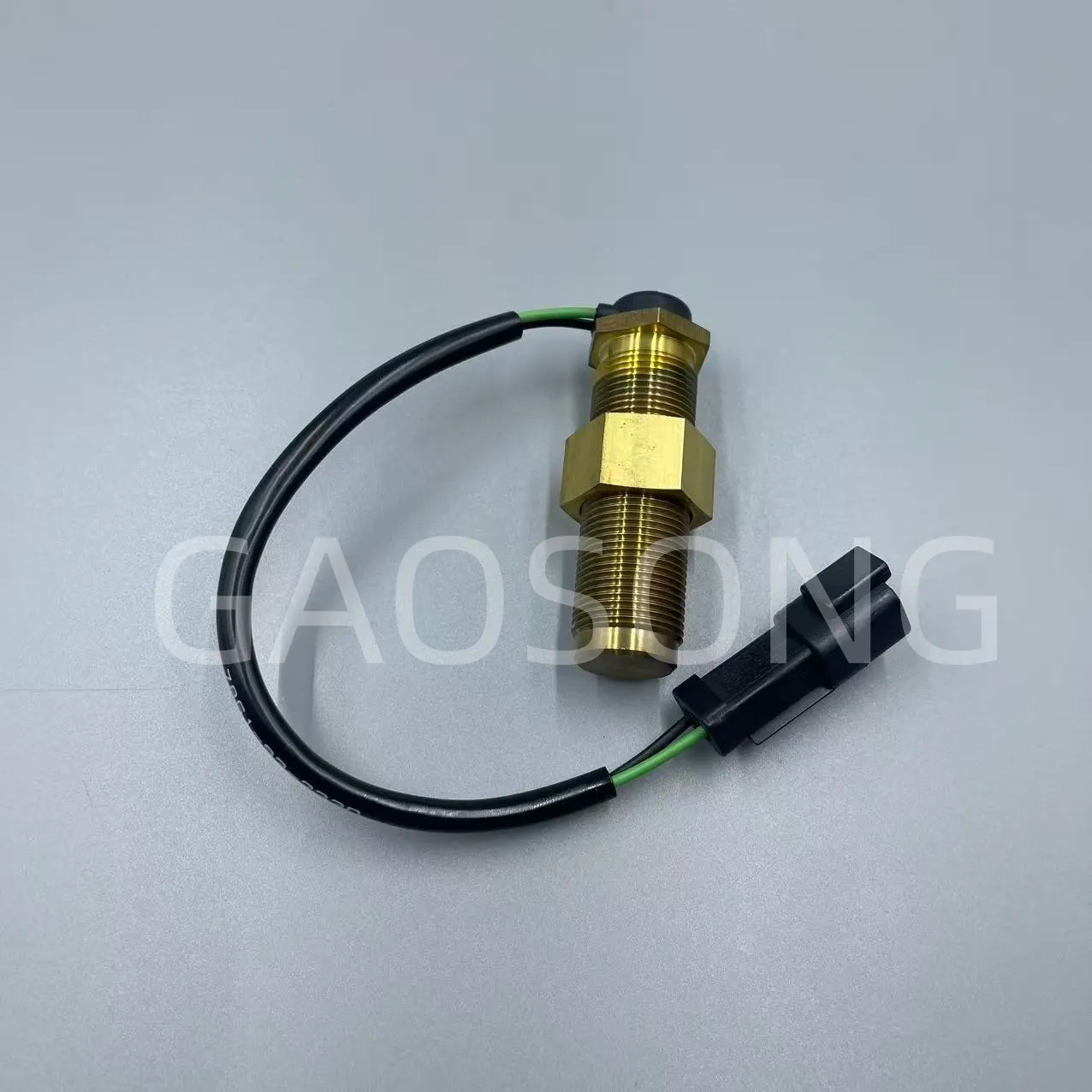 7861-93-2330 SENSOR,REVOLTION–Komatsu Original Factory
 -
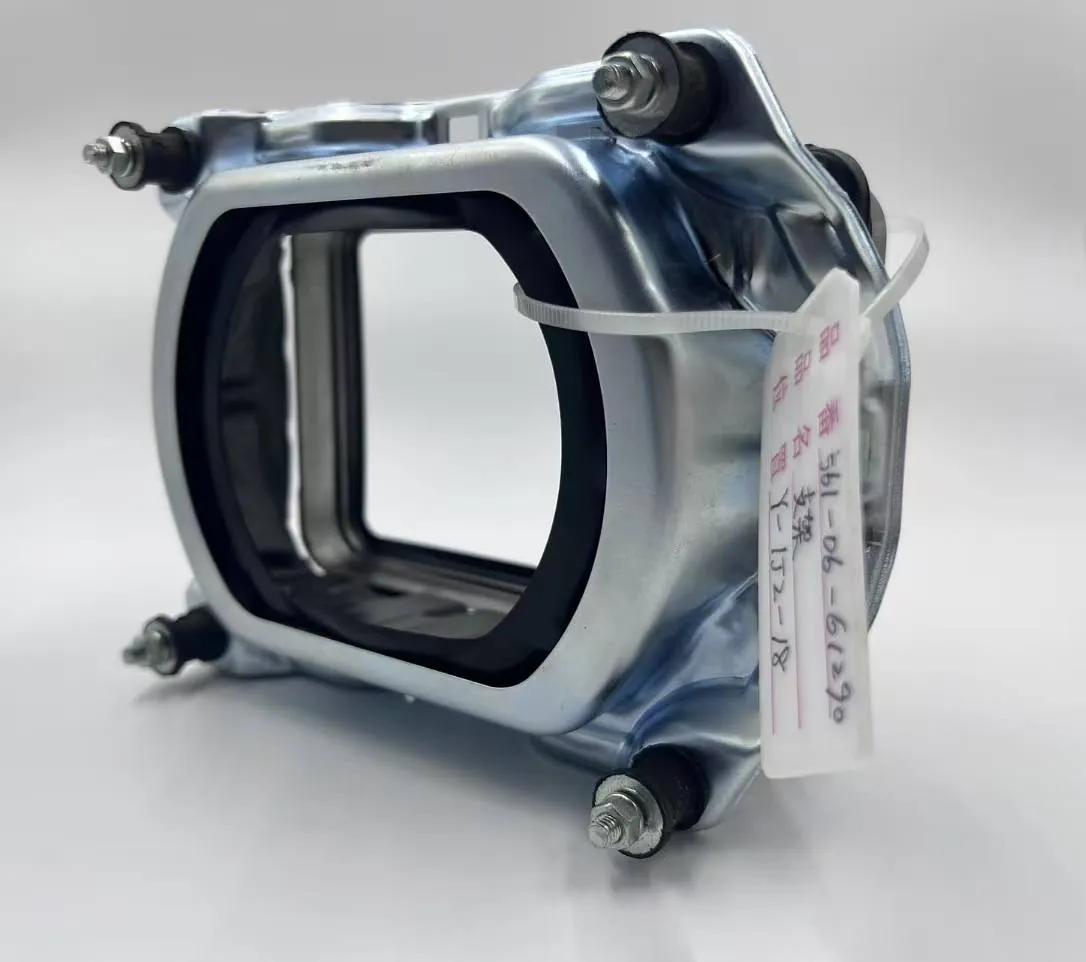 561-06-61290 – bracket komatsu
 -
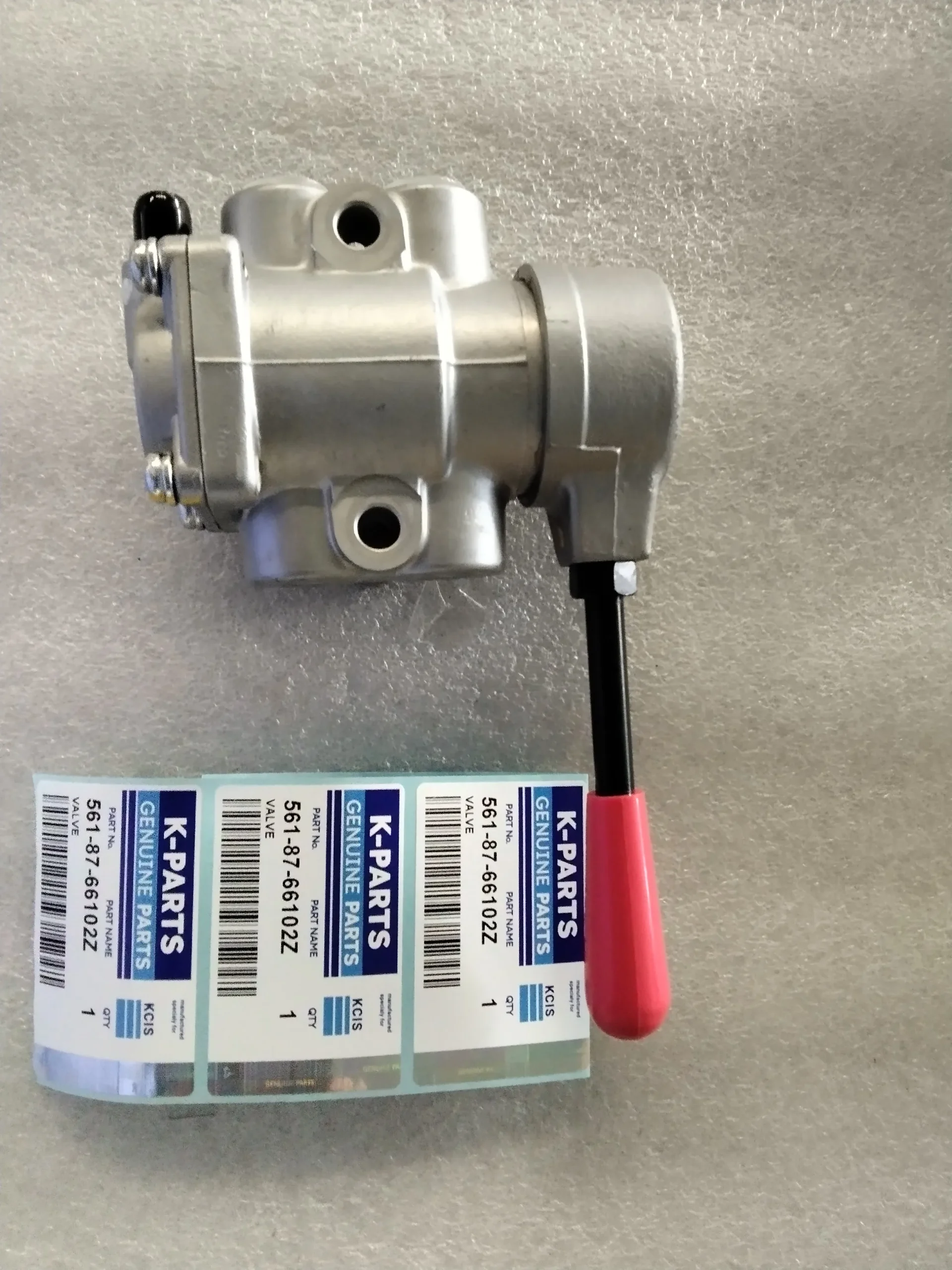 Komatsu dump truck HD785 valve component 561-87-66102
 -
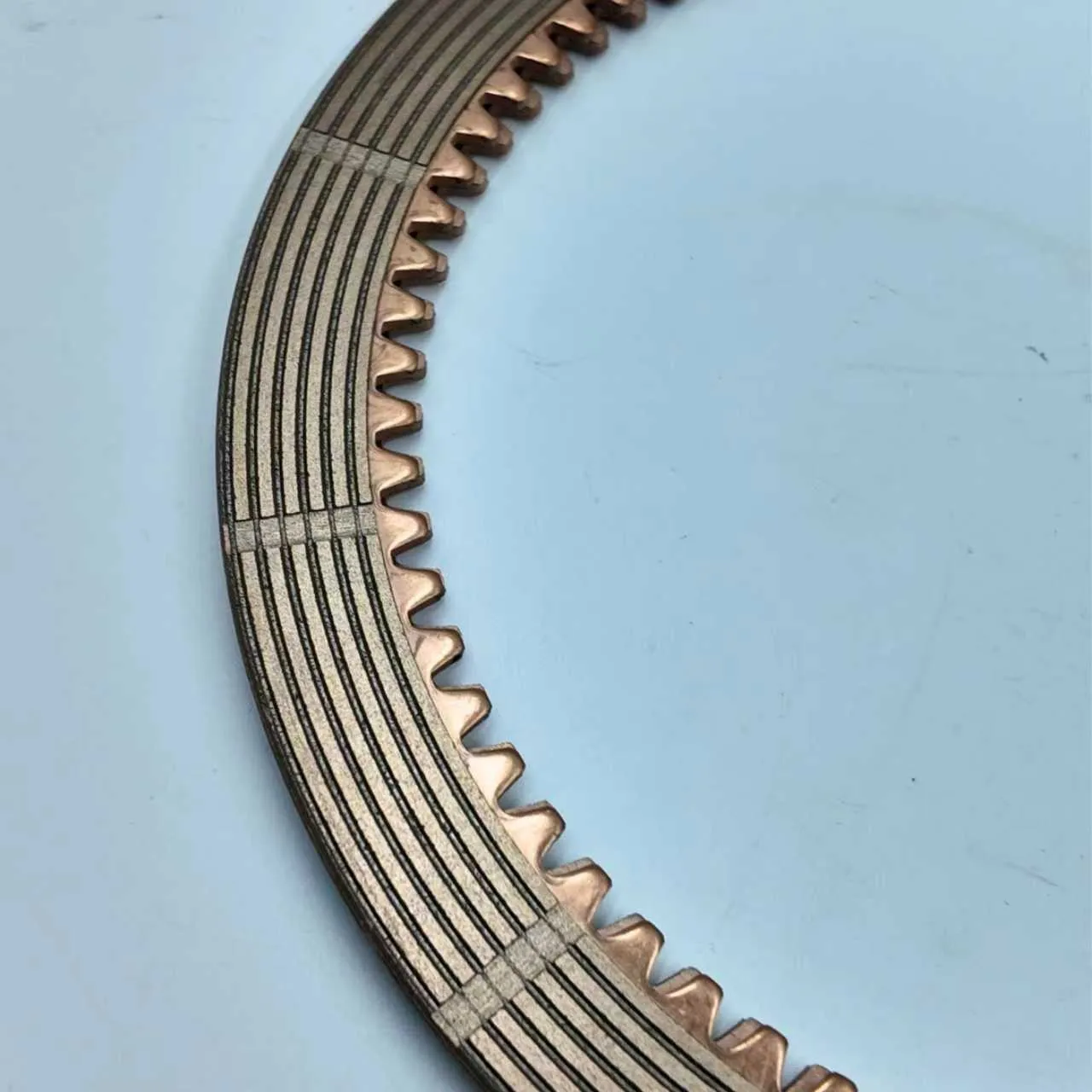 23S-15-12710 Komatsu Disc
 -
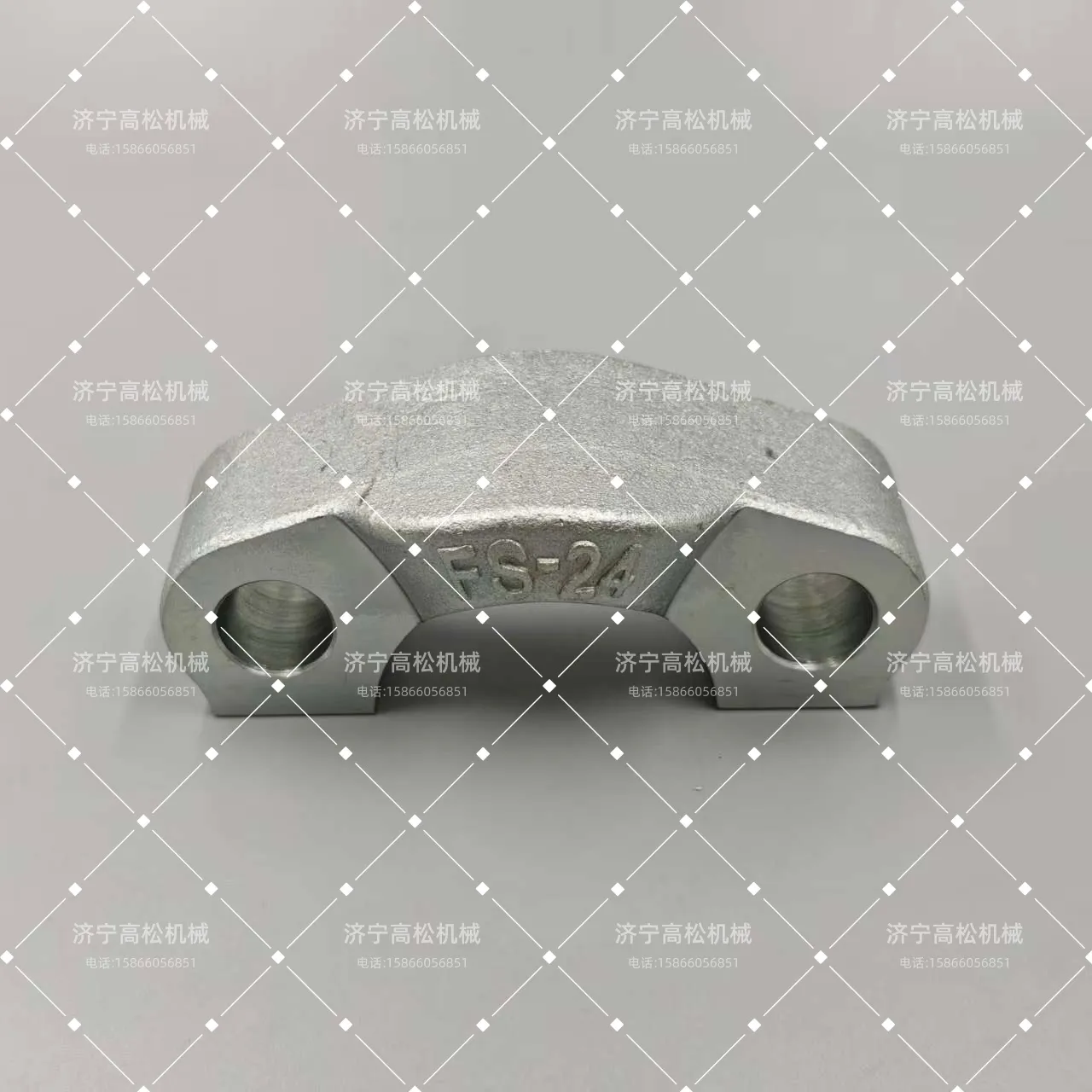 FLANGE 07371-51470 – KOMATSU Part catalog
 -
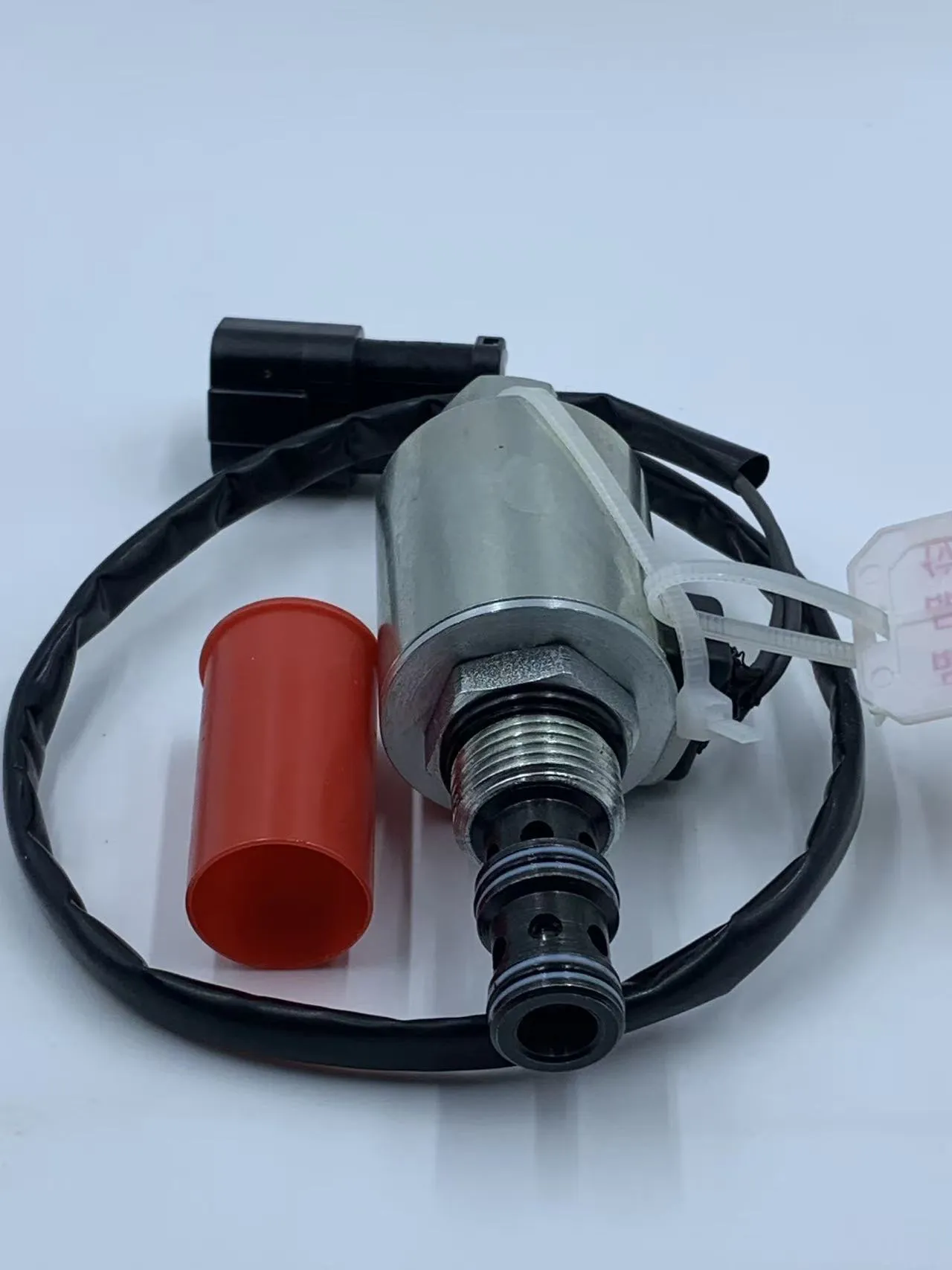 New Rotary Pump Solenoid Coil 20Y-60-11713 for Komatsu… | eBay
 -
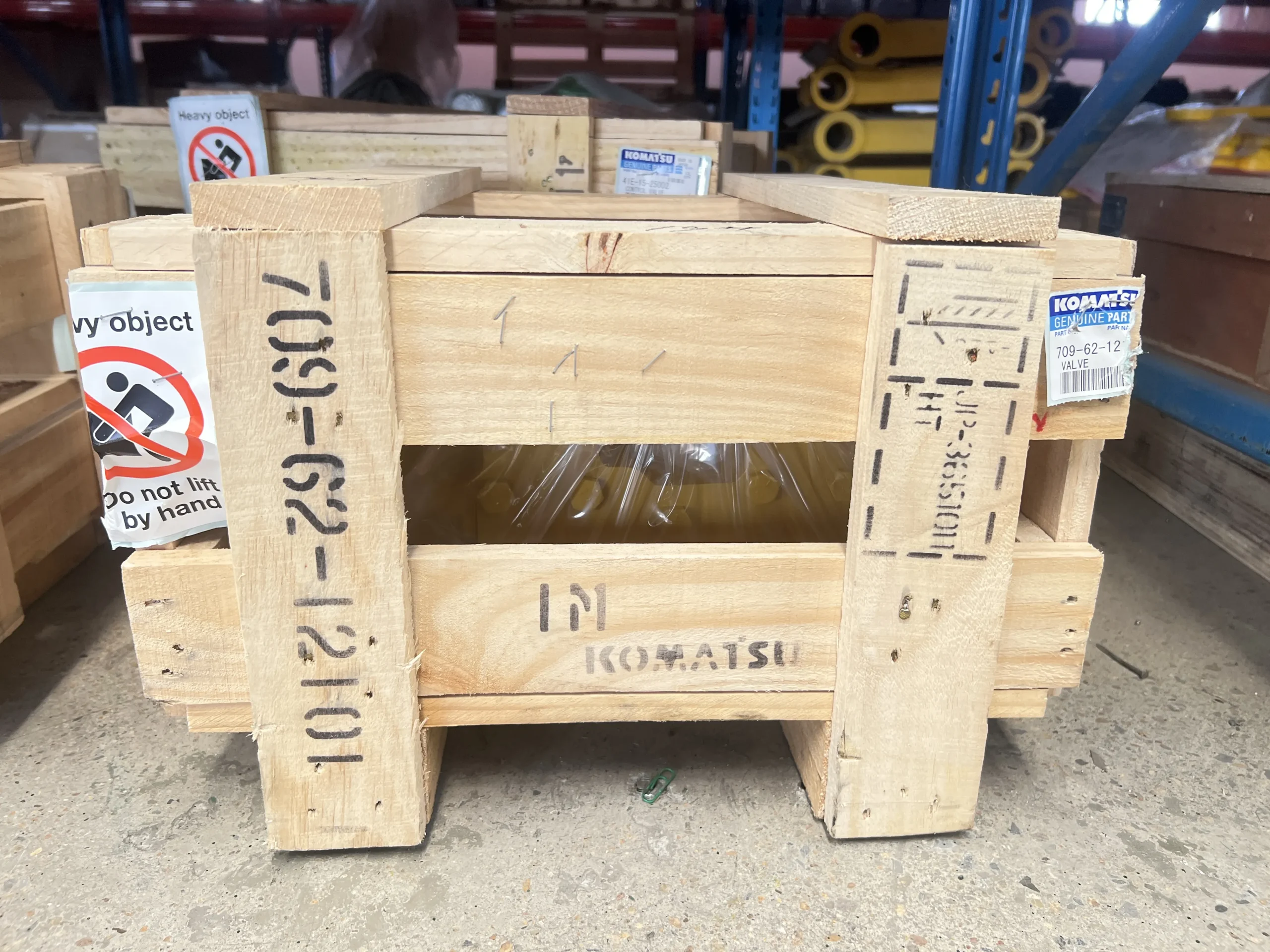 D375A-5E0 Valve Assembly 709-62-12101
 -
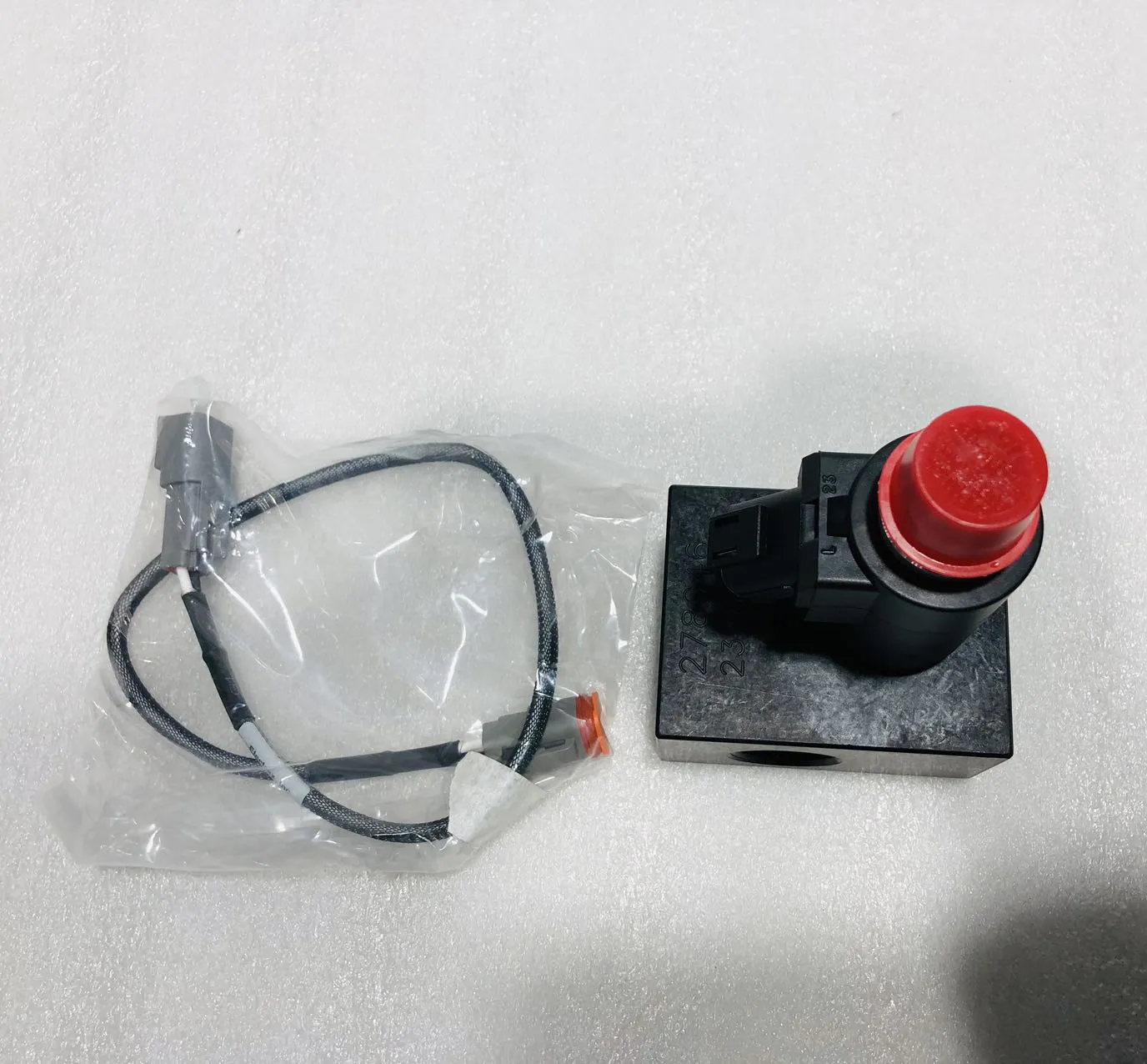 Komatsu 561-95-8A540 VALVE… — Pricing.Parts
 -
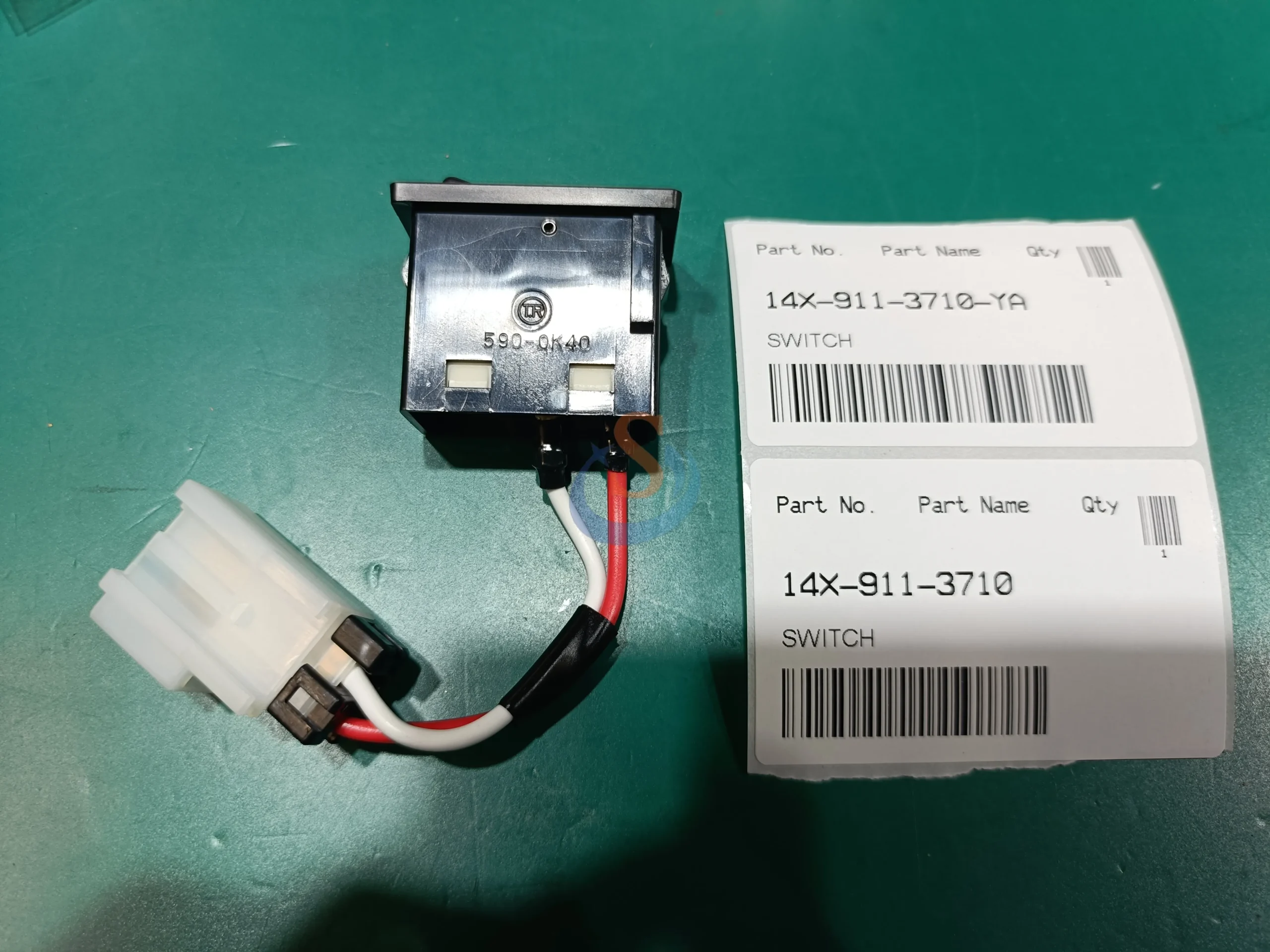 14X-911-3710,SWITCH,D65WX,D65PX,D85PX,D155AX,WA50
 -
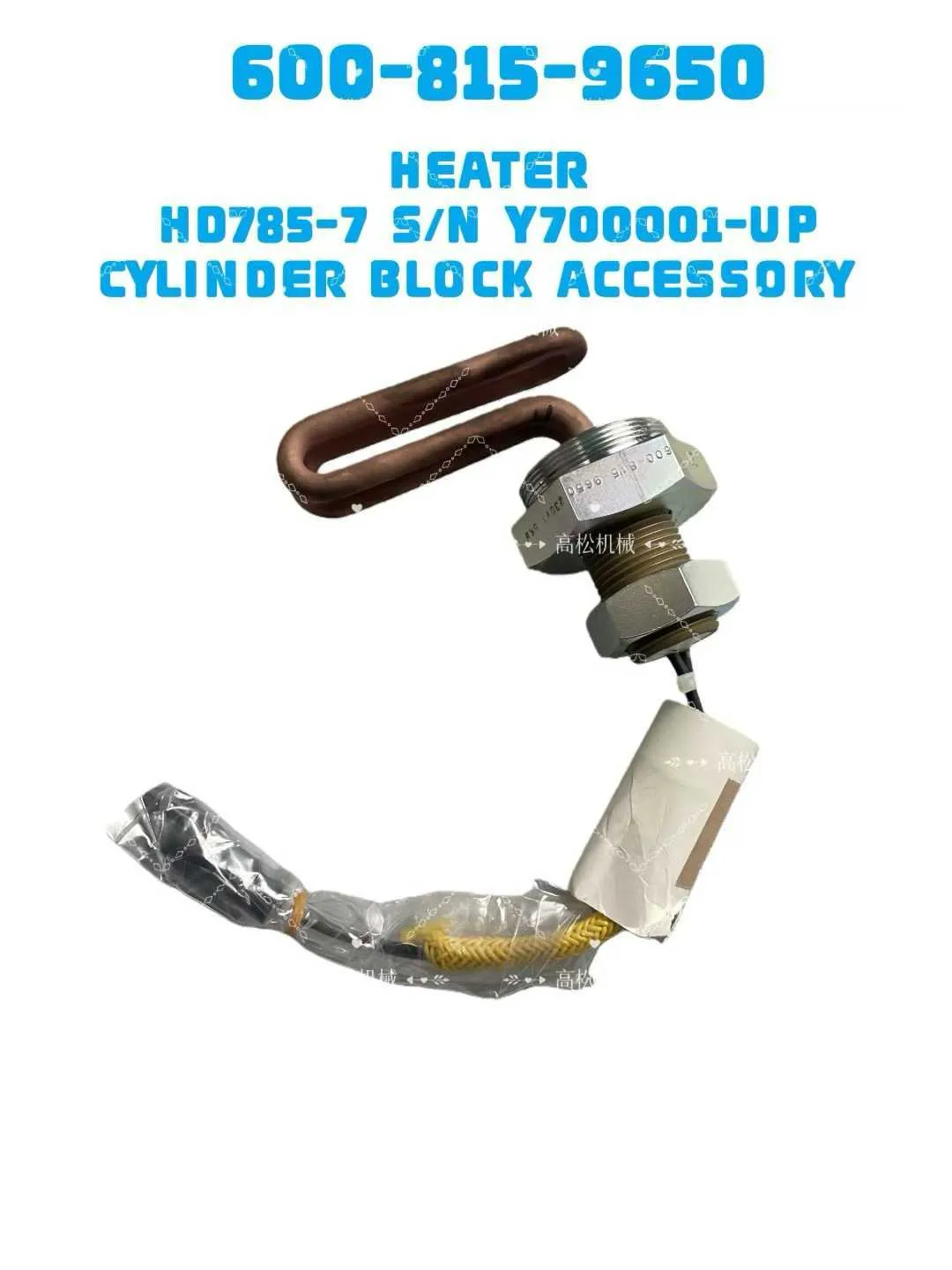 600-815-96504 HEATER HD785-7 5/N Y700001-UP6CYLINDER BLOCK ACCESSORY
 -
 SNAP RING – 21T-26-11270
 -
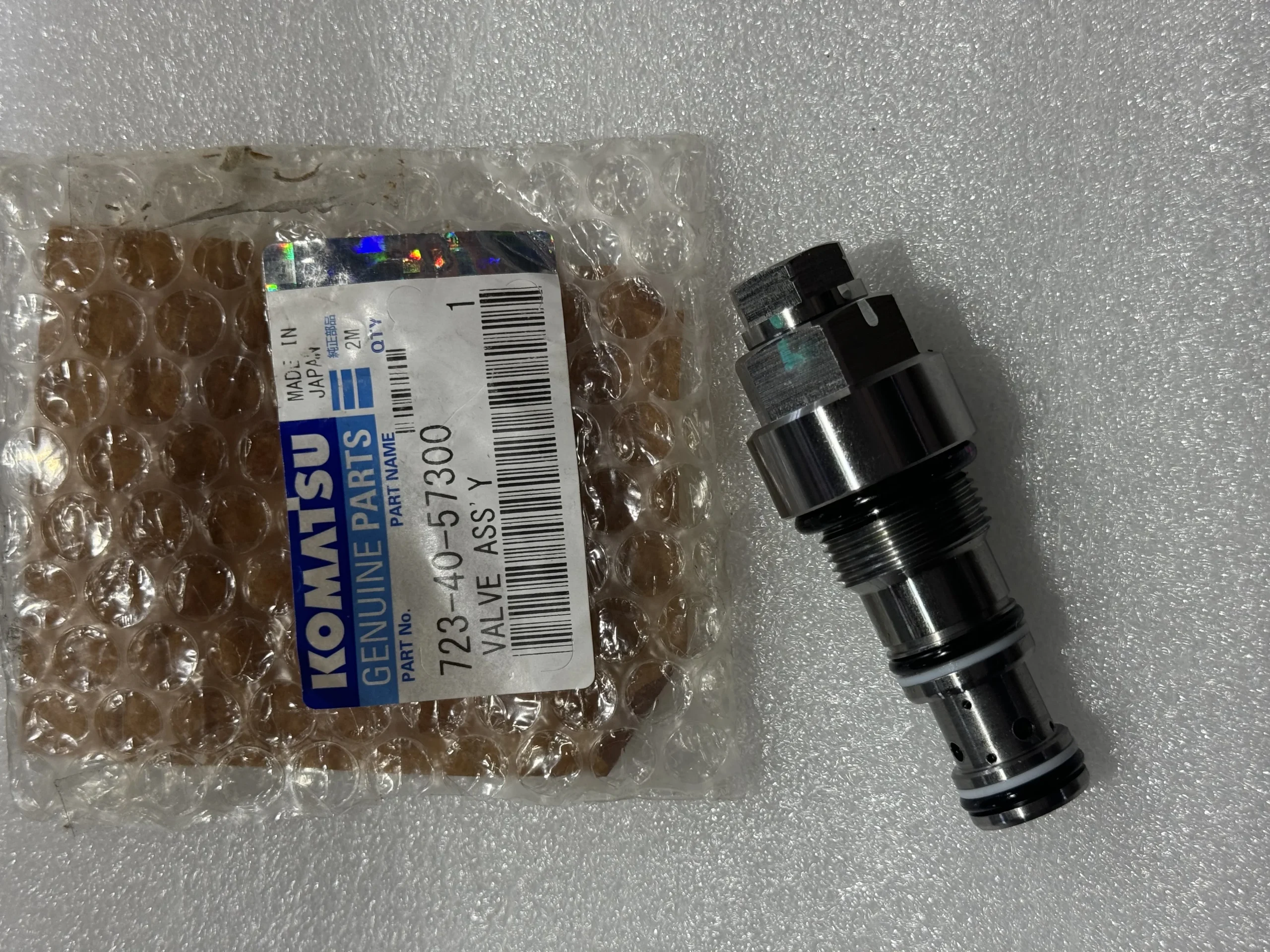 WA480-6 Main Valve 723-40-57300