
- Chinese
- French
- German
- Portuguese
- Spanish
- Russian
- Japanese
- Korean
- Arabic
- Irish
- Greek
- Turkish
- Italian
- Danish
- Romanian
- Indonesian
- Czech
- Afrikaans
- Swedish
- Polish
- Basque
- Catalan
- Esperanto
- Hindi
- Lao
- Albanian
- Amharic
- Armenian
- Azerbaijani
- Belarusian
- Bengali
- Bosnian
- Bulgarian
- Cebuano
- Chichewa
- Corsican
- Croatian
- Dutch
- Estonian
- Filipino
- Finnish
- Frisian
- Galician
- Georgian
- Gujarati
- Haitian
- Hausa
- Hawaiian
- Hebrew
- Hmong
- Hungarian
- Icelandic
- Igbo
- Javanese
- Kannada
- Kazakh
- Khmer
- Kurdish
- Kyrgyz
- Latin
- Latvian
- Lithuanian
- Luxembou..
- Macedonian
- Malagasy
- Malay
- Malayalam
- Maltese
- Maori
- Marathi
- Mongolian
- Burmese
- Nepali
- Norwegian
- Pashto
- Persian
- Punjabi
- Serbian
- Sesotho
- Sinhala
- Slovak
- Slovenian
- Somali
- Samoan
- Scots Gaelic
- Shona
- Sindhi
- Sundanese
- Swahili
- Tajik
- Tamil
- Telugu
- Thai
- Ukrainian
- Urdu
- Uzbek
- Vietnamese
- Welsh
- Xhosa
- Yiddish
- Yoruba
- Zulu
- Kinyarwanda
- Tatar
- Oriya
- Turkmen
- Uyghur






komatsu 4d95 engine
When you hear 'Komatsu 4D95 engine', most folks immediately think of the excavators, maybe the PC200-6 or PC220-6. That's fair, it's where it's most famous. But there's a common oversimplification—treating it as just another reliable mid-range diesel. The reality is more nuanced. Its reputation for being bulletproof sometimes leads to complacency in maintenance, and its specific quirks, especially in certain climates or duty cycles, aren't always in the manual. Having sourced and dealt with these engines and their parts for years, particularly through channels that address supply gaps, you see patterns the standard distributors might miss.
Core Design and Where It Shines
The 4D95's strength was its straightforward, mechanical design. In an era transitioning to electronics, Komatsu kept this one largely analog. The injection pump was a classic Bosch-type, and the governor was mechanical. For technicians in regions with limited access to advanced diagnostic tools, this was a godsend. You could troubleshoot a lot with a set of wrenches and a good ear. I've seen these engines in remote mining sites, still running strong long after their service intervals, purely because a local mechanic could keep them alive with basic interventions. It wasn't about peak power; it was about predictable, repairable power.
However, 'straightforward' doesn't mean simple. The valve adjustment procedure, for instance, has a specific sequence that if ignored, leads to burnt valves. It's a detail. I recall a contractor who kept having head gasket issues on a PC220. Everyone blamed overheating, but the root was incorrect valve lash creating localized hot spots. It's these procedural nuances that separate a running engine from a long-lasting one.
The aftercooler design on later models was another point. A good design, but in high-dust environments like demolition or desert work, the core would clog surprisingly fast. Not a flaw per se, but an operational reality that required a more aggressive cleaning schedule than the manual suggested. You learn this by seeing multiple units side-by-side, some failing early, others lasting—the difference was always in the ancillary system care, not the core Komatsu 4D95 engine block.
The Real Challenge: Parts and Provenance
This is where theory meets the grind. The official Komatsu parts network is excellent, but it's not universally accessible or always cost-effective for older models. This creates a secondary market, which is a minefield. We're talking about a company like Jining Gaosong Construction Machinery Co., Ltd. which operates within this space. As an OEM product supplier within the Komatsu system and a third-party sales company, their role is critical in certain markets. They help solve parts supply challenges, but the onus is on the buyer to understand what they're getting.
I've seen too many OEM-equivalent cylinder heads crack because the casting quality was off. Or fuel injection pumps that looked identical but delivered the wrong pressure curve, leading to poor fuel economy and excessive smoke. The takeaway? Knowing your supplier's provenance is as important as knowing the part number. A supplier embedded in the system, like the one mentioned, often has access to genuine surplus or properly sourced alternatives that a random online seller won't. It's about the supply chain integrity.
A practical case: sourcing a genuine Komatsu 4D95 turbocharger versus a clone. The price difference can be 60%. The clone might work for 800 hours, then the bearing housing wears out due to inferior metallurgy, sending debris into the engine. The total cost of that failure dwarfs the initial savings. This isn't speculation; it's a failure mode I've documented. Sometimes, the right move is to use a reputable third-party for non-critical wear items (filters, gasket kits) but insist on genuine or certified-remanufactured for core components like the fuel pump, turbo, and injectors.
Failures and Misdiagnoses
One of the most frequent misdiagnoses on this engine is low power attributed to the injectors or pump. While that's possible, a more common culprit we've encountered is a slightly collapsed air intake hose between the aftercooler and the intake manifold. It looks fine externally but creates a restriction under load. It's a $50 part that causes thousands in unnecessary fuel system overhauls. You only learn this by doing repeated smoke tests or having seen it before.
Another subtle one is oil consumption. People jump to rings or valve seals. On higher-hour 4D95s, don't overlook the turbocharger oil drain line. If it gets partially blocked or kinked, it causes oil to back up into the turbo housing and get sucked into the intake. It presents exactly like worn internal components. I spent two weeks on a teardown once only to find the engine internals were fine—it was a pinched drain line from a previous sloppy repair.
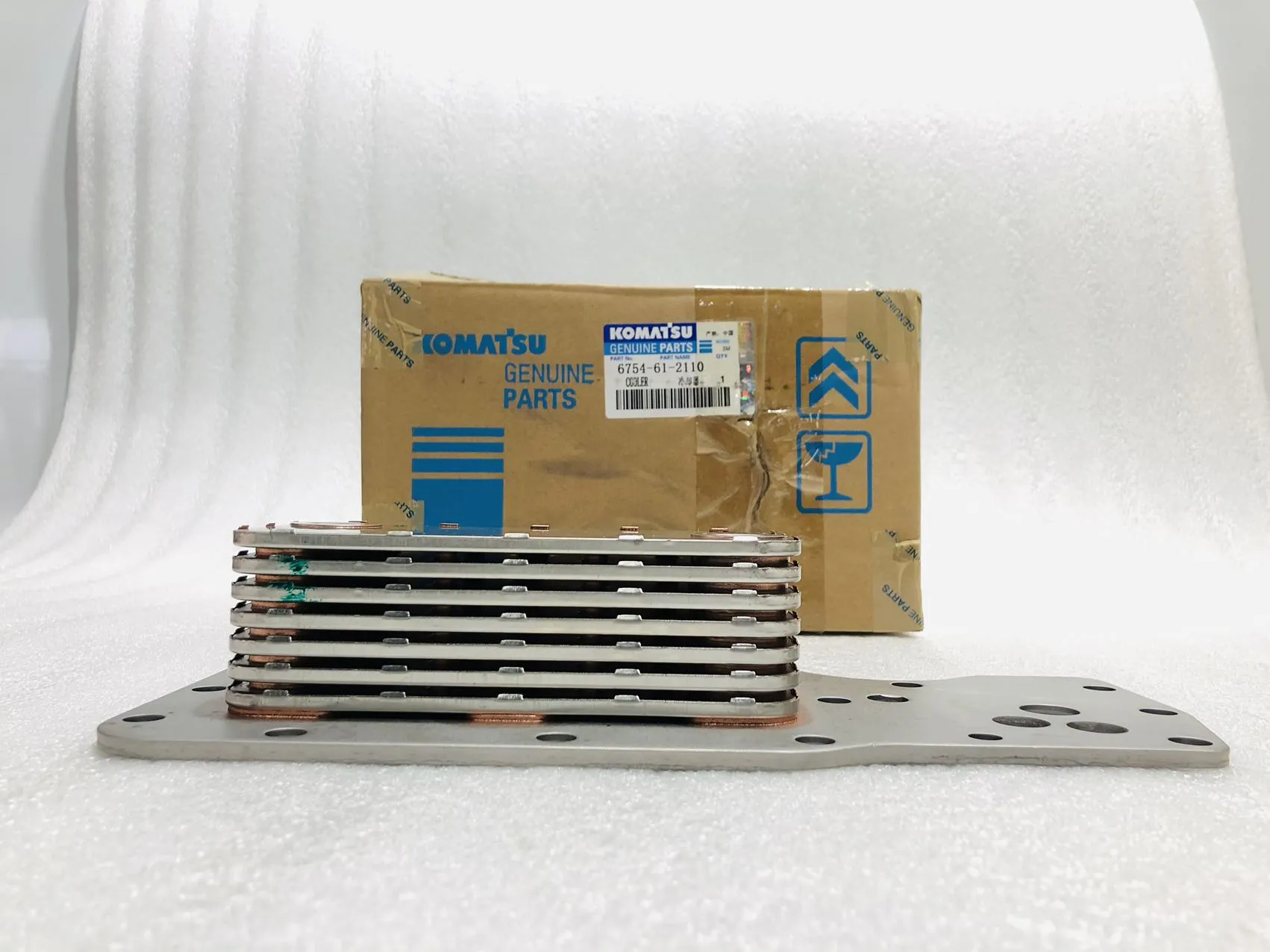
Then there's the coolant-in-oil scare. Yes, it could be a cracked head or failed head gasket. But before you panic, check the oil cooler. Its seals fail more often than people think, and it's a far cheaper and easier fix. The point is, the 4D95 engine is logical. Its failure modes follow its design. Systematic, process-of-elimination diagnostics always beat swapping parts based on a hunch.
Operational Longevity and Rebuild Considerations
When these engines finally need major work, the rebuild decision is critical. Is it worth a full in-frame overhaul? Often, yes. The block and crankshaft are generally robust. The cost-benefit hinges on the condition of the cylinder liners. If they're within spec for re-honing, a rebuild with a quality kit makes economic sense. If they're deeply scored or out-of-round, you're looking at re-sleeving, which changes the calculation.
Here's a tip from the field: during a rebuild, always replace the rear main seal and the front crankshaft seal as a matter of course, even if they look okay. The labor to get to them is so high that skipping this for a $30 part is false economy. Similarly, upgrade the head bolts to the latest torque-to-yield spec if the engine originally used older-style bolts. It's a small investment for better clamping force and gasket longevity.
For operations that rely on multiple units, standardizing on a trusted parts source is key for consistency. This is where a specialized supplier's value becomes tangible. You develop a relationship, they understand your operational context, and can advise on part alternatives or bulk deals for common wear items. It moves the interaction from a simple transaction to a logistical partnership, which is what companies like Jining Gaosong Construction Machinery facilitate by bridging the OEM system with on-the-ground needs.
Final Thoughts: It's a Tool, Not a Legend
The Komatsu 4D95 isn't magical. It's a well-engineered tool from a specific period. Its longevity is more a testament to its repairability than to never breaking down. The sentiment that they don't make them like they used to is partly true, but it ignores the fact that modern engines meet stricter emissions and efficiency standards. The 4D95's niche is in environments where simplicity, mechanical access, and total cost of ownership over a 20,000-hour lifespan outweigh the benefits of newer, more complex designs.
Success with this engine boils down to three things: disciplined preventive maintenance (especially of air and fuel systems), using parts with verifiable quality, and cultivating diagnostic skills that respect its mechanical nature. It rewards a meticulous operator and punishes a neglectful one. The supply challenges for its parts have also clarified the market—there are tiers of quality, and the cheapest option is almost always the most expensive in the long run.
In the end, when you see one of these engines still chugging along in an old machine, it's not an accident. It's the result of countless small, correct decisions about oil, filters, adjustments, and parts. It's a piece of industrial history that's still working because someone, somewhere, understood how it worked and cared for it accordingly. That's the real story of the Komatsu 4D95.
Related Products
Related Products

Best Selling Products
Best Selling Products-
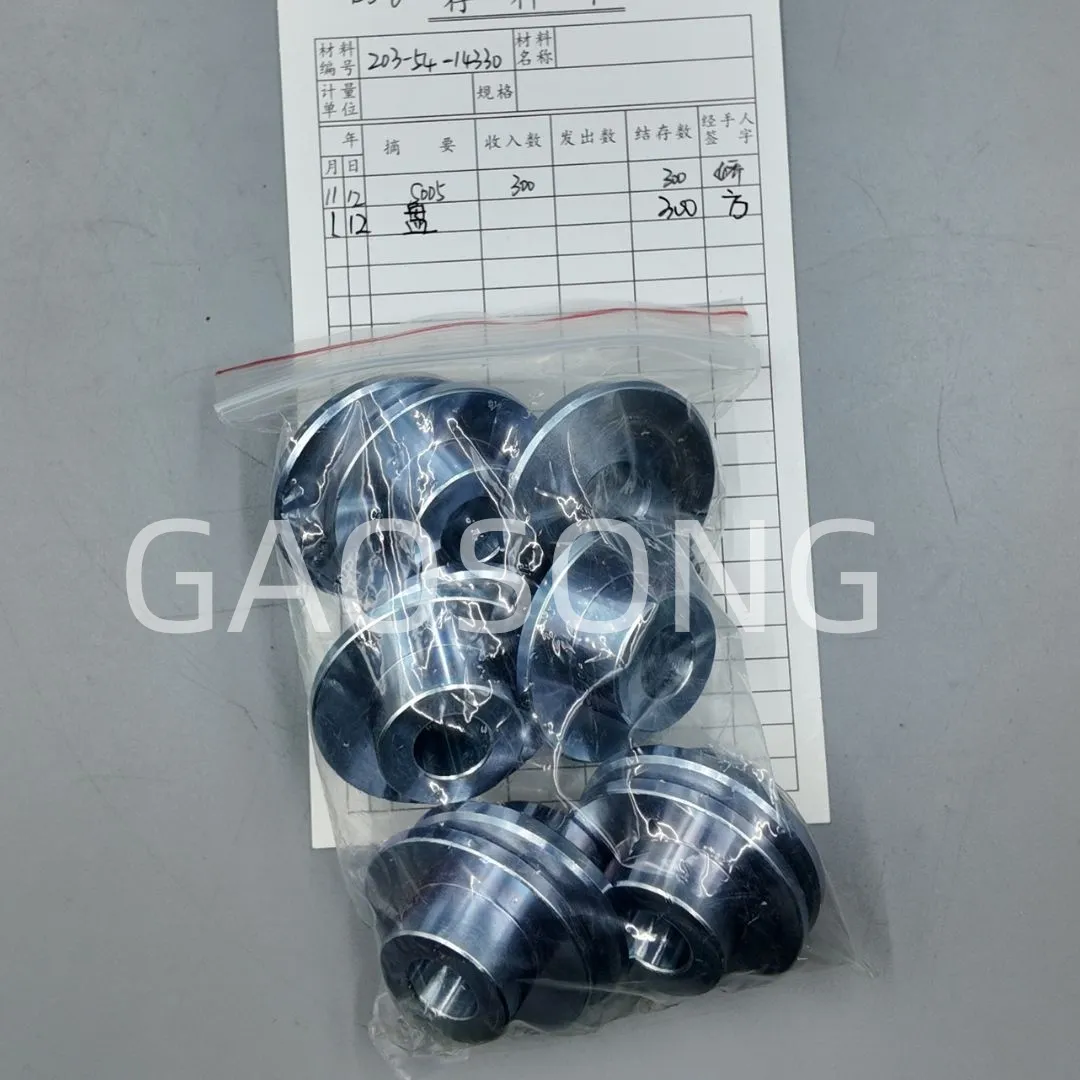 203-54-14330 Komatsu Collar
 -
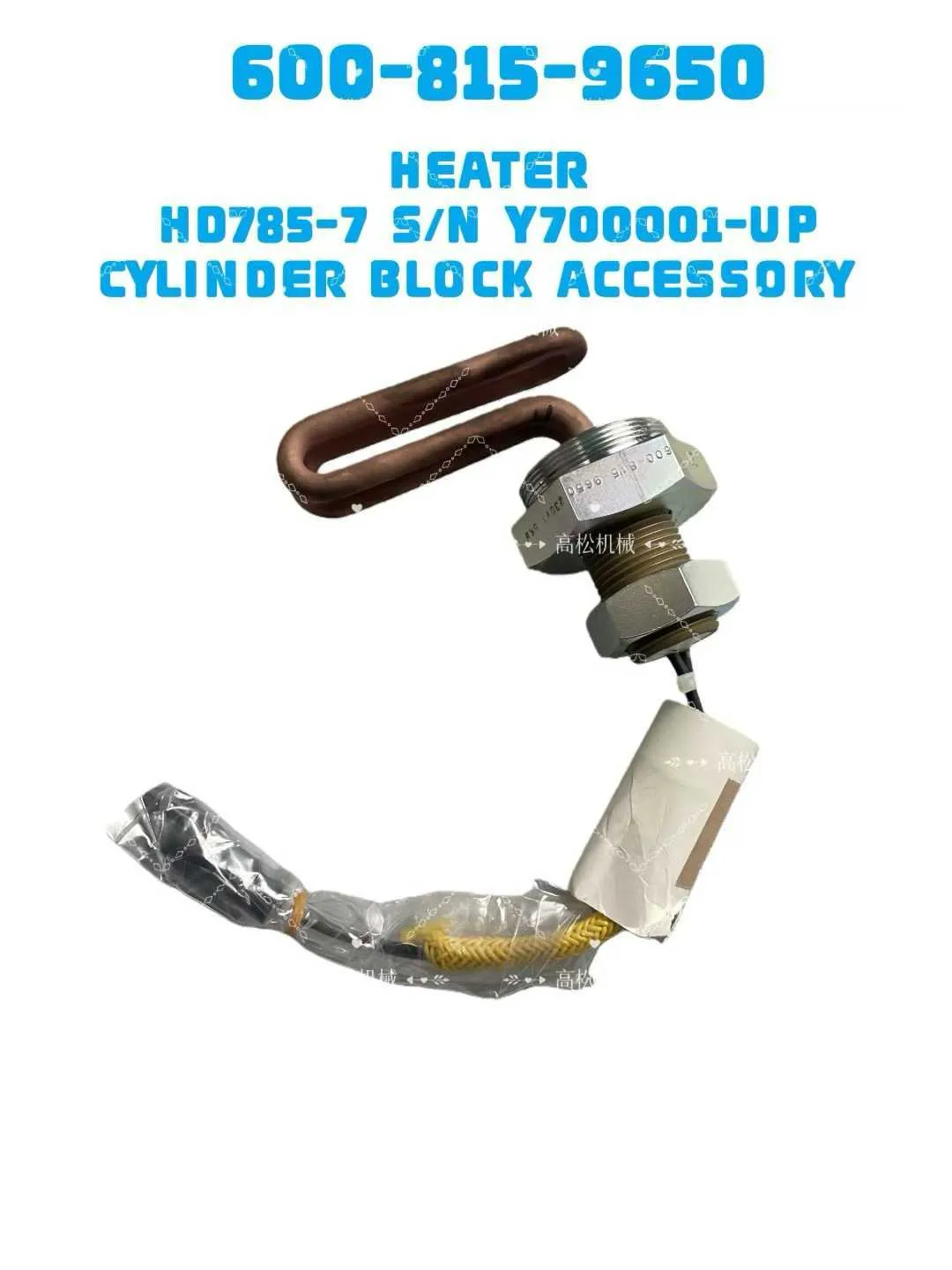 600-815-96504 HEATER HD785-7 5/N Y700001-UP6CYLINDER BLOCK ACCESSORY
 -
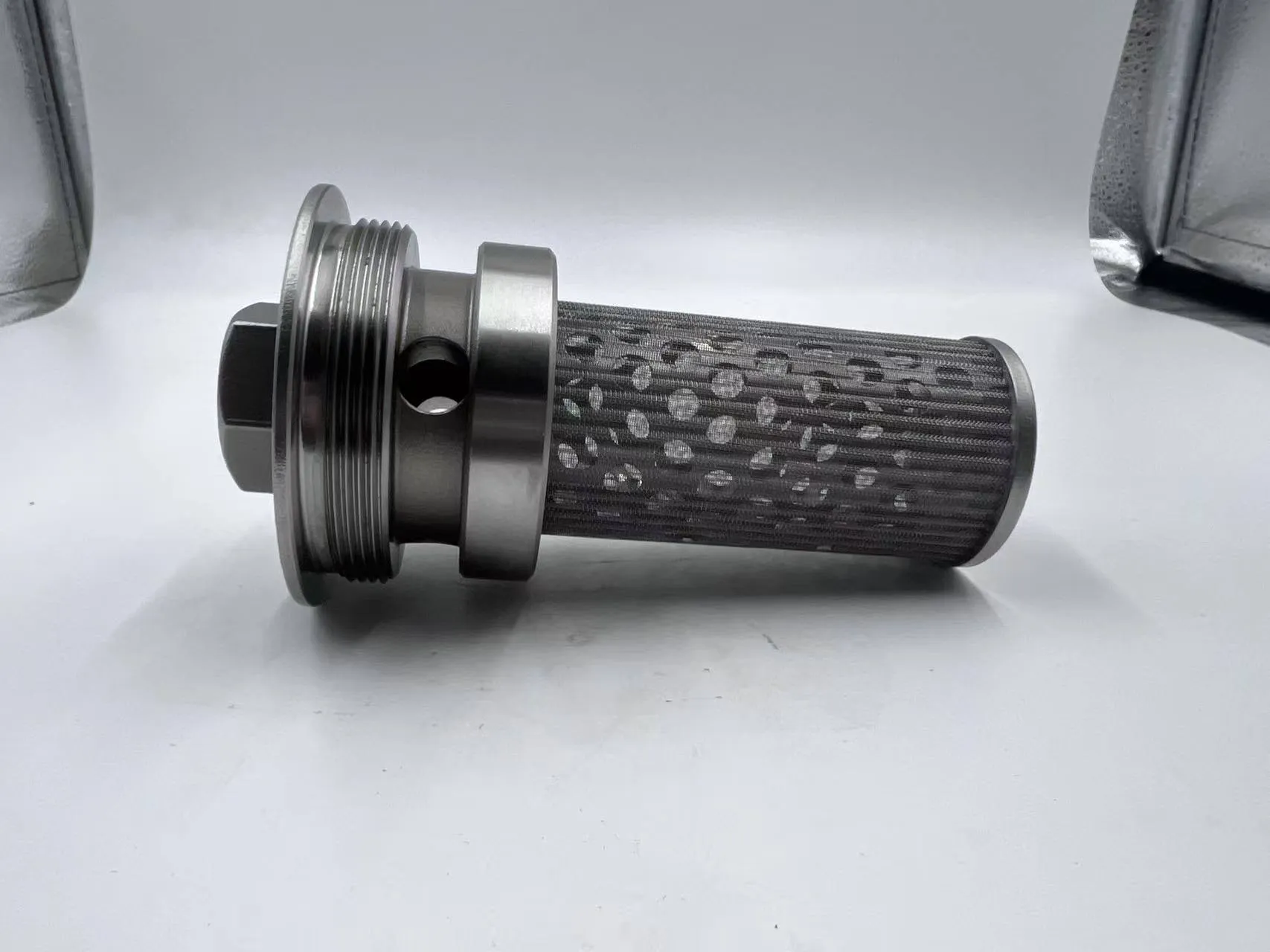 Hello friend 195-04-11150 17M-71-21530 17M-50-49290 is suitable for Komatsu Machinery
 -
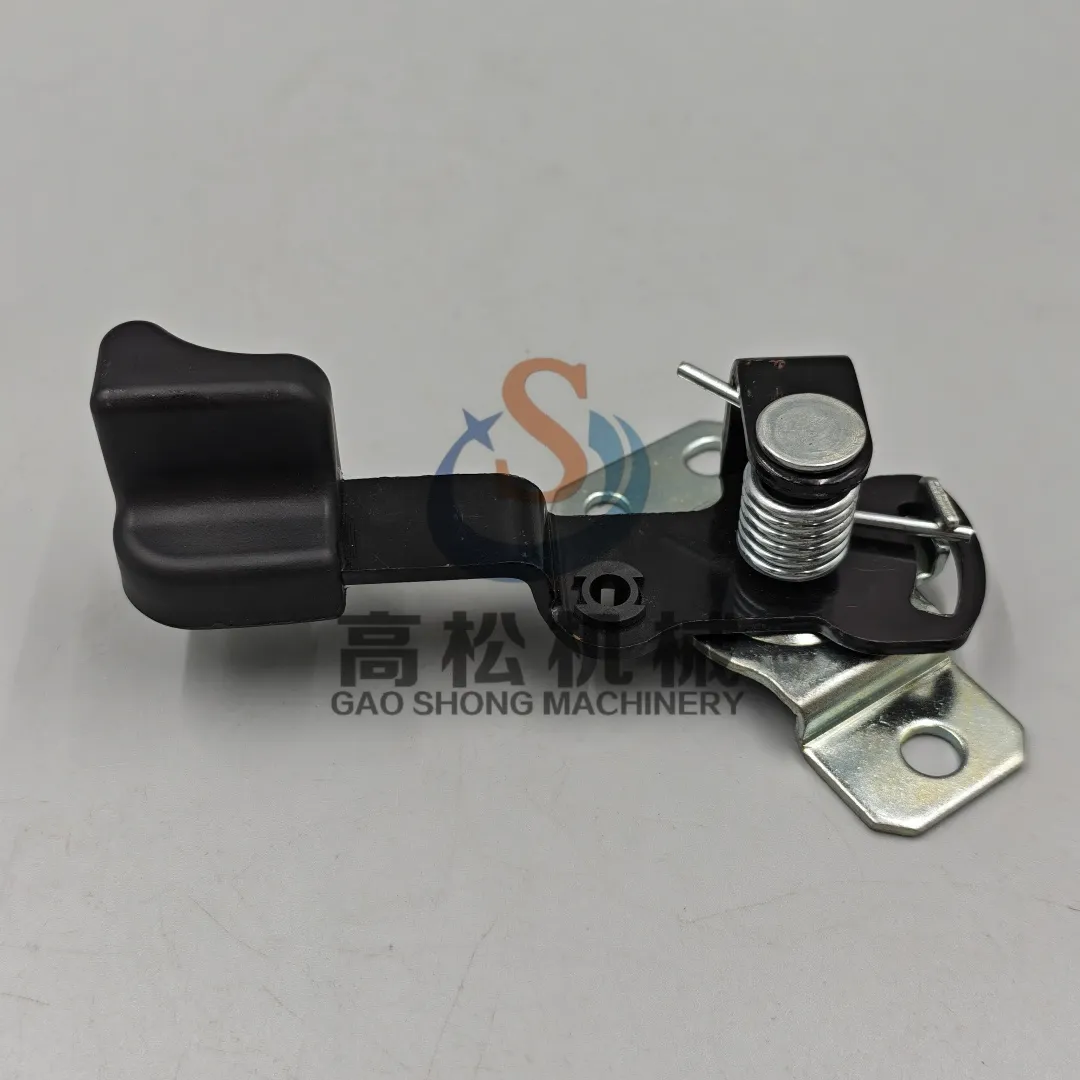 Door Lock Assembly 20Y-54-52820 Latch 20Y-53-12201 Handle Ass’s 20Y-54-52300 for Komatsu PC220-8
 -
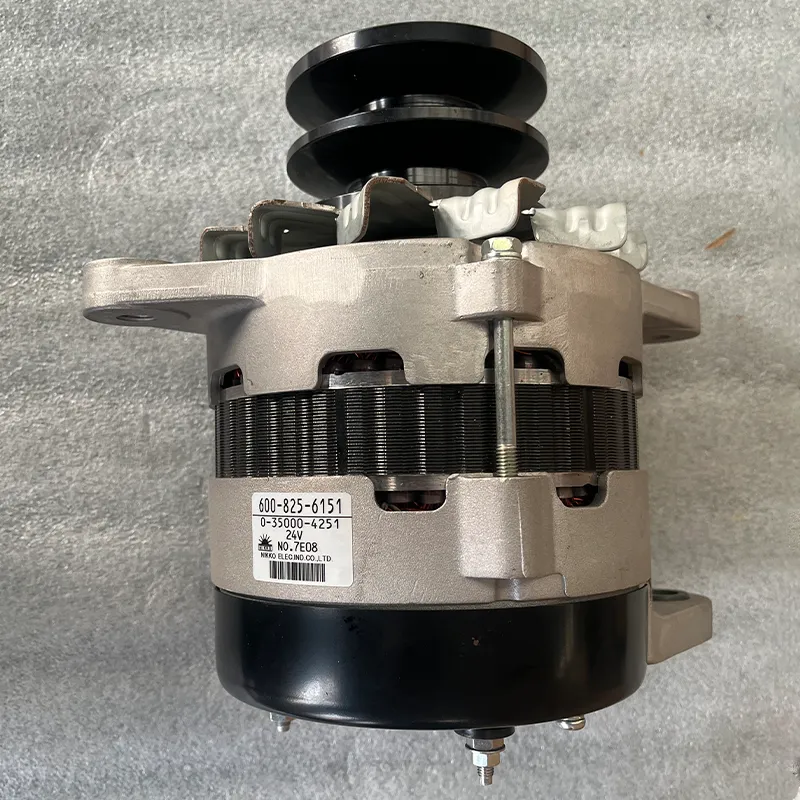 600-825-6151 Original komatsu alternator for PC300-7 PC360-7 PC400-78 PC450-8
 -
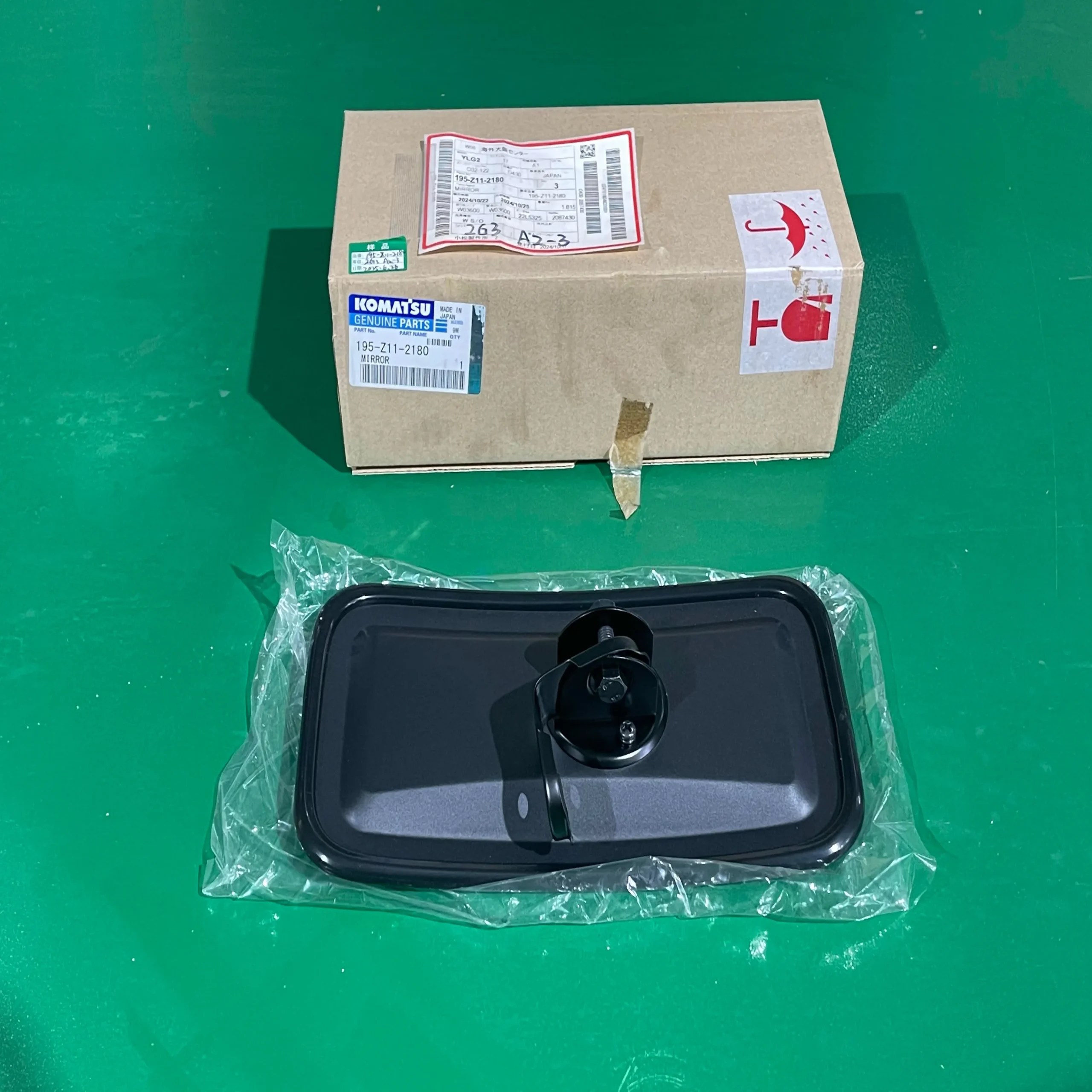 Komatsu bulldozer rearview mirror 195-Z11-2180
 -
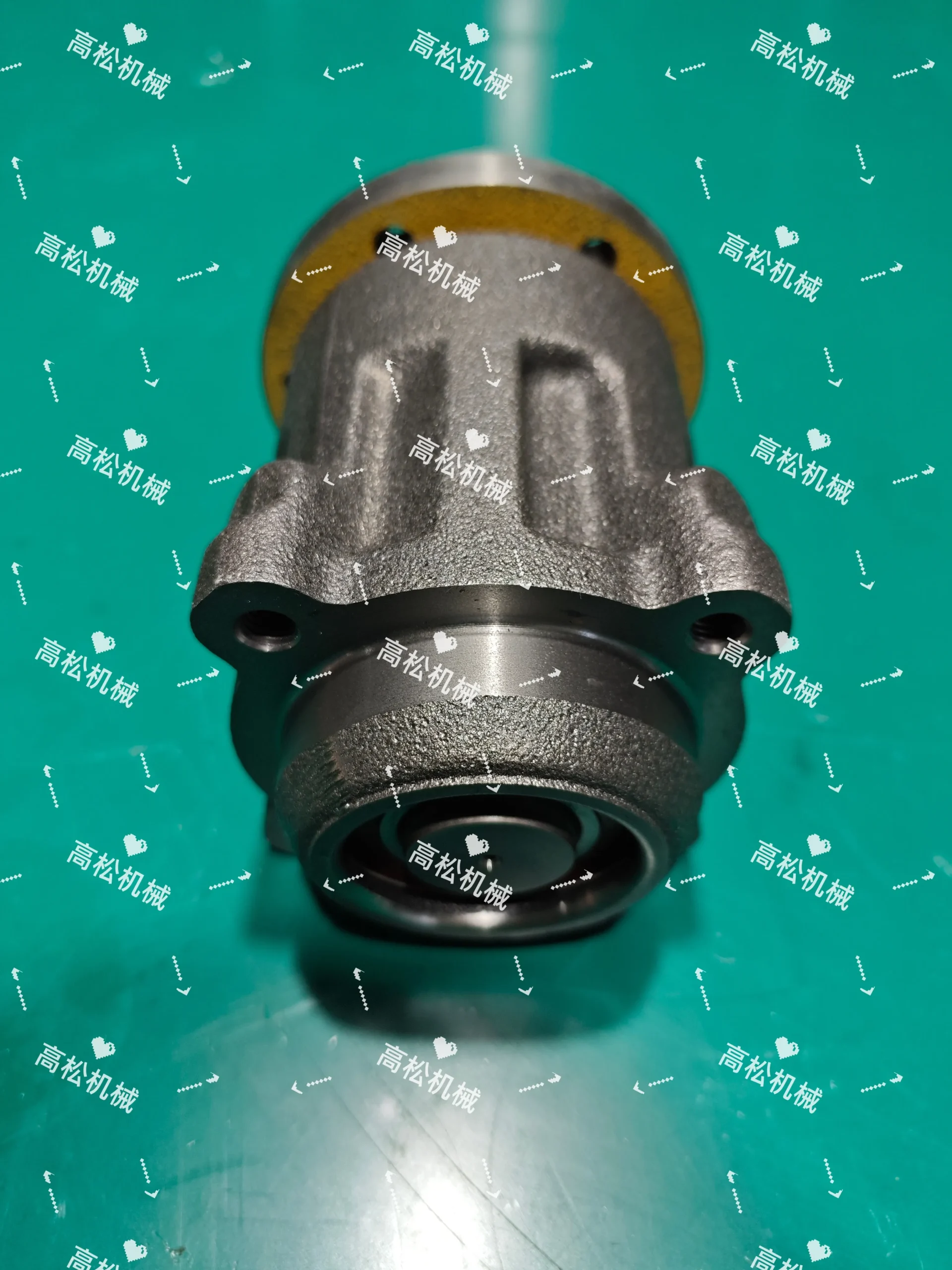 Fan Clutch 20Y-01-56130 for Komatsu PC210-10MO Excavator
 -
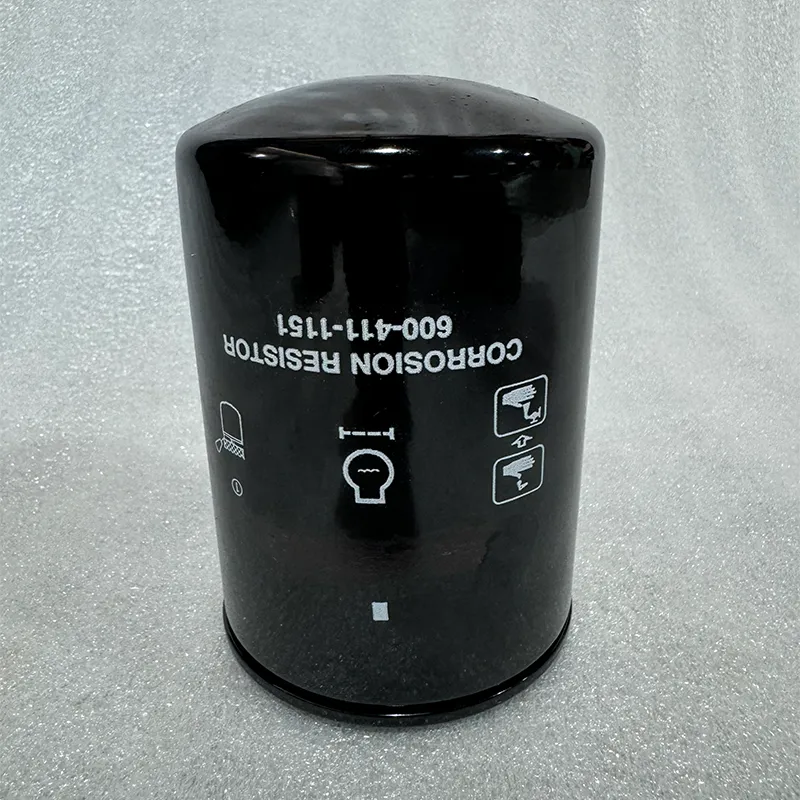 Original komatsu WA320-3 filter element 600-411-1151
 -
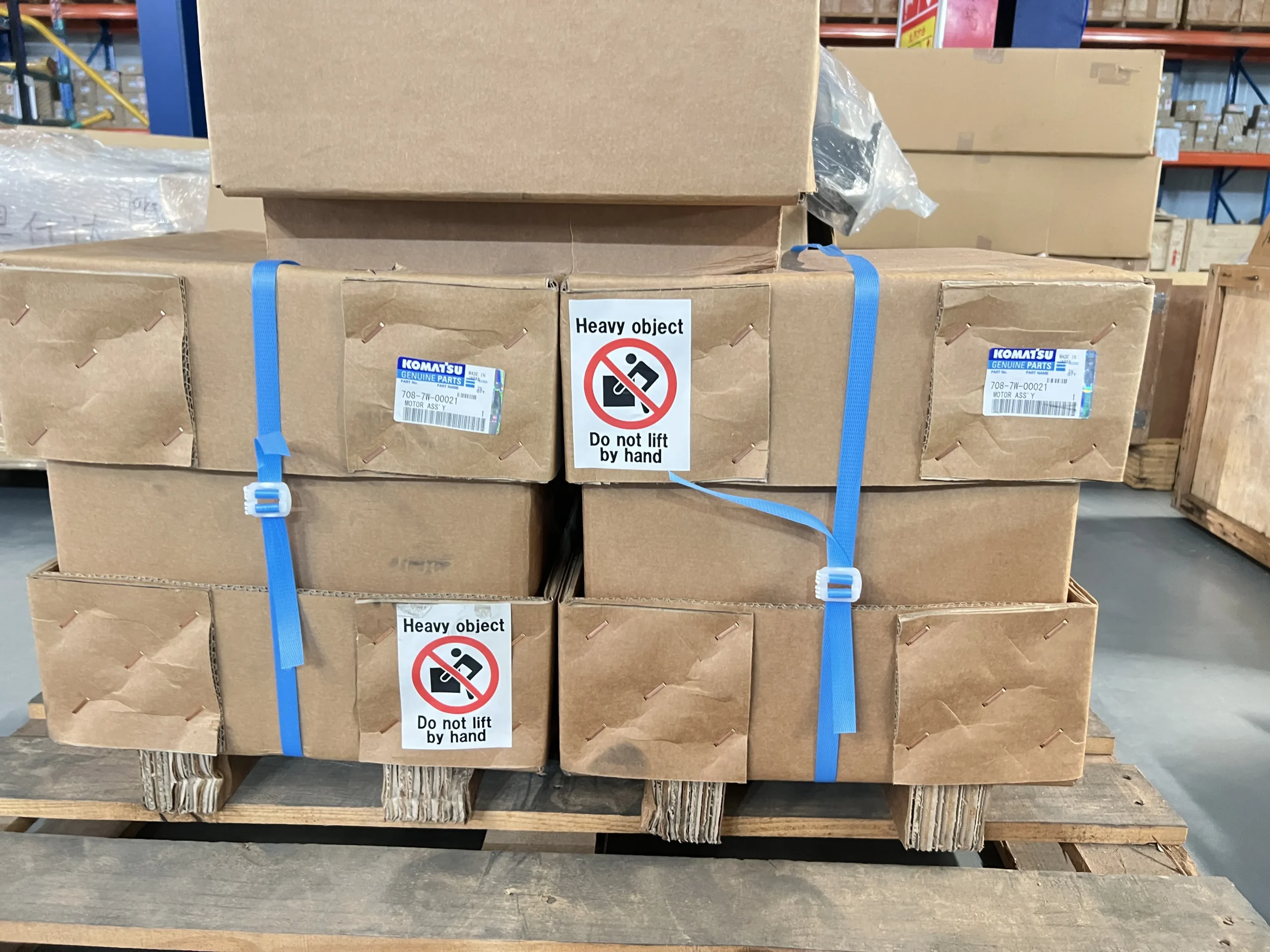 New Hydraulic Fan Motor 708-7W-00021
 -
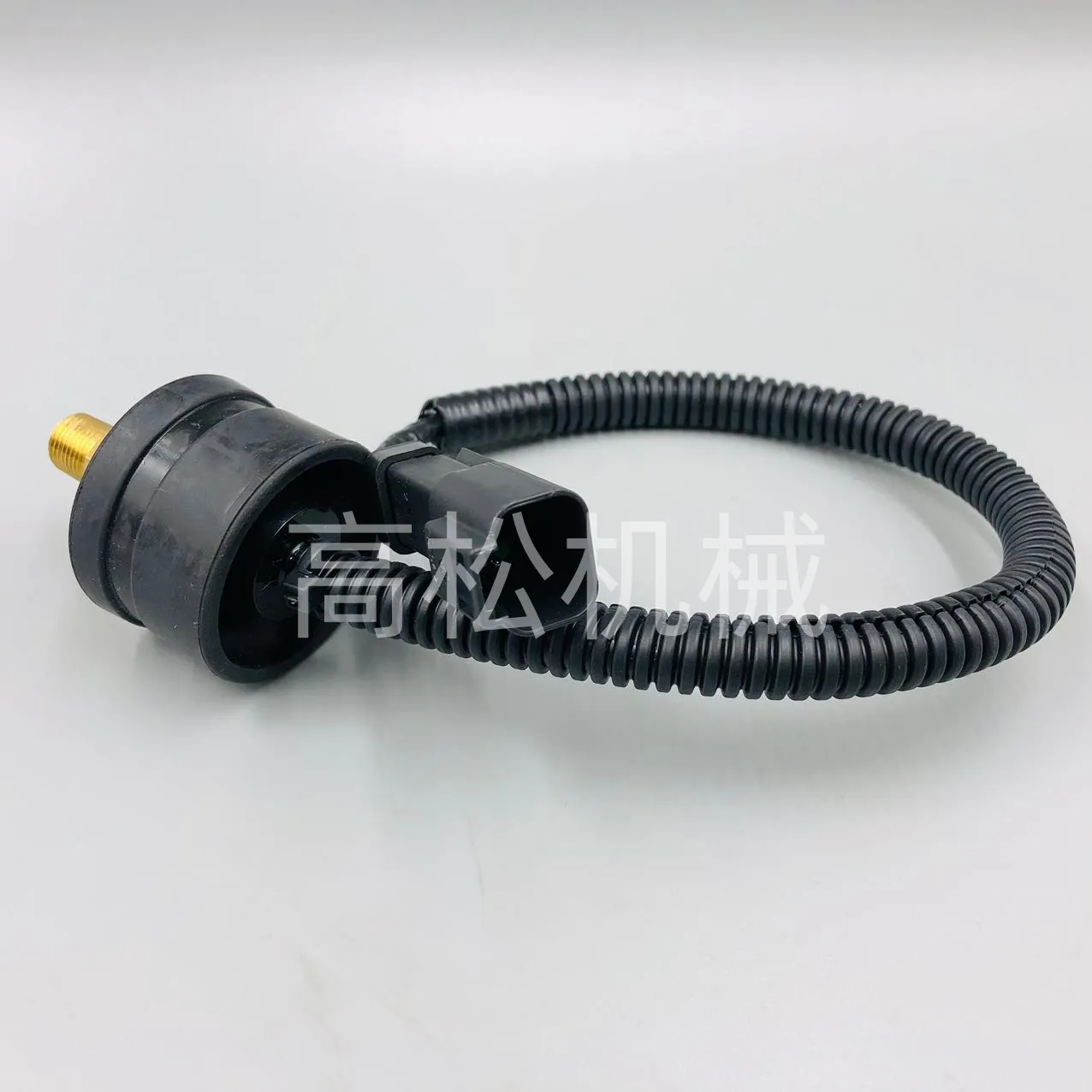 7861-93-1430 SENSOR,SWITCH-Komatsu Original Factory
 -
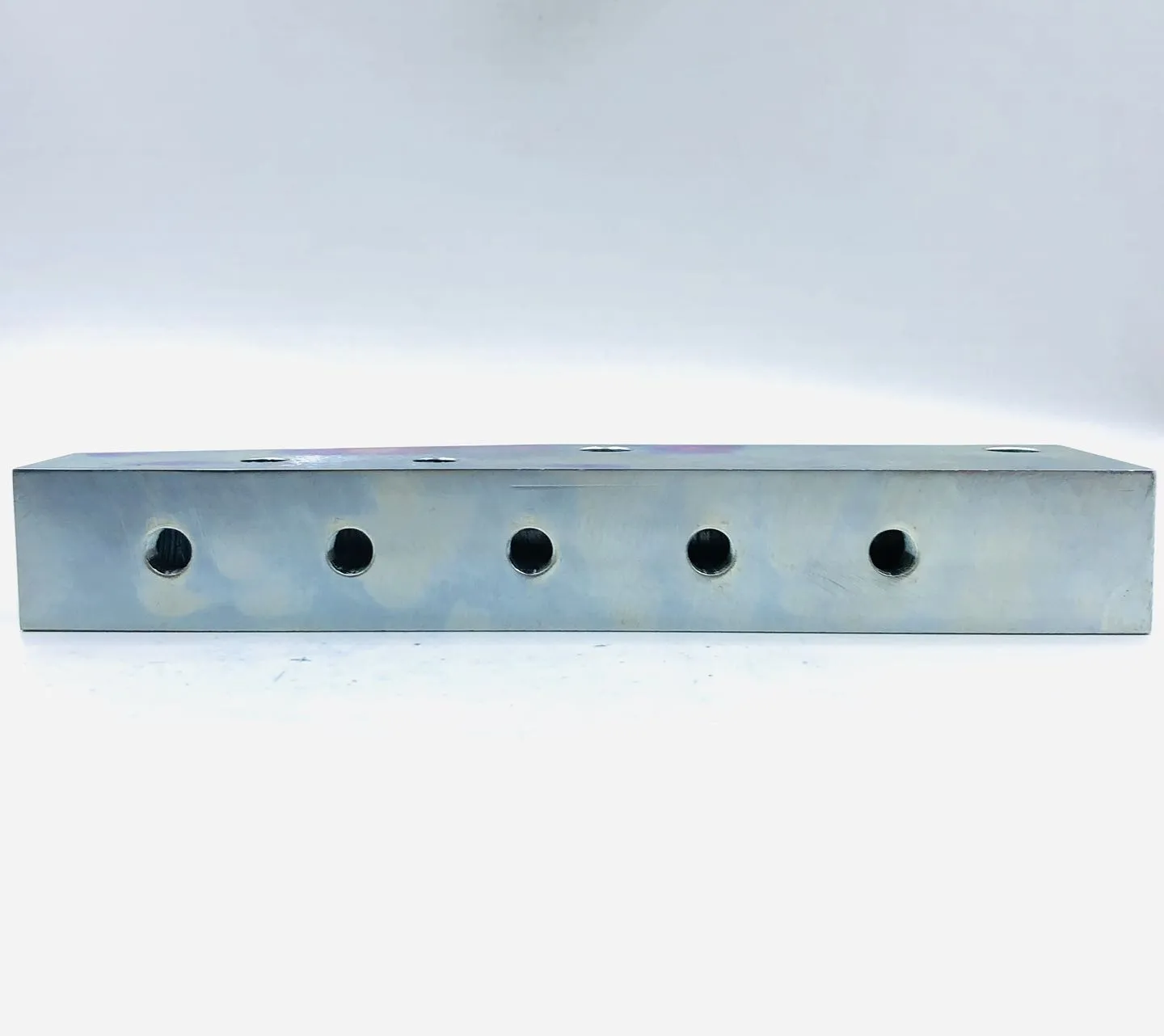 209-38-73281 Block (Komatsu)
 -
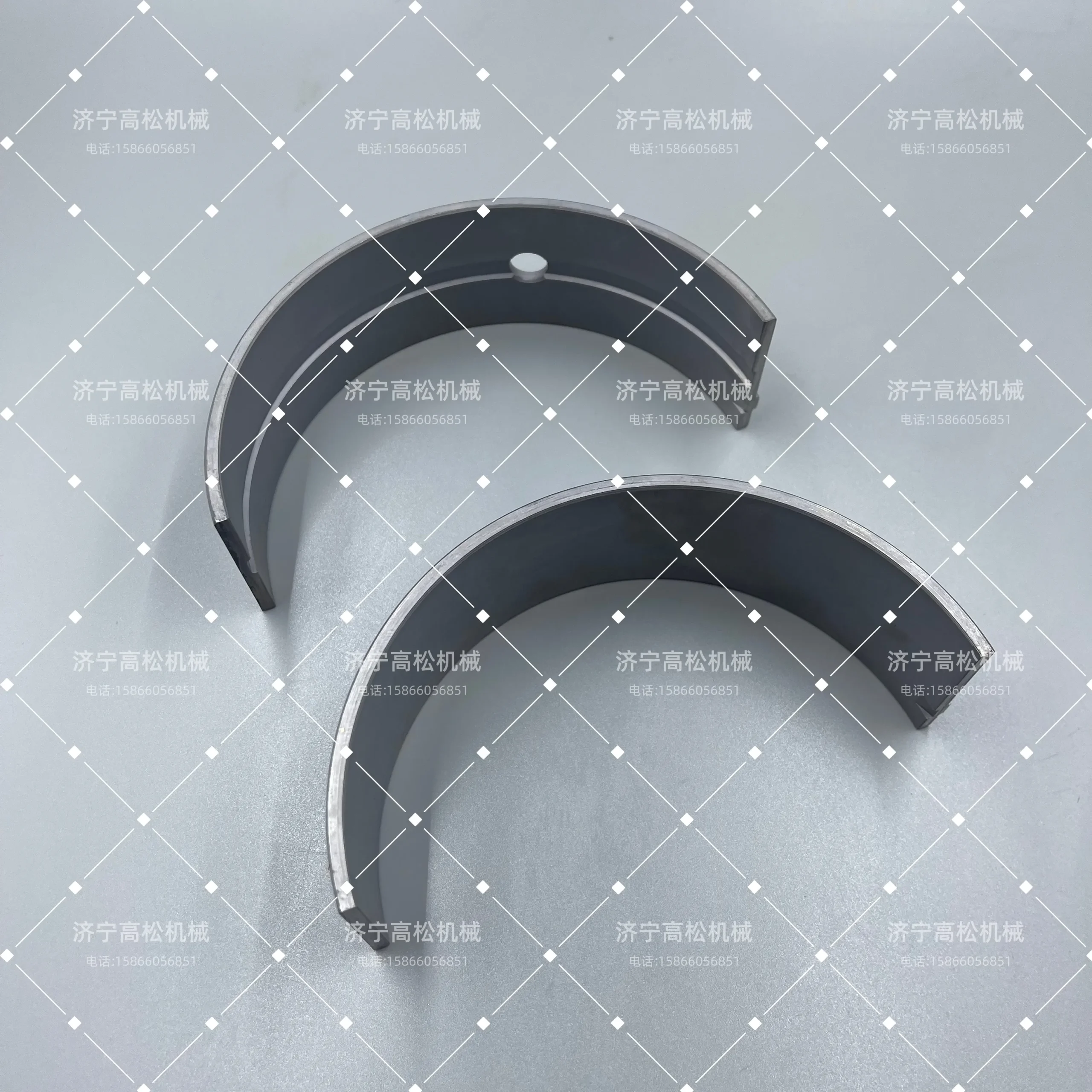 Komatsu Main Bearing STD – 6162-23-8010
Related Search
Related Search- 209-01-42260
- OEM AND ORIGINAL KOMATSU JOINT 175-71-21261
- komatsu excavator teeth
- OEM AND ORIGINAL KOMATSU DAMPER ASSY 14X-12-11103
- OEM AND ORIGINAL KOMATSU STARTER 600-813-9911
- OEM AND ORIGINAL KOMATSU CUSHION 17M-54-49422
- komatsu fg25 parts
- 04022-20040
- 41E-72-15240
- OEM AND ORIGINAL KOMATSU BEARING 208-27-62110