
- Chinese
- French
- German
- Portuguese
- Spanish
- Russian
- Japanese
- Korean
- Arabic
- Irish
- Greek
- Turkish
- Italian
- Danish
- Romanian
- Indonesian
- Czech
- Afrikaans
- Swedish
- Polish
- Basque
- Catalan
- Esperanto
- Hindi
- Lao
- Albanian
- Amharic
- Armenian
- Azerbaijani
- Belarusian
- Bengali
- Bosnian
- Bulgarian
- Cebuano
- Chichewa
- Corsican
- Croatian
- Dutch
- Estonian
- Filipino
- Finnish
- Frisian
- Galician
- Georgian
- Gujarati
- Haitian
- Hausa
- Hawaiian
- Hebrew
- Hmong
- Hungarian
- Icelandic
- Igbo
- Javanese
- Kannada
- Kazakh
- Khmer
- Kurdish
- Kyrgyz
- Latin
- Latvian
- Lithuanian
- Luxembou..
- Macedonian
- Malagasy
- Malay
- Malayalam
- Maltese
- Maori
- Marathi
- Mongolian
- Burmese
- Nepali
- Norwegian
- Pashto
- Persian
- Punjabi
- Serbian
- Sesotho
- Sinhala
- Slovak
- Slovenian
- Somali
- Samoan
- Scots Gaelic
- Shona
- Sindhi
- Sundanese
- Swahili
- Tajik
- Tamil
- Telugu
- Thai
- Ukrainian
- Urdu
- Uzbek
- Vietnamese
- Welsh
- Xhosa
- Yiddish
- Yoruba
- Zulu
- Kinyarwanda
- Tatar
- Oriya
- Turkmen
- Uyghur






komatsu 4d94le engine
When you hear 'Komatsu 4D94LE', a lot of folks immediately think 'bulletproof, simple, old-school'. And they're not entirely wrong. It's a four-cylinder, naturally aspirated diesel that's been around in various forms for decades, powering everything from small excavators like the PC50UU-2 to pumps and generators. But that 'simple' label can be misleading. It leads to assumptions—like any parts are interchangeable, or that it doesn't need careful maintenance. I've seen that complacency bite people. The reality is, the 4D94LE engine has its own specific quirks and a lifecycle that demands respect, not just casual familiarity.
Understanding the LE Designation and Common Pain Points
The 'LE' suffix is key. It's not just a random code. This typically denotes an industrial engine variant, often with different governor settings, accessory drives, and sometimes internal specs compared to automotive or other industrial versions. I recall a project where someone tried to swap in a fuel injection pump from a non-LE 4D94, assuming it was the same. The engine ran, but the governor response was all wrong for the hydraulic system demands of the machine, leading to erratic operation and premature pump wear. The devil is in these details.
One consistent observation is around the fuel system. The Komatsu 4D94LE uses a Bosch-type rotary injection pump. It's generally reliable, but it's sensitive to fuel quality and water contamination in a way that modern common-rail systems aren't. I've pulled apart pumps where the internal vanes were scored not from age, but from a single tank of bad fuel. The fix isn't always a full rebuild; sometimes sourcing the specific rotor kit is enough, but you need to know the exact pump model number stamped on the housing. Guessing here is expensive.
Then there's the cooling system. It seems straightforward, but on older units, the bypass passages in the block can get clogged with scale and sediment, especially in regions with hard water. This doesn't always show as immediate overheating. Instead, you might get localized hot spots that eventually lead to head gasket seepage between cylinders 2 and 3—a classic failure point. A flush with a proper cleaner is often overlooked during routine maintenance, but it's critical for longevity.
Sourcing Parts: The OEM vs. Aftermarket Dilemma
This is where the real-world headache begins. For a while, getting genuine parts for older engines like this was a nightmare. Lead times from official channels could stretch for months, crippling equipment. The aftermarket flooded in with alternatives, with wildly varying quality. I've used piston rings from a reputable aftermarket brand that worked perfectly, and I've also seen cylinder head gaskets from another supplier that failed within 50 hours because the fire ring material was subpar.
It forces you to make judgment calls. For core rotating components—crankshafts, connecting rods—I lean heavily towards OEM or certified remanufactured. For items like gasket kits, water pumps, or thermostat housings, a well-reviewed aftermarket part can be a cost-effective solution, but you have to inspect it critically upon arrival. Does the gasket material feel right? Are the bolt holes aligned perfectly? This hands-on vetting is part of the job.
This supply challenge is precisely why companies like Jining Gaosong Construction Machinery Co., Ltd. have carved out a necessary niche. Operating as an OEM product supplier within the Komatsu system and a third-party sales channel, they help bridge these gaps. For someone stuck waiting on a back-ordered 4D94LE engine cylinder head or a genuine fuel transfer pump, a supplier with direct access to the Komatsu system inventory, which you can find at https://www.takematsumachinery.com, can be a project saver. Their role in solving parts supply bottlenecks in certain markets isn't just theoretical; it's a practical reality for many service managers.
A Real-World Rebuild Case: Lessons Learned
I remember rebuilding a 4D94LE from a mid-2000s Komatsu utility machine. The complaint was loss of power and blue smoke. Compression was low across all cylinders. The initial thought was worn rings and liners—the usual suspect. Upon teardown, the cylinder liners did show wear, but the real story was on the cylinder head. The valve guides were excessively worn, but more importantly, the valve seats had receded slightly into the head. This is a known issue on high-hour units.
The mistake would have been to just re-ring it and put a new head gasket on. That would have restored some compression, but not all, and the smoke might have persisted. We sent the head out for a full rebuild with new seats and guides. The other critical step was checking the liner protrusion above the block deck. This is non-negotiable for proper head gasket sealing. One liner was just at the minimum spec; we had to source a slightly oversized one to get the protrusion right. It's this meticulous attention to specification, not just part swapping, that defines a successful rebuild.
The aftermath was positive. The engine came back to its rated power. The key takeaway was that on these engines, top-end work is often as important as the bottom end, especially if the fuel has been consistently clean, preserving the lower end. It changed my standard diagnostic approach for this model.
Performance and Application Limits
You can't talk about this engine without acknowledging its limits. It's not a powerhouse. It's designed for steady-state, moderate-load applications. Trying to get more out of it—by tweaking the injection pump or governor—is almost always a bad idea. The cylinder head and bottom end aren't built for significant increases in cylinder pressure. I've witnessed attempts to 'turn it up' for a generator set that needed a bit more wattage. The result was a cracked piston within six months.
Its sweet spot is in equipment where duty cycles are predictable. In a Komatsu mini-excavator, it's perfectly matched to the hydraulic system. It provides a stable power band for digging and swinging. Where it struggles is in applications with sudden, high-demand load spikes if the system isn't buffered properly. Understanding this context is crucial when considering a repower or troubleshooting performance issues. It's an honest engine; it does what it's designed for, no more.
This relates back to parts sourcing too. When you look for components, you're looking for parts that maintain that original design intent. A high-performance aftermarket turbo kit for a 4D94LE, for example, would be a red flag. The ecosystem around this engine is about durability and reliability, not modification.
Final Thoughts on Long-Term Support
Where does the Komatsu 4D94LE engine stand now? It's in that mature phase where original production may have slowed, but a vast installed base remains. Support is fragmented between Komatsu's official network, specialized industrial engine shops, and third-party suppliers. The knowledge to service it properly is becoming more specialized, not less.
The future for these engines isn't in the flashy new equipment, but in keeping the existing fleet running. This makes the role of integrated suppliers critical. Having a source that understands the Komatsu system, can provide OEM traceability for critical parts, and also understands the on-the-ground urgency is invaluable. It's the difference between a machine being down for weeks or days.
So, while it's a 'simple' engine, treating it with simplistic thinking is a mistake. Its longevity depends on precise diagnostics, respecting its design limits, and navigating the complex global parts landscape with partners who have real access. It's a testament to a good design that it's still worth talking about in such detail today.
Related Products
Related Products

Best Selling Products
Best Selling Products-
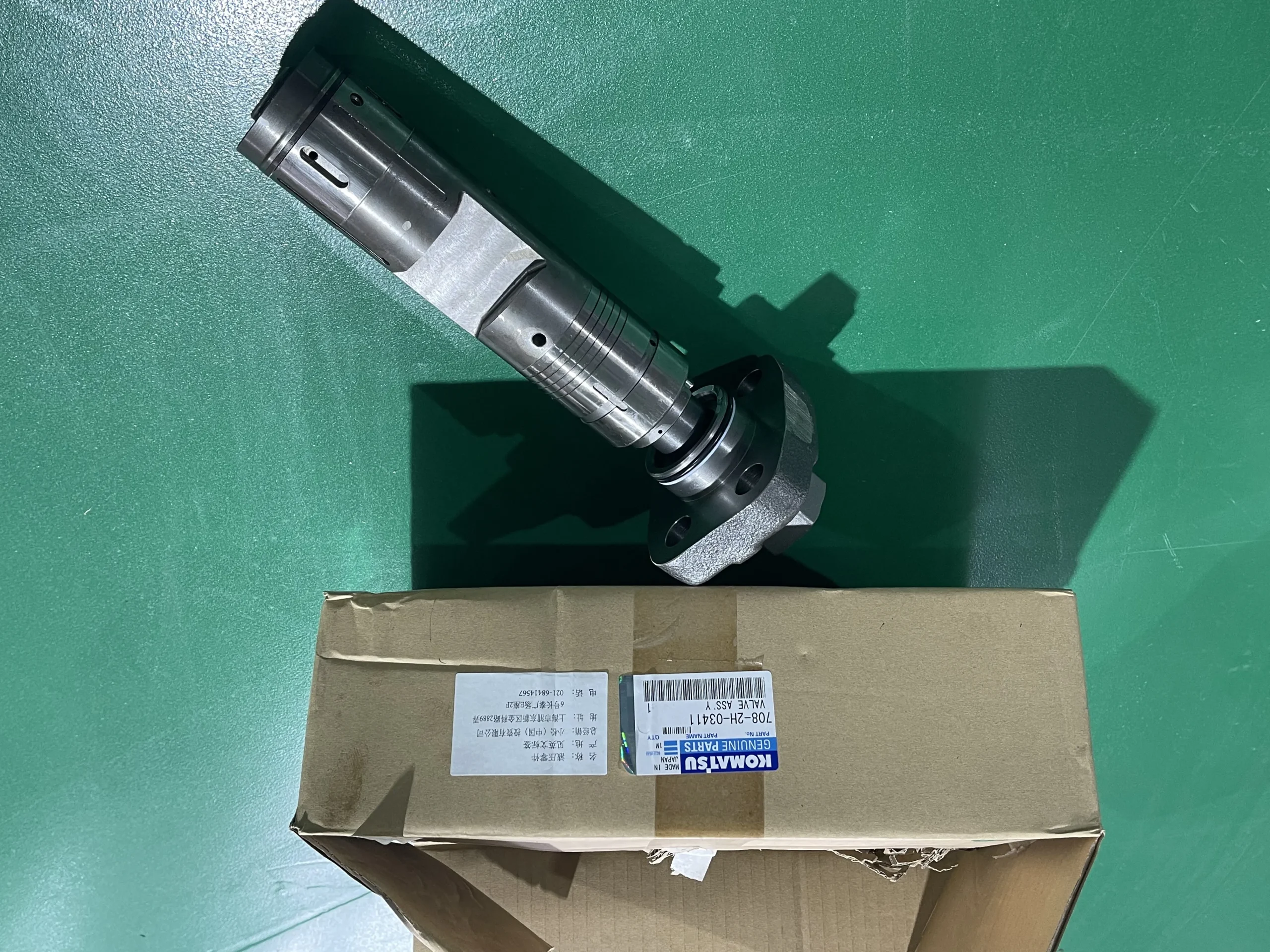 Relief Valve 708-2H-03411
 -
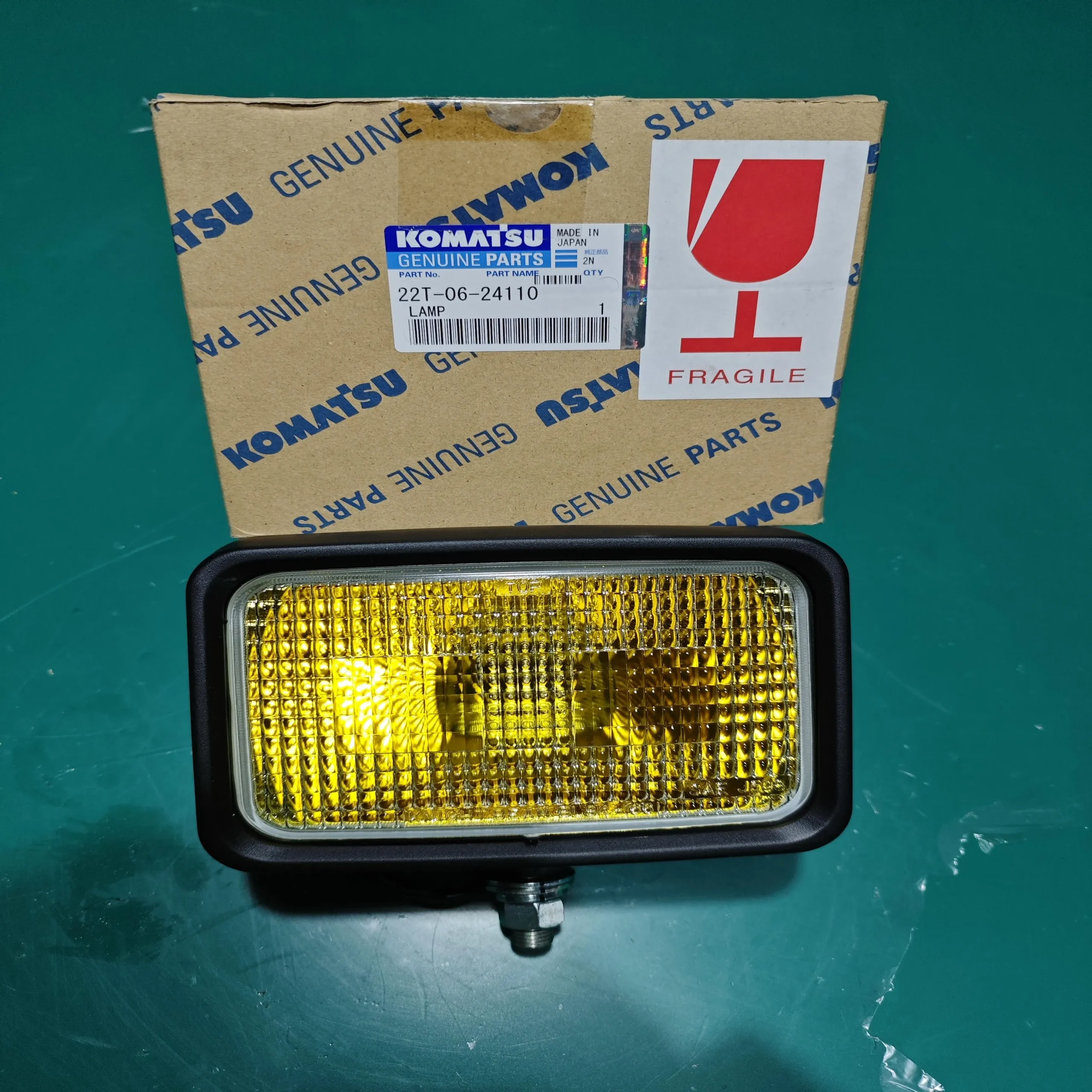 Komatsu HD465/785/HM350/WA155 22T-06-24110 Lamp
 -
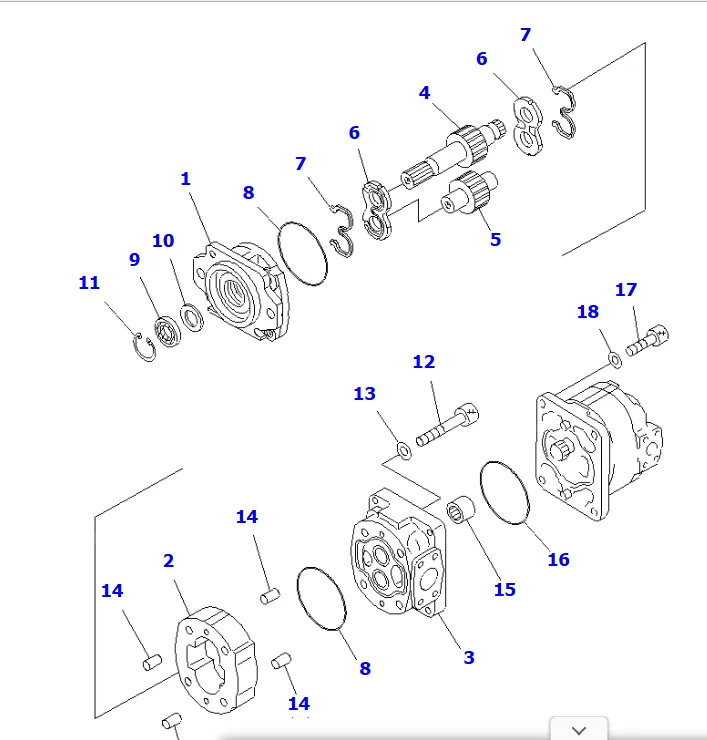 Komatsu HD605-5 pump assembly 705-52-31010
 -
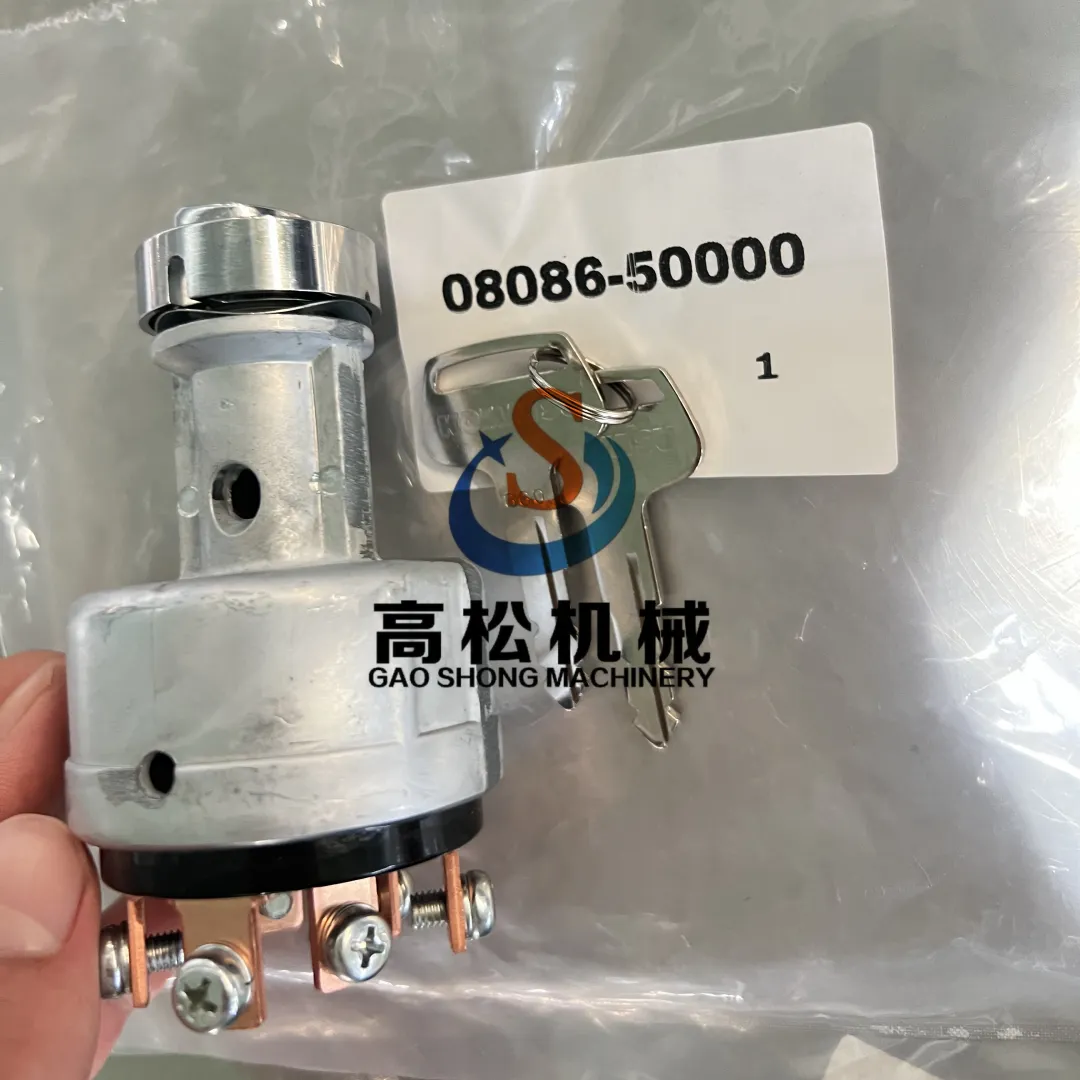 08086-50000Komatsu 08086-50000 Replacement Ignition Switch
 -
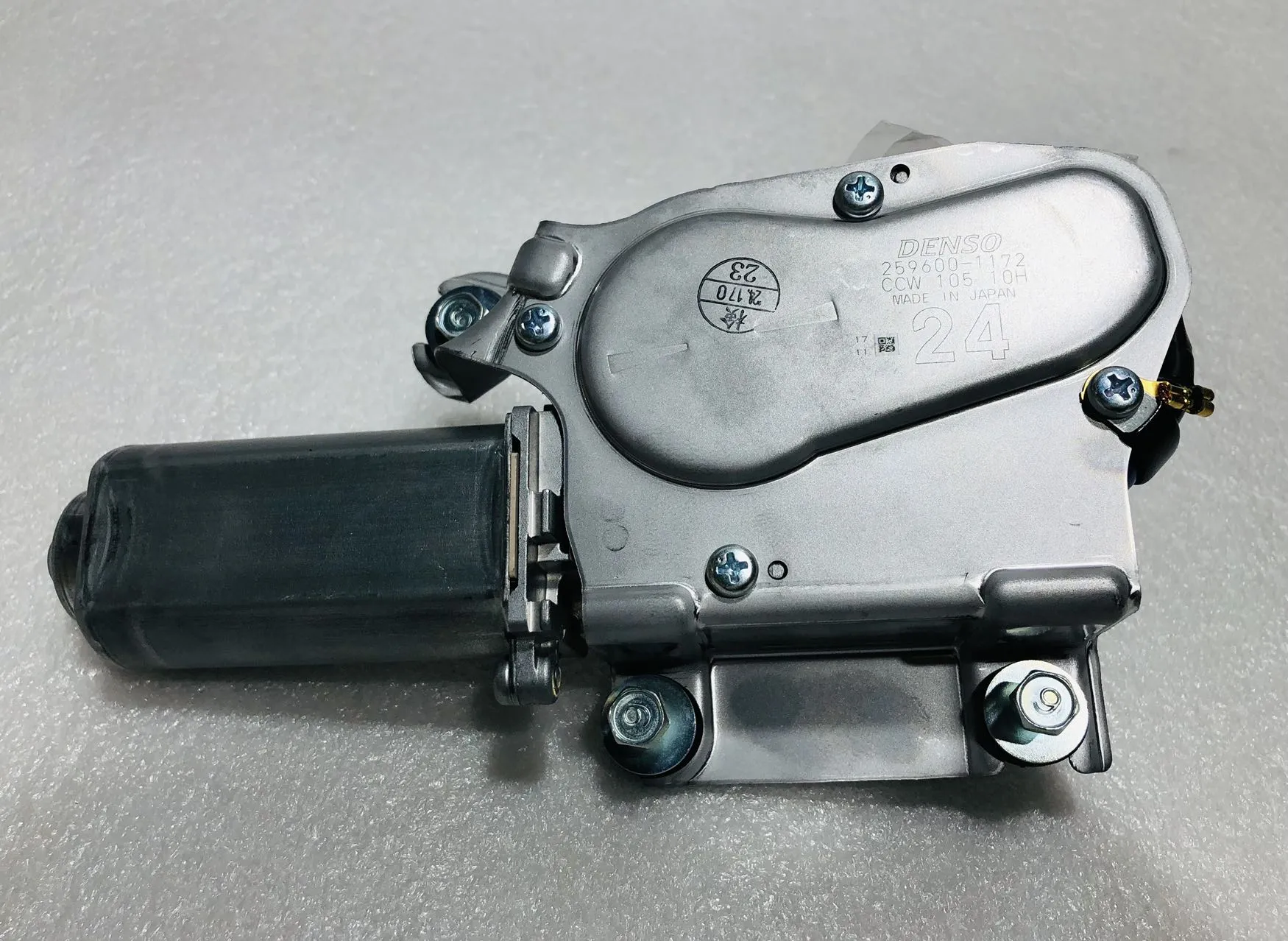 42C-56-11391 Komatsu Motor, Wiper
 -
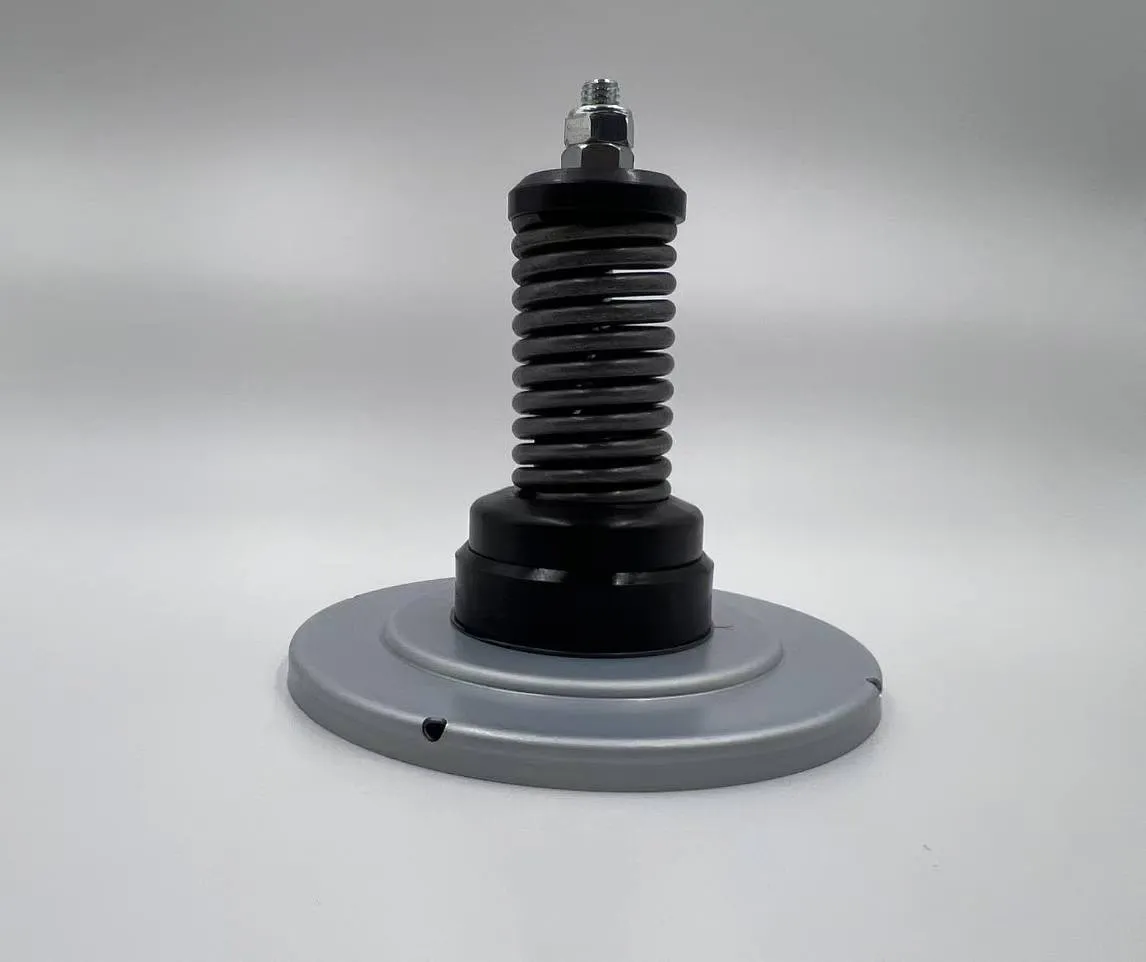 Valve Assembly 20Y-60-31450 – KOMATSU
 -
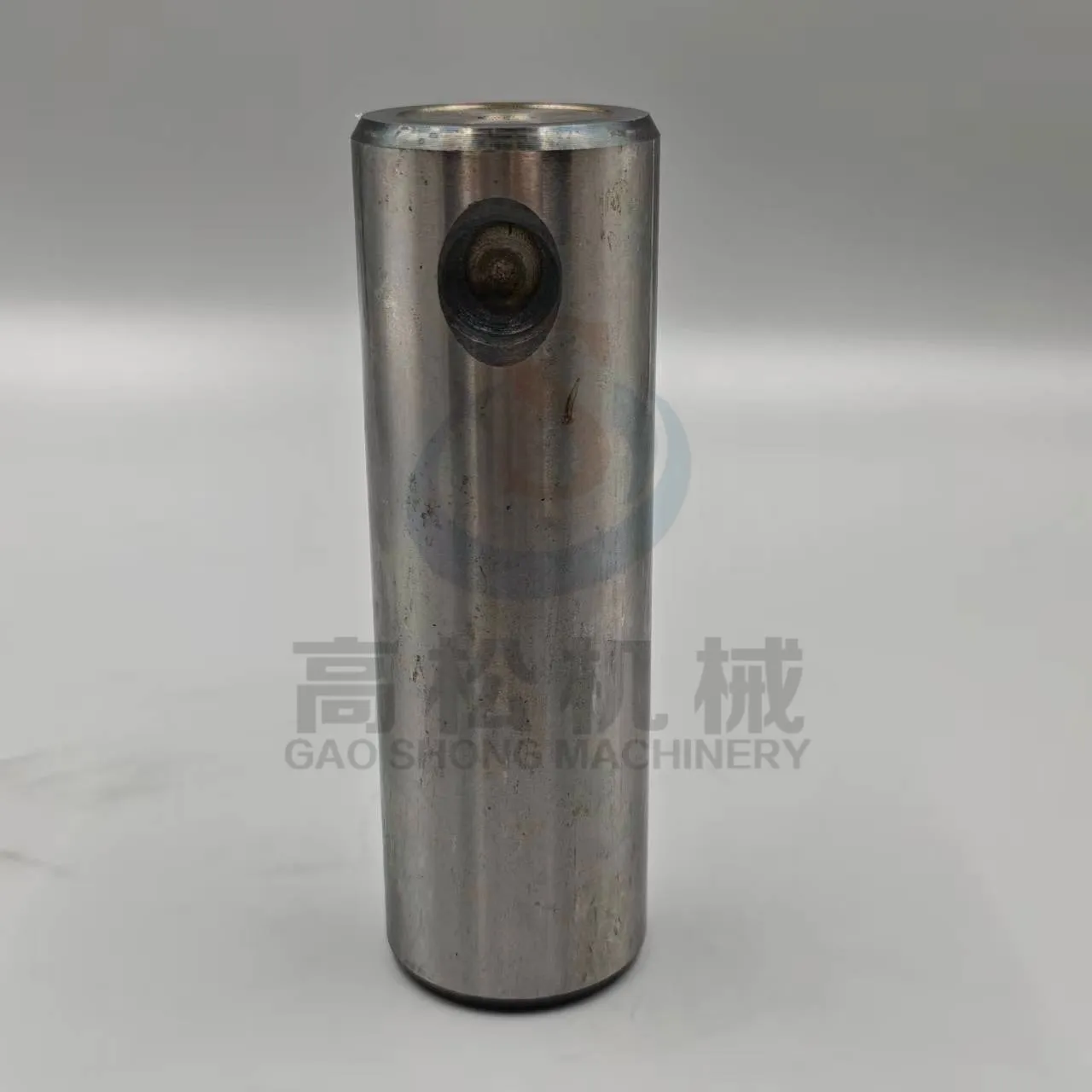 424-22-12510 Shaft (Komatsu)
 -
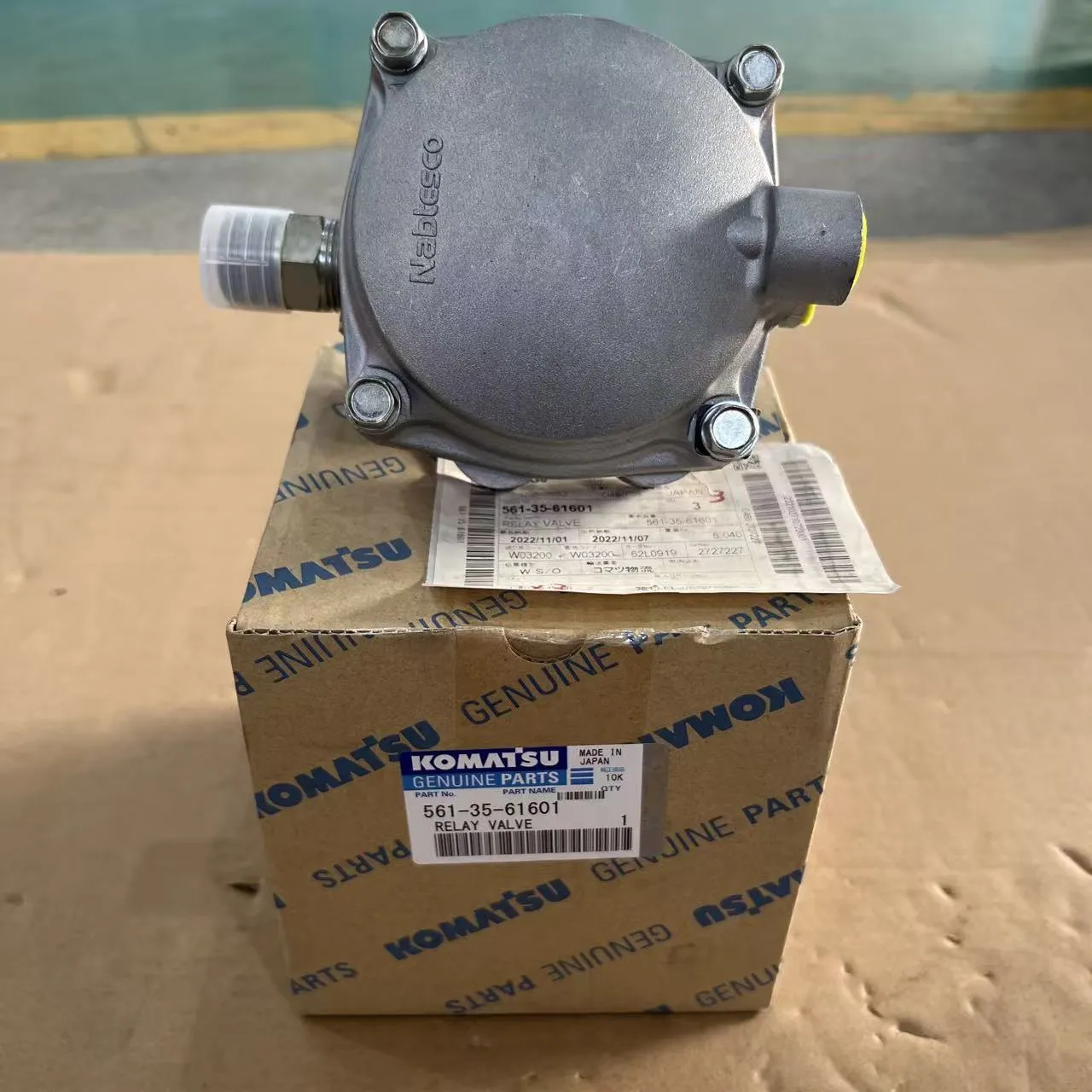 RELAY VALVE ASS’Y 561-35-61601 – KOMATSU
 -
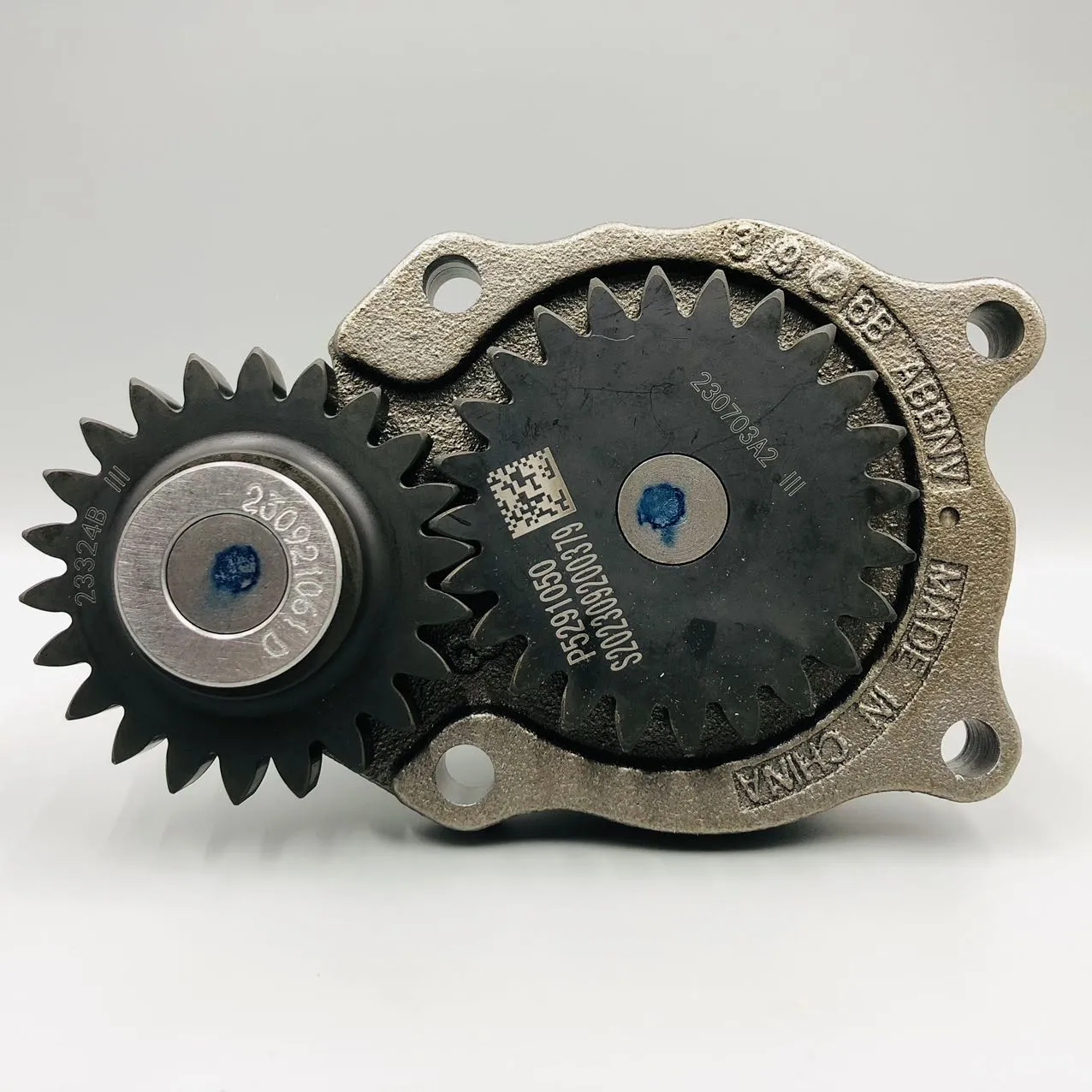 6754-51-1111Oil pump assembly
 -
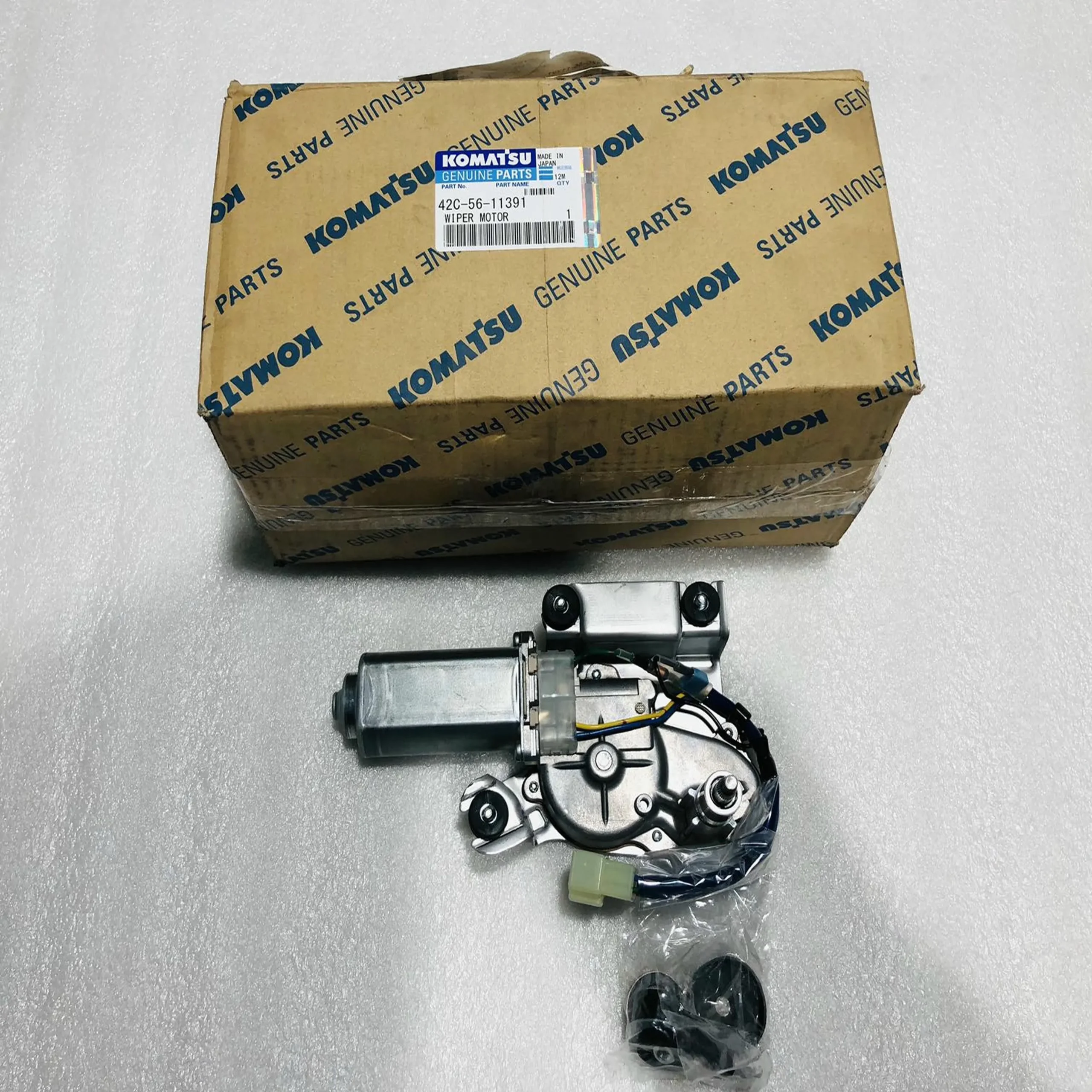 WIPER MOTOR,R.H. 42C-56-11391 – KOMATSU
 -
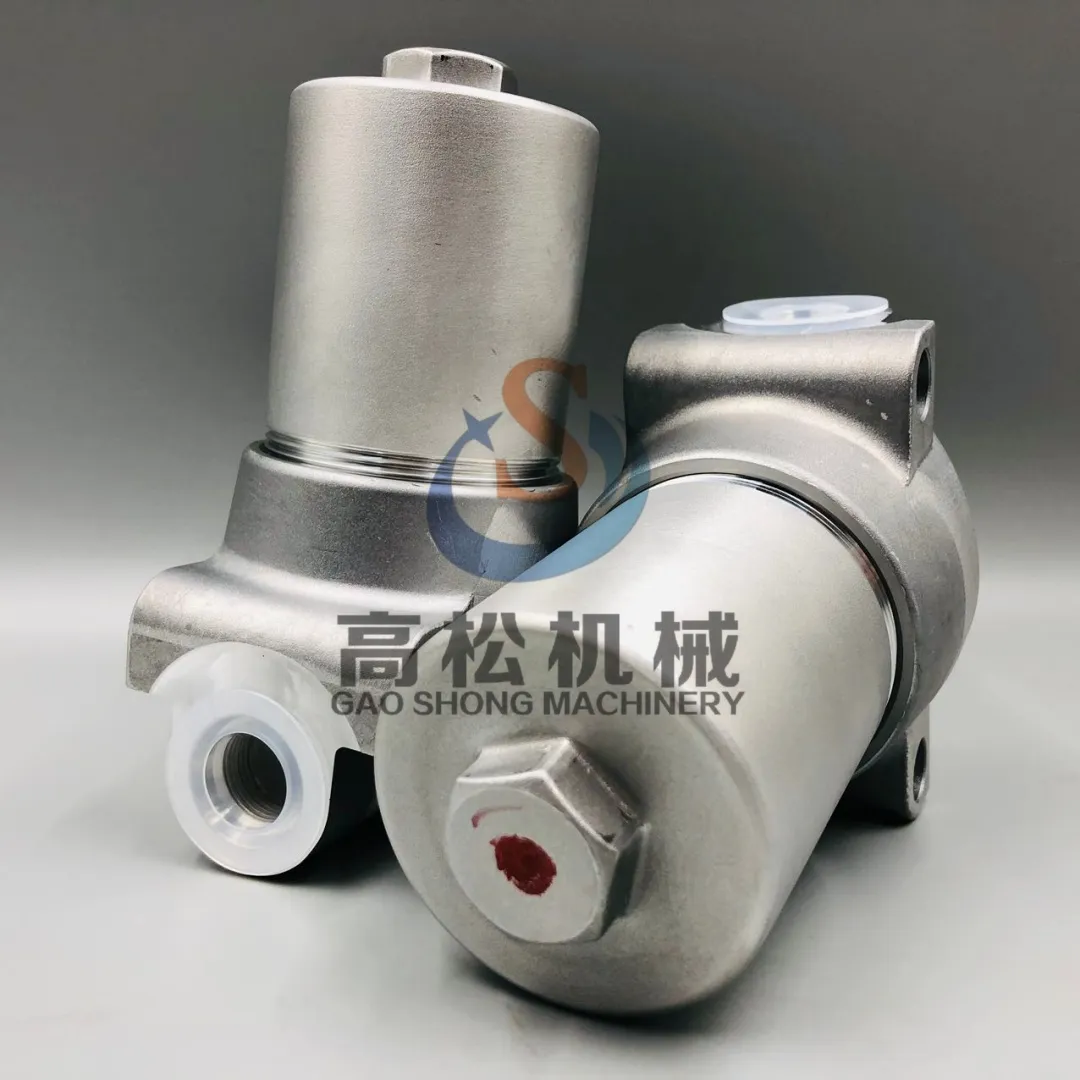 20Y-62-51681Komatsu Filter 20Y-62-51681 for Crawler excavator PC210LC-8
 -
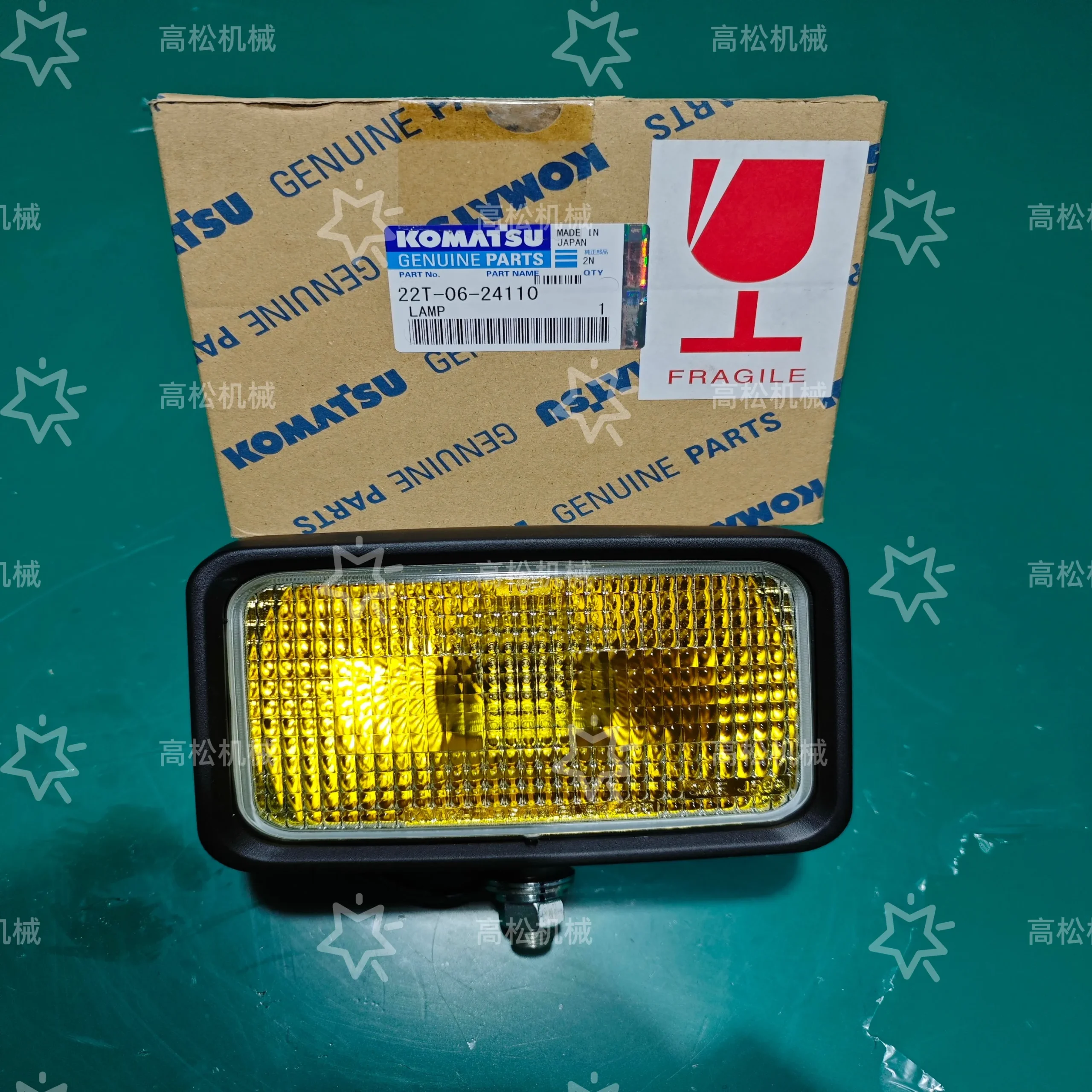 LAMP 22T-06-24110 – KOMATSU
Related Search
Related Search- komatsu cummins engine cross reference
- komatsu d31 parts
- OEM AND ORIGINAL KOMATSU COVER 195-27-34131
- OEM AND ORIGINAL KOMATSU HOSE 07085-01430
- komatsu forklift parts lookup
- 195-27-34151
- OEM AND ORIGINAL KOMATSU CUSHION 17M-54-49422
- Komatsu parts export
- OEM AND ORIGINAL KOMATSU GEAR 21N-27-31260
- komatsu fg25 parts