
- Chinese
- French
- German
- Portuguese
- Spanish
- Russian
- Japanese
- Korean
- Arabic
- Irish
- Greek
- Turkish
- Italian
- Danish
- Romanian
- Indonesian
- Czech
- Afrikaans
- Swedish
- Polish
- Basque
- Catalan
- Esperanto
- Hindi
- Lao
- Albanian
- Amharic
- Armenian
- Azerbaijani
- Belarusian
- Bengali
- Bosnian
- Bulgarian
- Cebuano
- Chichewa
- Corsican
- Croatian
- Dutch
- Estonian
- Filipino
- Finnish
- Frisian
- Galician
- Georgian
- Gujarati
- Haitian
- Hausa
- Hawaiian
- Hebrew
- Hmong
- Hungarian
- Icelandic
- Igbo
- Javanese
- Kannada
- Kazakh
- Khmer
- Kurdish
- Kyrgyz
- Latin
- Latvian
- Lithuanian
- Luxembou..
- Macedonian
- Malagasy
- Malay
- Malayalam
- Maltese
- Maori
- Marathi
- Mongolian
- Burmese
- Nepali
- Norwegian
- Pashto
- Persian
- Punjabi
- Serbian
- Sesotho
- Sinhala
- Slovak
- Slovenian
- Somali
- Samoan
- Scots Gaelic
- Shona
- Sindhi
- Sundanese
- Swahili
- Tajik
- Tamil
- Telugu
- Thai
- Ukrainian
- Urdu
- Uzbek
- Vietnamese
- Welsh
- Xhosa
- Yiddish
- Yoruba
- Zulu
- Kinyarwanda
- Tatar
- Oriya
- Turkmen
- Uyghur






komatsu 4d105 5 engine
When you hear 'Komatsu 4D105-5 engine', a lot of folks immediately think 'bulletproof, simple, old-school'. And they're not entirely wrong—it's a core powerplant in a ton of mid-size Komatsu gear, from the PC200-5 excavator to certain loaders. But that reputation for simplicity can be misleading. It leads people to treat it like any other indirect injection diesel from the 90s, and that's where the headaches start. I've seen too many mechanics, and even some parts suppliers, get tripped up by assuming all 4D105 variants are the same or that aftermarket parts are universally interchangeable. The '-5' suffix matters more than people give it credit for.
Not All 4D105s Are Created Equal
The big pitfall is the parts interchangeability myth. The 4D105 block evolved. The 4D105-5, specifically, has subtle differences in the cylinder head casting, the fuel injection pump mounting flange, and the piston crown design compared to earlier -2 or -3 models. I learned this the hard way years ago. We sourced a supposedly compatible cylinder head for a PC200-5 from a general supplier. It bolted on, but the coolant passages didn't align perfectly, leading to a chronic overheating issue that took weeks to diagnose. The customer was furious. It wasn't a defective part; it was the wrong part for that specific dash number.
This is where a supplier's real expertise shows. A company that just moves boxes might sell you a '4D105 head'. But a specialist, like Jining Gaosong Construction Machinery, who operates as an OEM supplier within the Komatsu system, would ask for the full engine serial number and machine model first. That Komatsu system access means they know the exact production revisions. Their website, https://www.takematsumachinery.com, highlights their dual role: an OEM product supplier and a third-party sales company solving parts challenges. That's not just marketing speak; for an engine like this, it translates to knowing which gasket kit has the correct water jacket seal, or which injector nozzle matches the -5's combustion chamber.
The fuel system is another detail zone. The 4D105-5 typically uses a Bosch-type in-line injection pump. Rebuilding it isn't for the faint of heart. The calibration settings for the PC200-5 are different from, say, a WD600-5 wheel loader application, even with the same base engine. I've encountered engines that smoked or lacked power because a rebuilt pump was set to generic specs. You need the Komatsu technical bulletin for that specific machine. A good supplier should either provide that data or source a pump already calibrated for your application. Guessing is expensive.
Common Failures and the Simple Fix Trap
Oil consumption is the classic complaint. Everyone jumps to rings and liners. And yes, after 10,000+ hours, that's likely. But on the 4D105-5, check the valve stem seals and the turbocharger (if equipped) first. The rocker cover design can lead to oil pooling around the valve guides. We did a full in-frame overhaul on one, only to find the new oil consumption issue was a tiny crack in the turbo oil return line, sucking oil back into the intake. A fifty-dollar line versus a five-thousand-dollar overhaul. Lesson: diagnose completely, don't just follow the common script.
Overheating is another one. Beyond the obvious—clogged radiator, bad thermostat—pay close attention to the water pump. The impeller on these can corrode or cavitate, losing efficiency even if the bearing seems fine. Also, the fan clutch is a critical and often overlooked component. A weak clutch won't pull enough air at low rpm, causing temps to creep up during idle or slow travel. Replacing it feels like a minor job, but it can solve a major problem.
Then there's the electrical side, which isn't as simple as it looks. The alternator and starter are robust, but the wiring harness, especially where it passes near the exhaust manifold, can get brittle. I've spent hours chasing a intermittent no-start that was just a single cracked wire in the loom leading to the stop solenoid on the injection pump. It's not a 'engine' problem per se, but it will strand a machine just as dead.
Sourcing Parts: OEM, Aftermarket, and the Gray Zone
This is the daily dilemma. Pure Komatsu OEM parts are perfect but can be prohibitively expensive or have long lead times, especially in certain regions. This is exactly the gap companies like Jining Gaosong aim to fill. Being an OEM supplier means they can get genuine parts, but their third-party role allows them to offer quality-alternative solutions. For the 4D105-5, I'd go OEM for critical wear items: fuel injection pump components, main bearings, and the cylinder head gasket. The tolerances are just too tight to gamble on.
For items like water pumps, thermostats, gasket kits (excluding the head gasket), and even pistons, a high-quality aftermarket from a known Japanese or Korean manufacturer can be a cost-effective and reliable choice. The key is the supplier's curation. A good supplier won't stock the absolute cheapest option; they'll have vetted the brands that use correct metallurgy and casting techniques. You want a parts list that shows manufacturer names, not just fits Komatsu.
The real gray zone is rebuilt components. A rebuilt turbo or injection pump can save 40% over new. But you must know the rebuilder's standards. Do they just clean and re-seal, or do they replace all wear items with genuine sub-components? I've had mixed results. One rebuilt pump failed in 200 hours; another is still running strong after 3000. It's a risk-reward calculation based on the machine's value and downtime cost.
In the Field: A Quick Diagnostic Mindset
When a 4D105-5 comes in running rough, my mental checklist starts with fuel, then air, then compression. First, crack the injector lines to check for fuel delivery. Low power? Check the air filter housing—the restriction indicator is reliable, but physically check for a collapsed intake hose. Unusual knocking? A simple mechanic's stethoscope can isolate whether it's from the top end (valve train) or lower (rod/main bearing). These engines are mechanical enough that you can diagnose a lot without a laptop.
Compression testing is gold. Wet vs. dry test tells you immediately if it's rings or valves. The specs are in the manual, but a healthy engine should have all cylinders within 10% of each other. A low cylinder that comes up with oil points straight to ring/liner wear. If it stays low, think valves or a head gasket leak. Don't skip this step; it prevents misdiagnosis.
Finally, listen to the customer. The operator often has the first clue. Uses a bit of water every shift or smokes blue on startup then clears are huge diagnostic leads. Blue on startup then clears is classic valve stem seals. Uses water points to the cooling system or head gasket. Their observations, even if not technical, are the starting point.
Longevity: It's About the Supporting Cast
This engine will outlive the machine around it if you take care of the peripherals. The komatsu 4d105 5 engine itself is a tank. But its longevity is killed by a failing cooling system, dirty fuel, or poor lubrication. Use the correct oil grade—a good CI-4 or CJ-4 15W-40 is fine. Change the oil and filters on time, religiously. The oil pump is robust, but it can't handle sludge.
The cooling system needs annual flushing. These engines run a lot of cast iron, and corrosion debris will clog the radiator tubes and the oil cooler. A blocked oil cooler will cook your oil and lead to bearing failure. It's a cascade. A $200 flush can prevent a $10,000 overhaul.
Fuel filtration is non-negotiable. Water in the fuel will destroy the injection pump plungers and injector nozzles. Always use a primary water separator and change the secondary filter. I recommend installing an aftermarket clear bowl water separator if the machine doesn't have one. Seeing the water before it hits the fine filter saves thousands. In the end, the 4D105-5 rewards meticulous, informed maintenance. It's not high-tech, but it demands respect for its specific details. Treat it like a generic engine, and it'll give you generic, expensive problems. Understand its quirks, and it'll run forever.
Related Products
Related Products
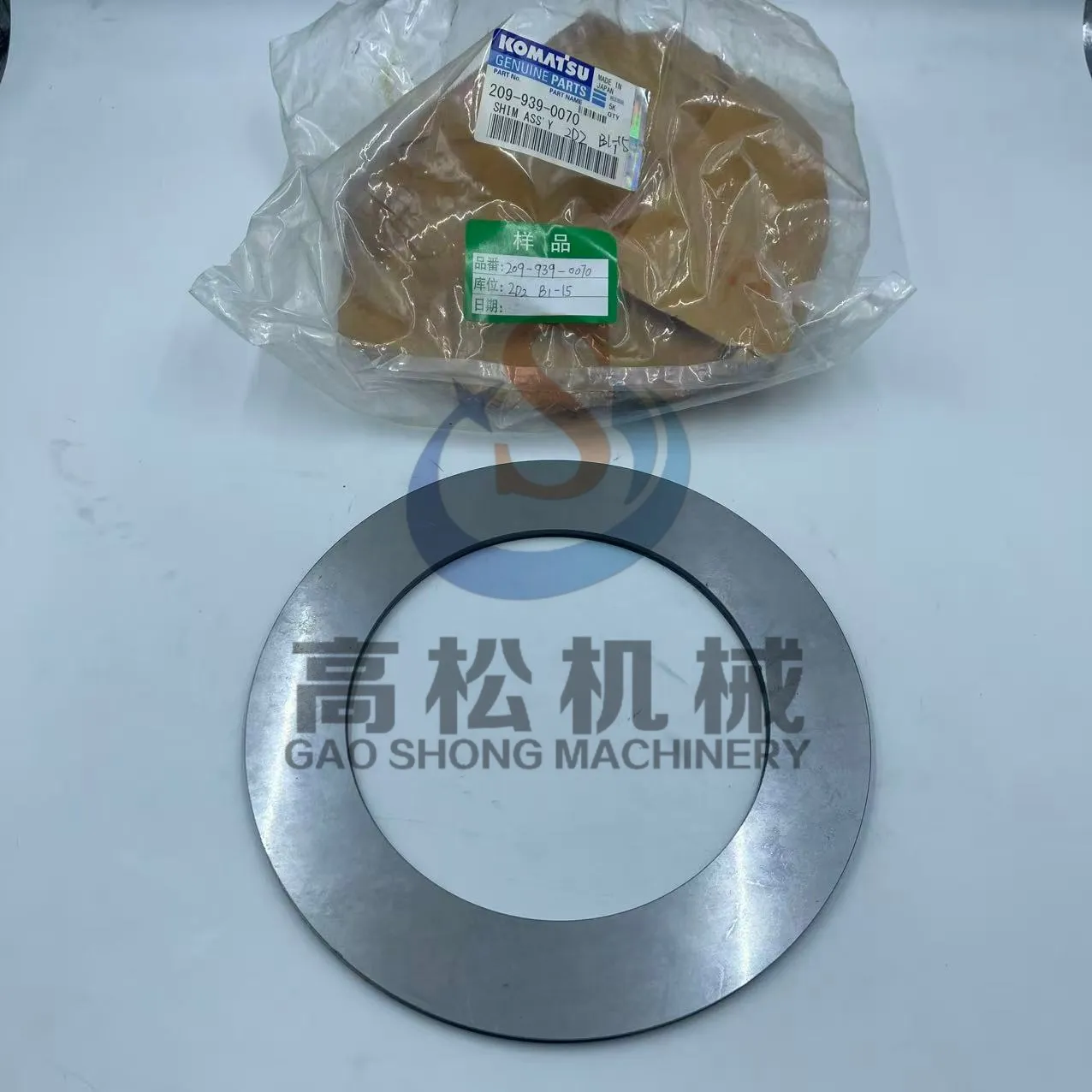
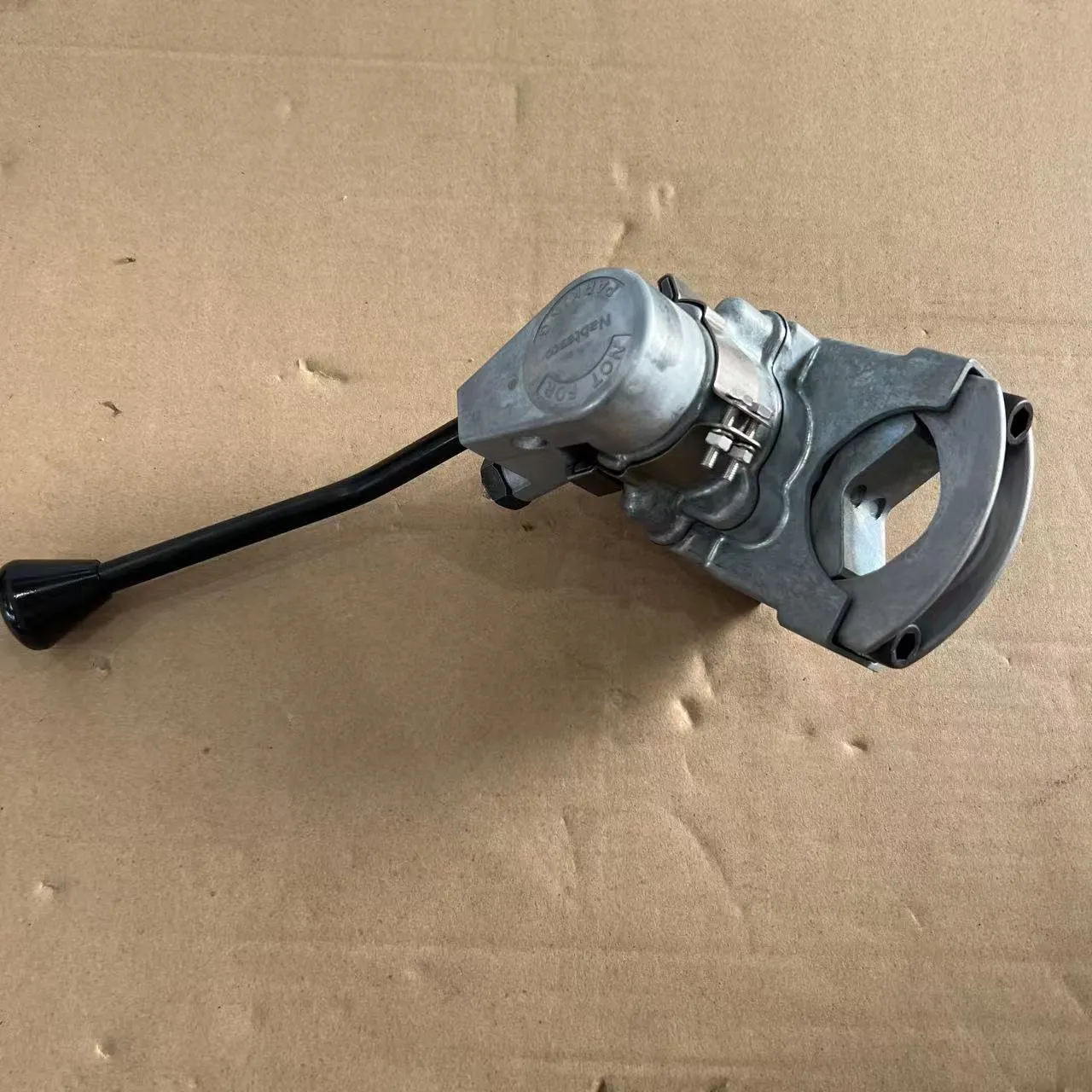
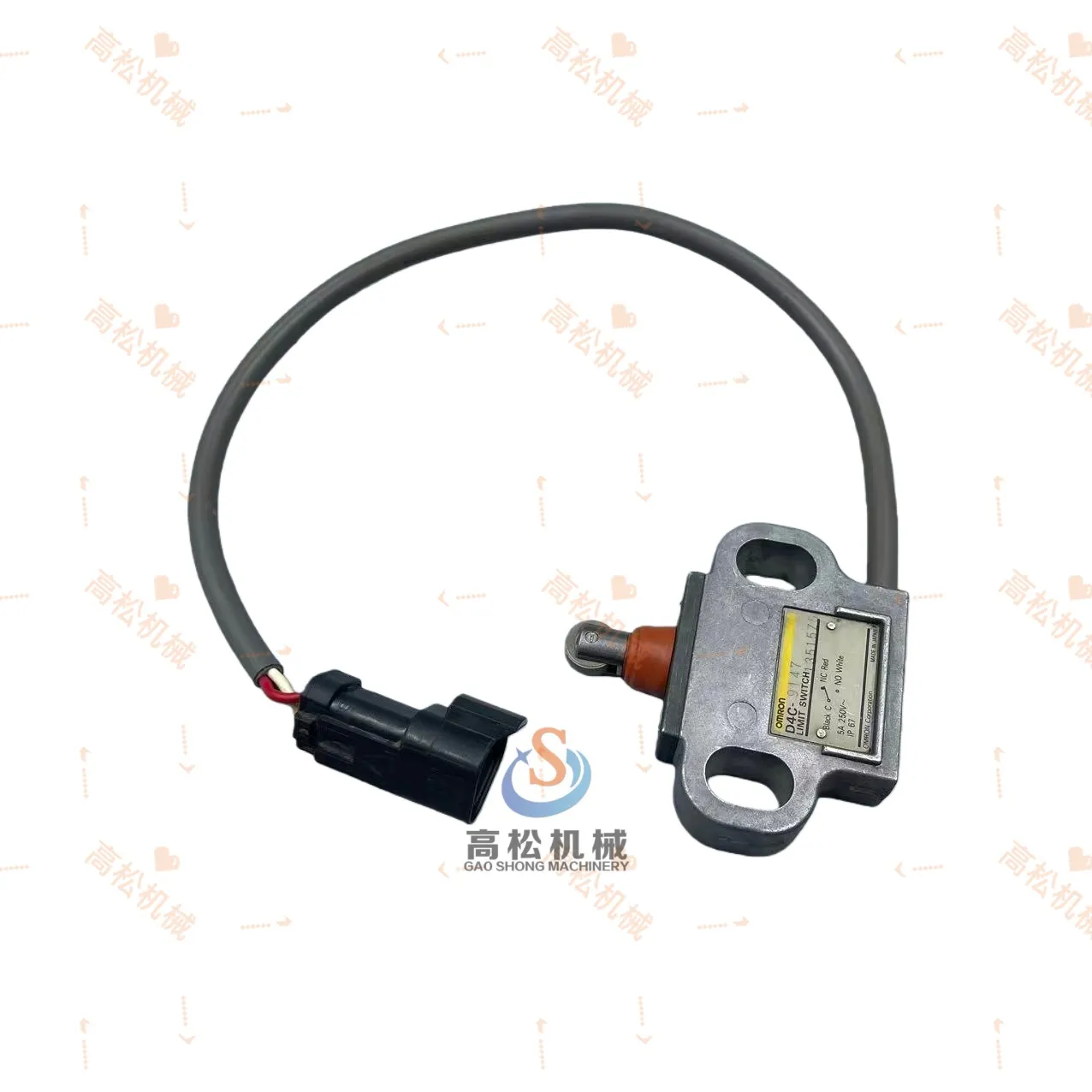

Best Selling Products
Best Selling Products-
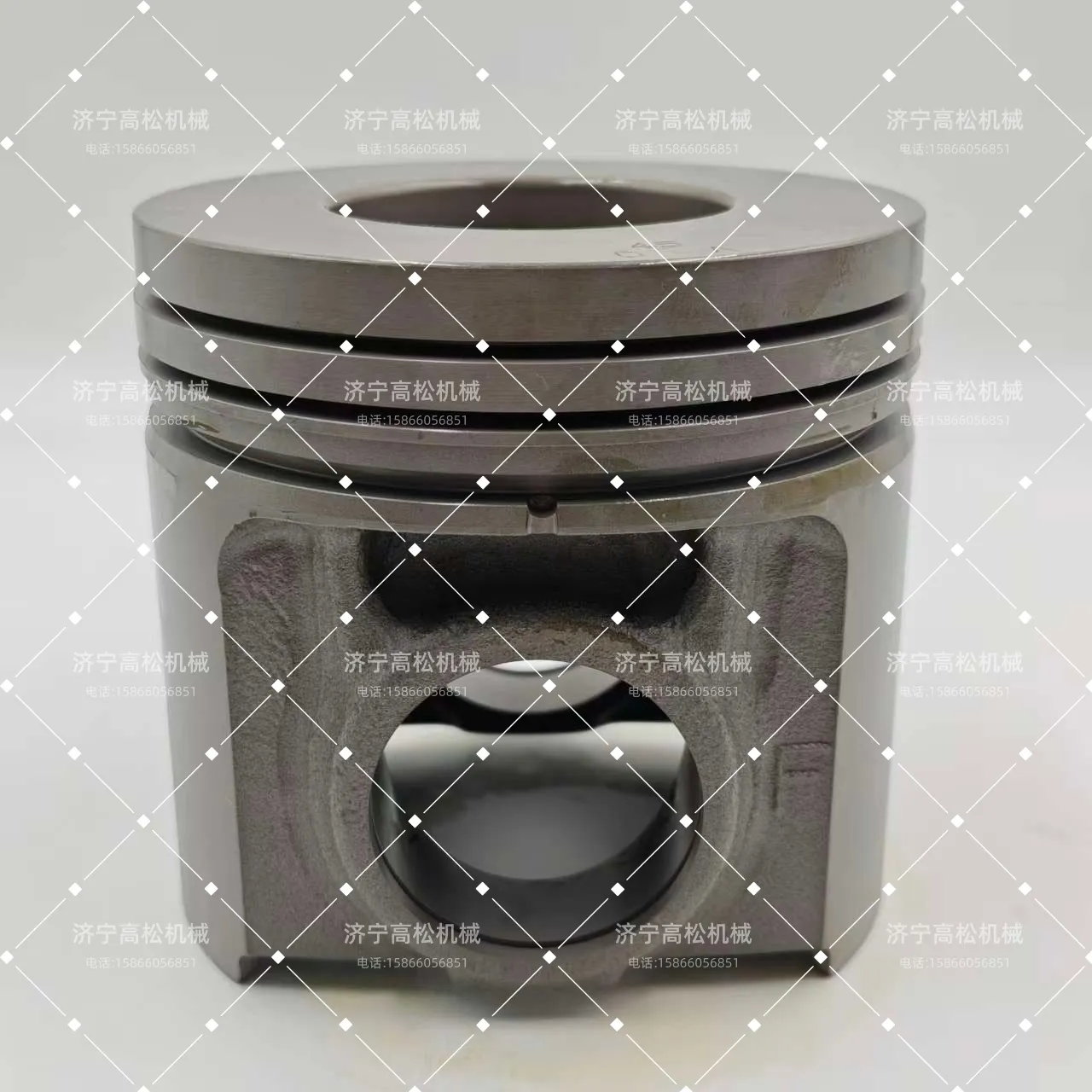 6152-32-2510 Piston for…
 -
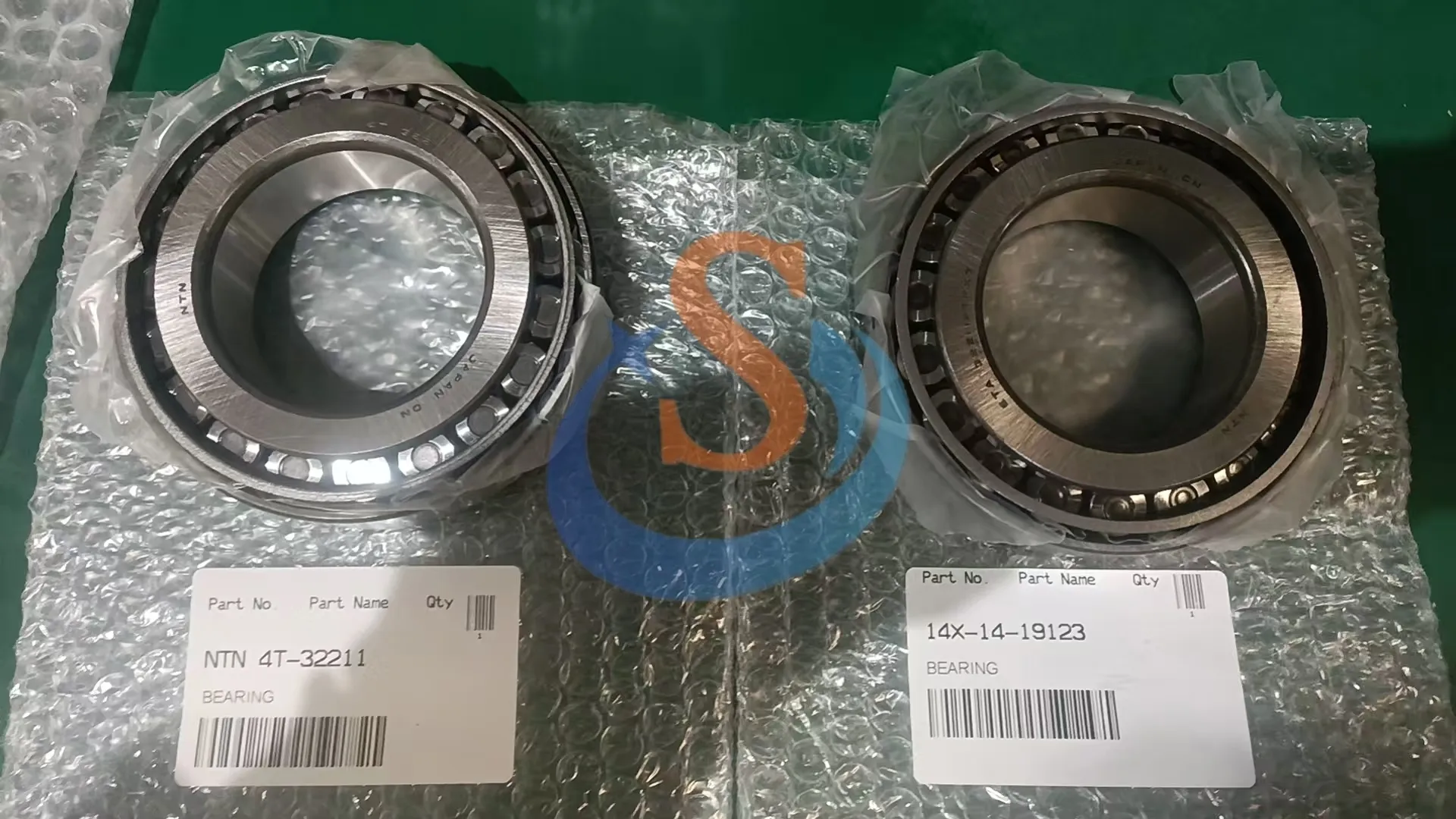 14X-14-19123 BEARING WA380/WA430/WA400
 -
 BREAKER 421-06-11440 – KOMATSU
 -
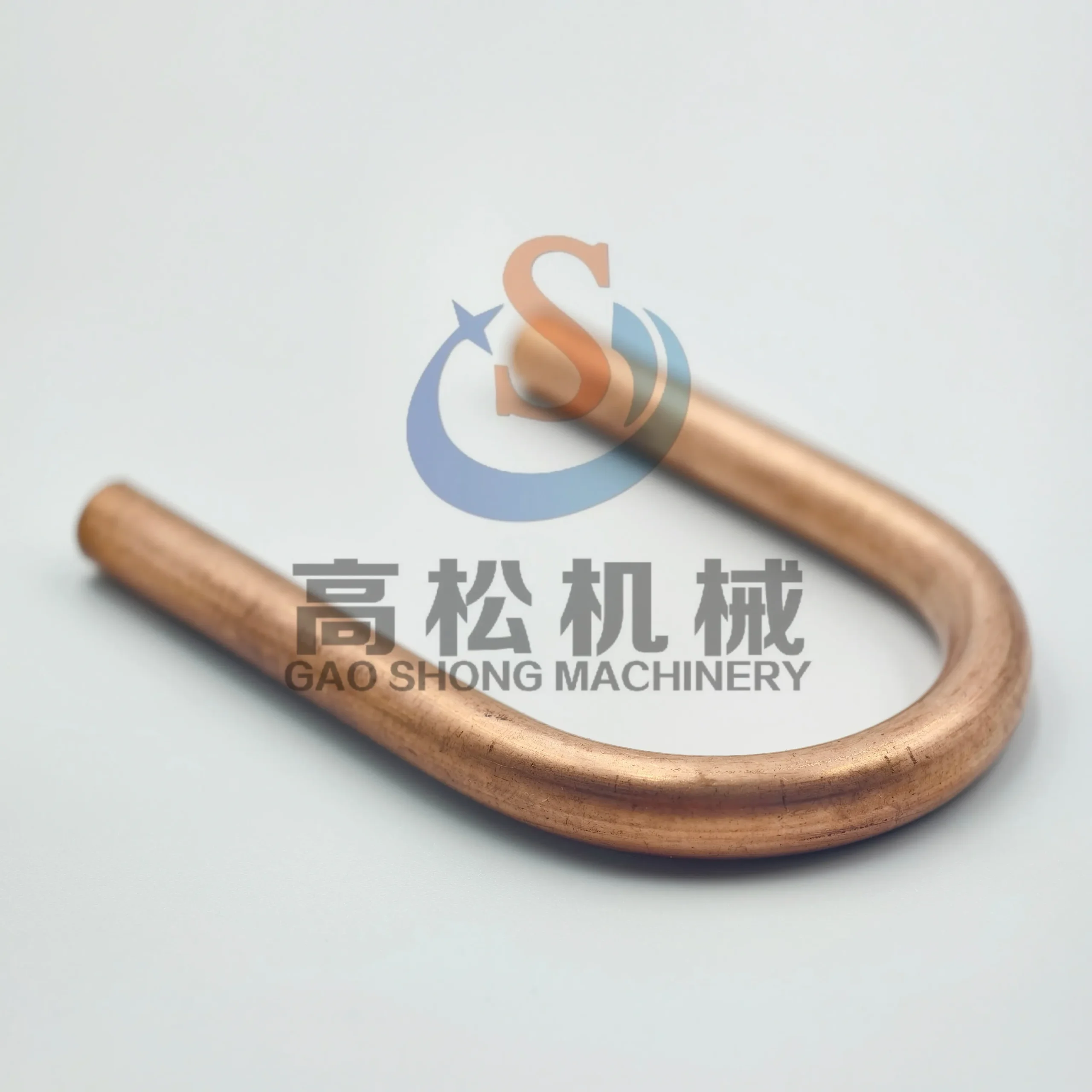 21N-68-32360 Komatsu Tube
 -
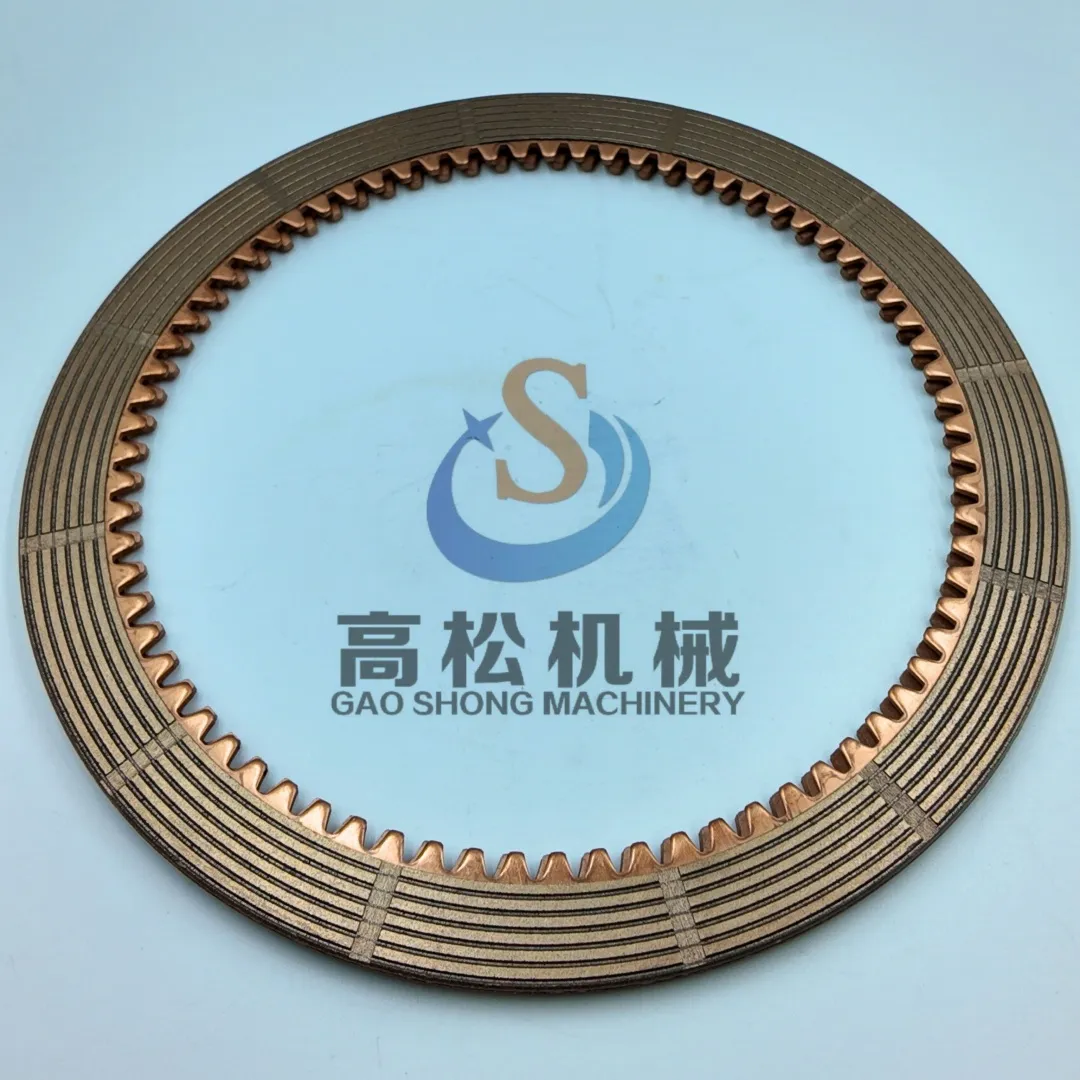 23S-15-12710 – DISC FRICTION – FITS KOMATSU
 -
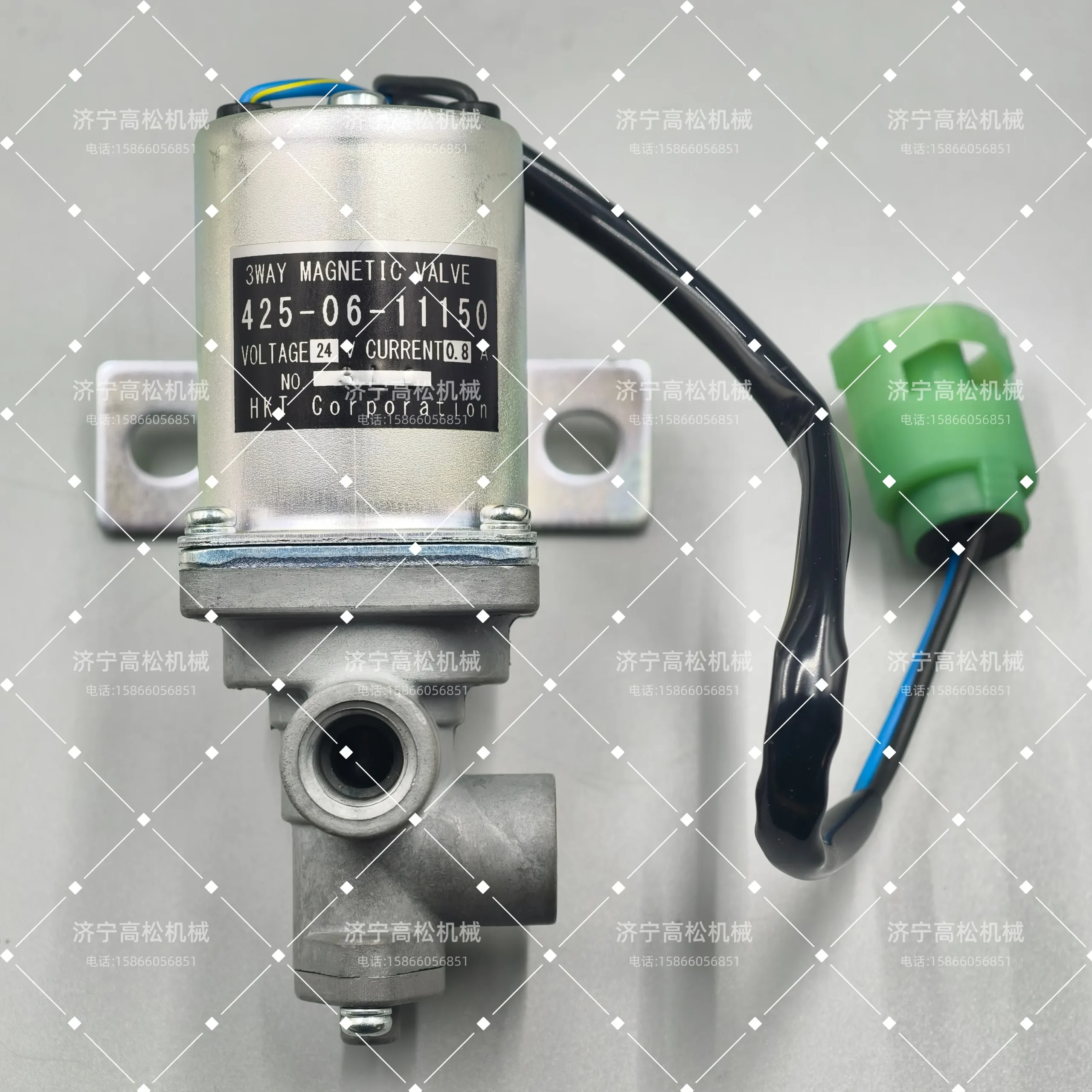 425-06-11150 Komatsu VALVE, PARKING BRAKE
 -
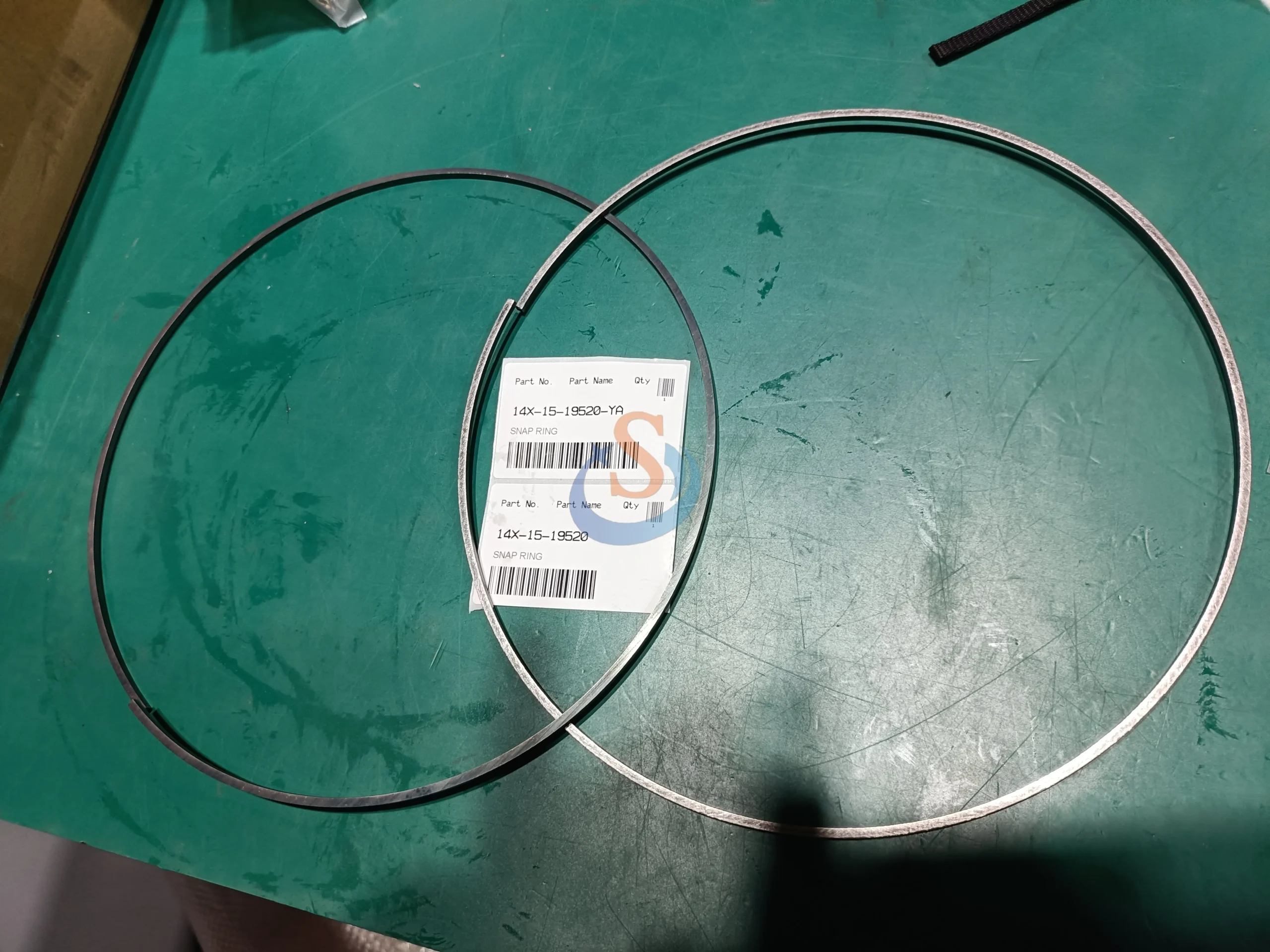 14X-15-19520 RING,SNAP D68ESS,D85PX,WA500
 -
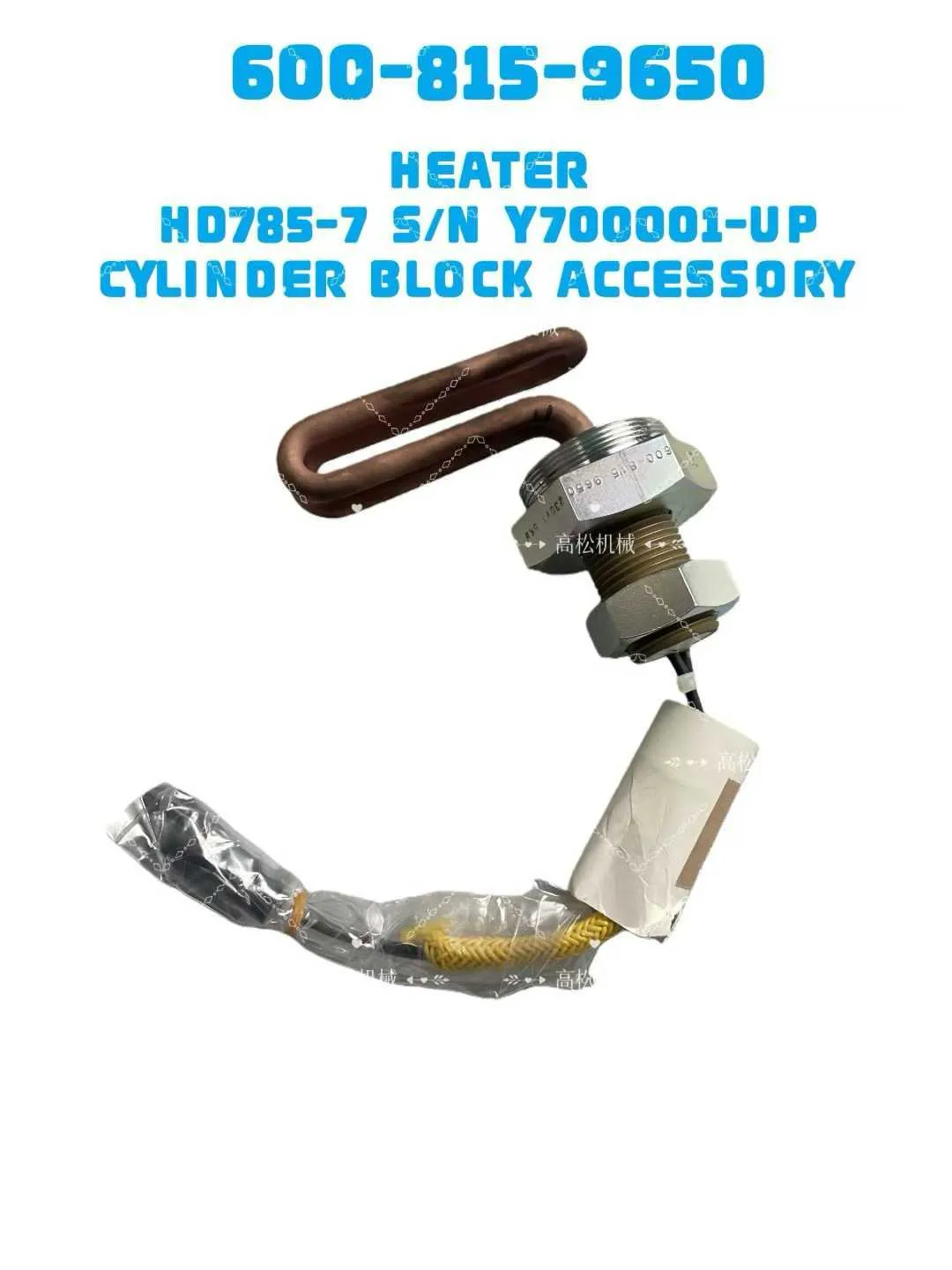 600-815-96504 HEATER HD785-7 5/N Y700001-UP6CYLINDER BLOCK ACCESSORY
 -
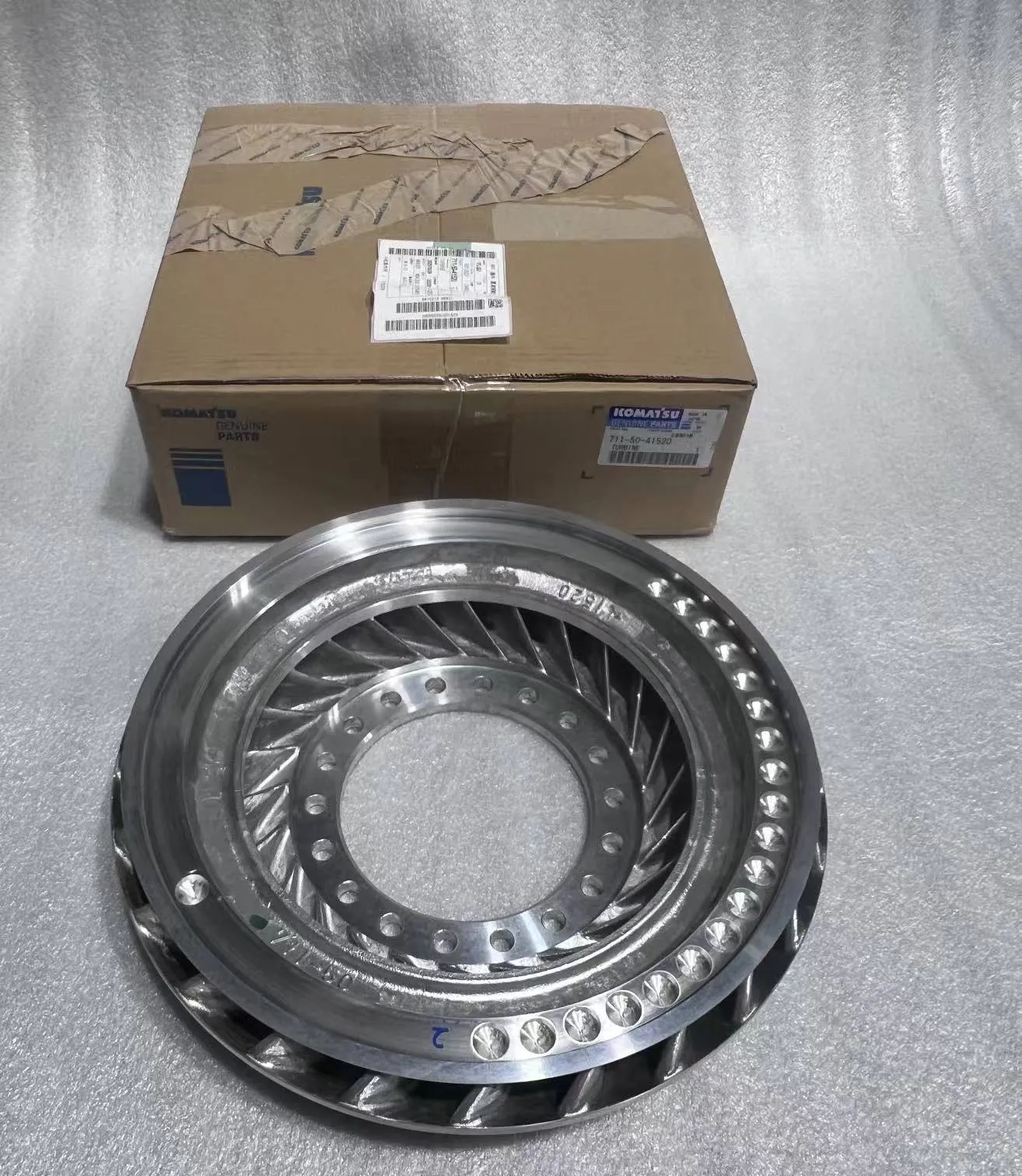 711-50-41520 Komatsu TURBINE
 -
 Water Temperature Gauge 195-06-23110 for Komat Su Bulldozer…
 -
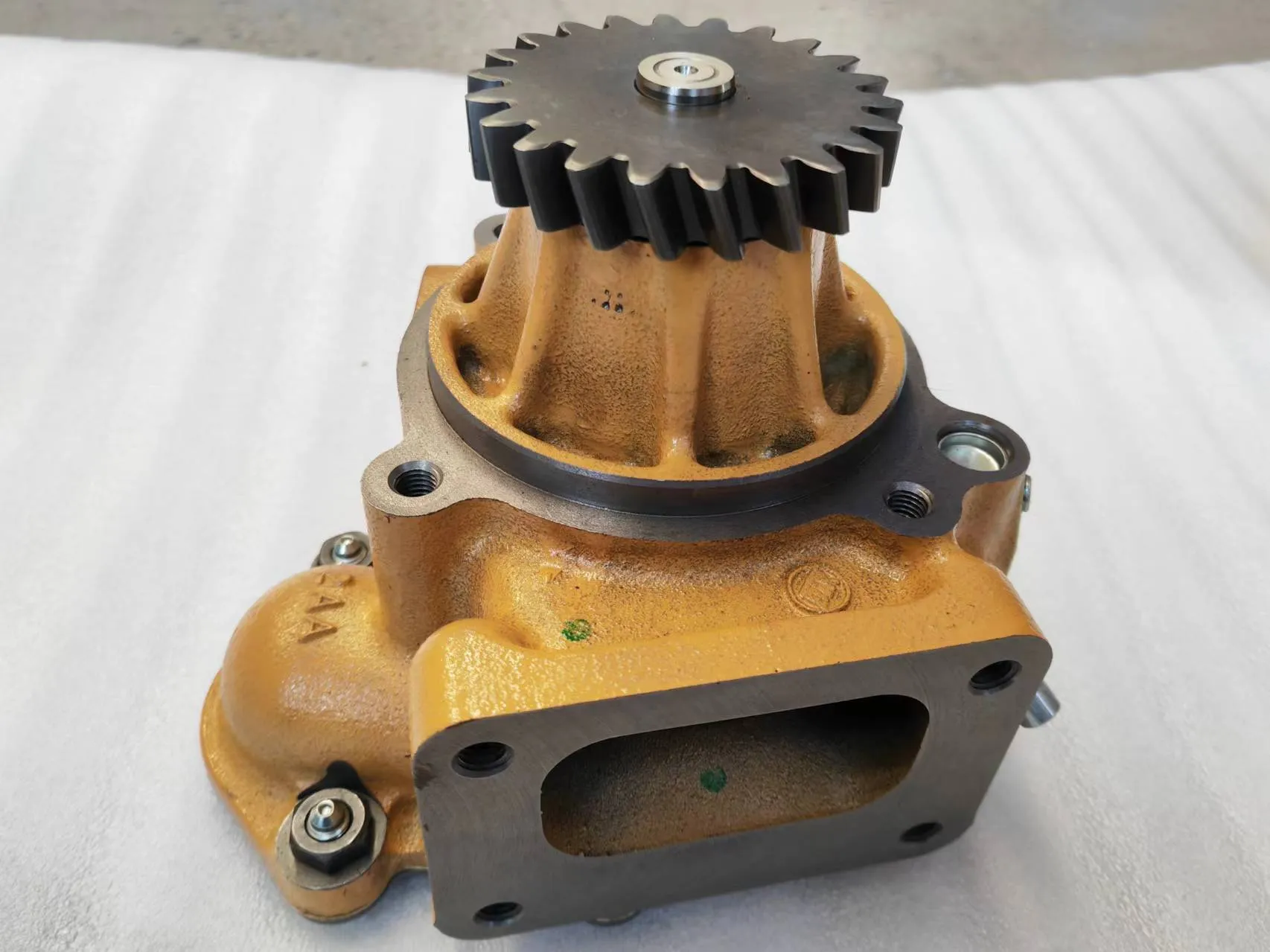 WA480-6 engine water pump 6251-61-1101
 -
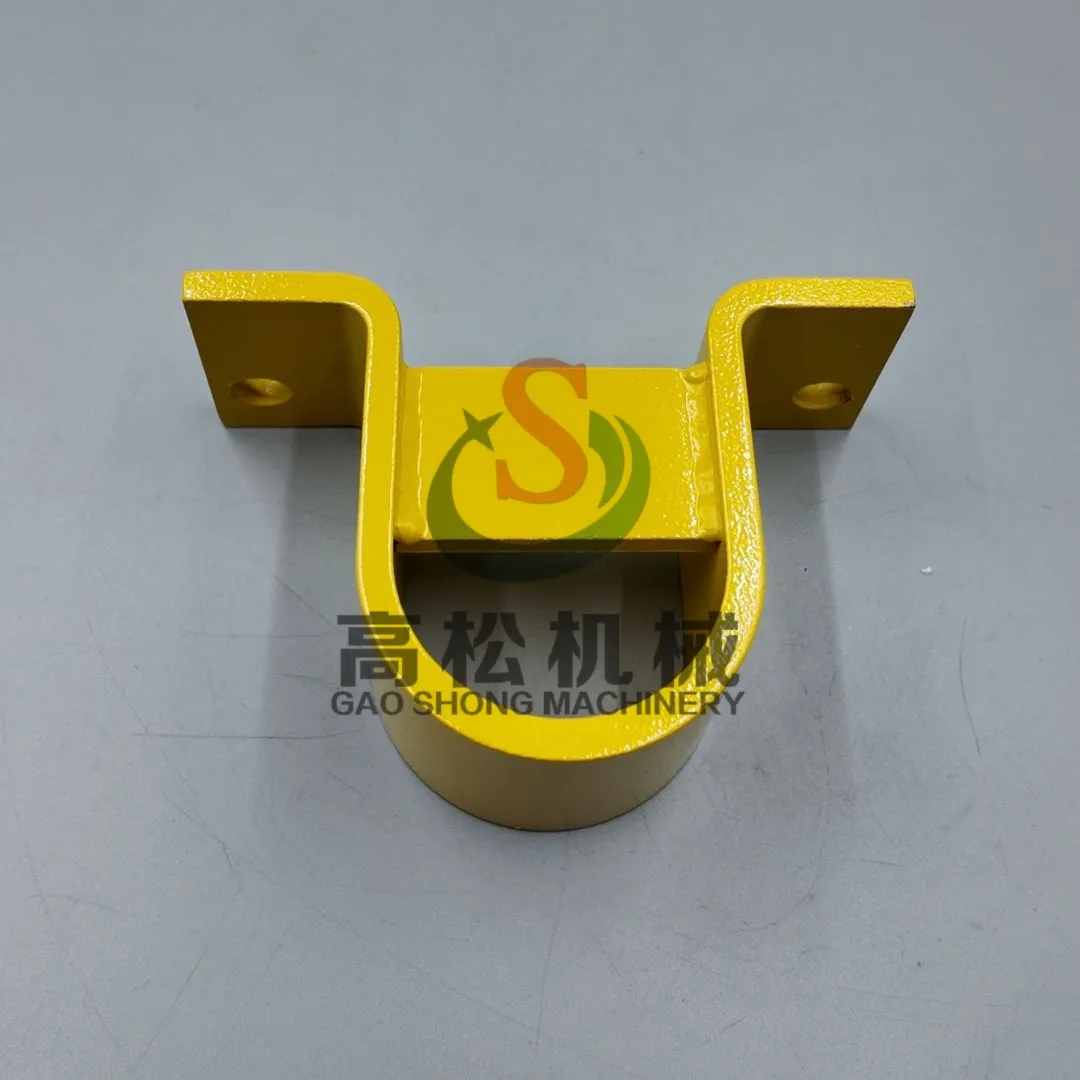 COVER 425-04-21430 for a WA500-3 komatsu original