
- Chinese
- French
- German
- Portuguese
- Spanish
- Russian
- Japanese
- Korean
- Arabic
- Irish
- Greek
- Turkish
- Italian
- Danish
- Romanian
- Indonesian
- Czech
- Afrikaans
- Swedish
- Polish
- Basque
- Catalan
- Esperanto
- Hindi
- Lao
- Albanian
- Amharic
- Armenian
- Azerbaijani
- Belarusian
- Bengali
- Bosnian
- Bulgarian
- Cebuano
- Chichewa
- Corsican
- Croatian
- Dutch
- Estonian
- Filipino
- Finnish
- Frisian
- Galician
- Georgian
- Gujarati
- Haitian
- Hausa
- Hawaiian
- Hebrew
- Hmong
- Hungarian
- Icelandic
- Igbo
- Javanese
- Kannada
- Kazakh
- Khmer
- Kurdish
- Kyrgyz
- Latin
- Latvian
- Lithuanian
- Luxembou..
- Macedonian
- Malagasy
- Malay
- Malayalam
- Maltese
- Maori
- Marathi
- Mongolian
- Burmese
- Nepali
- Norwegian
- Pashto
- Persian
- Punjabi
- Serbian
- Sesotho
- Sinhala
- Slovak
- Slovenian
- Somali
- Samoan
- Scots Gaelic
- Shona
- Sindhi
- Sundanese
- Swahili
- Tajik
- Tamil
- Telugu
- Thai
- Ukrainian
- Urdu
- Uzbek
- Vietnamese
- Welsh
- Xhosa
- Yiddish
- Yoruba
- Zulu
- Kinyarwanda
- Tatar
- Oriya
- Turkmen
- Uyghur






komatsu 4d105 3 engine
When you hear 'Komatsu 4D105-3 engine', the first thing that often comes to mind is the PC200-6 excavator. That's fair, it's its most famous home. But there's a common pitfall in thinking it's just a straightforward, bulletproof unit you can ignore until it stops. In my experience, that mindset is where half the operational headaches begin. It's a solid core, no doubt, but its real character—and its quirks—only show up under sustained pressure, in specific climates, or when maintenance has been, let's say, 'interpreted' rather than followed.
The Heart of the Matter: More Than Just Displacement
Let's get the basics out of the way. The 4D105-3 is a 4-cylinder, direct injection, naturally aspirated diesel. Around 6.1 liters if memory serves. Its design philosophy was pure mid-90s Komatsu: reliability and fuel efficiency for its time. But here's the first practical judgment: calling it 'under-stressed' is only true if you're comparing it to today's turbocharged, common-rail monsters. In the real world of a 20-ton machine, it's working hard. The power curve is linear, almost gentle, which is great for fine control but means operators often push the throttle deeper into the range, which brings us to temperature.
The cooling system on these is adequate, but just barely. I've seen more than one overheat not from a failed thermostat, but from a radiator matrix slowly clogging with dust and chaff over two seasons. The fan shroud seals are critical—if they're damaged or missing, airflow bypasses the radiator entirely. You'll see the gauge creep up on a hot day during heavy trenching. It won't always blow a head gasket immediately, but it'll carbonate the oil faster and bake the seals. A lot of premature Komatsu 4D105-3 engine wear starts right there, at the radiator fins.
Then there's the fuel system. The in-line injection pump is robust, but it's sensitive to poor fuel quality in a way that modern electronic units might not be. Water is the enemy. The lift pump diaphragm fails, letting fuel drain back, causing long cranking times. I remember a unit in a quarry that would start fine in the morning but struggle after lunch. Turned out the fuel line ran too close to the hydraulic tank, the heat was causing vapor lock in the line. A simple rerouting and some insulation fixed it. It's never just the engine; it's the ecosystem around it.
Parts and the Supply Chain Puzzle
This is where theory meets the gritty reality. Finding parts for a Komatsu 4D105-3 engine isn't hard. Finding the right parts, consistently, is the trick. The aftermarket is flooded with alternatives, and quality varies wildly. A piston ring set might look identical, but the metallurgy or the coating can be off, leading to oil consumption issues within a few hundred hours.
This is precisely the gap that companies like Jining Gaosong Construction Machinery Co., Ltd. aim to fill. As an OEM product supplier within the Komatsu system, they understand the spec. But their real value, from what I've gathered, is in being a pragmatic third-party sales channel. When you're in a region where official distribution is thin or lead times are measured in months, having a source that can provide genuine or OEM-equivalent parts for the Komatsu 4D105-3 engine is a lifeline. It's not just about selling a gasket; it's about solving the downtime equation. Their model of helping to solve parts supply challenges in certain countries isn't just marketing—it reflects the actual logistical nightmares fleet managers face.
I learned this the hard way on a project in Southeast Asia. We had a scored cylinder liner. The local supplier offered a compatible liner, but the flange thickness was different by about half a millimeter. It seemed trivial. It wasn't. The protrusion was wrong, affecting compression and eventually leading to head gasket failure. We lost two weeks. A connection to a specialist supplier who could verify OEM dimensions would have saved it. That's the level of detail that matters.
Rebuild Nuances and Common Oversights
Rebuilding a 4D105-3 seems straightforward on paper. It's not a complex engine. But there are nuances. The valve adjustment sequence and specs are often done wrong. It's 0.4mm for both intake and exhaust when cold, but you must follow the firing order (1-3-4-2) to get the rocker arm on the base circle of the cam. I've seen mechanics just crank each cylinder to TDC and adjust, which works on some engines, but not perfectly here.
The front crankshaft seal is another classic. If you just lever the old one out and hammer a new one in, you risk scoring the sealing surface on the crank. The proper way is to use a seal installer tool, or at the very least, a large socket that contacts the outer metal ring evenly. A leak here dumps oil right onto the front pulley, making a mess and looking like a rear main seal issue from a distance.
And torque sequences. The head bolts are stretch bolts, technically. The manual says to torque in stages, then angle-tighten. Skipping the angle step, or reusing old bolts, is a gamble. It might hold for a while, but under high thermal load, it can let go. I always use a new bolt set on a major overhaul. It's cheaper than doing the job twice.
Performance in Context: Not a Powerhouse
You don't get this engine for speed. In a PC200-6, it feels deliberate. Compared to a contemporary equivalent with a turbo, it'll feel slower on cycle times in bulk material handling. But where it shines is in precision work and longevity, if maintained. The lack of a turbo means one less major component to fail, one less system to maintain. The trade-off is peak power and efficiency at altitude. Take it to a high-altitude mine, and it will feel noticeably gutless. That's just physics.
The hydraulic pump drive is directly coupled, so engine performance directly impacts hydraulic flow. A tired engine with low compression won't just be slow; the hydraulics will feel sluggish and unresponsive. Diagnosing a weak hydraulic complaint often starts with a compression and injector test on the Komatsu 4D105-3 engine. It's all connected.
We tried once to tweak the injection pump timing slightly to get more power out of a fleet machine. Gained maybe 3-5% in perceived performance, but the exhaust temperature went up, and the smoke changed color under load. We reverted it. These engines are tuned to a balance. Pushing them outside their designed envelope usually costs more in the long run.
The Long-Term View and Obsolescence
These engines are aging. A lot of the ones still running are on their second or third rebuild. The challenge now is systemic wear—not just the cylinders, but the crankshaft journals, the camshaft bearings, the entire block's alignment. A complete, proper rebuild today is an investment. Sometimes it makes more economic sense to consider a quality remanufactured long block from a trusted source rather than piecing it together.
This is again where the role of specialized suppliers becomes key. A company that operates as part of the Komatsu ecosystem, like the mentioned Jining Gaosong Construction Machinery Co., Ltd., often has better visibility on the availability of core components like blocks or crankshafts, or can offer certified remanufactured assemblies. They're not just parts pickers; they're solving the problem of keeping legacy equipment like the Komatsu 4D105-3 engine alive and productive when the manufacturer's focus has shifted to newer models.
So, what's the final take? The Komatsu 4D105-3 is a workhorse from an era of simpler engineering. Respect its design limits, be fanatical about cooling and clean fuel, and source critical parts with an eye for provenance. It won't win any races, but with the right care and the right supply chain behind you, it'll outlast a lot of more complicated modern designs. Its legacy isn't in its specs, but in the thousands of machines still digging, lifting, and working, decades on. Keeping them running is less about heroics and more about diligent, informed maintenance and smart sourcing.
Related Products
Related Products

Best Selling Products
Best Selling Products-
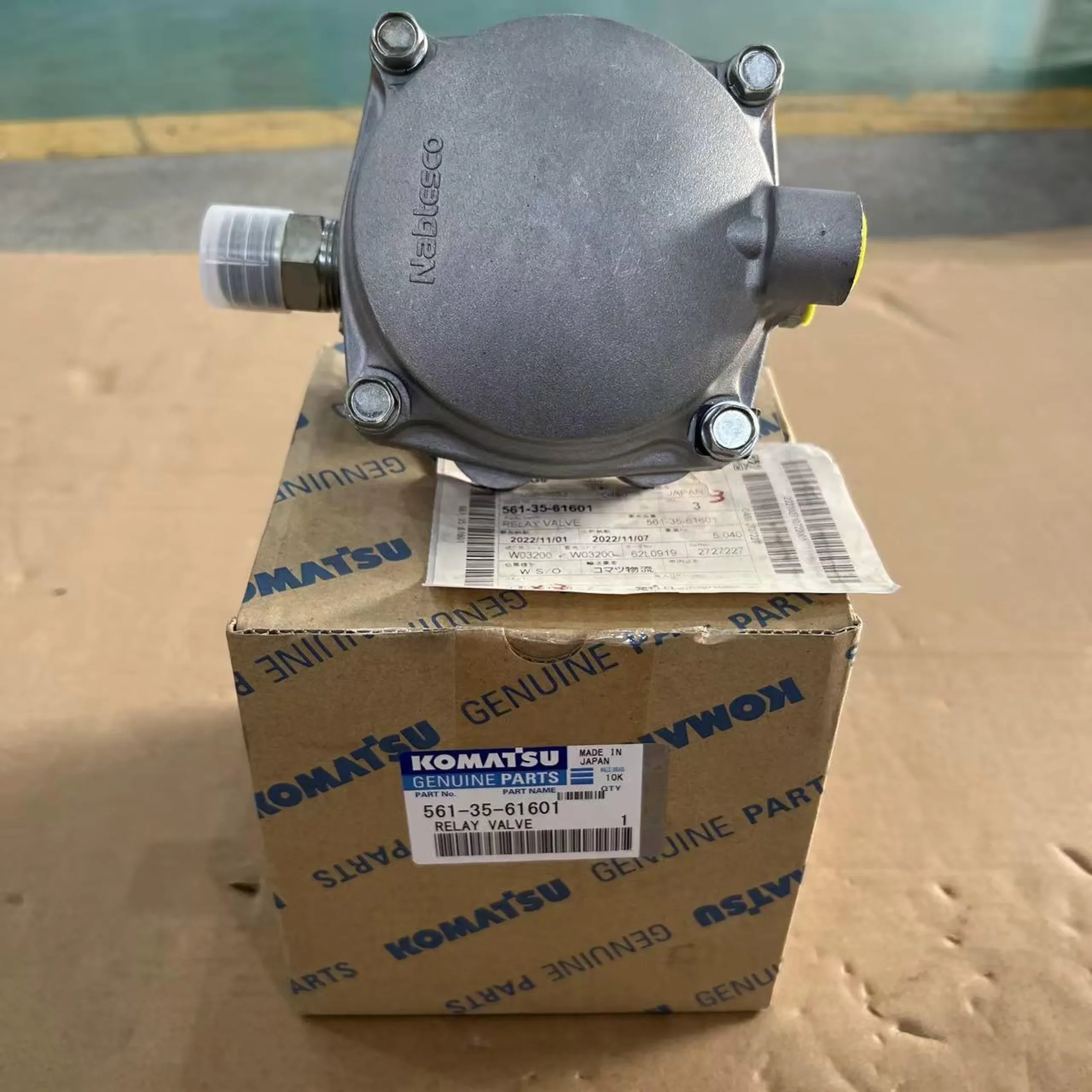 KOMATSU Relay Valve 561-35-61601 NIB
 -
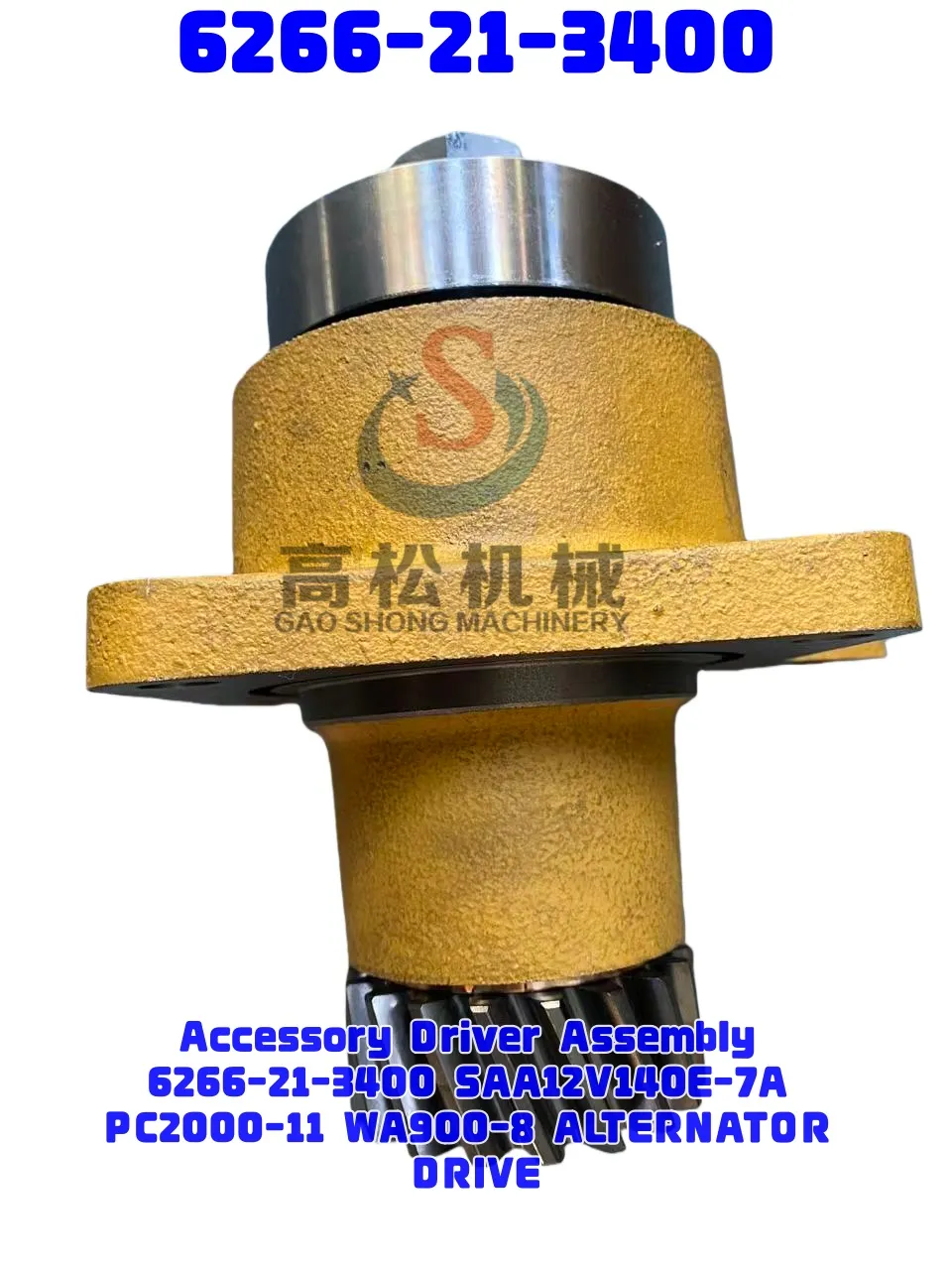 Accessory Driver Assembly 6266-21-3400 SAA12V140E-7A PC2000-11 WA900-8 ALTERNATOR DRIVE
 -
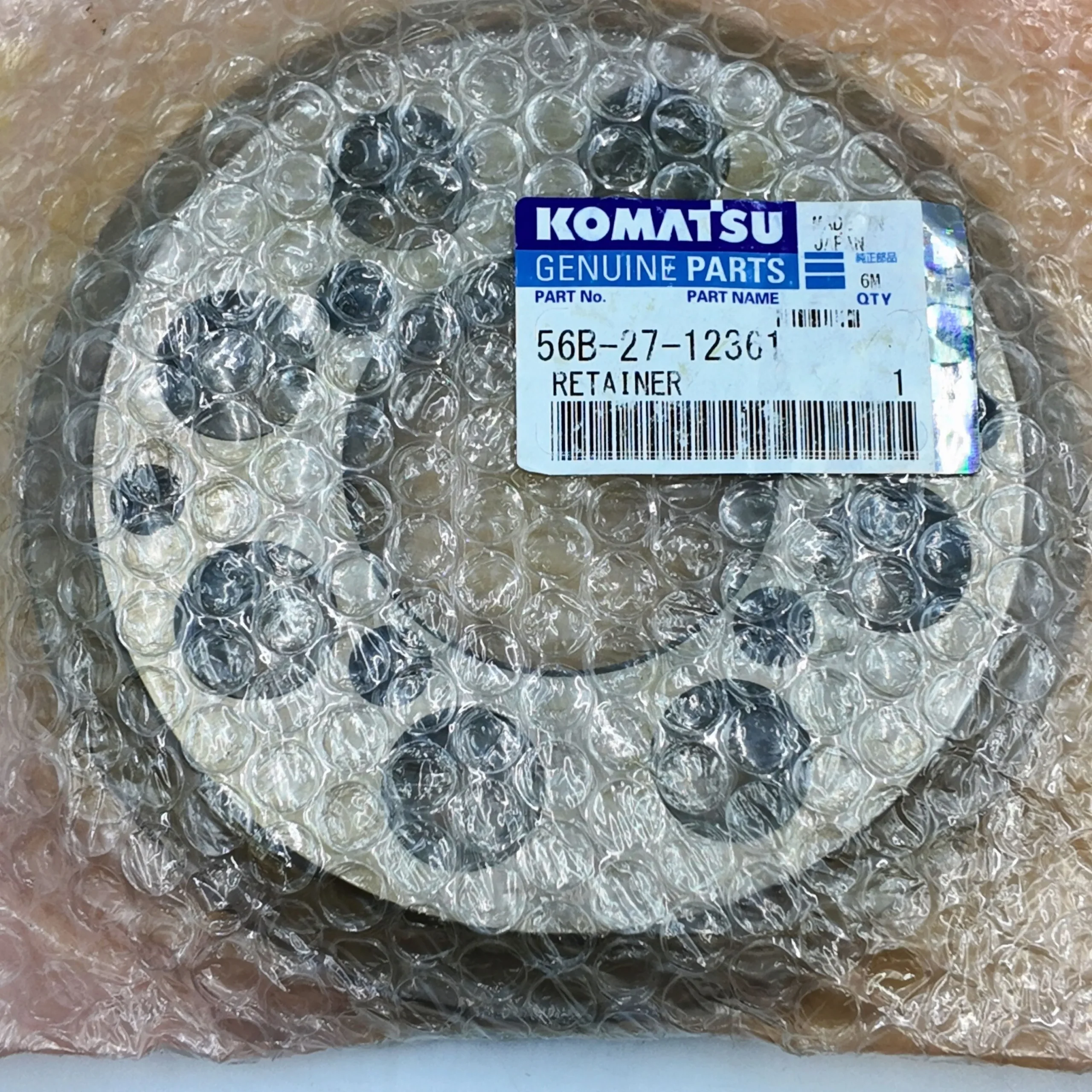 Komatsu Genuine Parts 56B-27-12361 Retainer
 -
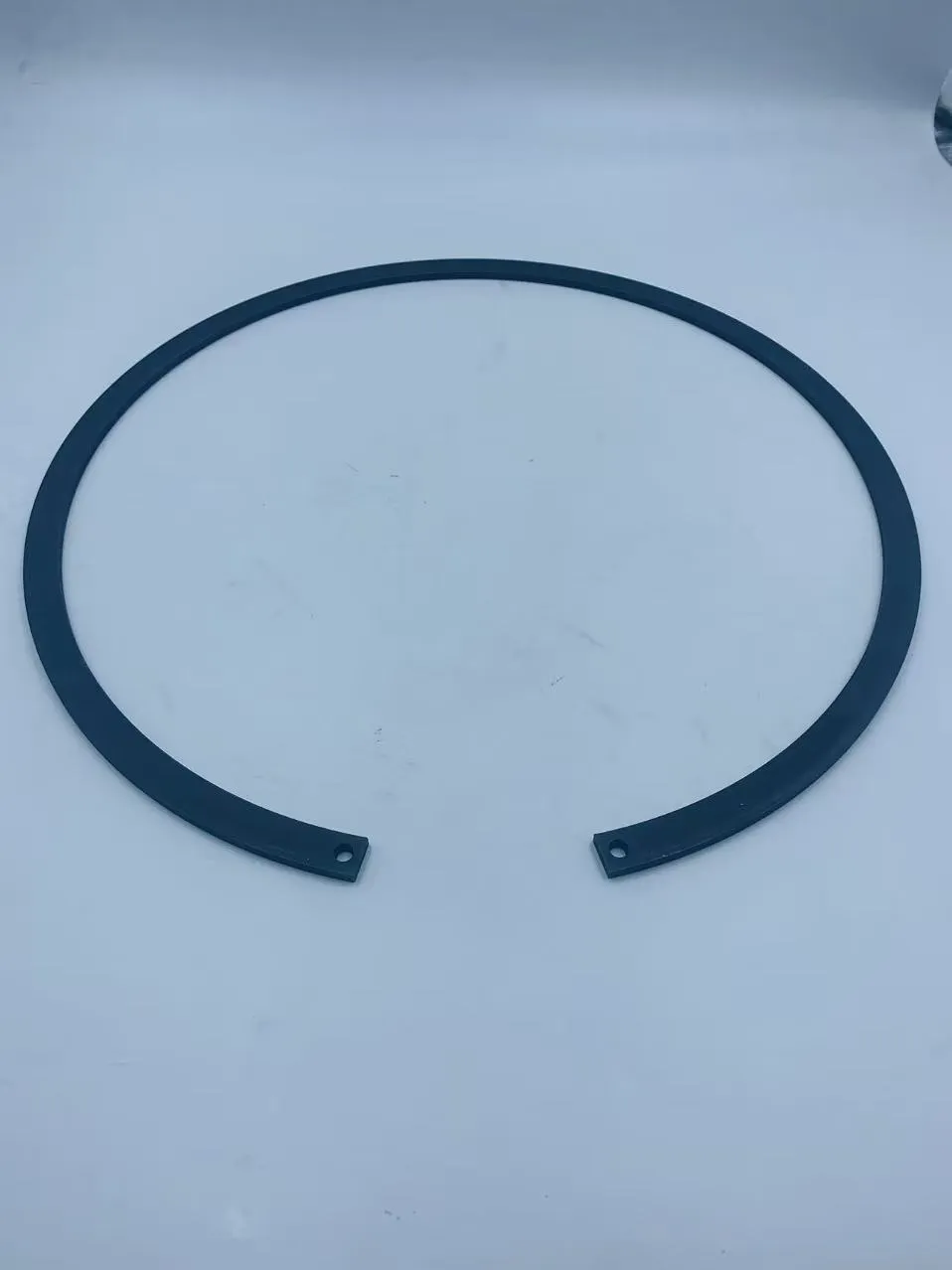 21T-26-11270 Komatsu Snap
 -
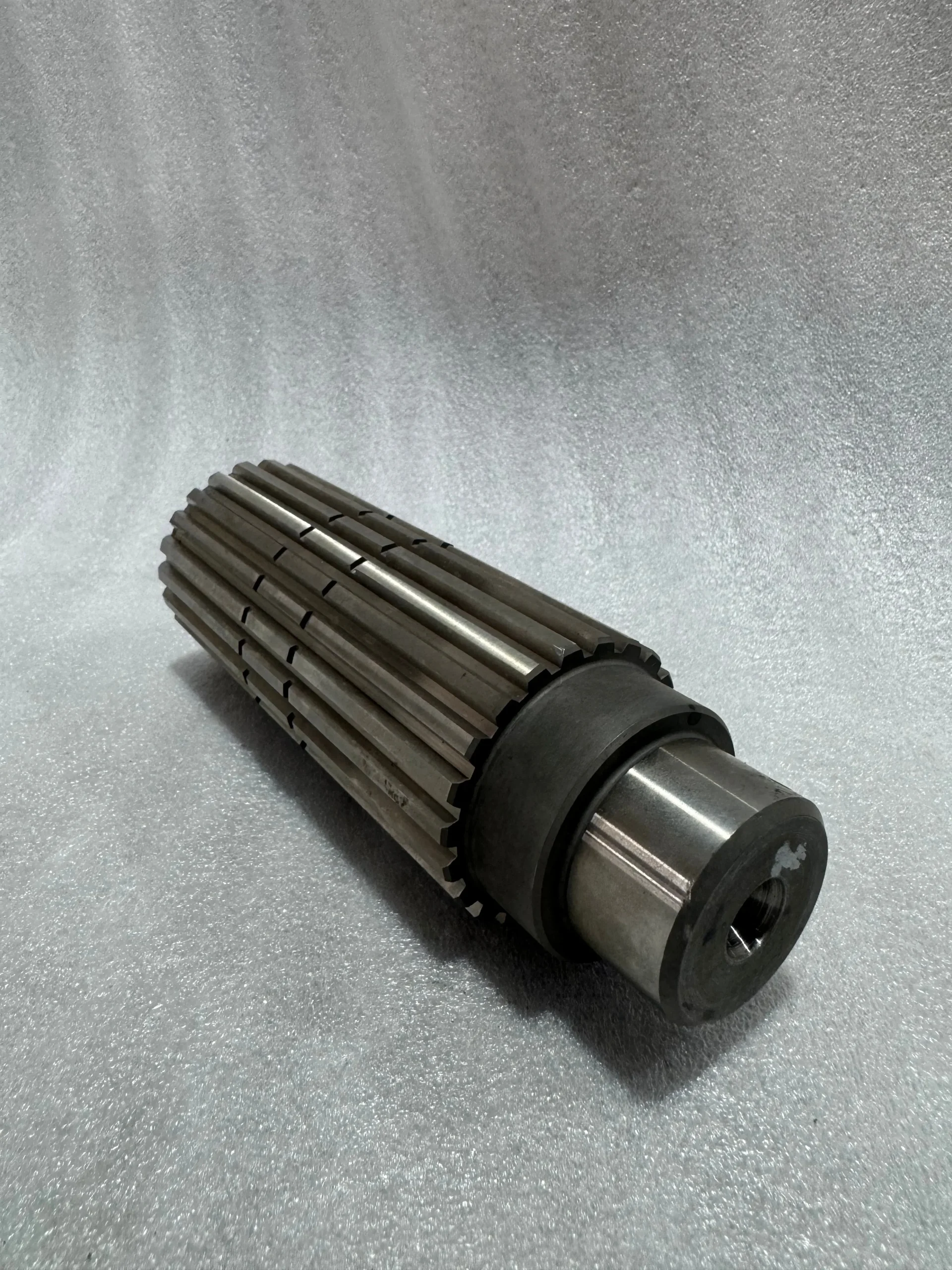 D65PX-15 Gear shaft 14X-12-11411
 -
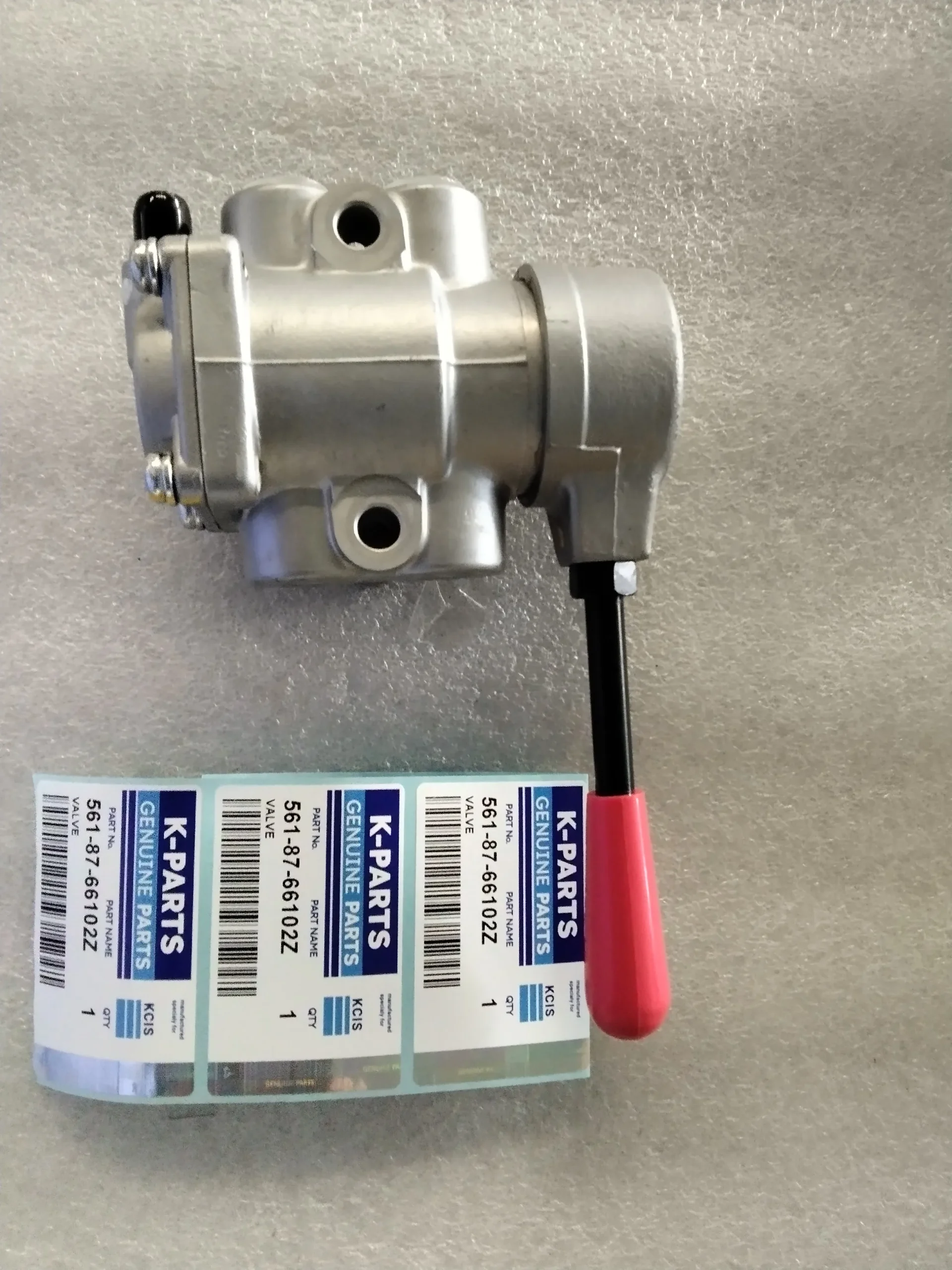 Komatsu dump truck HD785 valve component 561-87-66102
 -
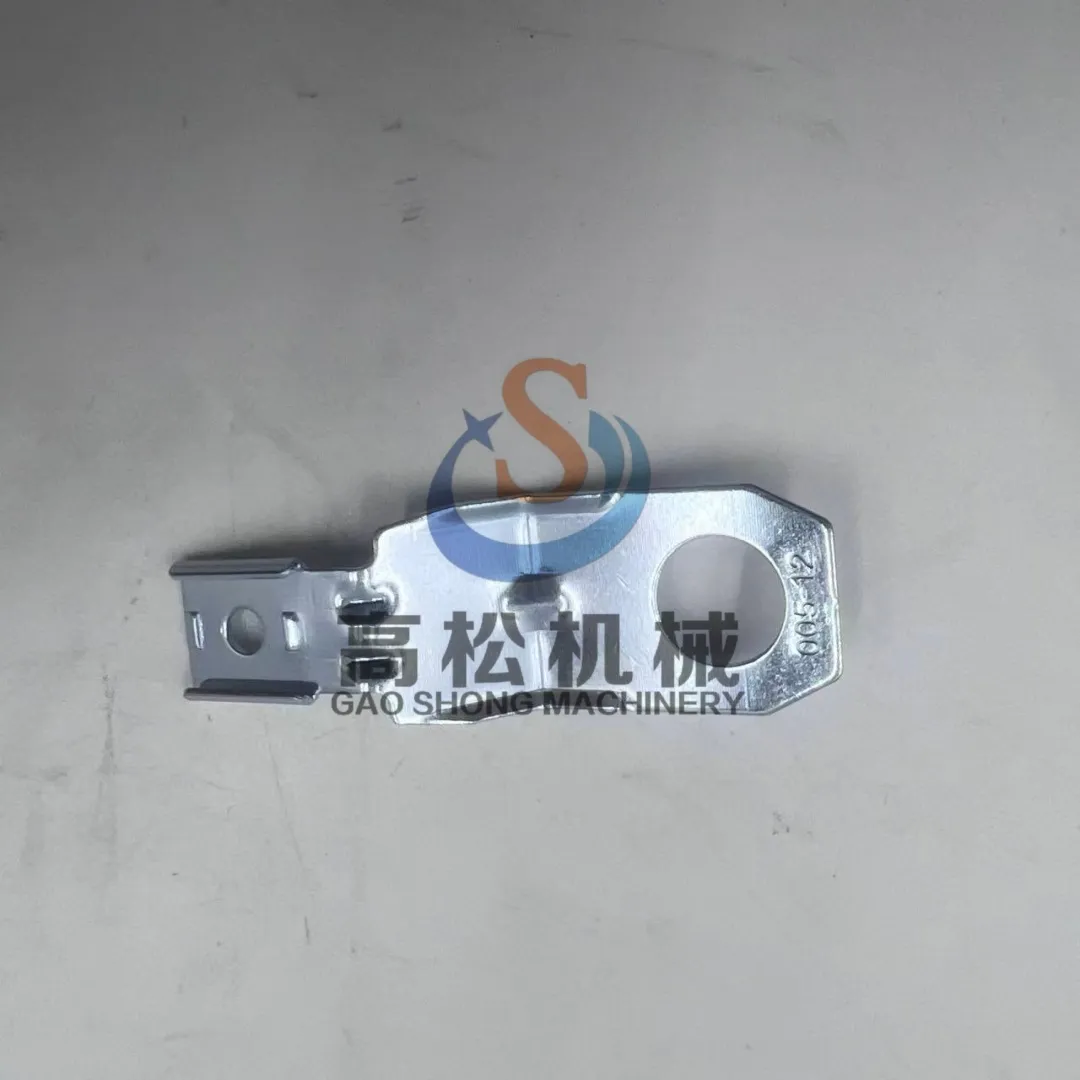 193-21012 CLIP,(WITHOUT ACCUMULATOR) – Komatsu
 -
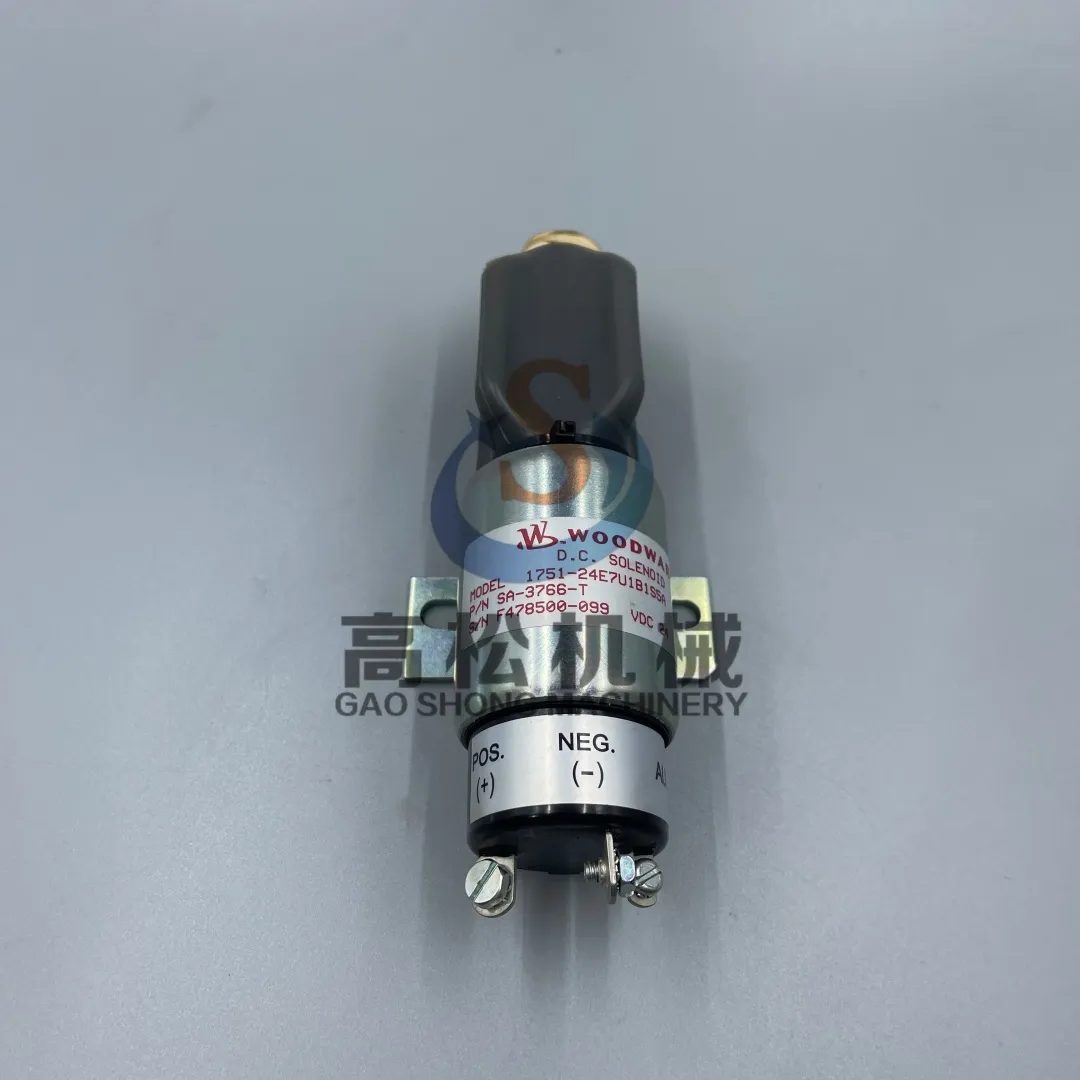 600-815-7550 Fuel Stop Solenoid Valve For Komatsu PC75UU-3 PC200LC-6 PC228UU-1
 -
 144-70-15251 Komatsu Pin, Dowel
 -
 708-2H-03411valve ass’y,pc 708-2h-03411 – komatsu
 -
 Original komatsu WA200-6 valve stem 09280-10130
 -
 Komatsu Control lever 702-16-02144 for Wheel loader WA480-5H