
- Chinese
- French
- German
- Portuguese
- Spanish
- Russian
- Japanese
- Korean
- Arabic
- Irish
- Greek
- Turkish
- Italian
- Danish
- Romanian
- Indonesian
- Czech
- Afrikaans
- Swedish
- Polish
- Basque
- Catalan
- Esperanto
- Hindi
- Lao
- Albanian
- Amharic
- Armenian
- Azerbaijani
- Belarusian
- Bengali
- Bosnian
- Bulgarian
- Cebuano
- Chichewa
- Corsican
- Croatian
- Dutch
- Estonian
- Filipino
- Finnish
- Frisian
- Galician
- Georgian
- Gujarati
- Haitian
- Hausa
- Hawaiian
- Hebrew
- Hmong
- Hungarian
- Icelandic
- Igbo
- Javanese
- Kannada
- Kazakh
- Khmer
- Kurdish
- Kyrgyz
- Latin
- Latvian
- Lithuanian
- Luxembou..
- Macedonian
- Malagasy
- Malay
- Malayalam
- Maltese
- Maori
- Marathi
- Mongolian
- Burmese
- Nepali
- Norwegian
- Pashto
- Persian
- Punjabi
- Serbian
- Sesotho
- Sinhala
- Slovak
- Slovenian
- Somali
- Samoan
- Scots Gaelic
- Shona
- Sindhi
- Sundanese
- Swahili
- Tajik
- Tamil
- Telugu
- Thai
- Ukrainian
- Urdu
- Uzbek
- Vietnamese
- Welsh
- Xhosa
- Yiddish
- Yoruba
- Zulu
- Kinyarwanda
- Tatar
- Oriya
- Turkmen
- Uyghur






komatsu 475 engine
If you've spent any time around older Komatsu excavators or dozers, the Komatsu 475 engine comes up. It's one of those workhorses that seems to be either running perfectly or causing endless headaches, with very little in-between. A lot of people just see it as the big six-cylinder from Komatsu, but that oversimplification is where the trouble starts. It's not just a power unit; it's a system with specific quirks that you learn only by getting your hands dirty, or by dealing with the aftermath when someone didn't.
The Core Identity and Common Pitfalls
The S6D125, or the 475, is a 15.2-liter turbocharged diesel. On paper, it's robust. In practice, its longevity hinges on a few critical things people often overlook. The first is the fuel system. It's precise, and tolerances are tight. Using subpar filters or ignoring water separation is a guaranteed path to injector failure. I've seen units where the only symptom was a slight power loss at high RPM, which operators brushed off until a nozzle let go and took out a piston crown. It's never a cheap fix.
Then there's the cooling system. It's not undersized, but it's easily compromised. The OEM thermostat has a specific opening range, and aftermarket ones often don't match. Running even a few degrees too cool leads to accelerated liner wear and carbon buildup. Too hot, and you're looking at head gasket issues. I always stress using the correct coolant and changing it on schedule—not just topping it off. The silicate-free stuff is what it's designed for, and deviating from that causes scaling that you won't notice until it's too late.
The biggest misconception? That it's indestructible. It's strong, but it's not forgiving of neglect. I recall a PC400-6 where the crew skipped an oil change interval, thinking the hours were soft because it was on light duty. The oil analysis came back with high soot and TBN depletion, but by then, the turbo bearings were already scoring. That's a $20,000 lesson on a $200 service. The engine doesn't care about your job schedule.
Sourcing and the Aftermarket Maze
This is where the real-world headache begins, especially for machines operating in regions outside Komatsu's primary supply network. Finding genuine parts for a Komatsu 475 engine can be a logistical nightmare. You're often faced with a choice: wait weeks for an official part at a premium, or gamble on an aftermarket alternative.
I've tested my share of non-OEM components. Some cylinder kits are surprisingly decent if they come from a reputable foundry. But things like fuel injection pumps? I'd never risk it. The calibration is too critical. We once tried an aftermarket pump on a D375A-5 to save cost and downtime. It ran, but never at the right fuel curve. The machine was sluggish, smoked excessively under load, and within 400 hours, the exhaust temps had cooked the turbo. The savings were wiped out tenfold.
This parts challenge is precisely why operations sometimes turn to specialized suppliers. For instance, a company like Jining Gaosong Construction Machinery Co., Ltd. positions itself within this niche. As an OEM product supplier within the Komatsu system and a third-party sales company, their stated goal is to help solve parts supply challenges in certain countries. Their website, https://www.takematsumachinery.com, outlines this focus. In theory, such a source could bridge the gap between full OEM channels and the unreliable aftermarket, offering validated parts with better availability. However, the proof is always in the product quality and documentation they provide.
Rebuild Nuances and Personal Observations
A teardown of a 475 reveals its design philosophy. The block is massively rigid, which is good, but it means you need proper equipment for a rebuild. Torque sequences on the head bolts are non-negotiable. I learned that the hard way early on—an unevenly torqued head led to a persistent coolant leak into the oil gallery that wasn't obvious until the machine had run for a week. Had to strip it down again.
The piston design is another point. The crown shape and ring pack are designed for a specific combustion pattern. Using a generic piston that fits can alter compression ratios and swirl, leading to incomplete combustion. You'll see it in the oil analysis—fuel dilution will creep up. It's a slow killer.
During reassembly, the little things matter. The orientation of the piston cooling jets, the pre-stretch on the connecting rod bolts (they're torque-to-yield, you must use new ones), and ensuring the liner protrusion is even across the deck. A half-thousandth of an inch variance can cause head gasket failure down the line. It's not assembly; it's precision fitting.
Case in Point: A Fleet Manager's Dilemma
I was consulting for a mining operation running three D475A dozers. All with 475 engines, all past 15,000 hours. One was running fine, one was down with a suspected cracked head, and one was a fuel-guzzling dog. The fleet manager wanted a one-size-fits-all rebuild plan. We had to push back.
The healthy unit just needed a top-end refresh and careful inspection. The one with the cracked head? The root cause was a failed fan clutch that let it overheat repeatedly; just fixing the head without addressing the cooling system would have been a waste. The underperforming one had a completely different issue: a failing turbo actuator and leaking air-to-air intercooler couplings, starving it of air. It felt like an engine problem but wasn't. We sourced a genuine turbo repair kit and proper intercooler seals. The point is, diagnosing the Komatsu 475 engine requires looking at the entire air, fuel, and cooling ecosystem it lives in. You can't just throw parts at it.
For the major components, like the block for the unit with the cracked head, they explored options. The lead time for a Komatsu OEM short block was prohibitive. They ultimately went with a reputable remanufactured core sourced through a channel that provided full traceability for the machining and components used. It underscored the value of having a reliable supply partner for these major assemblies, especially when official channels are constrained.
Final Thoughts on Keeping It Running
So, what's the takeaway on the 475? Respect its requirements. It's not a dinosaur, but it's a precision instrument from an era where mechanics needed to understand systems, not just swap modules. Proactive, data-driven maintenance is key. Oil analysis, coolant testing, and exhaust gas temperature monitoring tell you more than any dashboard alarm.
The parts supply chain remains the Achilles' heel for many. Whether it's through official distributors, or specialized intermediaries like Jining Gaosong Construction Machinery Co., Ltd. who aim to fill supply gaps, the credibility of the source is paramount. The description OEM product supplier within the Komatsu system suggests a potential pipeline to genuine or OEM-spec parts, which is what these engines truly need to run their 20,000+ hour lifespans.
In the end, the Komatsu 475 engine rewards meticulous care and punishes shortcuts. Its performance and reliability are a direct reflection of the quality of the support system around it—from the technician's skill to the provenance of every gasket and piston ring. Keep that system intact, and it'll outlive most of the equipment it's bolted into.
Related Products
Related Products

Best Selling Products
Best Selling Products-
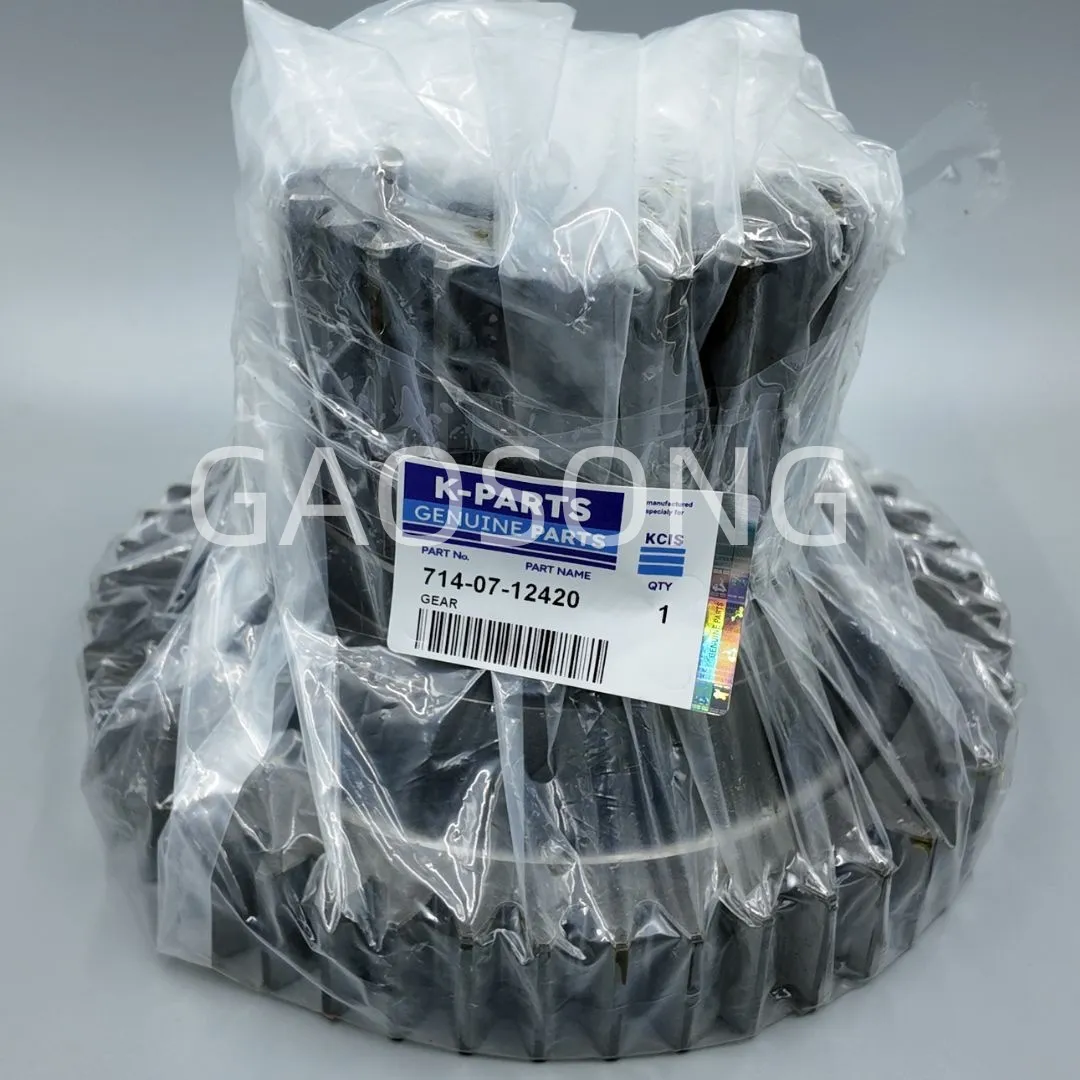 714-07-12420 •• GEAR¤ 48 TEETH,FORWARD-Komatsu Original Factory
 -
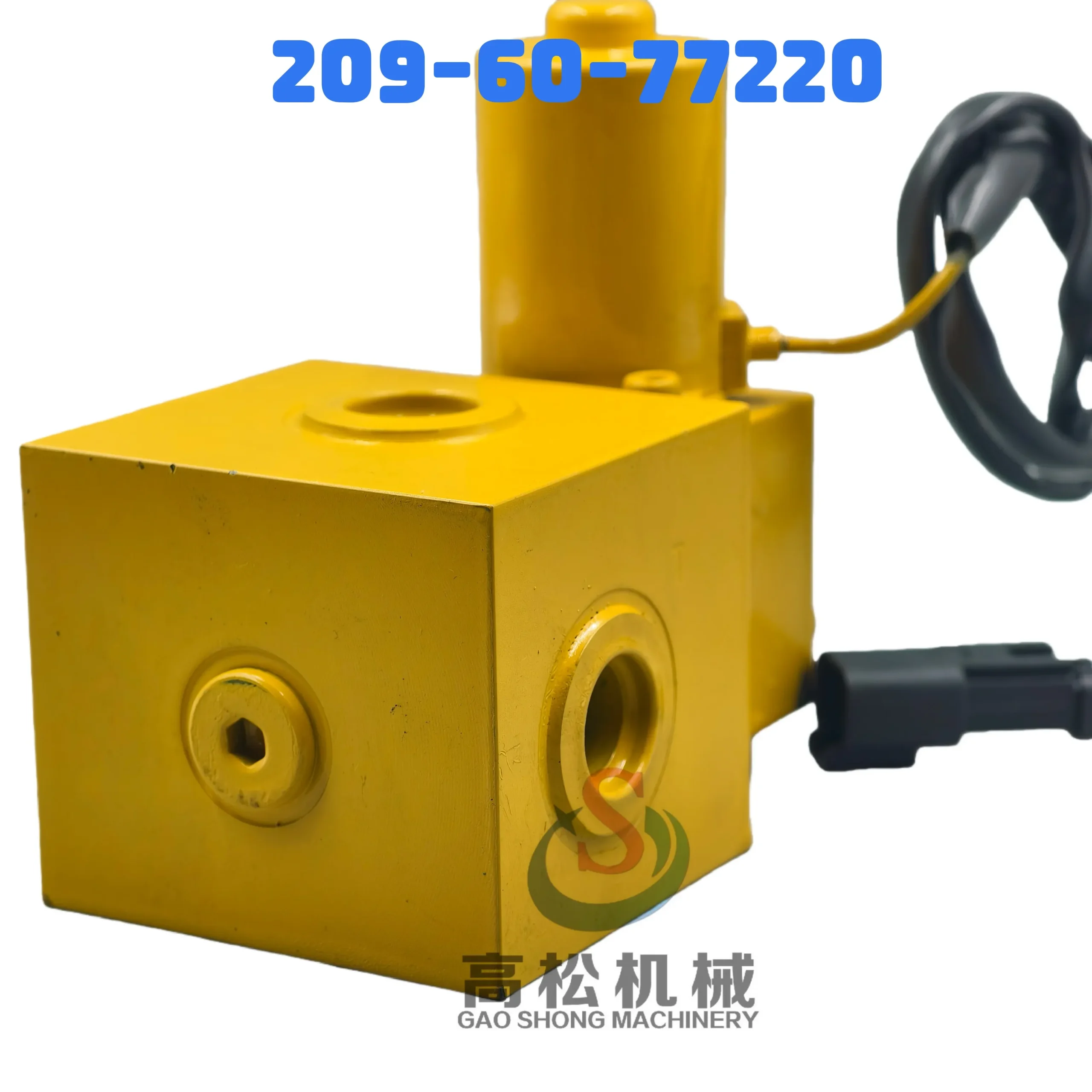 Valve 209-60-77220 for Komatsu
 -
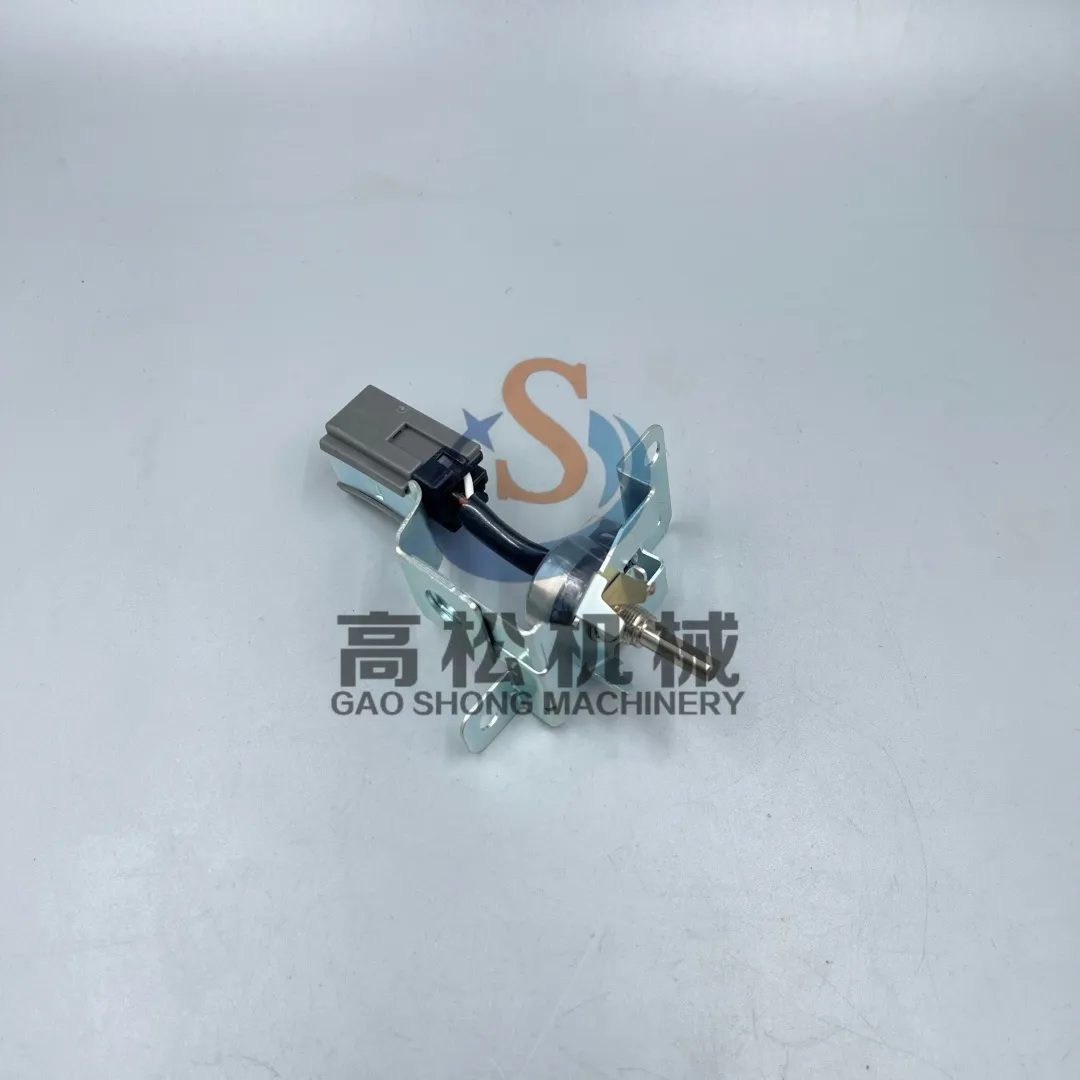 22U-06-22420 Komatsu Potentiometer Assembly
 -
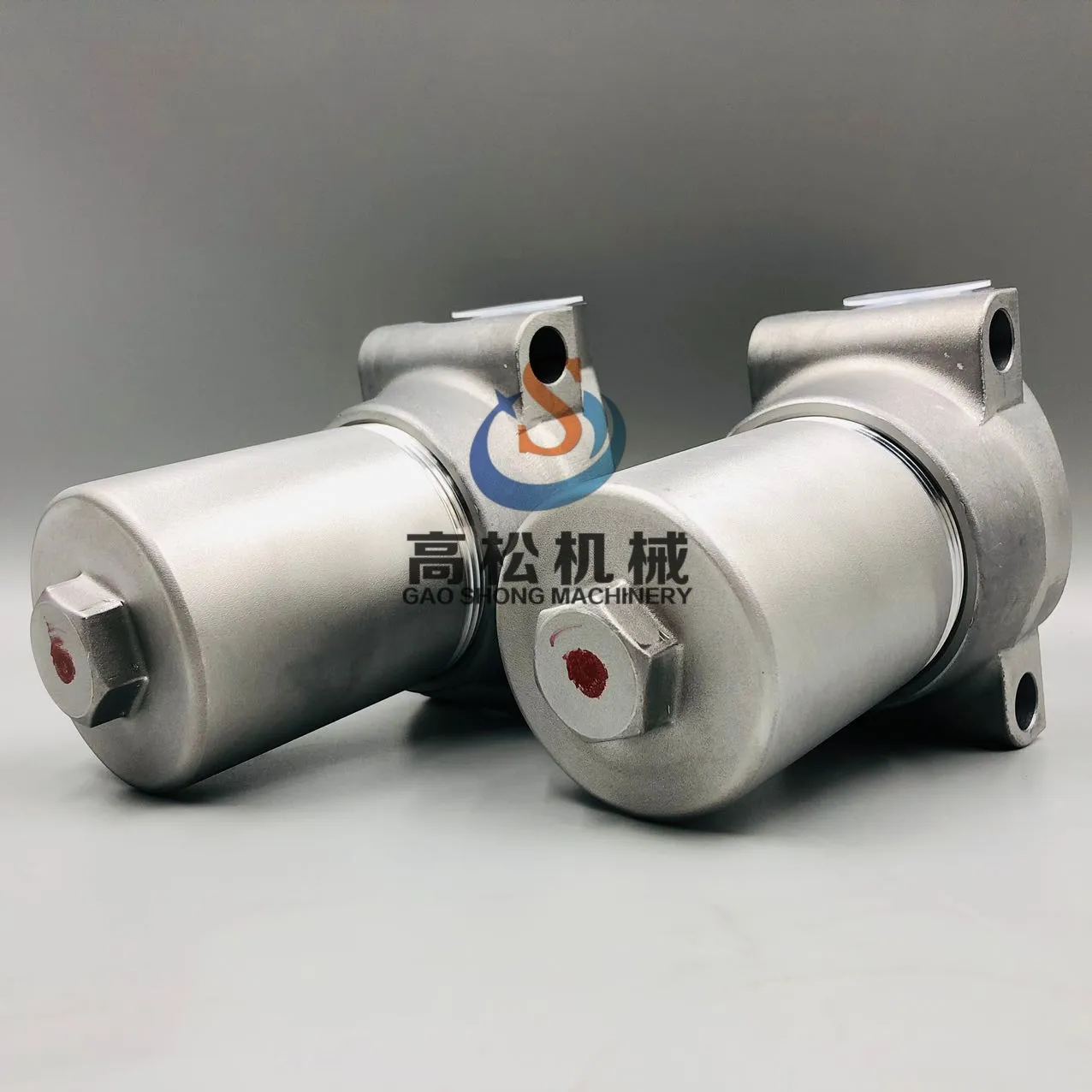 Komatsu Filter 20Y-62-51681 for Crawler excavator PC210LC-8 Filter Assembly 20Y-62-51681
 -
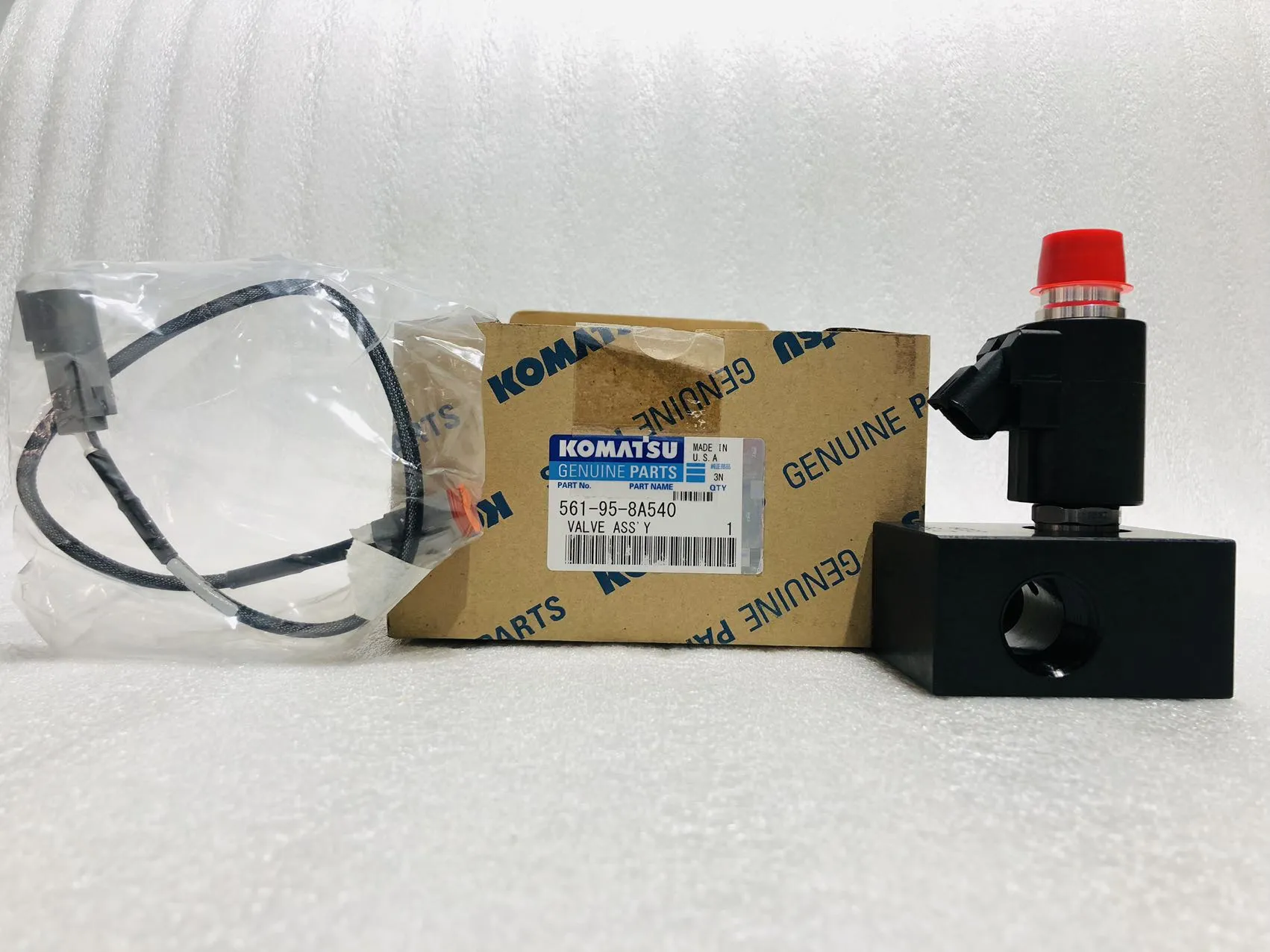 561-95-8A540HD785-7 komatsu
 -
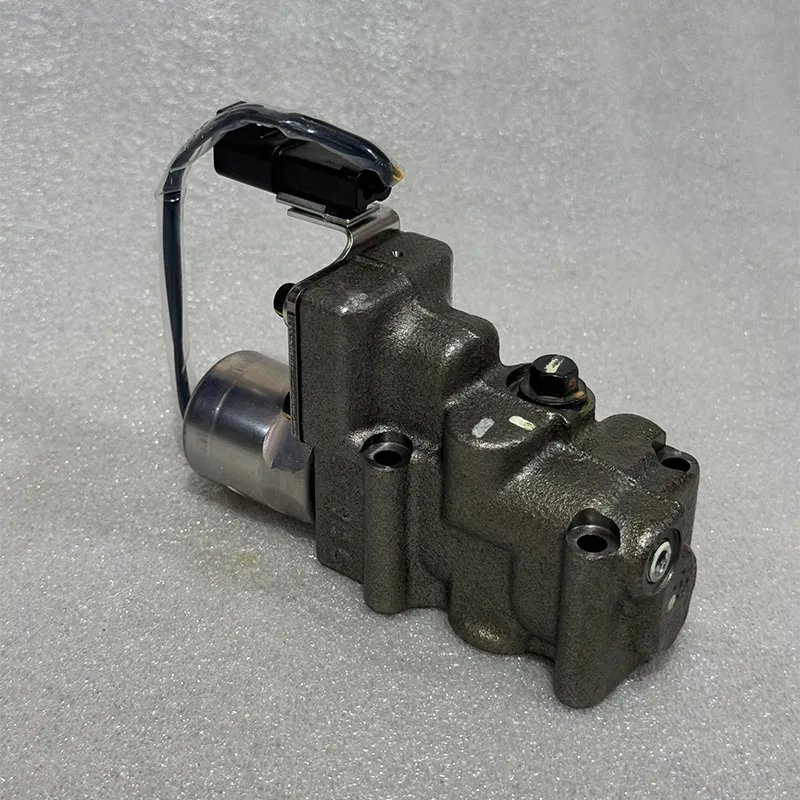 Original komatsu HD785-7 Valve Assembly 561-15-75500
 -
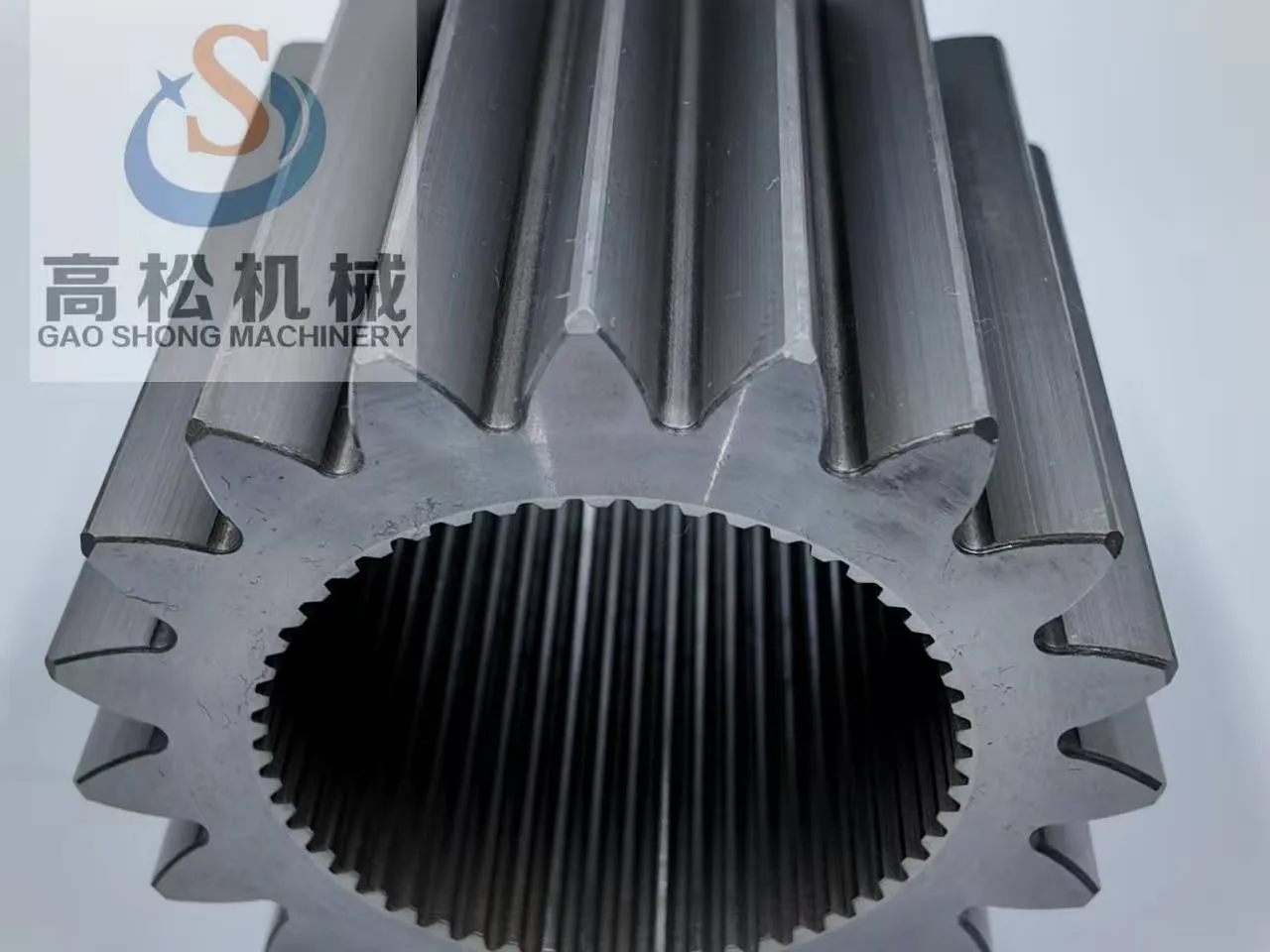 Part No. 426-22-12421 is a Komatsu genuine gear designed for the WA600 model. We have it in stock and can offer a competitive price
 -
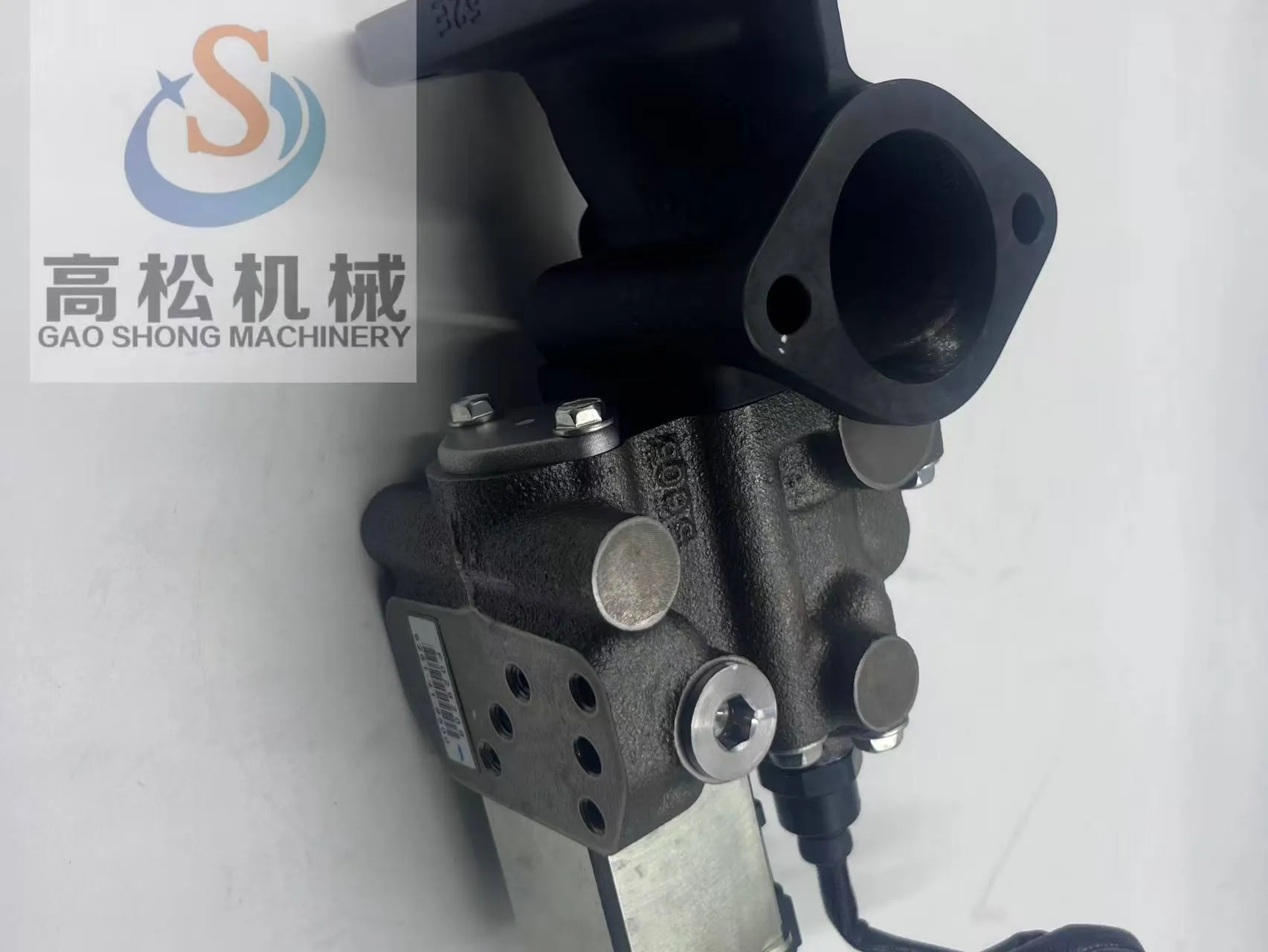 Dump truck HD465-7 valve assembly 6261-41-9500 6261419500
 -
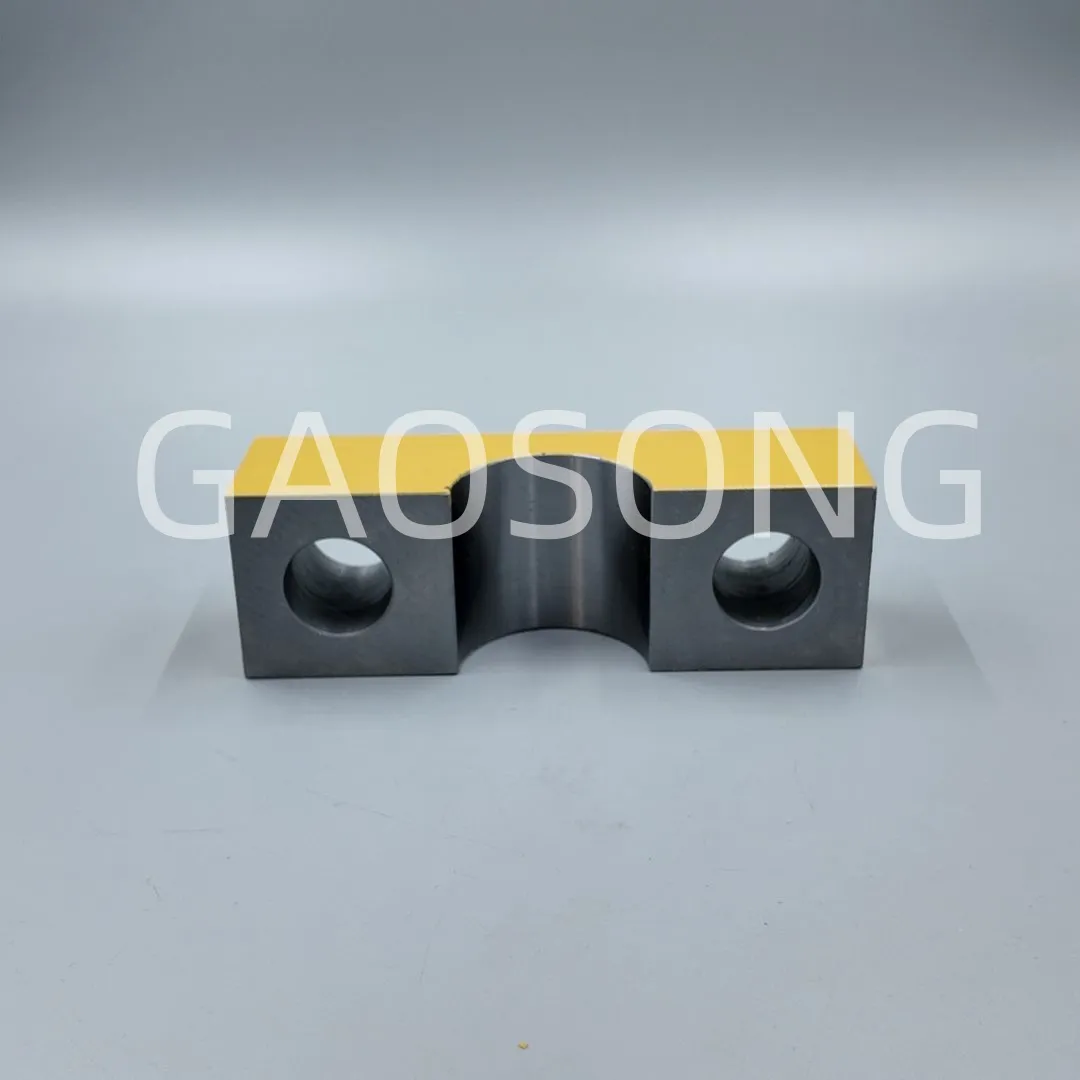 56B-50-12150 Komatsu Plate
 -
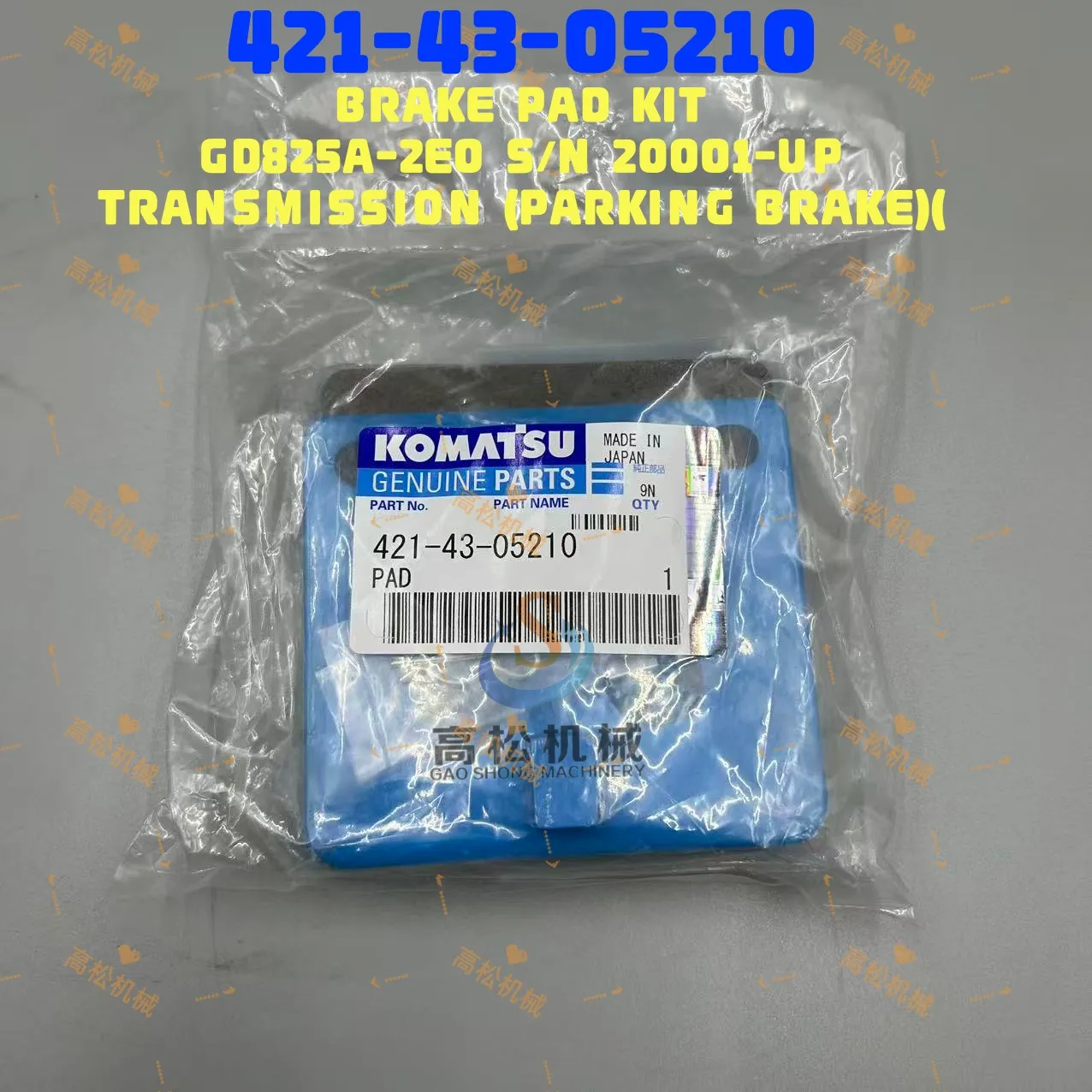 421-43-05210Brake pad kit 421-43-05210 for Komatsu GD825A-2 GD825A-2E0
 -
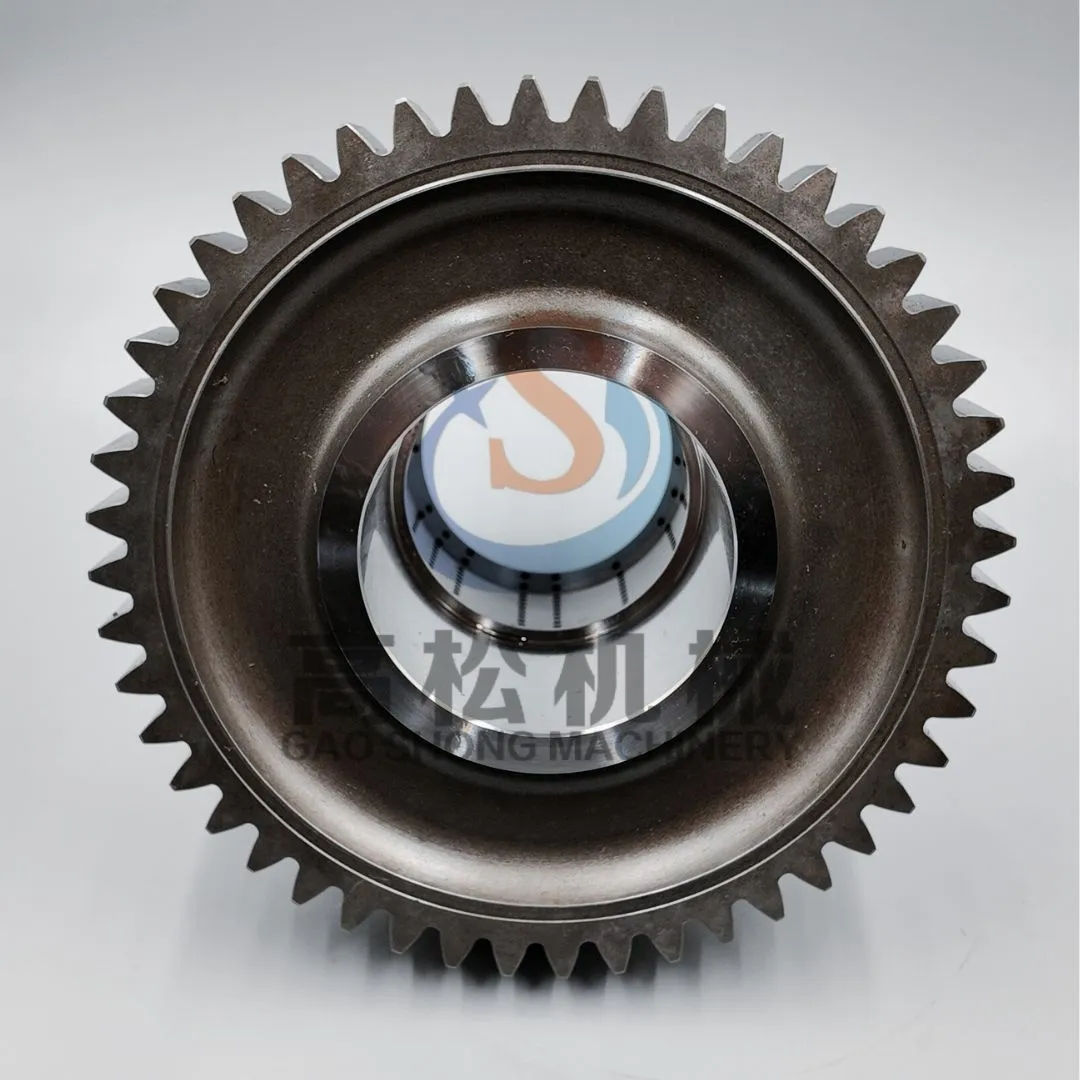 714-07-12420 Komatsu GEAR, 48 TEETH,FORWARD
 -
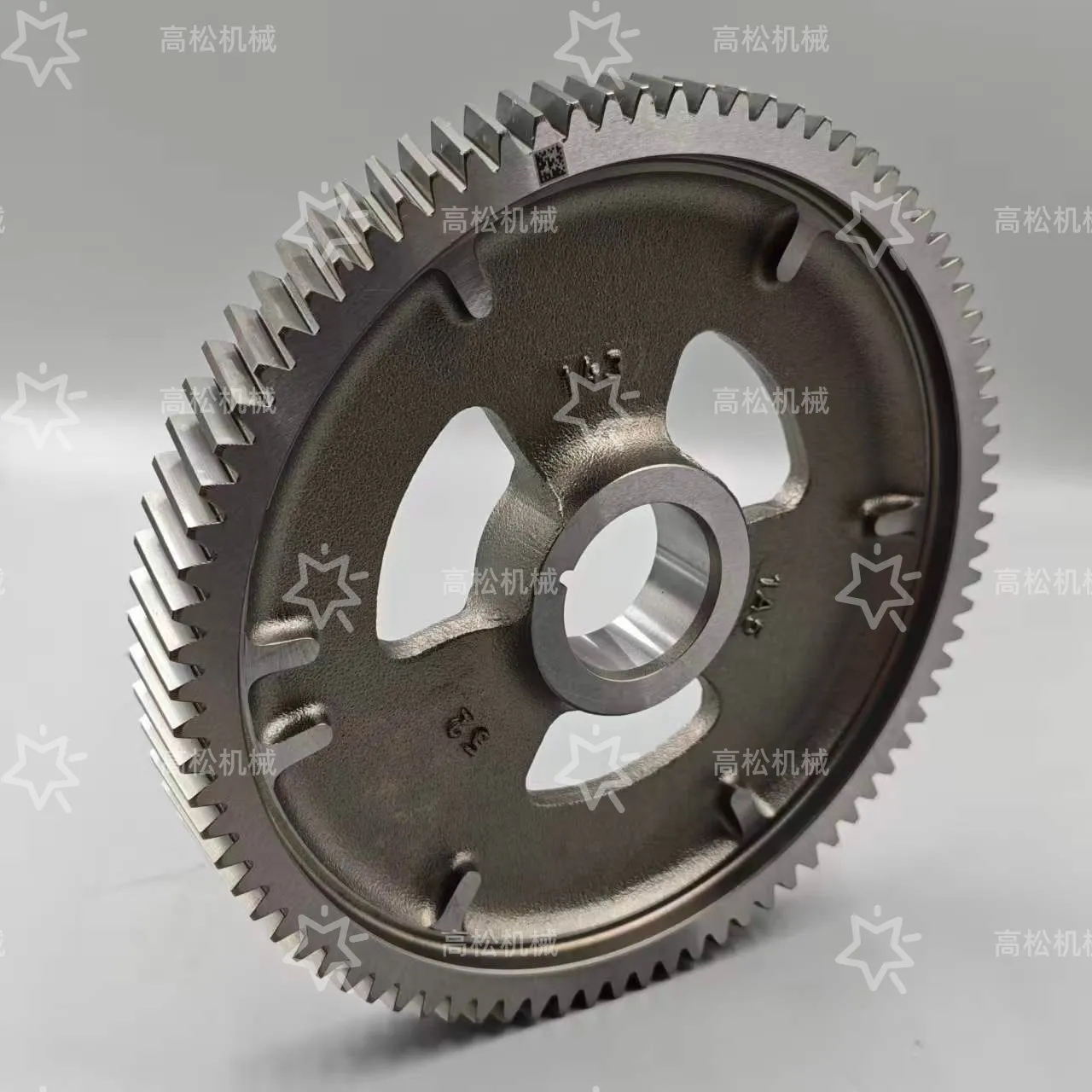 6745-41-1131 GEAR – CAMSHAFT Suitable for komatsu