
- Chinese
- French
- German
- Portuguese
- Spanish
- Russian
- Japanese
- Korean
- Arabic
- Irish
- Greek
- Turkish
- Italian
- Danish
- Romanian
- Indonesian
- Czech
- Afrikaans
- Swedish
- Polish
- Basque
- Catalan
- Esperanto
- Hindi
- Lao
- Albanian
- Amharic
- Armenian
- Azerbaijani
- Belarusian
- Bengali
- Bosnian
- Bulgarian
- Cebuano
- Chichewa
- Corsican
- Croatian
- Dutch
- Estonian
- Filipino
- Finnish
- Frisian
- Galician
- Georgian
- Gujarati
- Haitian
- Hausa
- Hawaiian
- Hebrew
- Hmong
- Hungarian
- Icelandic
- Igbo
- Javanese
- Kannada
- Kazakh
- Khmer
- Kurdish
- Kyrgyz
- Latin
- Latvian
- Lithuanian
- Luxembou..
- Macedonian
- Malagasy
- Malay
- Malayalam
- Maltese
- Maori
- Marathi
- Mongolian
- Burmese
- Nepali
- Norwegian
- Pashto
- Persian
- Punjabi
- Serbian
- Sesotho
- Sinhala
- Slovak
- Slovenian
- Somali
- Samoan
- Scots Gaelic
- Shona
- Sindhi
- Sundanese
- Swahili
- Tajik
- Tamil
- Telugu
- Thai
- Ukrainian
- Urdu
- Uzbek
- Vietnamese
- Welsh
- Xhosa
- Yiddish
- Yoruba
- Zulu
- Kinyarwanda
- Tatar
- Oriya
- Turkmen
- Uyghur






komatsu 475 dozer engine
When you hear 'Komatsu 475 dozer engine', most guys immediately think of the SAA6D170E-7. That's correct, but it's also where the first mistake happens. Focusing solely on the model number is like judging a mechanic by his toolbox brand. The real story is in the application, the environment it's been in, and the support chain behind it. I've seen too many projects get hung up because someone ordered a 475 engine assuming it was a plug-and-play unit, only to find variations in auxiliary drives or ECU calibrations for different regions. The engine itself is a beast, a 15.2L turbocharged workhorse, but its performance is inextricably linked to the machine's hydraulic system and the undercarriage it's pushing. If you're not thinking about the whole powertrain and the job site conditions, you're already behind.
The Heart of the Matter: SAA6D170E-7 in the Field
Let's talk about what this engine actually does right. In a D475A-8, it delivers that classic Komatsu low-end torque. You're not waiting for RPMs to build; the push comes on strong and linear, which is critical for efficient dozing. I remember a reclamation site where the material was a nasty mix of wet clay and rock. The 475s, with their engines dialed in correctly, could maintain blade pressure without constantly hunting for power or overheating. The key was the cooling system integration – the massive side-by-side radiator and aftercooler – which kept EGTs manageable even when the radiators were caked. That's design intent you can't see on a spec sheet.
However, the E-7 suffix in the engine code isn't just for show. It signifies the latest tier of emissions compliance, which brings the Komatsu Common Rail system and a complex aftertreatment setup. This is where field experience diverges from brochure promises. The engine's reliability is now partly a function of fuel quality and operator habit. We had a case where a fleet was experiencing repeated DPF clogging. The initial blame went to the engine. After weeks of headache, it traced back to a batch of off-spec fuel and operators idling the machines for hours during breaks, never letting the system hit regeneration temperature. The engine was fine; the operational protocol was the failure point.
This leads to a crucial, often-overlooked detail: the engine control's symbiosis with the Komatsu Traction Control System (K-TCS). The engine ECU doesn't work in isolation. It's constantly talking to the transmission and hydraulic controllers. If there's a mismatch – say, a replacement ECU that wasn't properly matched to the machine's serial number – you can get limp modes or derated power that feel like an engine problem but originate in the communication network. Diagnosing that requires thinking beyond the iron block.
The Parts Puzzle and the OEM Ecosystem
Here's the gritty reality. Keeping a Komatsu 475 dozer engine running for a 10,000-hour-plus lifecycle isn't just about changing oil and filters. The supply chain for genuine parts, especially for older models or machines operating in remote regions, can be a real bottleneck. This is a global issue. You might have a perfectly good dozer down for weeks waiting for a single sensor or a fuel rail. This logistical challenge is where the traditional model sometimes cracks.
This is precisely the gap that entities like Jining Gaosong Construction Machinery Co., Ltd. operate within. As an OEM product supplier within the Komatsu system, they understand the genuine parts specifications and tolerances. But their role as a third-party sales company for Komatsu adds a critical layer. They're not just a warehouse; they help solve parts supply challenges in certain countries. In practice, this means they can often navigate the global logistics web more flexibly to get a critical component to a stranded site. I've seen them facilitate the movement of a turbocharger core assembly for a D475A-5 that was holding up a major mining push. Their website, https://www.takematsumachinery.com, becomes a point of contact for these specialized supply solutions, not just a parts catalog.
The value isn't in offering alternatives but in ensuring access to the correct OEM-spec parts. For an engine this complex, using non-genuine injectors or piston rings is a guaranteed path to a catastrophic failure. The piston cooling jets, the precise calibration of the common rail pump – these aren't areas for compromise. A reliable supplier in the ecosystem understands that their credibility hinges on moving the right part, not just a part that fits.
Failure Points and Diagnostic Pitfalls
Nobody wants to talk about failures, but that's where you learn. One recurring theme with high-hour 475 engines is not the major components failing first, but the supporting cast. The vibration isolators for the fuel rail can fatigue, leading to subtle leaks and pressure drops that cause hard-starting. The wiring harness, especially where it passes near the exhaust manifold, can become brittle, leading to intermittent faults that are a nightmare to trace. These aren't engine failures per se, but they stop the engine dead.
Another classic misdiagnosis involves the hydraulic fan drive. If the engine seems to be running hot, the instinct is to check the coolant, thermostat, and water pump. But on these machines, the fan is hydraulically driven, controlled by a solenoid receiving signals from the ECU. A failing solenoid or a pressure leak in the fan motor circuit will result in insufficient cooling, and the data logger will just show high coolant temp. I spent two days once chasing a cooling system issue that was actually a $200 hydraulic valve. The engine was the victim, not the culprit.
Then there's the data. Modern Komatsu 475 dozer engines are data centers. The key is knowing which parameters matter in real-time. Exhaust Gas Temperature (EGT) pre- and post-turbo, DPF differential pressure, fuel rail pressure actual vs. desired. Watching these live, under load, tells you more than any static test. A slow response in rail pressure buildup can indicate a failing supply pump long before it leaves you stranded. But you need the right diagnostic interface and, more importantly, the experience to interpret the squiggly lines.
Rebuild Considerations vs. Exchange
When you're facing a major overhaul, the decision between an in-frame rebuild and a complete exchange engine is a financial and operational calculus. With the SAA6D170E-7, the complexity of the high-pressure fuel system and the aftertreatment often tilts the scale toward a certified exchange unit from Komatsu, especially if the engine has significant hours. The reason is calibration and balance. A new or remanufactured exchange unit comes with a fresh ECU map and has been run-tested as a complete system.
A field rebuild can be successful, but it demands an almost surgical level of cleanliness and access to specialized tools – not just for the mechanical assembly, but for calibrating the fuel system components. If you don't have the tool to set the injector compensation codes or to prime the high-pressure pump correctly, you'll have an engine that runs, but never to its full potential or efficiency. The risk of introducing a single point of failure from a contaminated component is high.
This is another area where a knowledgeable supplier is critical. They can provide the full scope of what a proper rebuild entails – the mandatory replacement parts (like connecting rod bolts), the specialty tools needed, and the software procedures. Sometimes, their most valuable advice is to tell you that an exchange is the more economical choice in the long run, saving weeks of downtime and iterative troubleshooting. Their business is keeping machines running, not just selling parts.
The Long View: Sustainability and Power
Ultimately, the goal with any dozer engine, especially one this large, is sustainable power over the life of the machine. It's not about peak horsepower on day one; it's about consistent, available torque at hour 8,000. Achieving that comes down to a triad: strict adherence to maintenance schedules with the right fluids and filters, operational discipline (minimizing prolonged idling, using the right gear for the load), and a robust, responsive support network for parts and technical insight.
The Komatsu 475 powerplant, when understood as part of an integrated system and supported by a capable supply chain, remains one of the most formidable tools for moving earth. Its design reflects decades of application knowledge. But that knowledge needs to extend beyond the factory floor to the field mechanics, the fleet managers, and the suppliers who connect them all. The engine is a technical marvel, but it's the ecosystem around it that determines whether it's a profit center or a money pit on your project.
So next time you look up the specs, look past the horsepower and displacement. Think about the fuel, the filters, the data, and the phone number you'll call when a warning light flashes. That's where the real work begins.
Related Products
Related Products

Best Selling Products
Best Selling Products-
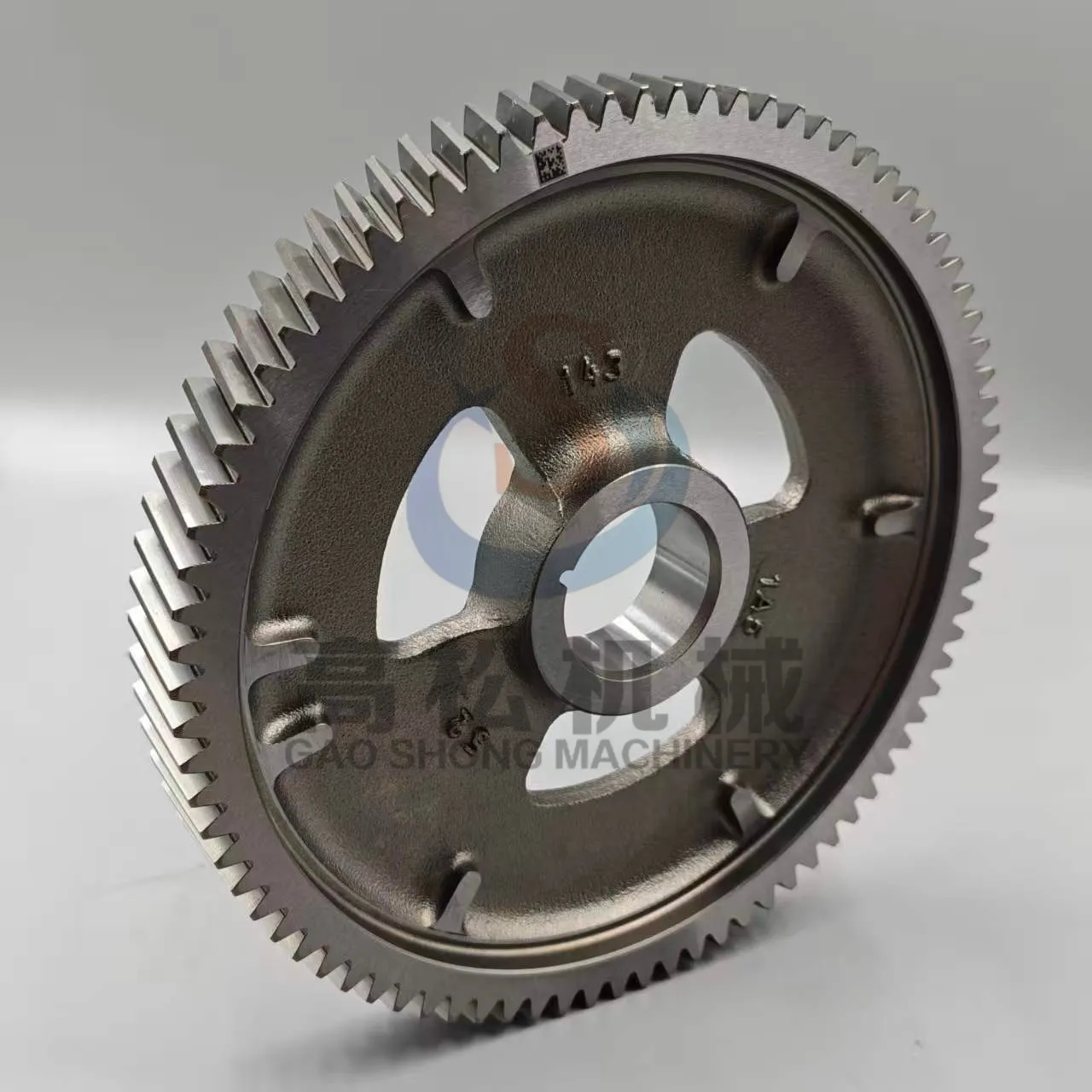 GEAR 6745-41-1131 – KOMATSU
 -
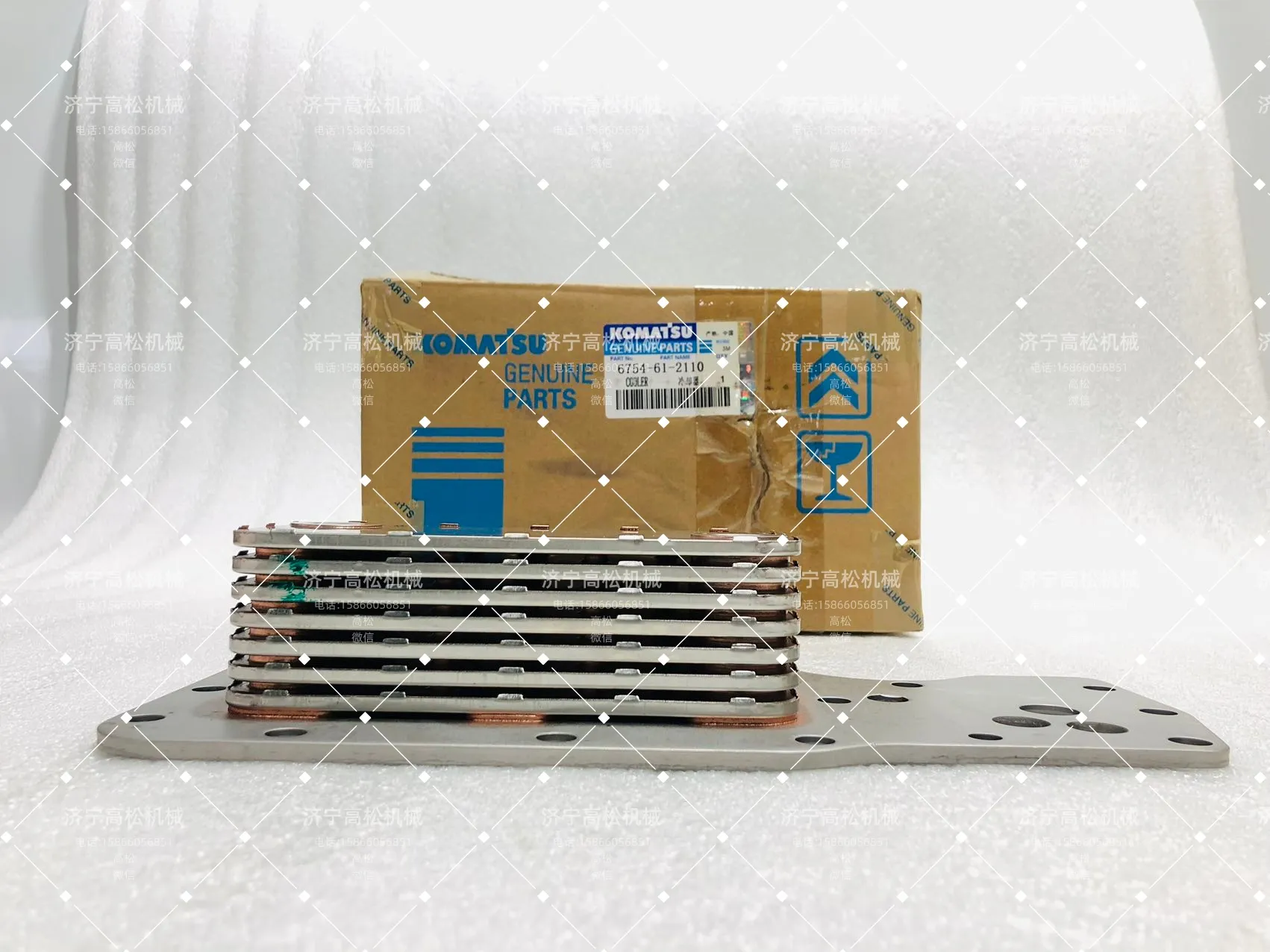 6754-61-2110 komatsu:core CORE, COOLER
 -
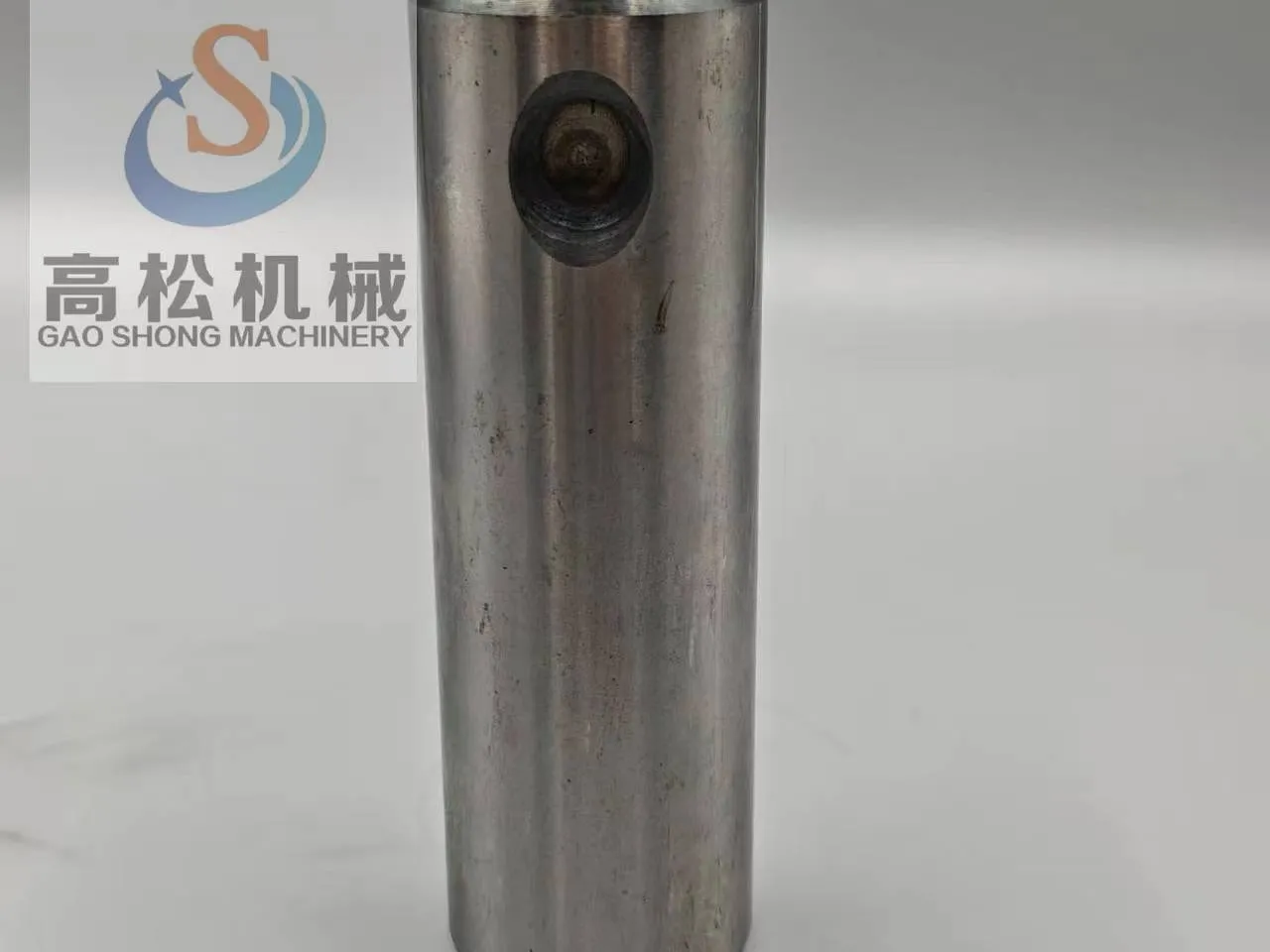 Komatsu Pin, 20Y-27-31160 Komatsu Sales, 20Y-27-31160
 -
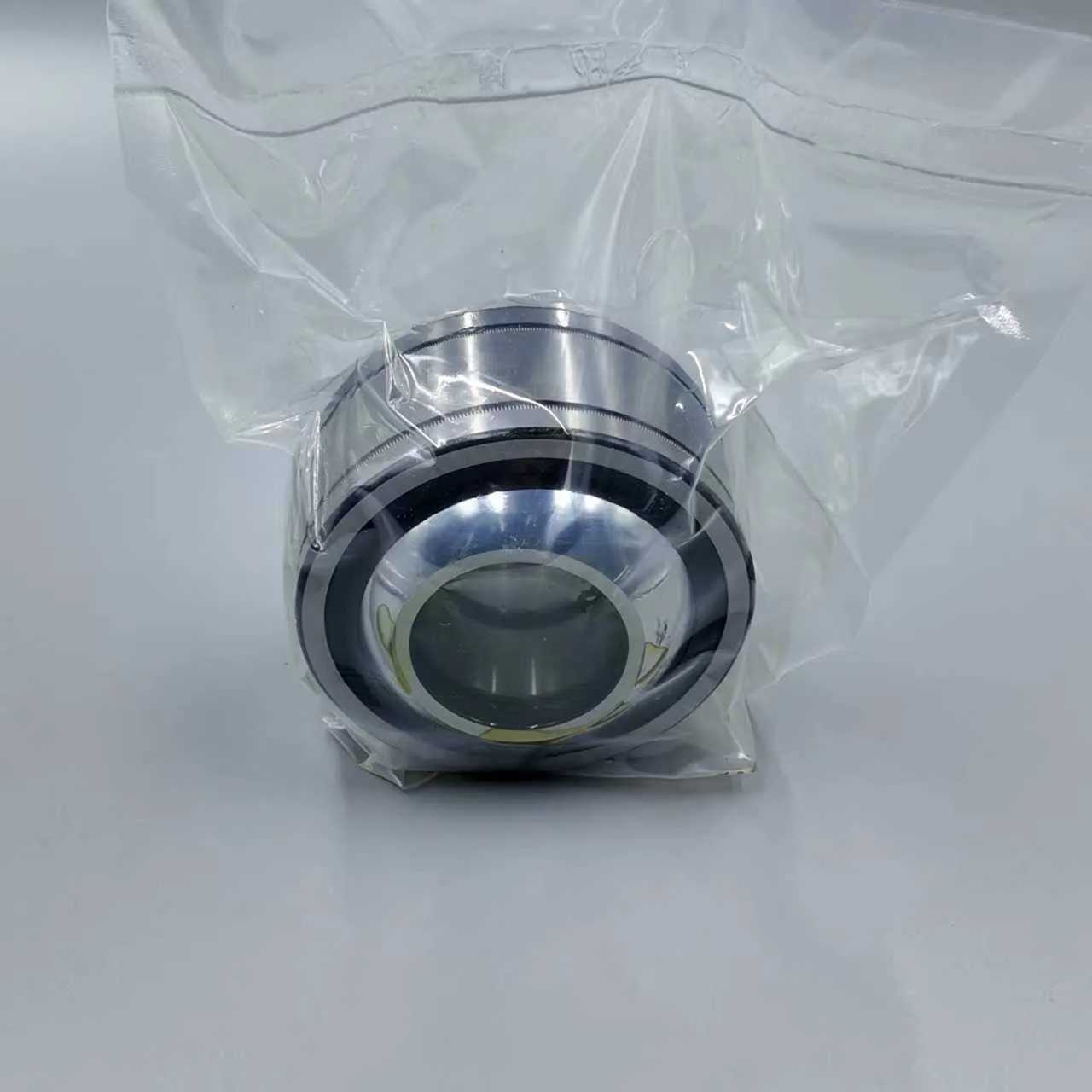 07137-04006 • BUSHING-Komatsu Original Factory
 -
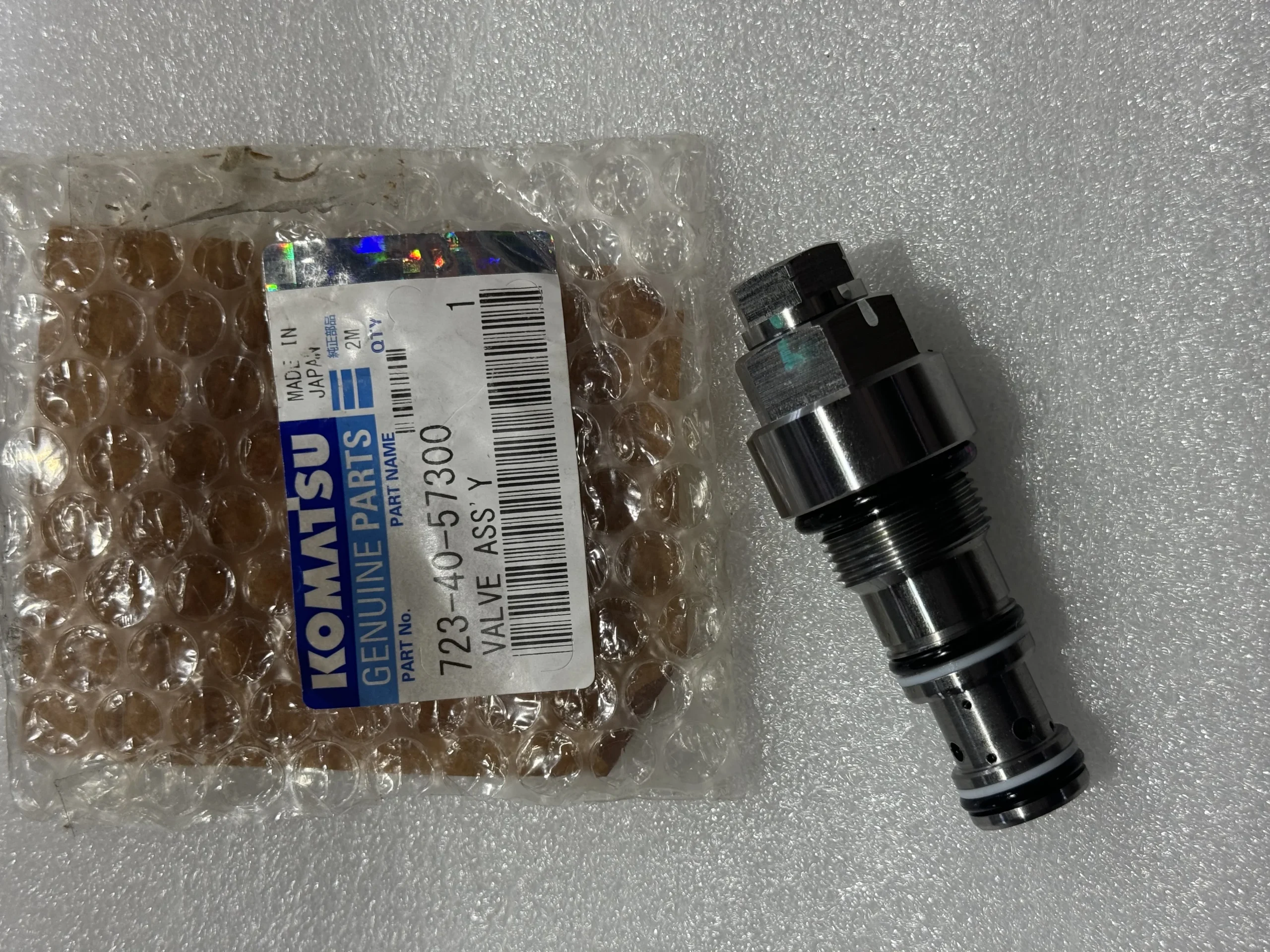 WA480-6 Main Valve 723-40-57300
 -
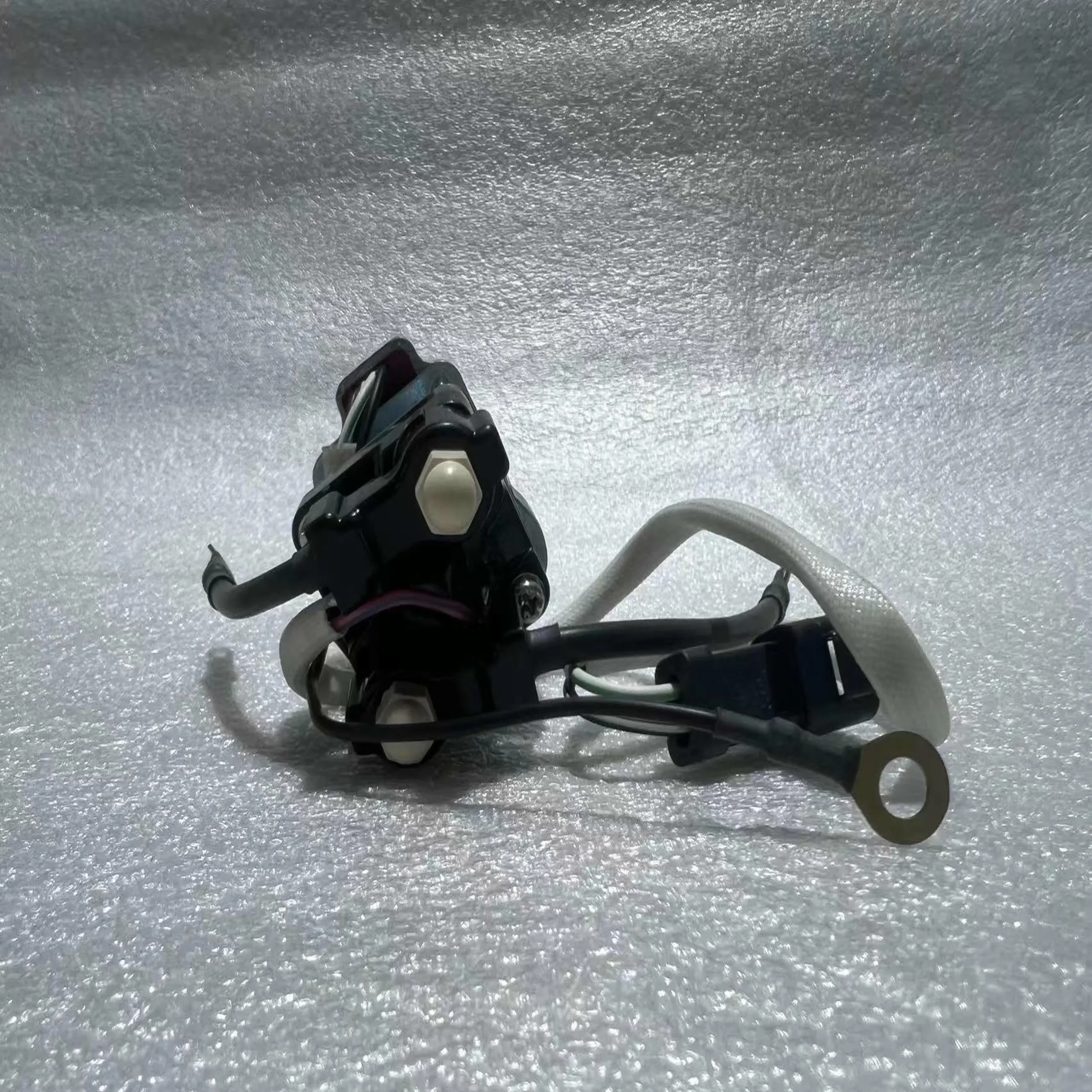 SWITCH ASSEMBLY KD0-25000-8332 – KOMATSUD61EX, D61PX, HM300, HM350, HM400, PC300, PC300HD, PC300LL, PC350LL, PC360, PC400, PC450, PC490, S6D125E, SA6D114E, SA6D125E, SA6D140E, SAA12V140E, SAA6D114E, SAA6D125E, SAA6D140E
 -
 WA200-6 PC350-8 PC200-8用挖掘机接线夹08193-21012
 -
 2A5-43-12861SWITCH 2A5-43-12933LEVER ASSEMBLY 2A5-53-12721Motor Assembly 2A5-54-13421 Rear View Mirror2A5-979-1113 Air conditioning component 2A8-70-13210Pin
 -
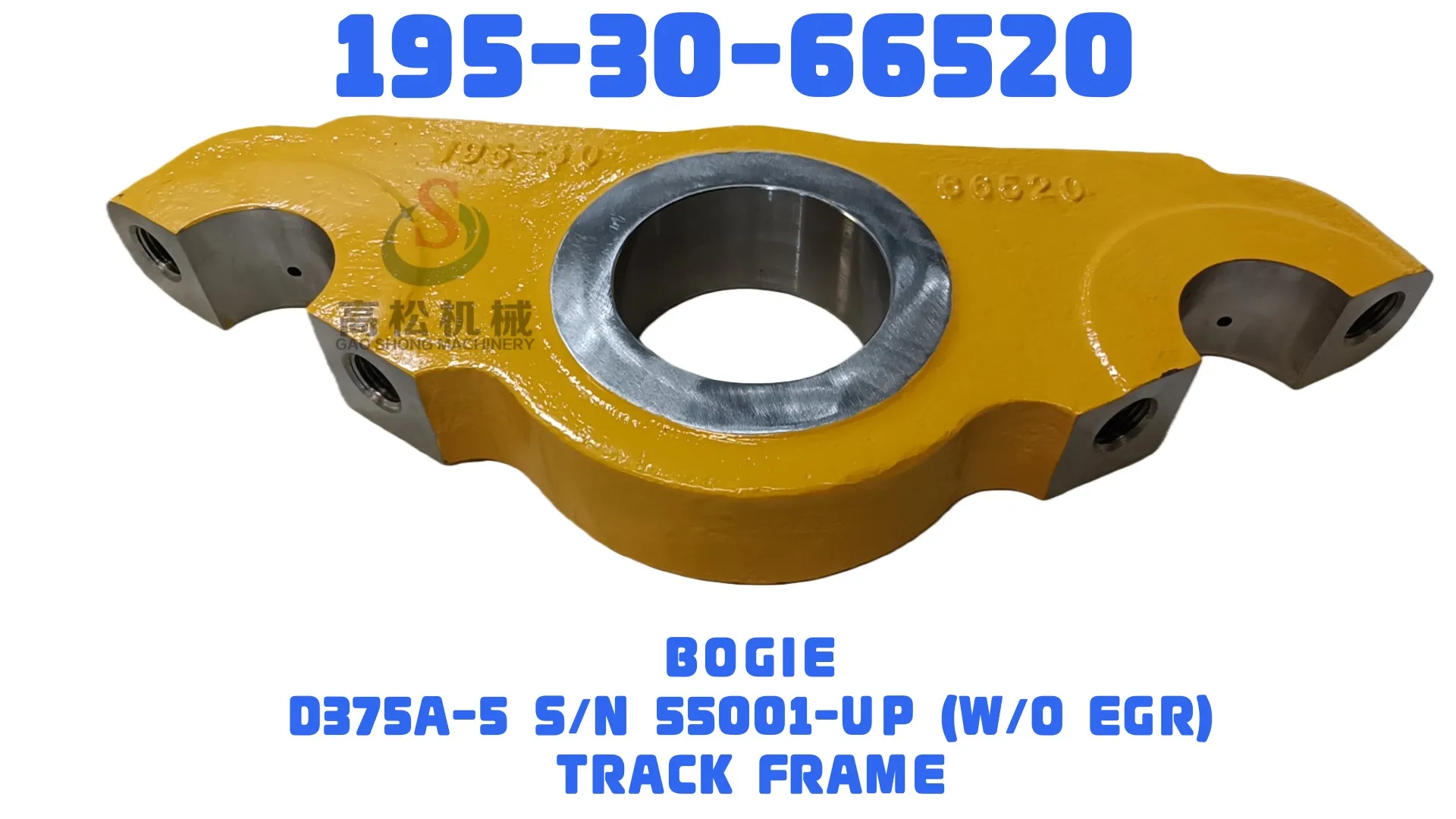 komatsu-part-195-30-66520 17M-30-66122 BOGIE D375A-5 D375A-6 D375A-6R TRACK FRAME (L.H.) BOGIE (L.H.) (FIRST) (FOR FULL ROLLER GUARD) TRACK FRAME, BOGIE, 2ND AND 3RD, L.H.
 -
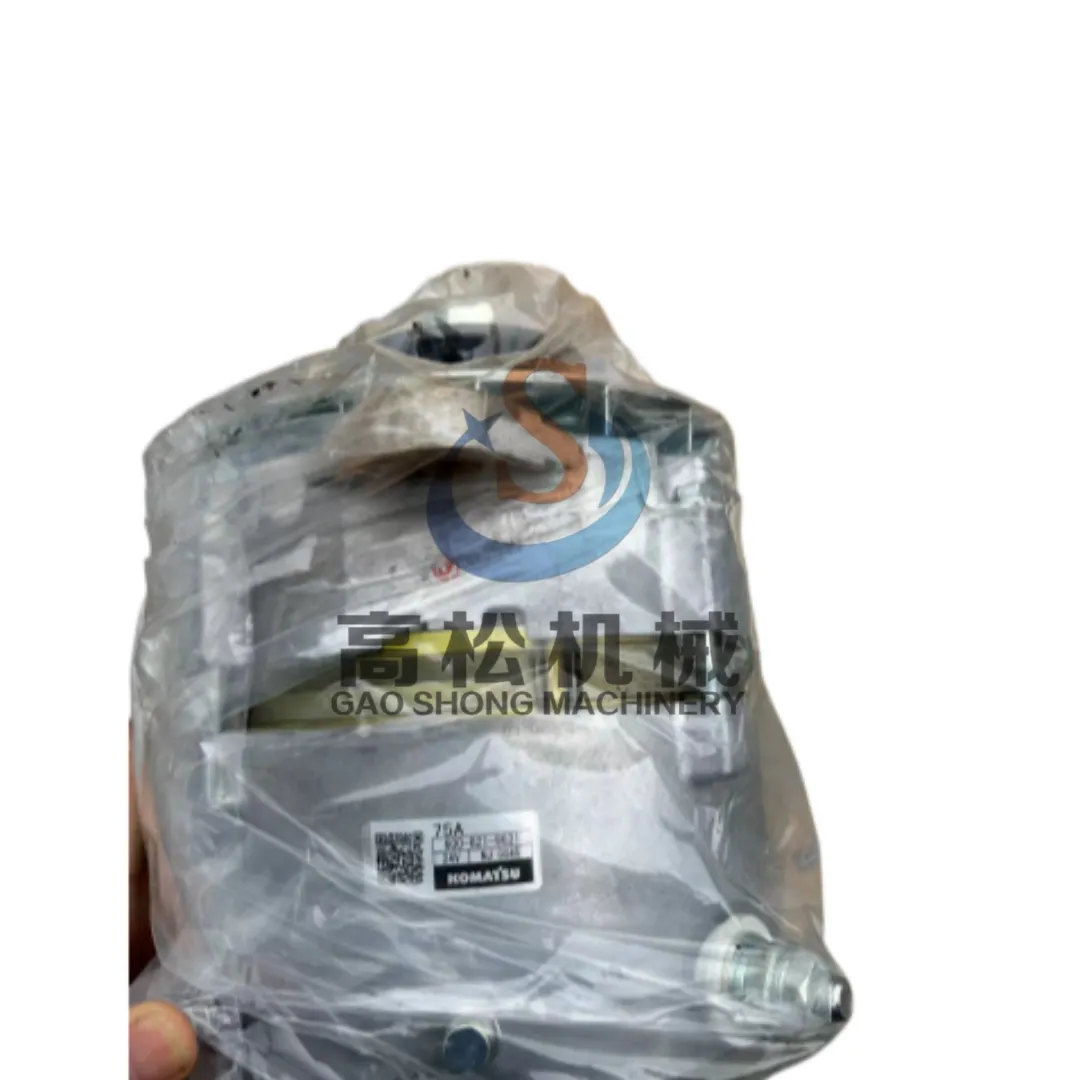 600-821-9631alternator 24v 75a 4096532 4095663 600-821-9631
 -
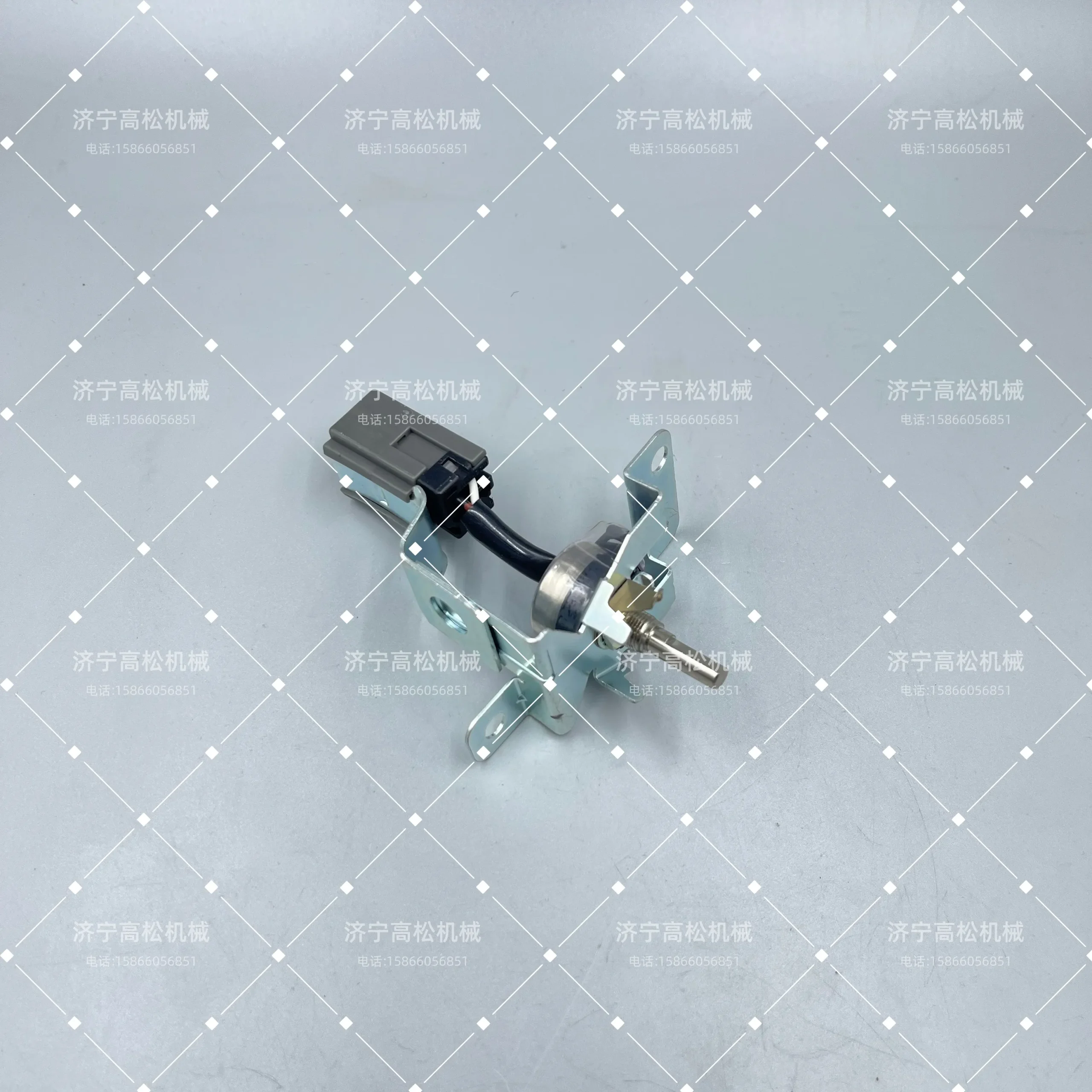 Komatsu PC200-7 PC200-8 Throttle Rotary Knob CAP 22U-06-22420
 -
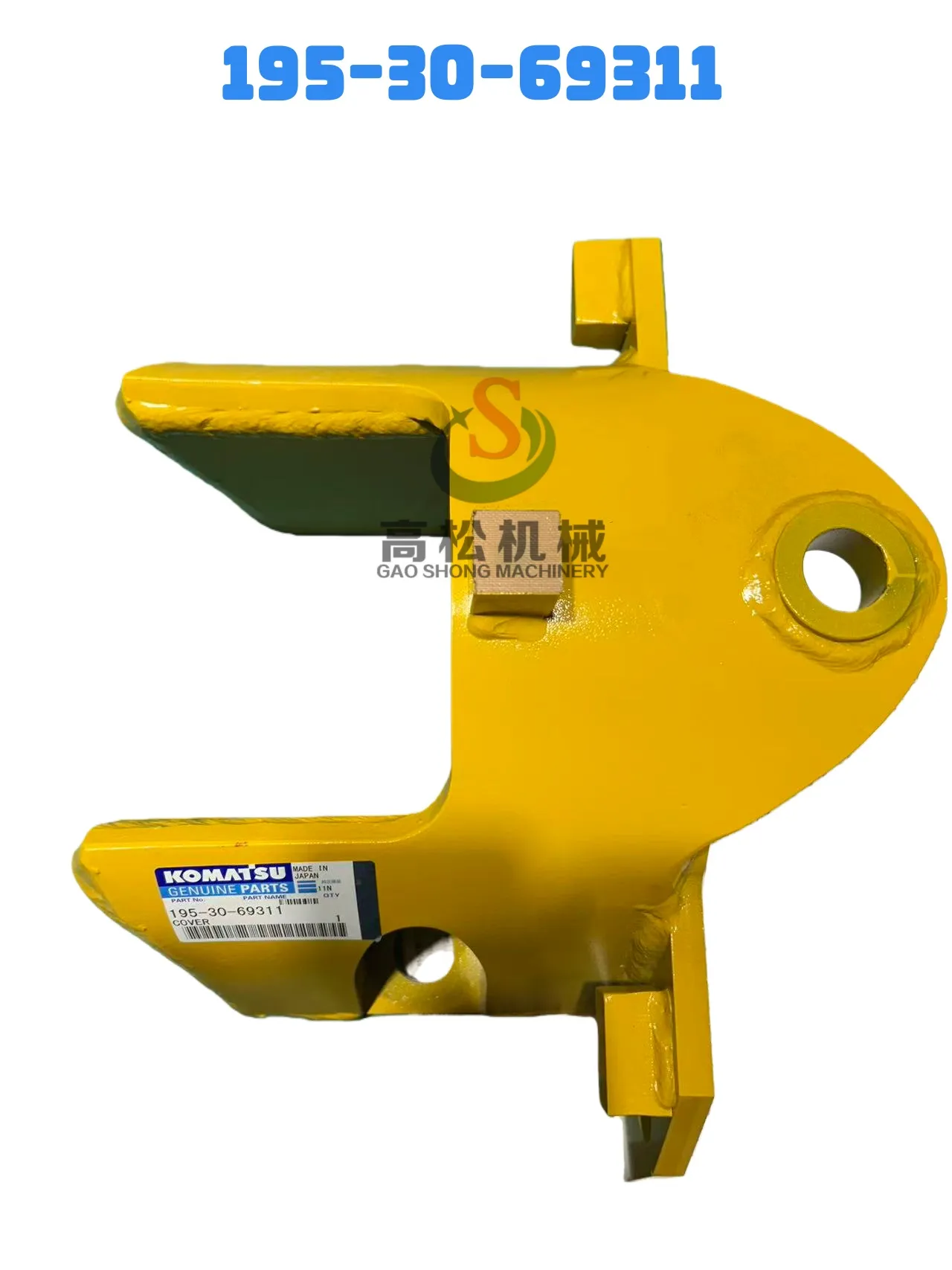 komatsu-part-195-30-69311 INTAKE VALVE ASS’Y S6D102E-1C-Z SAA6D102E-2C-8 WA320-3 S6D102E-1K S6D102E-1BB EGS120-6 S6D102E-1 4D102E-1B-1 WA250-5 WA200-5 WA200PT-5 708 & 710 PC200LC-6LE DCA-125SSK S6D102E-G-1D4 TD-7H CYLINDER HEAD FIG. A1103-A1A3 CYLINDER HEAD