
- Chinese
- French
- German
- Portuguese
- Spanish
- Russian
- Japanese
- Korean
- Arabic
- Irish
- Greek
- Turkish
- Italian
- Danish
- Romanian
- Indonesian
- Czech
- Afrikaans
- Swedish
- Polish
- Basque
- Catalan
- Esperanto
- Hindi
- Lao
- Albanian
- Amharic
- Armenian
- Azerbaijani
- Belarusian
- Bengali
- Bosnian
- Bulgarian
- Cebuano
- Chichewa
- Corsican
- Croatian
- Dutch
- Estonian
- Filipino
- Finnish
- Frisian
- Galician
- Georgian
- Gujarati
- Haitian
- Hausa
- Hawaiian
- Hebrew
- Hmong
- Hungarian
- Icelandic
- Igbo
- Javanese
- Kannada
- Kazakh
- Khmer
- Kurdish
- Kyrgyz
- Latin
- Latvian
- Lithuanian
- Luxembou..
- Macedonian
- Malagasy
- Malay
- Malayalam
- Maltese
- Maori
- Marathi
- Mongolian
- Burmese
- Nepali
- Norwegian
- Pashto
- Persian
- Punjabi
- Serbian
- Sesotho
- Sinhala
- Slovak
- Slovenian
- Somali
- Samoan
- Scots Gaelic
- Shona
- Sindhi
- Sundanese
- Swahili
- Tajik
- Tamil
- Telugu
- Thai
- Ukrainian
- Urdu
- Uzbek
- Vietnamese
- Welsh
- Xhosa
- Yiddish
- Yoruba
- Zulu
- Kinyarwanda
- Tatar
- Oriya
- Turkmen
- Uyghur






komatsu 4 cylinder engine
When you hear 'Komatsu 4 cylinder engine', most folks immediately picture the workhorse in a mid-size excavator or a wheel loader, and they're not wrong. But there's a common oversimplification there—thinking they're all the same, just a block with four holes. In reality, the specific application, the generation of the machine, and even the regional emissions standards create a world of difference between, say, an SAA4D95LE in a PC78US and an S4D in an older WA model. The durability is legendary, but that doesn't mean they're immune to context-specific gremlins.
The Core of the Matter: More Than Just Displacement
Let's get specific. Take the SAA4D95LE series. It's a 3.3-liter, four-cylinder, common-rail diesel you'll find in a lot of the -8 and -10 series compact machines. The torque curve is what makes it—good low-end grunt for digging without immediately screaming at high RPM. But here's a practical nuance everyone learns the hard way: the engine mounting brackets on these are incredibly stiff. Great for reducing vibration in the machine frame, but if you've ever had to replace one after a minor off-center lift, you know the alignment is a nightmare. It's not just unbolt and bolt on; you're often dealing with tenths-of-a-millimeter shims. A shop that just slaps it on will have a vibrating machine back in a month.
The cooling system on these is another point of real-world friction. Komatsu often uses a combined hydraulic oil cooler and engine radiator stack. In dusty conditions—think demolition or dry quarry work—the fins clog up fast. The engine temp gauge might be fine, but the hydraulic system overheats because the upstream radiator section is blocked. I've seen too many mechanics chase hydraulic issues when the root cause was just a layer of compacted dirt between the two cooler cores. A pressure washer won't cut it; you need to separate the stack, which is a several-hour job nobody budgets for on a routine service.
Then there's the fuel system. The common-rail on these is robust, but it's sensitive to poor-quality fuel and water contamination in a way the older, mechanically injected S4D engines weren't. The rail pressure sensor is a frequent failure point if the fuel filter isn't changed religiously. The symptom? Derated power, error codes, but it often comes and goes. It tricks you into thinking it's an intermittent electrical fault. The fix is simple, but the diagnosis can waste a day if you don't start with the basics. This is where having a direct line to genuine parts and support, like through an OEM-aligned supplier such as Jining Gaosong Construction Machinery Co., Ltd., becomes critical. They operate at https://www.takematsumachinery.com and their role as a Komatsu system supplier means they understand that a failed sensor isn't just a part number—it's a machine down on a remote site.
Application Realities and the Parts Puzzle
You can't talk about these engines without talking about the machines they're in. The PC78 excavator uses one, but so does the WB93R wheel loader. The load profile is completely different. The excavator engine sees rapid, constant RPM swings. The wheel loader engine often runs at a more constant high RPM for loading cycles. This affects wear patterns. We see more turbocharger issues on the constant high-speed applications, and more issues with the EGR valve clogging on the excavators that do a lot of low-idle, high-load work.
A real case that sticks with me was a fleet of PC138US excavators with the SAA4D107E engine. They developed a persistent oil consumption issue around the 8,000-hour mark. Not blow-by, not leaking seals. After tearing down a couple, we found the piston ring lands were coking up with carbon, causing the oil control rings to stick. The root cause? Extended oil change intervals pushed by a cost-saving fleet manager, combined with long periods of idle time in cold weather. The fix wasn't a rebuild kit; it was an operator and maintenance procedure change, and using a specific low-ash engine oil Komatsu recommended for that particular duty cycle. It highlighted that the Komatsu 4 cylinder engine design expects a certain level of care.
This is exactly the scenario where third-party parts support companies prove their worth. When a standard dealer network is sparse or slow in certain regions, getting the right OEM-spec oil filter or a genuine gasket set quickly is the difference between a 24-hour turnaround and a week of downtime. A company like Jining Gaosong, which positions itself as solving parts supply challenges, isn't just a warehouse; they provide the correct, application-specific component. Their company description—being an OEM product supplier within Komatsu's system—means they have access to the technical bulletins that would flag that specific oil recommendation for the SAA4D107E, not just a generic alternative.
The Evolution and the Good Old Days Myth
There's always nostalgia for the older, mechanically governed engines like the 4D95. They just ran forever, guys say. And they did, but with about 20% less fuel efficiency and 200% more black smoke. The modern electronic 4 cylinder engine from Komatsu is a marvel of efficiency, but it trades mechanical simplicity for electronic complexity. The Engine Control Module (ECM) is now the brain, and it needs clean power and clean data.
I remember a retrofit project where we tried to put a newer SAA4D95LE into an older machine frame that originally had a 4D95. It wasn't just a bolt-in. The wiring harness was a custom job, the cooling circuit needed rerouting, and the ECM needed to be programmed to talk to the machine's existing hydraulic controller. We got it working, but the lesson was that the engine is no longer an isolated component; it's a deeply integrated system. The cooling fan speed, for instance, is now ECM-controlled based on a half-dozen inputs, not just a thermostatic clutch.
This integration makes after-sales support and parts provenance non-negotiable. A non-genuine sensor might read close enough to work, but if its signal drift is at the edge of the tolerance, the ECM might derate the engine as a precaution. You chase ghosts for days. Sourcing from a supplier embedded in the Komatsu ecosystem mitigates this. It ensures the replacement part, even if it's a service part, meets the exact engineering spec the system expects.
Failures and Diagnostic Traps
Not every story is a success. We had a situation with a Komatsu backhoe loader that kept throwing intermittent codes for low fuel rail pressure. We replaced the rail pressure sensor, the fuel filter, even the supply pump. The problem persisted. After days, we found it: a nearly invisible hairline crack in the hard line from the filter to the pump, which would only suck in a tiny amount of air under specific vibration conditions. The diagnostic computer showed the symptom (low pressure) but couldn't point to the cause (air intrusion). The manual's troubleshooting flowchart just led us in circles. It was old-school mechanics—listening, feeling, and systematic isolation—that solved it.
Another trap is over-reliance on generic diagnostic tools. Komatsu's proprietary software, like Komtrax or the dealer-level diagnostics, can read sub-system parameters that generic OBD readers can't. For example, it can show the commanded vs. actual position of the variable geometry turbo actuator. If you're just reading generic P-codes, you miss the nuance that the turbo vane mechanism is getting sluggish, not failed. This level of support is what separates a parts seller from a technical partner. A supplier that understands the system, as noted on the Takematsu Machinery site about solving supply challenges, implies they understand these diagnostic layers, not just the physical part.
These experiences cement a simple rule: always respect the system. The Komatsu 4 cylinder engine is a masterpiece of modern engineering, designed for a specific operational envelope. Pushing it beyond that, or maintaining it with indifference, will expose its complexities. But when supported with the right knowledge, the right procedures, and the right parts channel, it's one of the most reliable power plants you can put in a piece of iron. It's not about being bulletproof; it's about being understandable and serviceable by those who take the time to learn its language.
The Supply Chain as a Critical Component
Finally, all this technical talk is irrelevant if you can't get the parts. In remote operations or countries where the main dealer network is thin, machine uptime hinges on logistics. An engine doesn't fail on a schedule. When a fuel injector goes on a Friday afternoon, waiting until Monday for a dealer to open, and then another week for the part to ship, is a financial disaster.
This is the practical value of a company like Jining Gaosong. Their model as an OEM supplier and third-party sales channel fills a crucial gap. They're not just an alternative; they're an extension of the support network. For a fleet manager running a dozen machines with these engines, knowing there's a direct line to a supplier who knows the difference between an injector for a PC78 and one for a WB93R—and can get it on a plane—is as important as the mechanic's skill. Their website, Takematsu Machinery, states their role clearly: helping solve parts supply challenges. In the real world, that translates to understanding lead times, customs, and having the technical back-office to confirm part numbers, preventing costly wrong-part shipments.
So, when you're evaluating a Komatsu 4 cylinder engine, whether for a purchase, a rebuild, or maintaining a fleet, look at the whole ecosystem. The iron itself is just the start. Your success depends on the operational practices, the diagnostic depth, and perhaps most critically, the reliability and intelligence of your parts pipeline. The engine is designed to work as part of a system, and your support network needs to be systematic too.
Related Products
Related Products

Best Selling Products
Best Selling Products-
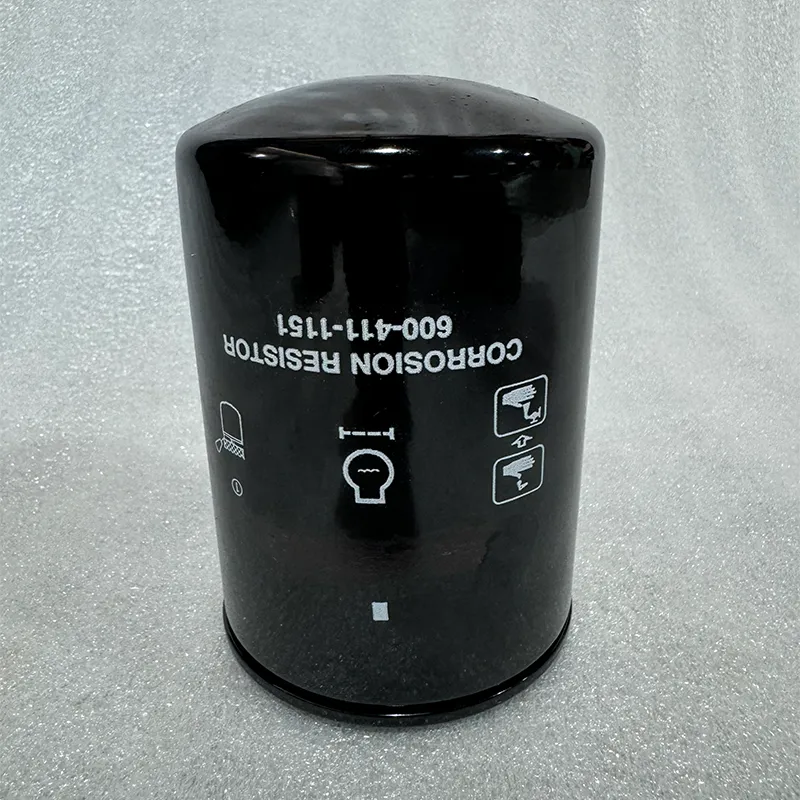 Original komatsu WA320-3 filter element 600-411-1151
 -
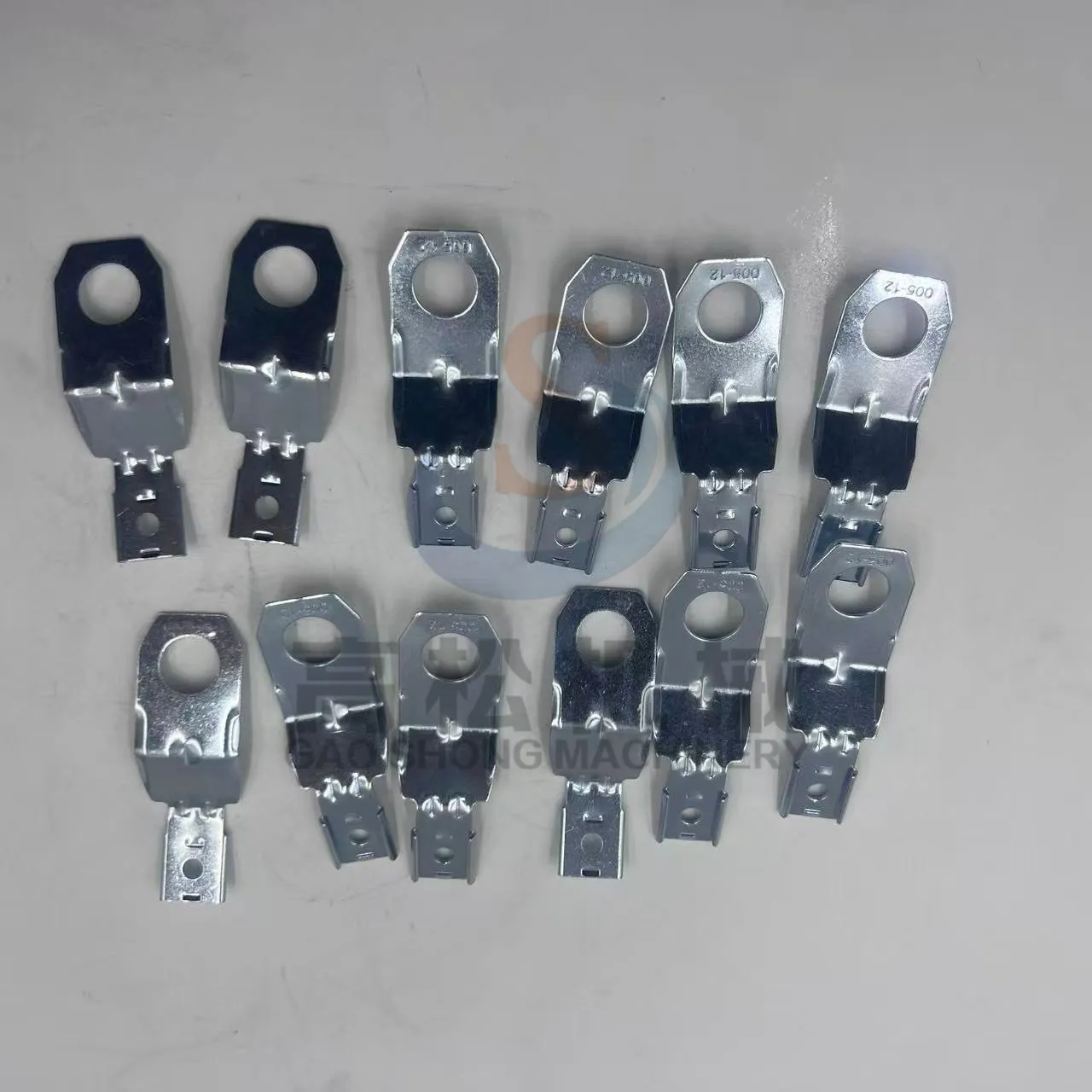 08193-21012 Clip (Komatsu)
 -
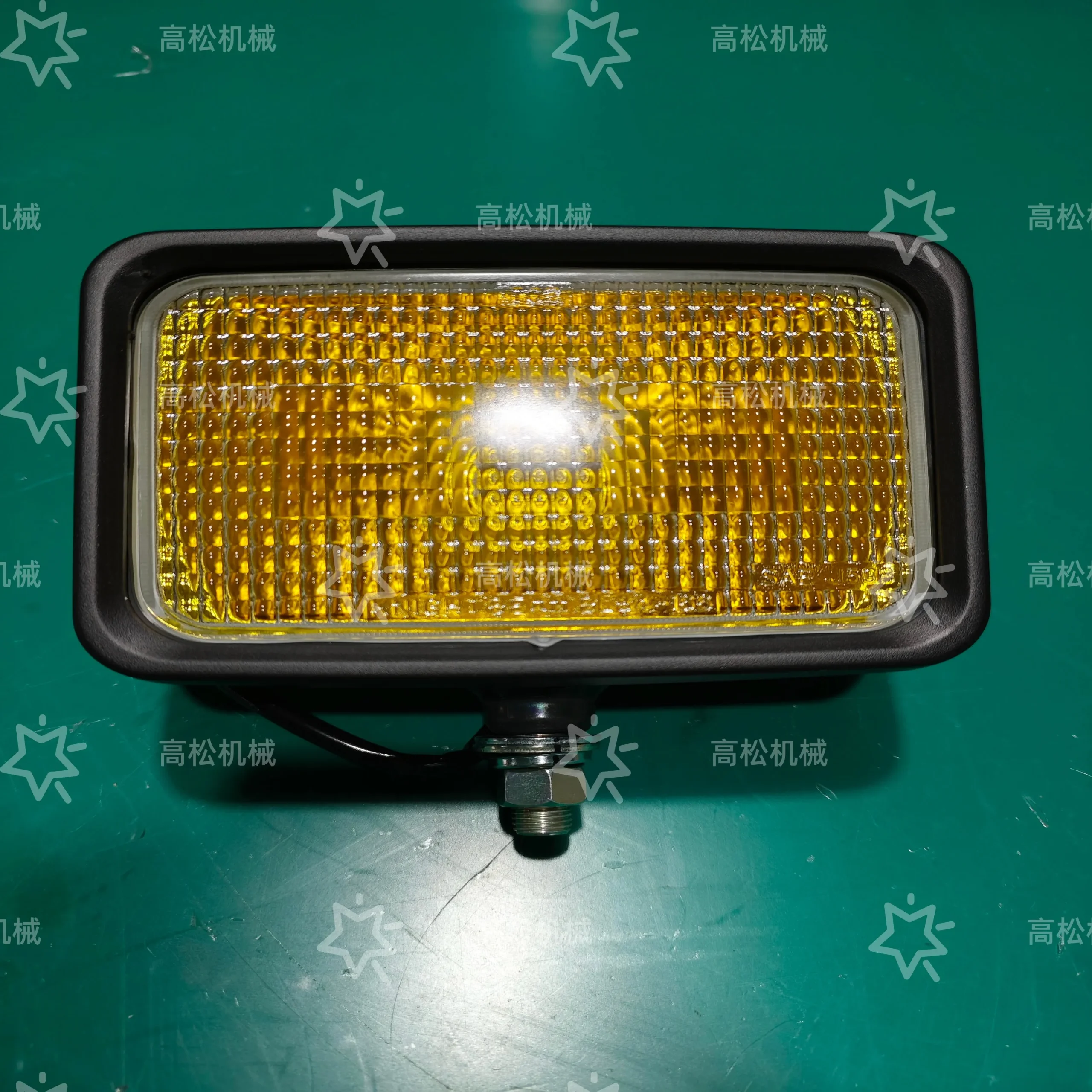 22T-06-24110Hd350 2 Front Light Lamp 22t 06 24110
 -
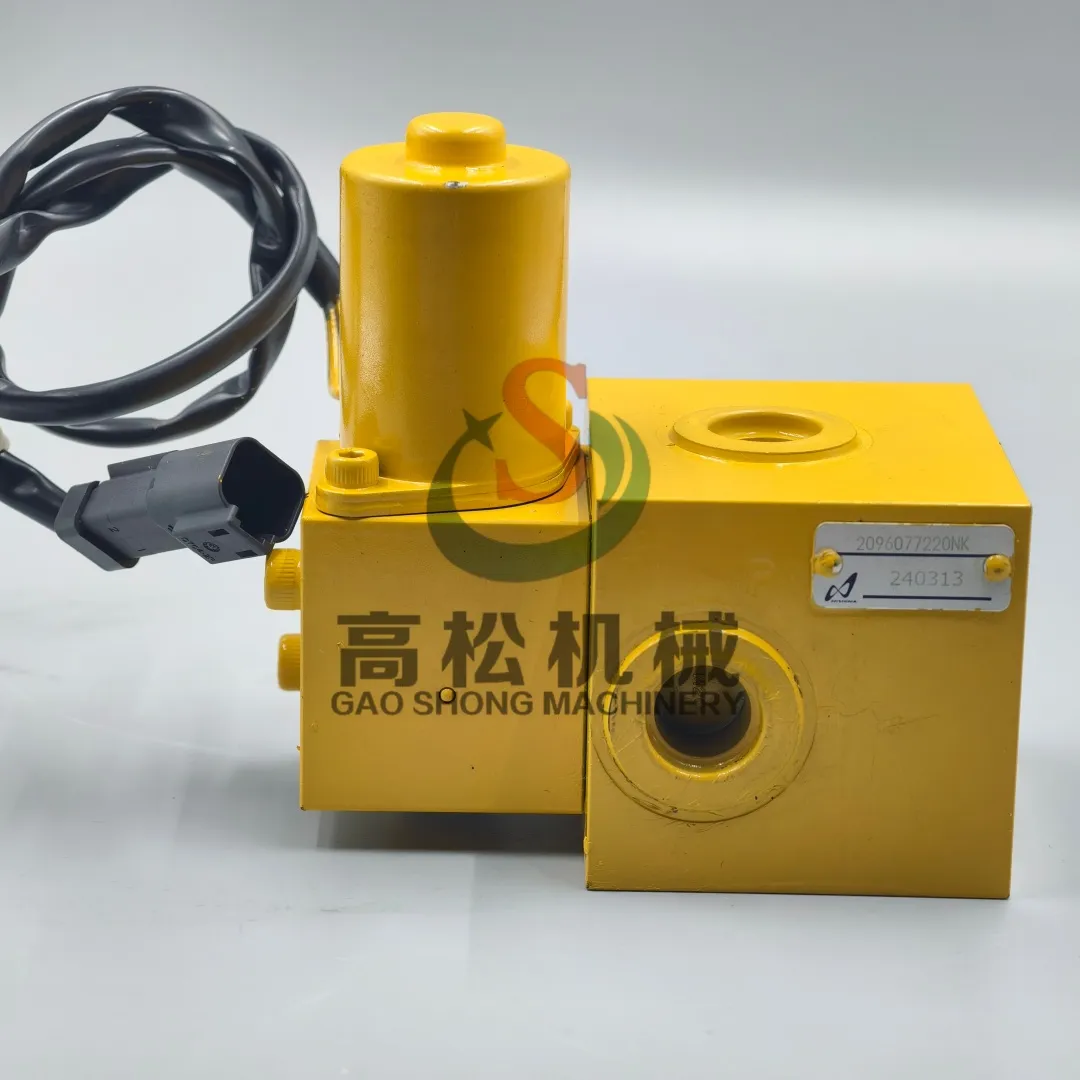 Solenoid Valve 209-60-77220 for PC1250-8 PC800-8 PC600-8 Excavator
 -
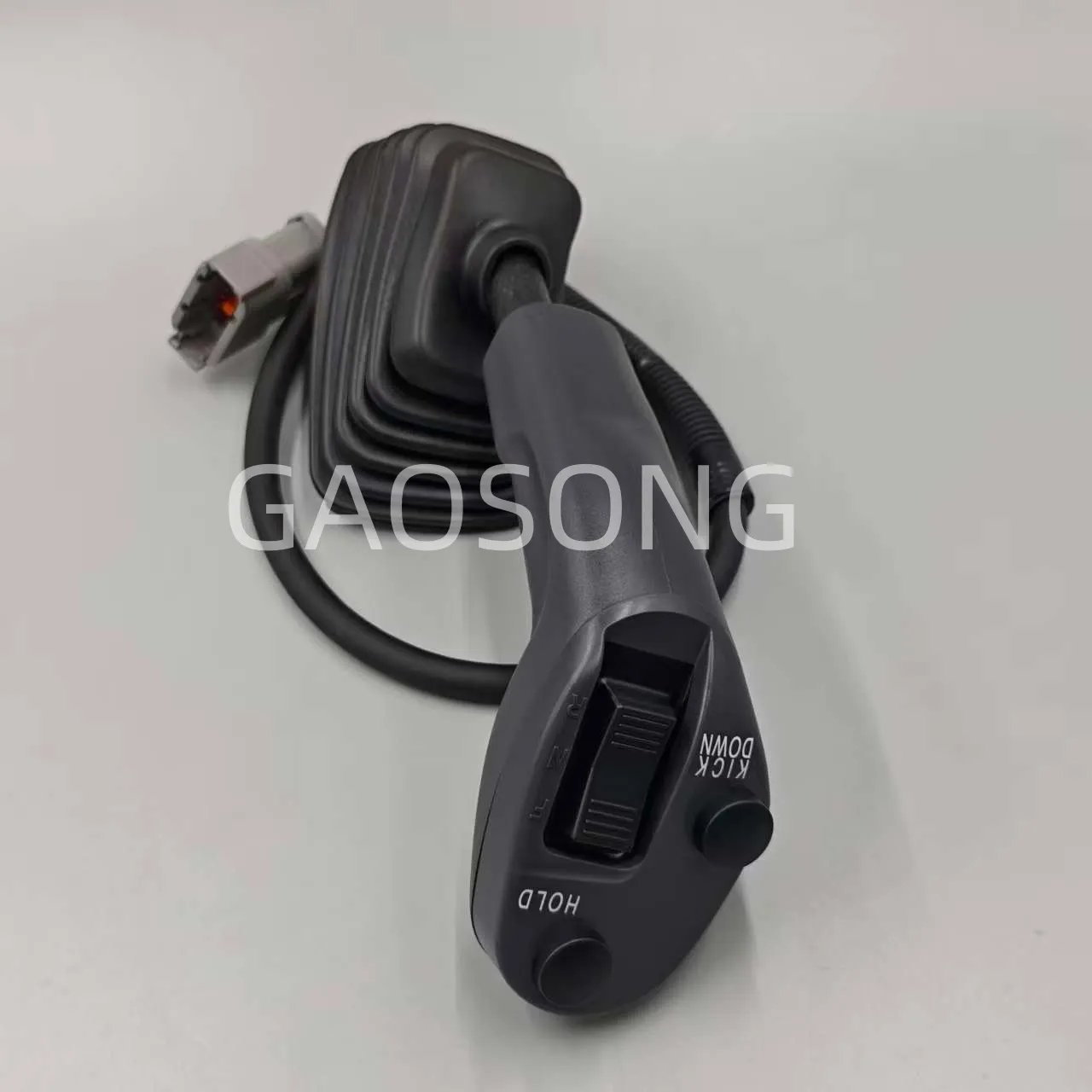 423-V91-4144 Lever Assembly-Komatsu Original Factory
 -
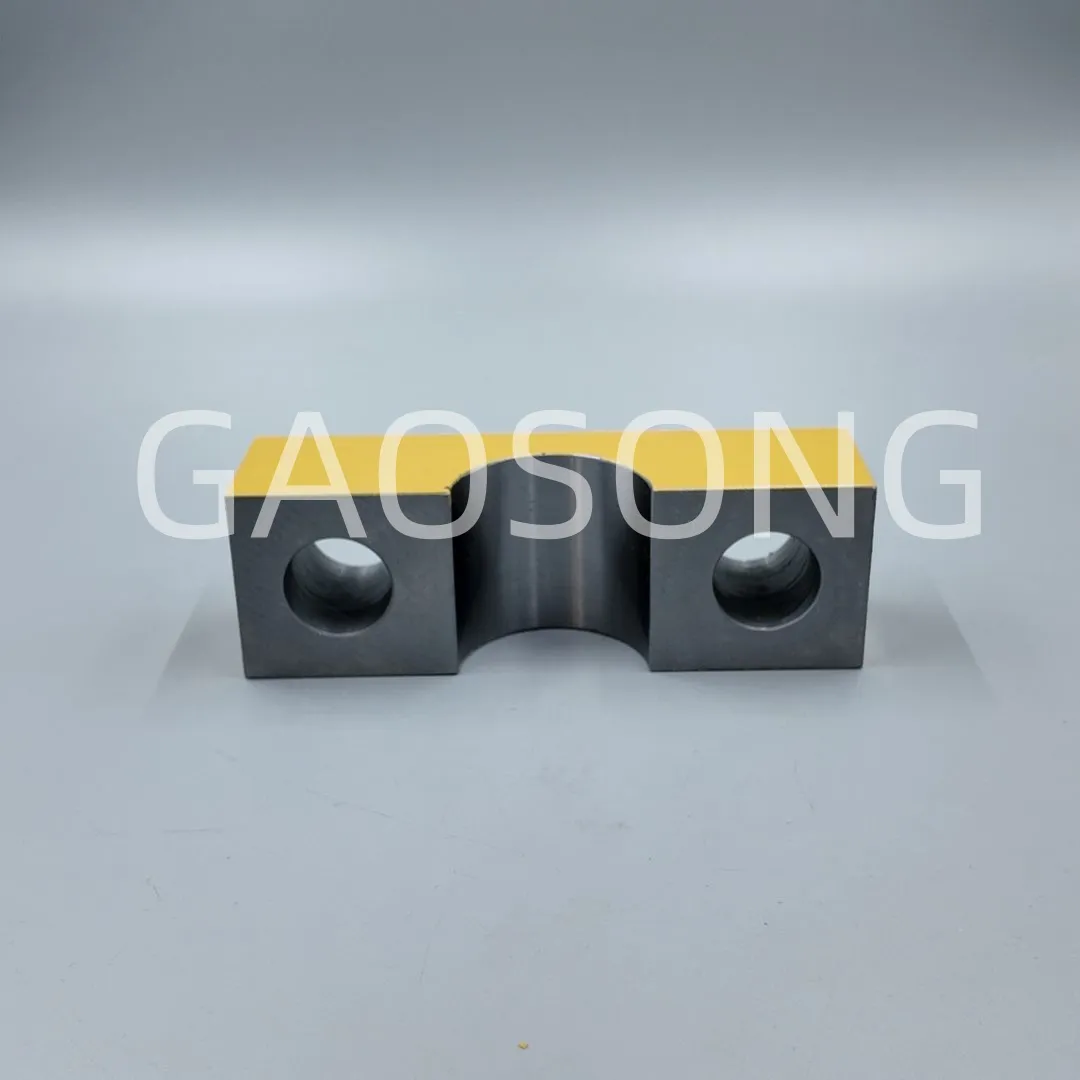 56B-50-12150 Komatsu Plate
 -
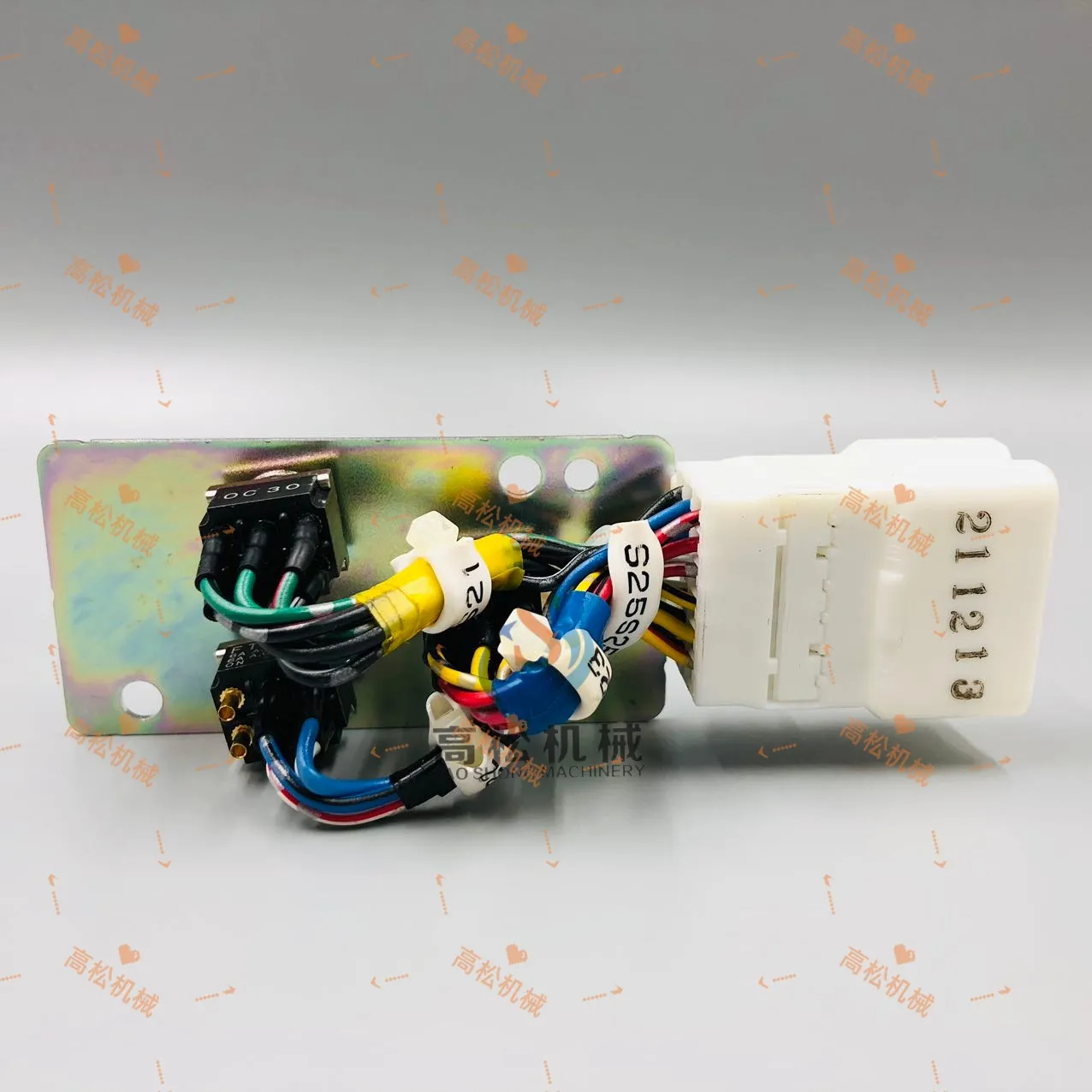 22u-06-22370 Komatsu PC228us-3 SWITCH ASS’Y submit for PC200LL, PC220LL, PC228, PC228US, PC270, PC270LL, PC300, PC300HD, PC300L, PC340, PC350, PC380
 -
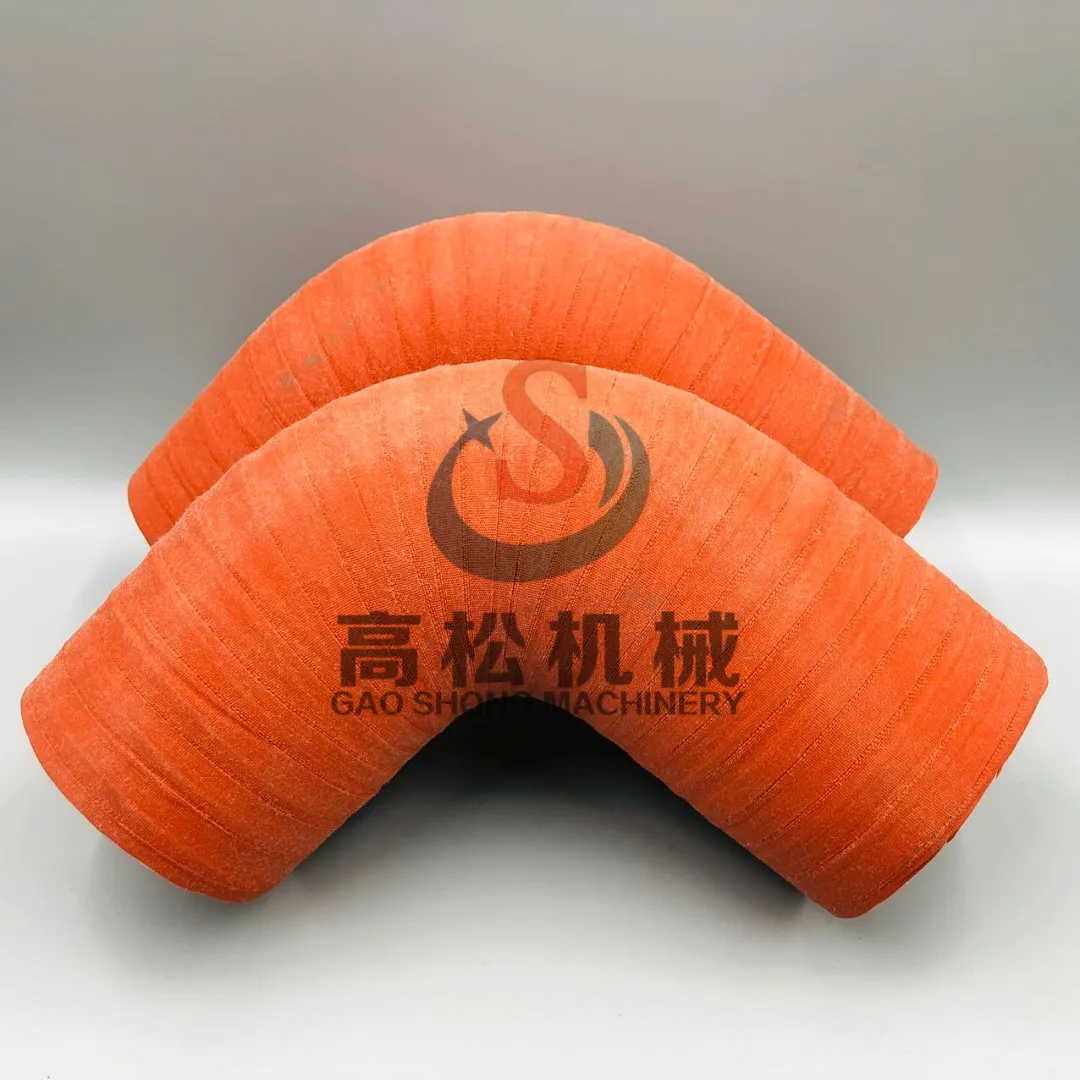 Hose 6743-11-4931 6743114931 Fits For Komatsu PC300 PC300HD PC340 PC350 PC360
 -
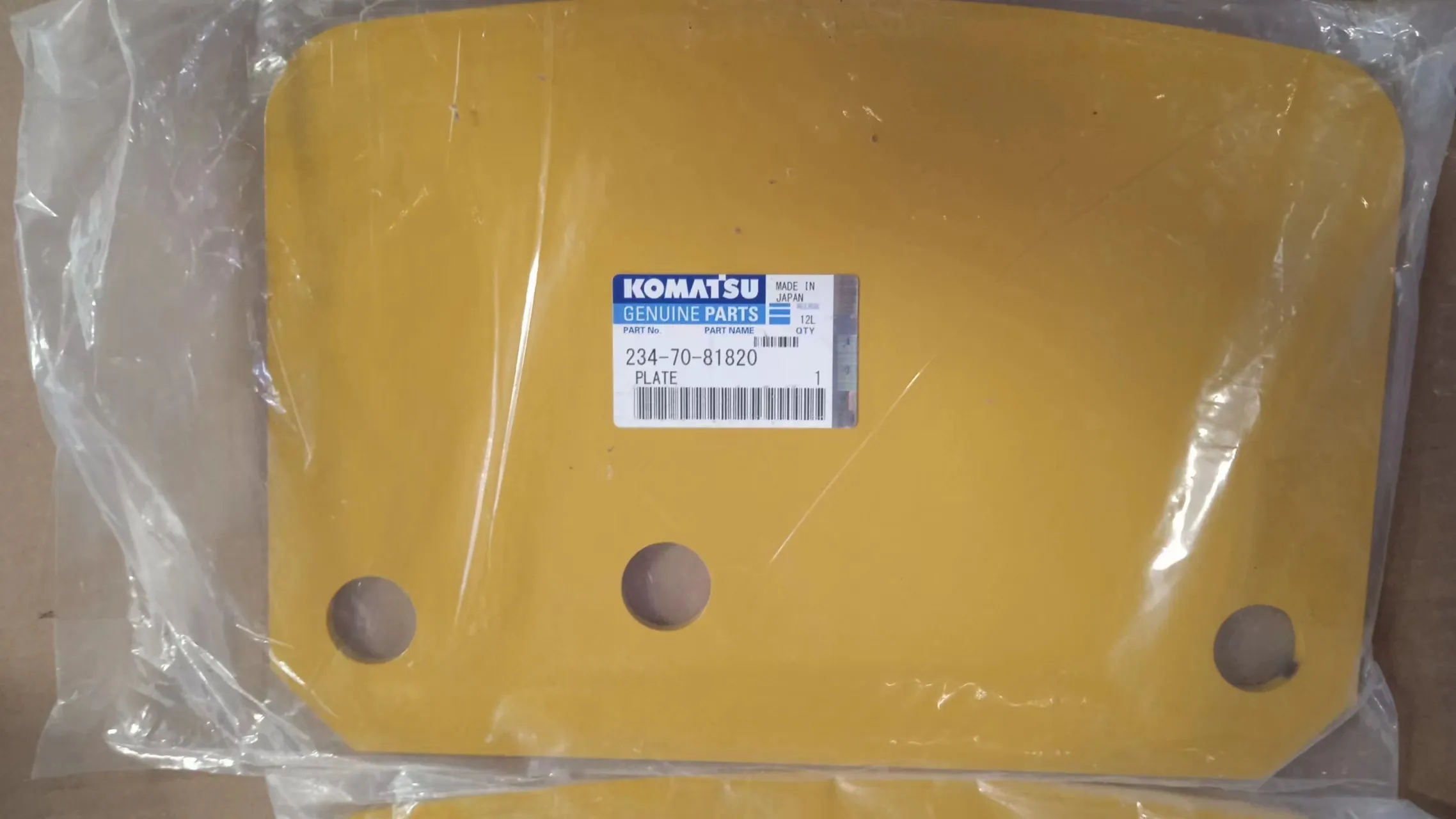 GD705-5 metal plate 234-70-81820
 -
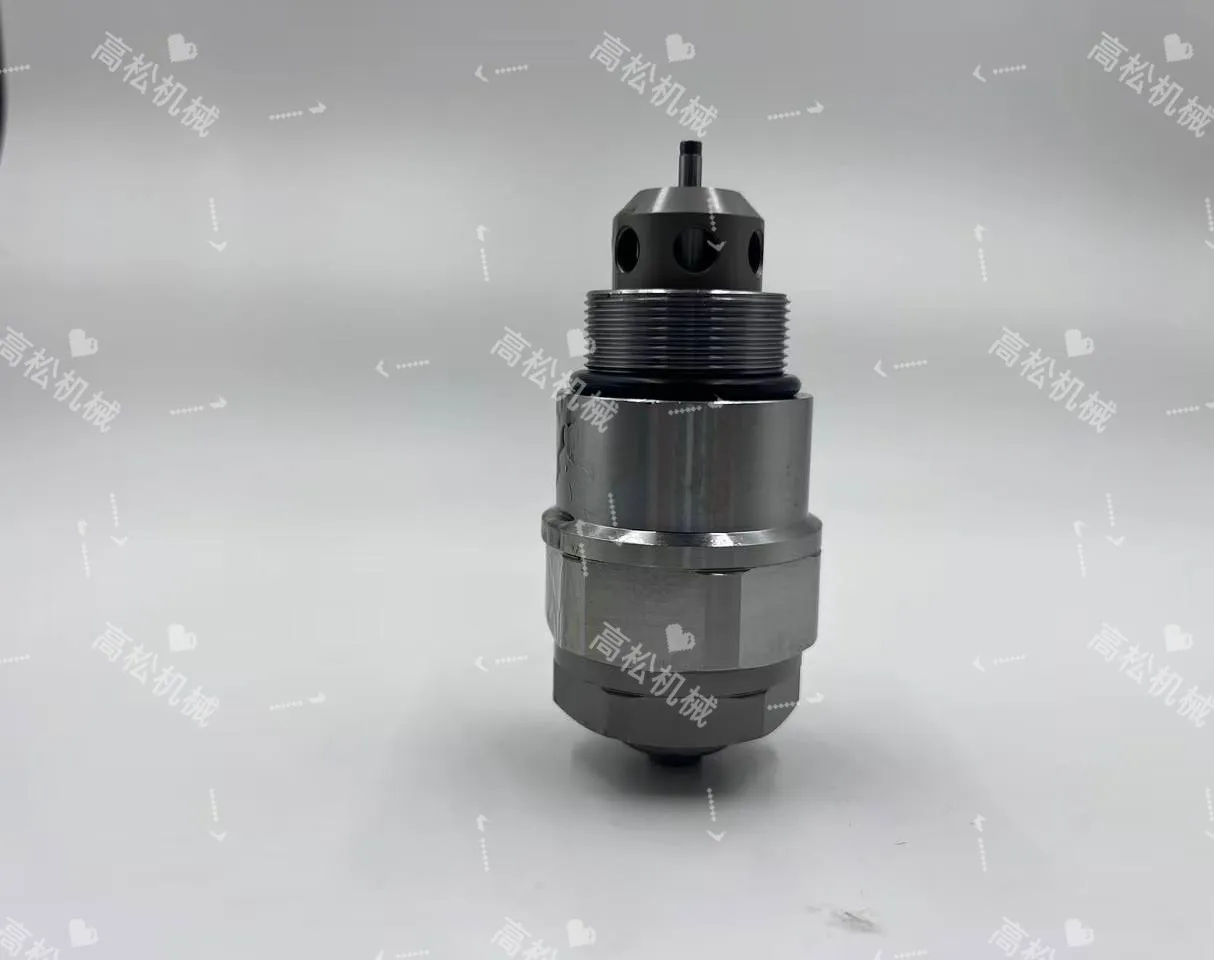 709-90-71700VALVE ASS’Y,SUCTION AND SAFETY D155A-2A CONTROL VALVE VALVE ASS’Y,SUCTION AND SAFETY PC1250SP-8R MAIN VALVE
 -
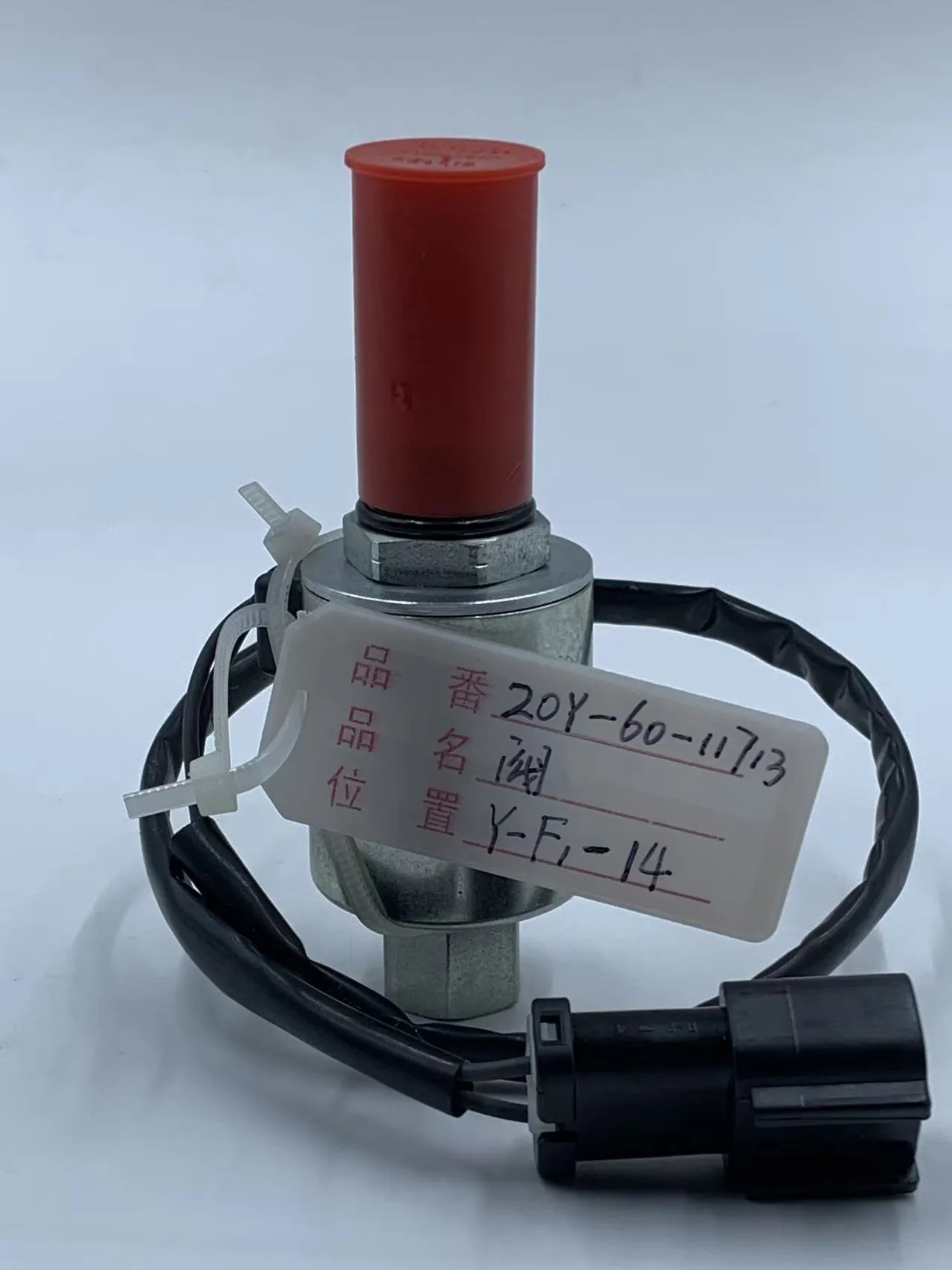 New Swing Solenoid Valve 20Y-60-11713 Excavator Parts for KOMATSU PC200-5 6D95
 -
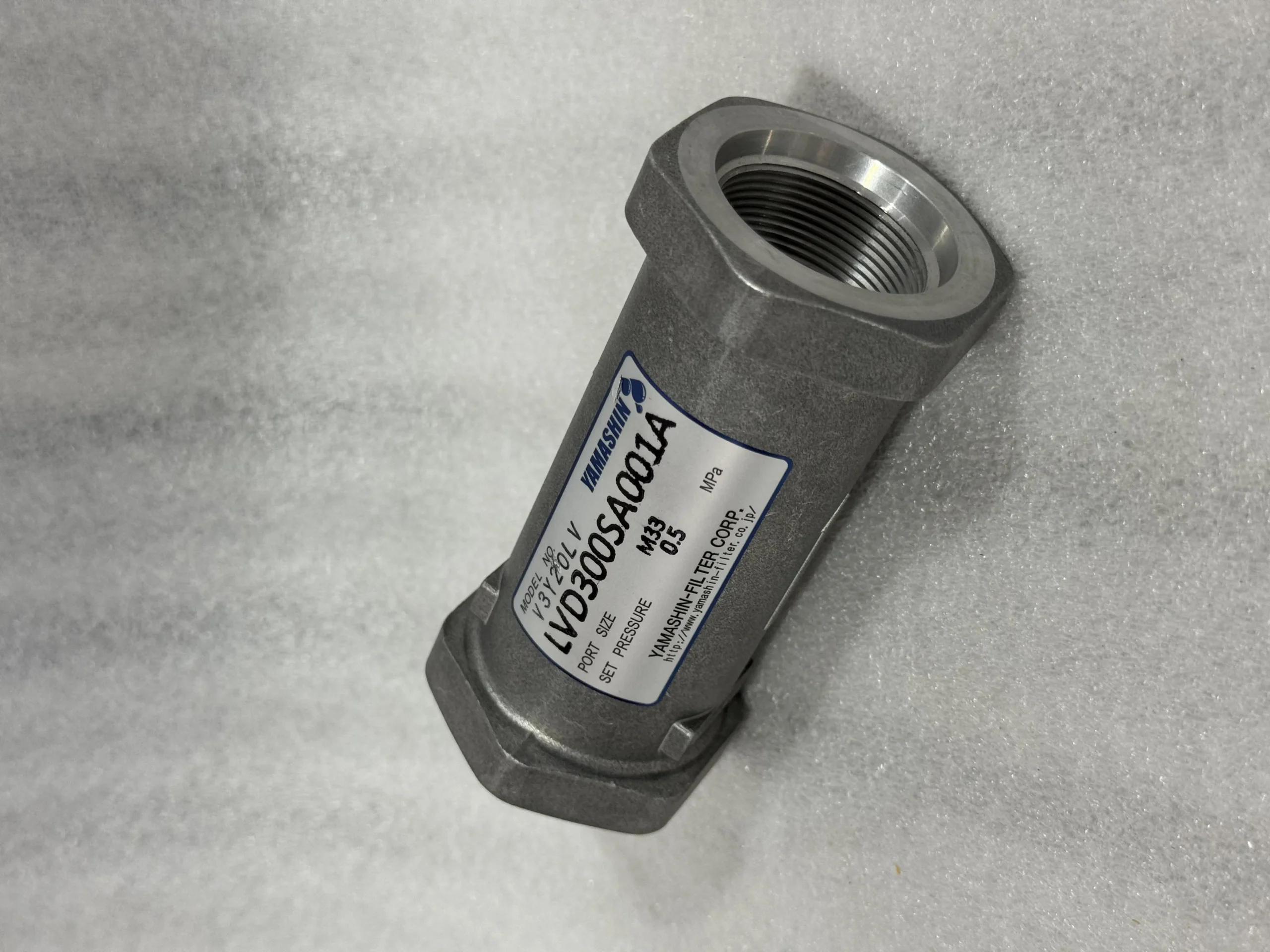 D155A-6 Radiator Valve Assembly 20S-62-16160