
- Chinese
- French
- German
- Portuguese
- Spanish
- Russian
- Japanese
- Korean
- Arabic
- Irish
- Greek
- Turkish
- Italian
- Danish
- Romanian
- Indonesian
- Czech
- Afrikaans
- Swedish
- Polish
- Basque
- Catalan
- Esperanto
- Hindi
- Lao
- Albanian
- Amharic
- Armenian
- Azerbaijani
- Belarusian
- Bengali
- Bosnian
- Bulgarian
- Cebuano
- Chichewa
- Corsican
- Croatian
- Dutch
- Estonian
- Filipino
- Finnish
- Frisian
- Galician
- Georgian
- Gujarati
- Haitian
- Hausa
- Hawaiian
- Hebrew
- Hmong
- Hungarian
- Icelandic
- Igbo
- Javanese
- Kannada
- Kazakh
- Khmer
- Kurdish
- Kyrgyz
- Latin
- Latvian
- Lithuanian
- Luxembou..
- Macedonian
- Malagasy
- Malay
- Malayalam
- Maltese
- Maori
- Marathi
- Mongolian
- Burmese
- Nepali
- Norwegian
- Pashto
- Persian
- Punjabi
- Serbian
- Sesotho
- Sinhala
- Slovak
- Slovenian
- Somali
- Samoan
- Scots Gaelic
- Shona
- Sindhi
- Sundanese
- Swahili
- Tajik
- Tamil
- Telugu
- Thai
- Ukrainian
- Urdu
- Uzbek
- Vietnamese
- Welsh
- Xhosa
- Yiddish
- Yoruba
- Zulu
- Kinyarwanda
- Tatar
- Oriya
- Turkmen
- Uyghur






komatsu 3d84 engine
When you hear 'Komatsu 3D84 engine', a lot of folks immediately jump to the big excavators, the PC200s and PC220s. That's fair, it's the heart of that machine family. But there's a nuance there that gets missed in parts catalogs and generic specs. This isn't just an engine; it's a system component with a specific lifecycle and a set of very real-world supply chain headaches that define its existence in the field long after the OEM's official support curve flattens out. My own run-ins with it have been less about pristine installation and more about keeping 10,000-hour-plus units alive in places where the next official Komatsu dealer is a plane ride away.
Beyond the Nameplate: What the 3D84 Really Is
Let's strip it back. The Komatsu 3D84 engine is a four-cylinder, turbocharged diesel. Displacement around 4.0L, if memory serves. Komatsu's own SAA4D107E model, I believe. It's not designed to win engineering awards for peak power; it's built for torque rise, fuel economy under load, and frankly, durability. The misconception? That it's somehow 'proprietary' in a way that locks you into a single parts source. The reality is more layered. While the assembly and calibration are uniquely Komatsu, many internal components—piston rings, bearings, gasket surfaces—adhere to standard industrial dimensions. The challenge is the integration: the ECU mapping, the hydraulic pump drive, the mounting interface. That's where the true OEM DNA lives.
I recall a rebuild in Indonesia where the local mechanic sourced aftermarket liners and pistons. They physically fit, and the engine ran. But within 400 hours, we had overheating and weird power drops. The issue wasn't the part quality per se; it was the piston crown shape. The aftermarket version had a slightly different combustion chamber contour, which threw off the fuel injection spray pattern Komatsu had tuned for. It ran, but never right. That's the Komatsu 3D84 engine in a nutshell: forgiving enough to assemble, but finicky enough to demand respect for its original design intent.
This is precisely where the role of a specialized supplier becomes critical. It's not about undercutting the OEM, but about enabling continuity. A company like Jining Gaosong Construction Machinery operates in that space. As an OEM product supplier within the Komatsu system, they have the lineage to understand these integration nuances. Their work, which I've seen indirectly through parts that reached projects in Africa, often bridges the gap between pure-Komatsu and pure-generic. They can provide the correct, design-matched sub-components or full assemblies because they're embedded in that technical ecosystem.
The Real-World Failure Points and Observed Patterns
You won't find this in the manual, but the common failure cascade I've witnessed often starts with the fuel system. The injection pump on these, especially on units that see intermittent use or questionable fuel quality, gets gummed up. The first symptom isn't always a no-start; it's a sluggish response when the hydraulic system demands a simultaneous lift and swing. The engine bogs down more than it should. Technicians will chase hydraulic issues first, but often, it's the pump's fuel metering beginning to fail.
Then there's the turbo. The Komatsu 3D84 engine uses a relatively small turbo for quick spool-up. In dusty environments, if the air filter maintenance is lax—and it often is—the turbo bearings get gritted. The failure is slow. You get a gradual loss of power at high rpm, more black smoke under load. By the time you hear the distinctive whine or screech, the shaft play is already catastrophic, and you're looking at potential debris ingestion into the cylinders. I've had to do a full teardown because a $50 air filter service was skipped for three intervals.
The third big one is head gasket integrity, but not from overheating in the classic sense. These blocks are stout. The issue arises from the torque-to-yield head bolts being reused during an in-field overhaul. The manual says not to, but when you're 48 hours from a mining site and the new bolts are 6 weeks out, the temptation is huge. It might hold for a thousand hours, but eventually, the clamp load relaxes, and you get compression leakage into the coolant. It's a slow, confidence-killing failure that teaches you the hard way about proper procedure.
The Parts Dilemma and the Niche of System-Aware Suppliers
This is the core headache for fleet managers outside major industrial hubs. You need a water pump for a Komatsu 3D84 engine in a PC200-7. The official channel might be backed up or prohibitively expensive due to logistics. A generic parts website lists one that 'fits'. Does it? Maybe. But the impeller material might be different, affecting coolant flow rate, or the seal might be a standard lip seal instead of the mechanical face seal Komatsu uses. The difference shows up in 6 months as a persistent weep or premature bearing wear.
The value of a partner like Jining Gaosong Construction Machinery (you can find their portal at https://www.takematsumachinery.com) is their positioning. They describe themselves as an OEM product supplier within Komatsu and a third-party sales company. In practice, this means they can often source the genuine subsystem—like the complete, correct water pump assembly—or provide a vetted, pattern-produced alternative that respects the original performance envelope. They're solving the parts supply challenge by being inside enough of the loop to know what's critical and what can be adapted.
I've dealt with similar entities, not them specifically, but that model. The good ones don't just sell you a part; they can tell you, For the serial number range of your machine, the oil cooler line fitting changed from a JIC 37-degree to a metric bite-type. The kit we're sending includes the new ferrule. That's system-level knowledge. It turns a potential two-day troubleshooting nightmare into a straightforward swap.
Rebuild Philosophy: When to Go Deep
There's a debate on whether to do in-chassis overhauls or pull the whole Komatsu 3D84 engine. For the 3D84, my rule of thumb is this: if the failure is isolated (like a failed turbo that was caught early, or an injector pump), and the oil analysis shows no elevated metals, stay in-frame. The accessibility isn't terrible. But if you have any combination of high blow-by, coolant contamination, and metallic debris in the oil filter, just pull it. The reason is the rear main seal and the flywheel housing alignment. It's nearly impossible to do a proper, clean job on the main bearings or crankshaft inspection with the engine in the machine.
A painful lesson learned: we did an in-frame for a scored cylinder liner on 3. Replaced the liner, piston, rings. The engine ran great for 300 hours, then developed a severe rear main oil leak. Upon pulling it, we found the crankshaft had minor scoring on the 4 main journal, which we never saw during the partial teardown. The leak was from the seal riding on a damaged surface. The labor cost of doing the job twice far exceeded the cost of a full pull the first time. Now, the decision matrix is stricter.
This is another point where supply chain matters. A full rebuild kit—gaskets, seals, liners, pistons, bearings—needs to be complete and from a coherent source. Mixing and matching brands for these components is asking for trouble with clearances and thermal expansion rates. Sourcing from a supplier that bundles these as a validated kit, with components that are engineered to work together, is worth its weight in gold. It reduces variables when you're already up against it in a field workshop.
Looking Ahead: The 3D84's Legacy and Support Horizon
This engine isn't new. It's been in machines for well over a decade. The newer models are all about electronic common rail and tighter emissions. So, the Komatsu 3D84 engine is in its mature, maybe even sunset, phase for Komatsu. But that's when the aftermarket and specialized support ecosystem becomes most vital. Thousands of these machines are still working assets globally, and they'll need support for another decade at least.
The parts will increasingly come from pattern production or from OEM-aligned surplus channels. The key for end-users is to find suppliers who understand the evolution. For instance, knowing that the valve stem seals on later 3D84 versions used a different viton compound to handle higher EGR temperatures, and that using the early version on a later engine will lead to rapid oil consumption. It's that level of detail.
Companies that operate like Jining Gaosong Construction Machinery, with their dual role, are positioned for this phase. They're not just moving boxes; they're providing a continuity solution. As they note, they help solve parts supply challenges in certain countries. That challenge is real, and it's not just about having a part number—it's about having the correct iteration of that part and the contextual knowledge to apply it. For anyone keeping a fleet of older Komatsu excavators running, that's the kind of resource you eventually need to find. The engine itself is a testament to solid design; keeping it running is a testament to logistical and technical ingenuity in the aftermarket space.
Related Products
Related Products

Best Selling Products
Best Selling Products-
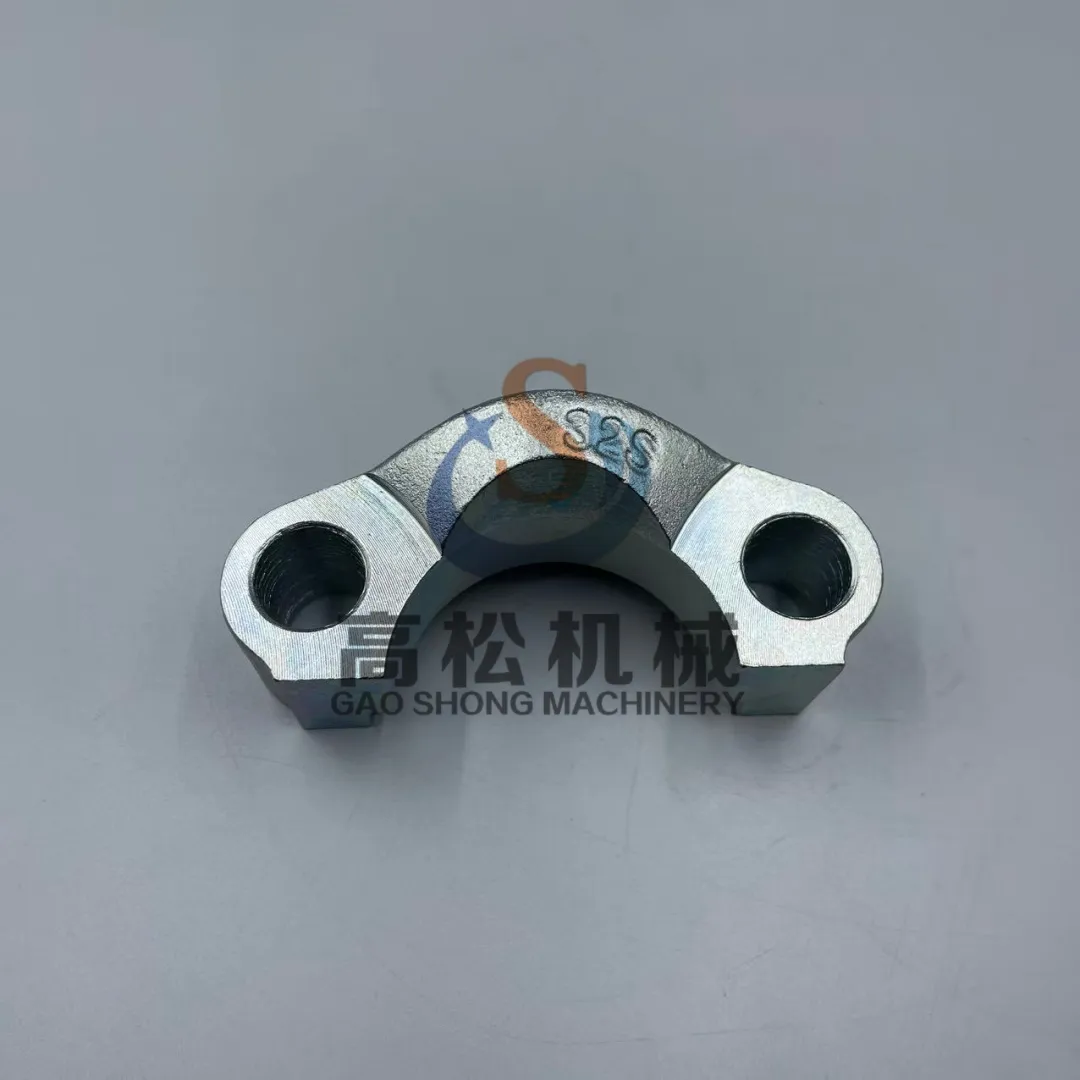 FLANGE 07371-52080 – KOMATSU Part
 -
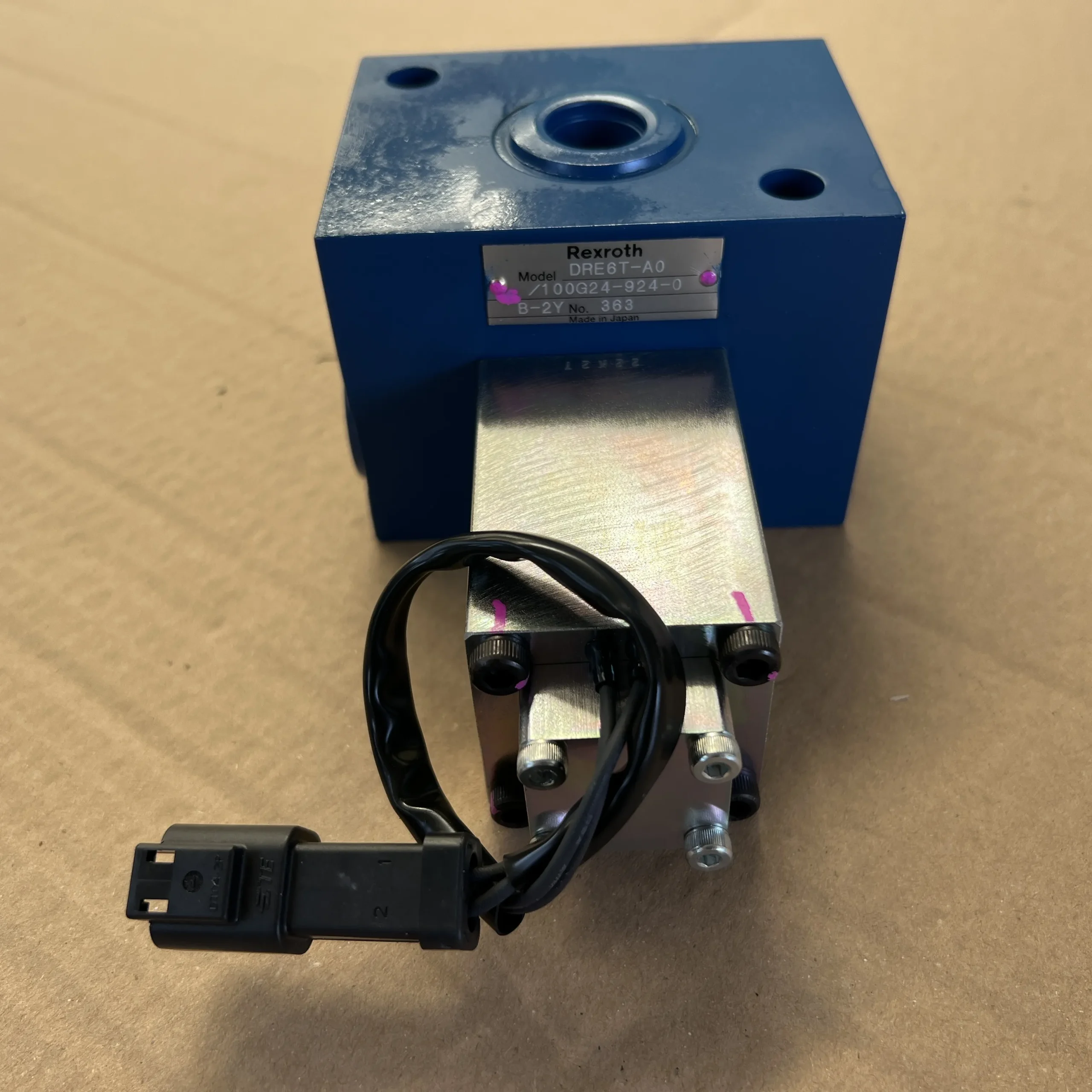 HD465-7 Proportional Solenoid Valve 569-43-83171
 -
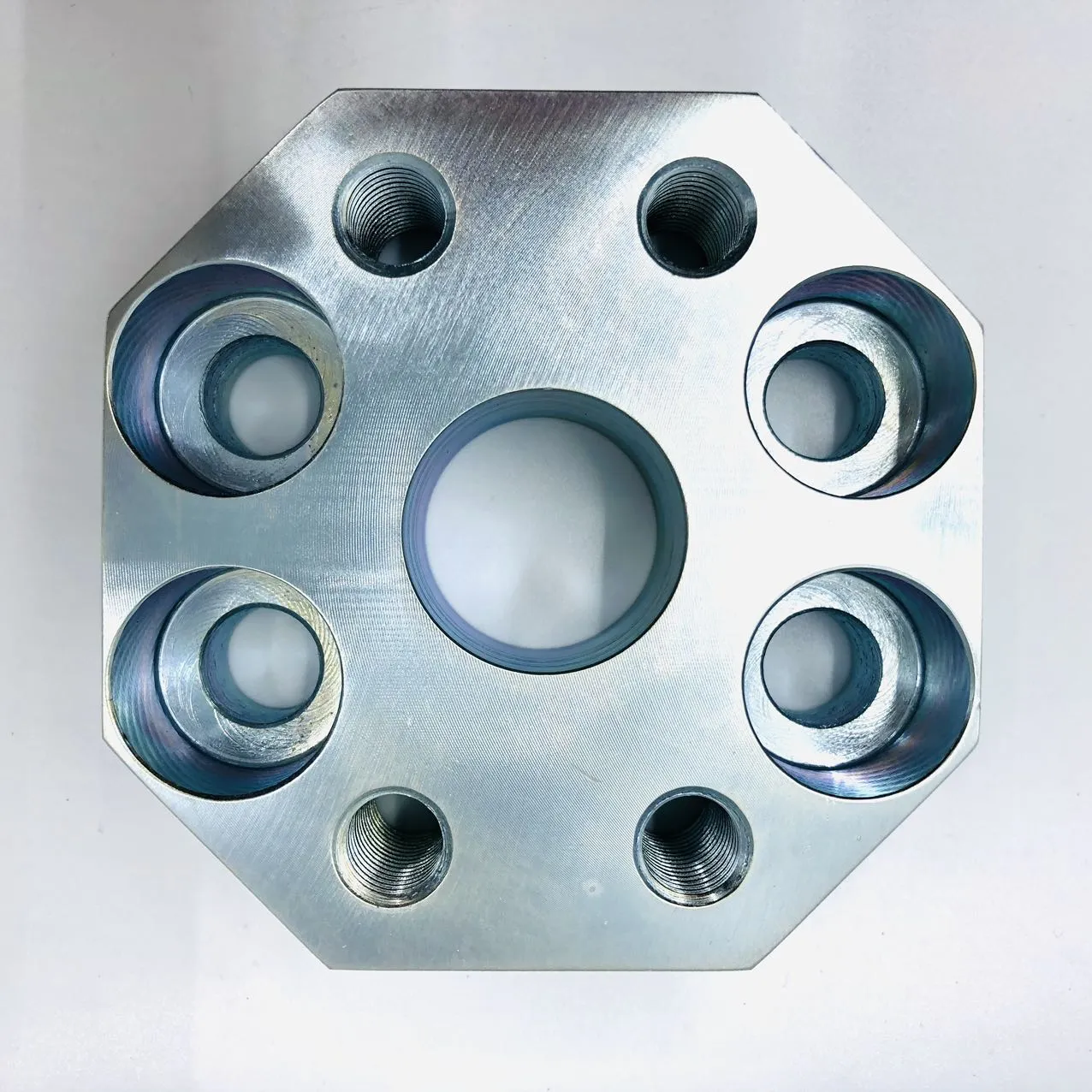 21N-62-11361 Komatsu Flange
 -
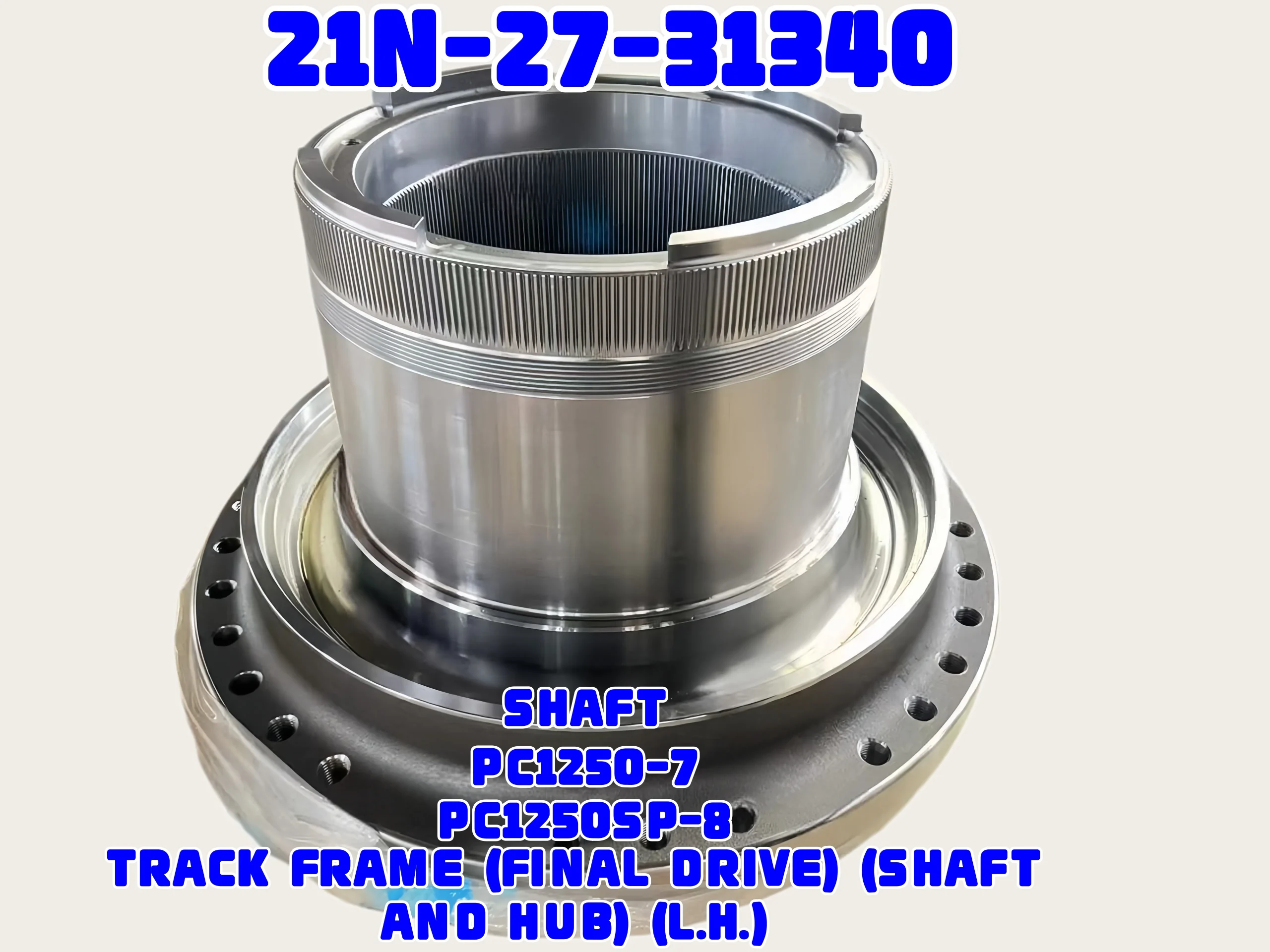 SHAFT 21N-27-31340 PC1250-7 PC1250-8 PC1250-8R TRACK FRAME (FINAL DRIVE) (SHAFT AND HUB) (L.H.) FINAL DRIVE
 -
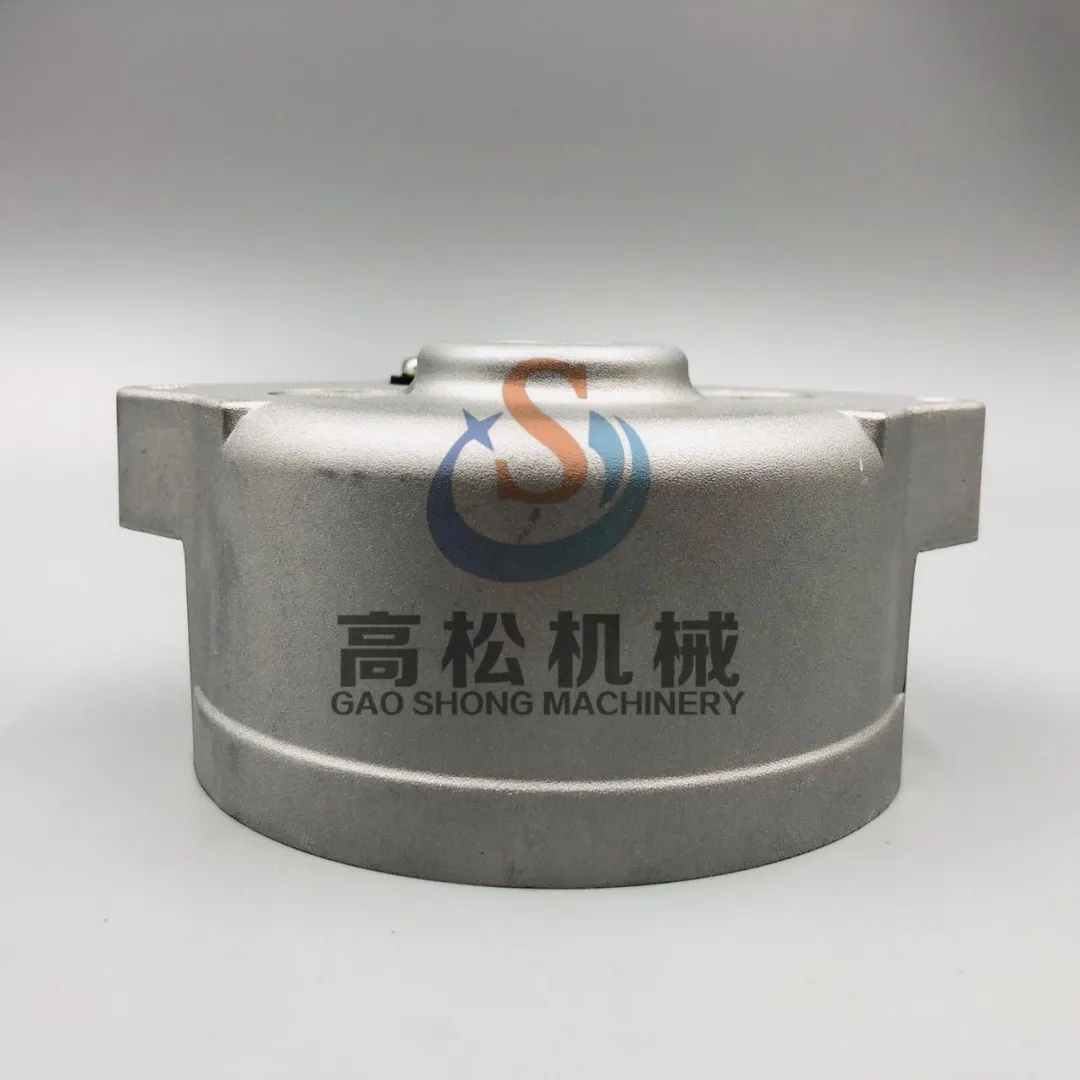 Komatsu KD0-23700-0130 Bracket
 -
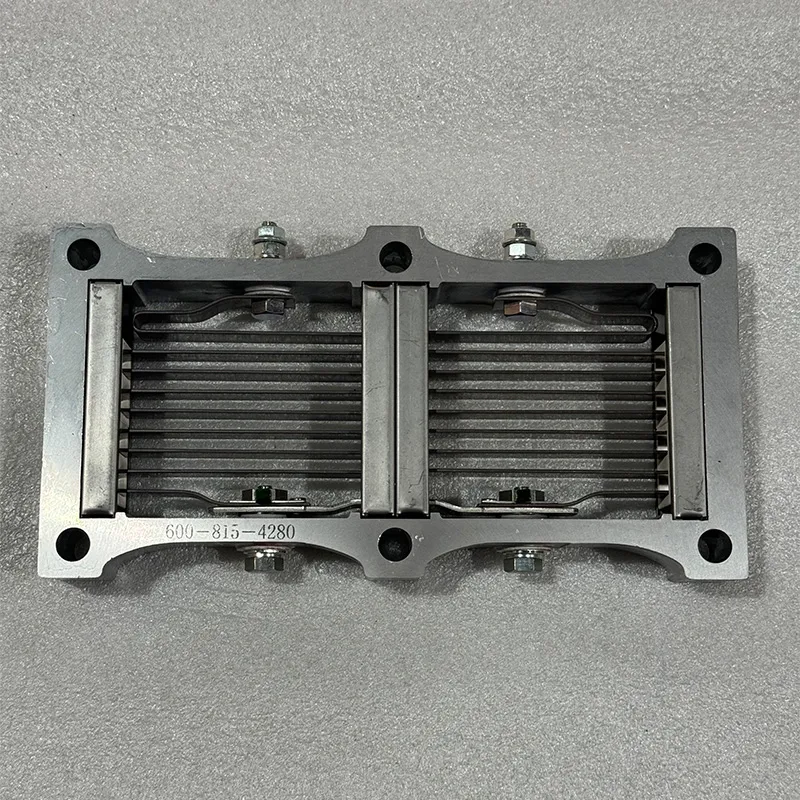 600-815-4280 Original komatsu Heater Ribbon for komatsu SAA6D engines
 -
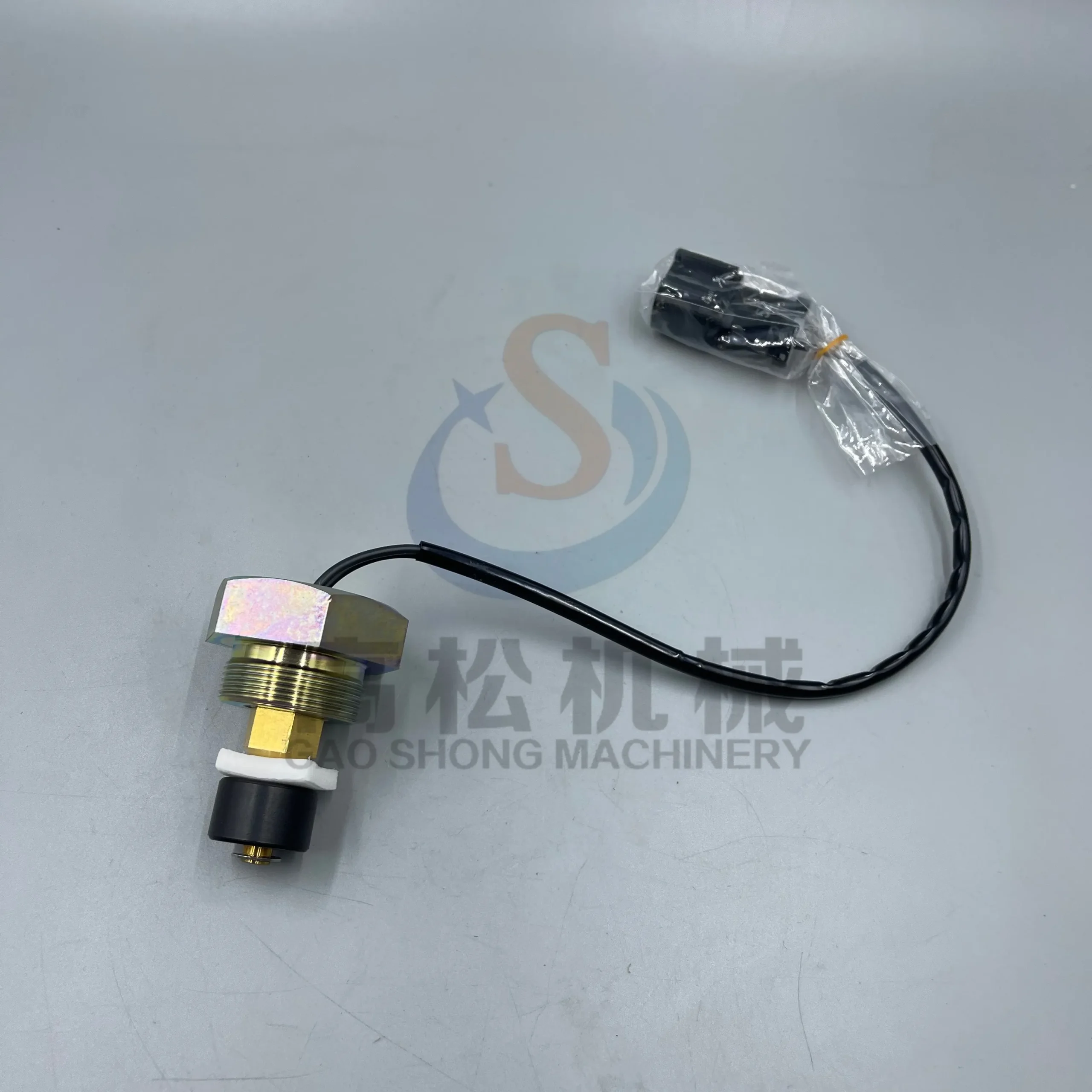 7861-92-4500 Komatsu SENSOR,HYDRAULIC OIL LEVEL
 -
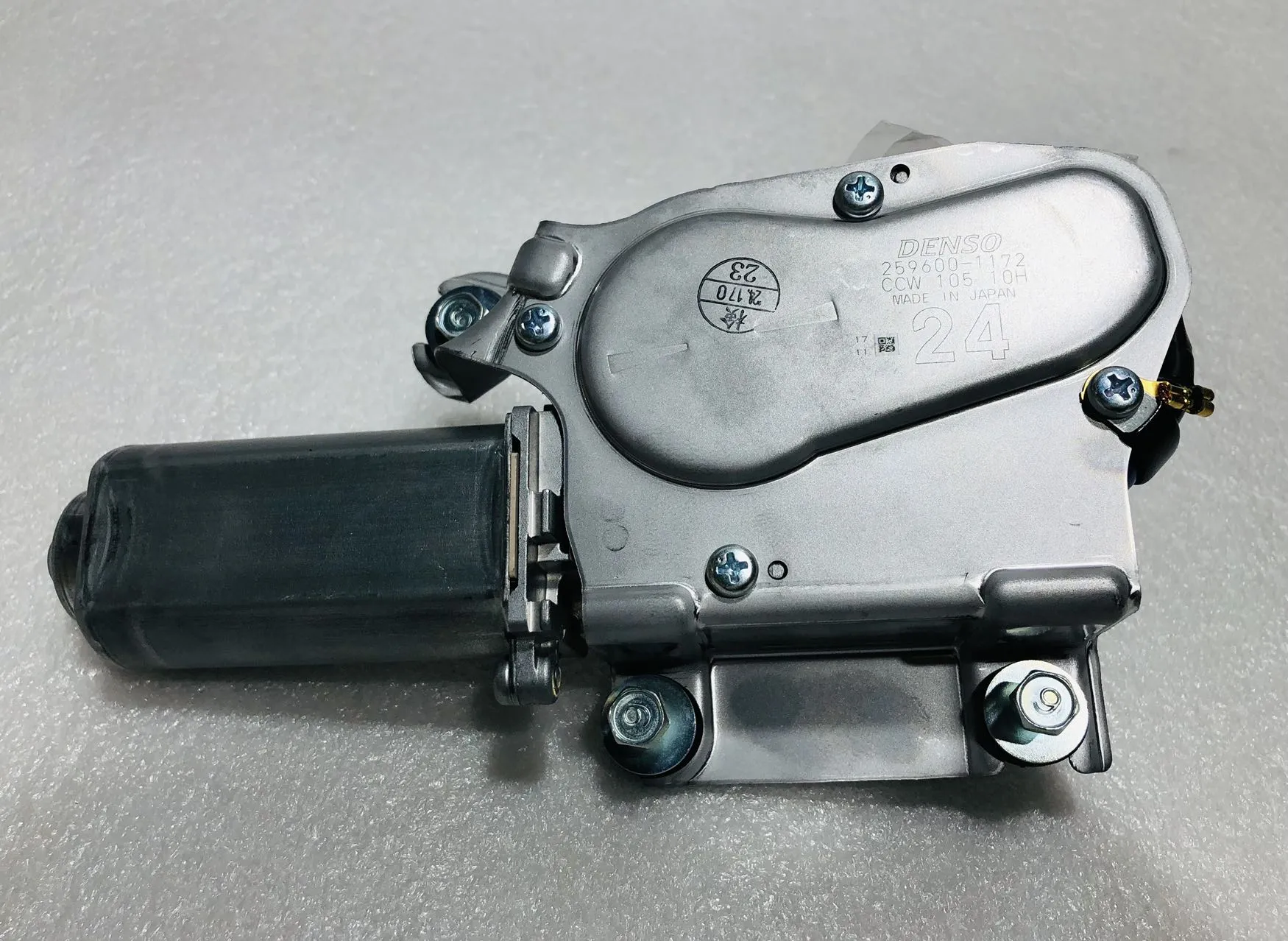 42C-56-11391 Komatsu Motor, Wiper
 -
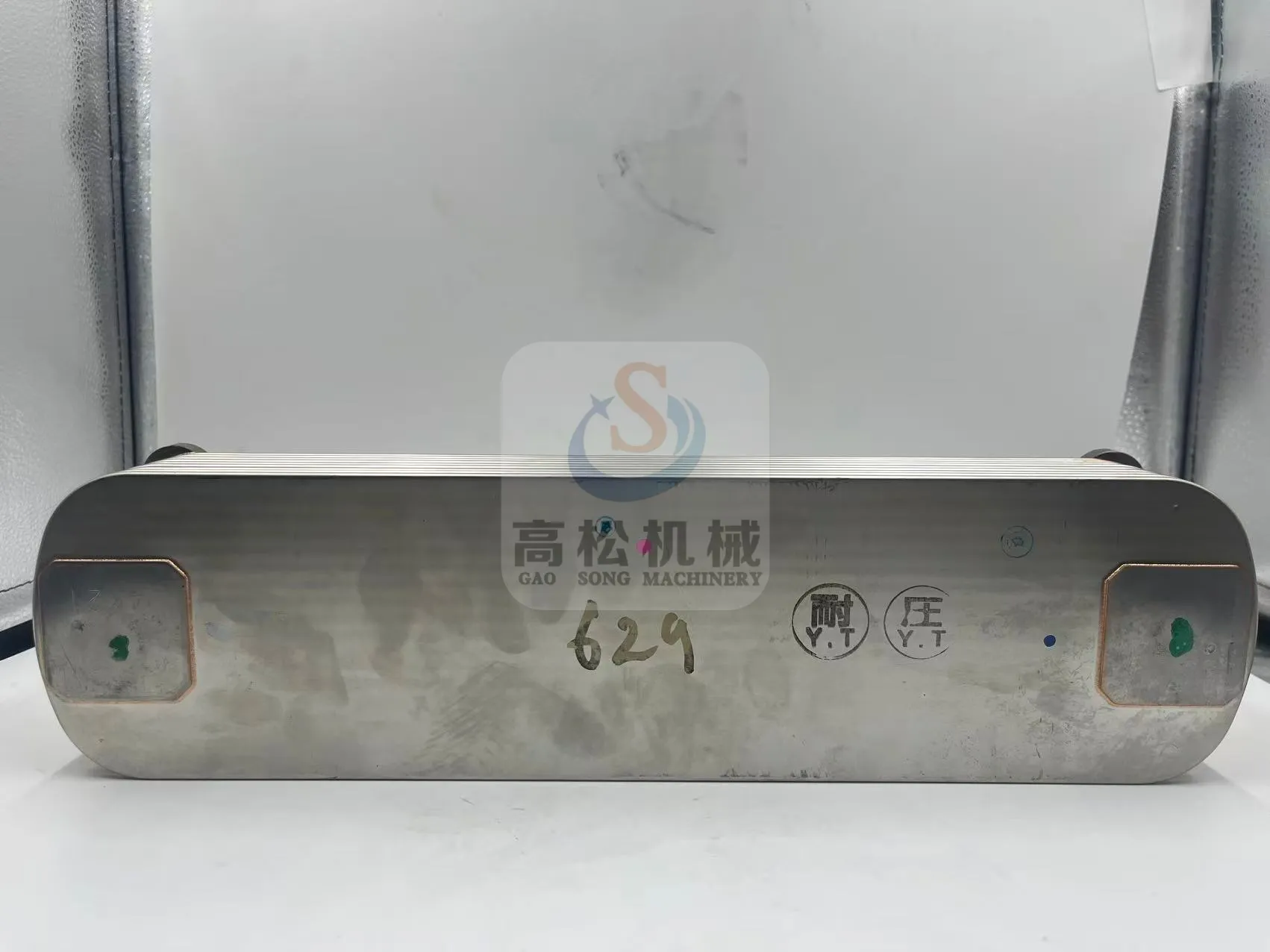 6240-61-2111 ENGINE OIL COOLER for Komatsu PC1250-11
 -
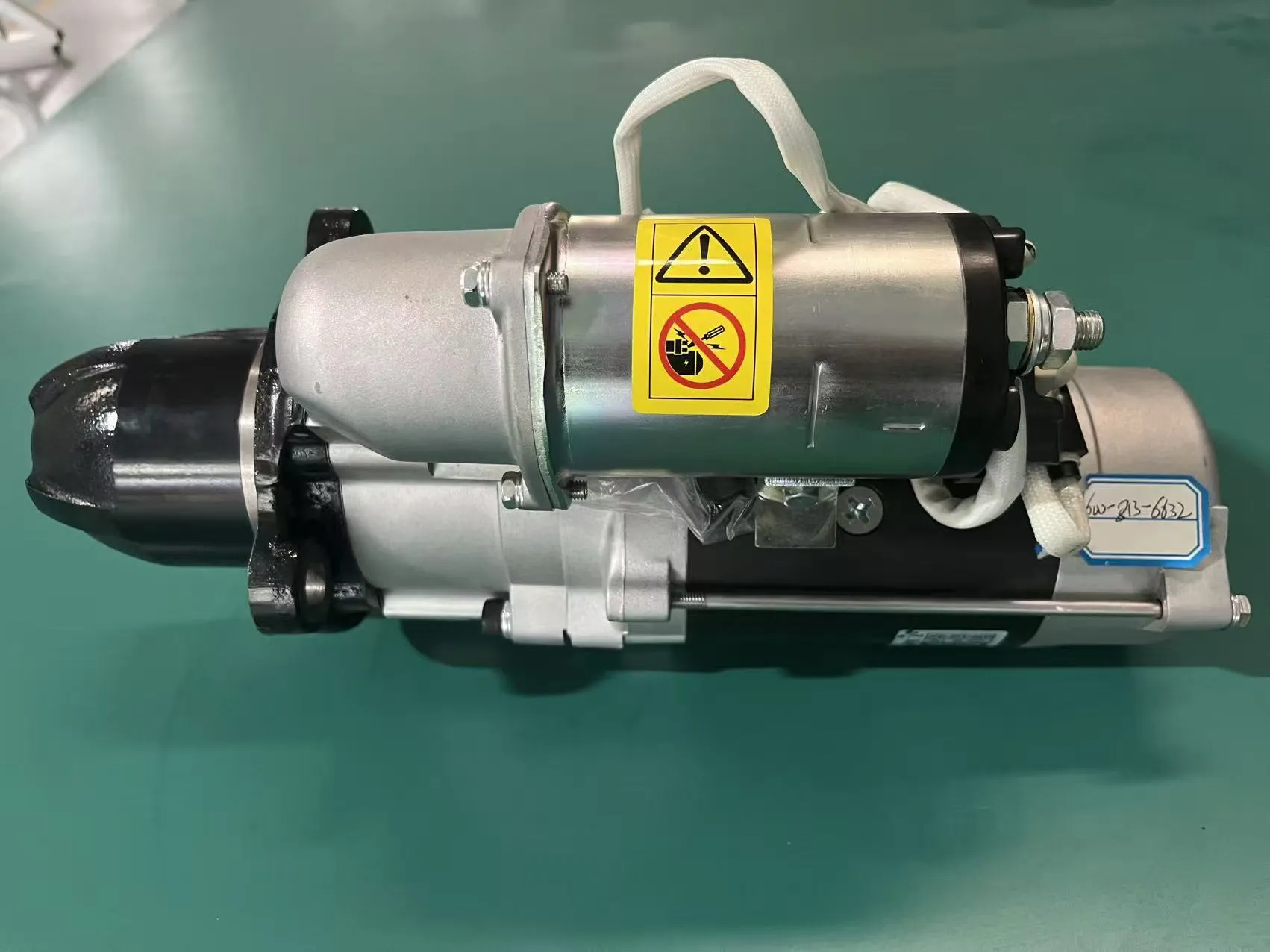 High Quality Excavator Spare Parts 600-813-6632 PC400-8 Start…
 -
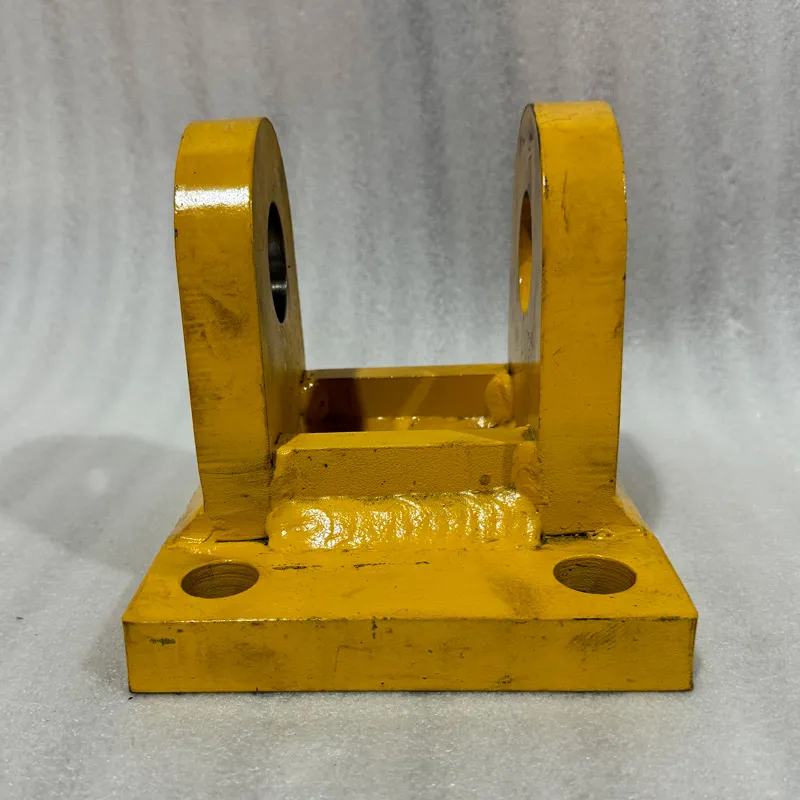 Original komatsu GD661A-1 Pull Rod 238-46-11810
 -
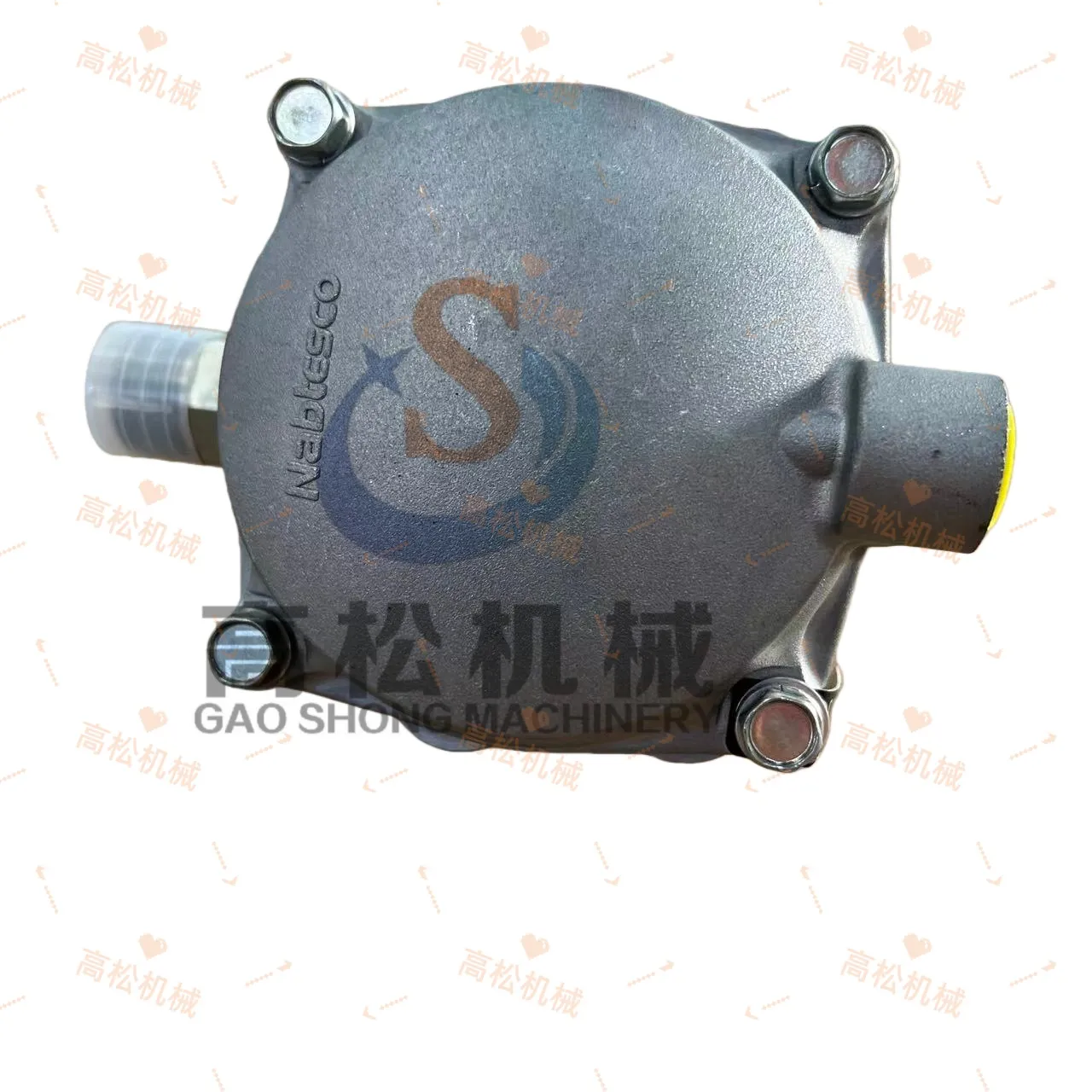 Komatsu HD785-5 Relay Valve 565-44-11200
Related Search
Related Search- komatsu forklift hydraulic filter
- OEM AND ORIGINAL KOMATSU BUSHING 707-46-14010
- komatsu parts book online
- OEM AND ORIGINAL KOMATSU COVER 195-27-44351
- 6245-71-6111
- OEM AND ORIGINAL KOMATSU PROPELLER SHAFT 421-20-32712
- OEM AND ORIGINAL KOMATSU FILTER ASSY 209-60-79100
- OEM AND ORIGINAL KOMATSU BRAKE CHAMBER 561-35-61400
- Komatsu D85 parts
- 14X-49-61410