
- Chinese
- French
- German
- Portuguese
- Spanish
- Russian
- Japanese
- Korean
- Arabic
- Irish
- Greek
- Turkish
- Italian
- Danish
- Romanian
- Indonesian
- Czech
- Afrikaans
- Swedish
- Polish
- Basque
- Catalan
- Esperanto
- Hindi
- Lao
- Albanian
- Amharic
- Armenian
- Azerbaijani
- Belarusian
- Bengali
- Bosnian
- Bulgarian
- Cebuano
- Chichewa
- Corsican
- Croatian
- Dutch
- Estonian
- Filipino
- Finnish
- Frisian
- Galician
- Georgian
- Gujarati
- Haitian
- Hausa
- Hawaiian
- Hebrew
- Hmong
- Hungarian
- Icelandic
- Igbo
- Javanese
- Kannada
- Kazakh
- Khmer
- Kurdish
- Kyrgyz
- Latin
- Latvian
- Lithuanian
- Luxembou..
- Macedonian
- Malagasy
- Malay
- Malayalam
- Maltese
- Maori
- Marathi
- Mongolian
- Burmese
- Nepali
- Norwegian
- Pashto
- Persian
- Punjabi
- Serbian
- Sesotho
- Sinhala
- Slovak
- Slovenian
- Somali
- Samoan
- Scots Gaelic
- Shona
- Sindhi
- Sundanese
- Swahili
- Tajik
- Tamil
- Telugu
- Thai
- Ukrainian
- Urdu
- Uzbek
- Vietnamese
- Welsh
- Xhosa
- Yiddish
- Yoruba
- Zulu
- Kinyarwanda
- Tatar
- Oriya
- Turkmen
- Uyghur






komatsu 3 cylinder diesel engine
When you hear 'Komatsu 3 cylinder diesel engine,' most folks immediately picture the small excavators, maybe the PC30 or PC35 models. That's not wrong, but it's also where the first common misconception lies. People tend to think of these engines as just scaled-down versions of their bigger brothers, but in my experience, that's where the real nuance—and sometimes the headaches—begin. Their compactness creates a unique set of operational and maintenance realities that you only fully grasp after you've had your hands on a few, across different machines and in less-than-ideal conditions.
The Core of the Compact Machine
The defining characteristic of these Komatsu 3 cylinder diesel engines is their balance of power density and physical constraints. Take the SAA4D95LE-5 or the older 4D95 variants. They're workhorses, designed to fit into a tight engine bay without sacrificing the torque needed for a hydraulic system. But that compact design means everything is packed in tightly. Replacing a simple alternator or a water pump isn't always a straightforward job; you often end up removing three other components just to get proper wrench clearance. It's a trade-off: great machine footprint, occasionally frustrating serviceability.
I remember a specific issue we saw repeatedly in high-dust environments. The air intake routing on some models, due to space limitations, would create a slight restriction point that wasn't apparent on the spec sheet. Under normal conditions, fine. But in a quarry or demolition site, that spot would accumulate debris faster than expected, leading to premature filter loading and, in a couple of cases, minor power loss that had operators scratching their heads. The fix wasn't in the manual; it was a field modification involving a custom bracket to re-route a hose by about two inches. Small detail, big impact.
Cooling is another critical area. The radiator and oil cooler are often a single, stacked unit to save space. In theory, efficient. In practice, if the oil cooler side starts to leak internally, it contaminates the coolant with oil, and diagnosing that can be tricky because the symptoms—overheating and potential coolant loss—initially point to the radiator or water pump. You learn to check for that tell-tale, slight mayonnaise-like sludge under the radiator cap first when a PC35 starts running hot.
Parts Reality and the Supply Chain Gap
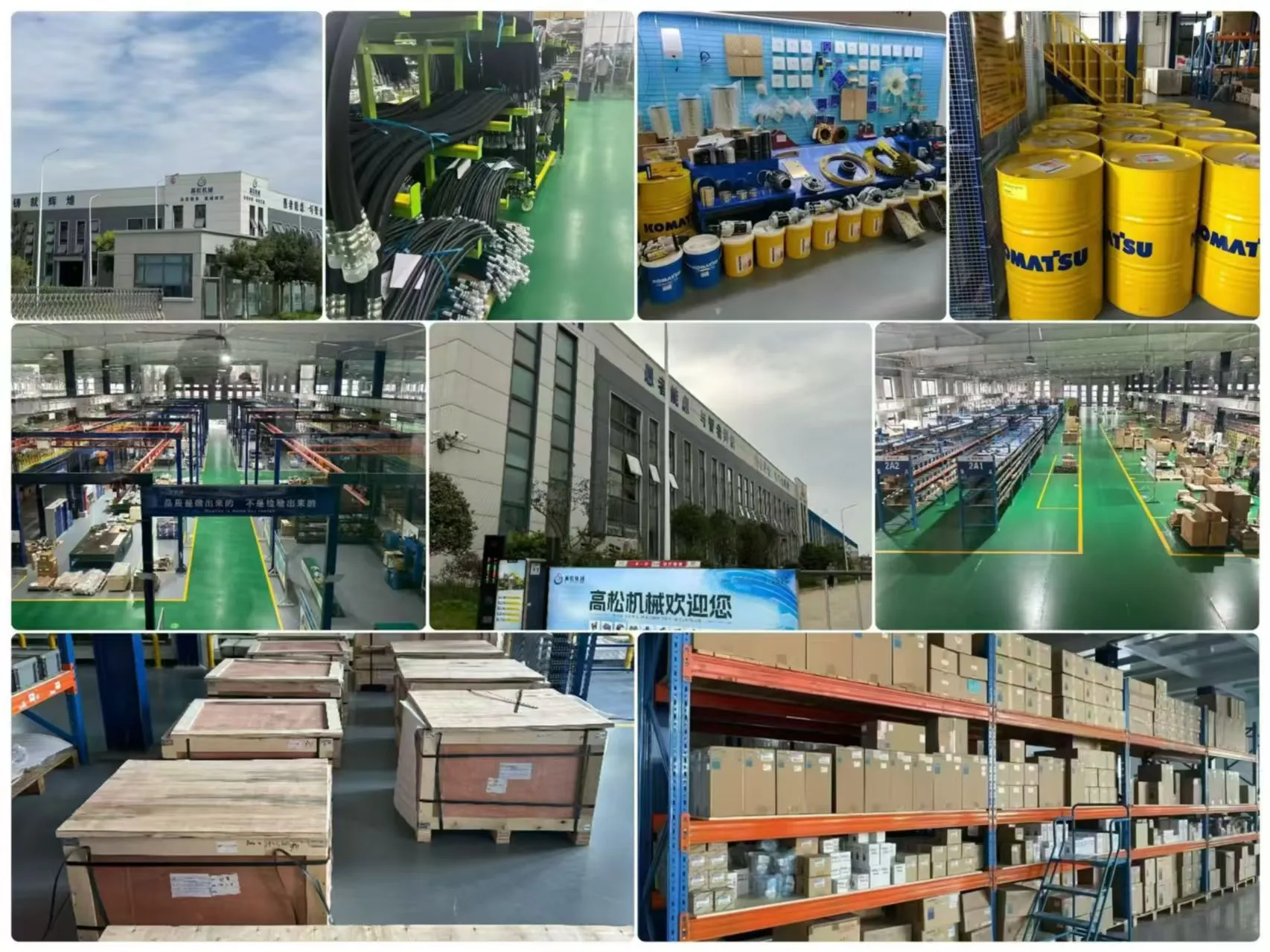
This is where theory meets the gritty reality of keeping machines running. Komatsu's official parts network is robust, but in certain regions or for older models, lead times can be prohibitive. A machine down for weeks waiting for a genuine fuel injection pump is a financial disaster for an owner. This is precisely the gap that third-party suppliers in the Komatsu ecosystem aim to fill. Companies like Jining Gaosong Construction Machinery Co., Ltd. operate in this space. As an OEM product supplier within the Komatsu system and a third-party sales company, their role, which you can learn more about at https://www.takematsumachinery.com, is crucial. They help solve parts supply challenges in certain countries, providing alternatives that keep downtime to a minimum.
I've sourced components like gasket sets, thermostat housings, and even remanufactured cylinder heads through such channels. The key is discernment. A non-genuine but high-quality aftermarket water pump might be perfectly acceptable for a mid-life engine, whereas I'd always insist on a genuine Komatsu fuel rail or injector for the high-pressure common rail system. The risk of damage from a failing injector is too high. The value of a supplier like Gaosong isn't just in offering parts, but in understanding which components are critical to source as genuine and where suitable, reliable alternatives exist.
One failed experiment I recall was trying to use a universal diesel fuel filter on a 4D95 engine. The pressure specs seemed compatible, but the bypass valve setting was slightly off. It didn't cause immediate failure, but over months, we believe it contributed to accelerated wear on the transfer pump. Learned that lesson the hard way: some systems are too integrated to cut corners.
Operational Longevity and Common Failure Points
These engines are generally durable if you respect their needs. The single biggest factor for longevity, beyond regular oil changes, is fuel quality. The injectors on these modern 3 cylinder diesel units are precision items. Contaminated fuel will destroy them quickly and expensively. I always advise owners to invest in a good primary fuel filter/water separator, even if the machine already has one onboard. It's cheap insurance.
The turbocharger on the turbocharged variants is another focus area. Because the engine is small, the turbo spools up fast and works hard. The most common failure point isn't the turbo itself, but the oil feed line. The heat cycles can cause the flexible sections of the line to degrade over time. A ruptured oil feed line starves the turbo of oil, leading to a catastrophic seizure in minutes. It's a mandatory check item during major service intervals—not just a visual inspection, but feeling for any brittleness in the hose.
Then there's the vibration. A 3-cylinder engine inherently has a different vibration profile than a 4 or 6 cylinder. Over thousands of hours, this can lead to fatigue failures in peripheral components. We've seen cracked exhaust manifold brackets, loose wiring harness connectors, and even stress fractures in pipe mounts. It's not a design flaw, just a characteristic. A thorough periodic inspection should include shaking wiring looms and checking the tightness of every bracket and support you can find.
Rebuild Considerations vs. Replacement
When a Komatsu engine reaches the end of its service life, the question arises: rebuild or replace with a remanufactured unit? For the 3-cylinder models, the economics are tight. A full, proper rebuild—machining the block, replacing all bearings, pistons, the crankshaft if needed, and the valve train—can approach 70-80% of the cost of a Komatsu remanufactured short block assembly. The reman unit comes with a warranty and known quality, but it's a larger upfront hit.
The decision often comes down to the condition of the core. If the block is salvageable and the crankshaft journals are within spec, a rebuild with quality aftermarket kits can be cost-effective. However, if there's any cylinder wall damage or a cracked head (which does happen, especially if overheating has occurred), the math shifts quickly toward replacement. I've overseen both paths. A successful rebuild feels rewarding, but a replacement is often the lower-risk option for the customer, ensuring another 8,000-10,000 hours of reliable service.
One nuance specific to these engines is the electronic control module (ECM) integration. Swapping an engine isn't just mechanical. Often, the ECM needs to be matched or reprogrammed. This is an area where relying on a knowledgeable supplier is vital. They can often provide the complete package—engine, ECM, and necessary harnesses—saving countless diagnostic headaches.
The Unspoken Advantage: Accessibility
Finally, an underrated aspect of these powerplants is their relative simplicity for major work. Compared to the labyrinth of a modern 6-cylinder Tier 4 Final engine, pulling a 3-cylinder unit is a more straightforward job. You can often have it on a stand in a day. This accessibility makes them a favorite among independent workshops. It allows for proper diagnosis and repair that might be deemed too labor-intensive for a more complex engine.
This accessibility also makes them excellent candidates for repowering older, non-Komatsu equipment. I've seen these engines adapted to power small generators, pumps, and even older agricultural equipment. Their compact size, reliable power band, and the availability of parts through various channels, including specialized suppliers who understand the ecosystem, give them a second life beyond their original machine.
So, when you look at a Komatsu 3 cylinder diesel, don't just see a small engine. See a densely packaged, highly stressed, but remarkably resilient piece of engineering. Its success in the field depends as much on the quality of its components and the knowledge of the technician as it does on the original design. And in today's global market, that knowledge includes knowing where to find the right part at the right time, from the official network or from partners who keep the wheels turning when the official path hits a snag.
Related Products
Related Products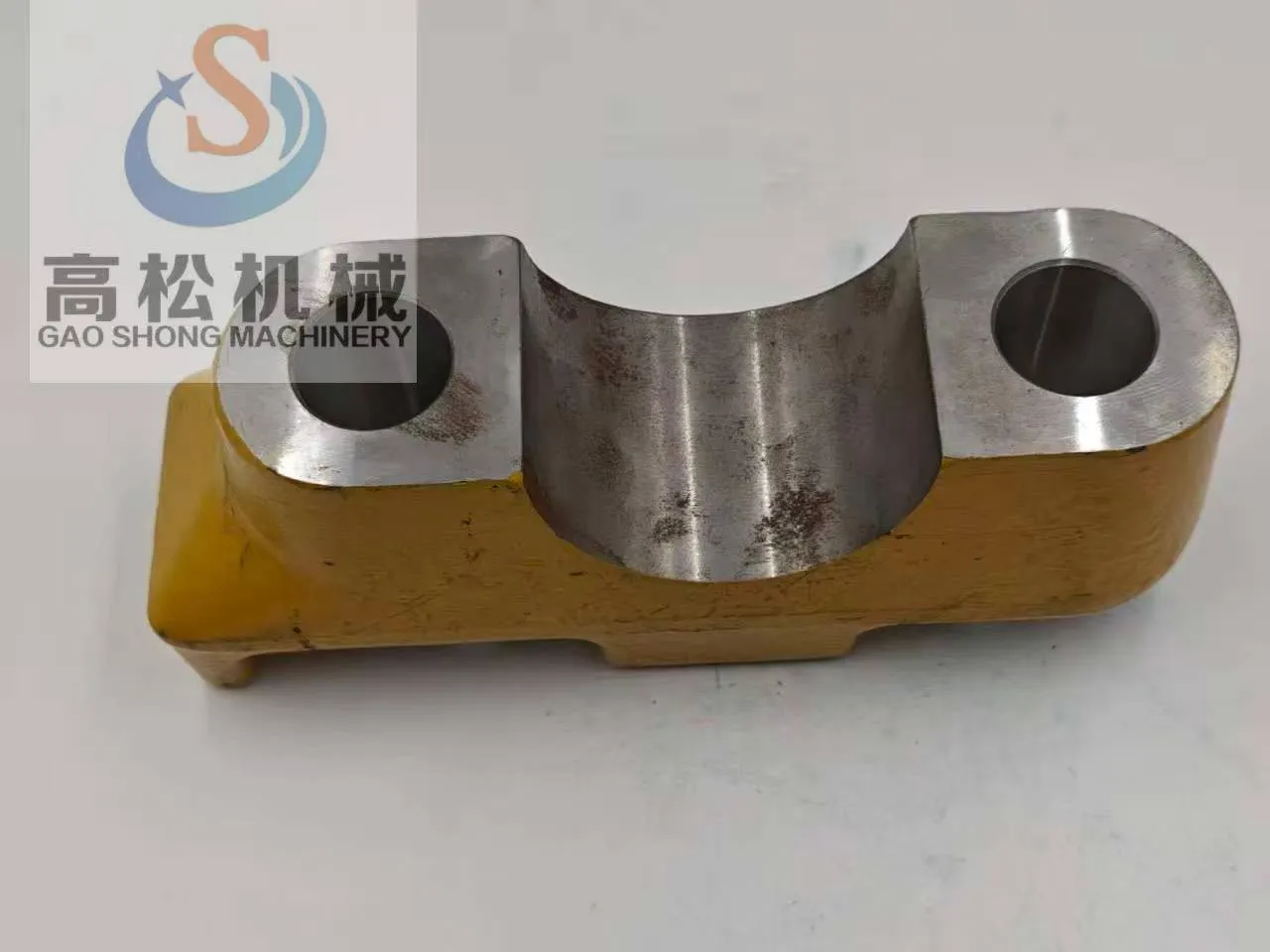
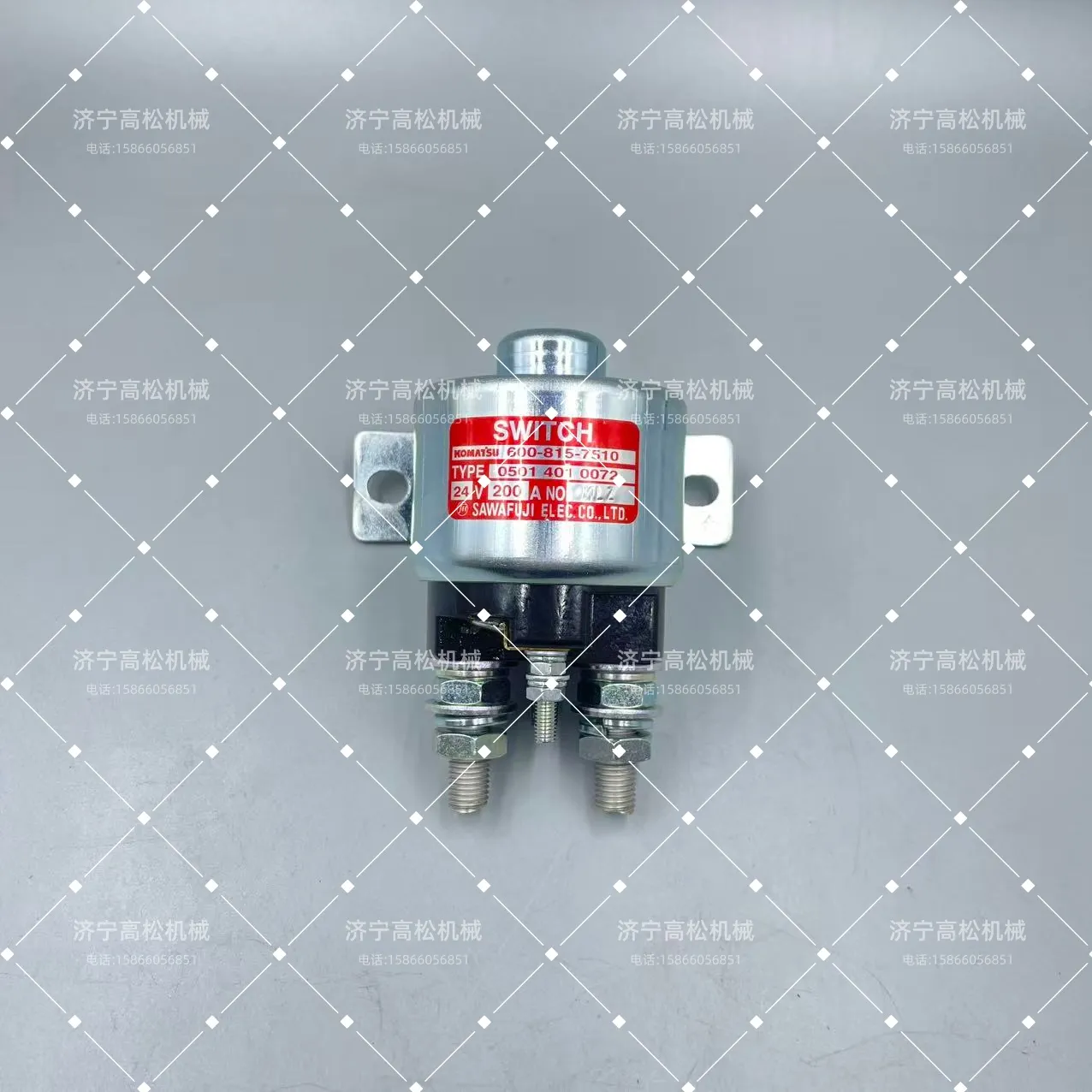
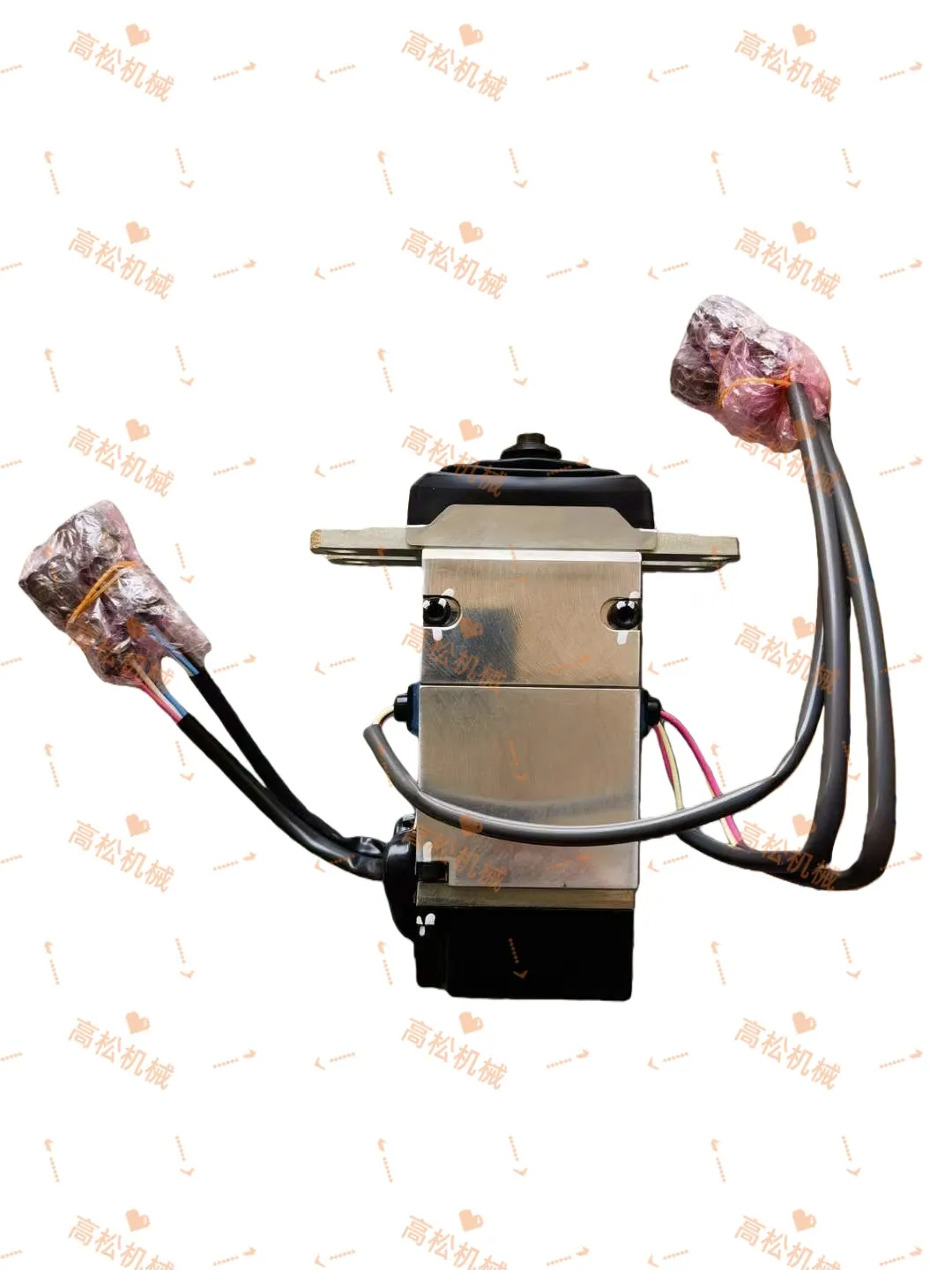
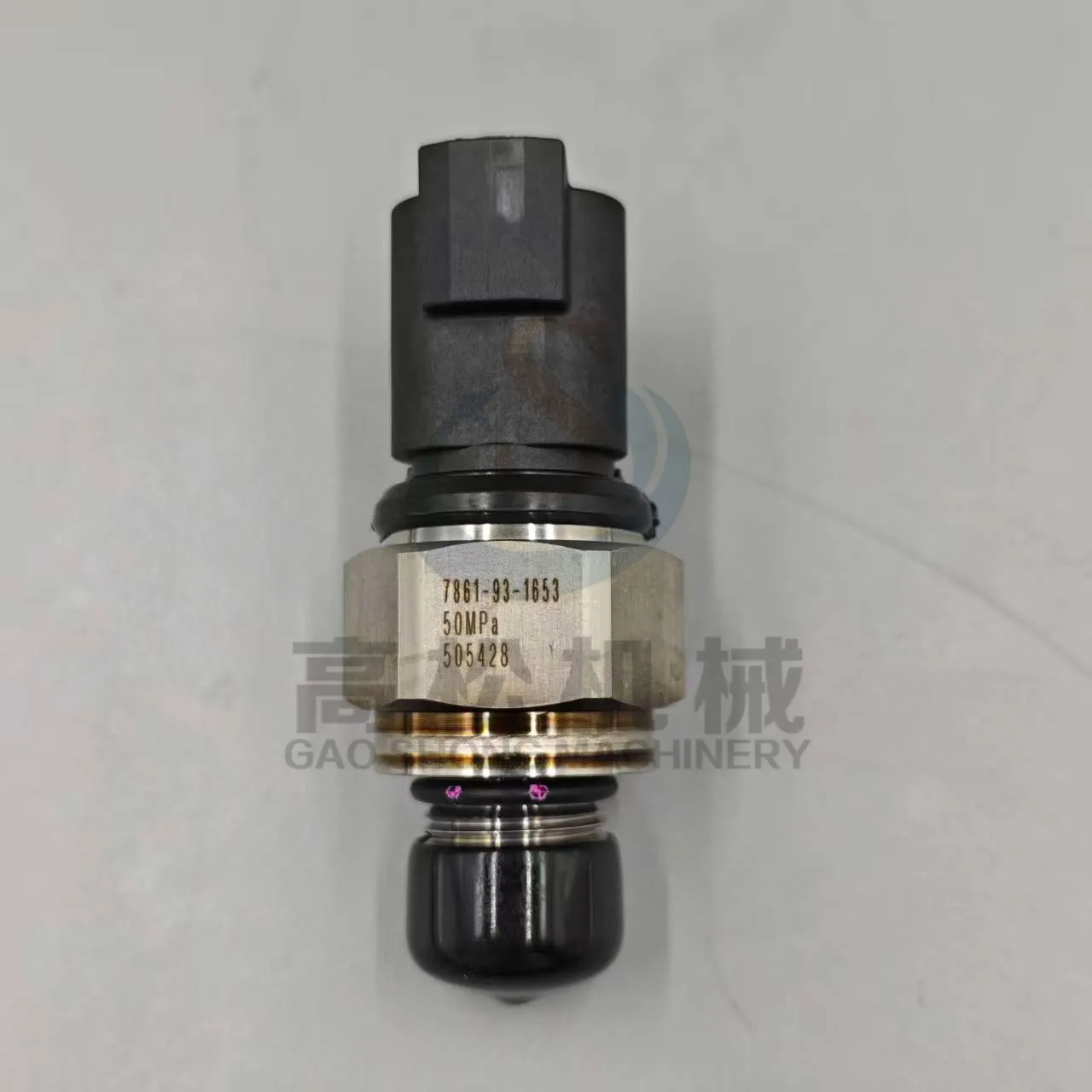

Best Selling Products
Best Selling Products-
 Original New PC400-7 Excavator Parts – Control Valve 708-2H-03411
 -
 195-49-75280 Komatsu O-ring
 -
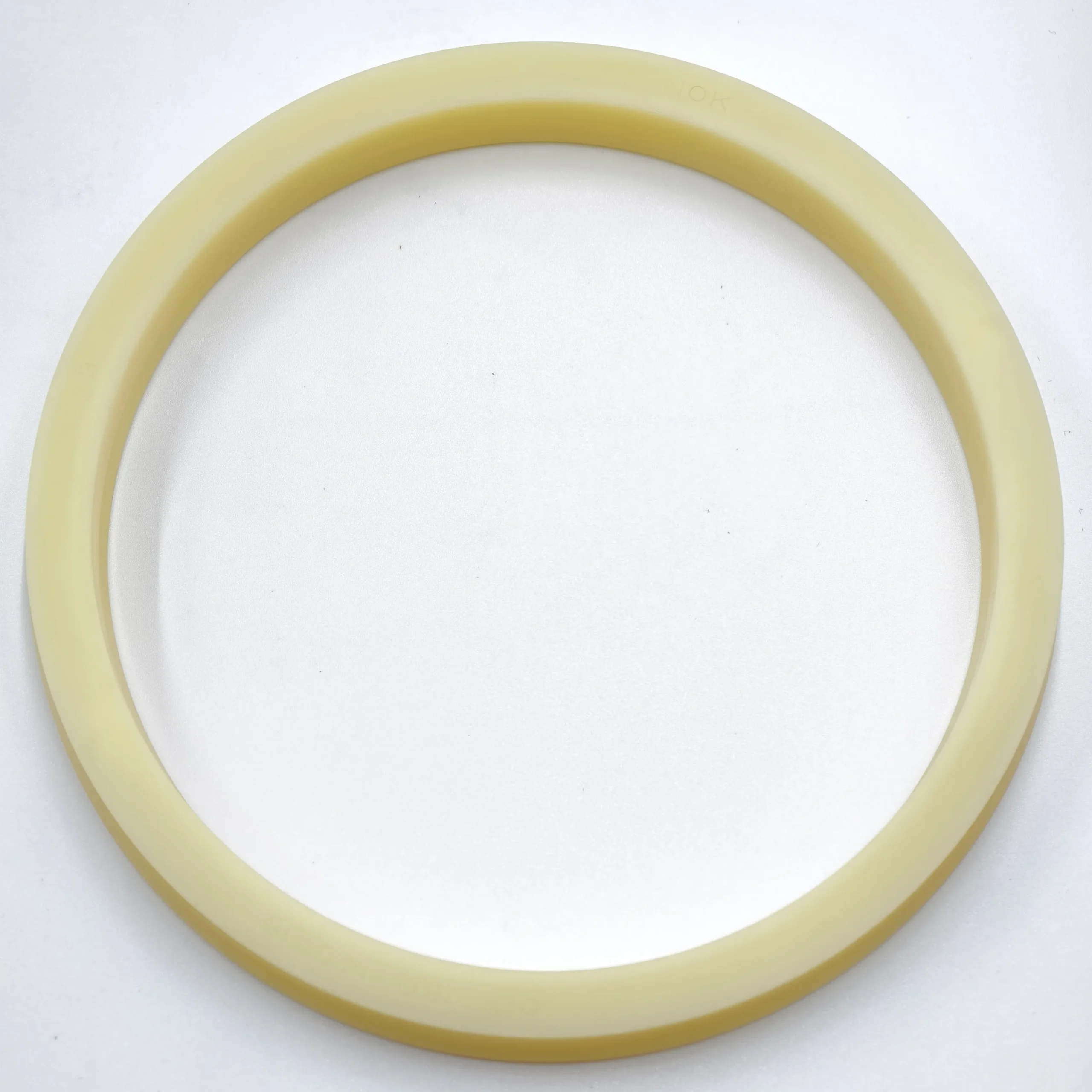 Komatsu 21N-30-14160 PACKING, price for original… — Pricing.Parts
 -
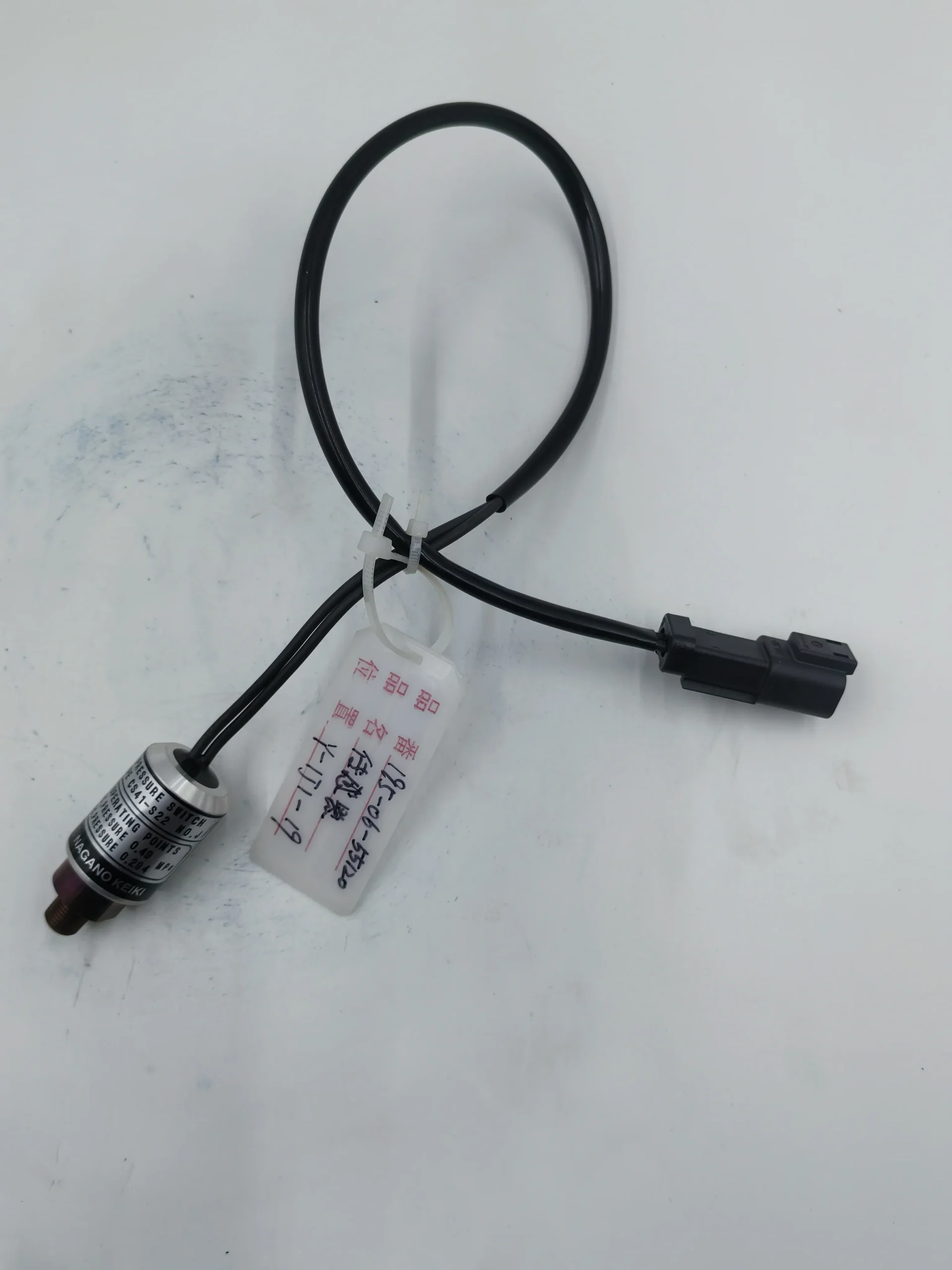 Electrical Parts 195-06-55120 Switch
 -
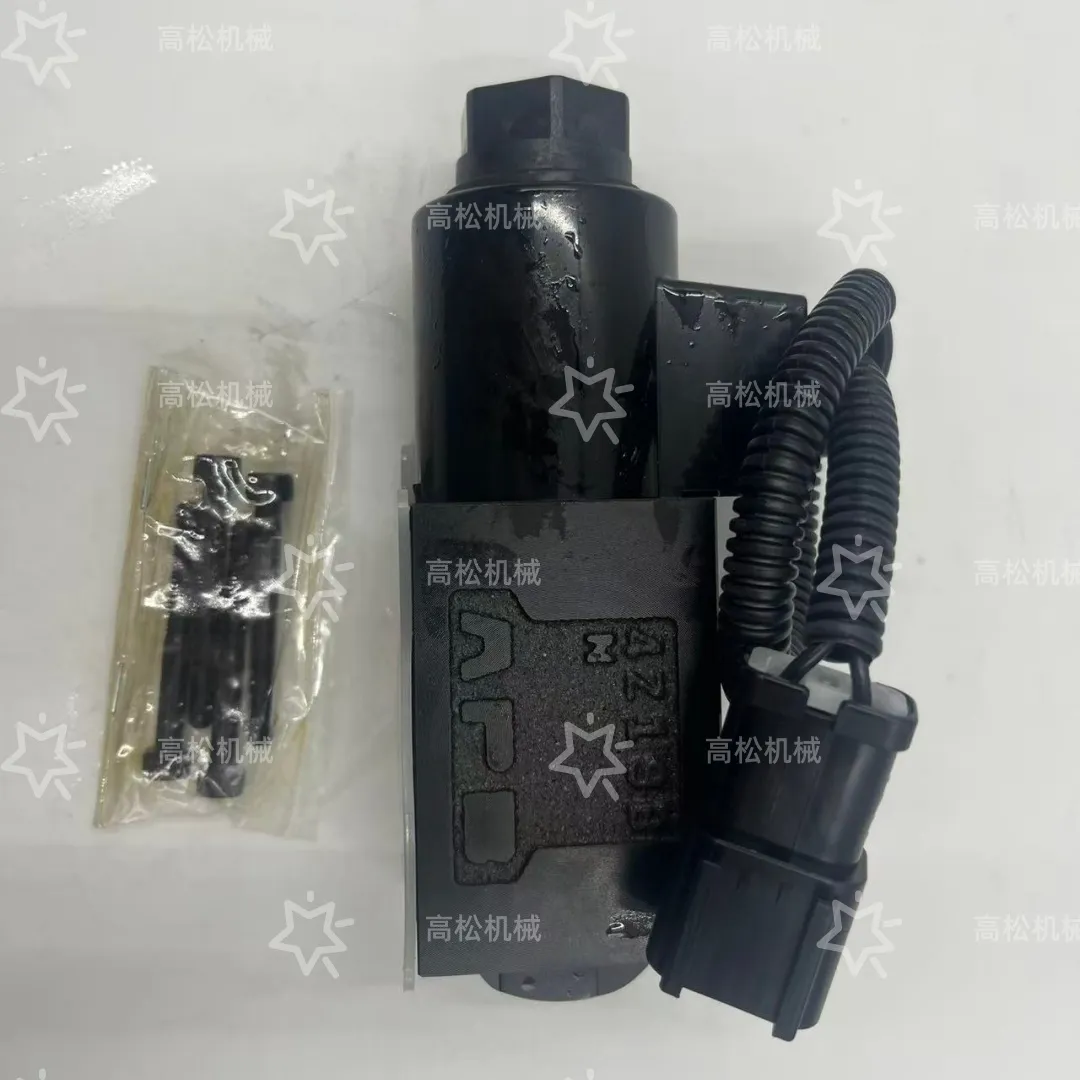 23W-60-28230 VALVE ASSEMBLY,SOLENOID – Komatsu
 -
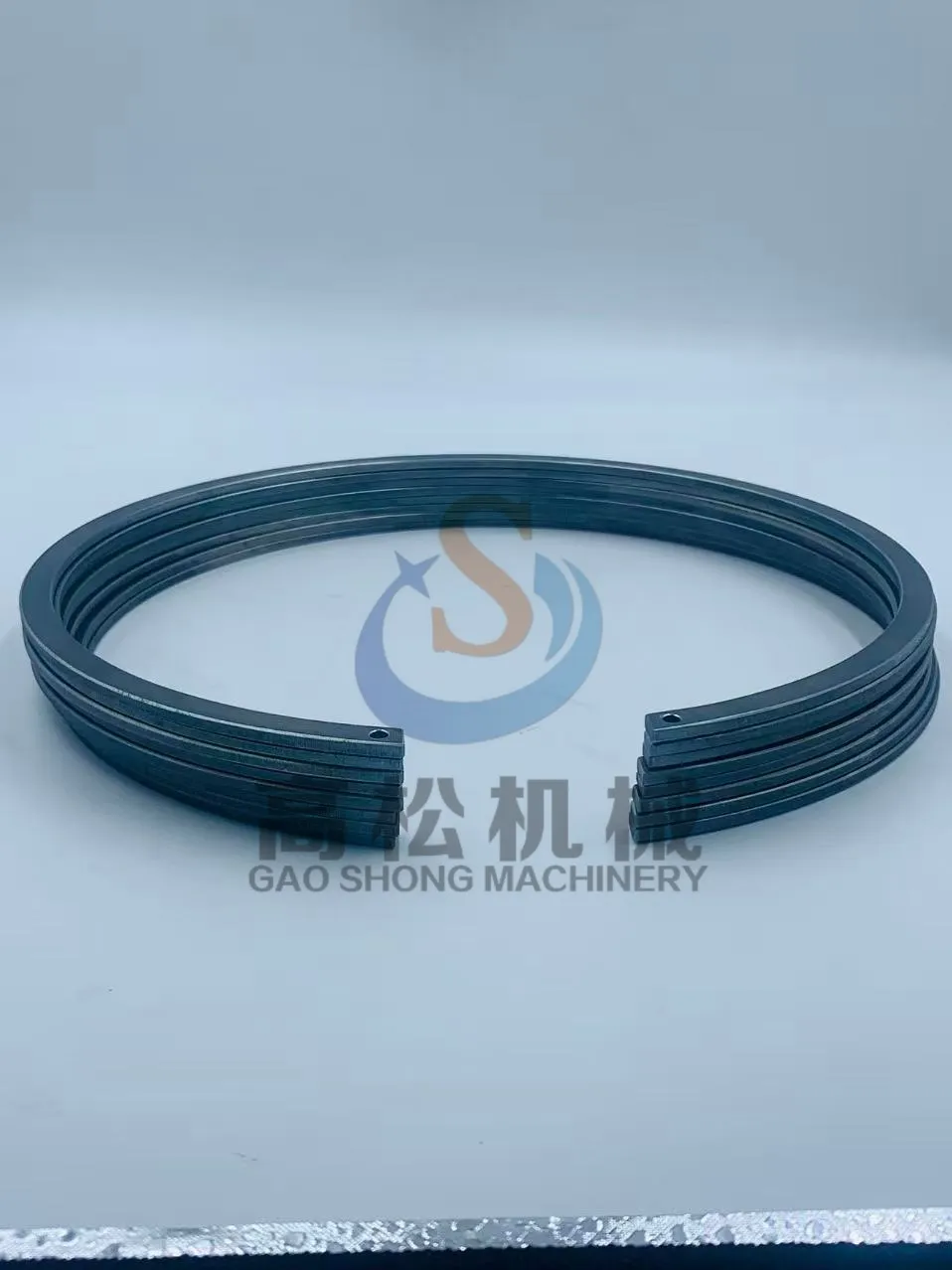 426-13-48281 SNAP RING KOMATSU
 -
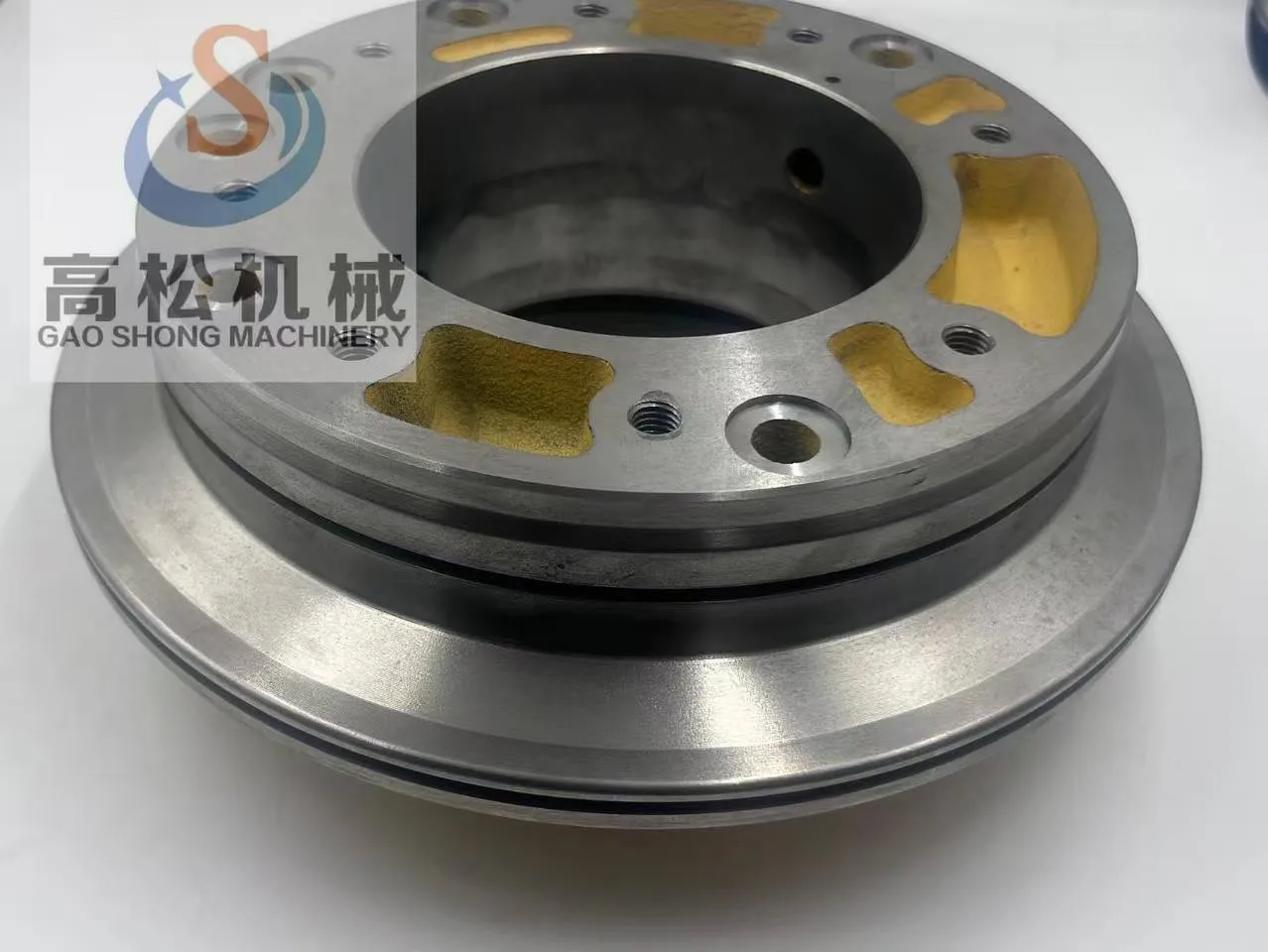 17A-22-11132 Komatsu Original Cylinder Compatible with Bulldozer 155
 -
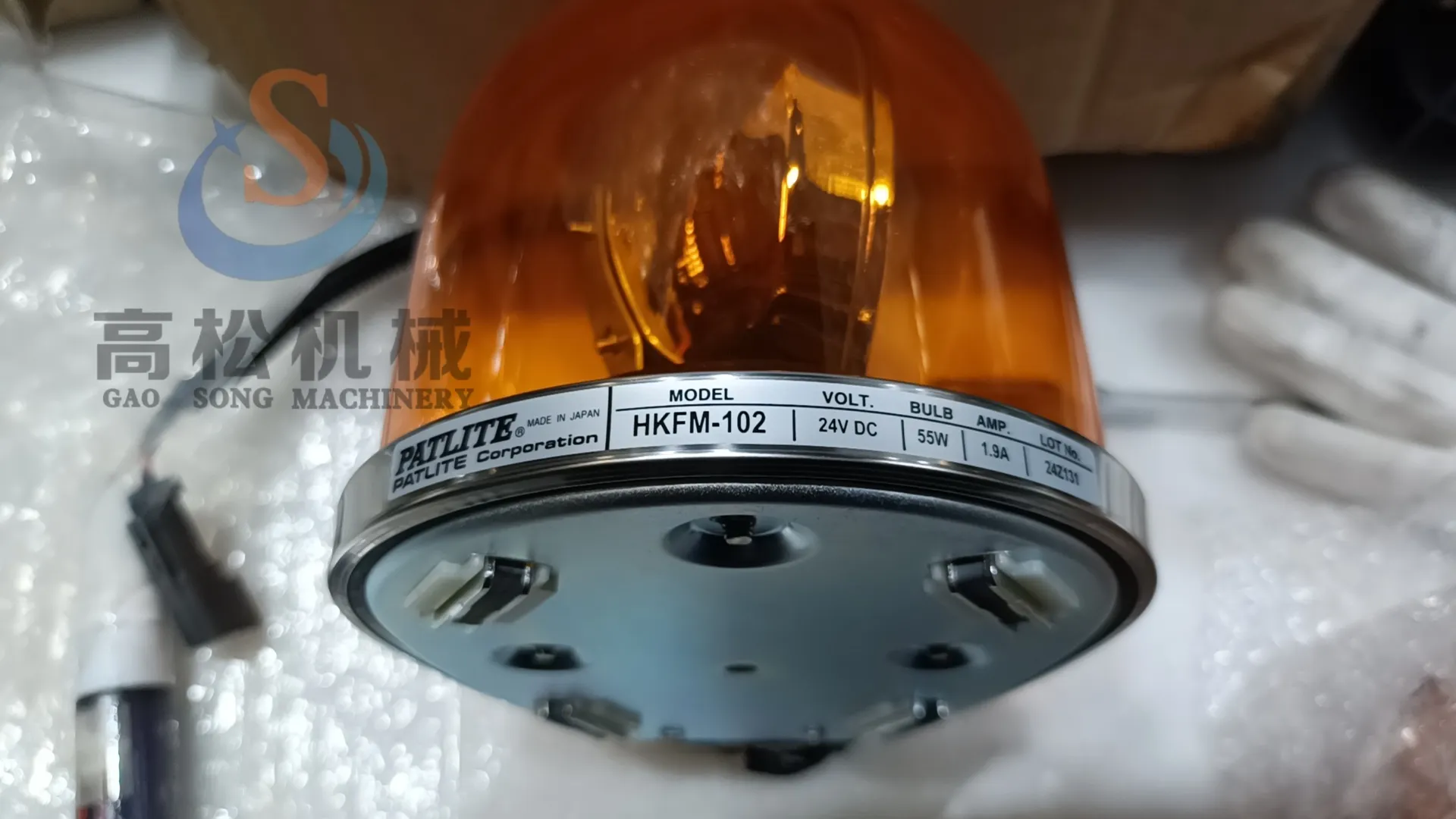 22B-54-17612 komatsu LAMP-PC200/PC300/PC400
 -
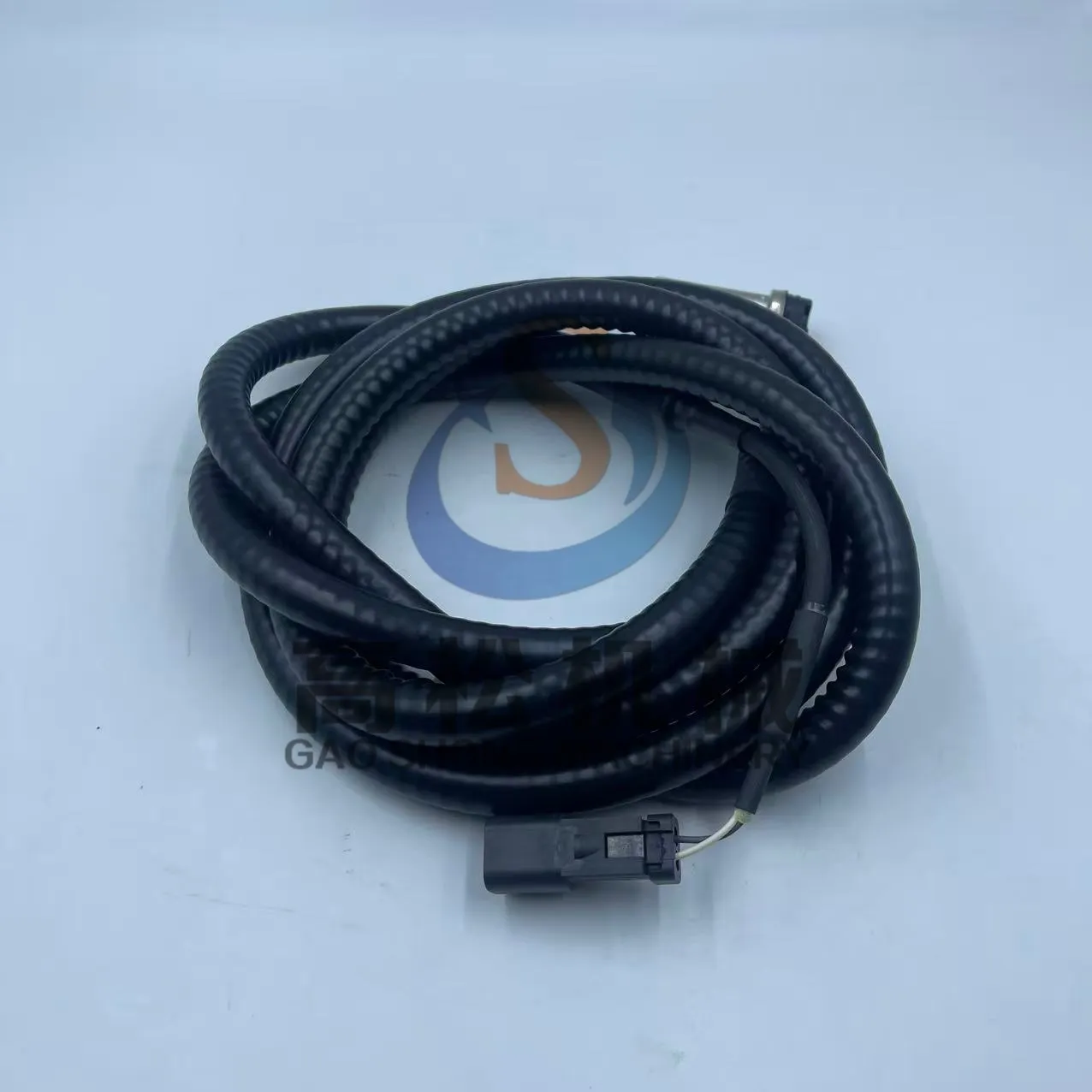 566-88-66143 – KOMATSU SENSOR
 -
 SEAL RING 155-15-12811 Dump Truck Transmission Kit D85A-18 NT855
 -
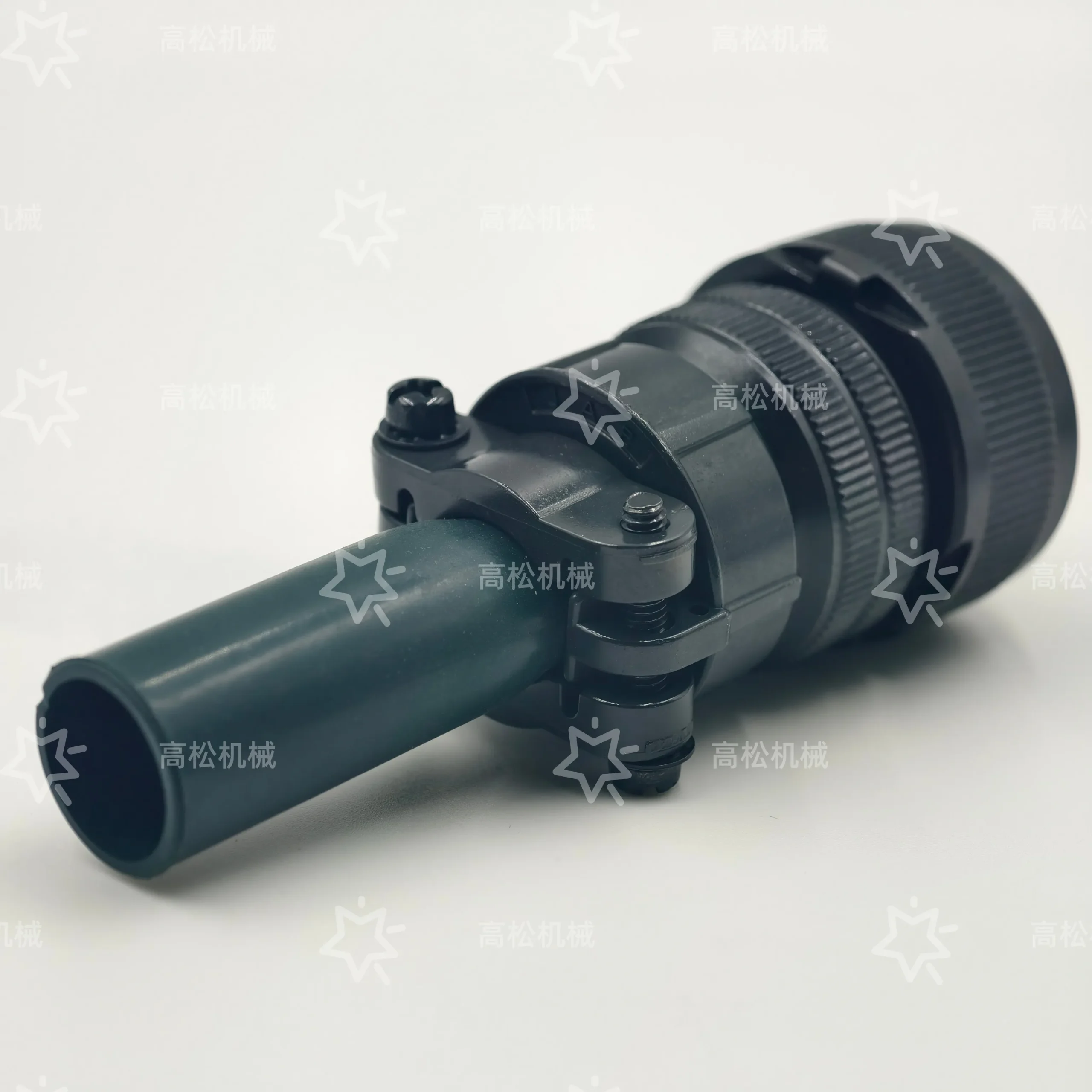 175-06-37871 Komatsu Plug
 -
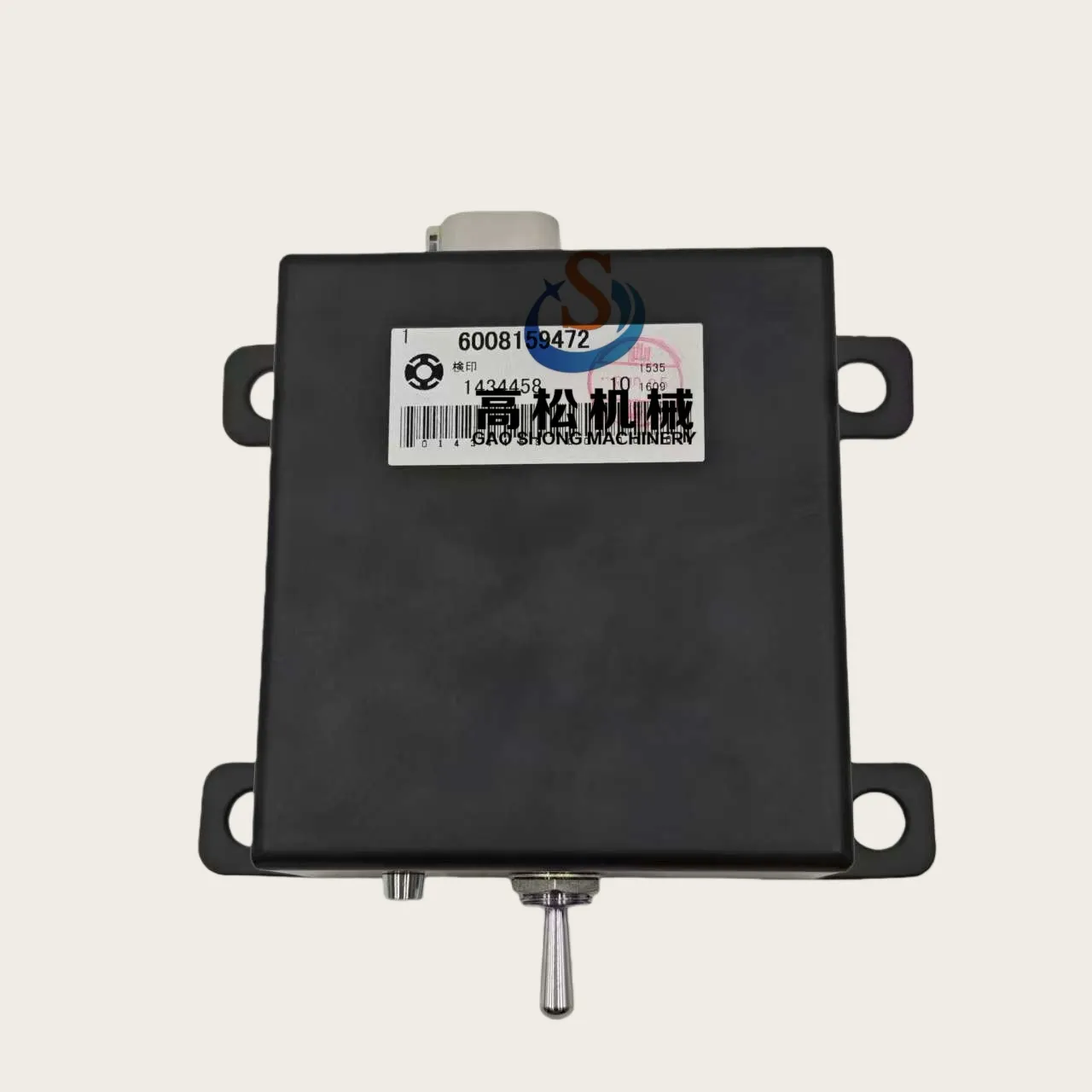 21T-68-67940 Komatsu Valve Assembly