
- Chinese
- French
- German
- Portuguese
- Spanish
- Russian
- Japanese
- Korean
- Arabic
- Irish
- Greek
- Turkish
- Italian
- Danish
- Romanian
- Indonesian
- Czech
- Afrikaans
- Swedish
- Polish
- Basque
- Catalan
- Esperanto
- Hindi
- Lao
- Albanian
- Amharic
- Armenian
- Azerbaijani
- Belarusian
- Bengali
- Bosnian
- Bulgarian
- Cebuano
- Chichewa
- Corsican
- Croatian
- Dutch
- Estonian
- Filipino
- Finnish
- Frisian
- Galician
- Georgian
- Gujarati
- Haitian
- Hausa
- Hawaiian
- Hebrew
- Hmong
- Hungarian
- Icelandic
- Igbo
- Javanese
- Kannada
- Kazakh
- Khmer
- Kurdish
- Kyrgyz
- Latin
- Latvian
- Lithuanian
- Luxembou..
- Macedonian
- Malagasy
- Malay
- Malayalam
- Maltese
- Maori
- Marathi
- Mongolian
- Burmese
- Nepali
- Norwegian
- Pashto
- Persian
- Punjabi
- Serbian
- Sesotho
- Sinhala
- Slovak
- Slovenian
- Somali
- Samoan
- Scots Gaelic
- Shona
- Sindhi
- Sundanese
- Swahili
- Tajik
- Tamil
- Telugu
- Thai
- Ukrainian
- Urdu
- Uzbek
- Vietnamese
- Welsh
- Xhosa
- Yiddish
- Yoruba
- Zulu
- Kinyarwanda
- Tatar
- Oriya
- Turkmen
- Uyghur






komatsu 25 forklift parts manual
When someone searches for a 'komatsu 25 forklift parts manual', they're usually in a bind. The part number isn't clear, the diagram is faded, or the local dealer is quoting a six-week lead time. There's a common misconception that finding this manual is the end of the journey. In reality, it's just the map. The real challenge is navigating the actual parts landscape—understanding which components are still in the global system, which have been superseded, and which are practically ghosts. I've seen too many maintenance teams download a manual and think they're set, only to hit a wall when they try to source a simple hydraulic valve block for a 25-series machine.
The Manual is a Starting Point, Not a Solution
Let's be clear: the parts manual for a Komatsu 25 forklift—whether it's the FD25, FD30, or an older model—is indispensable. It gives you the exploded views, the part numbers, the assembly relationships. But here's the catch Komatsu doesn't make everything forever. The 25-series has been around in various iterations, and supply chains shift. The manual might list part , but that number could have been replaced by A, or worse, designated obsolete. I remember a case where we needed the mast roller assembly for an FD25T. The manual was clear, but the part was NLA (No Longer Available) from standard channels. That's where the real work begins.
This is where the distinction between an official OEM supplier and a third-party specialist becomes critical. An official supplier within the Komatsu system, like Jining Gaosong, operates with direct access to Komatsu's technical data and genuine parts pipelines. They can tell you not just what the manual says, but what the current reality is. They can cross-reference that obsolete mast roller and find if there's a kit or a compatible assembly that wasn't in the original manual. Their website, https://www.takematsumachinery.com, frames it well: they are an OEM product supplier within Komatsu's system, but also act to solve parts supply challenges. That dual role is key. It means they can offer the genuine part if it exists, or a vetted, quality alternative if the official channel has dried up.
You develop a sense for this. After years of dealing with forklifts, you start to recognize which components on the 25-series are chronic trouble spots. The steering axle seals, for instance, or the specific contactor in the electrical panel. The manual doesn't tell you that. Experience does. So, when you look up that part, you're already mentally preparing for a sourcing battle. The manual gives you the weapon (the correct ID), but you need the right ally to help you find the ammunition.
Bridging the Gap Between Diagram and Delivery
Okay, so you've got your manual open to the brake system section. You've identified the master cylinder rebuild kit you need. The part number is there. Now what? You contact a general parts house, and they might just say not in stock and leave it at that. The value of a specialist comes from what happens next. A company like the one mentioned, which explicitly focuses on solving supply challenges, will dig deeper. They might check regional Komatsu warehouses you don't have access to, or they might know of a compatible kit from a later model that can be adapted. This isn't about selling a random part; it's about solving the downtime problem.
I recall a specific instance with a Komatsu 25 forklift's hydraulic pump. The manual listed it as a complete unit. The customer's machine was down, and the lead time for a new OEM pump was prohibitive. By working with a supplier that understood the system, we were able to cross-reference the pump's internal gerotor set and shaft seals against other Komatsu models. We didn't replace the whole pump; we rebuilt it with genuine sub-components that were still available. The manual didn't suggest that path, but practical knowledge of Komatsu's parts commonality across models did. That saved weeks of downtime and a significant chunk of money.
This process is messy. It involves back-and-forth emails with photos, measurements taken from the old part that don't quite match the manual because of wear, and a lot of let me check with the technical team. The language isn't polished. It's full of shorthand like need the spool for the control valve, the one that always sticks on the older 25s. A good supplier understands that language. They don't just read part numbers; they interpret the need behind them.
Why Genuine and Alternative Aren't Black and White
There's a dogma around only using genuine Komatsu parts. And for critical, safety-related components like brakes or mast weldments, I absolutely agree. But for a gasket, a hose, a standard bearing? The landscape is grayer. The parts manual doesn't make this distinction. A supplier embedded in the Komatsu ecosystem but operating with third-party flexibility can navigate this gray area ethically. Their role as an OEM supplier means they have a duty to Komatsu's quality standards. Their role as a problem-solver means they can source a high-quality, machined-to-spec replacement for a simple flange that's no longer produced, ensuring it meets or exceeds the original material specs.
Take wear parts like fork tips or side shift rollers. The manual will list them. But aftermarket manufacturers often produce these items to excellent standards, sometimes with material improvements. A supplier that helps with parts supply challenges will often have vetted these alternatives. They won't sell you a cheap, dangerous knock-off for a critical part, but they might offer a durable, cost-effective option for a high-wear item where the genuine part offers no real technical advantage. This is a professional judgment call, one born from seeing what fails and what lasts in the field.
It's about trust. When you're dealing with a machine as robust as a Komatsu 25, you want that trust. You build it with a supplier not just when they have the part, but when they tell you, Honestly, the genuine one for that is back-ordered, but here's a manufacturer we've used for years on this specific application. Here are the specs and the failure rate we've seen. That conversation is worth more than a thousand perfectly formatted parts manuals.
The Manual in the Digital Age: A Living Document
The concept of a manual has evolved. It's not just a static PDF anymore. The real resource is a combination of that original document and the living database a knowledgeable supplier maintains. When Jining Gaosong says they are an OEM product supplier within the Komatsu system, it implies access to Komatsu's technical updates and bulletins—information that might supersede or clarify what's in your vintage parts manual. A seal might have been upgraded due to a common leak; a torque spec might have been revised. That's the meta-manual, the unwritten addendum.
In practice, this means your search shouldn't end with downloading the komatsu 25 forklift parts manual. It should begin with identifying a resource that can interpret it in the current context. You need a partner who can look at the diagram you screenshot and say, Yes, part XYZ, but be careful when installing it because the bolt threads on the older block are prone to stripping. Use a tap first. That's gold. That's the difference between a successful repair and a cascading failure.
I've made the mistake of treating the manual as gospel. Ordered a part by the book, installed it by the book, and still had issues because of some un-documented quirk of that particular machine's production run. Now, the first thing I do after identifying the part is to call someone who has seen hundreds of these machines apart. The manual gives you the vocabulary, but the conversation with an expert gives you the dialect.
Conclusion: The Human Element Behind the Part Number
So, what are you really looking for with that 'komatsu 25 forklift parts manual' search? You're looking for a way to get your machine running. The manual is a crucial piece, but it's inert. The value is activated by human expertise—the kind that comes from companies operating in that niche between official OEM support and the practical realities of keeping aging, but perfectly good, equipment alive. It's about finding those who don't just see a list of numbers, but see the machine those numbers represent, and understand the urgency of the guy standing next to it, waiting for it to move again.
The next time you pull up that PDF, remember it's a snapshot from the past. Your job is to bridge that snapshot to the present. That often means partnering with a supplier whose entire model is built on creating that bridge, leveraging their position within the Komatsu system to solve problems that the standard manual-and-dealer pipeline can't always address. It's less about procurement and more about translation—translating a historical document into a modern, workable solution.
In the end, the most important part might not be in the manual at all. It's the connection to a reliable source of knowledge. Keep the manual handy, but build that relationship. That's what keeps forklifts—and businesses—moving.
Related Products
Related Products

Best Selling Products
Best Selling Products-
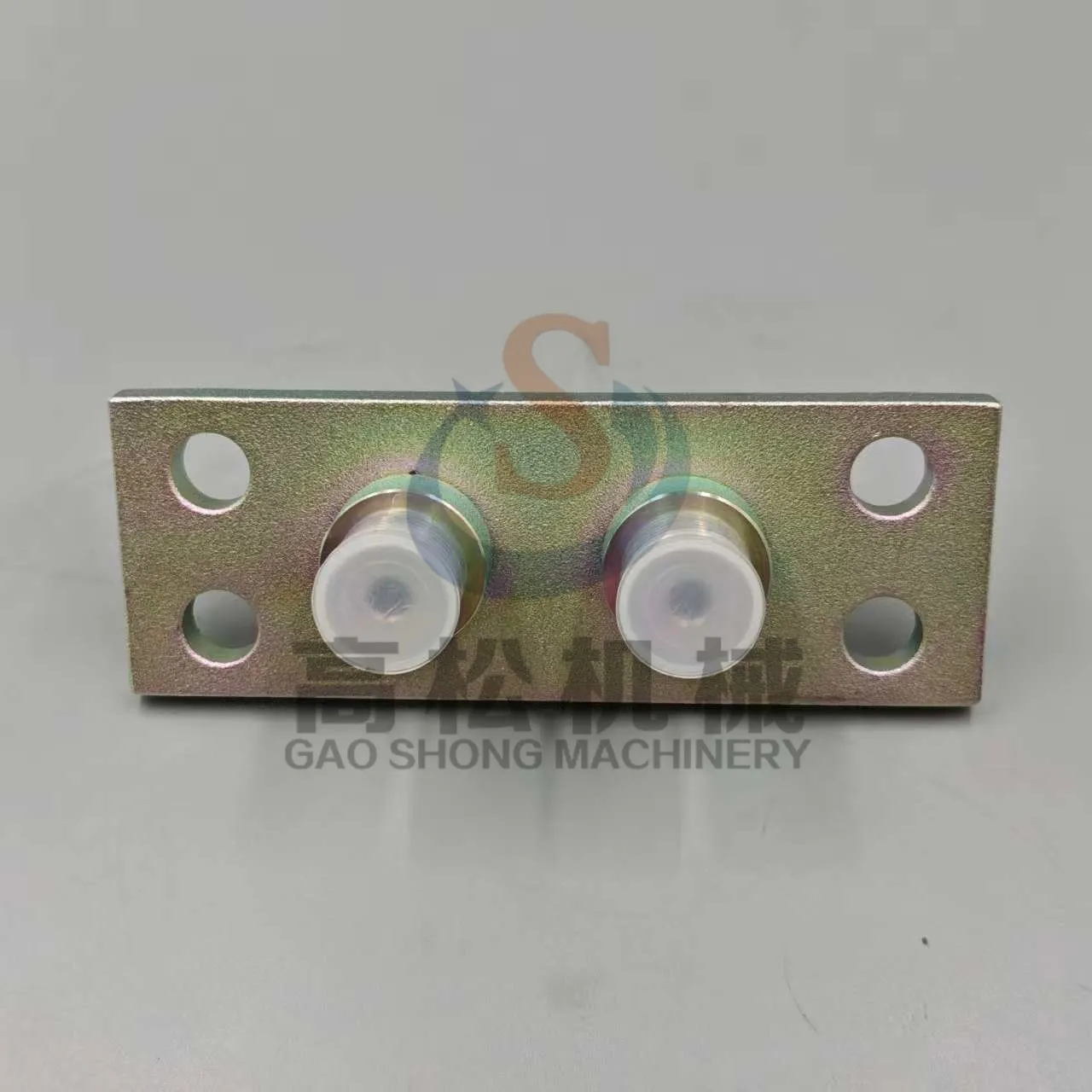 BRACKET 14Y-62-31411 – KOMATSU
 -
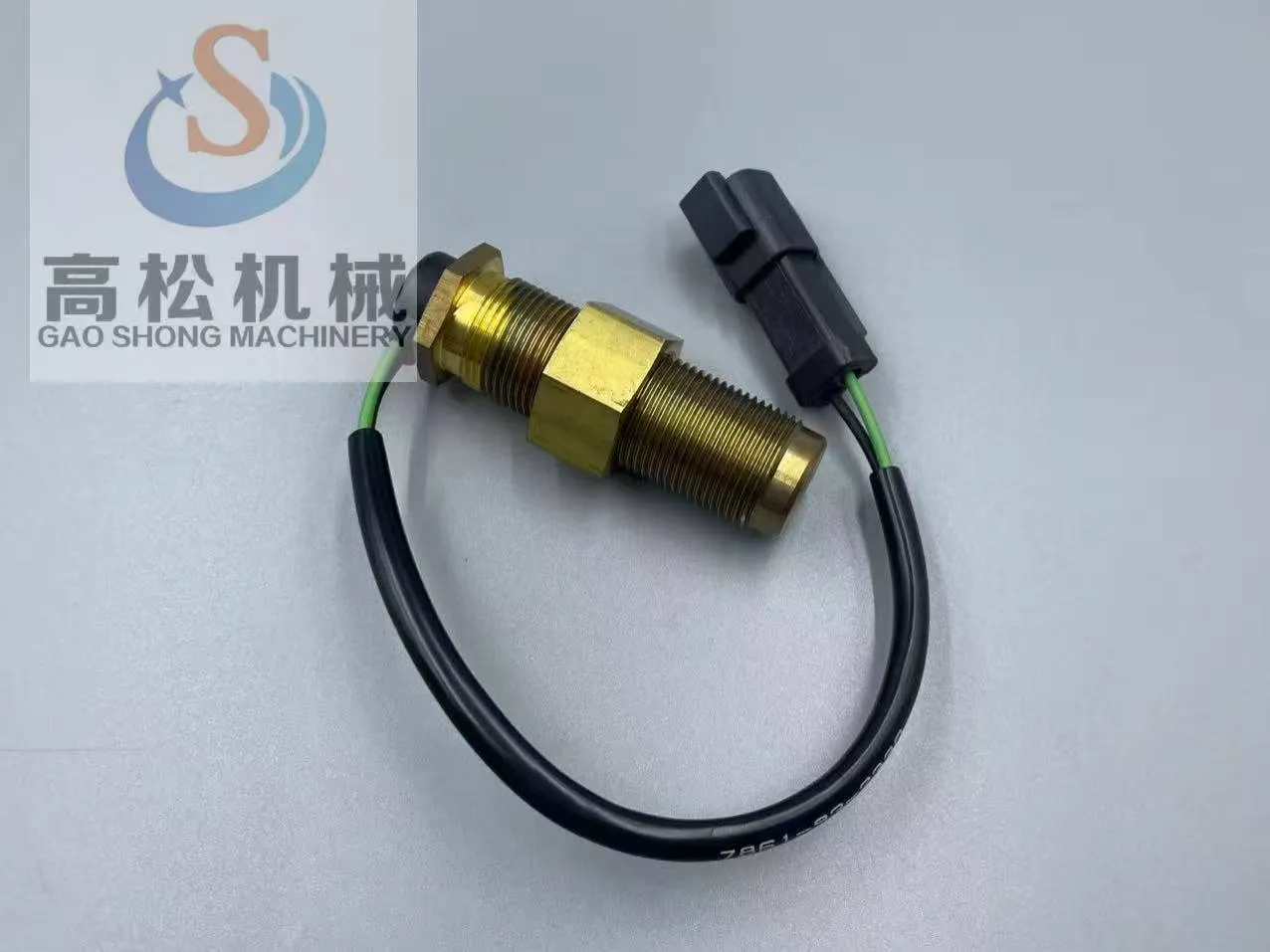 PC130-7 PC300-7 Engine Speed Sensor 7861-93-2330
 -
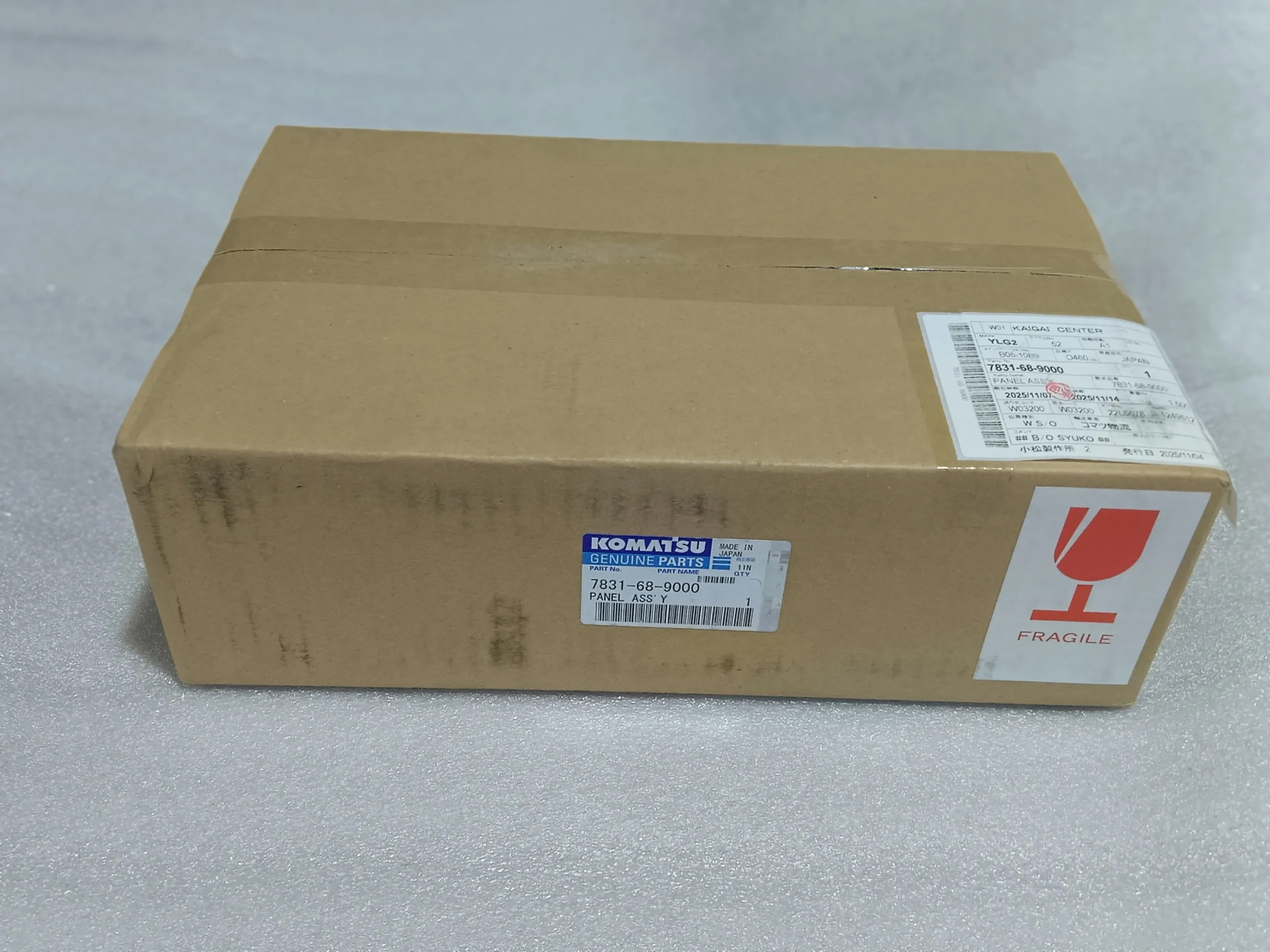 7831-68-9000 PANEL ASS’Y
 -
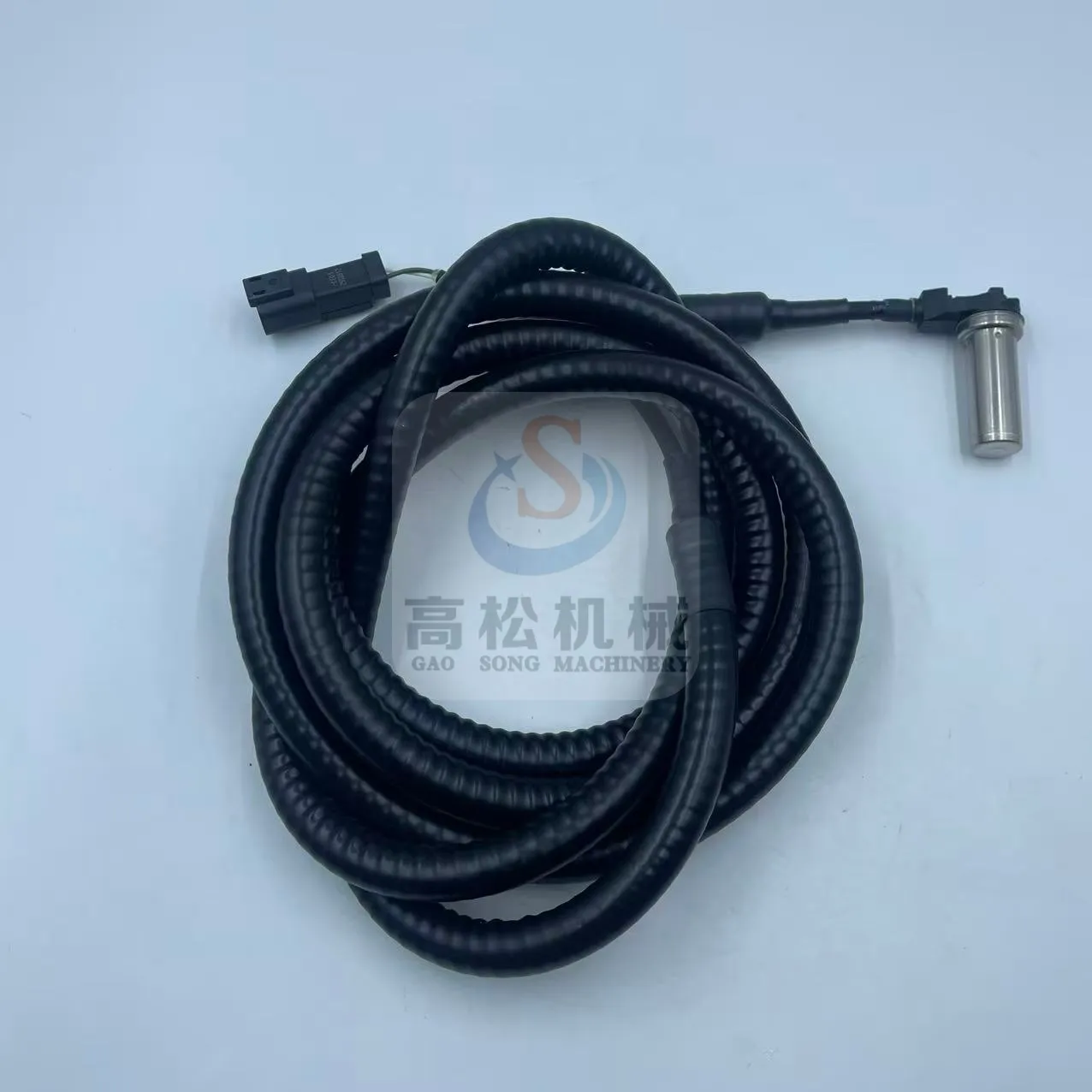 566-88-66143 sensor for Komatsu HD465-7
 -
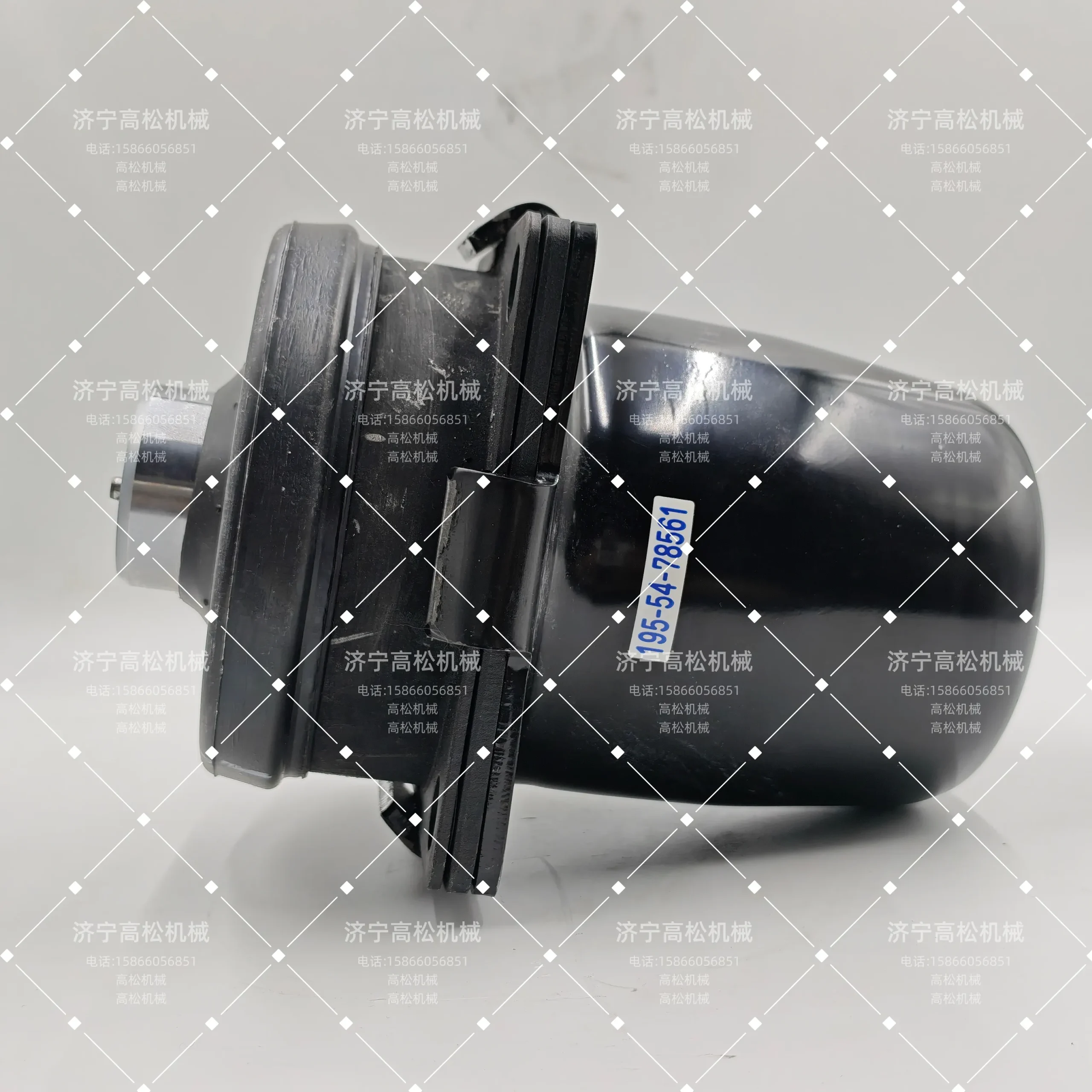 Komatsu Shock Absorbers 195-54-78412 195-54-78561 for D375A-6
 -
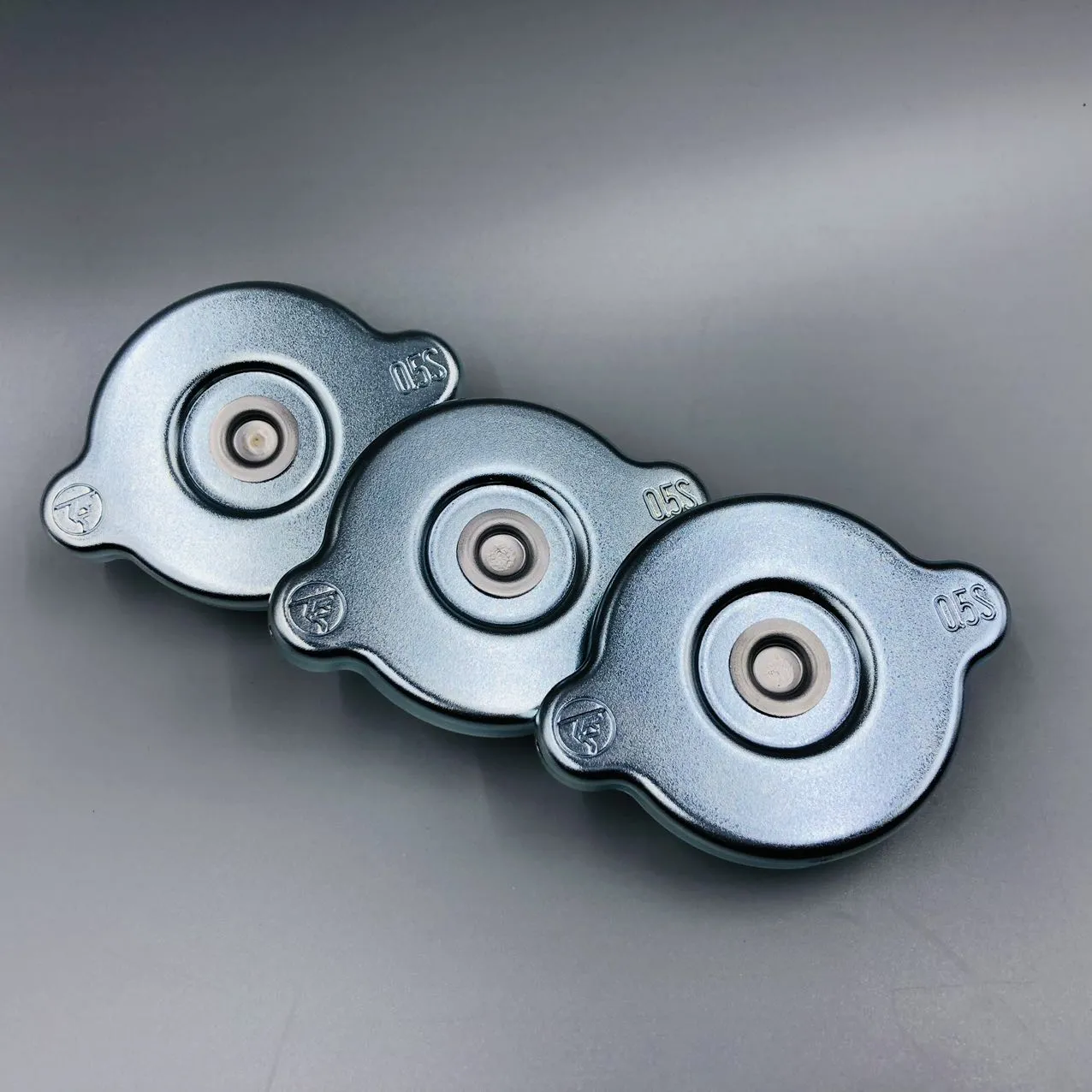 Water Tank Radiator Cap 20Y-03-22110 for Komatsu PC130-8 PC200-8 PC220-8 PC300-8 PC400-8
 -
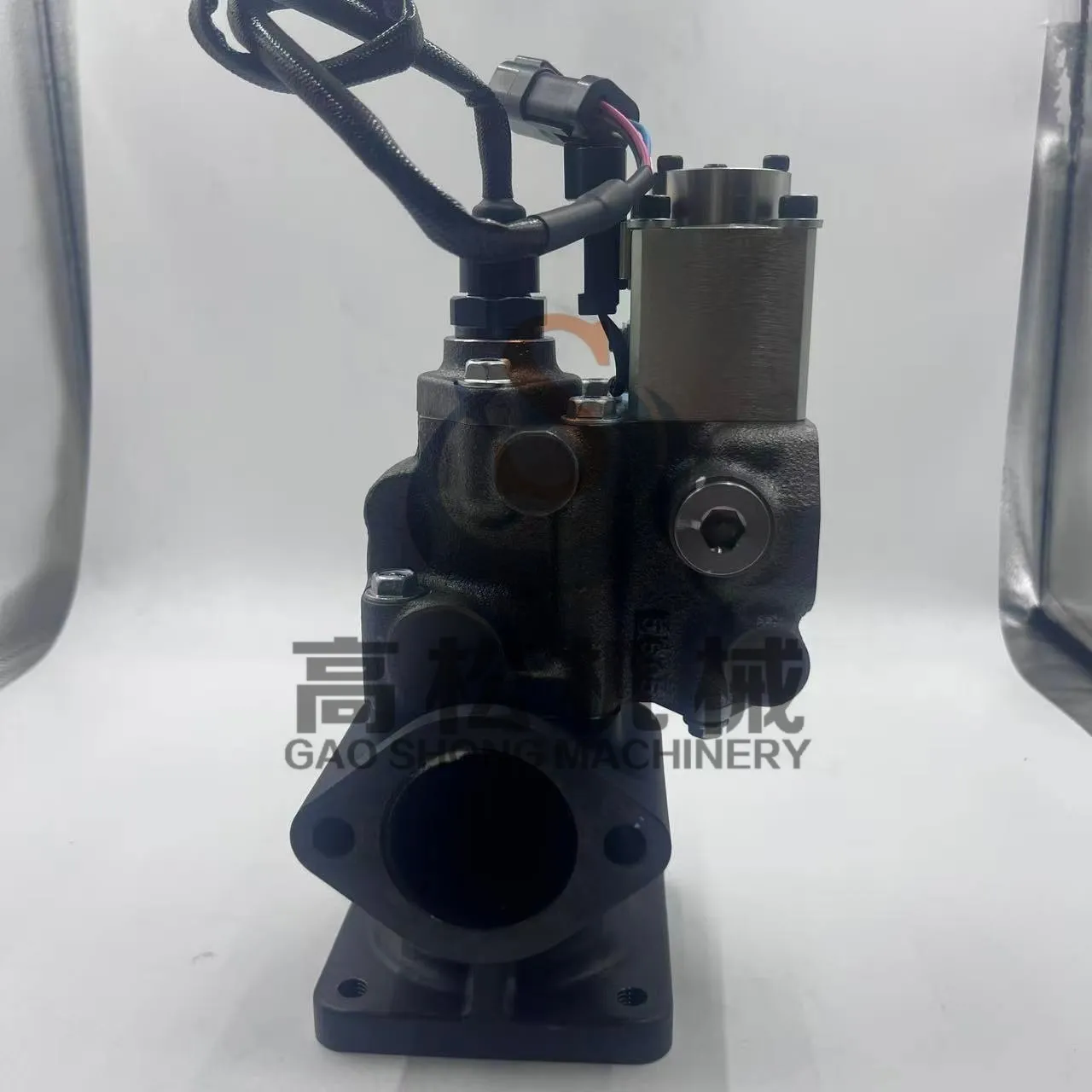 6261-41-9500 Komatsu Valve Assembly
 -
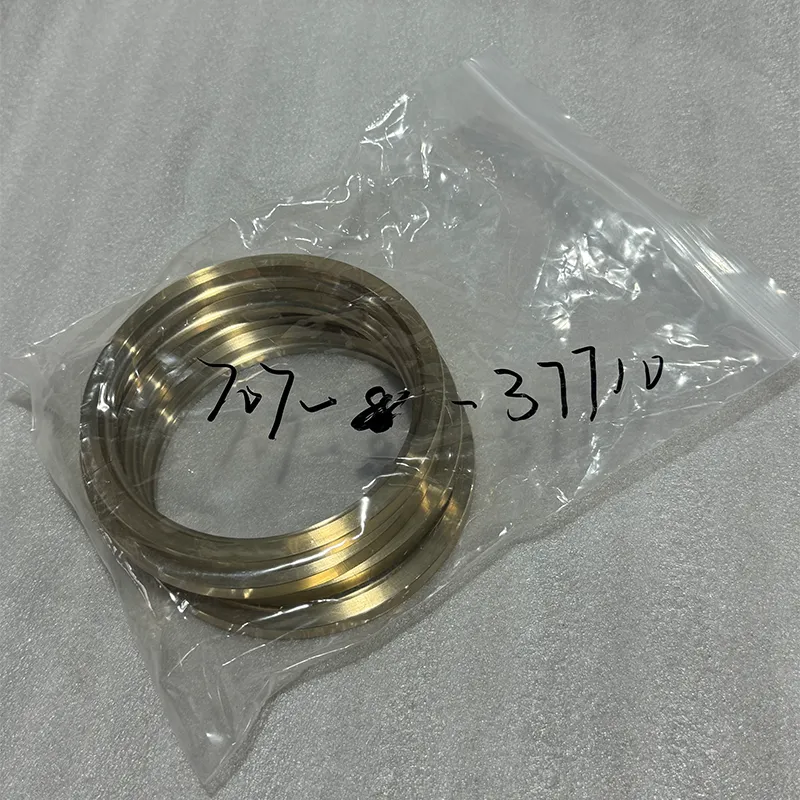 Original komatsu PC1250-8 Ring 707-88-37710
 -
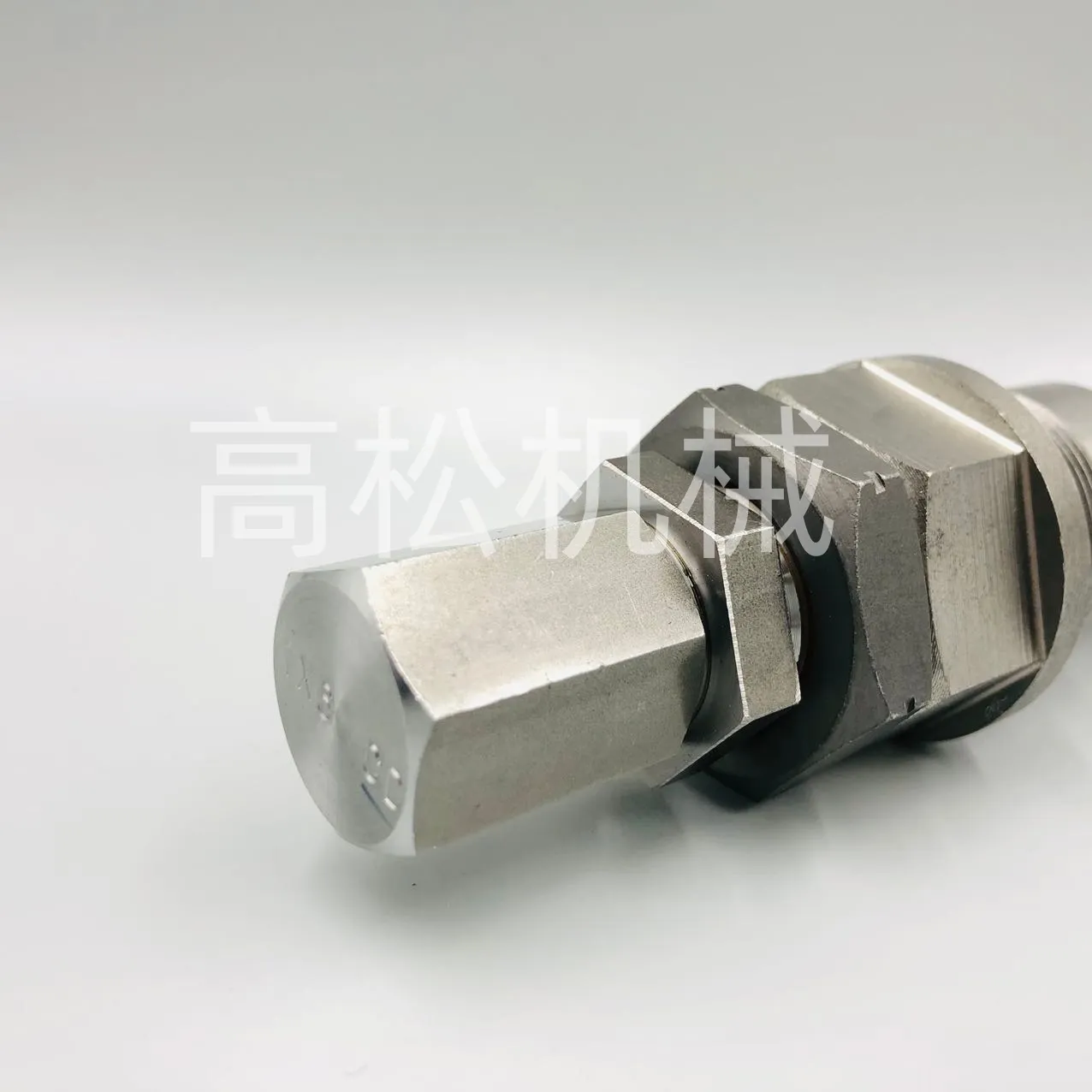 Komatsu700-89-66000 RELIEF VALVE-Komatsu Original Factory
 -
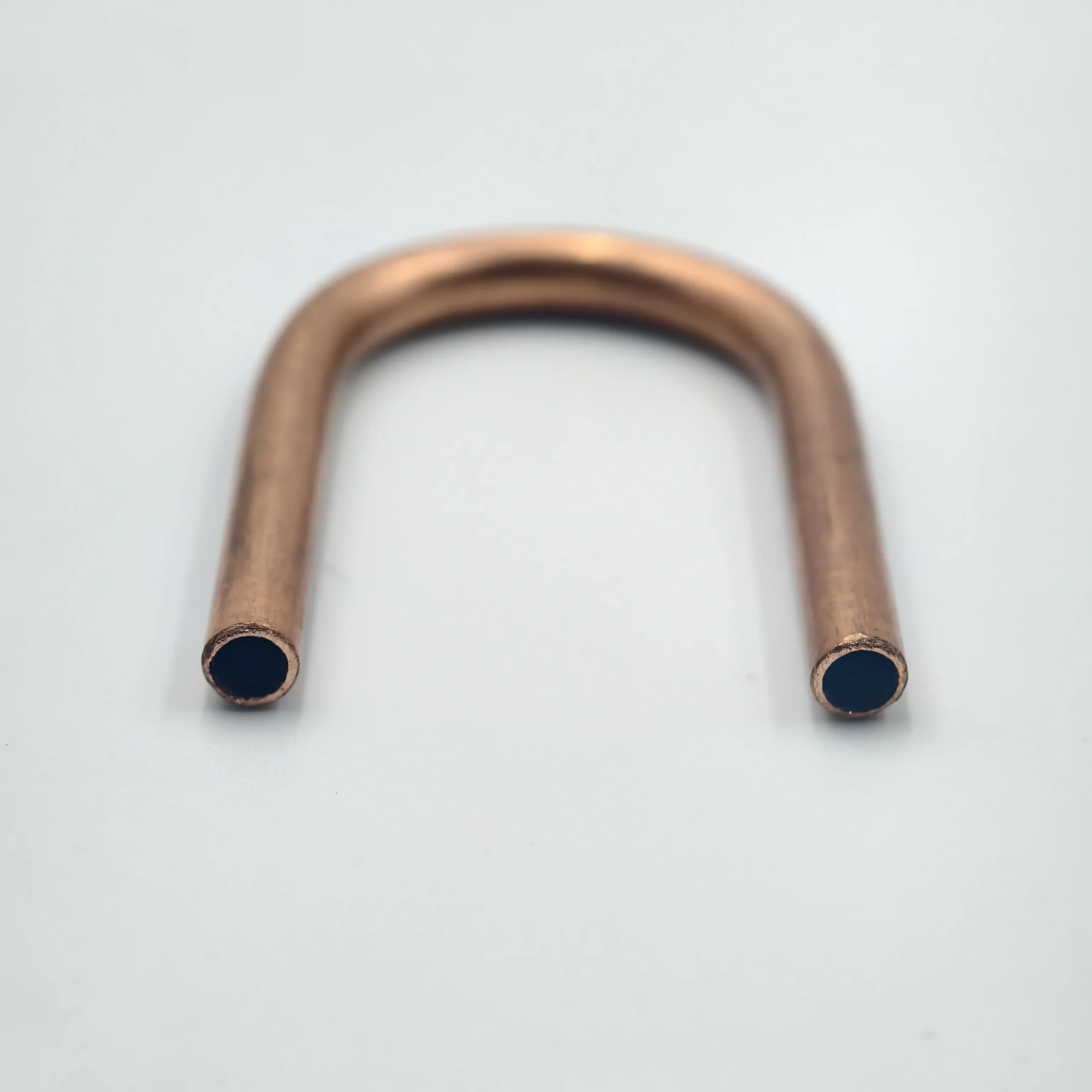 TUBE 21N-68-32360 – KOMATSU.
 -
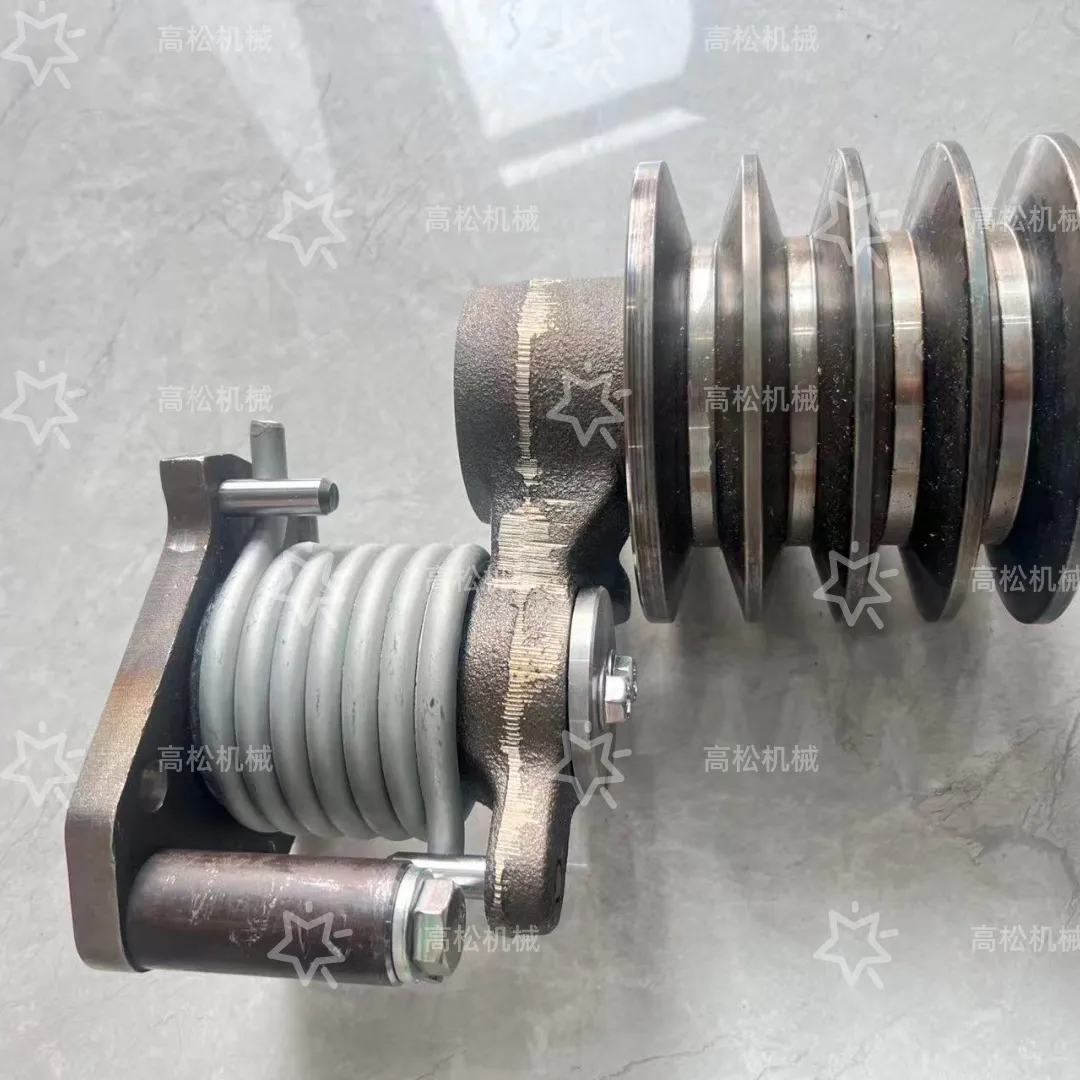 tension pulley ass’y 6240-61-4500 – komatsu
 -
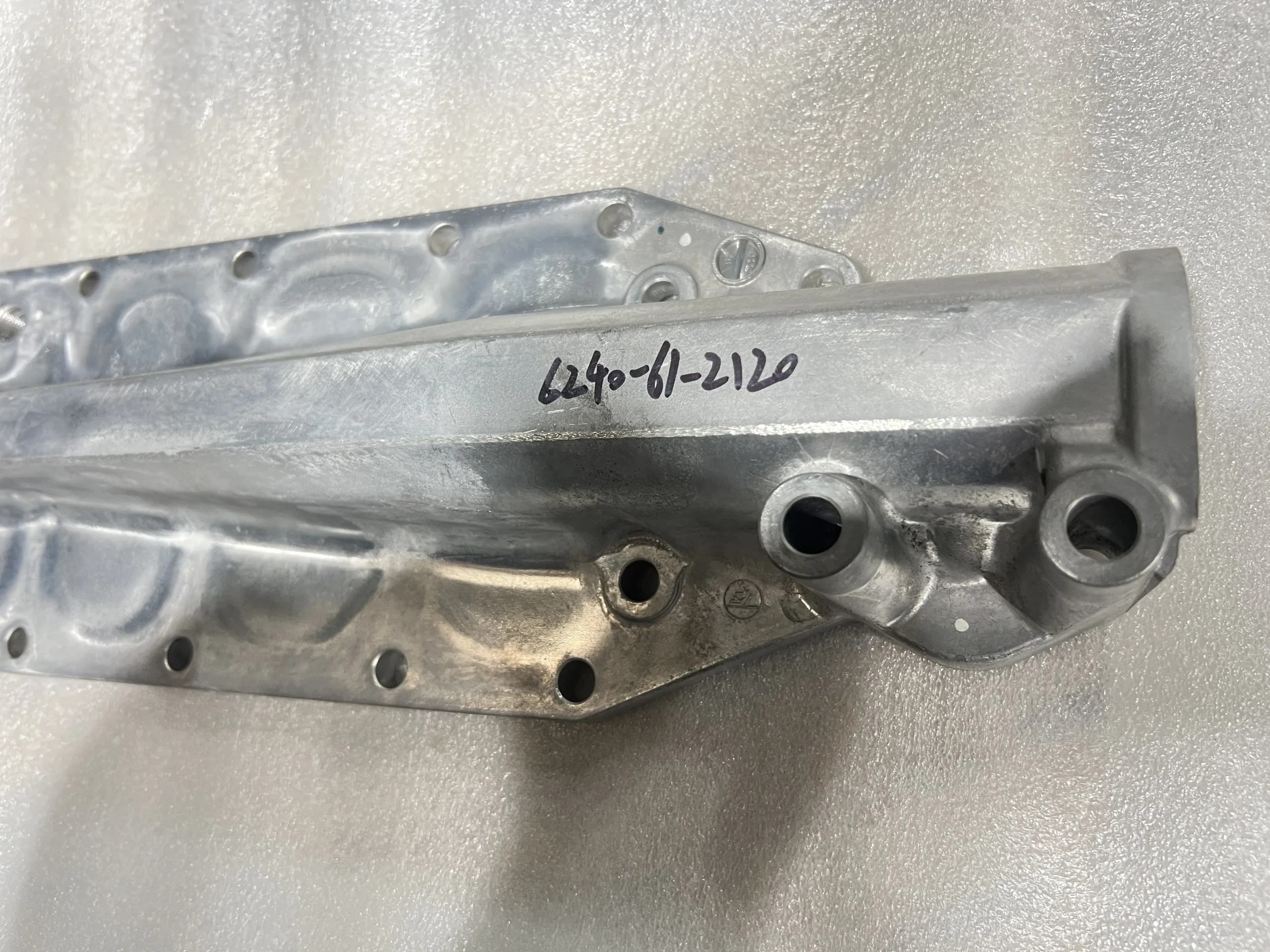 COVER 6240-61-2120 for ENGINE SA6D170E