
- Chinese
- French
- German
- Portuguese
- Spanish
- Russian
- Japanese
- Korean
- Arabic
- Irish
- Greek
- Turkish
- Italian
- Danish
- Romanian
- Indonesian
- Czech
- Afrikaans
- Swedish
- Polish
- Basque
- Catalan
- Esperanto
- Hindi
- Lao
- Albanian
- Amharic
- Armenian
- Azerbaijani
- Belarusian
- Bengali
- Bosnian
- Bulgarian
- Cebuano
- Chichewa
- Corsican
- Croatian
- Dutch
- Estonian
- Filipino
- Finnish
- Frisian
- Galician
- Georgian
- Gujarati
- Haitian
- Hausa
- Hawaiian
- Hebrew
- Hmong
- Hungarian
- Icelandic
- Igbo
- Javanese
- Kannada
- Kazakh
- Khmer
- Kurdish
- Kyrgyz
- Latin
- Latvian
- Lithuanian
- Luxembou..
- Macedonian
- Malagasy
- Malay
- Malayalam
- Maltese
- Maori
- Marathi
- Mongolian
- Burmese
- Nepali
- Norwegian
- Pashto
- Persian
- Punjabi
- Serbian
- Sesotho
- Sinhala
- Slovak
- Slovenian
- Somali
- Samoan
- Scots Gaelic
- Shona
- Sindhi
- Sundanese
- Swahili
- Tajik
- Tamil
- Telugu
- Thai
- Ukrainian
- Urdu
- Uzbek
- Vietnamese
- Welsh
- Xhosa
- Yiddish
- Yoruba
- Zulu
- Kinyarwanda
- Tatar
- Oriya
- Turkmen
- Uyghur






komatsu 25 forklift parts
When someone searches for 'Komatsu 25 forklift parts', they're usually in a bind. The machine is down, production is waiting, and they need a solution fast. A common mistake is thinking all parts for these older Komatsu models are interchangeable or that aftermarket options are a direct fit. They often aren't. The Komatsu 25 series, depending on the exact model and year, has specific nuances in its hydraulic system and mast assemblies that generic parts just don't account for. I've seen too many people order a 'compatible' cylinder seal kit only to find the piston diameter is off by a millimeter, causing leaks and more downtime. It's not just about the part number; it's about the machine's history and the specific wear patterns of that unit.
The Core Challenge with Legacy Komatsu Parts
The real issue with the Komatsu 25 forklift parts supply chain isn't availability, it's authenticity and specification matching. These machines were workhorses, built to last, but as they age, OEM stocks for certain components dry up or become prohibitively expensive through official channels. This creates a gray market of varying quality. You might find a steering axle rebuild kit from three different suppliers, all claiming OEM-standard. One will work for 500 hours, another might fail on installation due to poor casting tolerances.
My own lesson came from a clutch assembly. We sourced a supposedly genuine clutch disc and pressure plate for a Komatsu FD25. The part numbers matched the catalog, but the spline count was one off. It looked identical to the naked eye. The mechanic spent half a day trying to force it before we realized the discrepancy. The catalog was a generic reference, and a mid-year production change had altered the transmission input shaft design. That's the kind of detail you only learn by getting it wrong, or by working with people who've been through it.
This is where a specialized supplier makes the difference. I've had better luck with companies that explicitly state their role within the Komatsu ecosystem. For instance, Jining Gaosong Construction Machinery Co., Ltd. positions itself uniquely. They are an OEM product supplier within the Komatsu system and also act as a third-party sales channel. In practice, this means they have access to genuine Komatsu lineage parts for models like the 25 series, but they also understand the need for practical solutions when a pure OEM part is obsolete or stuck in a long supply chain. Their site, https://www.takematsumachinery.com, often lists these niche components with clear notations on origin—whether it's genuine, OEM-spec, or a validated alternative.
Hydraulics and Masts: The Critical Systems
If you're dealing with a Komatsu 25, pay closest attention to the hydraulic pump and mast rollers. The pump, often a variable displacement type, is sensitive to contamination and wear. Rebuilding it isn't just about swapping seals; you need to check the cam plate for scoring and the piston shoes for pitting. A common failure I've observed is a gradual loss of lifting power, which operators blame on the cylinders, but nine times out of ten, it's the pump losing its volumetric efficiency. Sourcing a complete pump assembly is costly, but a reliable rebuild kit with precisely matched valve plates and bearings is a viable path.
The mast channels and rollers are another pain point. The rollers aren't just simple bearings; they have specific hardness ratings and often a unique flange design. Using a softer aftermarket roller will lead to rapid wear on the mast channel itself, turning a $200 part problem into a $2000 mast repair. When looking for Komatsu 25 forklift parts like these, the product description must include material specs. A supplier like the mentioned Gaosong company typically provides this data because they deal directly with the manufacturing units that produced these components for Komatsu, giving them traceability.
I recall a job where we replaced all mast rollers, but the lift was still jerky. We overlooked the side thrust rollers—smaller components that guide the mast laterally. They were seized, causing binding. It's a reminder that on these integrated systems, you can't just fix the obvious part. You need a source that can provide the full context, often visualized in breakdown diagrams, which good suppliers include on their product pages to prevent such oversights.
The Value of a Hybrid Supplier Model
The company profile of Jining Gaosong is telling: We are an OEM product supplier within the Komatsu system, and we are also a third-party sales company for Komatsu, helping to solve parts supply challenges in certain countries. This hybrid model is crucial for older models. It means they can sometimes access Komatsu's genuine parts inventory that isn't widely distributed. But when that's not possible, their third-party role allows them to source or produce high-fidelity alternatives that have been vetted against the original specs, not just reverse-engineered.
This is different from a pure aftermarket parts dealer. The difference is in the validation. For example, a brake master cylinder for the Komatsu 25 might be available from a dozen generic suppliers. A supplier operating within the Komatsu framework is more likely to have tested the component for the specific pressure rating and fluid compatibility of that model's system. Their business is solving supply challenges, not just moving inventory.
In one case, we needed a discontinued steering control valve. The official Komatsu distributor had a 12-week lead time from Japan. Through a channel like Gaosong's https://www.takematsumachinery.com, we found a remanufactured unit. The key was their description: it specified that the valve body was the original Komatsu casting, professionally re-machined and fitted with new, certified spools and seals. It worked flawlessly. That level of detail—specifying the origin of the core—builds trust and is a hallmark of a specialist.
Electrical and Ignition: Don't Overlook the Simple Stuff
It's easy to focus on the big mechanical items, but electrical gremlins can sideline a Komatsu 25 just as fast. The alternators and starter motors on these are robust but eventually fail. The trap here is buying a universal 12V alternator. The mounting bracket might fit, but the pulley alignment or the regulator's voltage set point might be wrong for the Komatsu's system, leading to chronic under- or over-charging that fries the battery.
The ignition switch and wiring harness connectors are another headache. The plastic becomes brittle with age. I've had a machine that wouldn't crank, and after chasing relays and solenoids, it was a single broken wire inside the insulation right at the ignition switch connector block. When sourcing these Komatsu 25 forklift parts, look for suppliers that offer the connector housings and terminals separately, not just the whole harness. It allows for a surgical repair that's more durable than splicing.
A good test of a supplier's depth is if they list these small, seemingly insignificant parts—the dash-mounted hour meter (which often fails), the specific bulb for the warning light, or the correct amperage fuse for the accessory circuit. Their presence indicates an understanding that keeping an old machine running is about the totality of its components, not just the major assemblies.
Practical Sourcing and Final Thoughts
So, how do you actually navigate this? First, have your exact model and serial number. Komatsu 25 isn't enough; you need the FD25, FG25, etc., and the serial prefix. Cross-reference any part number you find with multiple sources. If a price seems too good to be true for a critical component like a torque converter, it probably is. Use suppliers that provide clear contact methods for technical questions—if you can send them a photo of your worn part and get a confirmation, that's a good sign.
Companies like Jining Gaosong fill a specific niche in this process. Their stated mission of solving parts supply challenges aligns with the real-world problem of keeping legacy Komatsu equipment operational. They aren't the first stop for a brand-new Komatsu filter, but they are a vital resource for the hard-to-find, model-specific components where the official pipeline has slowed to a trickle.
Ultimately, dealing with Komatsu 25 forklift parts is an exercise in diligence. It requires a blend of mechanical knowledge, patience, and finding the right partners in the supply chain who understand the difference between a part that fits and a part that works. It's messy, often frustrating, but getting that old machine back on the floor, lifting smoothly, is a satisfaction that newer models just don't provide. The key is to build relationships with a few trusted sources who provide not just parts, but the context that comes with them.
Related Products
Related Products
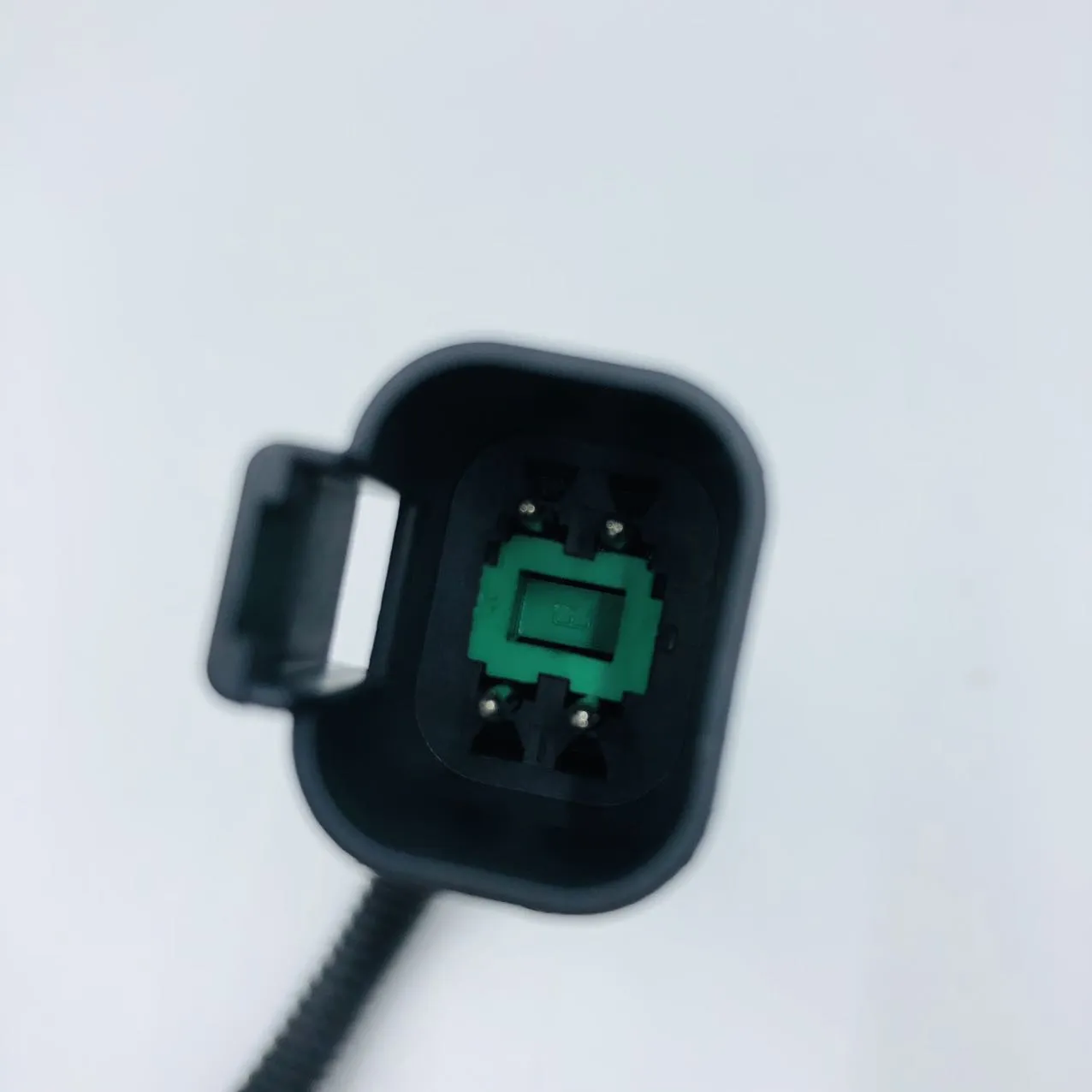
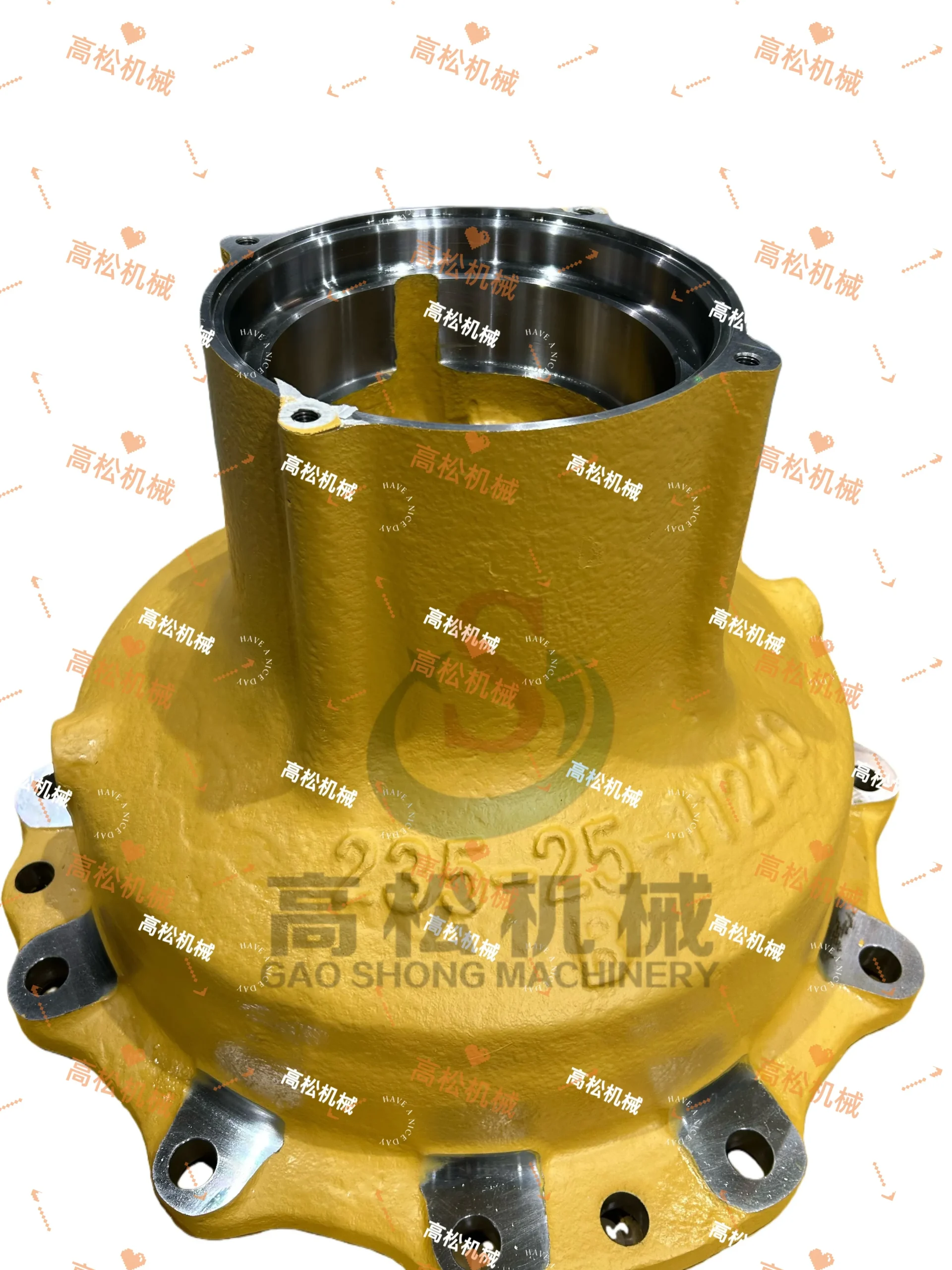
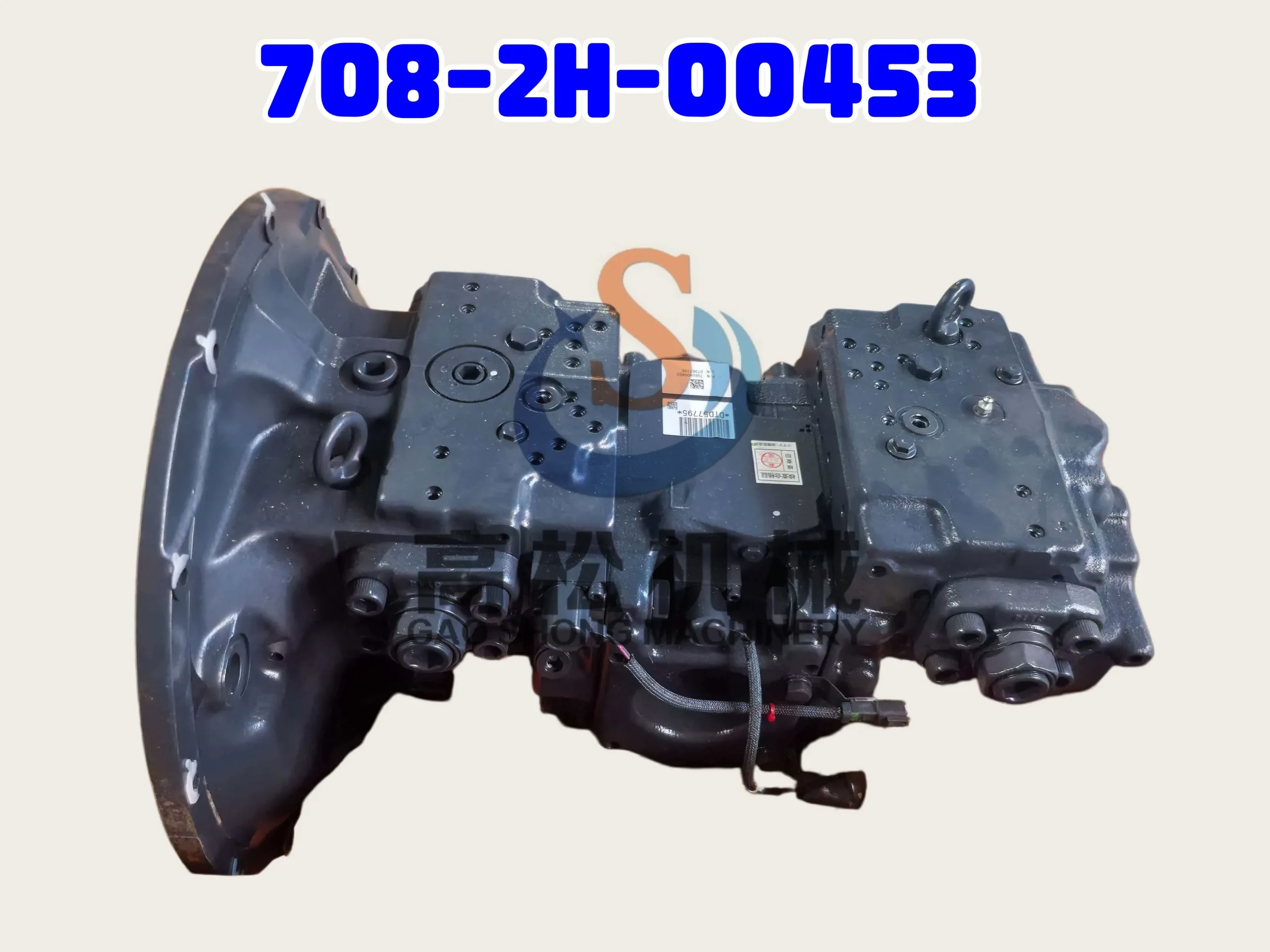
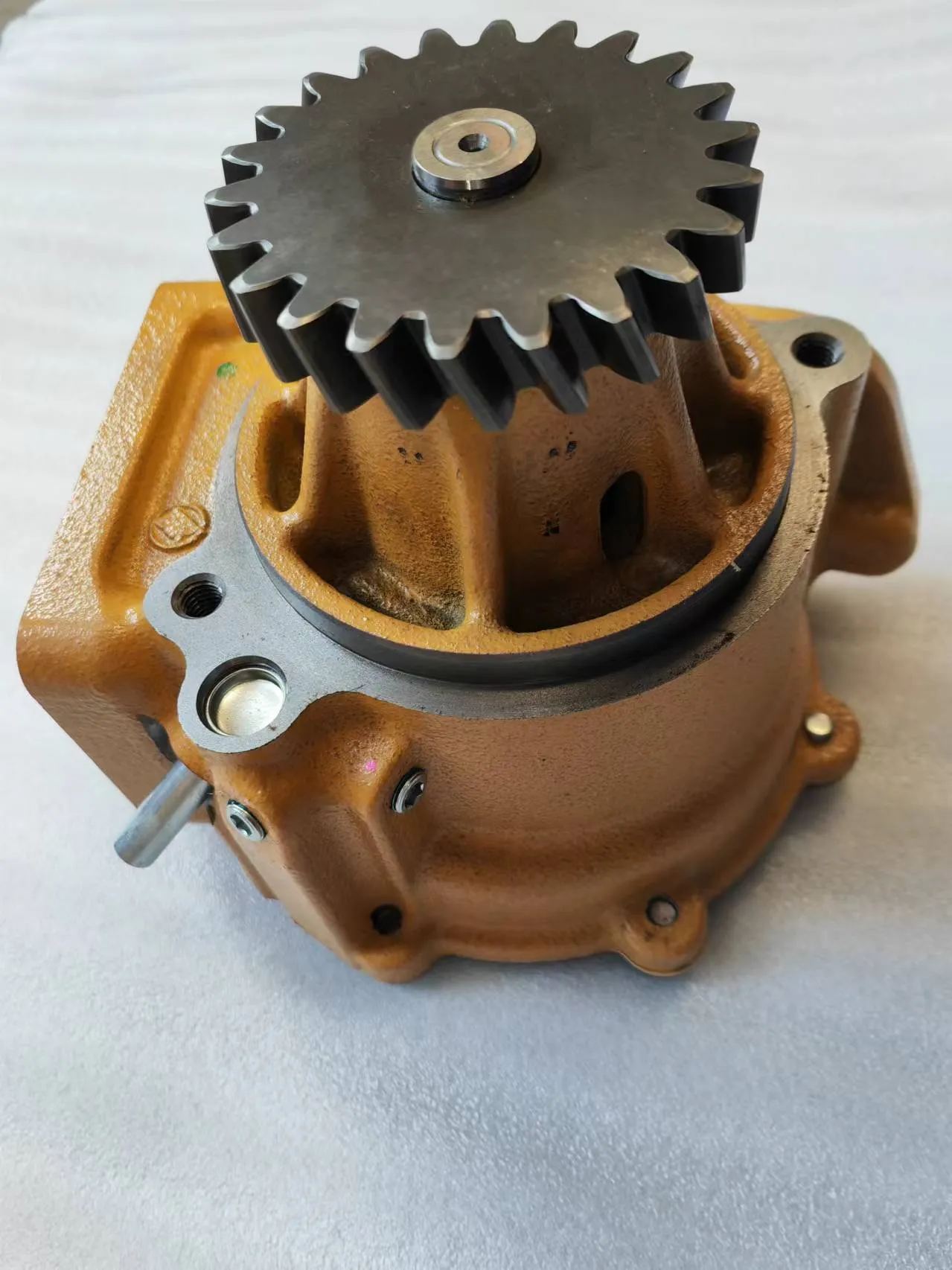

Best Selling Products
Best Selling Products-
 Komatsu D275-2/-5 17M-30-26620 Heavy Duty Swing Motors
 -
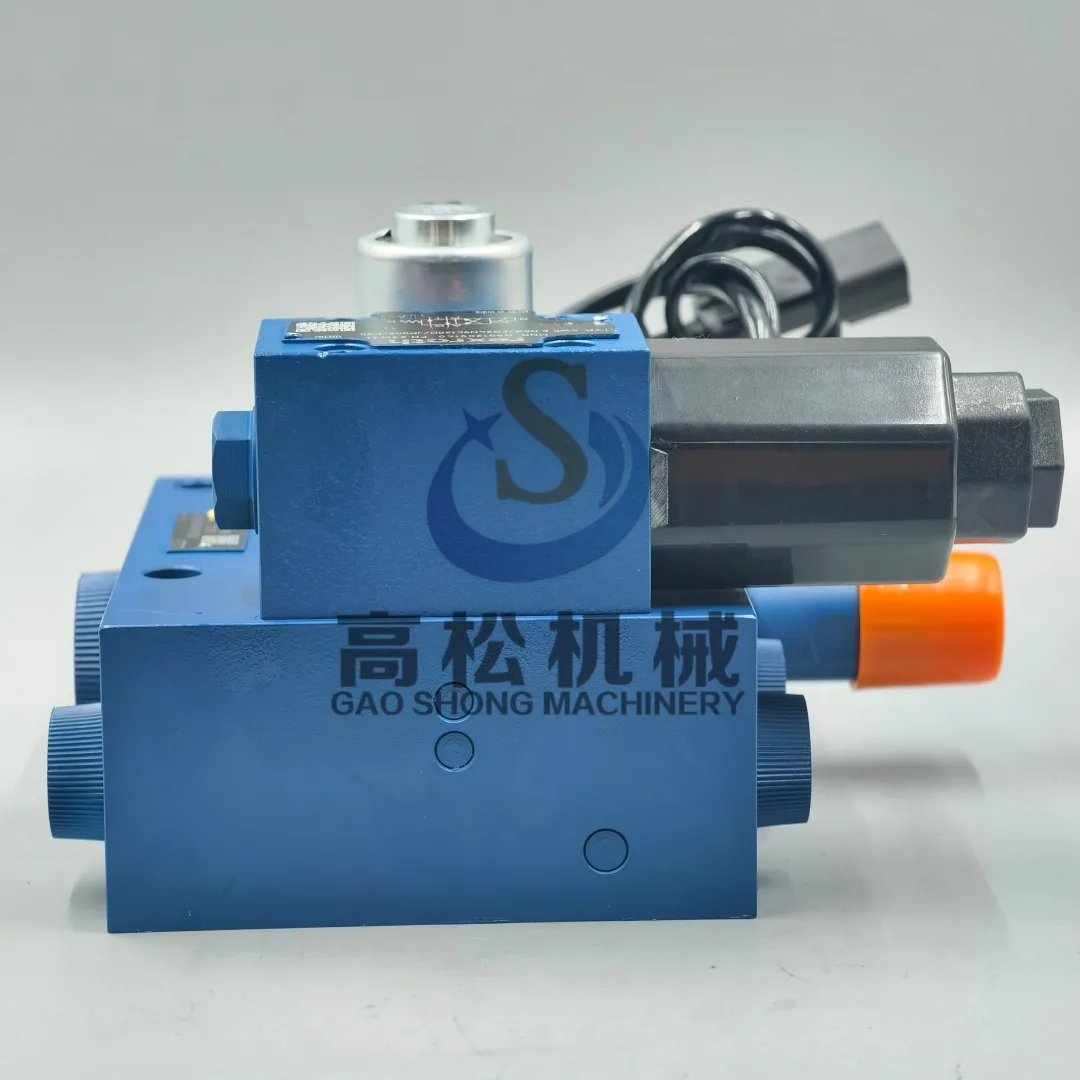 Komatsu 56B-43-12402 Valve for machines model HD405-7
 -
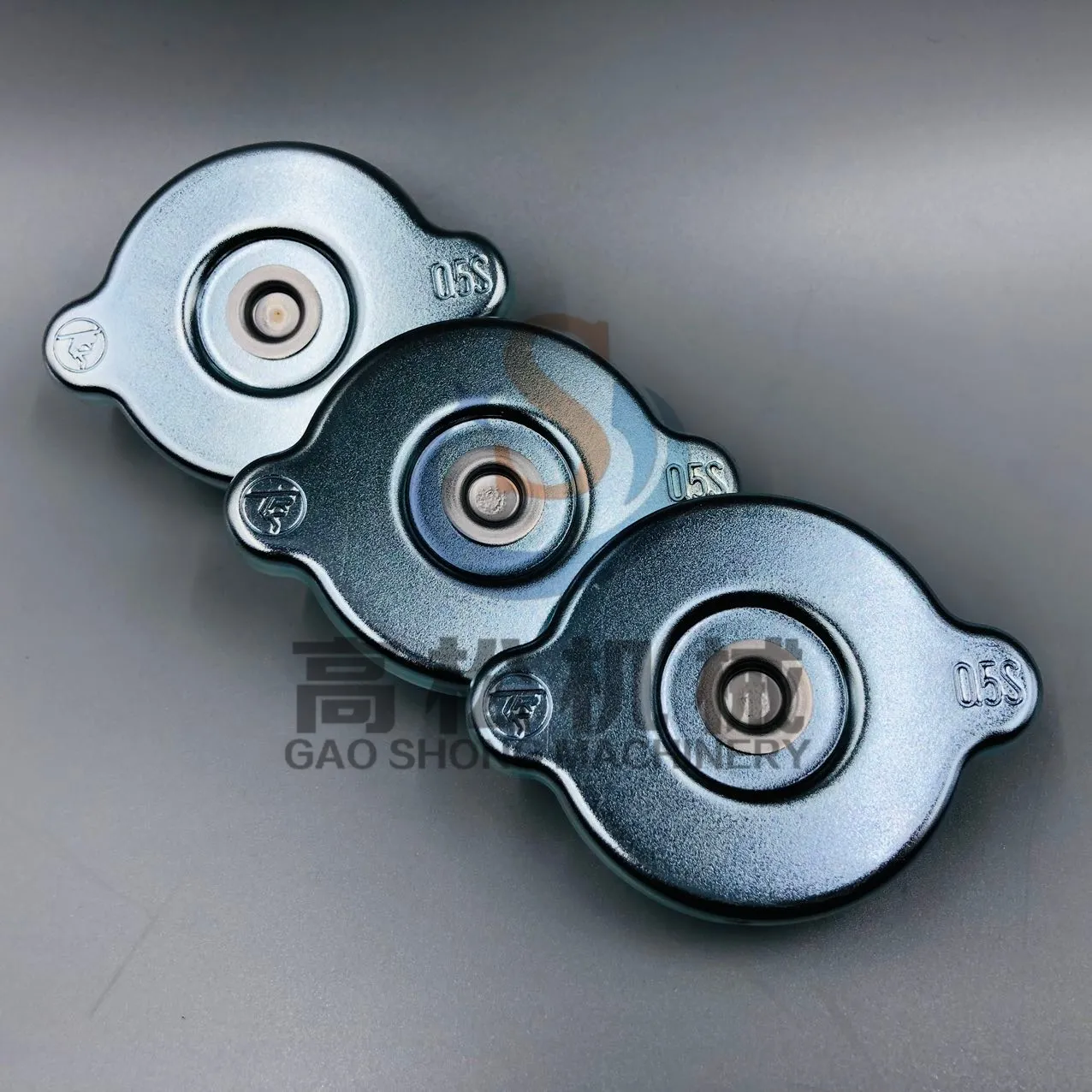 Water Tank Radiator Cover 20Y-03-22110
 -
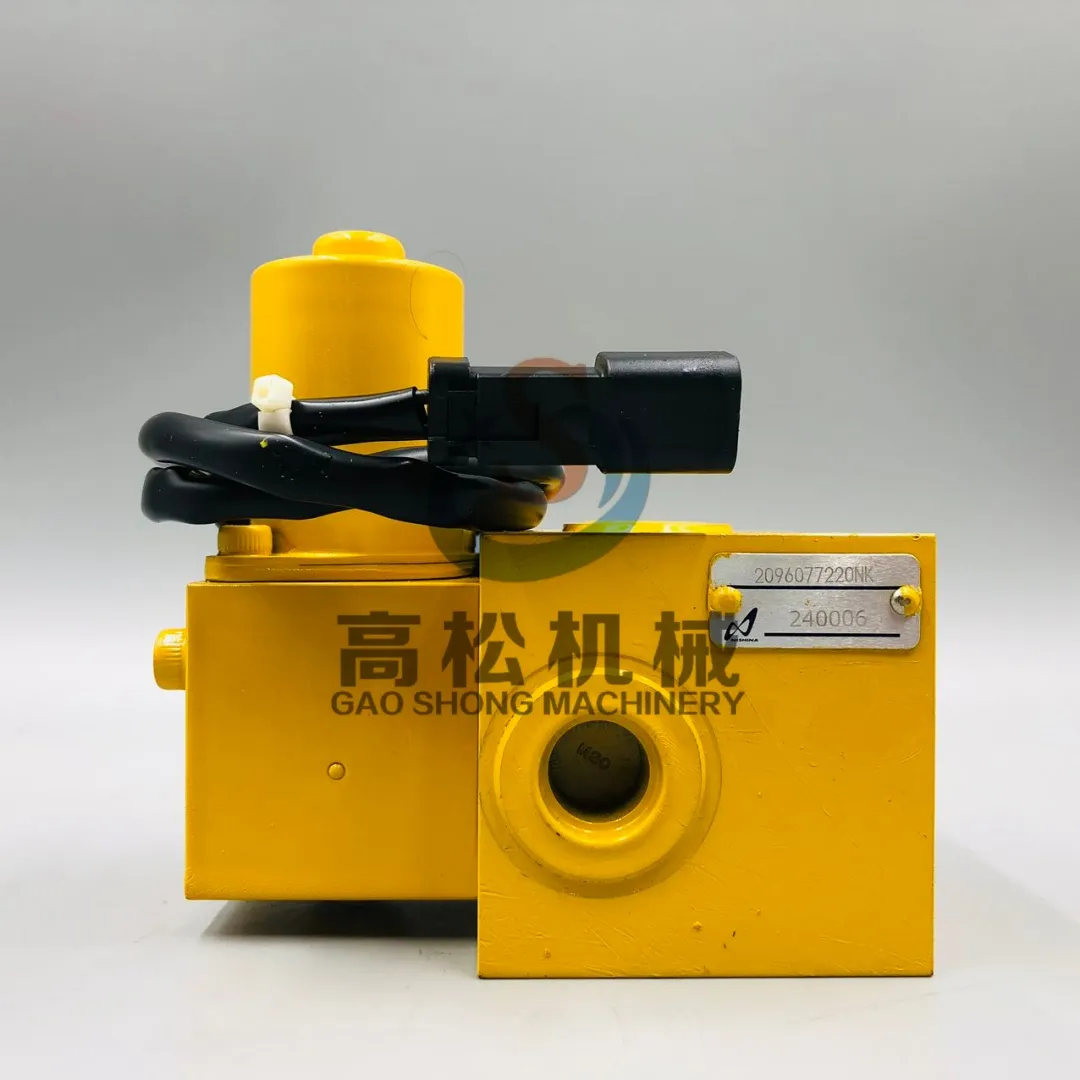 Valve Ass’y 209-60-77220 2096077220 for KOMATSU PC1250-8 PC2000-8 PC800-8 Excavator
 -
 235-44-19120 Yoke (Komatsu)
 -
 IMIFAFTAbT 702-16-02290 702-16-02210 Lever Assembly Fits for Komatsu D65EX-16 D65PX-16 D65WX-16 D275A-5R D155AX-6 Bulldozer
 -
 14X-15-19210 14X-15-19220 for D65 D68 D85 WA500 Bulldozer…
 -
 21T-01-67330 Komatsu Machinery Parts
 -
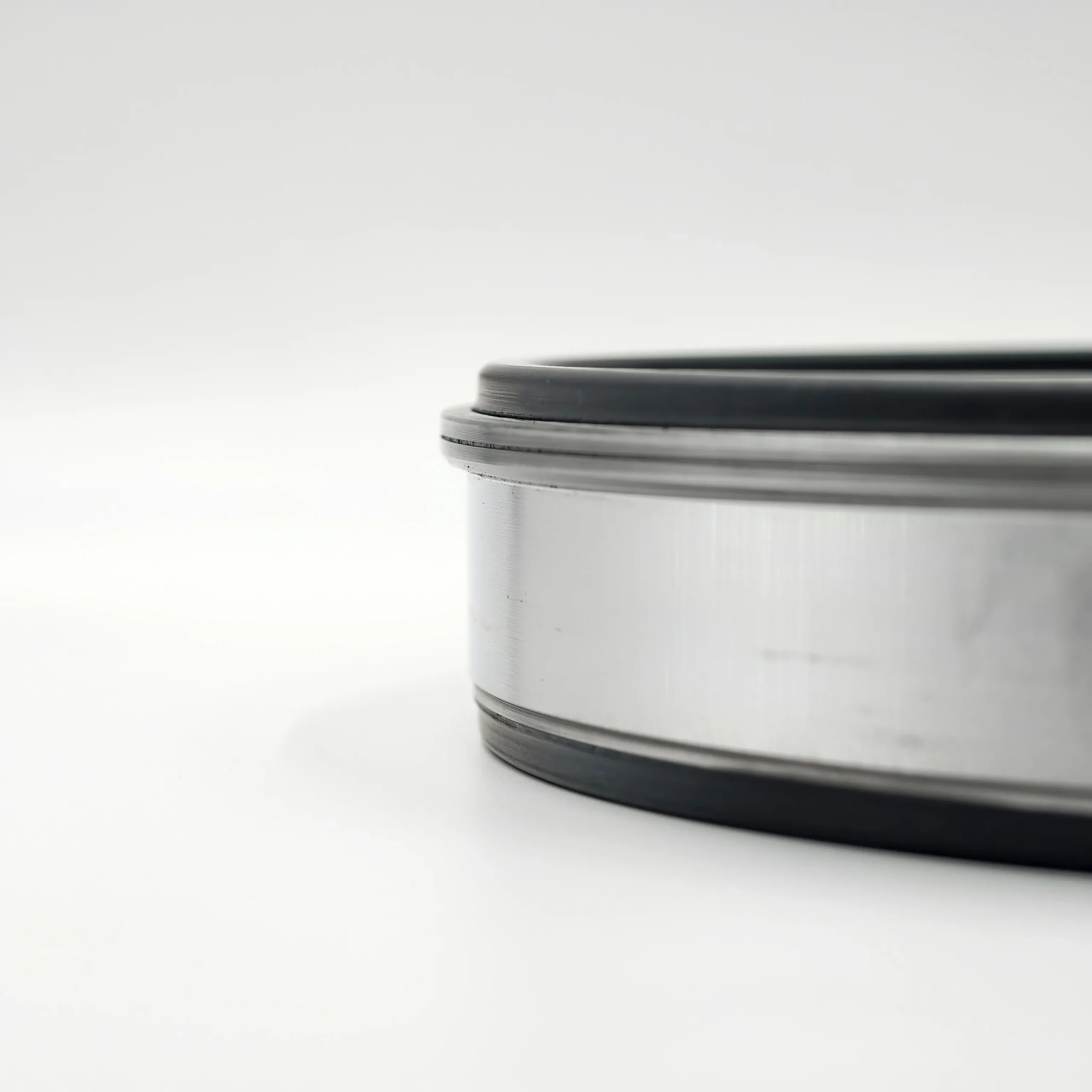 KOMATSU-Collar Assembly 14Y-21-13242
 -
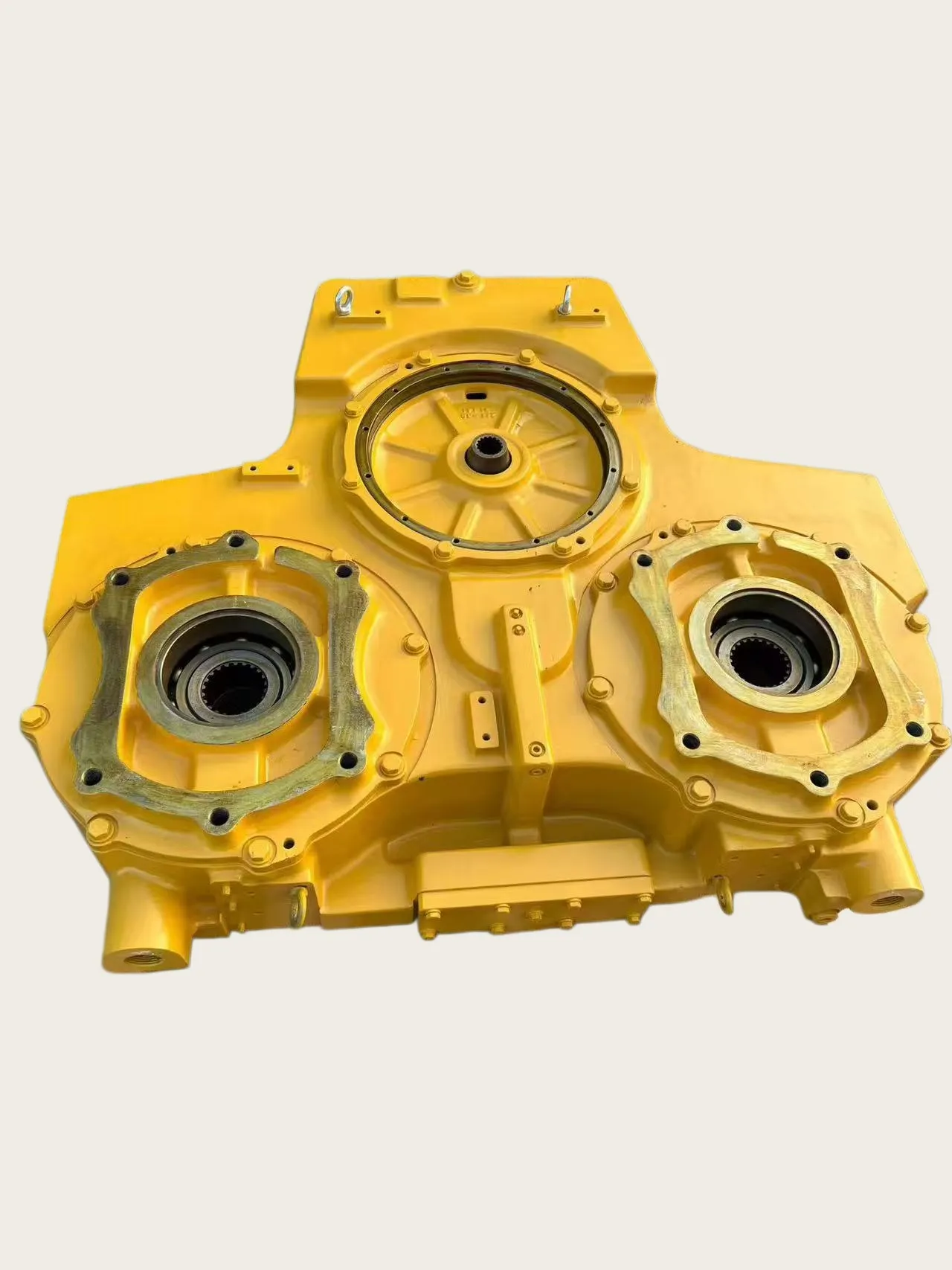 komatsu-part-21T-38-00160 21T-38-00170 21T-38-00180 21T-38-00190 PTO Assembly PC2000-8 PC2000-11 PTO (POWER TAKE OFF), INNER PARTS POWER TAKE OFF
 -
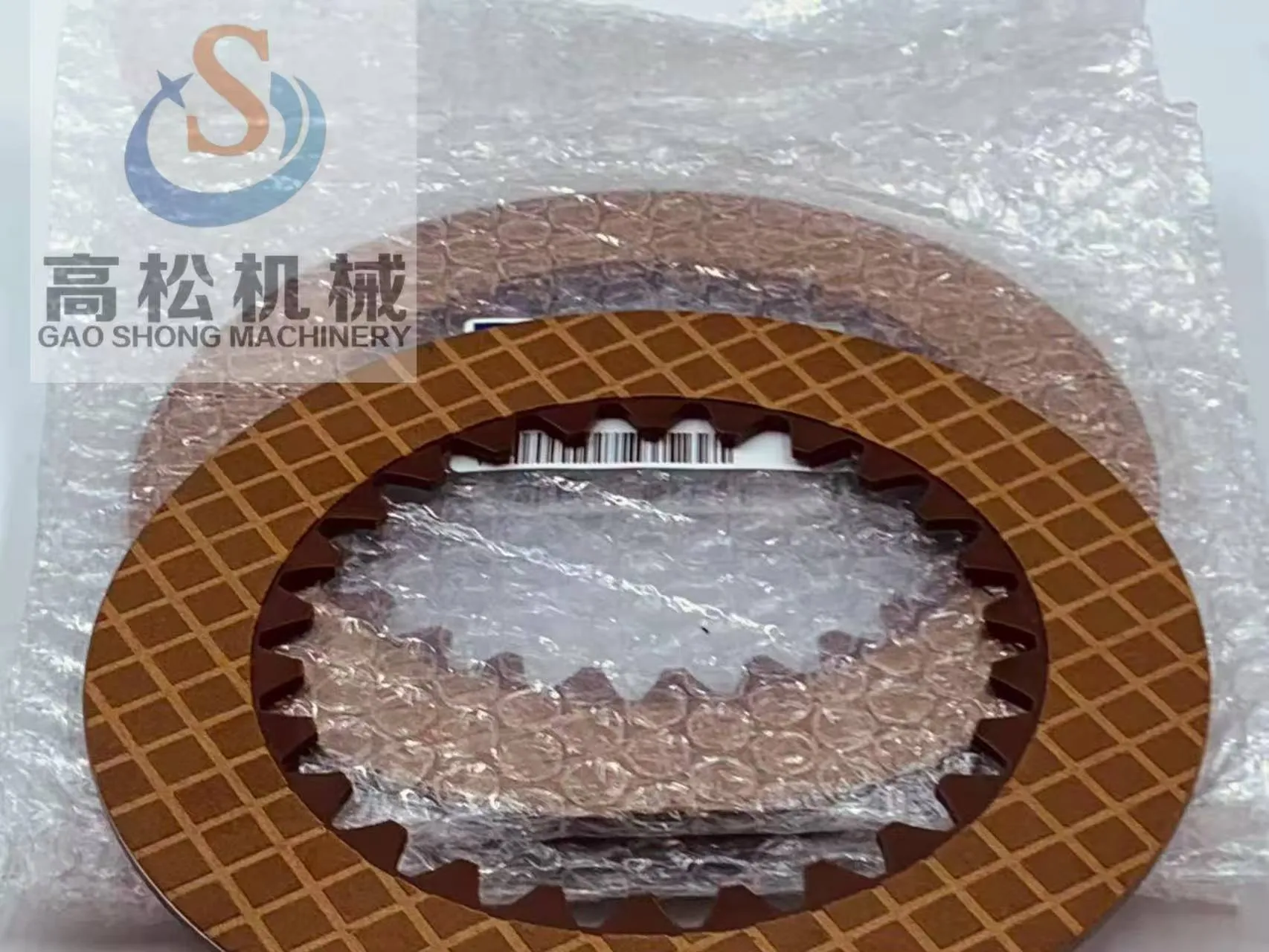 14-07-40010 714-07-48540 421-62-45450 spare parts for front loader wa470-6 hydraulic transformer and coupling transmission 714-07-49731
 -
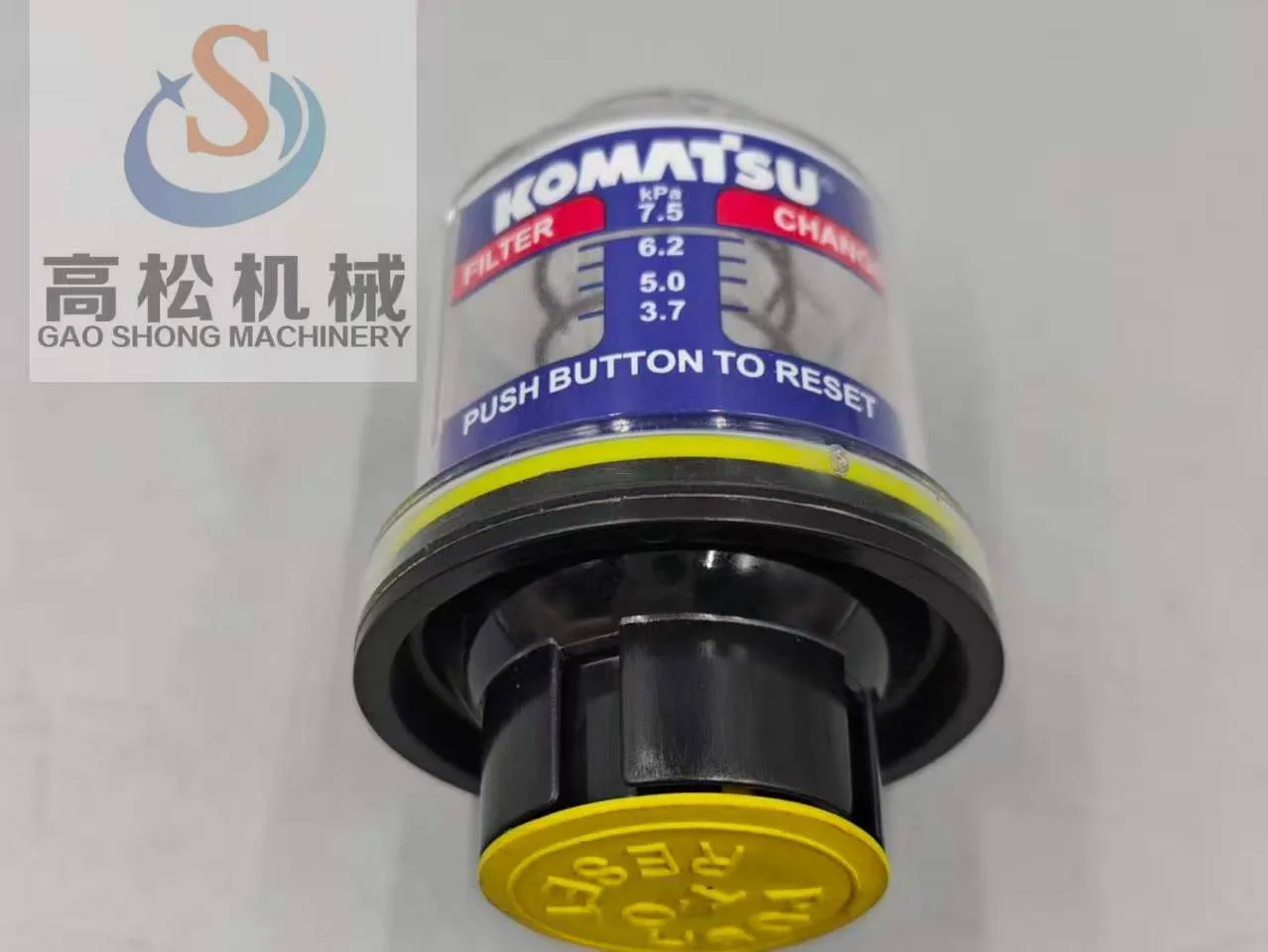 Komatsu GD405A-3 6D125E engine original factory engineering parts Indicator 08672-01000
Related Search
Related Search- OEM AND ORIGINAL KOMATSU BEARING 208-27-62110
- OEM AND ORIGINAL KOMATSU GEAR 17A-27-11261
- OEM AND ORIGINAL KOMATSU GEAR 17M-27-41210
- komatsu pc400 hydraulic pump
- komatsu d20p dozer parts
- Komatsu pilot pump
- OEM AND ORIGINAL KOMATSU WIRING HARNESS 198-06-62221
- OEM AND ORIGINAL KOMATSU SHAFT 195-12-31240
- OEM AND ORIGINAL KOMATSU WIRING HARNESS 427-06-22152
- OEM AND ORIGINAL KOMATSU PIN 427-S95-3461