
- Chinese
- French
- German
- Portuguese
- Spanish
- Russian
- Japanese
- Korean
- Arabic
- Irish
- Greek
- Turkish
- Italian
- Danish
- Romanian
- Indonesian
- Czech
- Afrikaans
- Swedish
- Polish
- Basque
- Catalan
- Esperanto
- Hindi
- Lao
- Albanian
- Amharic
- Armenian
- Azerbaijani
- Belarusian
- Bengali
- Bosnian
- Bulgarian
- Cebuano
- Chichewa
- Corsican
- Croatian
- Dutch
- Estonian
- Filipino
- Finnish
- Frisian
- Galician
- Georgian
- Gujarati
- Haitian
- Hausa
- Hawaiian
- Hebrew
- Hmong
- Hungarian
- Icelandic
- Igbo
- Javanese
- Kannada
- Kazakh
- Khmer
- Kurdish
- Kyrgyz
- Latin
- Latvian
- Lithuanian
- Luxembou..
- Macedonian
- Malagasy
- Malay
- Malayalam
- Maltese
- Maori
- Marathi
- Mongolian
- Burmese
- Nepali
- Norwegian
- Pashto
- Persian
- Punjabi
- Serbian
- Sesotho
- Sinhala
- Slovak
- Slovenian
- Somali
- Samoan
- Scots Gaelic
- Shona
- Sindhi
- Sundanese
- Swahili
- Tajik
- Tamil
- Telugu
- Thai
- Ukrainian
- Urdu
- Uzbek
- Vietnamese
- Welsh
- Xhosa
- Yiddish
- Yoruba
- Zulu
- Kinyarwanda
- Tatar
- Oriya
- Turkmen
- Uyghur






komatsu 25 forklift engine
When you hear 'Komatsu 25 forklift engine', most guys immediately think of the 4D95. That's the gut reaction, and it's not wrong, but it's also where the oversimplification starts. In the field, that search term often comes from someone holding a broken part, trying to cross-reference, or facing a supply wall. The reality is, you're not just looking for an engine; you're dealing with a legacy powerplant that's been in everything from the old FG25 to various FD models, and its availability has become a real-world puzzle. The common mistake is treating it as a single, universally available unit. It's not. The challenge, and what I want to unpack here, is navigating the genuine supply chain for these workhorses, especially when the official channels dry up in certain regions, and why companies that bridge that gap, like Jining Gaosong, become critical partners rather than just another vendor.
The Heart of the Matter: 4D95 and Its Real-World Variants
Let's get specific. The Komatsu 25 forklift engine core is typically the Komatsu 4D95-4A diesel. It's a simple, robust, indirect injection engine. But here's the first hiccup: there are subtle variations. The version for the FG25-2 might have a different injection pump mounting or accessory drive than the one for an older FD25. The parts catalog is your bible, but even then, you might find discrepancies between the book and the block sitting in your shop. I've seen pumps that were supposed to be interchangeable fail to line up because of a half-centimeter difference in the bracket. This isn't academic; it's downtime.
Then there's the age factor. These engines aren't new tech. We're talking about models that were in production decades ago. The wear patterns you see now are specific. Cylinder liner cavitation on the coolant side is a classic failure point if the coolant wasn't maintained. The valve train gets noisy, but often it's the hydraulic lifters that give up first, not the cam itself. Knowing which component typically fails for a given hours-of-operation range saves a lot of diagnostic guesswork.
And performance? Don't expect modern turbo-diesel figures. The 4D95 is about torque at low revs and reliability. When it starts losing power, it's almost never the turbo (because there isn't one). It's usually fuel delivery—a worn injector or a failing lift pump—or compression loss. A simple cylinder compression test tells you more than any fancy scan tool ever could for this unit.
The Supply Chain Puzzle and the OEM Ecosystem Gap
This is where theory meets the muddy ground. Komatsu, understandably, phases out full engine assembly support for older models. You might get lucky and find a short block or a crankshaft through the official network, but often, you're looking at a multi-month backorder or a no longer available status. For operations in regions outside the main markets, this isn't an inconvenience; it's a business-stopping problem. This is the exact gap that third-party suppliers within the Komatsu system aim to fill.
Take Jining Gaosong Construction Machinery Co., Ltd. (https://www.takematsumachinery.com), for instance. Their stated role is being an OEM product supplier within Komatsu's system and a third-party sales company. In practice, what this meant for a project I was involved in was this: a client in South America had an FD30 with a seized 4D95. The local Komatsu dealer quoted a 6-month lead time for a replacement long block. We reached out to Gaosong. Because they operate as part of the extended Komatsu ecosystem but with more flexibility, they could source a fully remanufactured engine assembly that matched our exact model variant from their network. It wasn't just a compatible engine; it came with the correct mounting points and accessory configuration.
The key value isn't just stocking parts; it's having the technical understanding to match the right component to the right machine serial number range. A good supplier in this space doesn't just sell you a Komatsu 25 forklift engine; they ask for your forklift model code and serial number. That detail changes everything.
Remanufactured vs. Reconditioned: A Critical Distinction
When the new unit isn't an option, you look at rebuilt engines. The terminology here is a minefield. Reconditioned can mean anything from a new coat of paint and an oil change to a proper rebuild. You have to be specific. A proper remanufactured unit for the Komatsu 25 forklift engine should involve a complete teardown, machining of the block and head (if needed), replacement of all wear items like pistons, rings, bearings, seals, gaskets, and a rebuilt fuel injection system.
I learned this the hard way years ago. Bought a reconditioned 4D95 from a non-specialist vendor. It ran for 200 hours before throwing a rod. The so-called rebuild had just involved honing the cylinders and slapping in new rings on old pistons. The crankshaft journals were out of spec. The failure was total. After that, the checklist became non-negotiable: ask for the rebuild sheet, specifications of replaced components, and warranty terms that cover labor, not just parts.
Companies that are embedded in the OEM system, like the aforementioned Gaosong, often have access to proper remanufacturing lines or genuine Komatsu-remanufactured units. This is their advantage. They're not scavenging cores from junkyards; they're often working with sanctioned processes, which translates to predictable quality. It's the difference between a gamble and a solution.
On-the-Ground Troubleshooting: Beyond the Obvious
Let's say you're trying to keep an old engine running while waiting for a replacement. Common issues pop up. Hard starting when cold? Before you condemn the injectors, check the glow plug relay and controller. Those fail more often than the plugs themselves. Excessive blue smoke at startup? That's often valve stem seals, a common age-related failure on these. Black smoke under load? Almost certainly injector spray pattern or pump timing.
One oddball case I remember: a forklift that would randomly lose all power and die, then restart after 10 minutes. We chased electrical gremlins for days. Turned out to be a nearly imperceptible hairline crack in the fuel pickup line inside the tank. It would suck air when the fuel level was just right, creating a vapor lock. The point is, with these older, simple engines, the problem is frequently mechanical or in the low-tech fuel system, not in a complex ECU. Diagnostic approach needs to match that.
Another practical note: always verify the engine serial number stamped on the block against your parts list. I've seen complete engine swaps where the replacement was from a different sub-model, leading to issues with throttle linkage or governor compatibility. The devil is in these details that only become clear when you're elbow-deep in the machine.
The Future: Keeping the Legacy Fleet Alive
The Komatsu 25 forklift engine isn't going away anytime soon. There are thousands of these machines still in daily use globally, often in markets where the capital for a brand-new electric or Tier-4 final machine just isn't there. The economics of keeping them running make sense. Therefore, the ecosystem of support—from companies providing genuine and quality remanufactured parts to those offering technical cross-referencing—becomes vital infrastructure.
It's a niche, but a necessary one. The relationship shifts from a simple buyer-seller transaction to a technical partnership. You need a supplier who understands that FG25-7 and FG25-12 might need different engine mounting brackets, or that the water pump impeller design changed in 1998. This level of granular knowledge is what separates a parts website from a solution provider.
In the end, searching for a Komatsu 25 forklift engine is the start of a journey, not the end. It leads you into the world of legacy equipment support, where success hinges on finding partners with the right technical depth and supply chain agility to turn a critical breakdown into a manageable repair. It's less about buying a product and more about accessing a specific, informed capability to keep industry moving.
Related Products
Related Products
Best Selling Products
Best Selling Products-
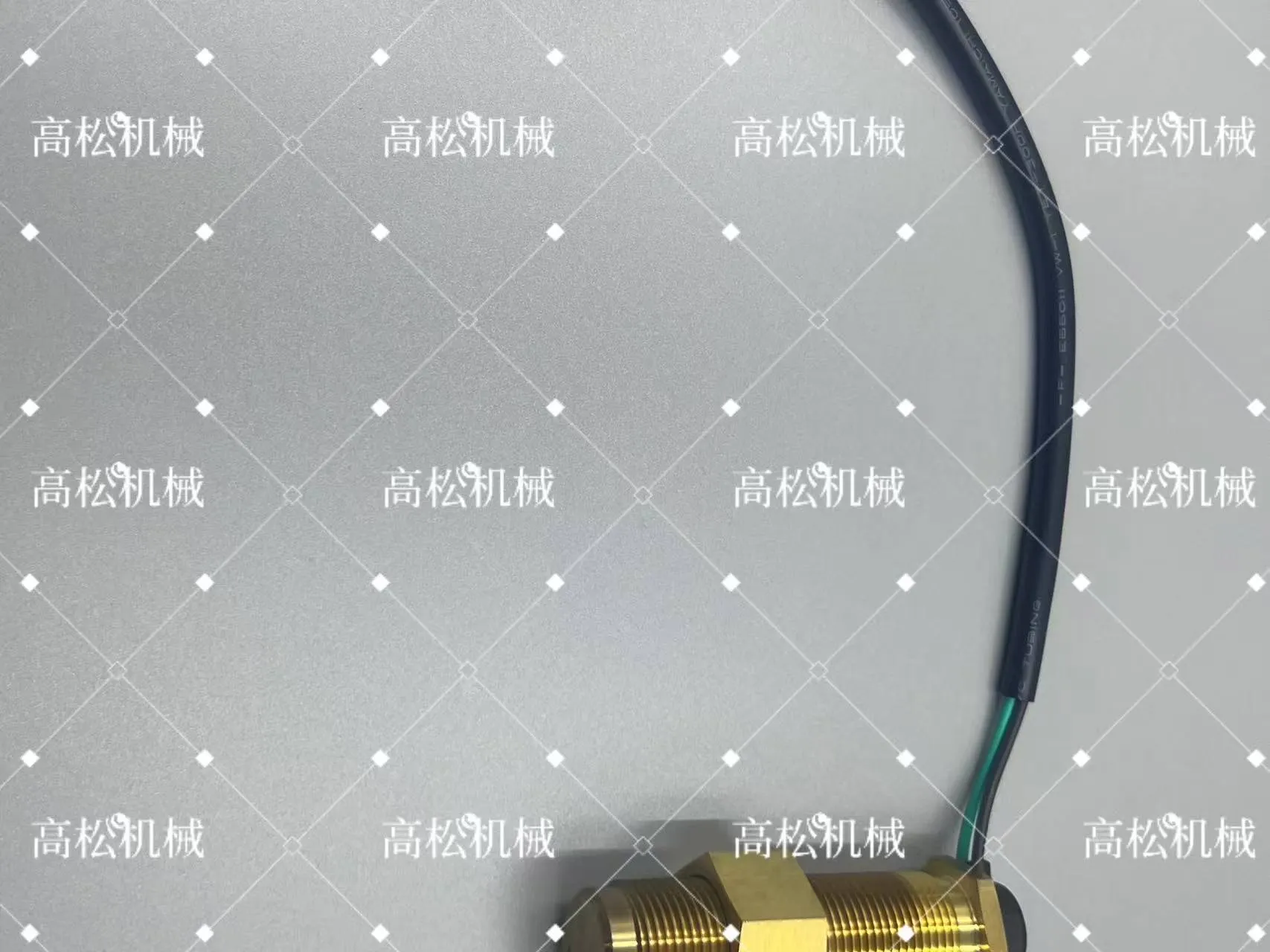 The PC300-6 tachometer sensor 7861-93-2330 is suitable for Komatsu parts
 -
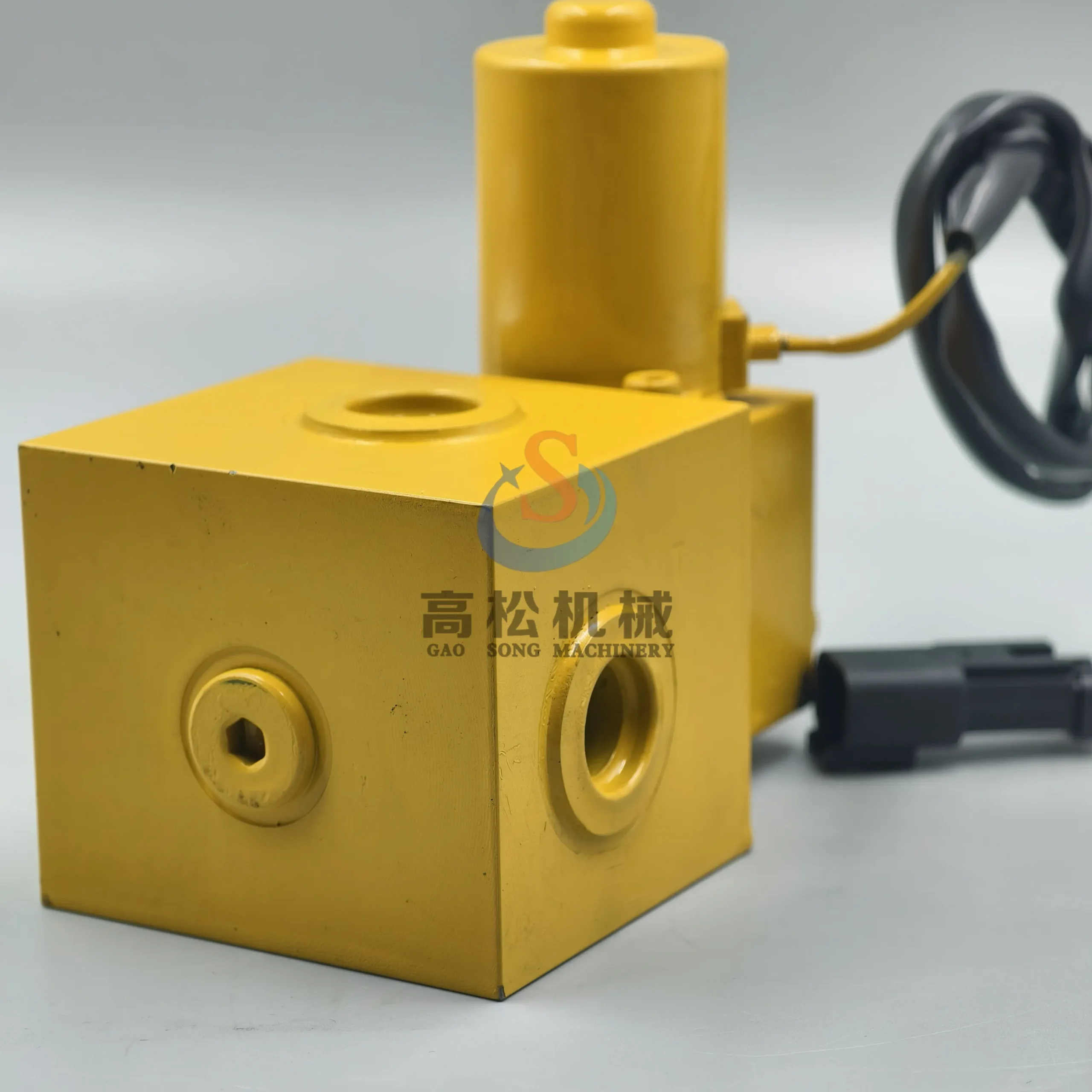 209-60-77220 komatsu vavle-PC600/PC700
 -
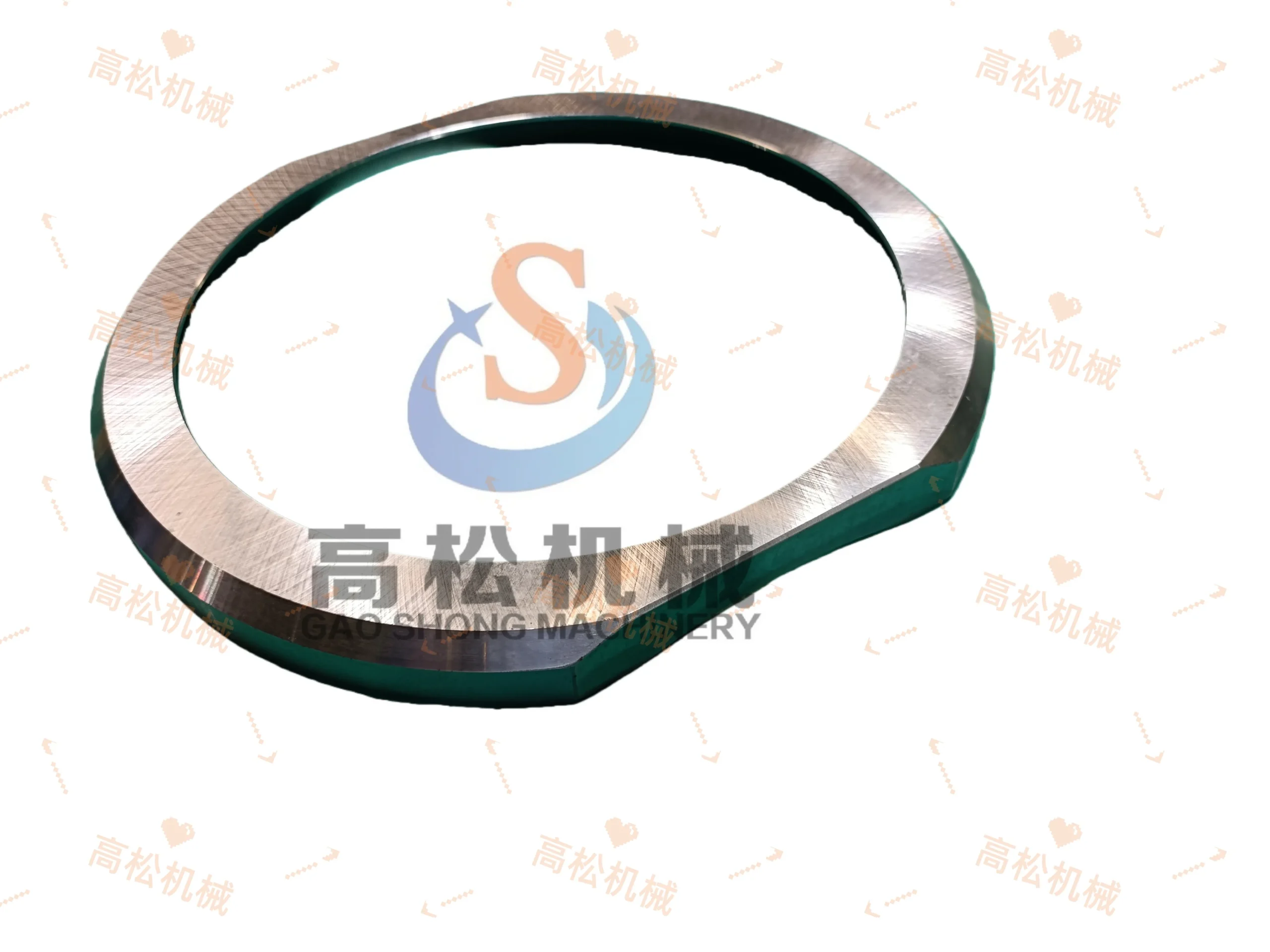 2A8-70-13410 Seal PC500LC-10M0 2A8-70-13420 Seal PC500LC-10R 2A8-70-13680Spacer PC500LC-10M0 2A8-70-13690Spacer PC500LC-10M0 2W71-21380 2WT27-72350
 -
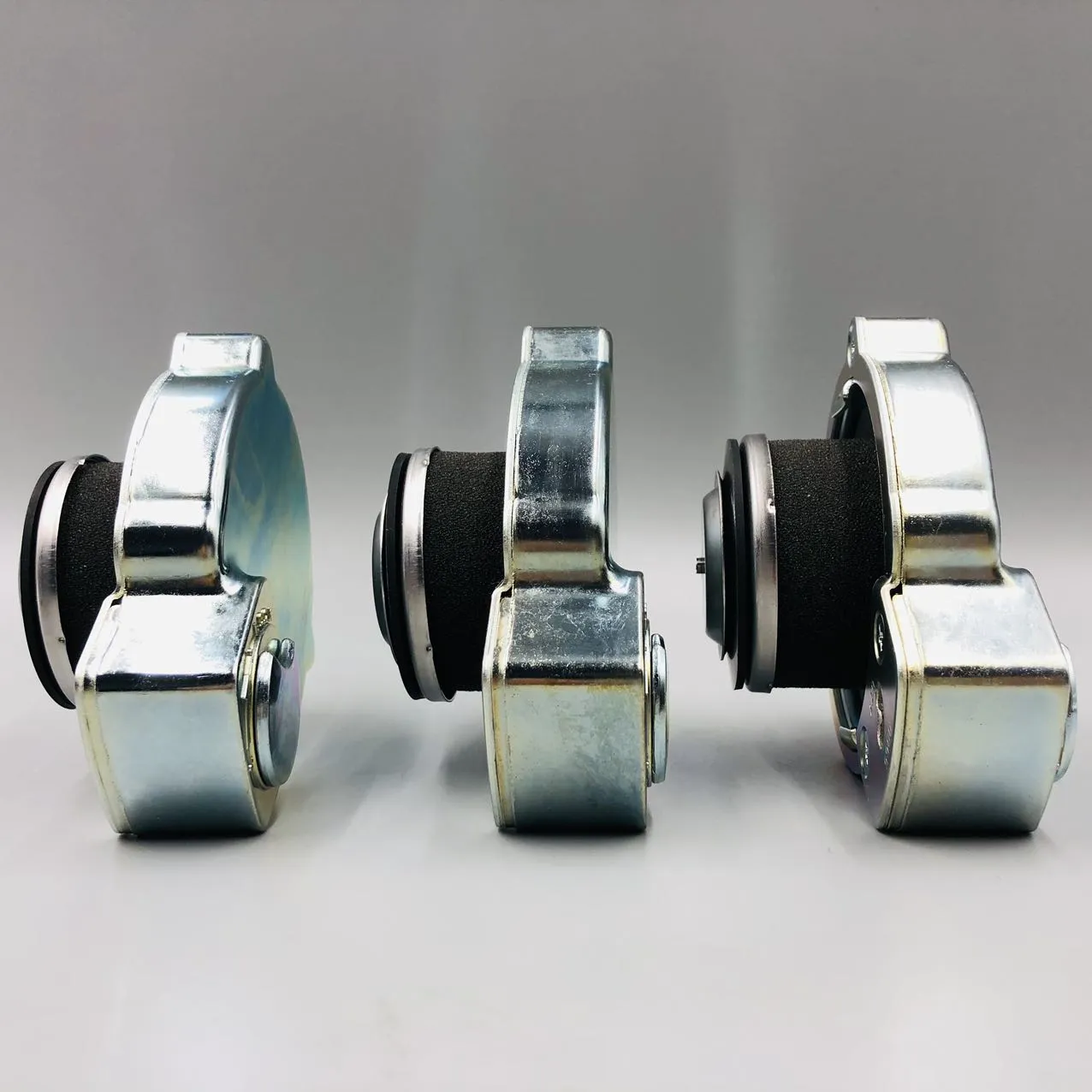 17A-60-11310Hydraulic oil cap assembly
 -
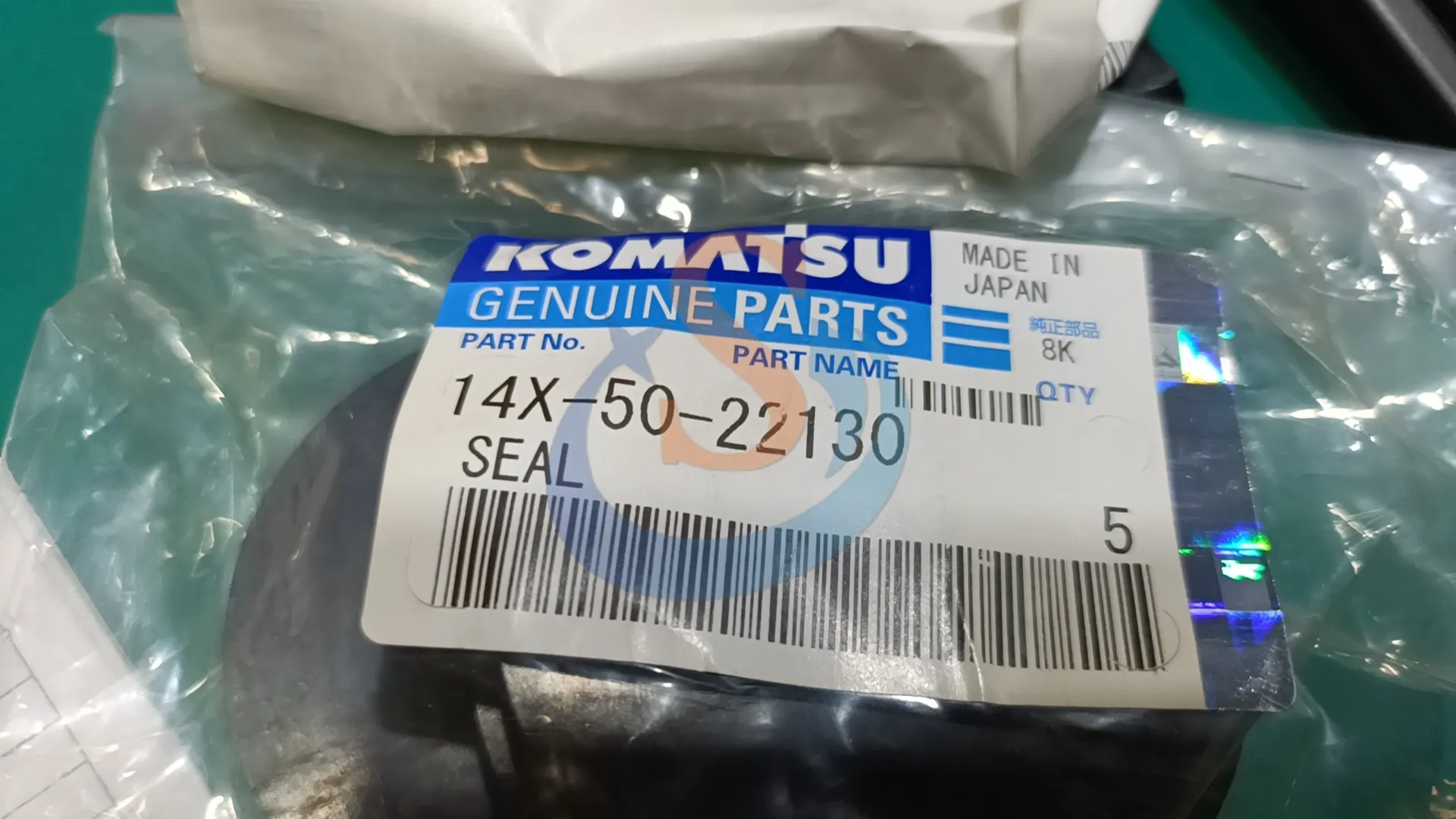 14X-50-22130,SEAL,D65PX,D65E,D85E
 -
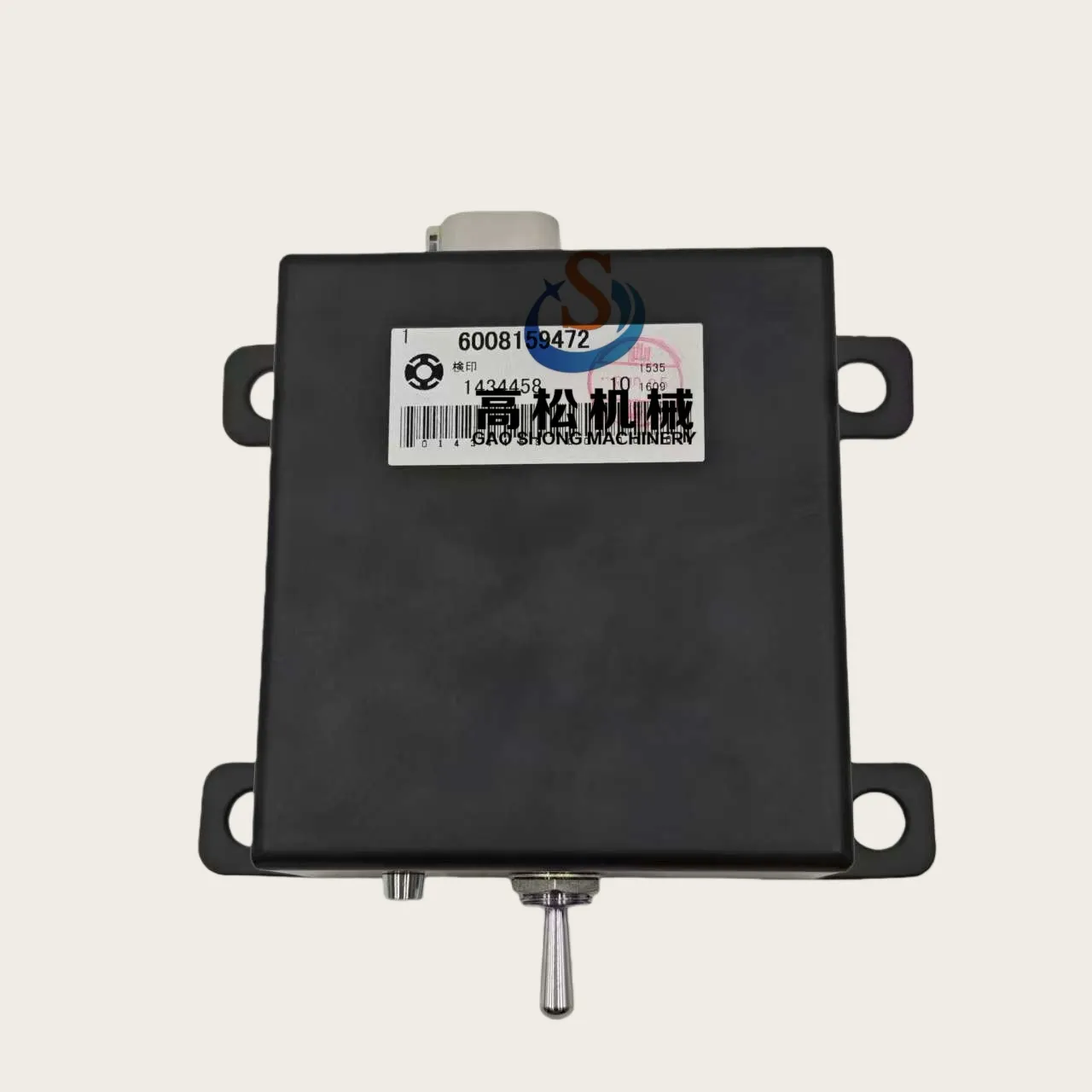 Switch 600-815-9472 D375A-6 WD600-6R HD605-7E1 HD465-7E1 HD785-7 SAA6D170E-5F ENGINE HOOD AND SIDE COVER GROUP, FUEL PRIMING PUMP SWITCH
 -
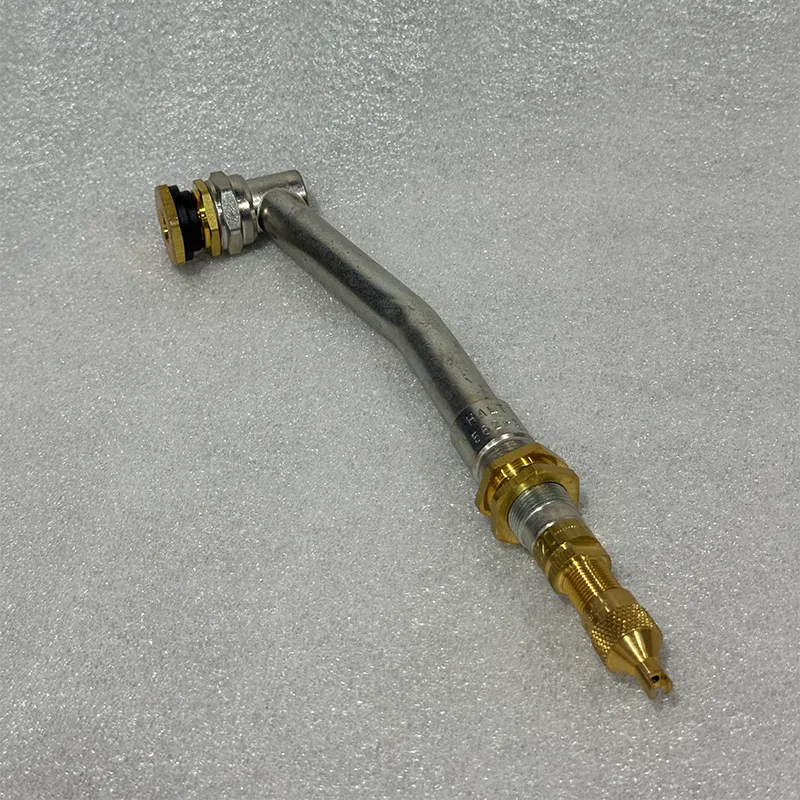 Original komatsu HD1500-8 Valve 562-30-3A210
 -
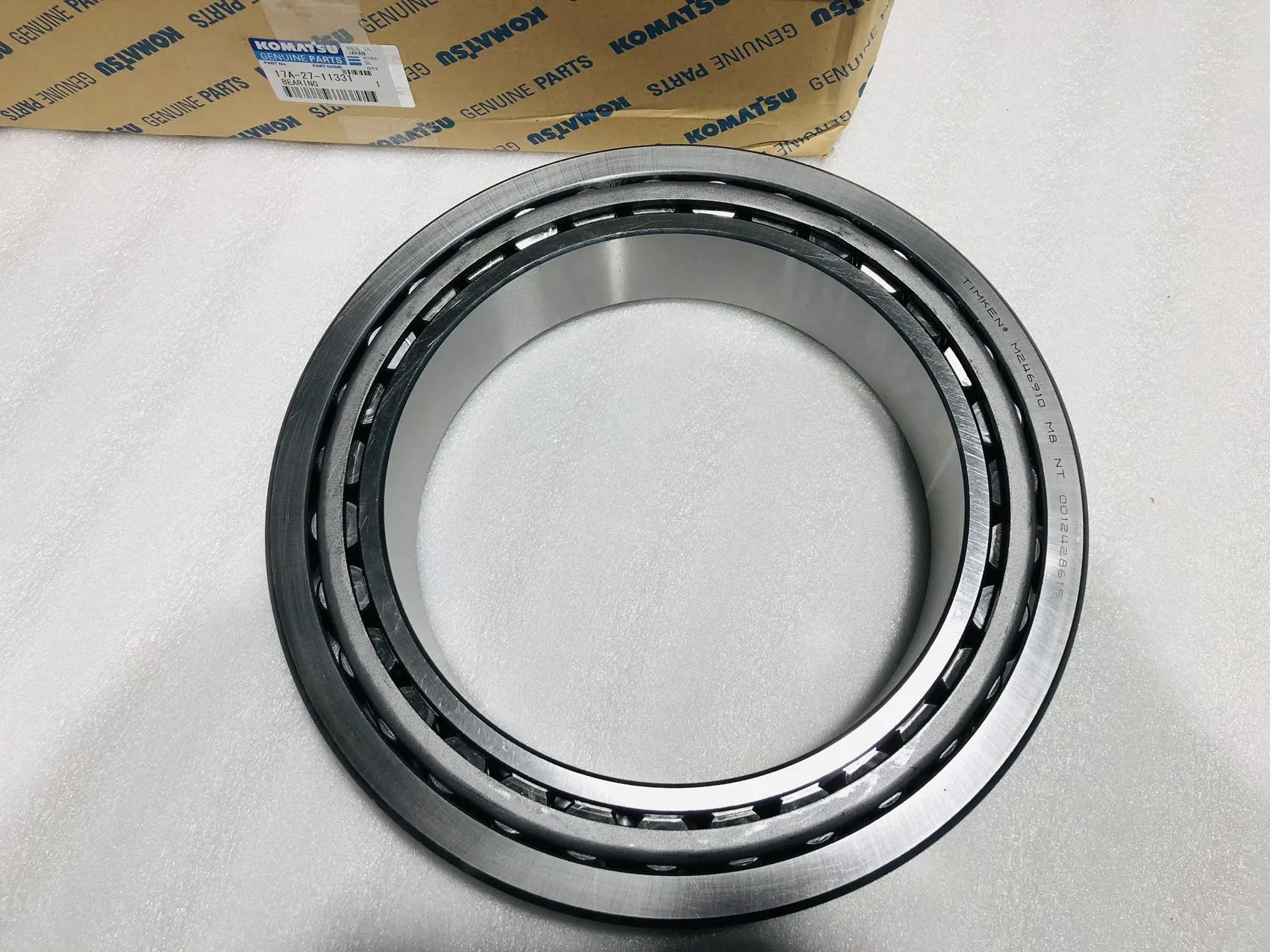 KOMATSU-BEARING 17A-27-11331
 -
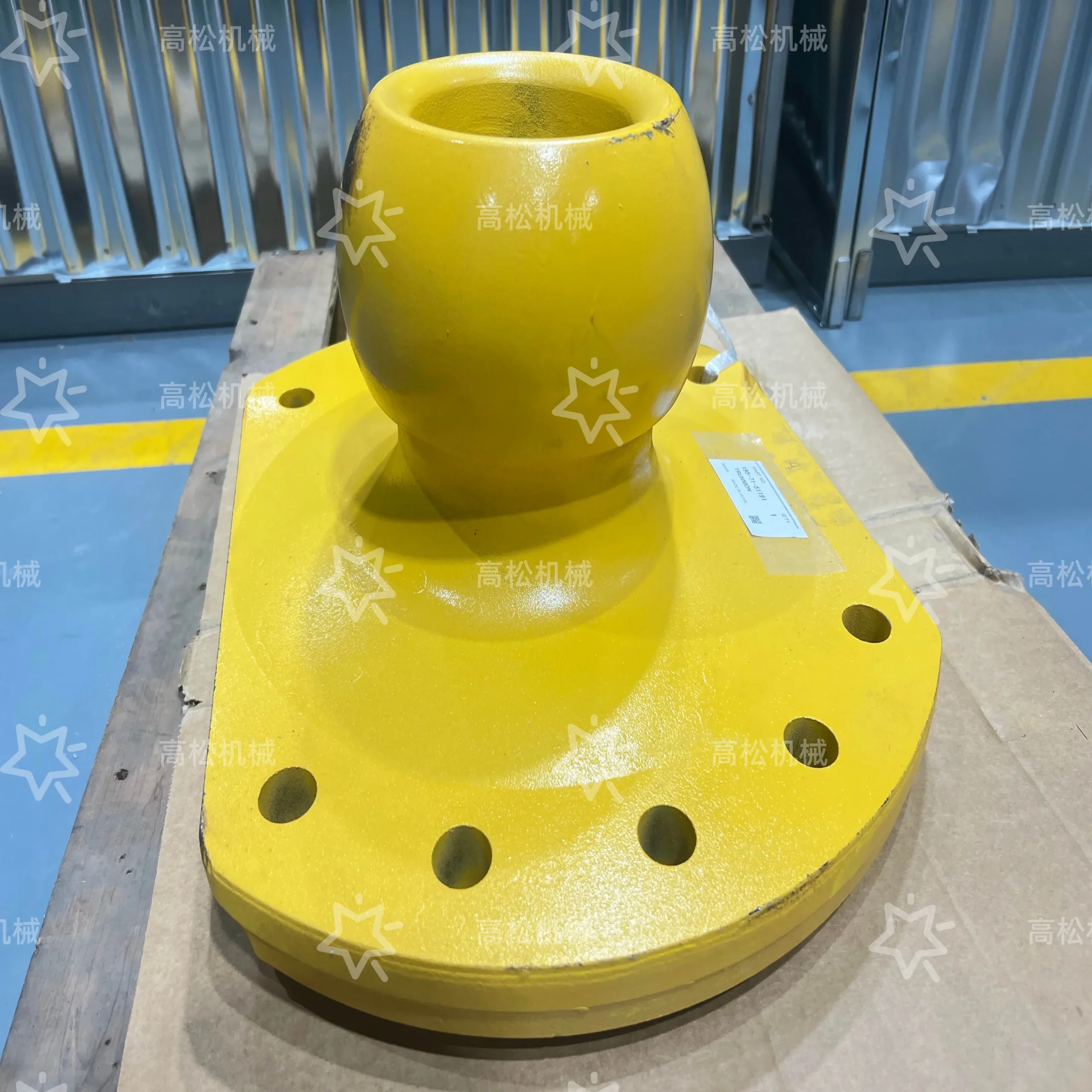 195-71-51191 TRUNNION – THIS TRUNNION HELPS MAINTAIN THE BALANCE OF THE MACHINE
 -
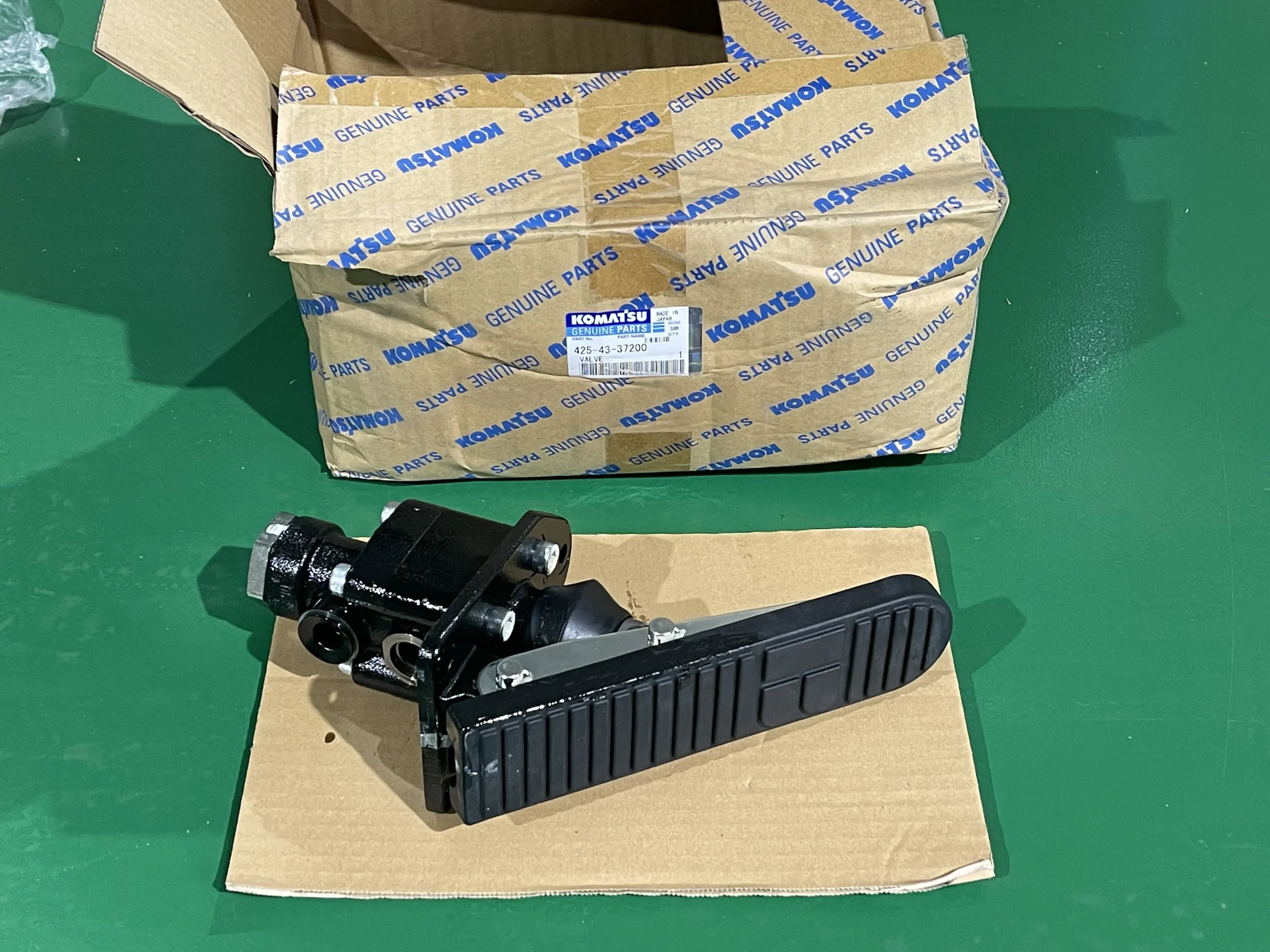 425-43-37200 Komatsu VALVE ASS’Y
 -
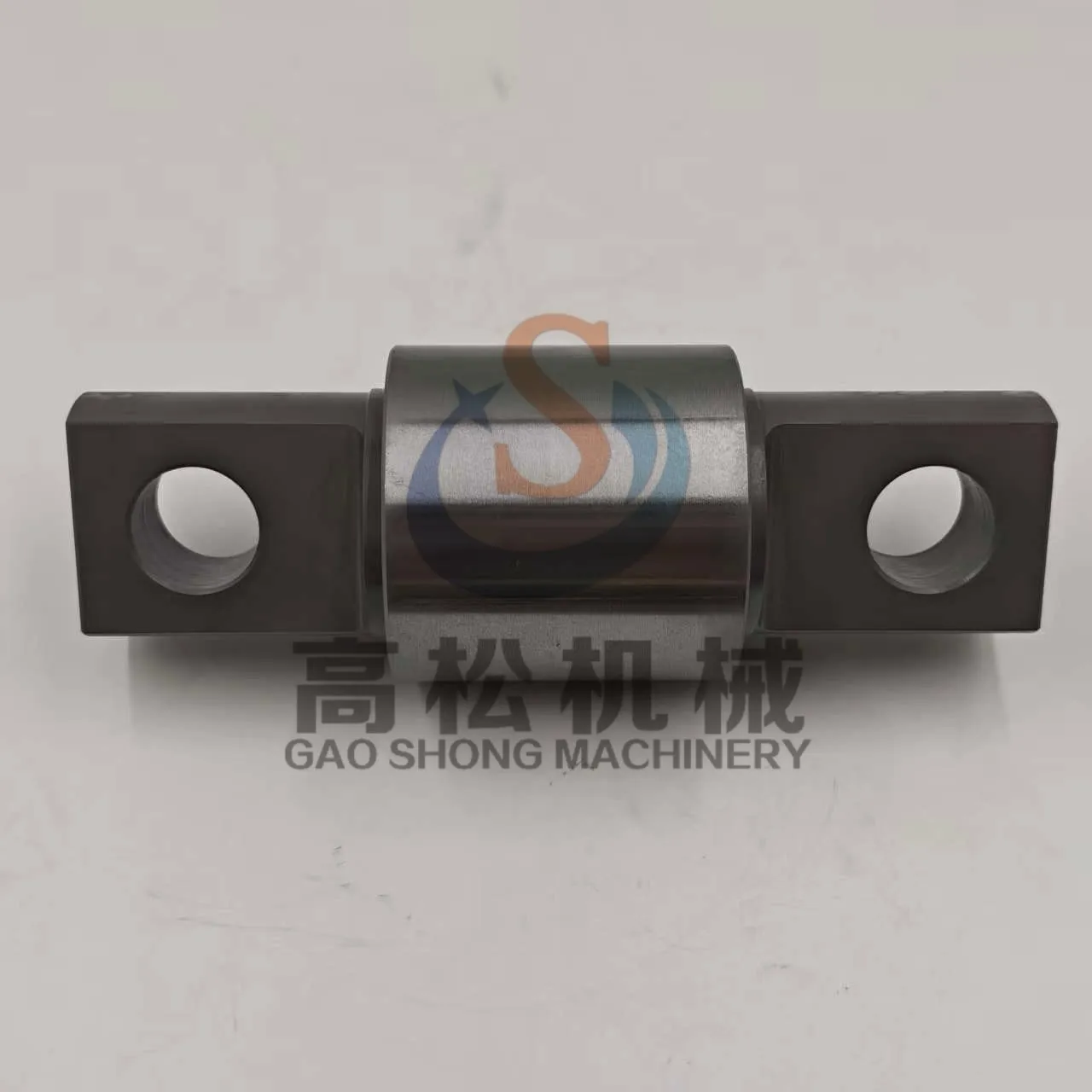 CUSHION 56B-16-11211 – KOMATSU
 -
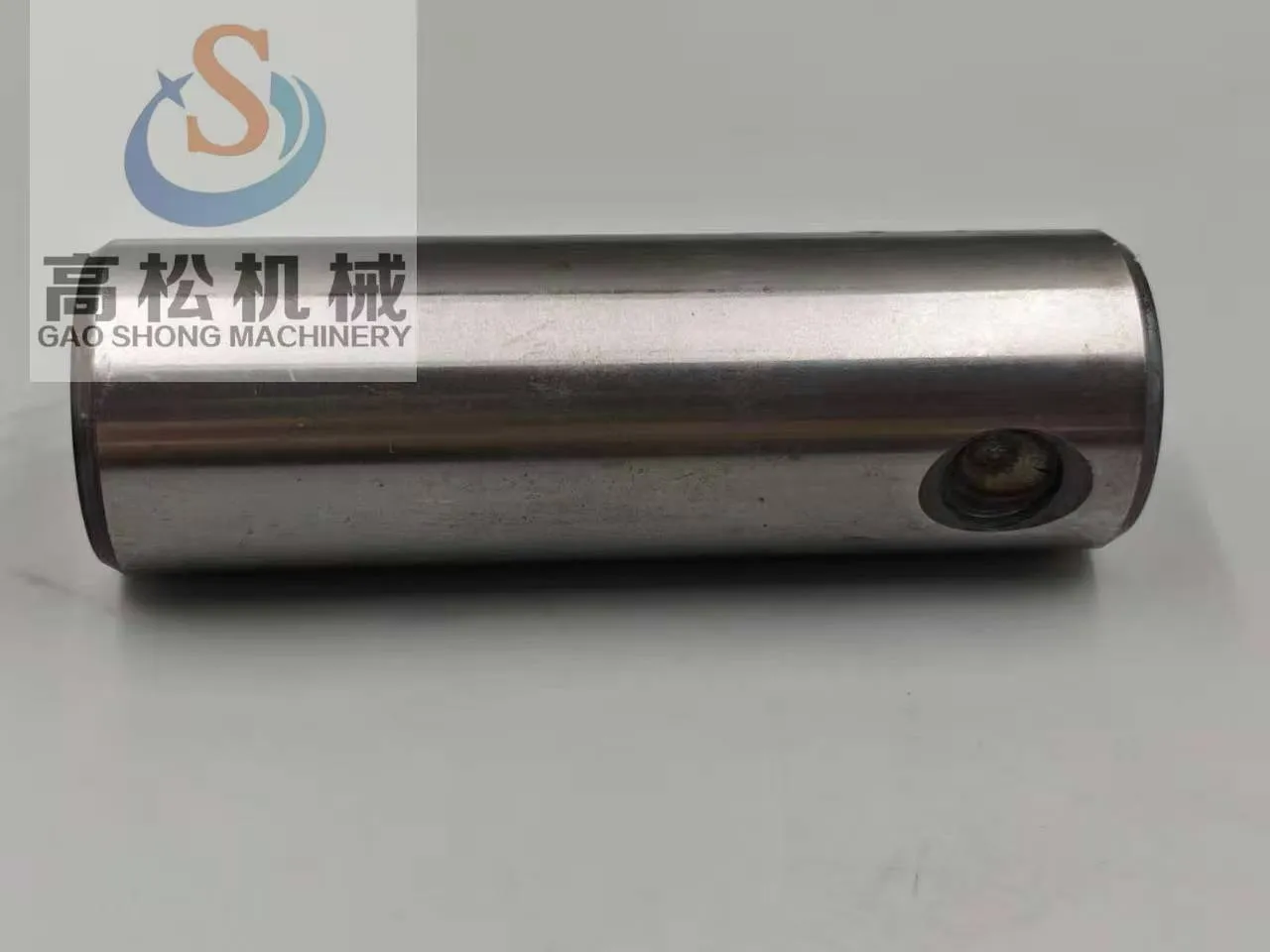 Supply excavator accessories PC1250-11 pin 21N-26-33240