
- Chinese
- French
- German
- Portuguese
- Spanish
- Russian
- Japanese
- Korean
- Arabic
- Irish
- Greek
- Turkish
- Italian
- Danish
- Romanian
- Indonesian
- Czech
- Afrikaans
- Swedish
- Polish
- Basque
- Catalan
- Esperanto
- Hindi
- Lao
- Albanian
- Amharic
- Armenian
- Azerbaijani
- Belarusian
- Bengali
- Bosnian
- Bulgarian
- Cebuano
- Chichewa
- Corsican
- Croatian
- Dutch
- Estonian
- Filipino
- Finnish
- Frisian
- Galician
- Georgian
- Gujarati
- Haitian
- Hausa
- Hawaiian
- Hebrew
- Hmong
- Hungarian
- Icelandic
- Igbo
- Javanese
- Kannada
- Kazakh
- Khmer
- Kurdish
- Kyrgyz
- Latin
- Latvian
- Lithuanian
- Luxembou..
- Macedonian
- Malagasy
- Malay
- Malayalam
- Maltese
- Maori
- Marathi
- Mongolian
- Burmese
- Nepali
- Norwegian
- Pashto
- Persian
- Punjabi
- Serbian
- Sesotho
- Sinhala
- Slovak
- Slovenian
- Somali
- Samoan
- Scots Gaelic
- Shona
- Sindhi
- Sundanese
- Swahili
- Tajik
- Tamil
- Telugu
- Thai
- Ukrainian
- Urdu
- Uzbek
- Vietnamese
- Welsh
- Xhosa
- Yiddish
- Yoruba
- Zulu
- Kinyarwanda
- Tatar
- Oriya
- Turkmen
- Uyghur






komatsu 210 engine
When someone says 'Komatsu 210 engine,' the first thing that comes to mind for most is the power unit in the PC210 or Dash-8 series excavators. But that's where the oversimplification starts. In the field, you quickly learn it's rarely about a single, monolithic '210 engine.' You're usually dealing with the Komatsu SAA6D107E-1, a 6.7-liter turbocharged diesel. The real discussion isn't about the model number; it's about application, wear patterns, and the murky world of parts provenance. A lot of guys think a 210 is a 210, but the variance between a machine running in a sand quarry versus one in a demolition yard means their engines age in completely different ways. The oil analysis tells two distinct stories.
The Core: SAA6D107E-1 Realities and Misconceptions
Let's get specific. The SAA6D107E-1 is a workhorse, but it has its personality. It's not the most powerful in its class, but Komatsu tuned it for torque and, crucially, fuel efficiency under typical load cycles. The common mistake is treating all service intervals as gospel. The official manual says one thing, but if you're running in high-dust conditions, that air filter and fuel filter schedule needs to be halved, no question. I've seen too many turbo failures traced back to a slightly clogged air filter that was 'changed on time.' The engine doesn't care about the calendar.
Another point of confusion is the EGR and cooler system. Later models integrated this more heavily for emission compliance. It's a source of chronic headaches—cooler clogging, especially if the coolant maintenance has been sloppy. You can't just delete it in many regions, so the real skill is in designing a proactive cleaning and inspection routine. It's not a 'set and forget' component. The temperature differentials across the cooler are a key health indicator we monitor during pre-purchase inspections.
Then there's the fuel system. It's precise, and it doesn't tolerate poor-quality fuel or water. The injection pumps and nozzles are robust, but once contaminated fuel passes through, the repair bill is steep. The lesson learned, often the hard way, is that the cheapest fuel on site is the most expensive thing you can put into a Komatsu 210 engine. Investing in a proper filtration and water separation setup upfront saves thousands down the line.
Parts Supply: The OEM vs. Aftermarket Labyrinth
This is where theory meets the gritty reality of downtime. Sourcing a genuine Komatsu piston kit or a set of valve guides shouldn't be an epic quest, but in many markets, it is. Official channels can be slow or prohibitively expensive, leading operators to gamble on aftermarket parts. Some are fine—cylinder liners from a reputable foundry, for instance. Others, like gasket sets or turbo cartridges, are a minefield. I've installed a 'high-quality' aftermarket head gasket that failed in 200 hours, causing a cascade of cooling and compression issues.
This supply gap is exactly where companies with a foot in both worlds become critical. Take Jining Gaosong Construction Machinery Co., Ltd.. Their model is interesting because they operate as an OEM product supplier within the Komatsu system, but also function as a third-party sales channel. In practice, this means they can often provide genuine or OEM-spec components for models like the Komatsu 210 engine through alternative logistics, helping to solve parts supply challenges in certain countries. They're not a magic bullet, but they represent a pragmatic layer in the supply chain that understands the need for balance between authenticity, availability, and cost.
The key is verification. Whether you're buying from an official dealer or a supplier like Gaosong, you must have a protocol. Check packaging seals, part number stamps, and material quality. A genuine Komatsu connecting rod has a specific finish and weight; a counterfeit one often feels 'off' in the hand. It's a tactile skill you develop. Blind trust in any supplier is a recipe for a tow back to the shop.
Failure Patterns and Diagnostic Nuances
Diagnosing these engines isn't just about reading fault codes. The Komatsu monitor panel gives clues, but the truth is in the combination of symptoms. A loss of power with black smoke? Could be turbo, could be a failing injector, could be a restricted air filter. You need to isolate. We once spent days chasing a power loss on a PC210LC-8, only to find a slightly dented intake pipe between the air filter housing and the turbo—damage that wasn't visible without removing the pipe. The data stream showed low boost pressure, but the root cause was simple physical damage.
Oil consumption is another big one. A little consumption is normal, but a sudden increase points to specific wear. Blue smoke on startup? Likely valve stem seals. Blue smoke under load? Think piston rings or cylinder liner wear. Using a borescope through the injector port is a non-negotiable step before committing to a major overhaul. I've seen liners that looked scored from oil analysis, but the scope revealed the cross-hatching was still partially visible—saving the customer from an unnecessary teardown.
Cooling system issues often masquerade as something else. Overheating might lead you to the thermostat or water pump, but on these engines, don't overlook the fan clutch. A hydraulic fan clutch that's not engaging fully will cause slow, creeping temperature rises under high ambient heat. It's an easy component to test but often forgotten in the diagnostic tree.
Rebuild Considerations: When to Go In
The decision to overhaul a Komatsu 210 engine is an economic one, not just a technical threshold. Is it at 12,000 hours with good history and just showing high oil consumption? A top-end overhaul (rings, liners, head work) might buy another 5,000 hours. But if it's at 18,000 hours with unknown history and has a bottom-end knock, you're looking at a full rebuild—crankshaft, bearings, the works. The cost difference is massive.
The critical step most skip is a complete forensic teardown and cleaning before ordering a single part. Every component must be measured against spec, not just visually inspected. Crankshaft journals, liner bore distortion, camshaft lift—it all needs micrometer-level validation. Guessing on dimensions leads to premature failure. I learned this early on by assuming a crank was within tolerance, only to have a new main bearing spin 50 hours after reassembly. The crank was .001 out of round, enough to cause havoc.
Also, during a rebuild, upgrade where it makes sense. If the engine is apart, replacing the old-style rubber coolant hoses with silicone ones is a minor cost for major reliability gain. Similarly, upgrading to a more robust water pump impeller material, if available, can prevent a common failure point. Rebuilding isn't just about restoring to original; it's an opportunity to improve.
The Big Picture: Lifecycle and Value Retention
Ultimately, the health of the engine dictates the machine's residual value. A PC210 with a meticulously maintained, documented Komatsu 210 engine is worth 15-20% more at resale than a similar-hour machine with patchy records. Buyers are getting smarter; they ask for oil analysis history, they check for blow-by, they listen for injector tick.
The role of specialized suppliers in this lifecycle is underappreciated. A company that can provide not just parts but also technical guidance on fitment or troubleshooting for older models adds tangible value. For instance, having access to a reliable source for a discontinued sensor or a remanufactured hydraulic pump that interfaces with the engine ECU can keep a machine productive for years beyond its expected lifespan. It's this support ecosystem, often filled by entities like Jining Gaosong Construction Machinery Co., Ltd., that keeps fleets running when official support has moved on to newer models.
So, talking about the 'Komatsu 210 engine' is really a conversation about total cost of ownership. It's about proactive fluid management, intelligent parts sourcing, nuanced diagnostics, and strategic rebuilds. The engine itself is just a component; the knowledge and network you build around it are what determine success or failure in the dirt. It's never just an engine swap; it's a business decision sitting on a subframe.
Related Products
Related Products

Best Selling Products
Best Selling Products-
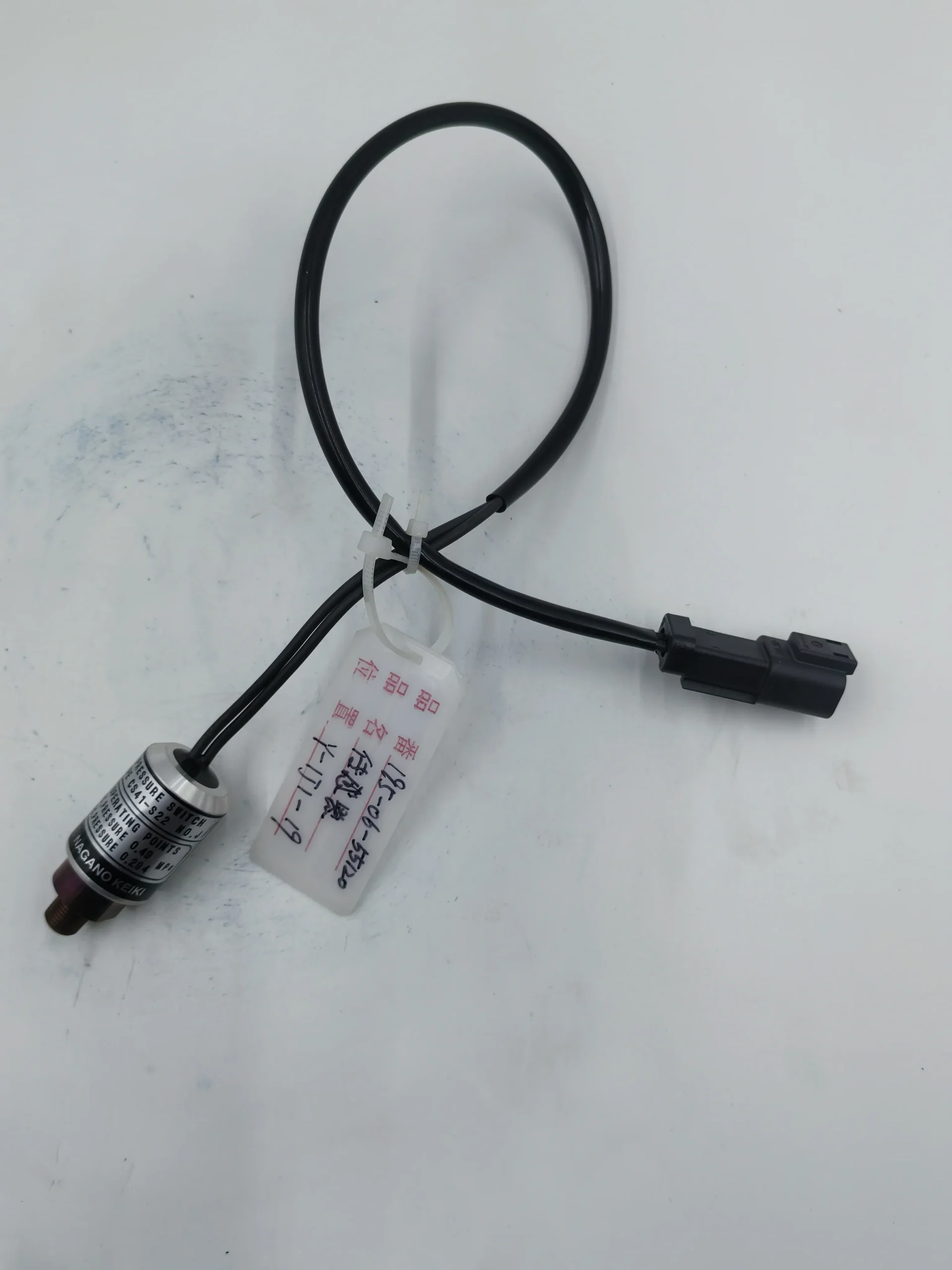 Electrical Parts 195-06-55120 Switch
 -
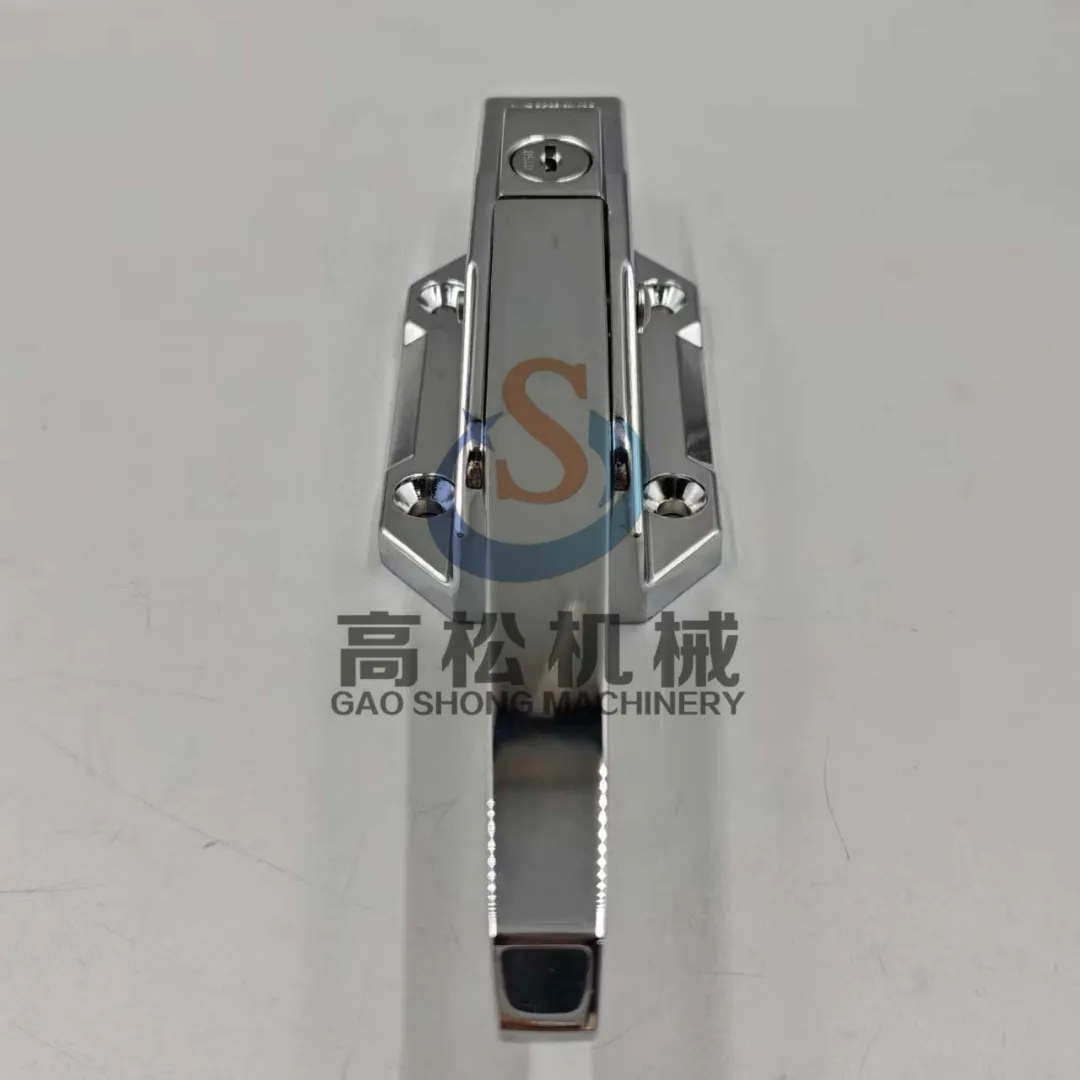 21T-54-35421 Komatsu Handle komatsu original
 -
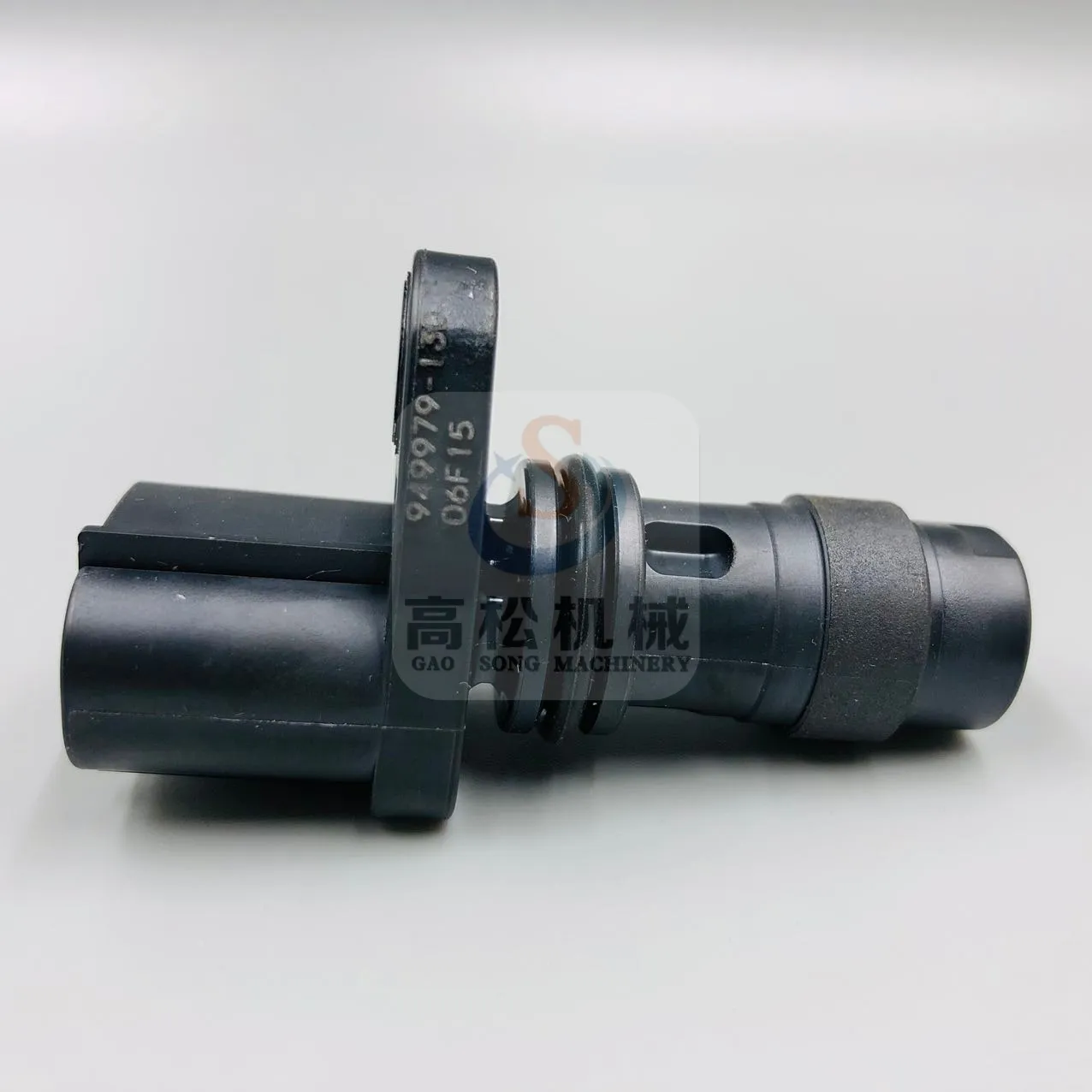 ND949979-1300 fuel pump sensor for Komatsu PC2000-8
 -
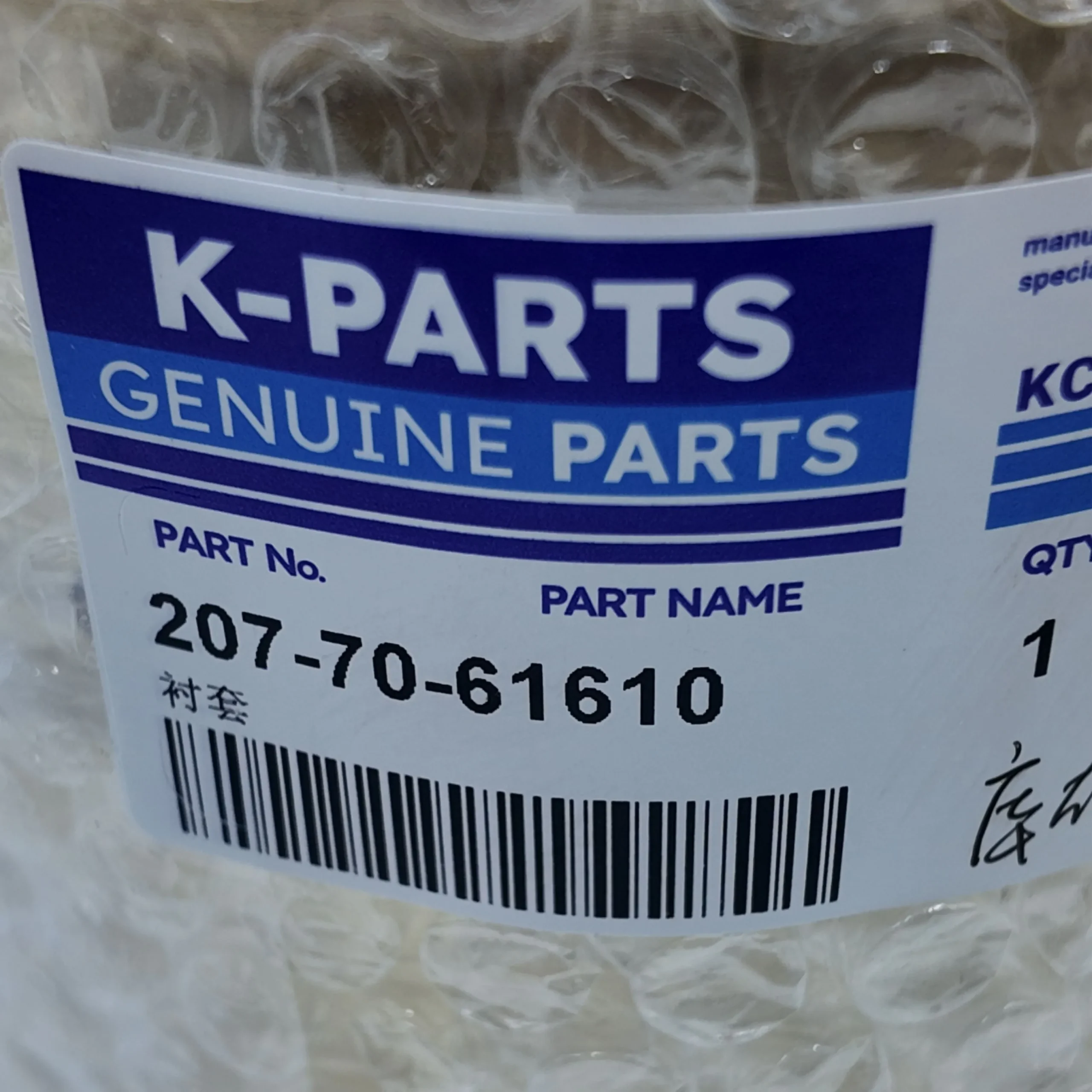 207-70-61610• BUSHING Komatsu Original Factory
 -
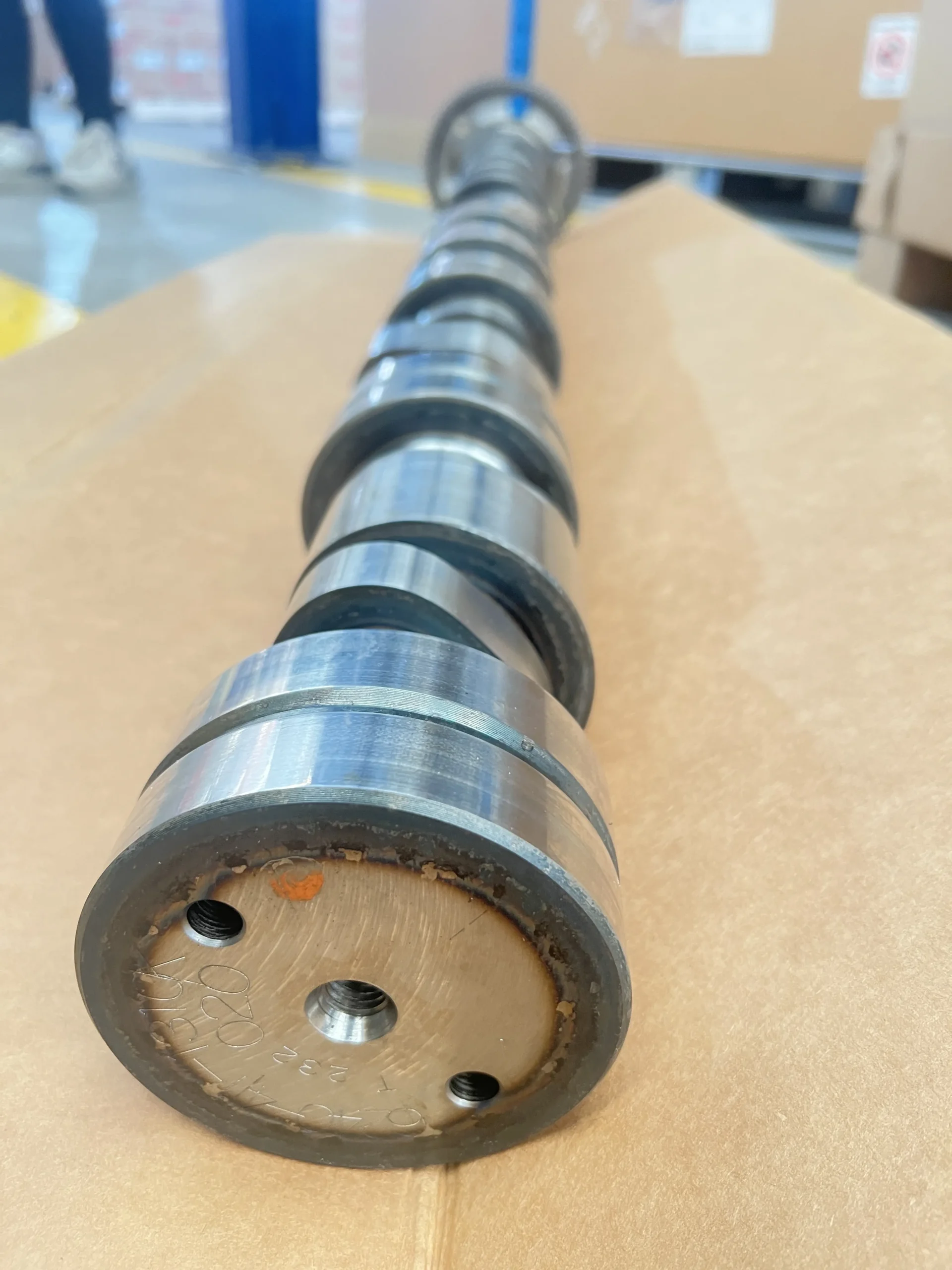 SAA6D170E-3F-8 Camshaft Assembly 6240-41-1300
 -
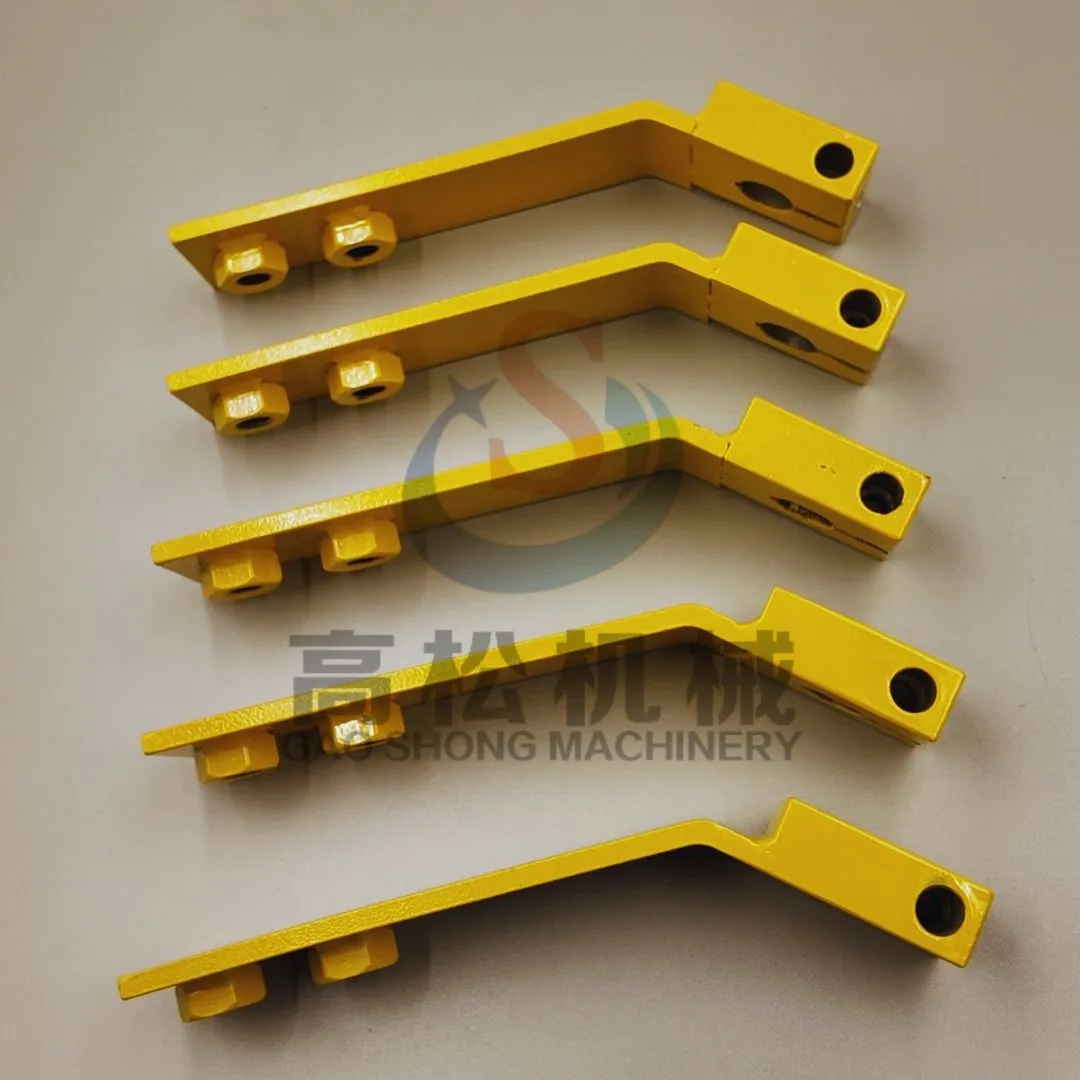 KOMATSU 566-86-6K430 BRACKET
 -
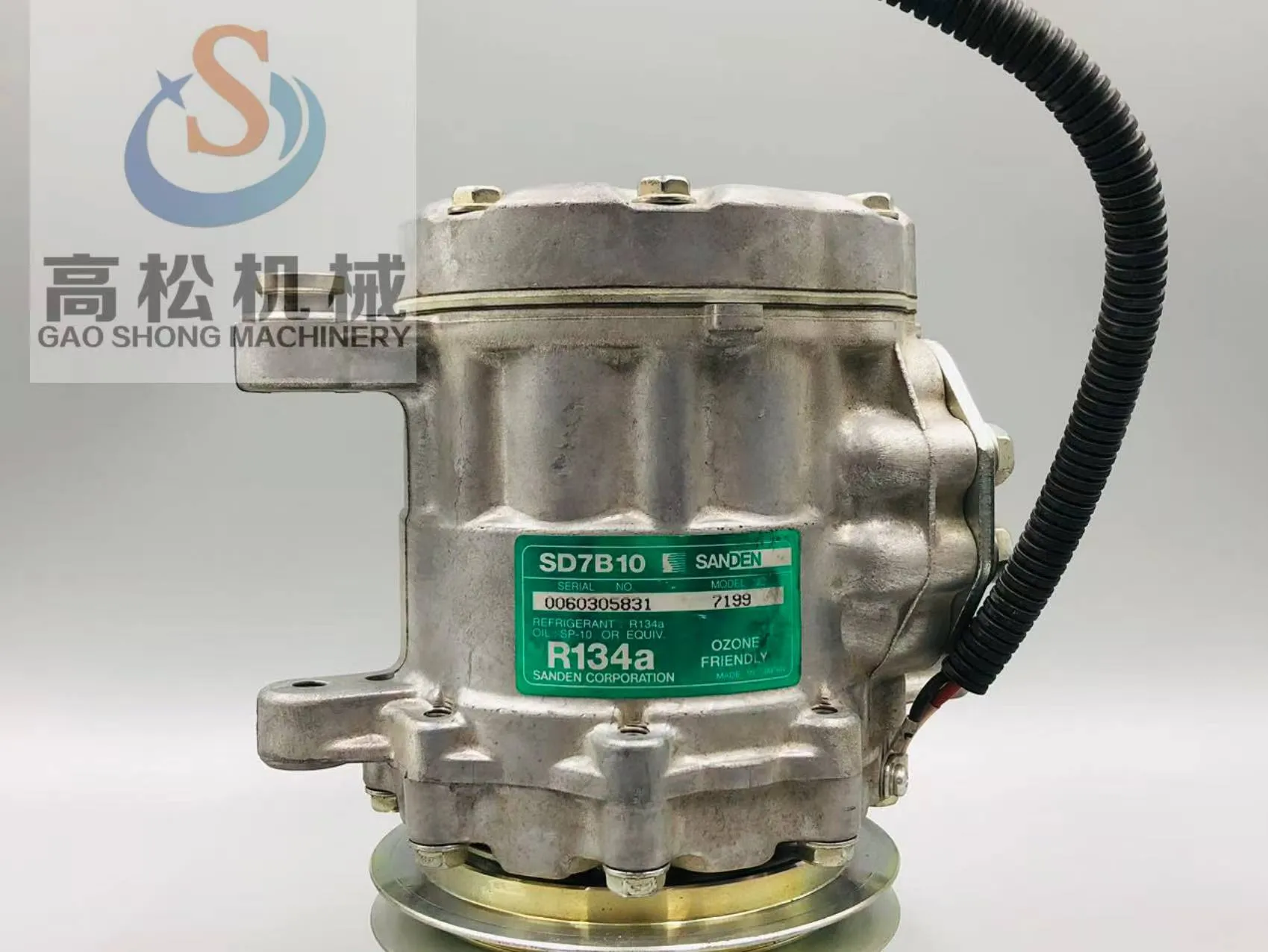 PC55MR PC56-7 Excavator Compressor PC45MR Air Conditioning 22L-979-2200 Compressor Ass’y
 -
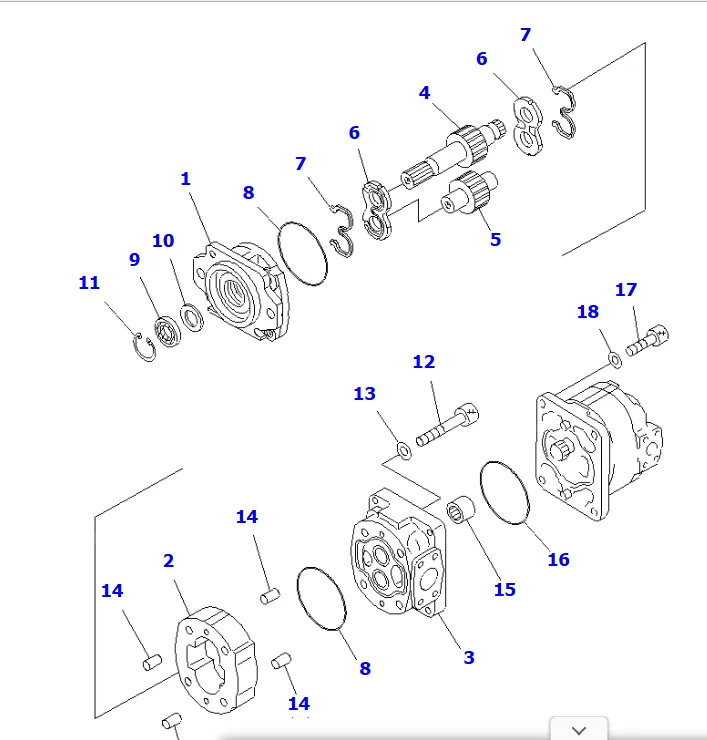 Komatsu HD605-5 pump assembly 705-52-31010
 -
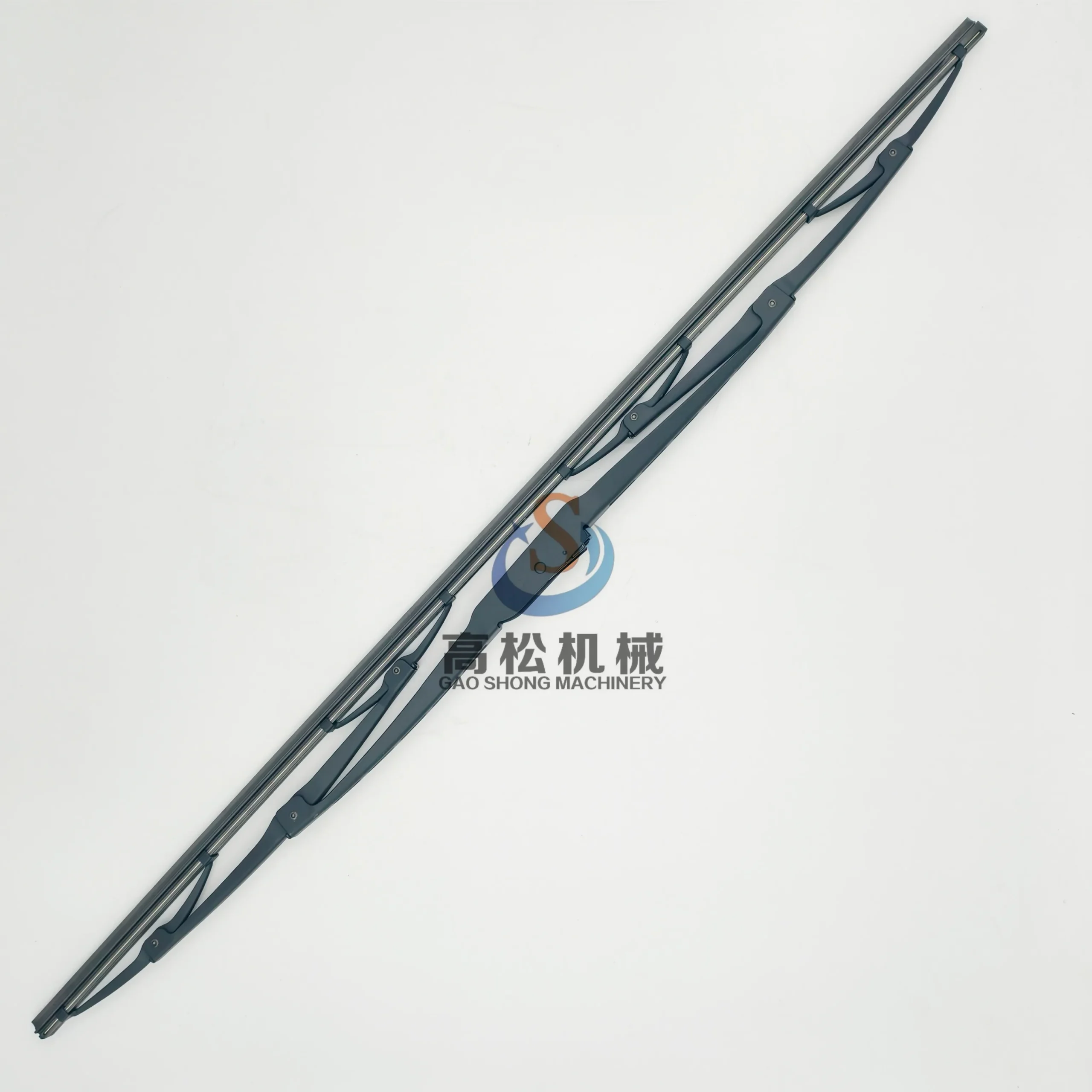 BLADE,FRONT 56B-54-13240 HM250-2 HM300-2 HM350-2 HM400-2 (ecot3) OPERATOR’S CAB (WIPER)
 -
 PC200/PC300 original accessories 20Y-62-51681 filter element assembly
 -
Komatsu Excavator PC1250 Flange 21N-62-11361
-
 Komatsu Construction Machinery Full Series Accessories 421-22-11440 Loading Parts