
- Chinese
- French
- German
- Portuguese
- Spanish
- Russian
- Japanese
- Korean
- Arabic
- Irish
- Greek
- Turkish
- Italian
- Danish
- Romanian
- Indonesian
- Czech
- Afrikaans
- Swedish
- Polish
- Basque
- Catalan
- Esperanto
- Hindi
- Lao
- Albanian
- Amharic
- Armenian
- Azerbaijani
- Belarusian
- Bengali
- Bosnian
- Bulgarian
- Cebuano
- Chichewa
- Corsican
- Croatian
- Dutch
- Estonian
- Filipino
- Finnish
- Frisian
- Galician
- Georgian
- Gujarati
- Haitian
- Hausa
- Hawaiian
- Hebrew
- Hmong
- Hungarian
- Icelandic
- Igbo
- Javanese
- Kannada
- Kazakh
- Khmer
- Kurdish
- Kyrgyz
- Latin
- Latvian
- Lithuanian
- Luxembou..
- Macedonian
- Malagasy
- Malay
- Malayalam
- Maltese
- Maori
- Marathi
- Mongolian
- Burmese
- Nepali
- Norwegian
- Pashto
- Persian
- Punjabi
- Serbian
- Sesotho
- Sinhala
- Slovak
- Slovenian
- Somali
- Samoan
- Scots Gaelic
- Shona
- Sindhi
- Sundanese
- Swahili
- Tajik
- Tamil
- Telugu
- Thai
- Ukrainian
- Urdu
- Uzbek
- Vietnamese
- Welsh
- Xhosa
- Yiddish
- Yoruba
- Zulu
- Kinyarwanda
- Tatar
- Oriya
- Turkmen
- Uyghur






Komatsu 195-20-31100
If you've been around Komatsu equipment long enough, you see a number like Komatsu and your first thought isn't filter or seal—it's downtime. That's the reality. This specific part, often listed as a hydraulic filter element for certain mid-size excavators, represents a common pain point. The industry is rife with a misconception: that any filter with roughly the same thread pitch and dimensions will do. That's a shortcut that costs more in the long run, chewing up pumps and valves because the bypass pressure or filtration micron rating is just slightly off. I've seen it happen. The number isn't random; it's a specification locked into a system's performance. Finding a reliable source for the genuine article, or an OEM-equivalent that doesn't compromise, is where the real work begins.
The Spec Behind the Number
Let's get into the weeds. Komatsu isn't a glamorous part. It's a workhorse component, typically servicing the hydraulic circuit on models like the PC200-8 or PC220-8. The critical detail isn't just its physical fit. It's the beta ratio, the collapse pressure, the integrity of the sealing gasket material. Komatsu's hydraulic systems are tuned for specific flow characteristics and contamination control. A sub-par filter might look identical, but it can have a weaker inner cage that deforms under high-pressure pulsation, or a media that releases fibers under load, becoming part of the problem it's meant to solve.
I recall a contractor trying to save a few bucks on a batch of aftermarket filters for a fleet of PC200s. The parts looked fine, even had decent packaging. But within 250 hours, we started seeing erratic arm movement and pilot pressure warnings. Teardown revealed a fine, silty debris throughout the secondary circuits—debris that shouldn't have passed a primary filter. The aftermarket element had a micron rating that was nominally correct but failed under cyclic loading. The cost of the savings was a hydraulic pump replacement and two valves. The part number, in this case, is a promise of a performance standard.
This is where the distinction between a generic third-party seller and a system-integrated supplier matters. A company like Jining Gaosong Construction Machinery Co., Ltd. operates with a different understanding. Being an OEM product supplier within the Komatsu system means they have access to the technical specs and manufacturing tolerances that make what it is. They're not just boxing a generic filter; they're providing a component that meets the factory's engineering intent, which is the only thing that matters when your machine is in a critical dig cycle.
The Supply Chain Reality
Here's the operational headache everyone faces: genuine parts distribution isn't seamless everywhere. For operations in remote regions or countries with complex import logistics, getting a Komatsu from the official channel can mean weeks of waiting. That's catastrophic downtime. This gap is where a specialized third-party role becomes invaluable. The goal isn't to replace the OEM network but to complement it where it's weak.
Jining Gaosong positions itself precisely here. By stating they are also a third-party sales company for Komatsu, helping to solve parts supply challenges in certain countries, they're addressing a real-world, on-the-ground problem. It's not about undercutting; it's about access and velocity. From my experience, such a supplier needs to do more than just have stock. They need to understand lead times, customs documentation for specific regions, and have the quality assurance to back the part up. A quick look at their online presence at https://www.takematsumachinery.com often shows a focus on these logistical solutions, not just a parts catalog.
I've dealt with suppliers who are just order-takers. You call for a , they check a box, ship it. Then you get the wrong gasket kit, or the pre-filter isn't included. A supplier embedded in the system knows that this filter might have a companion O-ring or a specific service bulletin about torque specs during installation. That ancillary knowledge is what separates a parts vendor from a partner that actually reduces your machine's TCO.
Failure Points and Field Observations
Never judge a filter by its cover. The most common field mistake with hydraulic filters, including the , is ignoring the condition of the filter head and the housing bowl. I've pulled out a perfectly good element only to find the bowl's sealing surface was gouged from someone using a screwdriver to pry it loose last time. Or the bypass valve in the head is stuck open with varnish, meaning oil has been circulating unfiltered for who knows how long. The part is only as good as the system it's installed into.
Another subtle point is the absorption capacity of the filter media. Genuine and true OEM-spec filters are designed for the expected contaminant ingression rate of that specific machine model. A cheaper filter might clog prematurely not because it's better at filtering, but because its media has less capacity. This leads to more frequent changes, more downtime, and a higher risk of the bypass opening. It's a false economy. When you source from a technical supplier, not just a warehouse, they can often provide these usage notes and expected service intervals based on actual field data.
There's also the simple issue of counterfeit packaging. It's gotten scarily good. The only reliable test is often performance and metallurgical analysis of the internal components. Suppliers who are part of the Komatsu system have a chain of custody that makes this less of a risk. Their business relies on being a trusted channel, not a one-time sale.
Cost vs. Value Calculation
The conversation always turns to price. Yes, a genuine or proper OEM-spec Komatsu will cost more upfront than a no-name alternative. The calculation isn't part vs. part. It's the cost of the part versus the risk-adjusted cost of failure. A hydraulic pump on a PC220 is what, maybe $8,000? Plus labor, plus lost machine revenue, plus the cascade of debris that takes out other components. Suddenly, the $150 premium for the right filter is insurance, not an expense.
This is the value proposition of a company like Jining Gaosong. They aren't selling the cheapest on the market. They're selling the correct one, with the traceability and technical backing to ensure it performs as Komatsu intended. For a fleet manager, that reliability is worth its weight in gold. It turns a maintenance item from a recurring worry into a scheduled, predictable event.
In my own operations, we standardized on sources that provided this level of certainty. We stopped buying filters and started buying hydraulic system protection. The language shift changes the entire procurement mindset. The part number becomes a shorthand for a validated component, not just a SKU to be cross-referenced.
The Bigger Picture: System Health
Ultimately, focusing on a single part like the Komatsu is about acknowledging that machine health is systemic. You can't have a clean hydraulic system with a marginal filter. It's the first line of defense. Every component downstream—the pumps, the control valves, the cylinder seals—depends on the integrity of that one element.
Finding a supplier that understands this interdependence is key. It's not about moving boxes; it's about supporting uptime. When I see a supplier's description that mentions solving parts supply challenges, I read that as we understand your downtime is expensive, and we've built a network to minimize it. That's a partner, not a vendor.
So next time you order a , think beyond the number. Think about the system it protects, the cost of its failure, and the reliability of its source. That's where the real value in equipment management is found. It's a small part, with a very big job to do.
Related Products
Related Products

Best Selling Products
Best Selling Products-
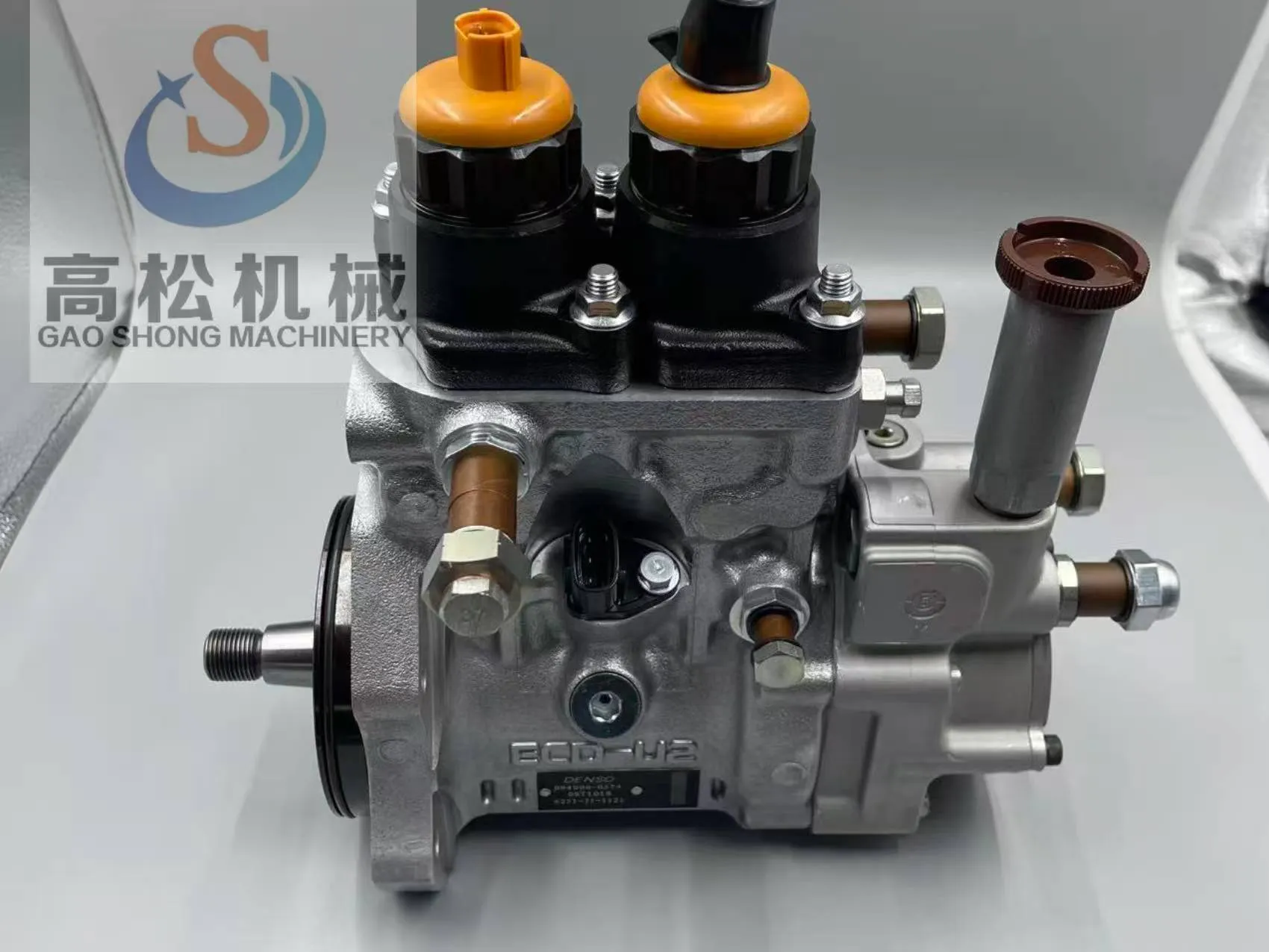
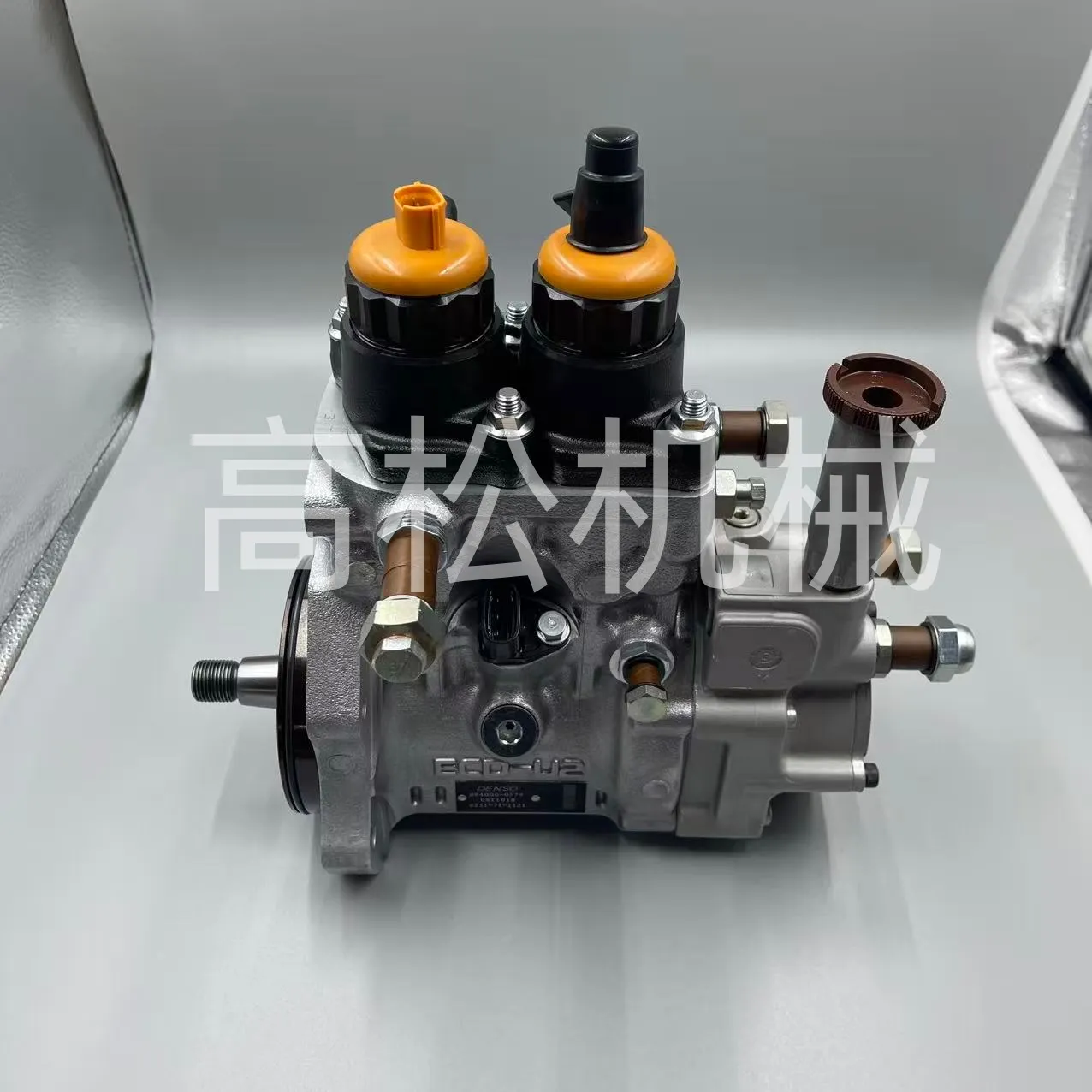 6251-71-1121 Pump Assembly, Fuel Injection-Komatsu Original Factory
 -
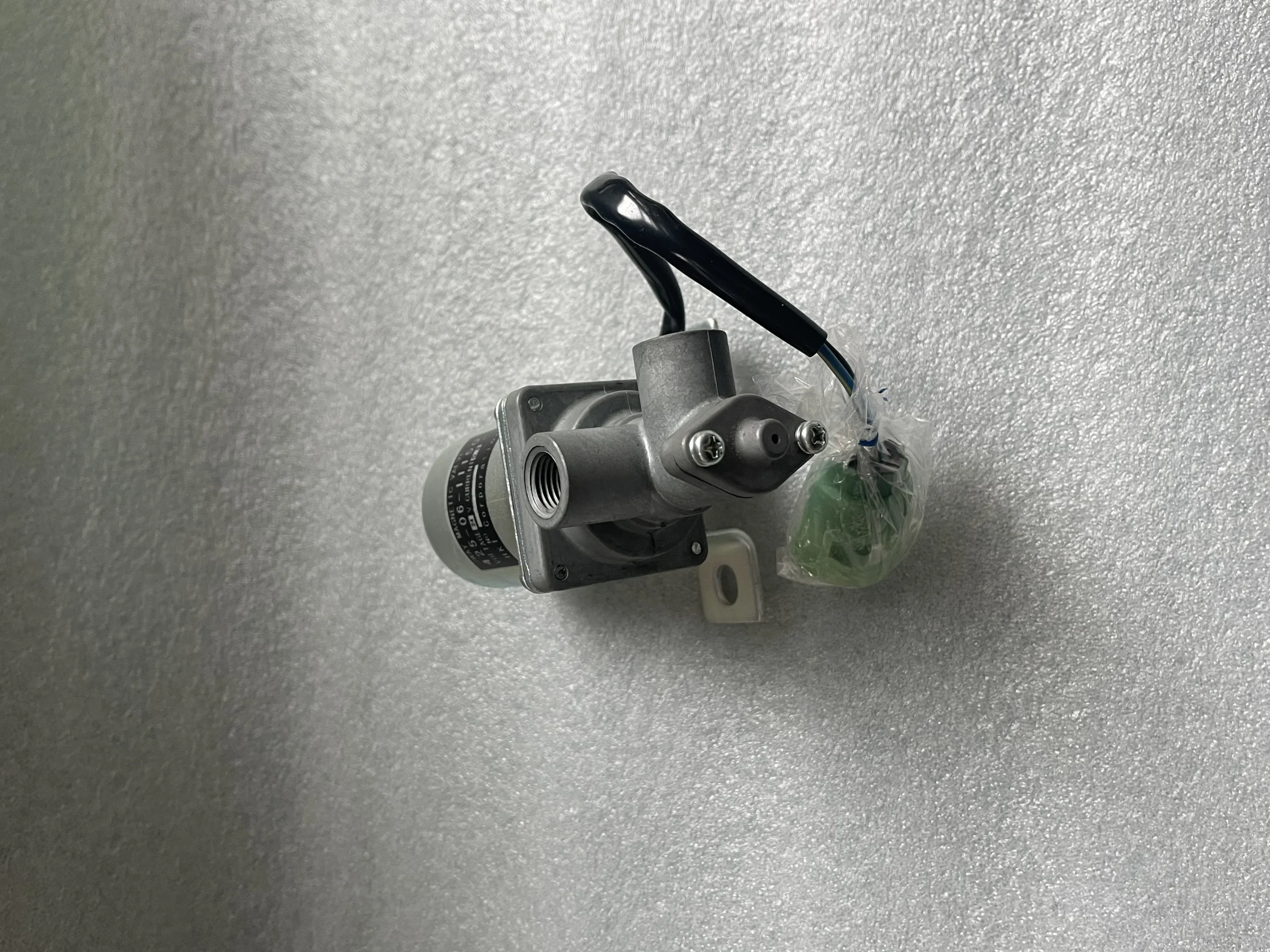 Valve,Parking brake425-06-11150
 -
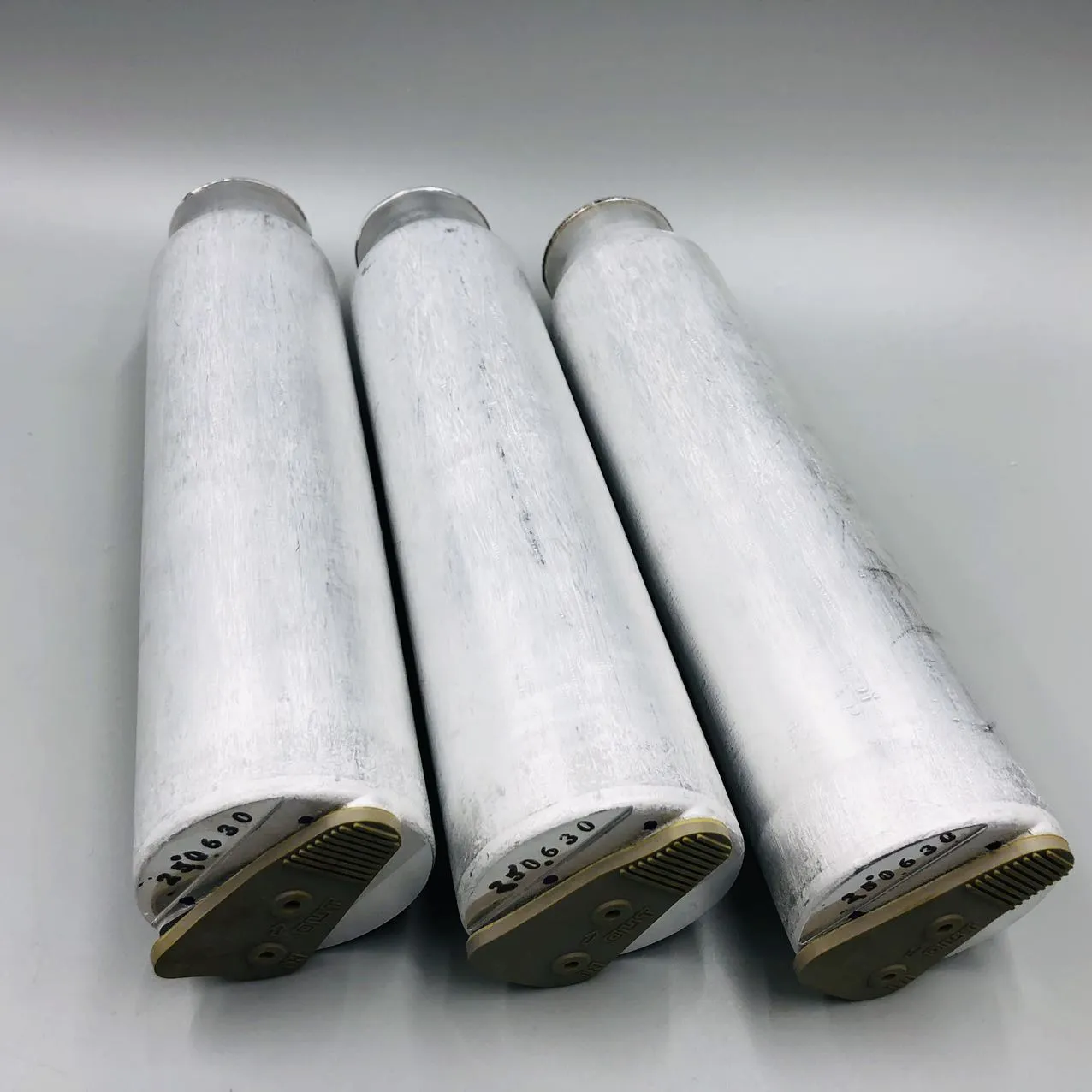 tank20Y-979-3120
 -
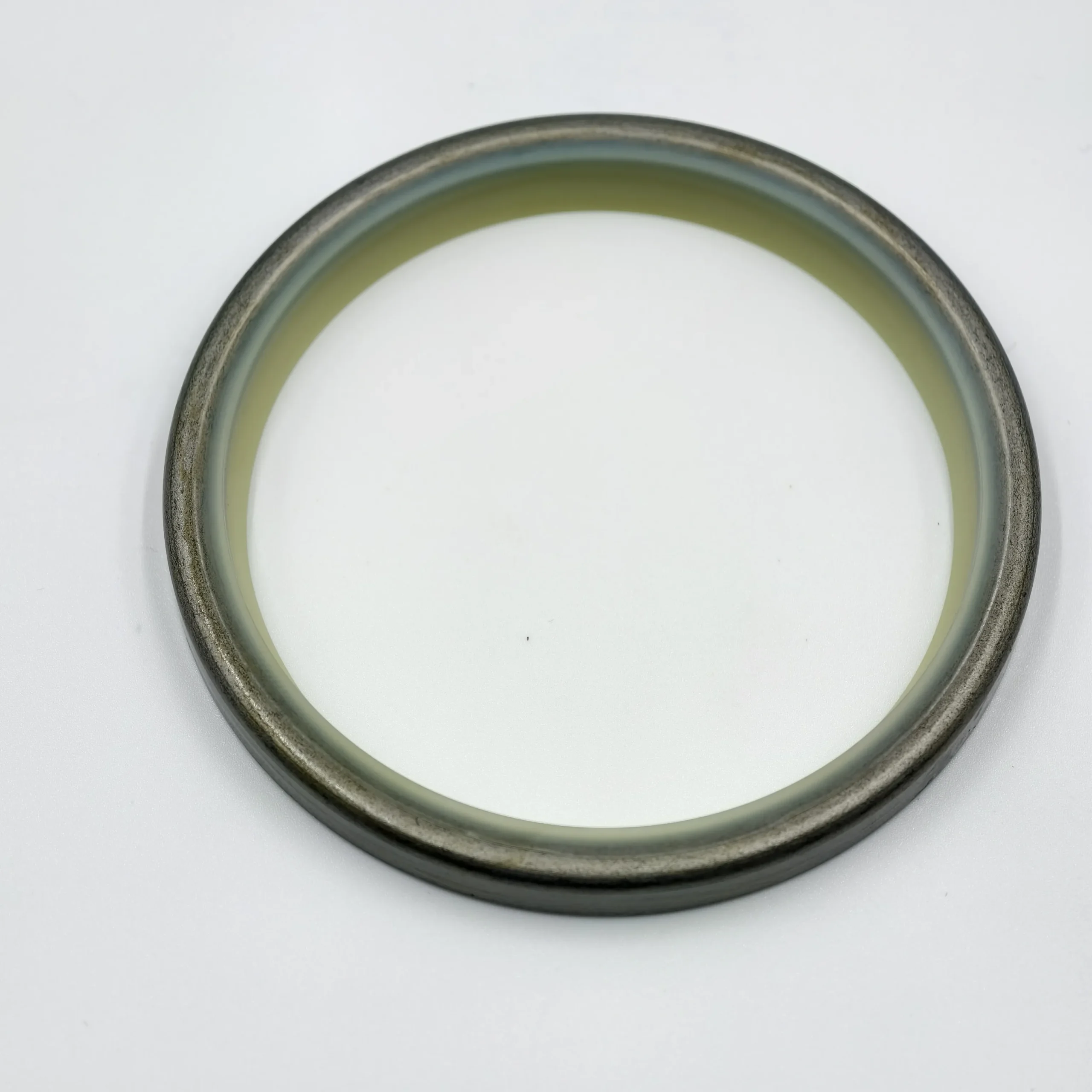 Komatsu 17M-50-24360 Seal, price for original and… — Pricing.Parts
 -
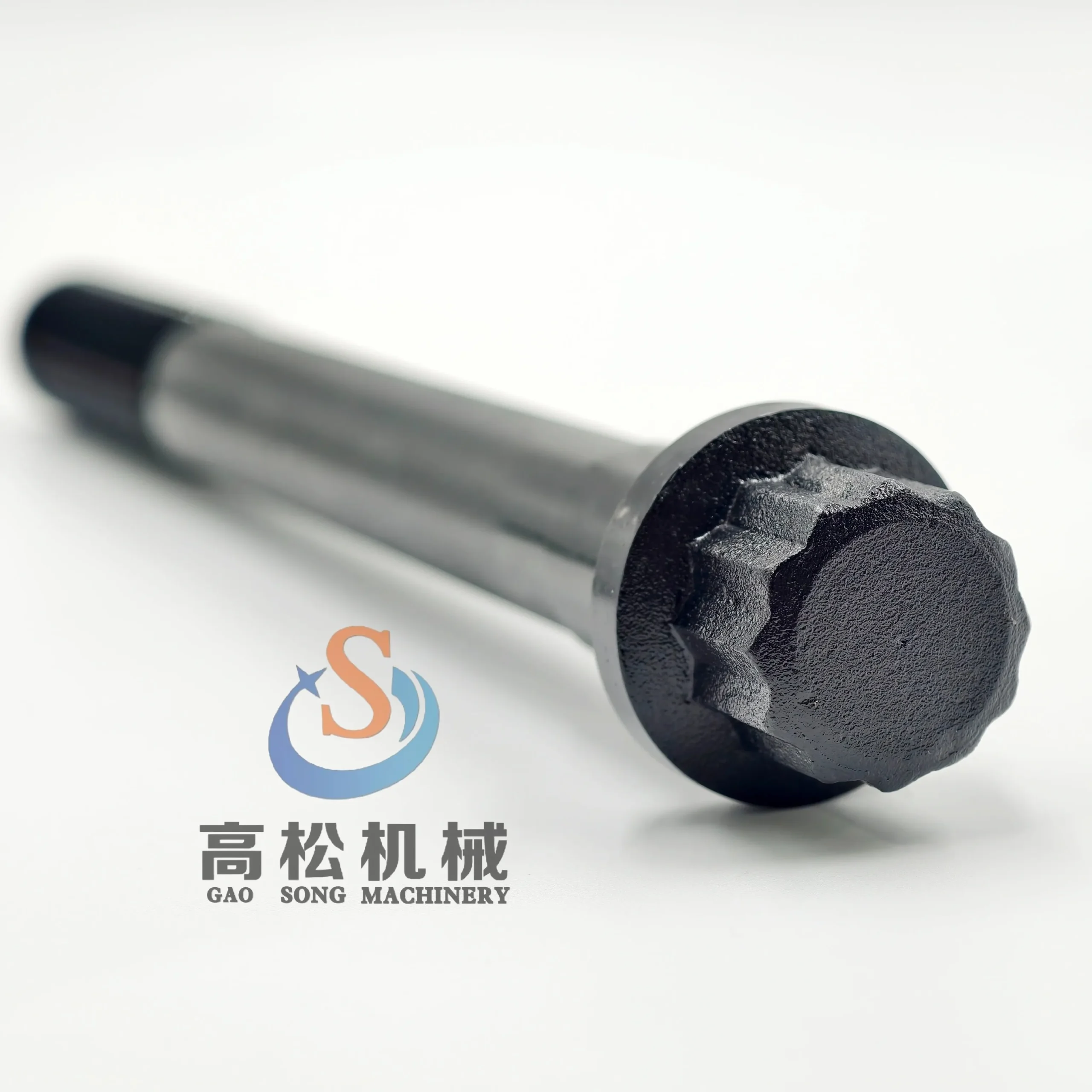 6162-15-1610 komatsu-parts BOLT,HEAD
 -
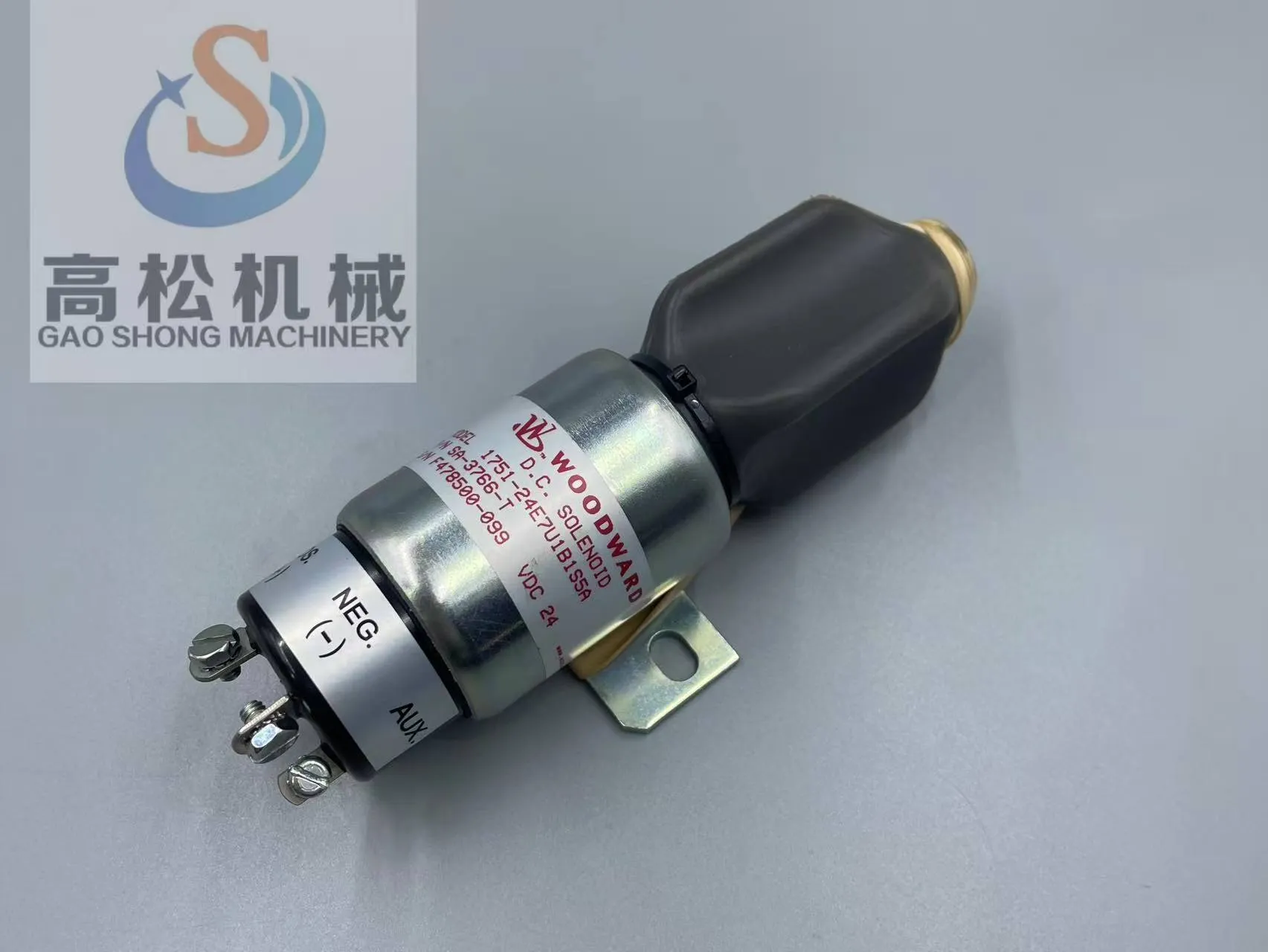 12v high quality electromagnetic stop valve for excavators pc75uu-3, pc78us-5, pc60-7e, pc78uu-6 with 4d95 engine (part number 600-815-7550)
 -
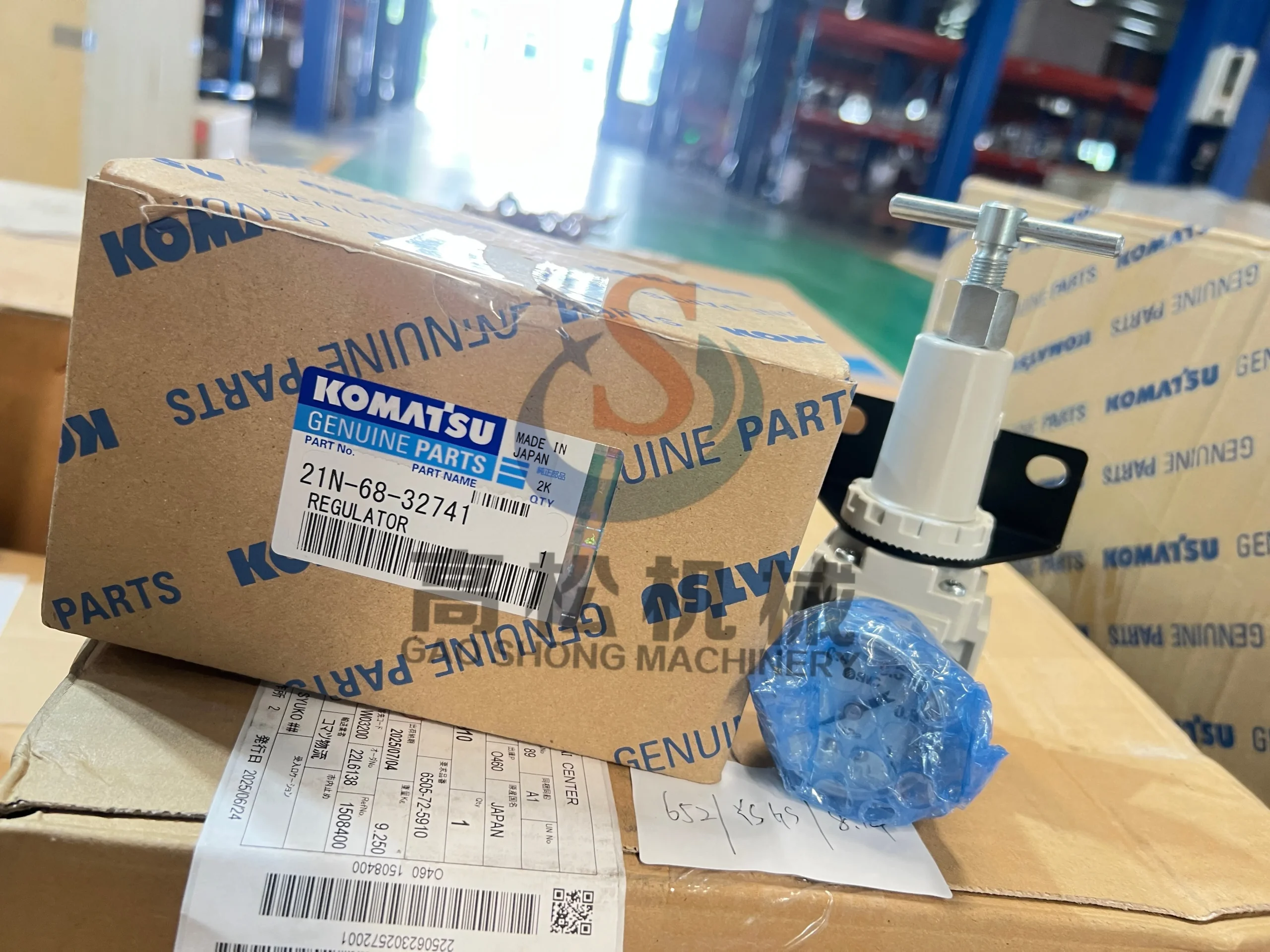 REGULATOR – 21N-68-32741
 -
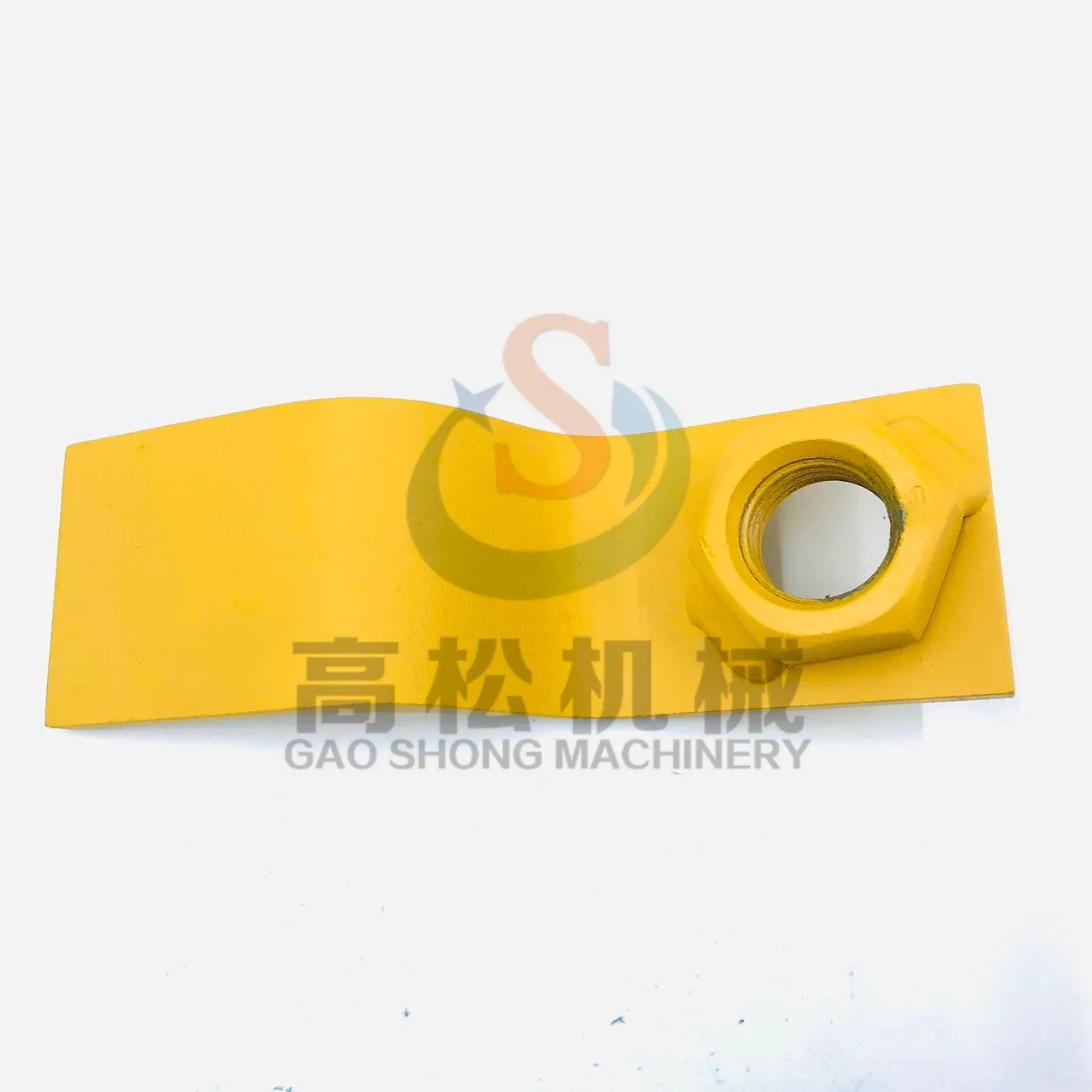 21T-00-67330 Plate (Komatsu)
 -
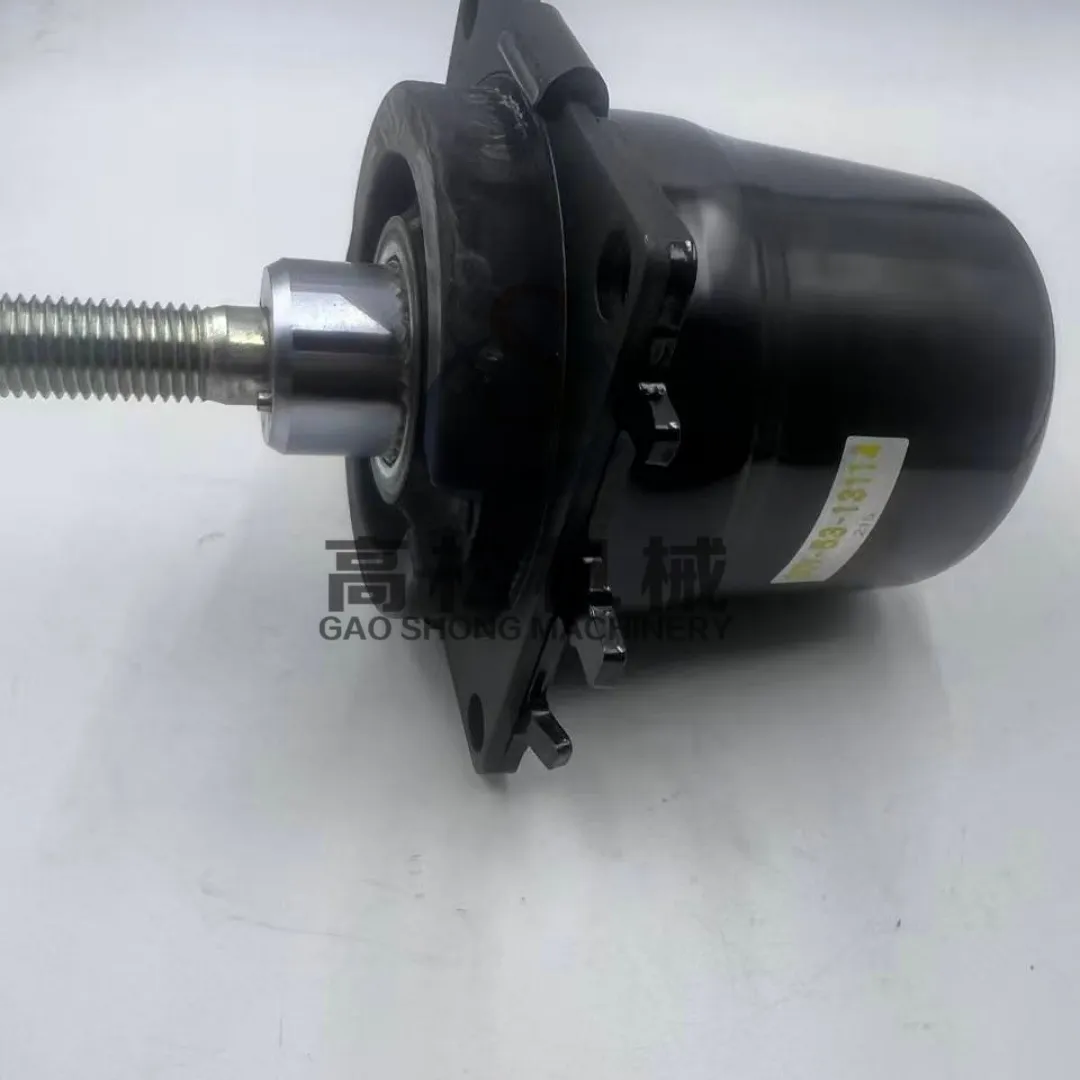 20Y-53-13114 SILENTBLOCK komatsu parts
 -
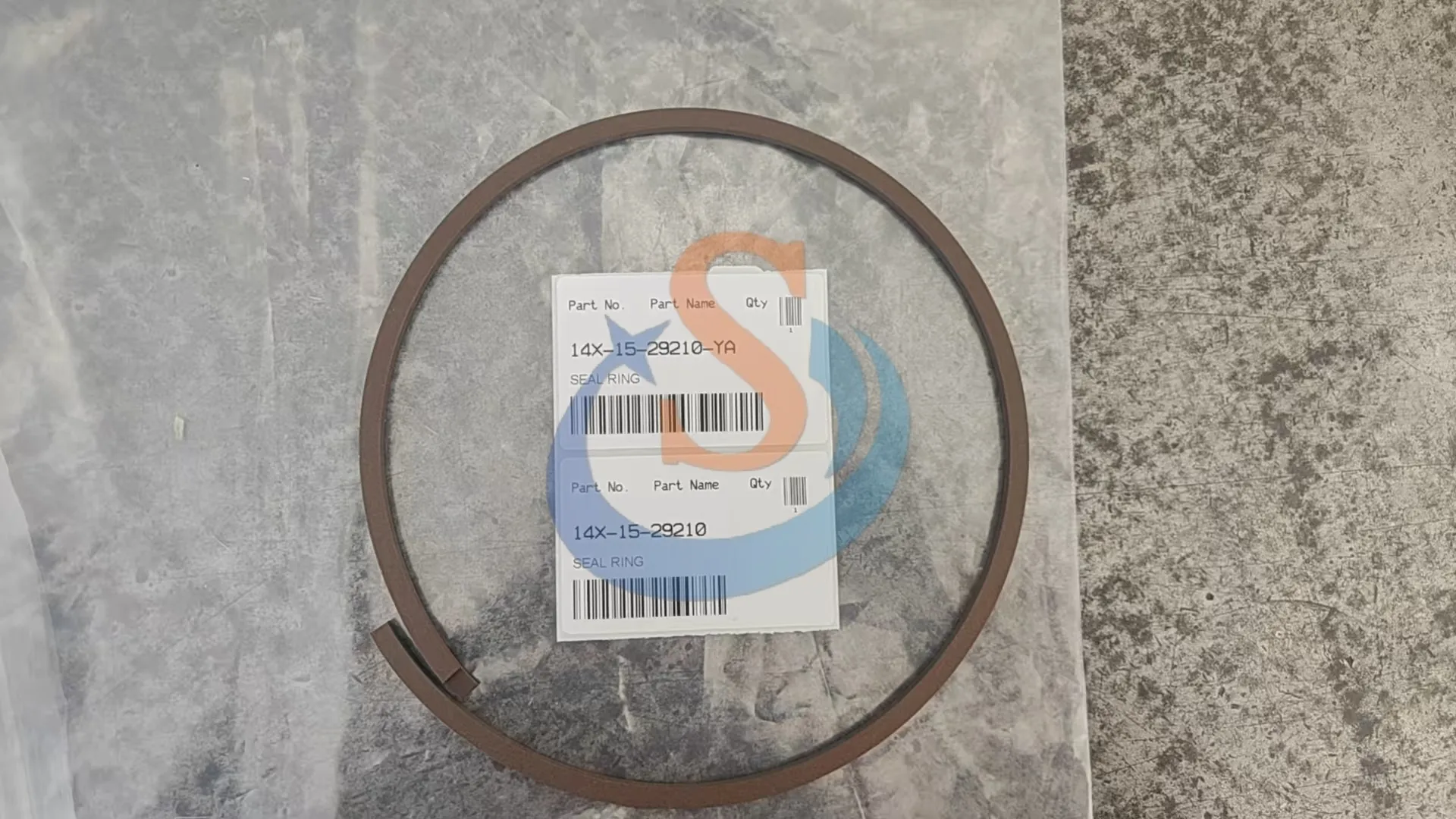 14X-15-29210,SEAL RING,D65PX,D85ESS-2,HD605-7R
 -
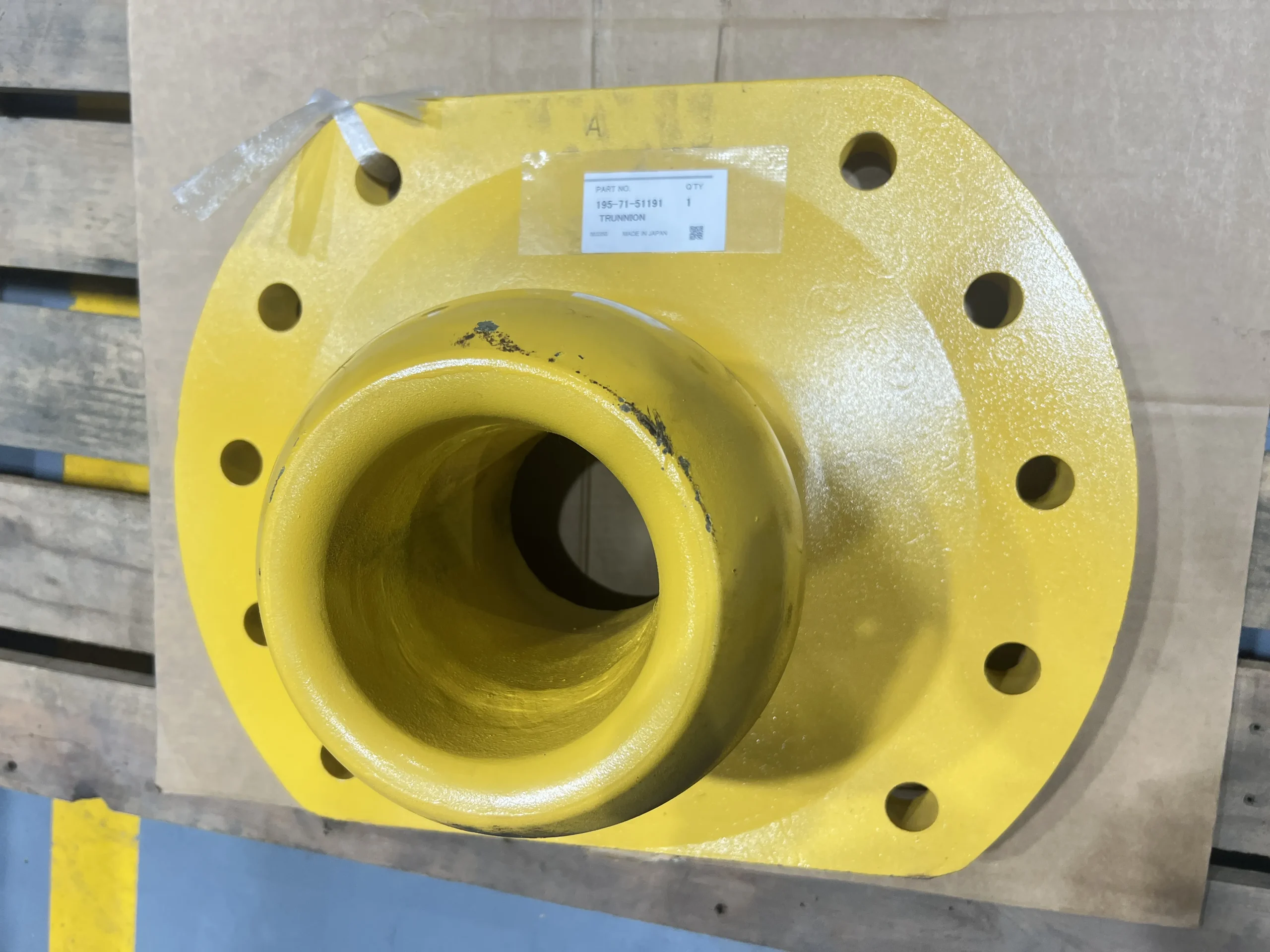 TRUNNION 195-71-51191 – KOMATSU
 -
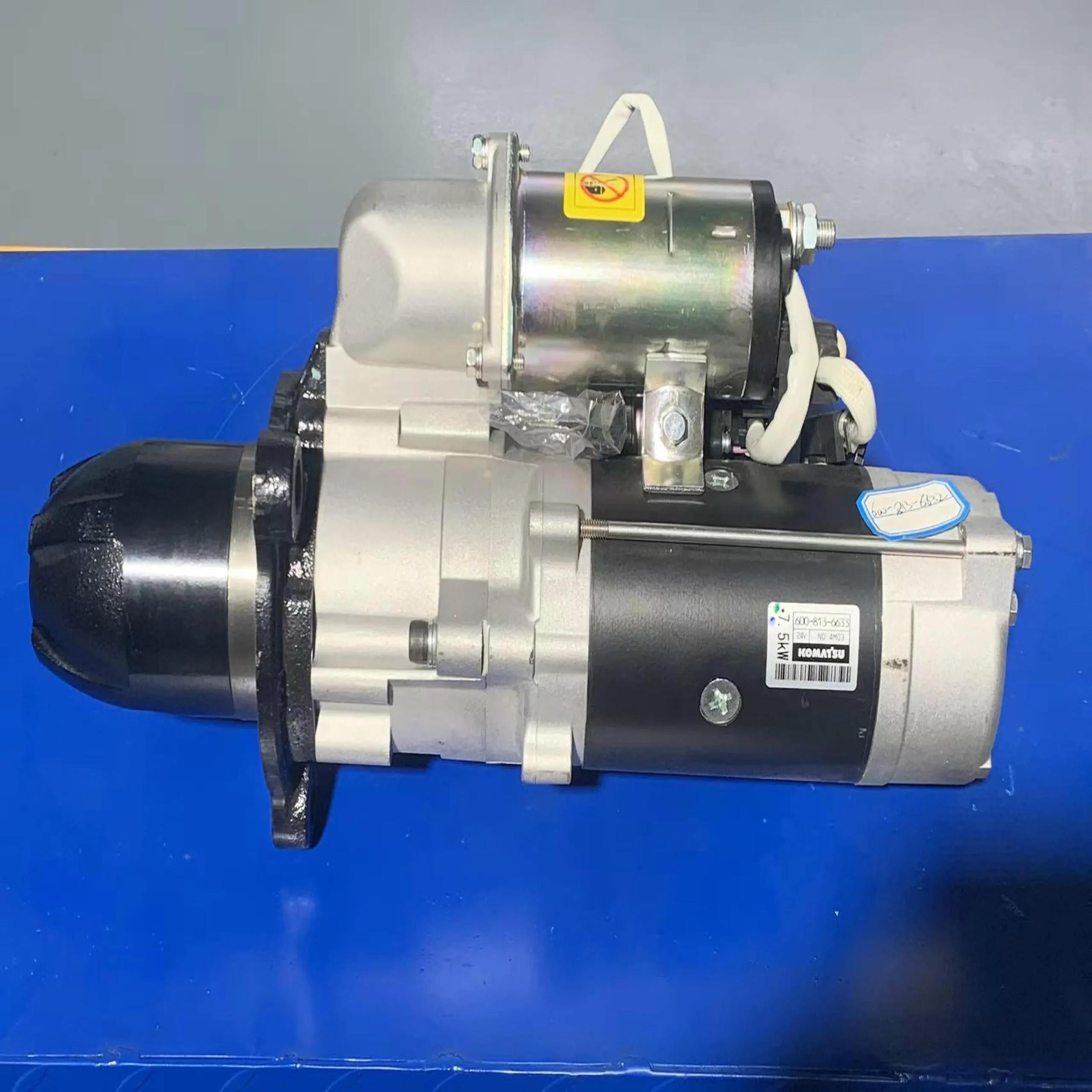 600-813-6632 PC400-8 Start Motor