
- Chinese
- French
- German
- Portuguese
- Spanish
- Russian
- Japanese
- Korean
- Arabic
- Irish
- Greek
- Turkish
- Italian
- Danish
- Romanian
- Indonesian
- Czech
- Afrikaans
- Swedish
- Polish
- Basque
- Catalan
- Esperanto
- Hindi
- Lao
- Albanian
- Amharic
- Armenian
- Azerbaijani
- Belarusian
- Bengali
- Bosnian
- Bulgarian
- Cebuano
- Chichewa
- Corsican
- Croatian
- Dutch
- Estonian
- Filipino
- Finnish
- Frisian
- Galician
- Georgian
- Gujarati
- Haitian
- Hausa
- Hawaiian
- Hebrew
- Hmong
- Hungarian
- Icelandic
- Igbo
- Javanese
- Kannada
- Kazakh
- Khmer
- Kurdish
- Kyrgyz
- Latin
- Latvian
- Lithuanian
- Luxembou..
- Macedonian
- Malagasy
- Malay
- Malayalam
- Maltese
- Maori
- Marathi
- Mongolian
- Burmese
- Nepali
- Norwegian
- Pashto
- Persian
- Punjabi
- Serbian
- Sesotho
- Sinhala
- Slovak
- Slovenian
- Somali
- Samoan
- Scots Gaelic
- Shona
- Sindhi
- Sundanese
- Swahili
- Tajik
- Tamil
- Telugu
- Thai
- Ukrainian
- Urdu
- Uzbek
- Vietnamese
- Welsh
- Xhosa
- Yiddish
- Yoruba
- Zulu
- Kinyarwanda
- Tatar
- Oriya
- Turkmen
- Uyghur






komatsu 125 engine
When you hear 'Komatsu 125 engine', the immediate assumption—and I've seen this trip up so many guys—is that we're talking about a single, specific powerplant. In reality, that '125' often refers to a machine model series, like an excavator, and the engine inside could be one of several. It's not a standalone engine code like an S6D or a 6D95. This nuance is where a lot of sourcing headaches begin. People call up asking for a '125 engine', and you have to backtrack: Is it for a PC1250? Which dash number? What's the serial number prefix? The devil's in those details, and assuming otherwise is a fast track to getting the wrong part on your dock.
The Core Confusion: Model Series vs. Engine Family
Let's get specific. The Komatsu PC1250 excavator is a classic example. Over its long production run, it used different engines. Earlier models, think late 80s to mid-90s, often housed the Komatsu S6D125 engine. That '125' in S6D125 actually denotes the cylinder displacement in liters per cylinder—so a 6-cylinder giving you roughly a 15L total. That's a robust, direct-injection workhorse. Later versions of the PC1250 might have switched to an updated series, like the SAA6D125E or variants with different emission controls. The point is, you can't interchange them. The external mounting might look similar, but the fuel system, the ECU, the turbo configuration can be worlds apart.
I remember a job for a mining contractor in Indonesia a few years back. They had a PC1250-7 down with catastrophic failure. They insisted they needed an 'S6D125', which is what their old -5 model used. We pushed for the full machine serial number. Turned out their -7 had the SAA6D125E-3 engine. The difference? The -3 suffix indicated a different turbocharger and injection pump calibration for high-altitude operation they'd forgotten about. Ordering the older S6D125 block would have been a $40,000 mistake that still wouldn't have run right. It's these serial number checks that separate a smooth rebuild from a costly paperweight.
This is precisely where a partner with deep system knowledge adds value. A company like Jining Gaosong Construction Machinery Co., Ltd. operates in this space. Being an OEM product supplier within the Komatsu system, they're positioned to navigate these nuances correctly from the start. Their role isn't just about having a part number; it's about understanding that a 'Komatsu 125 engine' request needs immediate qualification to avoid the pitfall I just described.
Real-World Failures and the Aftermarket Trap
Speaking of pitfalls, the aftermarket for these engines is a minefield. I've seen 'compatible' cylinder heads that crack between the valves after 800 hours because the alloy casting wasn't right. I've seen rebuilt injection pumps that never hit rated fuel pressure, leaving a machine gutless and burning excess fuel. The temptation is always price, especially when you're facing downtime pressure. But with a core as complex as a modern diesel, especially the later electronic-controlled ones, pattern parts often fail the durability test.
The challenge in certain regions, as highlighted by Jining Gaosong's work as a third-party sales company solving parts supply challenges, is genuine. Sometimes, official channels are blocked, slow, or prohibitively expensive due to logistics. The risk is that the market gets flooded with sub-standard copies. A good third-party supplier doesn't just sell you a part; they should provide the traceability. Is this a genuine Komatsu remanufactured unit? Is it an OEM-spec new part from a certified foundry? Or is it a 'will-fit' that's a gamble? The honest ones will tell you the difference and the expected lifespan for each.
We tried a 'budget' rebuild on a S6D125 once for a quarry machine. Saved about 30% on the long block. The liners started micro-seeping coolant into the oil after about 1,200 hours. Not enough to cause immediate failure, but enough to slowly degrade the oil and cause bearing wear we discovered at the next overhaul. The total cost of the early teardown and proper parts far exceeded the initial 'savings'. It was a lesson in false economy. Now, the first question is always about provenance, not just price.
The Technical Deep Dive: S6D125 vs. SAA6D125E
Let's get a bit more technical, for those who care about the guts. The older S6D125 is a textbook mechanical diesel. It's all about the injection pump timing and the rack setting. Troubleshooting is about feel, sound, and smoke color. A good mechanic can diagnose most issues with a set of pressure gauges and a keen ear. The later SAA6D125E series, with the 'E' often denoting electronic control, is a different beast. Now you have an Engine Control Module (ECM) talking to sensors, controlling the electronic unit injectors.
The failure modes shift. It's less about mechanical wear on the pump and more about sensor reliability, wiring harness chafing, or software glitches. I've spent days chasing an intermittent loss of power on a SAA6D125E-2, only to find a tiny crack in the wiring loom near the exhaust manifold that was causing the camshaft position sensor signal to drop out when things got hot. The engine would derate to a limp-home mode. On the old S6D125, that simply couldn't happen. The trade-off is efficiency and emissions compliance for complexity.
This evolution directly impacts parts strategy. Supporting the electronic engines requires diagnostic tooling and access to technical bulletins, not just wrenches. A supplier's ability to provide not just the physical injector, but the correct injector code file for the ECM, or the updated harness section, becomes critical. It's a systems approach. This is where the integration of OEM supply and third-party support, as seen with a company like Jining Gaosong, makes practical sense—bridging the gap between the official technical specs and the on-ground reality in a remote location.
Operational Longevity and Common Wear Points
Regardless of the variant, these are big-displacement, high-torque engines designed for 10,000+ hour lifespans if cared for. But they have their common issues. On the S6D125, the number one wear point I consistently see is the cylinder kit—specifically, liner cavitation on the coolant side if the SCA (Supplemental Coolant Additive) levels aren't maintained. The vibration causes tiny bubbles to implode against the liner exterior, eventually pitting through. It's a silent killer.
Another classic is the rear main seal area on high-hour units. The crankshaft flange can develop a slight wear groove, causing a persistent oil leak. The proper fix isn't just a new seal; it's a Speedi-Sleeve or even machining the flange. Many quick-fix shops just slap in another seal, and it leaks again in three months. Then there's the turbo. The turbochargers on these are robust, but heat cycling kills them. The most common failure isn't the bearings seizing; it's the wastegate actuator assembly getting carbon-locked or the variable geometry vanes (on later models) sticking from soot buildup. A proper cleaning and inspection during major service can prevent a $5,000 surprise.
For the electronic SAA6D125E, add the crankshaft and camshaft speed sensors to your regular watch list. Their failure is often sudden and catastrophic for operation. Keeping the connectors clean and dry is basic but vital maintenance that's often overlooked in muddy environments.
Sourcing and the Practical Supply Chain
So, you need parts or a complete long block for your Komatsu 125 engine. What's the play? If you're in a major market with a strong Komatsu distributor, the official channel is often the most straightforward, if expensive. But for many operations in Africa, Southeast Asia, or South America—the places where these machines are still absolute fleet pillars—the official network can be thin. This creates the niche for specialized third-party suppliers.
The value of a supplier like the one mentioned, accessible at a portal like https://www.takematsumachinery.com, isn't just in having stock. It's in having the correct stock for your specific serial number and understanding the regional application differences. Can they tell you if the water pump for a PC1250-7 in a Chilean high-altitude mine is different from one in a Malaysian peat bog? They should. Their stated mission of helping to solve parts supply challenges in certain countries rings true only if that technical due diligence happens behind the scenes.
My advice is always to engage with specifics. Don't lead with I need a price for a 125 engine. Lead with the machine model, serial number, and the problem you're seeing (e.g., low compression on cylinders 2 and 5, coolant consumption). A competent supplier will start asking the right questions about hours, service history, and previous repairs. That back-and-forth is the first sign you're dealing with someone who understands the platform, not just a parts database. It turns a transactional buy into a troubleshooting partnership, which is what you need when a key machine is down. The goal is to get the right part, once, and get the iron back to work.
Related Products
Related Products

Best Selling Products
Best Selling Products-
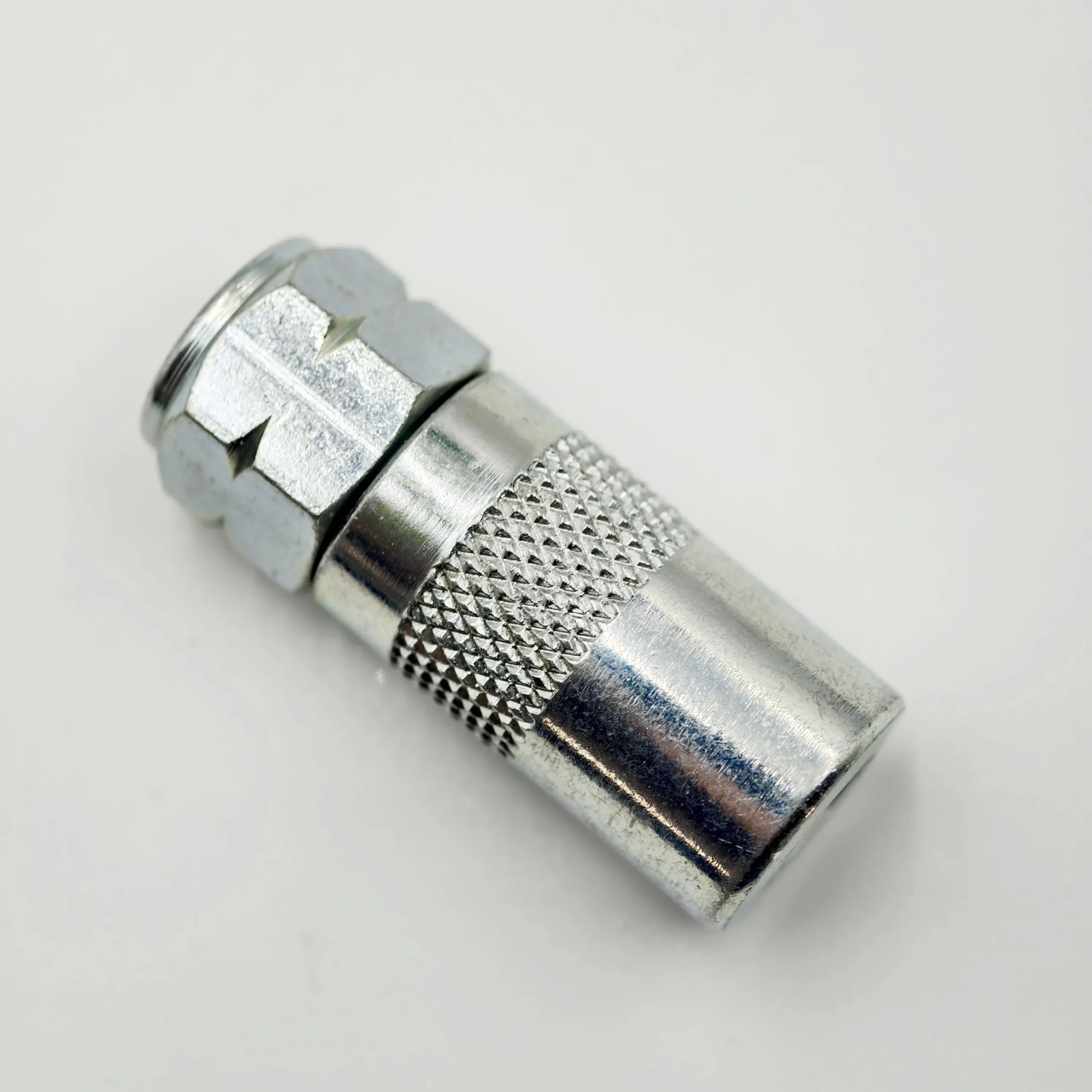 PC600-8/PC2000-8 Coupler 209-68-11640
 -
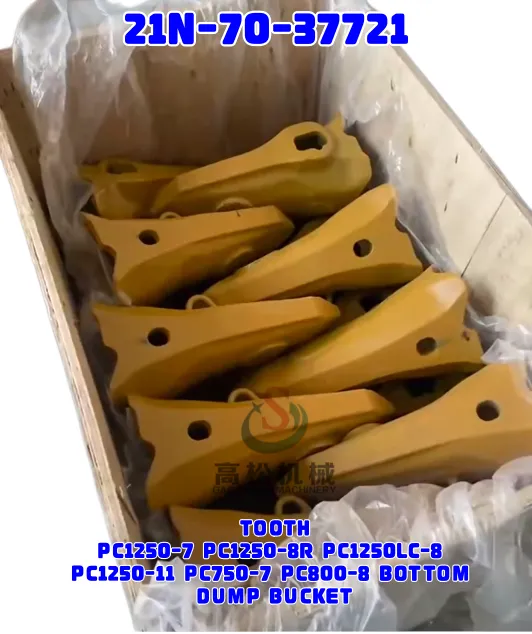 21n-70-37721 Bucket teeth, suitable for the following vehicle models. PC1250-7 PC1250-8R PC1250LC-8 PC1250-11 PC750-7 PC800-8 BOTTOM TOOTH PC1250-7 PC1250-8R PC1250LC-8 PC1250-11 PC750-7 PC800-8 BOTTOM DUMP BUCKET
 -
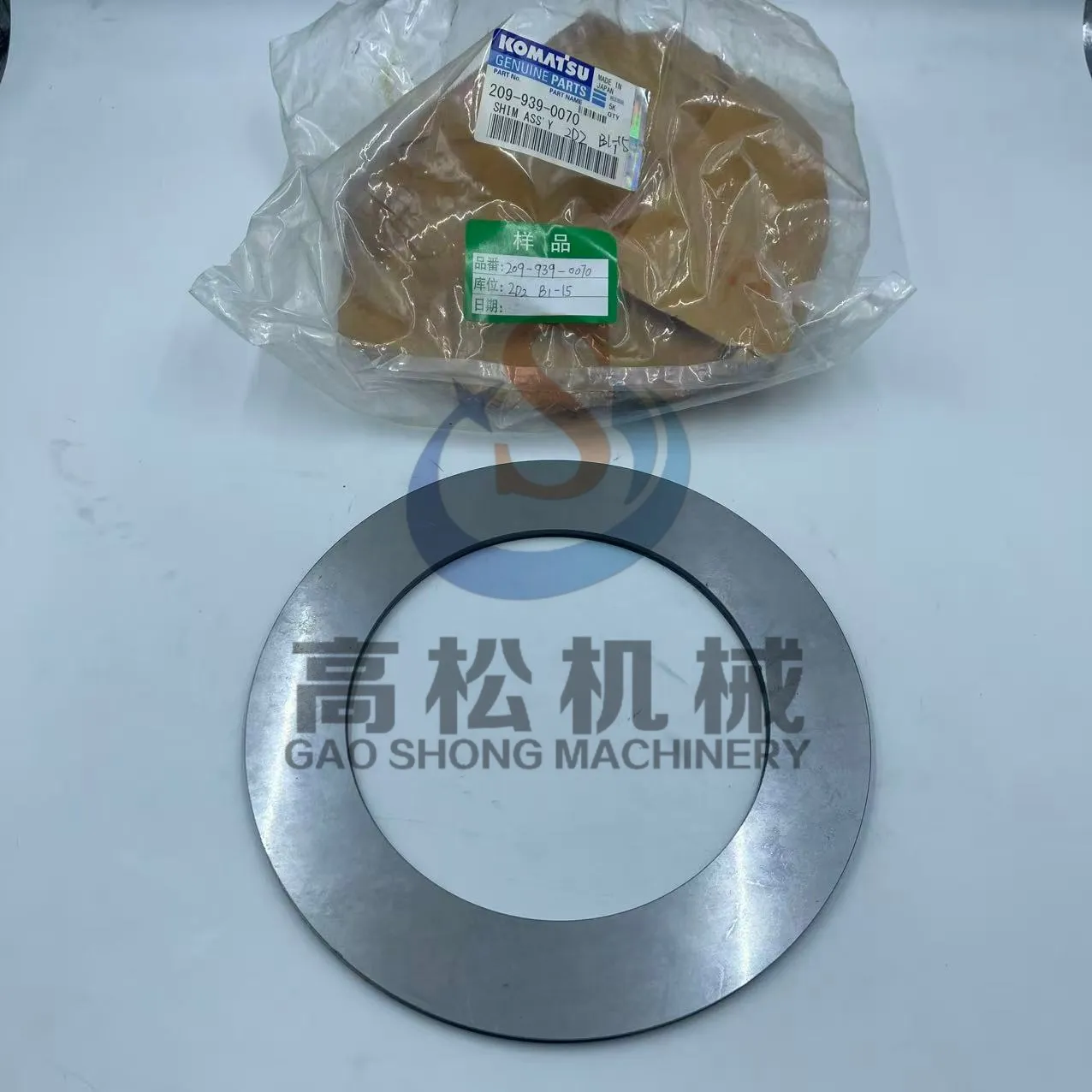 209-939-0070 Komatsu Shim Assembly
 -
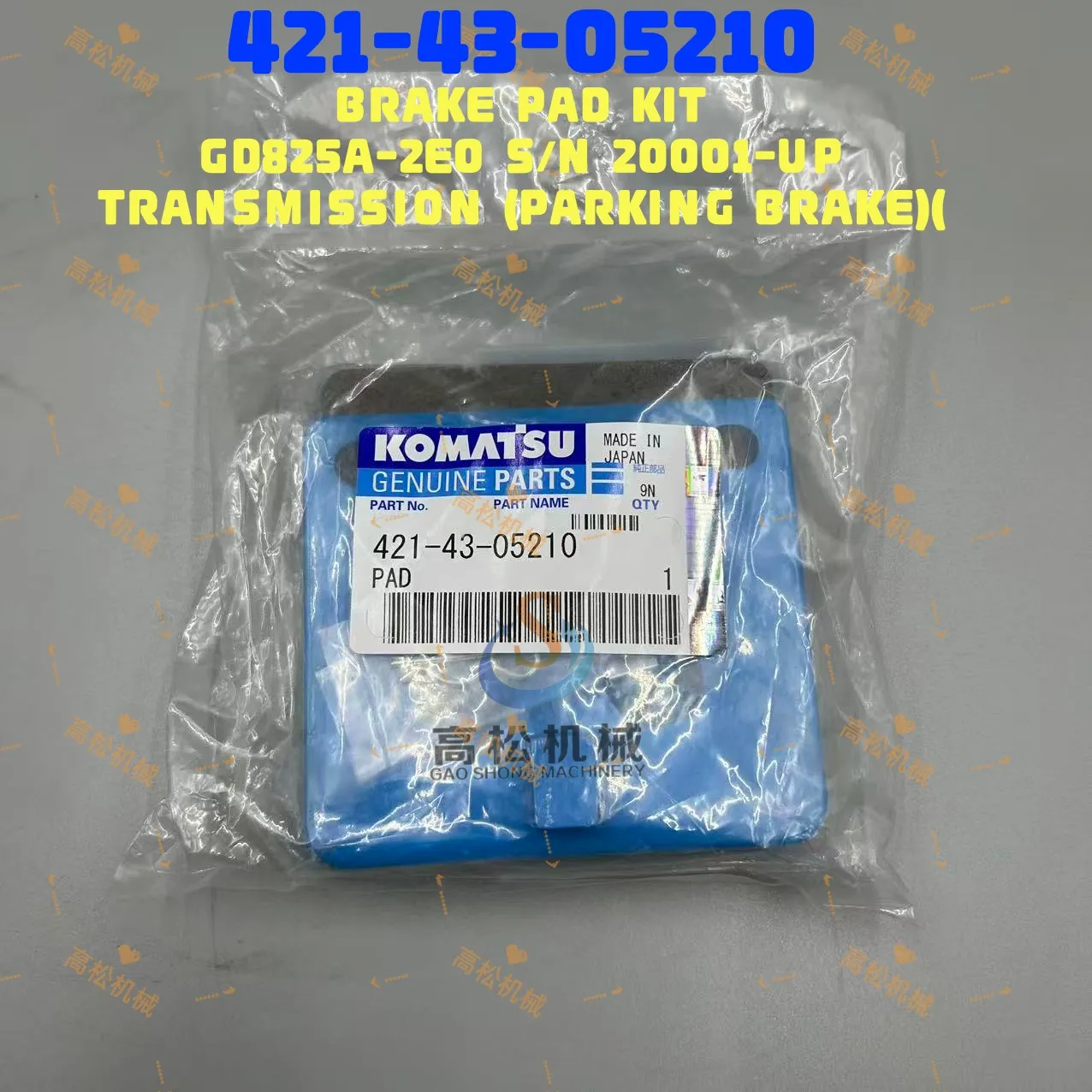 421-43-05210Brake pad kit 421-43-05210 for Komatsu GD825A-2 GD825A-2E0
 -
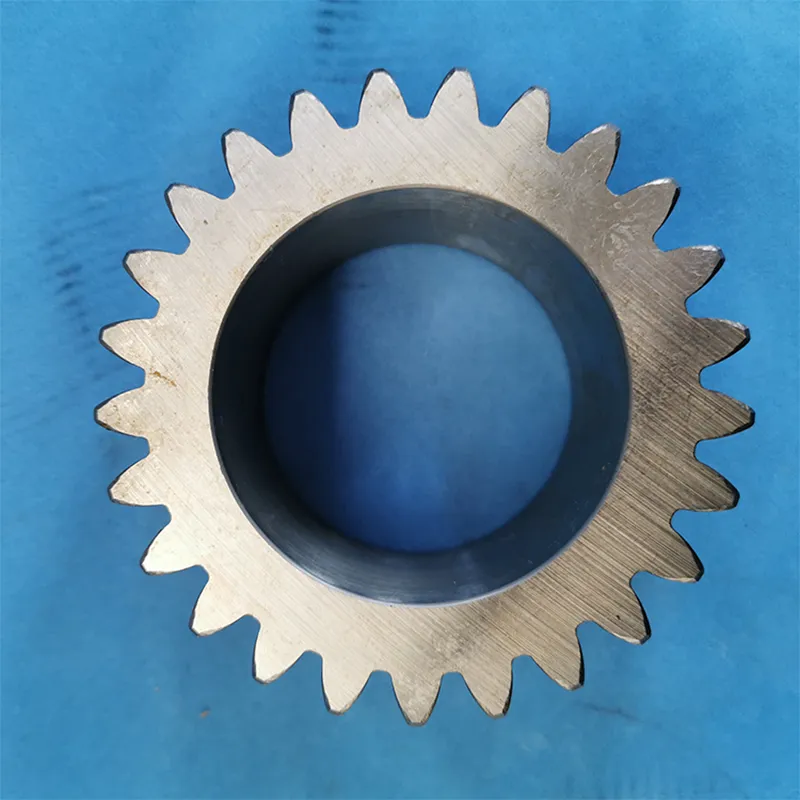 Komatsu original D155A-3 Valve Assembly 17A-49-21100
 -
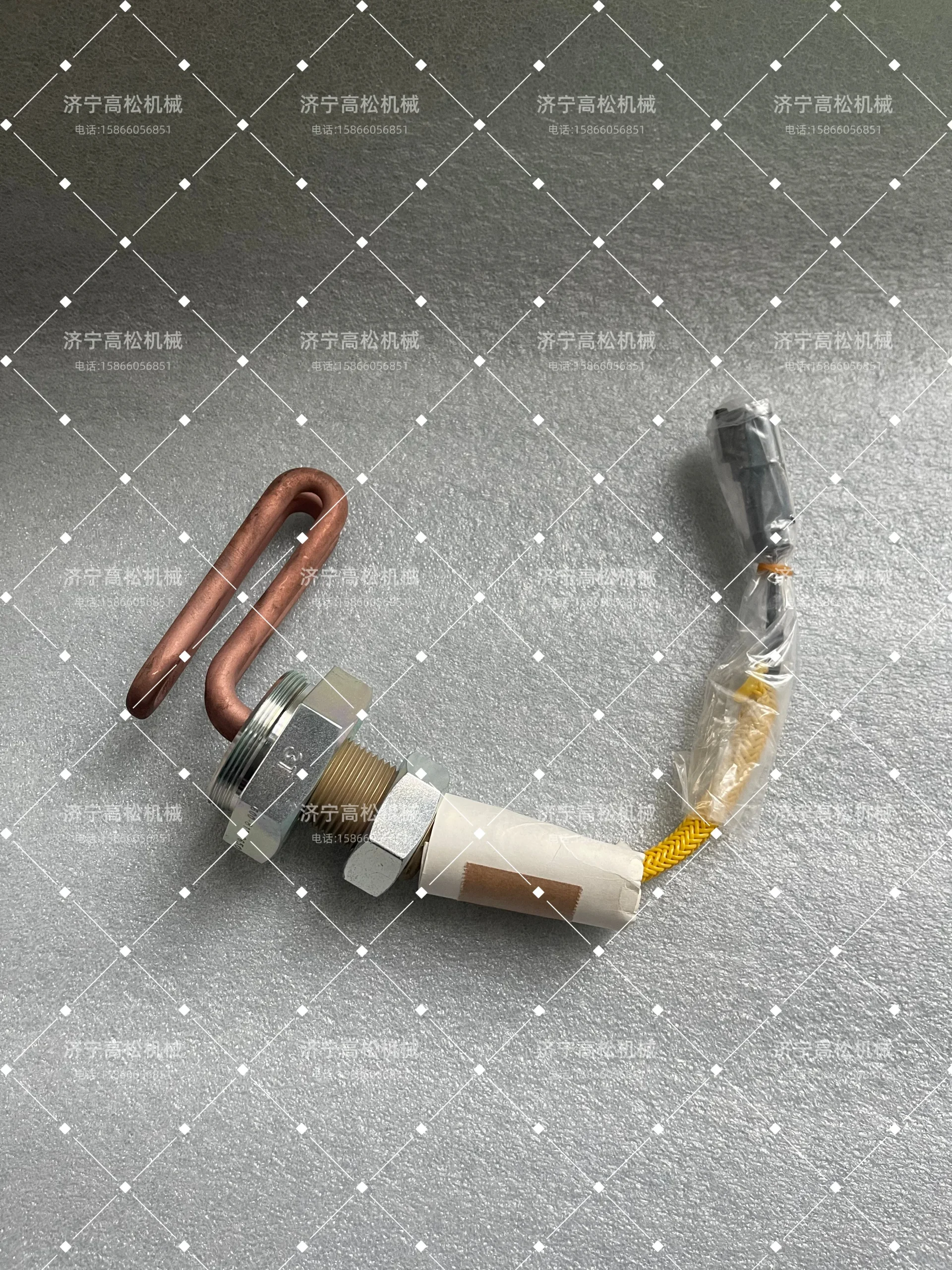 600-815-9650 – HEATER fits KOMATSU
 -
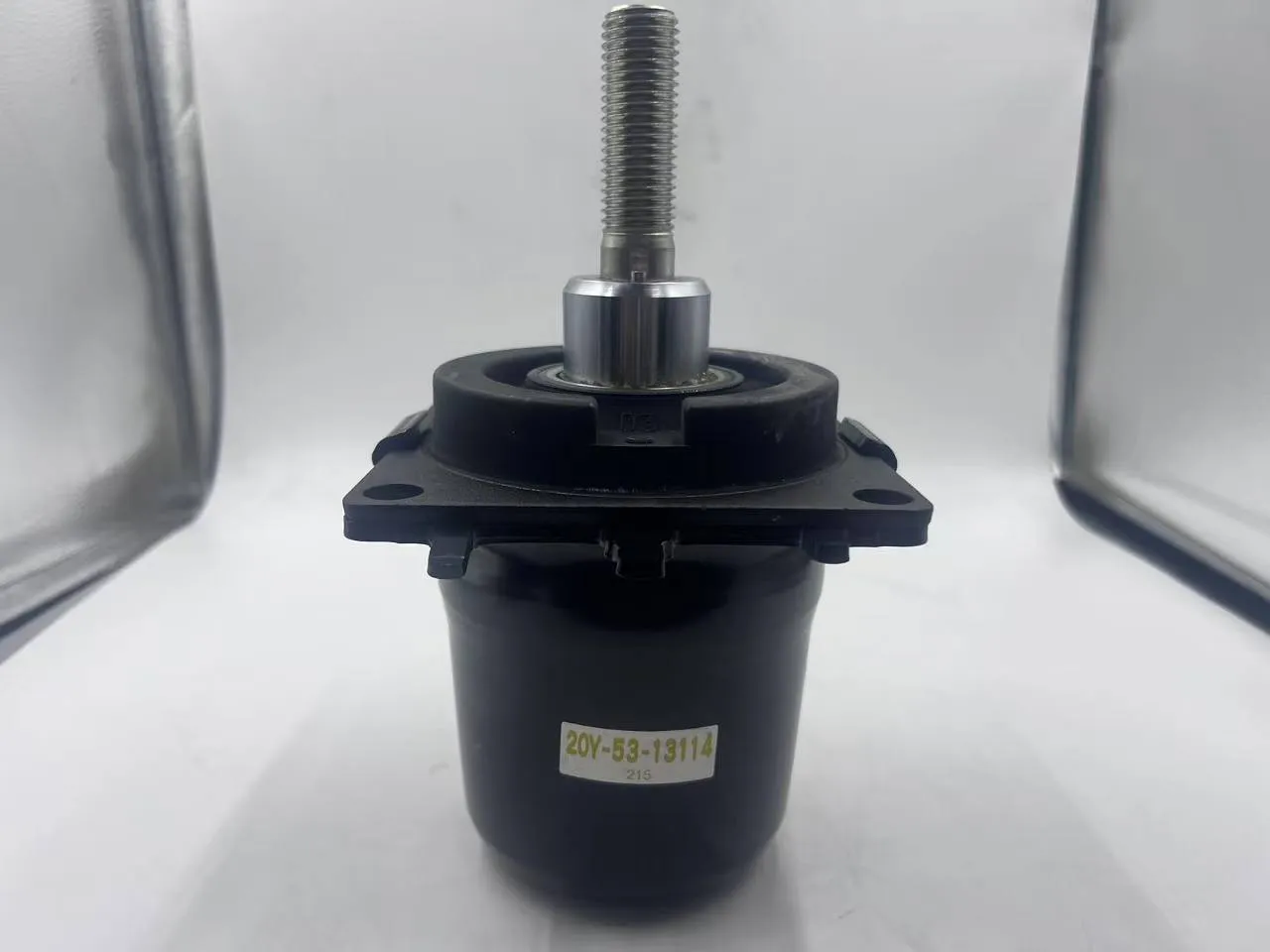 CUSHION 20Y-53-13114
 -
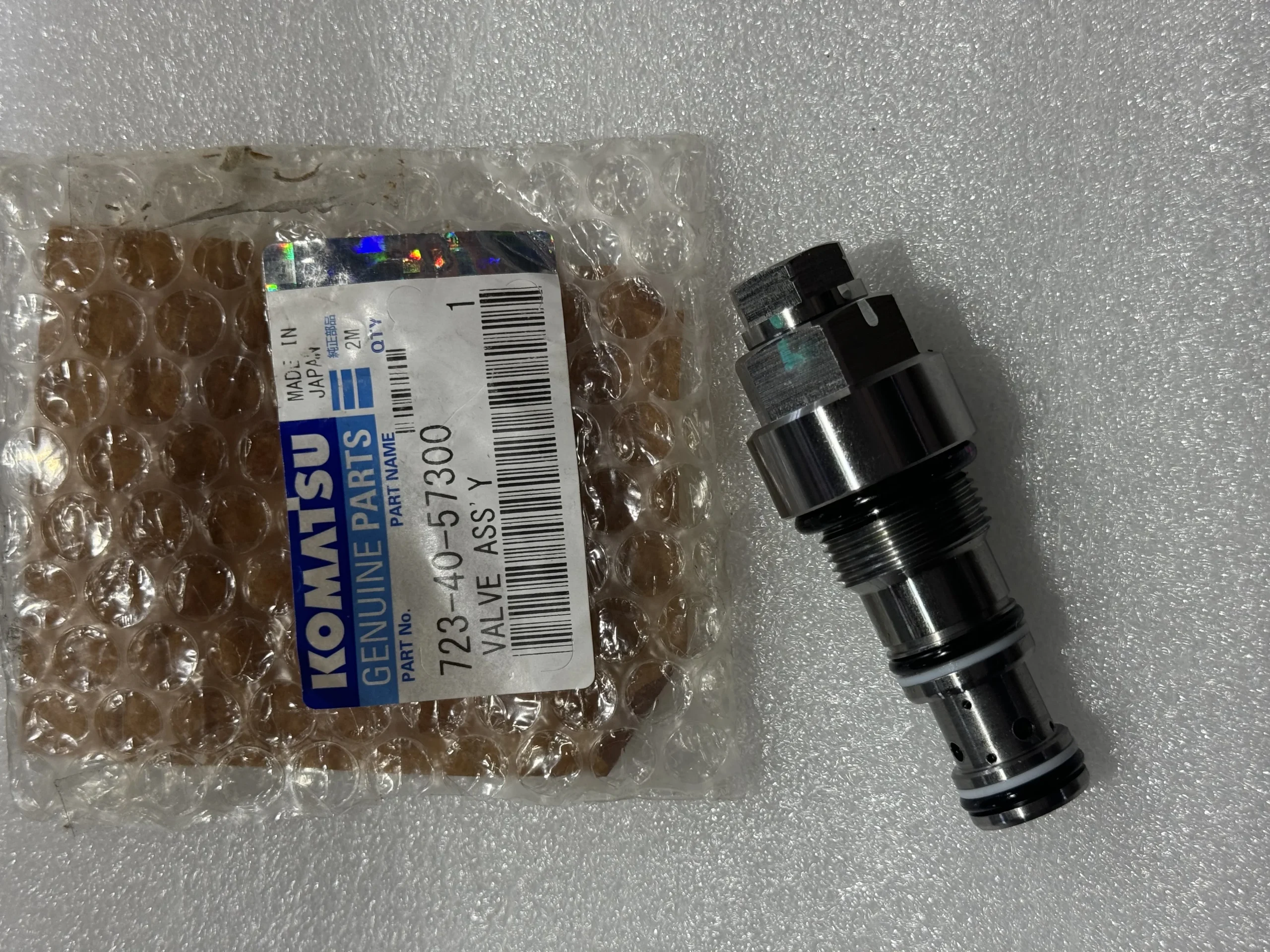 WA480-6 Main Valve 723-40-57300
 -
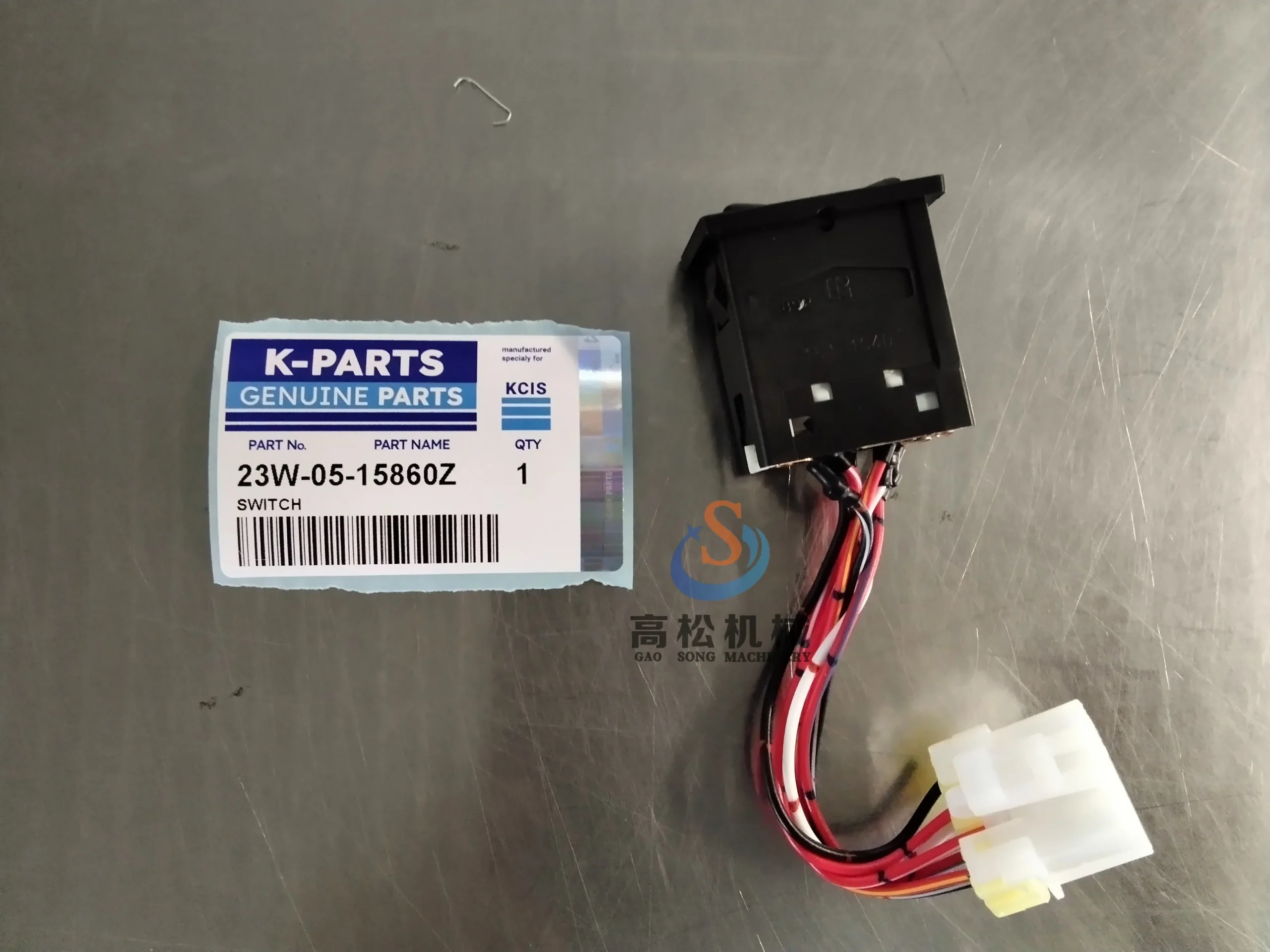 23W-05-15860 komatsu switch-HM300/HD325/HM400
 -
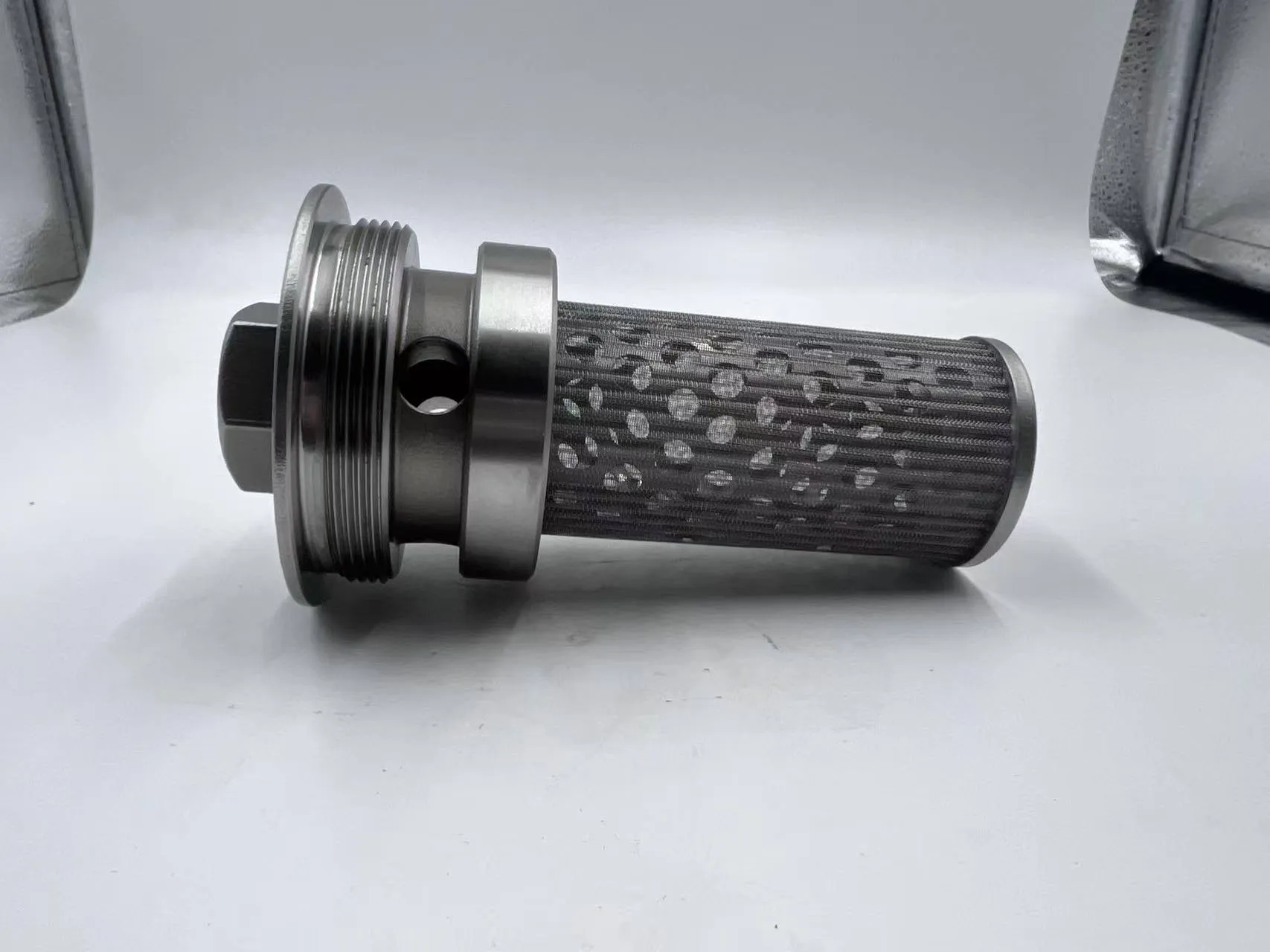 195-04-11150 STRAINER Suitable For Komatsu
 -
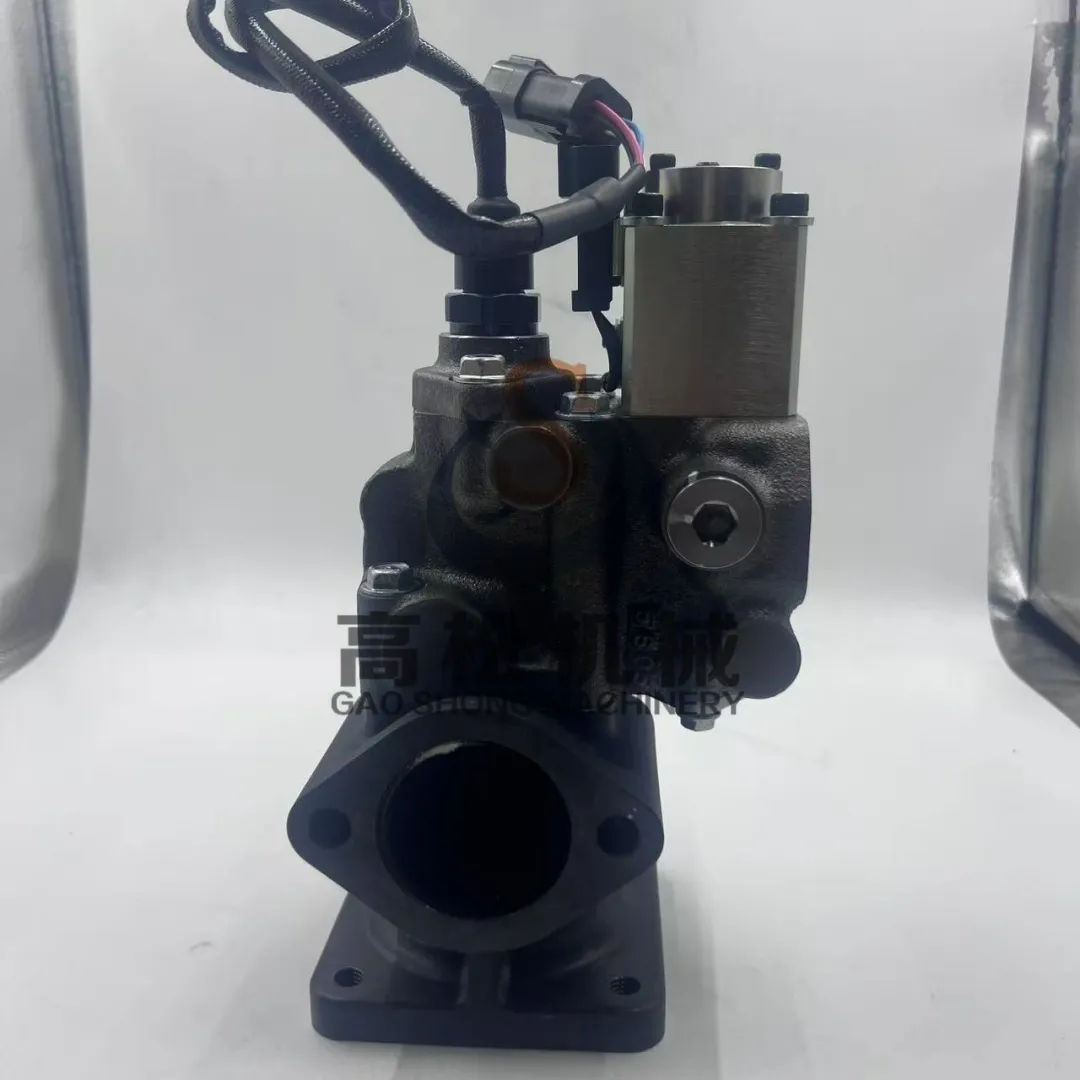 626141-9500komatsu parts
 -
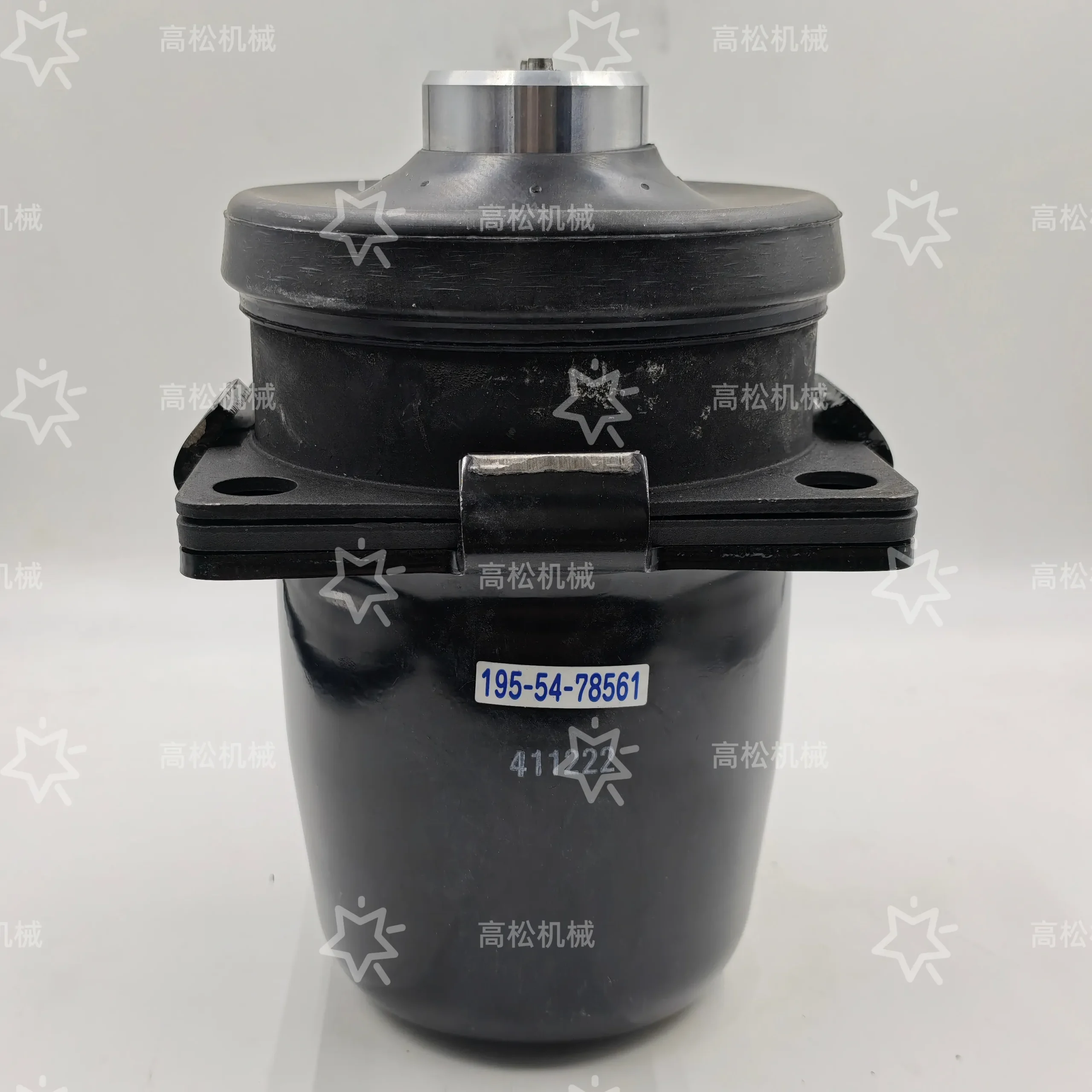 Komatsu D375 bulldozer buffer 195-54-78561