
- Chinese
- French
- German
- Portuguese
- Spanish
- Russian
- Japanese
- Korean
- Arabic
- Irish
- Greek
- Turkish
- Italian
- Danish
- Romanian
- Indonesian
- Czech
- Afrikaans
- Swedish
- Polish
- Basque
- Catalan
- Esperanto
- Hindi
- Lao
- Albanian
- Amharic
- Armenian
- Azerbaijani
- Belarusian
- Bengali
- Bosnian
- Bulgarian
- Cebuano
- Chichewa
- Corsican
- Croatian
- Dutch
- Estonian
- Filipino
- Finnish
- Frisian
- Galician
- Georgian
- Gujarati
- Haitian
- Hausa
- Hawaiian
- Hebrew
- Hmong
- Hungarian
- Icelandic
- Igbo
- Javanese
- Kannada
- Kazakh
- Khmer
- Kurdish
- Kyrgyz
- Latin
- Latvian
- Lithuanian
- Luxembou..
- Macedonian
- Malagasy
- Malay
- Malayalam
- Maltese
- Maori
- Marathi
- Mongolian
- Burmese
- Nepali
- Norwegian
- Pashto
- Persian
- Punjabi
- Serbian
- Sesotho
- Sinhala
- Slovak
- Slovenian
- Somali
- Samoan
- Scots Gaelic
- Shona
- Sindhi
- Sundanese
- Swahili
- Tajik
- Tamil
- Telugu
- Thai
- Ukrainian
- Urdu
- Uzbek
- Vietnamese
- Welsh
- Xhosa
- Yiddish
- Yoruba
- Zulu
- Kinyarwanda
- Tatar
- Oriya
- Turkmen
- Uyghur






kmp komatsu parts
You know, when most people hear 'KMP Komatsu parts,' they immediately think it's just another generic aftermarket brand, maybe even a cheap knock-off. That's the first big misconception I had to unlearn. In this game, KMP isn't some random no-name; it's a specific line, and its relationship to genuine Komatsu parts is... complicated. It sits in that grey area between pure OEM and outright imitation, and understanding that distinction has saved us from more than one costly mistake on site.
The OEM Promise and the Third-Party Reality
Early on, we'd get calls for a Komatsu PC200 pump assembly. The official channel was backlogged for weeks, project stalled. Someone would mention, Hey, what about these KMP options? The initial reaction was skepticism, of course. But then you start digging. You find suppliers who are actually embedded in the system, like Jining Gaosong. Their pitch wasn't just we have parts. It was we are an OEM product supplier within the Komatsu system. That's a different claim. It implies a sanctioned manufacturing relationship, not just reverse engineering.
This is where the practical judgment comes in. Within the Komatsu system can mean a lot. It might mean producing to print for specific regional markets, or making sub-components. It doesn't automatically mean the KMP Komatsu parts box you get is identical to the one from Komatsu Japan. The nuance is critical. For non-critical wear items—bushings, seals, some hoses—the risk is low. For main hydraulic components or ECU-related parts, the gamble increases exponentially.
We used Jining Gaosong's portal, https://www.takematsumachinery.com, as a case study. Their dual identity is telling: an OEM supplier AND a third-party sales company. This model directly targets the parts supply challenges in certain countries they mention. In places where official distribution is thin or embargoed, a company like this becomes a lifeline. The parts might carry a different label—KMP instead of the pure Komatsu logo—but the pedigree is intended to be traceable back to an approved source. Whether that traceability holds up under a microscope is the real test.
Field Trials and Cost-Benefit Breakdowns
We decided to run a controlled test on a fleet of older Komatsu excavators, the kind where total OEM overhaul costs would exceed machine residual value. We sourced KMP Komatsu parts for a full undercarriage kit—rollers, idlers, chains. The price was about 40% lower. The initial fit was good, no machining or shimming needed, which is the first hurdle. A bad part won't even bolt on.
The real data came after 1,200 hours. The OEM rollers on our benchmark machine showed expected wear. The KMP ones? Wear was within 15% of the OEM. For that application, on that aging asset, it was a definitive win. The cost-per-hour calculation justified the decision. However, we tried the same with a main control valve for a newer model. Big mistake. The machine ran, but response was sluggish, and it threw intermittent error codes the OEM unit never did. We spent more on diagnostic time and downtime than we saved. The lesson wasn't that KMP is bad; it's that its suitability is application-specific.
This is the hands-on knowledge you don't get from a catalog. You develop a mental matrix: for high-precision, electronically integrated systems, lean OEM. For structural, high-wear, or legacy components where engineering tolerances are more forgiving, a verified KMP Komatsu parts source becomes a viable strategic inventory option. It's about asset management, not just procurement.
Navigating the Verification Gap
The biggest operational headache is verification. How do you know what you're getting? OEM product supplier within the Komatsu system is a claim that needs evidence. We'd ask for mill certificates for steel, batch testing reports, even factory audit trails. The reputable ones, and I'd put a company like Jining Gaosong in this category based on transaction history, can sometimes provide this. The fly-by-night KMP sellers vanish when you ask.
We developed a simple checklist. First, does the supplier openly state their dual role (OEM/third-party) like the example company does? It shows a level of transparency. Second, can they provide specific part number cross-references from KMP to genuine Komatsu? Not just a list, but a documented interchange. Third, and most importantly, what's their returns policy for fit-and-function failure? A supplier confident in their supply chain won't fight you on a genuinely faulty component.
This process isn't foolproof. I recall a batch of KMP-branded solenoid coils. They looked perfect, even had similar packaging. They failed within 50 hours. The post-mortem showed inferior insulation on the windings. The supplier, not Gaosong to be clear, blamed our voltage instability. Our data loggers proved otherwise. We ate the cost. That failure tightened our verification protocol significantly.
The Logistics and Geopolitical Layer
Their stated goal of solving supply challenges in certain countries is the crux of their business model. This isn't just about cost; it's about access. In regions with trade restrictions or where Komatsu's direct network is minimal, a third-party sales company with OEM links is crucial. They become a de facto pipeline.
This creates a unique logistical footprint. Shipments often route through different hubs, documentation needs extra scrutiny (certificates of origin, conformity), and lead times can be erratic but are often still faster than the official channel for that region. You're not just buying a part; you're buying into a specialized supply chain solution. For a project manager in a remote location, that access can be the difference between meeting a deadline and paying massive liquidated damages.
Working with a structured entity matters here. A website like takematsumachinery.com provides a stable point of contact, a semblance of order in a often-chaotic process. It's not the same as dealing with a random WhatsApp number from a bazaar. The stability of the source is part of the product's value when you're operating in those certain countries.
Synthesizing a Pragmatic Sourcing Strategy
So, where does this leave us with KMP Komatsu parts? They're a tool, not a universal solution. My current stance, forged from those hits and misses, is to segment the machine's bill of materials. Critical drivetrain and electronic components stay with certified OEM. Wear parts, consumables, and components for machines nearing the end of their economic life are candidates for a vetted KMP source.
The key is vetted. It means building a relationship with a limited number of suppliers who have demonstrable OEM ties, like the model Jining Gaosong represents. It means auditing their parts on a rolling basis, starting with low-risk items. It means maintaining meticulous records of part numbers, batch codes, and field performance hours to build your own internal reliability database.
Ultimately, it's about smart capital allocation without compromising uptime. Blindly choosing OEM is expensive but safe. Blindly choosing aftermarket is risky but cheap. The judicious, informed use of a specialized tier like credible KMP Komatsu parts suppliers is the middle path—it requires more work, more discernment, but it optimizes the total cost of ownership for a mixed-age fleet. You stop looking at the label and start evaluating the provenence and the specific use case. That's the shift from just buying parts to managing a technical inventory.
Related Products
Related Products

Best Selling Products
Best Selling Products-
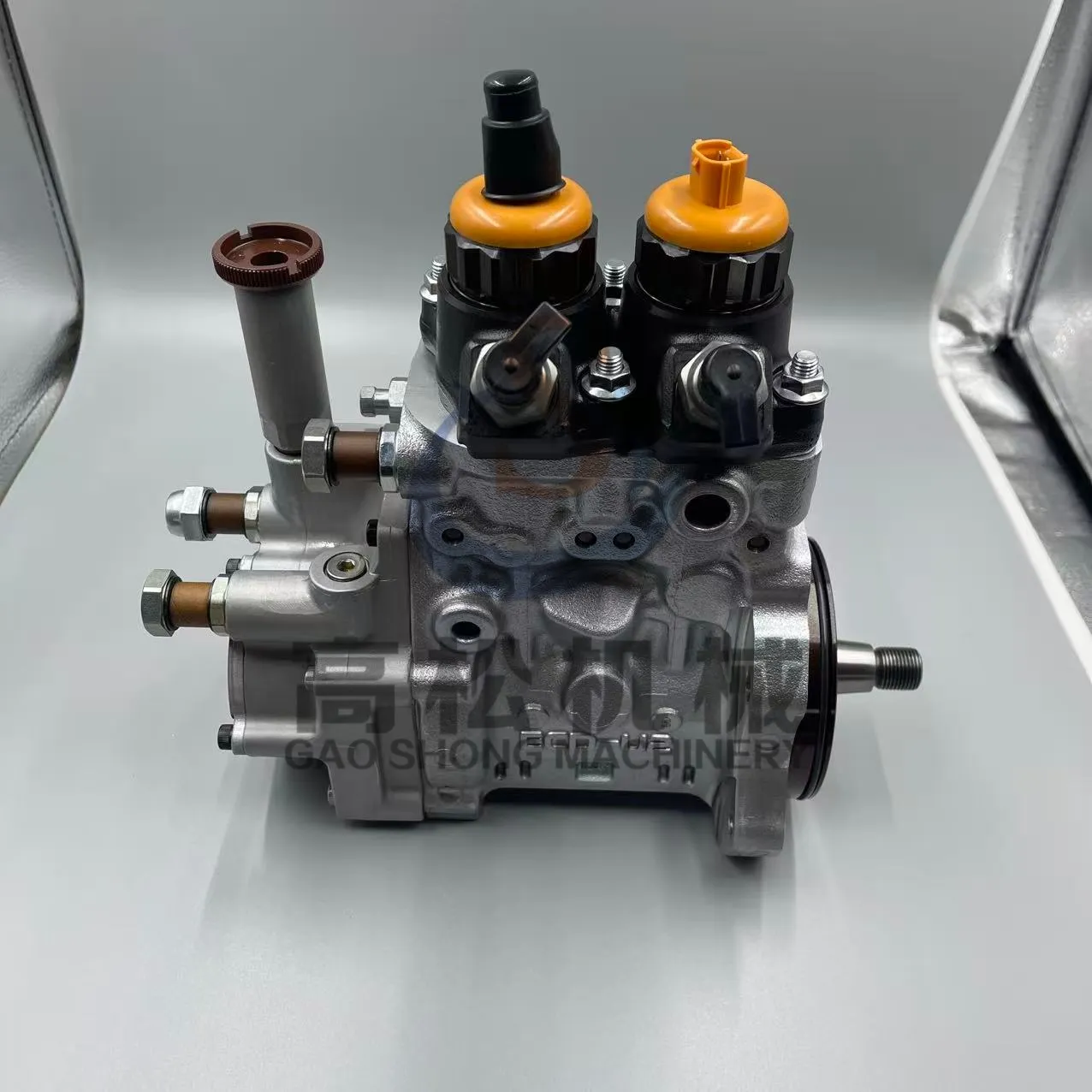 6251-71-1121 Fuel Injector Pump
 -
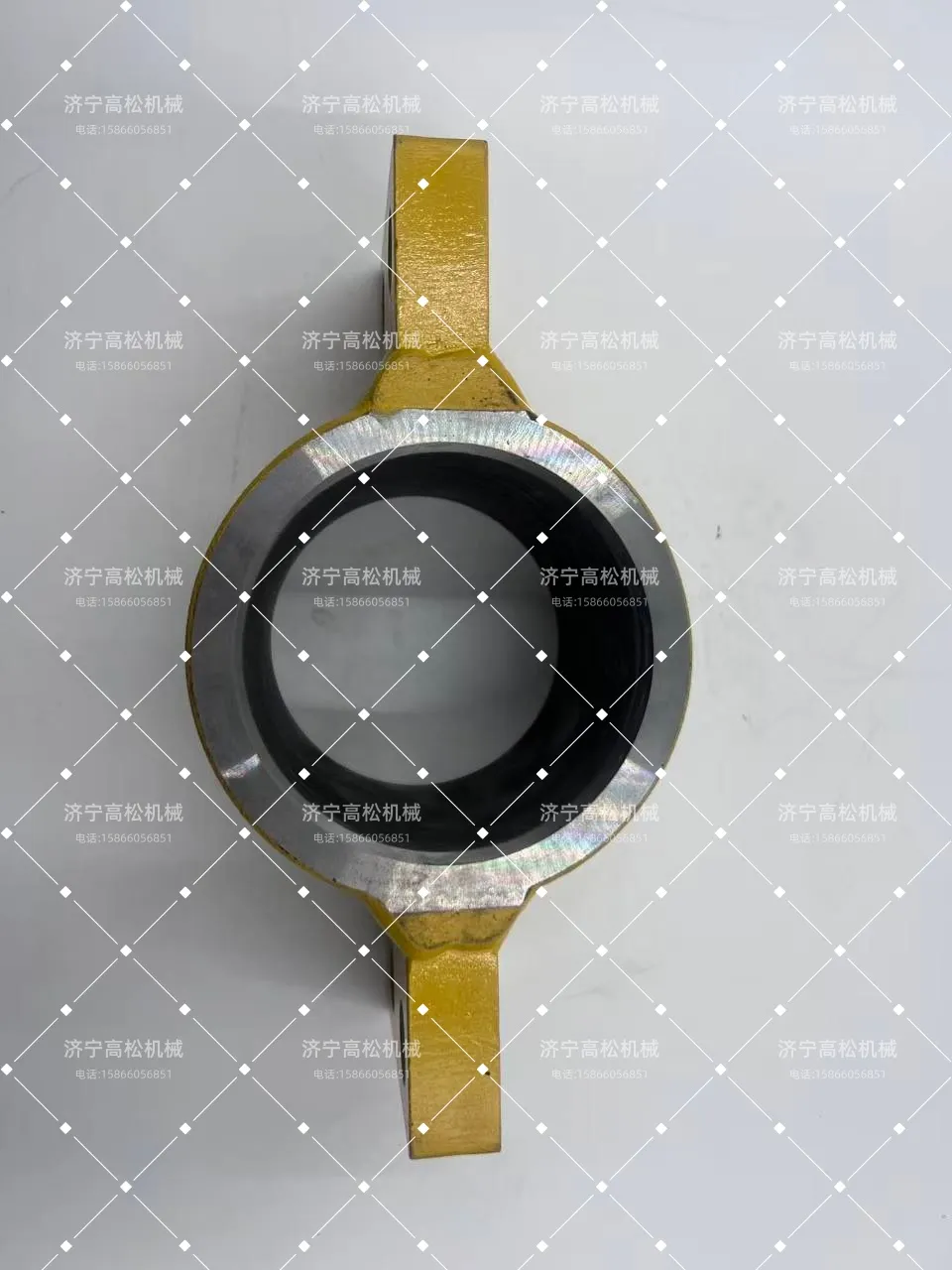 Komatsu Parçaları için İnşaatın Omurgası 566-14-41160 Braketi
 -
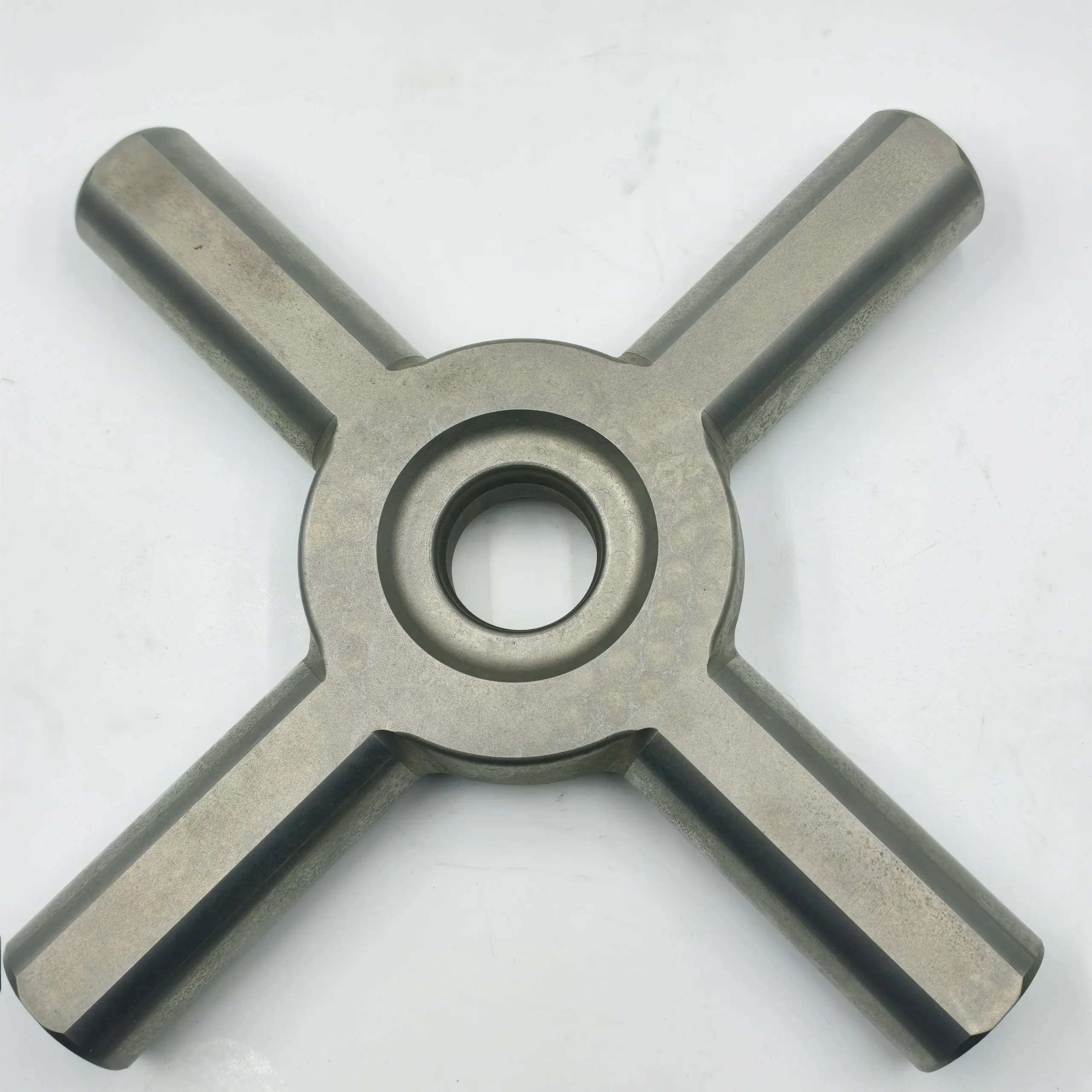 Komatsu Shaft 426-22-21410 for WA600-3 WF650T-3
 -
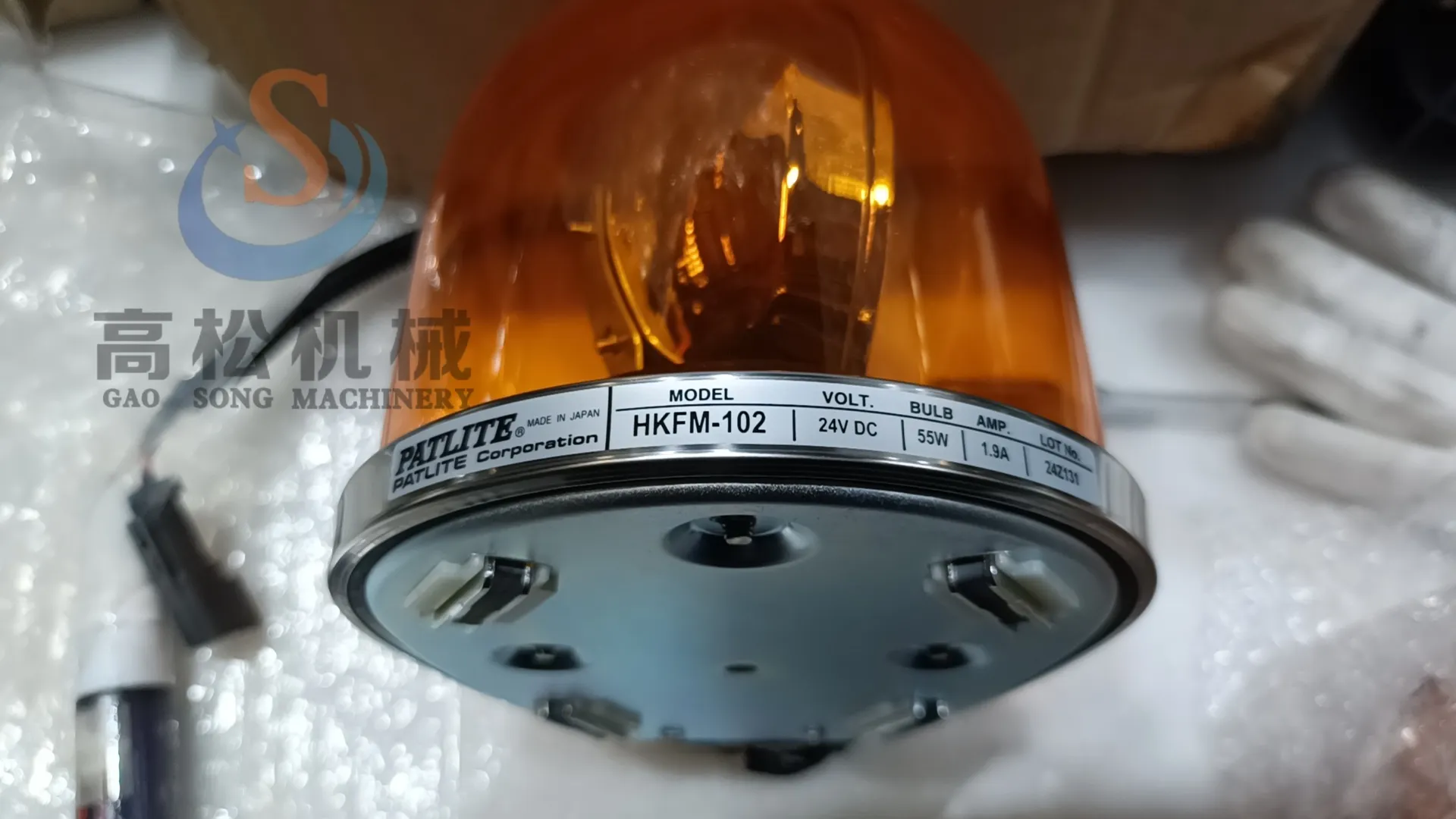 22B-54-17612 komatsu LAMP-PC200/PC300/PC400
 -
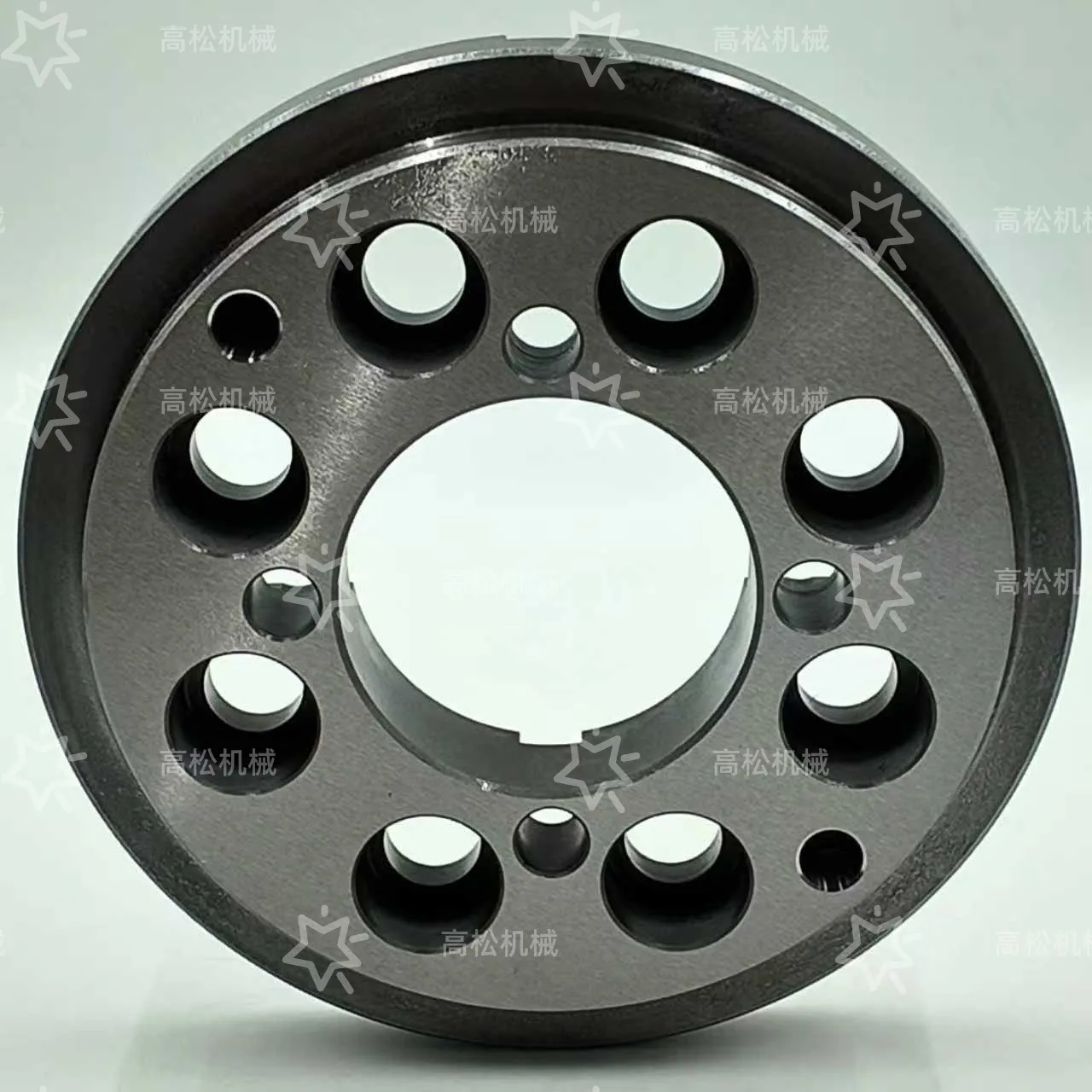 Komatsu Genuine Parts 56B-27-12361 Retainer NOP
 -
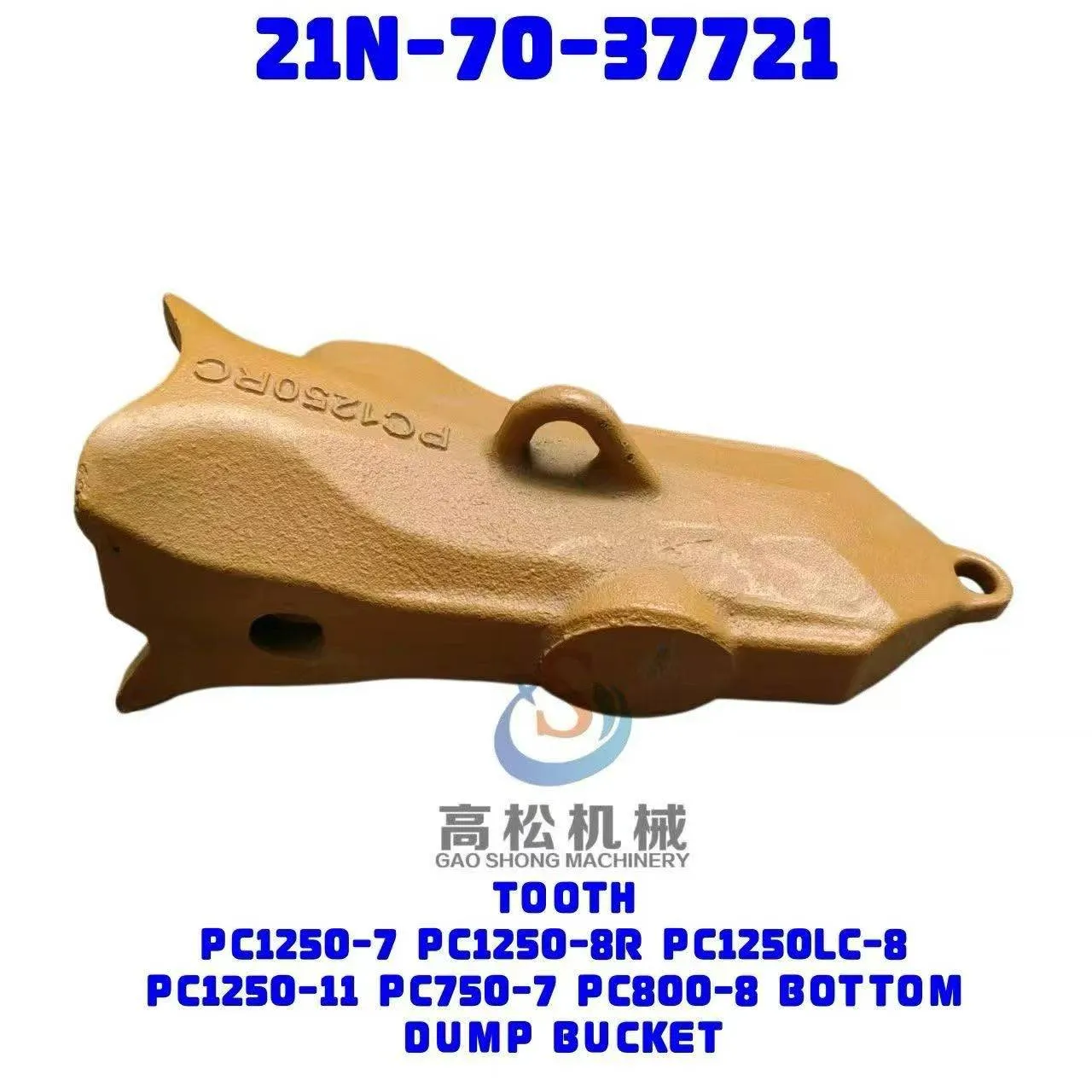 21n-70-37721 Bucket teeth, suitable for the following vehicle models. PC1250-7 PC1250-8R PC1250LC-8 PC1250-11 PC750-7 PC800-8 BOTTOM TOOTH PC1250-7 PC1250-8R PC1250LC-8 PC1250-11 PC750-7 PC800-8 BOTTOM DUMP BUCKET
 -
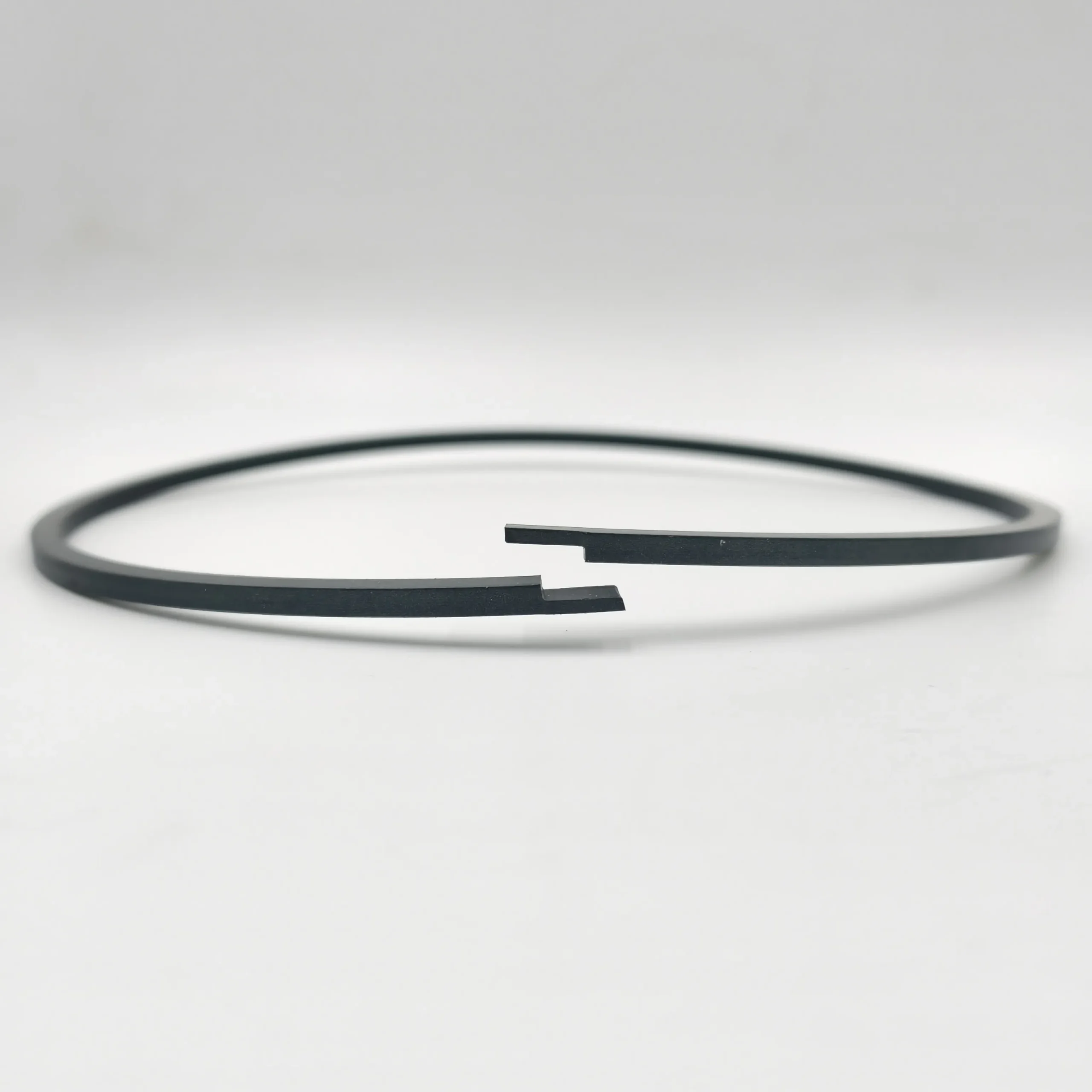 14X-15-29210 SEAL RING
 -
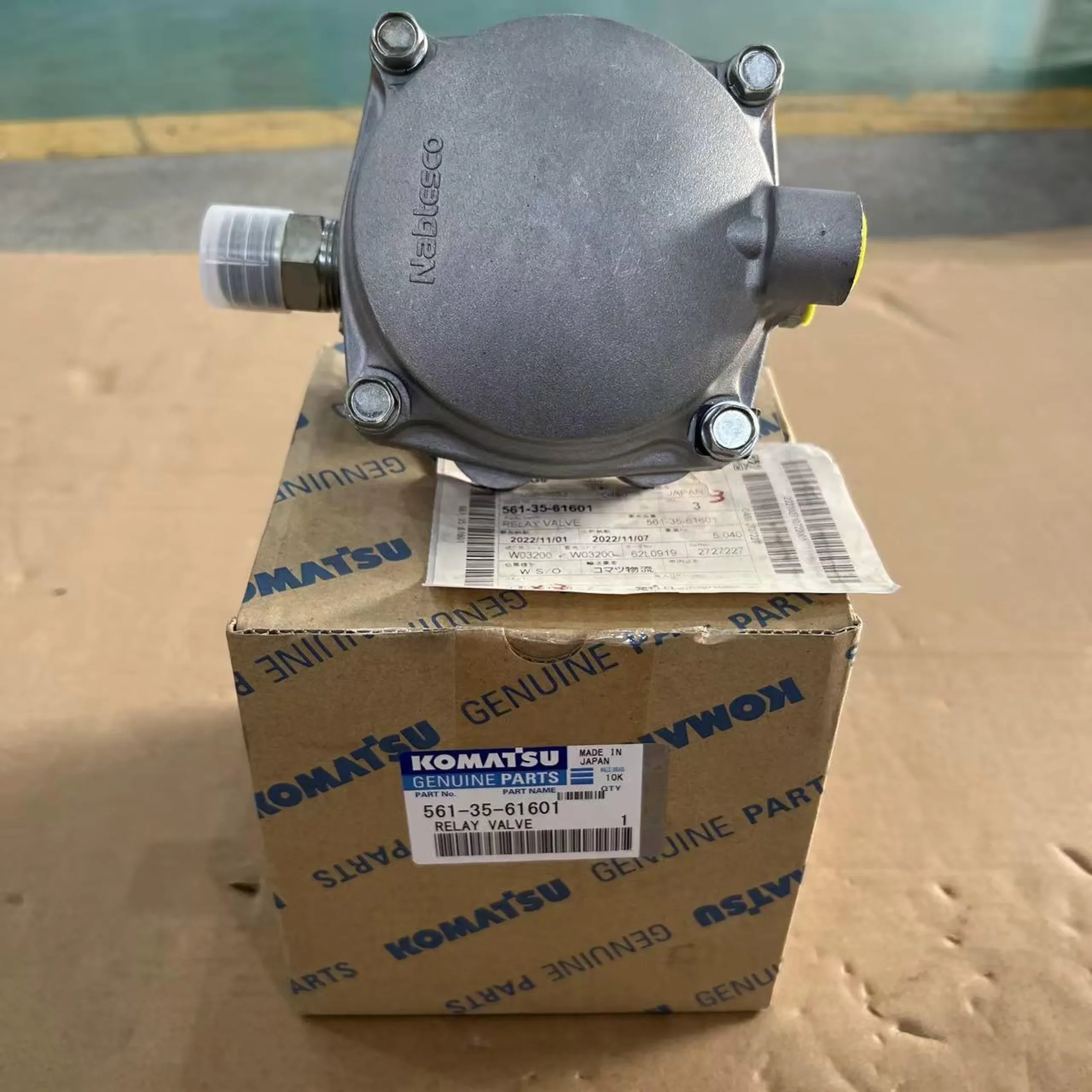 KOMATSU Relay Valve 561-35-61601 NIB
 -
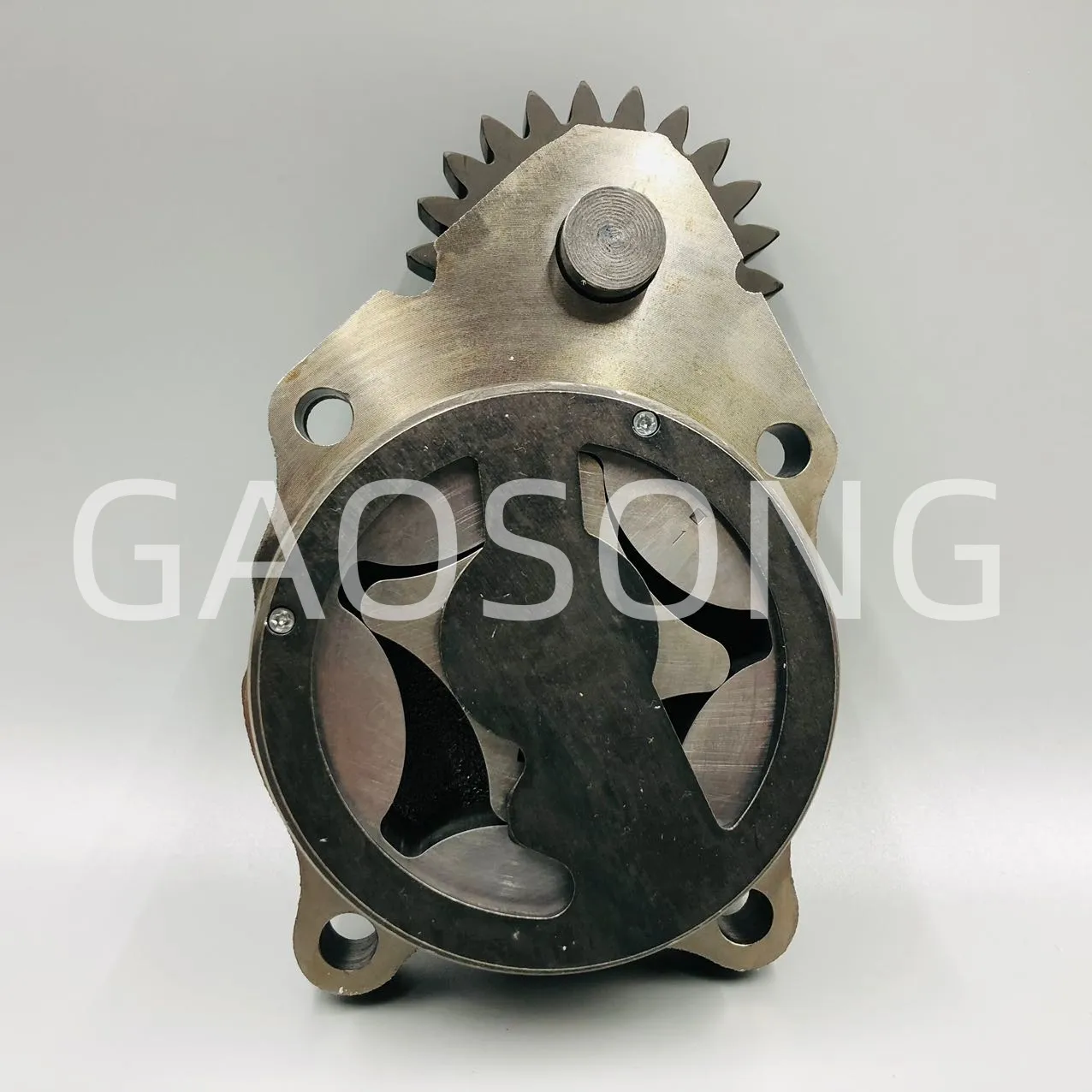 6754-51-1111 Pump Assembly
 -
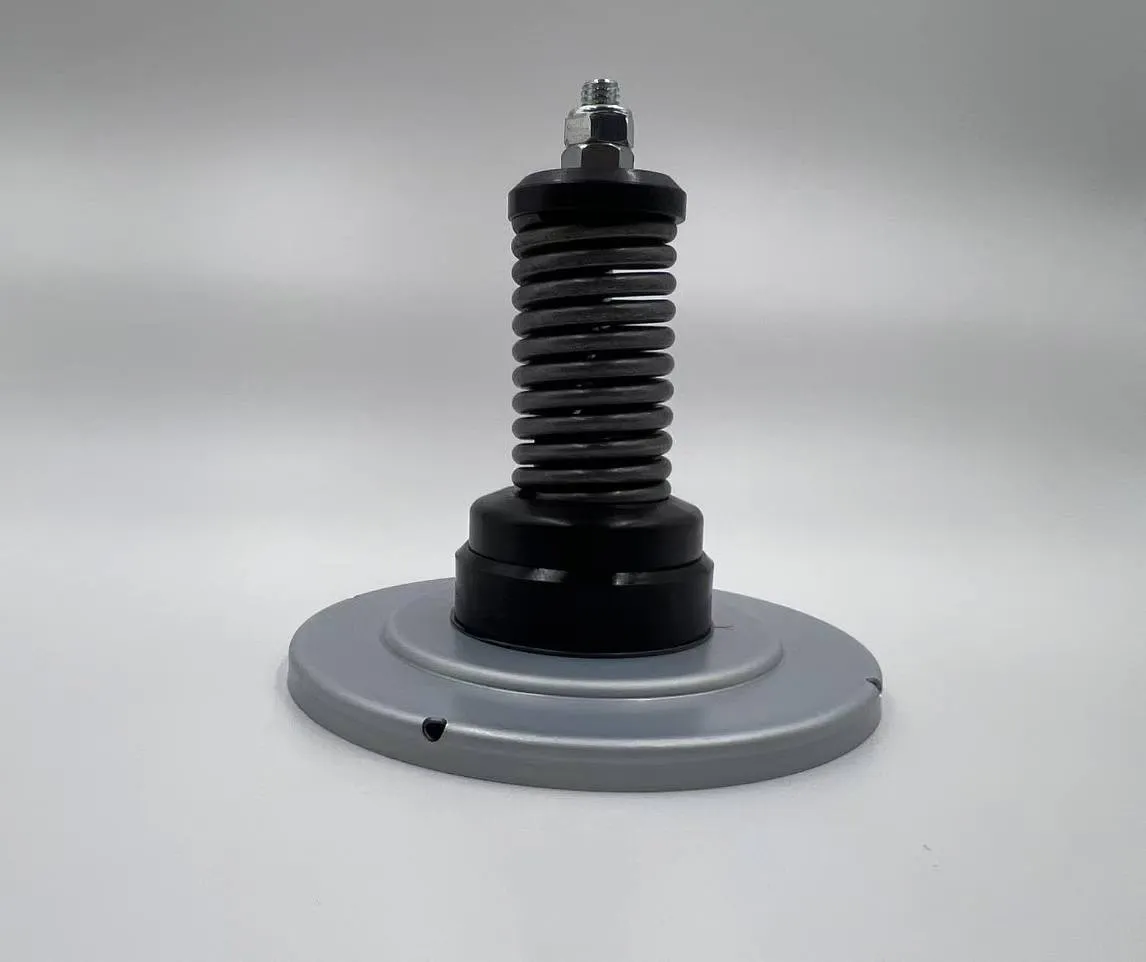 Valve Assembly 20Y-60-31450 – KOMATSU
 -
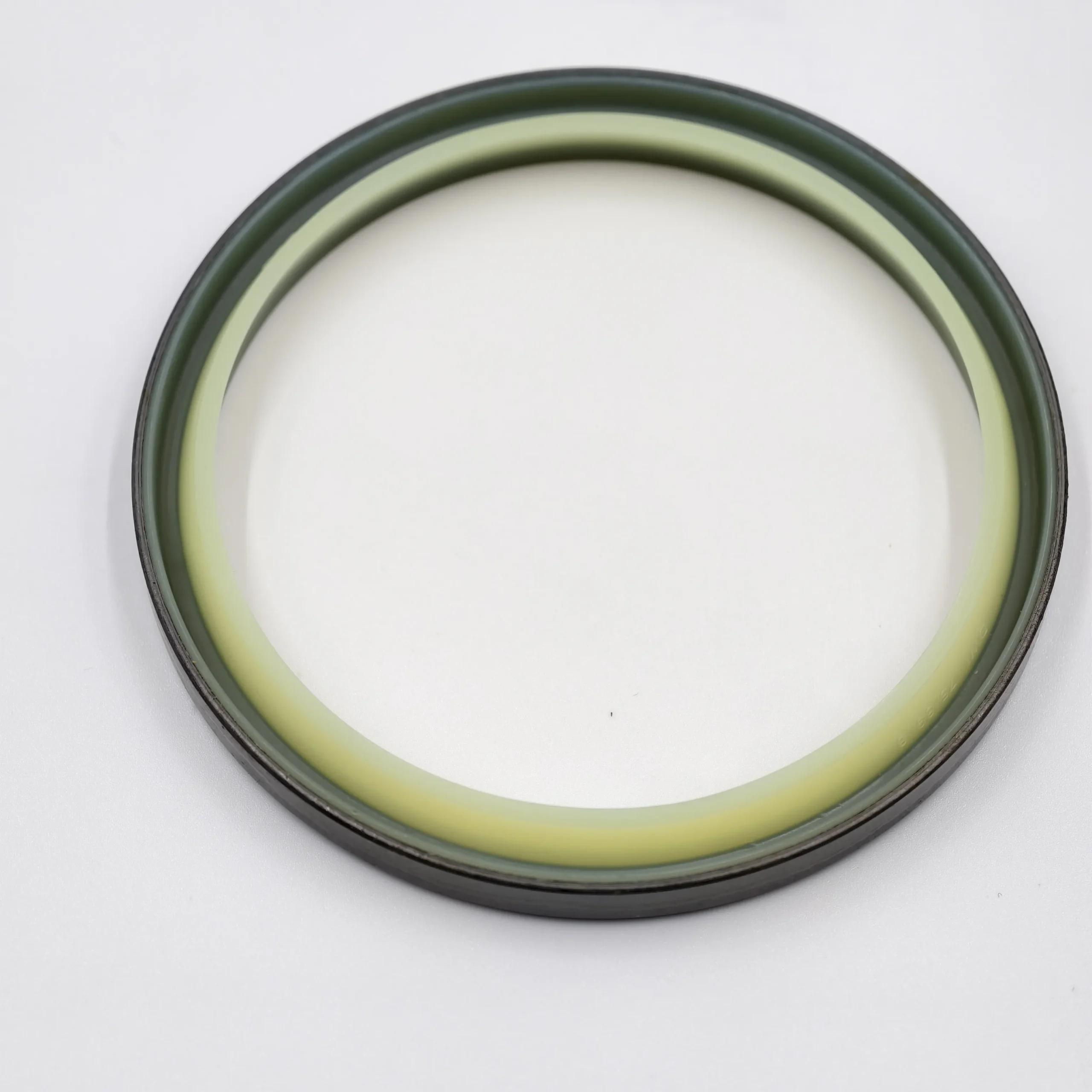 Seal 17M-50-24360 for Komatsu Dozer D275A-2 D61EX-12 D61PX-12 D61PX-23 D61PX-24 D61PXI-23 D61PXI-24 D63E-12 D68ESS-12 D68ESS-12E0komatsu
 -
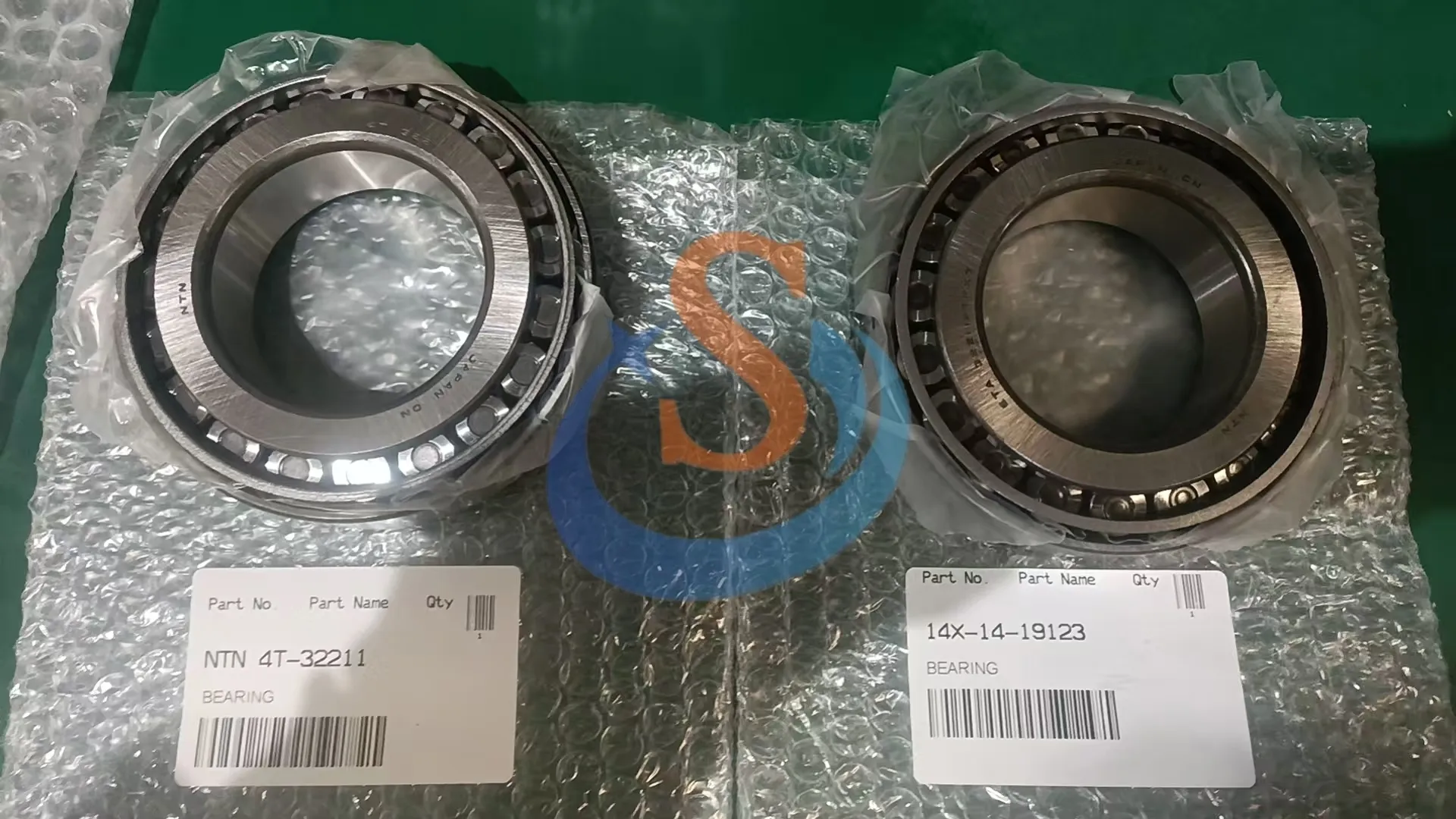 14X-14-19123 BEARING WA380/WA430/WA400