
- Chinese
- French
- German
- Portuguese
- Spanish
- Russian
- Japanese
- Korean
- Arabic
- Irish
- Greek
- Turkish
- Italian
- Danish
- Romanian
- Indonesian
- Czech
- Afrikaans
- Swedish
- Polish
- Basque
- Catalan
- Esperanto
- Hindi
- Lao
- Albanian
- Amharic
- Armenian
- Azerbaijani
- Belarusian
- Bengali
- Bosnian
- Bulgarian
- Cebuano
- Chichewa
- Corsican
- Croatian
- Dutch
- Estonian
- Filipino
- Finnish
- Frisian
- Galician
- Georgian
- Gujarati
- Haitian
- Hausa
- Hawaiian
- Hebrew
- Hmong
- Hungarian
- Icelandic
- Igbo
- Javanese
- Kannada
- Kazakh
- Khmer
- Kurdish
- Kyrgyz
- Latin
- Latvian
- Lithuanian
- Luxembou..
- Macedonian
- Malagasy
- Malay
- Malayalam
- Maltese
- Maori
- Marathi
- Mongolian
- Burmese
- Nepali
- Norwegian
- Pashto
- Persian
- Punjabi
- Serbian
- Sesotho
- Sinhala
- Slovak
- Slovenian
- Somali
- Samoan
- Scots Gaelic
- Shona
- Sindhi
- Sundanese
- Swahili
- Tajik
- Tamil
- Telugu
- Thai
- Ukrainian
- Urdu
- Uzbek
- Vietnamese
- Welsh
- Xhosa
- Yiddish
- Yoruba
- Zulu
- Kinyarwanda
- Tatar
- Oriya
- Turkmen
- Uyghur






kccv filter komatsu
When you hear 'KCCV filter Komatsu', most folks immediately think of the genuine part number, maybe a specific canister for a 930E or a PC7000. That's the surface. The real conversation starts when you dig into the supply chain, the compatibility debates, and the actual performance delta between a box with the Komatsu logo and a well-made alternative. There's a persistent myth that anything not stamped with the OEM code is a guaranteed failure point, but after years of dealing with fleets in regions where genuine parts flow is inconsistent, I've seen that the reality is far more nuanced. It's not just about the filter; it's about the system integrity, the service intervals, and frankly, the operational economics that most manuals don't talk about.
The Core Function and Common Pitfalls
The KCCV, or Komatsu Closed Crankcase Ventilation filter, isn't a glamorous component. Its job is critical though: managing blow-by gases, separating oil mist, and protecting the engine's air intake from contamination. Where people get tripped up is treating it like a standard air filter. The service life isn't just about pressure drop; it's tied intimately to engine health. A worn engine produces more blow-by, which loads up the KCCV media faster. I've seen sites blindly follow the OEM hour-based replacement, only to find the filter saturated and bypassing at 60% of its supposed life because the piston ring condition was poor. You have to diagnose the cause, not just change the part.
Another classic mistake is overlooking the entire ventilation circuit. Replacing the KCCV filter while ignoring clogged hoses or a faulty pressure control valve is like putting a new air filter on a machine with a collapsed intake duct. The problem just shifts. I recall a case with a D375A-6 where the customer complained of rapid filter clogging. The filter itself was fine, but the tube running from the rocker cover was partially crushed during a previous top-end job. The restriction caused excessive vacuum across the media, pulling more oil than it should. It took a full system trace, not just a parts swap.
Then there's the compatibility maze. A KCCV filter for a late-model D61EXi might look similar to one for an older D61PX, but the pressure relief settings or the sealing interface can be subtly different. Using the wrong one might not cause an immediate catastrophe, but it can lead to improper crankcase pressure, which over months can affect oil consumption and even turbo seal life. The parts system assumes you know the exact serial number break, but in a mixed fleet yard, cross-referencing gets messy.
The OEM vs. Alternative Landscape
This is where the rubber meets the road. The official Komatsu line is clear: use genuine filters for guaranteed performance. And they're not wrong. The engineering and validation behind them is extensive. But the operational world, especially in certain markets, introduces constraints. Lead times can be weeks, costs can be prohibitive for older machines, and sometimes, the supply just dries up for specific models. This is where companies that operate within the Komatsu ecosystem but provide solutions come into play.
Take Jining Gaosong Construction Machinery Co., Ltd., for instance. Their position is interesting. As an OEM product supplier within the Komatsu system, they have access to the genuine pipeline. But their role as a third-party sales company addressing parts supply challenges is what's relevant here. For a customer struggling to source a genuine KCCV filter for a Komatsu HD785-5 in a remote location, a company like this might offer a vetted, quality-assured alternative that meets or exceeds the original spec, or they might facilitate access to the genuine part through a different channel. Their website, https://www.takematsumachinery.com, outlines this dual role of supplying OEM and solving supply issues. It's this practical bridge that matters on the ground.
I've tested several alternative KCCV filters. Some were terrible—poor media cohesion that led to early bypass, or housings that didn't seal correctly on the mounting pad. Others were surprisingly robust, with better water separation capabilities than the original. The key differentiator was rarely price alone; it was the supplier's understanding of the application. A good supplier knows that a filter for a mining excavator faces different contaminant loads than one for a quarry dozer, even if the base part number is similar. They should be asking about the application, not just selling a box.
Practical Field Experiences and Adjustments
In the field, theory goes out the window. We had a fleet of Komatsu WA500 wheel loaders in a high-dust coal handling plant. The OEM interval for the KCCV filter was 500 hours. We were blowing through them in 250. Dust was ingress-ing past a slightly worn air filter and combining with the oil mist, creating a sludge that blocked the media. Our solution wasn't to change filters more often—that was just a symptom. We implemented a more aggressive primary air filter maintenance schedule and added a pre-cleaner. We also switched to a different filter from a specialist manufacturer that used a multi-stage media better suited for that specific dust-oil mixture. The interval stretched to 450 hours, and engine oil analysis showed a reduction in silicates.
Another lesson came from cold climates. The KCCV system can ice up in extreme cold if there's excess moisture. We saw a case where the filter housing itself cracked on a PC8000 operating in -30°C. The genuine part was back-ordered. The alternative we sourced as a stopgap had a slightly different polymer blend in the housing. It held up, but we later found its low-temperature brittleness rating was actually superior. It forced us to look at the material specs, not just the dimensions. Sometimes the aftermarket invests in material science for niche conditions that the OEM's global spec doesn't prioritize.
Failure documentation is crucial. When a filter fails, it's not enough to say it clogged. You need to cut it open. Is the media saturated with oil? That points to excessive blow-by. Is it caked with dry, sooty carbon? That suggests incomplete combustion or fuel quality issues. Is there physical media damage? That could be from a pressure surge. I keep a gallery of cut-open filters from different failure modes. It's the best training tool for new mechanics and the most honest evidence when discussing performance with a supplier, whether it's Komatsu direct or a company like Jining Gaosong Construction Machinery Co., Ltd..
Supply Chain Realities and Strategic Sourcing
The promise of global parts availability often stumbles on local logistics, tariffs, and simple inventory decisions. For older Komatsu models, the KCCV filter might be on a slow-moving parts list, meaning distributors don't stock it. You're looking at a direct shipment from Japan or Singapore, which takes time and money. This is the parts supply challenge in certain countries that third-party suppliers explicitly aim to solve. Their value isn't just in having a part; it's in having a reliable, faster route to that part, or a certified equivalent that keeps the machine running without compromising core reliability.
Strategic sourcing means building relationships with suppliers who understand the technical side, not just the catalog. When I need a KCCV filter for a critical machine, my call isn't just to order a part. It's a conversation: This is for a Komatsu 960E truck at the north pit, high sulfur fuel, extended idle periods. What have you got that's in stock and proven in that environment? A competent supplier, acting as a partner, should be able to navigate that question, referencing either genuine Komatsu stock or a validated alternative from their own range.
It also means auditing your own consumption. If you're going through an unusual number of KCCV filters, buying cheaper ones is a band-aid. The real fix is investigating engine health. We implemented a simple tracking system: filter life against average engine load fuel consumption and oil analysis trends. It gave us predictive insight. We could order filters proactively and, more importantly, schedule engine health checks before the filters told us we had a problem.
Concluding Thoughts: Beyond the Part Number
So, what's the takeaway on KCCV filter Komatsu? It's a component that acts as a diagnostic tool. Its performance and lifespan are direct reflections of engine condition and operational environment. The choice between genuine and alternative isn't a religious war; it's a practical decision based on availability, total cost, technical support, and validated performance data.
Companies that fill the gap in the official supply chain, like Jining Gaosong Construction Machinery Co., Ltd. with their stated mission, provide a necessary service. But the onus is on the end user to be an educated buyer. Don't just buy a filter. Understand its role in your specific machine, under your specific conditions. Cut open the old ones. Talk to your suppliers about more than price. The goal is machine uptime and total cost of operation, not just checking a box on a PM checklist.
In the end, the most expensive filter is the one that fails prematurely because it was the wrong choice for the job, or because it was masking a larger engine problem that went unaddressed. Whether the box has the Komatsu logo or comes from a trusted third-party supplier, the principles of good maintenance—understanding the system, proper diagnosis, and quality execution—remain the same. The part is just one piece of that puzzle.
Related Products
Related Products
Best Selling Products
Best Selling Products-
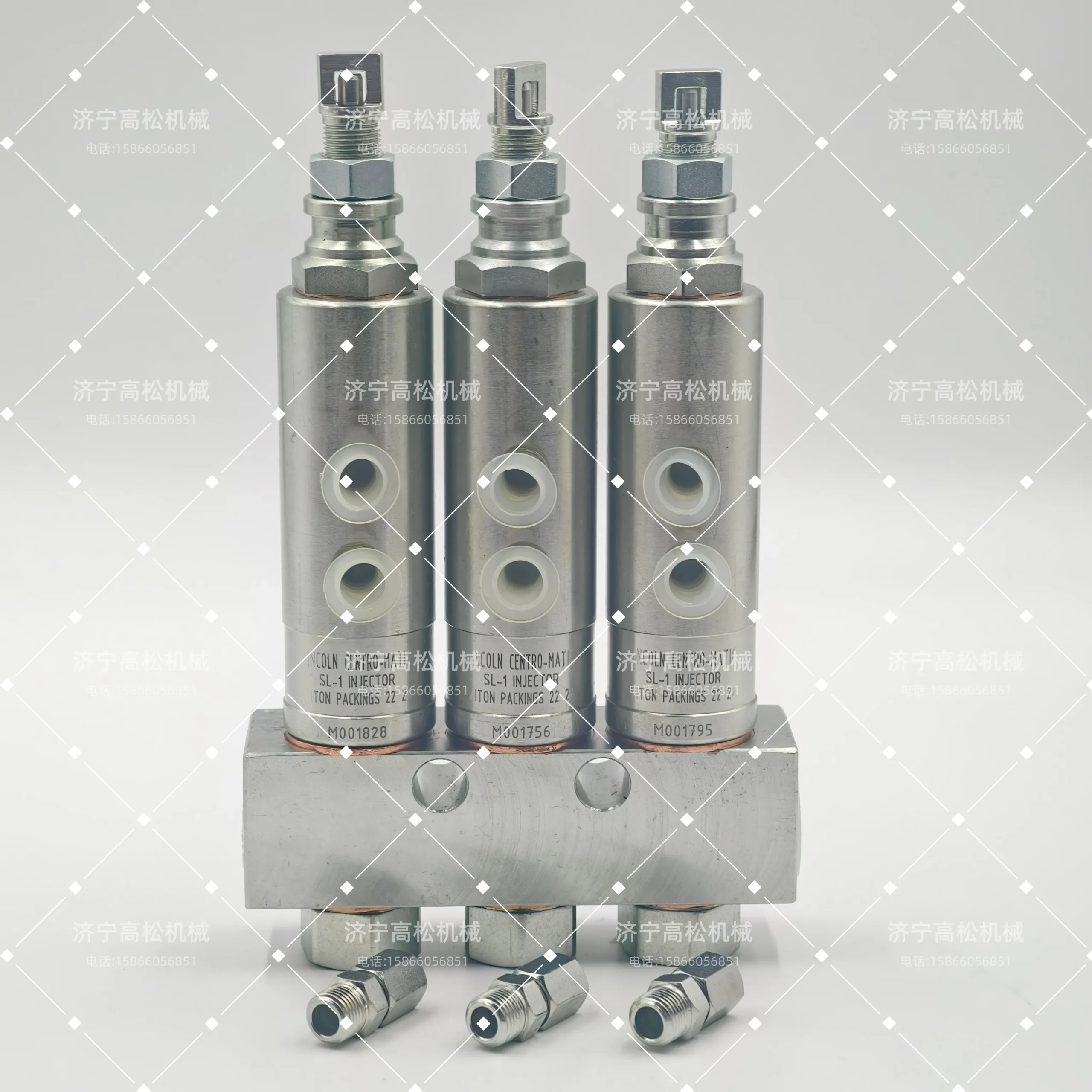 Ekskavatör PC1250-7 PC1250-8 enjektör 581-96-19520…
 -
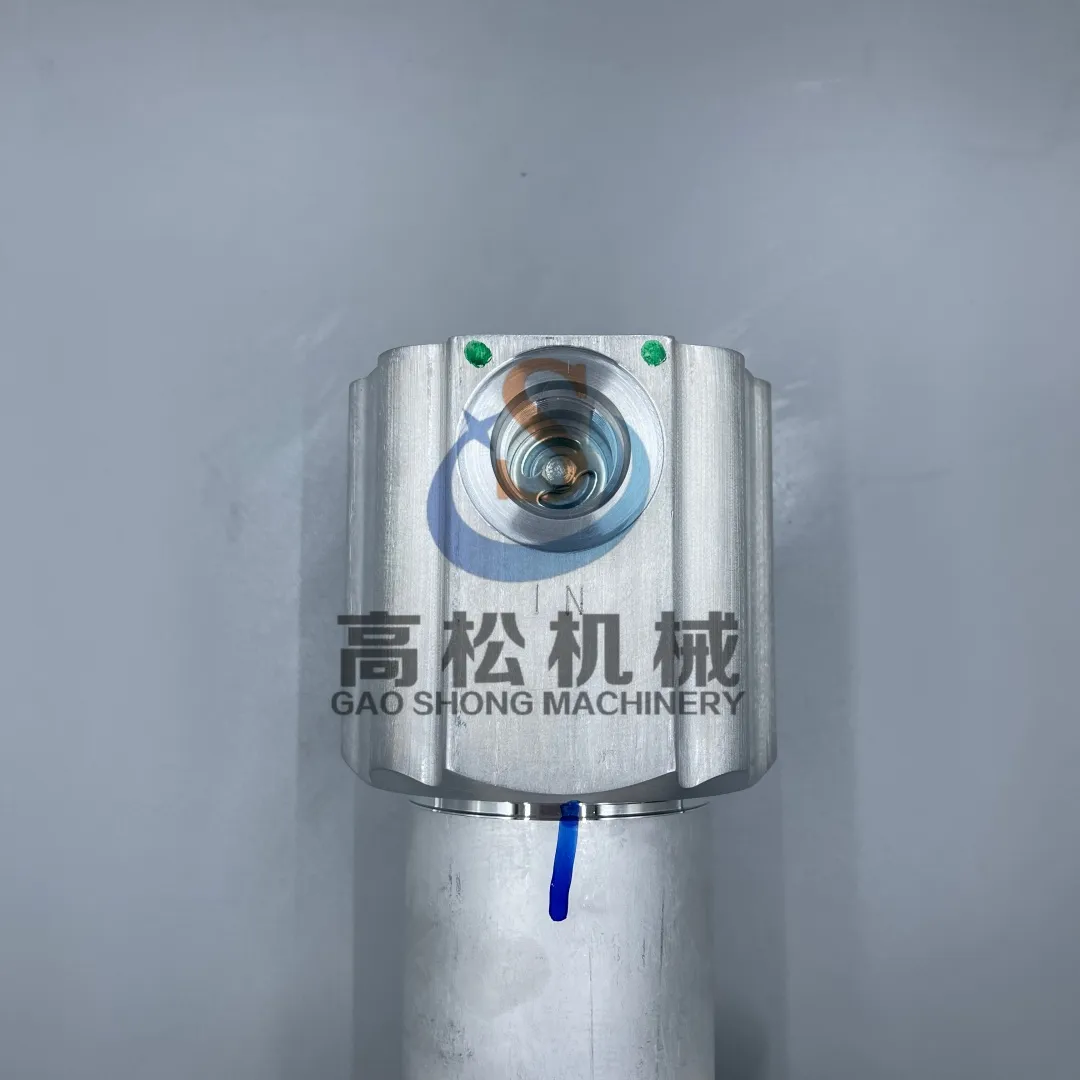 569-43-83911 Komatsu Filter Assembly
 -
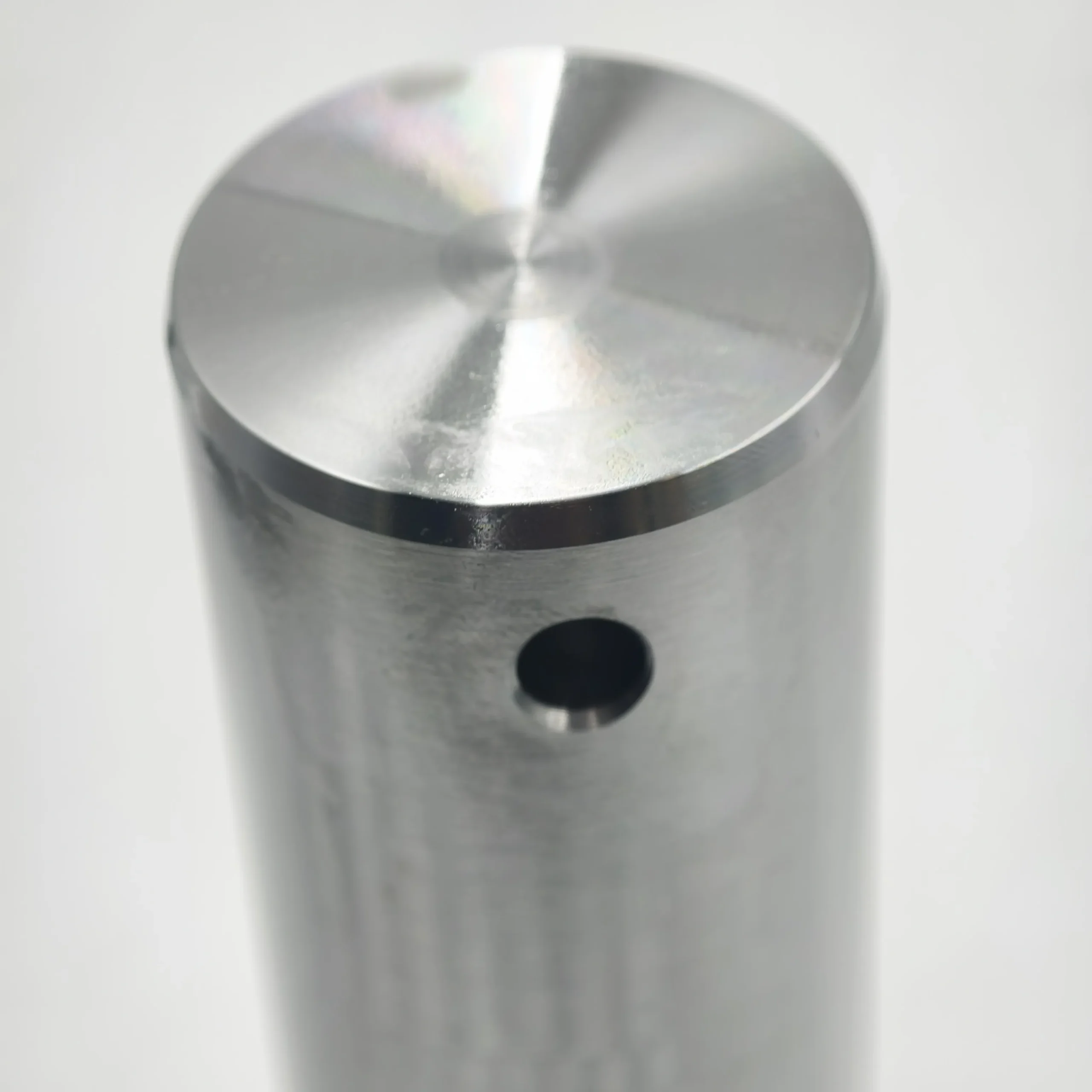 SHAFT 421-22-32511 – KOMATSU
 -
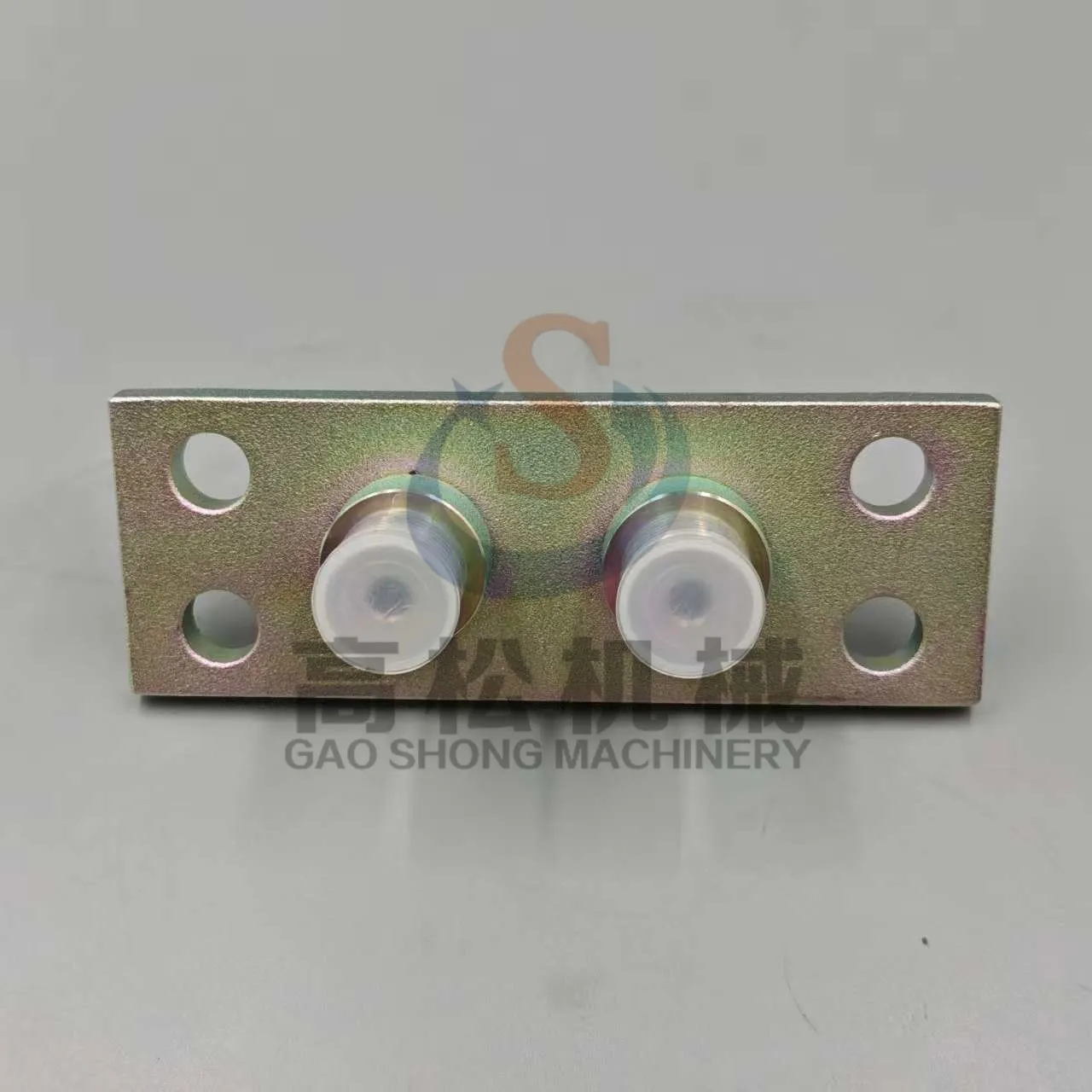 Komatsu D65EX-15 14Y-62-31411 BRACKET
 -
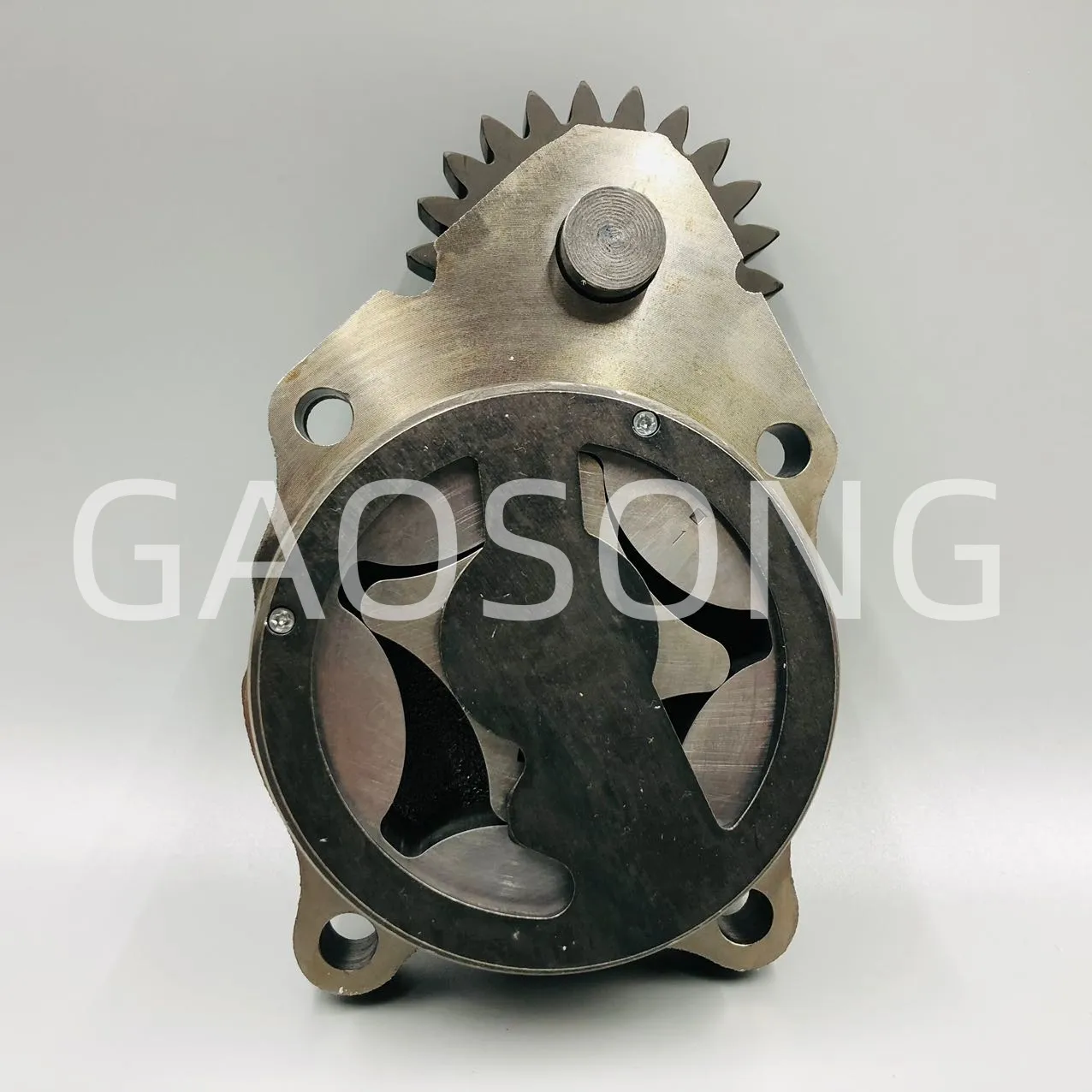 6754-51-1111 Pump Assembly
 -
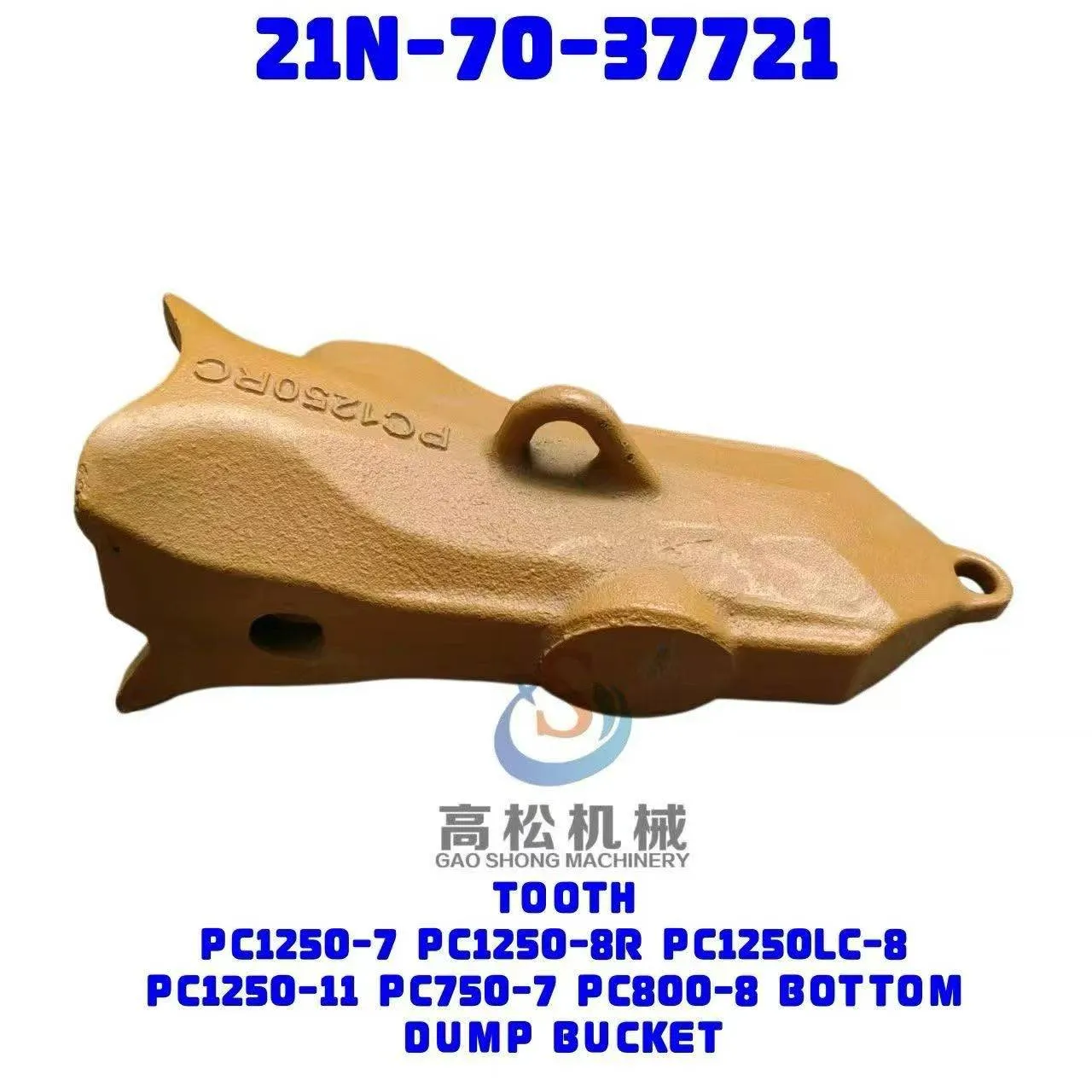 21n-70-37721 Bucket teeth, suitable for the following vehicle models. PC1250-7 PC1250-8R PC1250LC-8 PC1250-11 PC750-7 PC800-8 BOTTOM TOOTH PC1250-7 PC1250-8R PC1250LC-8 PC1250-11 PC750-7 PC800-8 BOTTOM DUMP BUCKET
 -
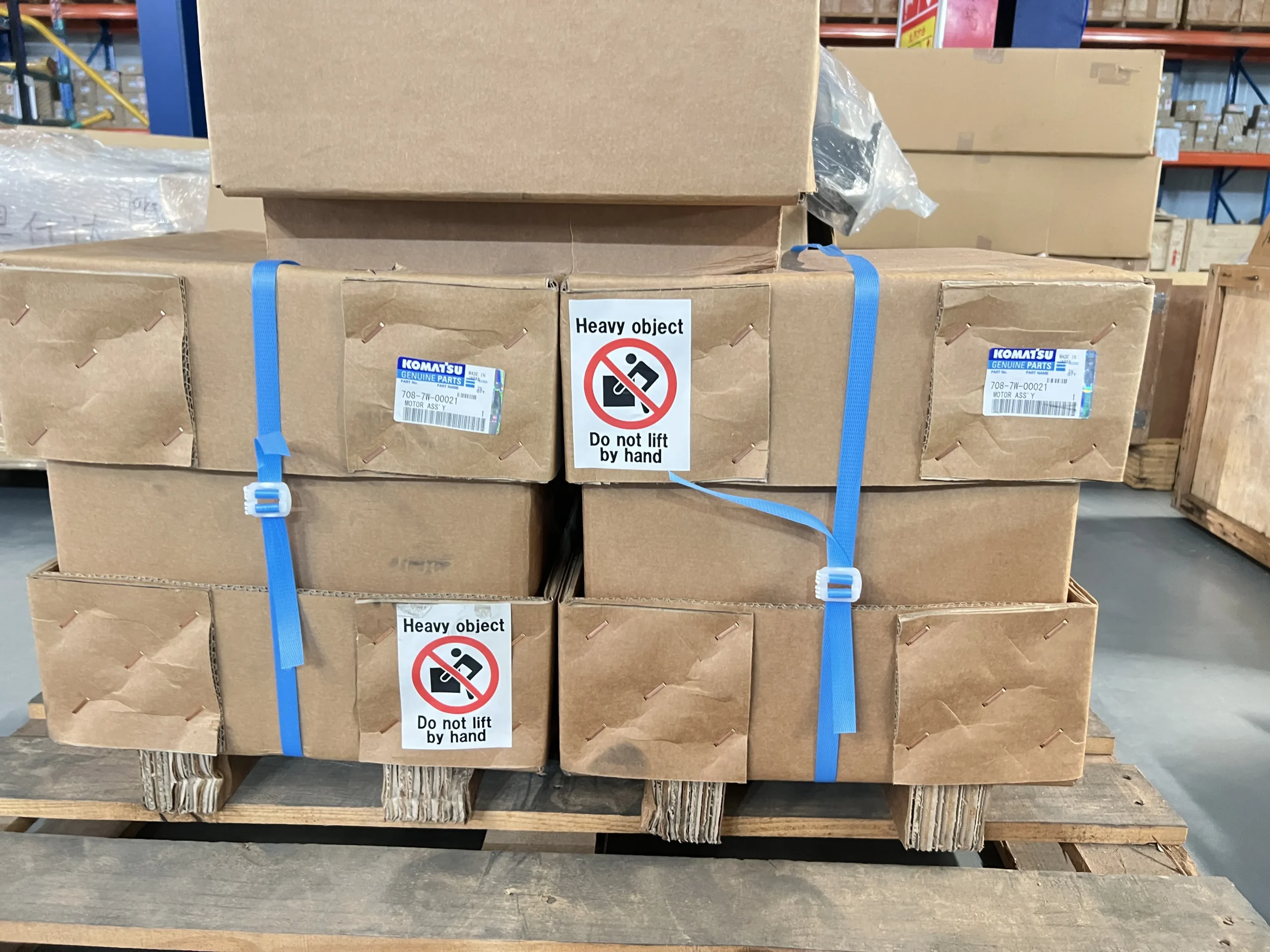 New Hydraulic Fan Motor 708-7W-00021
 -
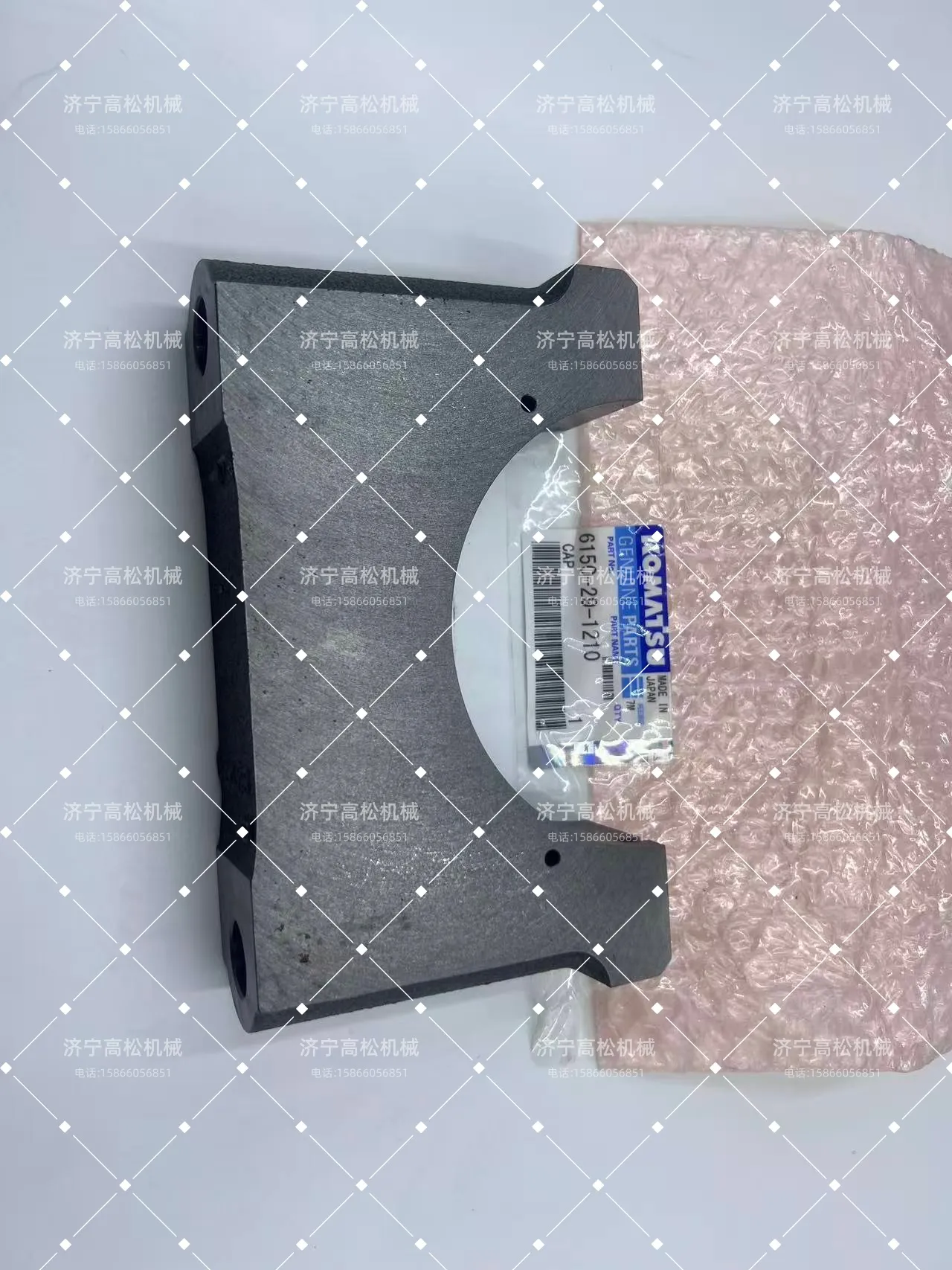 6150-29-1210 Komatsu Cap, Main, No.1.2,3,4,5,6
 -
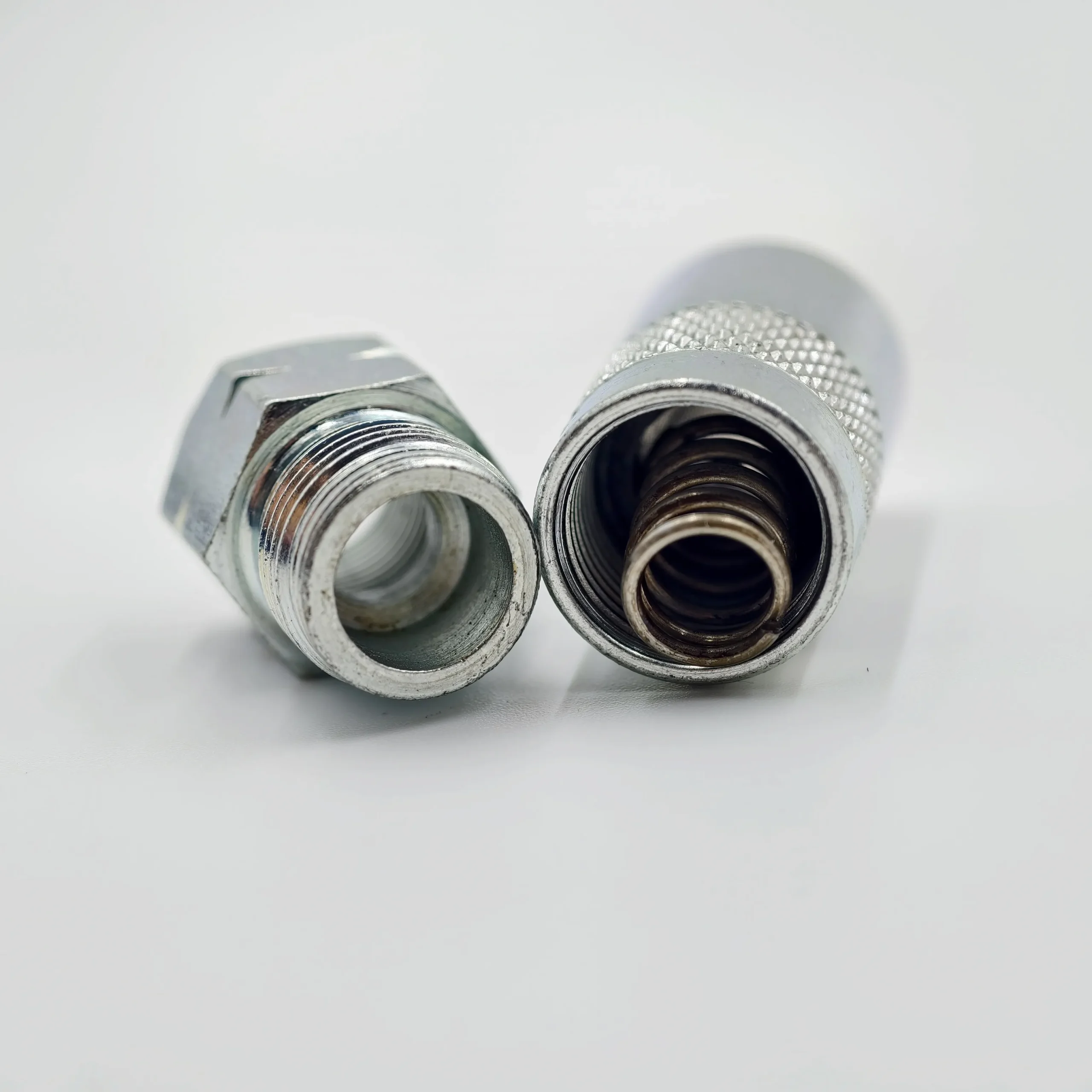 209-68-11640• COUPLER ASS’Y-Komatsu Original Factory
 -
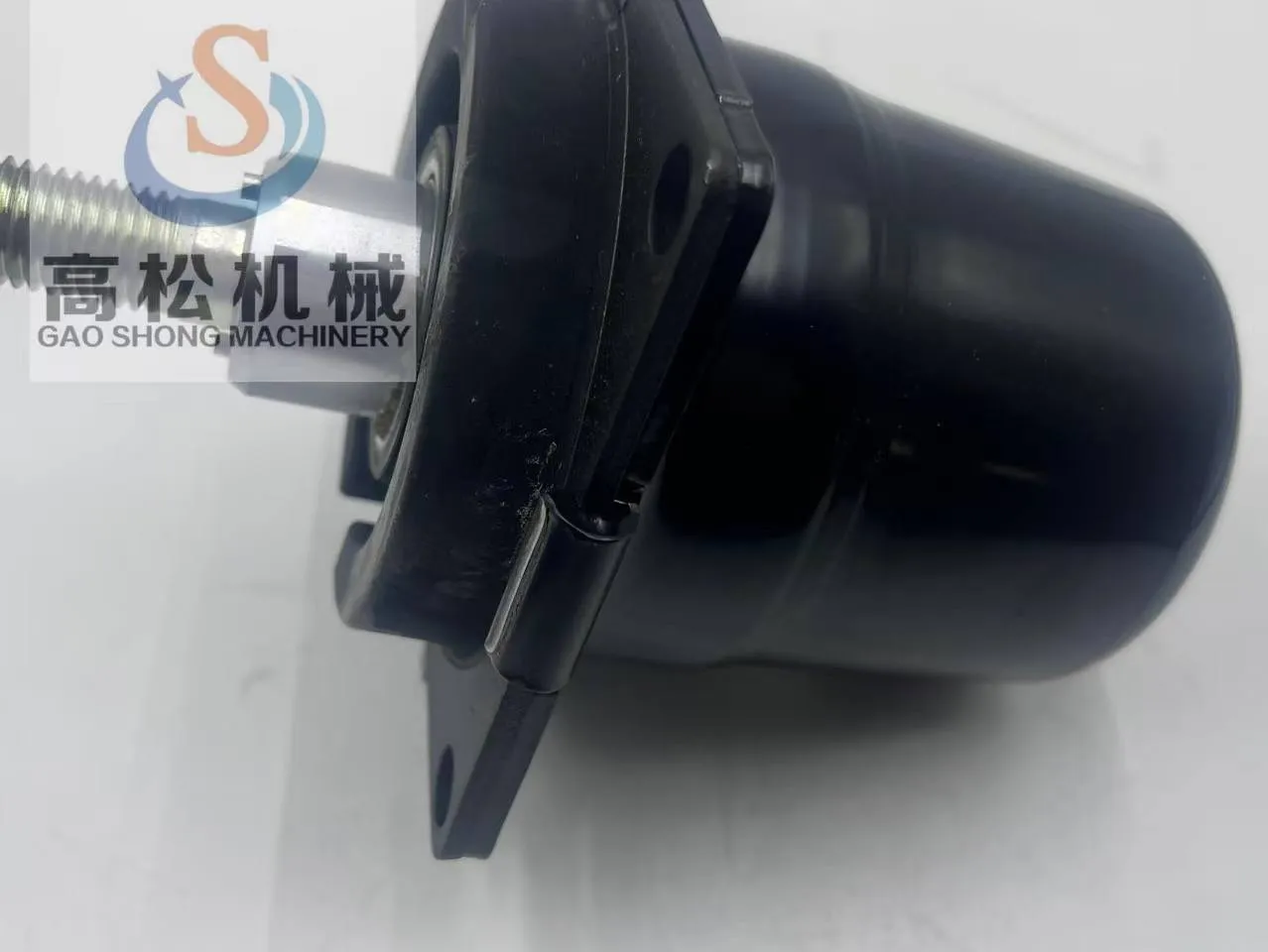 D275 /D375/D475 Cab Cushion 195-54-78410 195-54-78561
 -
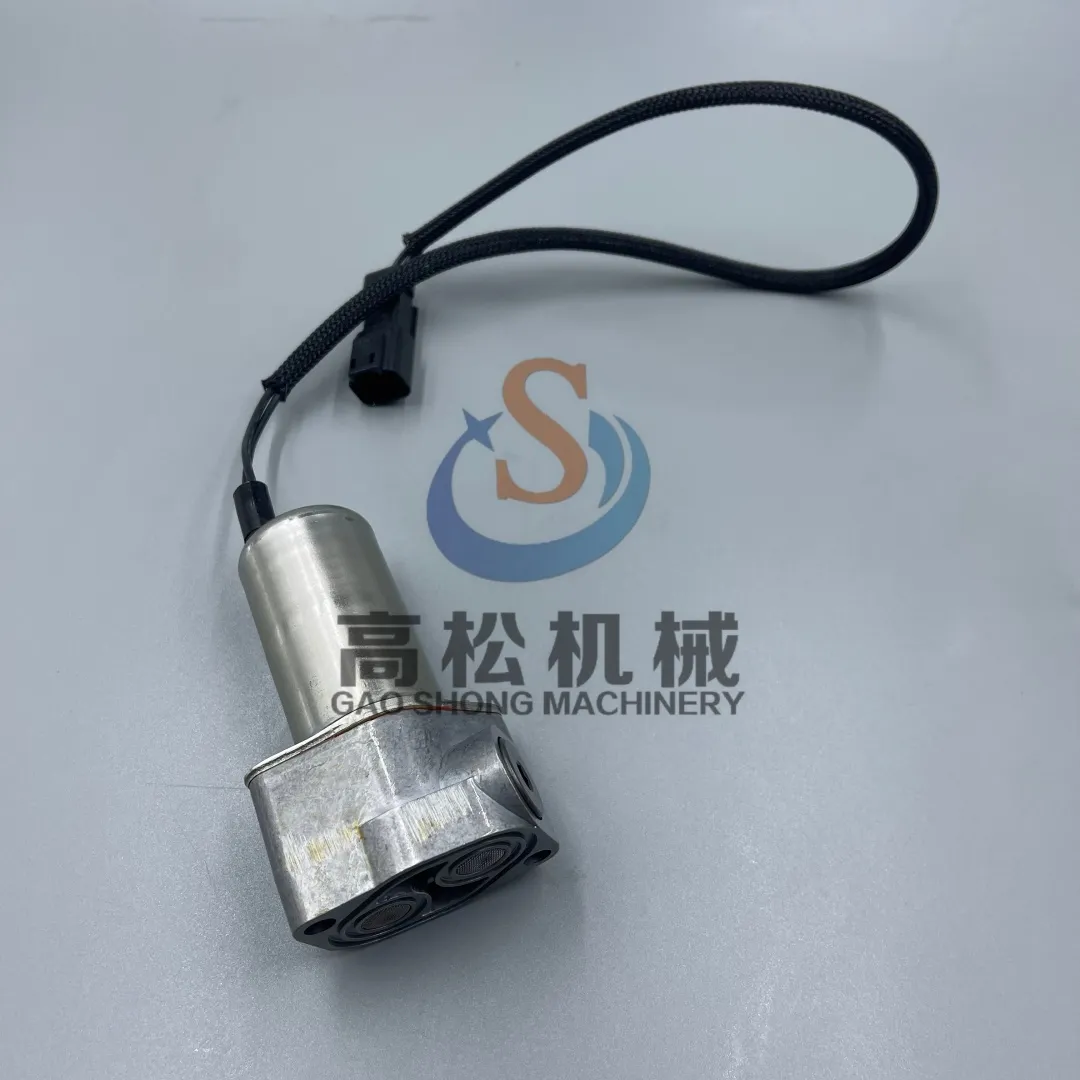 702-21-07620 Solenoid Valve for Komatsu PC450-8 PC300-8 PC350-8 7022107620
 -
 7861-93-1430Komatsu Sensor, Dust Indicator