
- Chinese
- French
- German
- Portuguese
- Spanish
- Russian
- Japanese
- Korean
- Arabic
- Irish
- Greek
- Turkish
- Italian
- Danish
- Romanian
- Indonesian
- Czech
- Afrikaans
- Swedish
- Polish
- Basque
- Catalan
- Esperanto
- Hindi
- Lao
- Albanian
- Amharic
- Armenian
- Azerbaijani
- Belarusian
- Bengali
- Bosnian
- Bulgarian
- Cebuano
- Chichewa
- Corsican
- Croatian
- Dutch
- Estonian
- Filipino
- Finnish
- Frisian
- Galician
- Georgian
- Gujarati
- Haitian
- Hausa
- Hawaiian
- Hebrew
- Hmong
- Hungarian
- Icelandic
- Igbo
- Javanese
- Kannada
- Kazakh
- Khmer
- Kurdish
- Kyrgyz
- Latin
- Latvian
- Lithuanian
- Luxembou..
- Macedonian
- Malagasy
- Malay
- Malayalam
- Maltese
- Maori
- Marathi
- Mongolian
- Burmese
- Nepali
- Norwegian
- Pashto
- Persian
- Punjabi
- Serbian
- Sesotho
- Sinhala
- Slovak
- Slovenian
- Somali
- Samoan
- Scots Gaelic
- Shona
- Sindhi
- Sundanese
- Swahili
- Tajik
- Tamil
- Telugu
- Thai
- Ukrainian
- Urdu
- Uzbek
- Vietnamese
- Welsh
- Xhosa
- Yiddish
- Yoruba
- Zulu
- Kinyarwanda
- Tatar
- Oriya
- Turkmen
- Uyghur






k parts komatsu
When you hear 'k parts Komatsu', most people immediately think of the official, genuine parts flowing through Komatsu's direct channels. That's the ideal. But on the ground, especially in markets with complex import regulations or supply chain bottlenecks, that term takes on a different, more pragmatic meaning. It becomes a search for a solution, not just a part number. There's a common misconception that anything outside the direct dealer network is inherently inferior or 'fake'. That's not always the case, and that distinction is where the real work happens.
The OEM Reality and the Gap in the Market
Being an OEM product supplier within the Komatsu system, like Jining Gaosong Construction Machinery Co., Ltd. is, means you're producing components to Komatsu's exacting specifications. These aren't copies; they're often the same parts, coming off the same production lines, just without the final Komatsu branding and packaging for the aftermarket stream. This is a critical point that gets lost. The quality is there, but the official supply chain isn't always designed to reach every corner efficiently or cost-effectively.
I've seen projects stall for weeks waiting for a single hydraulic pump assembly to clear customs or arrive via the official channels. The downtime cost alone is staggering. This is the gap companies like Gaosong aim to fill. Their role as a third-party sales company isn't about undermining Komatsu; it's about providing an alternative logistics and supply route for those k parts Komatsu when the primary one is clogged. Their site, takematsumachinery.com, essentially functions as a parallel, often more agile, pipeline.
The challenge, and it's a big one, is establishing trust. A fleet manager in, say, a South American mining operation isn't going to just buy a critical engine component from a website. They need assurance. This is where the dual identity—OEM supplier and third-party seller—becomes the key selling point. It's not just we have a part, it's we built this part to the OEM standard, and we can get it to you without the standard delays.
On-the-Ground Judgement Calls and Failures
You can't just throw parts at a problem. Early on, we made the mistake of assuming that because we had access to OEM-quality undercarriage components—track links, rollers, idlers—for a D375 dozer, they'd be a drop-in solution everywhere. We shipped a set to a client in a high-salt, coastal environment. The parts were technically perfect, but we failed to account for the specific wear patterns and minor design iterations on their particular machine series. The fit was 98% right, which in heavy machinery is 100% wrong. It caused alignment issues and accelerated wear on the adjacent segments.
That was a hard lesson. It taught me that k parts isn't just about the component itself; it's about the complete application data. Now, the process involves more than cross-referencing a part number. It requires asking for serial number ranges, previous repair histories, and even photos of the failed component. Is the sprocket worn on the drive side or the coast side? That tells a story about the machine's workload that a simple part number never will.
Another persistent issue is with electronic control units and sensors. Here, the line is sharper. While a mechanical seal or a gasket from an OEM supplier is usually safe, we've become very cautious with electronics. The risk of compatibility issues or firmware mismatches is too high. For these, we almost always steer clients back to the official dealer network, even if it means a longer wait. It's about managing risk and reputation. Losing a sale is better than being blamed for a machine that won't start.
The Nuance of Solving Parts Supply Challenges
The company intro says they help solve parts supply challenges in certain countries. That phrase is loaded with real-world complexity. It's not just about having a warehouse. It often means navigating local import duties, understanding which shipping lines are reliable to a specific port, and sometimes even helping with customs clearance documentation. For a critical Komatsu pump or valve block, this logistical support is as valuable as the part itself.
I recall a situation in a Southeast Asian market where a key port was congested. The official distributor's container was stuck in a queue for a month. We managed to air-freight a smaller, consolidated shipment of the most urgent parts—mainly hydraulic hoses and cylinder seals—through a different city's airport. It was exponentially more expensive on a per-part basis, but it got the machine back online in days instead of months. The client paid the premium because the math on downtime made sense. That's the challenge solving in action.
This model also puts a different kind of pressure on inventory. You're not stocking for predictable, regional demand like a dealer. You're stocking for global, unpredictable emergencies. Your inventory mix has to be incredibly smart. High-wear items like filter kits, grader cutting edges, and bucket teeth are staples. But you also need depth in specific, high-value assemblies for older models that Komatsu itself might be phasing out of its central inventory.
Quality Verification and the Grey Market Perception
One of the biggest hurdles is overcoming the grey market stigma. Even with OEM pedigree, parts from third-party channels are viewed with suspicion. Our method has been relentless documentation. Certificates of origin, material certifications, and when possible, side-by-side metallurgical or pressure testing reports. For a set of k parts like final drive planetary gears, we once commissioned a third-party lab to compare hardness and microstructure with a genuine part. The reports were nearly identical. That report became a powerful tool for that client and for future sales.
But it's not always a win. We tried a similar approach with a batch of swing bearings for an excavator. The documentation was perfect, but the installation torque specs we provided, pulled from an older service manual, were slightly off for the client's machine, which had a field modification. It led to a premature pre-load issue. The bearing itself was fine, but the application knowledge failed. Now, we couple part data with a strong disclaimer to have installation verified by a qualified technician, always. It covers us legally, but more importantly, it protects the client's asset.
This is why a company's online presence, like Takematsu Machinery's site, needs to project this nuanced expertise. It shouldn't just be a parts catalog. It should reflect an understanding of the machines, the common failure points, and the logistical headaches. Showing you understand the problem builds more trust than just listing products.
Looking Ahead: More Than Just Parts
The future of this space isn't just being a parts conduit. It's about becoming a knowledge node. The value-add is increasingly in the support around the part. I see companies like Gaosong needing to develop deeper technical support, maybe even short video guides for tricky installations, or detailed compatibility matrices that go beyond the standard books.
There's also the remanufactured angle. For core components like cylinder assemblies or torque converters, offering a quality reman option with a clear core-return policy can be a game-changer for cost-conscious but quality-focused operations. It's a natural extension of solving supply challenges—you're not just moving a box, you're offering a repair solution.
Ultimately, k parts Komatsu represents a fluid ecosystem. It's the interplay between the gold standard of the OEM network and the practical realities of global equipment maintenance. Success isn't about having the cheapest part; it's about having the right part, with verifiable provenance, delivered with the logistical savvy to beat the clock. It's a messy, detail-oriented business built on solving very specific, expensive problems. And that's something you only really understand after you've shipped the wrong bracket, air-freighted a pump at midnight, or finally matched a metallurgy report perfectly.
Related Products
Related Products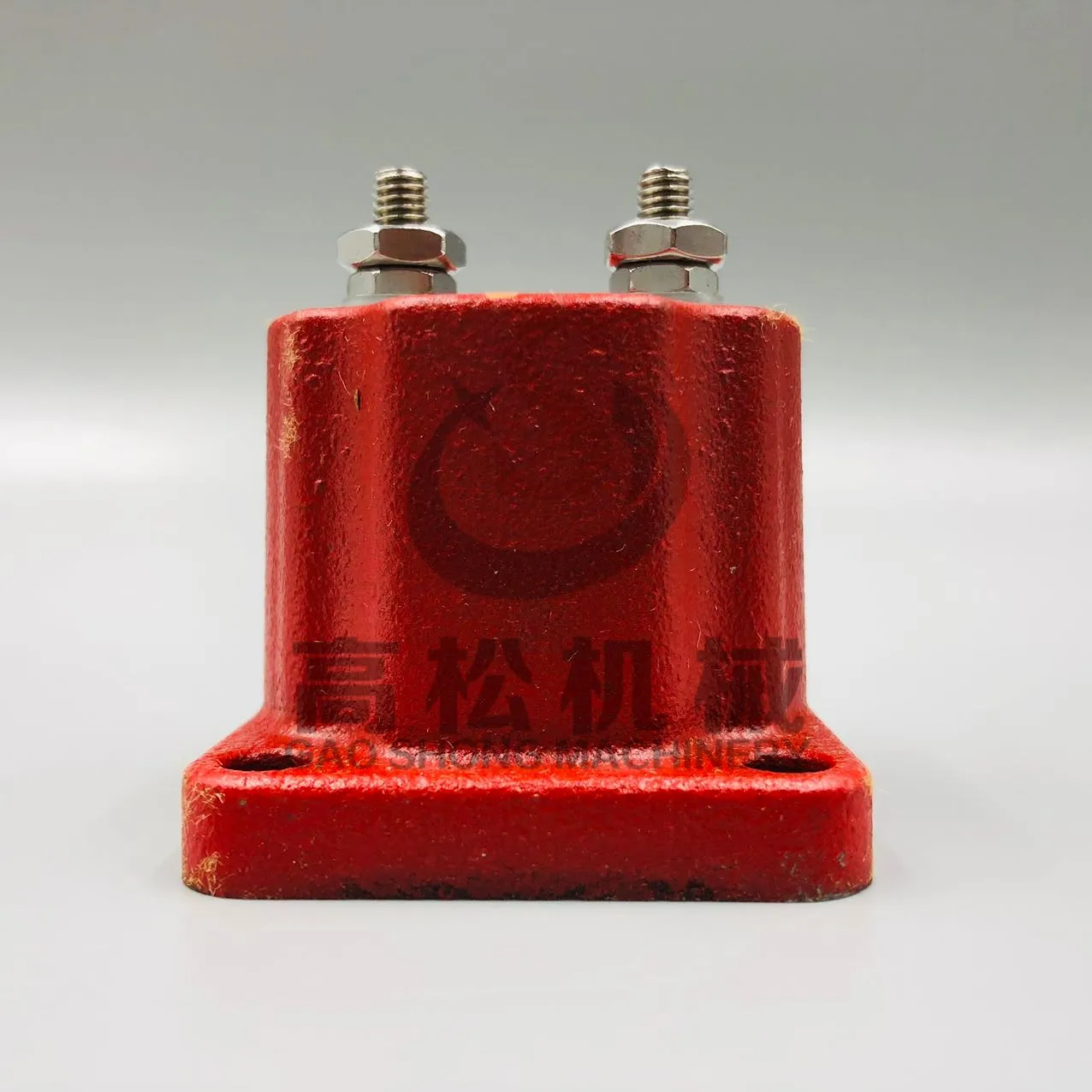
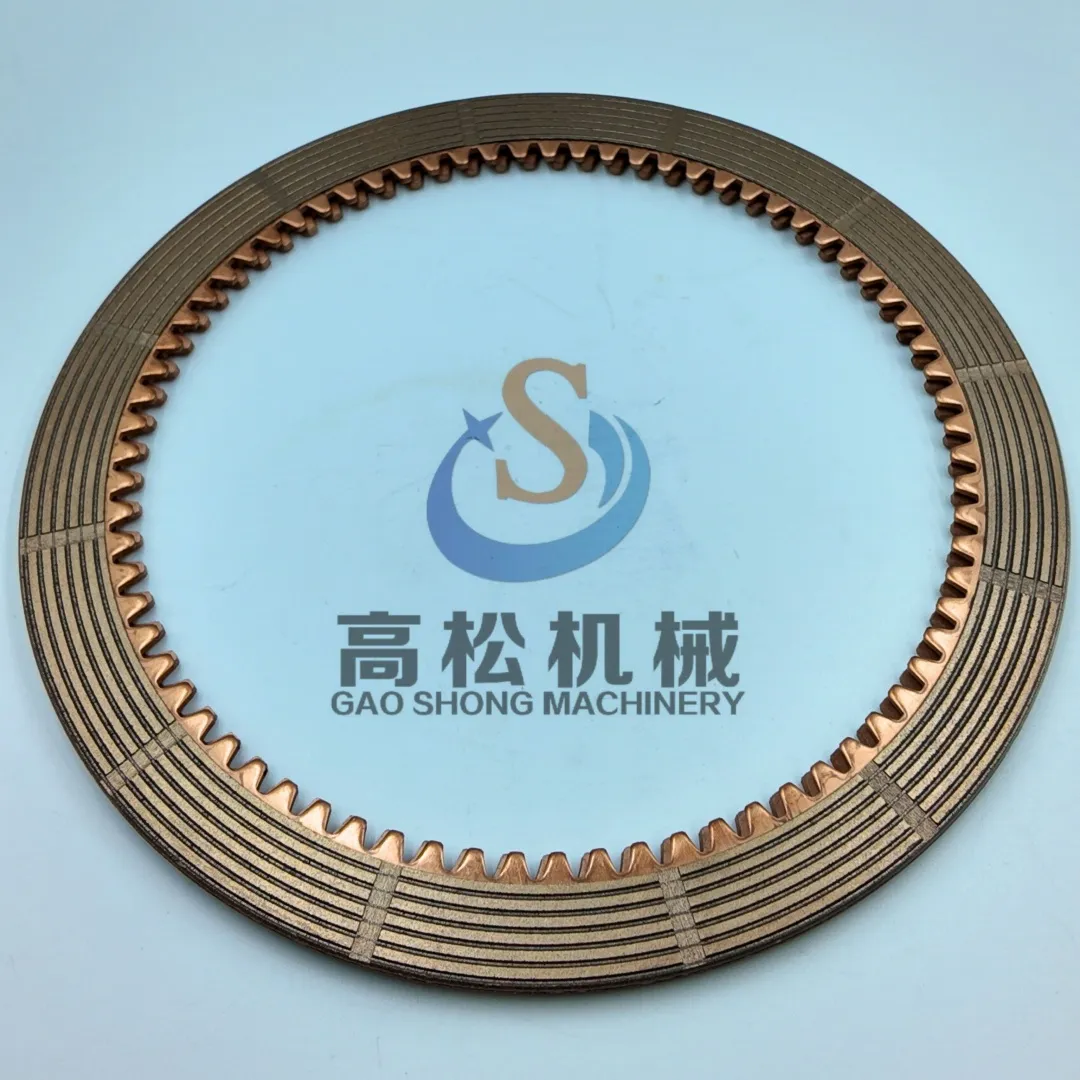
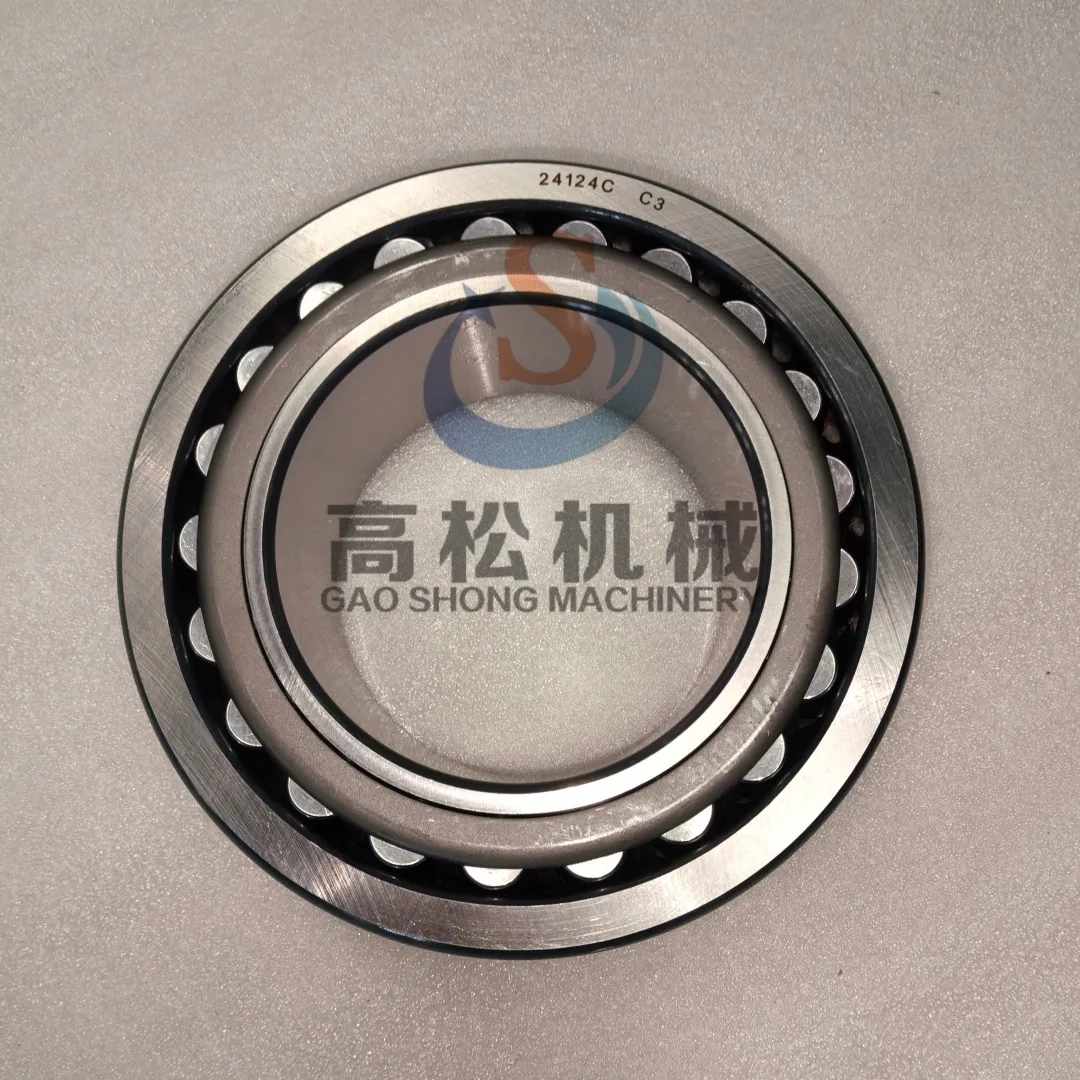

Best Selling Products
Best Selling Products-
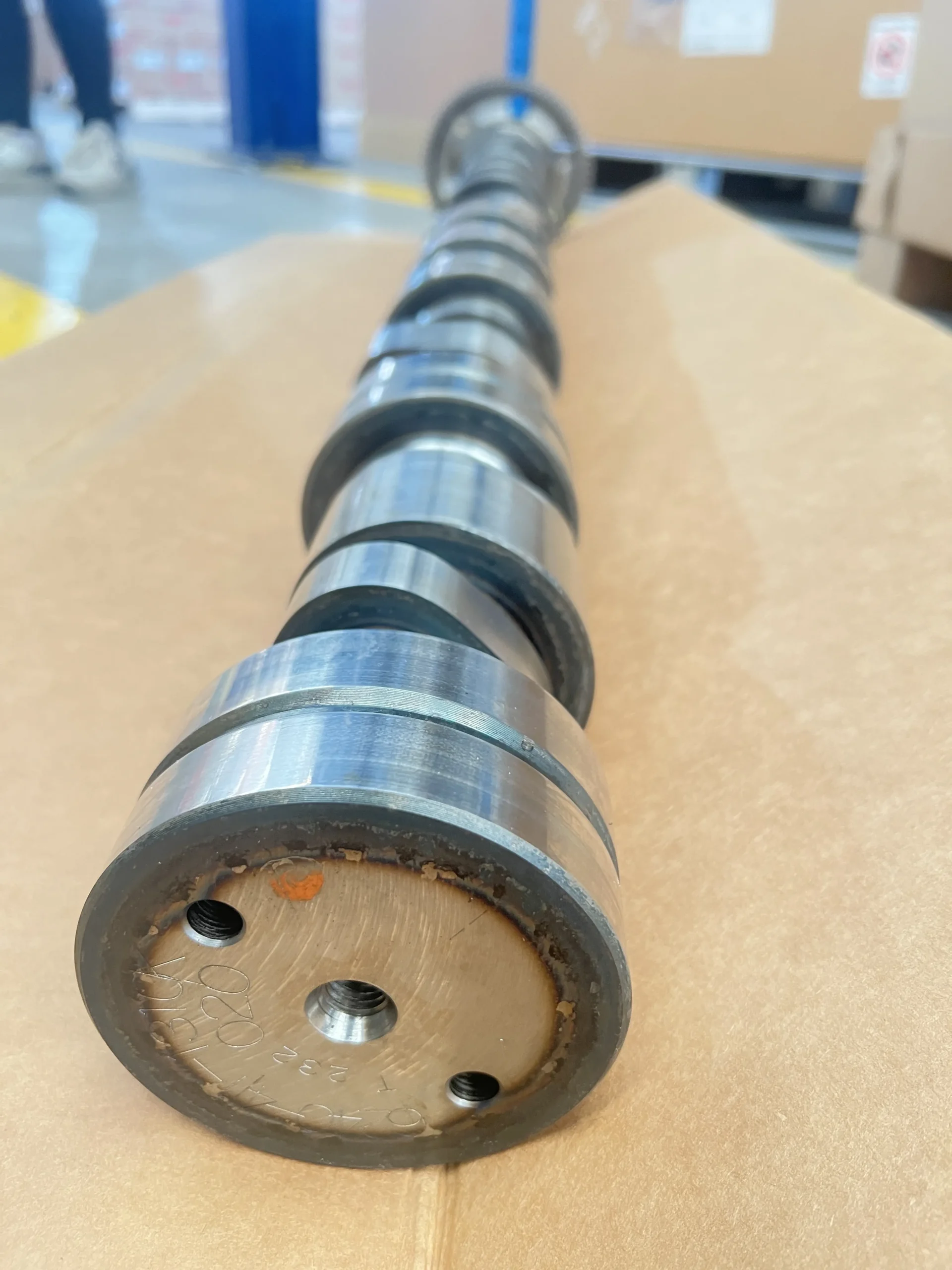 SAA6D170E-3F-8 Camshaft Assembly 6240-41-1300
 -
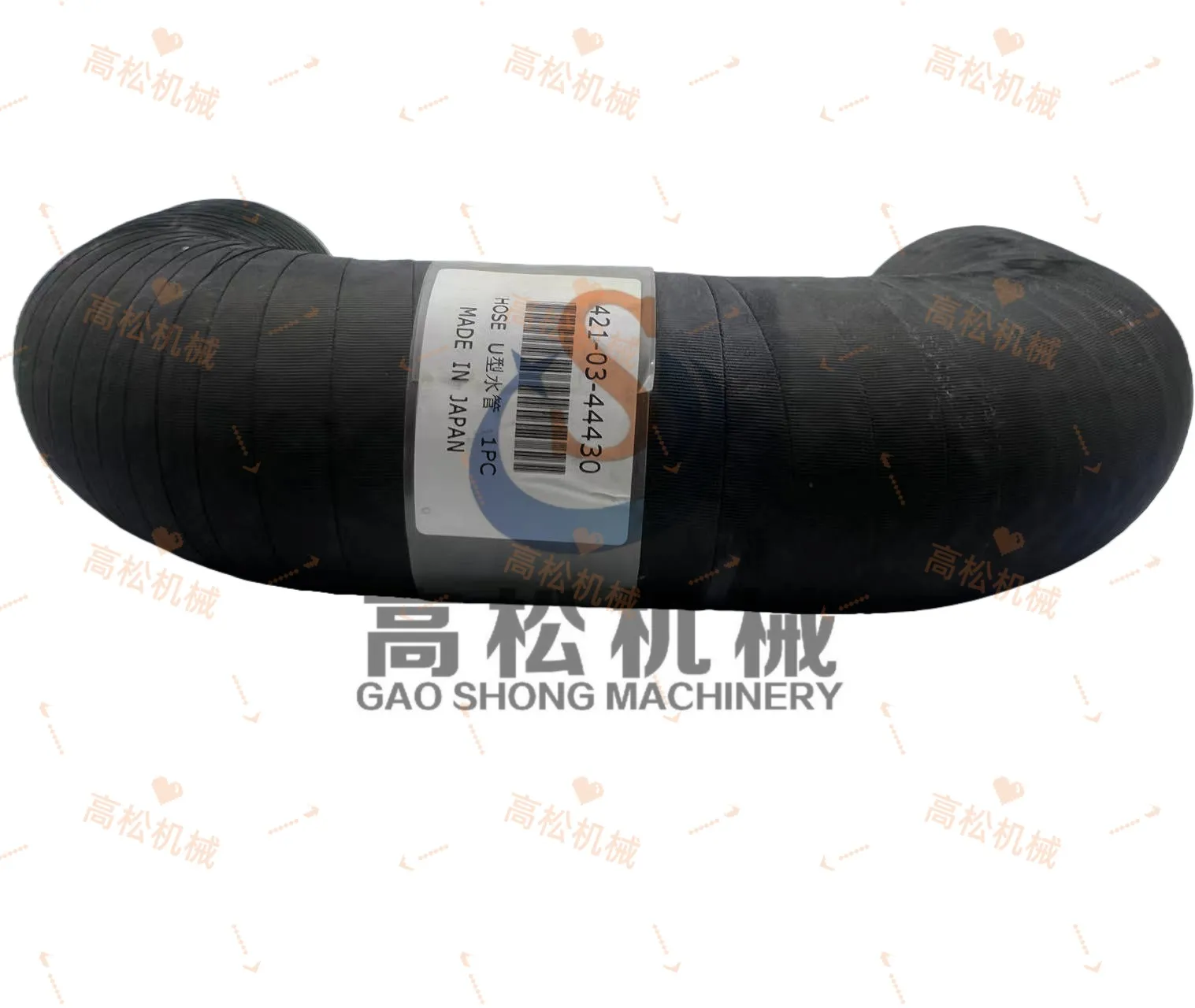 421-03-44430 HOSE WA480-6 S/N H60051 – H60462 RADIATOR Construction Machines Excavator Hose 421-03-44430 For WA380 WA450 WA470 WA480 Radiator
 -
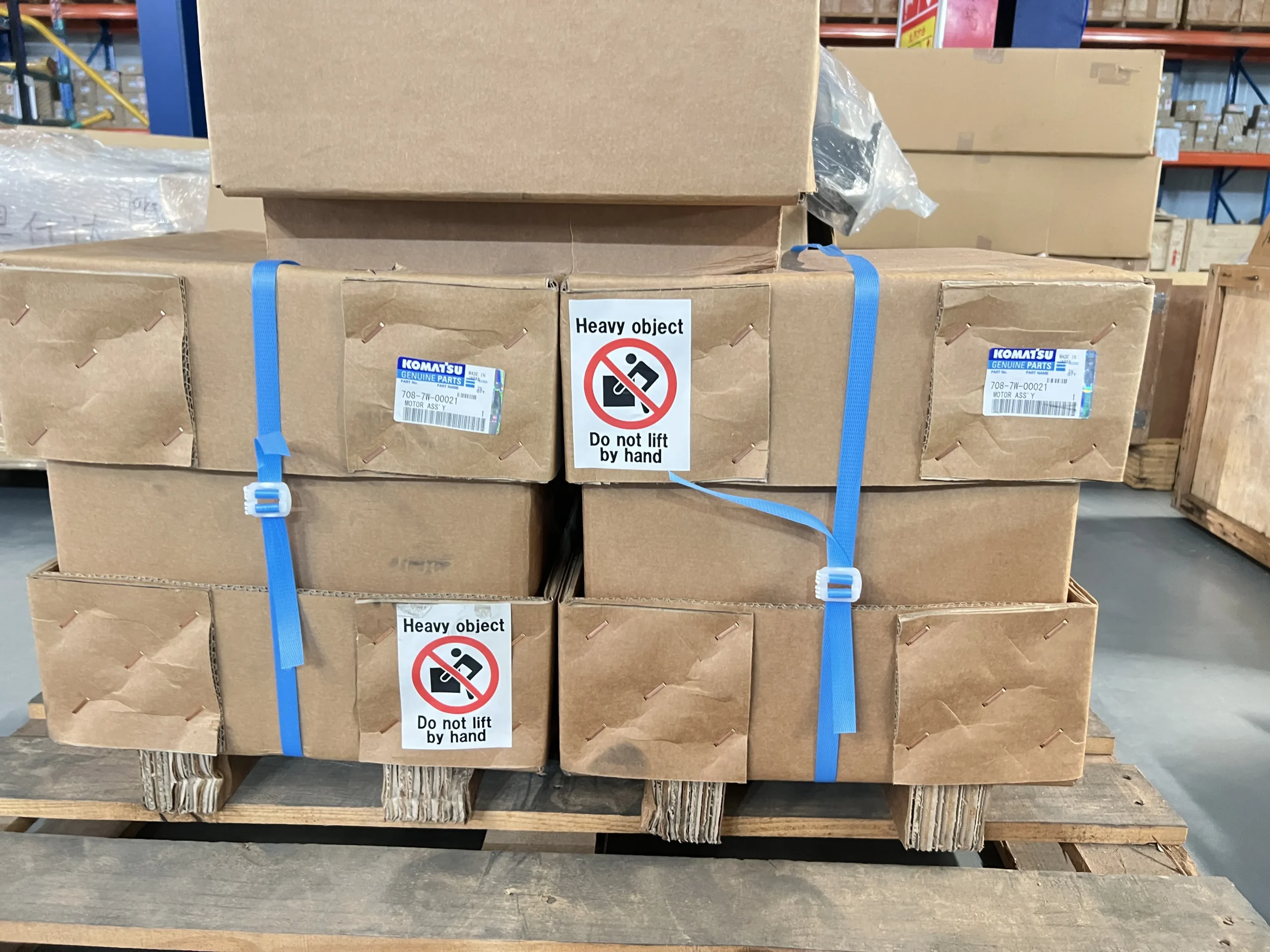 New Hydraulic Fan Motor 708-7W-00021
 -
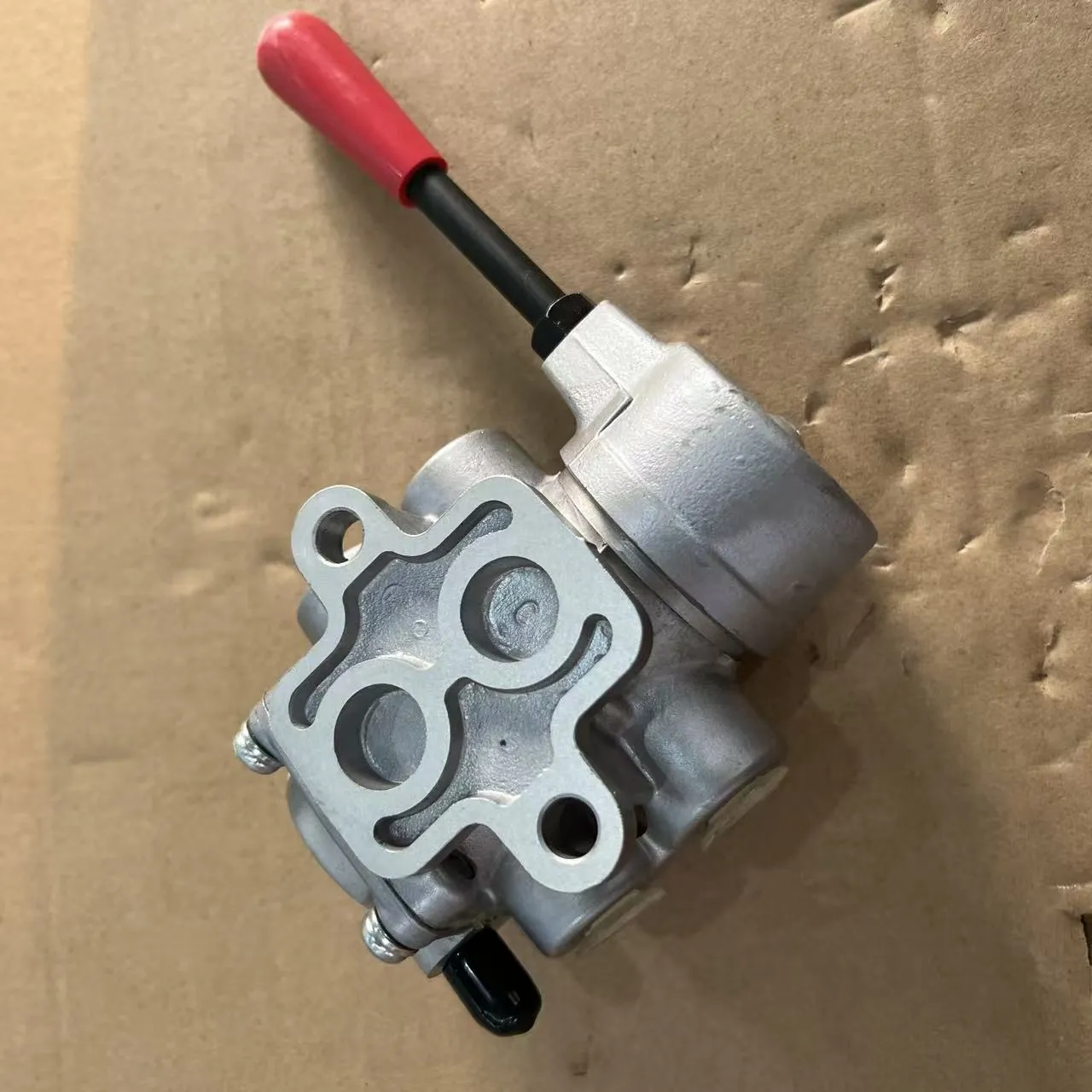 Komatsu 561-87-66102 EMERGENCY BRAKE… — Pricing.Parts
 -
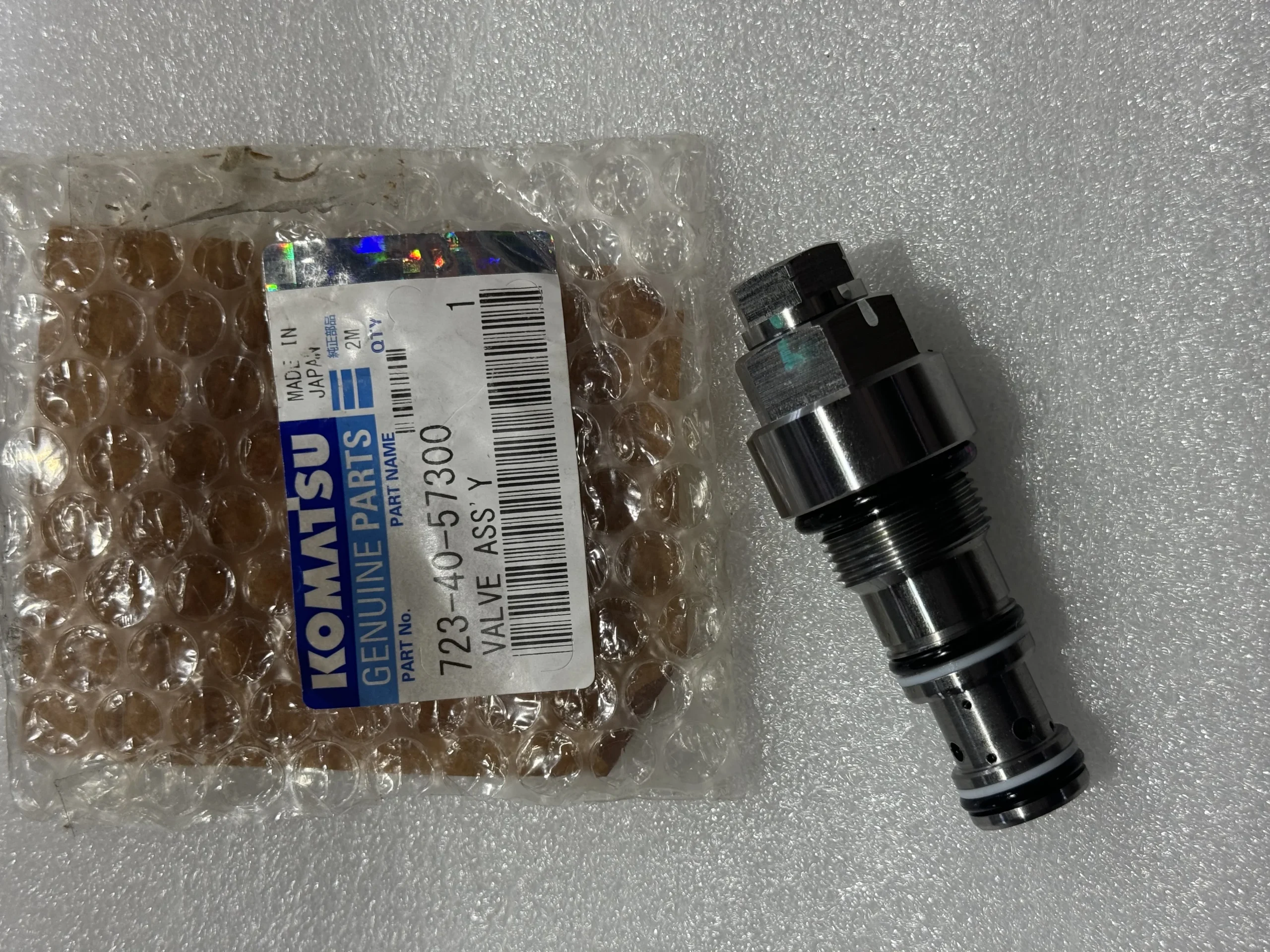 WA480-6 Main Valve 723-40-57300
 -
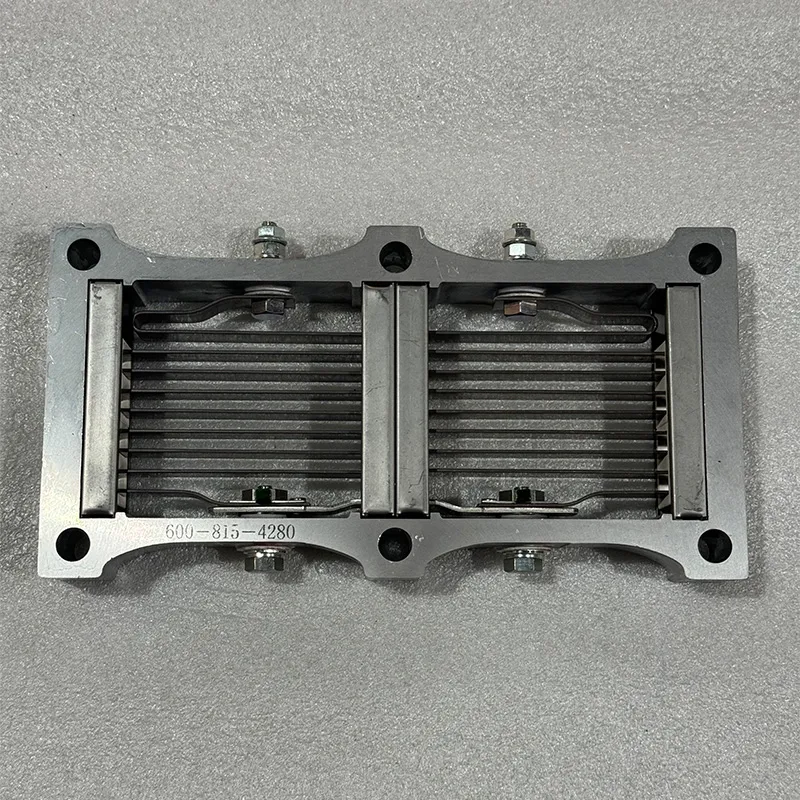 600-815-4280 Original komatsu Heater Ribbon for komatsu SAA6D engines
 -
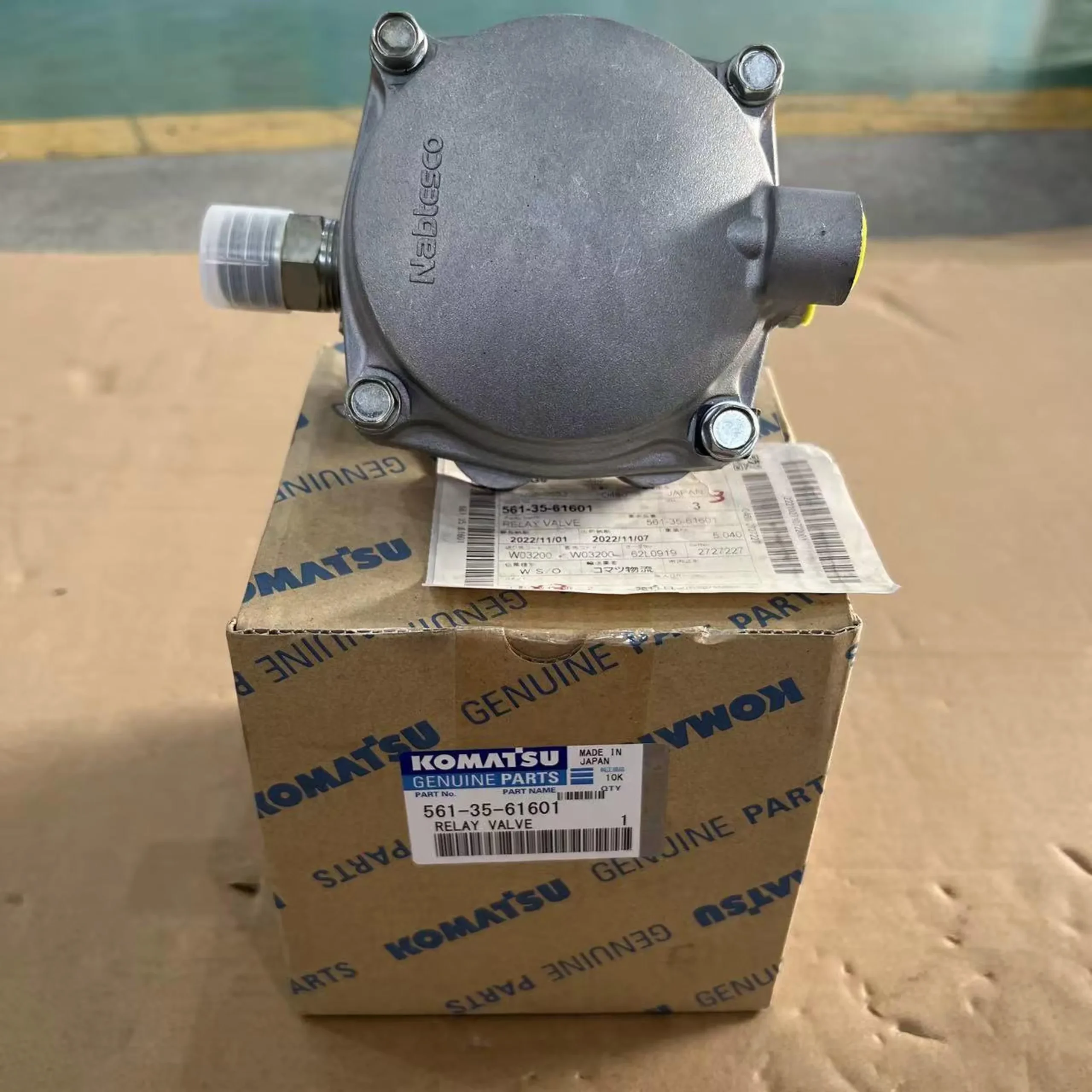 Valve 561-35-61601 for Komatsu Rigid Dumper
 -
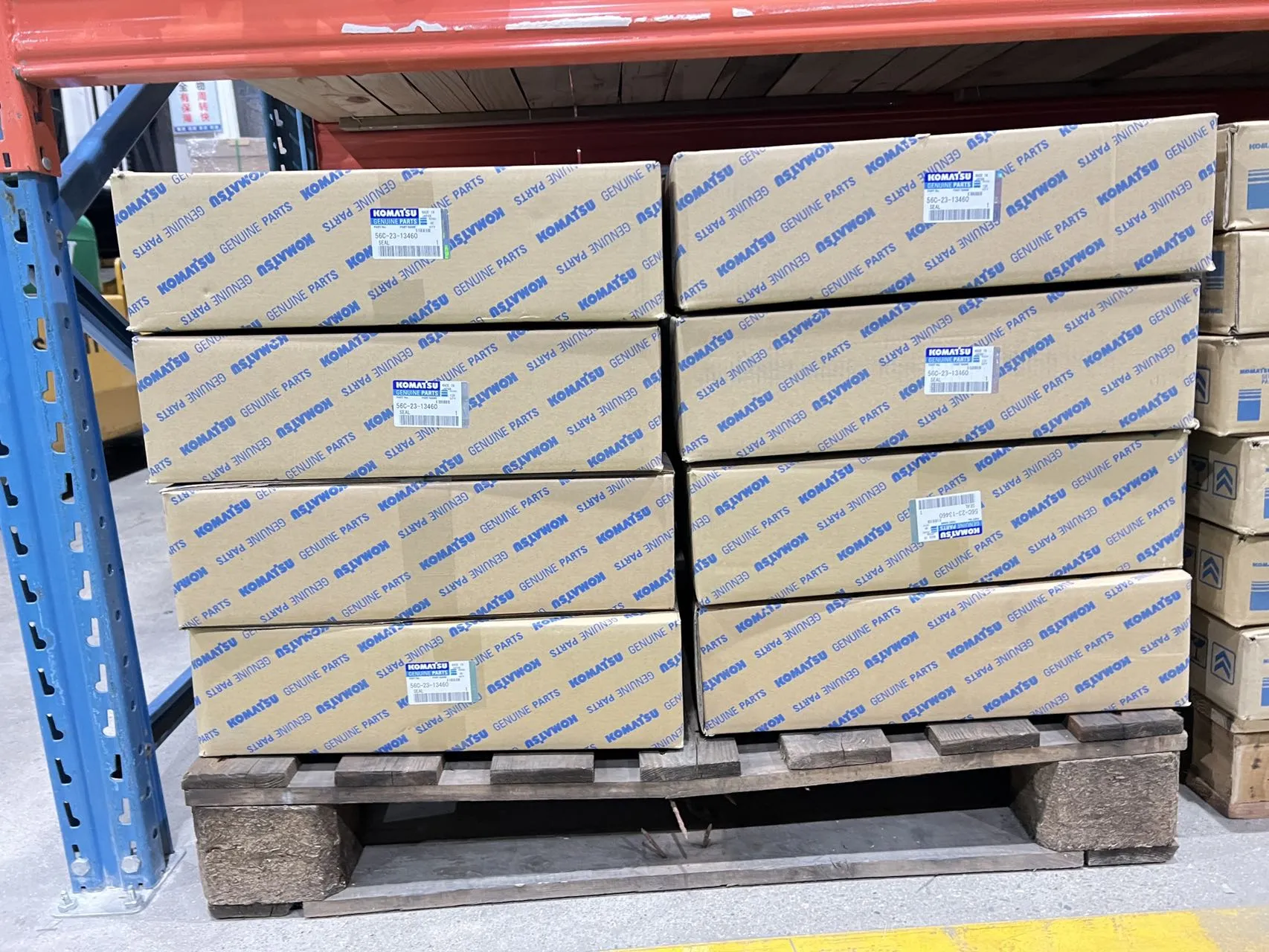 56C-23-13460 Komatsu Seal
 -
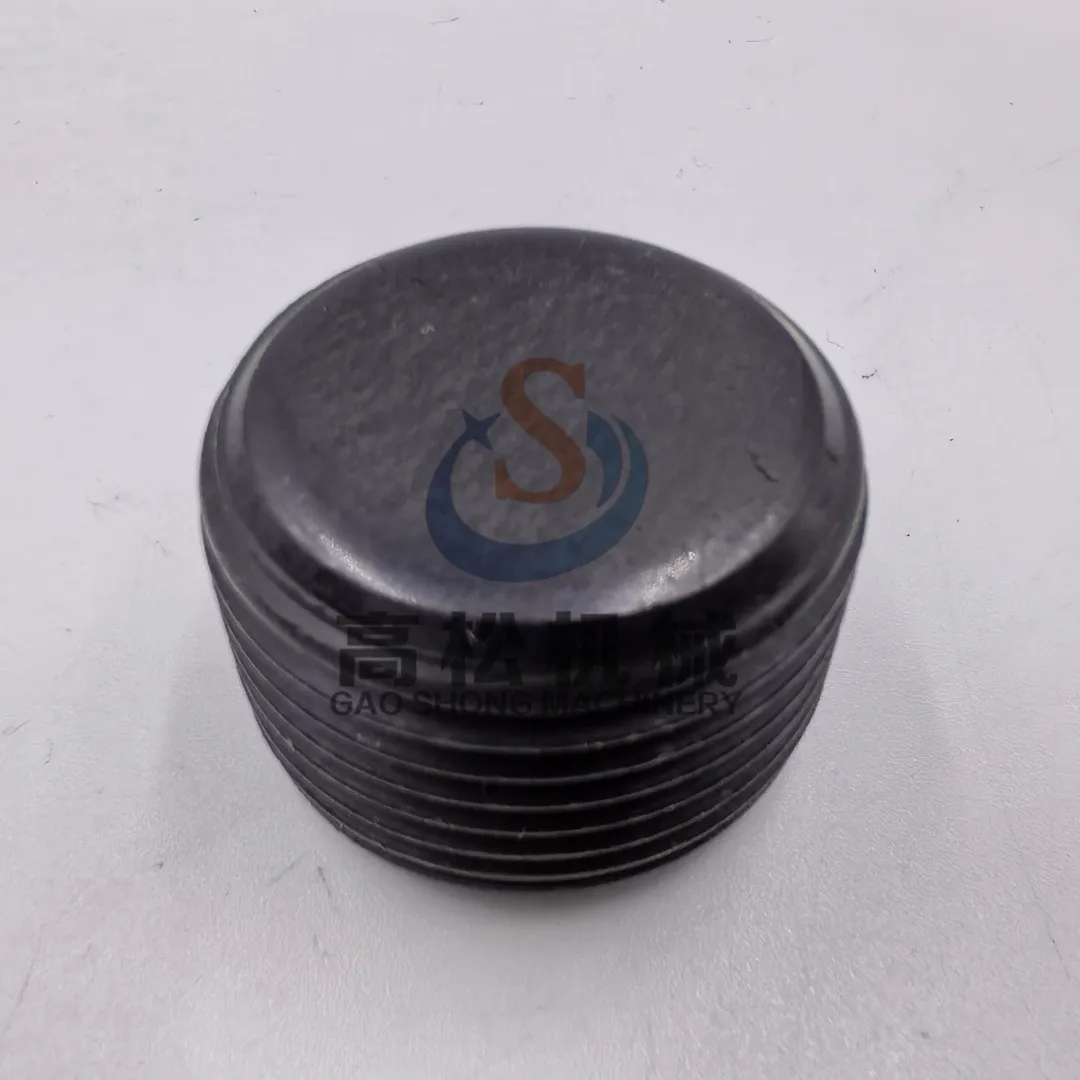 07043-00617 Komatsu Plug Komatsu originnal
 -
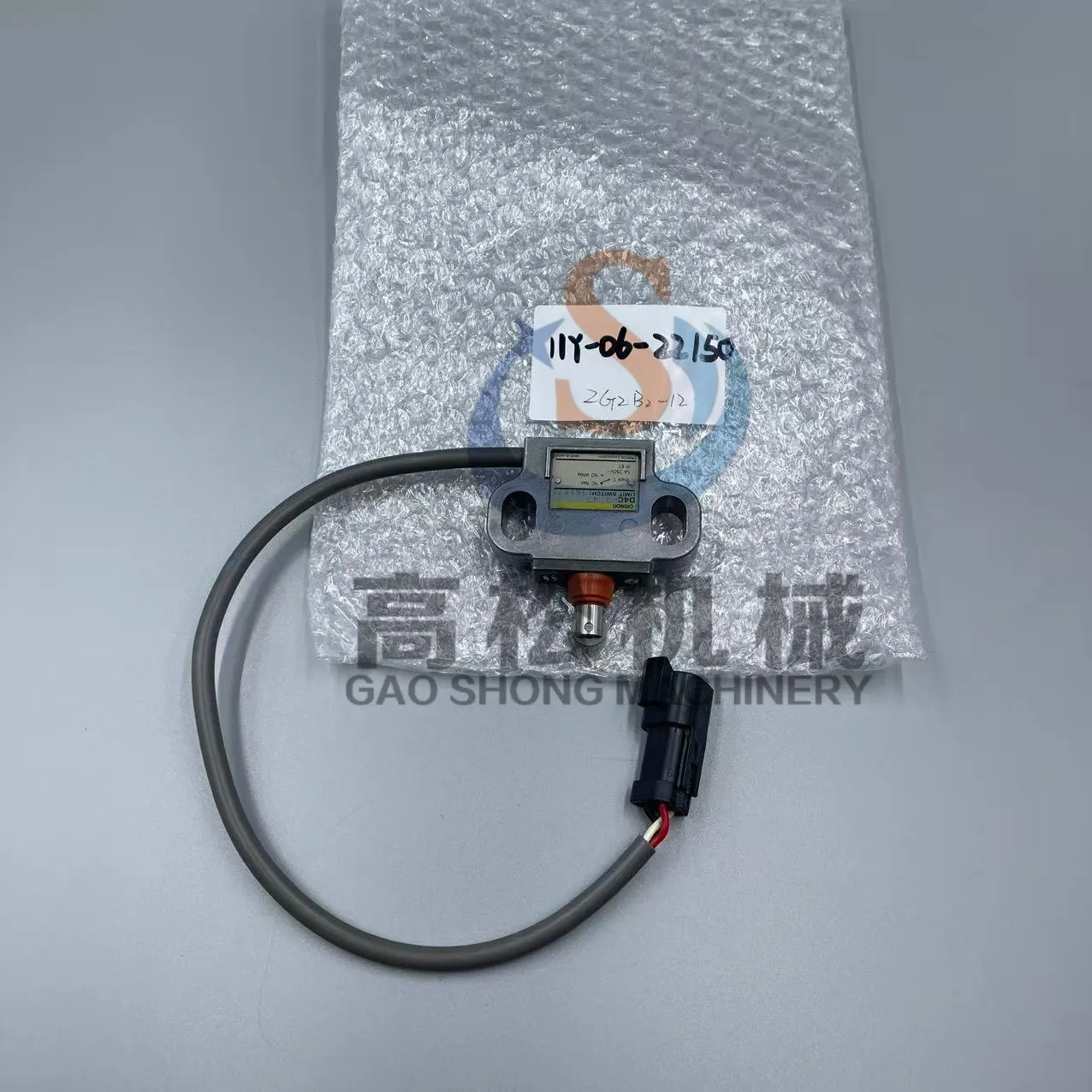 SWITCH 11Y-06-22150 – KOMATSU
 -
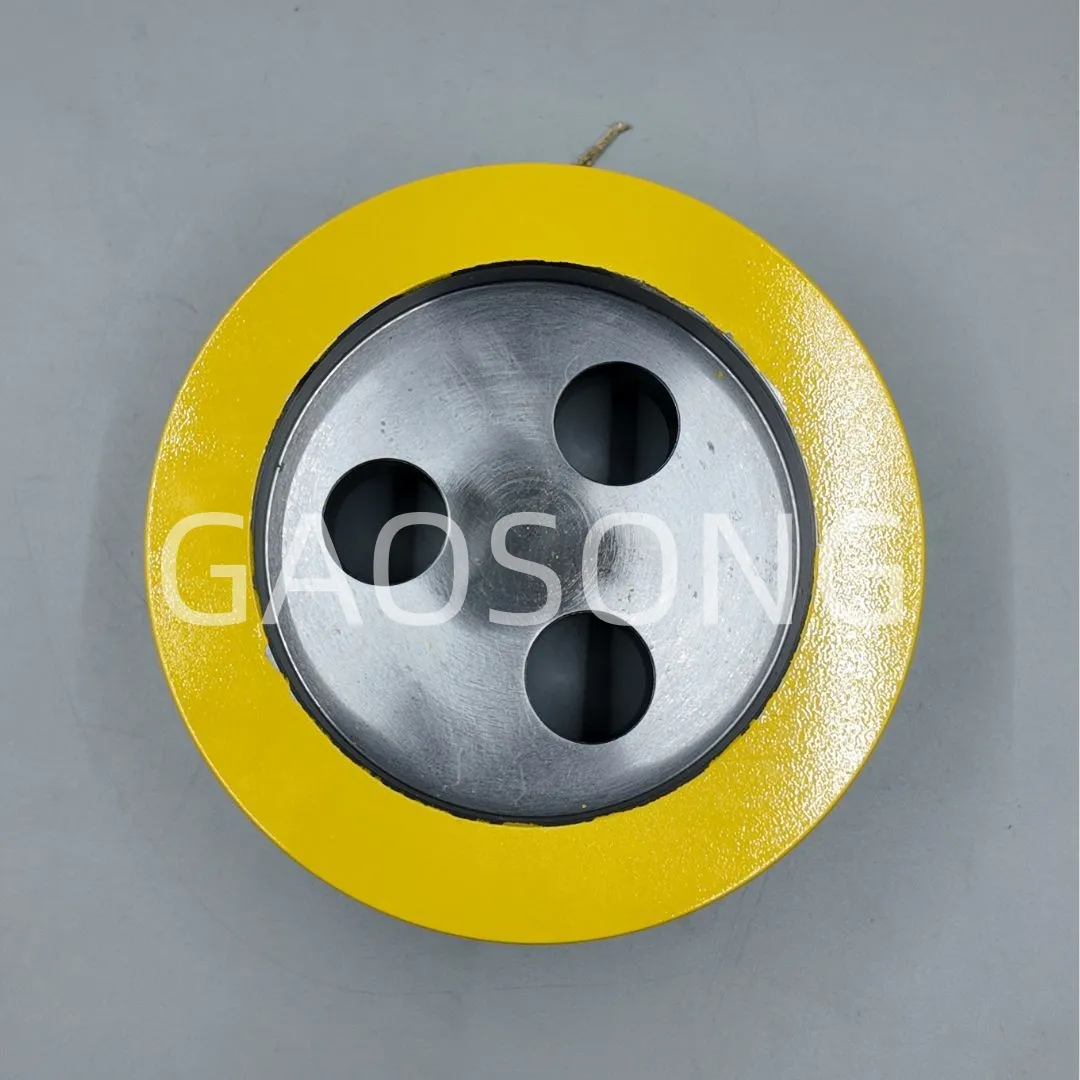 2A8-70-13570 Excavator Arm Bucket Link Cover for PC500-10 PC500-10M0
 -
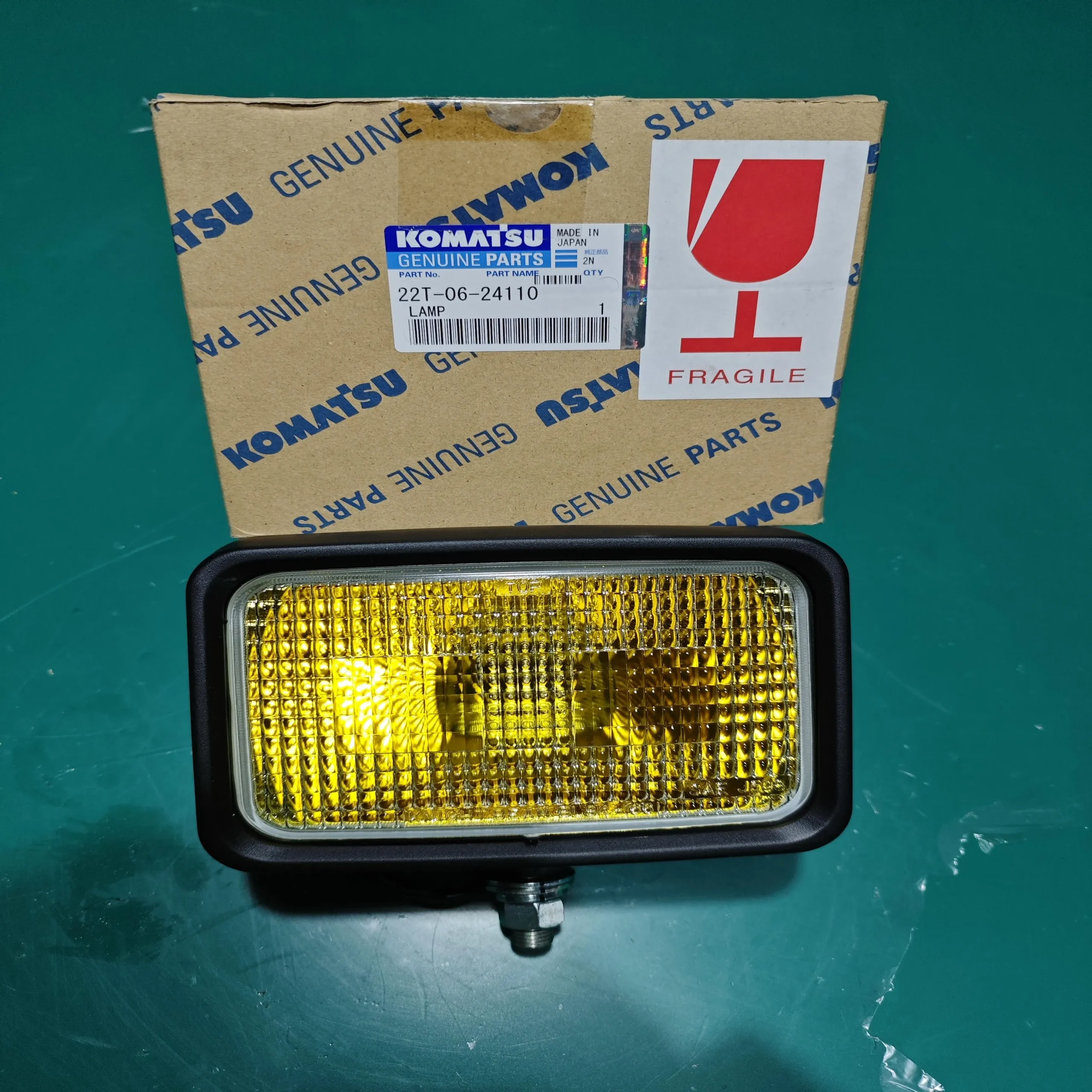 Komatsu HD465/785/HM350/WA155 22T-06-24110 Lamp