
- Chinese
- French
- German
- Portuguese
- Spanish
- Russian
- Japanese
- Korean
- Arabic
- Irish
- Greek
- Turkish
- Italian
- Danish
- Romanian
- Indonesian
- Czech
- Afrikaans
- Swedish
- Polish
- Basque
- Catalan
- Esperanto
- Hindi
- Lao
- Albanian
- Amharic
- Armenian
- Azerbaijani
- Belarusian
- Bengali
- Bosnian
- Bulgarian
- Cebuano
- Chichewa
- Corsican
- Croatian
- Dutch
- Estonian
- Filipino
- Finnish
- Frisian
- Galician
- Georgian
- Gujarati
- Haitian
- Hausa
- Hawaiian
- Hebrew
- Hmong
- Hungarian
- Icelandic
- Igbo
- Javanese
- Kannada
- Kazakh
- Khmer
- Kurdish
- Kyrgyz
- Latin
- Latvian
- Lithuanian
- Luxembou..
- Macedonian
- Malagasy
- Malay
- Malayalam
- Maltese
- Maori
- Marathi
- Mongolian
- Burmese
- Nepali
- Norwegian
- Pashto
- Persian
- Punjabi
- Serbian
- Sesotho
- Sinhala
- Slovak
- Slovenian
- Somali
- Samoan
- Scots Gaelic
- Shona
- Sindhi
- Sundanese
- Swahili
- Tajik
- Tamil
- Telugu
- Thai
- Ukrainian
- Urdu
- Uzbek
- Vietnamese
- Welsh
- Xhosa
- Yiddish
- Yoruba
- Zulu
- Kinyarwanda
- Tatar
- Oriya
- Turkmen
- Uyghur






hydraulic pump komatsu pc200 6
When someone searches for 'hydraulic pump komatsu pc200 6', they're usually in a bind. The machine is down, production's halted, and there's pressure to get it moving. A common pitfall is immediately blaming the main pump for any hydraulic issue—slow cycles, weak force, or overheating. On the PC200-6, it's often not the pump itself but the regulators, the servo pistons, or even a worn swing motor causing back-pressure that trips people up. I've seen too many pumps get sent out for rebuild only for the same problem to return because the diagnosis was rushed.
The Heart of the System and Its Real Failures
The main hydraulic pump on the -6 series is a robust axial piston unit, but its reputation for longevity is a double-edged sword. It leads to complacency. The failure I see most isn't a catastrophic seizure; it's a gradual loss of efficiency. You'll notice the machine just doesn't have the same dig-and-lift power, especially when the hydraulic oil gets hot. Many operators will crank up the pressure relief valve, which is a temporary fix that accelerates wear on every seal and component downstream. The real culprit is often internal leakage past the valve plate or worn piston shoes. You can sometimes confirm this with a flow meter test, comparing pump output against spec at different pressures. The drop-off tells the story.
Here's a specific case: a PC200-6 in a quarry was showing poor arm crowding force. The local mechanic replaced the pump with a rebuilt unit from a general supplier. The problem improved for about 50 hours, then returned. When we got involved, we found the new pump's case drain flow was excessive even at low pressure. The rebuilt unit had used non-Komatsu spec seals and a reground valve plate that couldn't hold tolerance. The lesson? The origin and quality of the replacement part is everything. This is where a specialist supplier makes a difference, like Jining Gaosong Construction Machinery Co., Ltd.. As an entity within the Komatsu system, they understand that a pump isn't just a generic part; it's a matched component. Their role as an OEM product supplier means they have access to the correct specifications and materials, which is critical for something as precision-dependent as a hydraulic pump.
Another nuance is the pump's interaction with the Komatsu CLSS (Closed Center Load Sensing System). The PC200-6 uses this system, and the pump's swashplate is constantly adjusted by a complex network of pilot pressures. If the pump seems lazy, don't just look at the pump. Check the pilot filter first—it's cheap and easy. I've wasted hours tracing pump issues that were solved by a $20 filter change. The load-sensing lines from the control valves back to the pump regulator can also get pinched or clogged, sending the wrong signal and causing the pump to derate itself. It mimics pump failure perfectly.
Sourcing and the Pitfalls of Compatible Parts
The aftermarket for Komatsu parts is flooded with options, and the price range for a PC200-6 hydraulic pump is staggering. The cheapest rebuild kit or replacement pump is almost always a financial trap. The metallurgy of the piston shoes, the hardness of the valve plate, the quality of the bi-metal bearings—these are where cost-cutting happens, and it shows in a matter of weeks. I learned this the hard way early on, trying to save a customer money with a fully compatible pump. It failed within three months, and the resulting contamination took out several hydraulic cylinders with it. The total cost was triple what a proper OEM-spec part would have been.
This is the exact challenge that companies like Jining Gaosong aim to solve. Their website, https://www.takematsumachinery.com, outlines their dual role: an OEM supplier and a third-party sales channel for Komatsu. In practice, this means they can bridge the gap when genuine parts distribution is slow or non-existent in certain regions. For a mine in a remote location waiting on a main pump, this isn't just about convenience; it's about hundreds of thousands in lost revenue. They help solve parts supply challenges by providing a legitimate, specification-correct alternative to the long official pipeline or the risky grey market.
When evaluating a source, I don't just look for a part number match. I ask about the source of the core, the rebuild process, and the test data. A reliable supplier should be able to provide a test sheet showing flow and pressure performance across the operating range. For the PC200-6 pump, pay attention to the flow at 300 bar and the case drain flow spec. If a seller can't or won't provide that, walk away. It's a red flag.
Installation Nuances That Get Overlooked
Putting in a new or rebuilt pump isn't just a swap-out job. The alignment between the pump and the engine gear drive is critical. The PC200-6 uses a splined coupling, and even a slight misalignment will cause vibration and premature wear on the pump shaft seal. I always use an alignment tool, not just my eyes. Another forgotten step is properly pre-filling the pump with clean hydraulic oil before startup. A dry start, even for a few seconds, can score the valve plate. It's a simple act of priming that extends pump life significantly.
Then there's the system flush. If the old pump failed due to metal fatigue or wear, the system will be contaminated with fine metallic particles. Just changing the return filters isn't enough. You need to bypass the main hydraulic system, run a flush loop with high-flow filtration, and clean out the hydraulic tank thoroughly. I've seen new pumps killed in under 100 hours because the installer didn't flush the cooler lines, which are a major debris trap.
Also, remember to reset the system. After a new pump is installed, the pump compensator and system relief pressures need to be set according to the service manual with proper gauges. Don't rely on the factory setting of the rebuilt unit. Environmental conditions and machine history affect the entire circuit. Setting the pressure too high stresses hoses and valves; too low, and the machine is a dog. It's a balance.
When It's Not the Pump at All
A significant portion of bad pump diagnoses are wrong. The PC200-6's hydraulic system is interactive. A failing swing motor or a leaking travel motor case drain can overload the main pump, causing it to overheat and lose performance. Similarly, a stuck or malfunctioning main control valve spool can create constant high-pressure demand, making the pump work harder and appear faulty. I keep a set of pressure gauges and flow meters on my service truck specifically to isolate these issues. You test pump output independently before condemning it.
One memorable troubleshooting session involved a machine with intermittent weak digging force. The pump tested fine. After days of checking, we found a hairline crack in the main relief valve body on the control valve stack. It was only leaking under high temperature and specific pressure, bleeding off flow. The symptom pointed directly to the pump, but the root cause was meters away. It teaches you to trust your diagnostics, not just the symptoms.
This is where deep product knowledge pays off. Understanding the entire Komatsu system, not just a single component, allows for accurate diagnosis. Suppliers who are embedded in that ecosystem, like the mentioned Jining Gaosong Construction Machinery Co., Ltd., tend to have this broader perspective. They're not just selling a pump; they're providing a component for a system they understand intimately, which often translates into better technical support and correct part matching.
Long-Term Health and Concluding Thoughts
The longevity of a hydraulic pump on a PC200-6 ultimately hinges on maintenance culture. Regular oil analysis is the best early warning system. It can detect increasing levels of silicon (dirt), copper (from bushings), or iron (from wear) long before performance drops. Changing the hydraulic oil and filters on strict intervals, using the correct Komatsu-approved oil, and keeping the system clean are more important than any repair.
In the end, dealing with a Komatsu PC200-6 hydraulic pump issue is a test of patience and process. Jumping to conclusions is expensive. Start with the simple, cheap checks—filters, pilot pressure, electrical signals to the proportional valves. Isolate the pump's performance with gauges. Only then should you consider removal. And when you do source a replacement, prioritize quality and provenance over price and speed. The machine's productivity for the next 10,000 hours depends on that decision.
The market has players who facilitate this sensible approach by offering OEM-level parts outside the direct channel. For professionals in regions with supply chain gaps, leveraging a resource that operates as an OEM product supplier within the Komatsu system can be the difference between a reliable fix and a recurring nightmare. It turns a critical component replacement from a gamble into a calculated, reliable repair.
Related Products
Related Products

Best Selling Products
Best Selling Products-
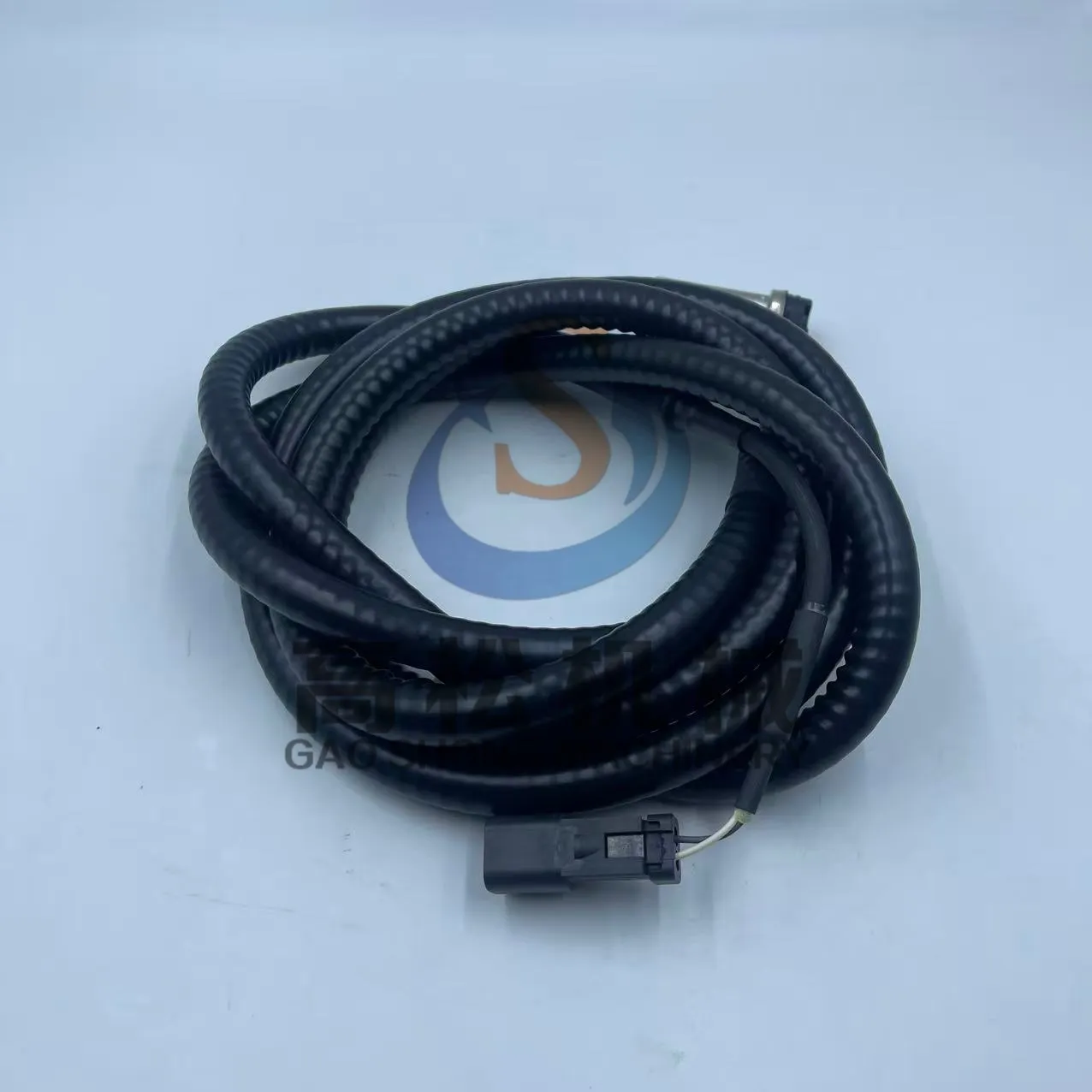 566-88-66143 – KOMATSU SENSOR
 -
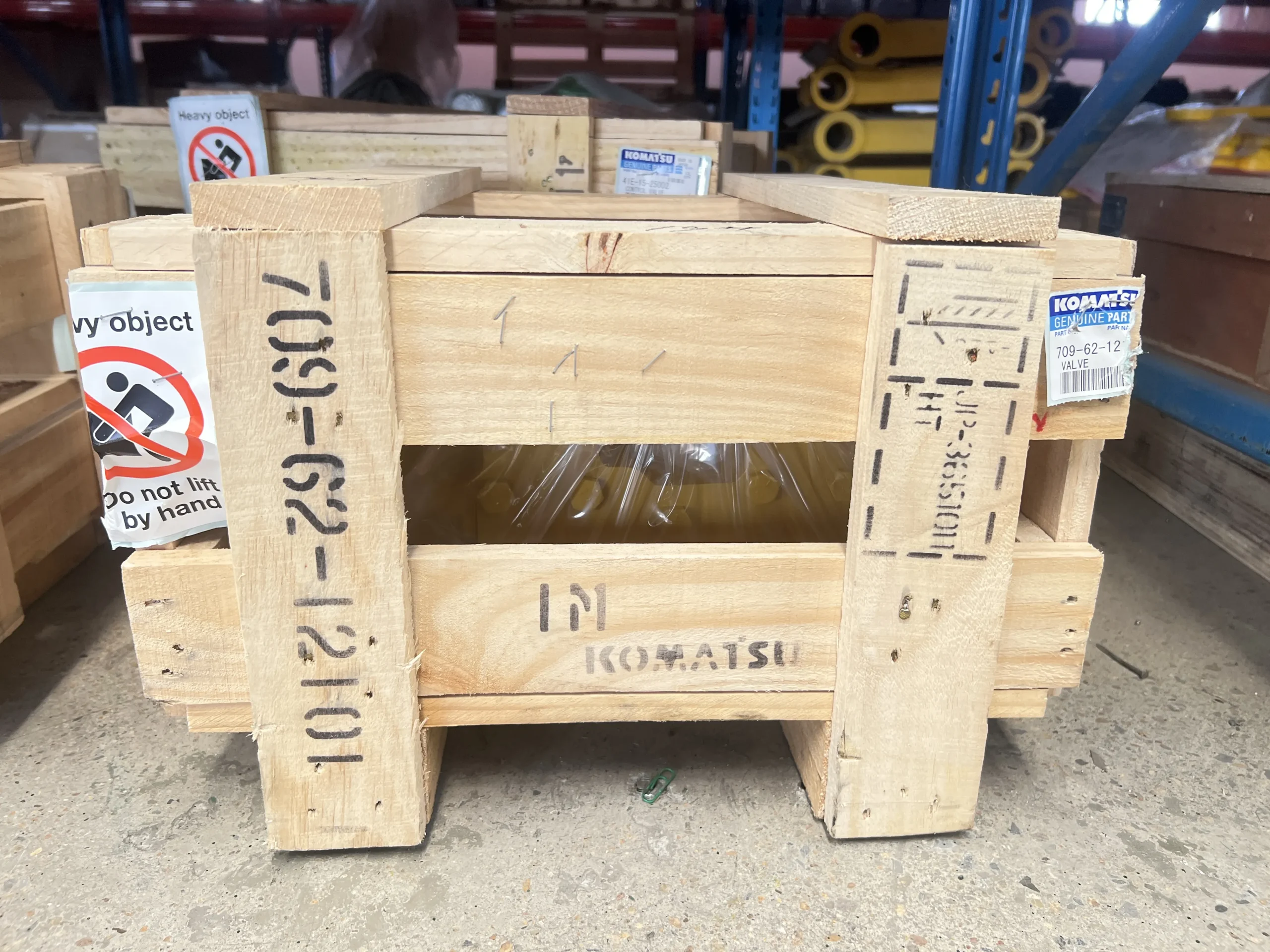 D375A-5E0 Valve Assembly 709-62-12101
 -
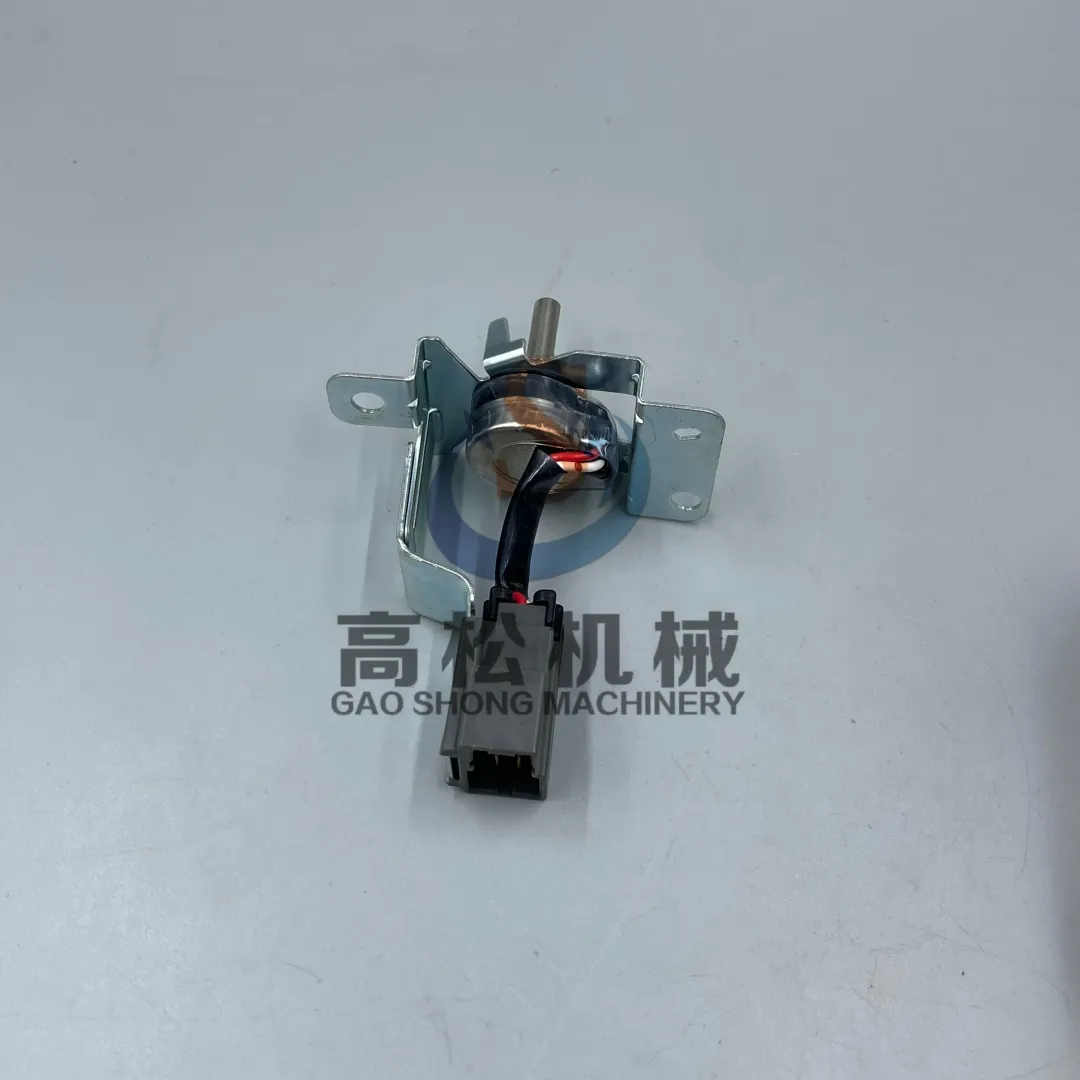 Komatsu original throttle knob 21T-26-11270 stop washer
 -
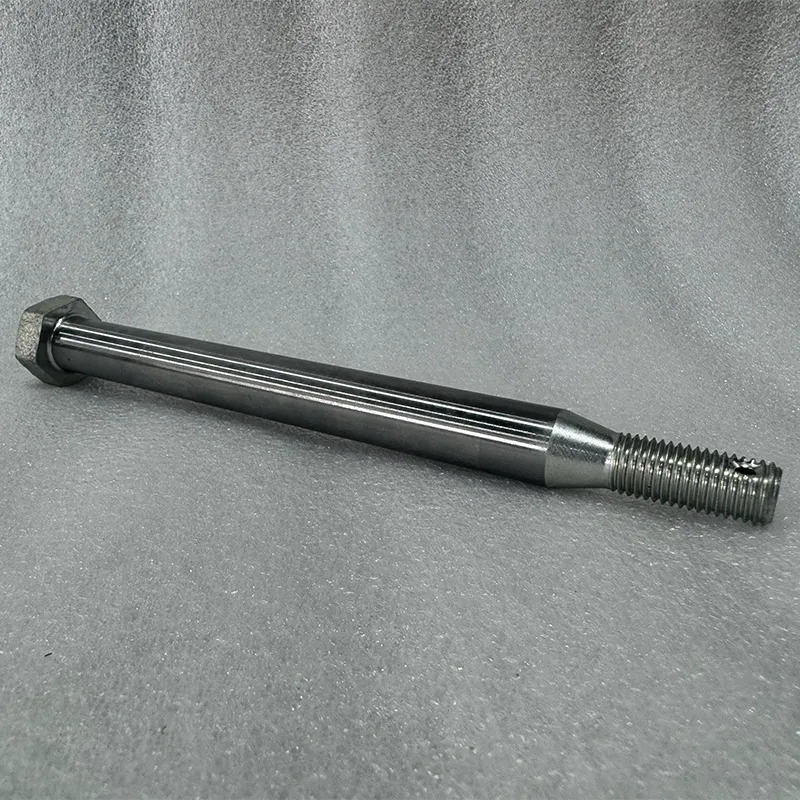 Original komatsu GD825A-2 Bolt 235-27-11360
 -
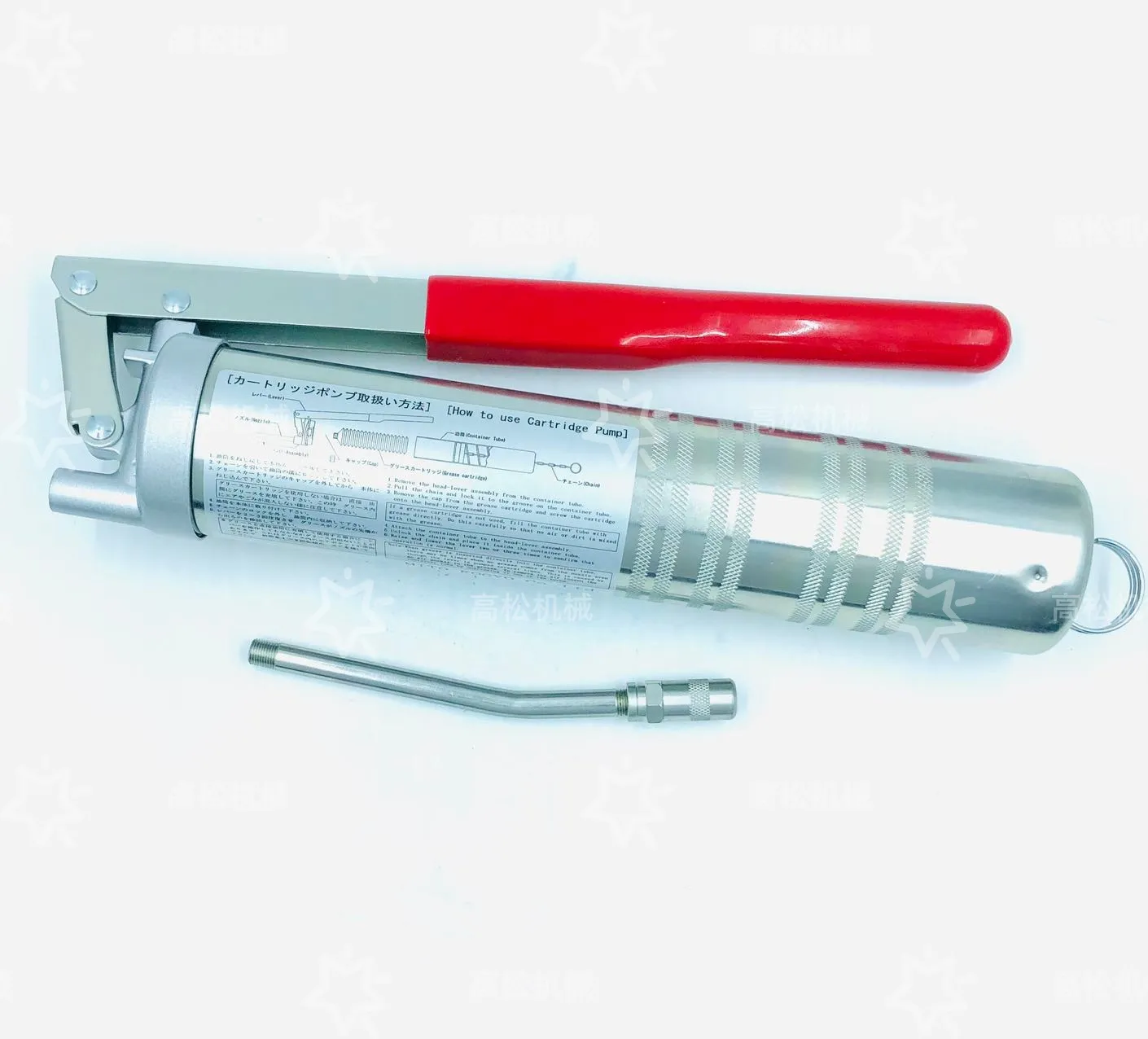 HM400 GREASE PUMP 07952-70014 07952-70004 For Komatsu Original
 -
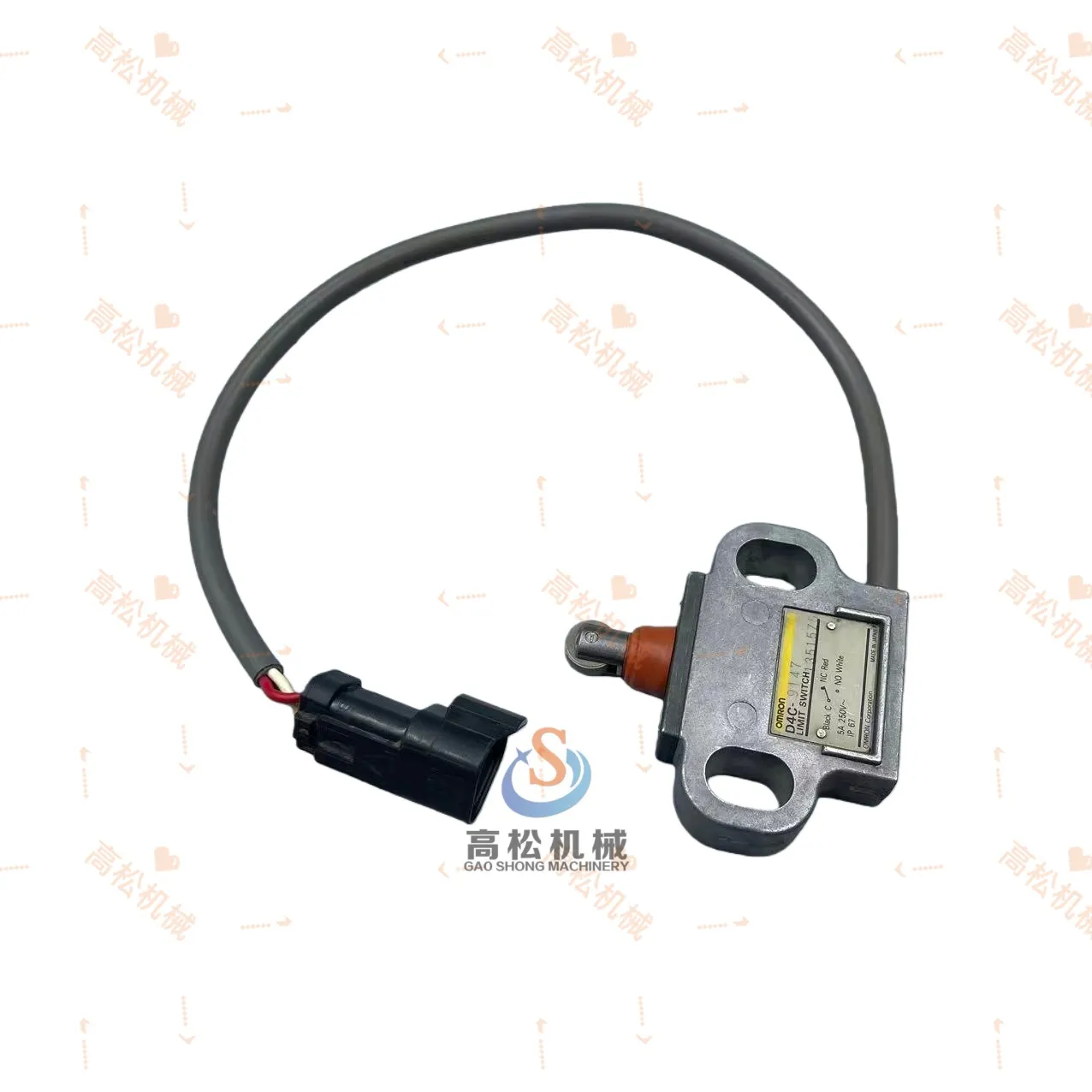 11Y-06-22150 SWITCH D31PX-21A S/N 50501-UP CENTER FLOOR Komatsu – 14X-06-12160, SWITCH
 -
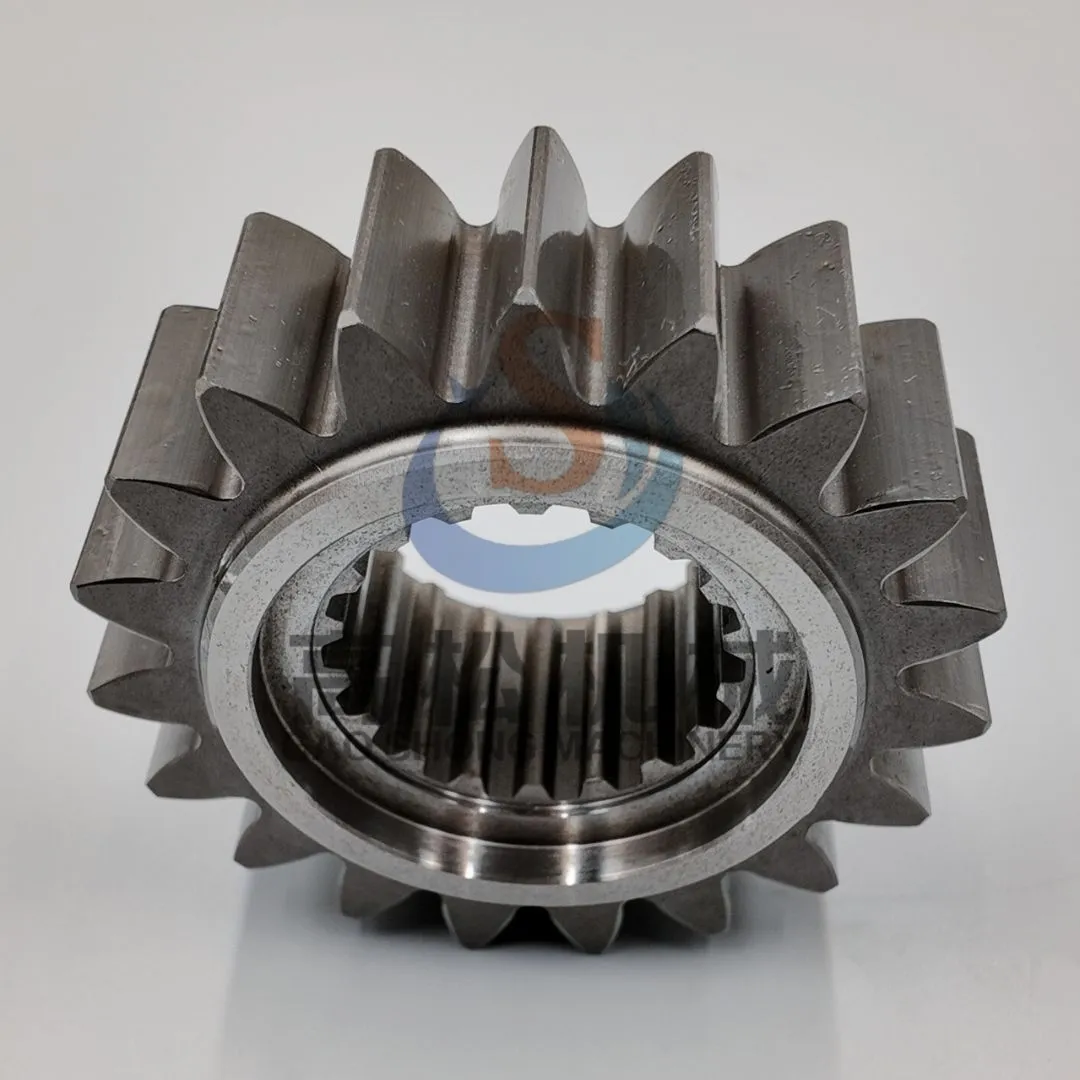 GEAR 207-26-71510 – KOMATSU
 -
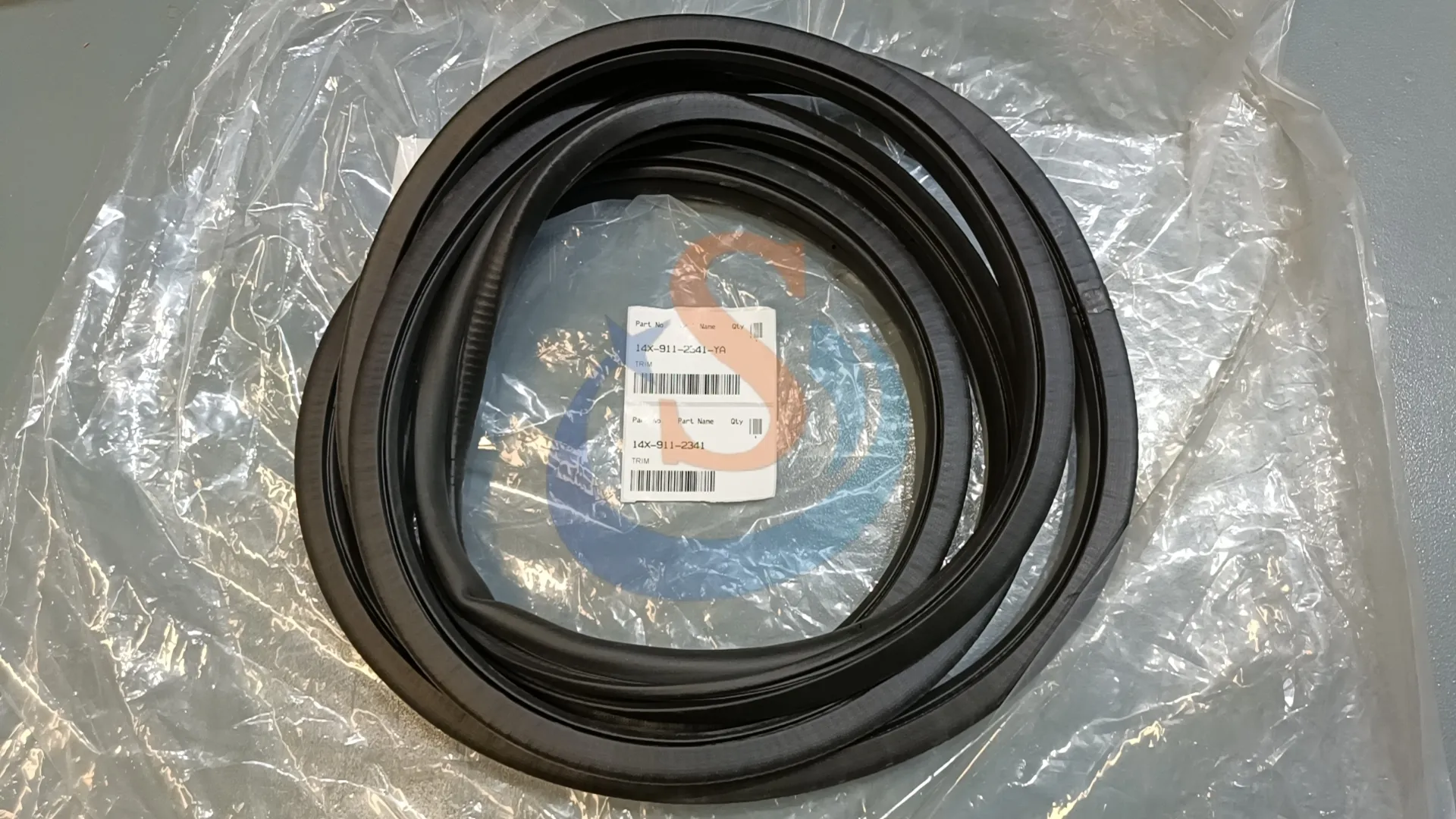 14X-911-2341,TRIM,D155A,D375A,D61EX
 -
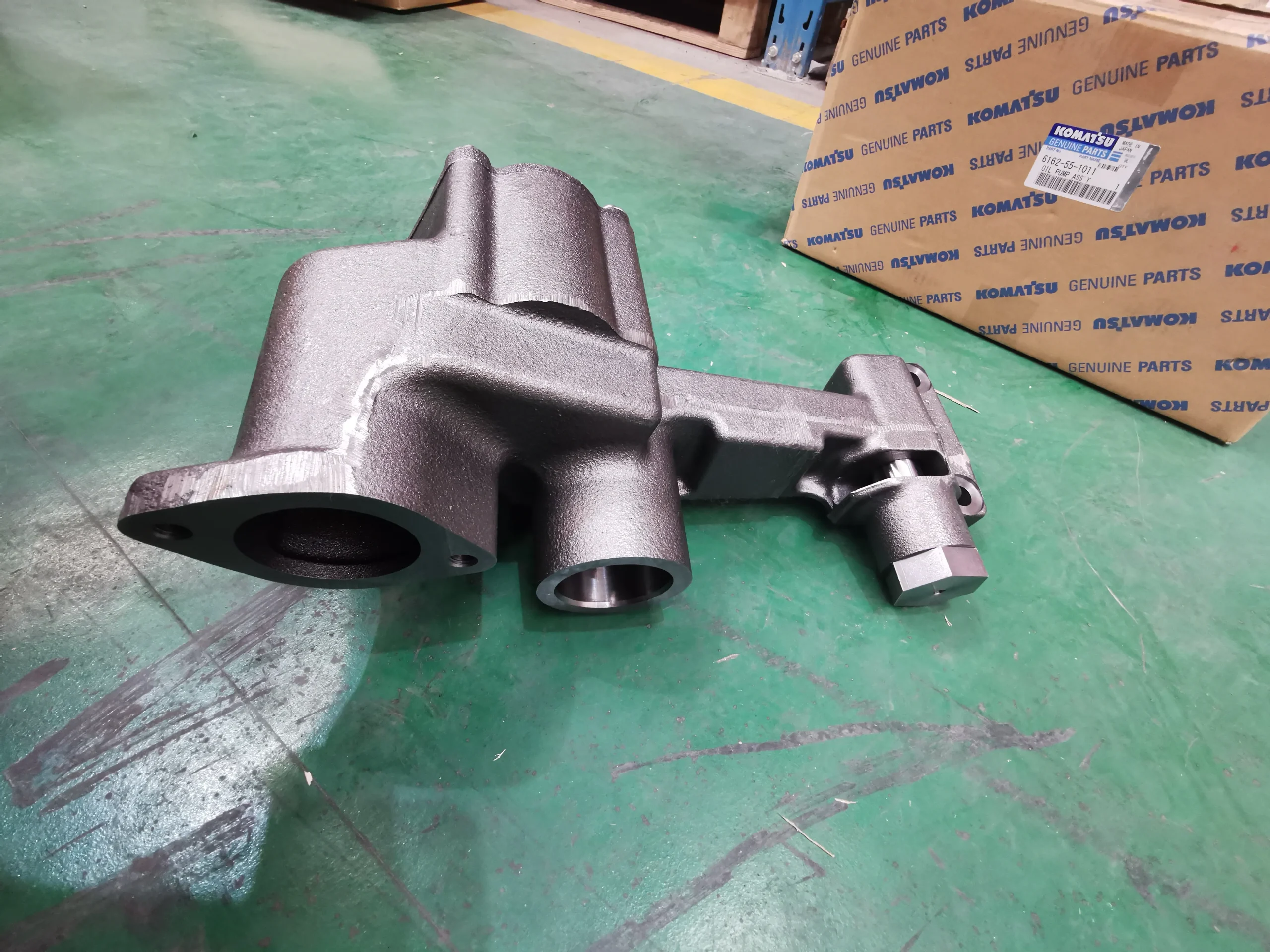 Supply Komatsu S6D170E-2A Oil Pump 6162-55-1011
 -
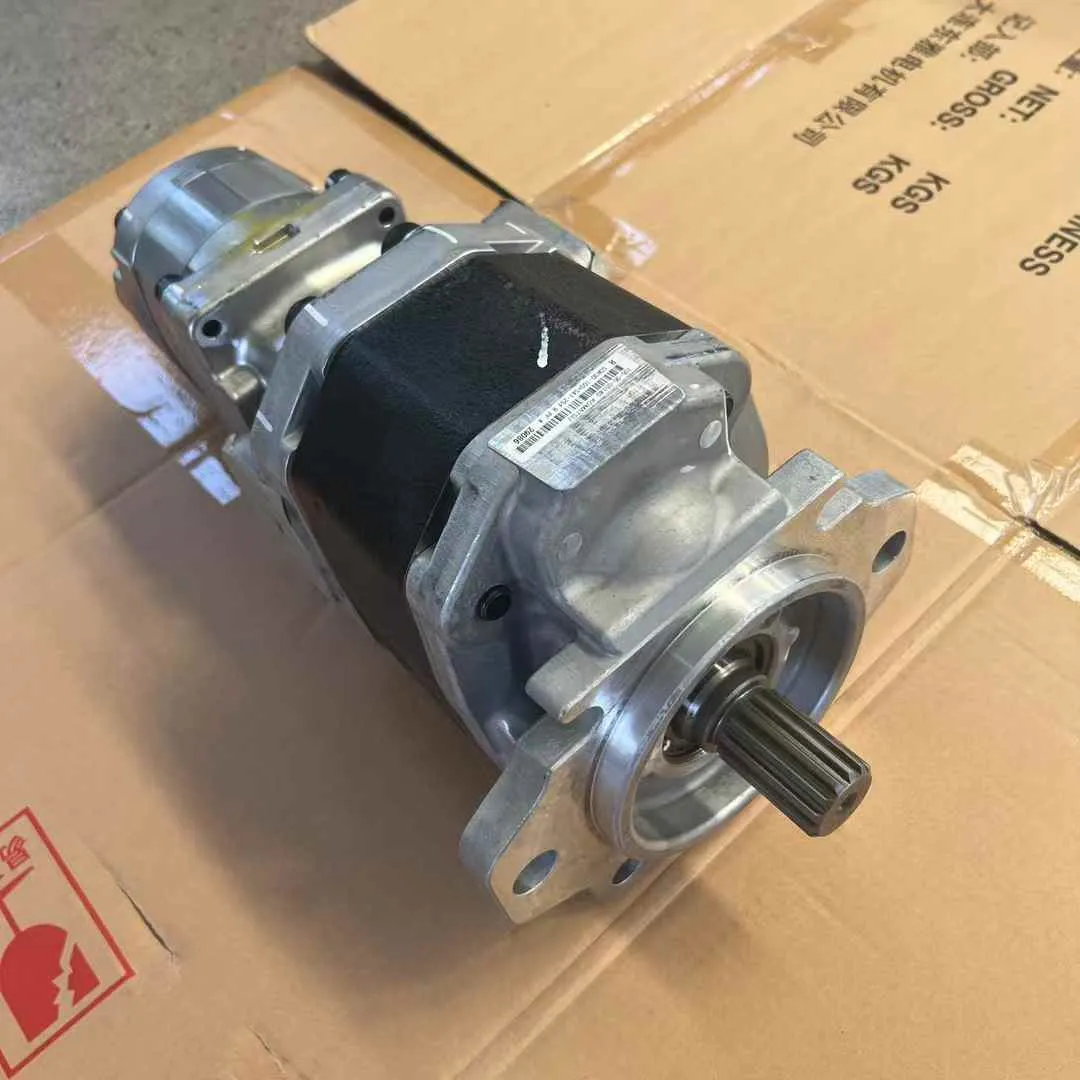 705-95-05140 HydraulicPump
 -
 Komatsu original D155A-3 Valve Assembly 17A-49-21100
 -
 Komatsu21T-04-31170 Cap Assembly