
- Chinese
- French
- German
- Portuguese
- Spanish
- Russian
- Japanese
- Korean
- Arabic
- Irish
- Greek
- Turkish
- Italian
- Danish
- Romanian
- Indonesian
- Czech
- Afrikaans
- Swedish
- Polish
- Basque
- Catalan
- Esperanto
- Hindi
- Lao
- Albanian
- Amharic
- Armenian
- Azerbaijani
- Belarusian
- Bengali
- Bosnian
- Bulgarian
- Cebuano
- Chichewa
- Corsican
- Croatian
- Dutch
- Estonian
- Filipino
- Finnish
- Frisian
- Galician
- Georgian
- Gujarati
- Haitian
- Hausa
- Hawaiian
- Hebrew
- Hmong
- Hungarian
- Icelandic
- Igbo
- Javanese
- Kannada
- Kazakh
- Khmer
- Kurdish
- Kyrgyz
- Latin
- Latvian
- Lithuanian
- Luxembou..
- Macedonian
- Malagasy
- Malay
- Malayalam
- Maltese
- Maori
- Marathi
- Mongolian
- Burmese
- Nepali
- Norwegian
- Pashto
- Persian
- Punjabi
- Serbian
- Sesotho
- Sinhala
- Slovak
- Slovenian
- Somali
- Samoan
- Scots Gaelic
- Shona
- Sindhi
- Sundanese
- Swahili
- Tajik
- Tamil
- Telugu
- Thai
- Ukrainian
- Urdu
- Uzbek
- Vietnamese
- Welsh
- Xhosa
- Yiddish
- Yoruba
- Zulu
- Kinyarwanda
- Tatar
- Oriya
- Turkmen
- Uyghur






hydraulic pump komatsu
When someone types in 'hydraulic pump Komatsu', they're usually in a bind. Machine's down, pressure's gone, and the clock's ticking. The immediate instinct is to chase the exact part number from the OEM catalog. That's logical, but in the real world, especially in markets outside Japan or North America, that logic hits a wall. Availability. Cost. Lead time. I've seen too many projects stall for weeks because the site manager insisted on the genuine pump assembly, when a qualified rebuild or a system-approved alternative from a partner like Jining Gaosong Construction Machinery Co., Ltd. would have had the excavator running in three days. Their role, as an OEM product supplier within the Komatsu system and a third-party sales channel, speaks directly to this gap. It's not about circumventing Komatsu; it's about pragmatic supply chain solutions for the field.
The Core Misconception: Genuine vs. Compatible
There's a sacred cow that needs tipping. The term genuine often gets conflated with only the part that comes directly from Komatsu's main factory. In reality, Komatsu's manufacturing ecosystem includes a network of certified suppliers who produce components to their exacting specifications. A company operating as an OEM product supplier within the Komatsu system is part of that ecosystem. The pump body, the gears, the tolerances—they're built to the same prints. The difference might be the packaging and the distribution path. I've cross-sectioned pumps from the main line and from such system suppliers. Under a micrometer, the story is the same.
Where the confusion—and risk—comes in is with the flood of purely aftermarket clones. Those are a gamble. The failure point is rarely the pump itself initially; it's the contamination it introduces or its slightly off-spec performance that cooks the valve block or the main control valve downstream. The key is traceability and certification, not just the logo on the box.
This is where a resource like takematsumachinery.com becomes a tool, not just a storefront. Their positioning implies access to that system-level quality, but with a focus on solving supply challenges. You're not just buying a part; you're buying a node in a functional supply chain.
Failure Patterns You Only Learn by Getting Dirty
Let's talk about specific Komatsu pump failures. On the older PC200-6/7/8 series, the main hydraulic pump (like the HPV series) often doesn't die a sudden death. It gives warnings. A gradual loss of power in simultaneous functions—boom and swing, for instance. Most mechanics jump to pressure checks, which is right. But the subtle sign is the noise. A worn-out pump doesn't always scream; on these models, it develops a high-frequency whine under load that's distinct from the normal gear whirr. It's a bearing or swashplate wear issue starting.
Another classic is on the PC300/400 class machines. The charge pump, the little guy feeding the main pump, fails more often than people think. Symptoms mimic main pump failure: slow cycling, overheating. I've replaced a main pump only to have the same problem because the charge pump was cavitated. Now, when we source a main unit, we often ask about the charge pump as a pair from our suppliers. It's a question that separates parts clerks from people who understand machine systems.
This is the value of a supplier who understands the system. They might look at your model and failure mode and suggest, Check the servo piston on that pump before you replace the whole thing. We have the seal kit if that's it. That saves a customer $15k. That's operational knowledge baked into the supply function.
The Rebuild vs. Replace Calculus
This is a daily judgment call. A new hydraulic pump Komatsu assembly is a major capital expense. A rebuild is cheaper, but is it right? The rule of thumb used to be: if the housing is scored or the shaft is worn, replace. If it's just internal component wear (piston shoes, swashplate, bearings), rebuild. But it's messier than that.
We tried a budget rebuild on a PC360LC-8 pump. Used a generic kit, not Komatsu-spec. It ran for about 400 hours. Failed catastrophically, sending metal throughout the entire hydraulic system. The total bill—flushing, replacing the pump, the valves, several cylinders—was triple a proper rebuild or a system-approved replacement. That was a hard lesson. Now, if the machine is critical and expected to run another 10,000 hours, we lean towards a new or certified-remanufactured unit from a trusted source. For a secondary machine or a short-term project, a high-spec rebuild with documented components is the play.
This is precisely the niche for a company like Jining Gaosong. They can offer the spectrum: the new system-OEM unit, a certified reman, or even the correct rebuild kit. Their value is in presenting the options clearly, with the right technical backup so you can make the cost-effective decision that isn't a future time bomb.
On-the-Ground Supply Challenges
The website says they help solve parts supply challenges in certain countries. I've lived this. In parts of Southeast Asia or Africa, getting that genuine pump from the official distributor can be a 12-week promise with no guarantee. Production stops. So you adapt. You develop parallel supply lines.
A reliable third-party channel within the Komatsu ecosystem becomes your lifeline. It's not about being cheap; it's about being operational. You need a supplier who can get the part on a plane with the correct customs paperwork pre-cleared. It's logistics prowess as much as technical knowledge. When I see a supplier highlight that they address these challenges, I'm listening. It means they've navigated the ports, the duties, the urgent requests. They understand that a pump isn't just a SKU; it's a critical path item for a project.
We once had a PC450-8 pump fail in a remote location. The local Komatsu dealer quoted 8 weeks. We found a system supplier with a hub in Singapore who had it air-freighted to the capital, and a local partner got it to site in 10 days. The machine serial number was documented, the pump was a match, and it's still running today. That's solving a challenge.
Final Take: It's About System Integrity
So, circling back to the search term hydraulic pump Komatsu. It's a search for a solution, not just a part. The goal is to restore the machine's system integrity to its designed performance, within a realistic timeframe and budget.
That requires a supplier who grasps the technical nuances—the failure modes, the model-specific quirks, the rebuild thresholds. It also requires one who operates in the real world of global logistics and urgent downtime. A company functioning as an OEM supplier and a third-party sales company, like Jining Gaosong, is structurally set up to bridge that gap. They can provide the system-assured component and the agile delivery.
The professional's move isn't to just order the first hit on a search. It's to identify suppliers who embed technical and logistical competence into their service. You evaluate their documentation, their willingness to discuss failure analysis, their clarity on origin and specifications. Then, that search term transforms from a panic into a managed procurement process. The machine gets back to work, which is, after all, the only metric that truly matters.
Related Products
Related Products

Best Selling Products
Best Selling Products-
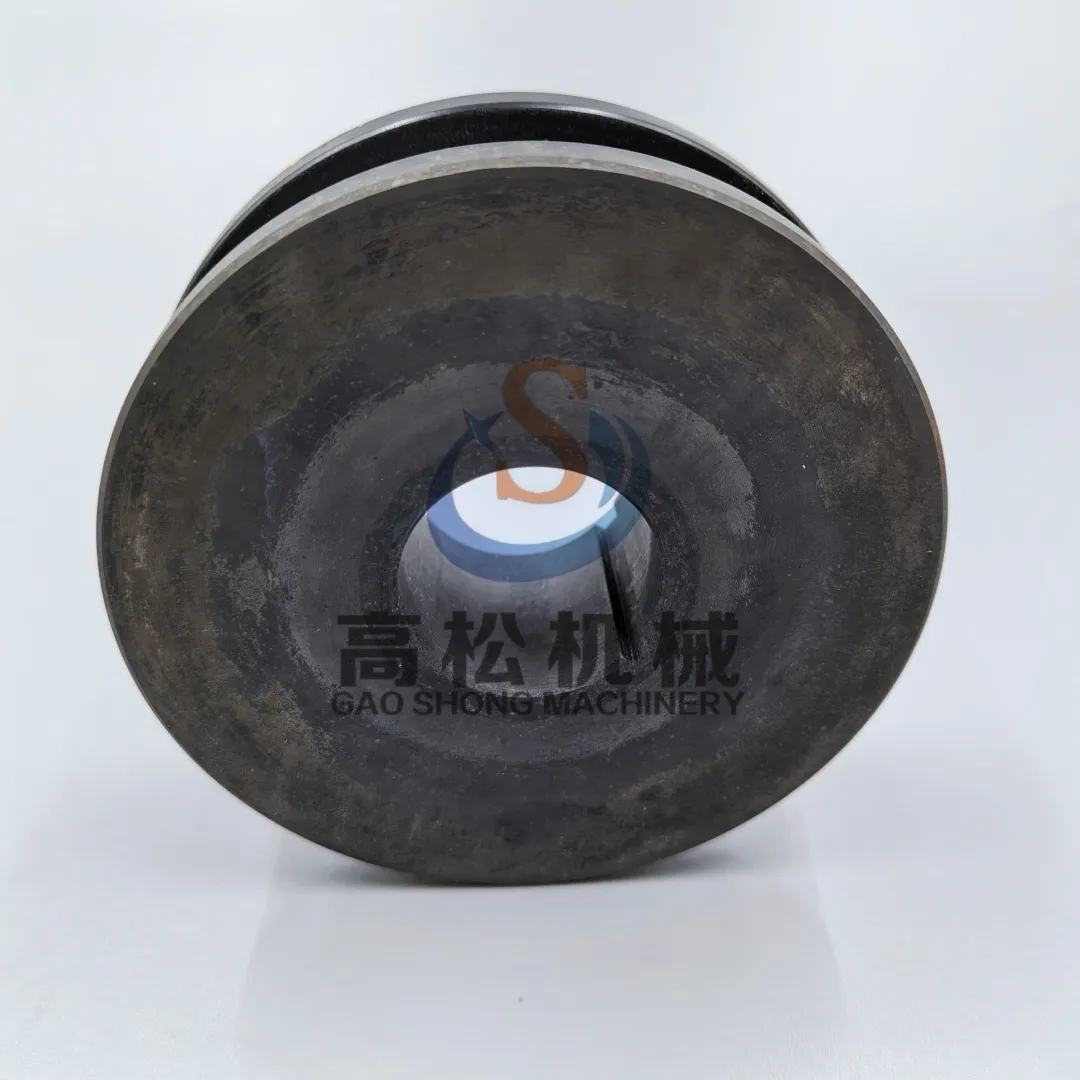 KD0-35411-0854 Komatsu pulley Compatible with model Hd785
 -
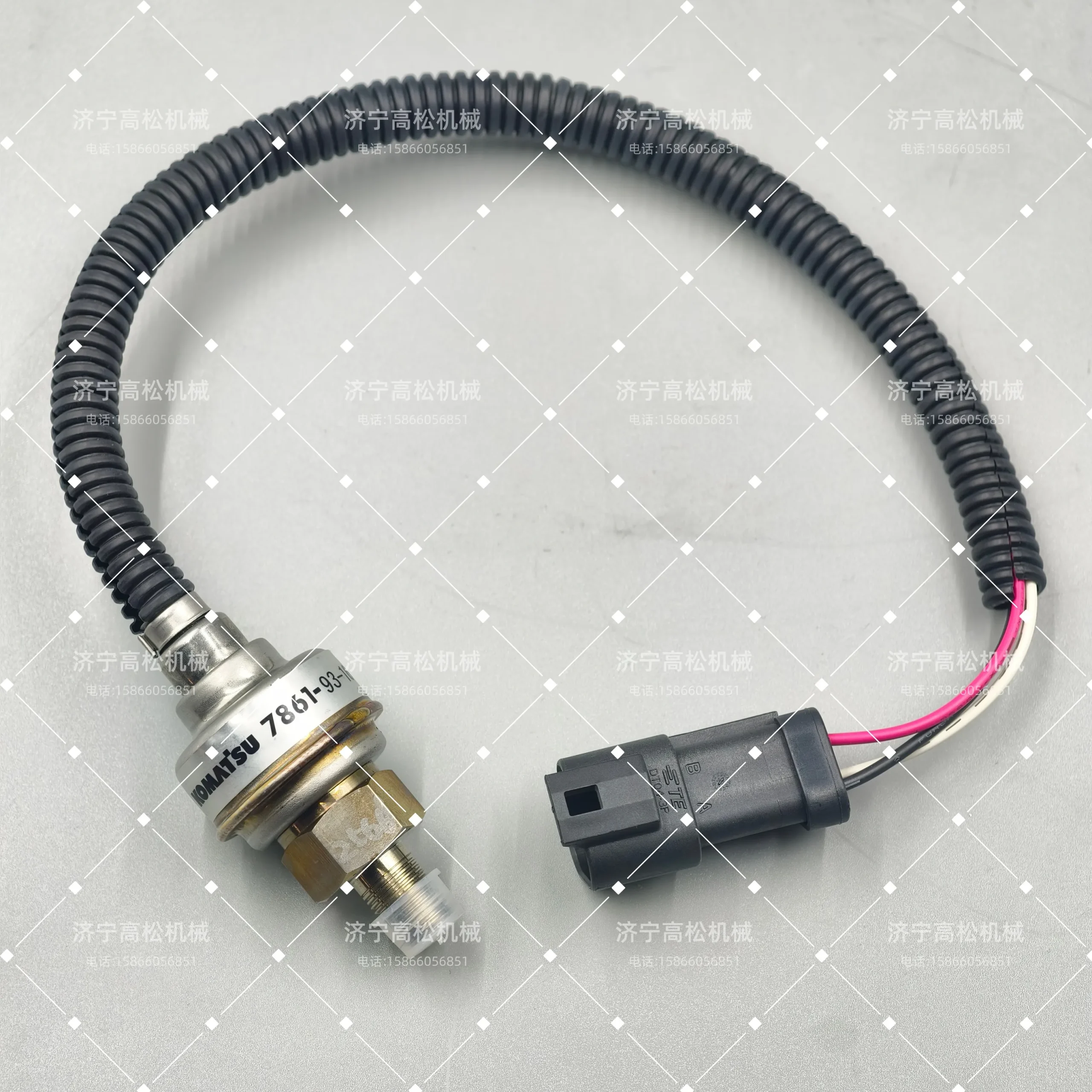
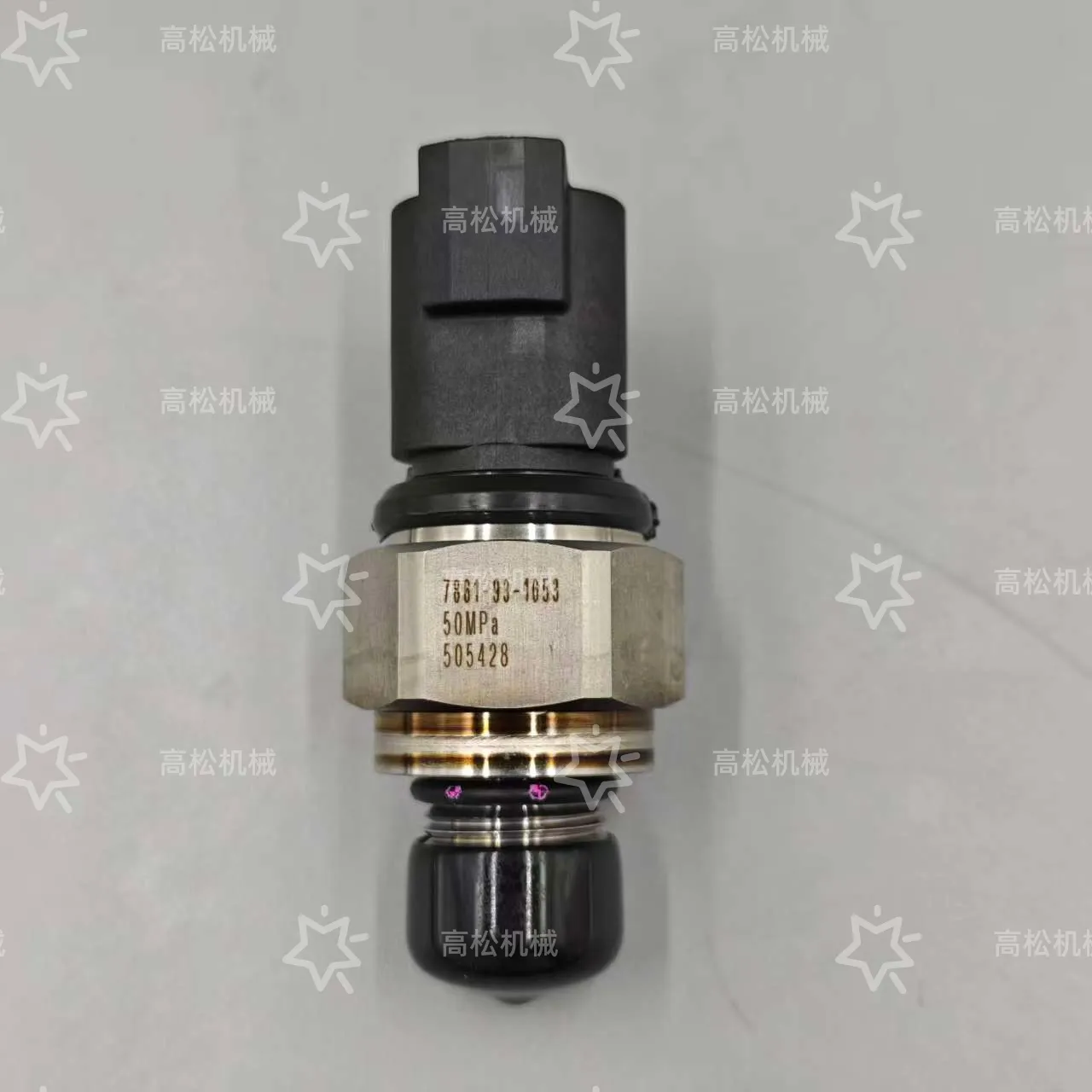 7861-93-1653 7861-93-1652 7861-93-1650 HYDRAULIC PUMP SENSOR for PC300-7
 -
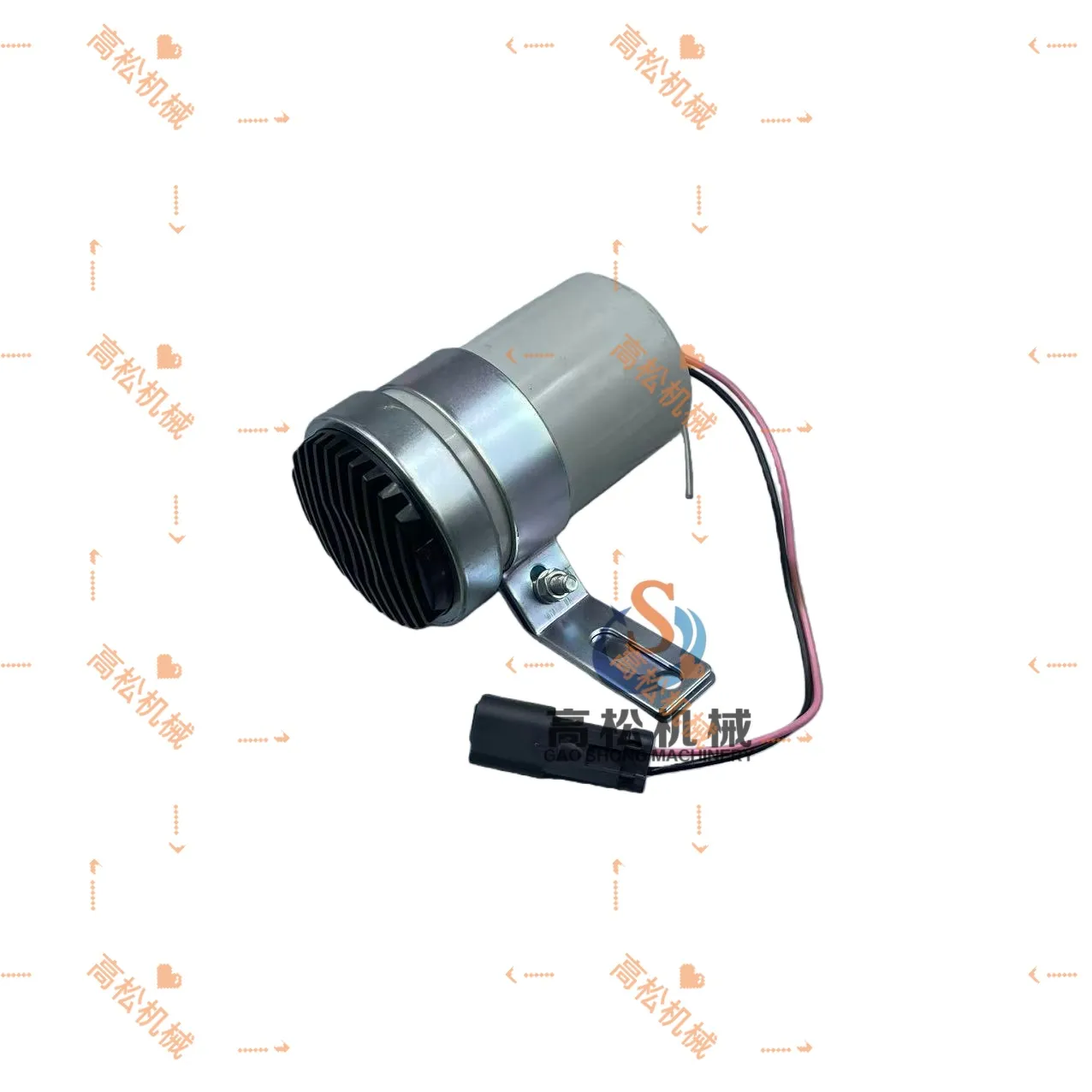 198-06-56570 BUZZER KOMATSU parts D155AX, D275A, D275AX, D375A, D475A, D475ASD, D85EX, D85MS, D85PX, DRAWBAR
 -
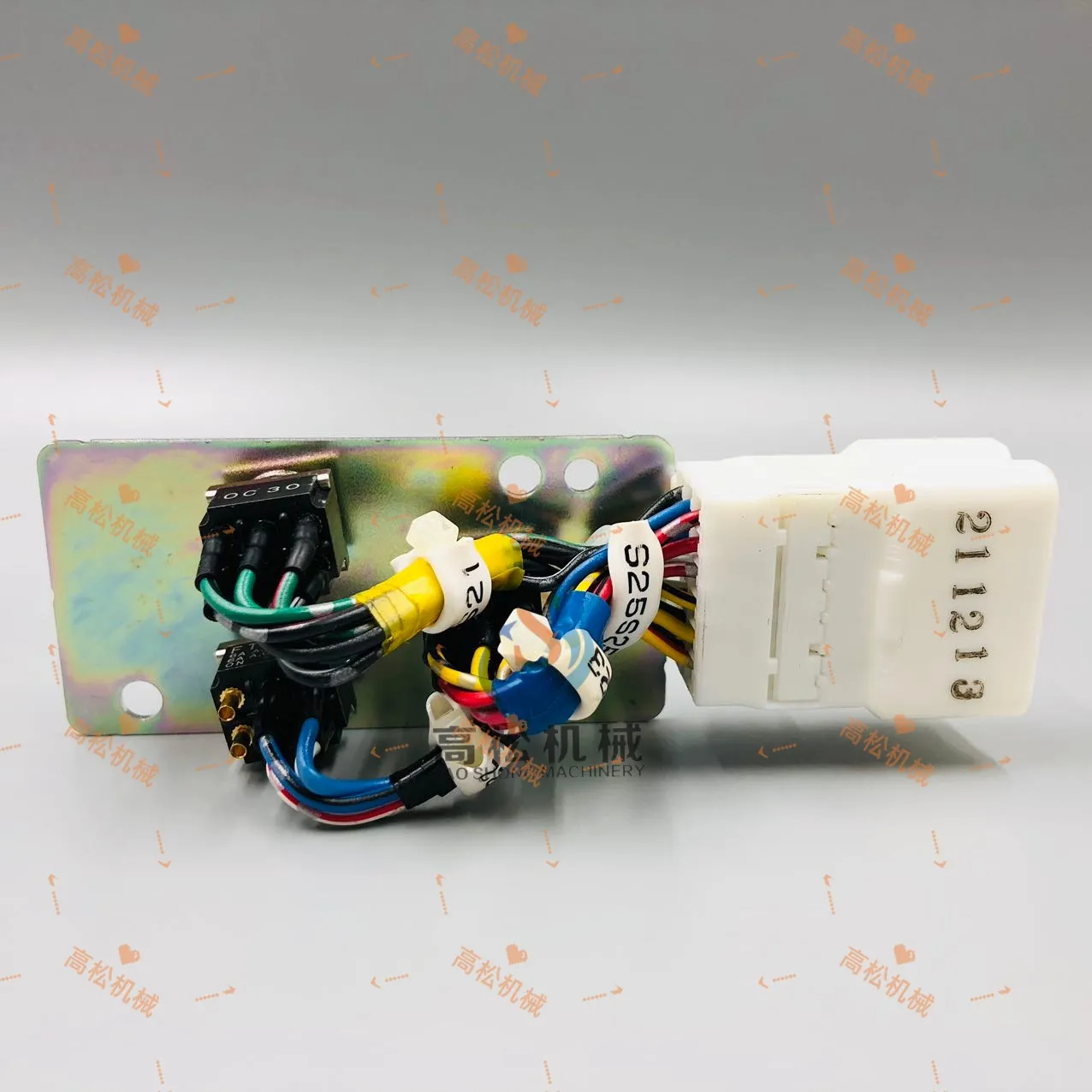 22u-06-22370 Komatsu PC228us-3 SWITCH ASS’Y submit for PC200LL, PC220LL, PC228, PC228US, PC270, PC270LL, PC300, PC300HD, PC300L, PC340, PC350, PC380
 -
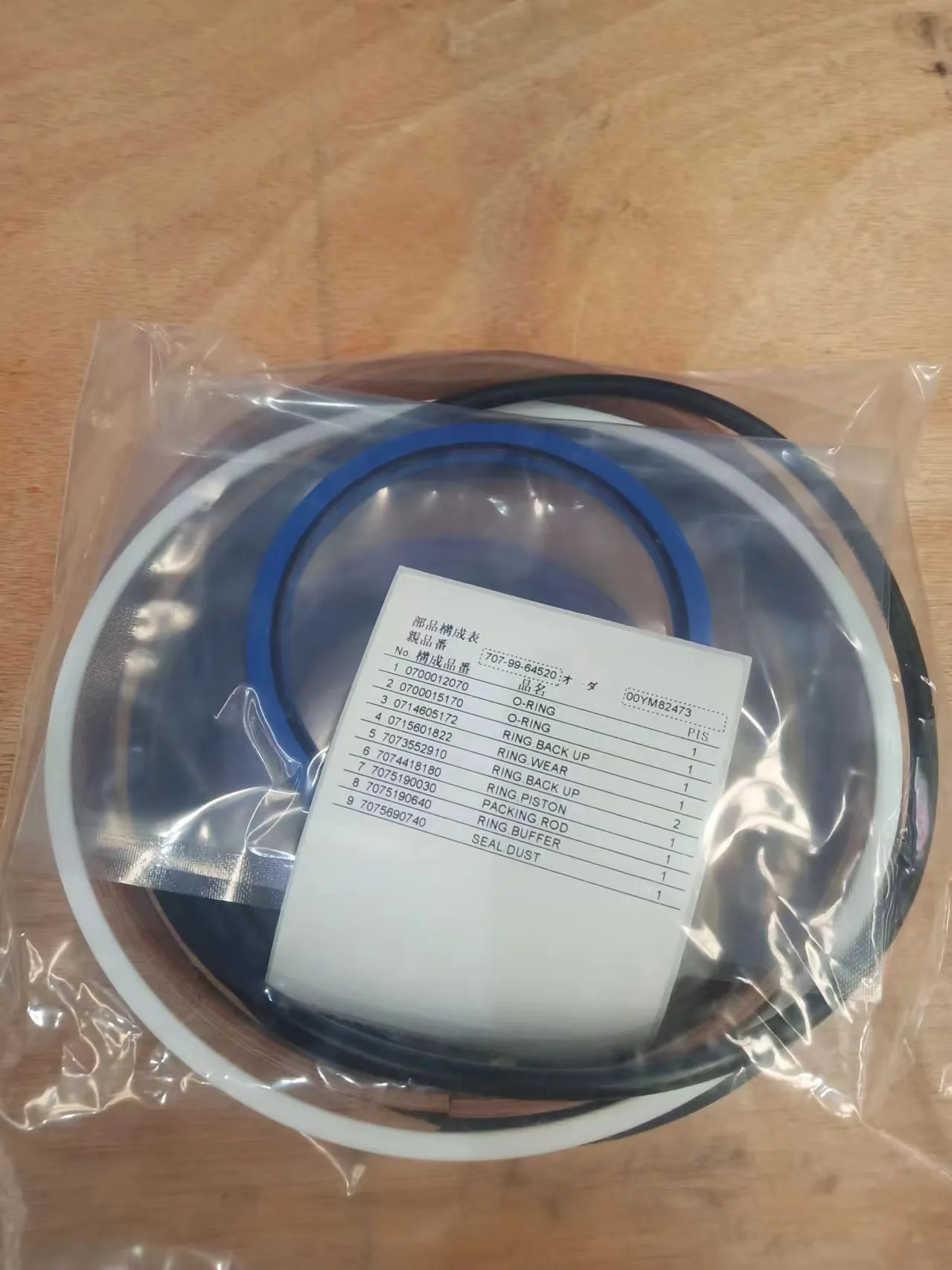 WA380-3 Repair Kit 707-99-64520
 -
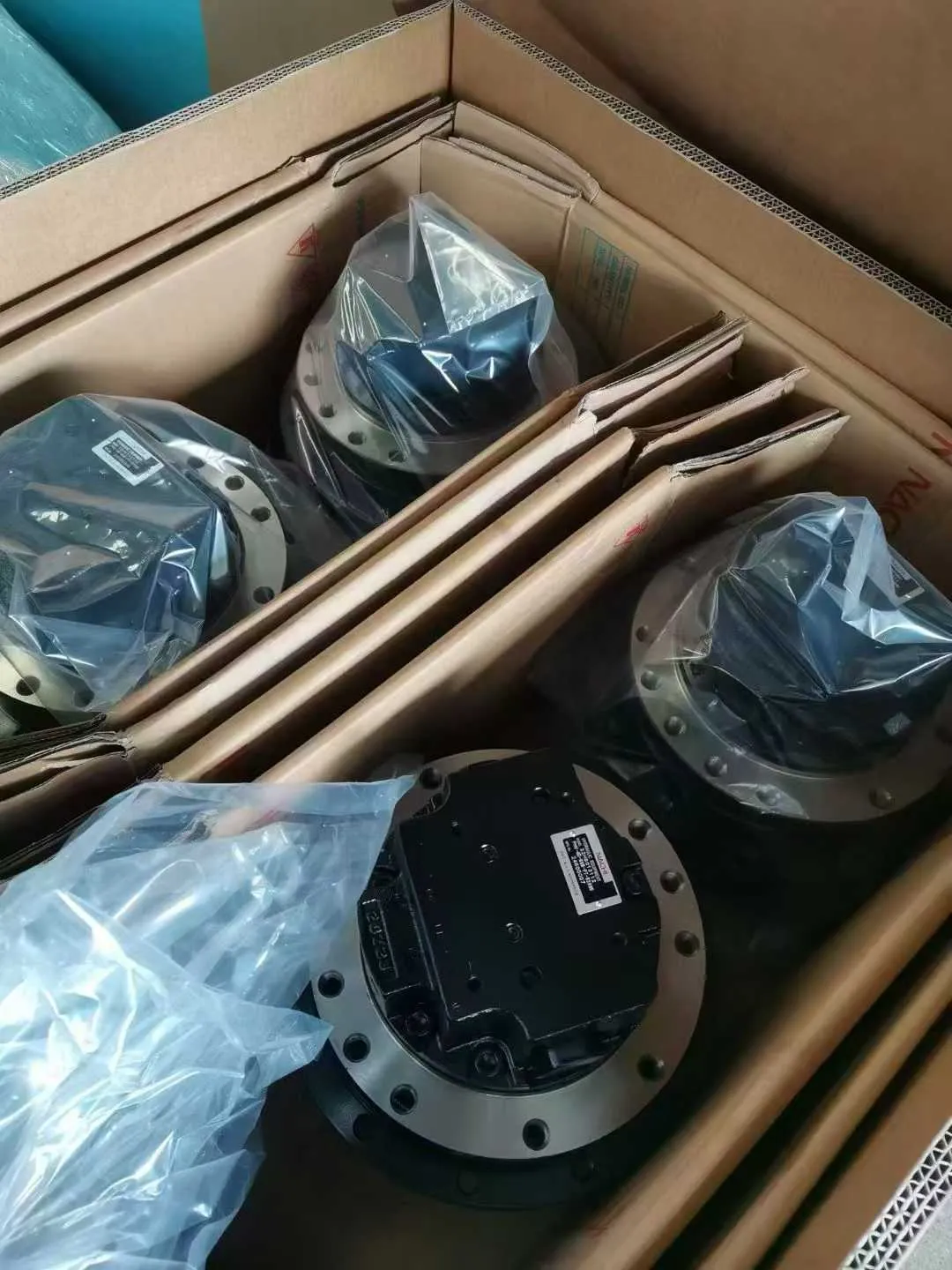 PC57-7 traveling motor assembly 22H-60-13112 in stock for sale #komatsu #komatsuparts #komatsuexcavator #pc57-7 #22H6013112
 -
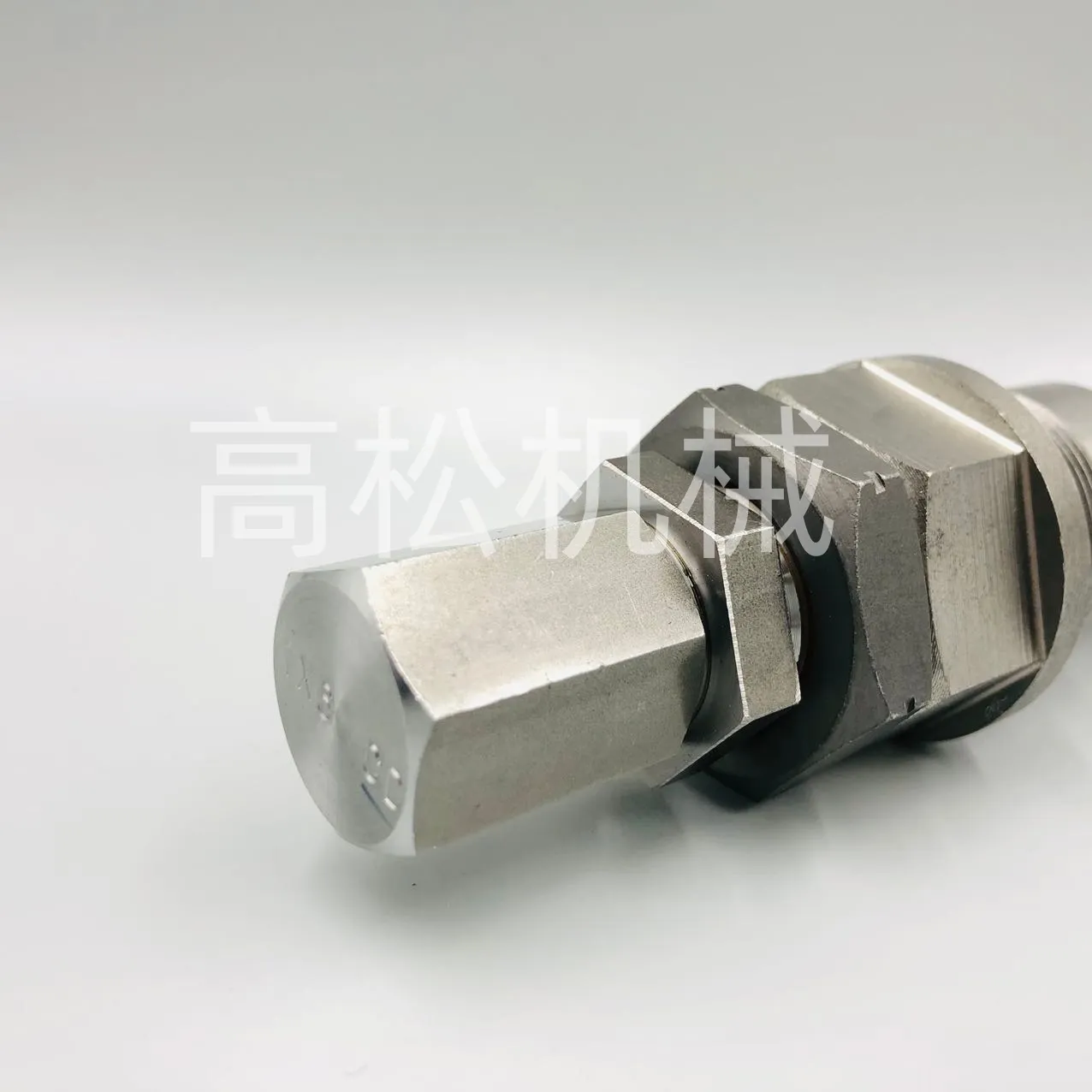 Komatsu700-89-66000 RELIEF VALVE-Komatsu Original Factory
 -
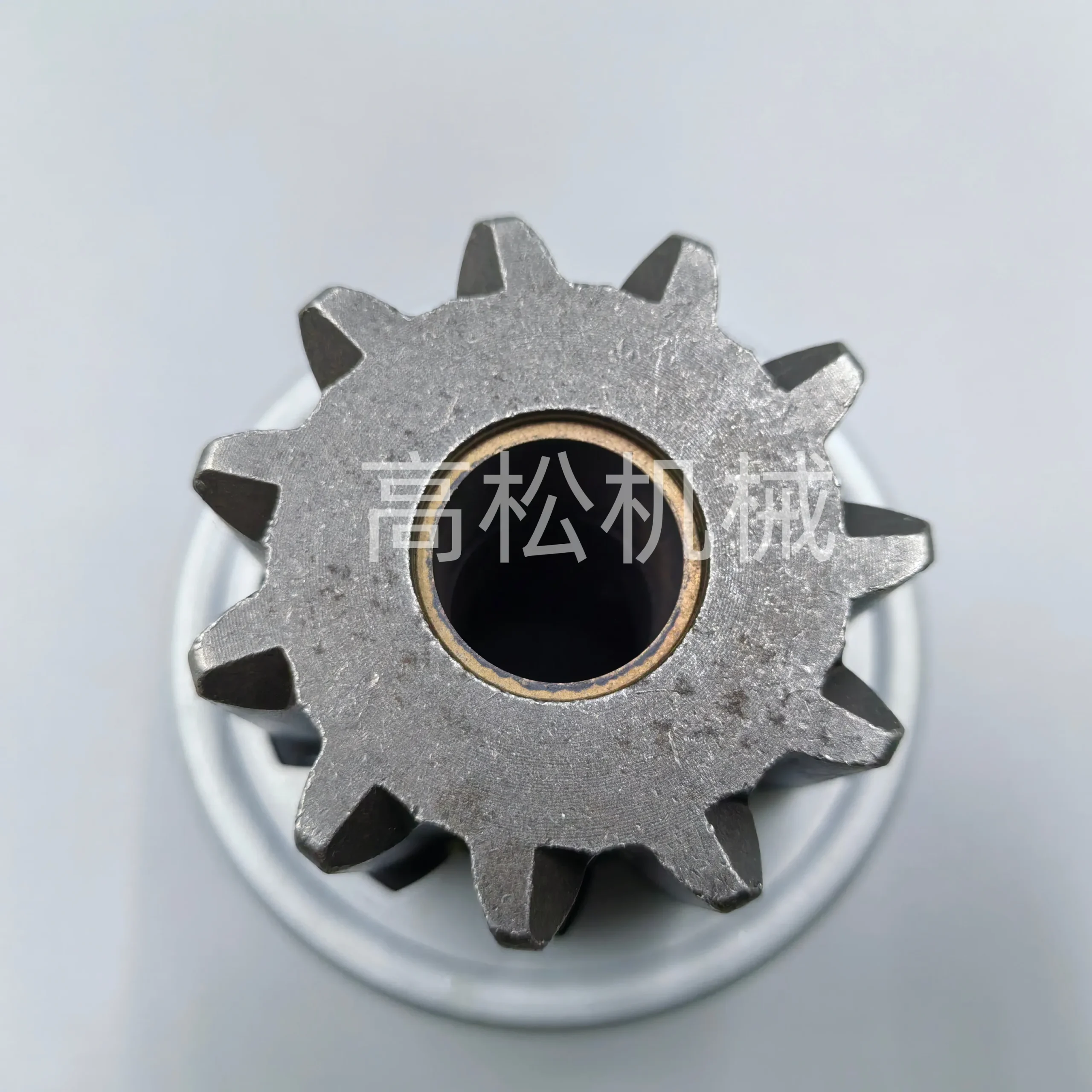 KD0-23500-1024 Komatsu Clutch Assembly
 -
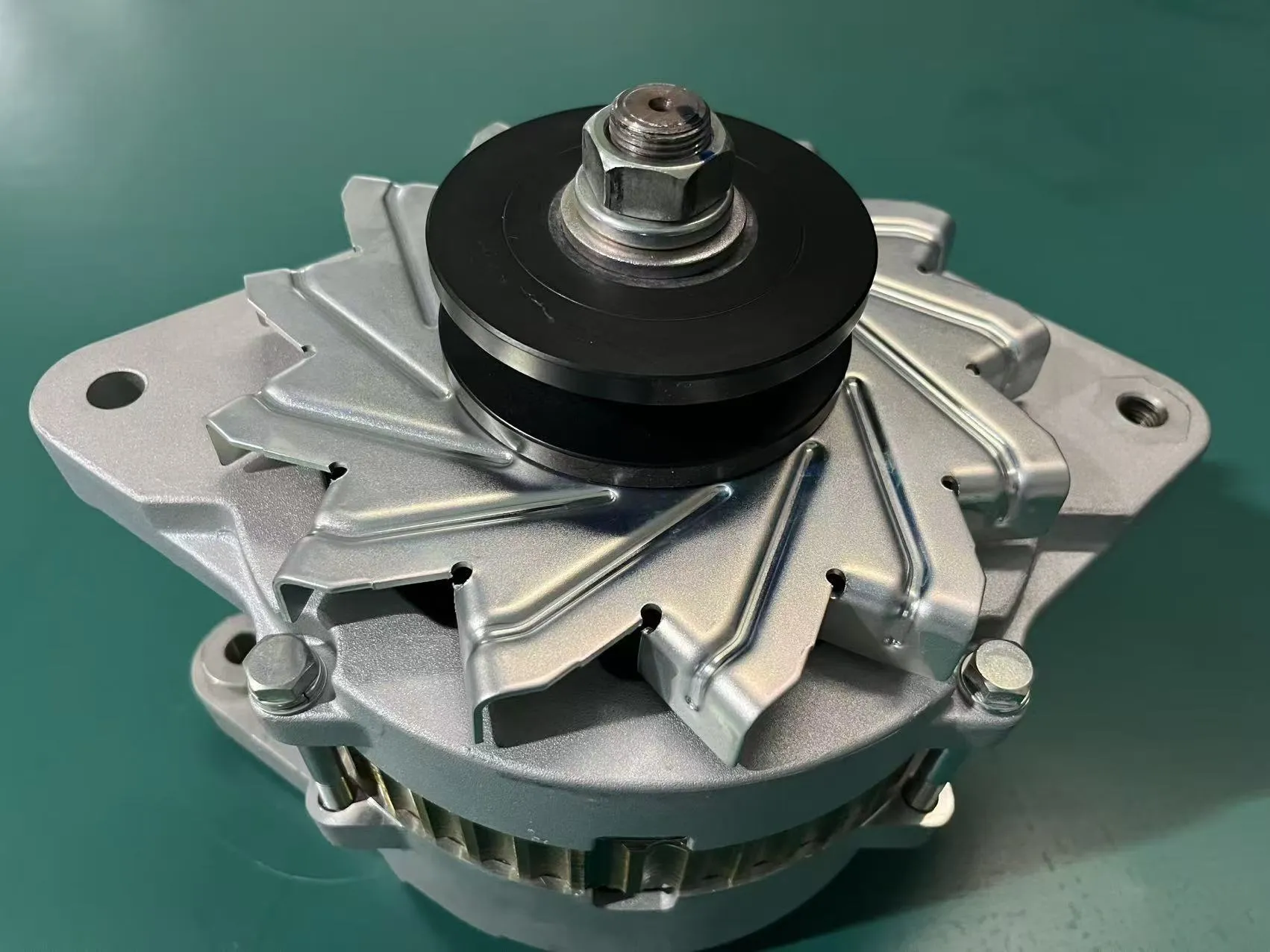 600-825-9332 Komatsu Alternator
 -
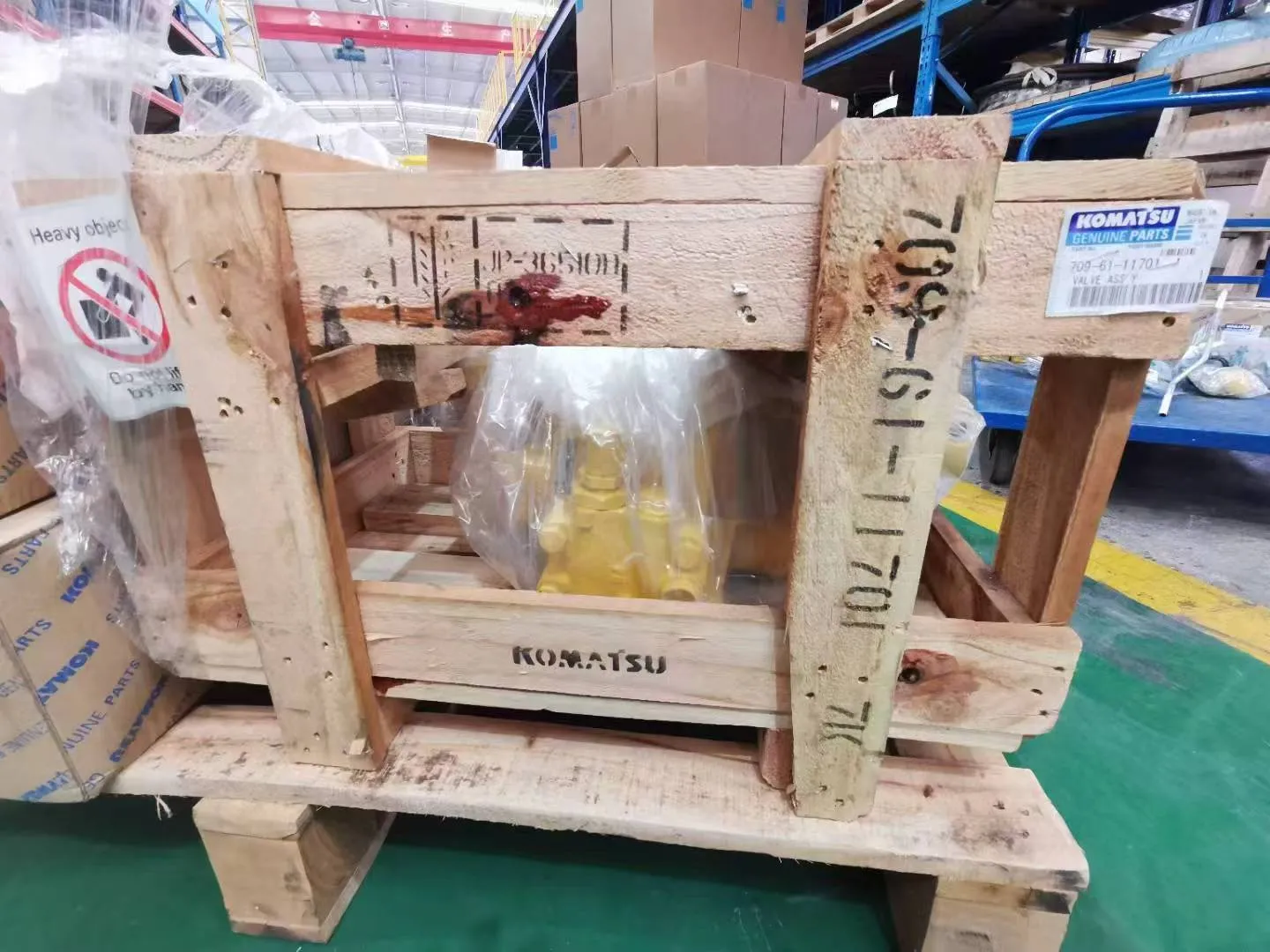 709-61-11701 709-61-11700 Vane poppet valve assembly
 -
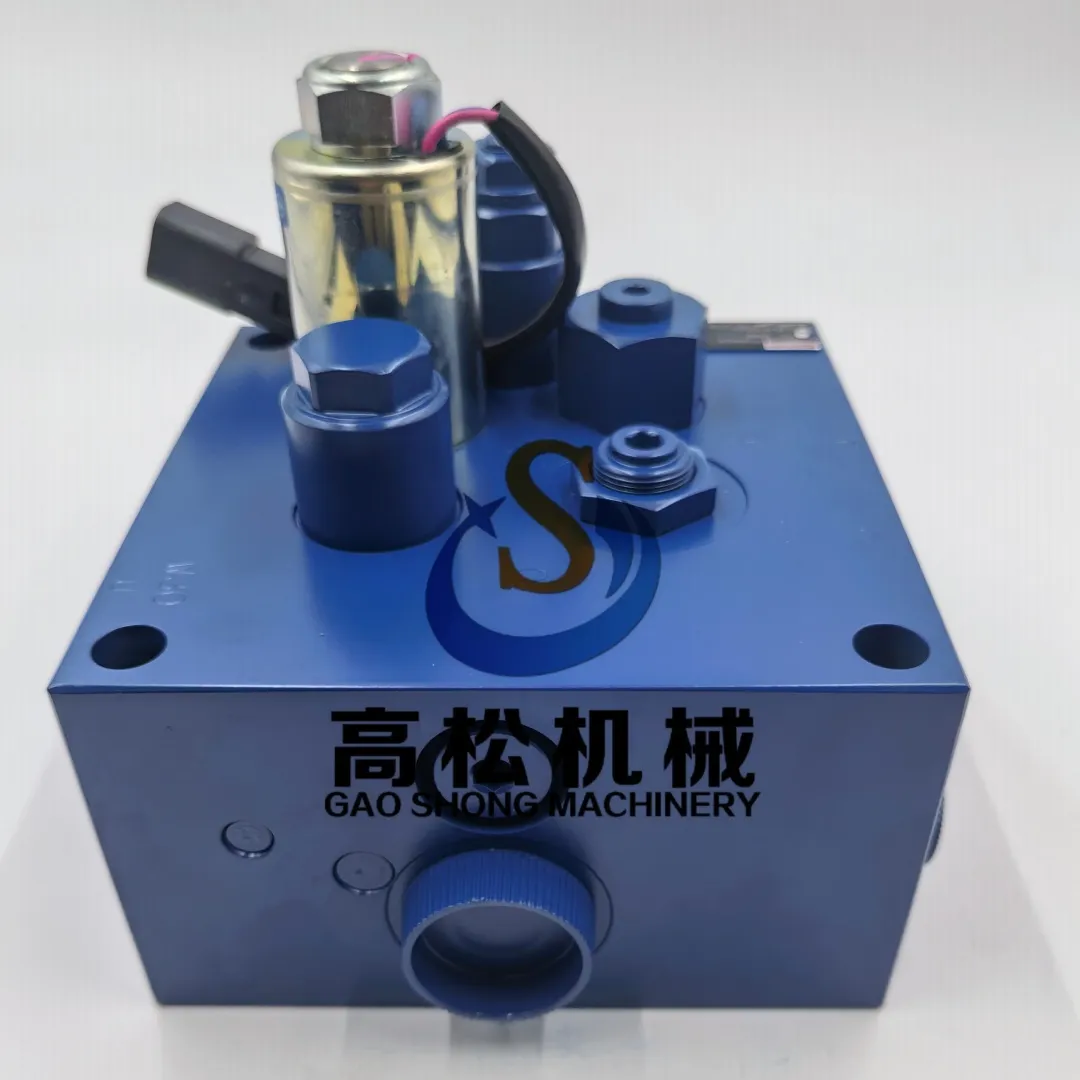 56D-43-37101Z56D-43-37101 Valve Assembly
 -
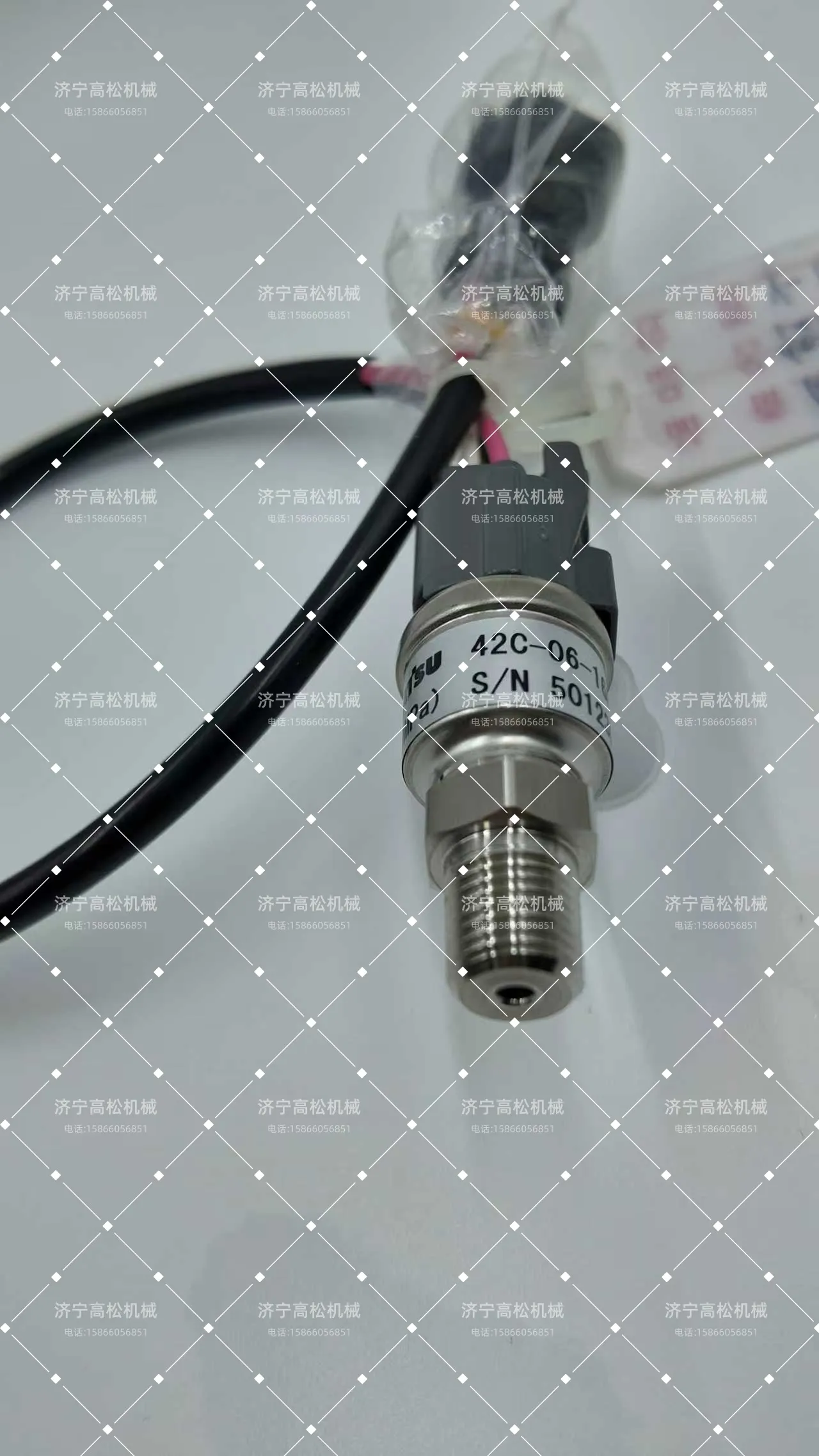 7861-93-1680 Pressure Sensor For Komatsu WA1200 SDA12V140E