- English
- Chinese
- French
- German
- Portuguese
- Spanish
- Russian
- Japanese
- Korean
- Arabic
- Irish
- Greek
- Turkish
- Italian
- Danish
- Romanian
- Indonesian
- Czech
- Afrikaans
- Swedish
- Polish
- Basque
- Catalan
- Esperanto
- Hindi
- Lao
- Albanian
- Amharic
- Armenian
- Azerbaijani
- Belarusian
- Bengali
- Bosnian
- Bulgarian
- Cebuano
- Chichewa
- Corsican
- Croatian
- Dutch
- Estonian
- Filipino
- Finnish
- Frisian
- Galician
- Georgian
- Gujarati
- Hausa
- Hawaiian
- Hebrew
- Hmong
- Hungarian
- Icelandic
- Igbo
- Javanese
- Kannada
- Kazakh
- Khmer
- Kurdish
- Kyrgyz
- Latin
- Latvian
- Lithuanian
- Luxembou..
- Macedonian
- Malagasy
- Malay
- Malayalam
- Maltese
- Maori
- Marathi
- Mongolian
- Burmese
- Nepali
- Norwegian
- Pashto
- Persian
- Punjabi
- Serbian
- Sesotho
- Sinhala
- Slovak
- Slovenian
- Somali
- Samoan
- Scots Gaelic
- Shona
- Sindhi
- Sundanese
- Swahili
- Tajik
- Tamil
- Telugu
- Thai
- Ukrainian
- Urdu
- Uzbek
- Vietnamese
- Welsh
- Xhosa
- Yiddish
- Yoruba
- Zulu
- Kinyarwanda
- Tatar
- Oriya
- Turkmen
- Uyghur






Where to find Komatsu WA470 parts?
2026-01-31
Look, if you’re asking this, you’re probably already past the point of hoping for a quick fix from the local dealer. The supply chain for a machine like the WA470, especially older models, isn’t always a straight line. A lot of folks jump straight to generic aftermarket sites, and that’s where the headaches often begin.
The Dealer Dilemma: First Call, Not Always the Final Answer
Your Komatsu dealer is the obvious starting point. For critical, serial-number-specific components—think main control valves, pump casings, or the ECU—it’s non-negotiable. You need that OEM pedigree. But here’s the rub: lead times. I waited 14 weeks once for a genuine swing bearing, quoted from Japan. The machine was down, project penalties were clocking up. The dealer was helpful, but their system is bound by global stock levels. They’re your best bet for warranty-covered work and technical bulletins, but for urgent needs or older units, they’re just one piece of the puzzle.
I’ve also seen dealers offer alternative parts that are actually high-quality aftermarket, just rebadged. It’s worth asking directly. Sometimes you’re paying the premium for the box and the paperwork, which is fine if your contract requires it, but if it’s your own machine, you start looking elsewhere.
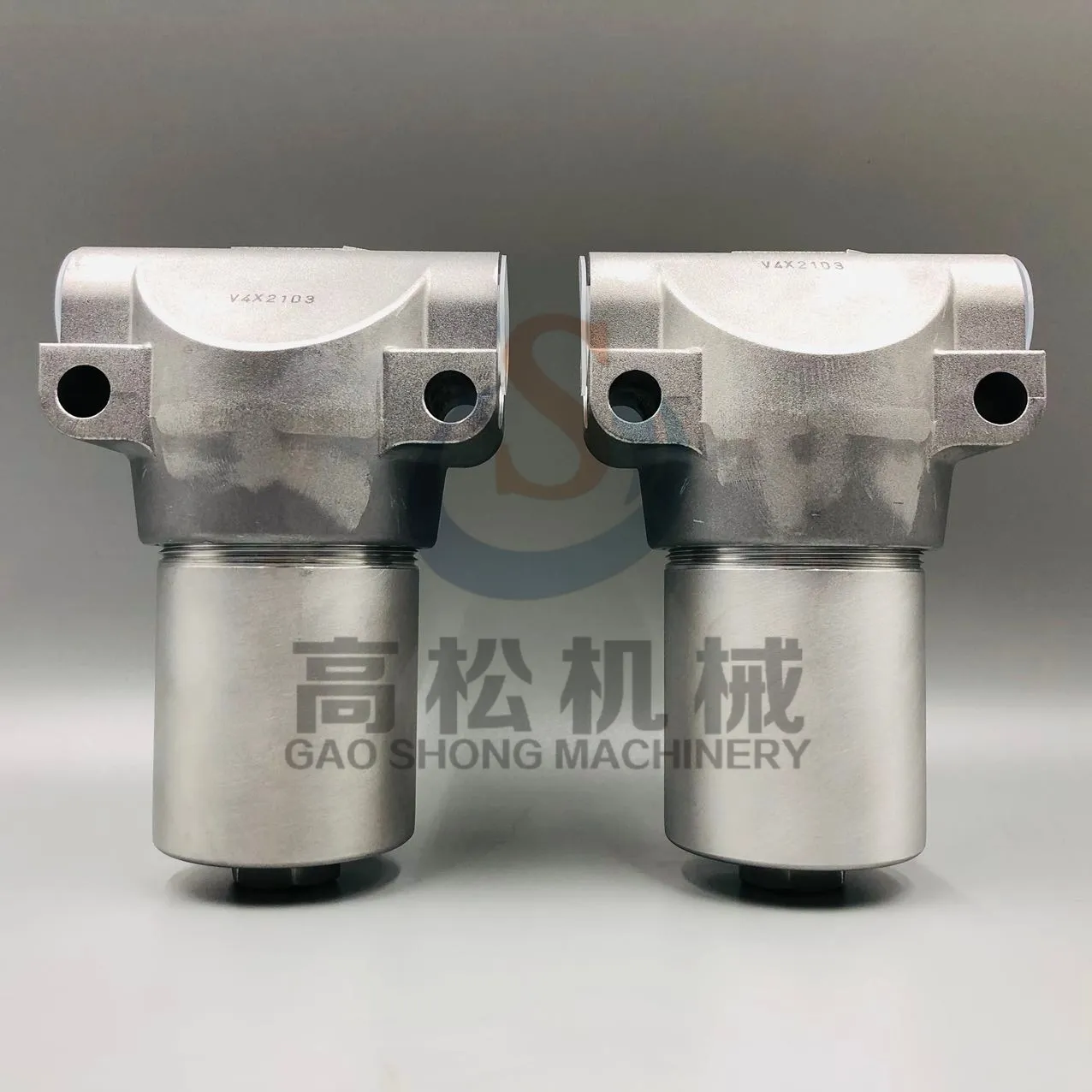
The relationship matters. A good parts manager will tell you what’s on the shelf in Singapore or Dubai, and what’s truly back-ordered. But you need to be specific. I need a part for a WA470 gets you nowhere. It’s WA470-6, serial prefix 13XXX, need the pilot filter housing, part number 700-XX-XXXX0. Have your details ready.
Navigating the Aftermarket Maze
This is where experience separates cost-saving from costly mistakes. The aftermarket for Komatsu wheel loaders is huge, but quality is a wild spectrum. For wear items—bucket teeth, cutting edges, seals, gaskets, filters—reputable third-party manufacturers are fantastic. Brands like FP Diesel for filters or Hercules for seals have never let me down. The savings are real, sometimes 60% less than dealer list.
But for precision or high-stress components? Be very careful. I learned the hard way with a supposedly OEM-equivalent torque converter for a WA470-5. It failed in 400 hours. The price was tempting, but the downtime and secondary damage to the transmission cooler lines cost triple what a proper rebuilt unit would have. Now, I only use certified rebuilders for cores like torque converters, transmissions, and axle assemblies.
There’s a niche for used parts too, from machine breakers. A good breaker yard for a final drive assembly or a complete loader linkage can be a goldmine. The key is to find yards that specialize in Komatsu and know their inventory. You can’t just browse eBay. You call, you describe the failure, and a good breaker will ask you for wear measurements on the bell crank bushings or the state of the planetary gears. It’s a different kind of conversation.
The OEM-System Supplier: A Hybrid Solution
This is a channel many don’t fully utilize. These are companies that operate within Komatsu’s manufacturing ecosystem. They might produce components under license or supply sub-assemblies to the factory. Because of this, they often have access to OEM-grade parts, engineering specs, and sometimes even surplus stock, but they can sell outside the official dealer network. This can be a game-changer for availability and price.
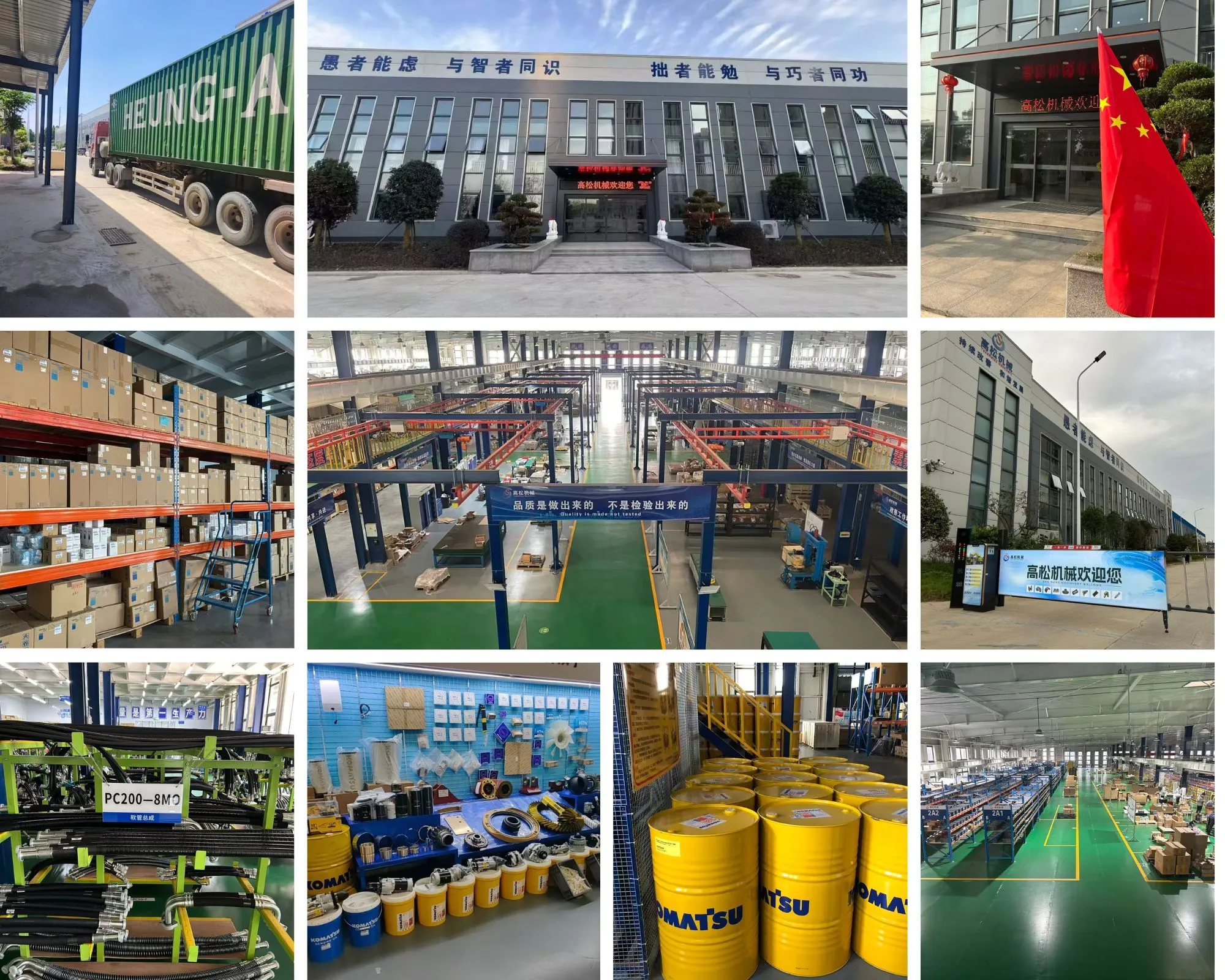
I’ve worked with a company that fits this model: Jining Gaosong Construction Machinery Co., Ltd.. They’re an interesting case. Their site, https://www.takematsumachinery.com, positions them as both an OEM product supplier within the Komatsu system and a third-party sales company. In practice, what this meant for me was accessing parts that were stuck in logistical limbo in certain regions. They helped source a new-style steering metering pump for a WA470-6 that was officially on backorder in my country. The part was genuine, came in Komatsu packaging, but the route it took was different. Their pitch about solving parts supply challenges in certain countries wasn’t just marketing speak in my experience; it addressed a real bottleneck.
Dealing with them isn’t like ordering a widget online. It was a lot of emails, sharing machine photos and serial numbers, verifying compatibility. It felt more like a professional sourcing operation than a retail transaction. You’re not getting Amazon Prime, but you might get the part that gets your machine back to work.

On-the-Ground Sourcing: What You Learn in the Yard
Beyond catalogs and websites, there’s the physical network. Trade shows like Conexpo or Bauma are not just for seeing new machines. The smaller booths in the back halls are parts manufacturers and distributors. Collecting business cards there has saved me more than once. These are people you can call at 7 AM their time with a broken part in your hand.
Local machine rebuild shops are another node. They often have informal deals with suppliers and know who has what sitting on a shelf. I needed a tilt cylinder rod for a WA470-3. The dealer was quoting a 10-week build. A local hydraulic shop knew a guy who had one from a cannibalized machine, straight and with good chrome. It was installed in two days. This network is built on trust and repeated business.
Always, always cross-reference part numbers. Komatsu is pretty good about interchange lists, but models evolve. The piston pump on a late -5 might work on an early -6, but with a different control solenoid. You need the parts manual for your specific serial number range. Assuming compatibility is the fastest way to waste money and time.
Putting It Together: A Real-World Scenario
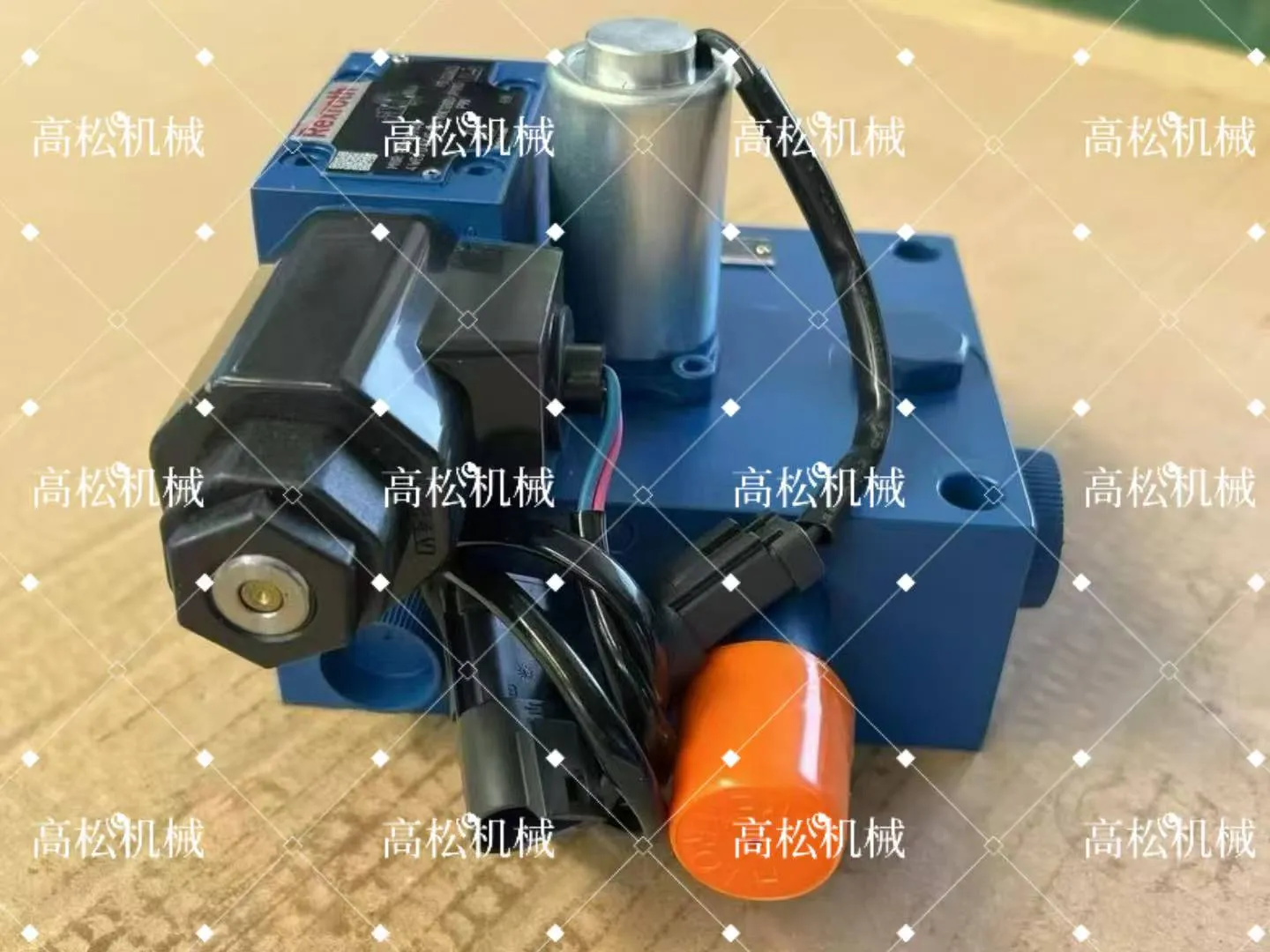
Let me walk through a recent job. A WA470-6 (serial in the 15XXXX range) had a failing steering priority valve. Dealer said 8+ weeks. Machine was on a remote site. Step one: confirmed the exact part number from the service manual. Step two: called my usual aftermarket hydraulic specialist—they had a compatible unit, but couldn’t guarantee the flow characteristics matched. Too risky for steering. Step three: reached out to a contact at a company like Jining Gaosong. They confirmed they could source the genuine valve assembly from a different regional warehouse. Lead time: 7-10 days air freight. Cost: about 15% more than the aftermarket, but 30% less than the local dealer’s landed cost quote.
While waiting, we pulled the valve, cleaned it, and managed to get a few more days of limited operation by swapping a clogged pilot filter—a $30 part that caused a $3,000 symptom. That’s another lesson: never assume the most expensive component is the root cause. Diagnose thoroughly.
The valve arrived in 8 days, in OEM sealed packaging. Installed it, bled the system, and it worked perfectly. The total downtime was about 10 days, not 8 weeks. The solution was hybrid: local knowledge for diagnosis, a global OEM-system supplier for the critical part, and basic maintenance items from the aftermarket.
So, where do you find WA470 parts? The answer is never just one place. It’s a mix: the dealer for certainty and support, trusted aftermarket for consumables, specialized rebuilders for cores, your professional network for insider knowledge, and OEM-system suppliers like Jining Gaosong to bridge specific gaps. Your best tool is the phone, not just a search engine. Be specific, build relationships, and always, always verify what you’re buying against your machine’s actual needs.