- English
- Chinese
- French
- German
- Portuguese
- Spanish
- Russian
- Japanese
- Korean
- Arabic
- Irish
- Greek
- Turkish
- Italian
- Danish
- Romanian
- Indonesian
- Czech
- Afrikaans
- Swedish
- Polish
- Basque
- Catalan
- Esperanto
- Hindi
- Lao
- Albanian
- Amharic
- Armenian
- Azerbaijani
- Belarusian
- Bengali
- Bosnian
- Bulgarian
- Cebuano
- Chichewa
- Corsican
- Croatian
- Dutch
- Estonian
- Filipino
- Finnish
- Frisian
- Galician
- Georgian
- Gujarati
- Hausa
- Hawaiian
- Hebrew
- Hmong
- Hungarian
- Icelandic
- Igbo
- Javanese
- Kannada
- Kazakh
- Khmer
- Kurdish
- Kyrgyz
- Latin
- Latvian
- Lithuanian
- Luxembou..
- Macedonian
- Malagasy
- Malay
- Malayalam
- Maltese
- Maori
- Marathi
- Mongolian
- Burmese
- Nepali
- Norwegian
- Pashto
- Persian
- Punjabi
- Serbian
- Sesotho
- Sinhala
- Slovak
- Slovenian
- Somali
- Samoan
- Scots Gaelic
- Shona
- Sindhi
- Sundanese
- Swahili
- Tajik
- Tamil
- Telugu
- Thai
- Ukrainian
- Urdu
- Uzbek
- Vietnamese
- Welsh
- Xhosa
- Yiddish
- Yoruba
- Zulu
- Kinyarwanda
- Tatar
- Oriya
- Turkmen
- Uyghur






Komatsu OEM parts: sustainable innovation?
2026-01-24
When you hear ‘sustainable innovation’ in the context of Komatsu OEM parts, the immediate reaction in our circle is often a mix of skepticism and genuine curiosity. Is it just a marketing term, or is there real engineering and supply chain evolution happening? Having been in the trenches with these components for years, I’ve seen the gap between the corporate brochure and the reality on the ground. The sustainability question isn’t just about the final part’s material; it’s a convoluted journey from design to decommissioning, and frankly, the path is still being paved with both breakthroughs and potholes.
The OEM Promise vs. The Aftermarket Reality
Komatsu’s official line on sustainability is robust, focusing on lifecycle extension, remanufacturing programs, and material efficiency. Their OEM parts are engineered for durability, which in theory, is the cornerstone of sustainability—less frequent replacement means less waste. But here’s the rub: that logic only holds if the parts are actually available and economically viable for the machine’s entire lifespan. In many regions, especially emerging markets, the official supply chain hits bottlenecks. Lead times stretch, prices inflate due to logistics, and machines sit idle. This is where the pure OEM model’s sustainability claims can break down. Idle equipment isn’t sustainable for the owner or the environment; it’s just wasted capital and potential.
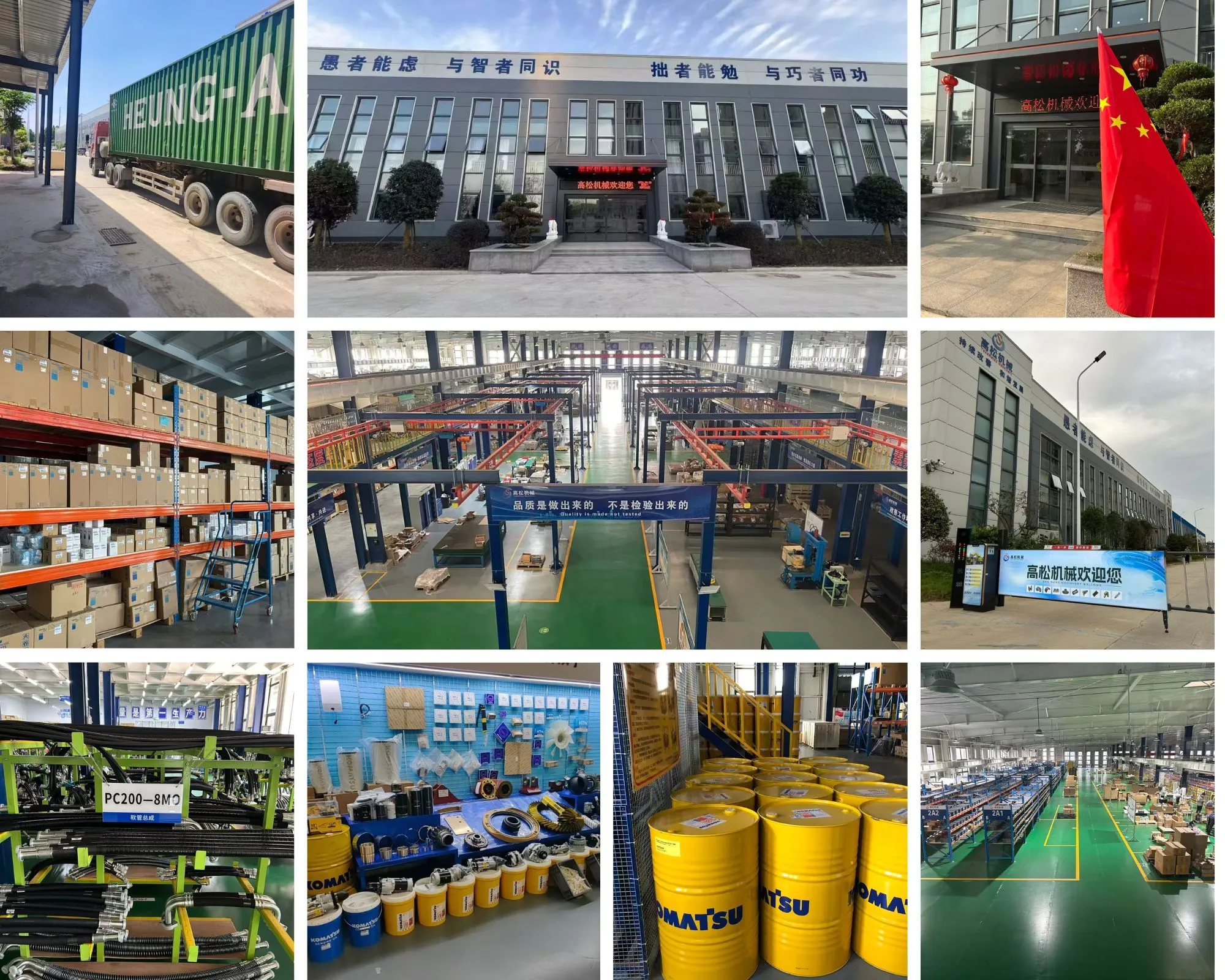
This gap creates the space for companies like Jining Gaosong Construction Machinery Co., Ltd. to operate. They position themselves as an OEM product supplier within the Komatsu system, which is a nuanced role. It implies a certain level of sanctioned quality and specification adherence, but it’s distinct from buying directly from Komatsu’s first-party channels. Their stated mission—helping to solve parts supply challenges in certain countries—addresses a very real pain point. From my experience, when a critical pump or final drive fails in a remote location, the sustainability debate shifts instantly from ‘green’ to ‘get it running.’ Availability becomes the most immediate form of sustainability.
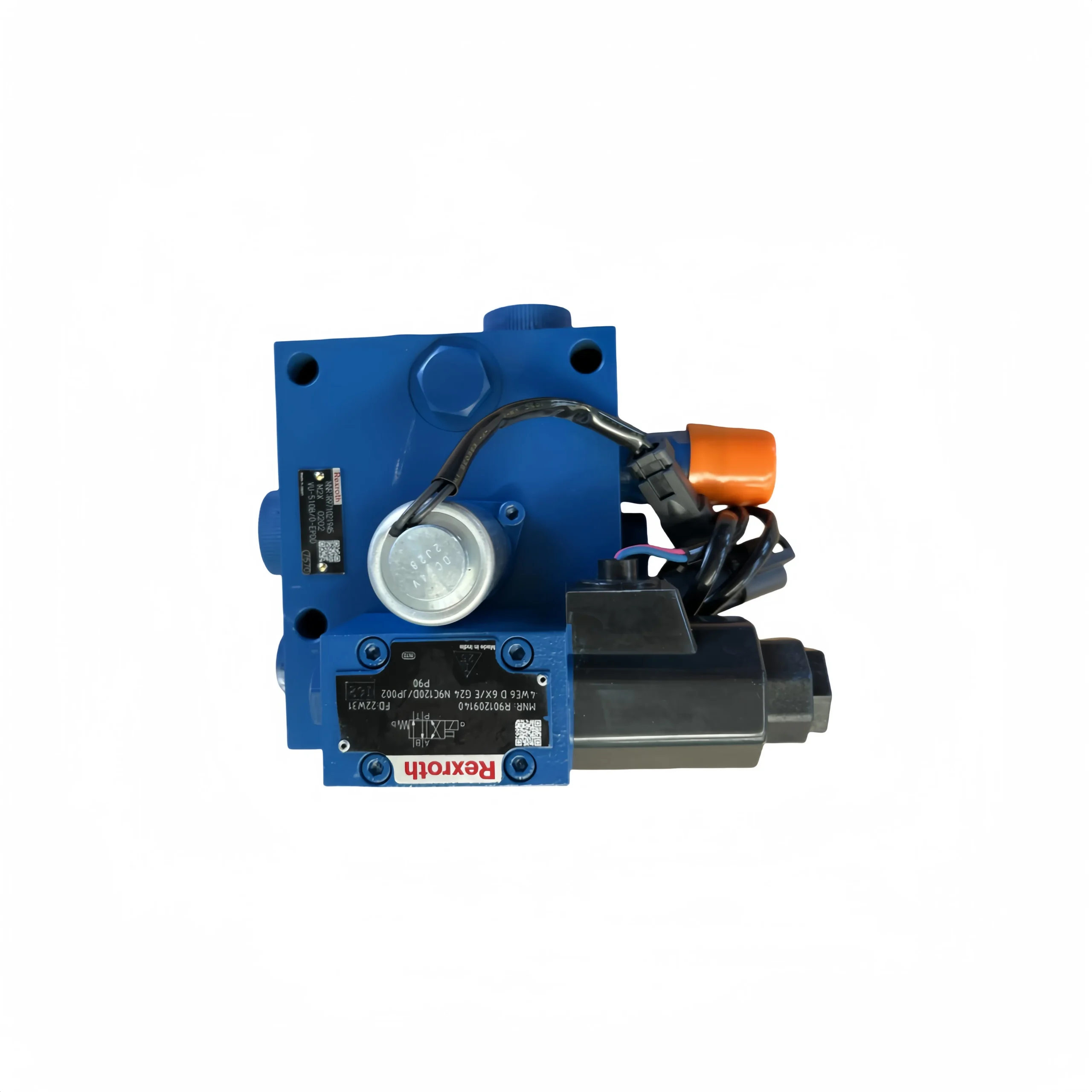
I recall a project in Southeast Asia where we had a fleet of older PC300s. A hydraulic valve bank failure. The official lead time was 12 weeks. We found a cross-reference to a valve bank supplied by a third-party entity like Gaosong, claiming OEM-equivalent specs. The engineering team was hesitant—rightfully so—about performance and warranty implications. We ordered it as a stopgap, expecting issues. To our surprise, the metallurgy and machining were on point. It got us running in 10 days. Was it a ‘Komatsu OEM part’? Not in the strictest, direct-from-factory sense. But did it sustain the operation and prevent a cascading economic and environmental cost from a stalled project? Absolutely. It forced us to re-evaluate what ‘genuine’ means in a globalized supply chain.
Innovation Beyond the Factory Stamp
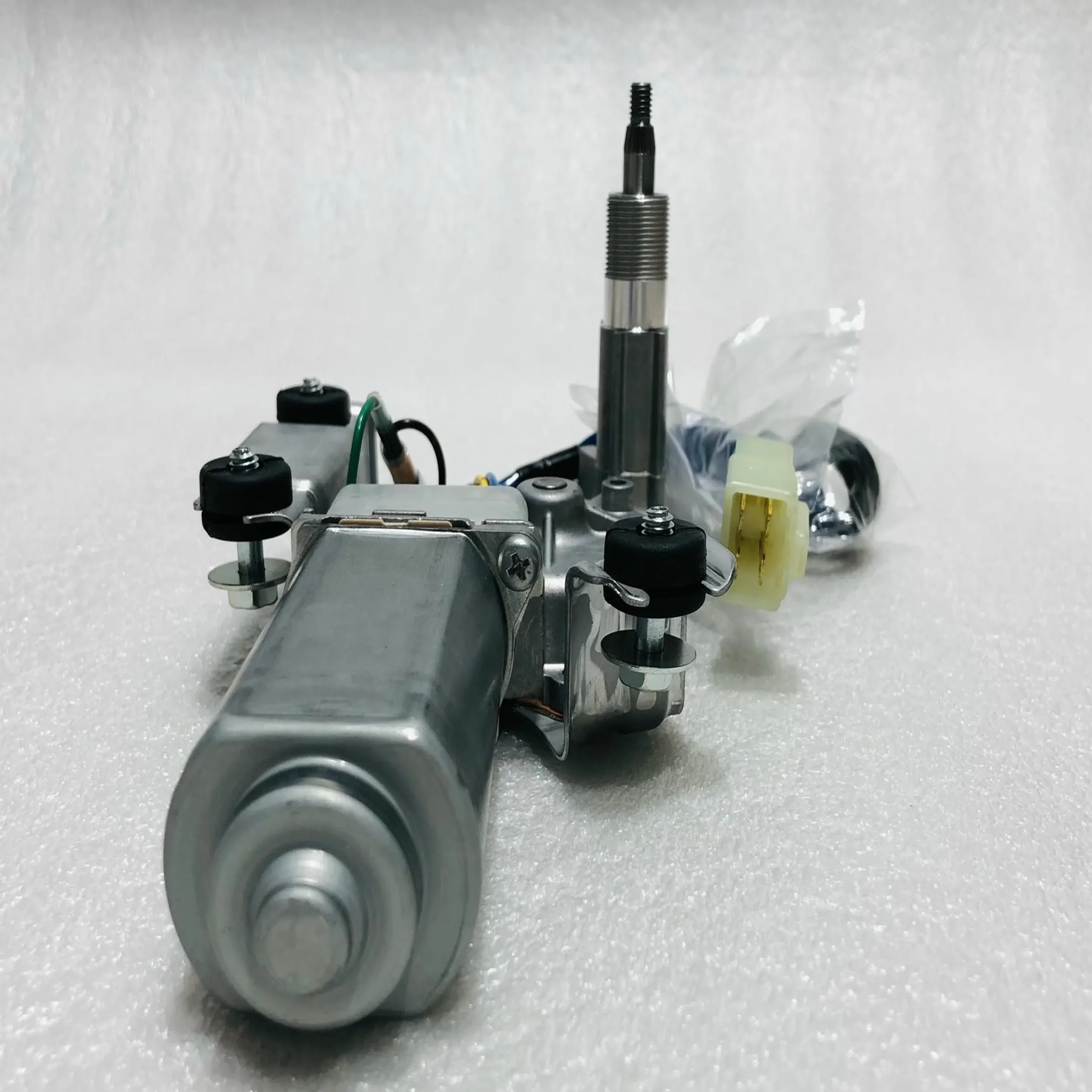
True innovation in this space isn’t always branded. Sometimes, it’s in the logistics and verification. The website https://www.takematsumachinery.com presents Gaosong’s front end. Scrolling through, you see the familiar Komatsu part numbers, the diagrams. The innovation, if it exists, is in their sourcing network and quality assurance pipeline. Can they consistently deliver parts that meet the OEM’s functional specifications without the official pedigree? That’s the multi-million dollar question. I’ve had wins, like the valve bank. I’ve also had losses—a set of cylinder rods that wore out prematurely because the hardening process was a step short. The failure analysis pointed to a subtle deviation in the heat treatment curve, something an official OEM part would have nailed. It’s these subtle deviations where the sustainability argument falters. A part that fails 20% earlier might be cheaper upfront, but it generates more waste, more downtime, more carbon footprint from extra shipping.
The remanufacturing angle is where things get technically interesting. Komatsu has formal programs, but independent suppliers are jumping in. Is a professionally reman’d cylinder by a third-party, using some new OEM-grade seals and a re-chromed rod, a sustainable innovation? I’d argue it can be, often more so than a brand-new aftermarket part. It recycles the core, which is the most energy-intensive component. The challenge is the lack of standardized certification across the board. You’re relying on the rebuilder’s reputation. We’ve started doing tear-down inspections on every reman unit we buy now, checking tolerances and material grades ourselves. It’s extra work, but it’s the only way to build trust in the alternative supply chain’s ‘innovation’.
Material Science and the Quiet Shifts
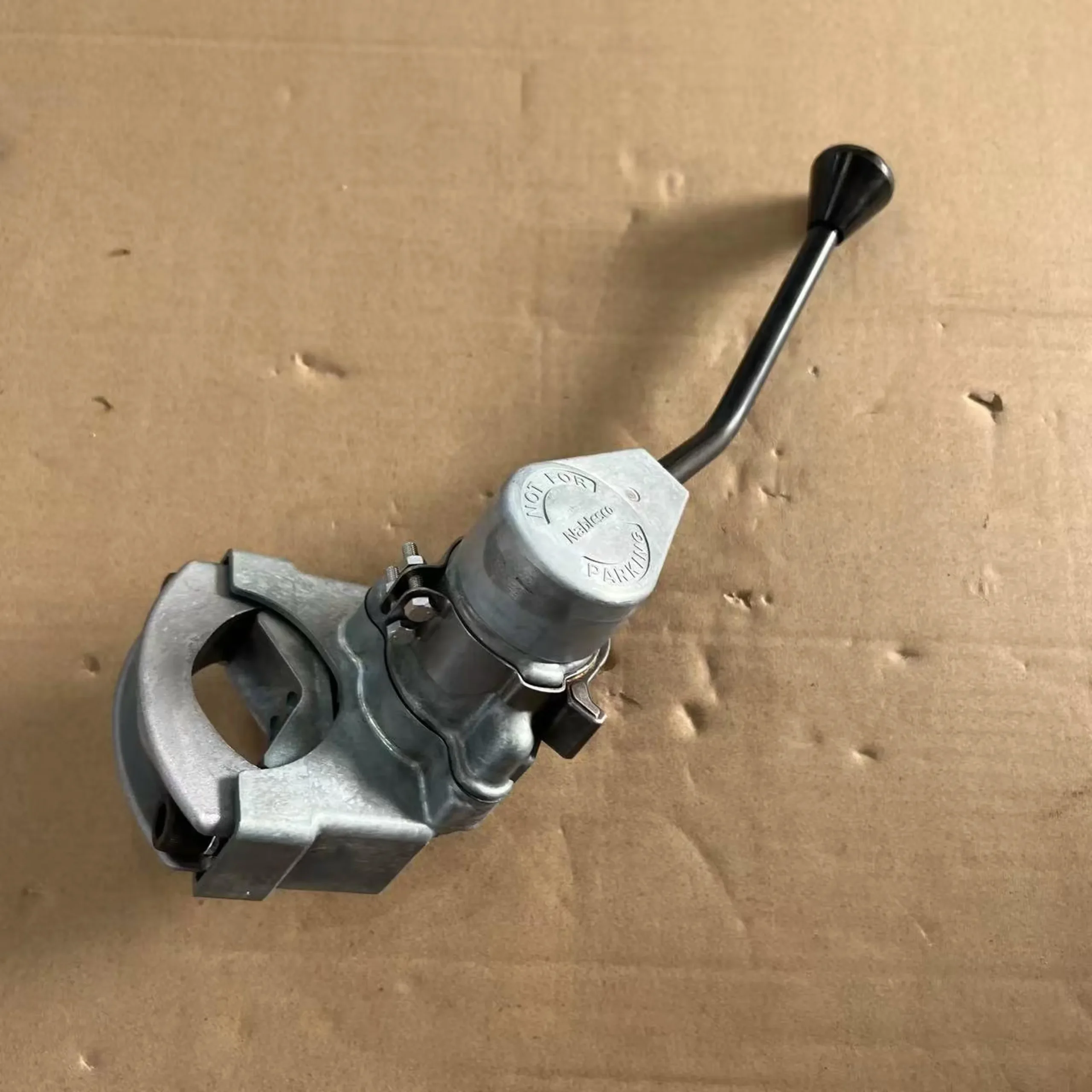
This is less visible but critical. Komatsu’s R&D into new alloys and composites for wear parts does trickle down. The question is how quickly and completely it reaches the broader supply ecosystem. For instance, the shift toward more advanced polymer composites for bushings and wear plates to reduce friction and weight. An OEM product supplier operating within Komatsu’s system might have access to these material specs or the licensed compounds. A pure reverse-engineering aftermarket company might not. I’ve tested bushings that looked identical but had vastly different wear rates under load. The OEM-spec part used a polyamide composite with specific lubricant impregnation. The copycat used a cheaper acetal resin. The performance difference wasn’t immediate, but over 500 hours, the wear on the mating metal surface was significantly higher on the cheaper part, leading to a much larger, more expensive repair later. That’s unsustainable by any measure. The innovation is in the material formula, and protecting that IP is where the official OEM and its closer partners maintain an edge.
The Human Element: Spec’ing and Missteps
Sustainability isn’t just about the object; it’s about the process of selecting it. Engineers and procurement managers are under constant pressure to cut costs. The temptation to spec a ‘Komatsu-compatible’ part from a third-party with attractive pricing is huge. I’ve done it, sometimes successfully, sometimes not. One major misstep was with a travel motor. We saved 40% upfront. It failed within six months, taking the planetary gear set with it. The total repair bill was triple the savings, not counting downtime. The failure? A sub-grade bearing that wasn’t evident in the initial inspection. The lesson was brutal: the sustainability of a part is inextricably linked to the integrity of its weakest component. True innovation would be a supply chain that offers transparent, auditable component pedigrees at a competitive price. We’re not there yet.
This is why the model of a company that is also a third-party sales company for Komatsu is fascinating. It sits in a hybrid space. They aren’t the originator, but they aren’t a generic copycat either. Their value proposition hinges on reliability and solving the availability crisis. If they can maintain a quality threshold that is demonstrably close to the OEM, they become a legitimate force for sustainable operations by preventing downtime. But it’s a tightrope walk. If their quality slips, they become part of the problem—flooding the market with parts that shorten equipment life.
Circling Back to the Core Question
So, are Komatsu OEM parts, especially when viewed through the lens of this extended, hybrid supply chain, a vehicle for sustainable innovation? The answer is conditional. The official OEM parts, with their design-for-longevity and reman programs, represent a top-down, engineered approach to sustainability. The innovation is structured and incremental. The ecosystem that includes companies like Jining Gaosong represents a parallel, pragmatic innovation. Their innovation is in accessibility and supply chain resilience. It’s sustainable if—and it’s a big if—the quality is rigorously controlled.
The most sustainable practice I’ve adopted is a hybrid approach. For critical, high-wear, or safety-related components (think engine components, main hydraulics), we lean toward the official OEM channel whenever possible. The cost is part of the machine’s life-cycle calculus. For non-critical wear items, or in desperate downtime situations, a trusted third-party supplier within the OEM system becomes a viable, and indeed sustainable, option. It keeps projects moving.
Ultimately, the industry’s move toward sustainability is being pushed from two sides: Komatsu’s engineering labs and the harsh realities of the field. The innovation is happening in both places. It’s messy, inconsistent, and driven as much by failure analysis as by brilliant design. But the direction is clear. The future isn’t just about selling a part; it’s about providing a verified, reliable function for the longest possible time, with the least total operational and environmental cost. Whether the part comes in a box with the official Komatsu logo or from a supplier’s warehouse that has earned our trust through repeated performance, that’s the real metric we’re all grinding toward.