
- Chinese
- French
- German
- Portuguese
- Spanish
- Russian
- Japanese
- Korean
- Arabic
- Irish
- Greek
- Turkish
- Italian
- Danish
- Romanian
- Indonesian
- Czech
- Afrikaans
- Swedish
- Polish
- Basque
- Catalan
- Esperanto
- Hindi
- Lao
- Albanian
- Amharic
- Armenian
- Azerbaijani
- Belarusian
- Bengali
- Bosnian
- Bulgarian
- Cebuano
- Chichewa
- Corsican
- Croatian
- Dutch
- Estonian
- Filipino
- Finnish
- Frisian
- Galician
- Georgian
- Gujarati
- Haitian
- Hausa
- Hawaiian
- Hebrew
- Hmong
- Hungarian
- Icelandic
- Igbo
- Javanese
- Kannada
- Kazakh
- Khmer
- Kurdish
- Kyrgyz
- Latin
- Latvian
- Lithuanian
- Luxembou..
- Macedonian
- Malagasy
- Malay
- Malayalam
- Maltese
- Maori
- Marathi
- Mongolian
- Burmese
- Nepali
- Norwegian
- Pashto
- Persian
- Punjabi
- Serbian
- Sesotho
- Sinhala
- Slovak
- Slovenian
- Somali
- Samoan
- Scots Gaelic
- Shona
- Sindhi
- Sundanese
- Swahili
- Tajik
- Tamil
- Telugu
- Thai
- Ukrainian
- Urdu
- Uzbek
- Vietnamese
- Welsh
- Xhosa
- Yiddish
- Yoruba
- Zulu
- Kinyarwanda
- Tatar
- Oriya
- Turkmen
- Uyghur






genuine parts komatsu
When you hear 'genuine parts Komatsu', what comes to mind? For most, it's the gold standard, the only thing you should put in a machine. But in the field, that term gets messy. It's not just about the box with the logo. I've seen guys pay a premium for a 'genuine' part from a dubious source, only to find it fails faster than a good aftermarket alternative. The real challenge isn't just buying genuine; it's understanding the supply chain that gets it to you, especially in regions where the official network is thin or painfully slow. That's where the whole ecosystem, including specialized suppliers, comes into play.
The OEM Promise and the On-Ground Gap
Komatsu's OEM system is robust, but its reach isn't infinite. In some countries, getting a genuine hydraulic pump seal or a final drive gear within a week is a fantasy. The official distributors are there, but inventory is tailored to common failures, not the oddball breakdown that halts your entire project. I recall a job in West Africa where we waited three weeks for a simple genuine solenoid valve. The machine was down, costs were bleeding. That's the gap between the corporate promise and the site manager's reality.
This is where companies positioning themselves within the Komatsu ecosystem but operating with flexibility become critical. Take Jining Gaosong Construction Machinery Co., Ltd., for instance. They list themselves as an OEM product supplier within the Komatsu system. In practice, this often means they have access to genuine or OEM-spec lines, but their real value is acting as a third-party solver. Their site, https://www.takematsumachinery.com, frames it as helping to solve parts supply challenges in certain countries. That's the key phrase. They're not replacing the primary distributor; they're plugging the holes in the supply chain, often for customers who are stuck.
So, does buying from such a channel still get you genuine parts Komatsu? It can. But it requires verification. It might be parts produced for Komatsu by their tier-1 suppliers (true OEM), or it could be parts made to the exact same specifications but without the final Komatsu branding and packaging. The performance difference is usually nil, but the price and availability can be significantly better. The risk is in the grey area—parts that are merely compatible. That's where your experience and their transparency must intersect.
Verification and the Feel of a Real Part
You develop a sense for this. A genuine Komatsu part has a certain heft, a precision in the casting, a consistency in the metallurgy. The packaging is almost secondary. I've received parts in plain brown boxes that were verifiably from Komatsu's supplier network, ordered through a channel like Gaosong's. The paperwork, the batch numbers, the machining marks—they all tell a story. Conversely, I've seen counterfeit parts in near-perfect Komatsu boxes. The giveaway was the finish on a bolt thread; it was just a bit rough.
The process isn't foolproof. We once tried to save two days on a downtime by sourcing a 'genuine' D65 dozer sprocket segment from a new vendor. It looked right, but the hardness was off. It wore down 40% faster than the one it replaced, costing us more in the long run. It was a lesson in due diligence. Now, for critical components, we cross-reference part numbers directly with known suppliers and might even use a channel like https://www.takematsumachinery.com as a cross-check for availability and lead time, asking pointed questions about origin.
This verification step is what separates a parts buyer from a parts manager. It's asking for material certificates, knowing which foundries Komatsu uses for certain castings, and understanding that a company like Jining Gaosong, by being an integrated supplier, might have more direct lines to those upstream factories than a standard dealer stuck in a rigid ordering system.
When Genuine Adjacent Makes Operational Sense
Let's be pragmatic. For a non-safety-critical, high-wear item on an older model—say, a Komatsu PC200-5—chasing a sealed genuine part at a 70% premium might not be the smartest business decision. If a supplier can provide a part manufactured to the original drawing, from a reputable factory, with a traceable quality record, the operational risk is low and the cost savings are real. The core mission is to keep the machine running reliably, not to maintain a purity test.
This is the niche third-party sales companies operate in. They're not selling mystery metal. They're offering supply chain alternatives. Their business, as Gaosong's description hints, is built on solving the challenge, not just selling the brand. For a fleet manager with mixed-age equipment, this flexibility is invaluable. You might use them for genuine filters and seals for your new Komatsu WA500, but opt for their OEM-spec undercarriage components for your older Dash-3 machines.
The failure mode here is usually communication, not quality. Assuming you're getting a fully branded part when you're getting an OEM-spec part leads to conflict. The good suppliers are upfront. They'll say, This is from the same factory that supplies Komatsu, but it will not come in a Komatsu box. That's honest. That's the kind of detail you look for when evaluating a partner for genuine parts Komatsu supply.
The Economics of Availability
Downtime costs are calculated in hundreds per hour, sometimes thousands. A genuine part that arrives in 10 days can be more expensive than a genuine-equivalent that arrives tomorrow, even if the latter's unit price is 15% higher. The calculus changes. Suppliers who understand this build their networks for speed. They might stock high-failure-rate items regionally, something the official distributor in a low-volume country might not do.
I've used this approach with undercarriage parts. Instead of waiting for the regional Komatsu warehouse to ship from another continent, we sourced through a partner who had already imported bulk containers of high-quality, OEM-spec track links and rollers. The savings on downtime dwarfed any price difference. The parts performed to the expected lifecycle. It was a win, but it required trusting the supplier's technical credibility, not just their website.
This is where a supplier's stated role is crucial. A company that says it's an OEM product supplier within the Komatsu system is implying a direct technical connection. It suggests they aren't just a reseller of random parts; they are integrated into the production knowledge. That doesn't mean every part is stamped with the logo, but it does mean the specifications are known and adhered to. For a site engineer, that knowledge is the product.
Building a Reliable Supply Chain, Not Just a Vendor List
So, what's the endgame? It's about building a layered supply chain. Your first call is still the official Komatsu dealer. But your second call, for when the first can't deliver, needs to be to a vetted, technically competent partner. You're not just buying a part; you're buying their sourcing expertise and their honesty about what they are selling.
Companies like Jining Gaosong Construction Machinery Co., Ltd. fill that role. Their value proposition—solving supply challenges—is exactly what it says. They are a tool in your kit. You might use them for a genuine Komatsu engine gasket kit one day and a full set of OEM-spec hydraulic hoses the next. The relationship is based on solving the immediate problem of machine availability.
Ultimately, the term genuine parts Komatsu is a benchmark for quality and specification. In the real world, the goal is to achieve that benchmark in performance and reliability, through the most efficient and timely means possible. That sometimes means the part comes in the famous yellow box. Often, it means it comes from the same factory, through a different door, with a different label, but with the same integrity—provided you've done the work to vet the people opening that door for you. It's never just about the part; it's about the knowledge chain behind it.
Related Products
Related Products

Best Selling Products
Best Selling Products-
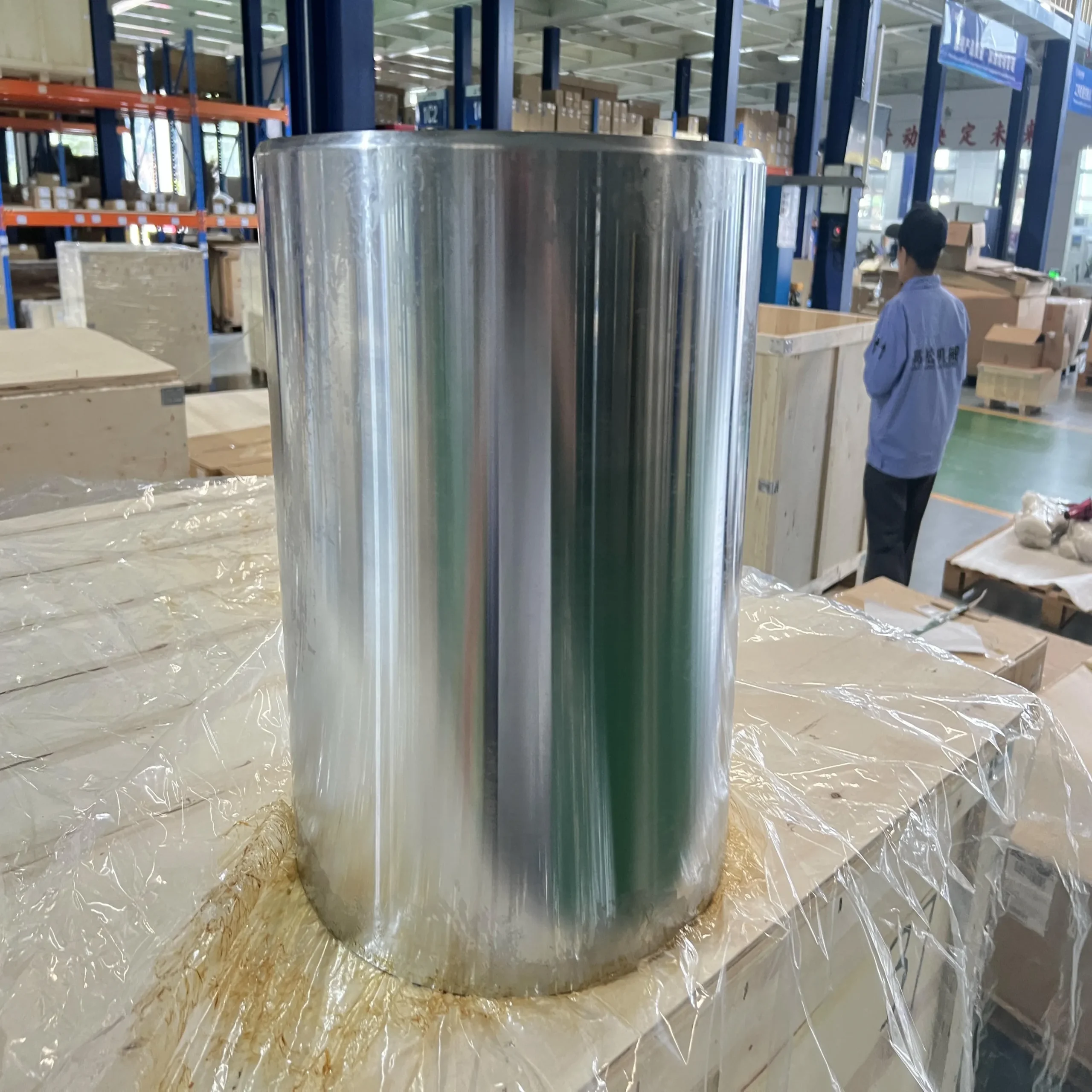 Komatsu D275-2/-5 17M-30-26620 Heavy Duty Swing Motors
 -
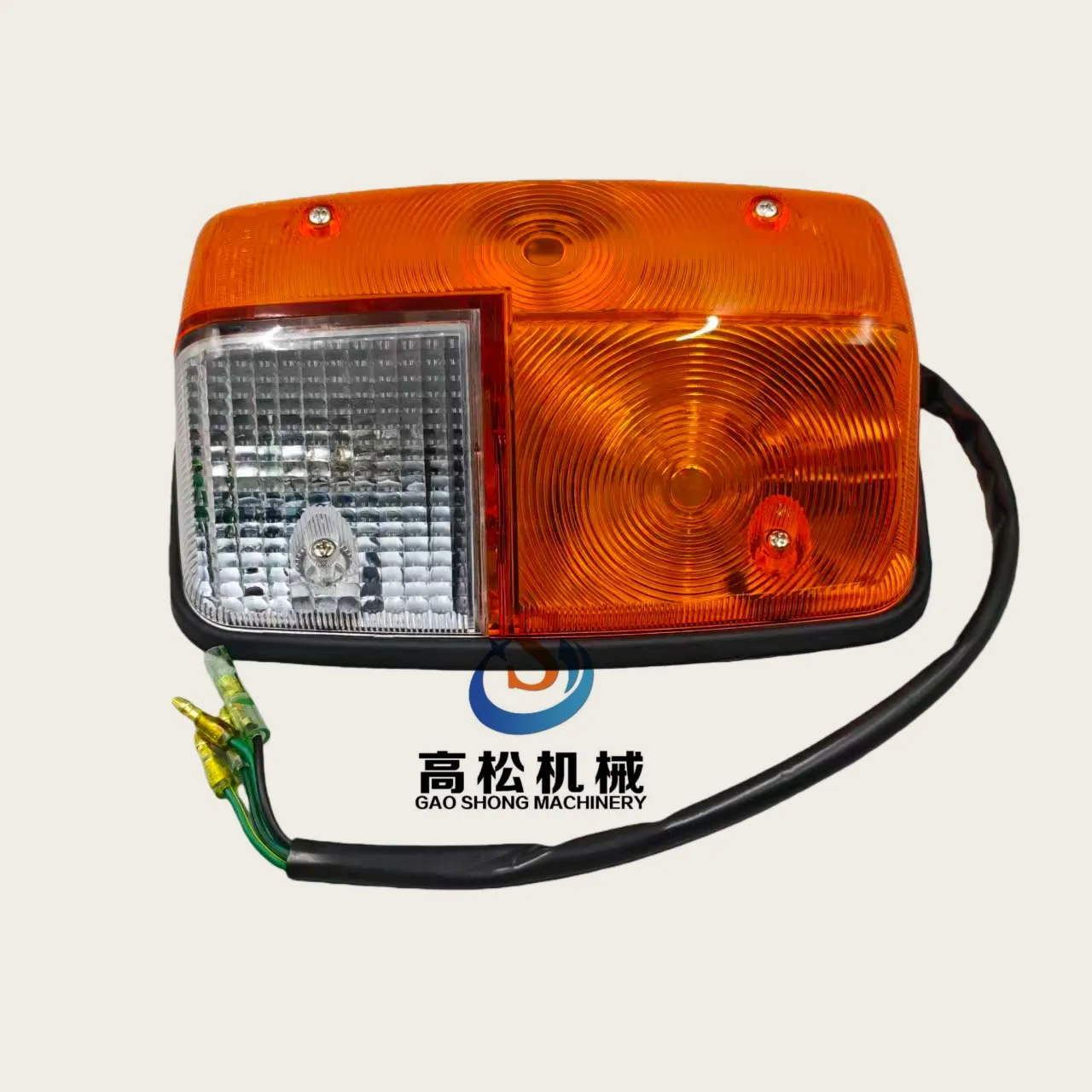 421-06-13401 Komatsu TURN SIGNAL AND PARKING
 -
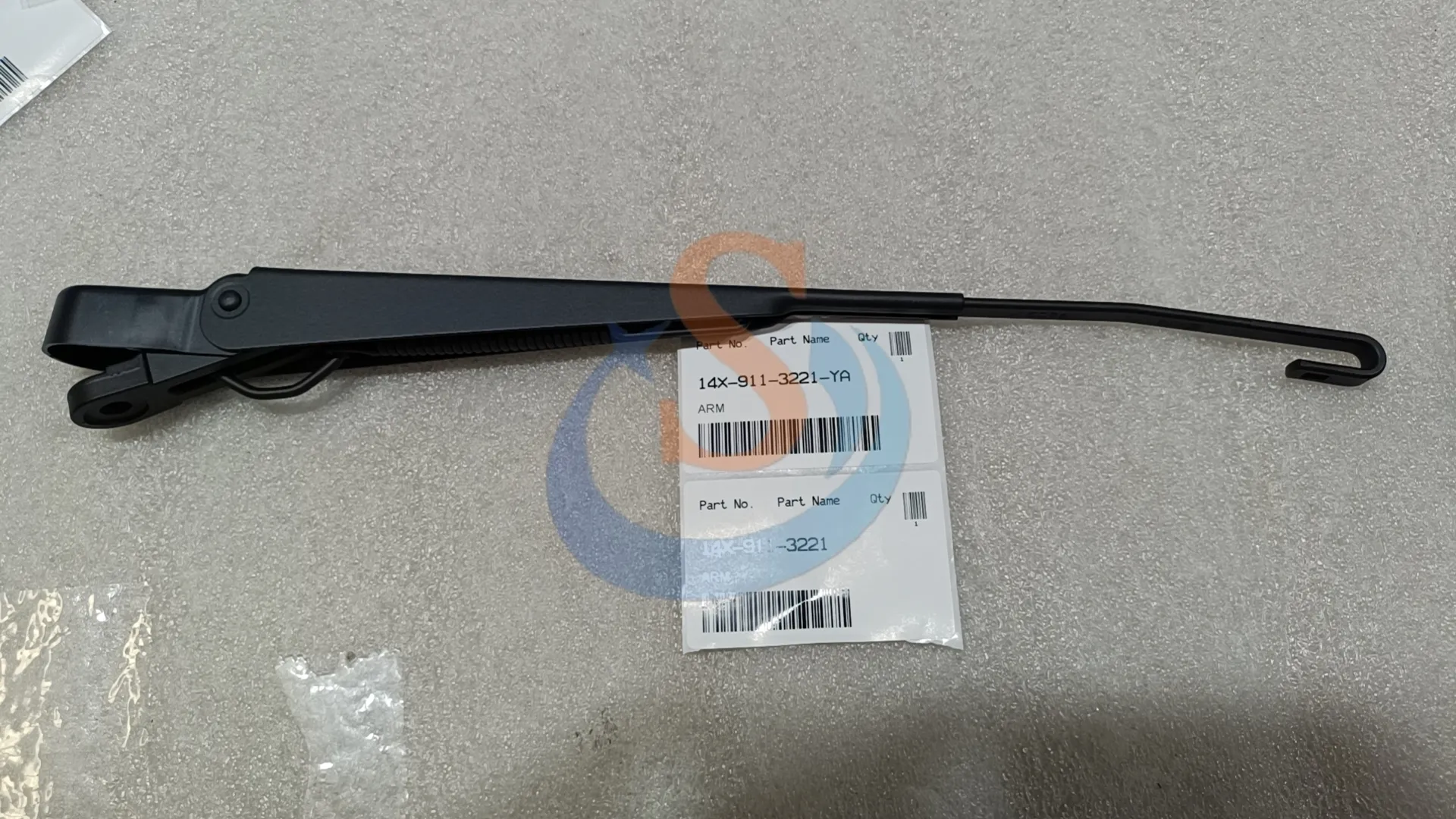 14X-911-3221,ARM,D155AX,D375A,D475A
 -
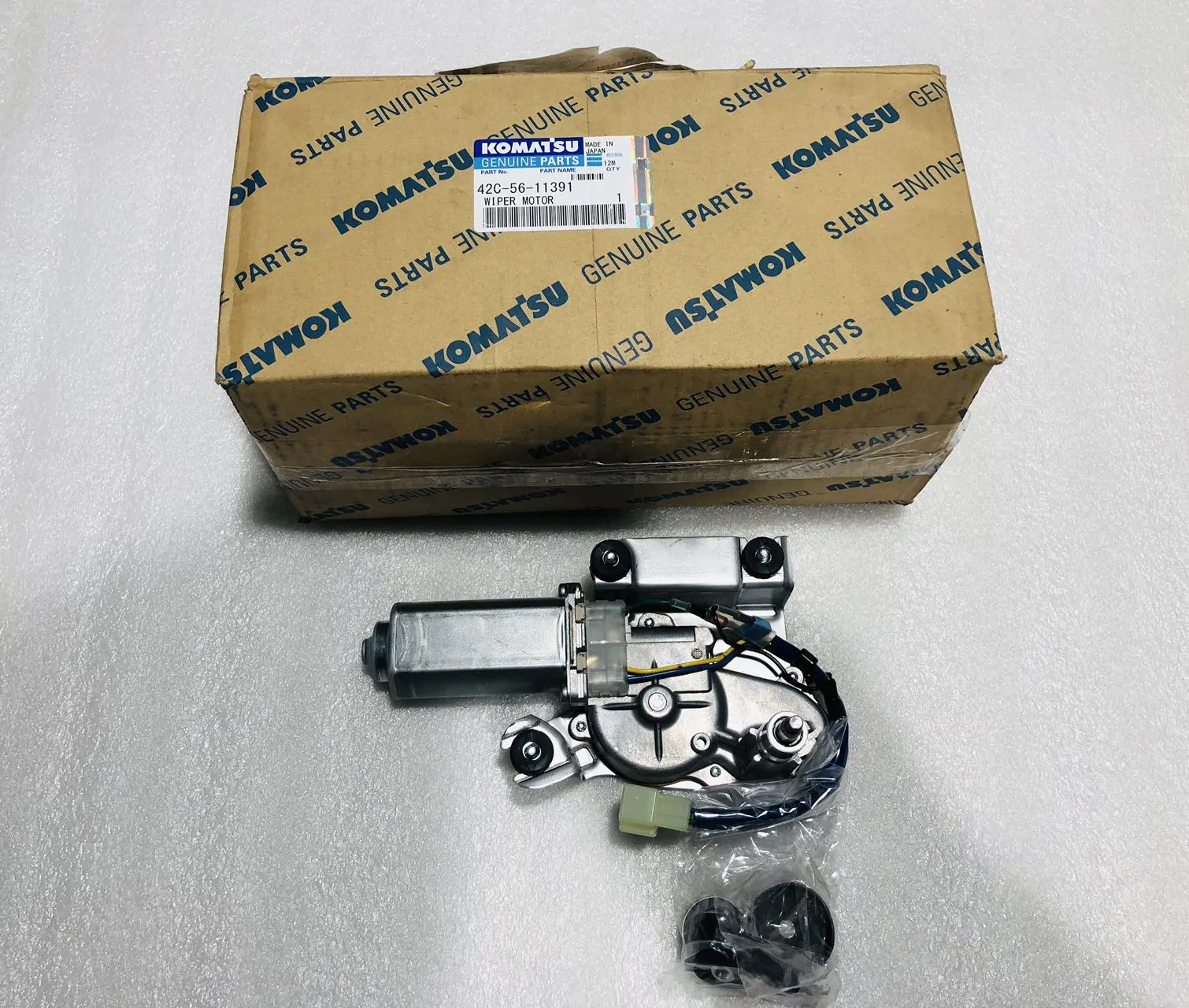 42C-56-11391Right windshield wiper motor assembly
 -
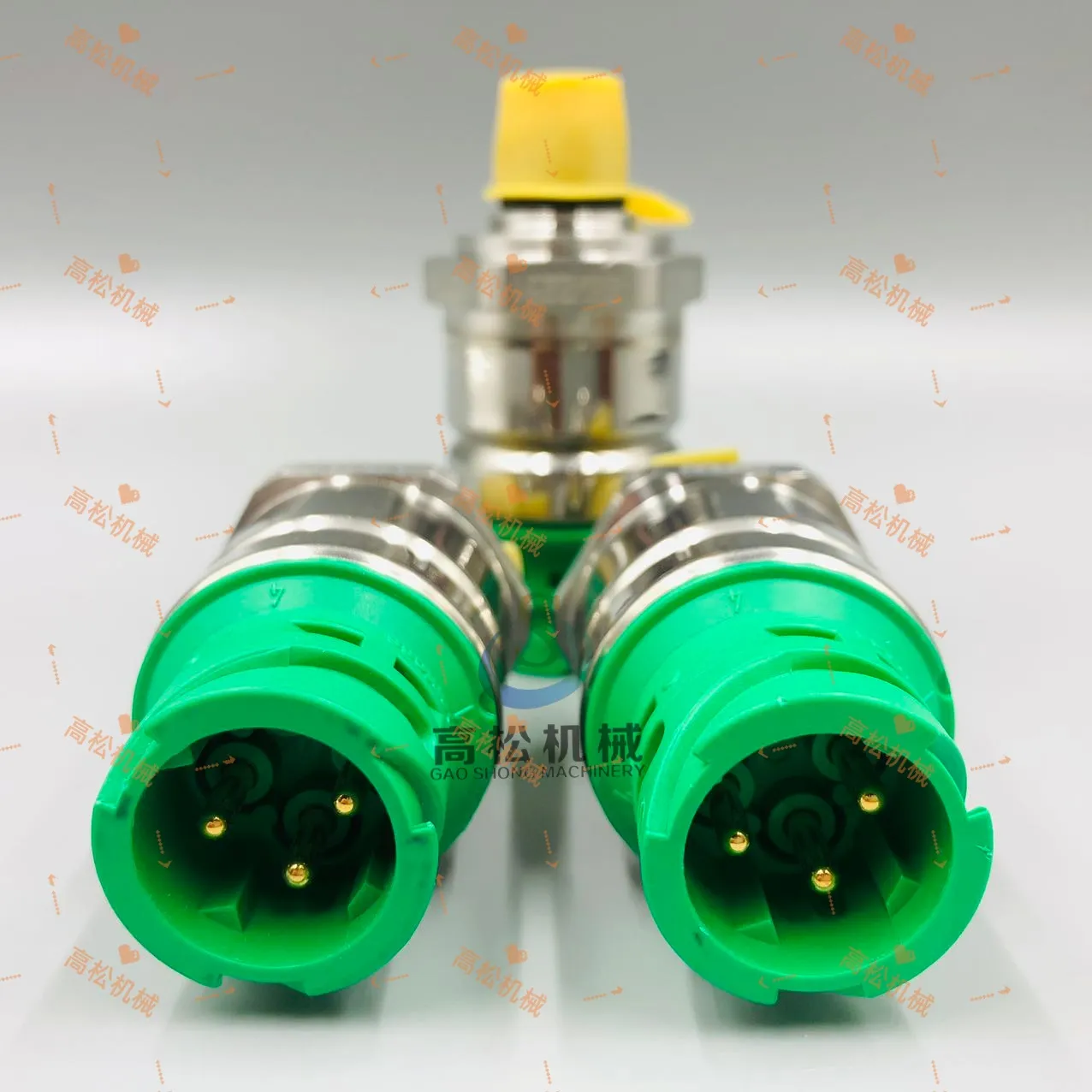 Pressure Sensor for Komatsu HM400 SAA6D140E WA500 6560-61-7201 6560617201
 -
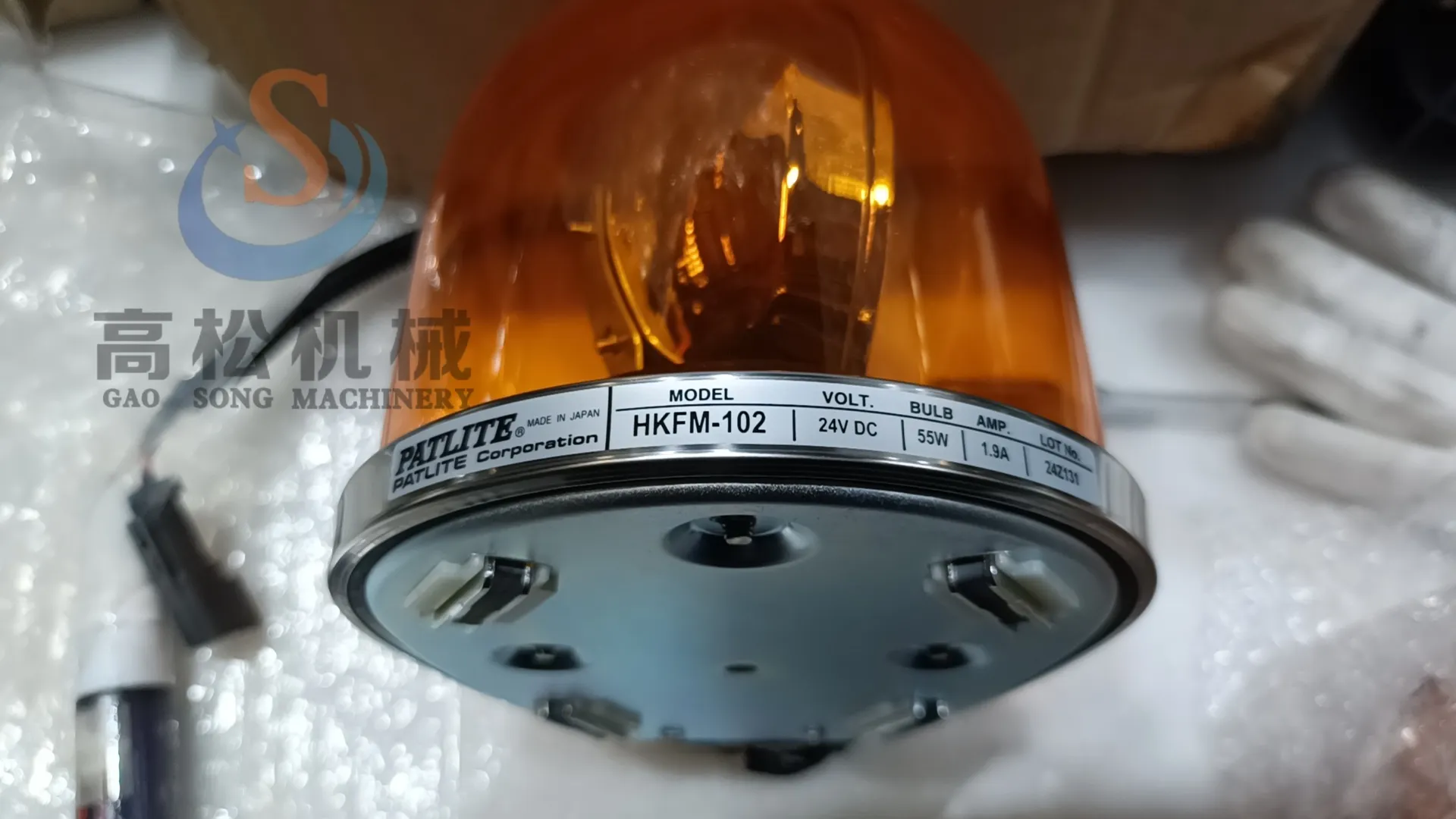 22B-54-17612 komatsu LAMP-PC200/PC300/PC400
 -
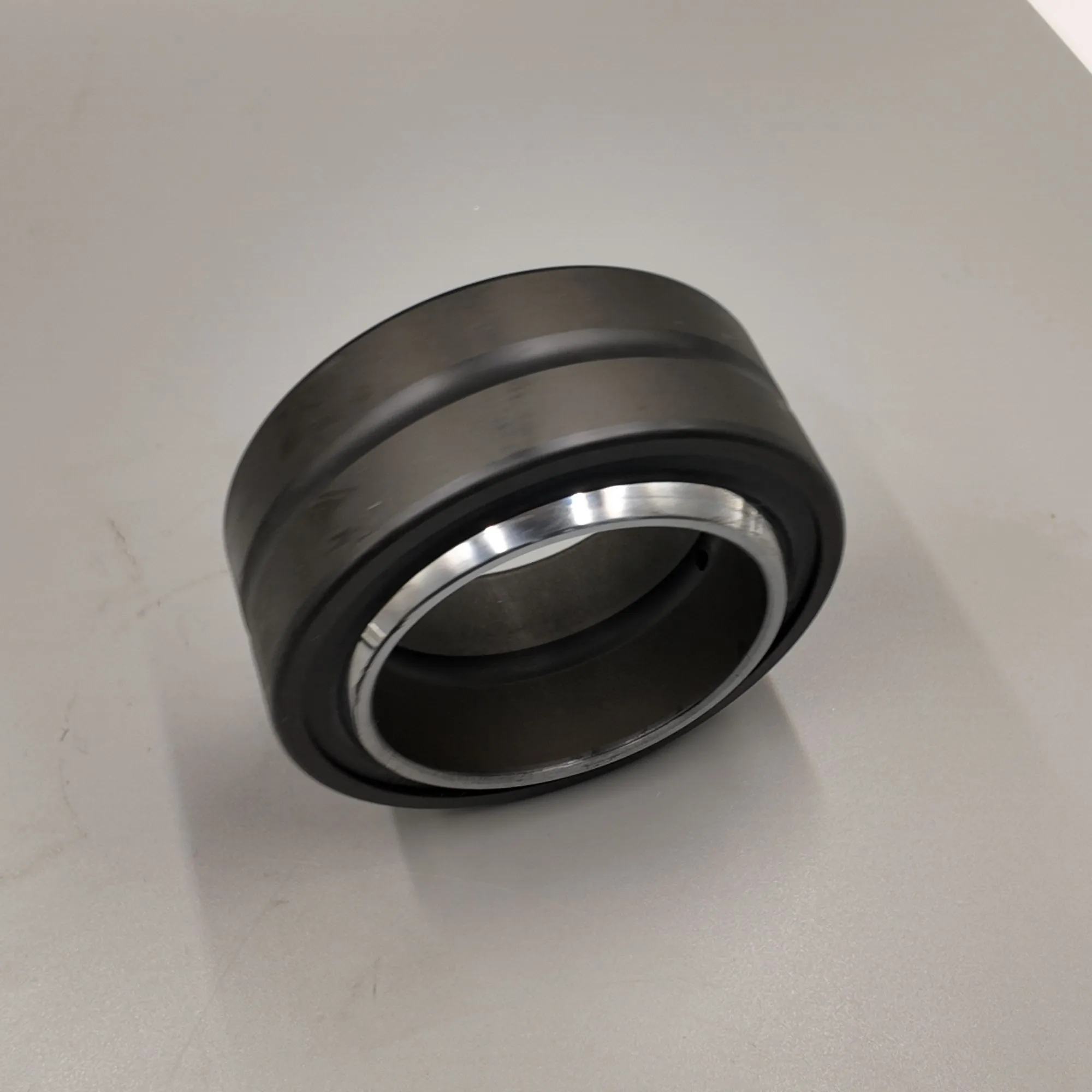 707-46-07040 • Bushing-Komatsu Original Factory
 -
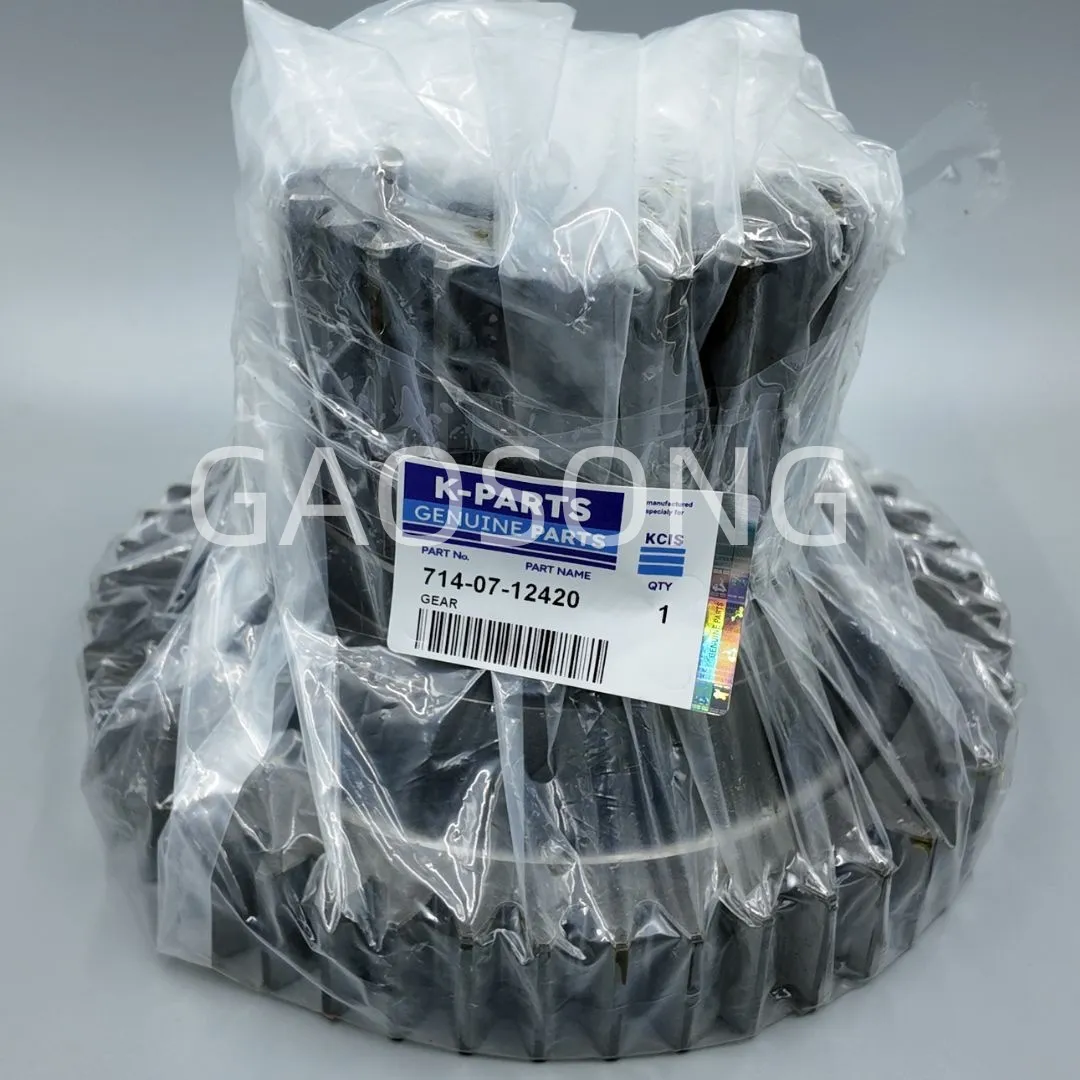 714-07-12420 •• GEAR¤ 48 TEETH,FORWARD-Komatsu Original Factory
 -
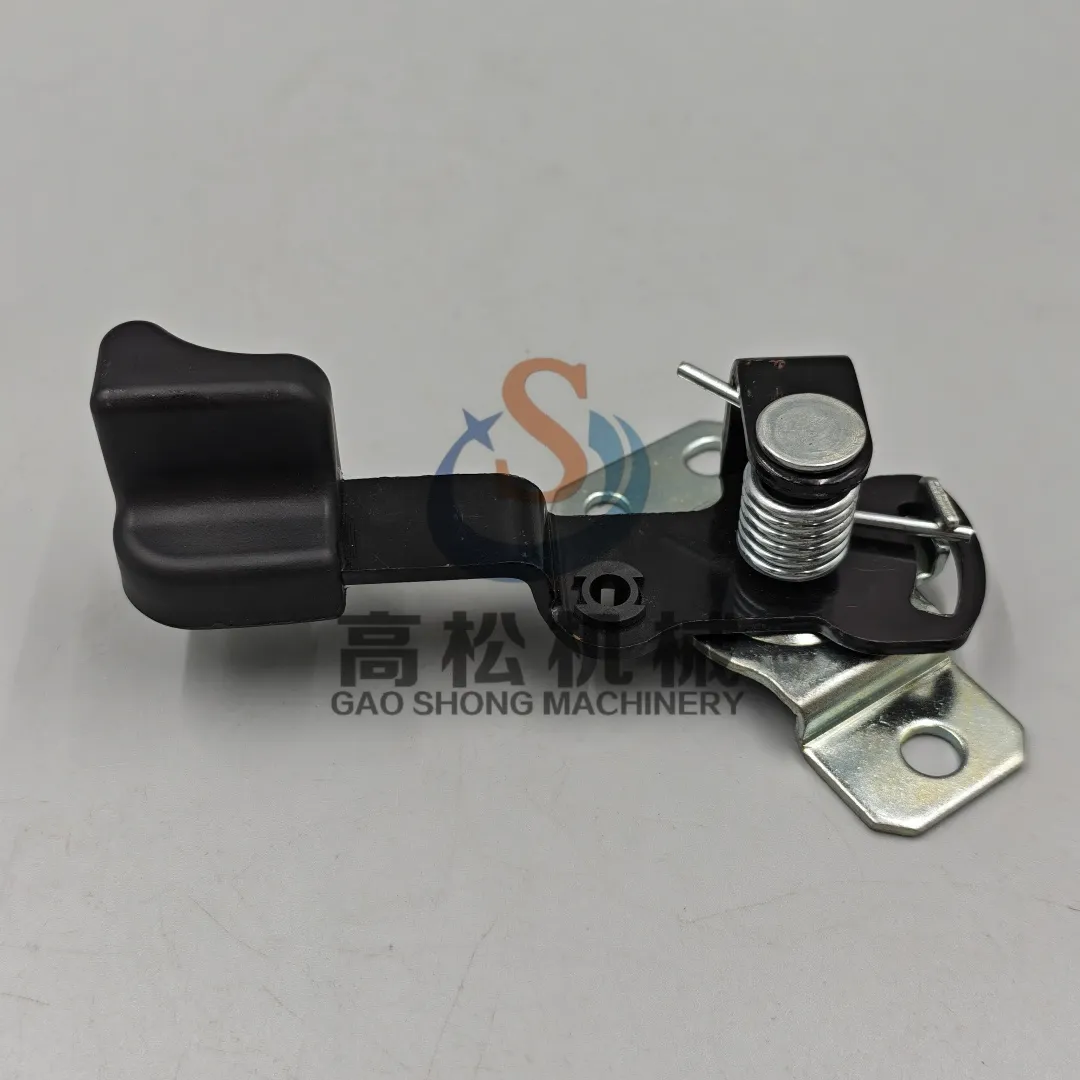 Door Lock Assembly 20Y-54-52820 Latch 20Y-53-12201 Handle Ass’s 20Y-54-52300 for Komatsu PC220-8
 -
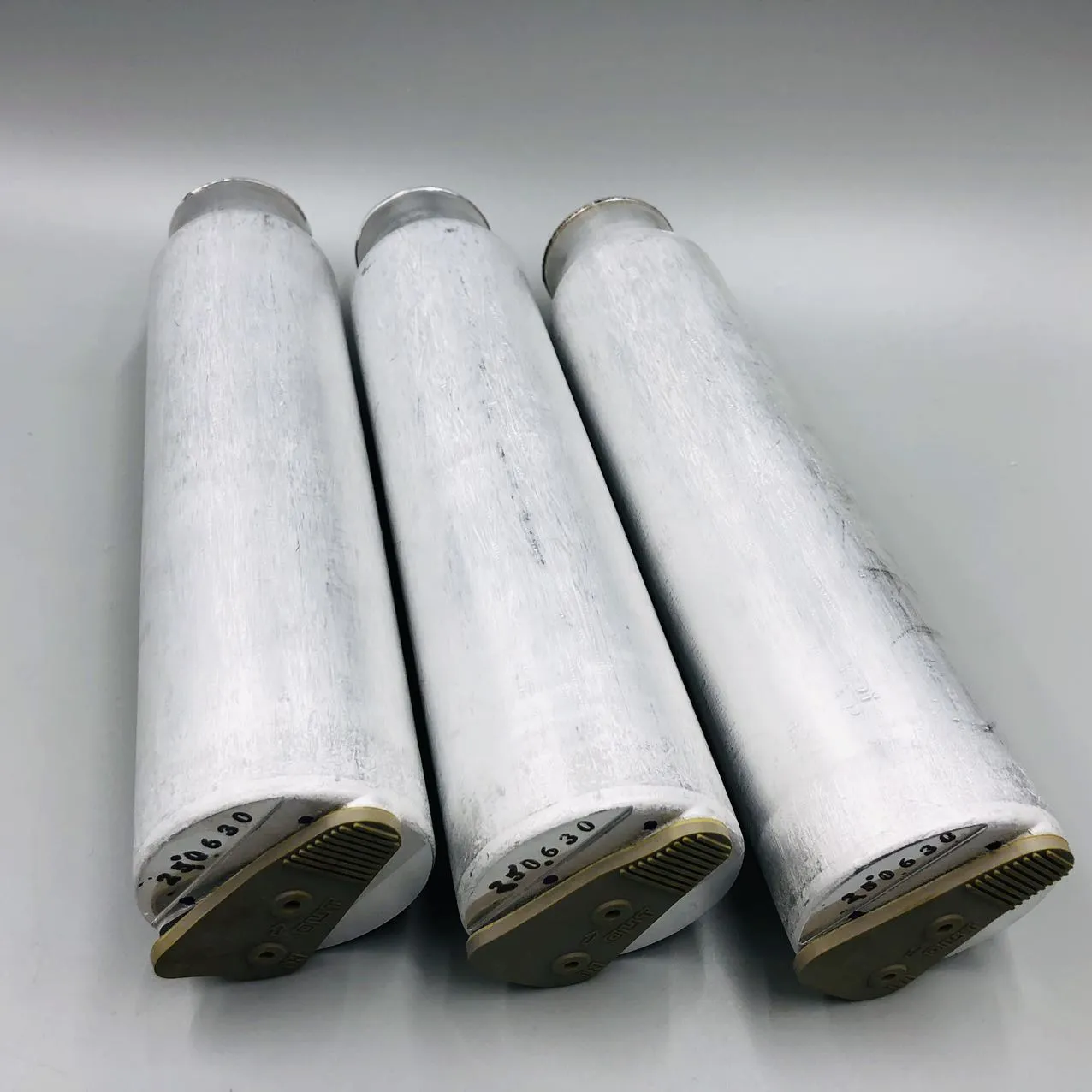 tank20Y-979-3120
 -
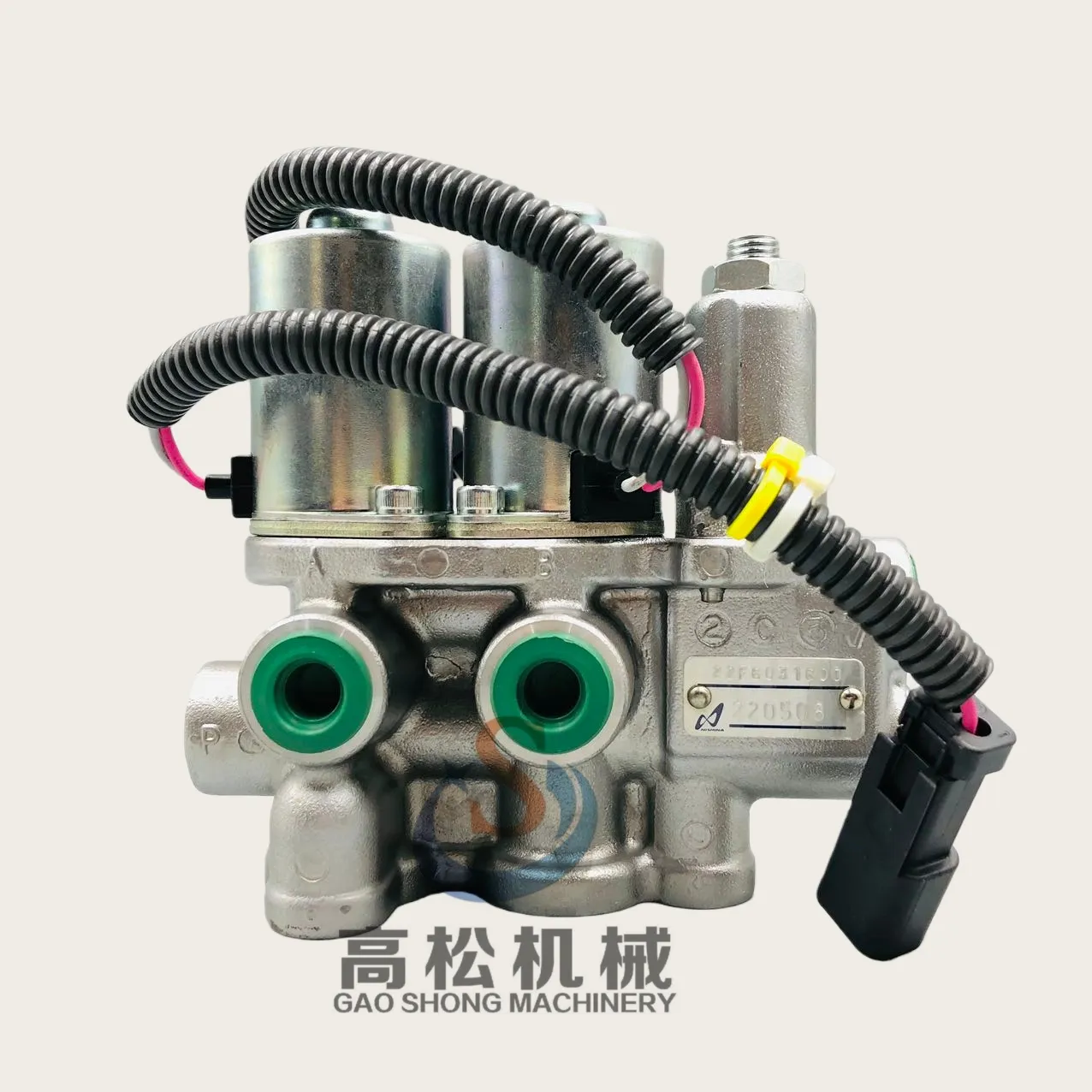 komatsu 22F-60-31600 VALVE ASS’Y PC18MR-3 PC35MR-3 PC45MR-3 PC55MR-3 MAIN VALVE
 -
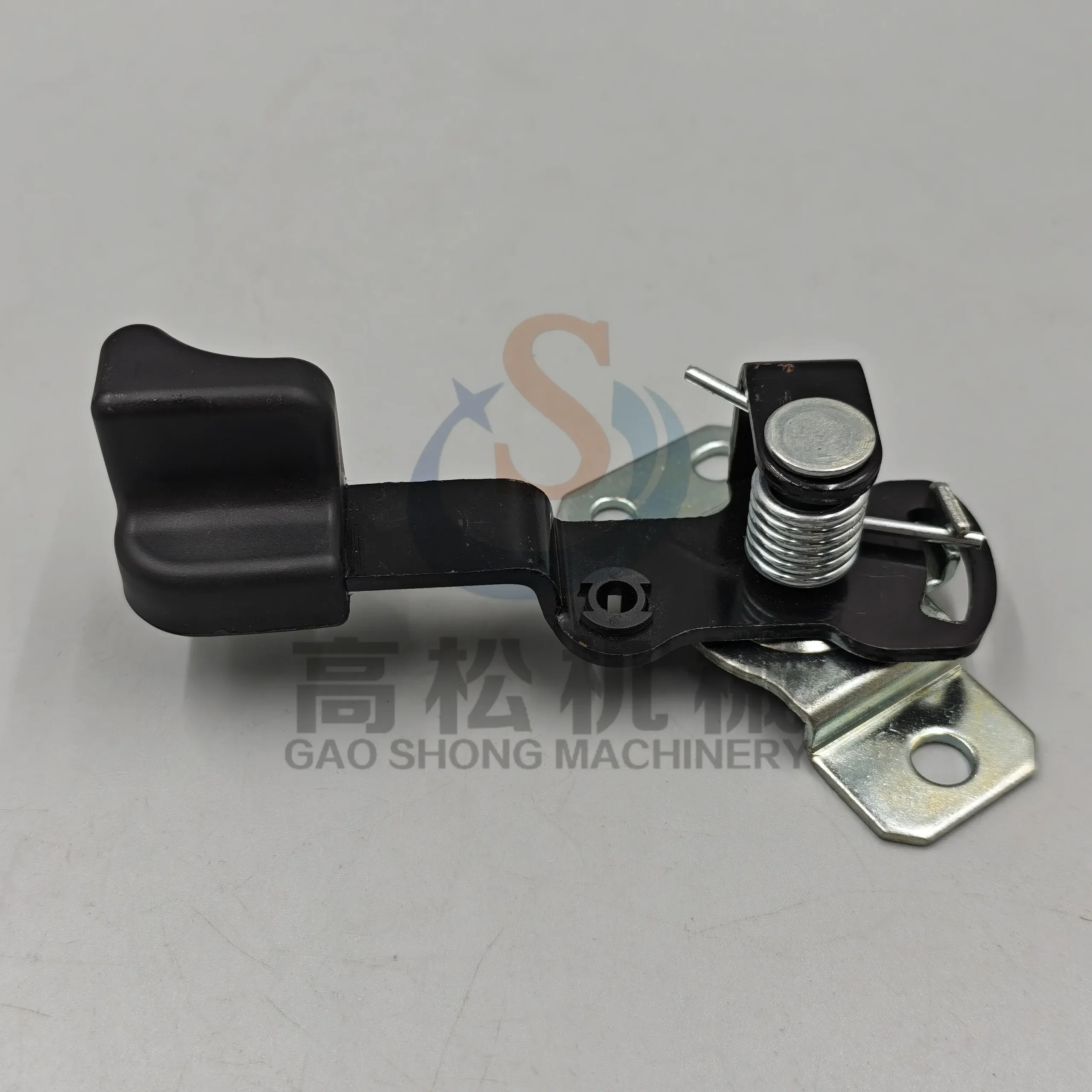 20Y-54-52300 Komatsu Handle Assembly