
- Chinese
- French
- German
- Portuguese
- Spanish
- Russian
- Japanese
- Korean
- Arabic
- Irish
- Greek
- Turkish
- Italian
- Danish
- Romanian
- Indonesian
- Czech
- Afrikaans
- Swedish
- Polish
- Basque
- Catalan
- Esperanto
- Hindi
- Lao
- Albanian
- Amharic
- Armenian
- Azerbaijani
- Belarusian
- Bengali
- Bosnian
- Bulgarian
- Cebuano
- Chichewa
- Corsican
- Croatian
- Dutch
- Estonian
- Filipino
- Finnish
- Frisian
- Galician
- Georgian
- Gujarati
- Haitian
- Hausa
- Hawaiian
- Hebrew
- Hmong
- Hungarian
- Icelandic
- Igbo
- Javanese
- Kannada
- Kazakh
- Khmer
- Kurdish
- Kyrgyz
- Latin
- Latvian
- Lithuanian
- Luxembou..
- Macedonian
- Malagasy
- Malay
- Malayalam
- Maltese
- Maori
- Marathi
- Mongolian
- Burmese
- Nepali
- Norwegian
- Pashto
- Persian
- Punjabi
- Serbian
- Sesotho
- Sinhala
- Slovak
- Slovenian
- Somali
- Samoan
- Scots Gaelic
- Shona
- Sindhi
- Sundanese
- Swahili
- Tajik
- Tamil
- Telugu
- Thai
- Ukrainian
- Urdu
- Uzbek
- Vietnamese
- Welsh
- Xhosa
- Yiddish
- Yoruba
- Zulu
- Kinyarwanda
- Tatar
- Oriya
- Turkmen
- Uyghur






fuel filter komatsu pc200 8
When someone searches for 'fuel filter komatsu pc200 8', they're usually in one of two camps: either they're desperately trying to fix a sudden loss of power or rough idle, or they're doing routine maintenance and just want the right part number. The common pitfall? Thinking any filter that threads on is good enough. That's a quick way to introduce air into the fuel system or, worse, let contaminants through to the high-pressure pump. The PC200-8's system, especially with the SAA6D107E-1 engine, is less forgiving than older models. The factory spec isn't just about micron rating; it's about the bypass valve pressure, the seal material compatibility with ultra-low sulfur diesel, and the housing's ability to handle the vibration. I've seen guys throw on a generic filter that looked identical, only to chase a phantom air leak for days. The real cost isn't the filter; it's the downtime.
The Anatomy of the Correct Filter
Let's break down what you're actually looking for. The genuine Komatsu part is, say, fuel filter . But the key isn't the number itself—it's what it represents. This isn't a simple spin-on canister. It has a specific water-in-fuel sensor port and a dedicated drain valve location. The gasket is a particular compound; using one that's too hard or too soft can lead to seepage. The filter media itself is designed for the flow rate of that engine. A cheaper aftermarket filter might have a higher micron rating, meaning it catches less, or it might have such a high restriction it starves the pump. I always check the internal pleat count and the end cap construction if I'm evaluating an alternative. A collapsed pleat pack inside a cheap filter is a silent killer.
Where things get messy is with cross-references. Plenty of brands list compatibility, but their engineering tolerances are different. I remember a batch from a supplier a few years back where the threads were a fraction of a millimeter off. They'd seal hand-tight, but under thermal cycling, they'd weep fuel. Not a gusher, just enough to attract dirt and make a mess. Took us three machines with the same issue to trace it back to the Komatsu PC200-8 filter lot number. The lesson? Even trusted cross-reference numbers need a physical inspection the first time you use them.
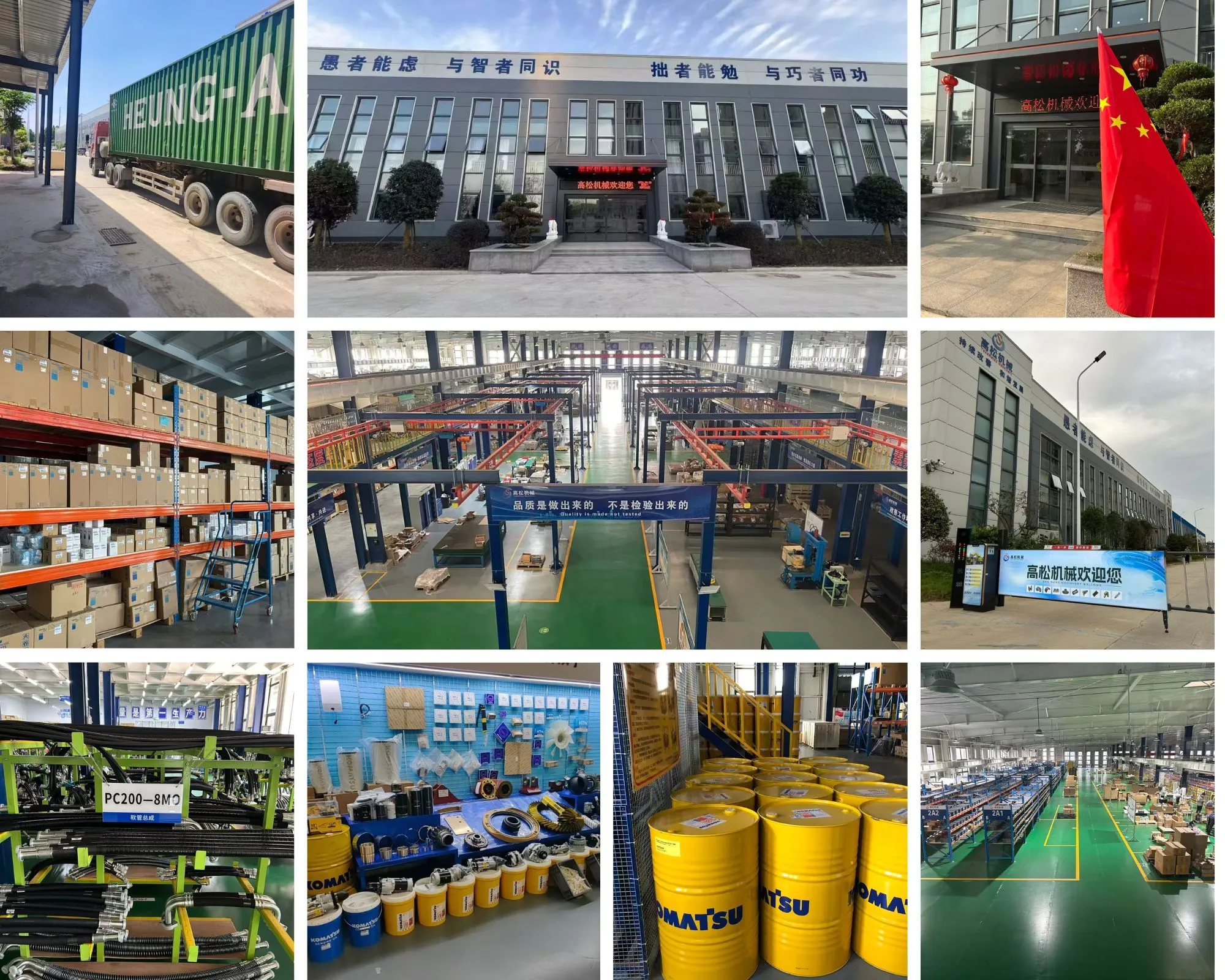
This is where a supplier with direct system knowledge becomes critical. A company like Jining Gaosong Construction Machinery Co., Ltd. operates in a useful niche. As they note, they're an OEM product supplier within the Komatsu system and a third-party sales company. In practice, this often means they have access to the genuine Komatsu spec—sometimes even the same production lines—for certain components, but they can also navigate the landscape of high-quality alternatives that meet the exact engineering requirements when the genuine part is logistically or financially out of reach for a project. They're not just a parts counter; they're solving supply chain puzzles, which is the reality for fleets operating in remote areas.
Installation Pitfalls and the Air Problem
Assuming you have the correct filter, the next hurdle is installation. The biggest headache on the PC200-8 is priming the system after a change. It's not like the old mechanical pumps. The electric priming pump is there for a reason, but you need to use it correctly. The manual says to fill the new filter with clean fuel. I do it every time. It's not a suggestion; it's a necessity to minimize air ingress. Even then, you'll often need to cycle the key, letting the pump run for 30 seconds, wait, and repeat two or three times before cranking.
I've had machines that started right up, and others that required cracking the injector lines at the common rail—a messy, high-pressure job. The difference often traced back to the filter housing's internal check valve or the seal on the filter head. If that main O-ring isn't seated perfectly or is nicked, it will suck air. The air won't cause a massive leak you can see; it'll just cause a lean condition, hard starting, and white smoke. A trick I use is to apply a thin film of clean diesel to the seal before installing, never grease, and hand-tighten plus a quarter-turn with the strap wrench. Over-tightening distorts the seal.
Another real-world issue is the water sensor. On some replacement filters, the sensor port is slightly different, or the sensor's O-ring doesn't seal. The monitor panel might throw a false water-in-fuel warning, or worse, not warn you when there actually is water. I always test the sensor after installation by pressing its test button on the monitor. If it doesn't trigger the warning, you've got a problem with the filter/sensor interface.
Service Intervals and Contamination Sources
The book says change the fuel filter every 500 hours. That's a decent baseline, but it's just a baseline. If you're working in extreme dust, or if your fuel storage on-site is questionable, cut that interval in half. The cost of a filter is nothing compared to replacing injectors. I've pulled filters at 300 hours that were completely plugged with a slimy, microbial growth from contaminated fuel tanks. That bio-sludge is the worst. It passes through some filters and gums up everything downstream.
So, the filter is your last line of defense, but your first should be fuel management. Always use the machine's built-in settling bowl and drain it daily. Consider a auxiliary filtration system if you're constantly buying fuel from dubious sources. For the PC200-8, paying attention to the primary filter/water separator upstream is just as important. They work as a team. Neglecting the primary lets too much water and large particulates hit the final fuel filter, overwhelming it.
There's also the question of brand loyalty versus performance. I've used genuine Komatsu, Donaldson, Fleetguard, and Baldwin filters on these machines. The genuine part is always safe. For the others, you must ensure the part number is a true engineering match, not just a sales catalog match. A supplier like the mentioned Jining Gaosong can be invaluable here. Their position within the Komatsu ecosystem means they understand these precise specifications. They can provide the OEM part or vet a third-party option that won't cause problems, which is their stated goal of solving parts supply challenges. You're not just buying a canister; you're buying their judgment that this component will perform to the machine's standard.
When the Filter Isn't the Problem
Sometimes, you replace the filter, prime it perfectly, and the problem persists. Now you're digging deeper. A persistently clogged filter points to a tank issue—rust, algae, or debris. A loss of power after a fresh filter could be a failing fuel transfer pump not providing enough head pressure to the high-pressure pump. The PC200-8's fuel pressure sensor can also give faulty readings.
I worked on one machine that had recurring filter clogs. We changed brands, changed intervals, nothing worked. Finally, we dropped the tank. The problem was a disintegrating rubber fuel pickup line inside the tank. Little black rubber particles were shredding off and heading straight for the filter. The filter was doing its job—and getting destroyed in the process. The fix was a new pickup hose, not another filter brand.
This is where the professional judgment comes in. The filter is a symptom, a wear item, and a protector. Your job is to read what it's telling you. Is it clean but the machine runs rough? Look elsewhere. Is it abnormally dirty? Look upstream. The search for the right fuel filter komatsu pc200 8 is the start of the conversation, not the end of it. It leads you into the fuel system's health. Getting the correct part, from a source that understands the consequences of getting it wrong, is the foundational step. Everything after that is diagnostics.
Related Products
Related Products


Best Selling Products
Best Selling Products-
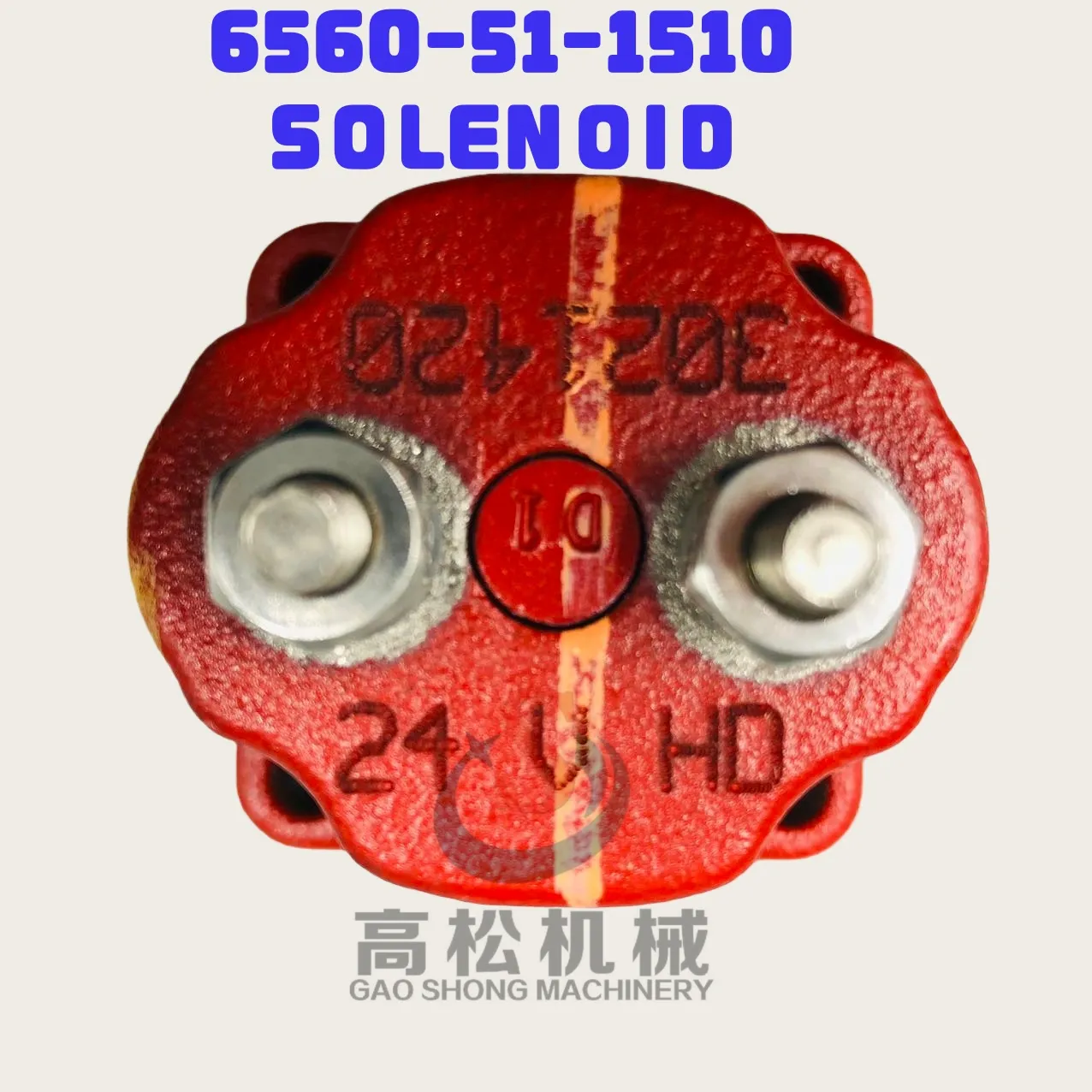 SOLENOID WA600-3LK. CONTROL VALVE AND MOUNTING 6560-51-1510 SOLENOID Suitable For Komatsu 6560511510 SAA6D170E-3C-8
 -
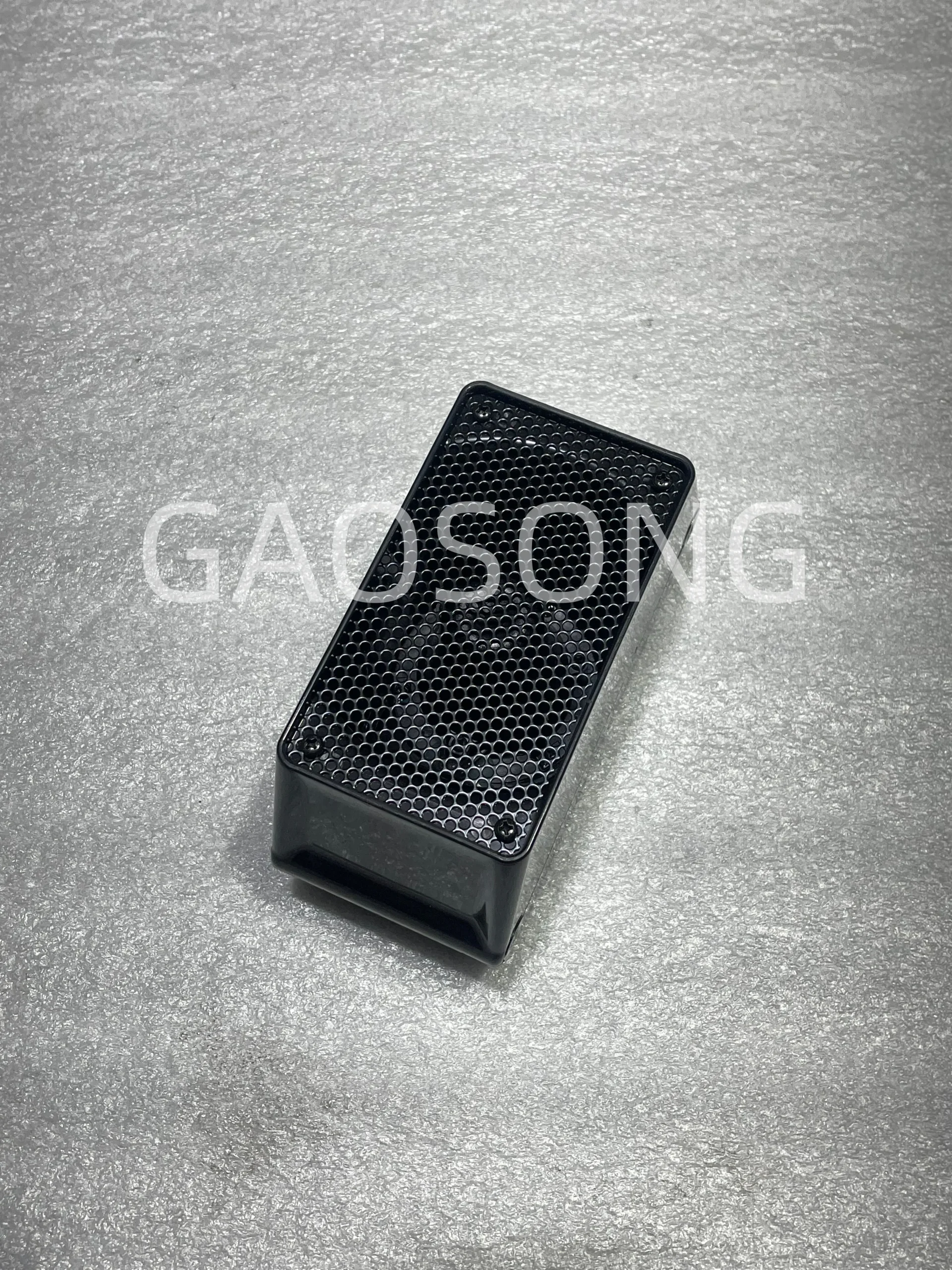 415-06-22100 ALARM.BACK-UP-Komatsu Original Factory
 -
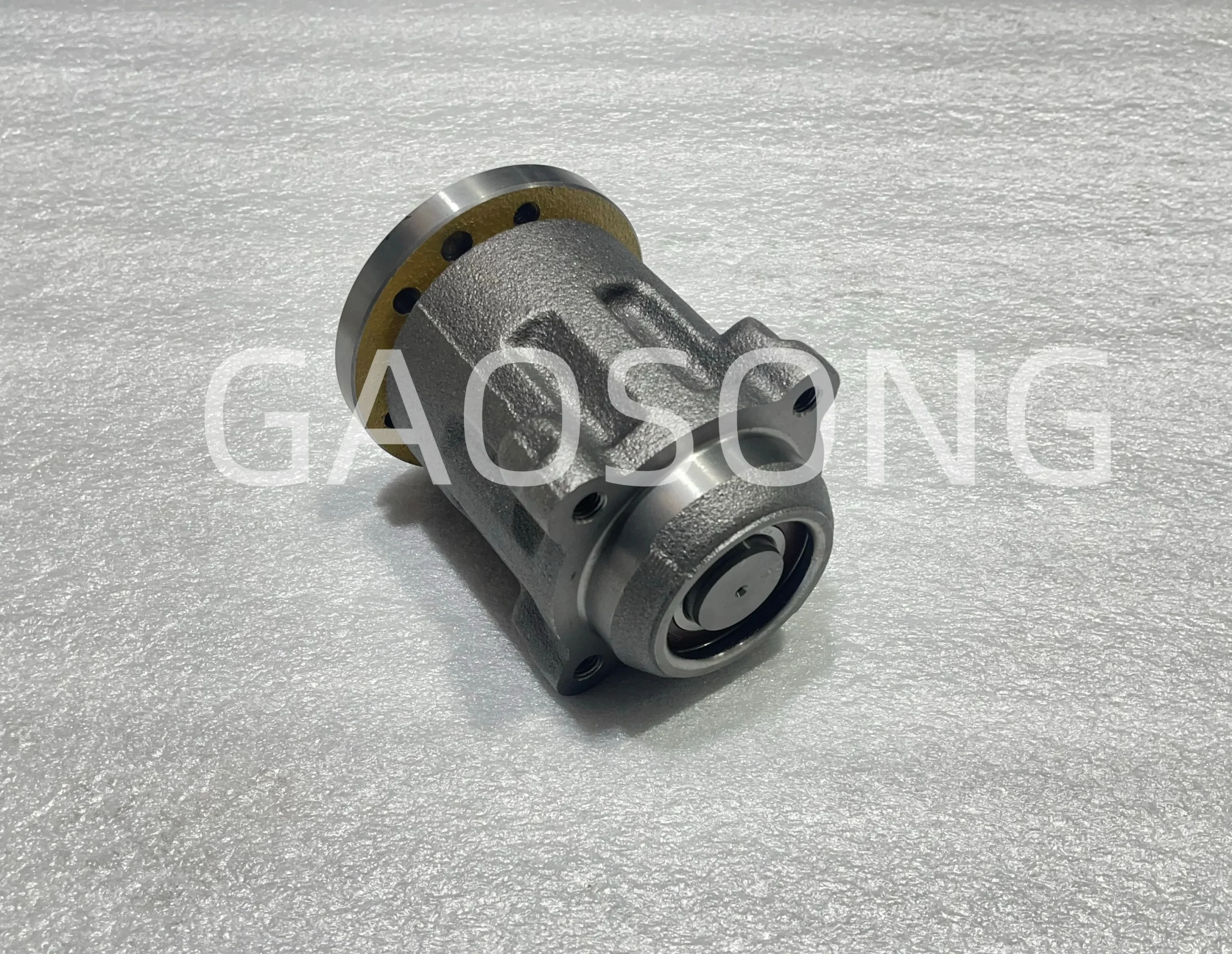 6151-61-3201 CASE ASS’Y-Komatsu Original Factory
 -
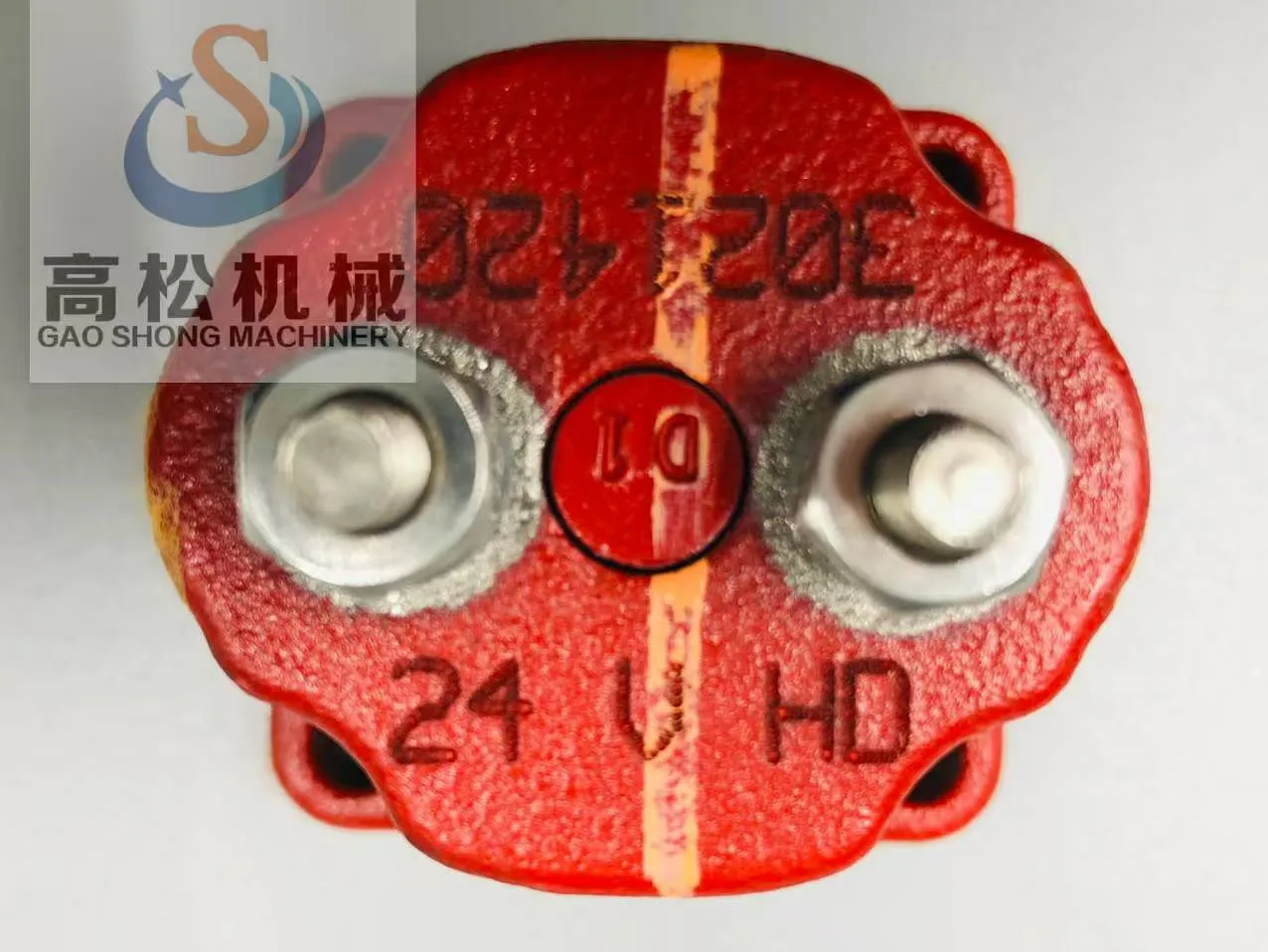
 6693-22-5600 Komatsu Valve Assembly
 -
 6560-51-1510 Fuel pump shut-off electromagnetic valve, suitable for PC1250LC-7, PC1250LC-8, WA600-3, SAA6D170E-3.
 -
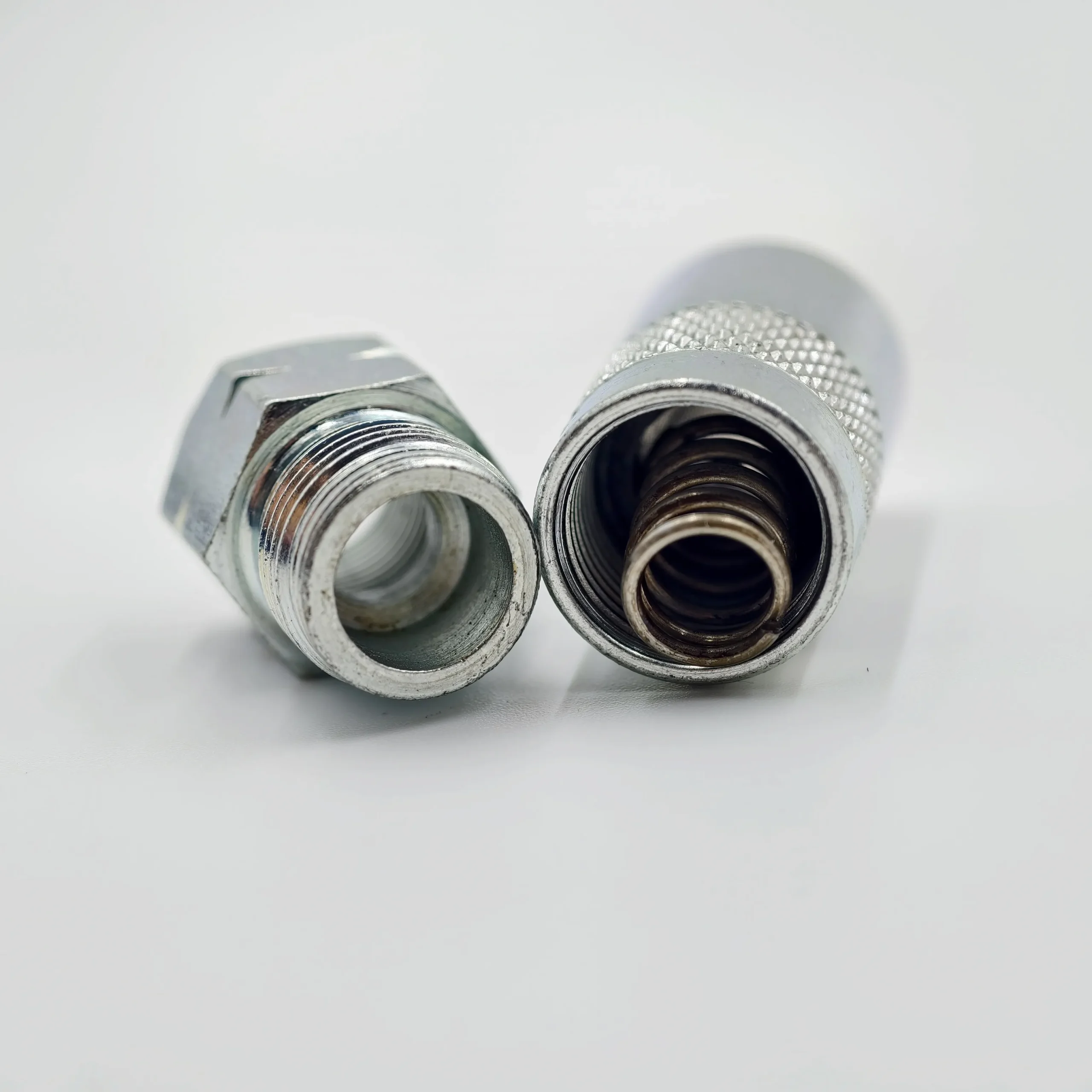 209-68-11640• COUPLER ASS’Y-Komatsu Original Factory
 -
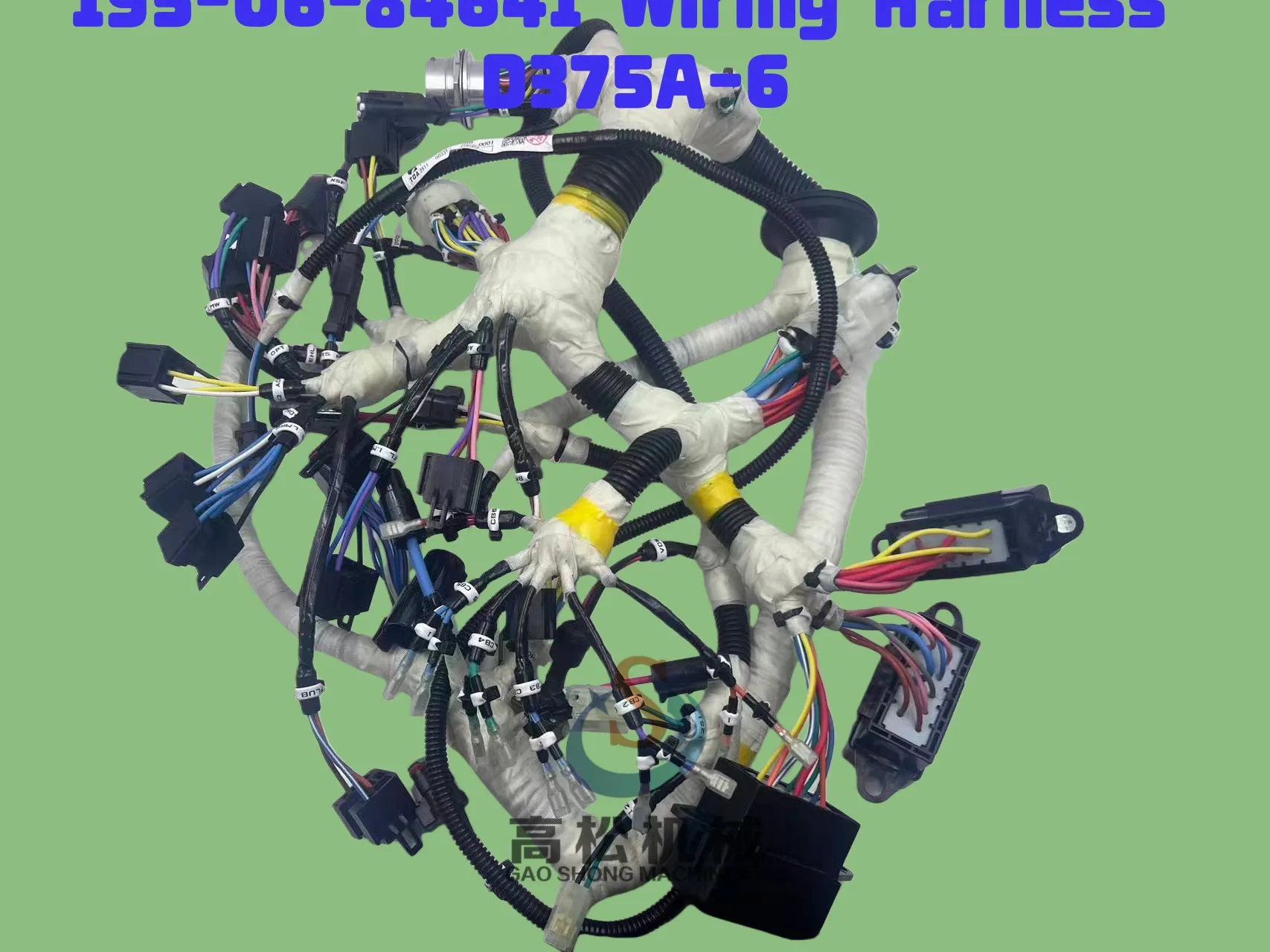 Wiring Harness 195-06-84641 D375A-6 S/N 60001-UP (Extreme Cold Area Arrangement (-40 deg C)) FLOOR FRAME, FUSE BOX AND RELAY
 -
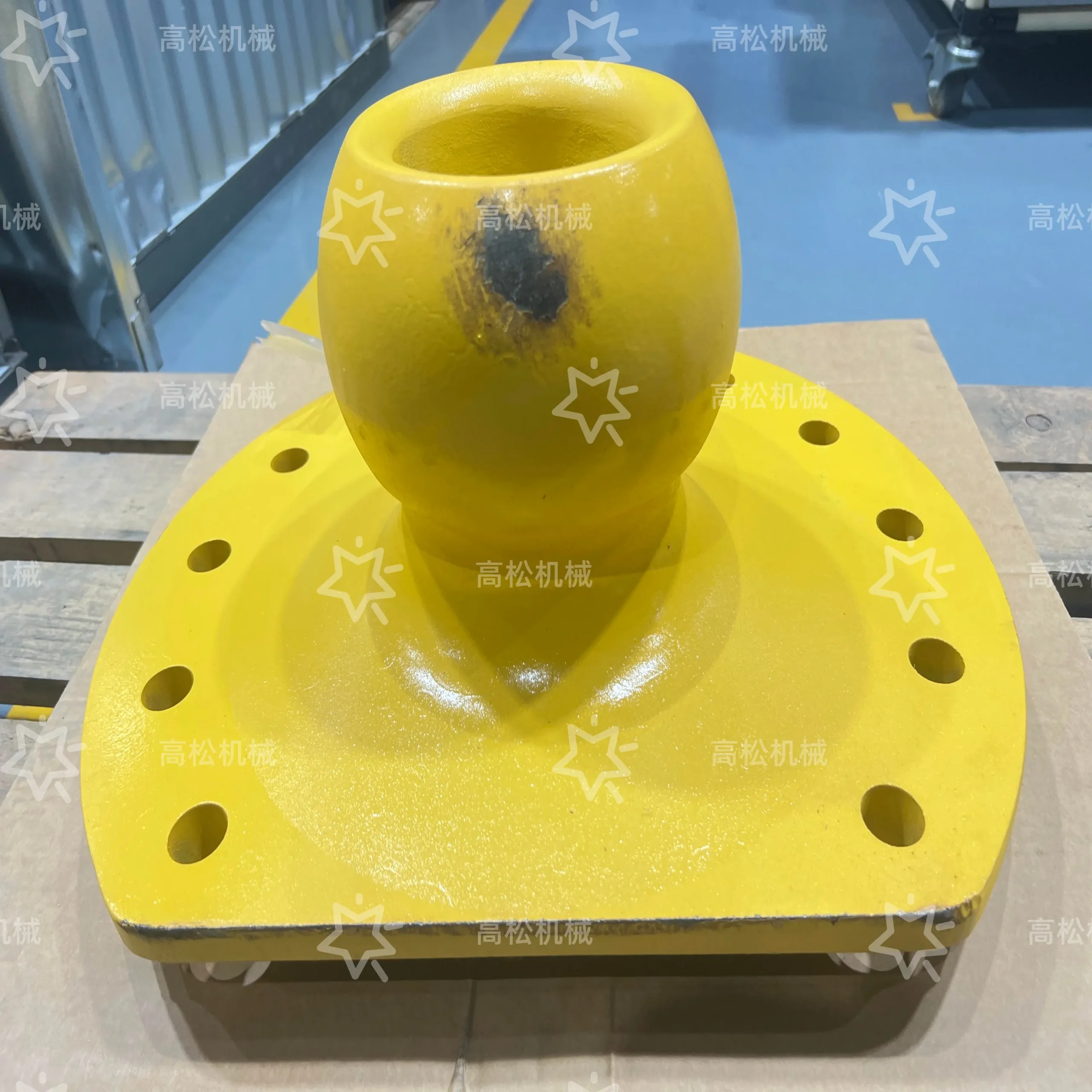
 56B-16-11211 Komatsu buffer pad parts HM250, HM300, HM300TN, HM350, HM400
 -
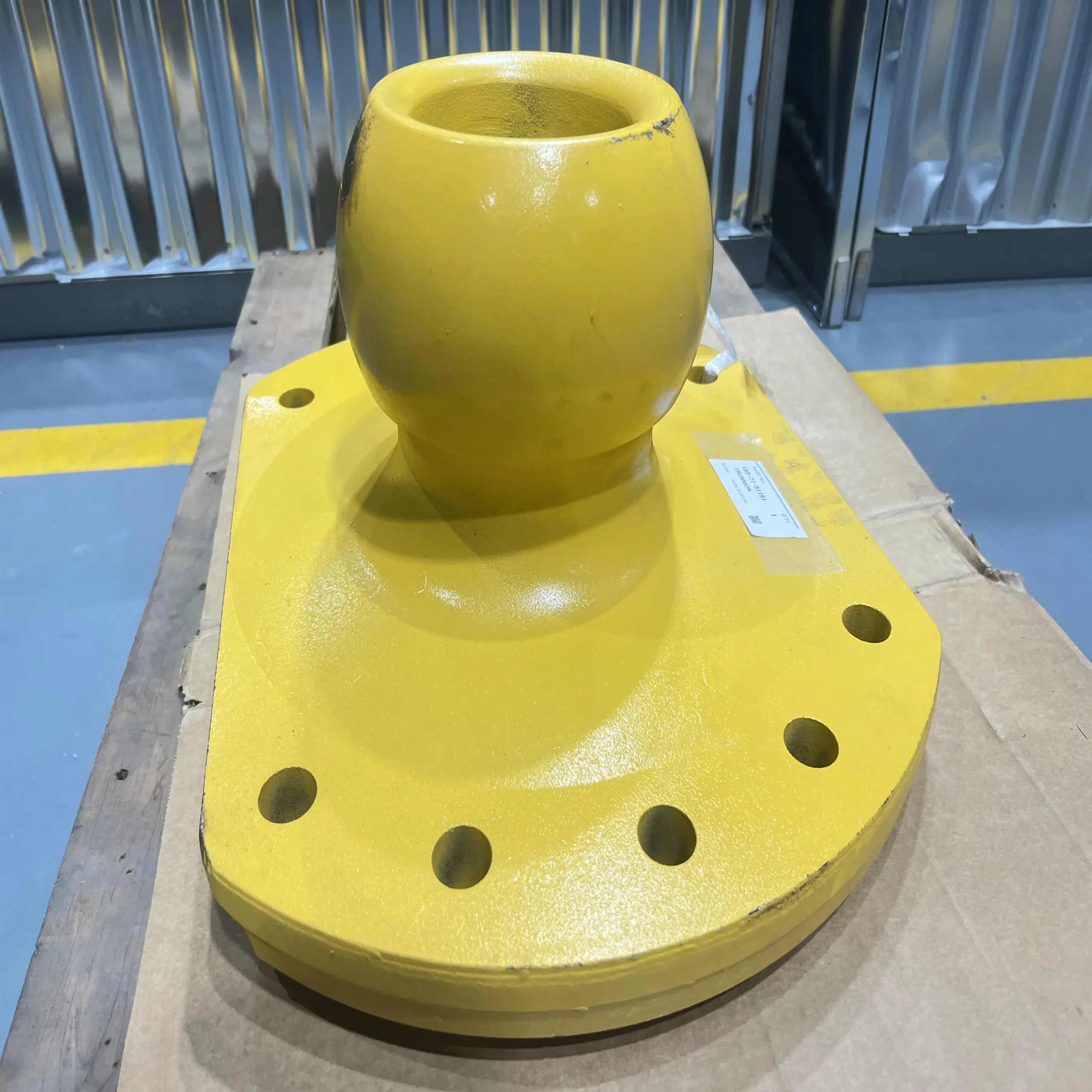
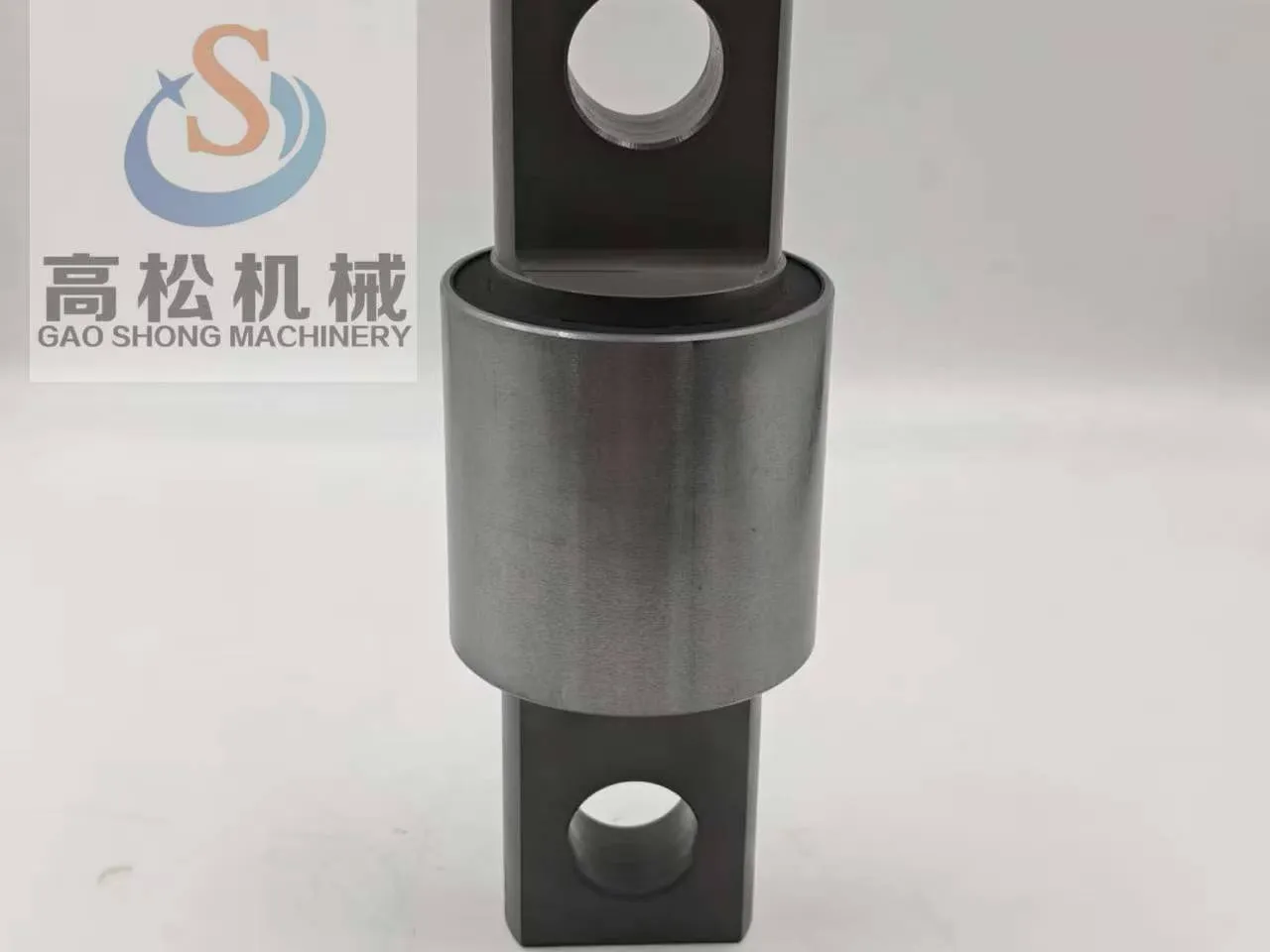
 Trunnion 195-71-51191 for Bulldozer D375A-1/3/5/6
 -
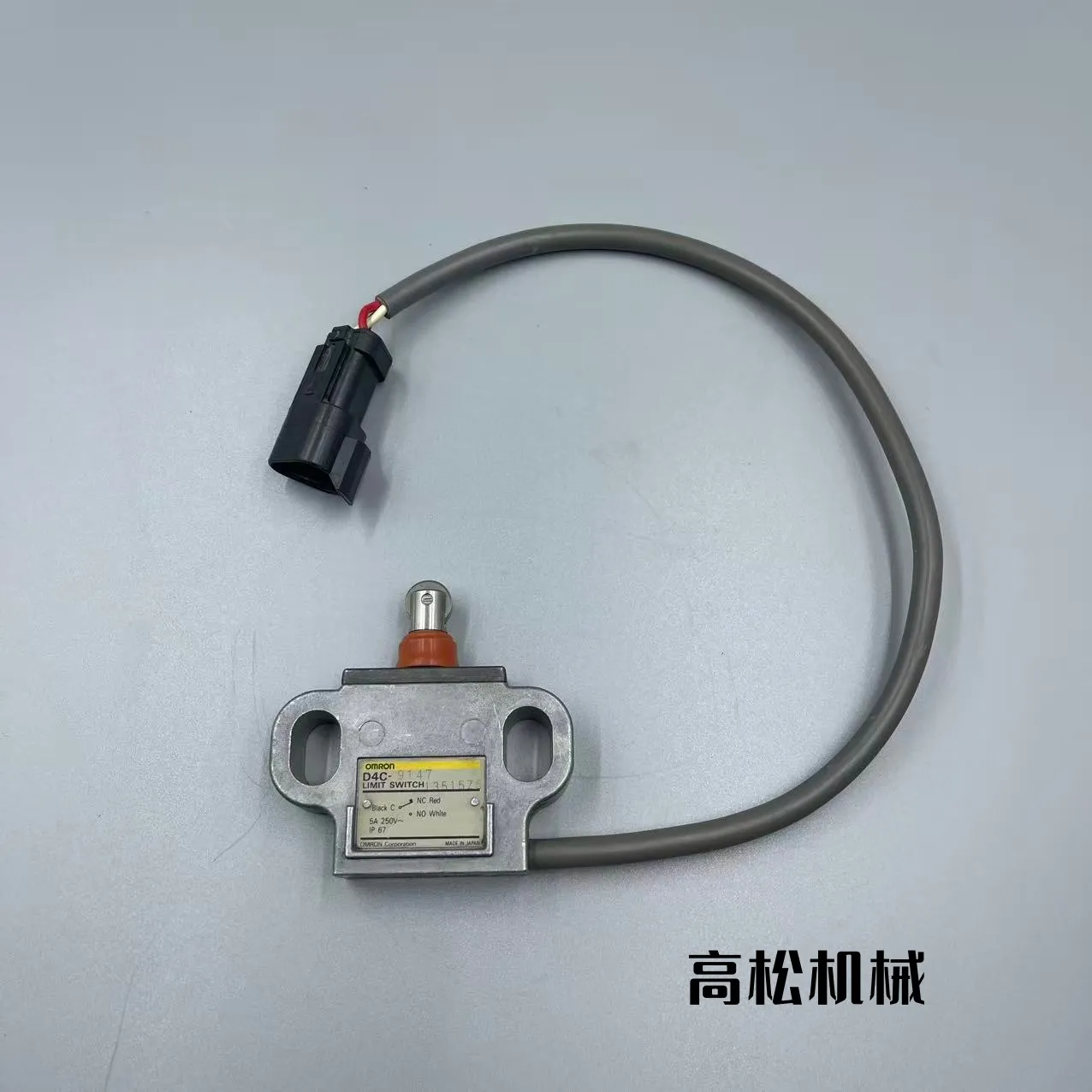 11Y-06-22150-SWITCH Komatsu Original Factory
 -
 104-15-25480• VALVE Komatsu Original Factory
 -
 Spare part 23W-22-21560 SHIM 0.05MM Komatsu