
- Chinese
- French
- German
- Portuguese
- Spanish
- Russian
- Japanese
- Korean
- Arabic
- Irish
- Greek
- Turkish
- Italian
- Danish
- Romanian
- Indonesian
- Czech
- Afrikaans
- Swedish
- Polish
- Basque
- Catalan
- Esperanto
- Hindi
- Lao
- Albanian
- Amharic
- Armenian
- Azerbaijani
- Belarusian
- Bengali
- Bosnian
- Bulgarian
- Cebuano
- Chichewa
- Corsican
- Croatian
- Dutch
- Estonian
- Filipino
- Finnish
- Frisian
- Galician
- Georgian
- Gujarati
- Haitian
- Hausa
- Hawaiian
- Hebrew
- Hmong
- Hungarian
- Icelandic
- Igbo
- Javanese
- Kannada
- Kazakh
- Khmer
- Kurdish
- Kyrgyz
- Latin
- Latvian
- Lithuanian
- Luxembou..
- Macedonian
- Malagasy
- Malay
- Malayalam
- Maltese
- Maori
- Marathi
- Mongolian
- Burmese
- Nepali
- Norwegian
- Pashto
- Persian
- Punjabi
- Serbian
- Sesotho
- Sinhala
- Slovak
- Slovenian
- Somali
- Samoan
- Scots Gaelic
- Shona
- Sindhi
- Sundanese
- Swahili
- Tajik
- Tamil
- Telugu
- Thai
- Ukrainian
- Urdu
- Uzbek
- Vietnamese
- Welsh
- Xhosa
- Yiddish
- Yoruba
- Zulu
- Kinyarwanda
- Tatar
- Oriya
- Turkmen
- Uyghur






fuel filter komatsu
When you hear 'fuel filter Komatsu', most guys just think of a part number, maybe 600-xxx-xxxx, something to order. That's the first mistake. It's not just a commodity. The real story is in the filtration media, the bypass valve pressure, and how it interacts with the specific fuel system of, say, a PC360 versus a D155. I've seen too many machines down because someone slapped on a 'universal' filter that looked right but choked the flow or, worse, let contaminants through. The genuine Komatsu filter isn't just a price tag; it's engineered for the pump's tolerances. But here's the rub: in many regions, getting that genuine part is a logistical nightmare, leading to downtime that costs more than the part itself. That's where the whole ecosystem of OEM suppliers and third-party solutions comes into play, and it gets messy.
The Core Challenge: Specs vs. Availability
Let's get specific. Take the common fuel filter for a Komatsu excavator like the PC200-8. The OEM spec demands a multi-layered synthetic media with a very specific micron rating and a water separator element. The aftermarket is flooded with alternatives. Some are decent, many are junk. The failure mode isn't always immediate. You might get a slight loss of power, increased fuel consumption over months. The engine doesn't blow up; it just wears out prematurely. I remember a contractor who ran a fleet of three PC138s. To save costs, he used a local brand filter. Six months later, all three machines needed injector work. The filters looked fine on the outside, but the media had collapsed internally under pressure, bypassing unfiltered fuel.
This is where a supplier's role is critical. It's not about having a catalog. It's about understanding the engineering behind the part. A company like Jining Gaosong, which positions itself as an OEM product supplier within the Komatsu system, theoretically has access to the proper specs and manufacturing channels. Their value isn't just in having the part, but in vetting it against the original performance parameters. When their site, Takematsu Machinery, mentions solving parts supply challenges, that's the real pain point they're addressing. It's not just shipping a box; it's ensuring what's in the box meets the damn standard.
The bypass valve is a perfect example of a tiny detail that matters. A genuine Komatsu fuel filter has a calibrated spring. When the filter clogs, it opens at a precise pressure to keep the engine running, albeit with unfiltered fuel—a last resort. Cheap filters have weak springs that open too early, or stiff ones that don't open at all, starving the engine. You can't see this difference on a spec sheet. You only find out when the machine fails on a critical job.
On the Ground: Sourcing and Verification
In practice, sourcing becomes a detective game. You have a broken-down machine in a remote quarry. The local dealer is out of stock, lead time 3 weeks. What do you do? You start calling suppliers who claim to have OEM or OE-quality parts. The term OEM product supplier within the Komatsu system used by Jining Gaosong Construction Machinery Co., Ltd. suggests a direct pipeline, which is gold in these situations. But you still have to verify. I always ask for batch testing reports or material certifications. A reputable supplier should have that, or at least a clear explanation of their sourcing.
I've had mixed results with third-party sales companies. Some are excellent, acting as a reliable bridge. Others are just resellers with no technical backbone. The good ones, and I'd put those with a clear Komatsu system affiliation in this category, will ask you for the machine serial number, not just the model. They'll cross-reference because a mid-life PC200-7 might have a different filter housing than an early one. That level of detail builds trust.
There's also the packaging and documentation. A genuine part comes with specific seals, part number etching (not just a sticker), and often a quality leaflet. When you order from a platform like takematsumachinery.com, you're relying on their supply chain integrity. Do they drop-ship from a certified warehouse, or is it a mixed inventory? I've received boxes where the filter was correct, but the O-rings were the wrong compound, leading to leaks. It's the entire kit that matters.
Failure Analysis and Cost of Savings
Let's talk cost, not just the part cost. The total cost of ownership. A genuine Komatsu fuel filter might cost $80. A decent aftermarket one, $40. A cheap one, $15. The math seems simple. But factor in the labor for replacement (standard PM), it's a wash. Now factor in a potential failure: contaminated fuel destroying a $2000 fuel injection pump. Or worse, scoring cylinder walls. Suddenly, that $65 savings looks catastrophic.
We did a teardown once on a failed pump from a Komatsu dozer. The cause was silting—extremely fine abrasive particles that passed through the filter. The filter was a non-genuine part that claimed the correct micron rating. Under the microscope, the genuine media had a consistent, cross-linked structure. The knock-off had pinholes and inconsistent density. The machine's onboard fuel pressure sensor never flagged an issue because the flow was okay. The damage was slow and terminal.
This is why the promise of helping to solve parts supply challenges in certain countries is so vital. It's not about providing any part; it's about providing the right part that prevents these silent failures. For a fleet manager in a region without a strong Komatsu dealer network, a reliable third-party source that understands this difference is worth its weight in gold.
Practical Tips and Observations
So, what's the takeaway for a mechanic or fleet owner? First, always record the part number from the original filter housing, not just from a manual. Second, inspect every filter, even new ones. Look for casting flaws on the housing, check the gasket material (it should be pliable, fuel-resistant nitrile), and ensure the media pleats are even and not damaged.
When dealing with suppliers, ask pointed questions: Is this filter manufactured to Komatsu technical drawing XYZ? or Can you provide the material spec for the media? Their response tells you everything. A company like Jining Gaosong, by virtue of its stated OEM supplier role, should be able to answer these confidently for the Komatsu filters they supply.
Stocking strategy is key. For critical fuel filter applications, I lean towards using the genuine article or a vetted OE-equivalent from a trusted pipeline for PMs. For emergency breakdowns in a pinch, you might have to use what's available, but then plan an early replacement once the correct part arrives. It's a balance between uptime and long-term machine health.
Closing the Loop on Supply
The landscape is changing. Digital platforms are making it easier to verify parts and suppliers. A website like the one mentioned becomes more than a storefront; it's a point of technical reference. The ideal scenario is a seamless loop: you identify the need, source a verified part from a knowledgeable supplier, install it, and it performs identically to the factory component. The machine runs its hours, the filter gets changed at the next interval, and the cycle continues without incident.
That's the professional standard. It moves beyond fuel filter Komatsu as a search term to a complete understanding of the component's function in the system. The goal is zero unscheduled downtime related to fuel filtration. It's achievable, but it requires diligence from the end-user and integrity from the supply chain. Suppliers who are embedded in the OEM system and are transparent about their offerings, as Jining Gaosong describes itself, play a crucial role in making that happen, especially in markets where the official dealer network is thin. It's about trust, built one correctly specified filter at a time.
In the end, it's a simple component. But like so many things in heavy equipment, the simplest parts, when they fail, cause the most complex and expensive problems. Getting it right is never an accident.
Related Products
Related Products

Best Selling Products
Best Selling Products-
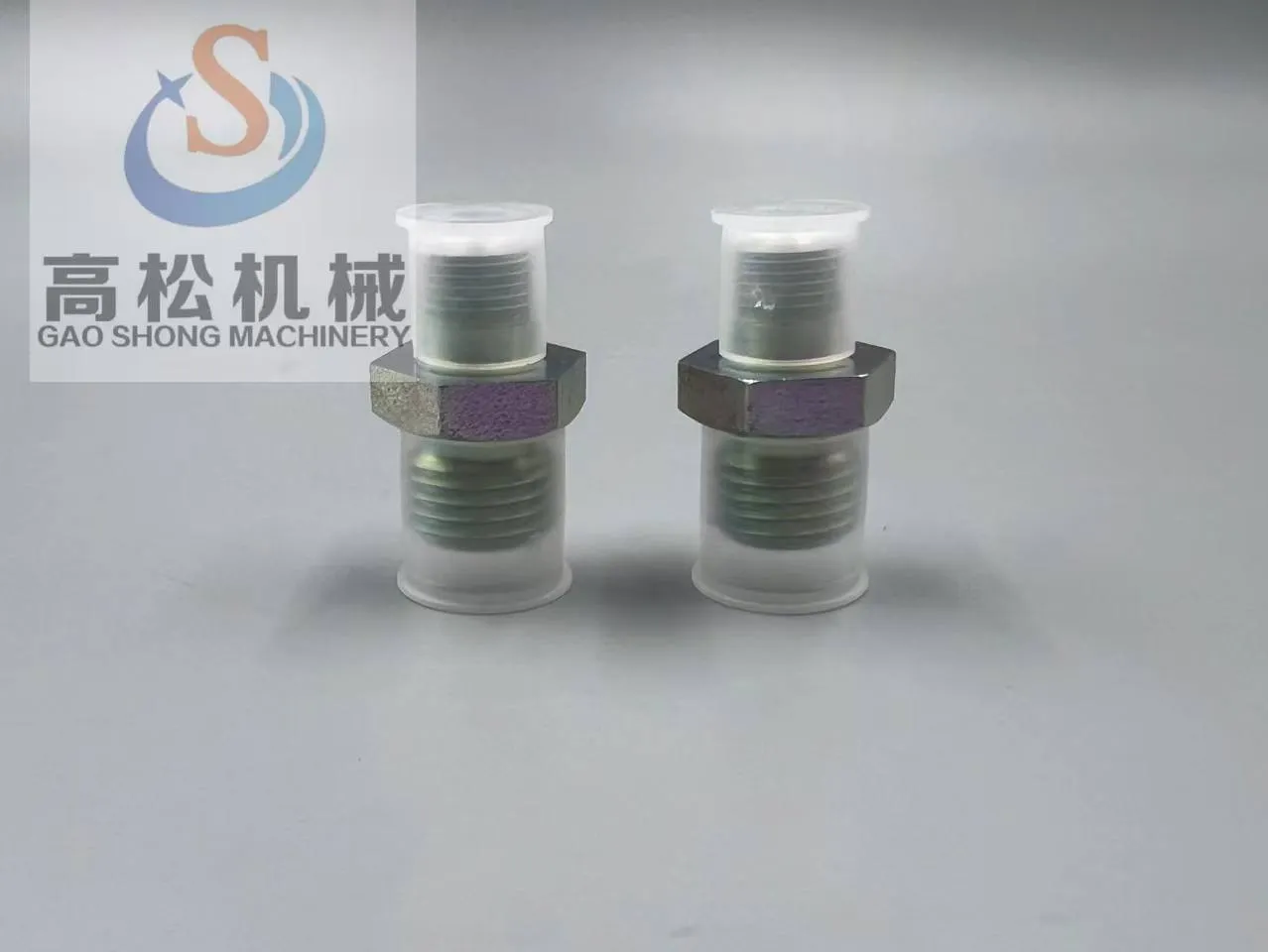 07213-50710 Connector, suitable for Komat Su D275A/D375A/D475A/PC600/PC1250
 -
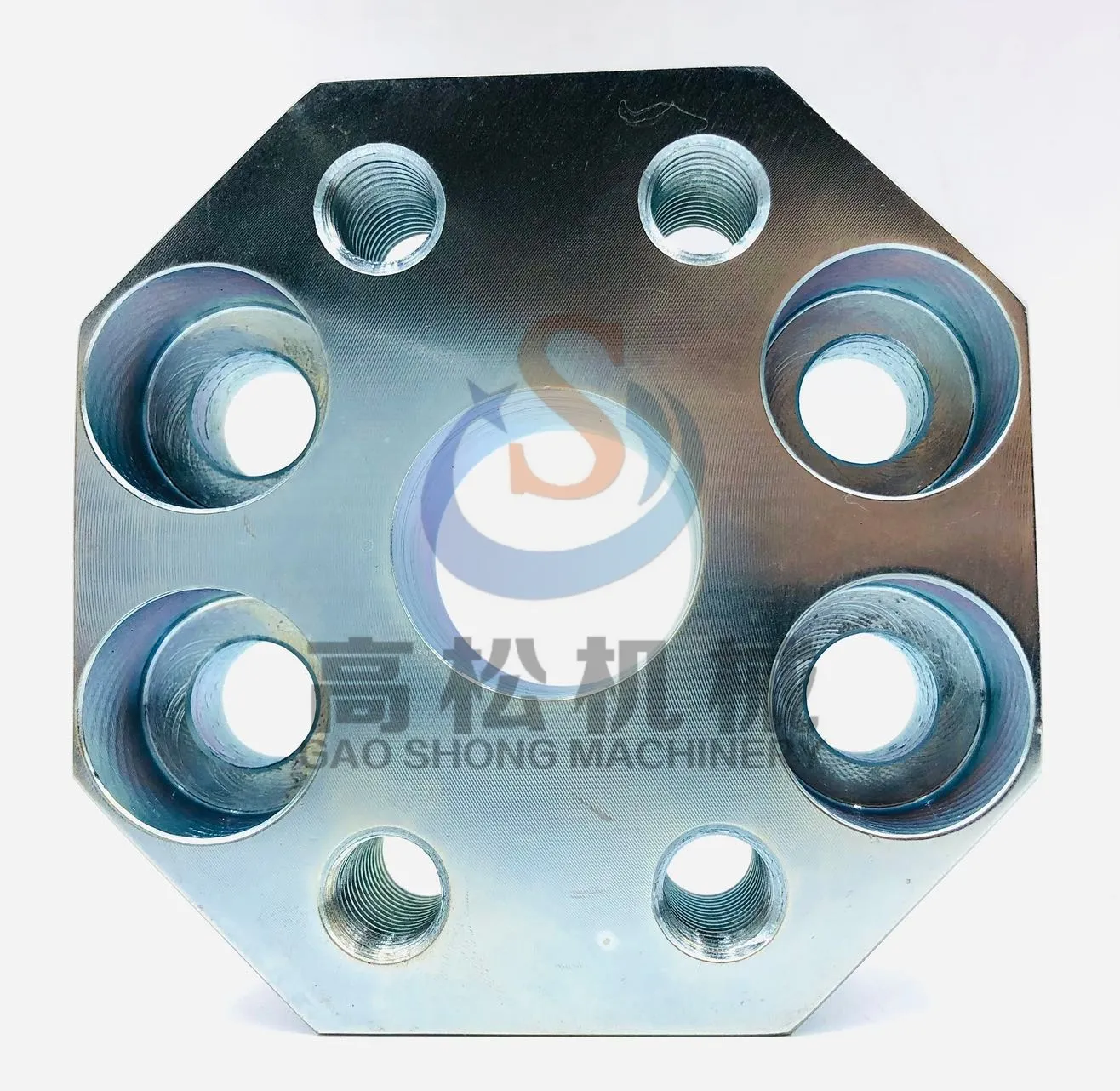 Komatsu excavator PC1250 flange 21N-62-11361
 -
 04065-07030komatsu parts original
 -
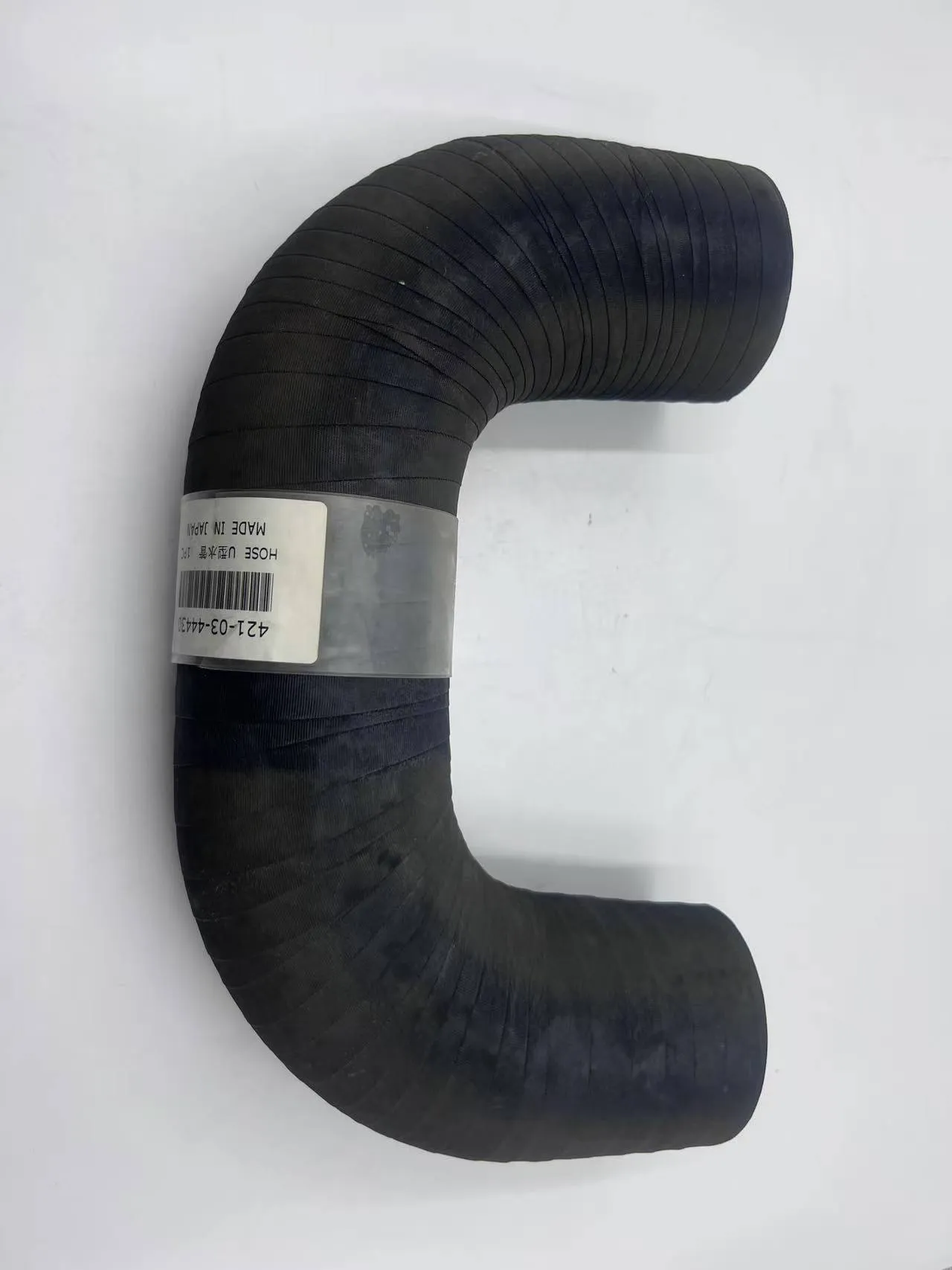 421-03-44430 • HOSE Applicable: Komatsu WA loader series
 -
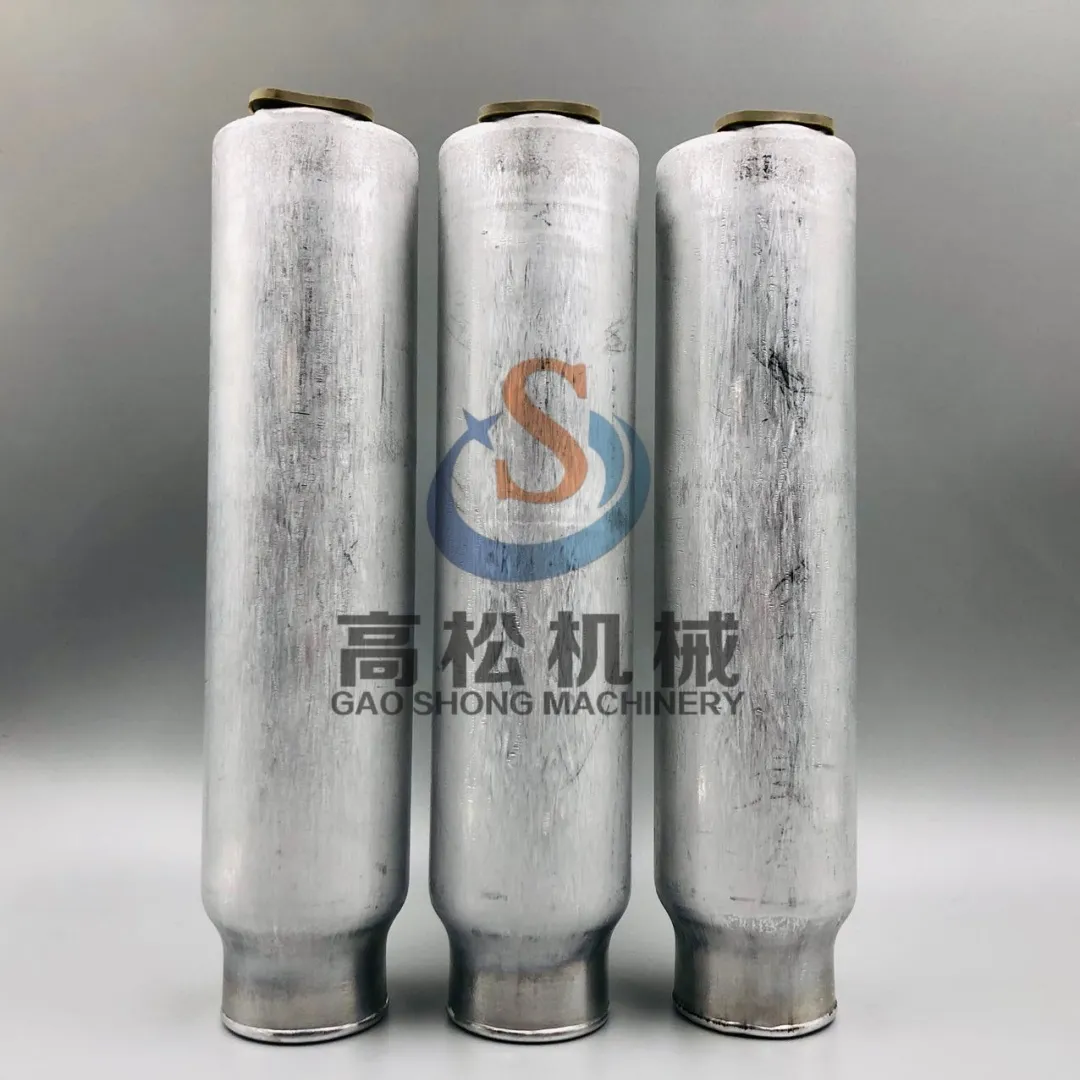 20Y-979-3120 Receiver Drier For Komatsu Equipment
 -
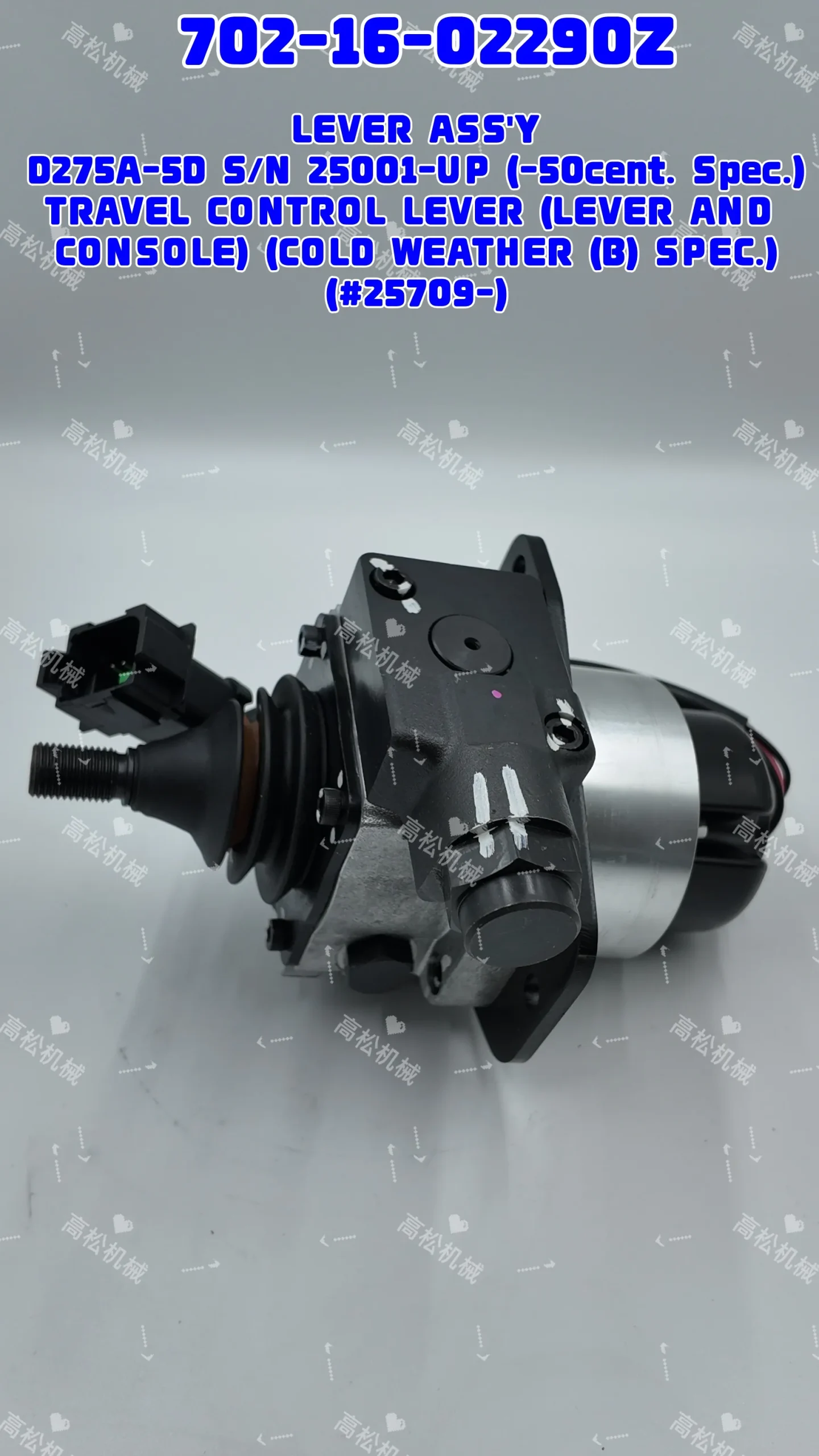 komatsu-part-702-16-02290 Lever Assembly D65WX-17 D65PX-18 D65WX-18E0 D85MS-15 D85EX-15R D155AX-6 D155AX-7 D475A-5E0 D475ASD-5E0 FLOOR FRAME, LEVE CONTROL UNIT, PCCS (PALM COMMAND CONTROL SYSTEM) LEVER ROPS CAB, PCCS (PALM COMMAND CONTROL SYSTEM) LEVER CONTROL UNIT, PCCS (PALM COMMAND CONTROL SYSTEM) LEVER
 -
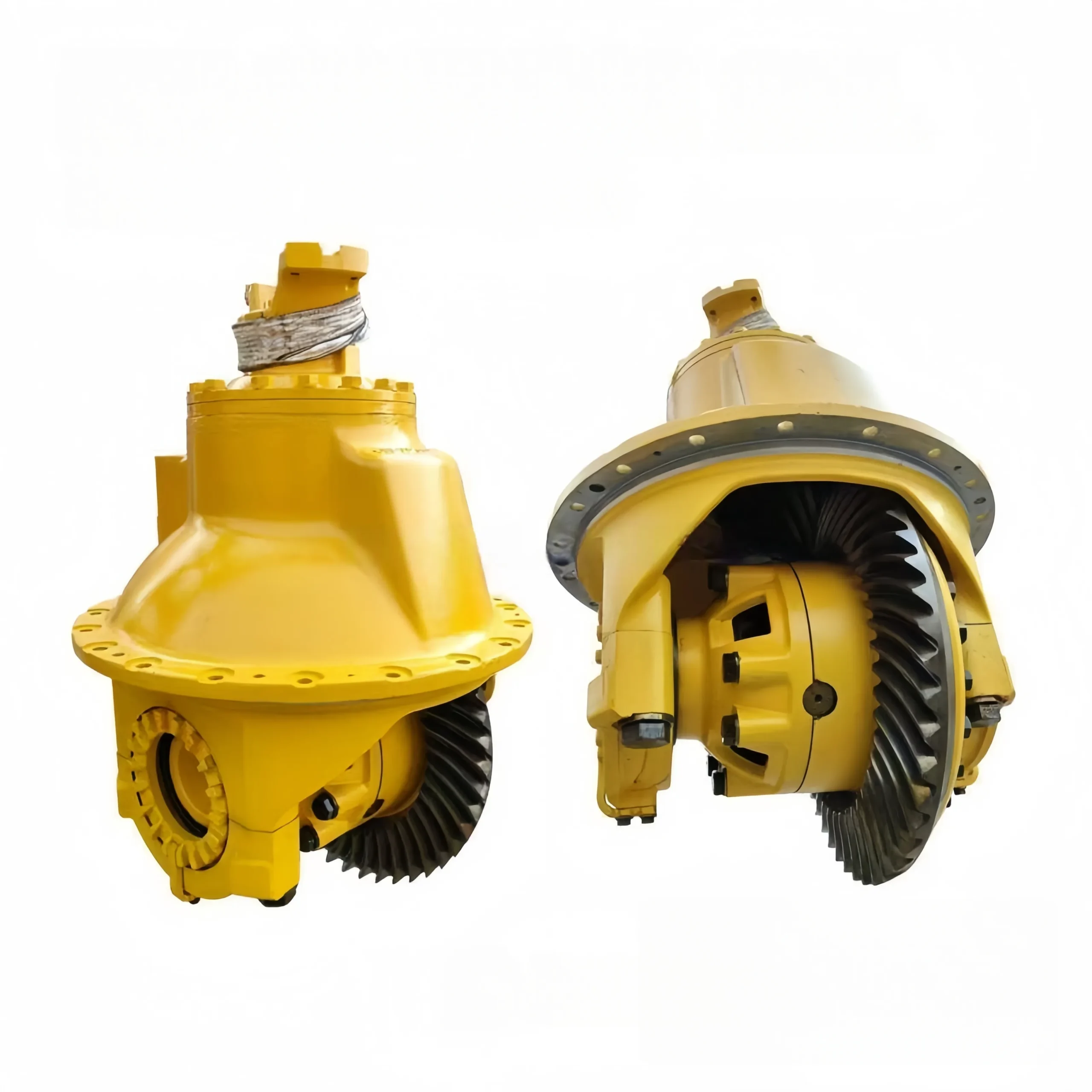 komatsu-part-569-22-71002 RM569-22-71002 569-22-71001 DIFFERENTIAL ASS’Y HD465-7 HD605-7 REAR AXLE (REAR DIFFERENTIAL)
 -
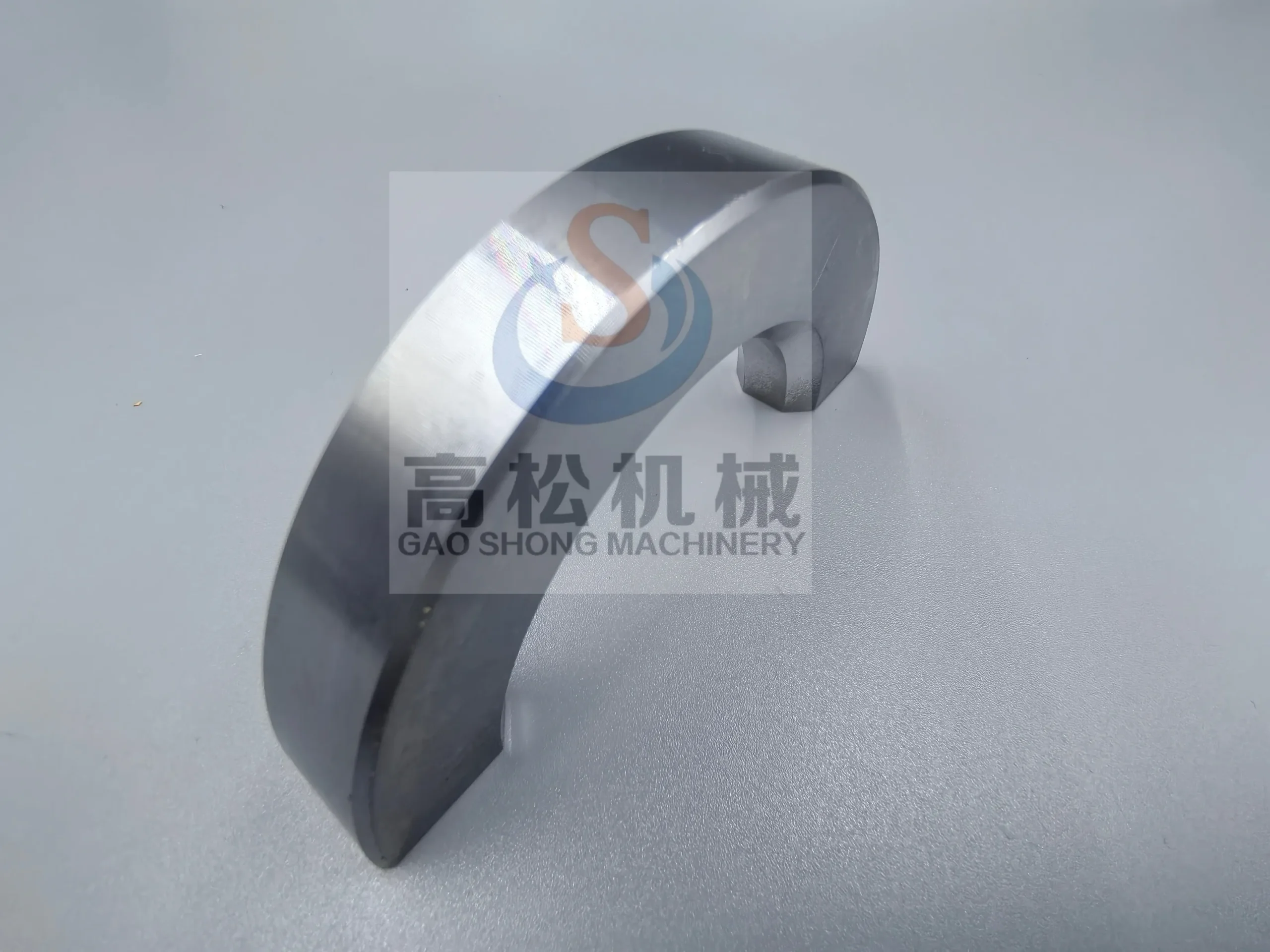 Komatsu bulldozer D65P-12 gasket 14X-30-13241 14X-30-13240
 -
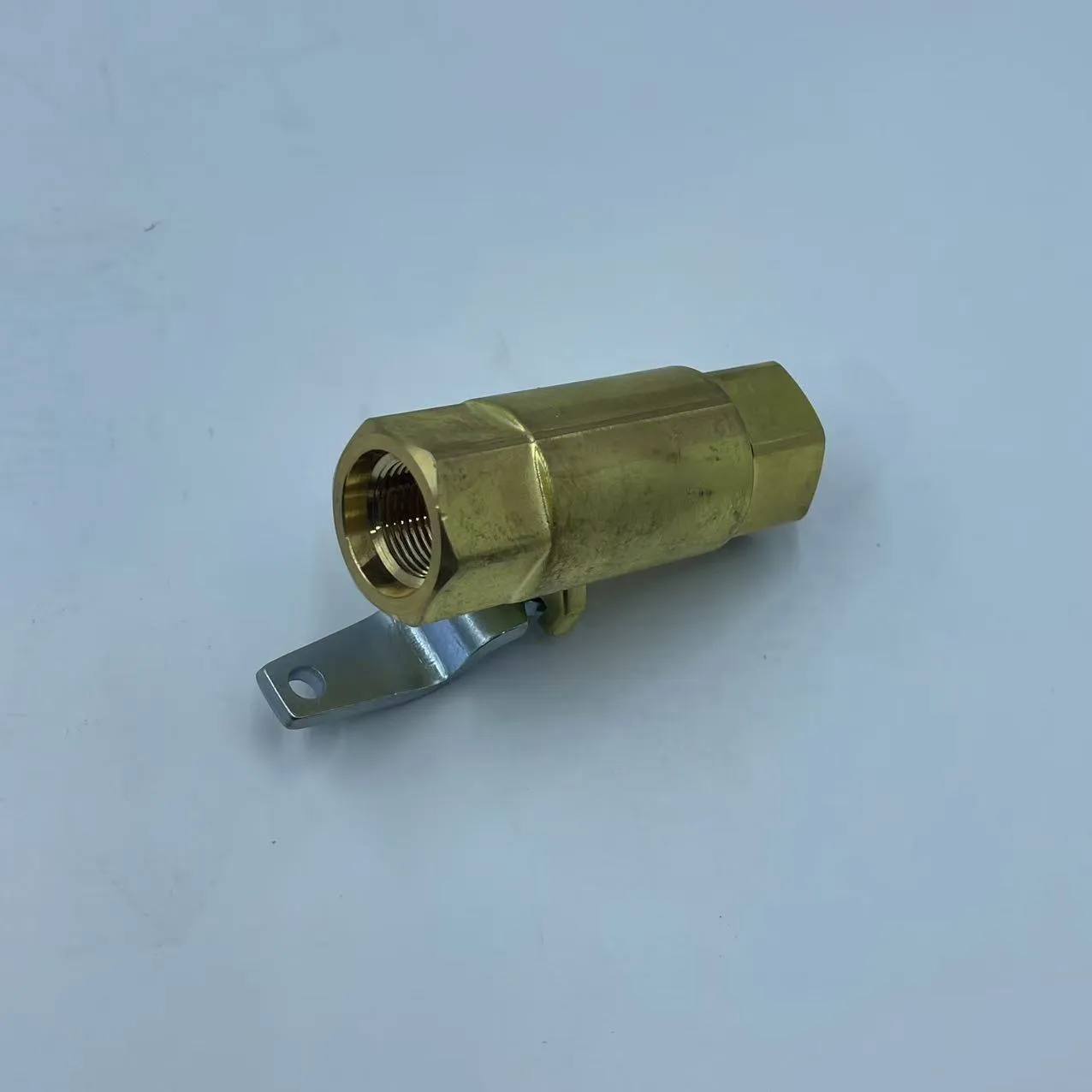 KOMATSU-VALVE 20Y-62-15651 –
 -
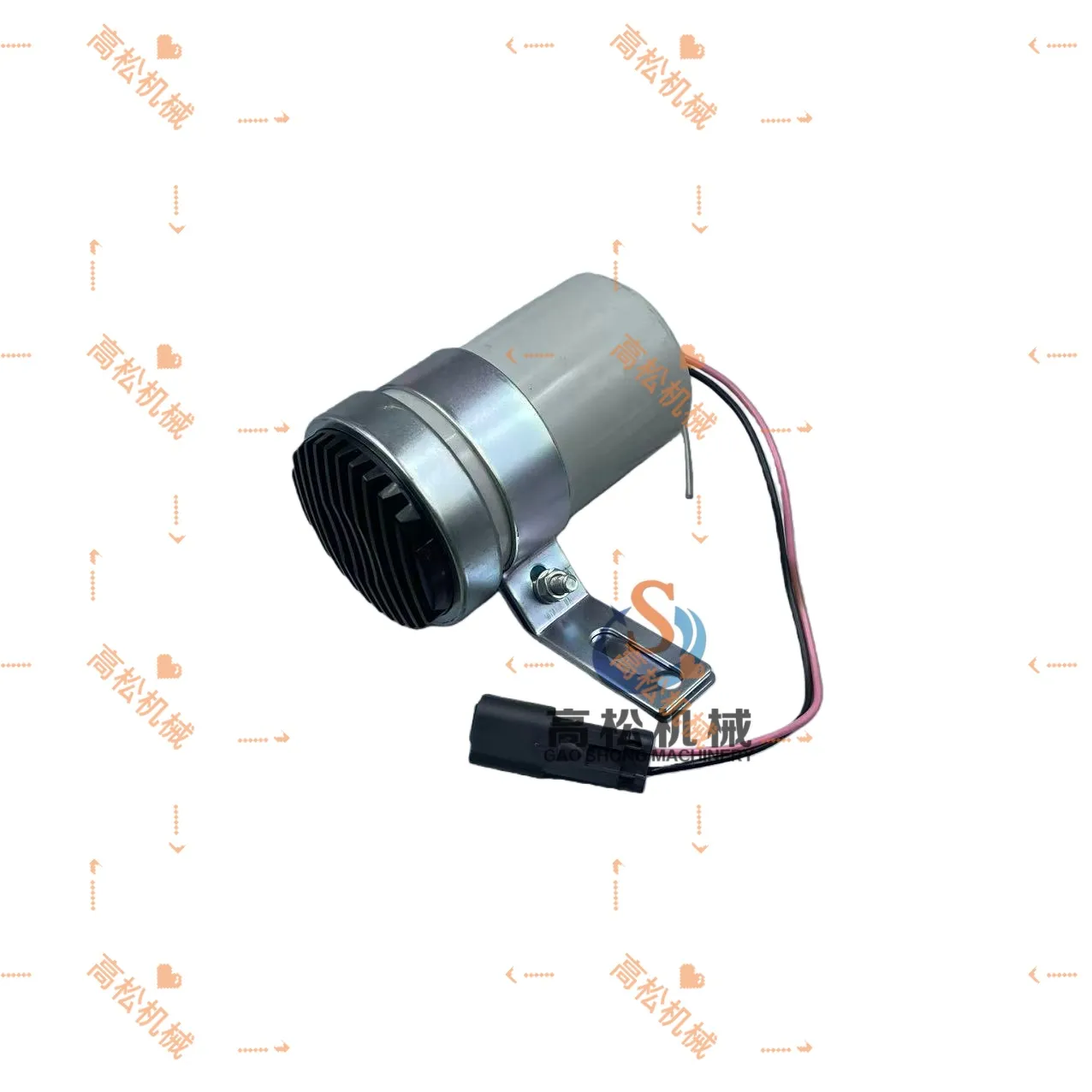 198-06-56570 BUZZER KOMATSU parts D155AX, D275A, D275AX, D375A, D475A, D475ASD, D85EX, D85MS, D85PX, DRAWBAR
 -
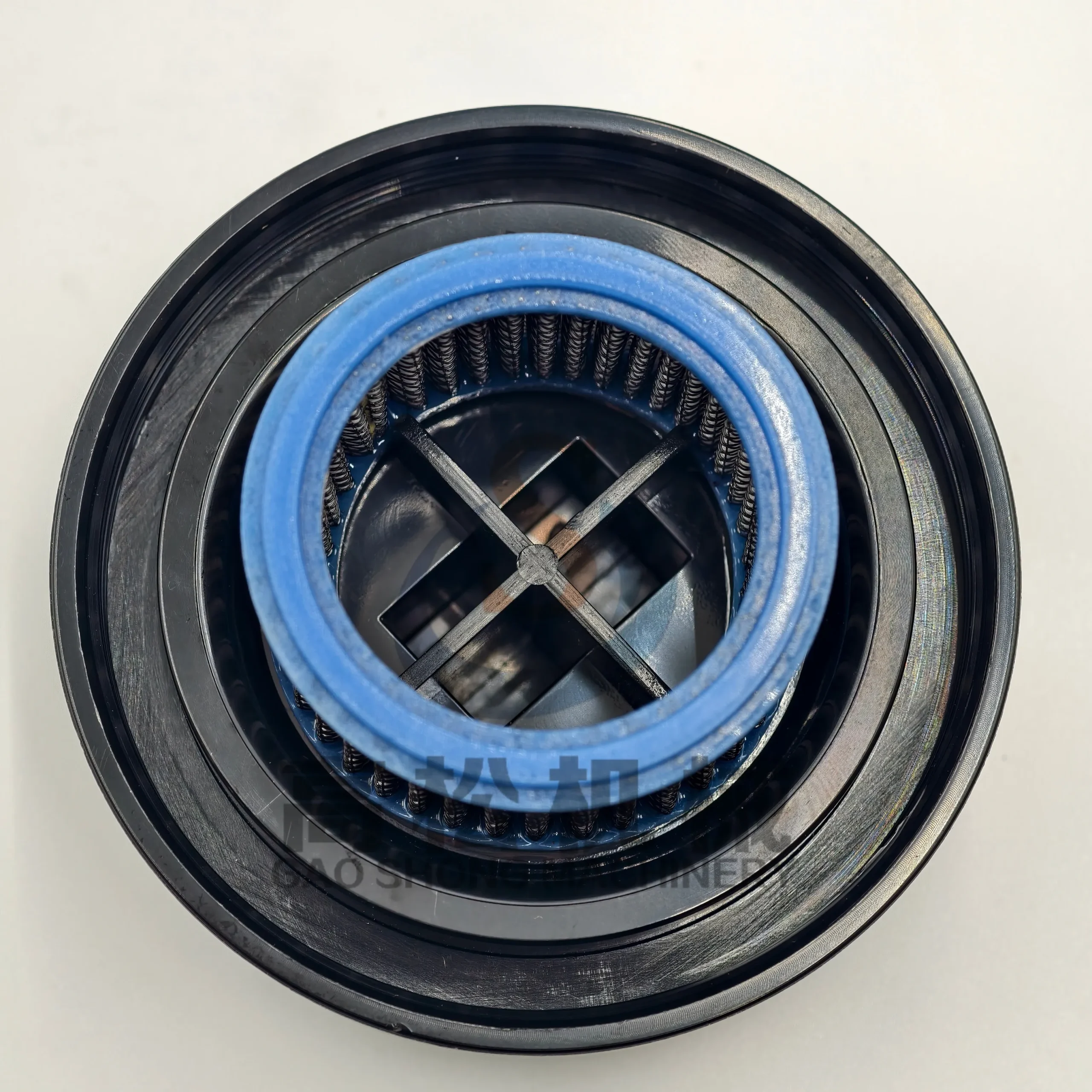 21T-04-31170 Komatsu fuel tank filter vent pipe
 -
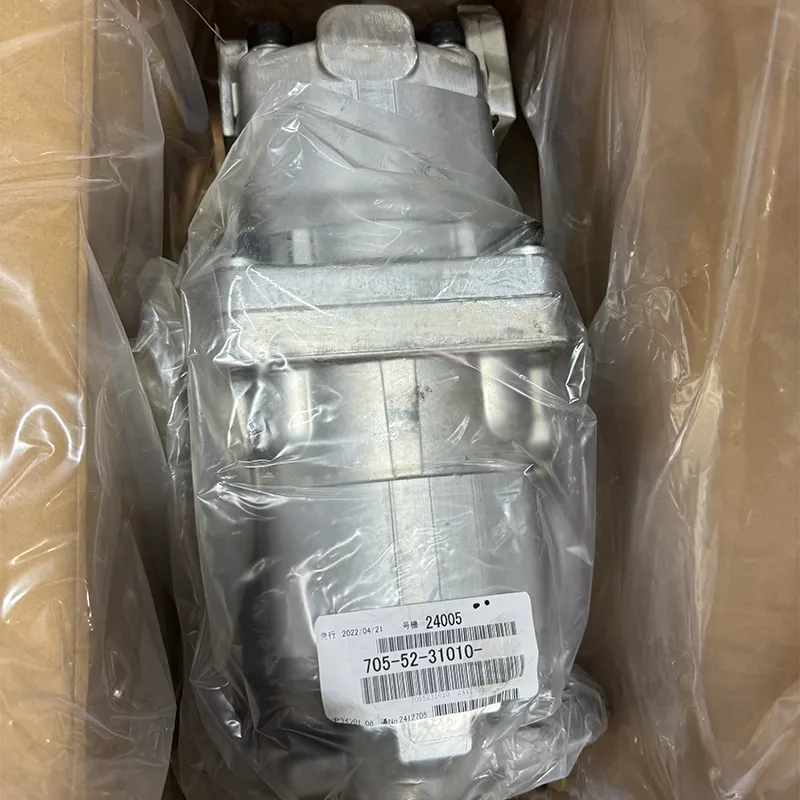 Original komatsu HD605-5 Pump Assembly 705-52-31010