
- Chinese
- French
- German
- Portuguese
- Spanish
- Russian
- Japanese
- Korean
- Arabic
- Irish
- Greek
- Turkish
- Italian
- Danish
- Romanian
- Indonesian
- Czech
- Afrikaans
- Swedish
- Polish
- Basque
- Catalan
- Esperanto
- Hindi
- Lao
- Albanian
- Amharic
- Armenian
- Azerbaijani
- Belarusian
- Bengali
- Bosnian
- Bulgarian
- Cebuano
- Chichewa
- Corsican
- Croatian
- Dutch
- Estonian
- Filipino
- Finnish
- Frisian
- Galician
- Georgian
- Gujarati
- Haitian
- Hausa
- Hawaiian
- Hebrew
- Hmong
- Hungarian
- Icelandic
- Igbo
- Javanese
- Kannada
- Kazakh
- Khmer
- Kurdish
- Kyrgyz
- Latin
- Latvian
- Lithuanian
- Luxembou..
- Macedonian
- Malagasy
- Malay
- Malayalam
- Maltese
- Maori
- Marathi
- Mongolian
- Burmese
- Nepali
- Norwegian
- Pashto
- Persian
- Punjabi
- Serbian
- Sesotho
- Sinhala
- Slovak
- Slovenian
- Somali
- Samoan
- Scots Gaelic
- Shona
- Sindhi
- Sundanese
- Swahili
- Tajik
- Tamil
- Telugu
- Thai
- Ukrainian
- Urdu
- Uzbek
- Vietnamese
- Welsh
- Xhosa
- Yiddish
- Yoruba
- Zulu
- Kinyarwanda
- Tatar
- Oriya
- Turkmen
- Uyghur






free online komatsu parts catalog
When you punch 'free online Komatsu parts catalog' into a search bar, you're probably hoping for a magic bullet—a single, official, and comprehensive portal that solves every parts lookup headache. I've been there. The reality, however, is messier and more nuanced. That search term often leads to a mix of outdated PDFs, third-party portals with questionable data, or dealer sites that require login credentials, masking the 'free' part. The common misconception is that Komatsu, like a car manufacturer, hosts one public, user-friendly master catalog. It doesn't quite work that way, and understanding this gap is the first step to actually finding what you need efficiently.
The Landscape of Free Catalogs
Let's break down what you typically find. There are legacy PDF catalogs floating around for older models. These are gold if you're working on a PC200-6 or a similar classic, but they're static. No updates, and cross-referencing part numbers is a manual, painful job. Then you have the web-based systems. Some are genuine Komatsu dealer tools with limited public access, others are built by aftermarket parts companies. The quality varies wildly. I've seen catalogs where the diagram doesn't match the part number list, or where the search function is so brittle that you need the exact Komatsu part number syntax, which defeats the purpose if you're starting from a worn-out component.
This is where the role of specialized suppliers becomes critical. They often bridge this information gap. For instance, in my work, I've interacted with companies like Jining Gaosong Construction Machinery Co., Ltd.. Their site, https://www.takematsumachinery.com, positions them uniquely as both an OEM product supplier within the Komatsu system and a third-party sales channel. This dual role means they have to navigate the official parts data to source genuine items, but also need to present that information in a way that helps customers in regions with supply chain hurdles. Their catalog or inquiry system, therefore, isn't just a mirror of Komatsu's; it's filtered through the practical need to solve real parts supply challenges.
You learn to cross-check. I never rely on a single free online Komatsu parts catalog source. A part number pulled from a third-party site gets verified against any technical bulletin I can find, or better yet, a direct inquiry to a supplier with OEM links. The description and application notes on a site like Gaosong's can sometimes offer more practical context than a sterile official diagram, like noting a common failure mode or a compatible superseded part number.
Practical Pitfalls and the Diagram Dilemma
One of the biggest headaches is the explosion diagram. A true, interactive Komatsu parts diagram with group and sub-group breakdowns is rarely in the 'free' domain. What you often get is a low-res image. Trying to identify, say, seal kit 20Y-60-11320 from a blurry diagram where the callout numbers are illegible is an exercise in frustration. This is where experience fills the blanks. You start recognizing patterns—how Komatsu structures its numbering for hydraulic pumps versus undercarriage components.
I recall a job on a Komatsu WA320 loader where the swing bearing was shot. The free catalog I found listed a part number, but the diagram was missing the crucial shim pack. Ordering just the bearing would have meant a costly downtime later. A more resourceful parts specialist, one who understands the assembly, would point this out. This is the value of dealing with a supplier that operates as a third-party sales company for Komatsu. They're not just order-takers; their business relies on providing the right part the first time, which includes ensuring all related components are quoted. Their web platform might prompt for a machine serial number more rigorously, which is annoying upfront but saves weeks of wrong-part shipping.
The serial number is key, and free catalogs often gloss over this. A part for a Komatsu PC300-8 can have multiple variations between early and late serial number ranges. A generic catalog might list one number, leading to a mismatch. Professional suppliers, by necessity, build their lookup tools to force this serial number check, because their reputation depends on fitment.
Beyond the Catalog: The Supply Chain Reality
The catalog is just the beginning. Finding a part number is step one. Availability and legitimacy are step two and three. This is the core of what companies like the mentioned Jining Gaosong address. They explicitly focus on solving parts supply challenges in certain countries. In practice, this means they might have access to OEM pipeline stock or can source high-quality aftermarket alternatives for obsolete or backlogged items. Their website's catalog function is the front end to a much more complex logistics operation.
I've had situations where the official dealer network quoted a 90-day lead time for a hydraulic control block. A supplier with deep system knowledge and alternative channels might locate a genuine part in a different regional warehouse or offer a reliable remanufactured unit with a clear explanation of the rebuild specs. The free online catalog doesn't tell you this; it's the human or the sophisticated backend system behind that catalog interface that does.
It also comes down to communication. When you find a part on a comprehensive site, can you easily talk to someone who knows it? A static PDF can't answer questions. A supplier's integrated platform, even if its public-facing catalog seems simple, usually connects to sales teams who deal with these parts daily. They can tell you if that seal is part of a known campaign or if there's a welding repair kit available instead of the whole structure.
The Verdict on Free Resources
So, are free online Komatsu parts catalogs useless? Absolutely not. They are essential starting points, reference tools, and sanity checks. For a mechanic in the field with a smartphone, a bookmarked catalog site can be a lifesaver for quick identification. But they must be treated with informed skepticism. They are maps, not the territory.
The professional approach is layered. Use the free resources to get a preliminary part number and understand the assembly structure. Then, use that information to engage with a knowledgeable supplier. The value-add from a company that is an OEM product supplier within the Komatsu system isn't just in selling the part; it's in validating the part number against your specific machine serial number, confirming availability, and often providing the technical nuance that a free database omits.
In the end, the goal isn't just to find a catalog; it's to get the correct part onto the machine with minimal downtime. The free catalog is a tool in that process. The expertise of the supplier you use it in conjunction with is what makes the process reliable. It's the difference between guessing and knowing, and in this business, guesses are expensive.
Related Products
Related Products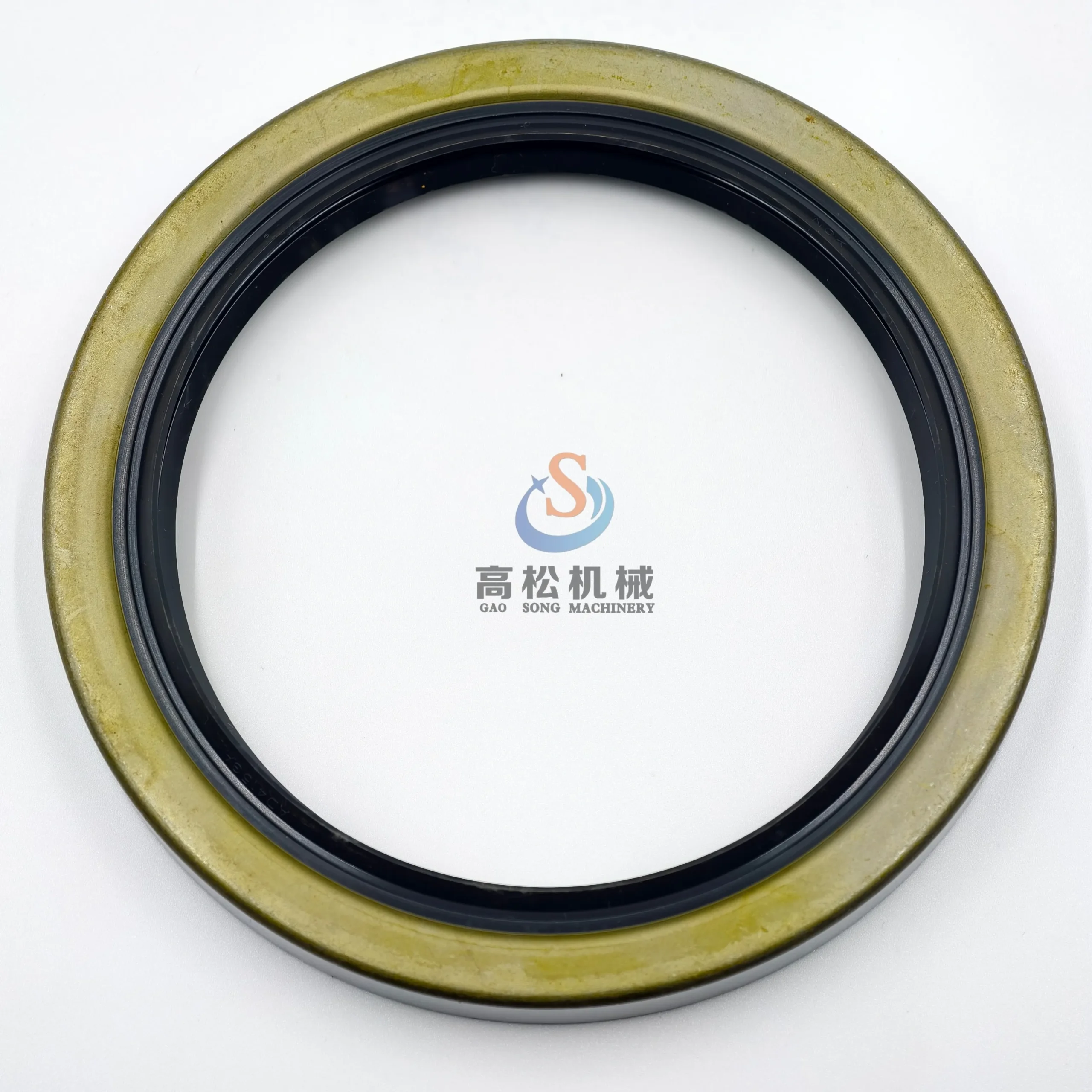
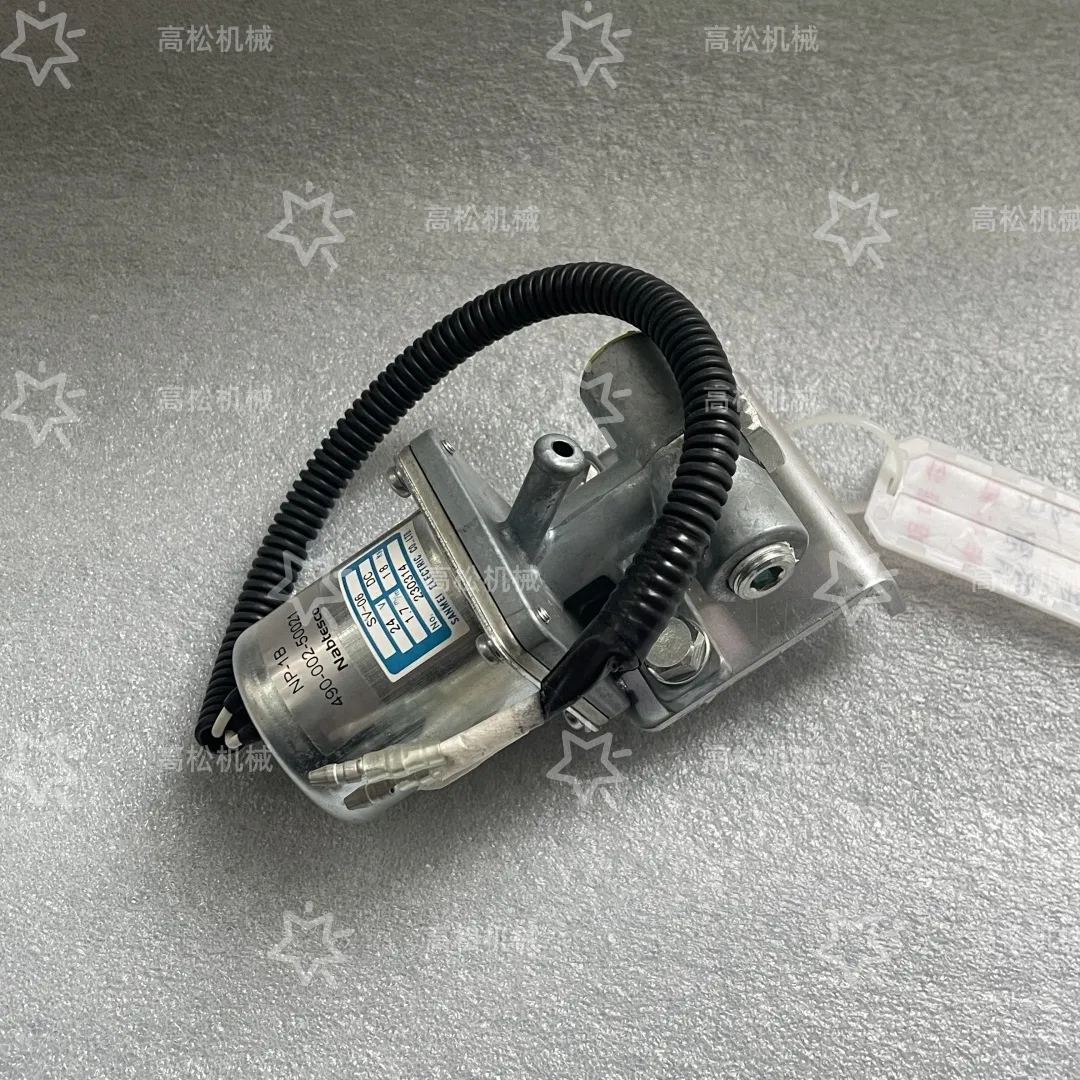

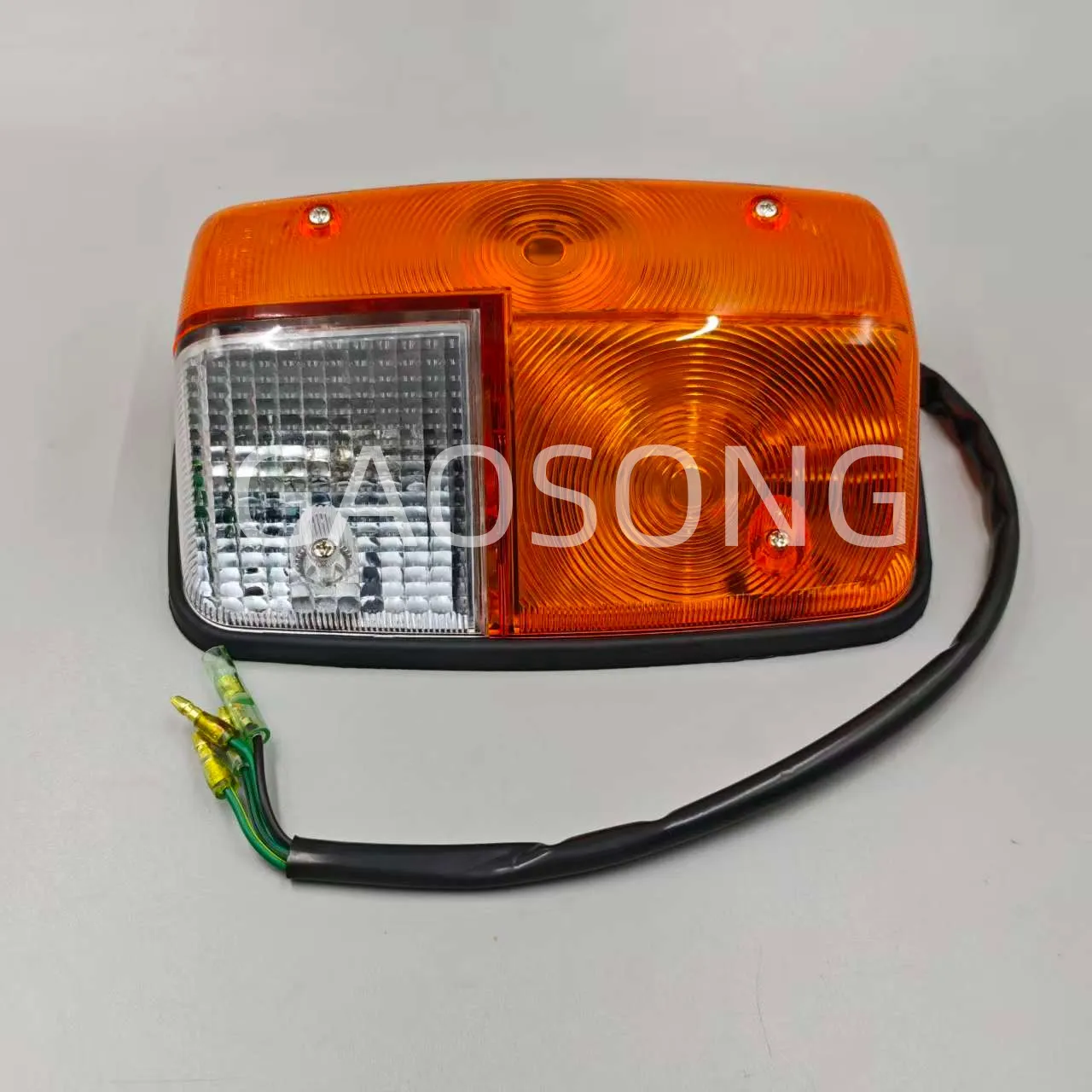
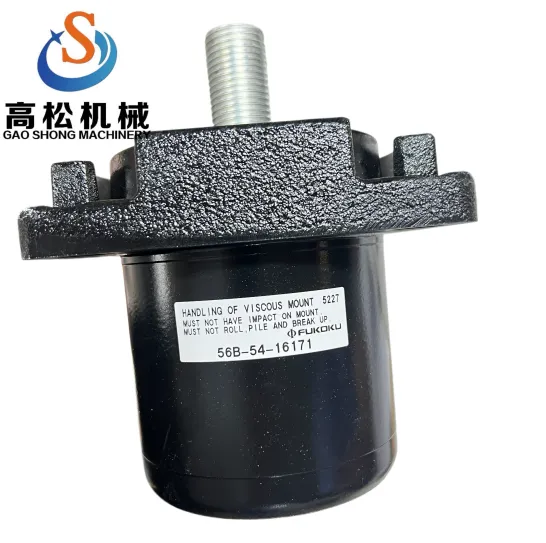
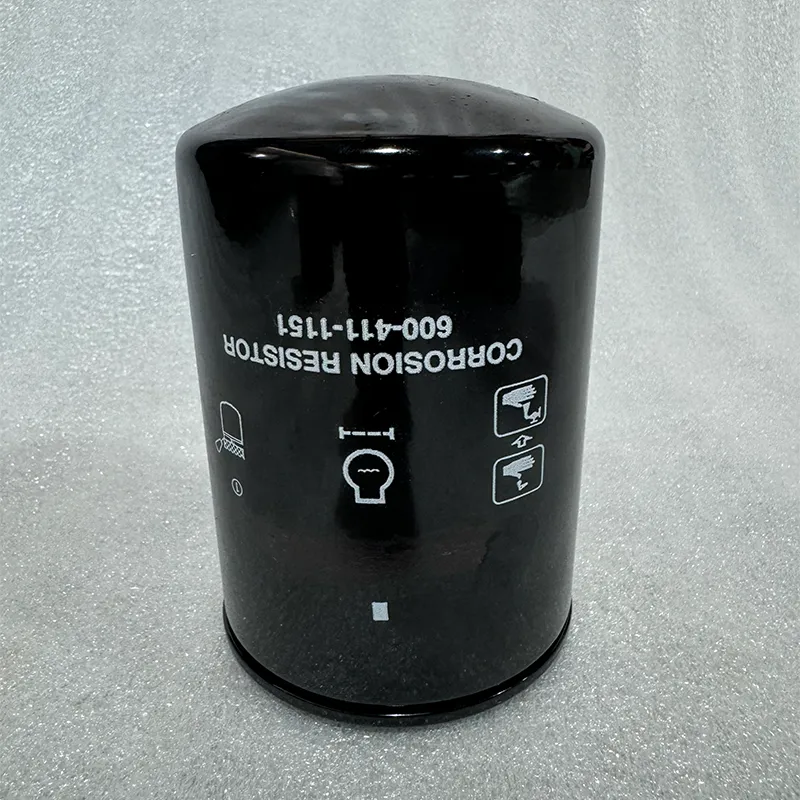
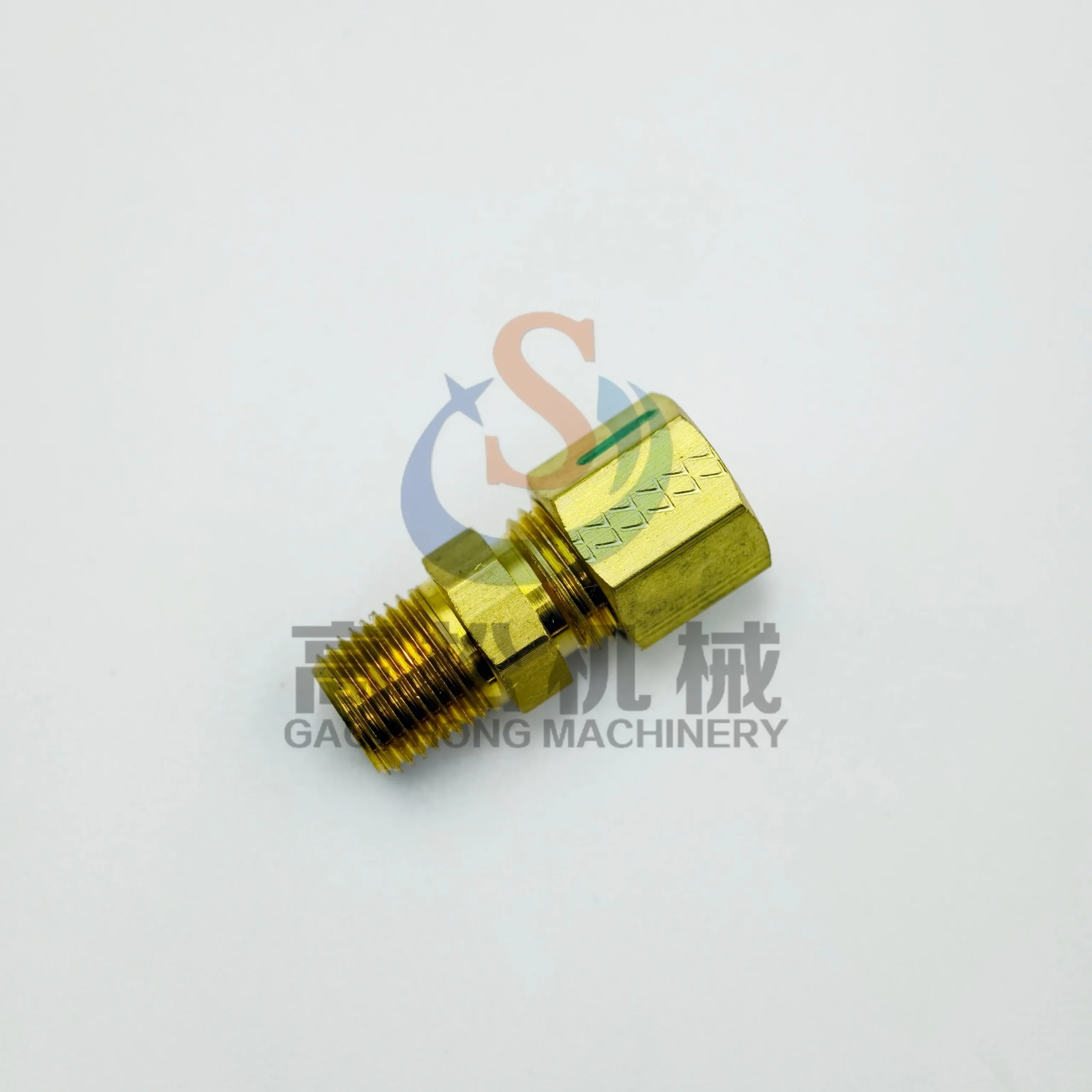

Best Selling Products
Best Selling Products-
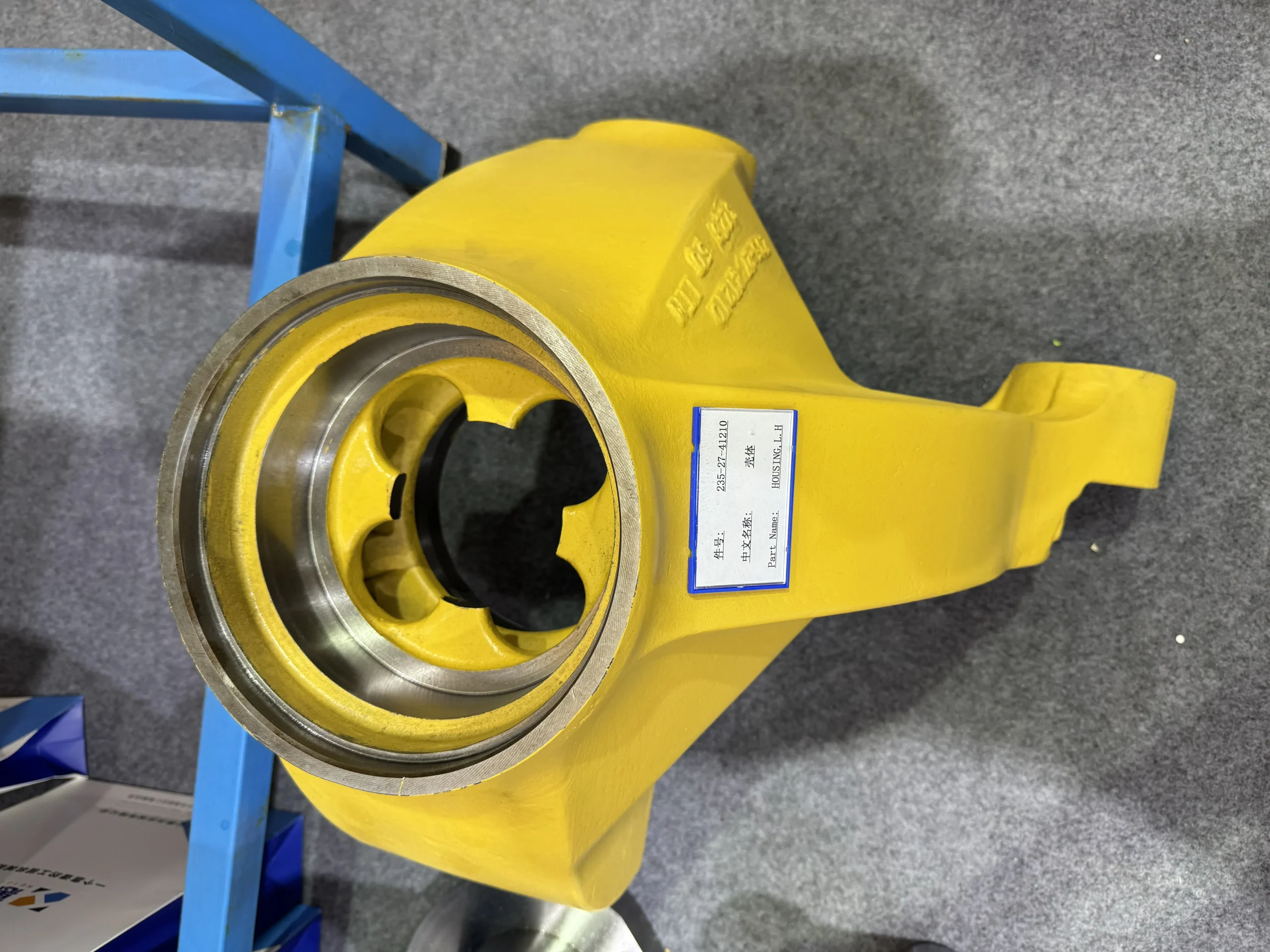 GD825A-2 shell 235-27-41210
 -
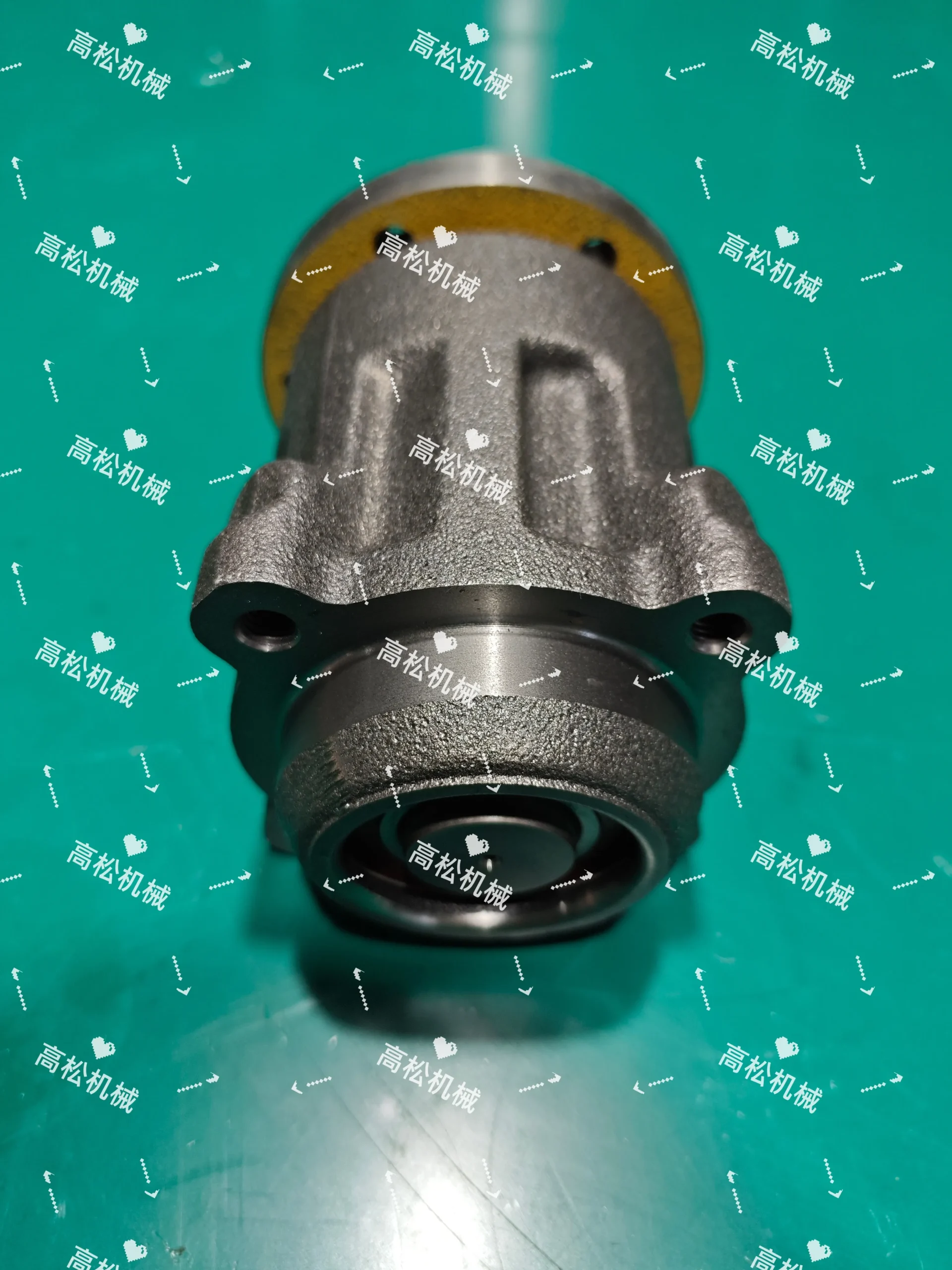 Fan Clutch 20Y-01-56130 for Komatsu PC210-10MO Excavator
 -
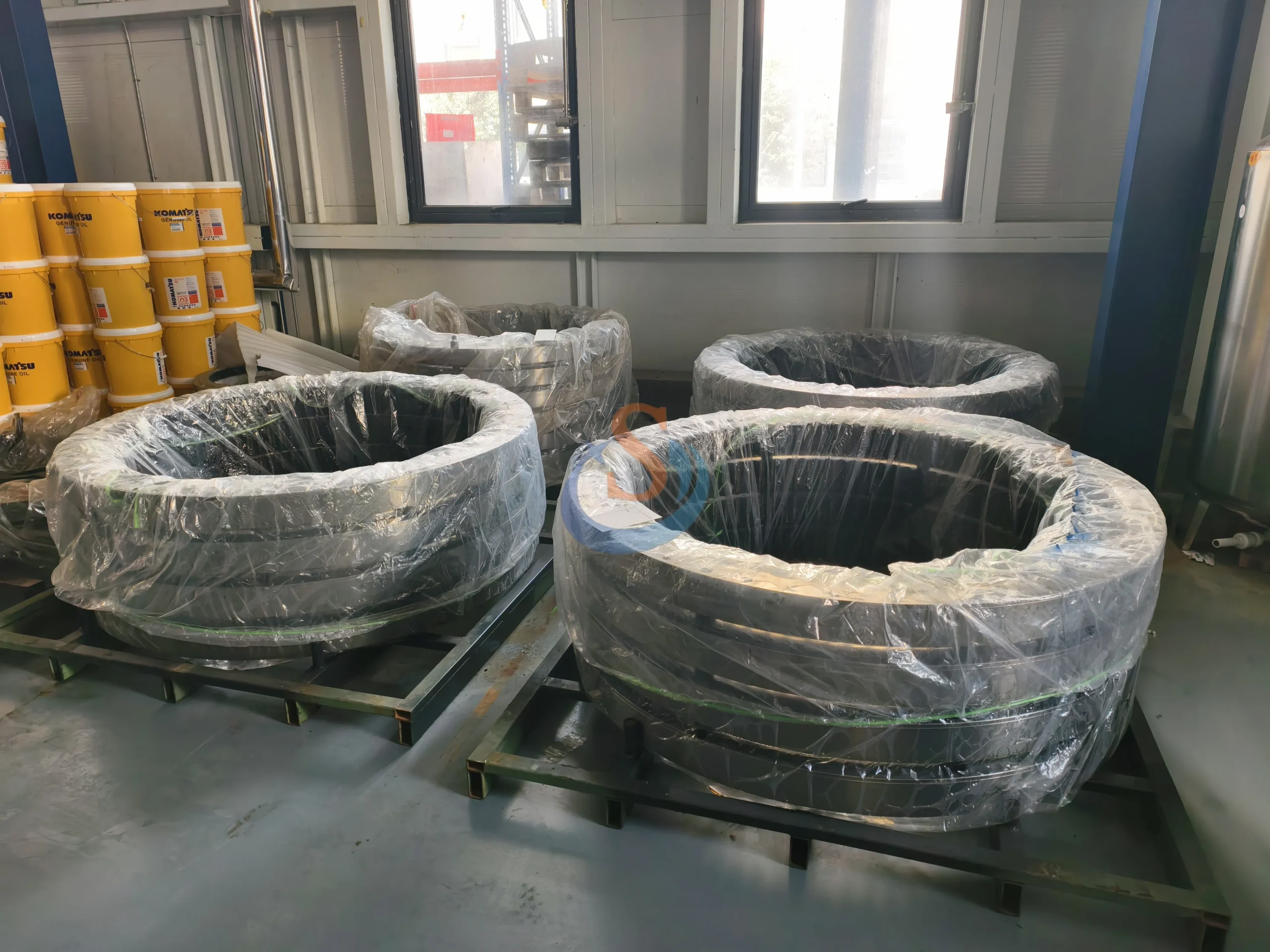 207-25-61100, SWING CIRCLE ASS’Y,PC300,PC360,PC350
 -
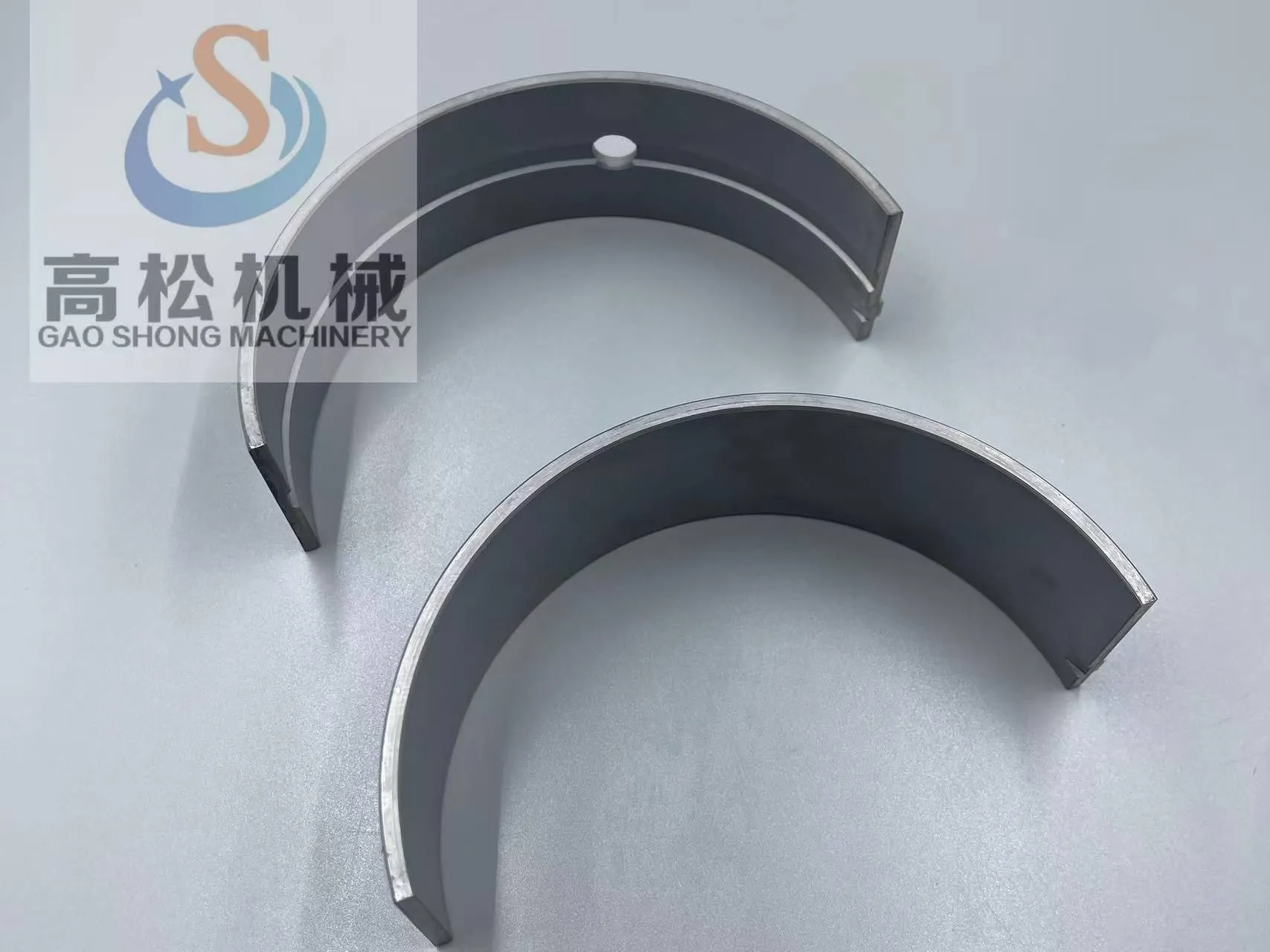 Main bearing of mechanical engine 6162-23-8010, applicable to S6d170 wheel loader, WA600 type Buildozer D375 engine
 -
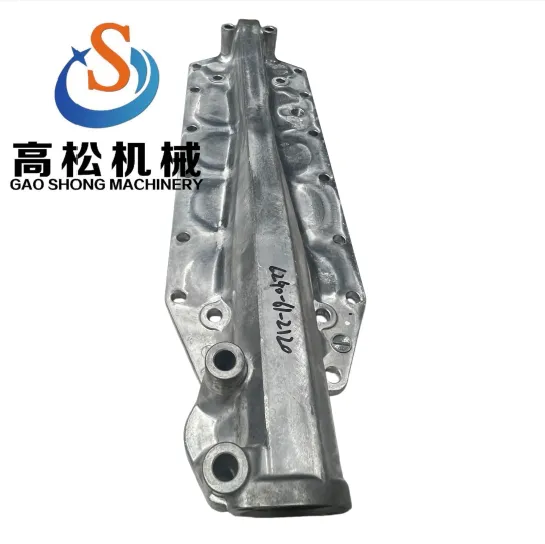 Engine Oil Cooler Cover for Cummins QSK23 SA6D170 Engine 4096006 6240-61-2120 Oil Cooler Cover 6240612120
 -
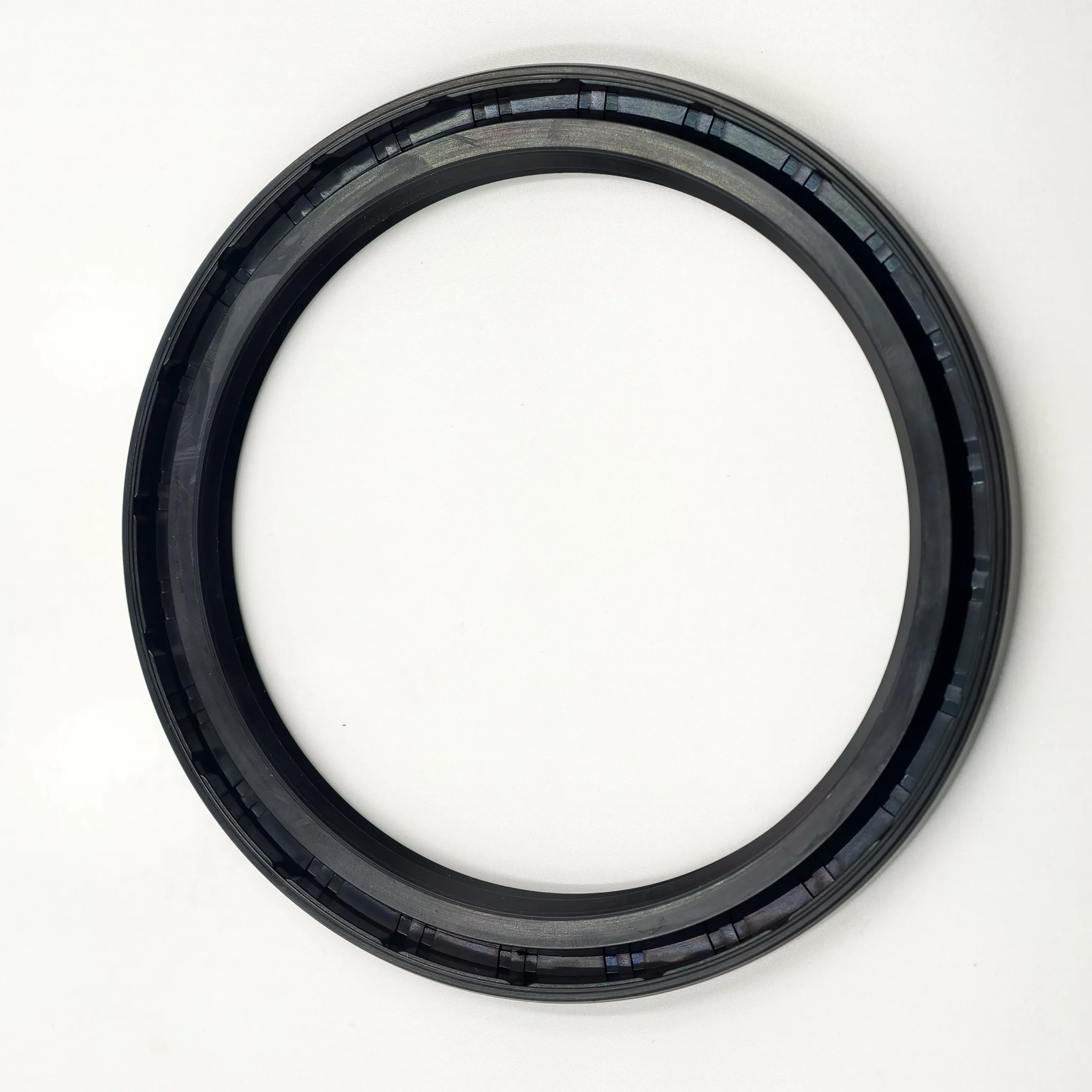 Komatsu56D-15-19810 Seal, Dust
 -
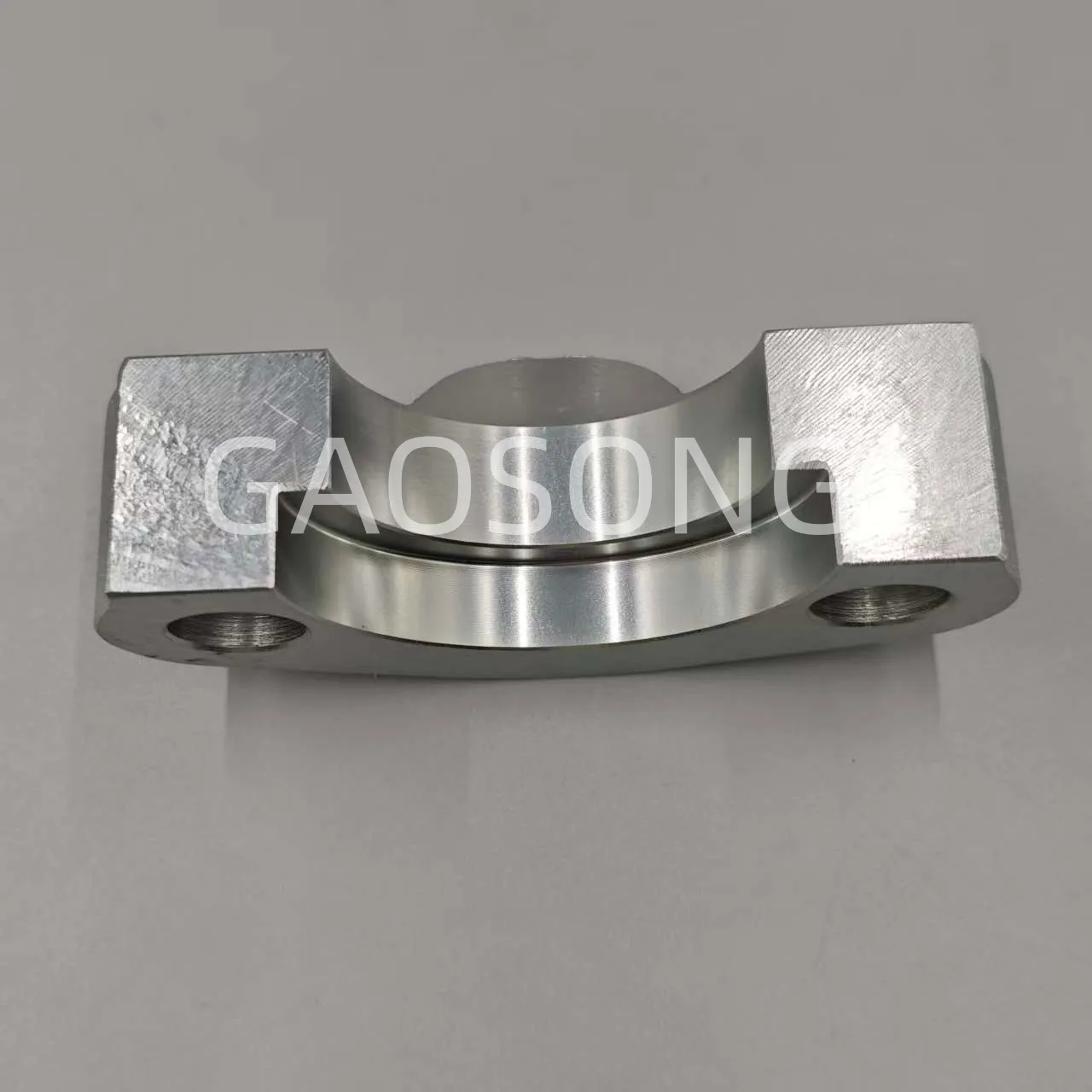 07371-51470 FLANGE-Komatsu Original Factory
 -
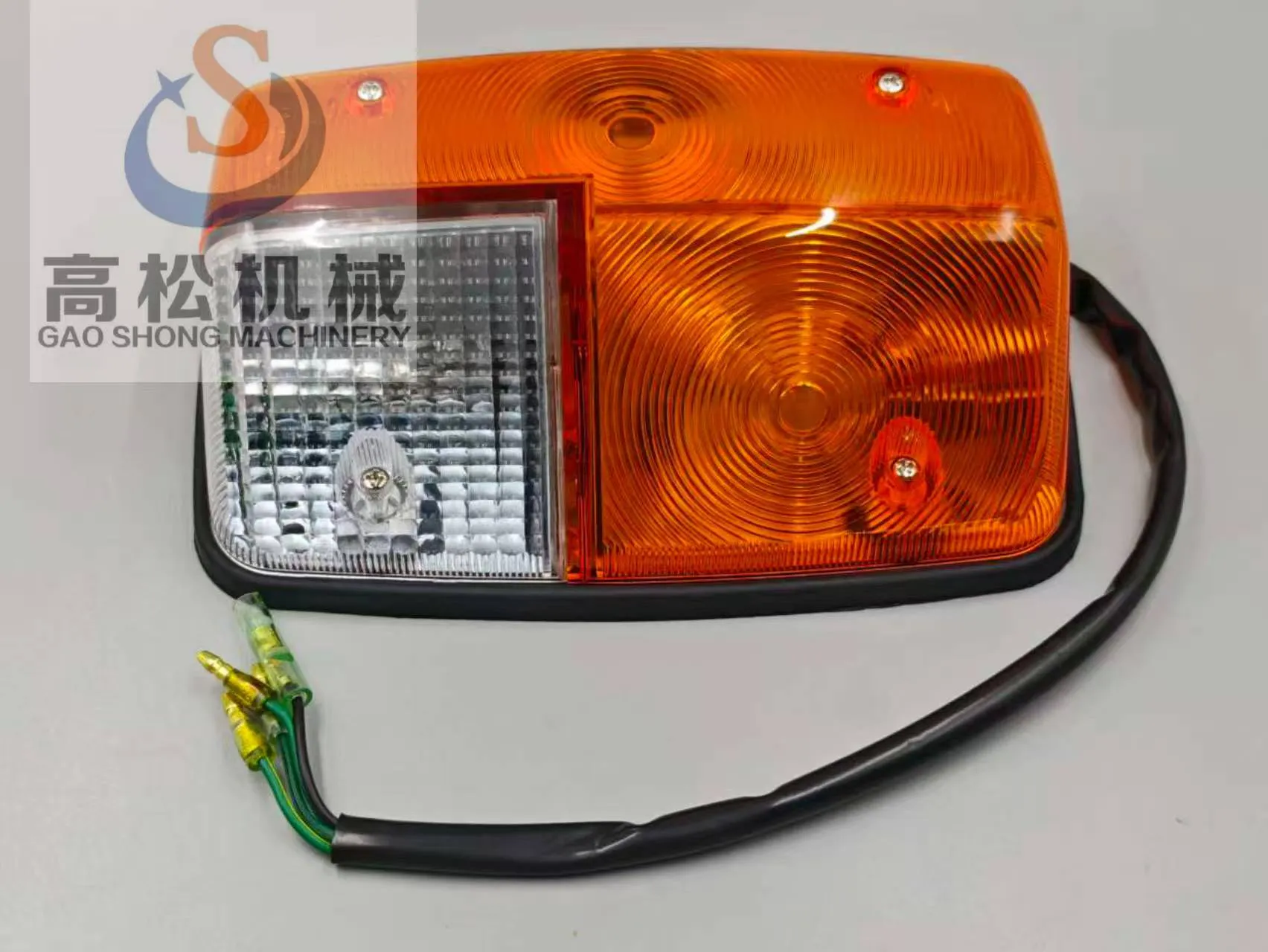 High quality, sales leader, light assembly 421-06-13401 421-06-13301, light assembly for komatsu gd405a-2 hd785-5lc 542 558
 -
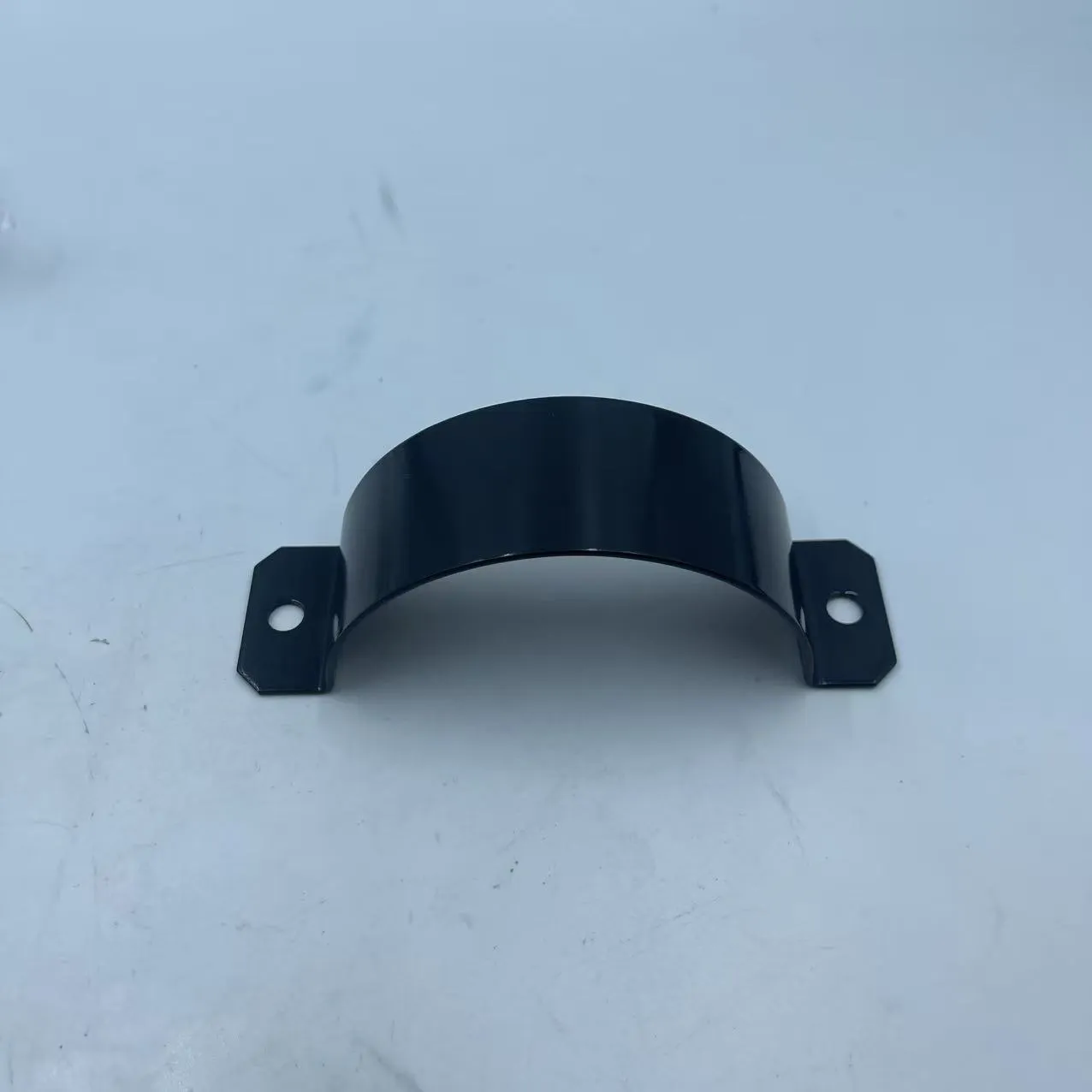 569-40-83470komatsu HD405-7 HD325-7 HD605-7R HD465-7E0 HD785-7
 -
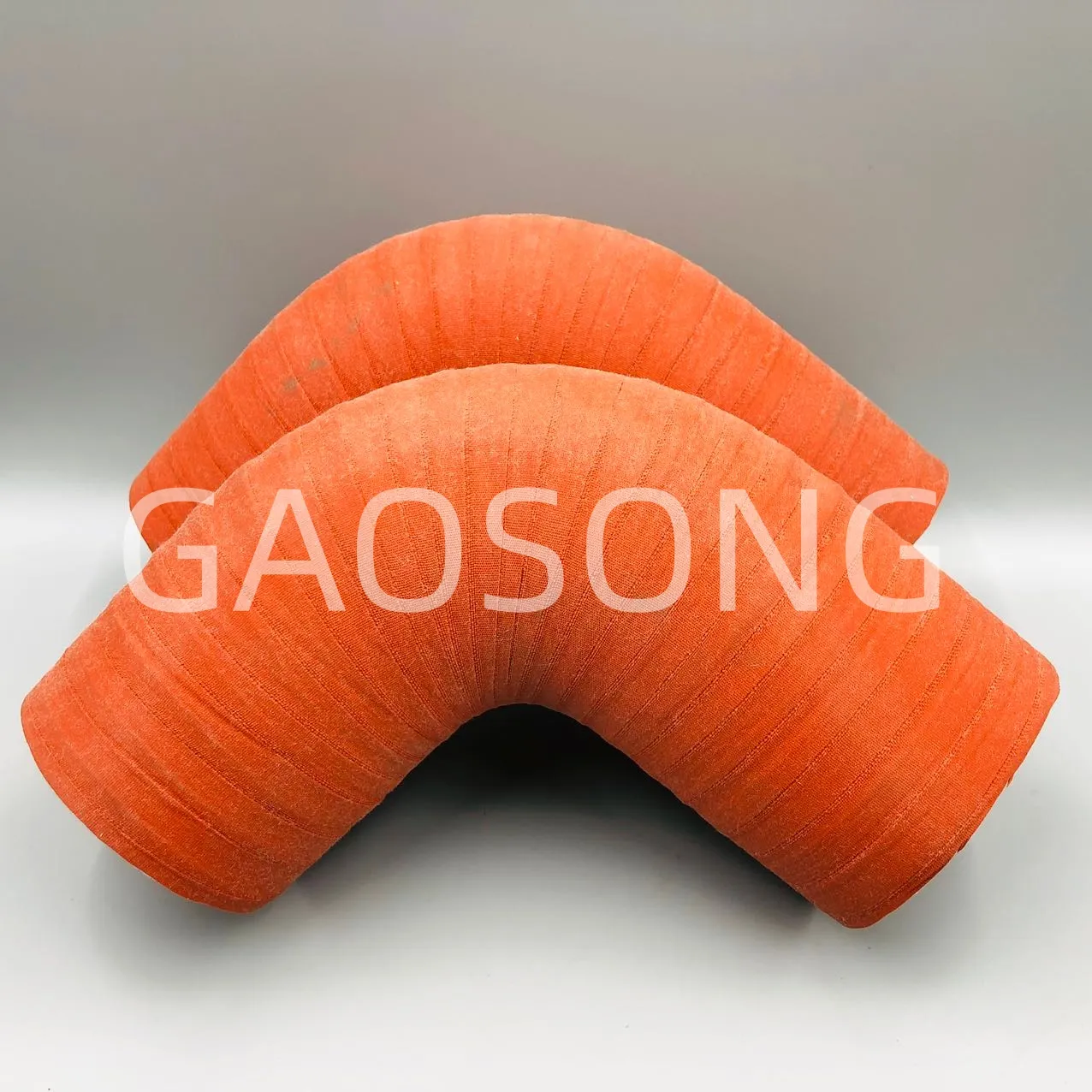 6743-11-4931 Komatsu HOSE
 -
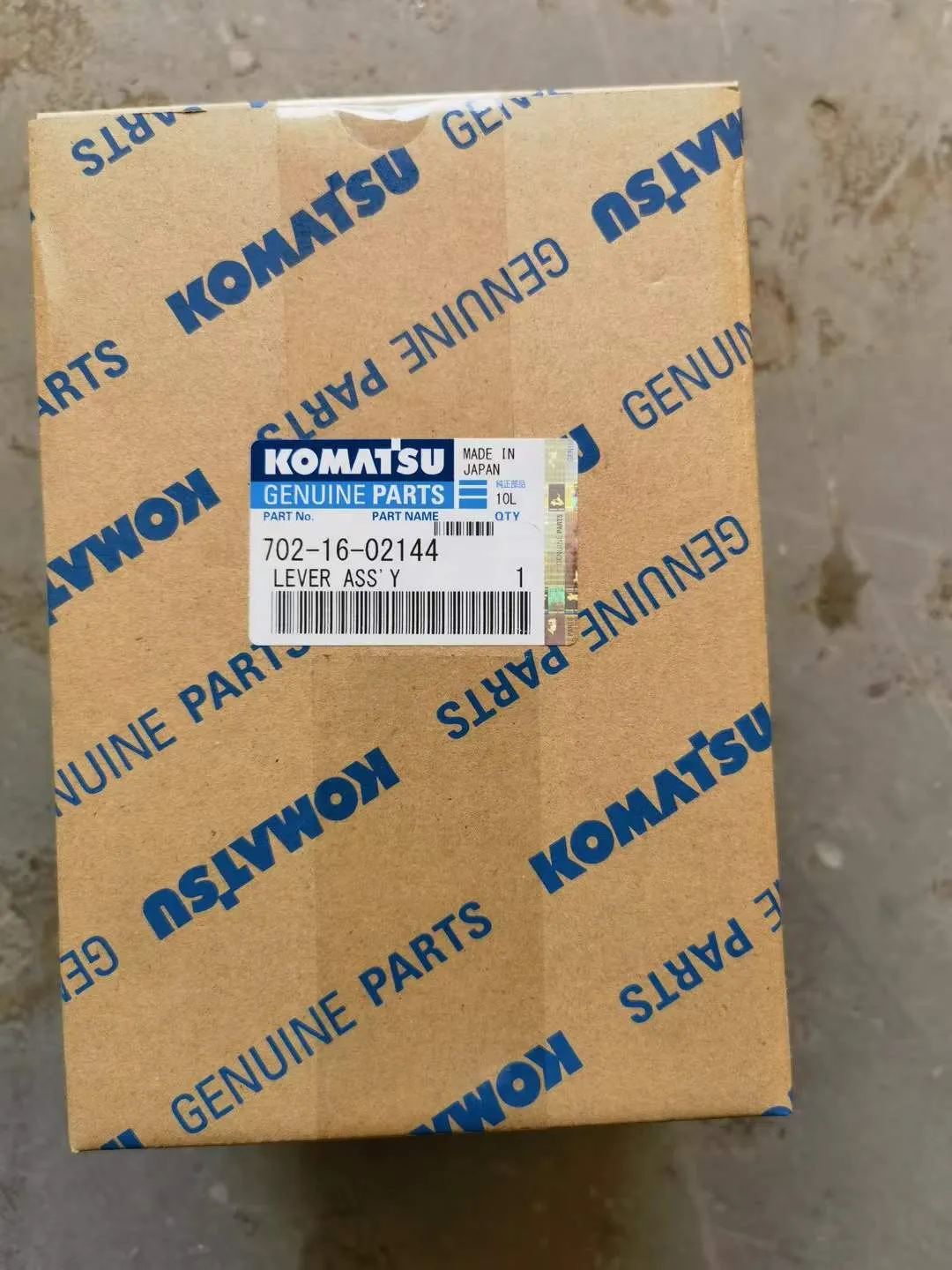 702-16-02144 Komatsu Lever Assembly
 -
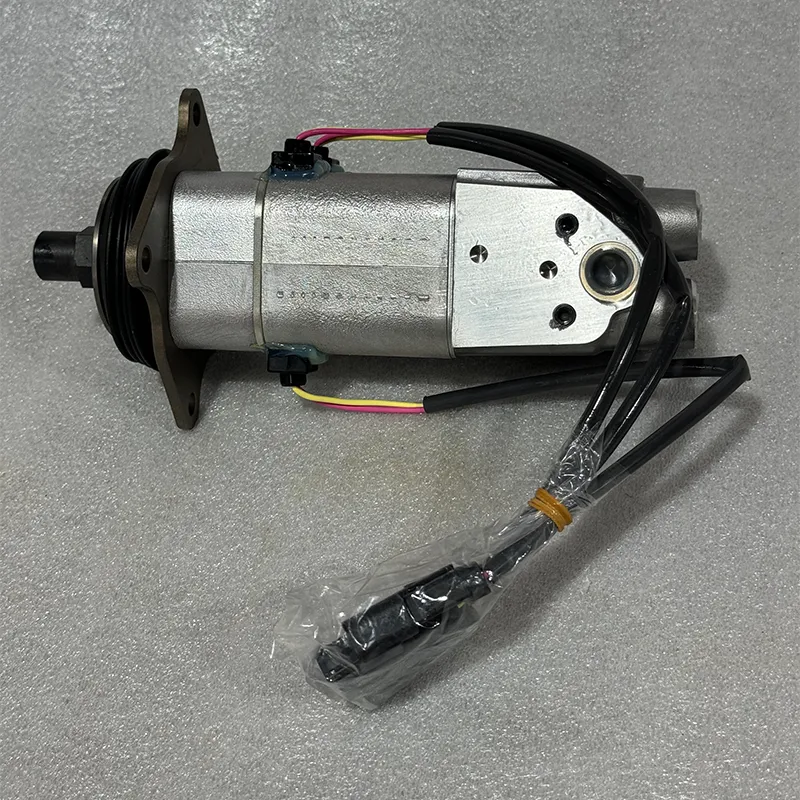 Original komatsu WA480-6 Pilot Valve 702-16-03461