
- Chinese
- French
- German
- Portuguese
- Spanish
- Russian
- Japanese
- Korean
- Arabic
- Irish
- Greek
- Turkish
- Italian
- Danish
- Romanian
- Indonesian
- Czech
- Afrikaans
- Swedish
- Polish
- Basque
- Catalan
- Esperanto
- Hindi
- Lao
- Albanian
- Amharic
- Armenian
- Azerbaijani
- Belarusian
- Bengali
- Bosnian
- Bulgarian
- Cebuano
- Chichewa
- Corsican
- Croatian
- Dutch
- Estonian
- Filipino
- Finnish
- Frisian
- Galician
- Georgian
- Gujarati
- Haitian
- Hausa
- Hawaiian
- Hebrew
- Hmong
- Hungarian
- Icelandic
- Igbo
- Javanese
- Kannada
- Kazakh
- Khmer
- Kurdish
- Kyrgyz
- Latin
- Latvian
- Lithuanian
- Luxembou..
- Macedonian
- Malagasy
- Malay
- Malayalam
- Maltese
- Maori
- Marathi
- Mongolian
- Burmese
- Nepali
- Norwegian
- Pashto
- Persian
- Punjabi
- Serbian
- Sesotho
- Sinhala
- Slovak
- Slovenian
- Somali
- Samoan
- Scots Gaelic
- Shona
- Sindhi
- Sundanese
- Swahili
- Tajik
- Tamil
- Telugu
- Thai
- Ukrainian
- Urdu
- Uzbek
- Vietnamese
- Welsh
- Xhosa
- Yiddish
- Yoruba
- Zulu
- Kinyarwanda
- Tatar
- Oriya
- Turkmen
- Uyghur






filter solar komatsu pc200 8
When you hear 'filter solar Komatsu PC200-8', most folks immediately think of the standard engine oil or fuel filters. That's the first mistake. In my line of work, sourcing and fitting parts for Komatsu machines in regions where the official supply chain is thin, the term often points to something more specific: the hydraulic system filter for the PC200-8, and the growing, sometimes messy, niche of aftermarket 'solar' solutions aimed at auxiliary power or monitoring systems for these excavators. It's not a single, official Komatsu part number; it's a puzzle of compatibility, quality tiers, and real-world durability tests that the manuals don't cover.
The Core Misconception and What It Really Covers
Let's be clear: Komatsu doesn't sell a solar filter as a genuine part. The keyword mashup usually comes from two separate needs. First, the critical hydraulic filter for the PC200-8-8M0 series, something like the Komatsu part number filter . This is a high-pressure line filter, and its failure is catastrophic. Second, the solar bit. I've seen it refer to aftermarket solar-powered battery maintainers slapped onto machines parked long-term on remote sites, or even to solar-assisted pre-filters for the cab air-conditioning system in dusty environments—improvised stuff. The confusion creates a market gap.
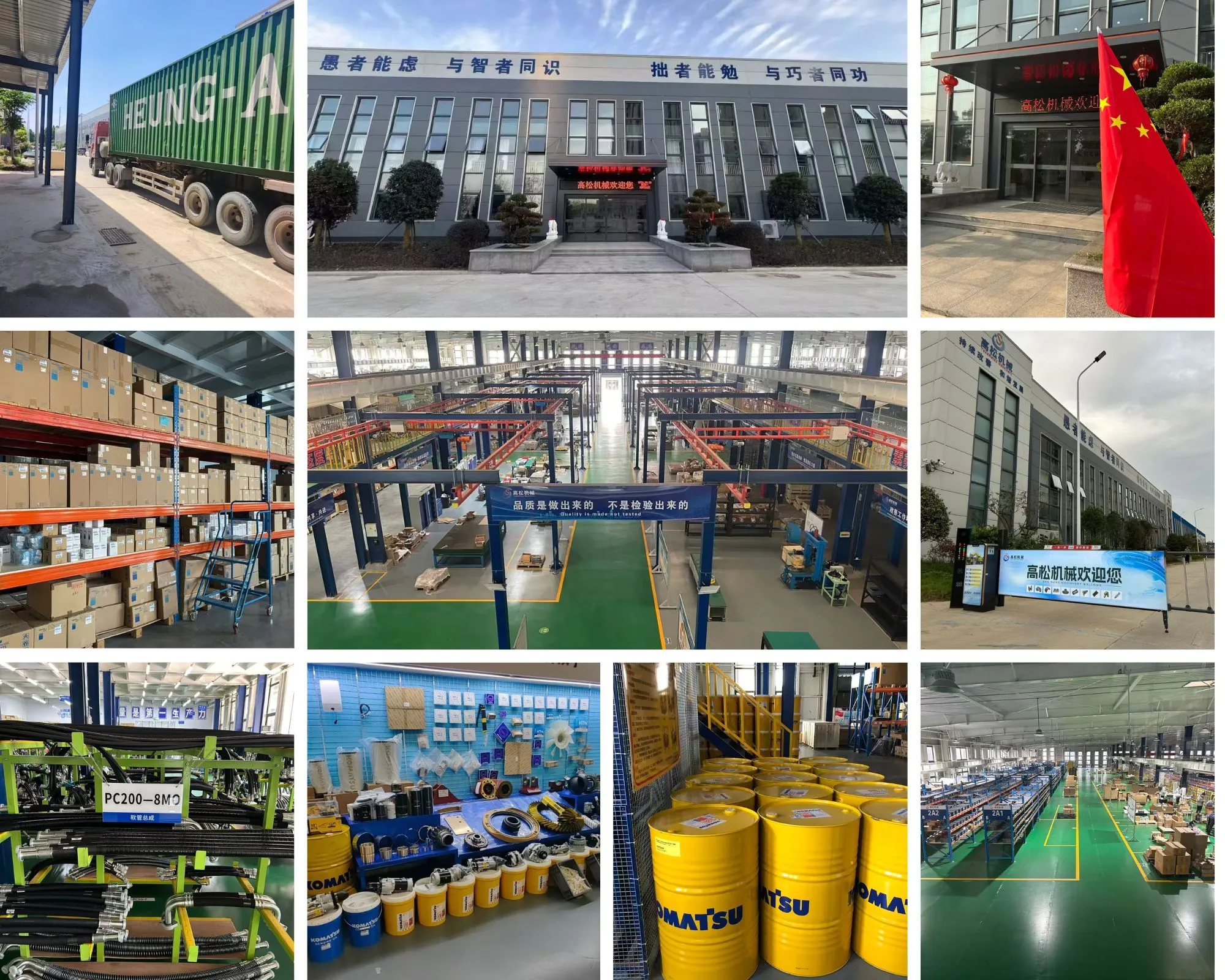
This is where companies like Jining Gaosong Construction Machinery Co., Ltd. operate. They're an OEM product supplier within the Komatsu system, but also a third-party sales company. Their value isn't just in having a filter on a shelf; it's in understanding that a customer searching for filter solar Komatsu PC200-8 might actually need a reliable hydraulic filter solution and a separate, practical recommendation for a solar battery trickle-charge kit to prevent downtime from a dead battery, which is a chronic issue with the PC200-8's electrical drain. They help solve parts supply challenges by connecting these dots.
I recall a site manager in West Africa insisting on a solar filtration system for his fleet of PC200-8s. After a week of emails and blurry photos, it turned out his real problem was extreme dust clogging the standard air filters every 48 hours. He'd heard about a competitor using a solar-powered reverse-pulse air pre-cleaner on another machine and garbled the request. The solution wasn't a single filter, but a combination of a heavy-duty cyclonic pre-filter (not strictly solar) and a revised, more frequent service schedule for the primary Komatsu PC200-8 air filter. The solar part was a red herring.
Hydraulic Filter Specifics: The Heart of the Matter
Forget the solar tangent for a moment. The hydraulic system filter on the PC200 8 is where you must not compromise. The machine's closed-center hydraulic system is sensitive. I've used both genuine Komatsu filters and high-quality aftermarket equivalents from trusted suppliers. The genuine part is flawless but can be prohibitively expensive and slow to get in some countries. A reliable third-party alternative must match the micron rating (usually 10 microns absolute), the bypass valve pressure setting, and the anti-drain back valve function.
Here's a failure I witnessed: a mine used a cheap, non-OEM filter that claimed compatibility. The filter media collapsed internally after 250 hours, sending debris through the entire hydraulic system. The resulting pump failure and valve block contamination cost more than ten years of savings on filters. The lesson wasn't always buy genuine, but always validate the source. A supplier like Gaosong, being embedded in the Komatsu ecosystem, typically has access to or produces filters that meet the OEM spec, which is different from a random factory just copying dimensions.
The physical installation seems straightforward, but there's a nuance. The filter housing on the PC200-8 is tucked in a tight spot near the hydraulic tank. Overtightening is common, damaging the sealing surface. I always hand-tighten plus a three-quarter turn with a strap wrench—no more. Also, priming the new filter by filling it with clean hydraulic fluid before spinning it on is a step many skip, leading to a brief but dangerous pump cavitation at startup.
The Solar Component: Pragmatic Add-ons, Not Magic
Now, to the solar aspect. It's almost never integrated into a filter. The practical applications I've seen are add-ons. The most common is a simple 10-watt solar panel mounted on the cab roof, wired through a diode to the battery. Its sole job is to offset the machine's constant parasitic drain from the electronic control modules (ECMs) when the key is off. For a Komatsu PC200-8 sitting over a weekend, this can be the difference between a Monday morning start or a frantic call for jump packs.
Another solar idea involved a solar-powered, fan-forced air intake for the operator's cab. It was meant to reduce dust ingress when the machine was off, preserving the main cabin air filter. It was a clever concept, but in practice, the small solar panel couldn't generate enough consistent power for the fan in anything but perfect sun. It became a maintenance item itself. We ended up recommending a simpler, passive solution: a magnetic rubber seal for the cab door, which addressed the actual problem more effectively.
If you're sourcing these auxiliary items, the key is to manage expectations. A solar battery maintainer is a brilliant, low-tech solution for storage yards. But it's not a power source for running any machine systems. I often point customers to the resources and product sections of suppliers who understand this context, like Takematsu Machinery's site, as they often curate or supply these practical, non-OEM but essential support products that complement the core parts supply.
Sourcing and Verification in the Real World
So, you need a hydraulic filter and are curious about solar assists. How do you proceed? First, isolate the needs. Get the machine's serial number to pinpoint the exact filter variant. For the PC200-8, the dash number matters. Then, for the filter, decide on your tier: genuine, OEM-equivalent from a certified supplier, or a cost-effective alternative with proven field data. For the latter, you're relying on the supplier's reputation. A company's background, like being an OEM product supplier within the Komatsu system, is a strong signal. It suggests they know the engineering specs, not just the catalog numbers.
When evaluating a third-party sales company, I look for transparency. Can they provide material certifications for their filter media? Do they understand the failure modes? I once tested a batch of filters by cutting them open after a 500-hour run and comparing the media pleat condition and glue integrity to a genuine one. The good ones were nearly identical; the bad ones showed glue separation and pleat collapse. This is the kind of ground truth you need.
For the solar components, treat them as accessories. Buy from a reputable automotive or off-grid solar brand, not an obscure construction special vendor. The wiring and charge controller are more important than the panel itself. A poor-quality controller will fry your battery. I've standardized a few kits from known electrical brands and simply advise customers on the installation points on the PC200-8, usually tying into the battery terminals in the rear compartment.
Conclusion: Synthesizing the Solution
Pulling this all back to filter solar Komatsu PC200-8—it's a search term born of real, compounded field problems. The operator isn't just looking for a part; they're looking for uptime solutions. The core is an uncompromising hydraulic filtration strategy. The peripheral is a set of low-power, solar-assisted tricks to mitigate common ancillary failures, primarily dead batteries.
The value of a supplier in this space is their ability to dissect this messy keyword and provide the correct, reliable component for the critical system (the filter), while also having the practical knowledge to advise on the auxiliary solar question, even if it's just to say, Here's a reliable kit, and here's how to wire it in without voiding your machine's electrical warranty.
In the end, it's about pragmatic problem-solving. You keep the main systems pristine with quality filters sourced from knowledgeable channels, and you use simple, robust add-ons to handle the environmental headaches. There's no single magic part, but there is a combined approach that keeps the PC200-8 running in less-than-ideal conditions. That's what the search is really about.
Related Products
Related Products

Best Selling Products
Best Selling Products-
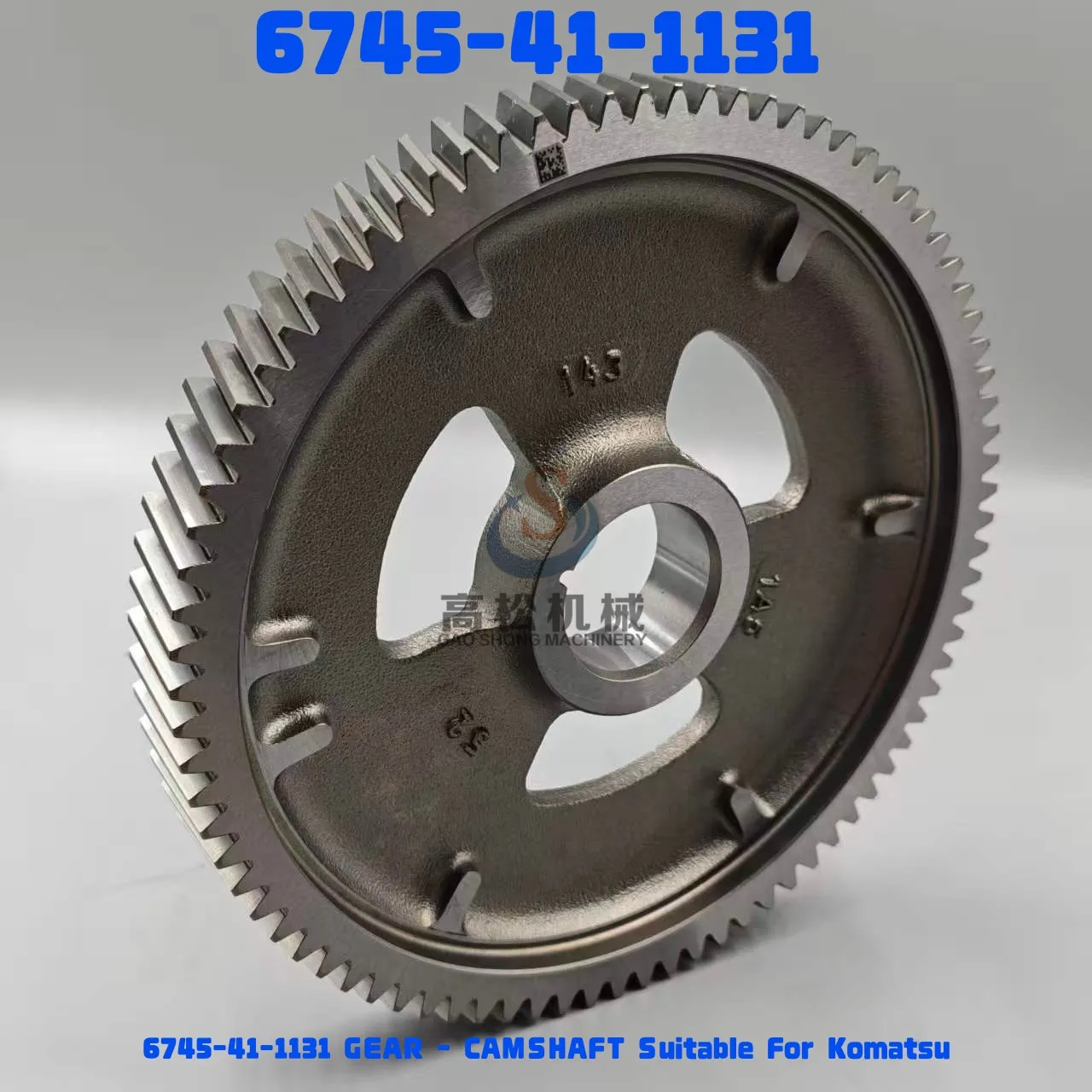 6745-41-1131 GEAR – CAMSHAFT Suitable For Komatsu 6745411131Compatible Models: SAA6D114E-3B-WT (BUILD 9K), SAA6D114E-3E (BUILD 9L), SAA6D114E-6A & SAA6D114E-6B (BUILD 9J)
 -
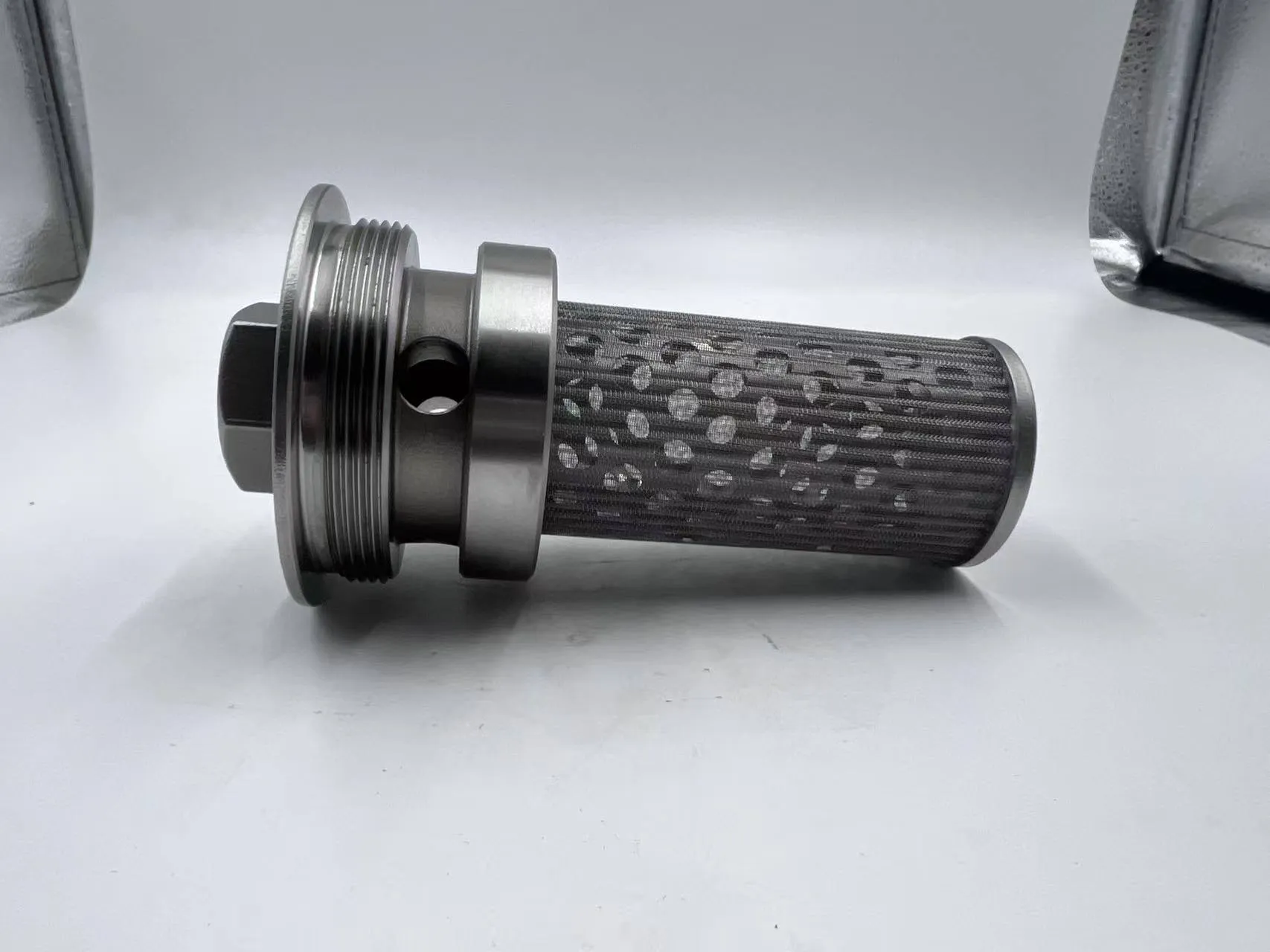 Hello friend 195-04-11150 17M-71-21530 17M-50-49290 is suitable for Komatsu Machinery
 -
 Komatsu GD405A-3 6D125E engine original factory engineering parts Indicator 08672-01000
 -
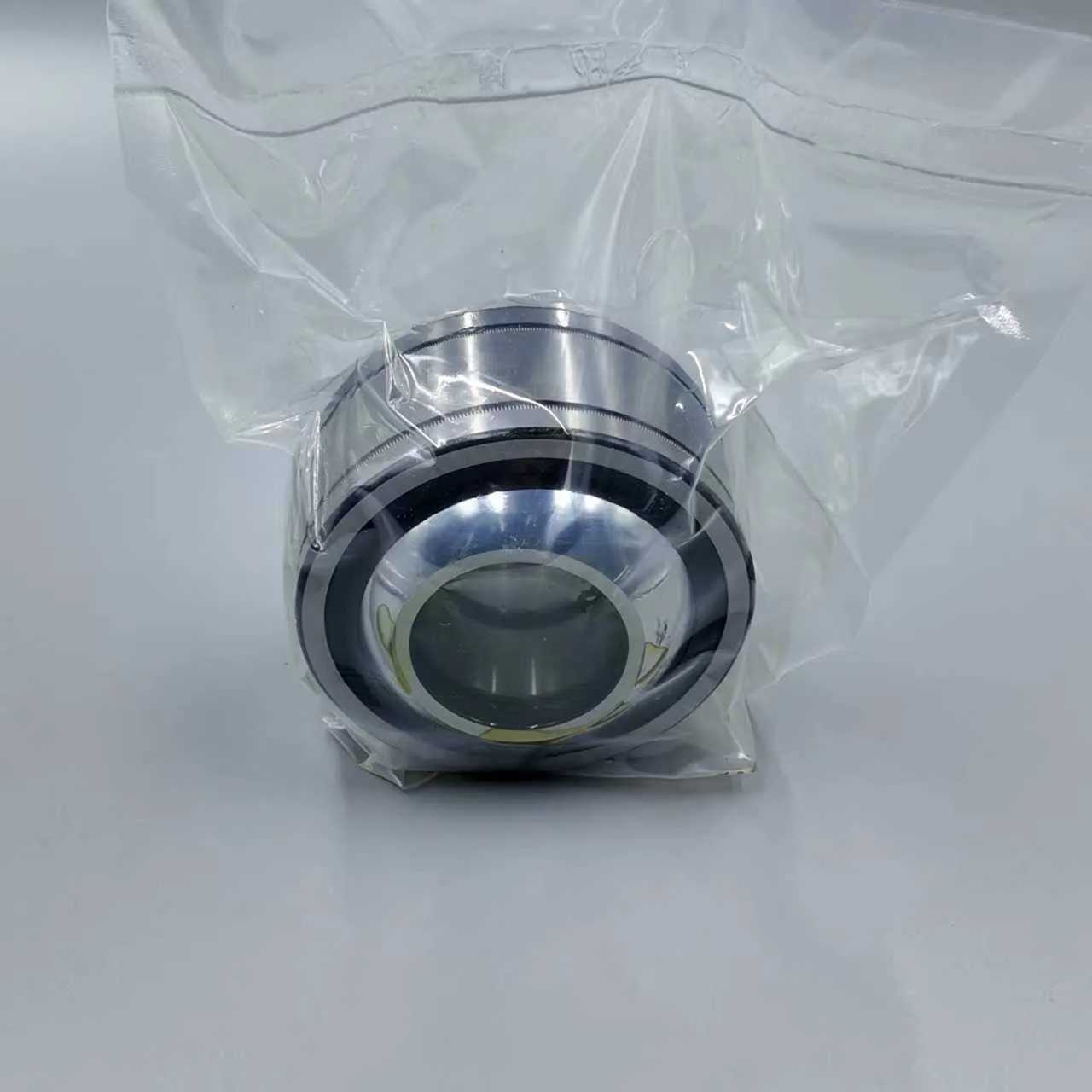 07137-04006 • BUSHING-Komatsu Original Factory
 -
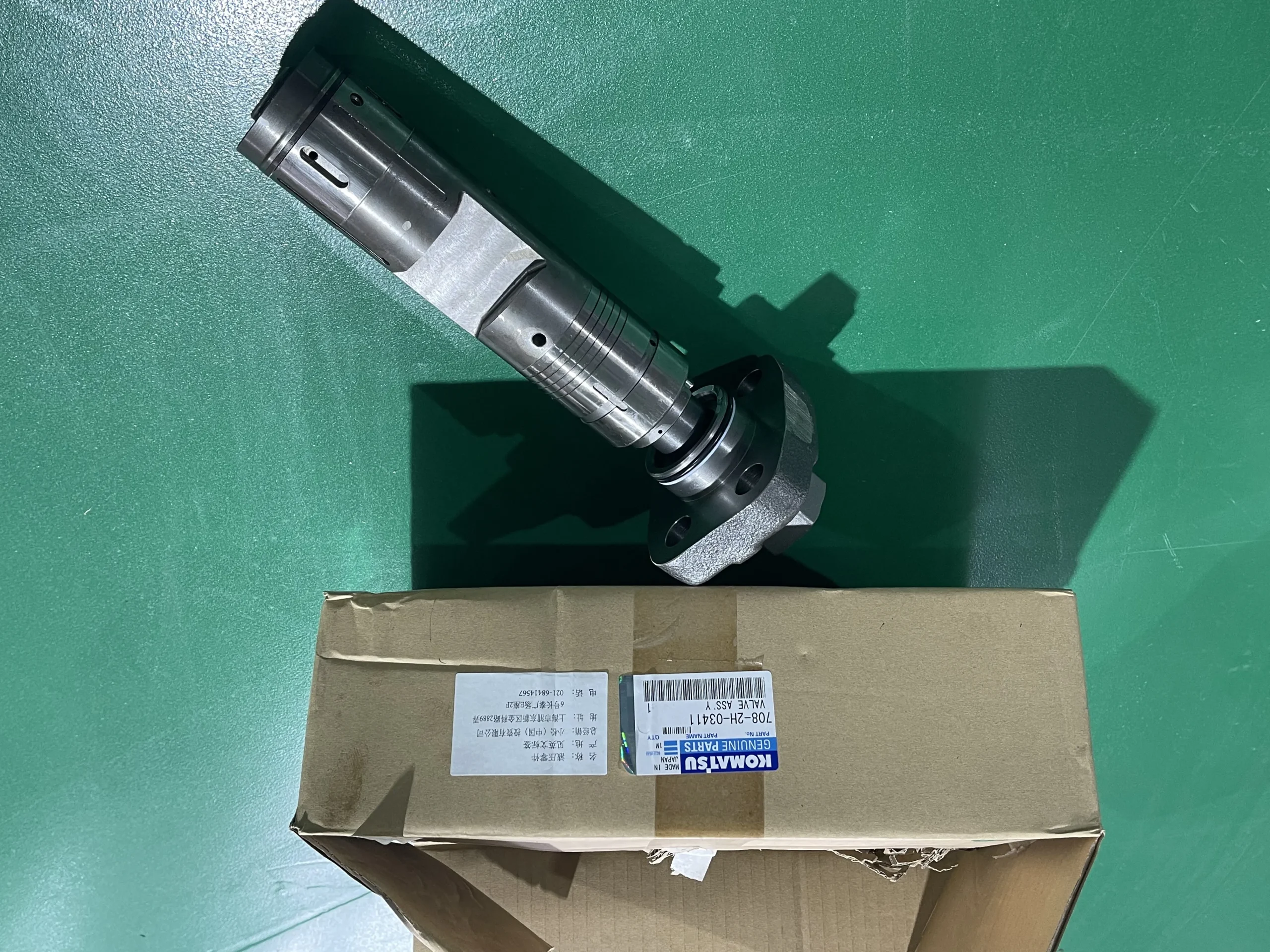 Relief Valve 708-2H-03411
 -
 6693-22-5600 Komatsu Valve Assembly
 -
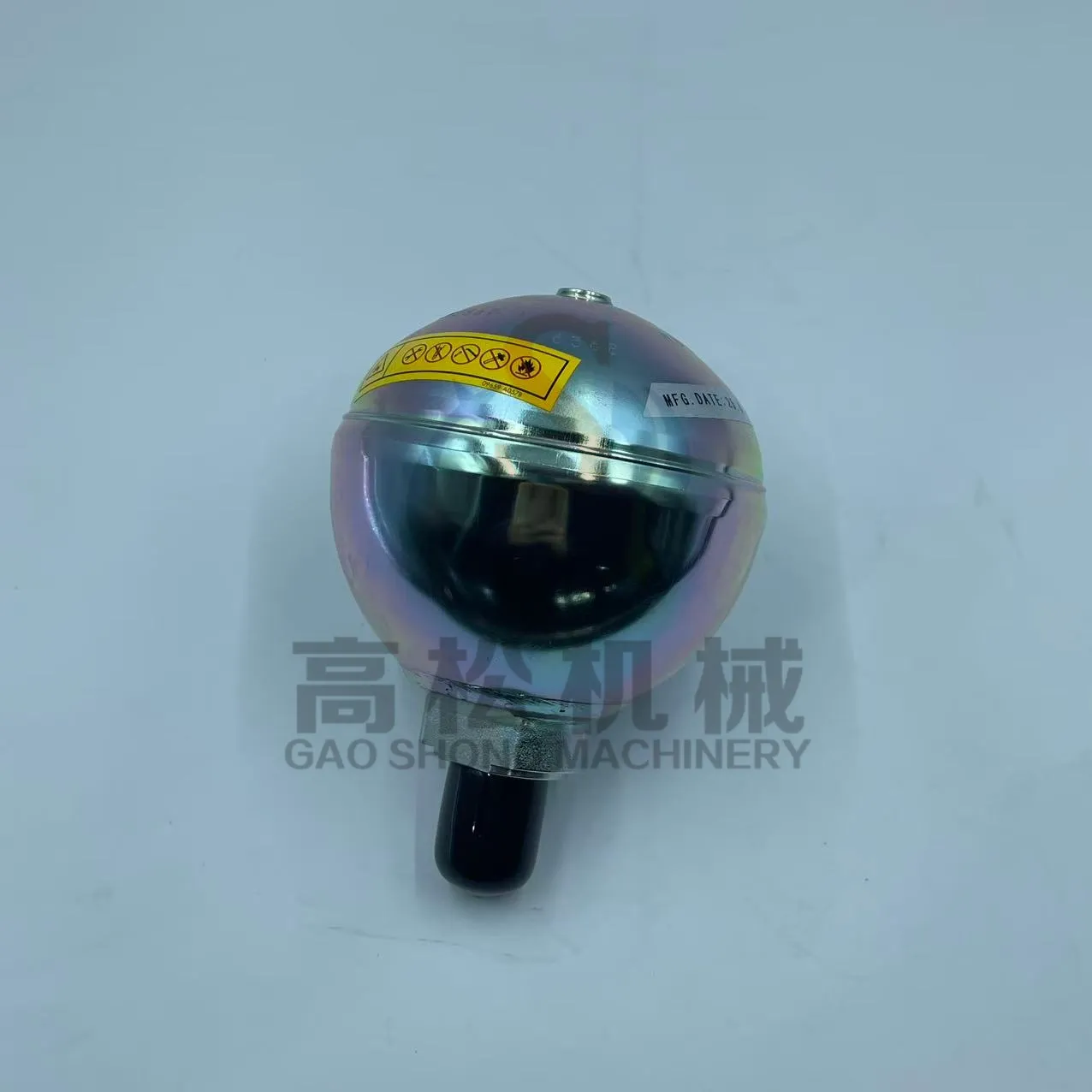 22u-60-21331 Accumulator
 -
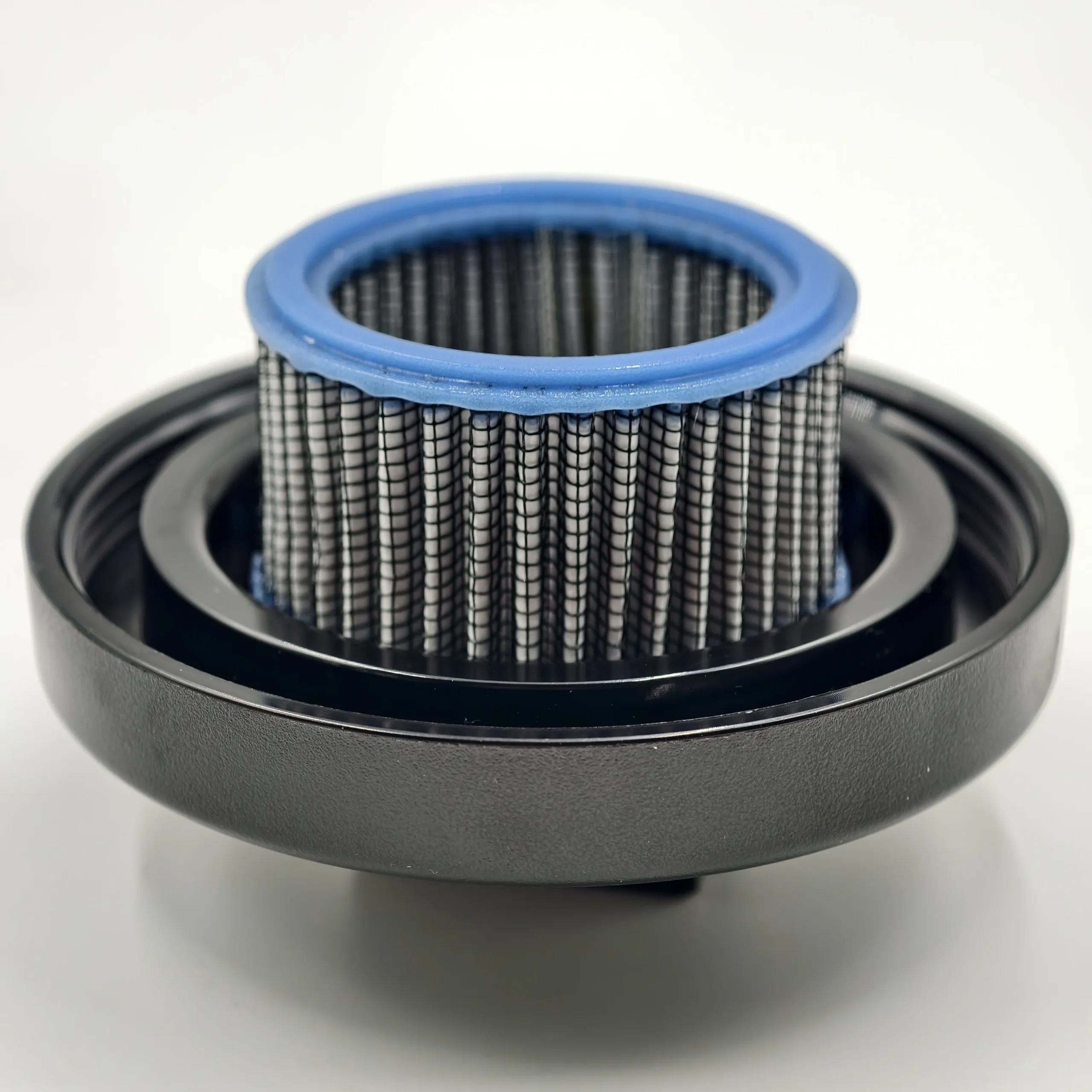 Komatsu21T-04-31170 Cap Assembly
 -
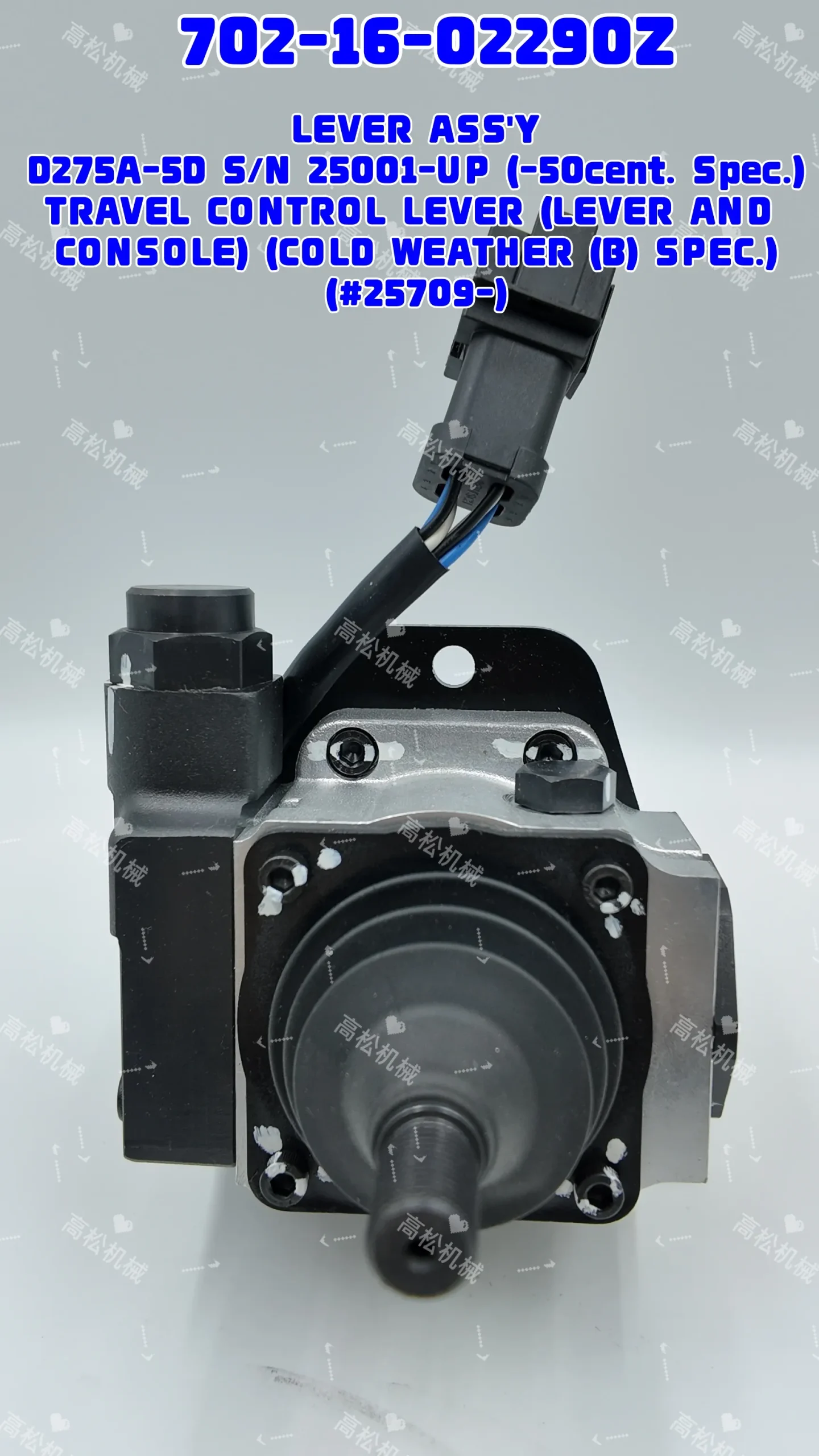 komatsu-part-702-16-02290 LEVER ASS’Y D65PX-15E0 D155AX-6 D155AX-8 D275A-5R D85EXI-18 FLOOR FRAME, TRAVEL CONTROL LEVER FLOOR FRAME, LEVER ROPS CAB, PCCS (PALM COMMAND CONTROL SYSTEM) LEVER
 -
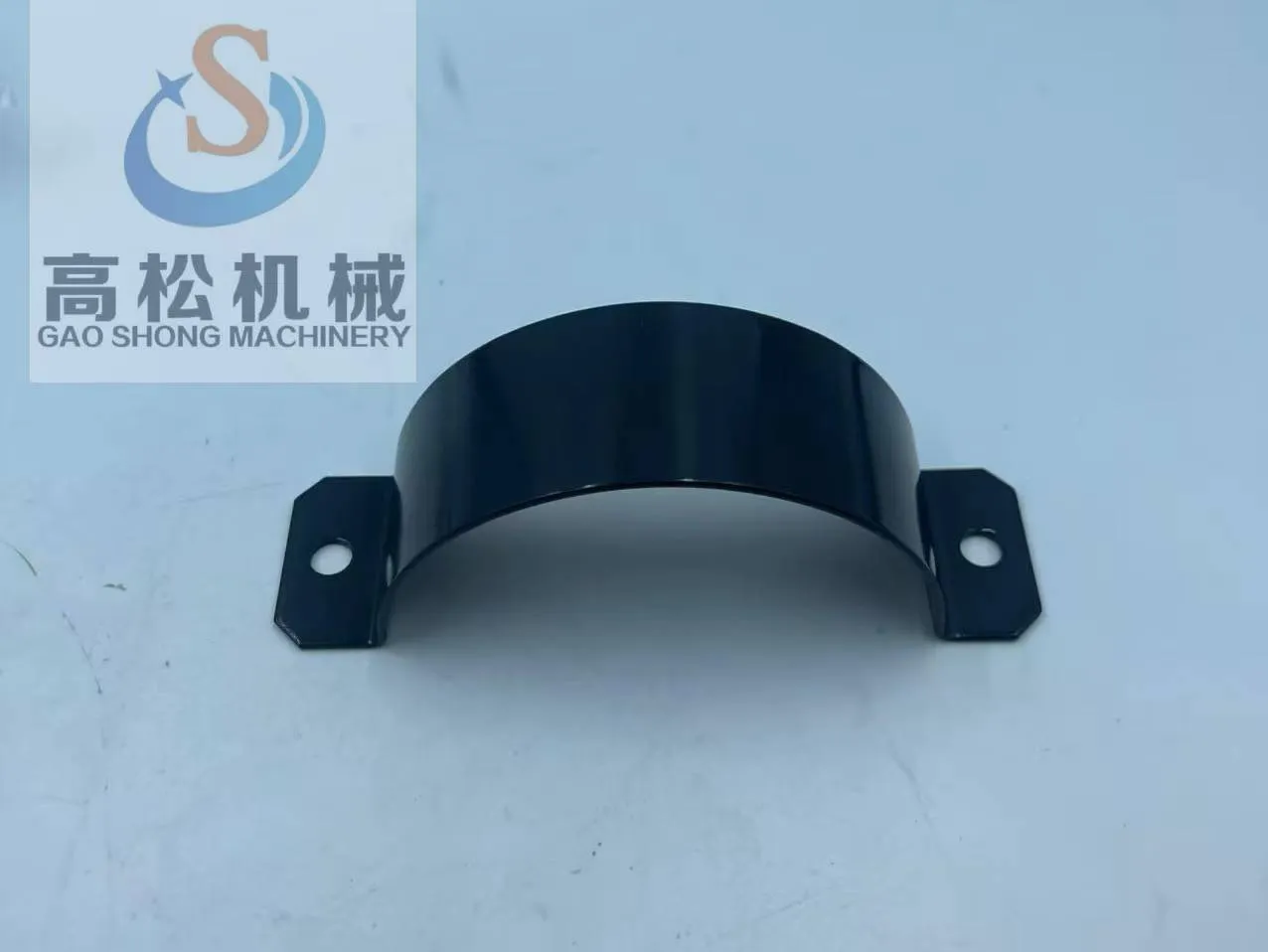 569-40-83470 Komatsu Genuine Bracket, Applicable Model: HD405-7, In-stock Promotional Price
 -
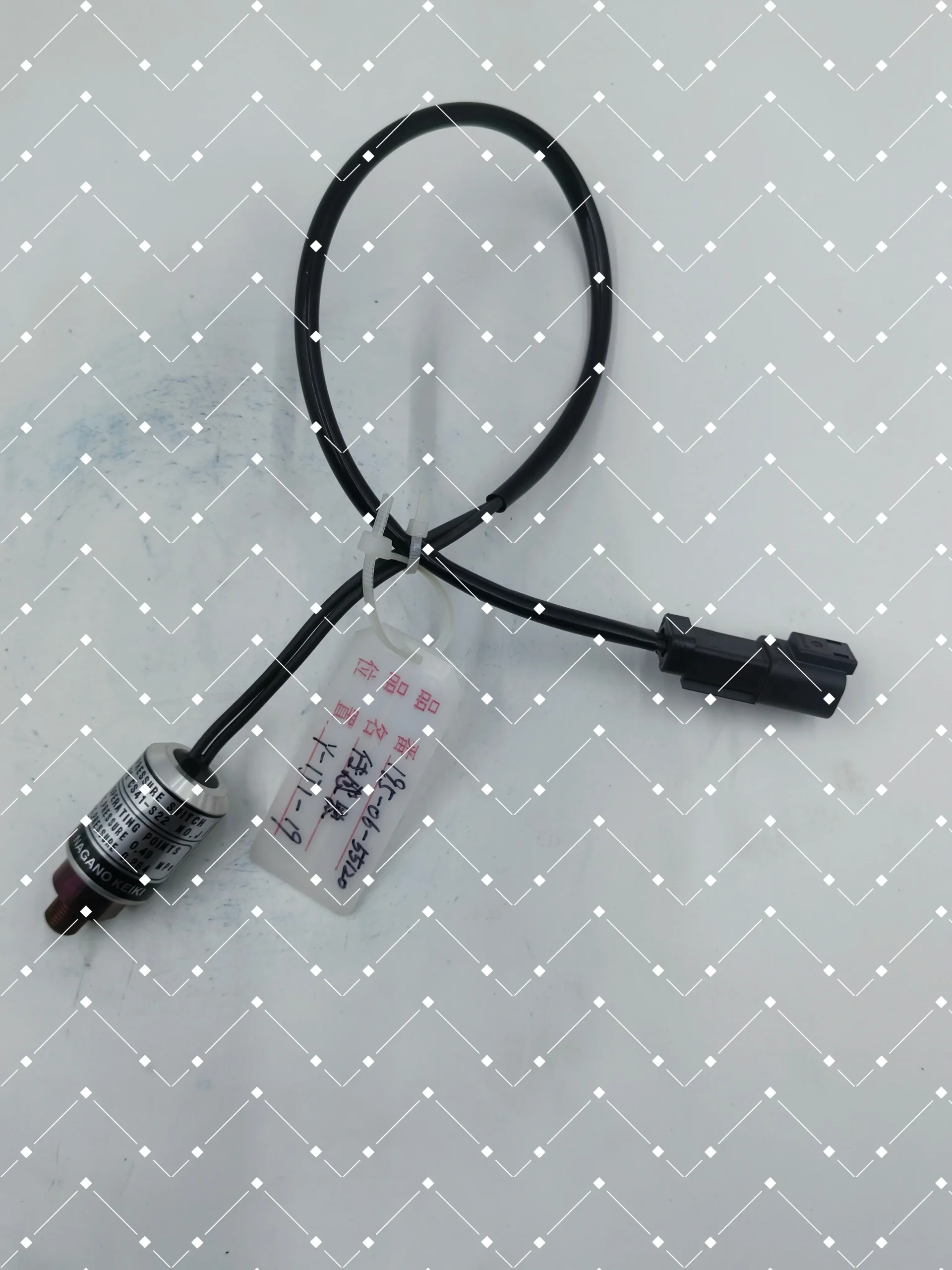 Komatsu 195-06-55120 Switch, price for original and… — Pricing.Parts
 -
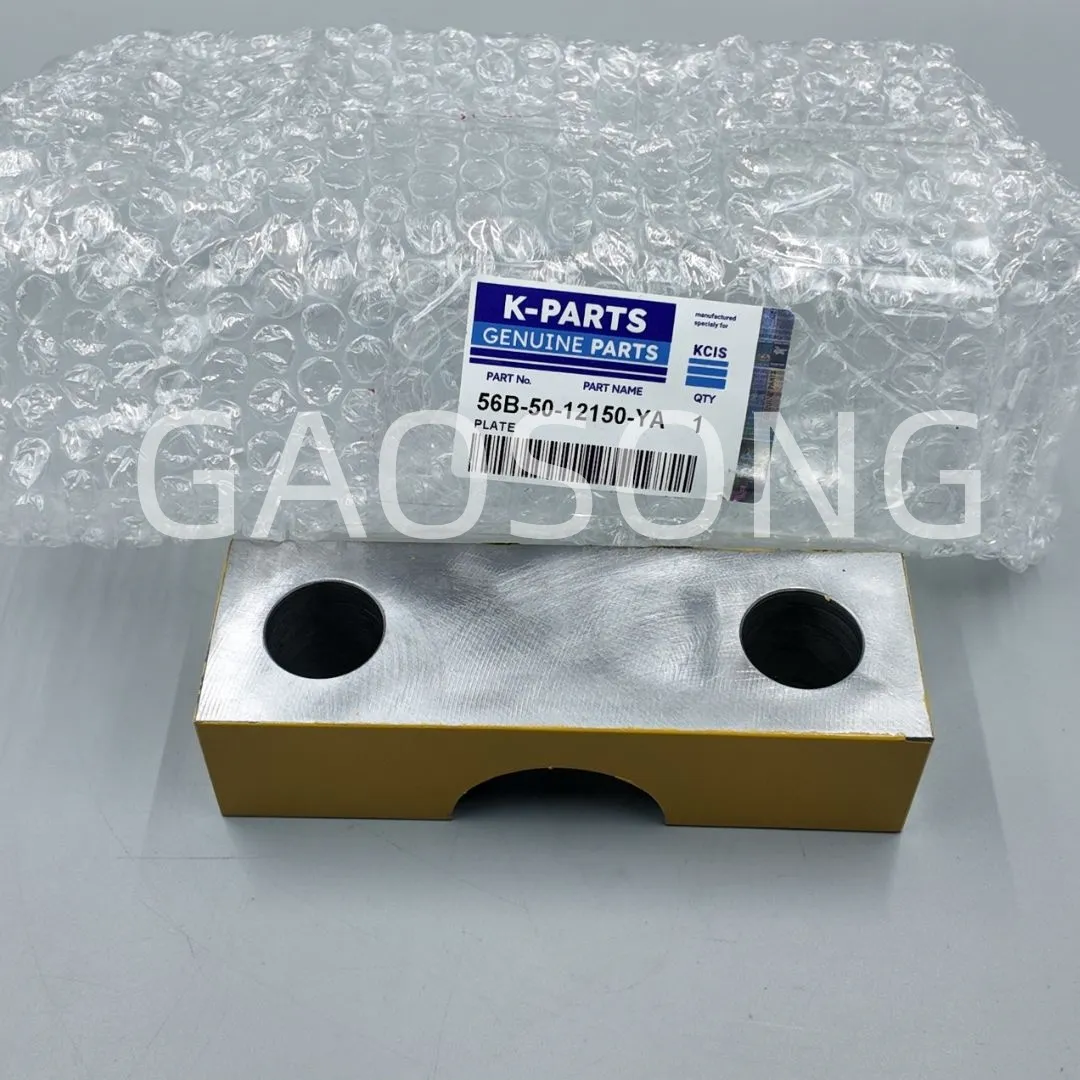 56B-50-12150 PLATE-Komatsu Original Factory