
- Chinese
- French
- German
- Portuguese
- Spanish
- Russian
- Japanese
- Korean
- Arabic
- Irish
- Greek
- Turkish
- Italian
- Danish
- Romanian
- Indonesian
- Czech
- Afrikaans
- Swedish
- Polish
- Basque
- Catalan
- Esperanto
- Hindi
- Lao
- Albanian
- Amharic
- Armenian
- Azerbaijani
- Belarusian
- Bengali
- Bosnian
- Bulgarian
- Cebuano
- Chichewa
- Corsican
- Croatian
- Dutch
- Estonian
- Filipino
- Finnish
- Frisian
- Galician
- Georgian
- Gujarati
- Haitian
- Hausa
- Hawaiian
- Hebrew
- Hmong
- Hungarian
- Icelandic
- Igbo
- Javanese
- Kannada
- Kazakh
- Khmer
- Kurdish
- Kyrgyz
- Latin
- Latvian
- Lithuanian
- Luxembou..
- Macedonian
- Malagasy
- Malay
- Malayalam
- Maltese
- Maori
- Marathi
- Mongolian
- Burmese
- Nepali
- Norwegian
- Pashto
- Persian
- Punjabi
- Serbian
- Sesotho
- Sinhala
- Slovak
- Slovenian
- Somali
- Samoan
- Scots Gaelic
- Shona
- Sindhi
- Sundanese
- Swahili
- Tajik
- Tamil
- Telugu
- Thai
- Ukrainian
- Urdu
- Uzbek
- Vietnamese
- Welsh
- Xhosa
- Yiddish
- Yoruba
- Zulu
- Kinyarwanda
- Tatar
- Oriya
- Turkmen
- Uyghur






filter solar komatsu
When you hear 'filter solar Komatsu,' it's easy to get tangled in assumptions. Some immediately think it's a specific Komatsu-branded solar panel filter—which isn't a thing—while others in procurement might see it as a simple search string for a generic replacement part. In my years dealing with Komatsu equipment support, especially in regions with supply chain gaps, I've seen this phrase pop up more as a descriptor of a need than a catalog item. It often points to a dual requirement: maintaining the filtration systems (air, fuel, hydraulic) on Komatsu machinery operating in high-solar-exposure, high-dust environments, and sometimes, peripherally, powering auxiliary monitoring systems. The conflation happens, but it reveals a practical on-ground challenge: keeping genuine-level protection without always having access to the OEM pipeline, which is where entities like Jining Gaosong Construction Machinery Co., Ltd. carve their niche.
The OEM Shadow and the Third-Party Bridge
Working within the Komatsu ecosystem is about understanding tiers. You have the pure OEM channels, and then you have the certified or reputable third-party suppliers who fill the critical voids. Jining Gaosong positions itself interestingly—as an OEM product supplier within the system and a third-party sales company. This isn't just semantics. It means they have access to genuine Komatsu-spec blueprints and quality benchmarks for components like filters, but they also operate independently to solve what they term parts supply challenges in certain countries. From my observation, these challenges are rarely about the common parts. It's about the specific, the outdated, or the regionally adapted ones. A filter for a Komatsu excavator running 12 hours a day in a desert solar farm project isn't just a filter; it's a consumable that battles extreme particulate load and thermal cycling.
Their website, https://www.takematsumachinery.com, reflects this hybrid role. You won't find a product named Solar Filter, but you'll find the commitment to Komatsu standards. The practical implication for a site manager is this: when the official distributor is out of stock or doesn't service your region, a company like this becomes the alternative source for parts that don't compromise the machine's integrity. The solar part of the query, I suspect, often gets attached because these filtration crises are acute in solar field construction and maintenance, where Komatsu equipment is ubiquitous.
I recall a project in Rajasthan where we had a fleet of Komatsu bulldozers for site grading. The air filters would clog at an alarming rate. The local Komatsu dealer was efficient but couldn't keep up with our consumption rate. We turned to a third-party supplier—not Gaosong specifically that time, but one with a similar profile. The test was always in the microns and the material. A cheap filter might look right but fail on the dust-holding capacity or collapse under suction. The good third-party ones mirror the OEM's multi-stage design: a pre-cleaner, a primary paper element, and often a safety element. The trick is verifying that mirroring is true, not just marketing.
Filter Performance Beyond the Catalog Spec
Catalog specs for filters give you efficiency ratings—99.9% at a certain micron size. Real-world performance introduces variables the catalog ignores. Solar environments mean more than just sun. They mean fine, abrasive silica dust that hangs in the air, and temperature extremes that can degrade sealants and gasket materials faster. A filter might meet the efficiency spec in a lab but fail because its housing seal becomes brittle after six months of UV and heat exposure, allowing unfiltered air to bypass the element entirely. This is where the OEM design knowledge a company like Jining Gaosong claims is crucial. It's not about copying a shape; it's about understanding the material science Komatsu engineers specified for that seal.
We learned this the hard way on a farm in Chile. Using a well-marketed aftermarket air filter on a Komatsu wheel loader. Efficiency was great, but the rubber housing seal cracked prematurely. The failure was subtle—no total collapse—just a slight drop in restriction gauge reading we initially thought was good. Ended up with fine dust ingestion and accelerated ring wear. The lesson? The filter is a system: the media, the cage, the gasket, the drain valves. A supplier needs to control all those variables. When I look at a supplier's claim now, I look for evidence of that systemic understanding. Do they talk about the nitrile compound of their gaskets? The anti-UV treatment? Or just the efficiency rating?
This ties back to the Komatsu system mention in Jining Gaosong's description. Being an OEM product supplier within the Komatsu system suggests they might be producing or sourcing to Komatsu's Technical Standard (KTS) documents. That's a different ballgame than reverse-engineering. It implies access to the exact material, dimension, and performance tolerances. For a filter, that could mean the specific resin-bonded cellulose or synthetic media, the correct amount of pleats, and the right burst strength specification. If true, it bridges a major trust gap.
The Logistics of Supply Challenges
Their brief line about solving parts supply challenges in certain countries is a universe of logistics pain. This isn't just about having a part in a warehouse. It's about navigating import regulations, customs classifications for aftermarket vs. genuine parts, and establishing local stock points. A filter is a perfect example—it's a high-volume, low-cost (relatively) item that can halt a multi-million dollar machine. The challenge is often velocity, not availability.
In some markets, getting a genuine Komatsu filter might involve a 6-week lead time through official channels due to centralized distribution. A third-party company with a more agile, localized supply chain can cut that to a week. But agility can't come at the cost of traceability. One thing I always ask: can they provide batch testing certificates? For filters, a certificate showing they've tested for ISO 5011 standards (or equivalent) is a bare minimum. The best ones will have performance curves comparing their product to the OEM part number. I haven't dug deep into https://www.takematsumachinery.com to see if they offer that, but a professional supplier in this space should.
The certain countries bit is also key. It often means markets where Komatsu's direct presence is thin, or where parallel import rules are complex. Here, a company's role shifts from simple vendor to a technical partner. They need to help mechanics cross-reference part numbers, understand supersessions, and sometimes even advise on maintenance intervals adjusted for local conditions. A filter's service life in Germany is not its service life in the Saudi desert. A good supplier knows that and builds the dialogue around condition-based monitoring, not just fixed intervals.
Case Point: The Hydraulic Filter Saga
Let's move from air to hydraulic filters, which is probably more relevant to the core of filter in the keyword. Komatsu's hydraulic systems are intolerant of contamination. The tolerances are tight. A failed hydraulic filter on a Komatsu excavator's main pump line can lead to a five-figure repair bill in days. The aftermarket here is risky but massive.
I was involved in evaluating a third-party hydraulic filter for a Komatsu PC300 fleet. The OEM filter was excellent but costly and had long lead times. The third-party alternative, from a supplier with a profile akin to Jining Gaosong, promised equivalent beta ratios and dirt-holding capacity. The initial teardown looked promising—similar construction, same bypass valve pressure setting. We ran a pilot on three machines. Two were fine for over 500 hours. One showed a premature pressure drop. Upon cutting open the filter, we found the pleat spacing was inconsistent, causing channeling. The supplier's response was critical. They didn't argue; they reviewed the batch number, provided their QC data for that batch, and replaced the entire lot for us. That's the mark of a serious player. They have the quality control in place to trace and own a failure. Many just disappear.
This experience underscores that OEM product supplier claim. If they are truly manufacturing within the same supply chain that feeds Komatsu's assembly lines, their quality management system (QMS) should be audited to similar standards. That doesn't mean zero defects, but it means a robust corrective action process. For a maintenance manager, that process is sometimes more valuable than the part itself.
Converging Paths: Filters, Uptime, and Total Cost
So, where does solar fit back in? It's the application context. Solar farm construction and O&M rely heavily on Komatsu equipment for earthmoving, pile driving, and panel cleaning. These sites are remote, downtime is brutally expensive, and environmental conditions are harsh. The filter solar Komatsu search, in essence, is a technician or project manager looking for a reliability solution. They need filters that can protect the engine and hydraulics from pervasive dust, potentially powering through longer intervals without sacrificing protection.
This brings the discussion to total cost of ownership. The cheapest filter is the most expensive. The genuine OEM filter is excellent but may not be logistically or economically feasible for every replacement in every location. This is the gap a competent third-party OEM supplier fills. They offer a product that adheres to the OEM's functional specification, often at a lower cost and with better availability, thereby supporting higher machine uptime. The value of a company like Jining Gaosong Construction Machinery Co., Ltd. is in validating that claim—not just with words, but with the technical data, traceability, and problem-solving response that mimics the OEM support ethos.
Ultimately, the keyword is a fragment of a much larger conversation about equipment sustainability in challenging operations. It's not about finding a magic product. It's about finding a reliable supply chain partner who understands that a filter is a critical wear item, not a commodity, and who has the technical grounding in the Komatsu system to deliver something that genuinely works as intended. The rest—the solar context, the supply challenges—are just the specific colors on the canvas of global equipment maintenance.
Related Products
Related Products

Best Selling Products
Best Selling Products-
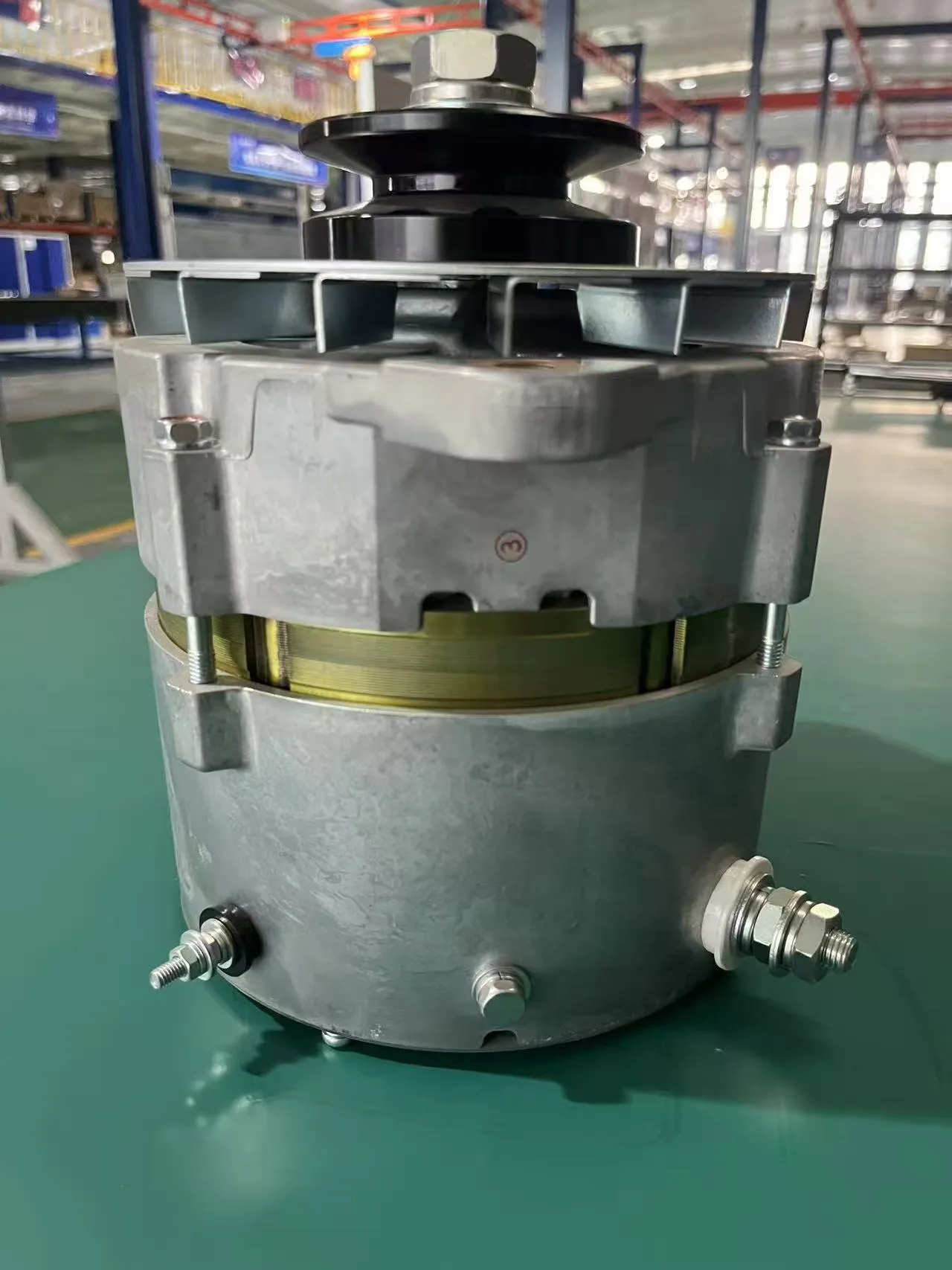 Hd 6d170 12v140 Engine Alternator Parts 600-821-9631…
 -
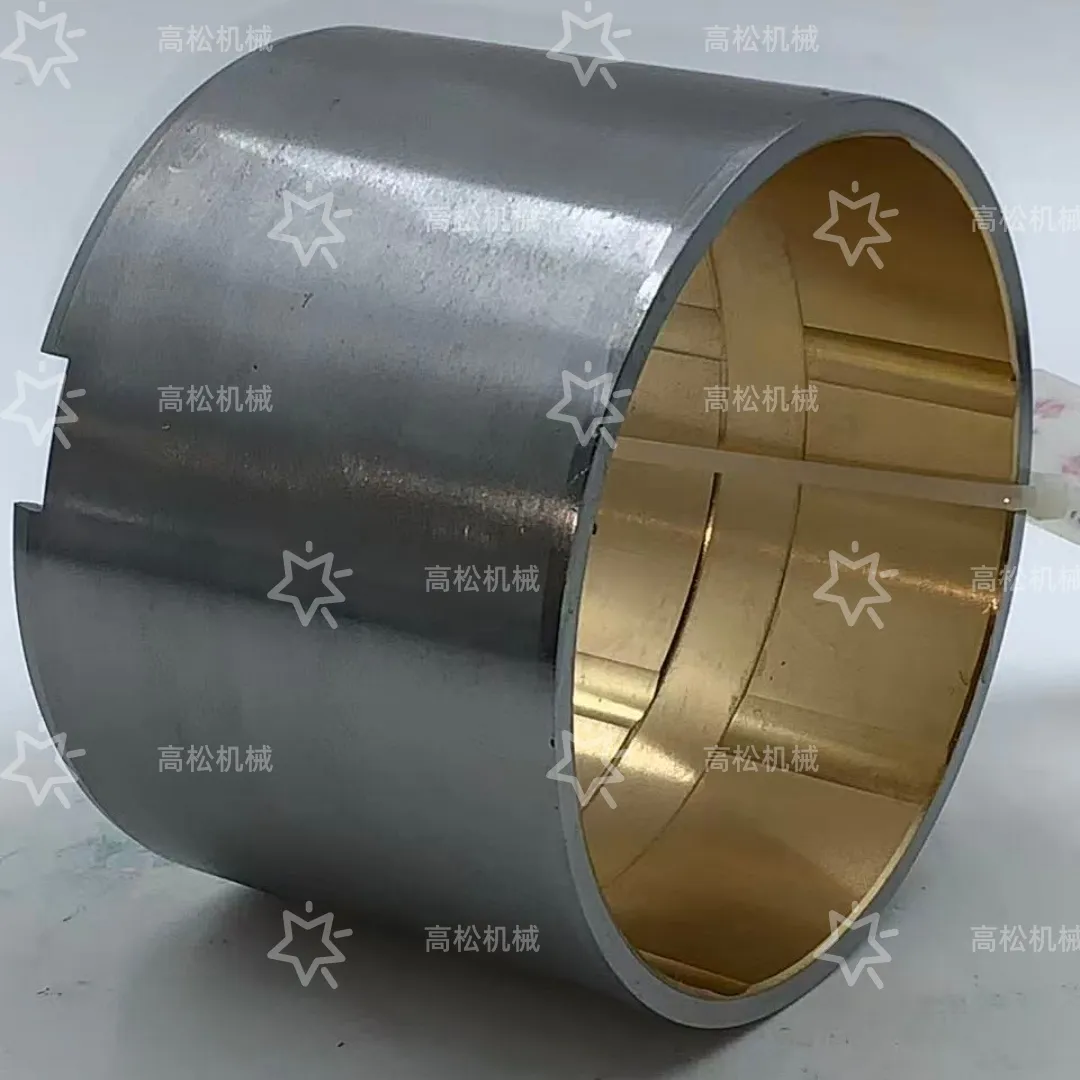 BUSHING 195-61-41160, myKomatsu – Buy Komatsu Parts
 -
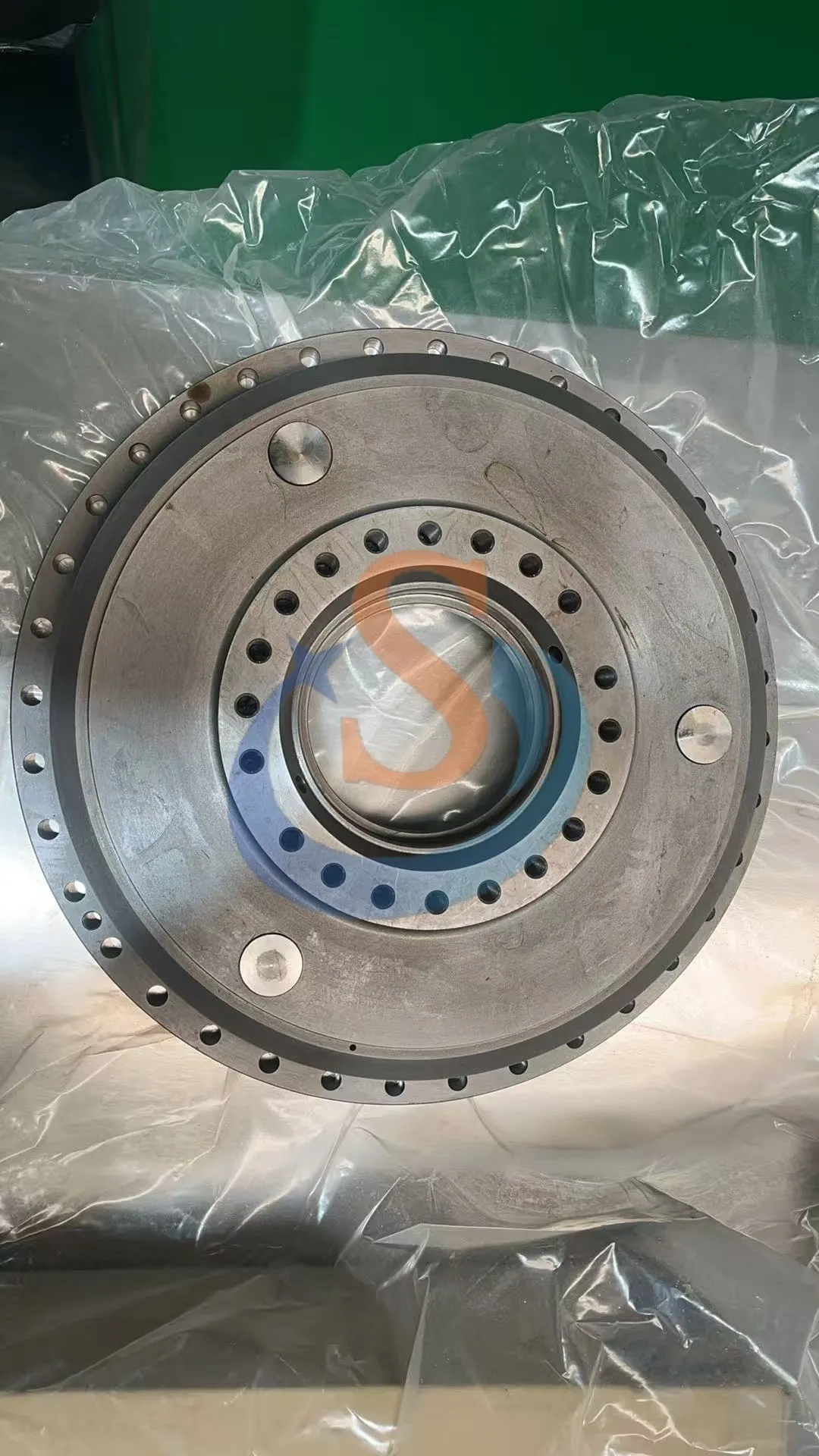 14X-13-57111 komatsu Housing D65
 -
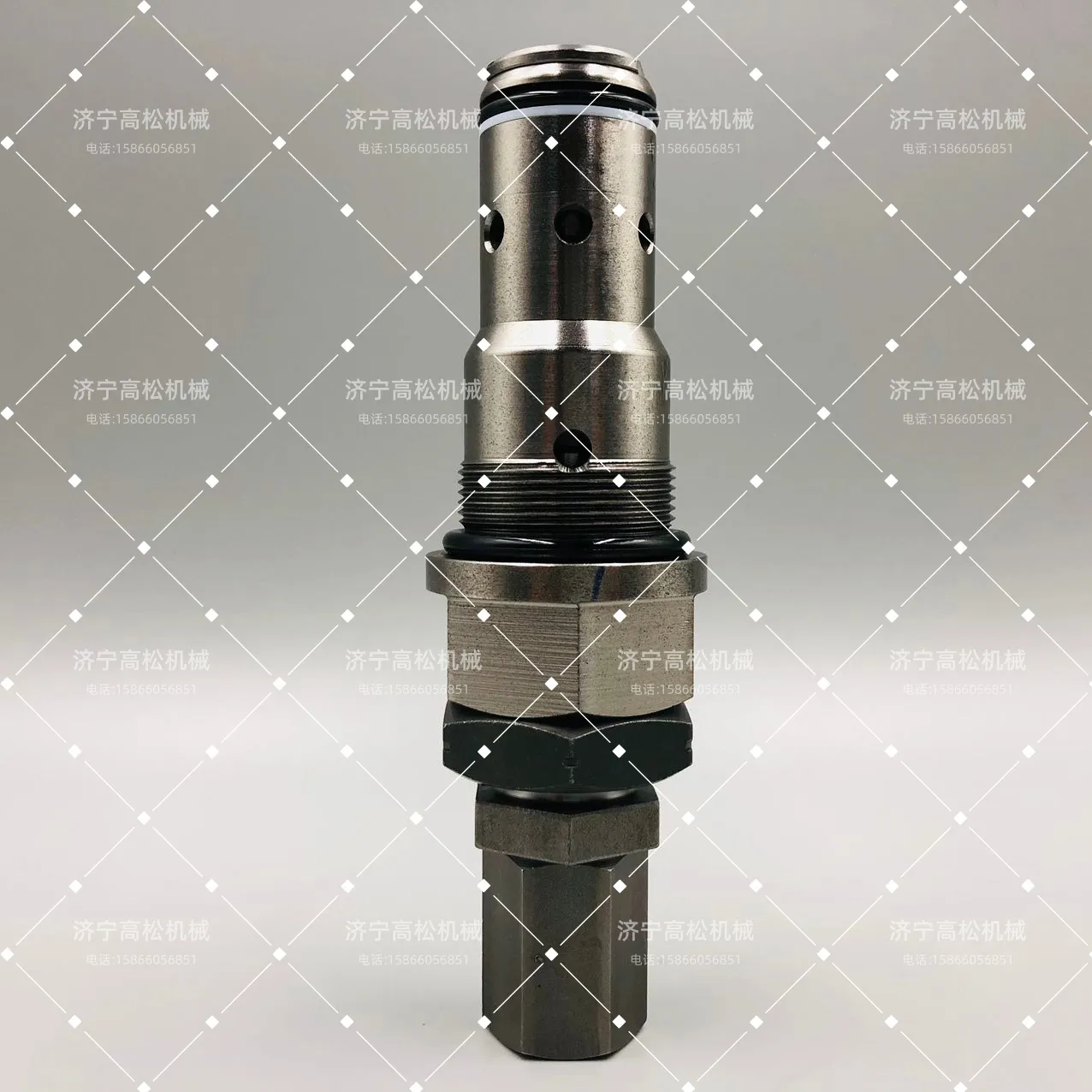 RELIEF VALVE 700-89-66000 – KOMATSU Part catalog
 -
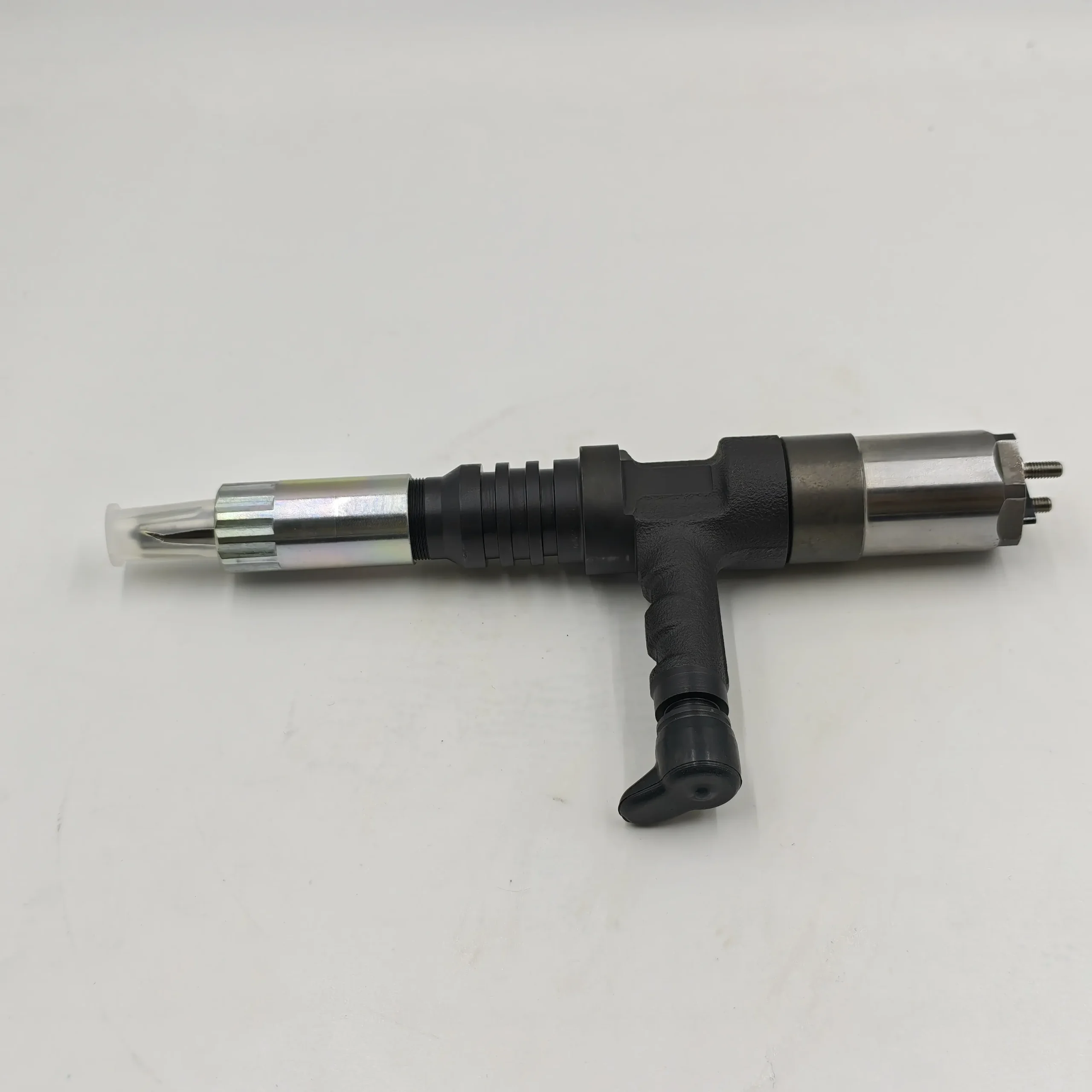 6218-11-3101 INJECTOR ASS’Y-Komatsu Original Factory
 -
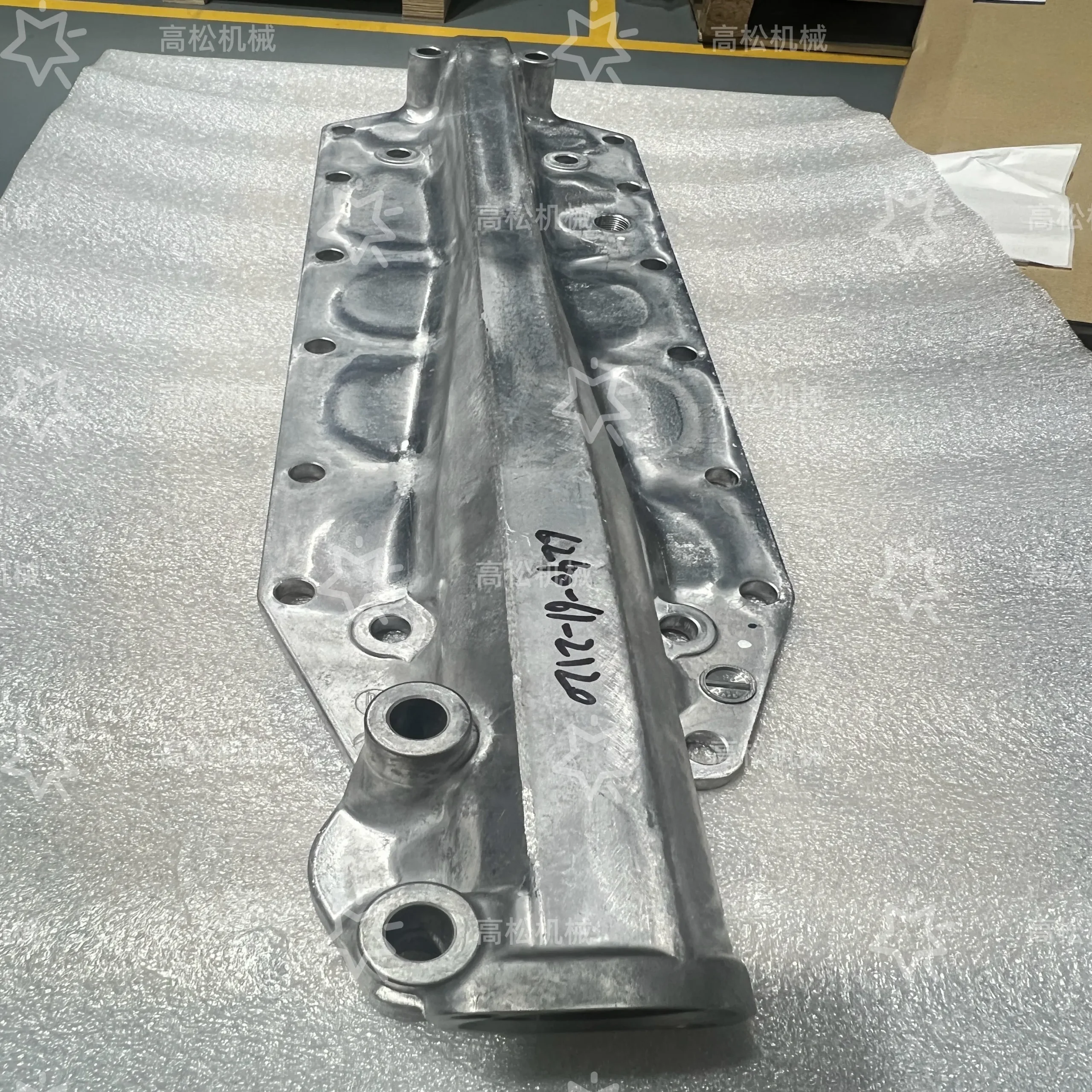 COVER 6240-61-2120 – KOMATSU Part catalog
 -
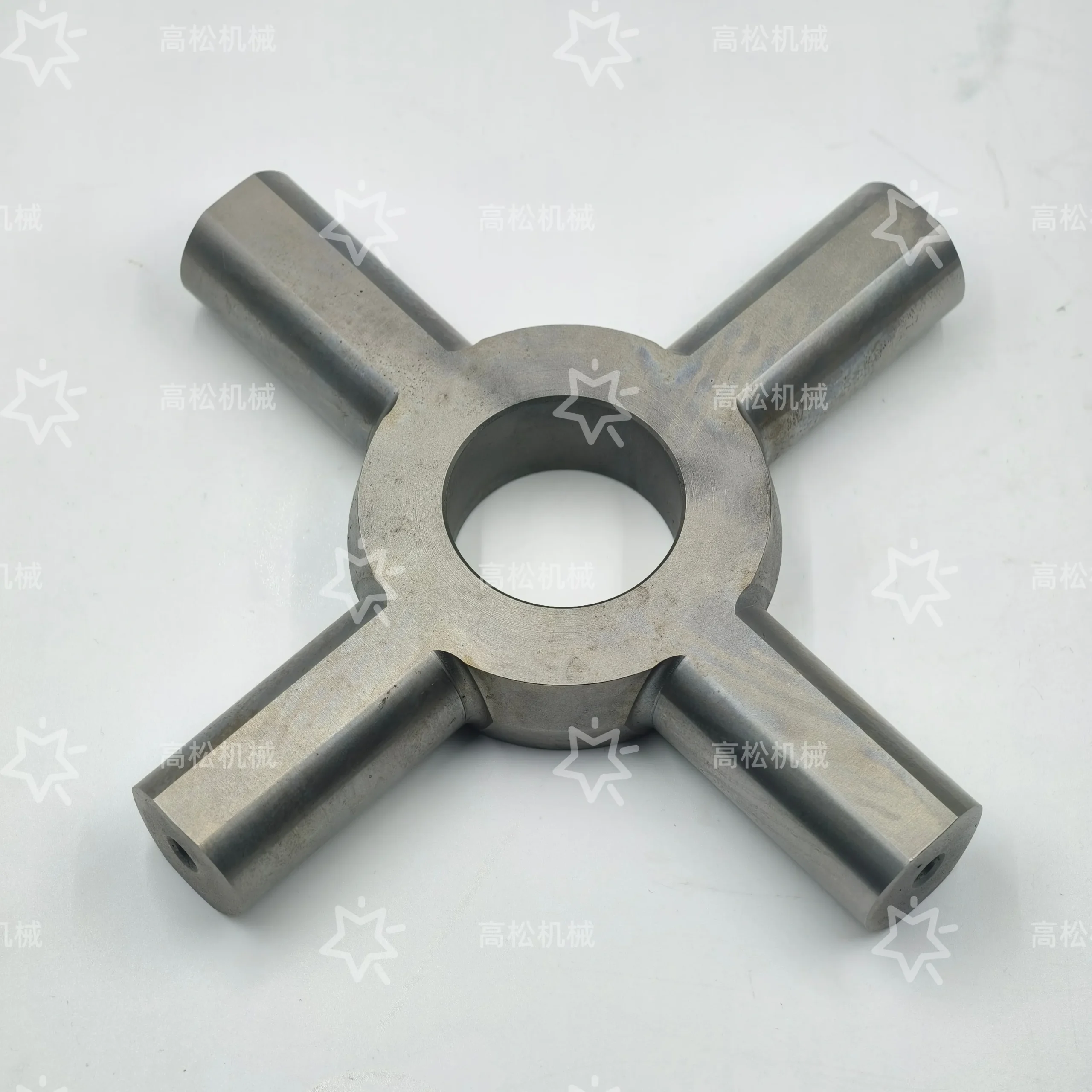 SHAFT 421-22-11440 for Komatsu WA300-3 WA320-3 WA380-3 WA430-3 WA470-3 WA450-3
 -
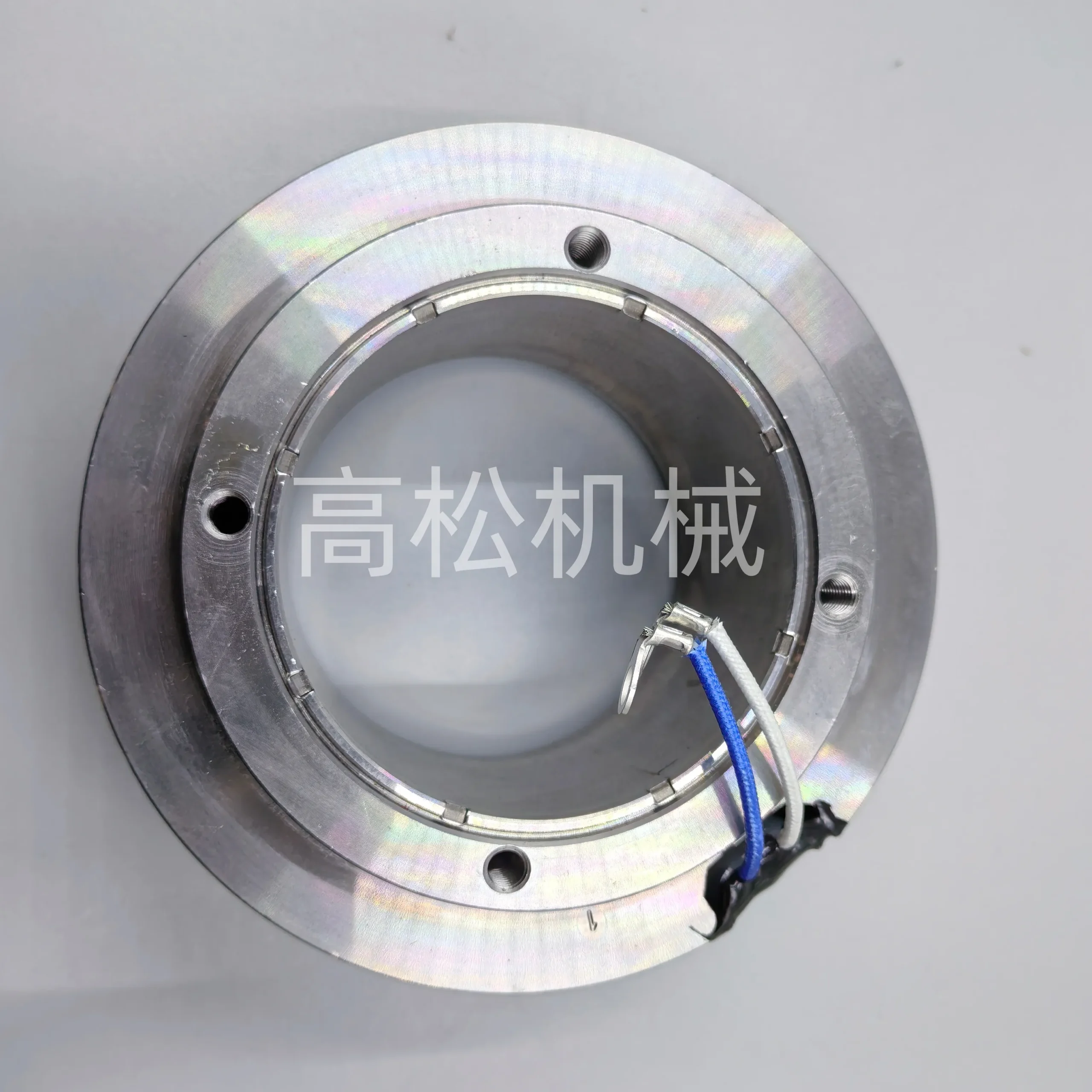 KD0-35120-0250 • FIELD COIL ASS’Y-Komatsu Original Factory
 -
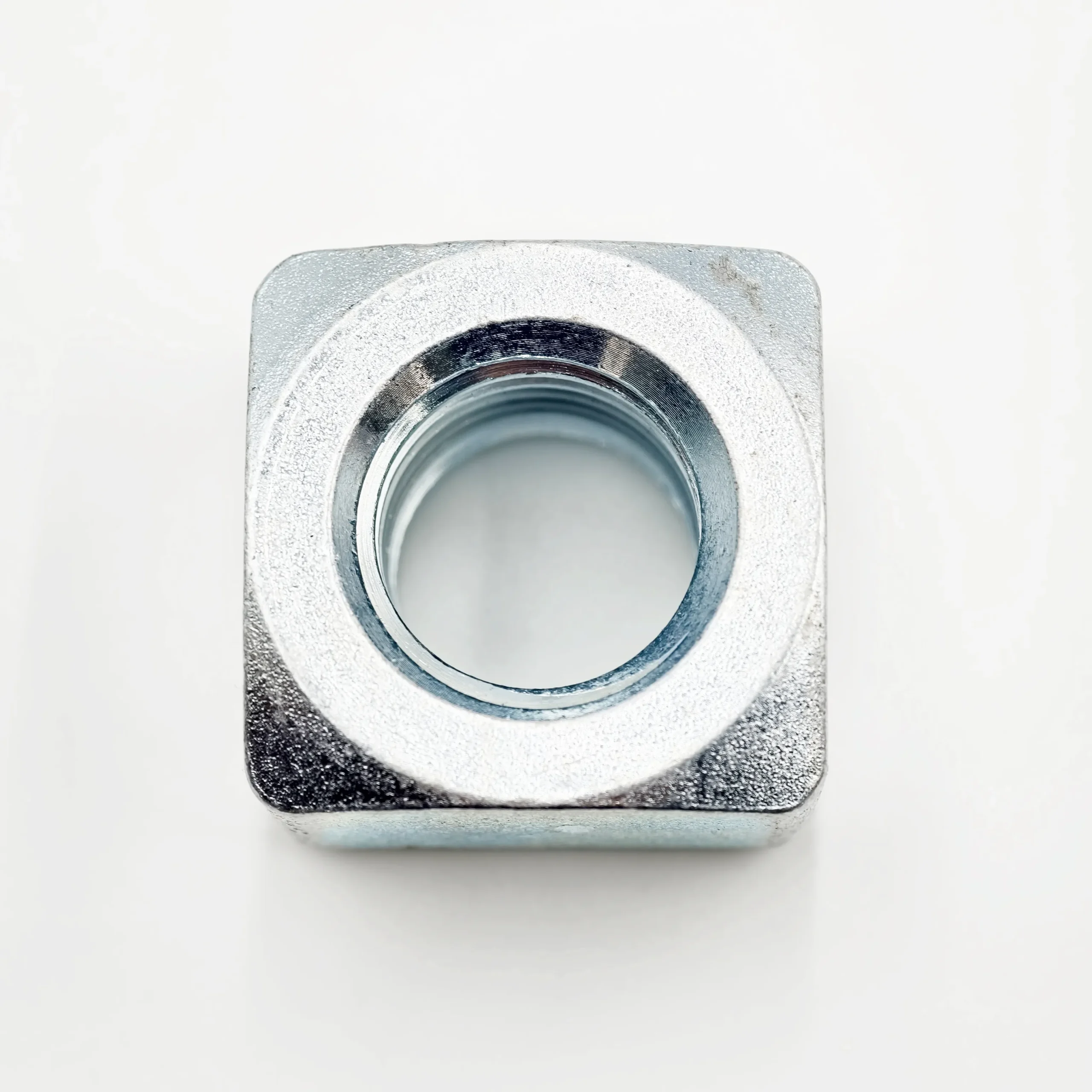 KOMATSU 130-70-13241 Square NUT
 -
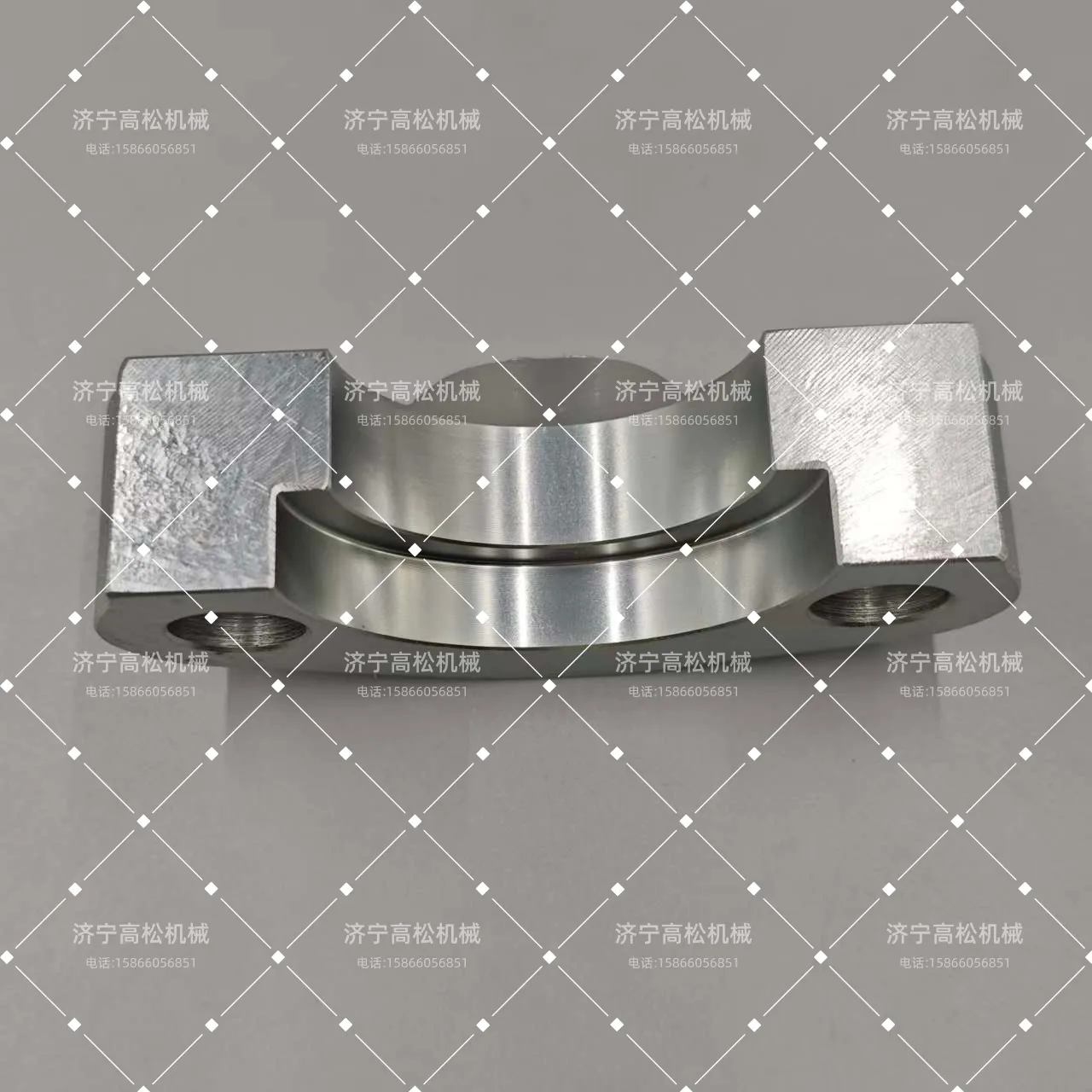 07371-51470 FLANGE
 -
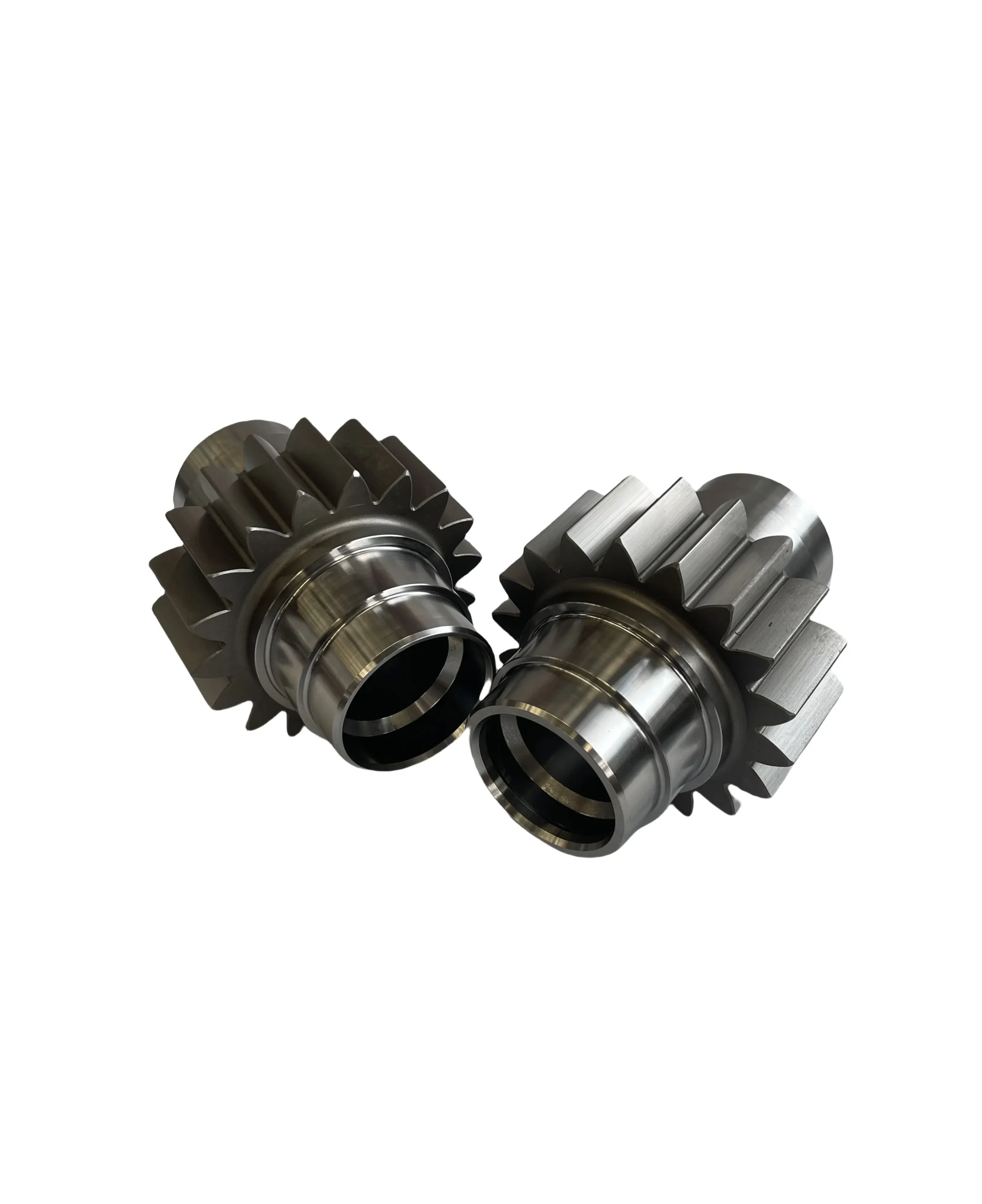 17M-27-41210 gear for Komatsu D275A-5
 -
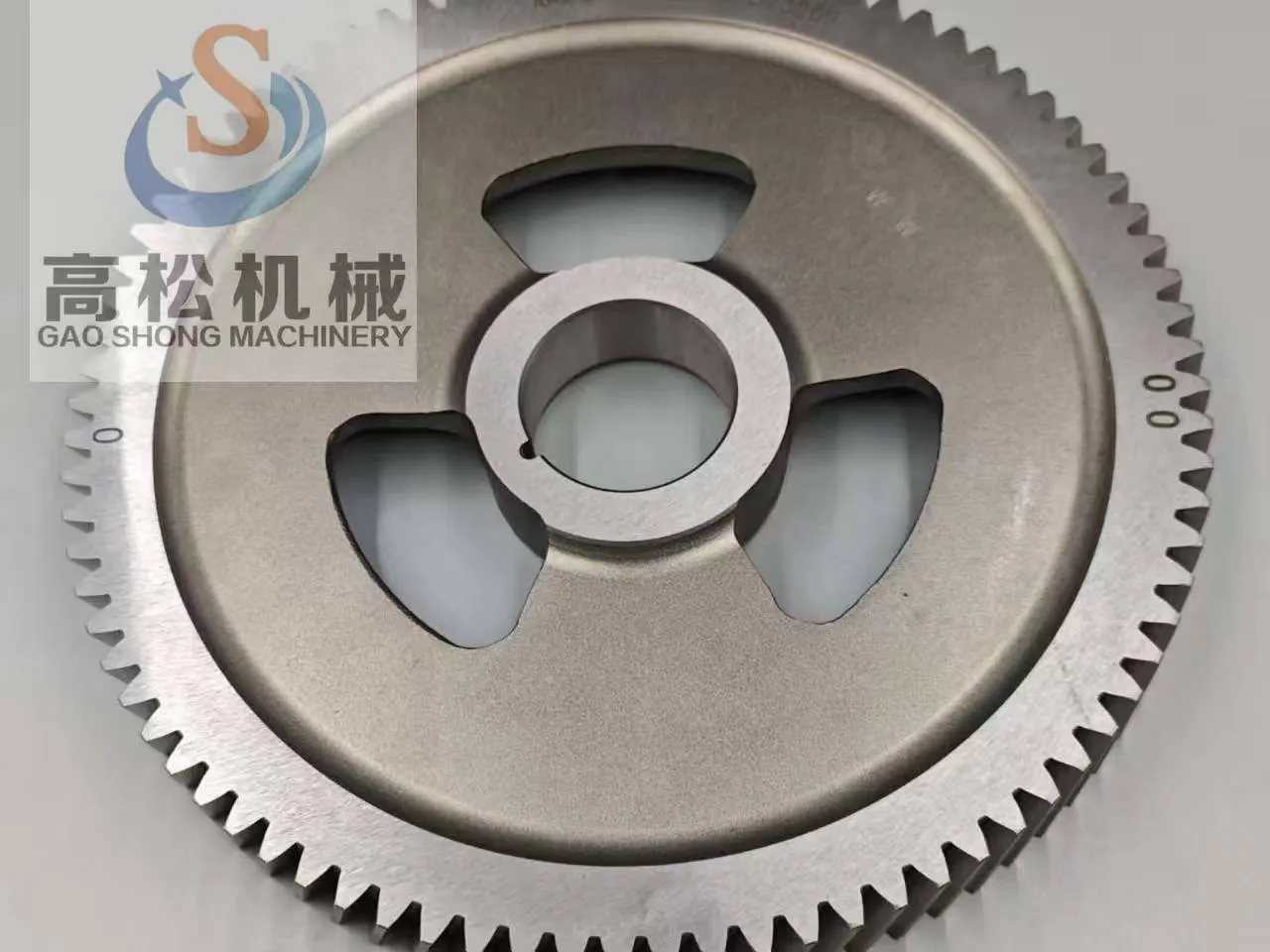 Gear 6745-41-1130 6745411130 6745-41-1131 for excavator PC300 PC350 WA430