
- Chinese
- French
- German
- Portuguese
- Spanish
- Russian
- Japanese
- Korean
- Arabic
- Irish
- Greek
- Turkish
- Italian
- Danish
- Romanian
- Indonesian
- Czech
- Afrikaans
- Swedish
- Polish
- Basque
- Catalan
- Esperanto
- Hindi
- Lao
- Albanian
- Amharic
- Armenian
- Azerbaijani
- Belarusian
- Bengali
- Bosnian
- Bulgarian
- Cebuano
- Chichewa
- Corsican
- Croatian
- Dutch
- Estonian
- Filipino
- Finnish
- Frisian
- Galician
- Georgian
- Gujarati
- Haitian
- Hausa
- Hawaiian
- Hebrew
- Hmong
- Hungarian
- Icelandic
- Igbo
- Javanese
- Kannada
- Kazakh
- Khmer
- Kurdish
- Kyrgyz
- Latin
- Latvian
- Lithuanian
- Luxembou..
- Macedonian
- Malagasy
- Malay
- Malayalam
- Maltese
- Maori
- Marathi
- Mongolian
- Burmese
- Nepali
- Norwegian
- Pashto
- Persian
- Punjabi
- Serbian
- Sesotho
- Sinhala
- Slovak
- Slovenian
- Somali
- Samoan
- Scots Gaelic
- Shona
- Sindhi
- Sundanese
- Swahili
- Tajik
- Tamil
- Telugu
- Thai
- Ukrainian
- Urdu
- Uzbek
- Vietnamese
- Welsh
- Xhosa
- Yiddish
- Yoruba
- Zulu
- Kinyarwanda
- Tatar
- Oriya
- Turkmen
- Uyghur






filter komatsu pc200 8
When you type 'filter Komatsu pc200 8' into a search, you're not just looking for a part number. You're likely in a bind, machine down, and facing the classic dilemma: go with the pricey genuine Komatsu filter or roll the dice on an aftermarket one. The common mistake is thinking they're all the same—just a canister with some paper inside. Having dealt with dozens of PC200-8 machines across different climates and job sites, I can tell you the difference isn't just in the price tag; it's in the micron rating, the bypass valve pressure, and the anti-drain back valve integrity. A cheap filter might look okay on the outside, but it can silently kill a hydraulic pump or let contaminants cycle through your final drives. I learned this the hard way years ago on a site where we tried to cut costs on a fleet of -8 models. Within 200 hours, we saw a spike in hydraulic system chatter and ended up replacing a swing motor. The supposed savings evaporated instantly.
The Core Challenge: Finding Reliable Supply
The PC200-8 is a workhorse, but its age now presents a real parts supply headache. Official Komatsu channels are straightforward but can be prohibitively expensive or slow in certain regions, leading to extended downtime. This is where the third-party and OEM product supplier network becomes critical. Companies that operate within the Komatsu system but aren't the direct manufacturer fill a vital gap. For instance, Jining Gaosong Construction Machinery Co., Ltd. positions itself as both an OEM product supplier within Komatsu's system and a third-party sales company. In practice, this means they can often provide parts that meet or exceed the original specifications, sometimes at a better lead time and cost, which is essential for operations in countries with fragmented supply chains.
Their role is more than just warehousing. A genuine OEM product supplier understands the engineering tolerances. For a filter Komatsu pc200 8, they know the exact flow rate required for the hydraulic circuit and the filtration efficiency needed to protect the CLSS system. They're not just selling a generic filter; they're providing a component that won't void your machine's warranty in many cases and will keep it running to its designed life. I've sourced filters from such suppliers for projects in remote areas, and the key is their documentation—providing cross-reference charts and material certifications that show the part's pedigree.
However, the label OEM supplier is broad. You have to vet them. Do they have the technical data sheets? Can they explain why their spin-on hydraulic filter has a specific burst pressure? I remember a call with a supplier who couldn't tell me the beta ratio of their oil filter. We passed. In contrast, useful suppliers, like the one mentioned, focus on solving specific parts supply challenges. They get that you need the right filter delivered to a port in West Africa or a mine in Mongolia, not just a warehouse in Ohio.
Beyond the Canister: Hydraulic vs. Fuel vs. Air
It's tempting to talk about the filter, but on a PC200-8, you're dealing with a system. The hydraulic filter is the most critical and often the most misunderstood. It's not just about trapping dirt; it's about maintaining stable pressure and protecting the incredibly sensitive servo valves. Using a sub-par filter here is a direct ticket to major component failure. The fuel filter is another sneaky one. The -8's common rail system is intolerant of water and particulates. A poor-quality fuel filter can lead to injector failures that cost more than a year's worth of premium filters.
The air filter seems simple, but in dusty environments, the pre-cleaner and the primary filter's sealing gasket are everything. I've seen engines with accelerated wear because a cheap air filter had a slightly warped seal, allowing unfiltered air to bypass completely. When evaluating a filter Komatsu pc200 8 from any source, I always check the gasket material and the seal design first. If it doesn't match the OEM's pliability and shape, it's going to leak.
Then there's the breather filter for the hydraulic tank—often overlooked. It's a small part, but if it fails, it lets moisture and dust into the entire hydraulic reservoir. We had a machine developing milky hydraulic oil, and after chasing cooler leaks, we found the tank breather was clogged, causing condensation, and then its filter element had disintegrated. The replacement came from a third-party supplier who specifically listed it as a Komatsu-system part, and it solved the issue. This level of detailed, often-ignored part support is what separates a parts seller from a solutions provider.
Case in Point: A Real-World Sourcing Scenario
Let me describe a recent scenario. A contractor running three PC200-8s in a Southeast Asian country faced a two-month wait for a set of genuine hydraulic and final drive filters from the local Komatsu dealer. Downtime was costing thousands per day. They reached out to a third-party sales company, specifically one like Takematsu Machinery (the operational name for Jining Gaosong). The initial question wasn't just about price; it was, Can you prove these will work without causing damage?
The supplier provided the manufacturing specs, showing the filters met JIS and Komatsu's own internal standards. They also provided the all-important cross-reference to the Komatsu part numbers (like ). But more importantly, they shared field data from similar applications. We decided to trial them on one machine, monitoring pressure differentials and taking oil samples. After 500 hours, the oil analysis came back clean, and the pressure drop across the filter was within ideal range. The filters performed. This is the practical value of a knowledgeable supplier—they bridge the information gap that creates fear around non-genuine parts.
The takeaway? The transaction wasn't just buying a filter Komatsu pc200 8; it was buying a validated solution to a parts supply challenge. The contractor secured a reliable alternate supply line, reducing future downtime risk. The supplier demonstrated their role isn't to undercut Komatsu but to complement the supply chain where it's weak.
Practical Checks and Field Judgments
So, how do you make the call in the field? First, never judge a filter by its sticker. Tear down an old one. Cut it open. Look at the pleat count and spacing. Compare the media texture to a known-good OEM filter. The aftermarket one might have fewer, wider pleats, meaning less surface area and shorter life. Check the center tube—is it sturdy metal or flimsy cardboard? The end caps should be firmly bonded, not just glued.
Second, pressure test the bypass valve if you can. This is the filter's fail-safe. If it opens too early, dirty oil circulates. If it opens too late, you get flow restriction and potential starvation. This is where true OEM product supplier quality shines—their valves are calibrated. I've tested cheap filters where the valve was basically stuck; it's a gamble you don't want to take.
Finally, trust but verify your supplier. A company that openly states it helps solve parts supply challenges in certain countries is targeting a real pain point. Engage them technically. Ask for their failure rate data, their source factories, their quality control process. If they're evasive, move on. The right supplier will welcome these questions because it proves they're dealing with a knowledgeable buyer, not just a price shopper.
Wrapping It Up: A Matter of Risk Management
Ultimately, sourcing a filter Komatsu pc200 8 is an exercise in risk management. The 100% safe path is the genuine part from the dealer. But when that path is blocked by cost, logistics, or time, the ecosystem of OEM product supplier networks and competent third-party companies becomes essential. Their value isn't just in having a part in stock; it's in having the correct part that won't fail your machine.
Companies like Jining Gaosong, operating as Takematsu Machinery, exist because the global equipment market isn't perfect. They address the friction in the system. For a machine as ubiquitous as the PC200-8, this support is what keeps fleets running long after the official dealer support in a region has waned or become uneconomical.
My advice? Build a relationship with a reputable supplier before you're in a crisis. Order a trial batch of filters—hydraulic, fuel, air—and do your own controlled evaluation. Monitor your machine, cut open the used filters, and check your oil analysis. If it checks out, you've just built yourself a valuable insurance policy against downtime. That's the real goal, isn't it? Keeping the machine working, reliably, regardless of the label on the filter canister.
Related Products
Related Products

Best Selling Products
Best Selling Products-
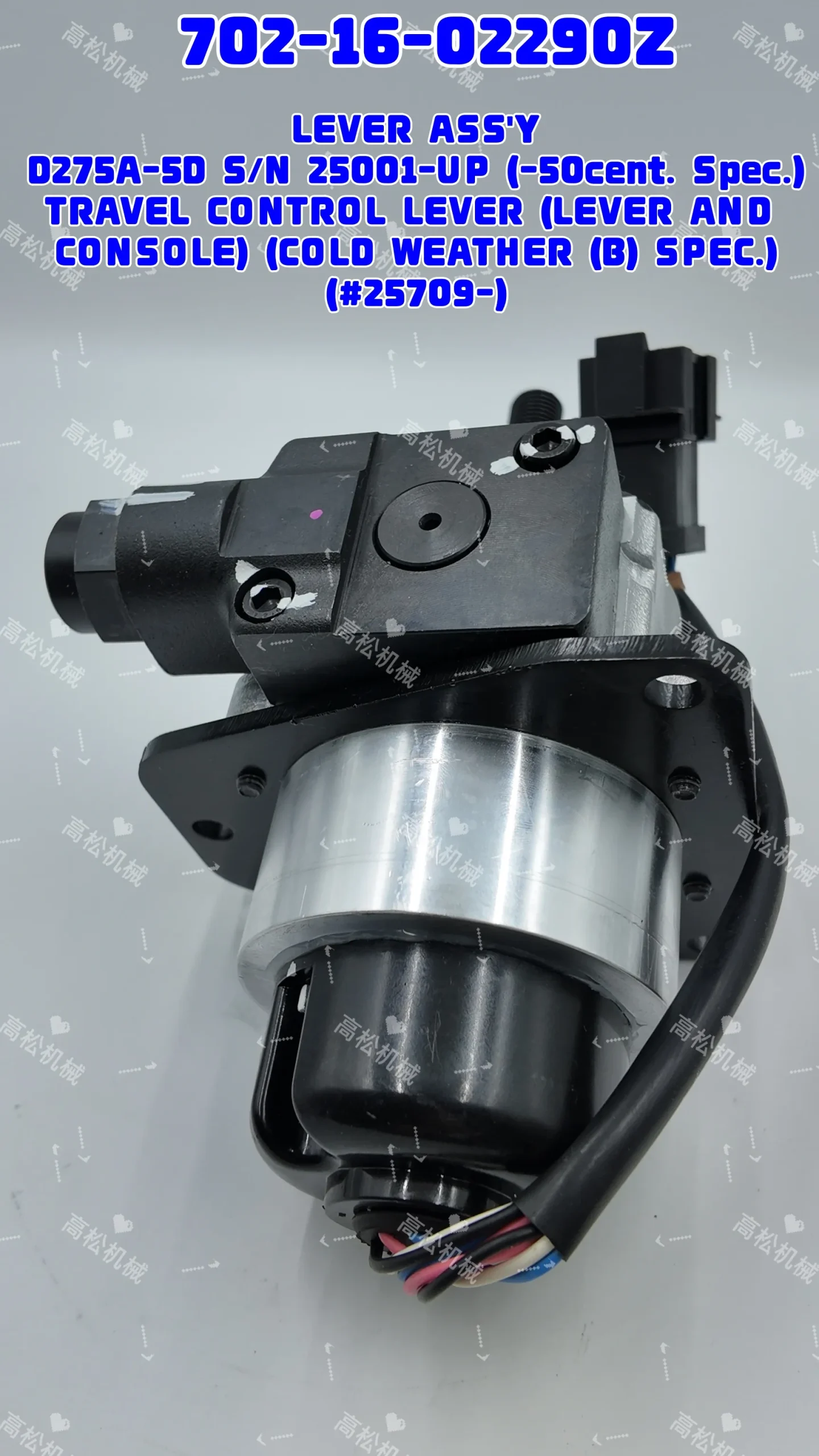 702-16-02290 Original Lever Assy for Bulldozer D275A-5r D65ex-16 D65px D155ax-6 in Stock
 -
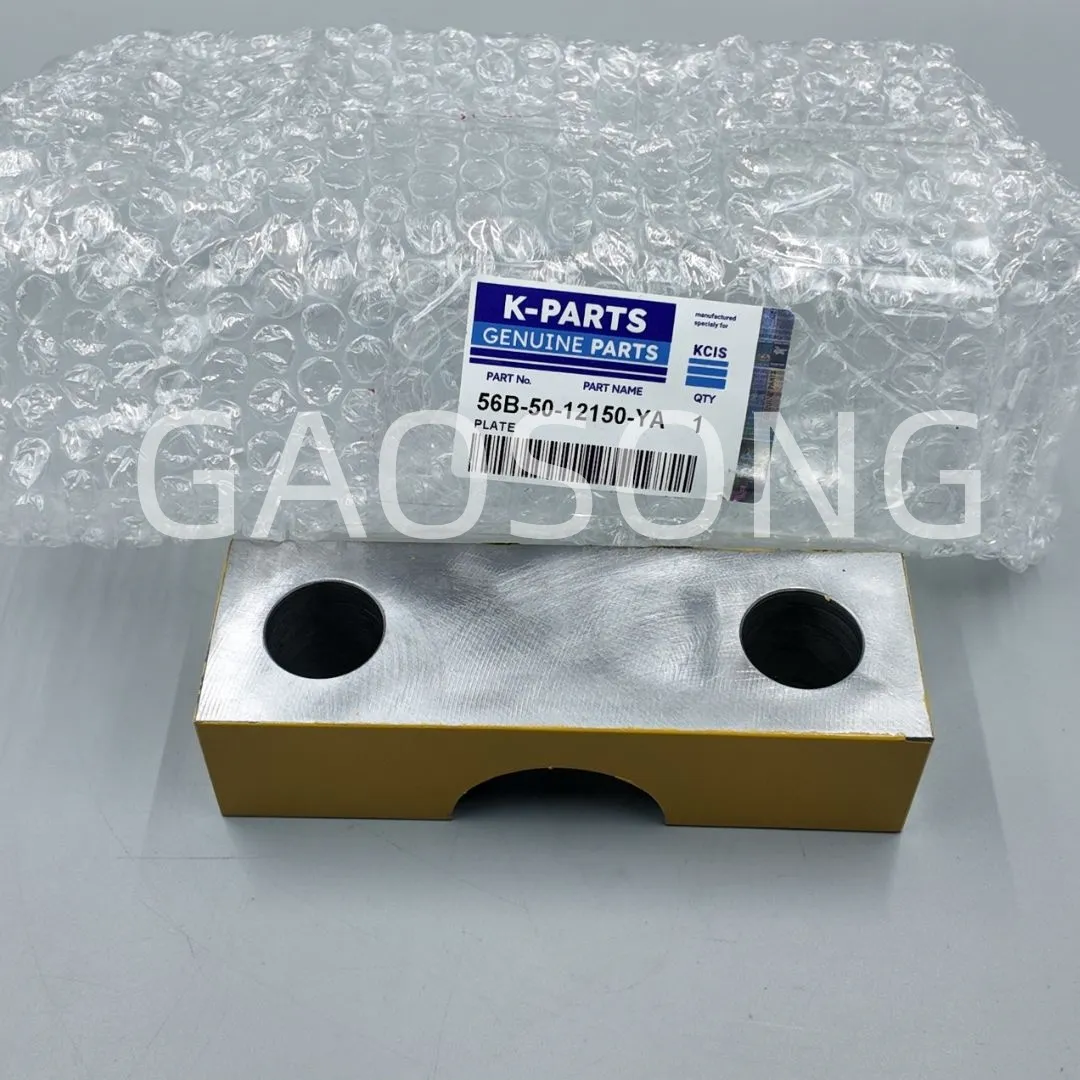 56B-50-12150 PLATE-Komatsu Original Factory
 -
21N-25-31130 Komatsu harness – Komatsu
-
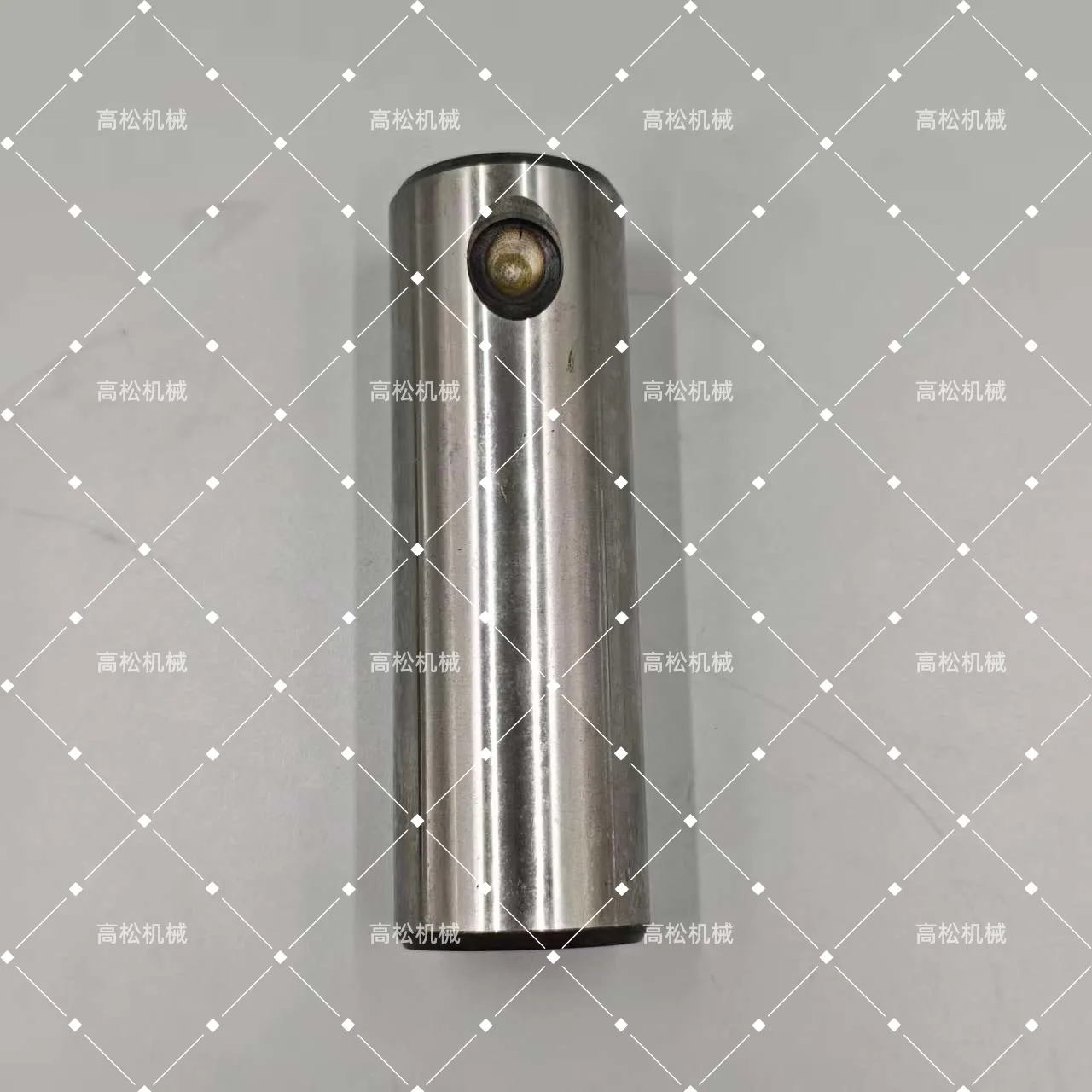 424-22-12510 •• PIN-Komatsu Original Factory
 -
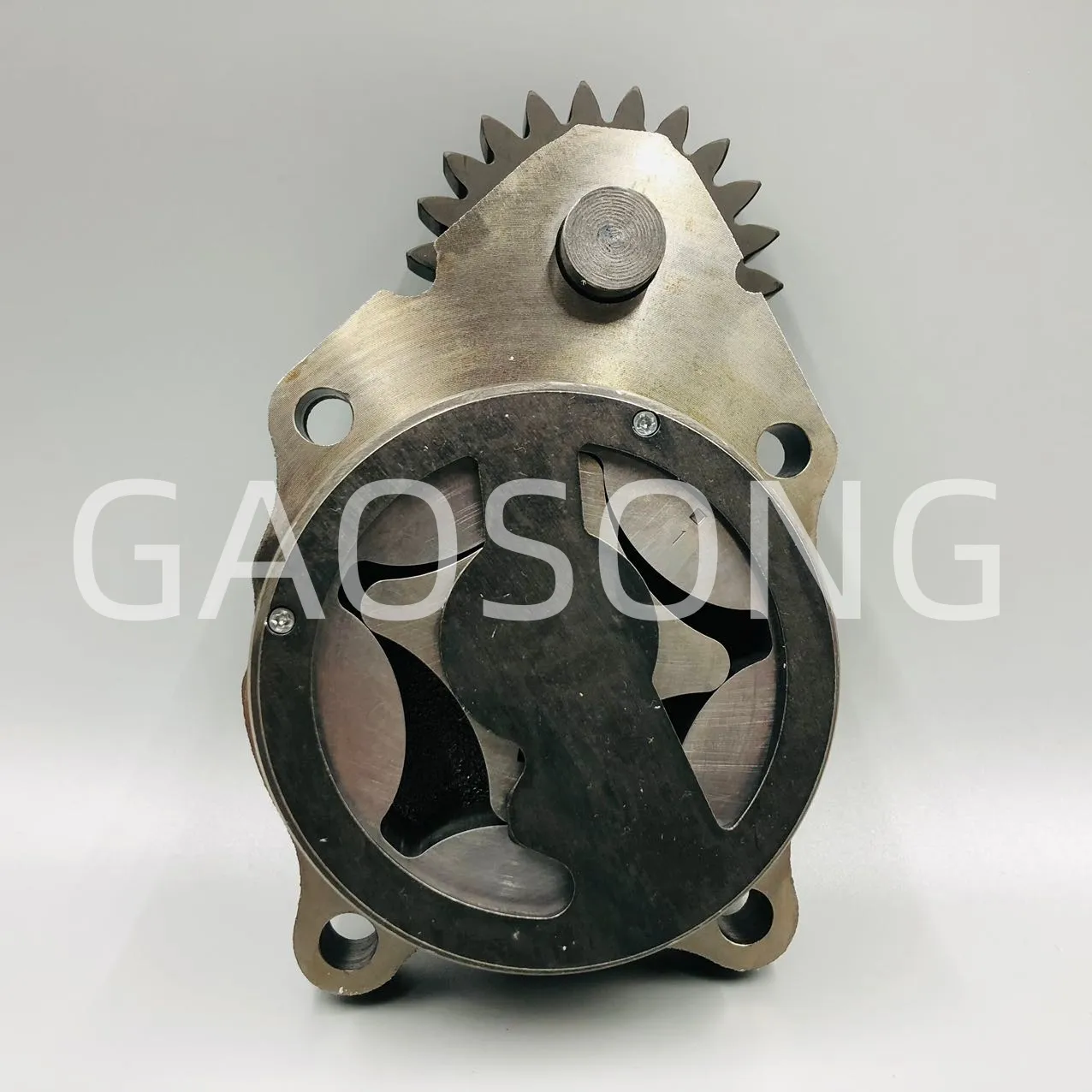 6754-51-1111 Pump Assembly, Oil-Komatsu Original Factory
 -
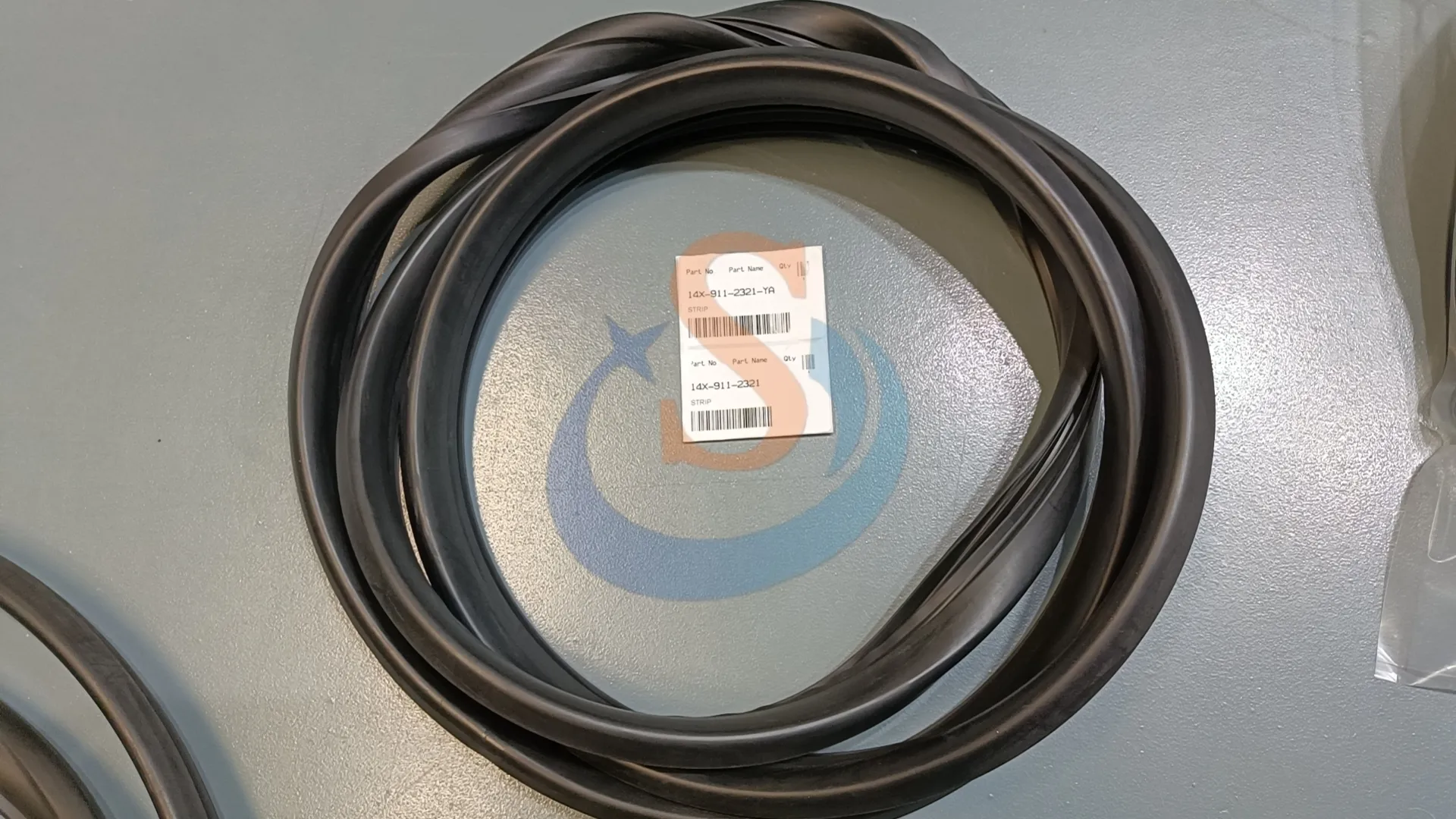 14X-911-2321,STRIP,D60P,D65EX,D155A,D375A
 -
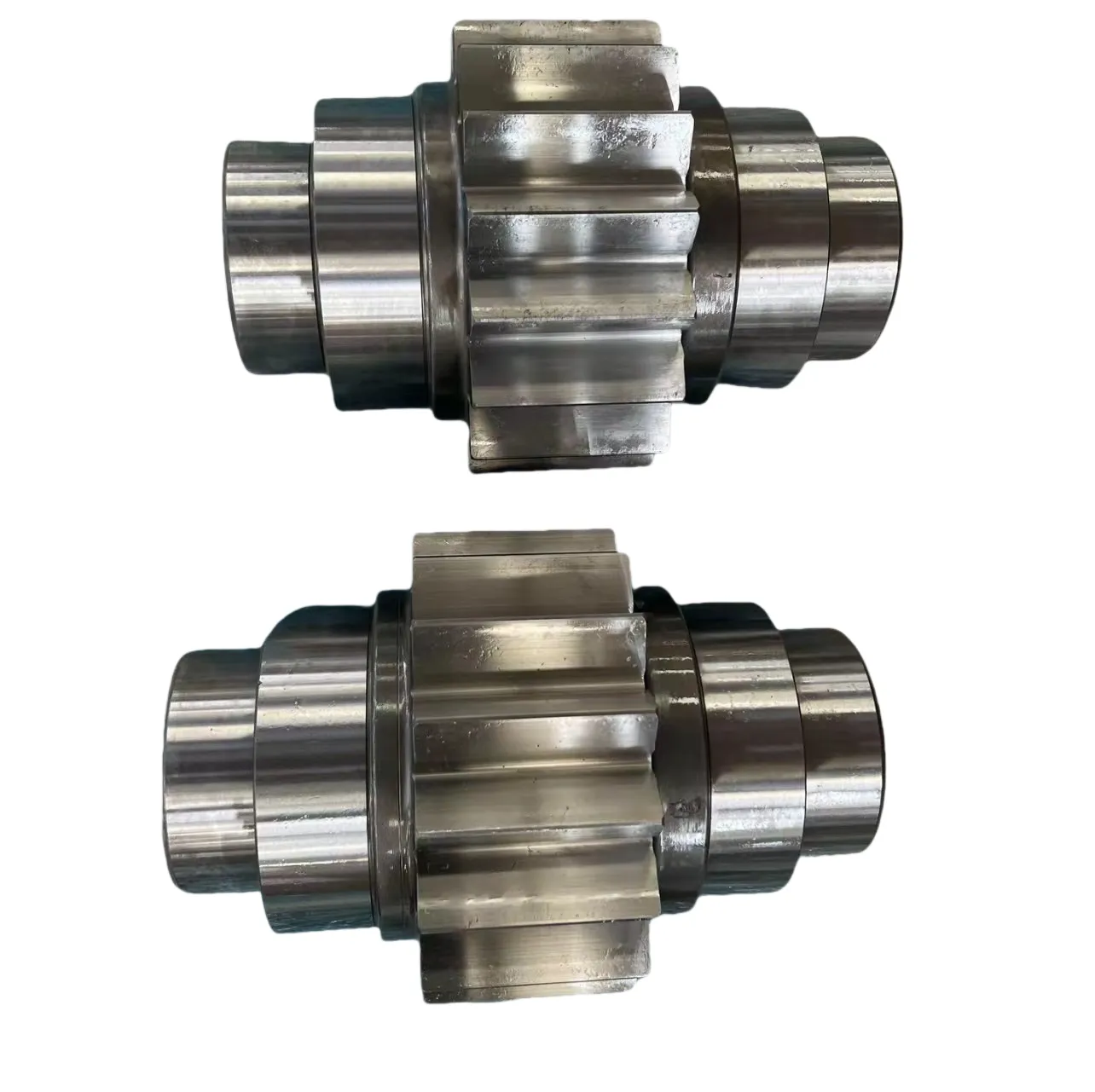 D475A-5 Final Drive Gear 198-27-45163
 -
 SEAL RING 155-15-12811 Dump Truck Transmission Kit D85A-18 NT855
 -
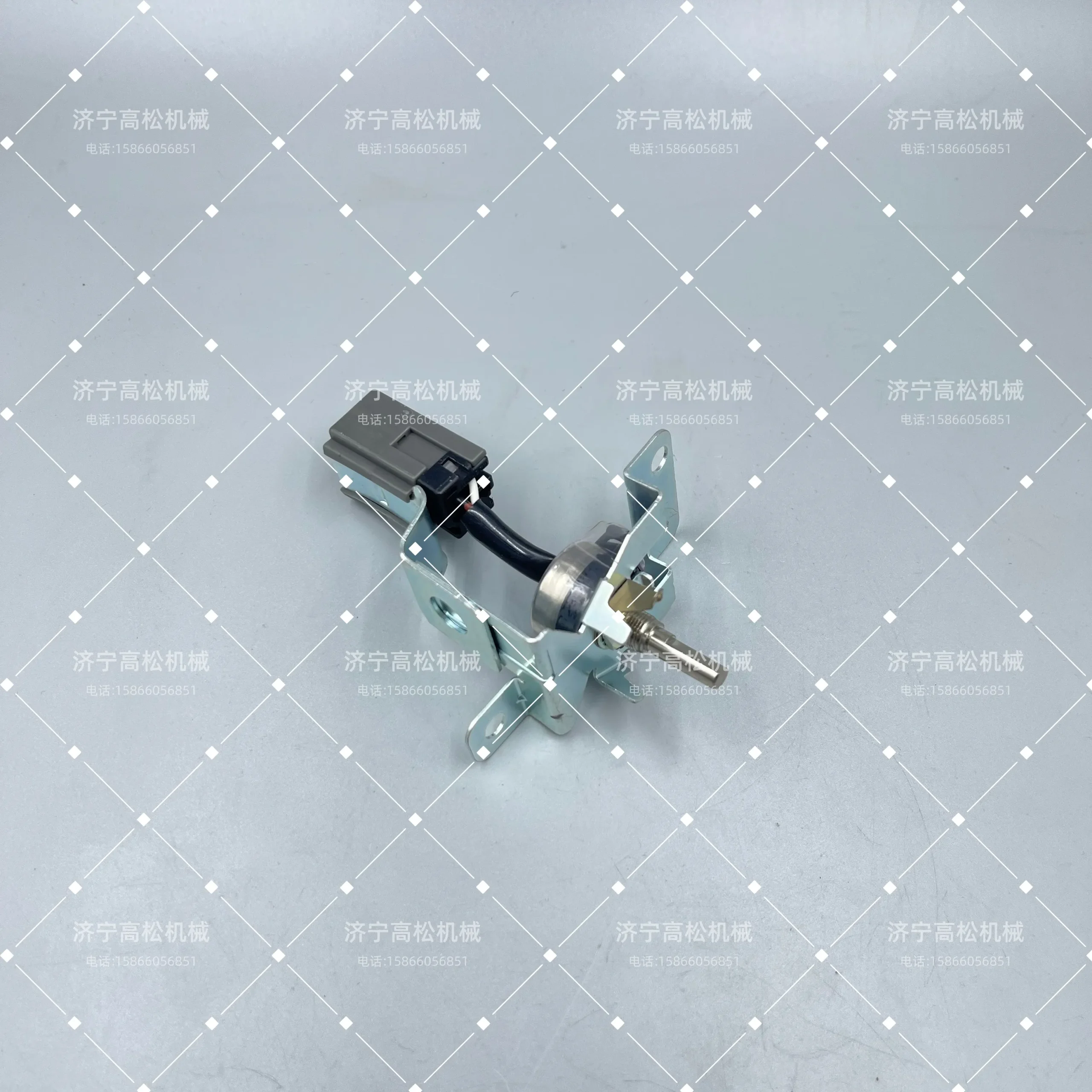 Komatsu PC200-7 PC200-8 Throttle Rotary Knob CAP 22U-06-22420
 -
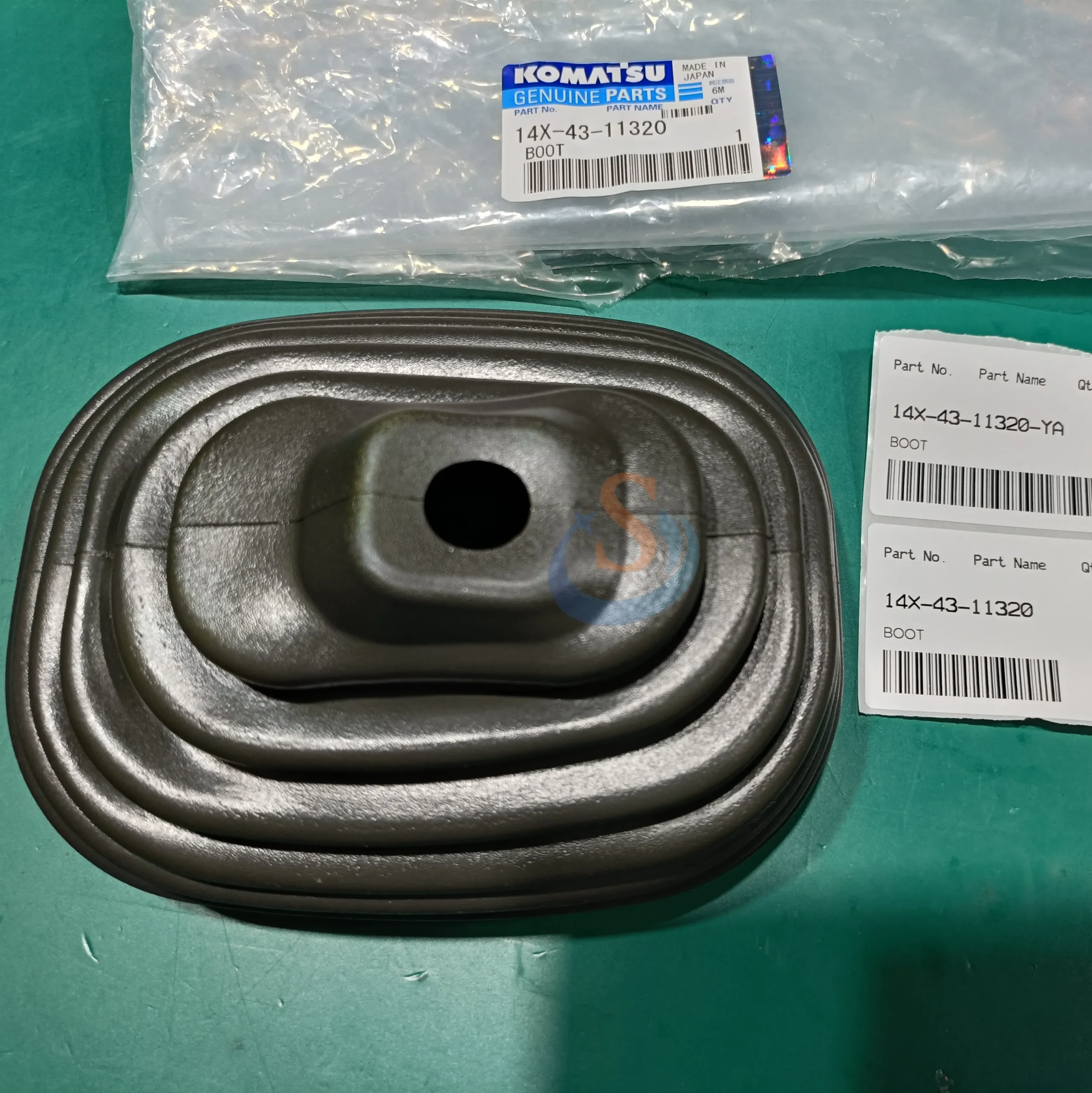 14X-43-11320,BOOT,D65PX,D85E,D155A
 -
 56B-15-19210 RING
 -
 Original komatsu HD785-7 Valve Assembly 561-15-75500